The Cheap Premium Offer That Comes With A Catch
If your insurer offers a lower rate in exchange for access to your vehicle data, the tradeoff is real. In recent years, nearly ever automaker, data broker, and insurer has built new systems that can turn your driving behavior into insurance risk scores. And concern isn't just paranoia. The savings can be real, but so are the privacy concerns.

Why This Suddenly Became A Big Deal
Usage-based insurance has been around for years. It usually relied on a plug-in device or a phone app to track how, when, and how far you drove. Then many drivers learned that some newer cars were generating connected-vehicle data that could also make its way into insurance-related systems. That became a much bigger story in March 2024, when The New York Times reported that drivers discovered their data had been used to affect quotes and premiums.
The Report That Got Drivers’ Attention
On March 11, 2024, The New York Times published a report by Kashmir Hill about motorists who said they had no idea their driving data was being shared in ways that reached insurers. The article focused on data broker LexisNexis Risk Solutions and said some drivers found details like hard braking, speeding, and late-night driving in reports tied to them. For many people, that was the moment this stopped sounding theoretical.
 New America, Wikimedia Commons
LexisNexis Was In The Middle Of It
LexisNexis Risk Solutions quickly became a key part of the story because it compiles consumer reports and insurance risk products used by insurers. After the public attention in 2024, the company said consumers can request copies of certain reports and ask for corrections if needed. That mattered because drivers suddenly wanted to know what had been collected, where it came from, and who had seen it.
 Raysonho @ Open Grid Scheduler / Grid Engine, Wikimedia Commons
General Motors Changed Course
On March 22, 2024, General Motors said it would stop sharing driving behavior information from OnStar Smart Driver with LexisNexis Risk Solutions and Verisk. GM also said it ended enrollment in Smart Driver for all vehicles after media scrutiny and customer backlash. That quick shift showed how fast this issue moved from buried policy language to a national consumer story.
 Raysonho @ Open Grid Scheduler / Scalable Grid Engine, Wikimedia Commons
What Smart Driver Was Meant To Do
GM marketed OnStar Smart Driver as a tool to help customers understand their driving habits. According to GM materials, it could track events like hard braking, rapid acceleration, and other behaviors. The privacy concern was not just that the car could collect this information, but that many drivers said they did not realize it could be shared in ways that might affect insurance pricing.

Verisk Also Backed Off
Verisk said in 2024 that it would pause new business tied to telematics data from automakers. That mattered because Verisk has long been a major data and analytics company in the insurance world. If one company gathers the data, another scores it, and an insurer uses it to set prices, the effect on drivers can be the same even if the chain is hard to follow.
Then Regulators Started Looking Closer
After the March 2024 reporting, U.S. senators sent letters to automakers and data brokers asking how connected-car data was being collected and shared. The Federal Trade Commission had already been signaling concern about connected vehicles and surveillance-style data practices. Once lawmakers and regulators get involved, the question is no longer just what is legal under a privacy policy, but what consumers actually understood.

The FTC Warned That Cars Are Becoming Data Machines
In a blog post published in 2024, the FTC warned that modern vehicles increasingly act like connected devices that collect, share, and monetize personal information. The agency raised concerns about sensitive location data, detailed driving patterns, and murky data-sharing systems. That is a strong sign that privacy issues around cars are no longer a niche topic.

Carmakers Were Already Facing Privacy Questions
In September 2023, the Mozilla Foundation published a widely discussed privacy review of car brands and concluded that modern cars were a privacy nightmare. Mozilla found that many brands said they could collect broad categories of personal data and share or sell information under certain conditions. That report did not prove every company handled data the same way, but it helped show how big the issue could be.
What Kind Of Data Are We Talking About
The data can include mileage, trip times, speeding events, hard braking, rapid acceleration, and sometimes location-related details. In insurance, those factors may be used to estimate risk because they can hint at how aggressively, how often, or at what hours you drive. The more detailed the data gets, the more personal the tradeoff becomes.

Why Insurers Want It
Insurers have a simple business reason to chase driving data. Traditional rating factors like age, address, claims history, and vehicle type offer broad clues, but telematics promises behavior-based pricing tied to how you actually drive. In theory, that can help safer drivers pay less, but it also pushes more surveillance into everyday life.

Usage-Based Insurance Is Older Than This Controversy
Programs that reward monitored driving were around long before the connected-car uproar of 2024. The Insurance Information Institute has described telematics-based programs as tools that can use mobile apps, plug-in devices, or built-in vehicle systems to judge driving habits. So the basic idea is not new. What changed is that built-in car data made the privacy stakes feel much more immediate.
Built-In Tracking Feels Different From An App
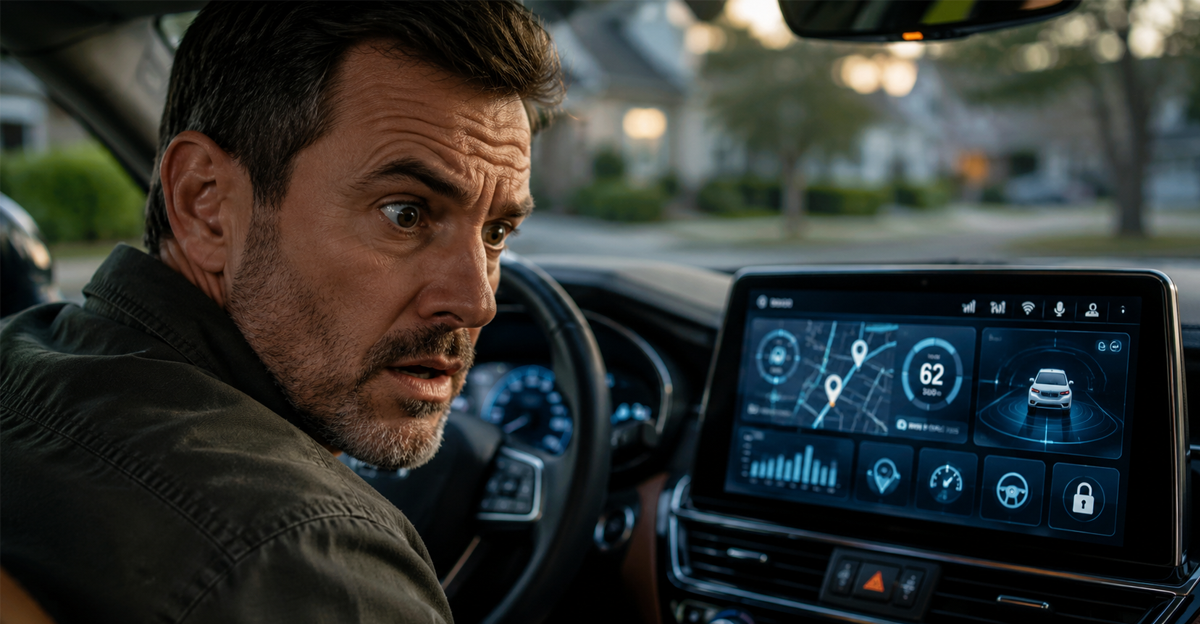
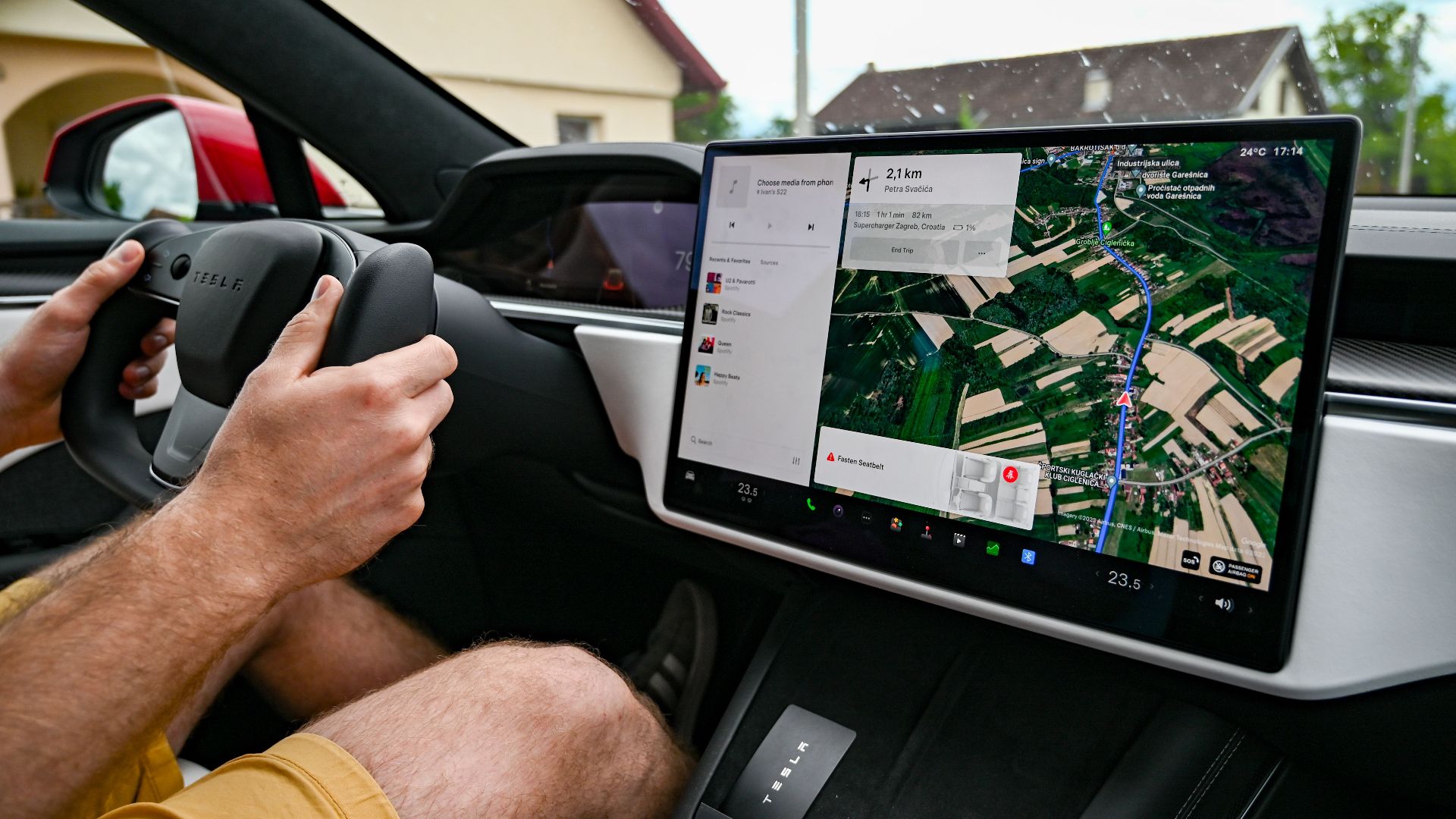
Many drivers understand that a phone app or a device plugged into the OBD-II port is tracking them because they had to install or enable it themselves. Data generated by a connected vehicle can feel much less visible, especially if a driver signed up for a feature without realizing how far the data could travel. That gap in awareness is one big reason people reacted so strongly in 2024.

Consent Is The Whole Fight
The key question is whether you are really giving informed consent. If an insurer clearly explains what data is collected, who gets it, how long it is kept, and whether it can raise rates as well as lower them, then you can make a real choice. If those answers are buried in fine print or spread across multiple companies, the deal looks a lot less appealing.

Could Sharing Data Actually Save You Money
Yes, it can. Many insurers offer usage-based or behavior-based discounts, and some safe drivers do save money, especially if they drive fewer miles, avoid late-night trips, and brake smoothly. But the amount varies a lot by insurer, state, and program, so there is no guaranteed payoff.

The Savings May Be Smaller Than The Pitch
The sales pitch often focuses on possible savings, not guaranteed ones. Some programs give a discount just for signing up, but the long-term result may depend on what the system thinks about your driving. Before enrolling, it makes sense to ask about the worst-case outcome as well as the best-case one.

Not Every Program Is Risk-Free
Some insurers present telematics as a discount-only program, while others can use the data more broadly at renewal, depending on state rules and company policy. That difference matters a lot. A program that can only lower your rate is a very different deal from one that can also help justify a higher premium later.

The Data Does Not Always Tell The Full Story
Driving data may sound objective, but sensors and scoring models are not perfect. A hard-braking event might mean defensive driving to avoid a crash, stop-and-go city traffic, or another driver cutting you off. If the system records the event without context, you could be judged by a score that misses what really happened.

Location Privacy Is The Biggest Flashpoint
The most sensitive issue may not be speed or braking at all. It may be location. A detailed travel record can reveal where you work, where you sleep, what doctors you visit, and the routines that shape your life. That is why privacy advocates see vehicle data as much more than a simple driving report card.

Security Matters Too
Even if you trust your insurer, every extra company handling your data creates another point of risk. Data can be stored, reused, breached, or combined with other records in ways you never expected. Privacy is not just about what a company plans to do today, but what can happen to a growing archive over time.

How To Check Whether Your Data Is Already Out There
One practical step is to request your consumer disclosure from LexisNexis Risk Solutions if you think driving data has been used in insurance decisions. The company offers a process for consumers to access certain reports and dispute inaccuracies. That will not answer every question, but it can show whether telematics-related information is sitting in a file tied to your name.

Questions To Ask Before You Say Yes
Ask exactly what data is collected, whether location is included, which companies receive it, and whether the data can be sold, shared, or used for anything beyond your current policy. Ask how long the data is kept and whether you can delete it later. And ask the biggest money question of all: can your premium go up based on what the system finds?

When It Might Be Worth It
If you drive infrequently, avoid higher-risk hours, have smooth habits, and can join a program that offers only upside, sharing data may be a fair trade. It can also make sense if the insurer gives clear disclosures and makes opting out easy. In short, the math can work if the privacy terms are tight and the savings are meaningful.

When It Probably Is Not Worth It
If the discount is vague, the data-sharing language is broad, or the program can later hurt your rates, caution is probably the better move. The same goes if you are uncomfortable with location tracking or with your car becoming a rolling data source for multiple companies. A small monthly discount may not be worth giving up long-term control.

The Bottom Line For Drivers
Saving money can be worth it, but only if you know exactly what you are giving up and what you are getting in return. The events of 2024 showed that many drivers did not fully understand how connected-car data could move from the vehicle to data brokers and insurers. Any lower-rate offer deserves the same scrutiny as a contract, because once your driving data starts moving, it can be hard to pull it back.