The Breakdown That Can Wreck The Honeymoon
It's what anyone who's bought a pre-owned car is worried about. You finalize the sale, drive it home, and a week later it dies on the side of the road. That's a miserable feeling, but it does not always mean you are stuck with the bill. What happens next depends on who sold you the car, what the paperwork says, and what your state’s laws do for used-car buyers.
 MART PRODUCTION, Pexels, Modified
The First Thing To Figure Out Is Who Sold It
Your options change a lot depending on whether you bought from a franchised dealer, an independent used-car lot, or a private seller. Dealer sales often trigger federal disclosure rules and may include an express or implied warranty. Private-party sales are usually harder to fight unless the seller lied or broke a specific state law.

The Buyers Guide Is More Important Than It Looks
The Federal Trade Commission requires dealers to post a Buyers Guide on used cars they offer for sale. That form tells you whether the vehicle is being sold “as is” or with a warranty, and it became even more important after updates to the FTC’s Used Car Rule took effect in 2024. If the Buyers Guide says one thing and the sales contract says another, that can matter a lot.

What The FTC Requires Dealers To Tell You
The FTC’s Used Car Rule has long required dealers to display a Buyers Guide before a used vehicle is sold. The agency updated the rule in December 2022, with compliance required in July 2024, to add details including a warning about vehicle history reports and to make the disclosures easier to understand. In other words, that window form is not just for show. It is part of the record of the sale.

“As Is” Does Not Always Mean You Have No Rights
An “as is” sale usually means the seller is trying to disclaim implied warranties, so the buyer takes the car with existing problems. But “as is” does not let a dealer or seller commit fraud, hide title issues, or make false promises. If someone said the car had no major problems while knowing it had a serious defect, that is a very different situation from simple bad luck.

If There Is A Written Warranty, Read It Closely
A used car may come with a dealer warranty, leftover manufacturer coverage, or a separate service contract. The Magnuson-Moss Warranty Act is the main federal law covering consumer product warranties, and the FTC says written warranties must be available for buyers to review before purchase. If the breakdown involves a covered part and the warranty is still active, you may have a clear path to repairs.

Implied Warranties Can Still Matter
Even when no bold promise is printed on the paperwork, implied warranties may still apply in some dealer sales unless they were properly disclaimed. The FTC explains that implied warranties are unwritten promises that a product will do what it is supposed to do, and some states limit or block disclaimers in certain situations. That is one reason your state attorney general or consumer protection office can become important fast.

A Service Contract Is A Different Thing
Many buyers leave the lot with a service contract and assume it works like a warranty. It does not. The FTC explains that a service contract is a separate agreement to cover certain repairs, and the fine print matters. Covered parts, deductibles, waiting periods, and approved repair shops can all decide whether a claim gets paid or denied.

There Is A Catch With “As Is” Sales
The FTC says that when a dealer offers a written warranty, federal law may prevent that dealer from disclaiming implied warranties. The same issue can come up if the dealer sells you a service contract within 90 days of the sale. So if the car was described as “as is” but you were also sold coverage at the same time, the legal picture may be more complicated than it first appears.

Private Seller Deals Are Usually Harder To Challenge
If you bought from a private seller, the sale is often basically “as is” unless your state says otherwise. That means a breakdown a week later may leave you with fewer built-in protections than a dealer sale. Still, if the seller rolled back the odometer, hid flood damage, lied about the title, or made false written promises, you may still have a claim.
Odometer Fraud Is A Big Deal
The National Highway Traffic Safety Administration says odometer fraud costs car buyers more than $1 billion each year. If the mileage was faked, the car may be worth much less than you paid and may have far more wear than you were led to believe. Low mileage that does not match service records or a vehicle history report should raise questions right away.

Title Brands Can Change The Whole Story
A car that looks fine on the lot can still have a salvage, rebuilt, junk, or flood history that affects both value and reliability. The National Motor Vehicle Title Information System lets consumers check certain title, salvage, and insurance total-loss information before buying. If the vehicle had a serious past that was not disclosed, that can become a key part of your complaint.

Vehicle History Reports Help, But They Have Limits
Carfax and AutoCheck reports can show accidents, title events, and mileage records, but they only include information that was actually reported. The FTC added a warning on the Buyers Guide telling shoppers to ask for the vehicle history report and check for problems. A clean report helps, but it is not proof that the car is truly clean.

Start Gathering Evidence The Day The Car Fails
If the check engine light comes on, the transmission slips, or the car will not start, start documenting everything immediately. Save the bill of sale, financing paperwork, Buyers Guide, warranty papers, service contract, text messages, online listing, and any ad language used to describe the car. Take photos and video of the problem, because what feels obvious now can get harder to prove later.

Get It Checked By An Independent Mechanic Fast
A quick inspection can answer the question that matters most. Is this a sudden new problem, or was it likely there before the sale? Ask the shop for a written diagnosis with notes about worn parts, visible leaks, trouble codes, and whether the condition looks like it has been building for a while.
 Hryshchyshen Serhii, Shutterstock
Timing Can Strengthen Your Case
A breakdown one week after purchase does not automatically prove the seller did anything wrong. But a short timeline can be strong evidence when it is paired with a mechanic’s opinion that the defect did not just appear overnight. The closer the failure is to the sale date, the more important every receipt, diagnostic report, and statement becomes.

Go Back To The Seller Calmly And In Writing
Start with a clear request for repair, reimbursement, or rescission, depending on the facts. Keep it polite, direct, and factual, and send it in a way that creates a paper trail, like email. A phone call may help, but written communication is much easier to use later if the dispute gets bigger.

Do Not Skip The Arbitration Clause
Many dealer contracts include arbitration clauses that affect how disputes must be handled. Those clauses may limit your ability to go straight to court and instead push the case into arbitration. Read the contract carefully so you know what path the paperwork requires.

Your State Might Have A Used Car Lemon Law
This is where state law can really matter. Some states go further than federal law. For example, Massachusetts has a used vehicle warranty law that can require dealers to repair certain defects that hurt the car’s use or safety during a set warranty period based on mileage. Other states also have used-car lemon laws or dealer warranty rules, but the details vary a lot.
 King of Hearts, Wikimedia Commons
New Car Lemon Laws Usually Do Not Apply
Many drivers hear “lemon law” and assume it covers every bad car purchase. Usually, it does not. Most lemon laws mainly cover new vehicles, though some states extend protections to certain used cars. That is why it is so important to check your own state attorney general or consumer agency website instead of guessing.

The CFPB May Matter If Financing Is Part Of The Mess
If the problem involves financing, add-on products, packed payments, or misleading loan terms, the Consumer Financial Protection Bureau may be relevant. The CFPB takes complaints about auto loans and has warned consumers about add-ons and deceptive practices. A car can break down mechanically and still involve a separate financing problem.
 Tony Webster, Wikimedia Commons
Military Buyers May Have Extra Help Available
Service members and their families may be able to get added support through legal assistance offices and military consumer resources. The CFPB has also published guidance for servicemembers on auto finance and vehicle issues. That will not repair a bad engine, but it can help you move faster and stay organized.

Complaints To Regulators Can Add Pressure
You can file complaints with your state attorney general, state consumer protection office, motor vehicle dealer regulator, the FTC, and in some cases the CFPB. A complaint does not guarantee you will get money back, but it creates a paper trail and may prompt a response from the business. Dealers often take written regulatory complaints more seriously than angry phone calls.

Small Claims Court Can Be A Real Option
If the amount you are fighting over falls within your state’s limit, small claims court may be a practical way to recover repair costs or other losses. Bring your contract, Buyers Guide, mechanic’s report, repair estimate, advertisements, and communication history. Judges usually care most about documents, timelines, and whether the seller made a false statement or broke a clear legal duty.

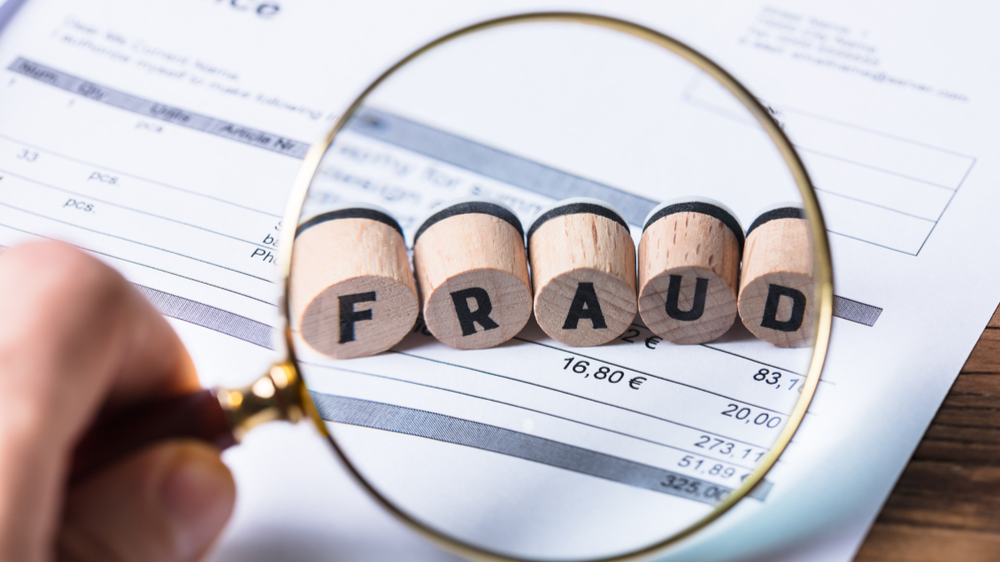
Fraud Changes Everything
If the seller hid flood damage, forged maintenance records, tampered with the odometer, or lied about major defects, the case may be more than a warranty dispute. Fraud can open doors that an “as is” label cannot shut. The hard part is proving it, which is why records and an expert inspection matter so much.
The Hard Truth About Buyer’s Remorse And Seller Misconduct
Sometimes a used car fails because used cars fail. Age, mileage, delayed maintenance, and plain bad luck all play a role, and not every breakdown means someone broke the law. The strongest cases usually involve a short timeline, a documented pre-existing defect, and a disclosure or promise that does not match the reality.

The Smartest Move Is Moving Fast
Waiting is the worst thing you can do after a post-purchase breakdown. The longer you wait, the easier it is for the seller to argue that the problem started after the sale or was caused by your use. Pull together your paperwork, get a diagnosis, review your Buyers Guide and contract, and check your state-specific protections right away.

So Are You Completely On Your Own
Not always. If you bought from a dealer, got a warranty, were sold a service contract, saw misleading statements, or live in a state with stronger used-car protections, you may have real options. Even in an “as is” sale, fraud, title issues, and odometer problems can still give you leverage.