Keep An Eye On These Cars
Some cars age like fine wine, and so do their buyers. But while these vehicles appeal to older drivers for comfort and prestige, insurers often see them differently. The result is a subtle pricing penalty that shows up in your premium.

Why Insurance Costs Do Not Always Match Driver Age
Older drivers are statistically safer than younger ones in many cases. Yet insurance pricing depends heavily on the vehicle itself, not just the driver. That means a calm, experienced driver can still pay more if the car is expensive to repair or replace.

What “Quietly Penalized” Really Means
Insurance companies rarely explain pricing in plain language. Instead, they rely on actuarial models that factor in repair costs, theft rates, and claim severity. When those numbers are high, premiums rise regardless of who is behind the wheel.

How Insurers Separate Driver Risk From Vehicle Risk
Organizations like the Insurance Institute for Highway Safety adjust loss data to remove driver-related variables such as age. This allows insurers to evaluate the car’s inherent risk profile. In practice, it means some vehicles carry higher premiums even for low-risk drivers.

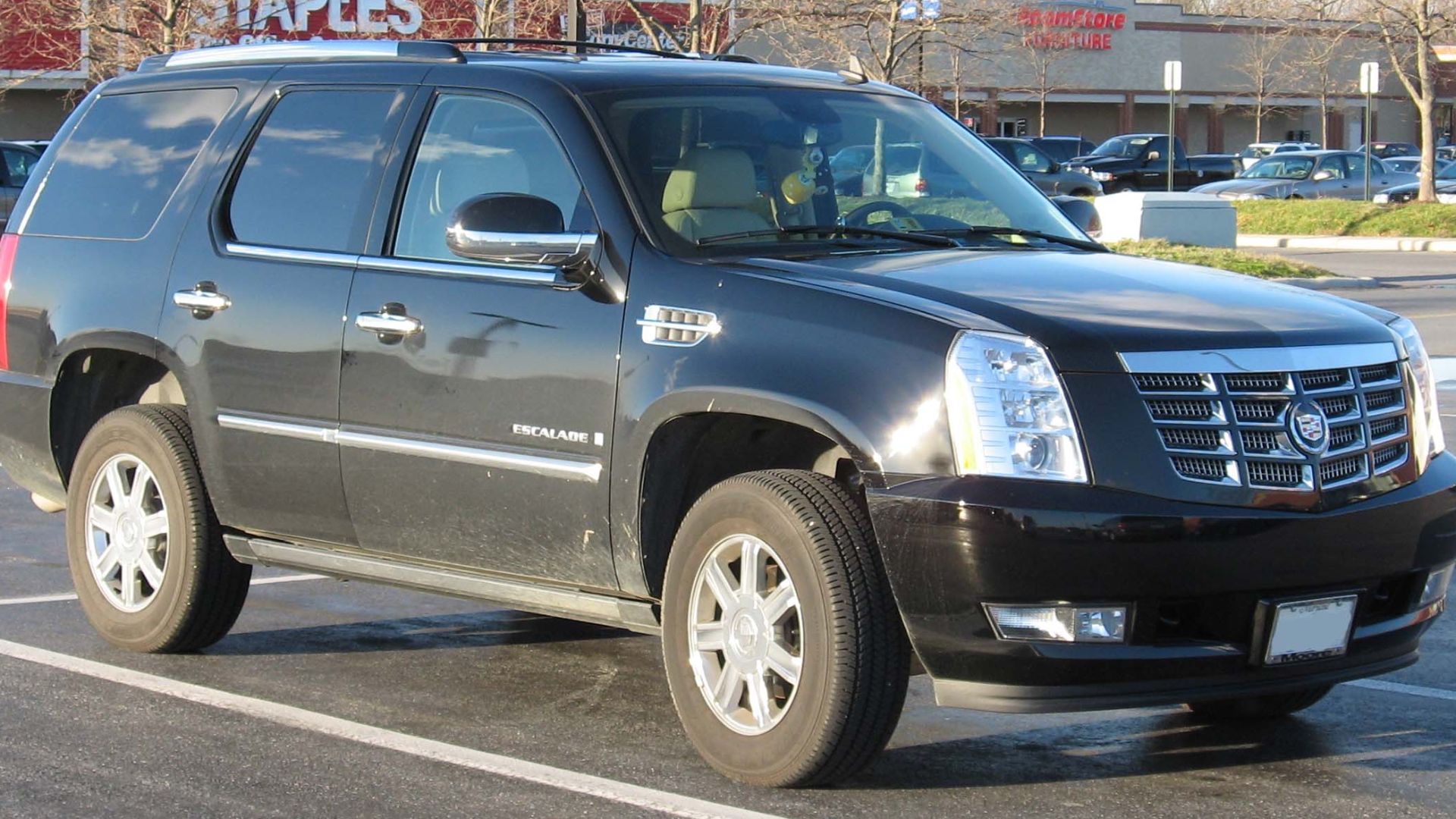
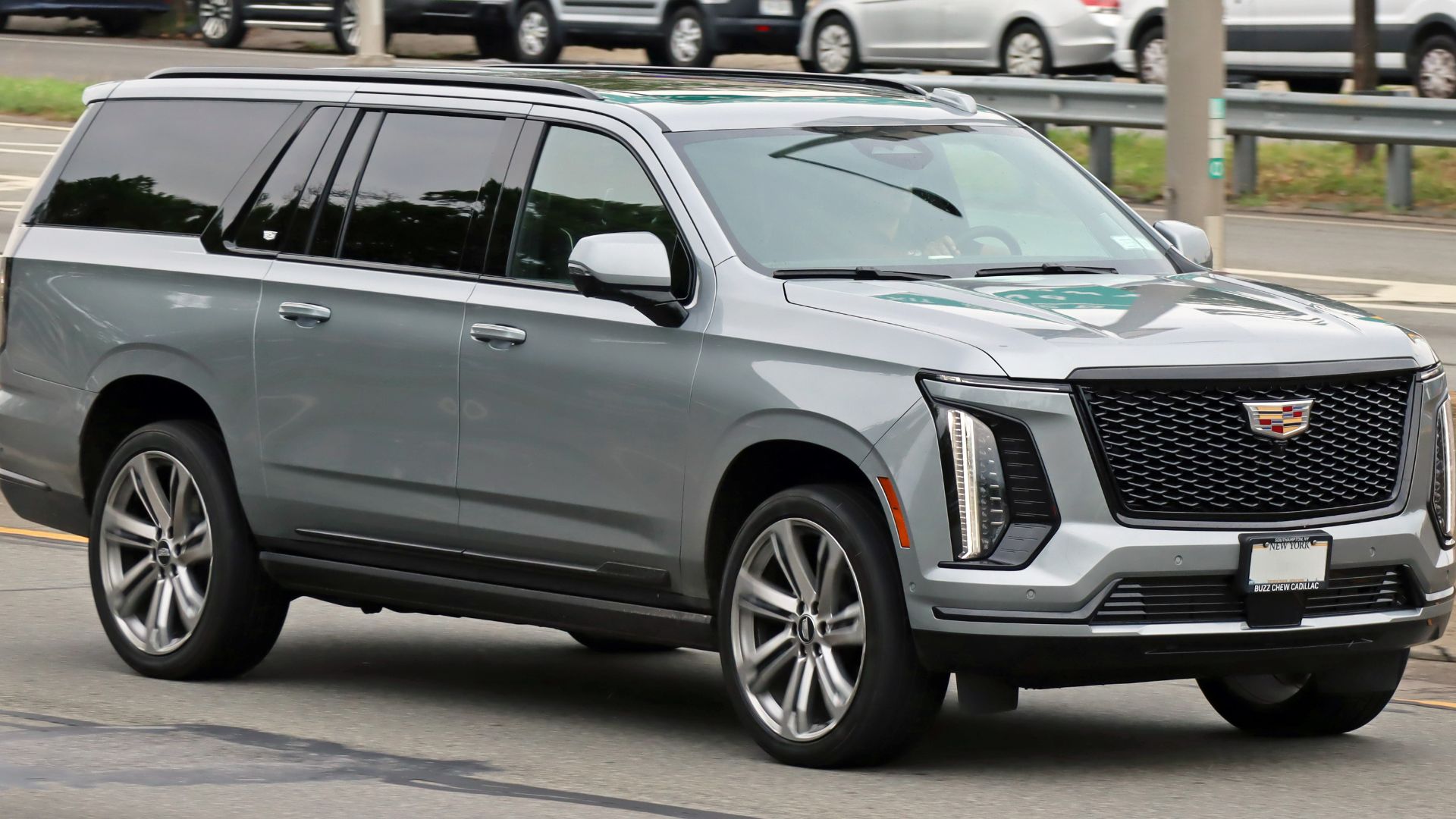
Cadillac Escalade: Big Luxury, Big Premiums
The Cadillac Escalade is a longtime favorite among older buyers who want space and status. However, its size and expensive components make it costly to insure. Average annual premiums can exceed $3,300 for full coverage.
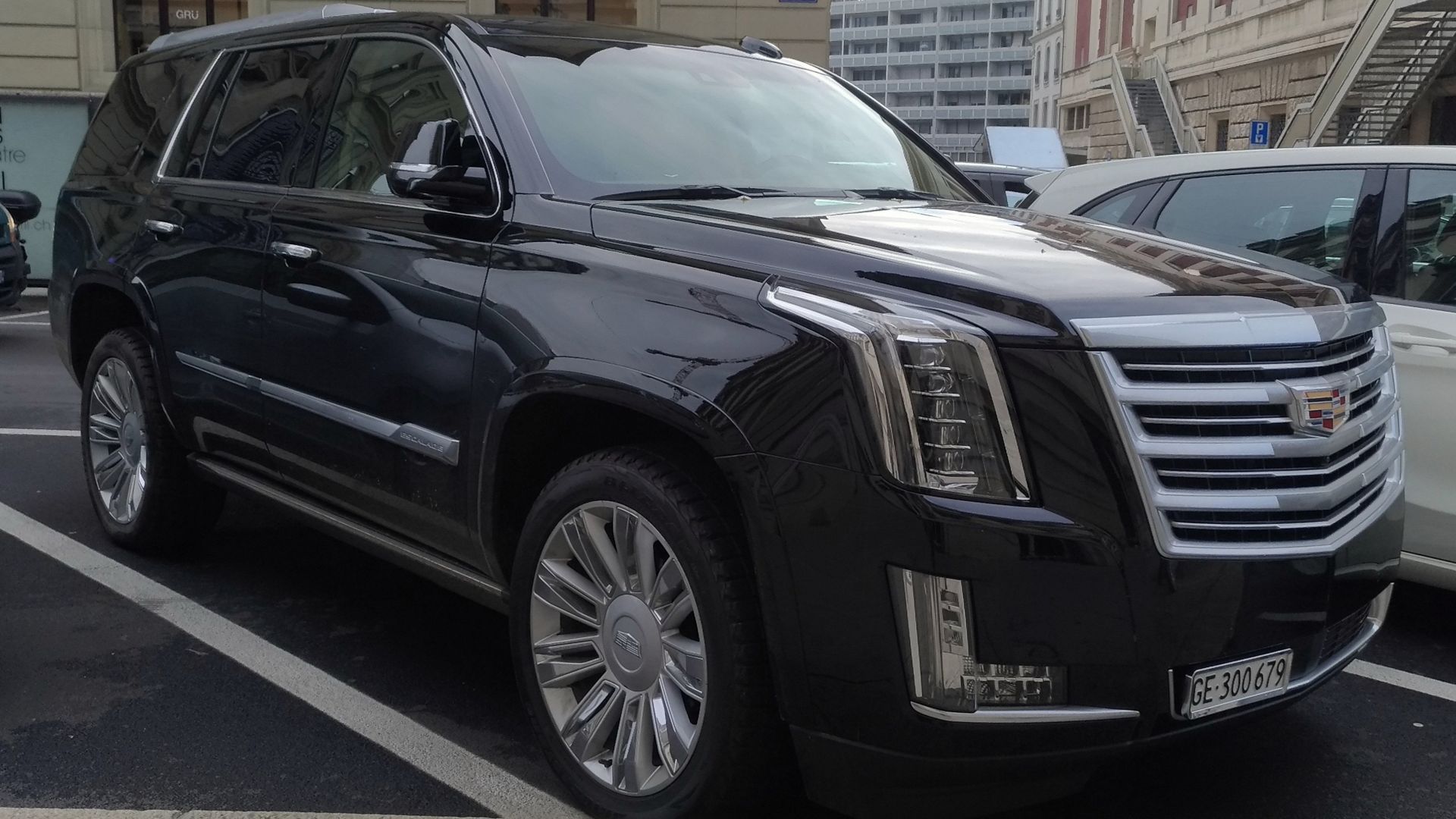 Guillaume Vachey from Chalon sur Saone, France, Wikimedia Commons
Why The Escalade Costs So Much To Insure
Large SUVs cause more damage in collisions and cost more to repair. High-end materials and advanced tech increase replacement costs. These factors combine to push insurance rates upward.
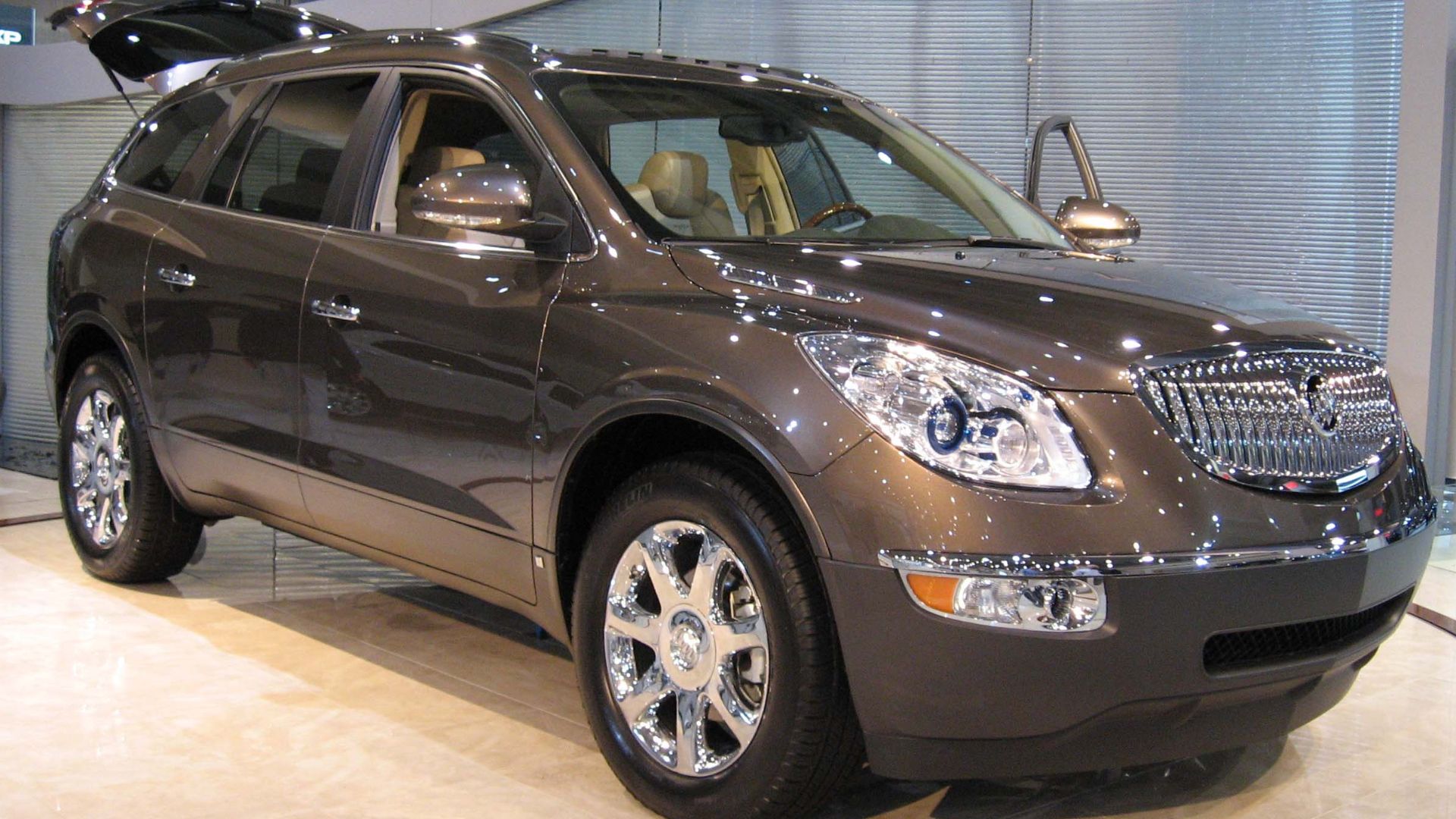
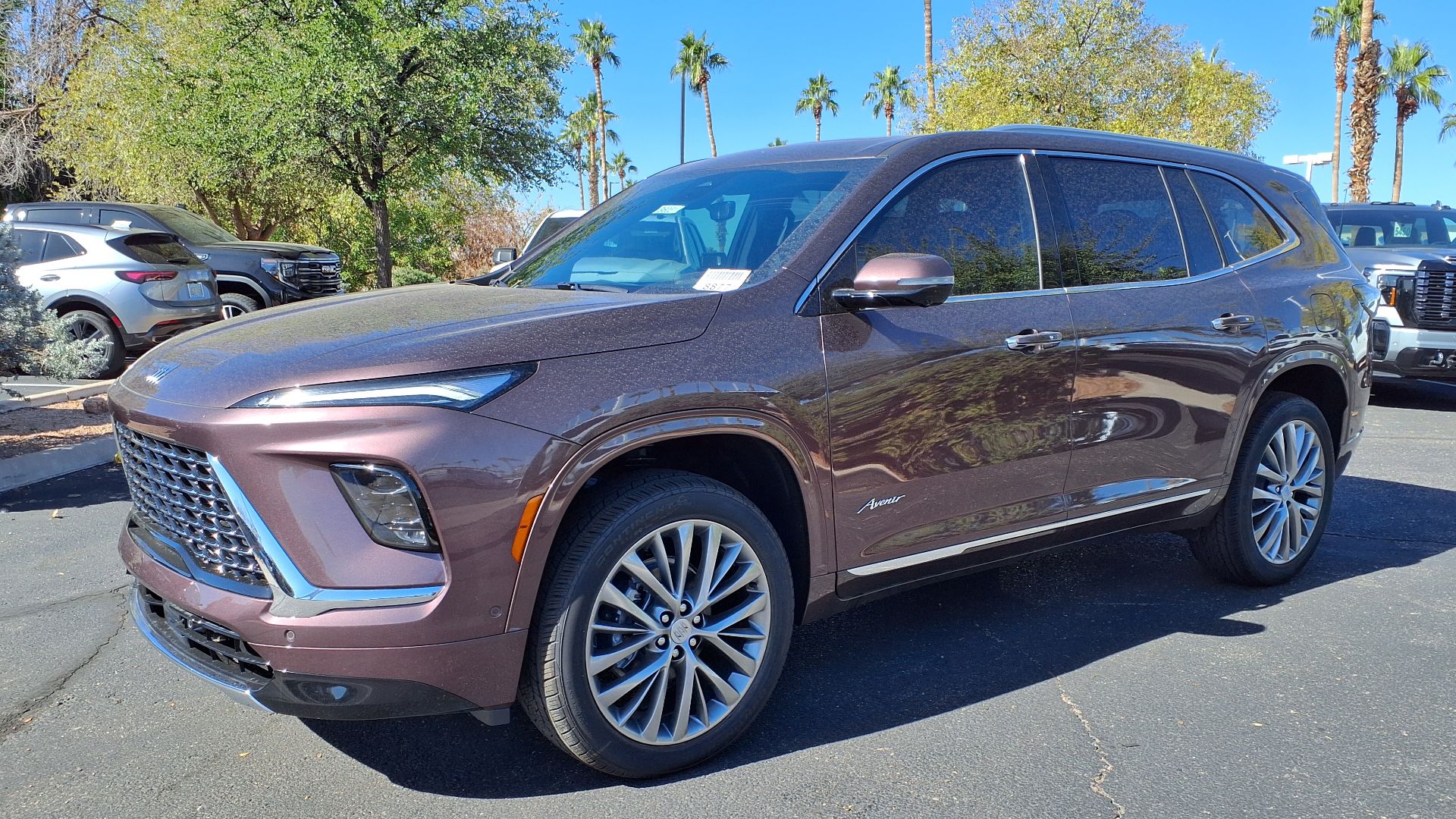
Buick Enclave: Comfort Comes At A Price
Buick consistently attracts one of the oldest buyer demographics in the U.S. The Enclave offers a smooth ride and quiet cabin that appeals to retirees. Still, insurance costs often land above mainstream SUV averages.
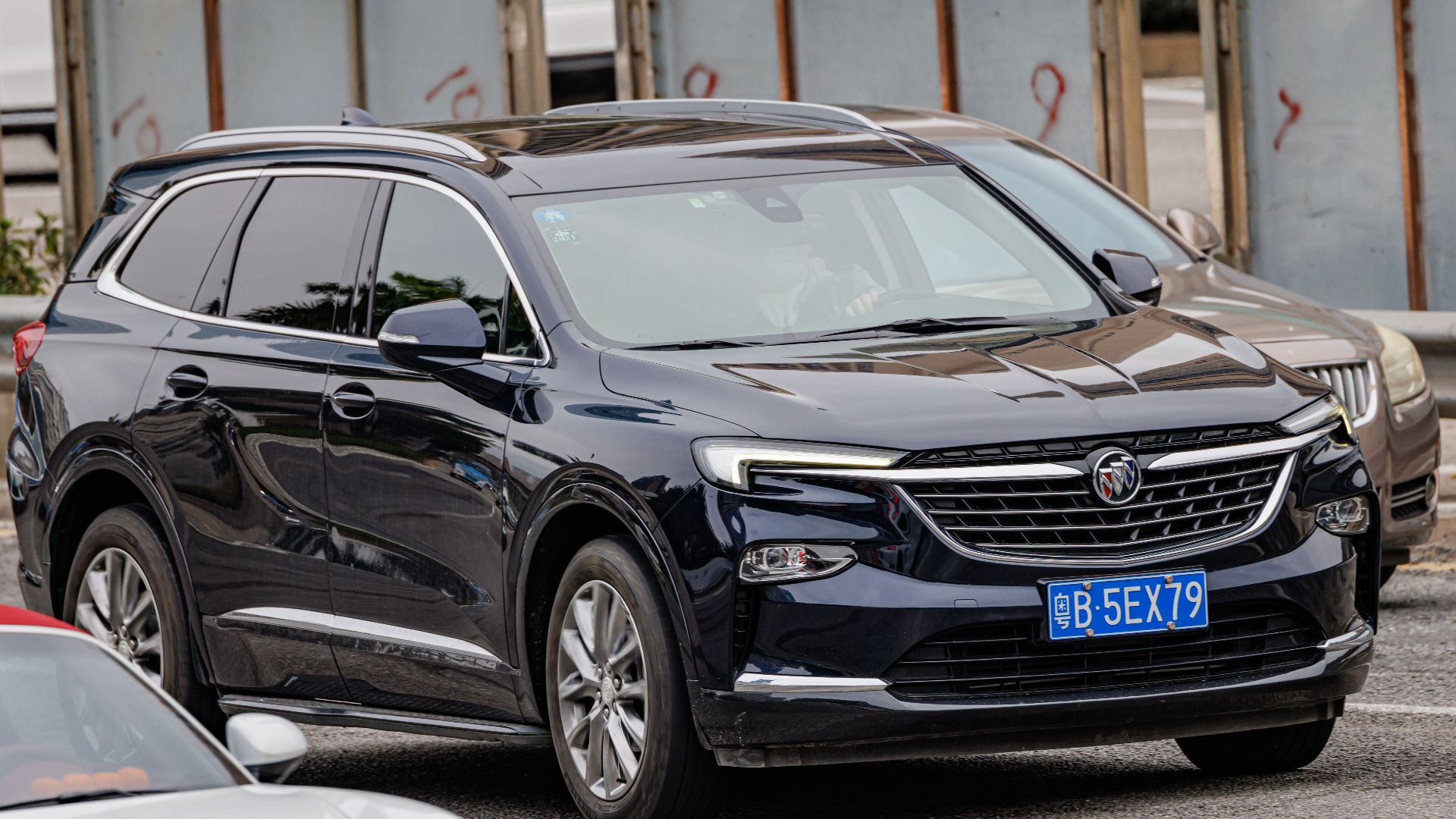 Dinkun Chen, Wikimedia Commons
The Hidden Cost Of A “Safe” Family SUV
Even though the Enclave is not a performance vehicle, it is still large and expensive to fix. Insurance models factor in repair complexity and claim severity. That keeps premiums elevated compared to smaller crossovers.
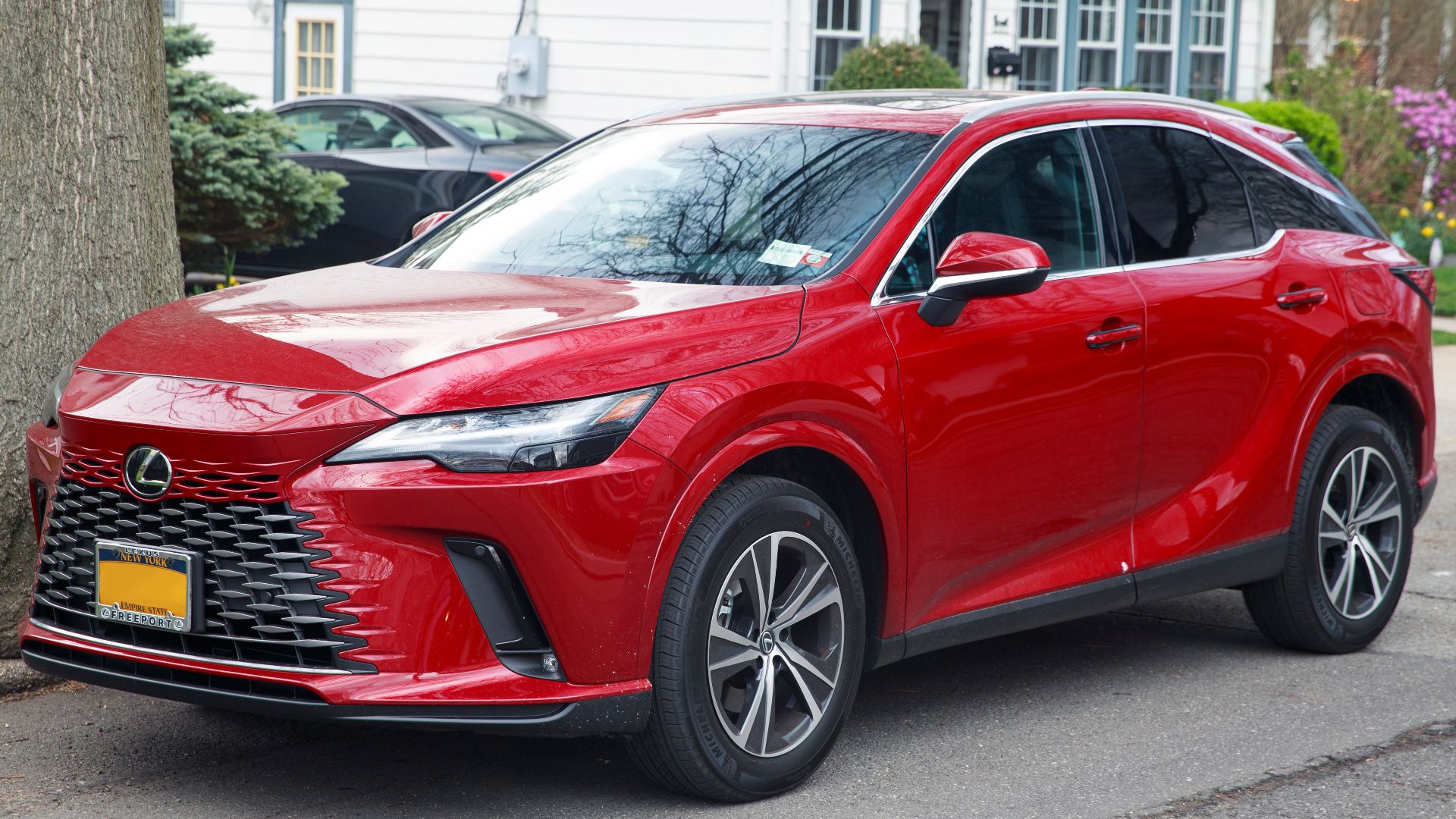
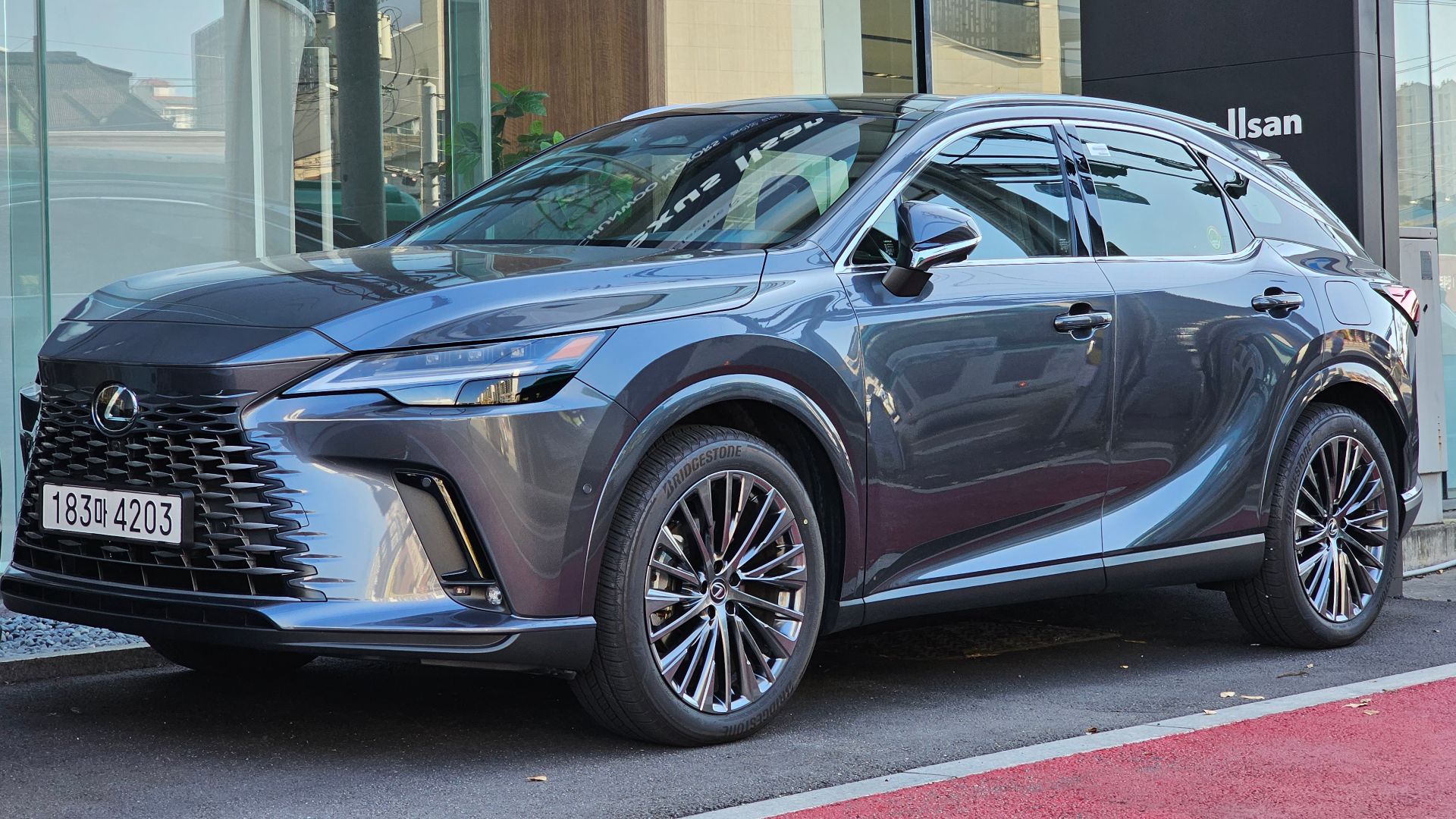
Lexus RX: The Go-To Luxury Crossover
The Lexus RX is one of the most popular luxury vehicles among older Americans. It is known for reliability and comfort, which makes it a long-term ownership favorite. Insurance costs often reflect its luxury status rather than its dependability.
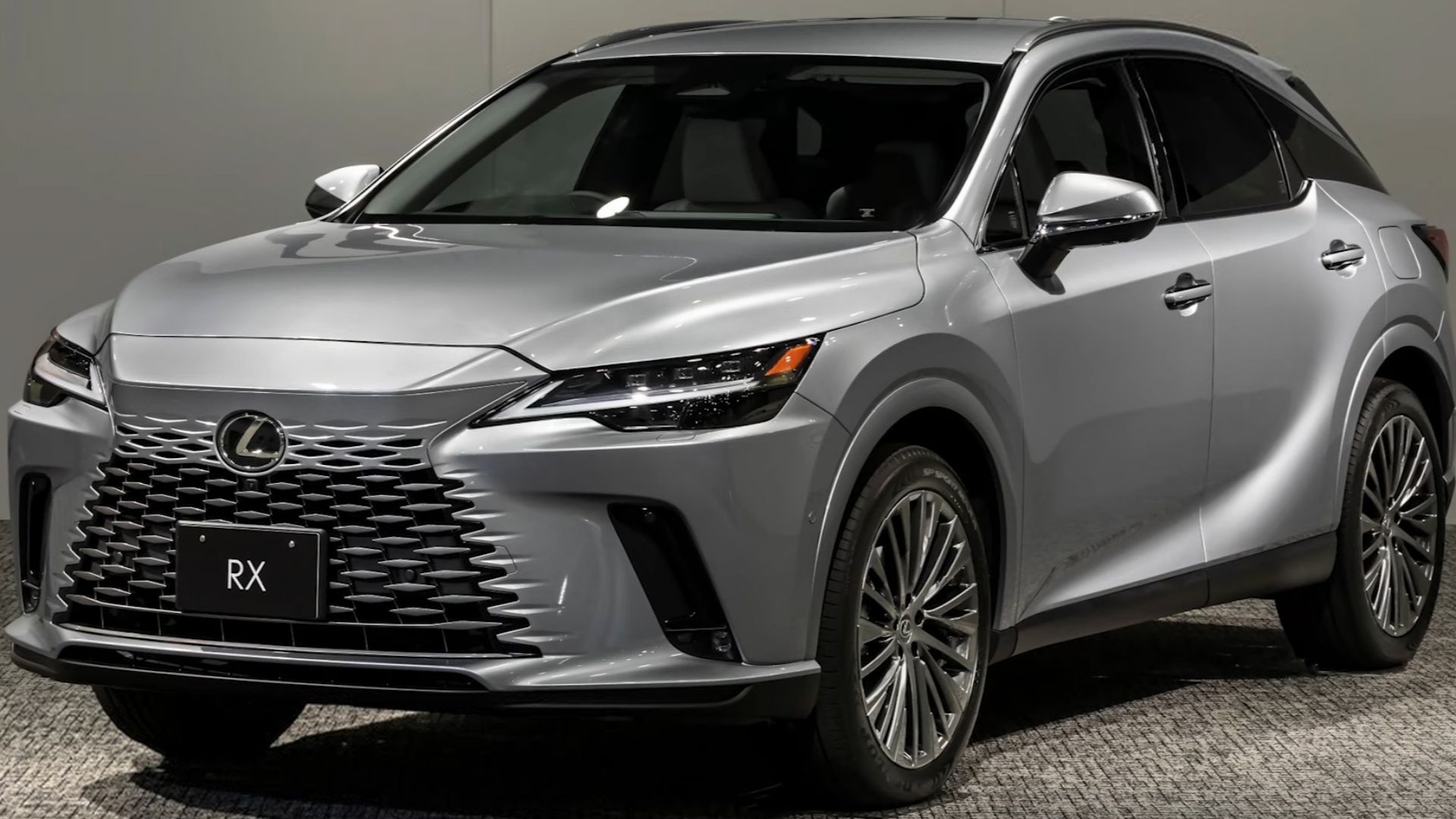 [Official] Car Stories ROOTS, Wikimedia Commons
Why Reliability Does Not Equal Cheap Insurance
A reliable car may break down less, but accidents are a different story. Replacement parts for luxury brands cost more, especially sensors and lighting systems. That drives up claim costs and premiums.
 Mr.choppers, Wikimedia Commons
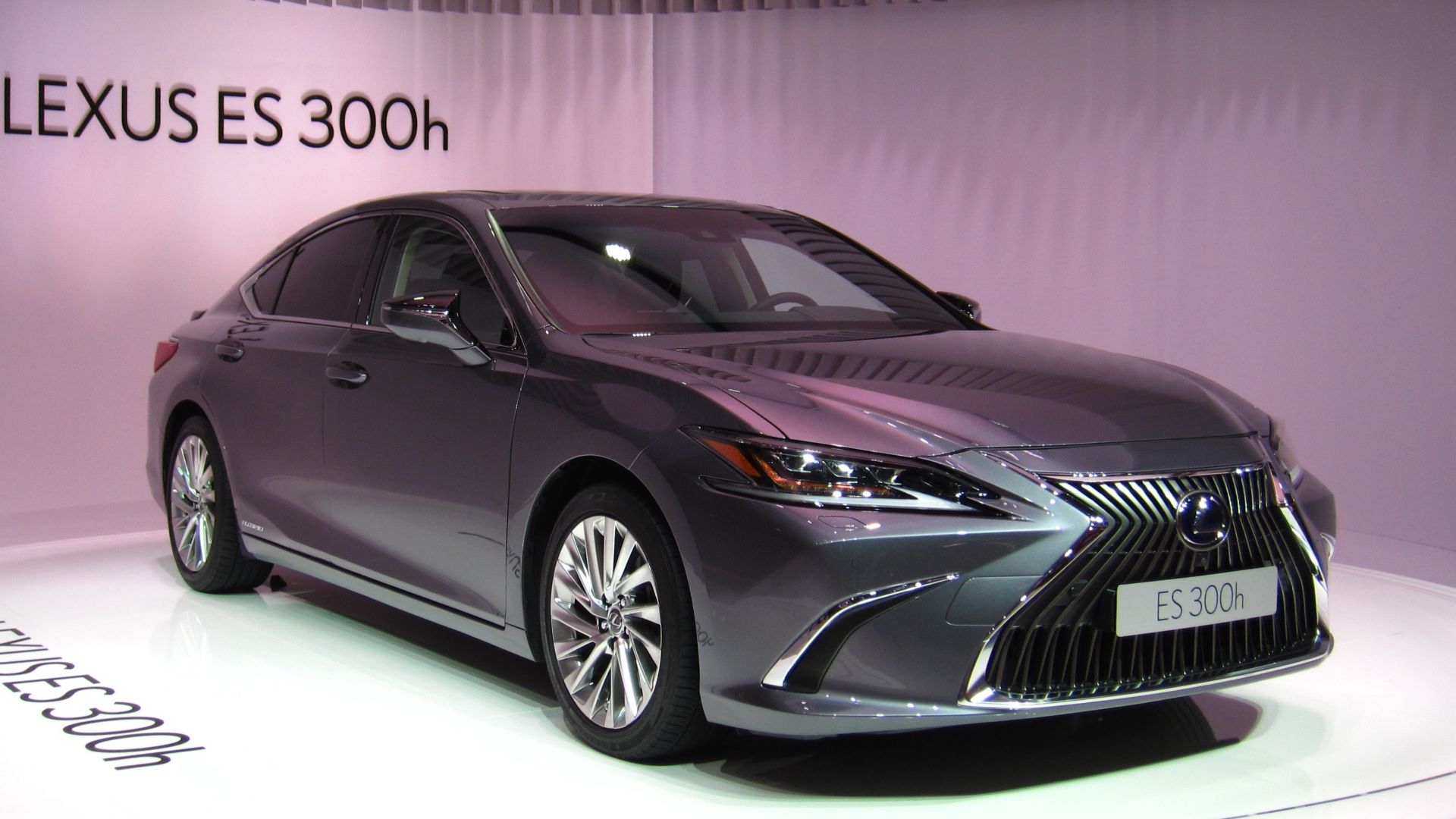
Lexus ES: A Quiet Favorite With A Loud Premium
The Lexus ES appeals to buyers who want a smooth, quiet ride. It has a strong reputation among older drivers for comfort and ease of use. Insurance rates, however, tend to sit higher than comparable non-luxury sedans.
 Rutger van der Maar, Wikimedia Commons
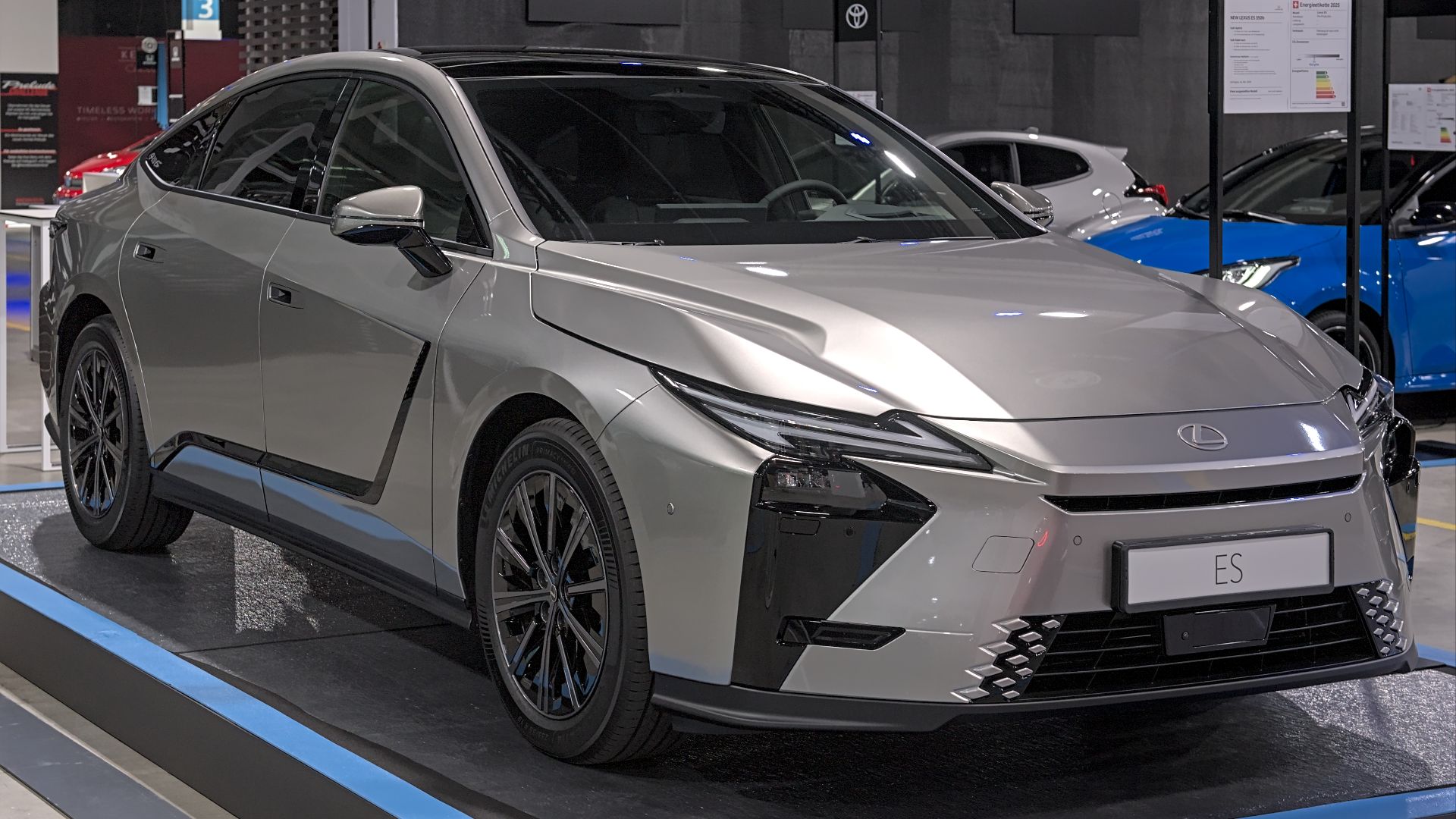
Luxury Sedans And Repair Costs
Modern luxury sedans include advanced driver assistance systems. Even minor accidents can require recalibration or replacement of sensors. These repairs are expensive and are reflected in insurance pricing.
 Alexander Migl, Wikimedia Commons
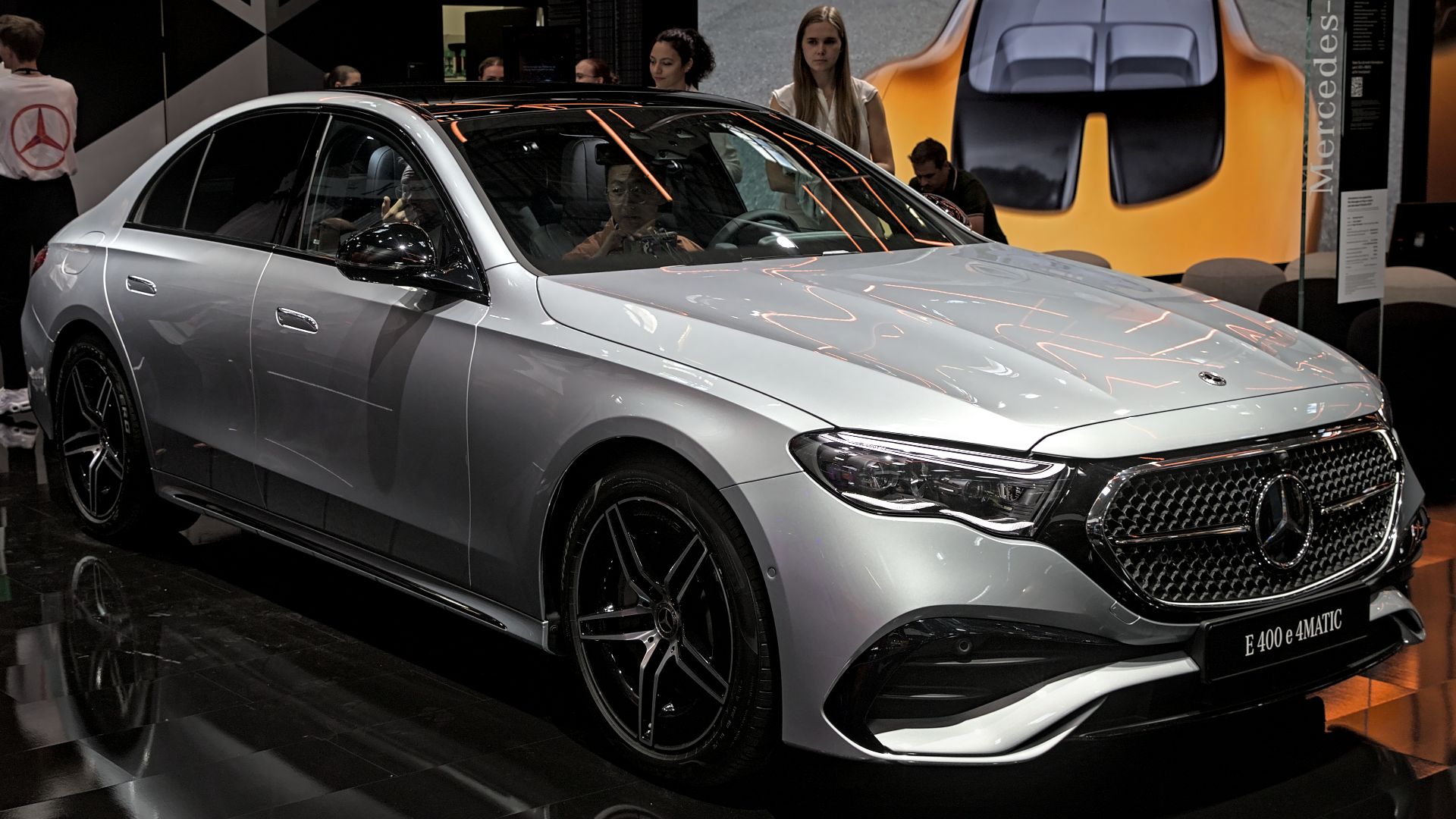
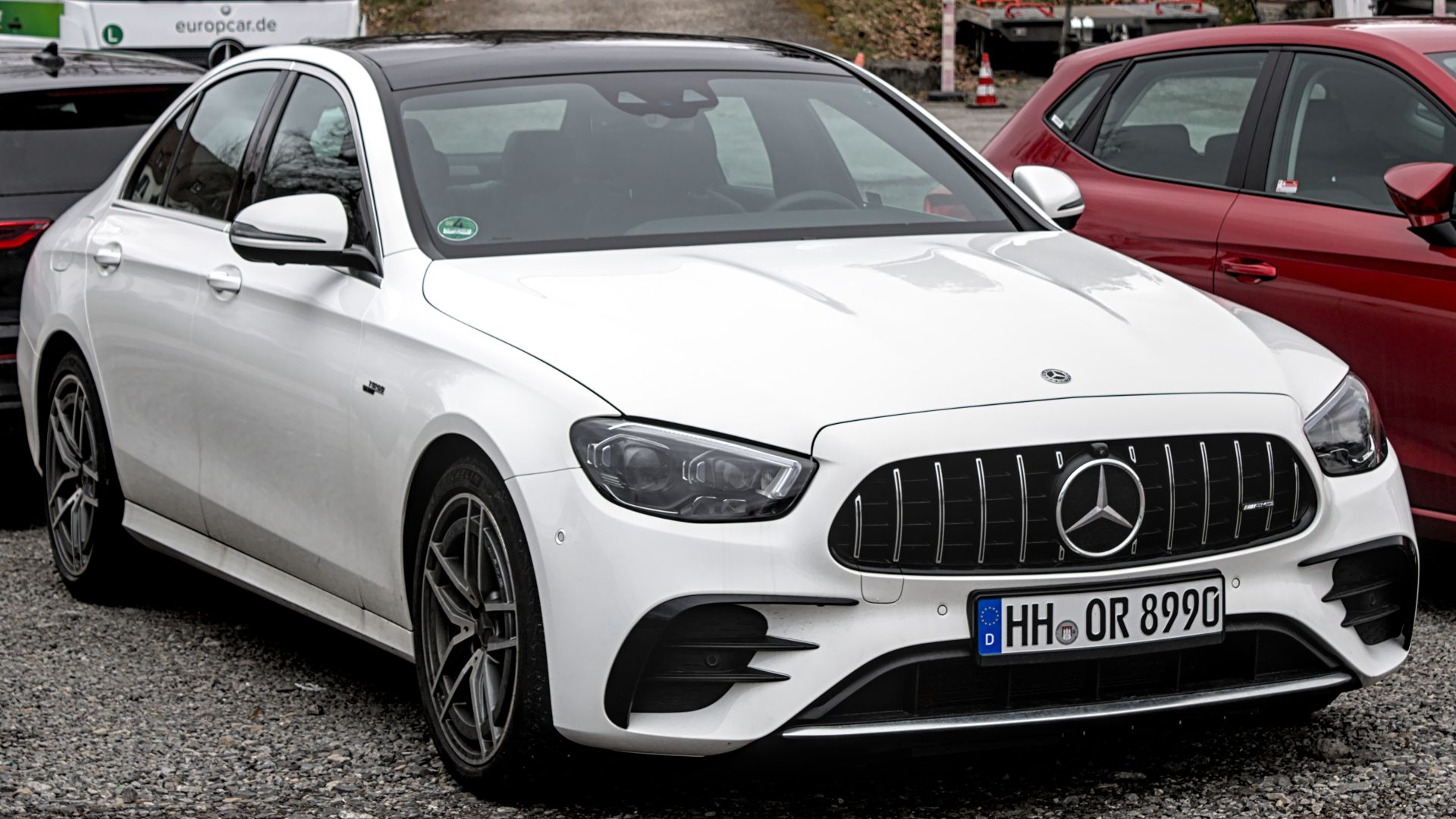
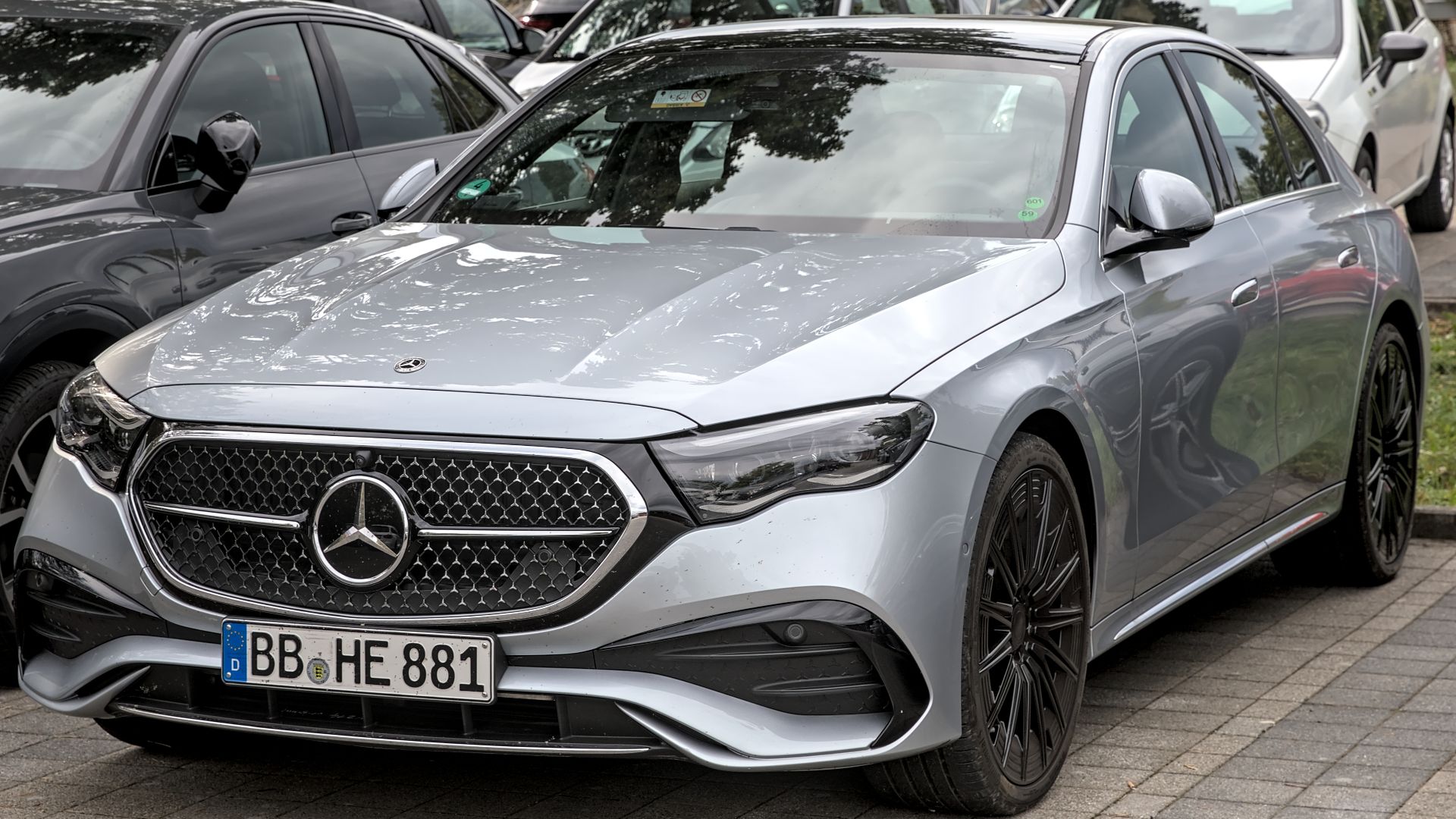
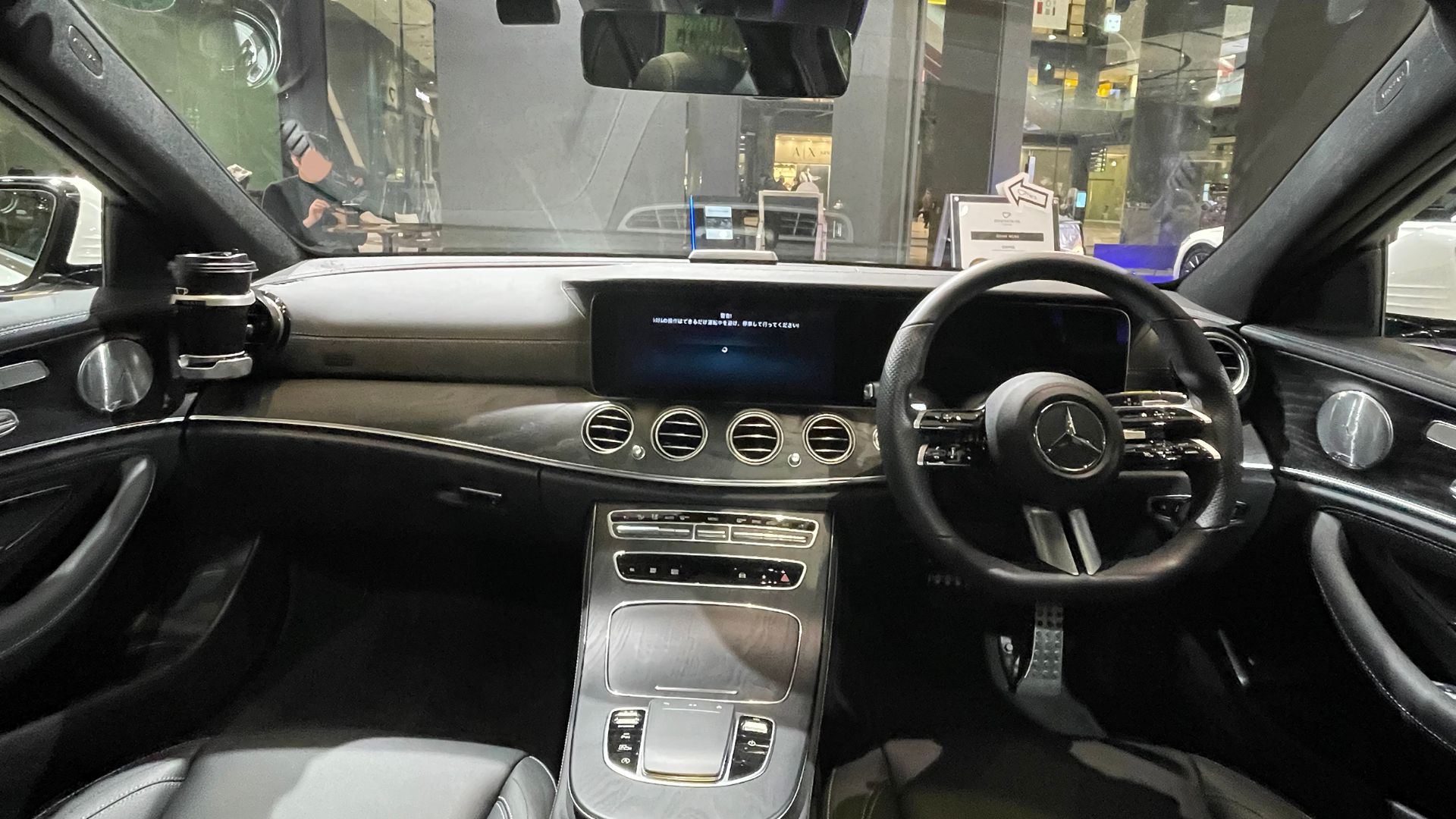
Mercedes-Benz E-Class: Executive Appeal, Executive Costs
The E-Class is a staple for drivers who value refinement and technology. It attracts an older, affluent buyer base. Insurance premiums often exceed $3,500 annually for full coverage.
 Alexander-93, Wikimedia Commons
Why Mid-Size Luxury Cars Are Expensive To Cover
Vehicles like the E-Class combine high-tech features with premium materials. Repairing them requires specialized labor and parts. Insurers account for that risk in their pricing models.
 Alexander Migl, Wikimedia Commons
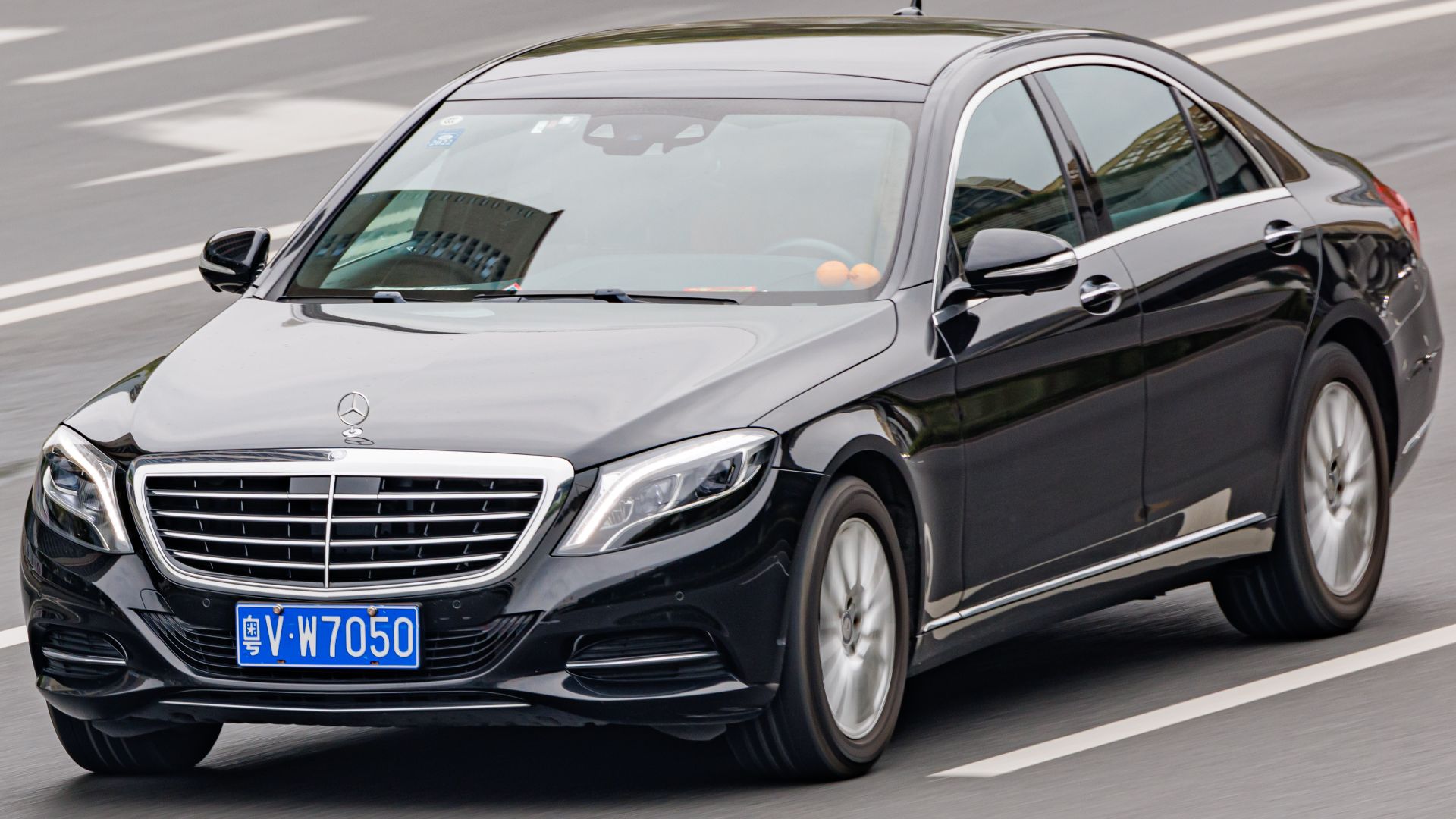
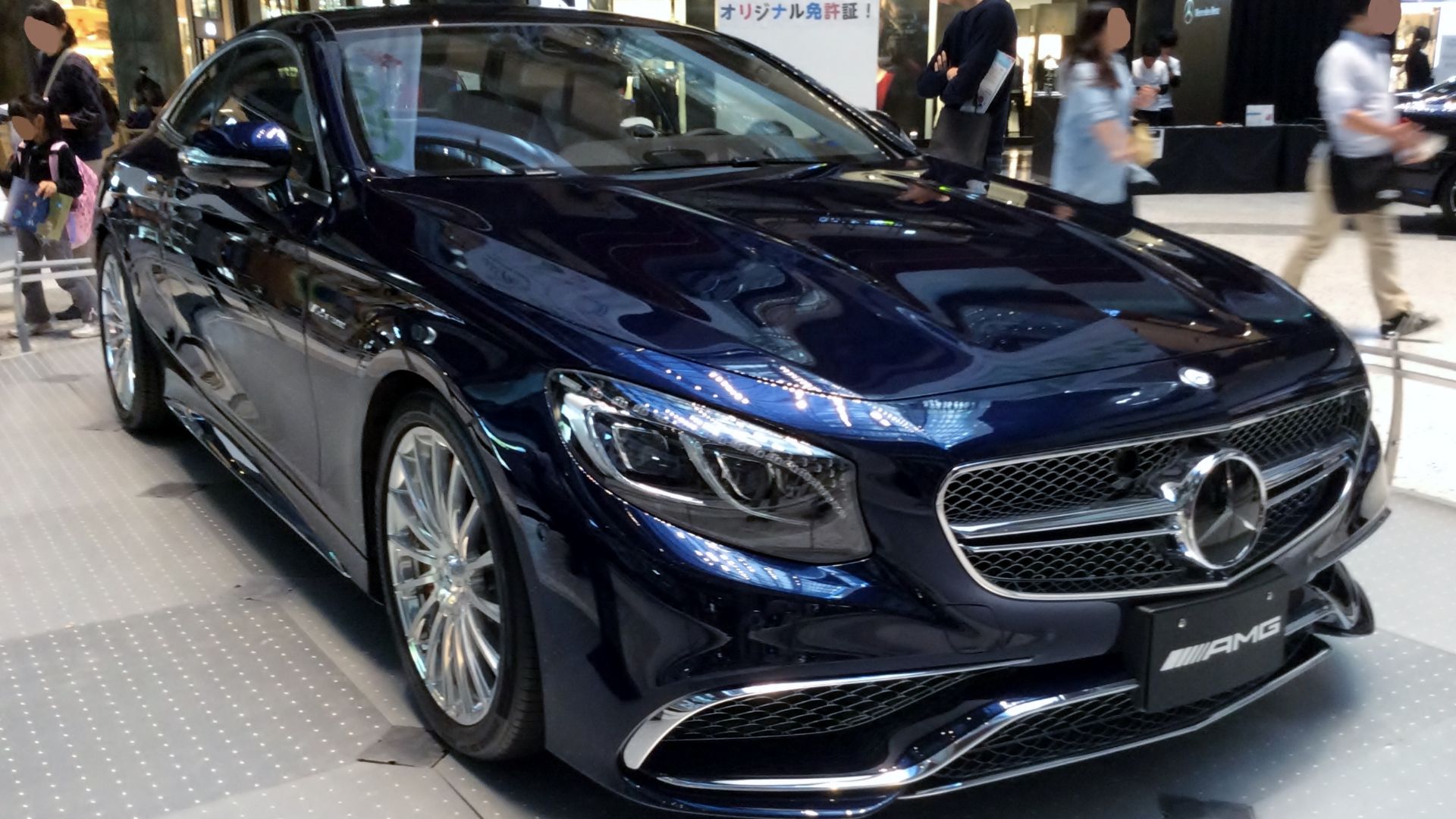
Mercedes-Benz S-Class: The Flagship Effect
The S-Class represents peak luxury and innovation. It is especially popular among older buyers who prioritize comfort and status. Insurance costs can climb above $4,000 per year.
 Dinkun Chen, Wikimedia Commons
When Technology Drives Up Insurance Costs
The S-Class is packed with cutting-edge systems. These features are expensive to repair or replace after a claim. As a result, insurers assign higher risk values to the vehicle.
 Tokumeigakarinoaoshima, Wikimedia Commons
Brand Loyalty And Aging Buyers
Brands like Cadillac, Buick, and Lexus tend to retain older customers. These buyers value consistency, comfort, and familiarity. Unfortunately, those same vehicles often carry higher insurance costs.
Why Bigger Vehicles Often Cost More To Insure
Large vehicles can cause more damage in accidents. They also cost more to repair due to size and complexity. Insurers price these risks directly into premiums.
 Damian B Oh, Wikimedia Commons
The Role Of Theft And Claim Severity
Luxury vehicles are more attractive to thieves. They also tend to generate higher claim payouts when damaged. Both factors contribute to higher insurance rates.
 Alexander Migl, Wikimedia Commons
Advanced Tech Is A Double-Edged Sword
Modern safety features can prevent accidents. However, when accidents do happen, those systems are costly to fix. This creates a paradox where safer cars can still cost more to insure.
 Tokumeigakarinoaoshima, Wikimedia Commons
The Illusion Of “Safe Equals Cheap”
Many older drivers assume safer cars should lower premiums. In reality, safety ratings do not directly translate to lower insurance costs. Repair economics often matter more.

How Insurers Calculate Risk Behind The Scenes
Insurance companies rely on historical loss data. They analyze how often a vehicle is involved in claims and how expensive those claims are. This data-driven approach can override assumptions about driver age.

Why Older Drivers Still Pay More On Certain Cars
Even with decades of safe driving, the vehicle itself can increase premiums. Luxury and large vehicles consistently show higher loss costs. That keeps insurance prices elevated.
Should Older Buyers Avoid These Cars
Not necessarily. These vehicles offer comfort, safety, and long-term value. Buyers should simply be aware of the insurance implications before purchasing.

How To Offset Higher Insurance Costs
Shopping around for quotes can make a significant difference. Bundling policies and increasing deductibles may also reduce premiums. Choosing lower trim levels can help as well.

The Bottom Line On Insurance And Aging Drivers
The relationship between driver age and insurance cost is not straightforward. Vehicle choice plays a major role in determining premiums. Understanding that tradeoff can help buyers make smarter decisions.

Final Thoughts On Smart Car Buying
Older Americans often choose cars that prioritize comfort and reliability. Those priorities sometimes come with hidden financial tradeoffs. Knowing the full cost of ownership, including insurance, is essential.