
Peak To Pause
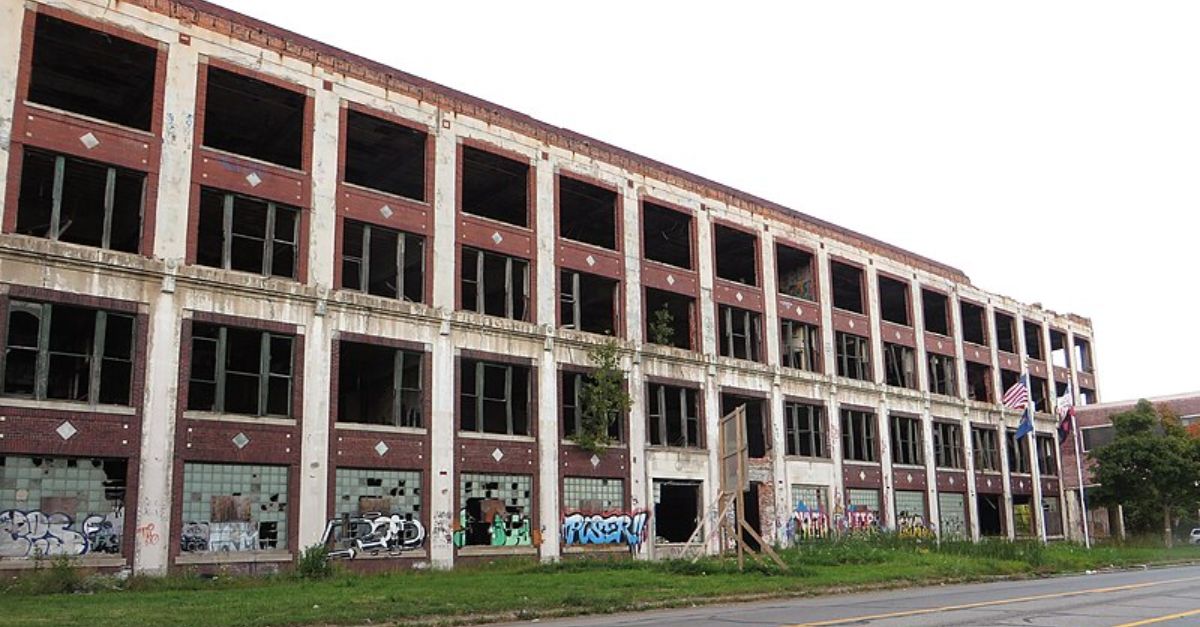
Not many factories can say they helped shape American industry, but Detroit’s Packard Plant absolutely earned its legend. Today, what’s left of it feels like a time capsule—a reminder of an era when cars were built with meticulous craftsmanship and standards that didn’t budge.
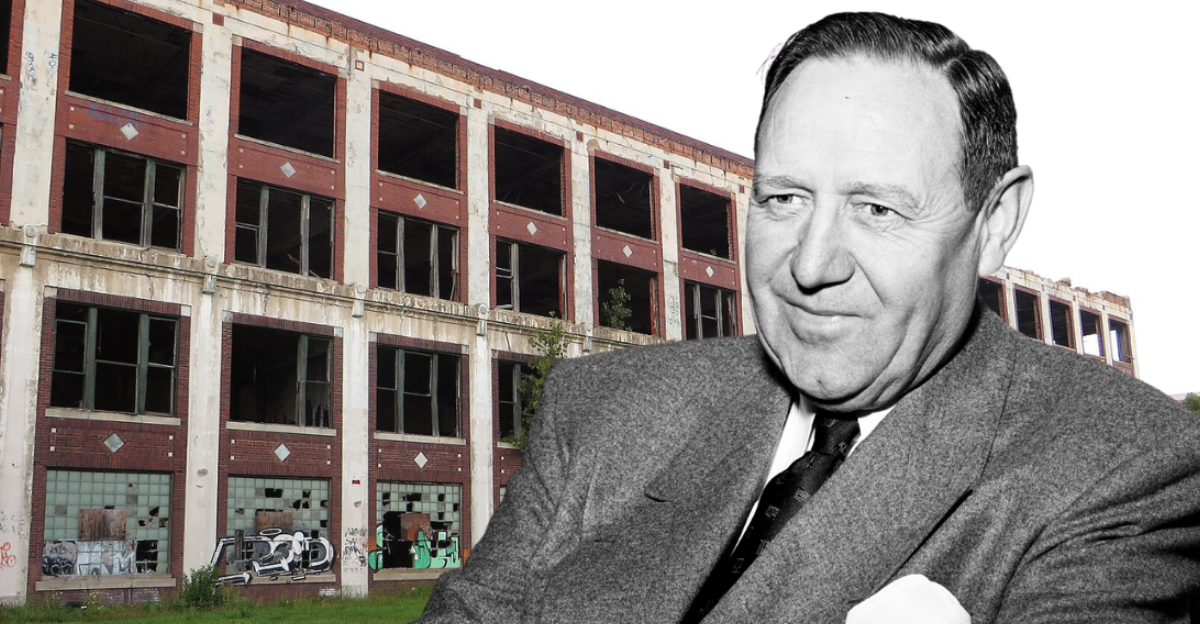 University of Southern California / Contributor, Getty Images
Company Origins
Packard Motor Car Company came in as one of America's premier luxury automakers. Founded in Detroit, Michigan, it joined Peerless Motor Company and Pierce-Arrow as part of the prestigious “Three Ps” of early automotive excellence.
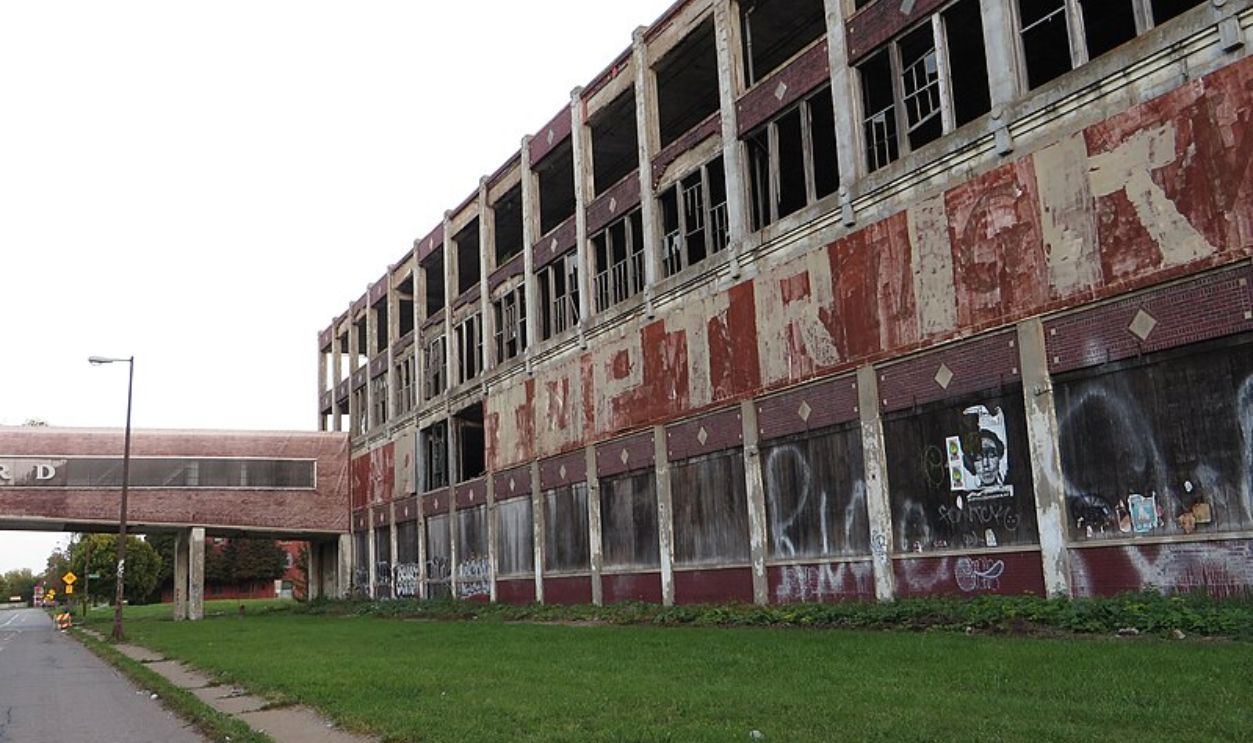 Ken Lund from Reno, Nevada, USA, CC BY-SA 2.0, Wikimedia Commons
Founding Family
The Packard brothers, James and William, came from a mechanical engineering background. Along with partner George Lewis Weiss, they established their first automotive venture in Warren, Ohio, that brought technical expertise to car manufacturing.
 Unknown Author, Wikimedia Commons
Initial Success
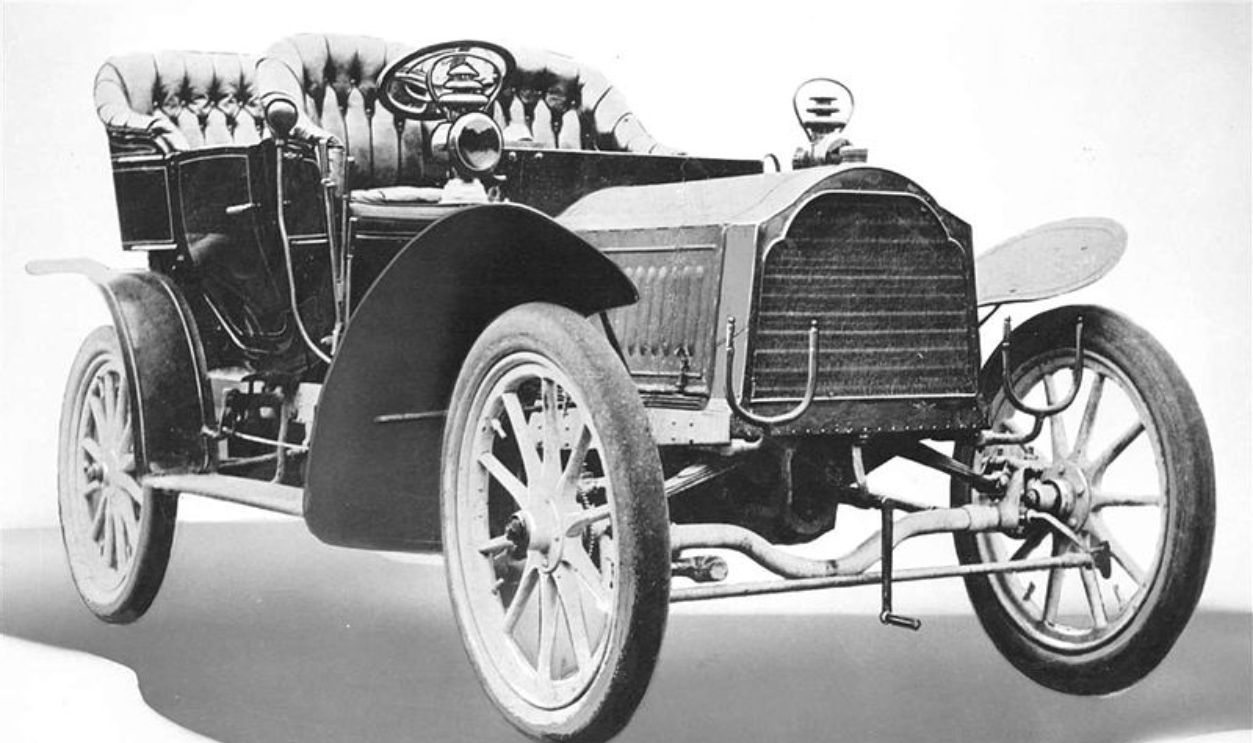
Between 1899 and 1903, the original Warren factory produced around 400 vehicles that gained recognition for superior quality. This attracted rich customers looking for alternatives to European luxury vehicles like Mercedes-Benz and Rolls-Royce.
 Unknown Author, Wikimedia Commons
Business Philosophy
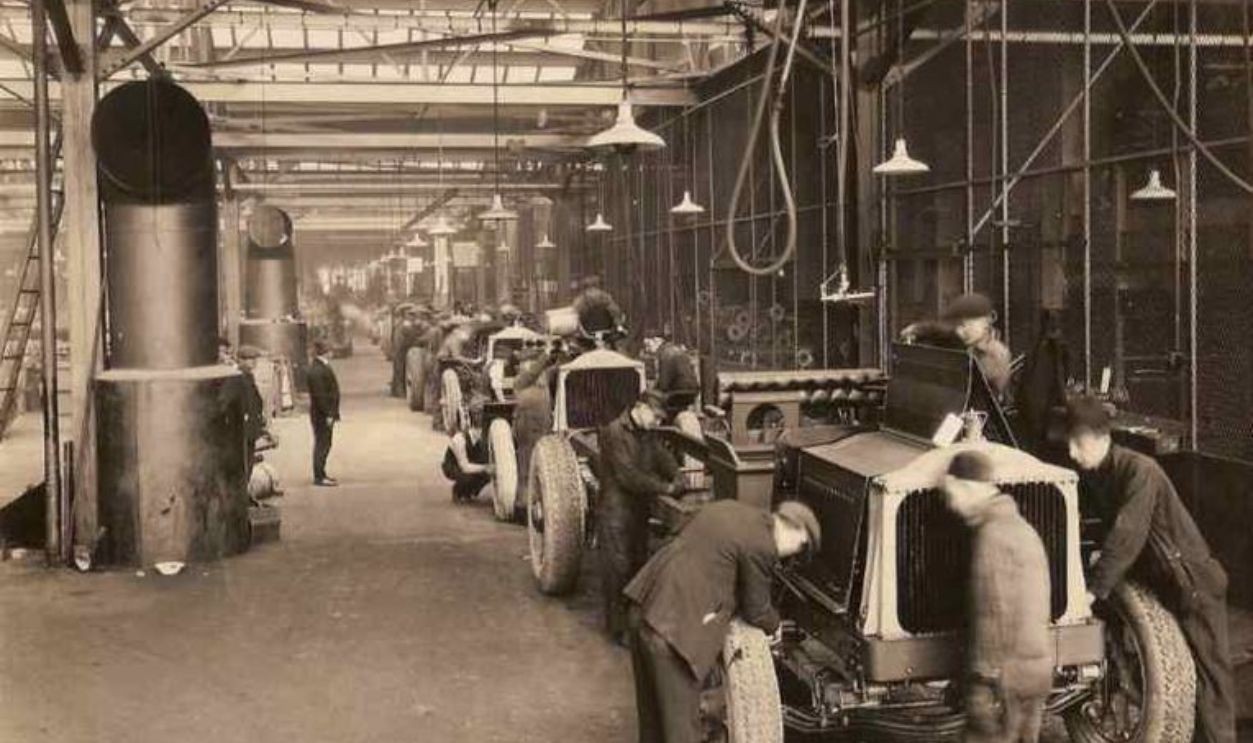
James Packard believed in building automobiles without compromise. His engineering-focused approach chose quality over quantity, establishing manufacturing principles that would guide the company through its golden years.
 Unknown Author, Wikimedia Commons
Zero-Defect Policy
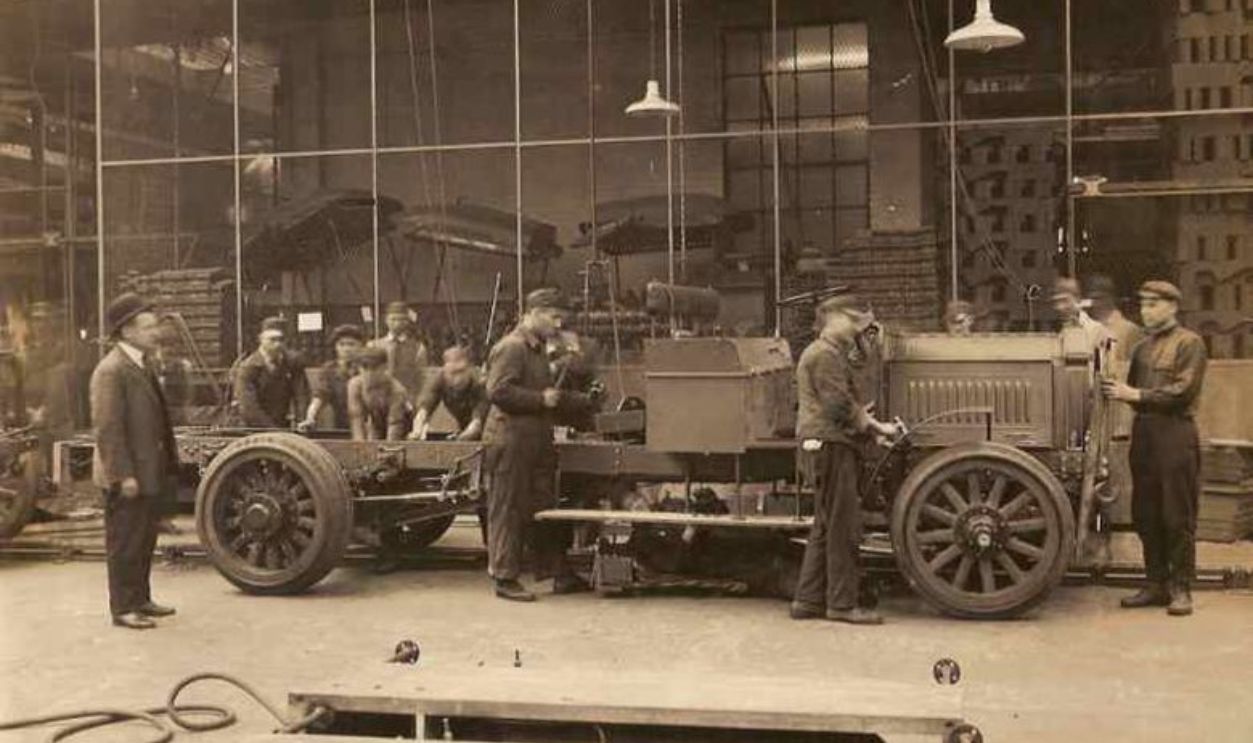
Packard adopted a production philosophy centered on extensively refining and testing a single model before market introduction. Also, the company was dedicated to using only the best materials, which sometimes put them at odds with suppliers when they turned down lesser-quality parts.
 Unknown Author, Wikimedia Commons
Leadership Structure
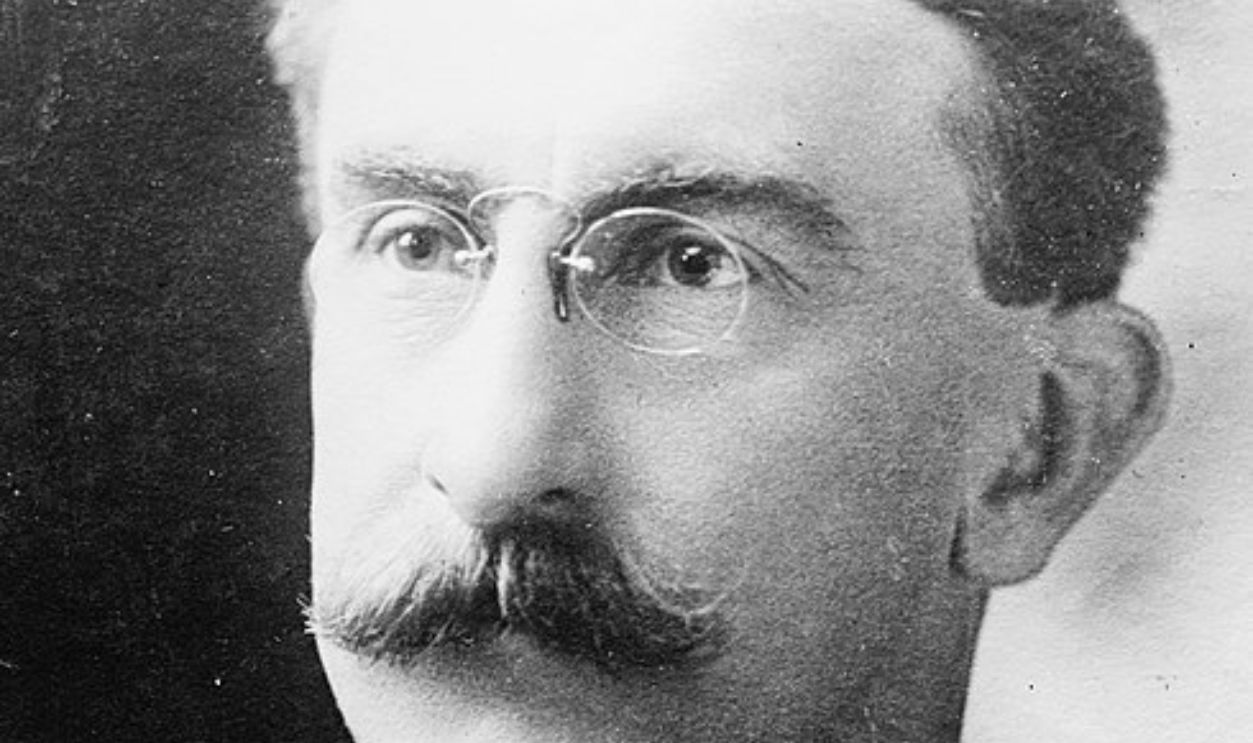
After relocating to Detroit, James Packard served as president while Henry Joy became general manager. This partnership combined Packard's technical vision with Joy's excellent business acumen, which helped the company's rapid growth.
 George Grantham Bain Collection, Wikimedia Commons
Customer Turned Competitor
James Packard’s journey into car manufacturing kicked off in 1898, after he purchased a vehicle from Alexander Winton, head of the Winton Motor Carriage Company. When the car didn’t live up to expectations, Packard didn’t just complain—he took his concerns straight to Winton himself.
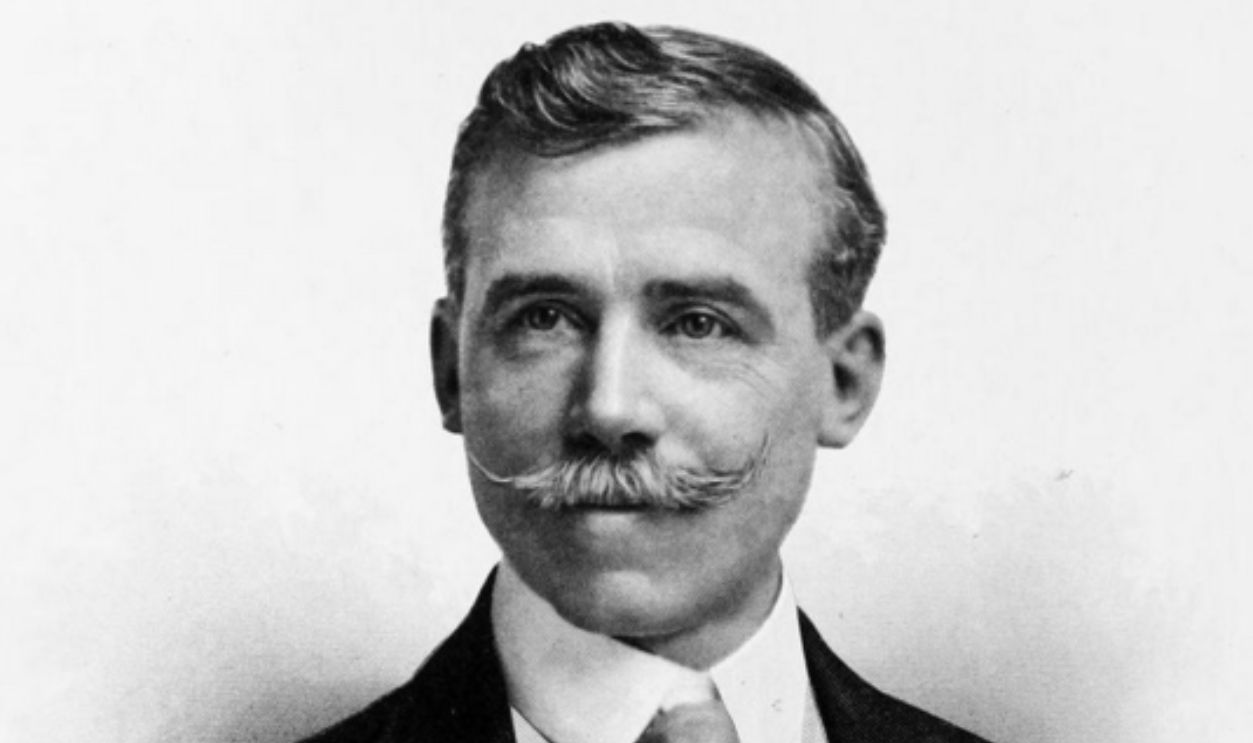 E. G. Williams & Bro, Wikimedia Commons
The Challenge
In a moment of frustration, Winton challenged him to build a better car. Taking this challenge seriously, Packard decided to create his own automobile at the New York and Ohio Automobile Company, which soon led to the establishment of the Packard Motor Car Company.
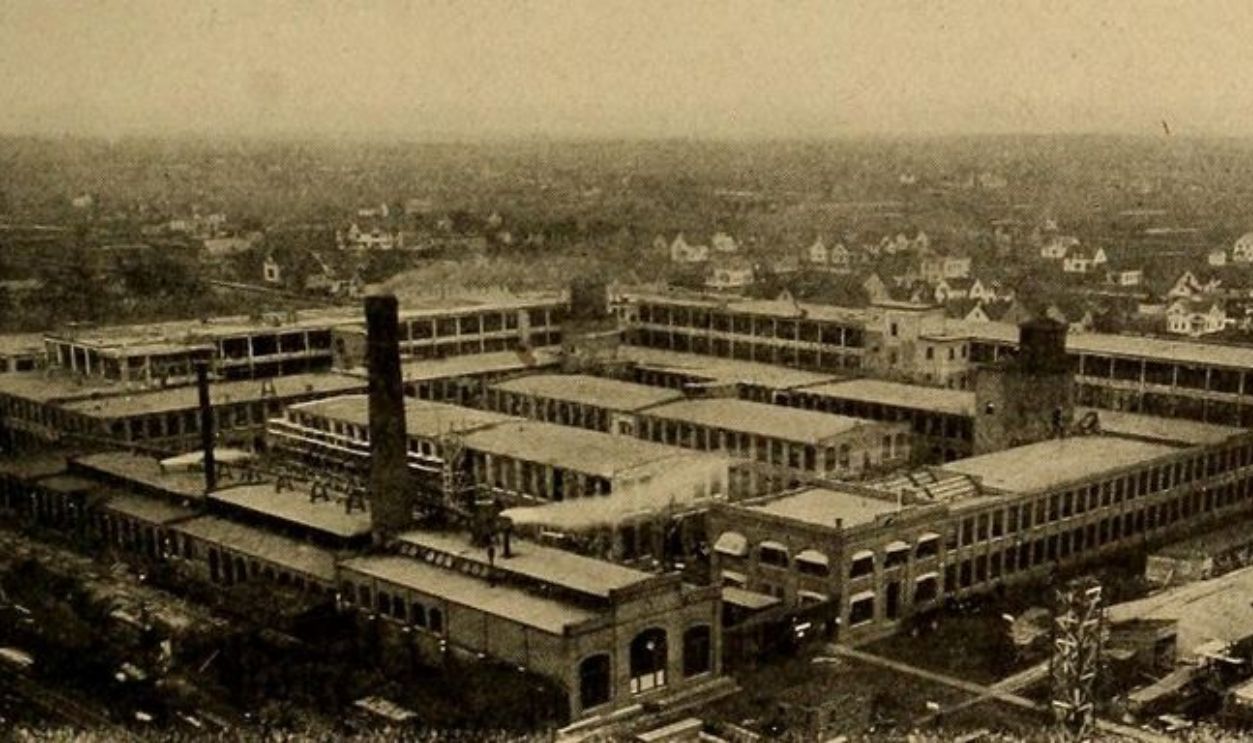 The Outing Publishing Company, Wikimedia Commons
First Packard Car
Therefore, on November 6, 1899, the first Packard automobile, known as the Model A, rolled out of the factory located at 408 Dana Street Northeast in Warren, Ohio. This car had a 1-cylinder engine with a displacement of 1.3 liters, which is about 1336 cc.
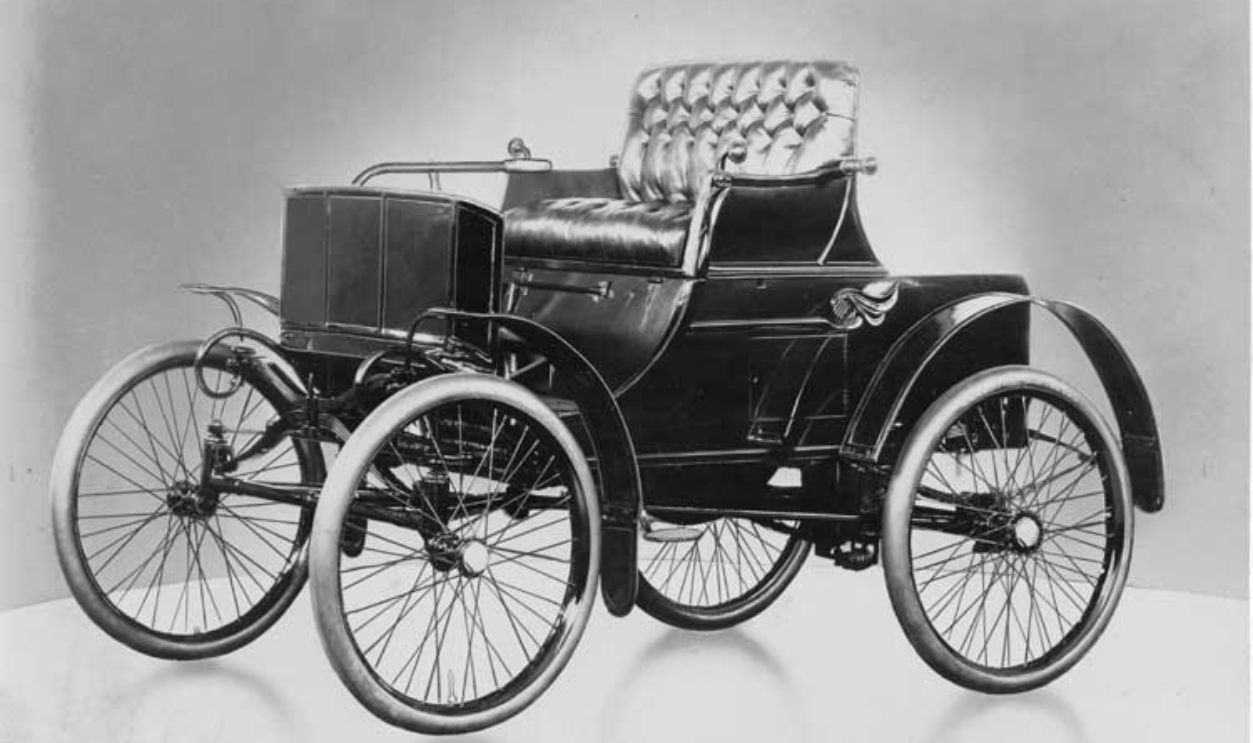 Unknown Author, Wikimedia Commons
1899 Model A
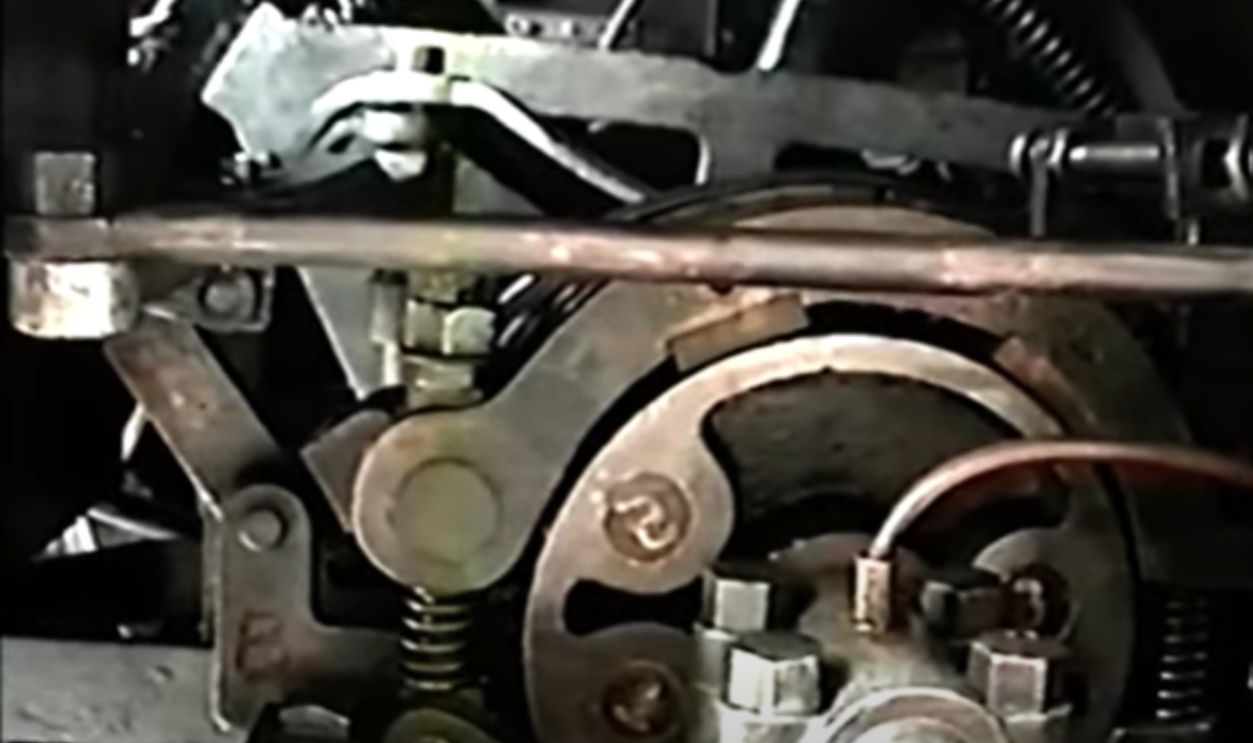
It produced approximately nine horsepower (9.1 PS) at 800 rpm. Besides, the car was equipped with a 2-speed manual transmission. It could reach a maximum speed of 31 km/h (19 mph) and was designed as a 2-seater vehicle.
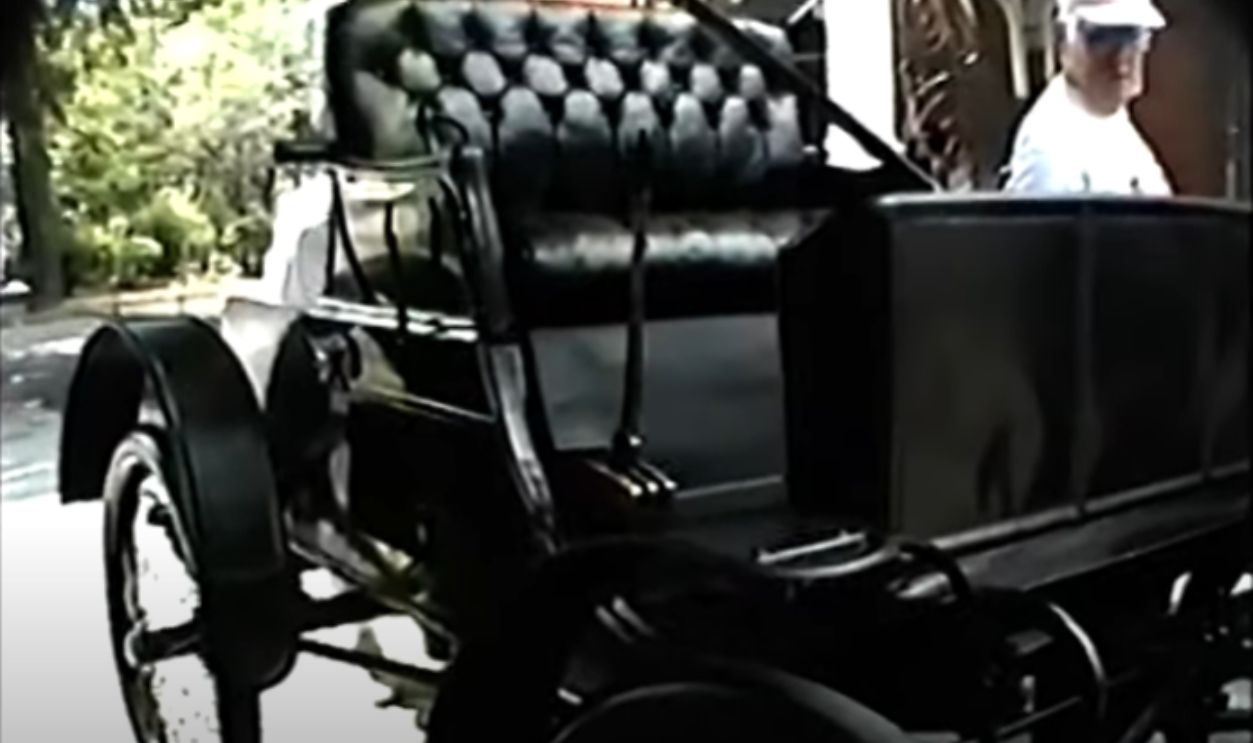 Packard Centennial Celebration - 4th July 1999 by Mats Car Videos
Pioneer Production
Only five units of the Packard Model A were produced in 1899, marking the beginning of the Packard Motor Car Company's journey into automobile manufacturing. The last Model A produced was also the first Packard sold, purchased by George Kirkham, a businessman from Ohio.
 Packard Centennial Celebration - 4th July 1999 by Mats Car Videos
Premium Positioning
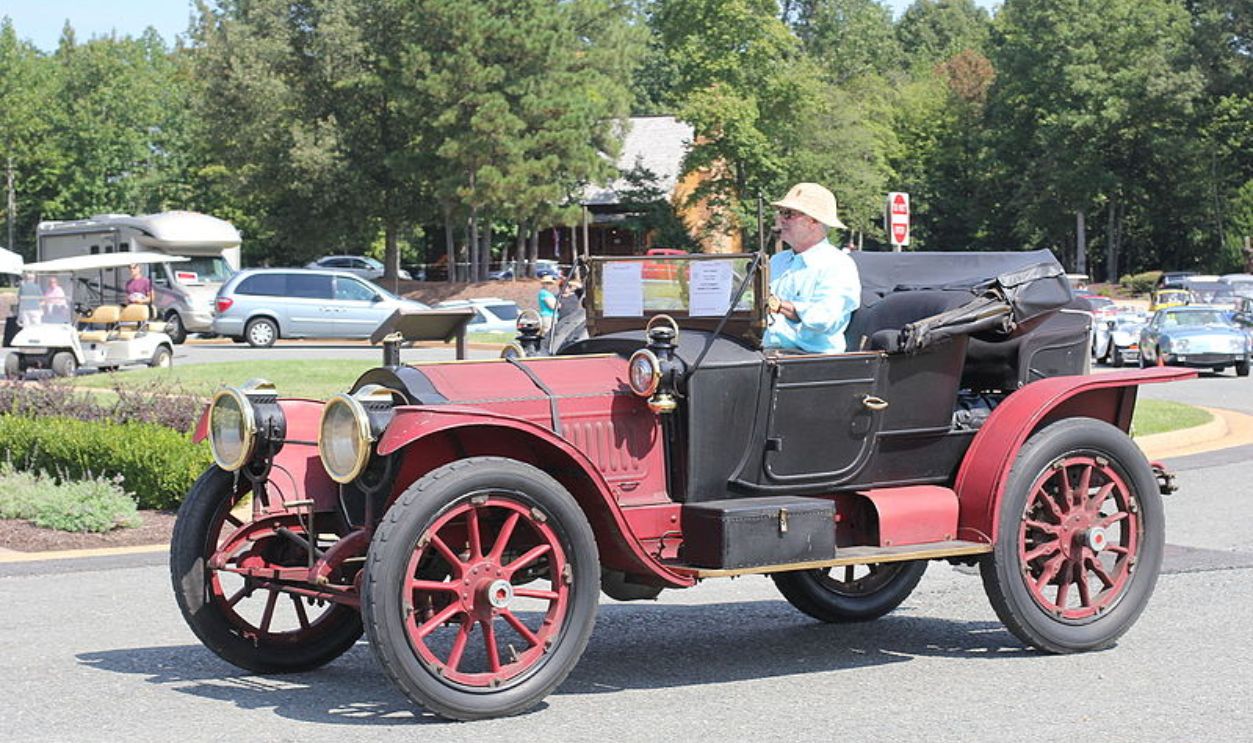
Packard strategically placed itself in the luxury automobile market, with prices starting at $2,600, higher than competitors who sold cars for $375 to $1,500. At the time, many competitors offered more affordable vehicles that were generally priced between $375 and $1,500.
 Eli Christman from Richmond, VA, USA, CC BY 2.0, Wikimedia Commons
Detroit Investment
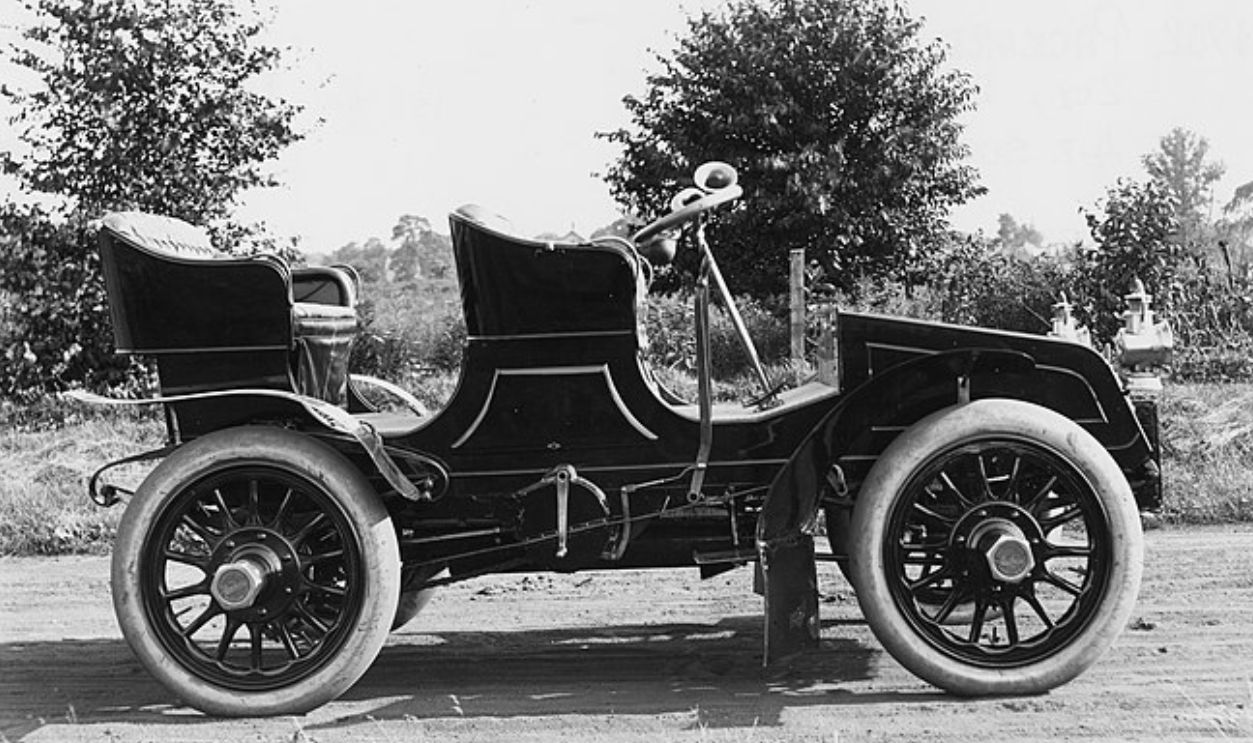
In 1902, Detroit businessman Henry Bourne Joy purchased a Packard and was so impressed by its quality that he decided to support the company financially. After visiting the Packard brothers in Ohio, he gathered a group of wealthy investors.
 Unknown Author, Wikimedia Commons
Corporate Restructuring
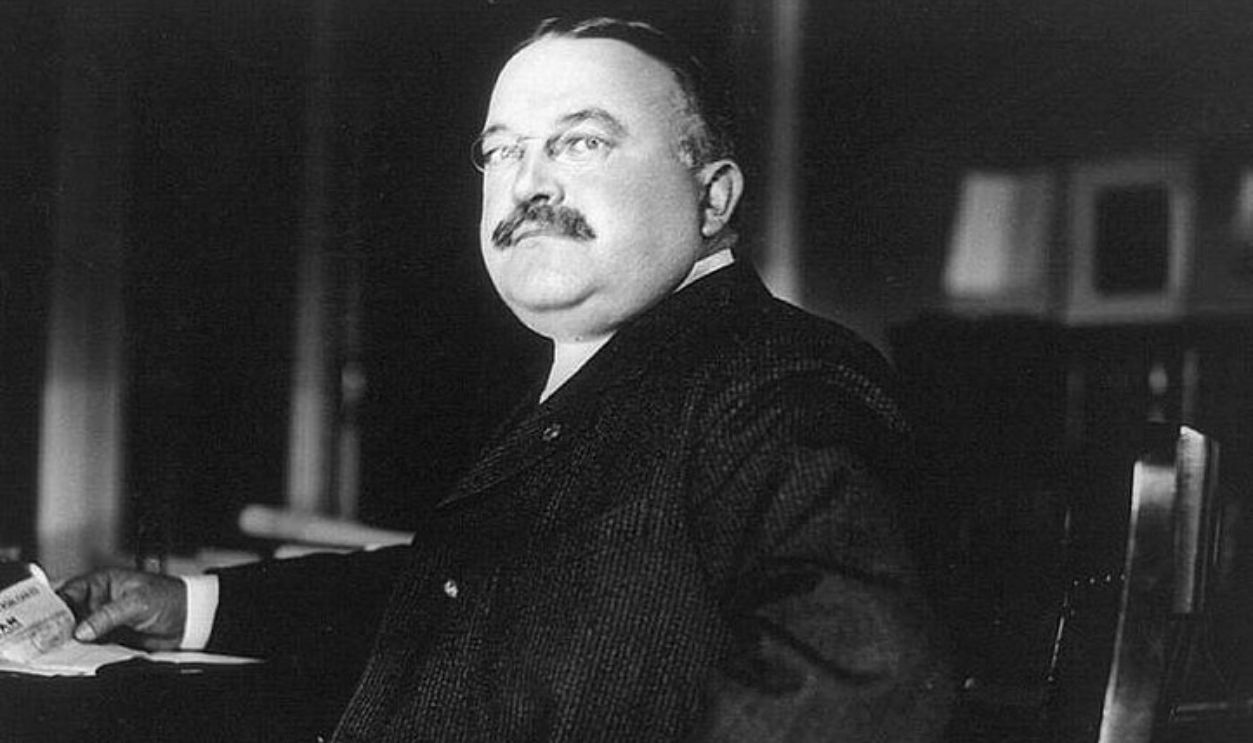
The group included heavy hitters like Truman Handy Newberry and Russell A. Alger Jr., who stepped in to help refinance the business. Then, on October 2, 1902, they made it official—renaming the New York and Ohio Automobile Company as the Packard Motor Car Company and securing majority ownership in the process.
 Walden Fawcett, Wikimedia Commons
Factory Relocation
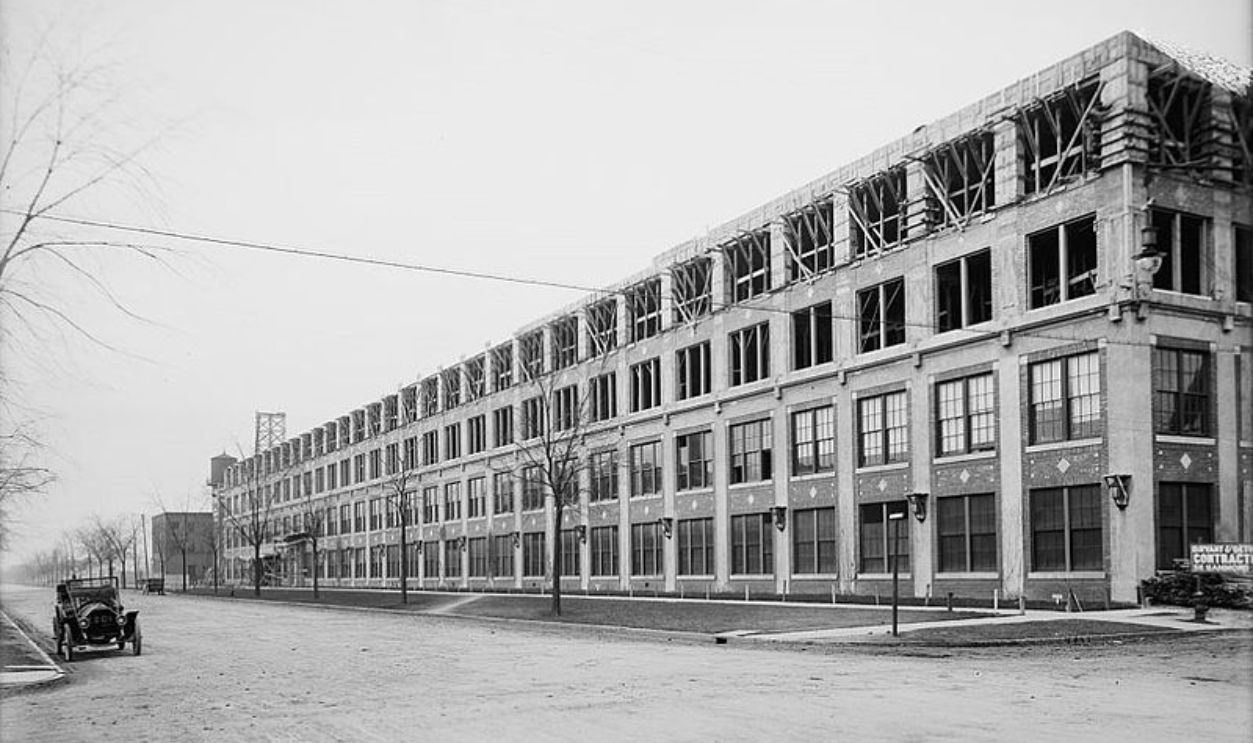
The following year, in 1903, the Packard Motor Car Company relocated its operations from Warren, Ohio, to Detroit, Michigan. Mainly because there were plenty of parts suppliers and a growing automotive industry around, it was located on East Grand Boulevard in Detroit.
 Unknown Author, Wikimedia Commons
Early Factory Layout
This plant was recognized as one of the most advanced car factories in the world at that time. It was built on a 35-acre plot along a railway. The first nine buildings were constructed with cramped rooms supported by wooden columns and limited natural light.
 Albert duce, CC BY-SA 3.0, Wikimedia Commons
Kahn's Concrete Revolution
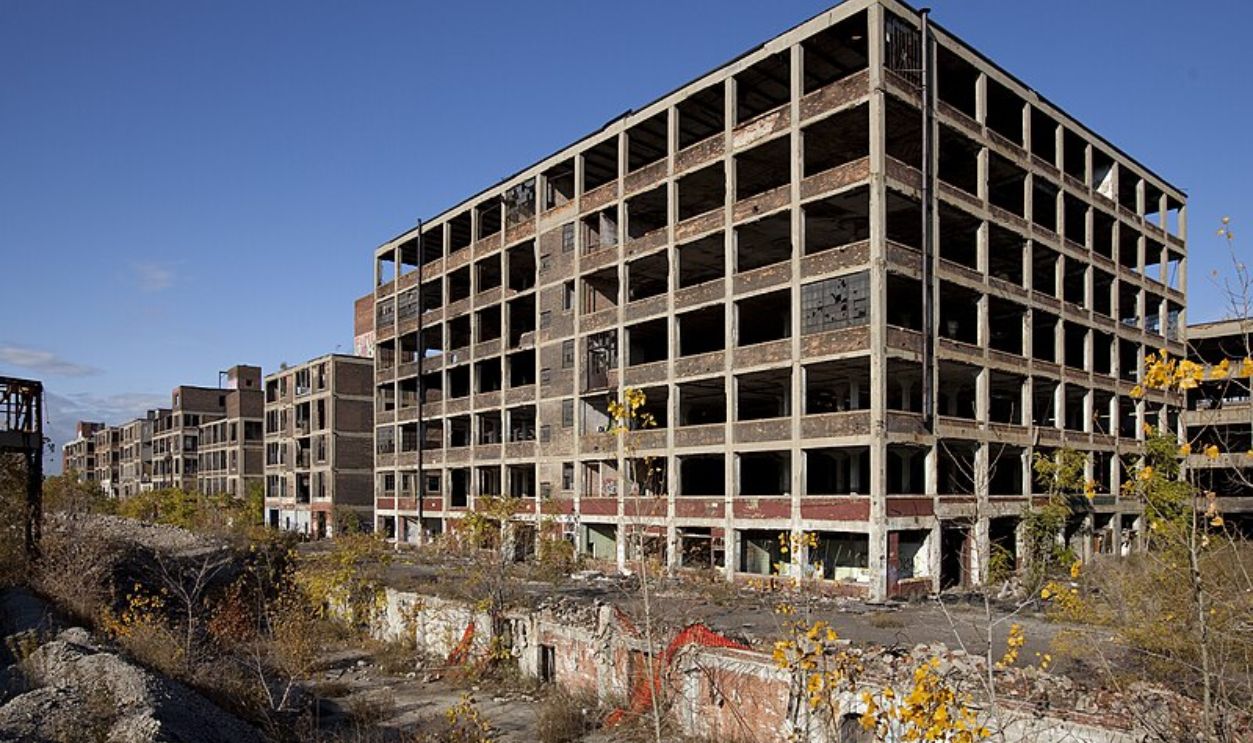
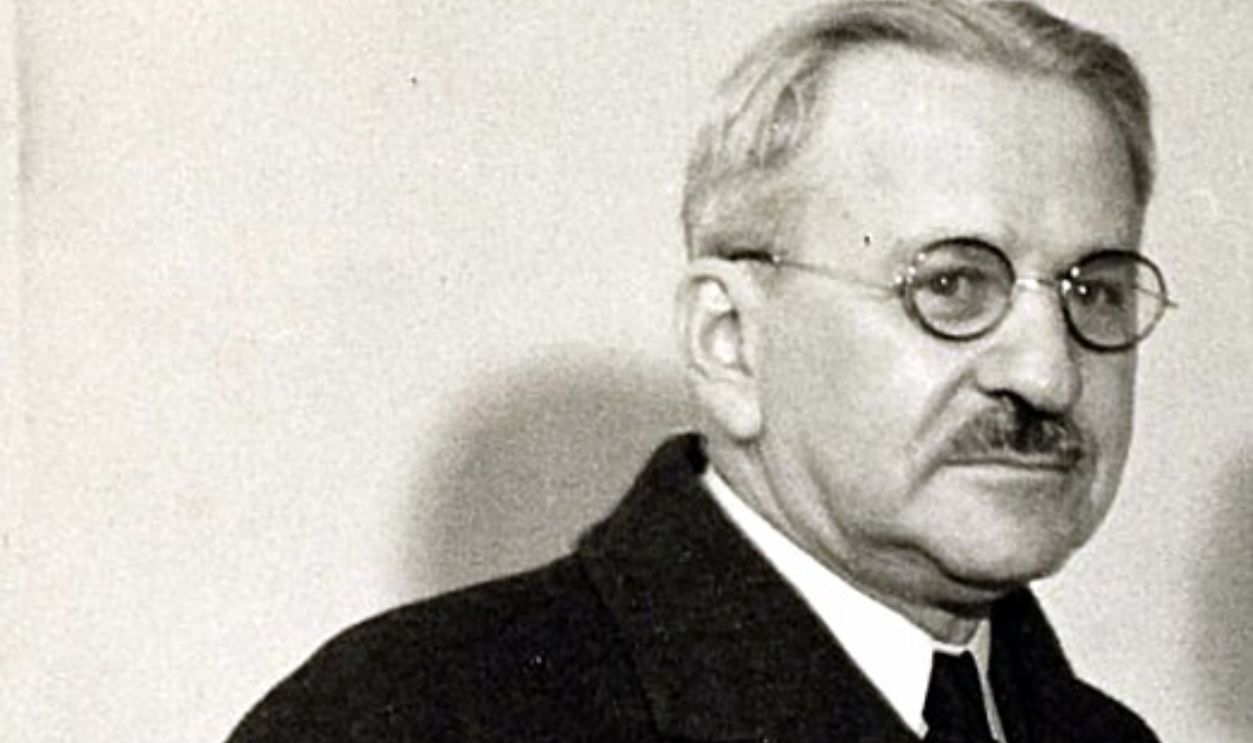
The factory spanned close to 3.5 million square feet and covered around 40 acres of land. Designed by architect Albert Kahn, the plant had reinforced concrete, having Building #10 completed in 1906. It was the first of its kind in automobile manufacturing.
 Unknown Author, Wikimedia Commons
Skilled Workforce
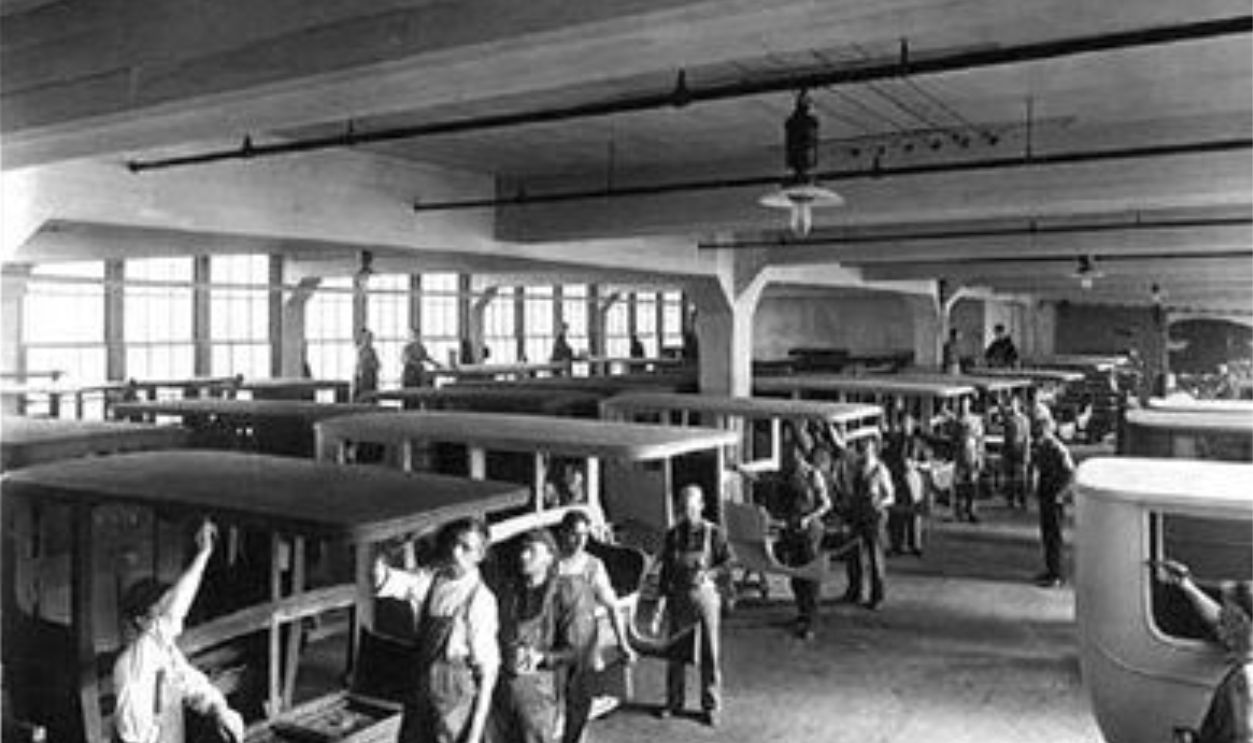
Packard craftsmen practiced over 80 specialized trades within the facility. Their innovations included developing the modern steering wheel, pioneering automotive air-conditioning, and creating one of the first production 12-cylinder engines.
 Trussed Concrete Steel Company, Wikimedia Commons
Collaborative Engine Breakthrough
By creating the Liberty L-12 engine during World War I, Packard used its engineering know-how to satisfy army requirements. In the middle of 1917, Jesse G. Vincent of Packard and Elbert J. Hall of Hall-Scott collaborated on the design of the Liberty L-12.
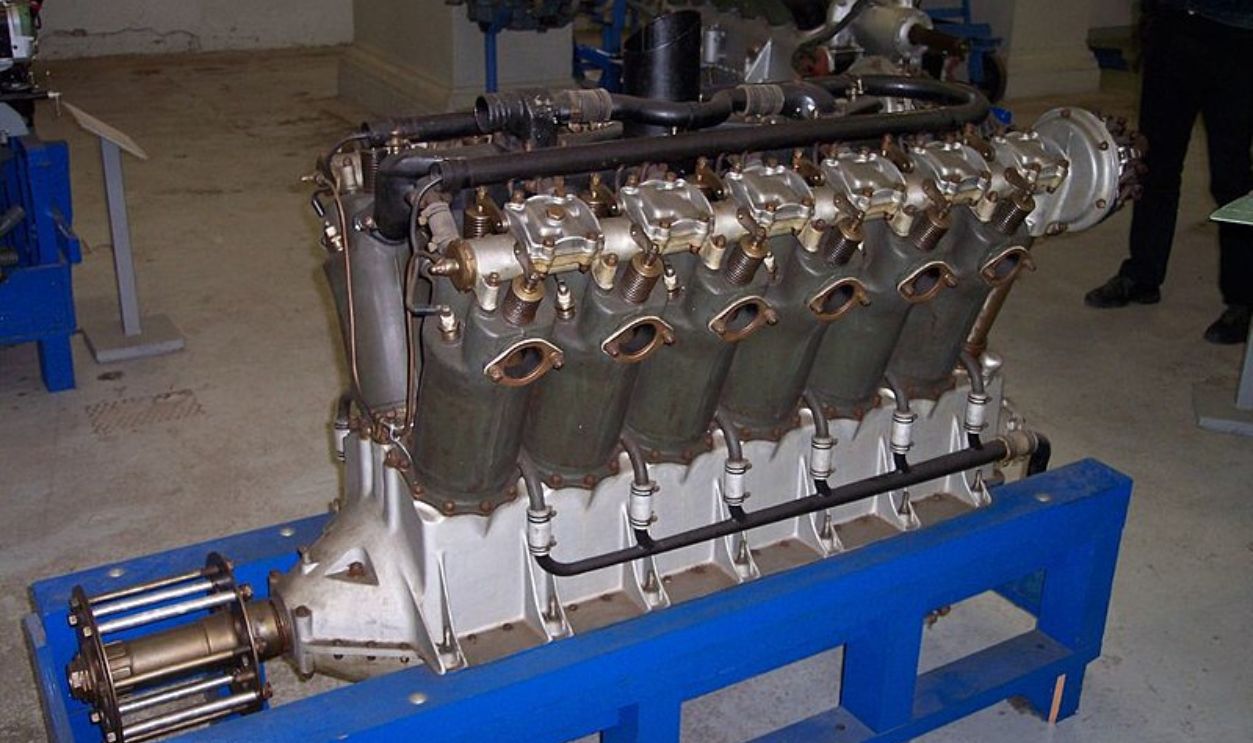 Unknown Author ,CC BY-SA 3.0, Wikimedia Commons
Liberty L-12 Engine
In terms of its specifications, the Liberty L-12 was a water-cooled, V-type, 12-cylinder engine that featured a displacement of around 1,649 cubic inches (27 liters). Alongside that, it had a power output of approximately 400 horsepower (298 kW) at 1,800 rpm.
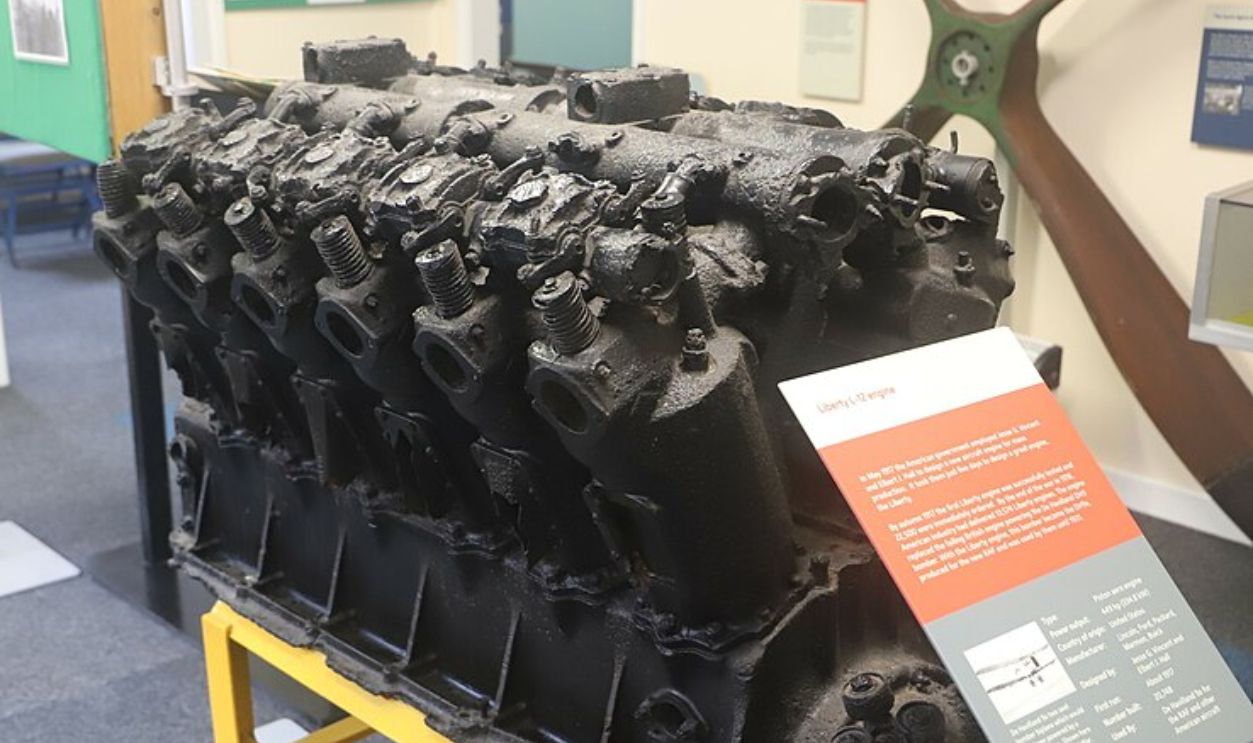 Nimbus227, CC0, Wikimedia Commons
Elite Clientele
Packard’s slogan, Ask the man who owns one, perfectly captured the brand’s elite reputation and no-compromises approach to quality. That prestige wasn’t just marketing hype either—it was cemented when President Franklin D. Roosevelt selected a Packard as his official limousine, putting the brand firmly in presidential territory.
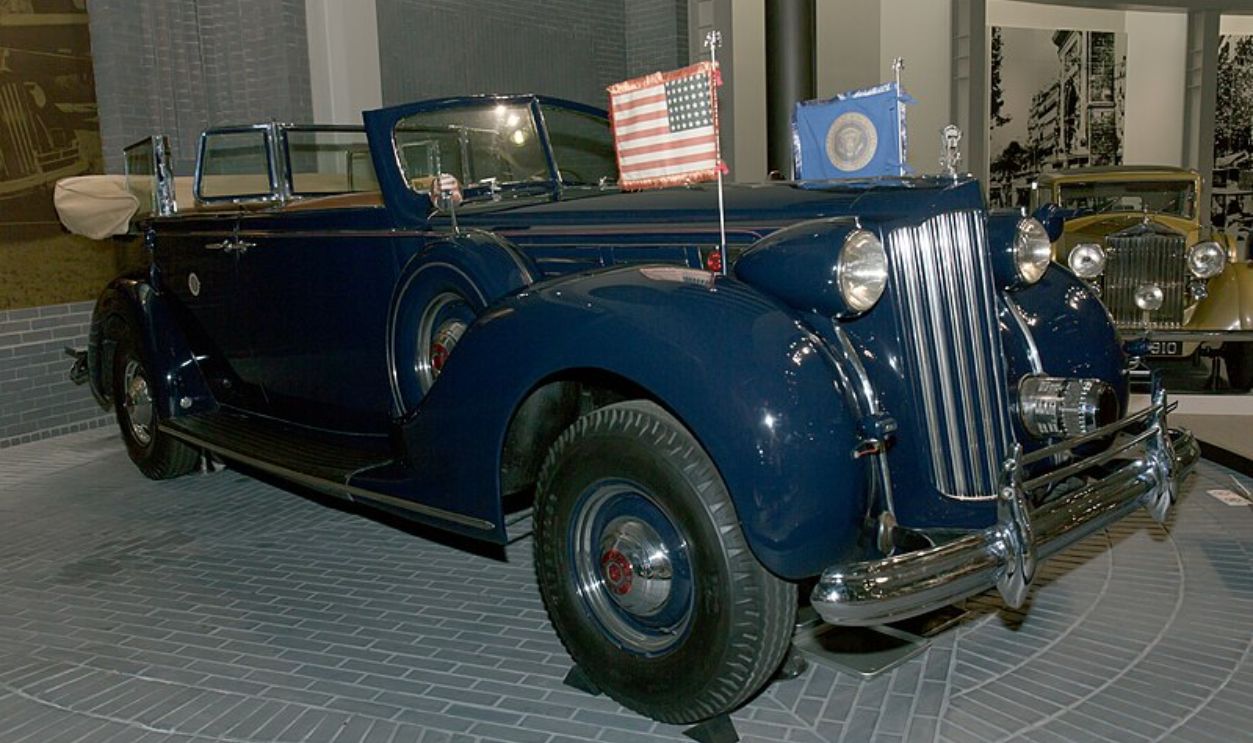 Morio, CC BY-SA 3.0, Wikimedia Commons
Engines Powering Victory
It was WWII that turned the plant into a military production powerhouse. Packard produced a total of 55,523 Merlin V-12 engines under contract with Rolls-Royce. These engines drove the P-51 Mustang fighters, known for their performance and dominance.
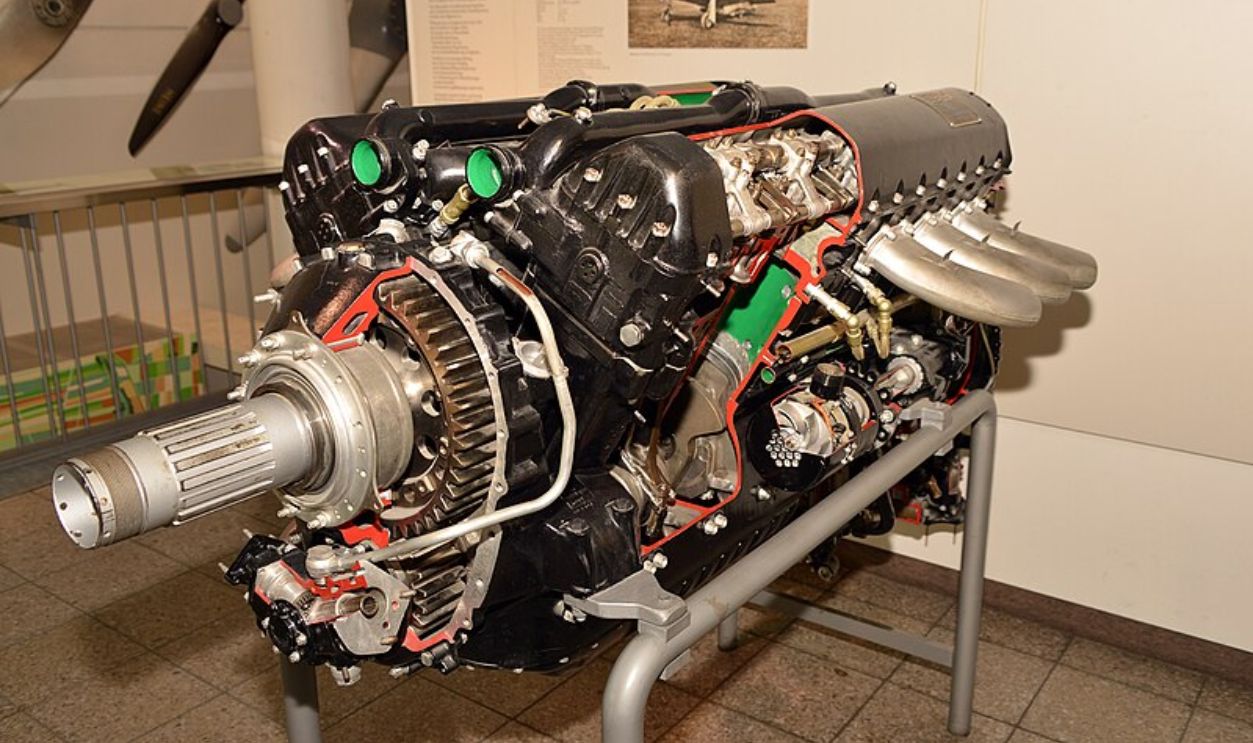 Arjun Sarup, CC BY-SA 4.0, Wikimedia Commons
Market Shift
In the aftermath of the conflict, Packard faced severe challenges that forced the company to alter its market strategy. In an effort to boost sales, Packard now started targeting middle-class consumers by introducing quite less expensive models.
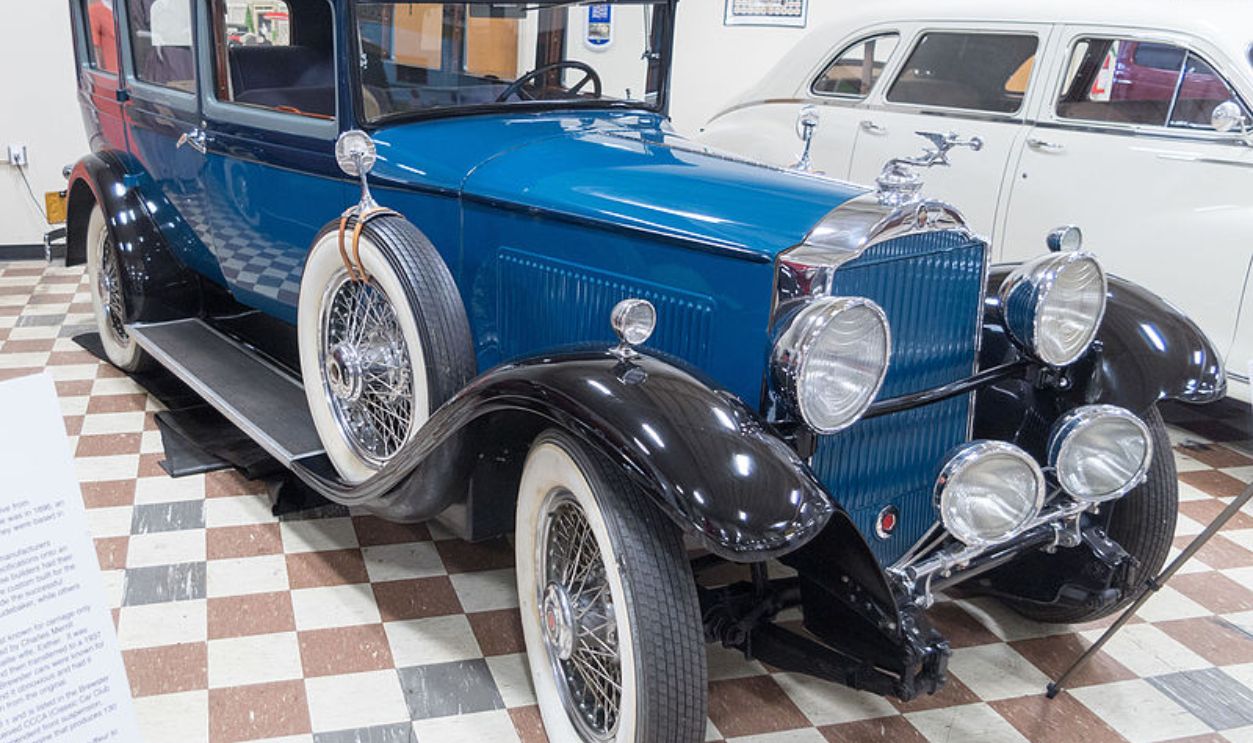 Patrick Pelletier, CC BY-SA 4.0, Wikimedia Commons
Ambition Meets Failure
However, as Packard tried to break into the middle market, it ended up pushing away their wealthy customers. The company also encountered huge competition from major automakers like General Motors, Ford, and Chrysler, who were ramping up production.
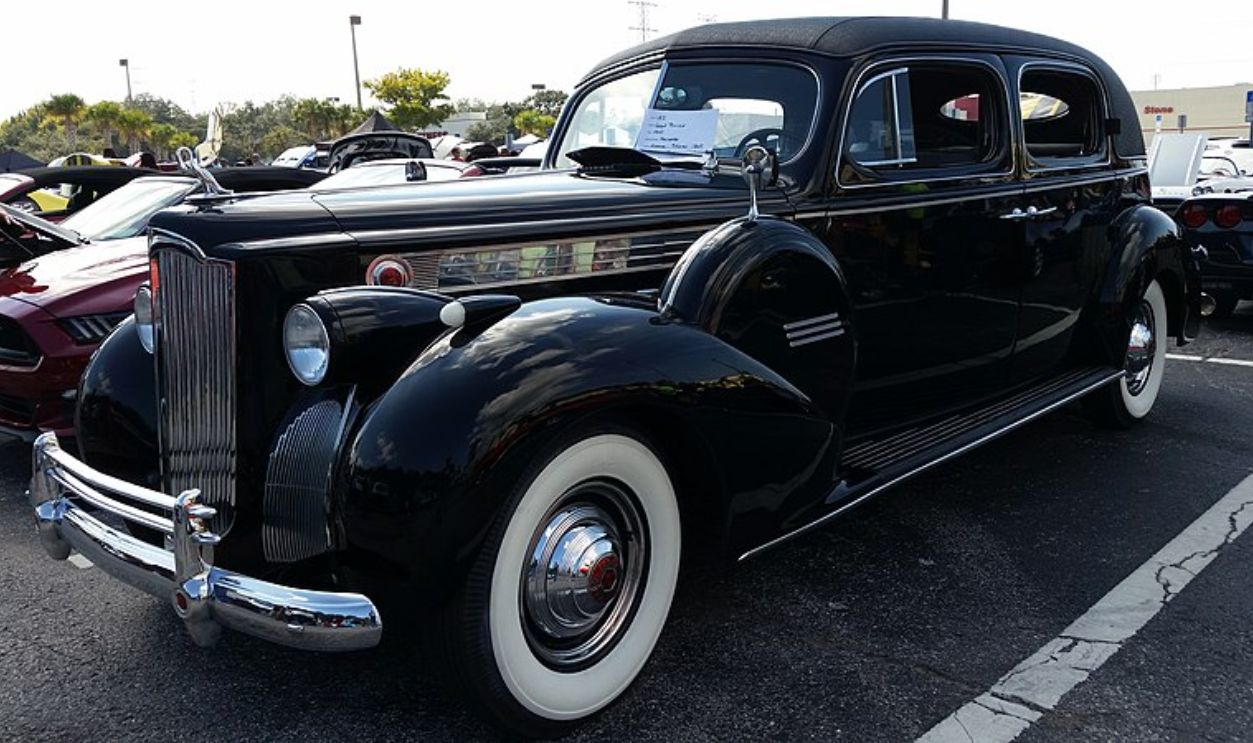 Michel Curi, CC BY 2.0, Wikimedia Commons
1941 Packard Clipper
Despite efforts to bring new life to the Packard brand with new models like the Packard Clipper, the company faced problems. The well-known Packard Clipper was introduced in April 1941 as a mid-model year entry and was first available only as a four-door sedan.
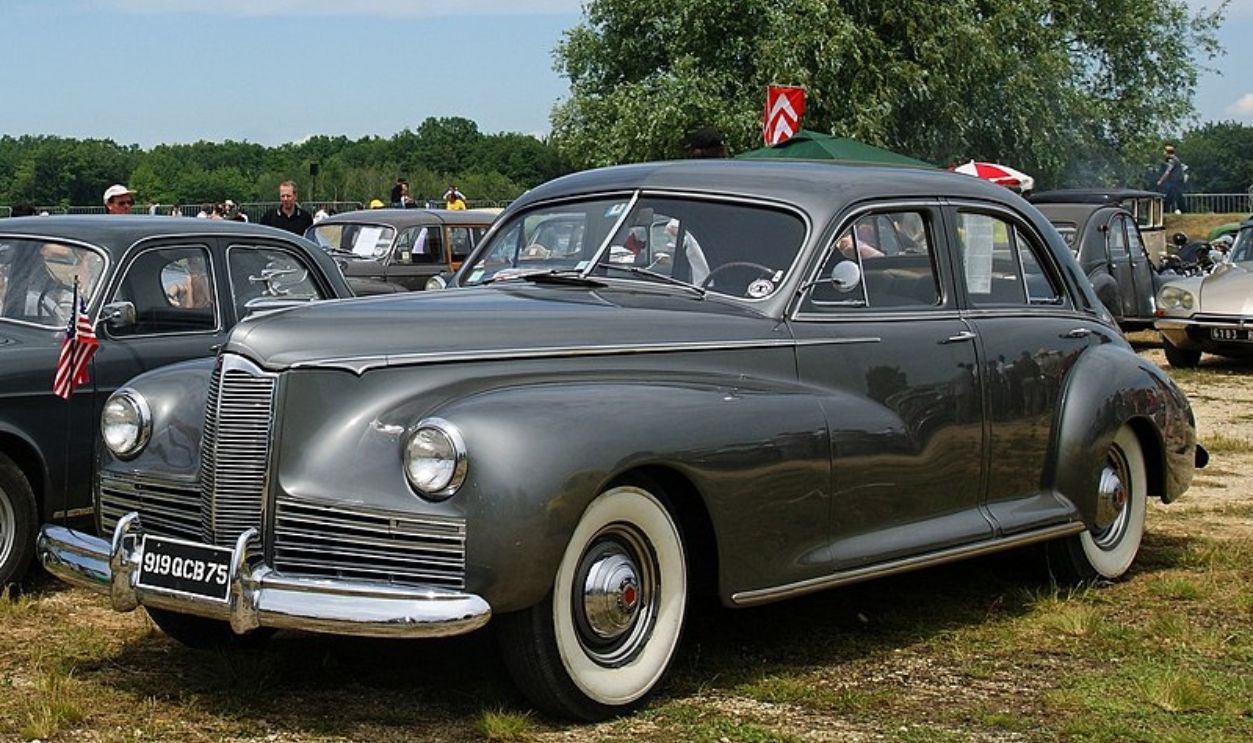 besopha, CC BY-SA 2.0, Wikimedia Commons
Clipper's Advancements
With a 127-inch wheelbase, the Clipper had a streamlined body shape with advanced engineering. This included new inventions such as pivoting venti panes in the rear doors and a double-link steering design. It also had a 125-horsepower straight-eight engine.
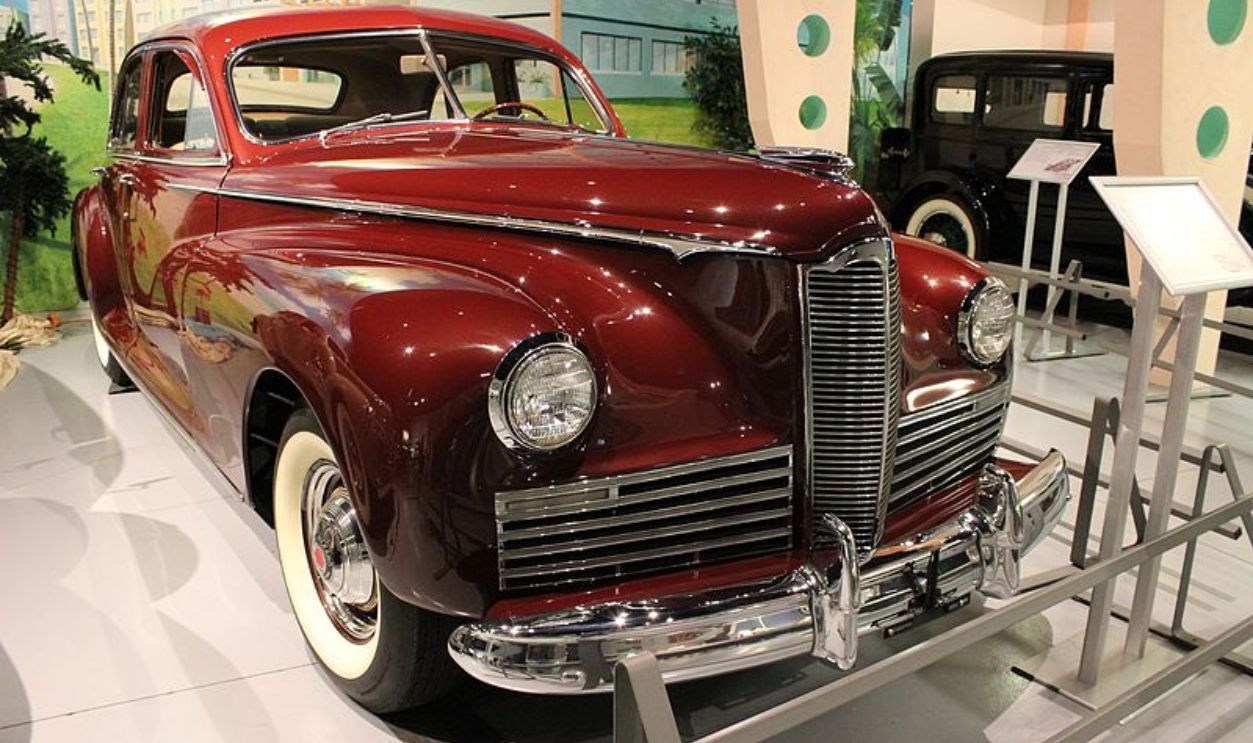 ilikewaffles11, CC BY 2.0, Wikimedia Commons
The Packard And Studebaker Merger
The 1954 merger between Packard and the struggling Studebaker Corporation sadly proved disastrous for both companies. Basically, this planned merger aimed to create a stronger automobile manufacturer by combining Packard's reputation with Studebaker's dealer network.
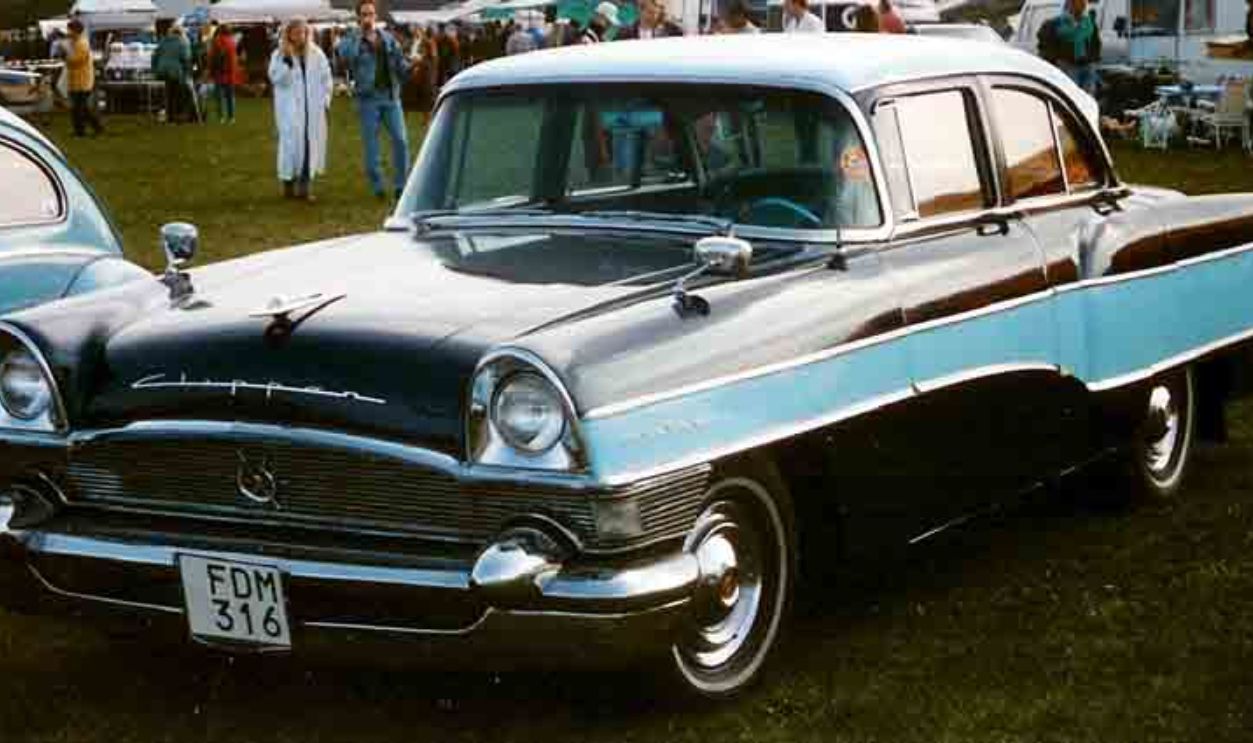 Lars-Göran Lindgren Sweden, CC BY-SA 3.0, Wikimedia Commons
Fatal Miscalculation
After the merger, an uncomfortable truth quickly surfaced: Packard hadn’t been fully briefed on just how bad Studebaker’s finances really were. The company needed to sell roughly 282,000 cars a year just to break even, yet in 1954 it managed only about 82,000—a gap that spelled serious trouble.
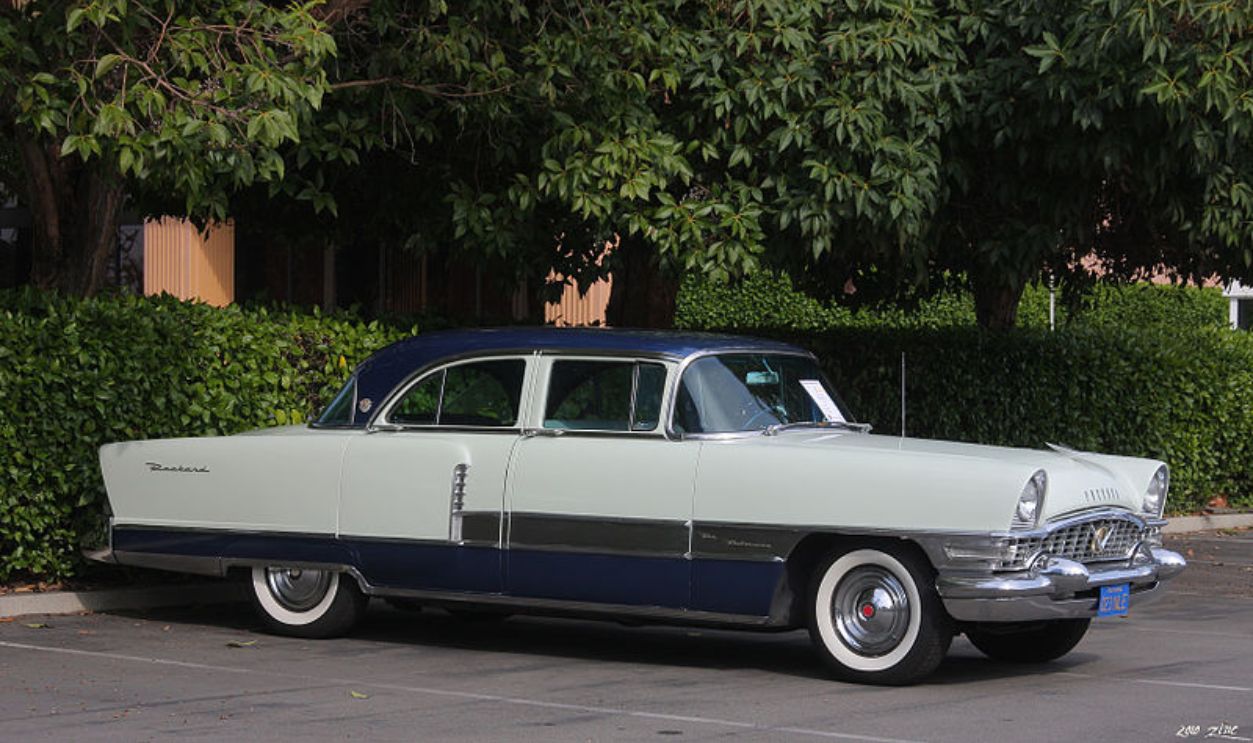 Rex Gray, CC BY-SA 2.0, Wikimedia Commons
Crumbling Profits
This discrepancy severely affected the newly formed Studebaker-Packard Corporation. The combined company never achieved profitability, posting a loss of $43 million in 1956. Production levels were below expectations, running 30% lower than in 1955.
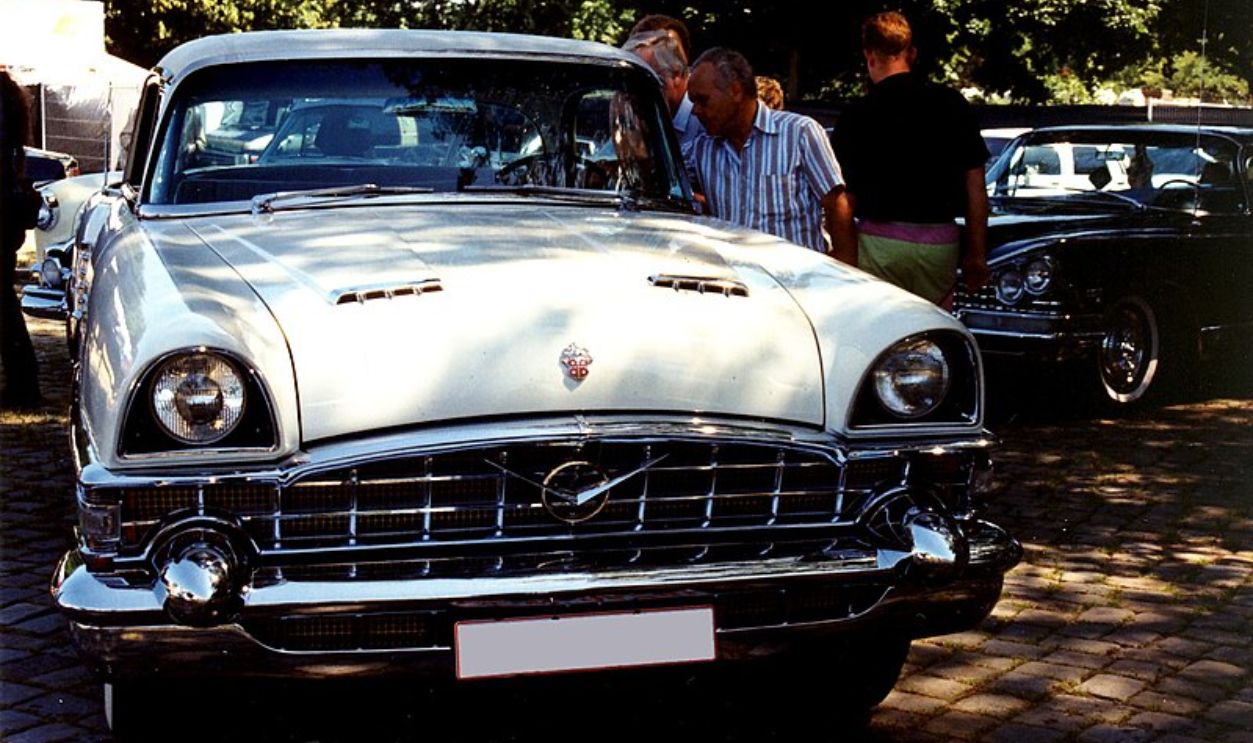 Unknown Author, Wikimedia Commons
Detroit's Final Farewell
Hence, production at the Packard Automotive Plant in Detroit officially ceased on June 25, 1956, marking the end of an era. After the closure, the facility's last employee departed in 1958. By 1959, the prestigious Packard marque had effectively vanished from the scene.
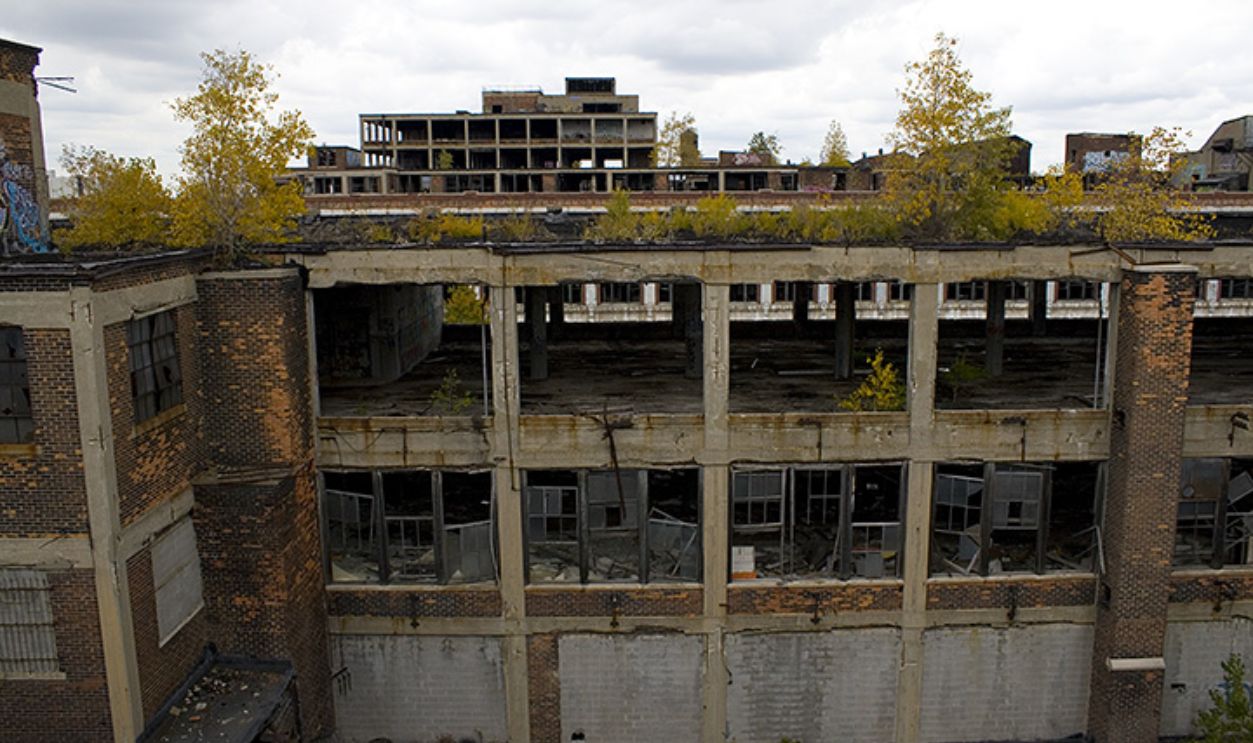 Csmcm, CC BY-SA 3.0, Wikimedia Commons
Fading Automotive Legacy
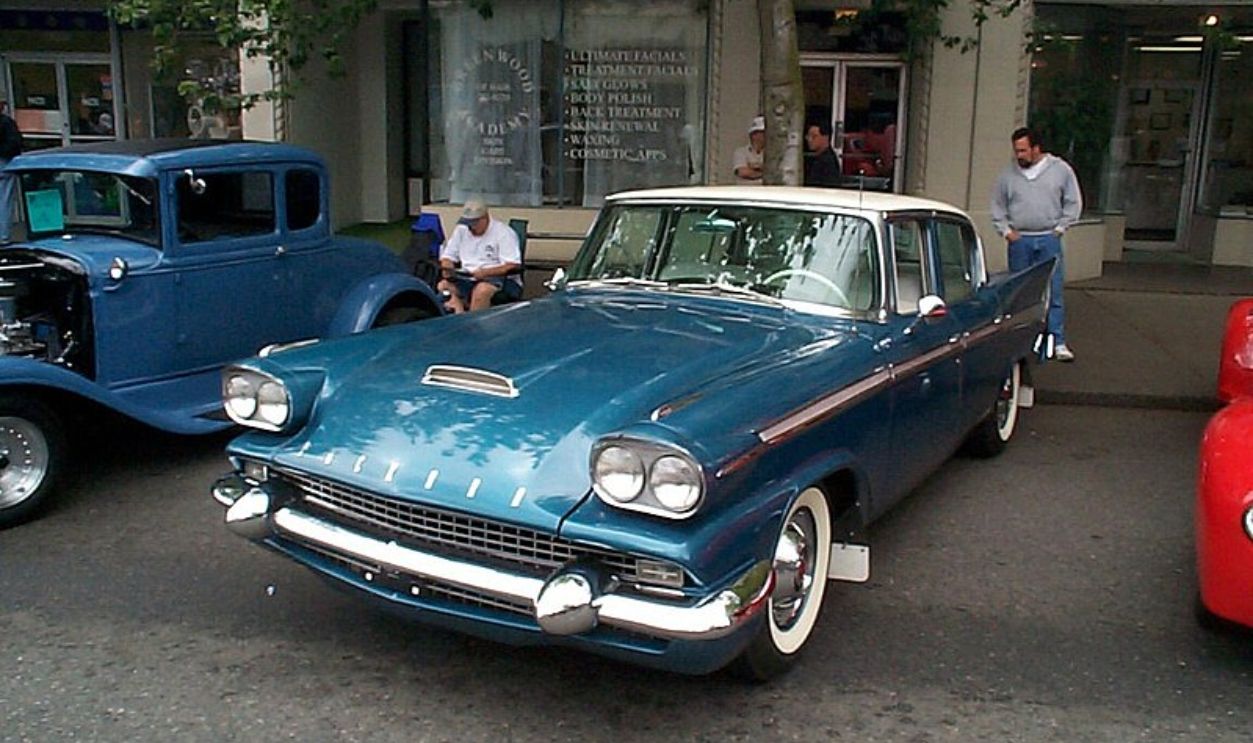
After the Detroit plant closed, a final series of Packard-branded cars were produced at the Studebaker plant in South Bend, Indiana, between 1957 and 1958. These were rebadged versions of Studebaker models, mainly based on the Studebaker President.
 Theodulf, CC BY-SA 3.0, Wikimedia Commons
The Last Models
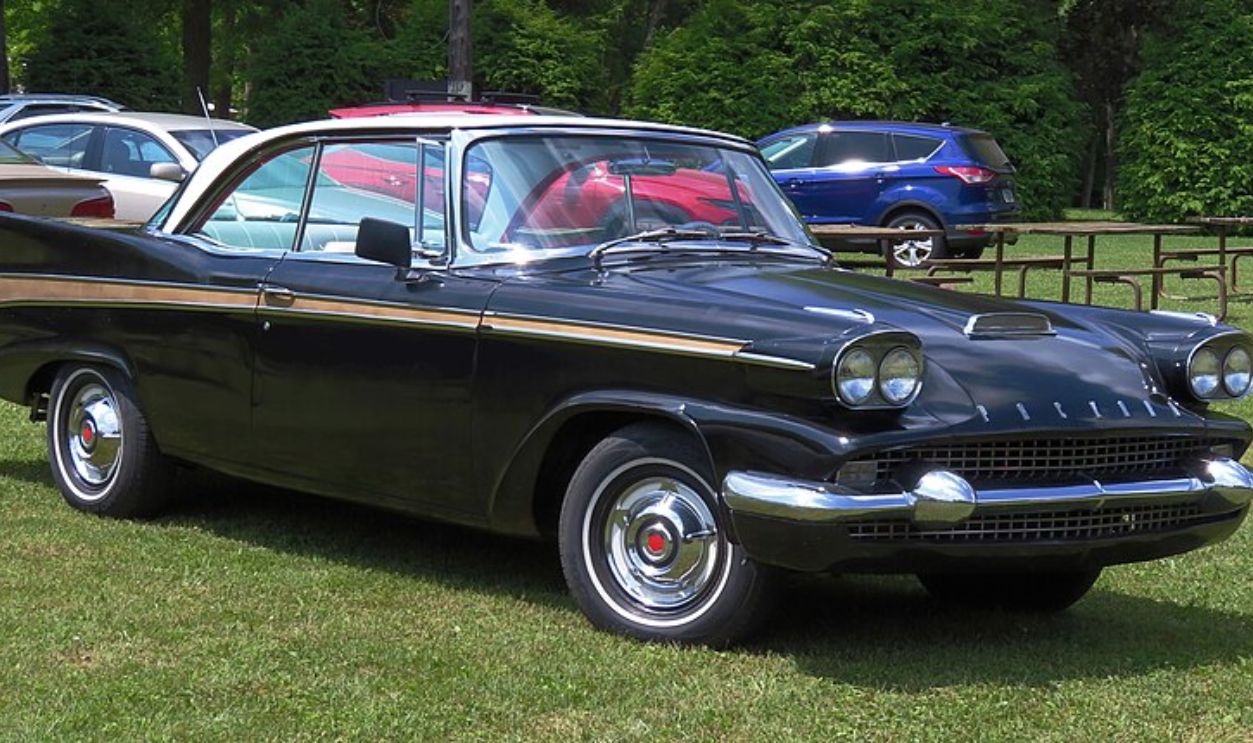
These models utilized a 289 cubic inch (4.7 L) small-block V8 engine that produced approximately 275 horsepower. Only 2,622 Packards were produced for the 1958 model year, including sedans, hardtops, and the sporty Packard Hawk based on the Studebaker Hawk.
 MercurySable99, CC BY-SA 4.0, Wikimedia Commons
Industrial Decline
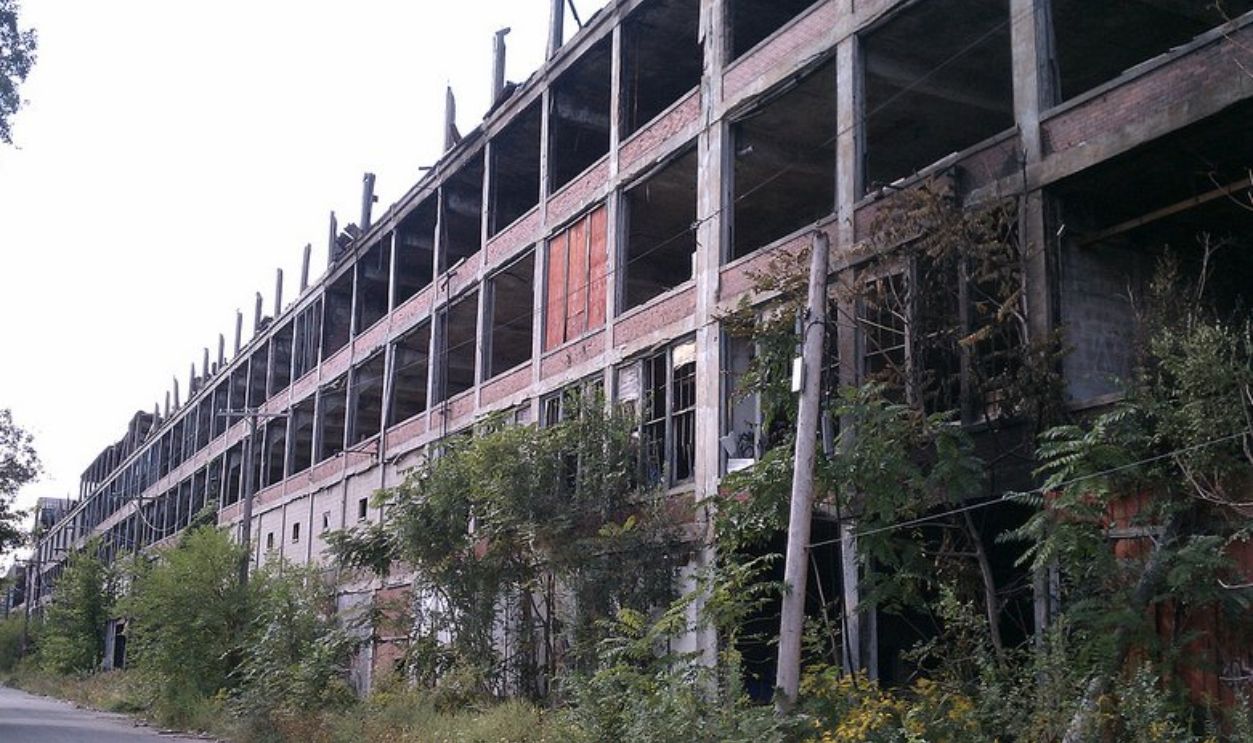
After the closure of the Packard Automotive Plant in 1956, various businesses occupied parts of the complex. One of the long-term tenants was Chemical Processing, which began operations in the plant in 1958. This company remained a tenant until 2010.
 Chris Krahe, CC BY-SA 2.0, Wikimedia Commons
Underground Scenario
It also emerged as a premier venue for underground parties, intersecting with the broader Midwest rave culture influenced by scenes in the UK and Germany. The legendary DJ Richie Hawtin hosted the famous Spastik rave there, drawing hundreds of enthusiasts.
 Sven Volkens, CC BY-SA 4.0, Wikimedia Commons
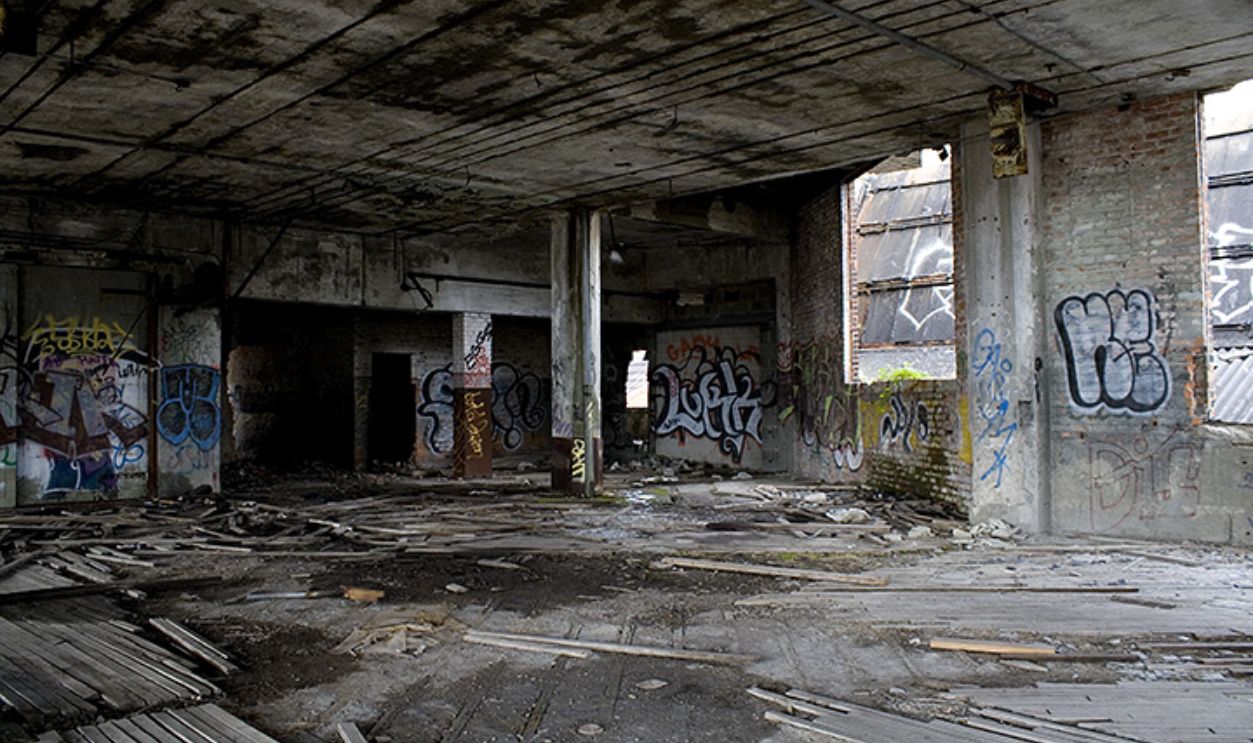
Urban Exploration
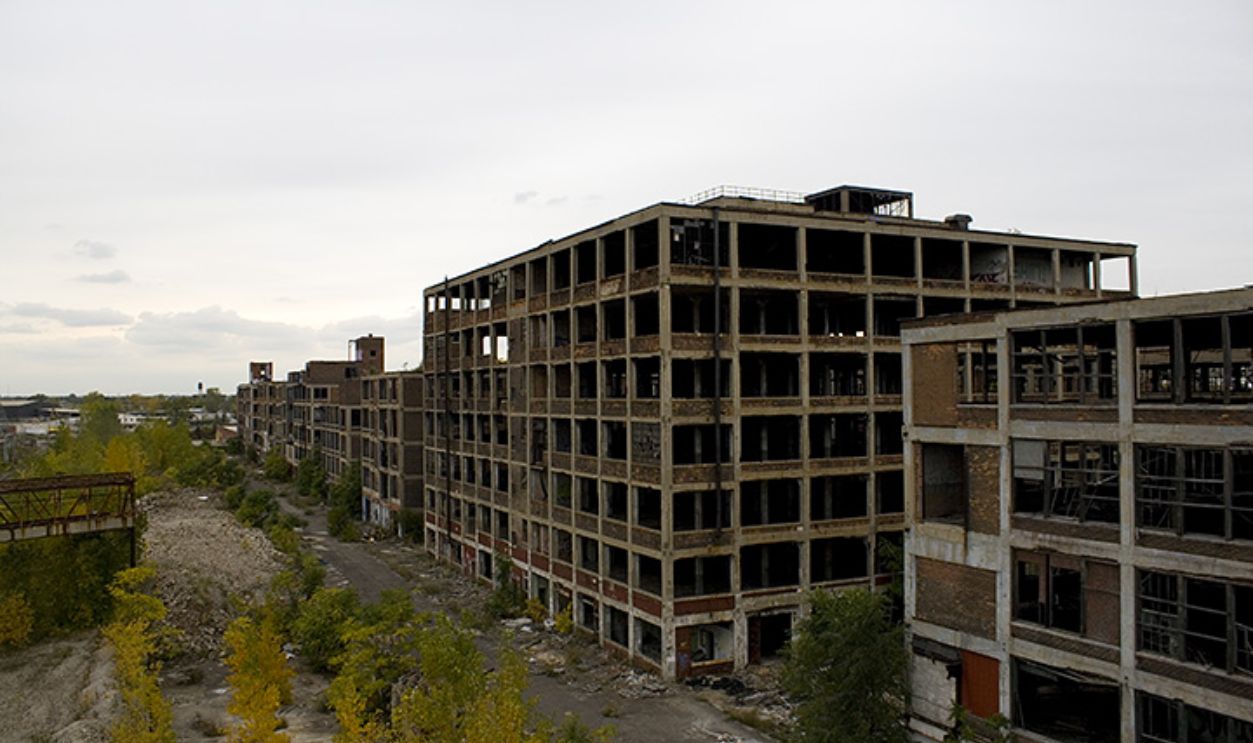
The massive complex later took on a second life as a magnet for urban explorers, especially in the late 2000s. In one infamous 2009 incident, a group of modern-day explorers even made headlines after pushing a dump truck through a fourth-floor opening of the plant.
 Csmcm, CC BY-SA 3.0, Wikimedia Commons
Preservation Concerns
However, Ms. Nagher, executive director of the nonprofit Preservation Wayne, reportedly finds it disturbing that visitors travel "all over the world" to explore Detroit. She said, “Piece by piece, they're disassembling those buildings, making it harder to restore them”.
 Csmcm, CC BY-SA 3.0, Wikimedia Commons
Art Amid Ruins
In 2010, British street artist Banksy created the “I Remember When All This Was Trees” artwork at the factory. This piece showed a child holding a bucket of red paint. The artwork was later removed for preservation and sold at a Beverly Hills gallery for $137,500.
 Ken Lund from Reno, Nevada, USA, CC BY-SA 2.0, Wikimedia Commons
Failed Auctions
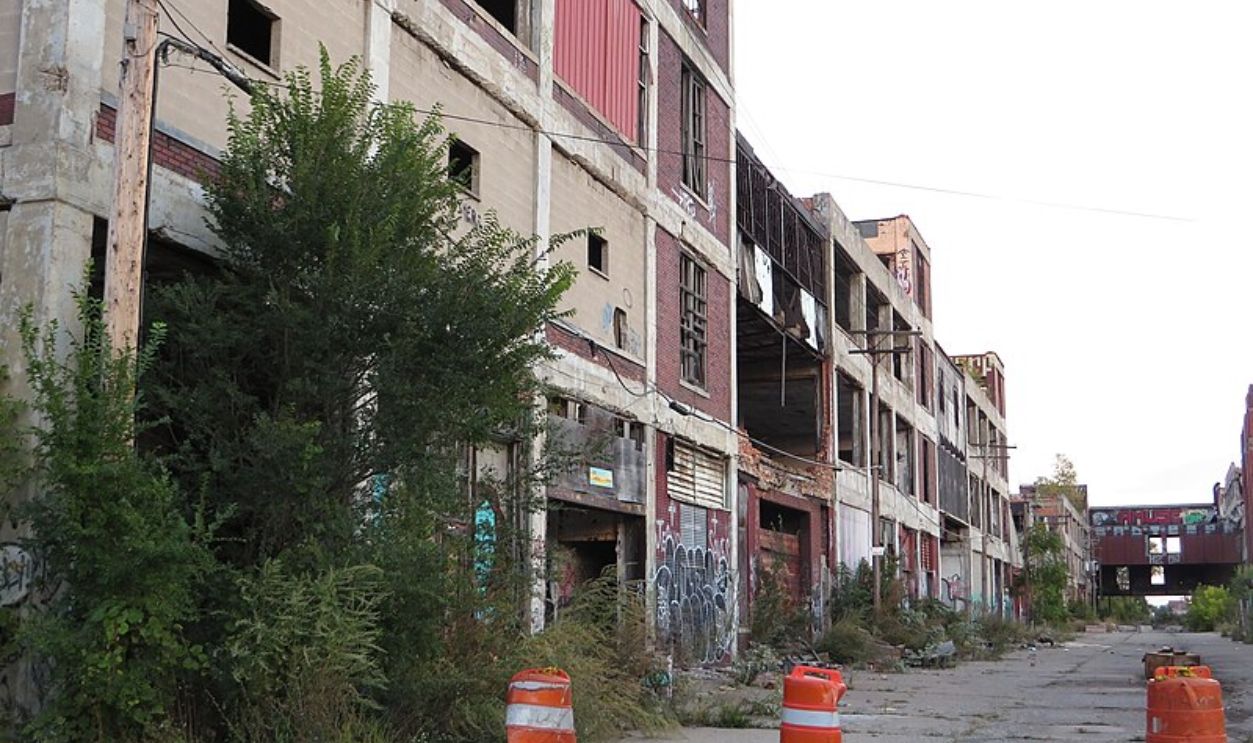
Detroit's 43-parcel Packard Plant went to auction for $975,000 in back taxes in September 2013, finding no buyers. A second auction then started at $21,000, attracting Dr. Jill Van Horn's $6.038 million bid, but she missed the payment deadline.
 Ken Lund from Reno, Nevada, USA, CC BY-SA 2.0, Wikimedia Commons
Palazuelo's Vision
Ultimately, Spanish investor Fernando Palazuelo purchased the plant for $405,000 in December 2013. His ambitious $350 million plan included residential spaces, retail, offices, light industry, and recreation facilities. By 2016, there was slow progress with some stabilization efforts.
 City of Detroit Gov, Wikimedia Commons
Partial Success
Similarly, in 2014, the Packard Plant's Building 22, originally constructed as a 1939 addition for manufacturing Packard-Merlin engines, found new life when it was purchased by Display Group. This group invested $750,000 in renovating Building 22.
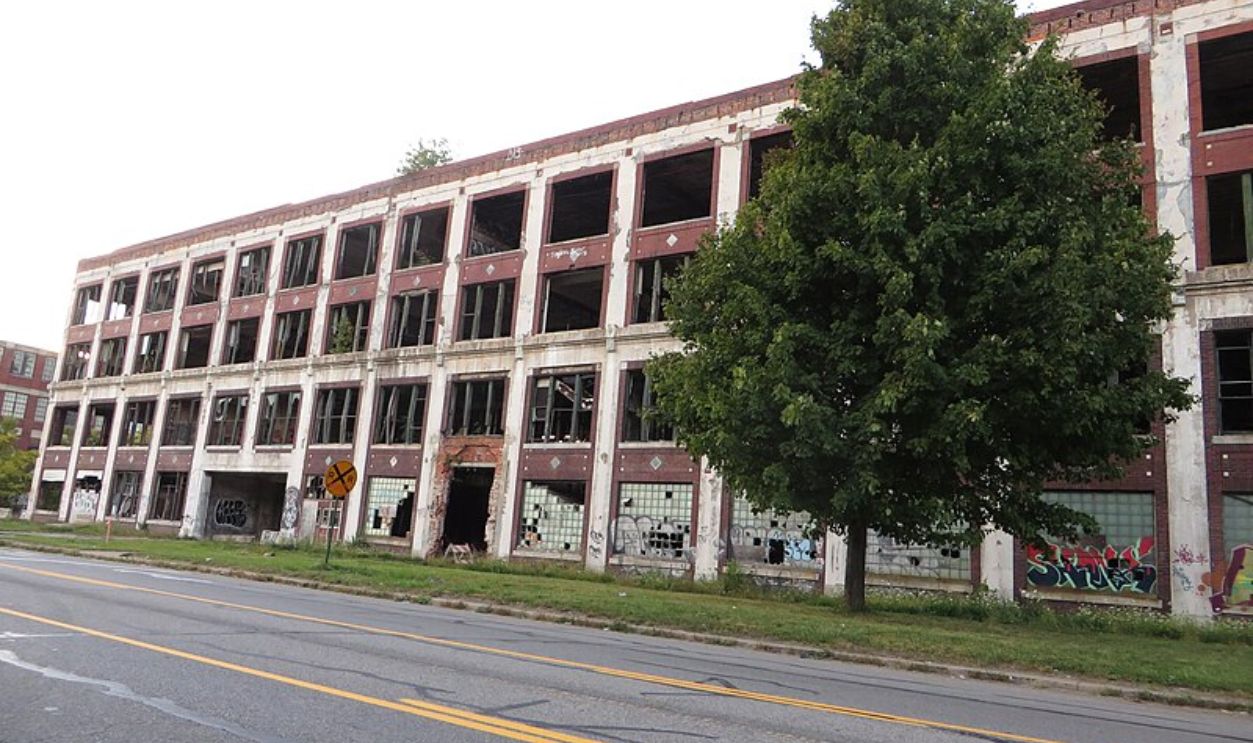 Ken Lund from Reno, Nevada, USA, CC BY-SA 2.0, Wikimedia Commons
Structural Failure
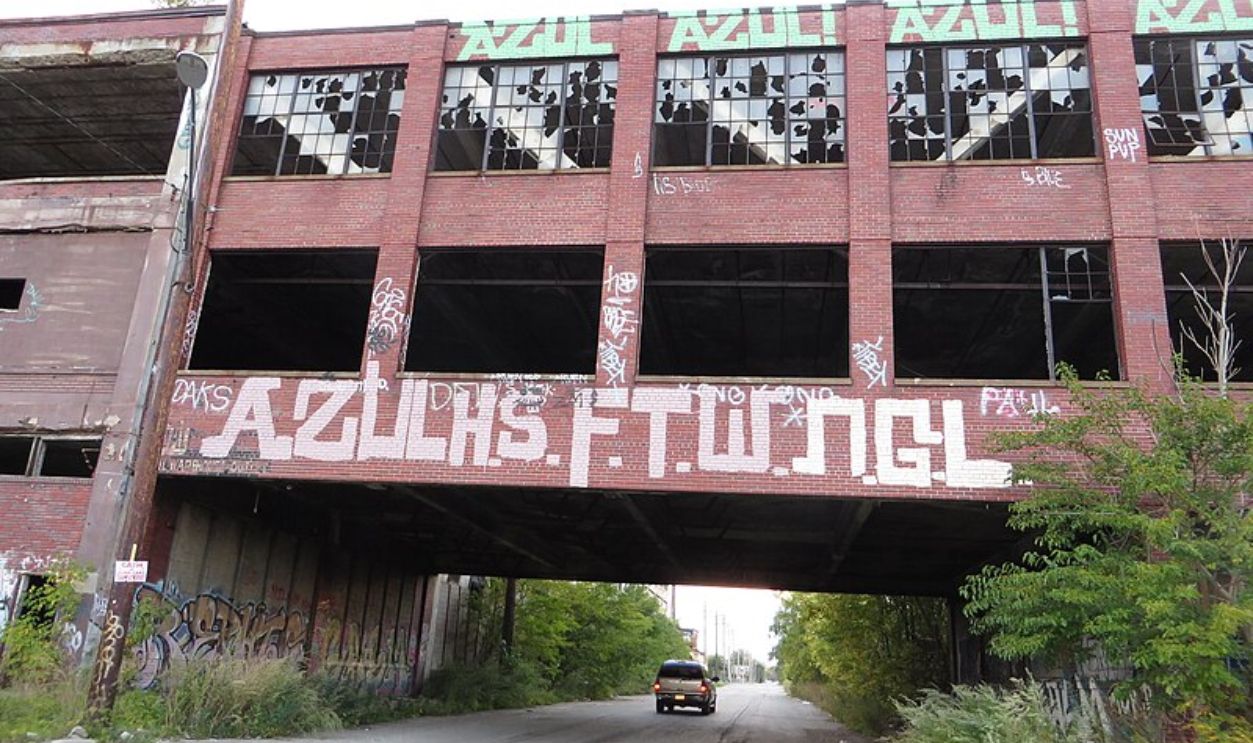
On January 23, 2019, the famous pedestrian bridge over East Grand Boulevard at the Packard Automotive Plant fell apart. Once adorned with the Packard nameplate, the bridge, which connected two buildings within the complex, fell following a severe ice storm.
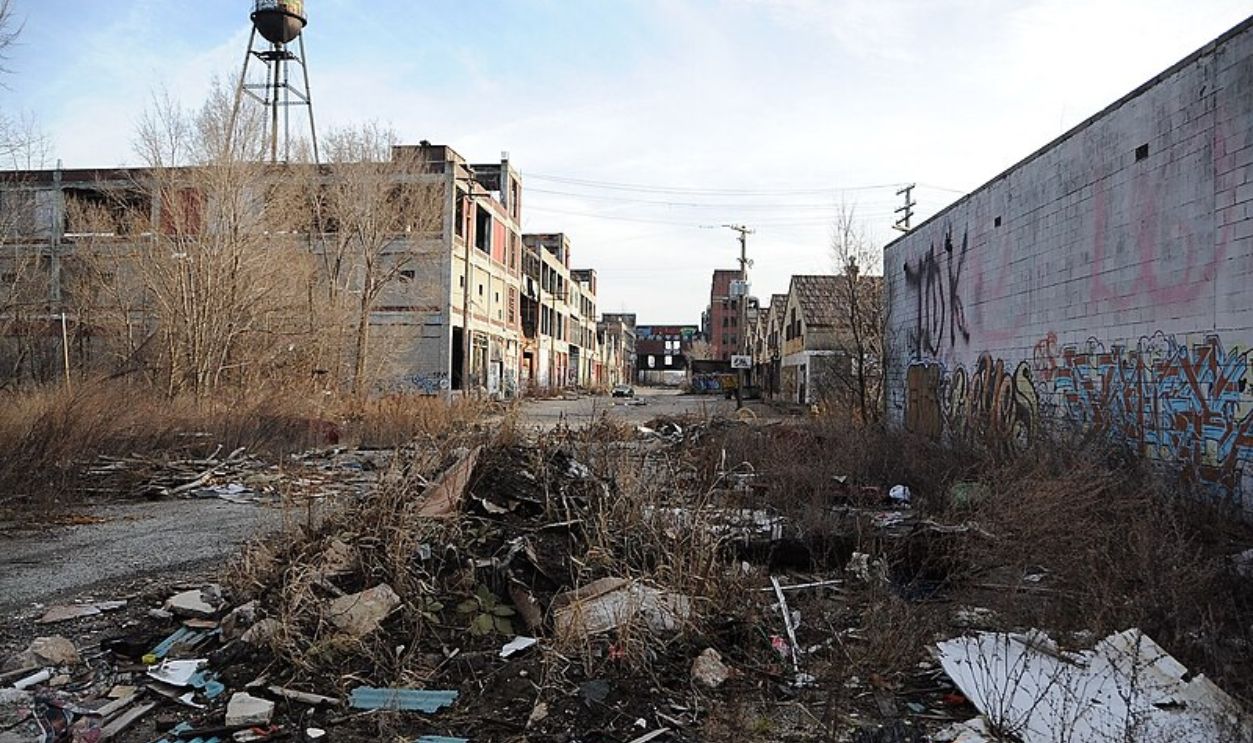 Joe Nuxoll, CC BY 2.0, Wikimedia Commons
Court-Ordered Demolition
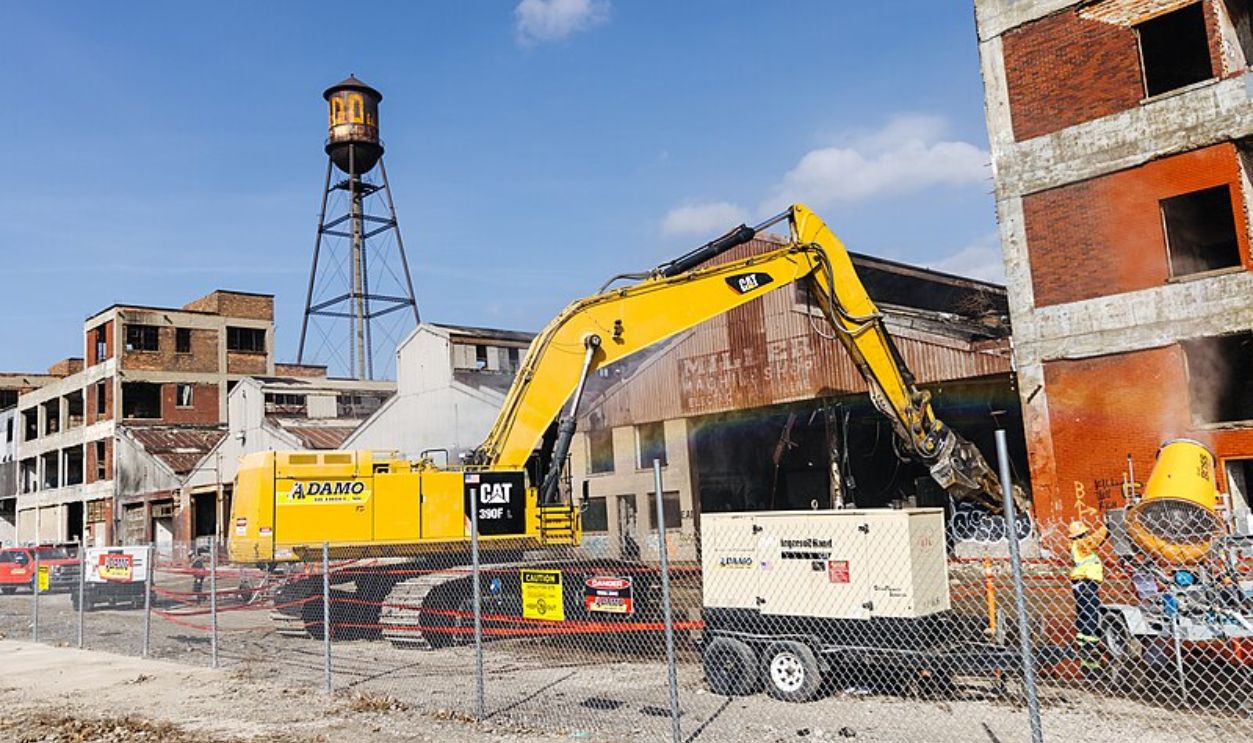
In April 2022, Wayne County Judge Brian Sullivan ordered the plant's demolition, declaring it a severe public nuisance. Detroit City Council swiftly approved a $1.7 million demolition contract, and the work started on Building 21 in October 2022, focusing on the northern complex.
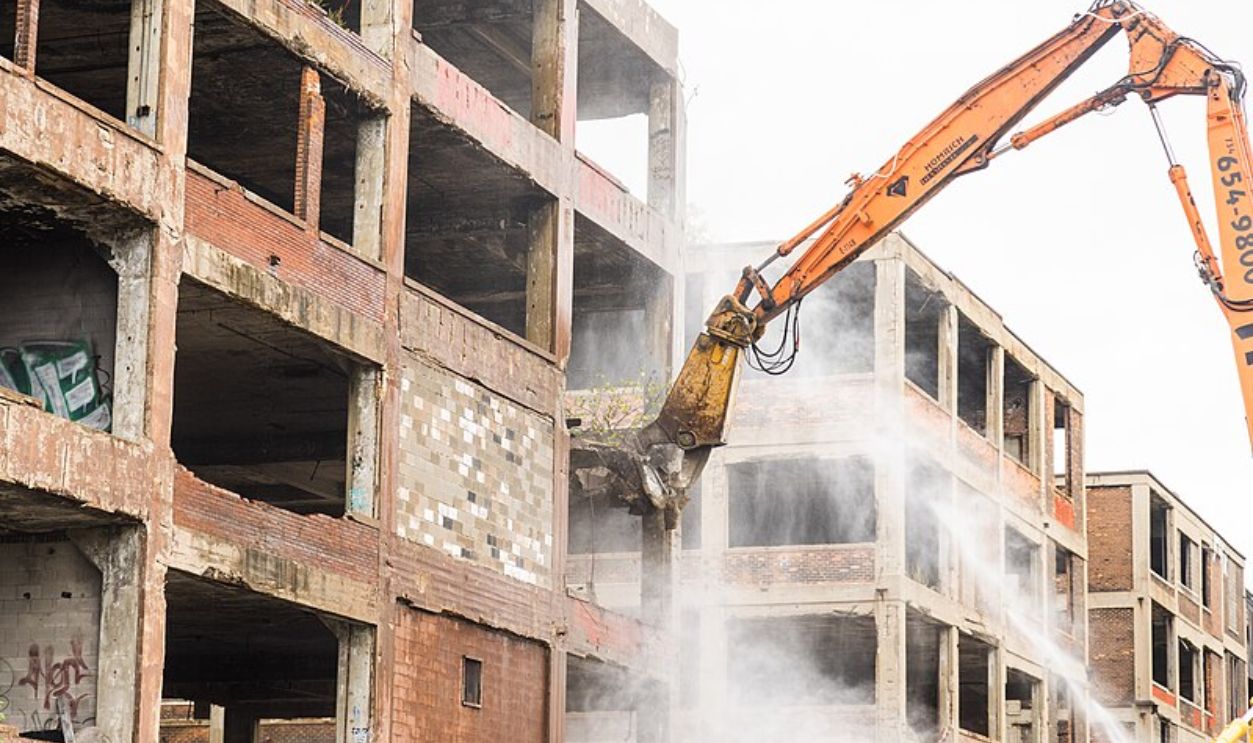 City of Detroit, Wikimedia Commons
Ownership Complications
Soon, around April 2023, the absentee owner paid overdue property taxes, securing rights to private sections. New "NO TRESPASSING/PRIVATELY OWNED" signs appeared across parcels. This caused the city to halt the ongoing demolition of Building 21.
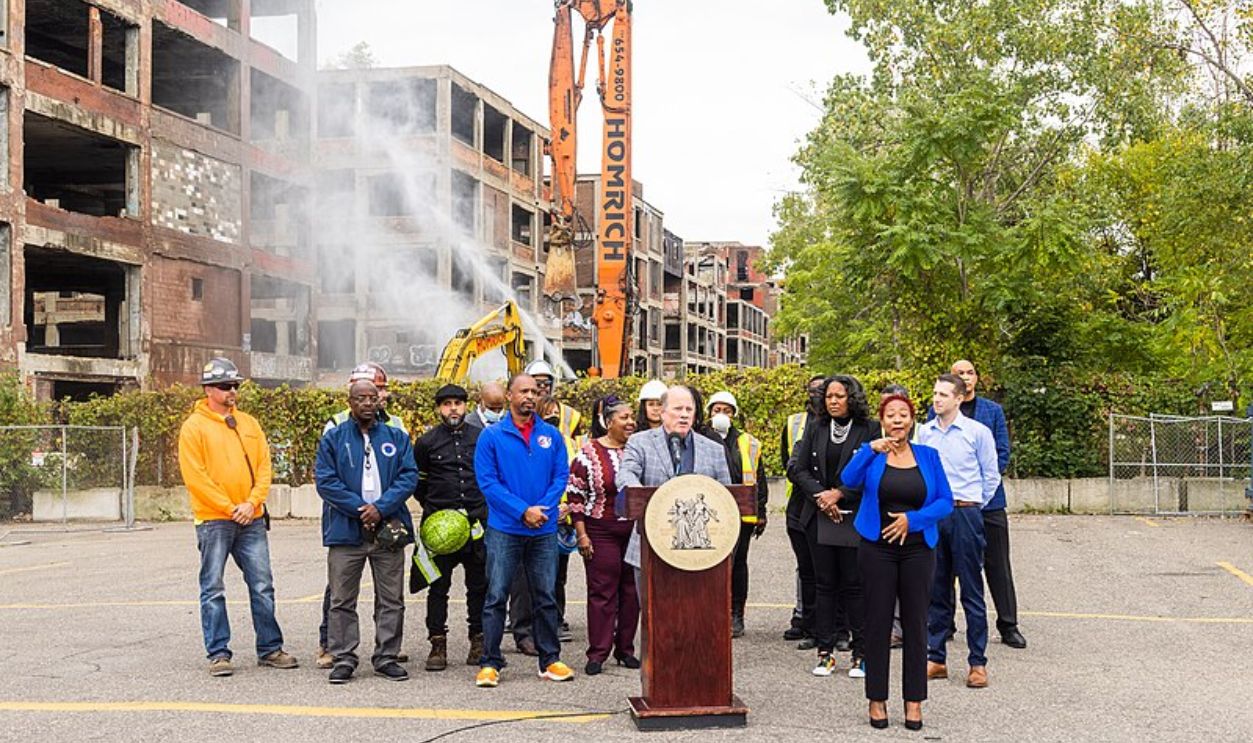 City of Detroit Gov, Wikimedia Commons
Preserved Heritage
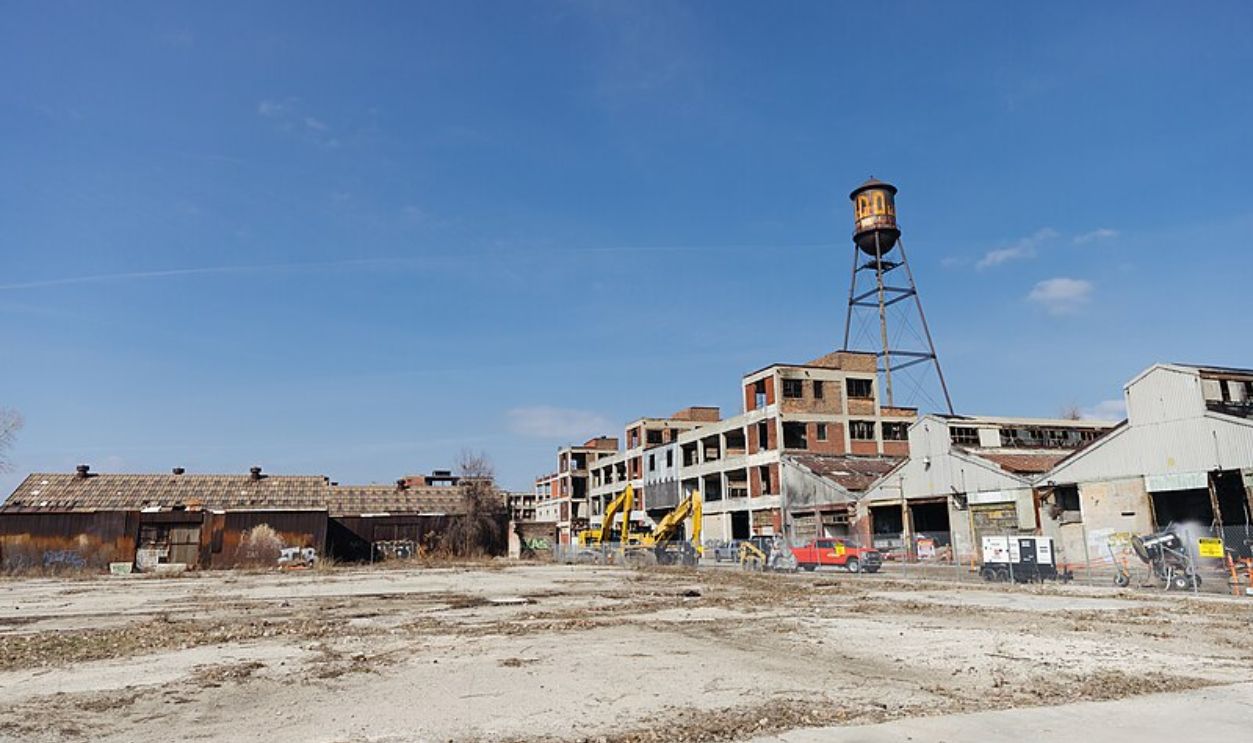
The massive demolition project concluded by December 2024, leaving only two historic sections standing. Administrative Building 13 and Building 27 faced each other across E. Grand Boulevard. These were preserved for their architectural and cultural importance.
 City of Detroit Gov, Wikimedia Commons

.jpg)
.jpg)

.jpg)
.jpg)


.jpg)


.jpg)


.jpg)
.jpg)
.jpg)


.jpg)


.jpg)
.jpg)

.jpg)

.jpg)

.jpg)