The Option That Changed Corvette
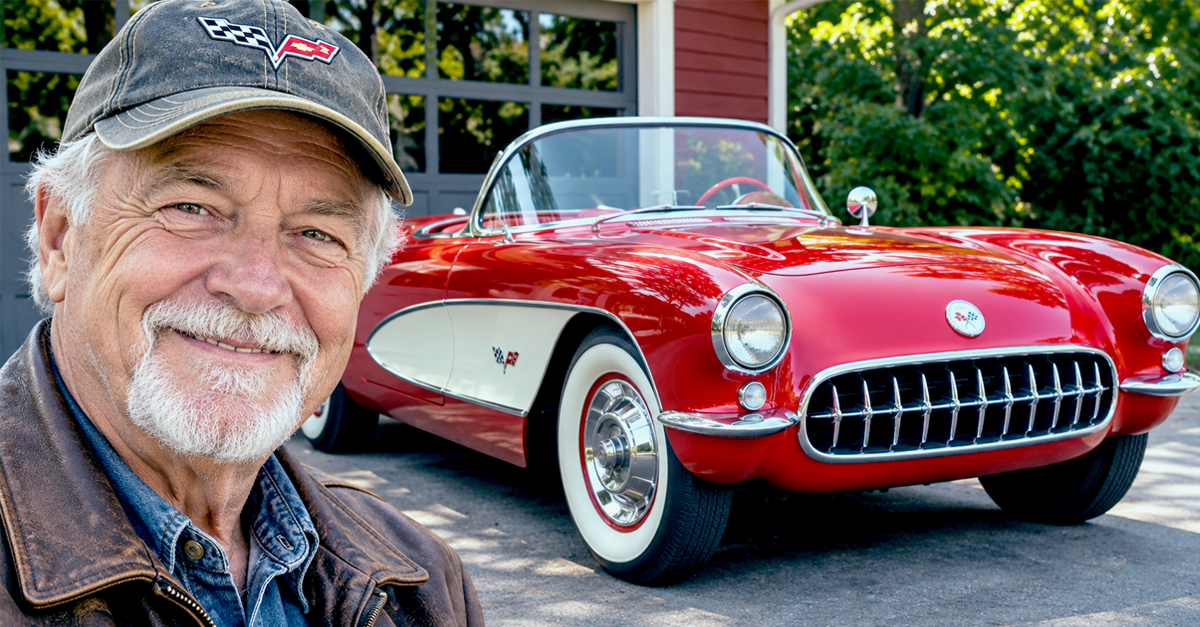
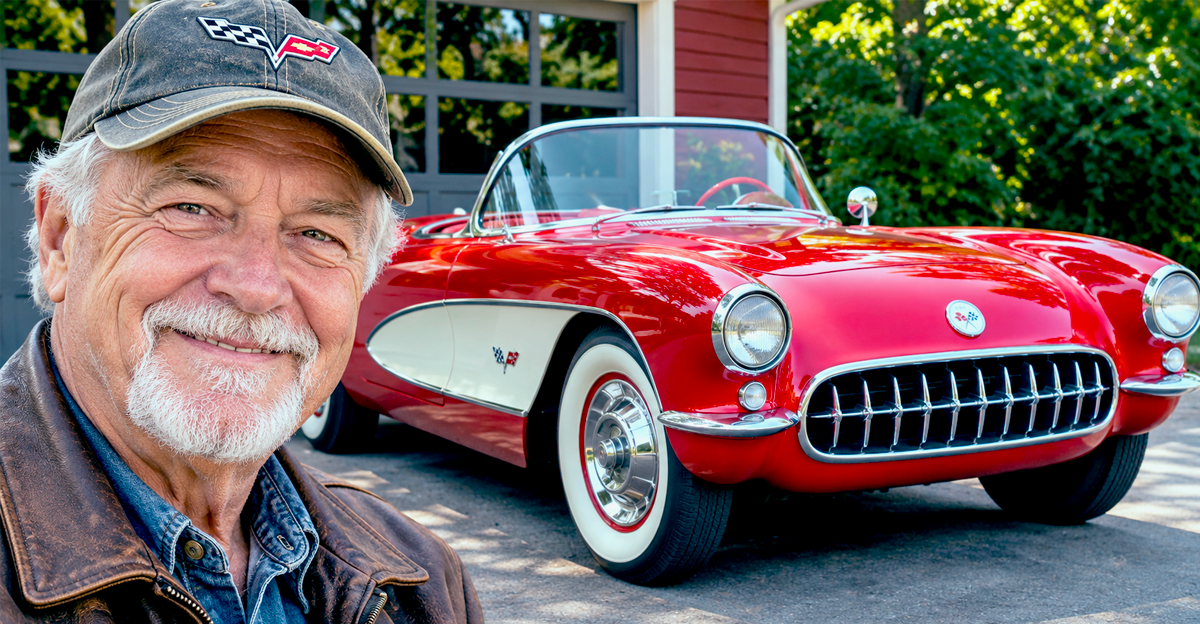
The 1957 Chevrolet Corvette offered something no previous production Corvette had: factory Rochester fuel injection. It was an extra-cost engine choice, not standard equipment. But behind that option was an ambitious engineering effort, a racing program, and a new 283-cubic-inch V8—even if it came with its problems.
Corvette Had A Modest Beginning
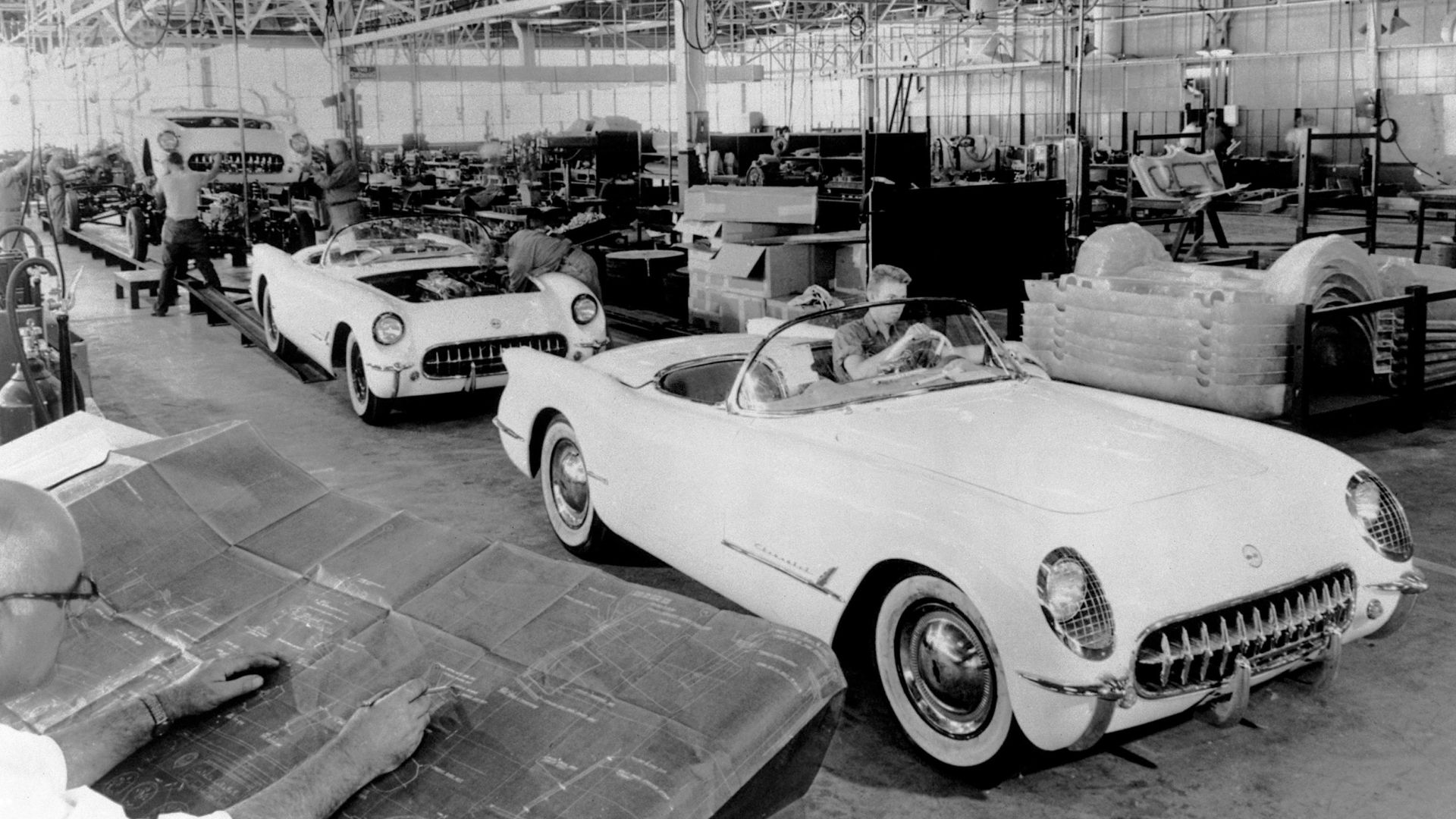
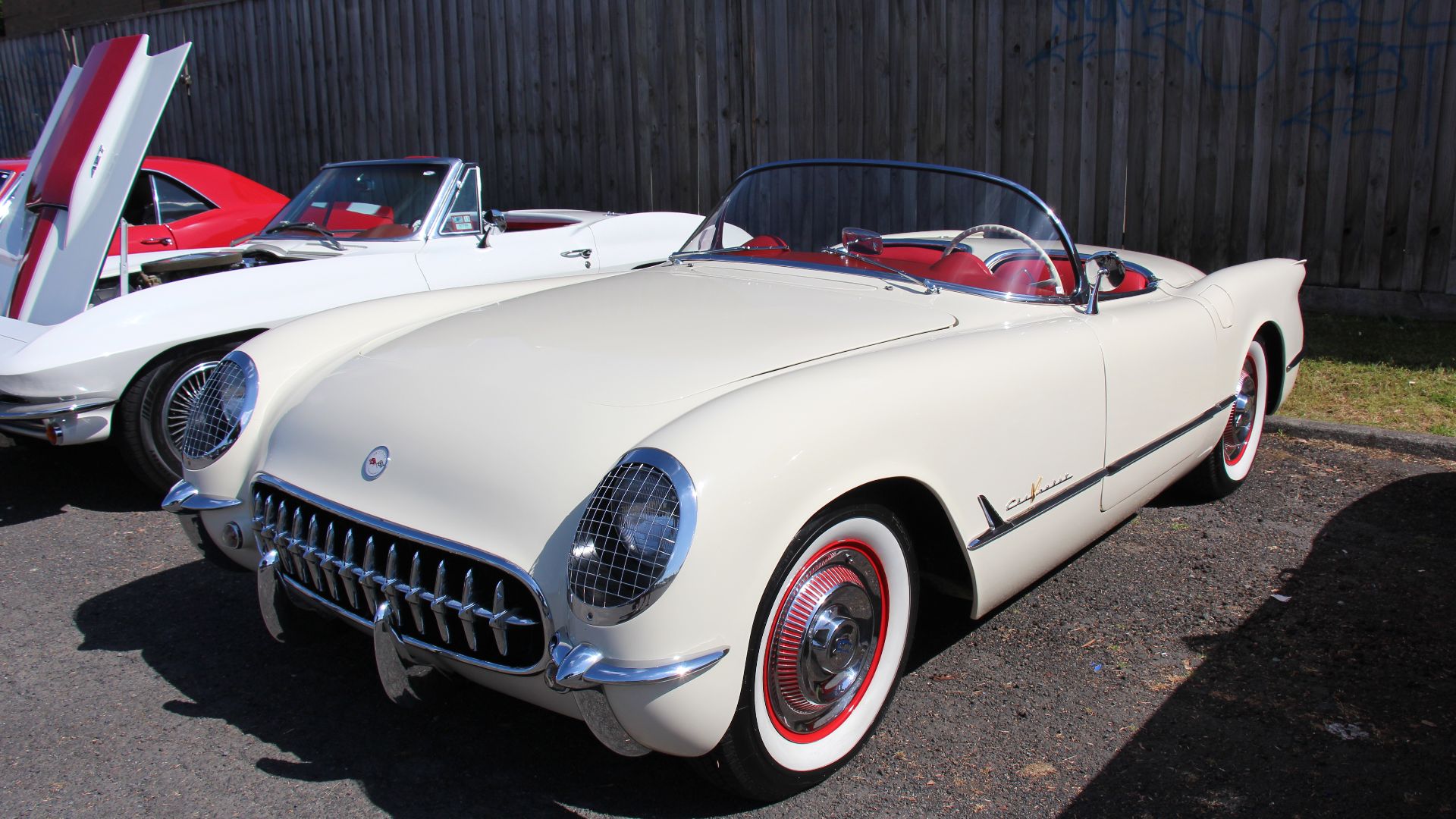
When the Corvette arrived in 1953, it used Chevrolet's six-cylinder engine rather than a V8. Early production struggled to attract enough buyers. Engineers soon realized that handsome bodywork alone would not give the two-seat car the performance reputation Chevrolet wanted.
 GM Chevrolet, Wikimedia Commons
The Small-Block V8 Changed The Conversation
Chevrolet introduced its 265-cubic-inch small-block V8 to the Corvette for 1955. A restyled 1956 model helped the car gain traction, with production reaching 3,467 compared with 700 in 1955. More power was working, but Chevrolet still had bigger plans.
Mercedes Had Already Shown The Way
Fuel injection was not a Chevrolet invention. Mercedes-Benz put direct gasoline injection into its production 300 SL Gullwing in 1954, three years before the Corvette gained its system. Chevrolet would pursue a different design, feeding fuel into intake ports rather than directly into combustion chambers.
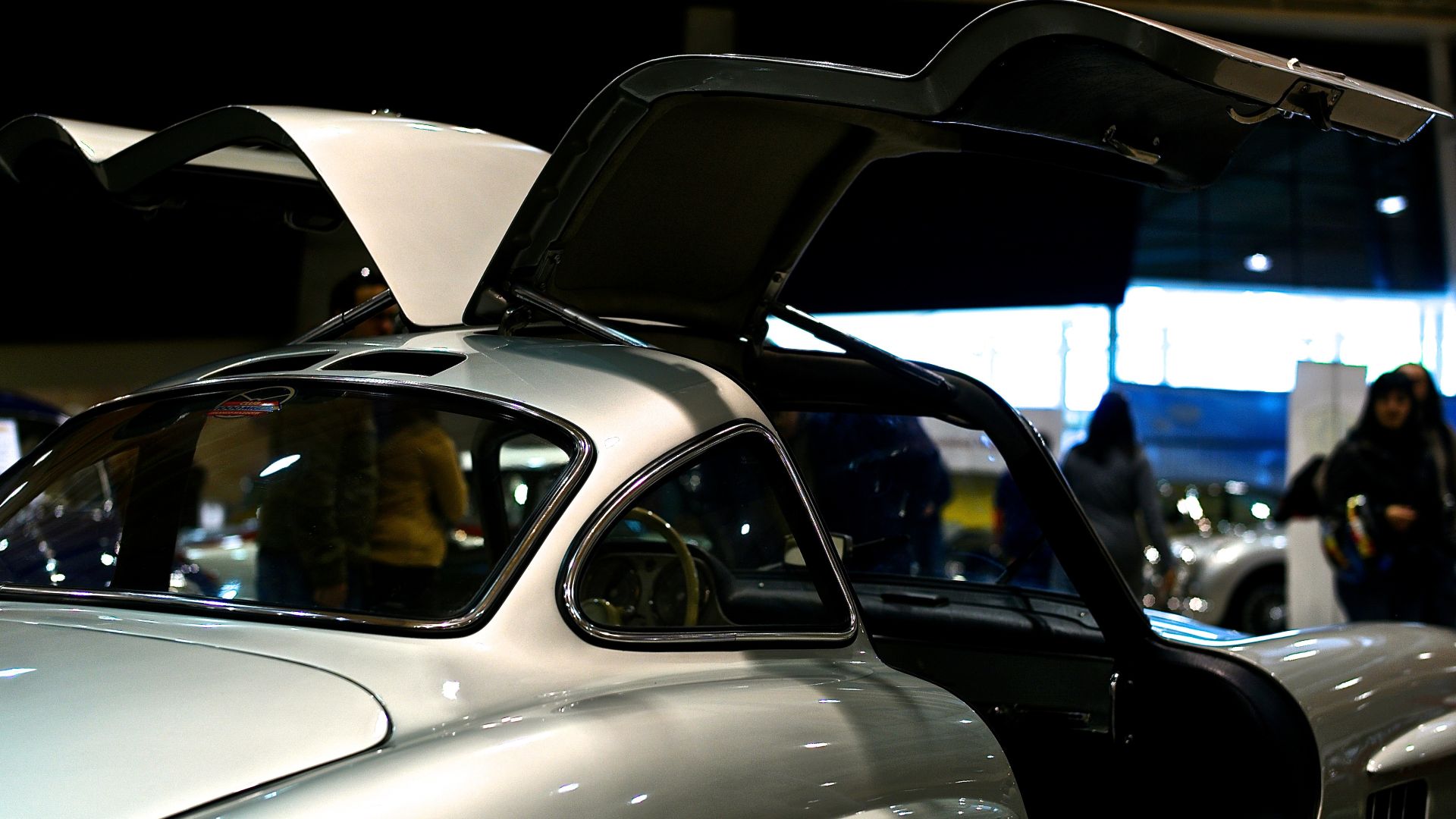 Pedro Ribeiro Simões from Lisboa, Portugal, Wikimedia Commons
Carburetors Had A Problem In Fast Corners
On the racetrack, hard turns and braking could slosh gasoline away from a carburetor's metering passages. A contemporary 1957 Corvette road test documented the resulting hesitation in a dual-carburetor car. Fuel injection offered a way to keep fuel delivery steadier under those conditions.
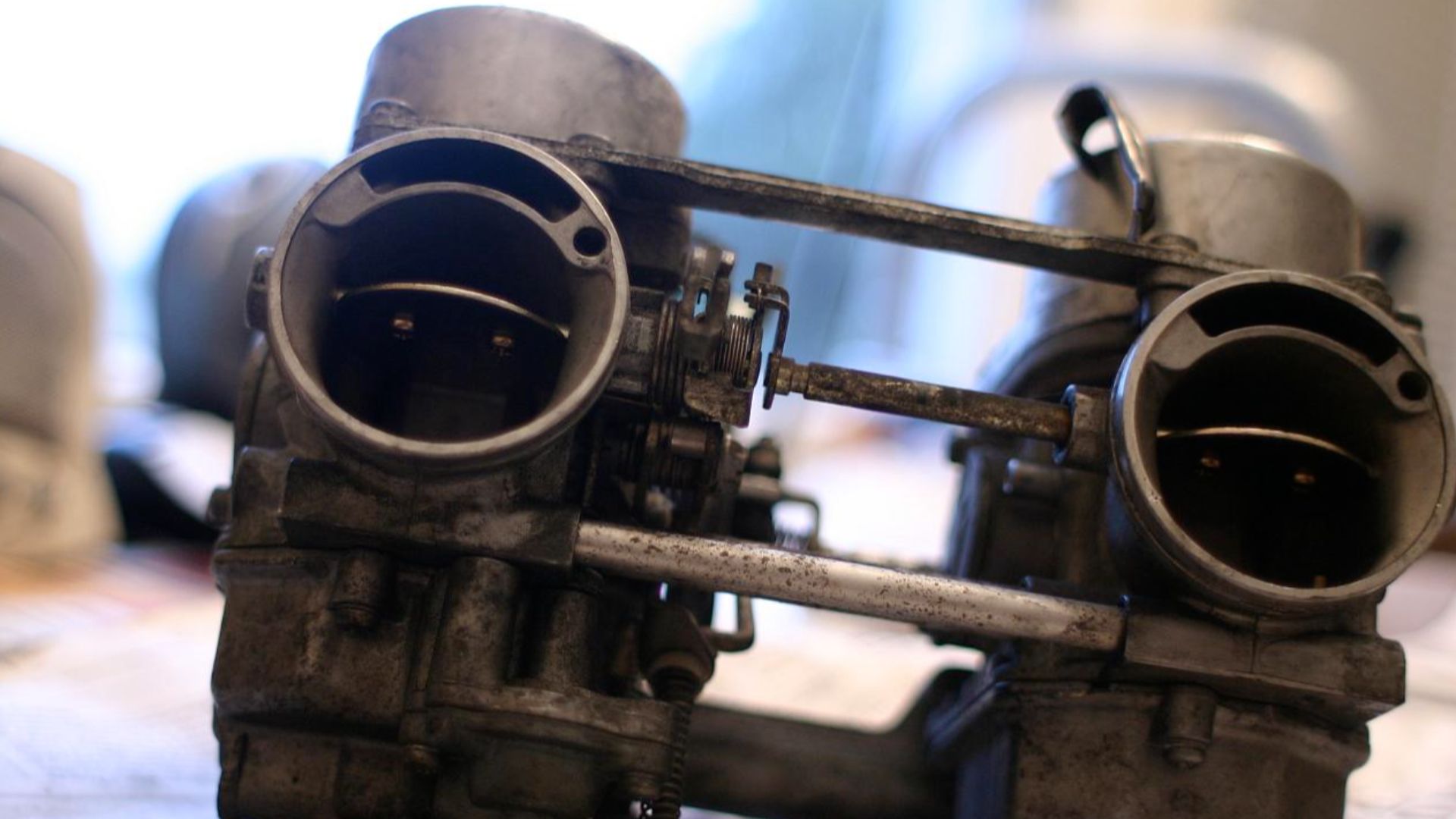 alex roberts from San Francisco, USA, Wikimedia Commons
Ed Cole Put His Weight Behind It
Chevrolet executive Ed Cole backed the effort to bring fuel injection to the company's V8 engines. His team wanted more performance from the small-block, particularly in the Corvette. The project involved engineers from several General Motors operations rather than a single department.
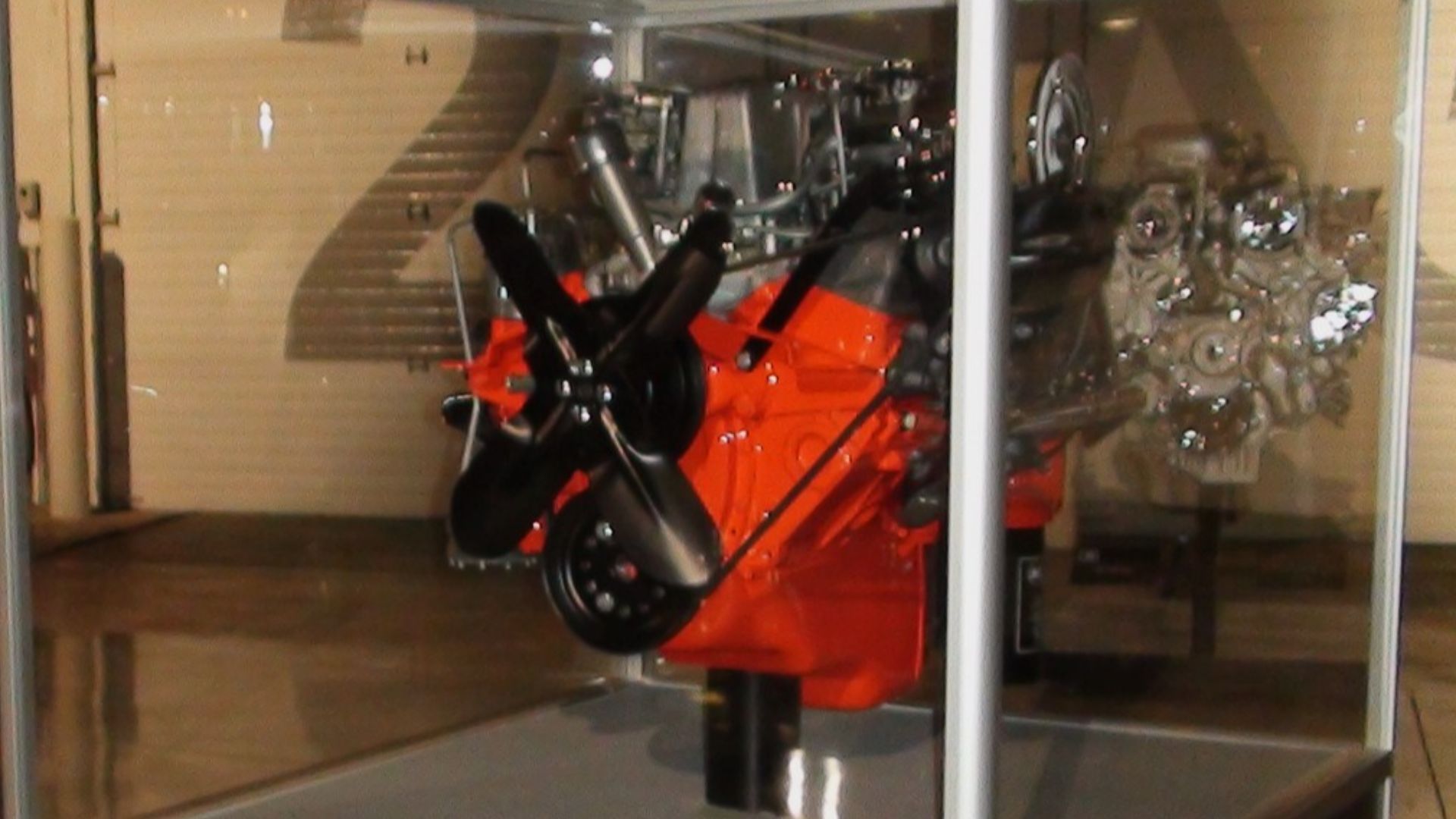 Tino Rossini, Wikimedia Commons
Zora Arkus-Duntov Saw The Racing Potential
Zora Arkus-Duntov had been pushing the Corvette toward serious performance since joining Chevrolet in 1953. Fuel injection suited his efforts to make the car competitive. Chevrolet later credited him with helping refine the Rochester system offered on the 1957 Corvette.
John Dolza Was Central To The Work
While Duntov became the familiar face of Corvette engineering, John Dolza was pivotal to the injection project. He worked on GM's fuel-system development, alongside other engineers who tackled its difficult metering problems. The finished Rochester Ramjet was a team achievement.
Rochester Had To Learn Something New
Rochester Products was known for carburetors, but injection presented different engineering challenges. Chevrolet also called on other GM units, including Delco-Remy and Packard Electric, during development. Bringing the design to production meant coordinating those resources while the 1957 model launch approached.
Engineers Tested Two Very Different Approaches
GM investigated both continuous-flow and timed fuel injection. The continuous-flow design sprayed fuel near each intake port without individually timed bursts, while the alternative delivered fuel in engine-synchronized pulses. Both concepts promised control beyond conventional carburetion, but one was easier to bring to market.
Simplicity Won The Engineering Argument
Chevrolet selected the continuous-flow arrangement for early production largely because it was simpler and less expensive. The choice avoided the extra complexity of precisely timed injection events. That decision established the basic architecture of the Rochester Ramjet system used in 1957.
The Calendar Made Everything Harder
The development timetable tightened during 1956 as Chevrolet prepared its new model. Duntov's work was complicated by a serious proving-ground crash that spring, which left him wearing a torso cast. Despite the injury, he continued contributing to the injection program.
Racing Corvettes Became Rolling Laboratories
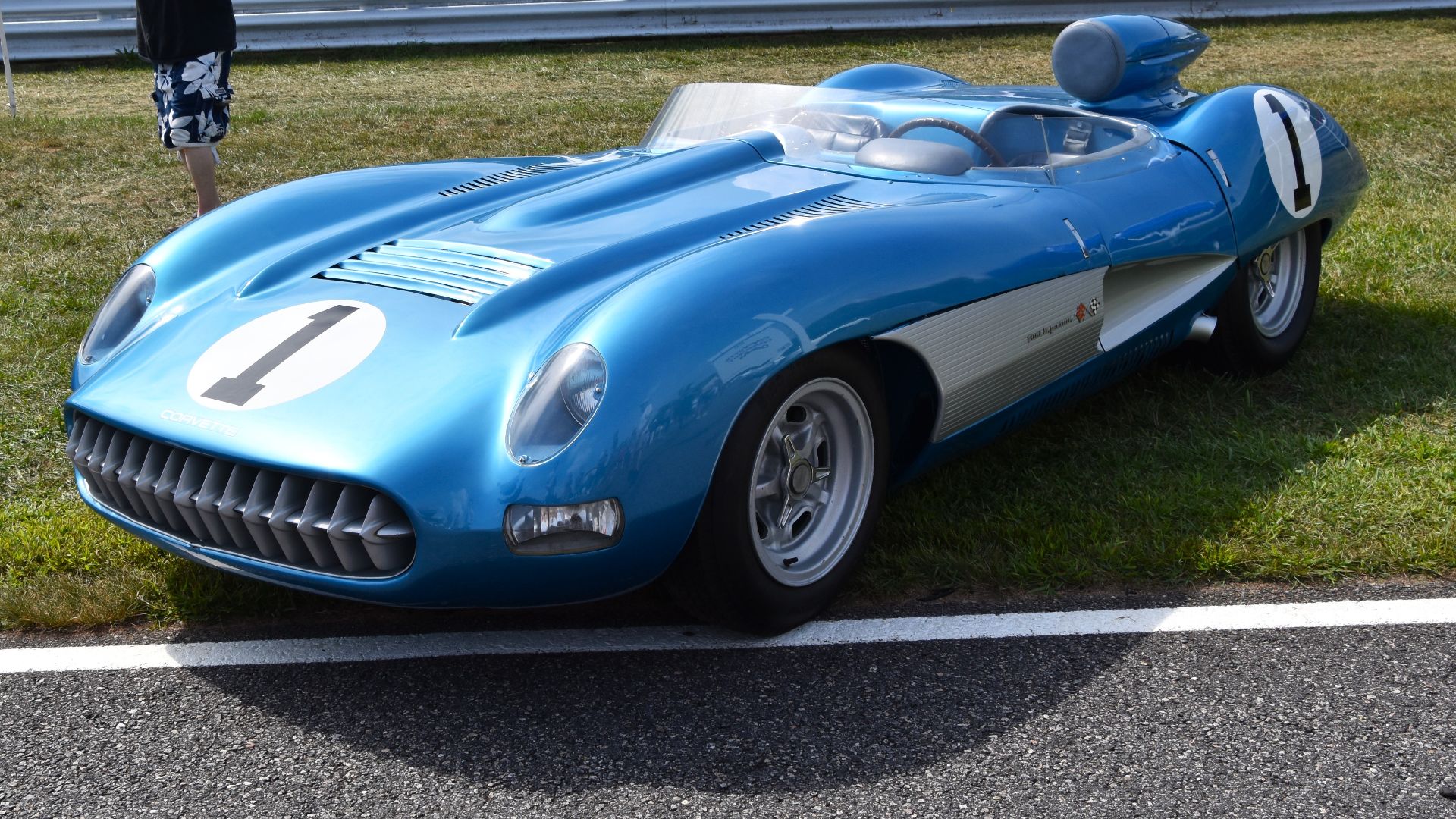
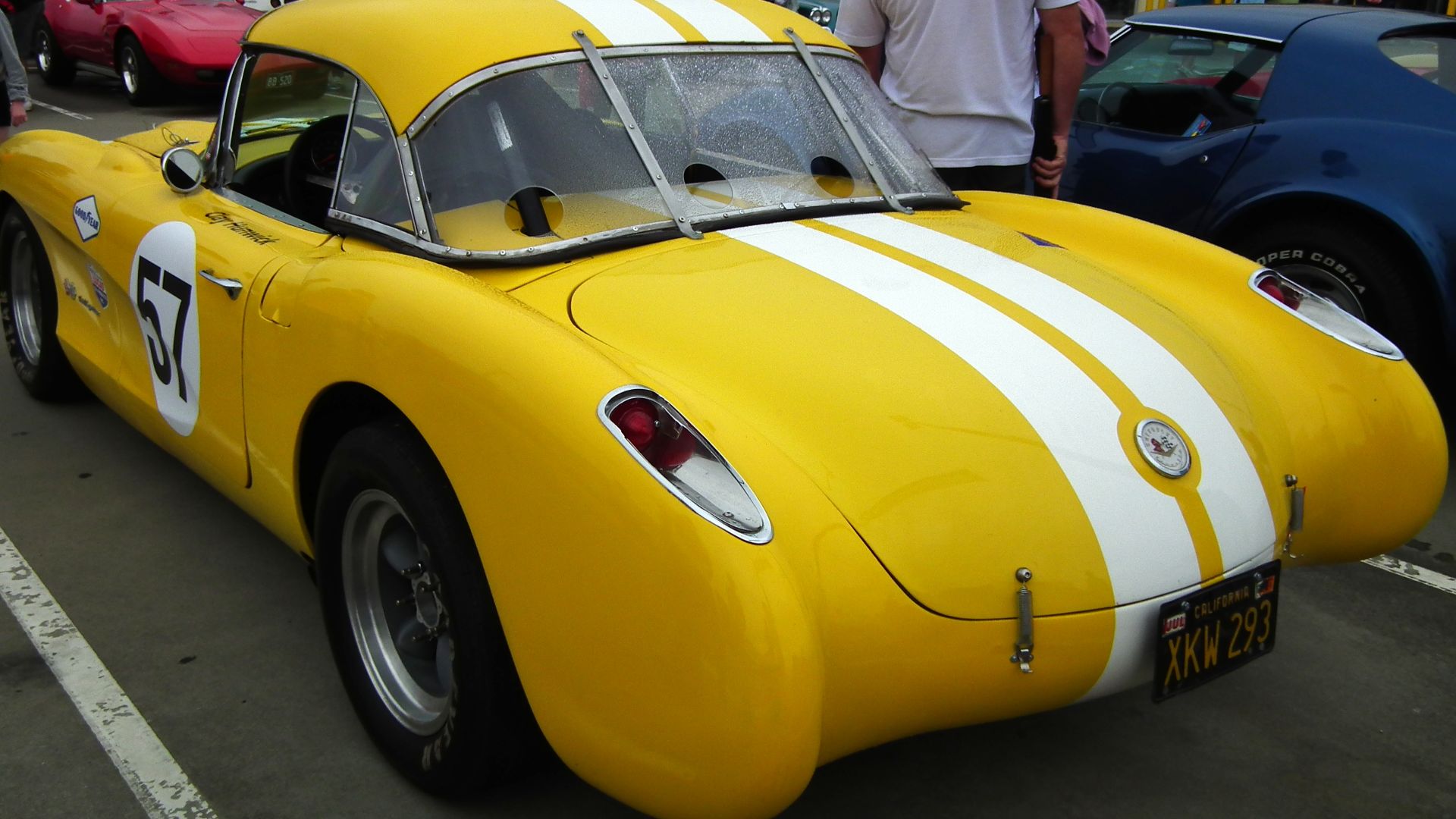
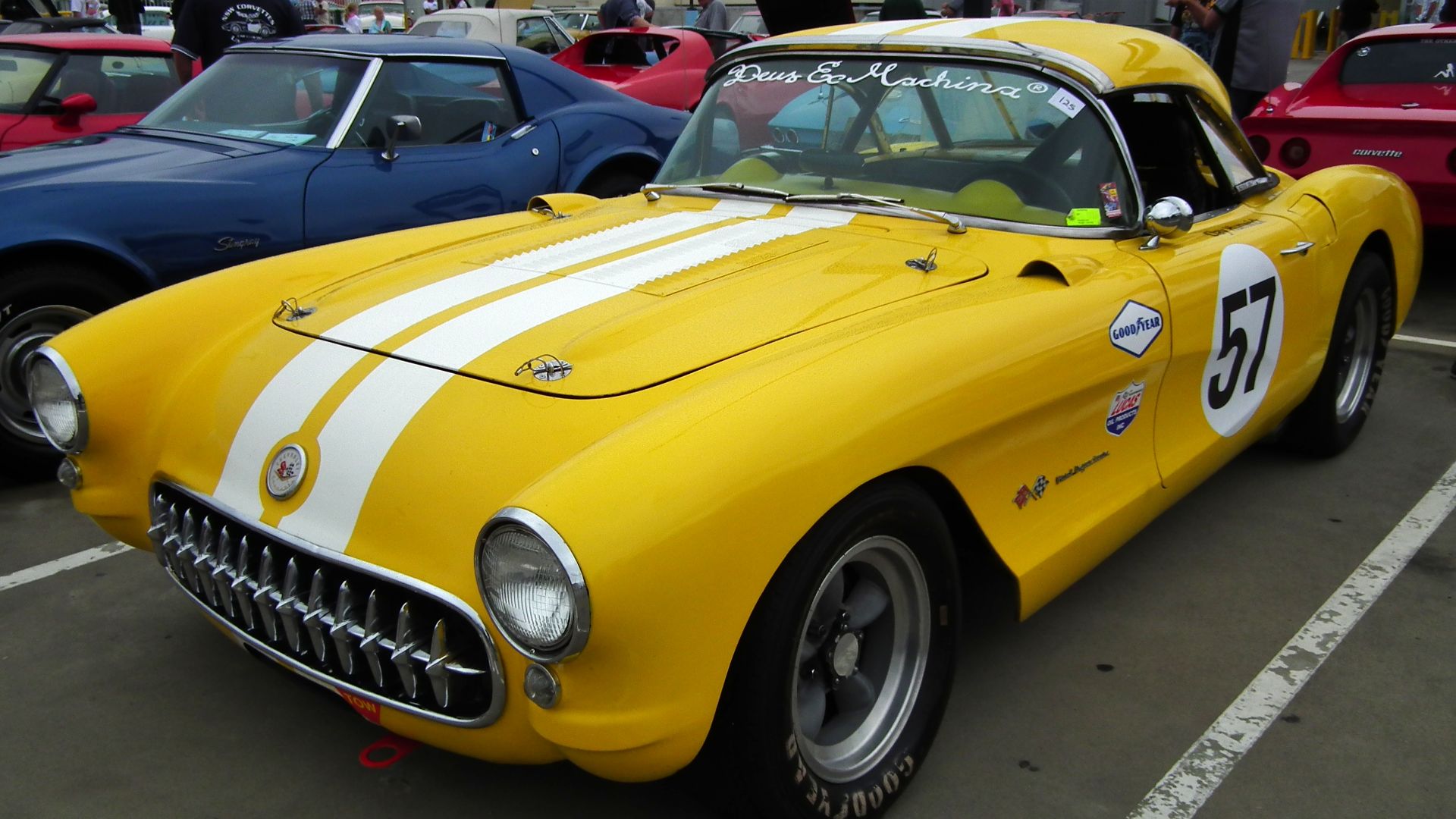
Three white Corvettes arrived for special engineering work in November 1956. Chevrolet equipped them with fuel-injected 283 V8s, four-speed transmissions, and racing modifications. They provided an early public demonstration of hardware engineers were still working to refine for regular buyers.
Nassau Gave Ramjet An Early Victory
Chevrolet sent the specially prepared Corvettes to Nassau Speed Week in December 1956. The cars won their class, and Chevrolet publicized the achievement in its Corvette News publication. Racing gave the unfamiliar injection system publicity before many customers had ever seen one.
Daytona Supplied The Speed Figures
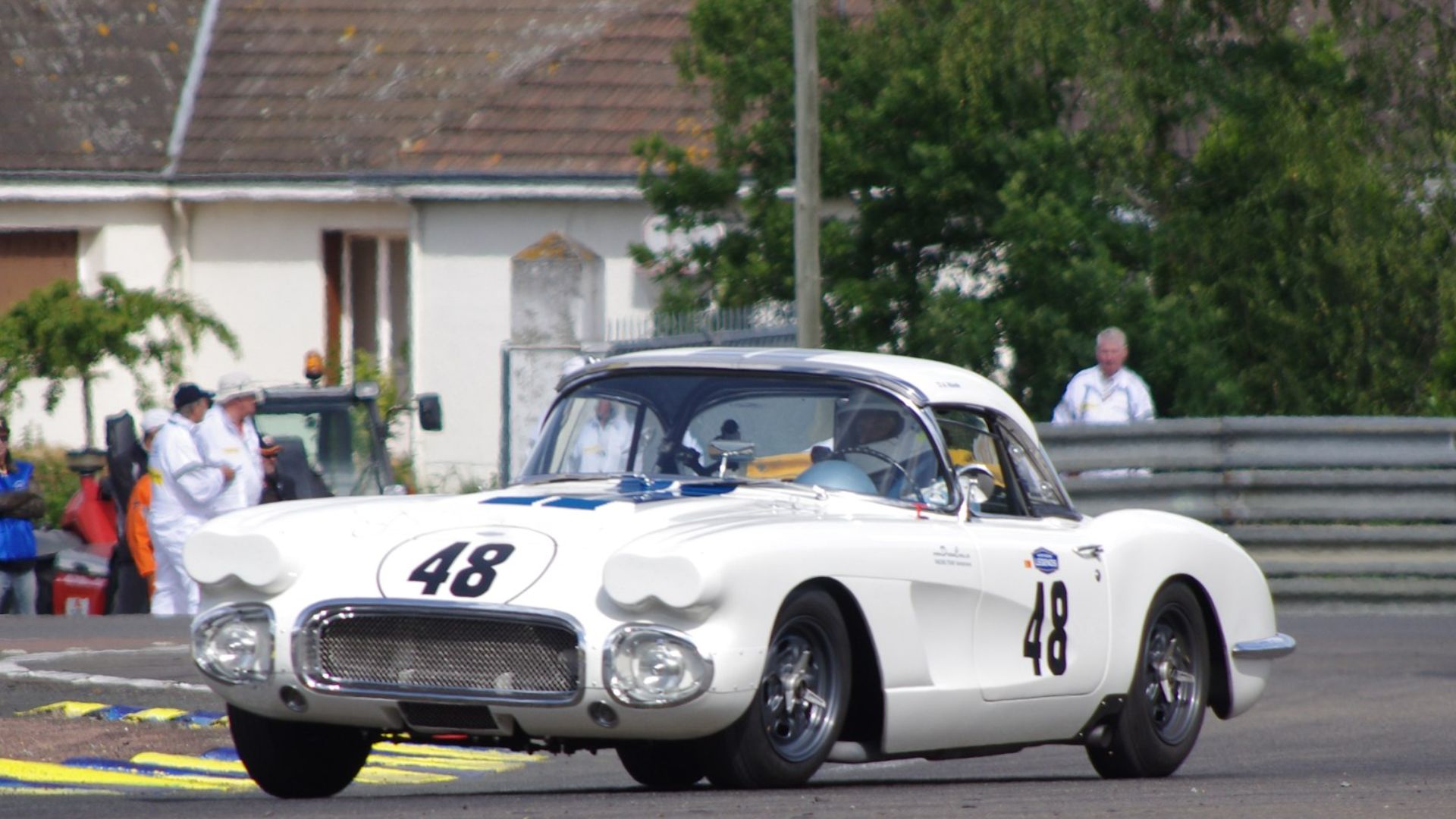
In February 1957, one of Chevrolet's fuel-injected racing Corvettes competed at Daytona. Driver Paul Goldsmith recorded 131.941 mph in the flying mile and 91.301 mph in the standing-start mile. These figures helped demonstrate that Ramjet technology belonged in a serious performance car.
 David Merrett from Daventry, England, Wikimedia Commons
The V8 Grew Just In Time
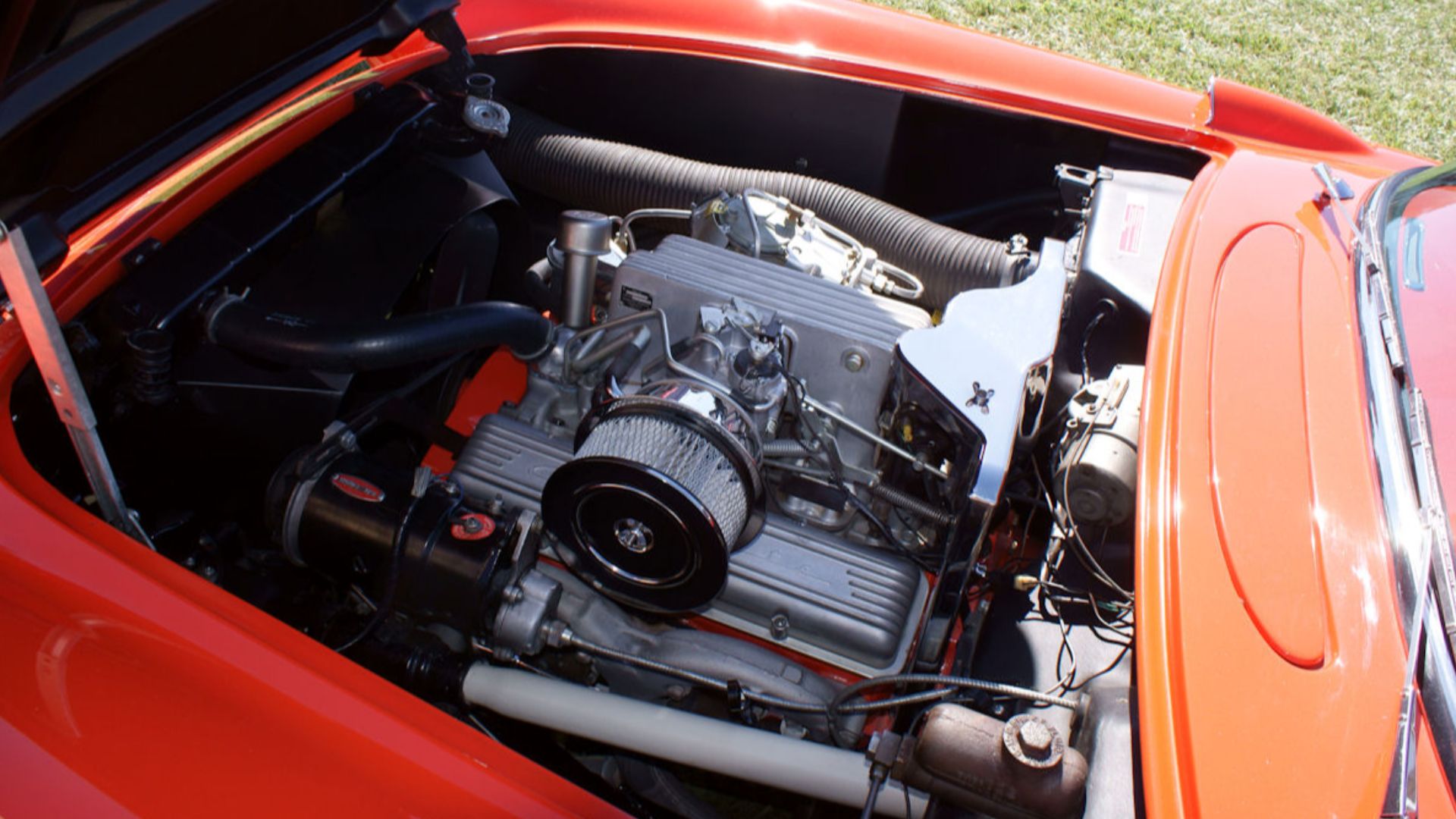
Chevrolet enlarged the small-block from 265 to 283 cubic inches for 1957 by increasing its cylinder bore. That extra displacement gave engineers a stronger starting point for the injection system. It also made possible a horsepower claim that would become part of Corvette history.
Chevrolet Originally Had Bigger Plans
Chevrolet's October 1956 engineering material anticipated that fuel injection would eventually replace dual-four-barrel carburetion as supplies increased. In practice, the 1957 Corvette continued offering both systems. Ramjet became an extra-cost choice rather than the only high-performance route.
This Was Fuel Injection Without A Computer
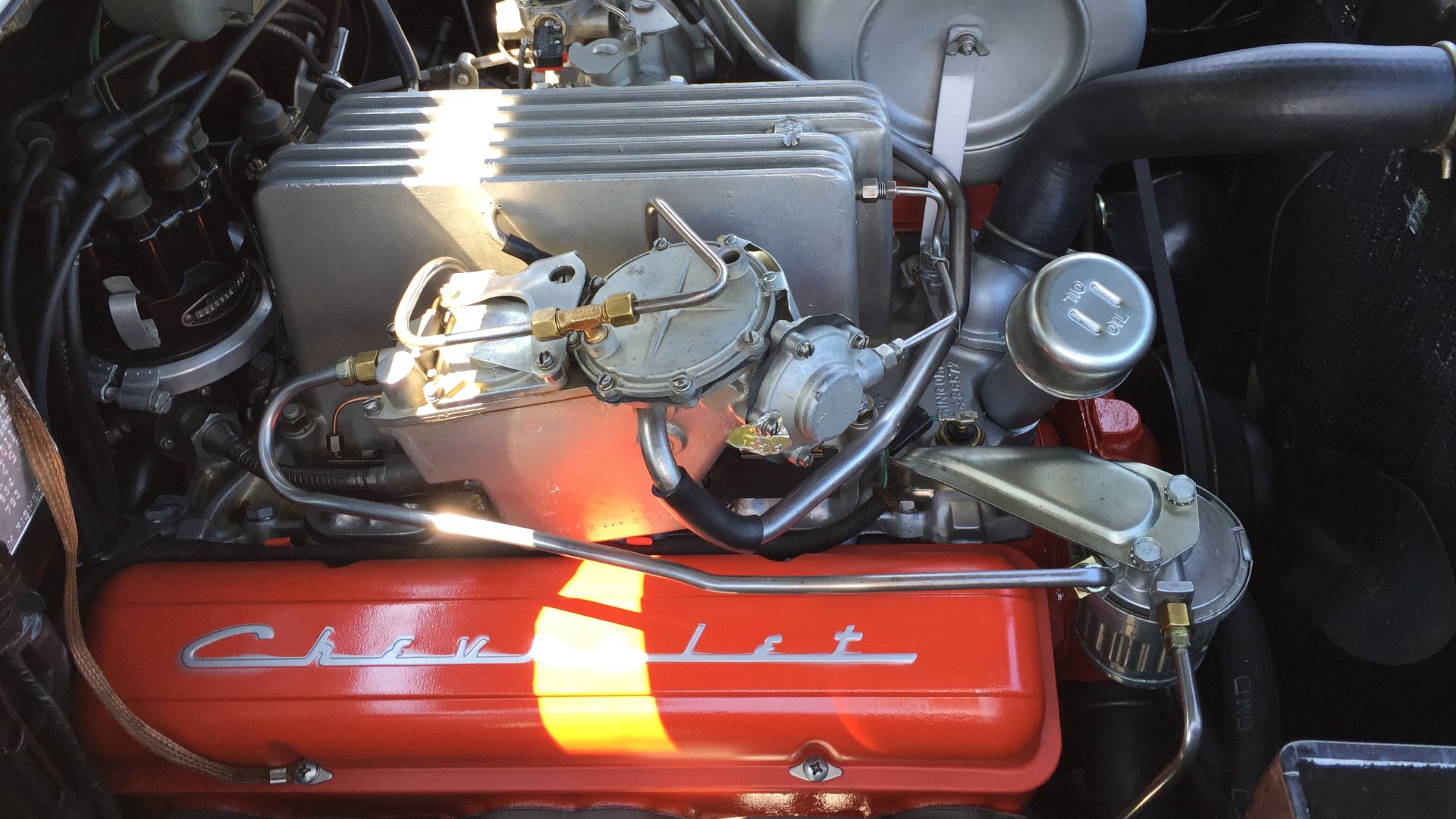
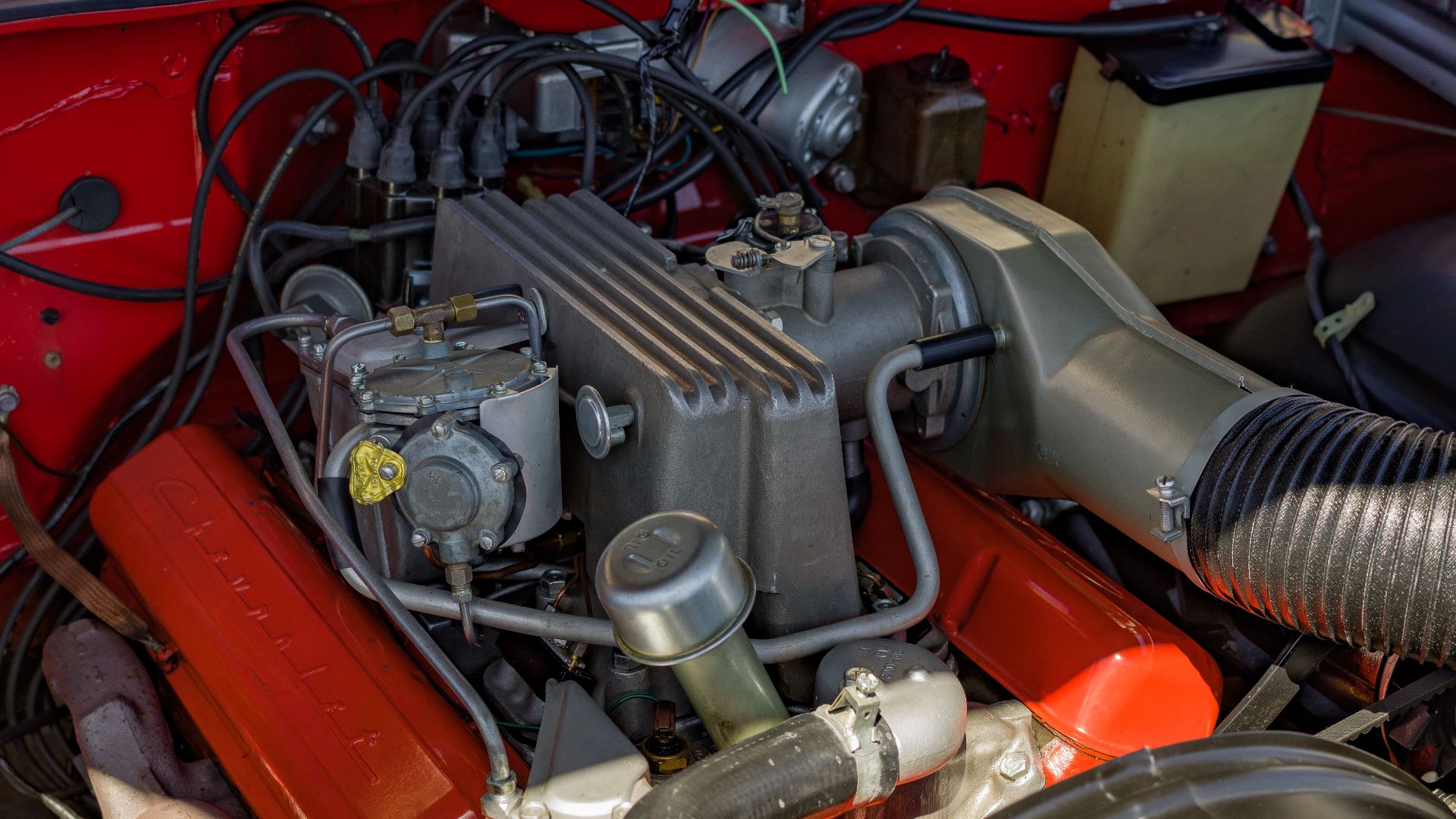
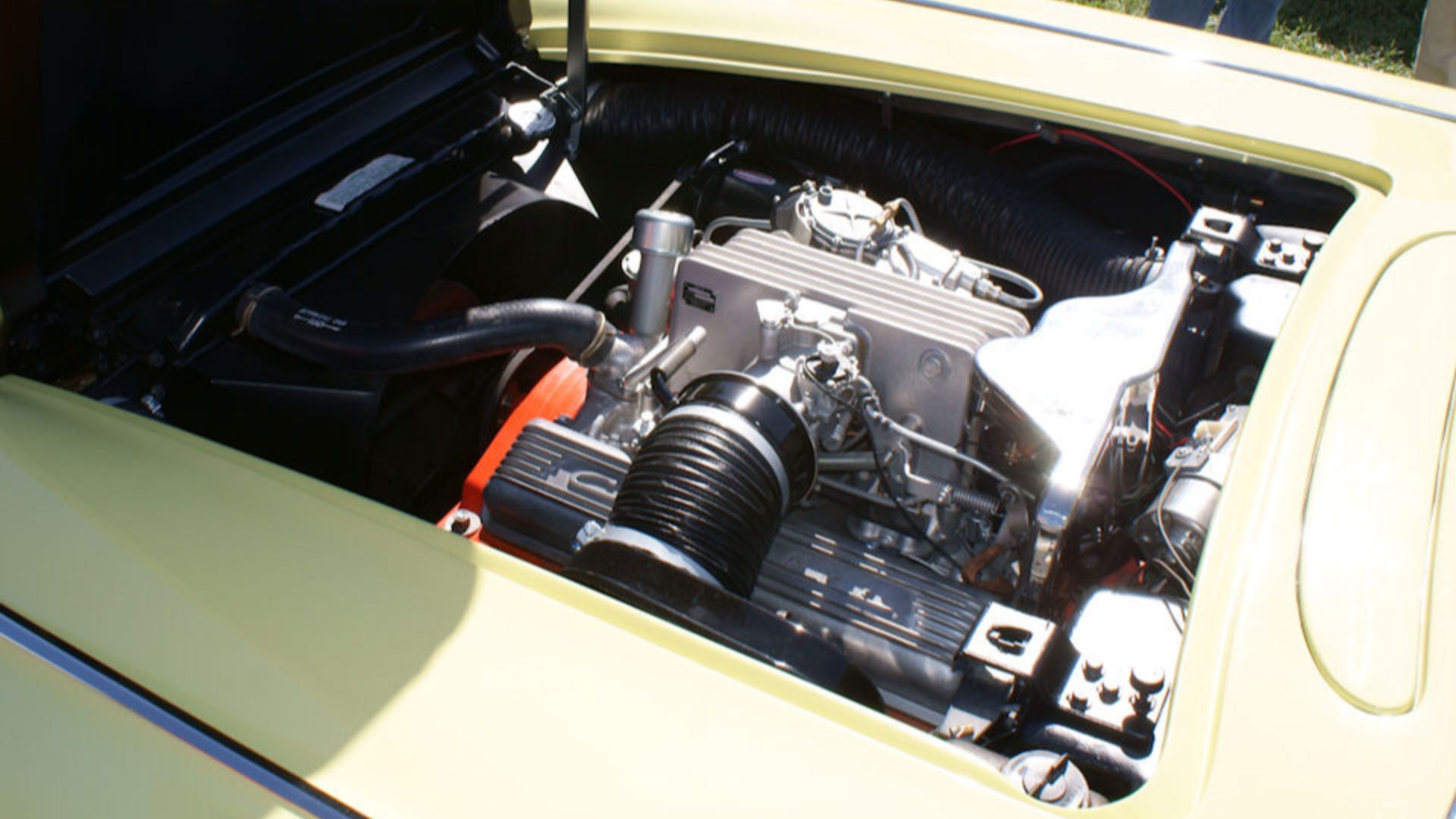
Unlike the electronic injection systems drivers know today, the 1957 Ramjet controlled fuel flow mechanically. It used vacuum signals, diaphragms, and a pump driven from the distributor. There were no electronic control units calculating injection timing, because the nozzles supplied fuel continuously.
An Air Meter Watched Engine Demand
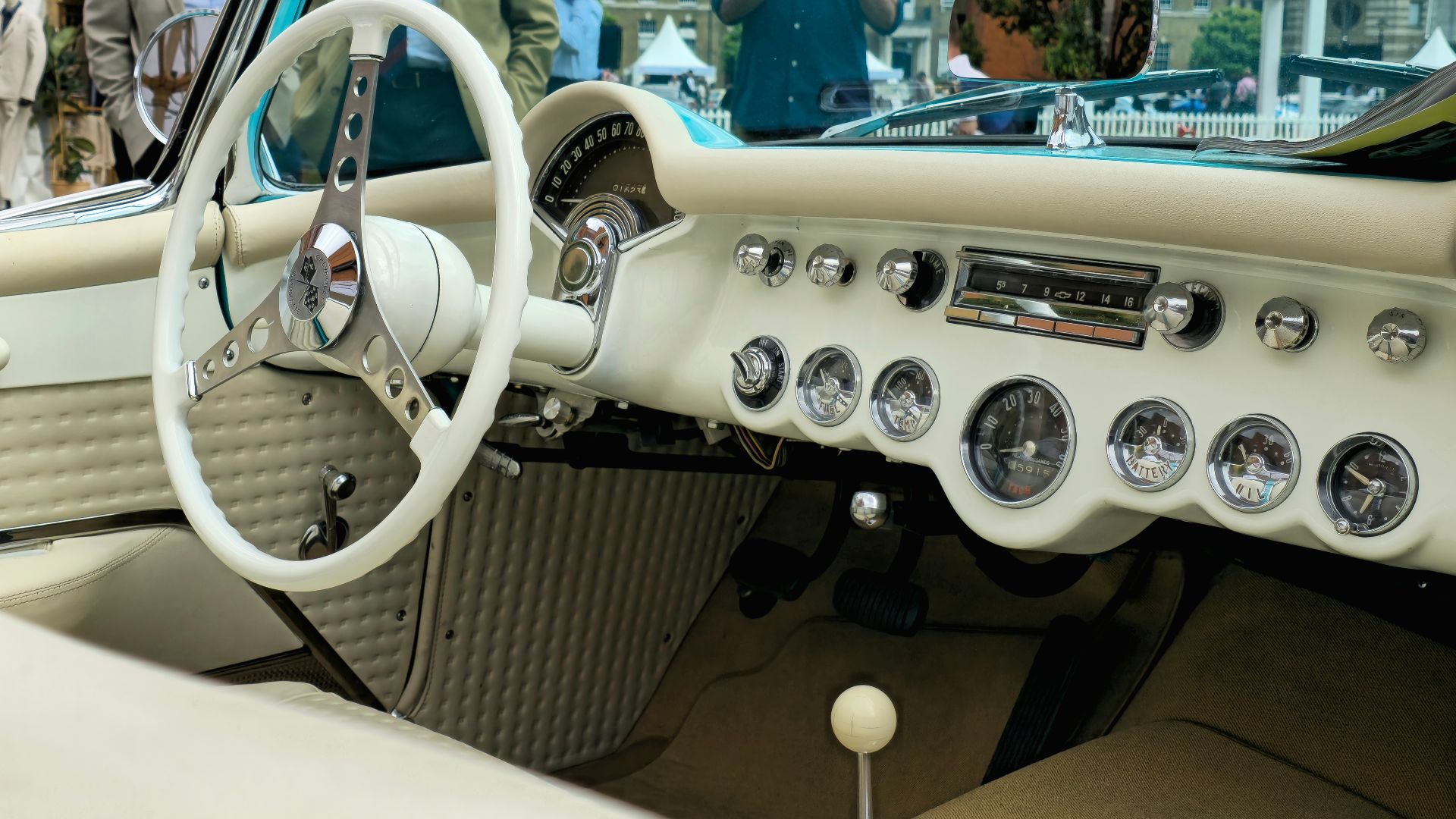
One main component measured airflow through the engine's intake. Vacuum signals from the air meter and manifold helped determine how much fuel was needed. As the driver pressed the accelerator, the system adjusted delivery to match the changing flow of air.
Eight Nozzles Fed The V8
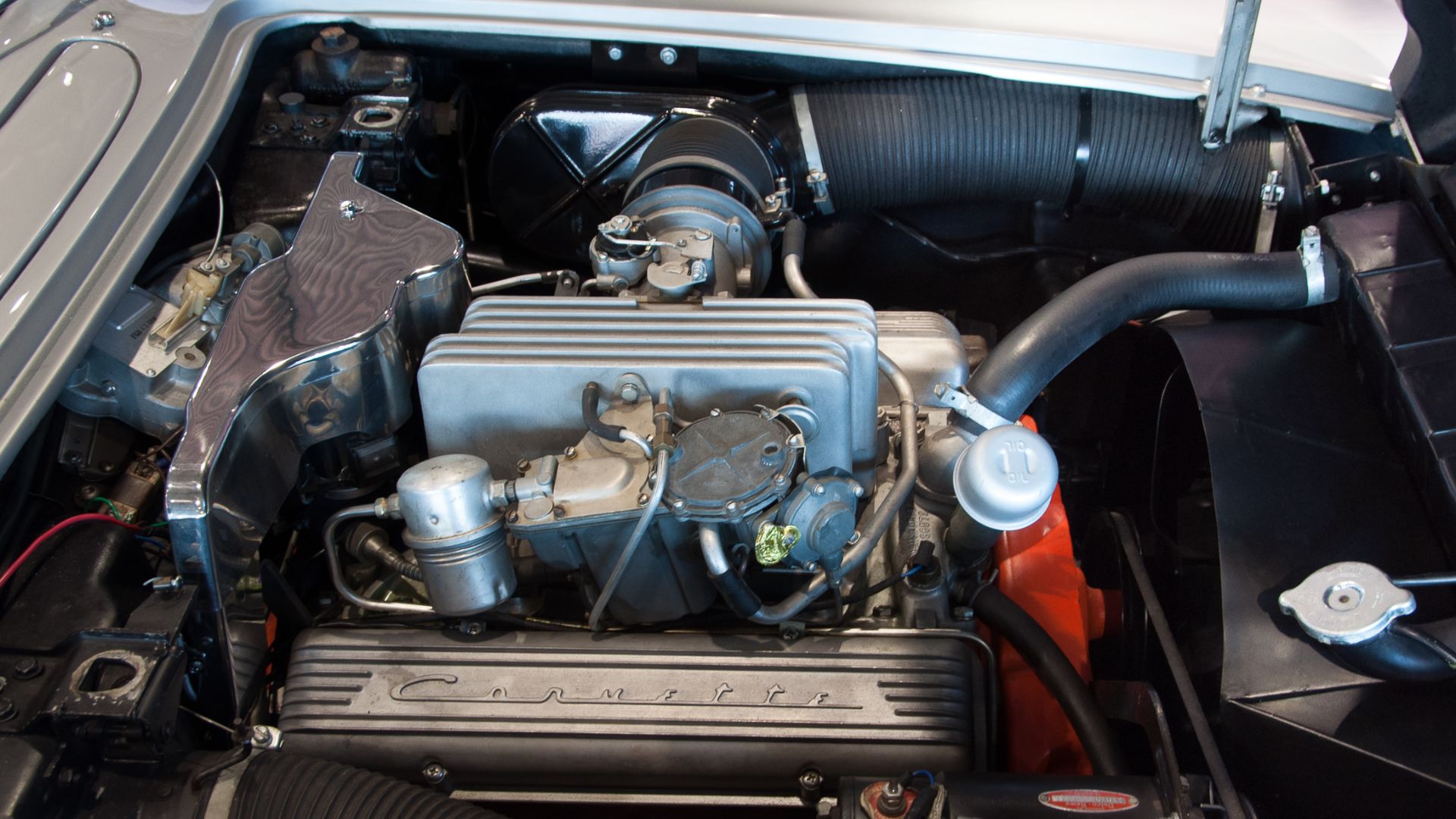
A mechanical pump delivered fuel through the Ramjet fuel meter to eight injection nozzles. Each nozzle discharged near an intake port, rather than into a carburetor above the manifold. The system combined a distinctive aluminum intake assembly with an intricate arrangement of small parts.
Carburetors Still Offered Plenty Of Power
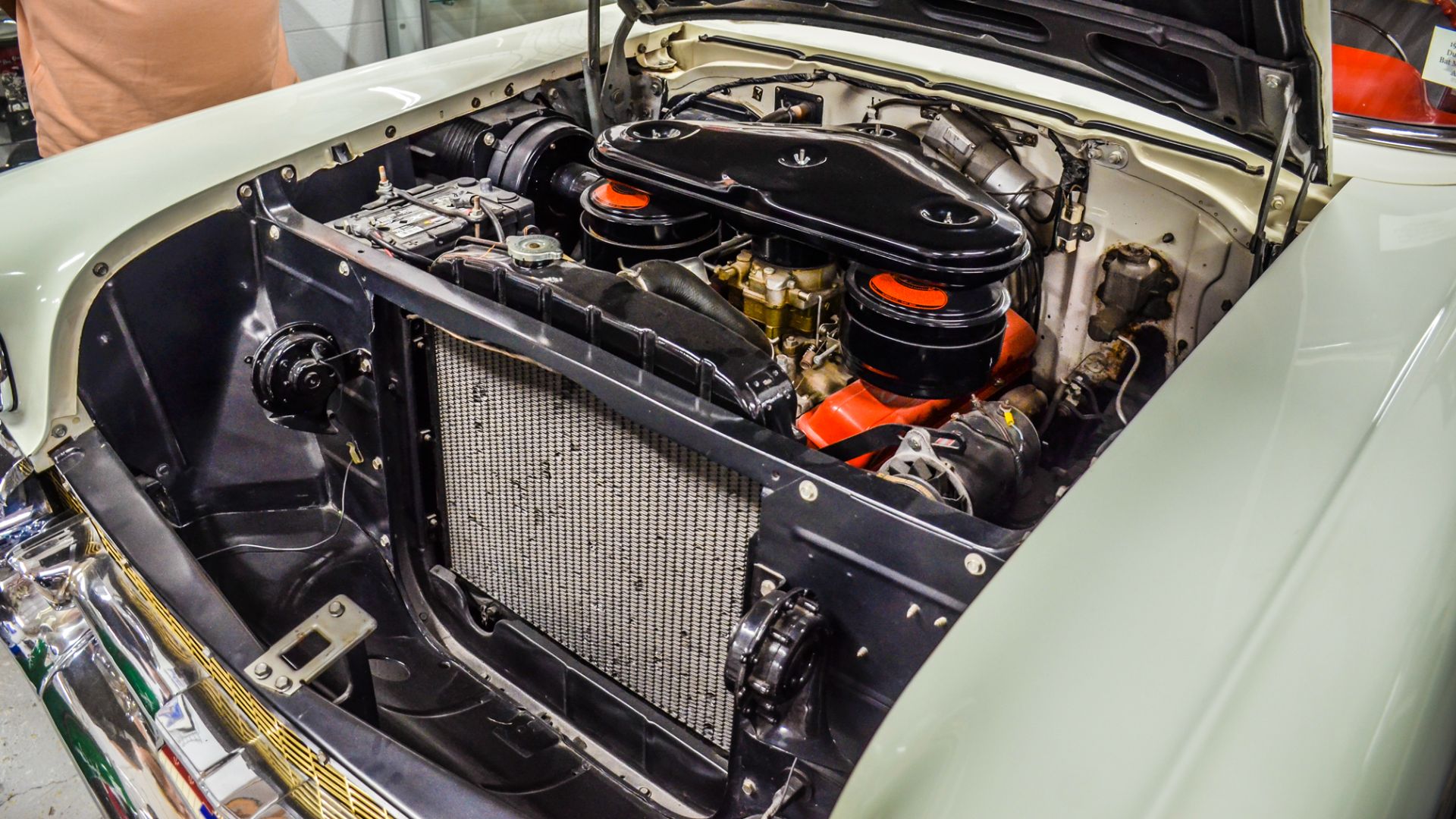
Fuel injection was not the only way to get a fast 1957 Corvette. The standard 283 V8 made an advertised 220 horsepower, and optional dual-four-barrel versions produced 245 or 270 horsepower. That gave buyers less expensive alternatives to the new Ramjet.
 Tomás Del Coro from Fabulous Las Vegas, Nevada, USA, Wikimedia Commons
One Fuelie Was Tuned For The Street
The milder fuel-injected engine was rated at 250 horsepower. It used hydraulic valve lifters and a less aggressive camshaft than Chevrolet's competition-oriented version. Buyers could get the novel fuel-delivery system without ordering the most highly tuned engine in the lineup.
The Hot Version Hit A Famous Milestone
The high-performance fuel-injected V8 was advertised at 283 horsepower from 283 cubic inches. Its special camshaft and higher compression helped reach that rating. Chevrolet's own specifications also listed 240 net horsepower, a reminder that period gross ratings should not be compared directly with modern figures.
A Technical Leap Came With A Price
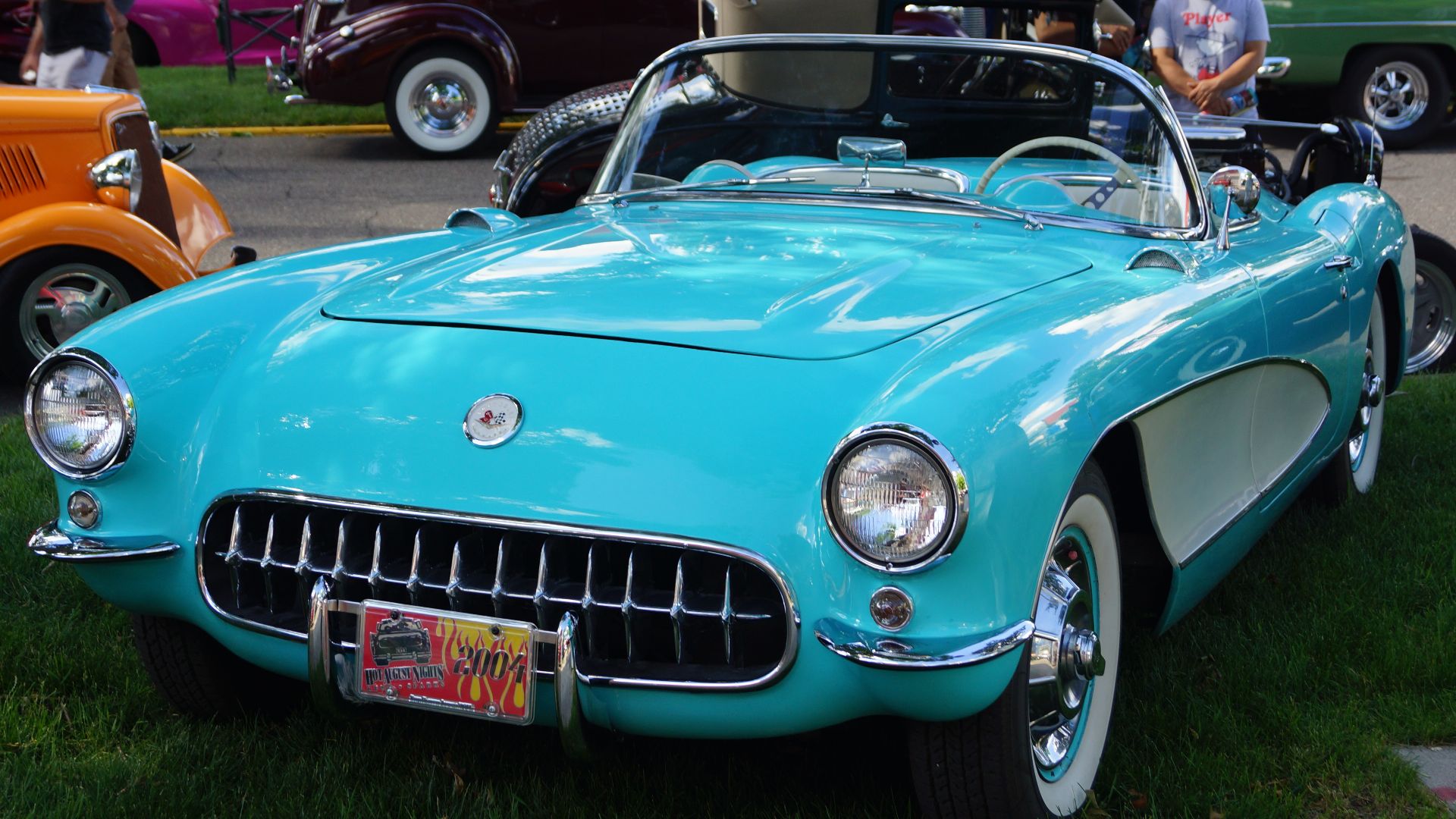
The ordinary 1957 Corvette had a listed base price of $3,176.32. Adding either regular Ramjet fuel-injected engine cost $484.20, a substantial premium above the carbureted choices. This was a serious purchase decision, especially when a 270-horsepower dual-carburetor engine cost just $182.95 extra.
 Greg Gjerdingen, Wikimedia Commons
The Badges Advertised The Difference
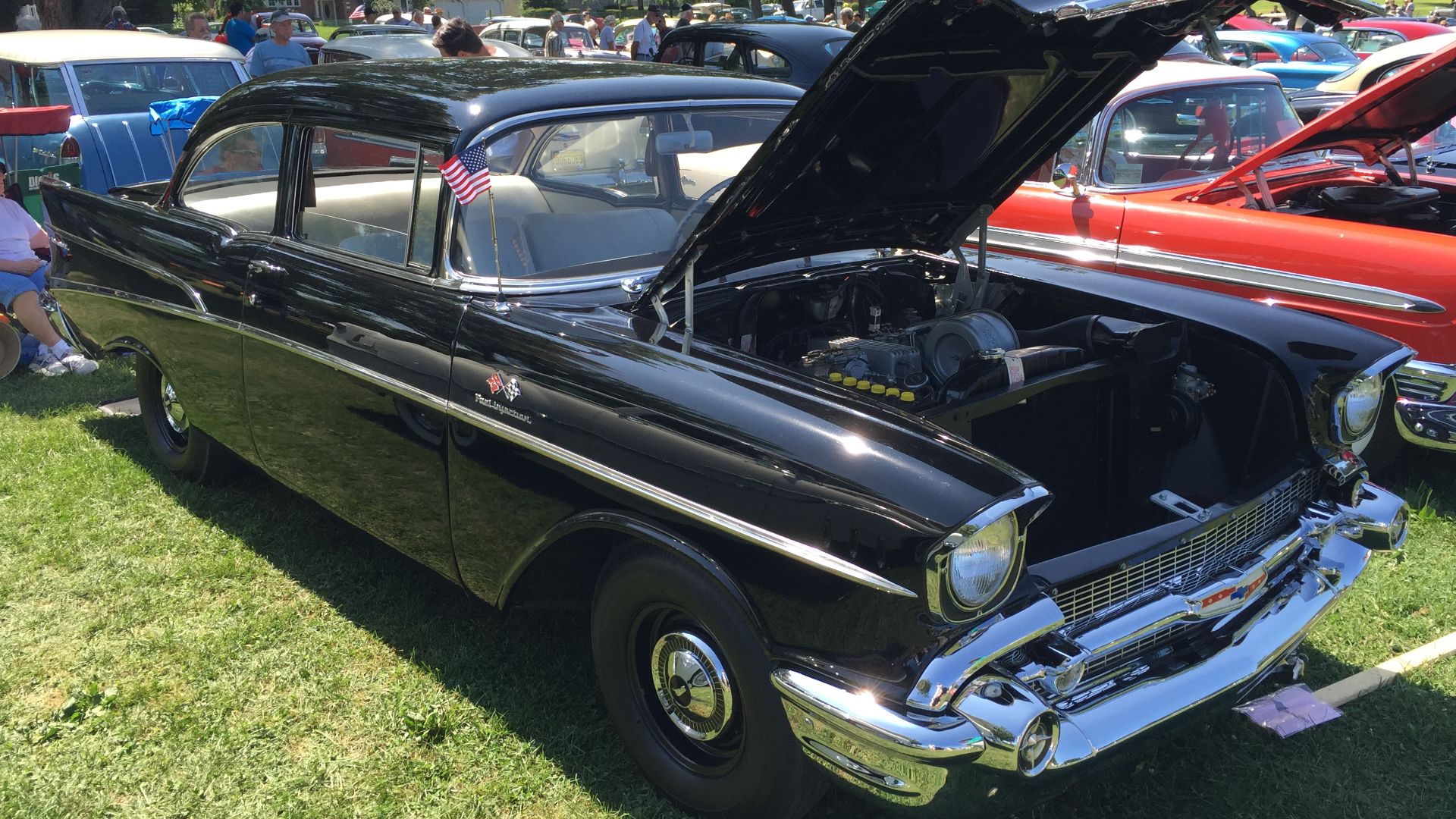
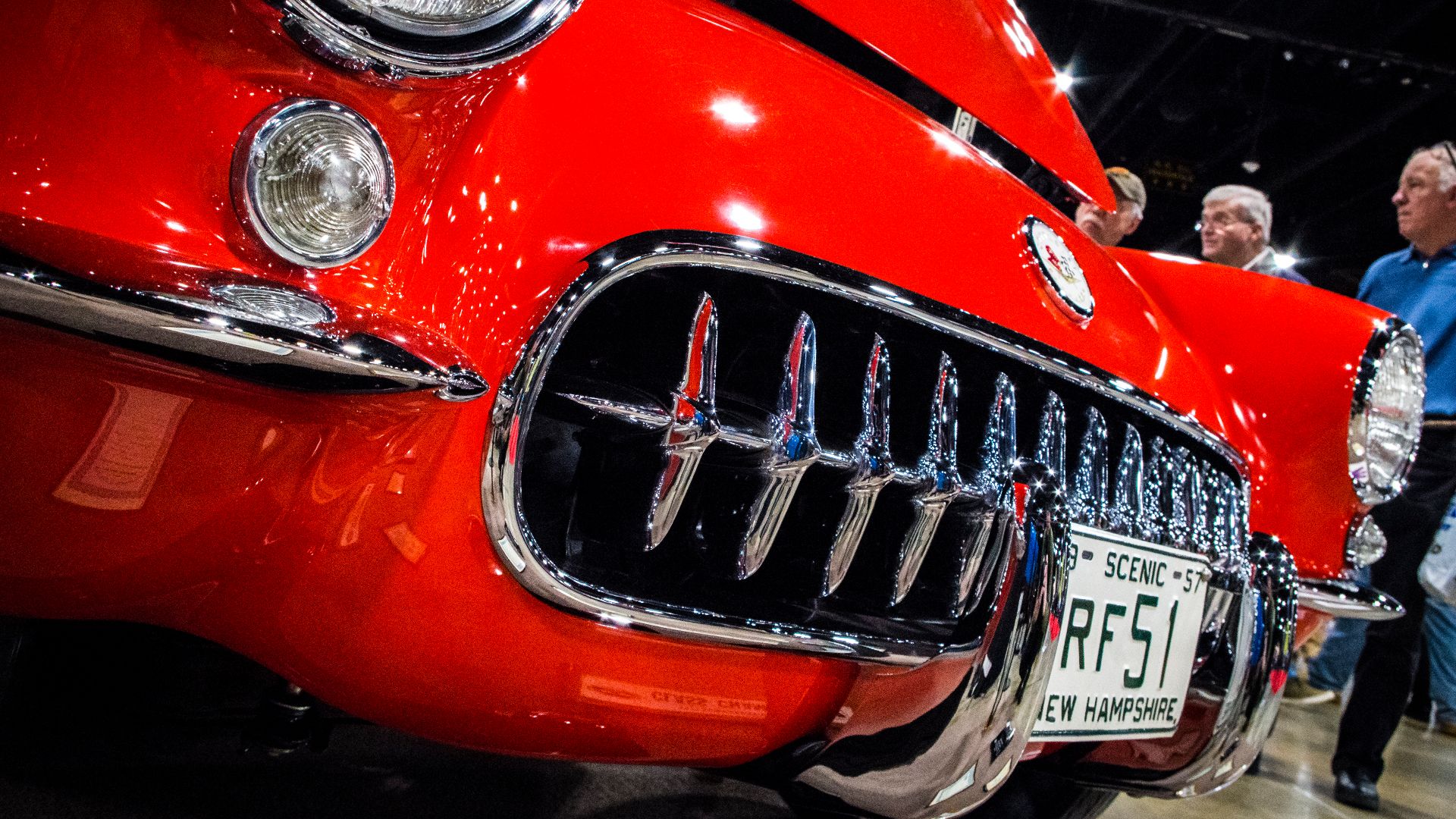
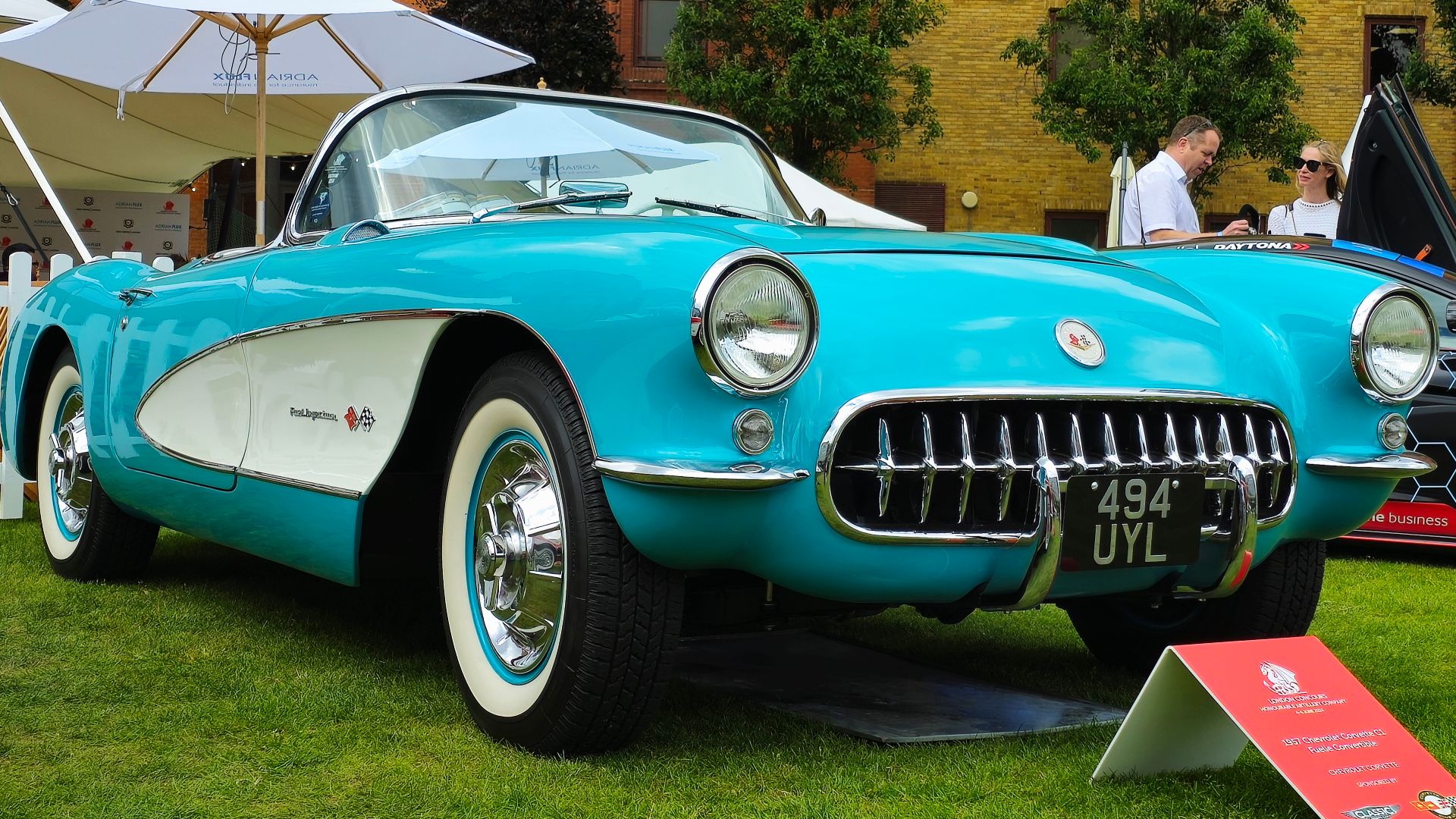
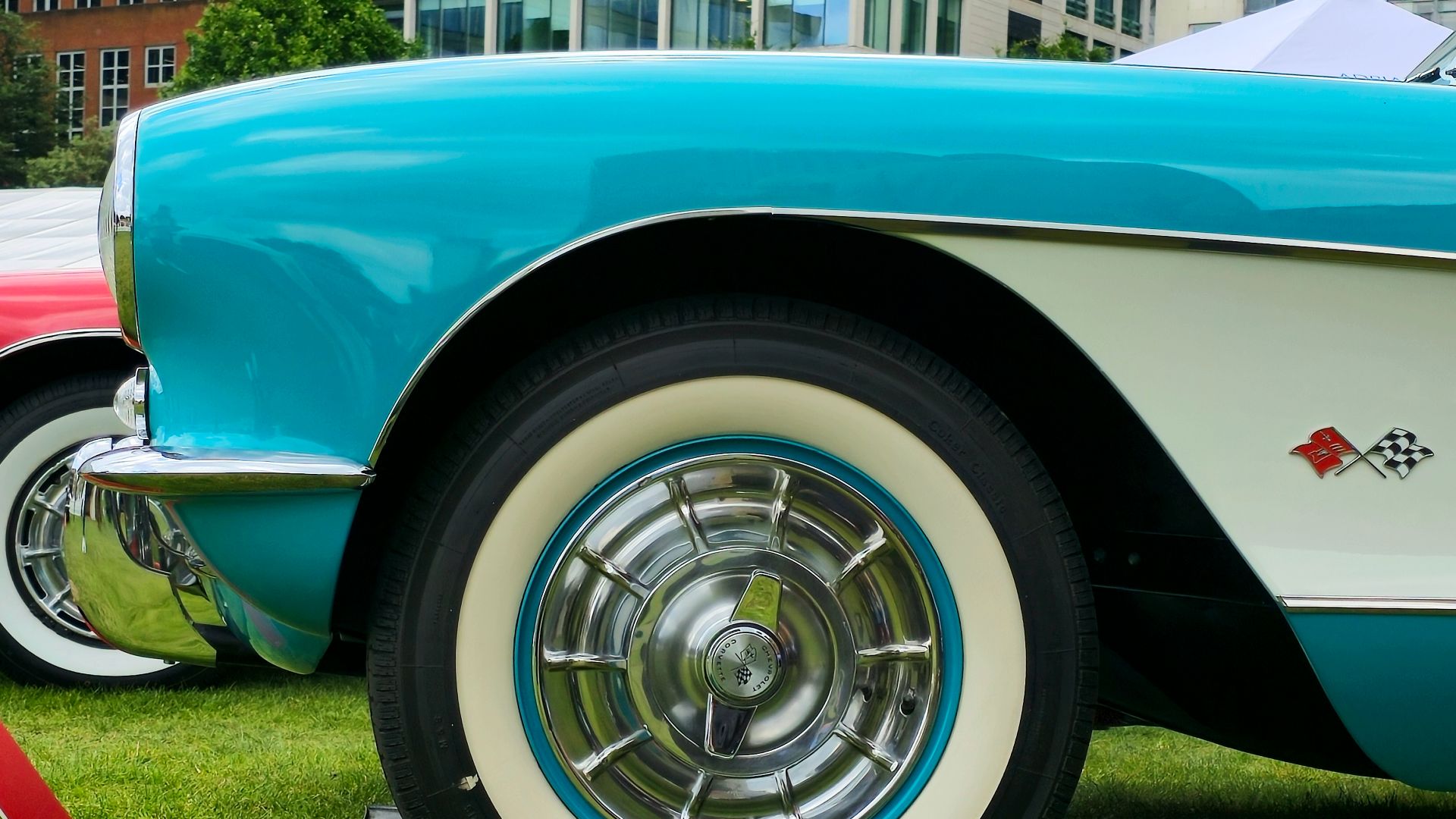
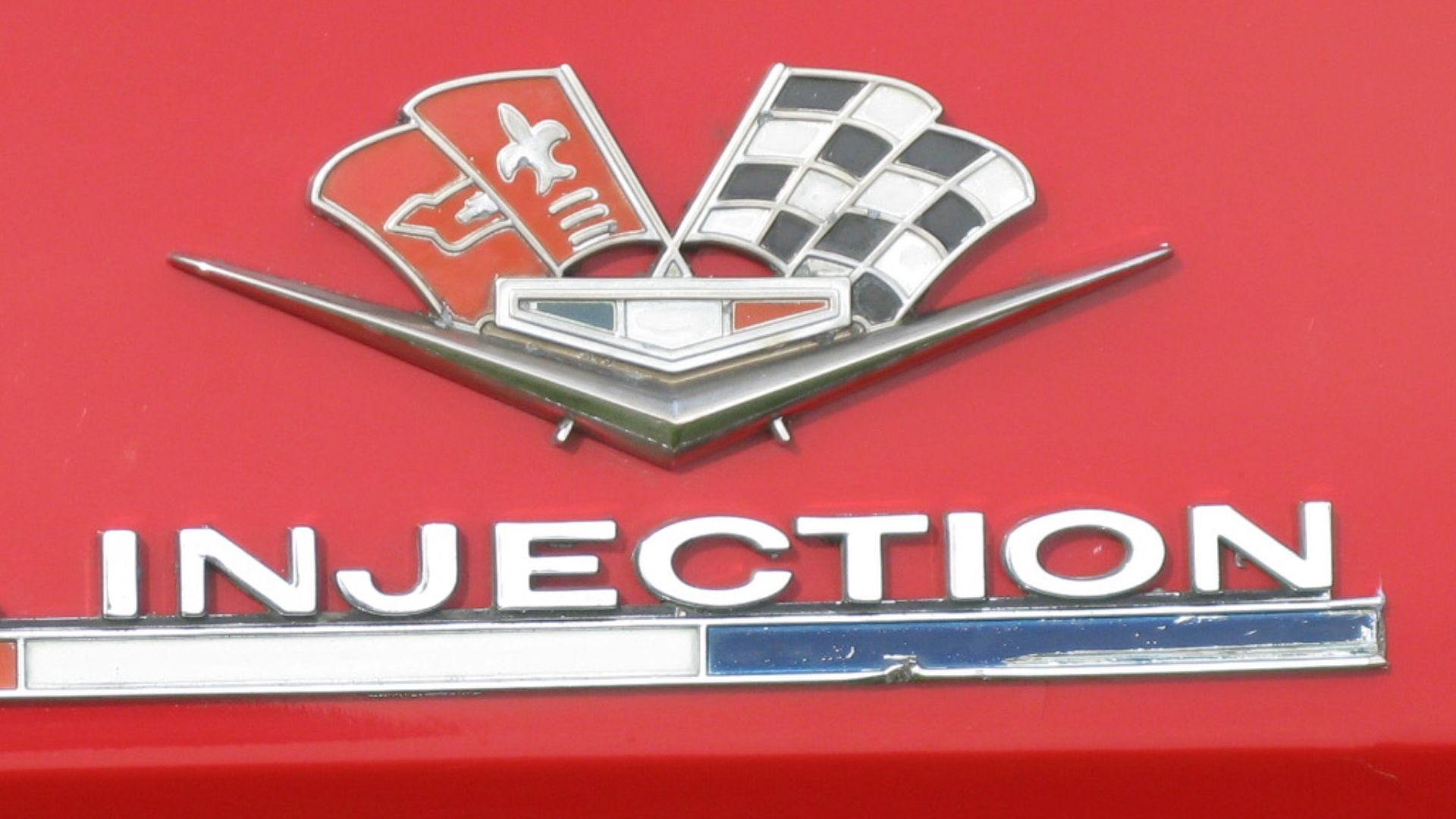
Chevrolet made sure onlookers could identify an injected Corvette without lifting the hood. Fuel Injection script appeared in the side coves, accompanied by crossed flags, and on the rear deck. It was a visible announcement that the car carried the new engine technology.
 Herranderssvensson, Wikimedia Commons
The Airbox Took Racing Further
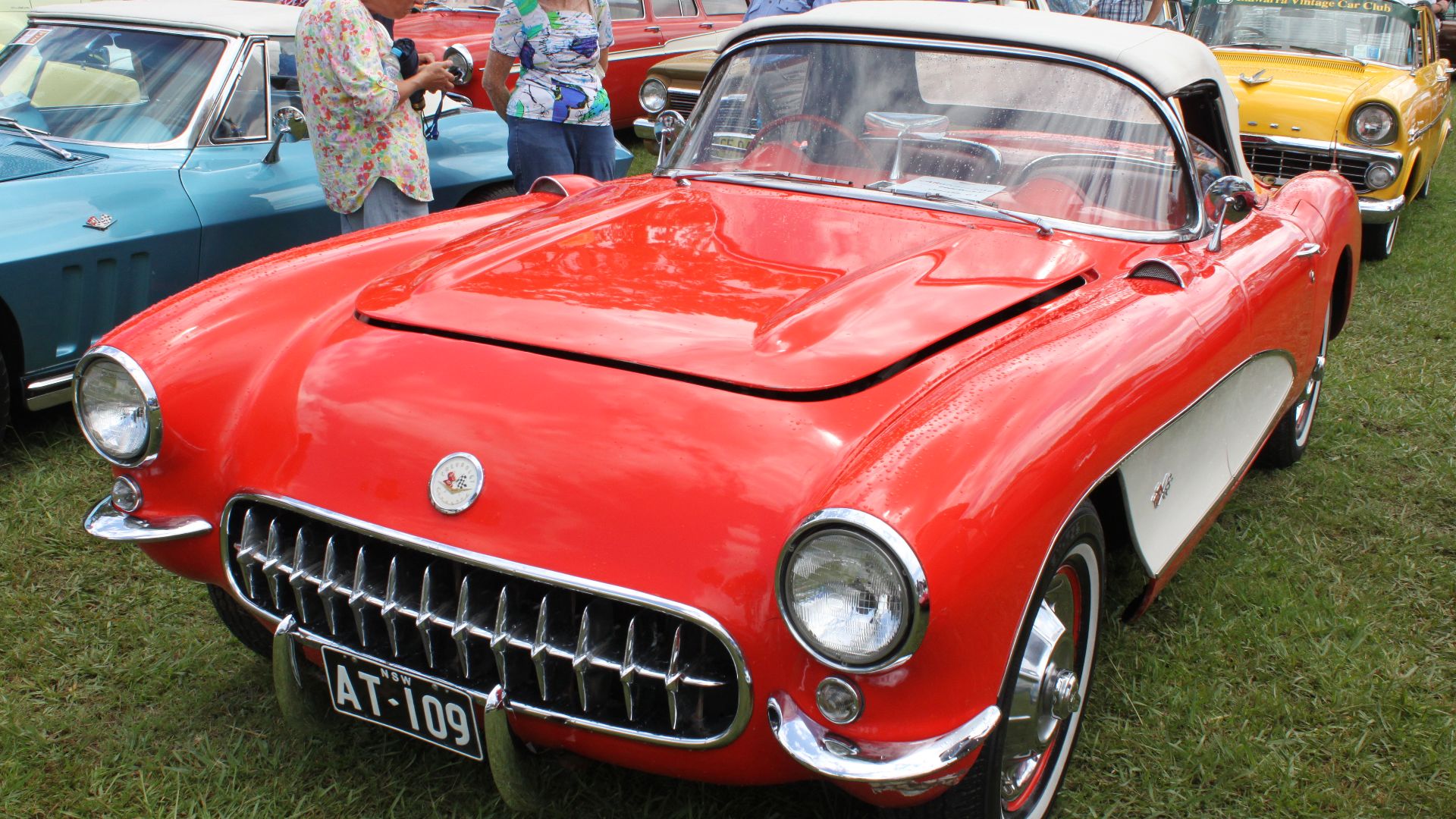
A specialized 283-horsepower version, option 579E, added a fresh-air intake and a tachometer on the steering column. Its price was $726.30, above the normal injection option. Chevrolet built just 43 of these airbox Corvettes during the 1957 model year.
 Jeremy from Sydney, Australia, Wikimedia Commons
A Four-Speed Arrived In The Same Year
The Corvette also gained an available four-speed manual transmission in 1957. It cost $188.30, and 664 cars were built with that transmission during the model year. Together with injection, the new gearbox expanded Chevrolet's ability to offer a road-racing-oriented Corvette.
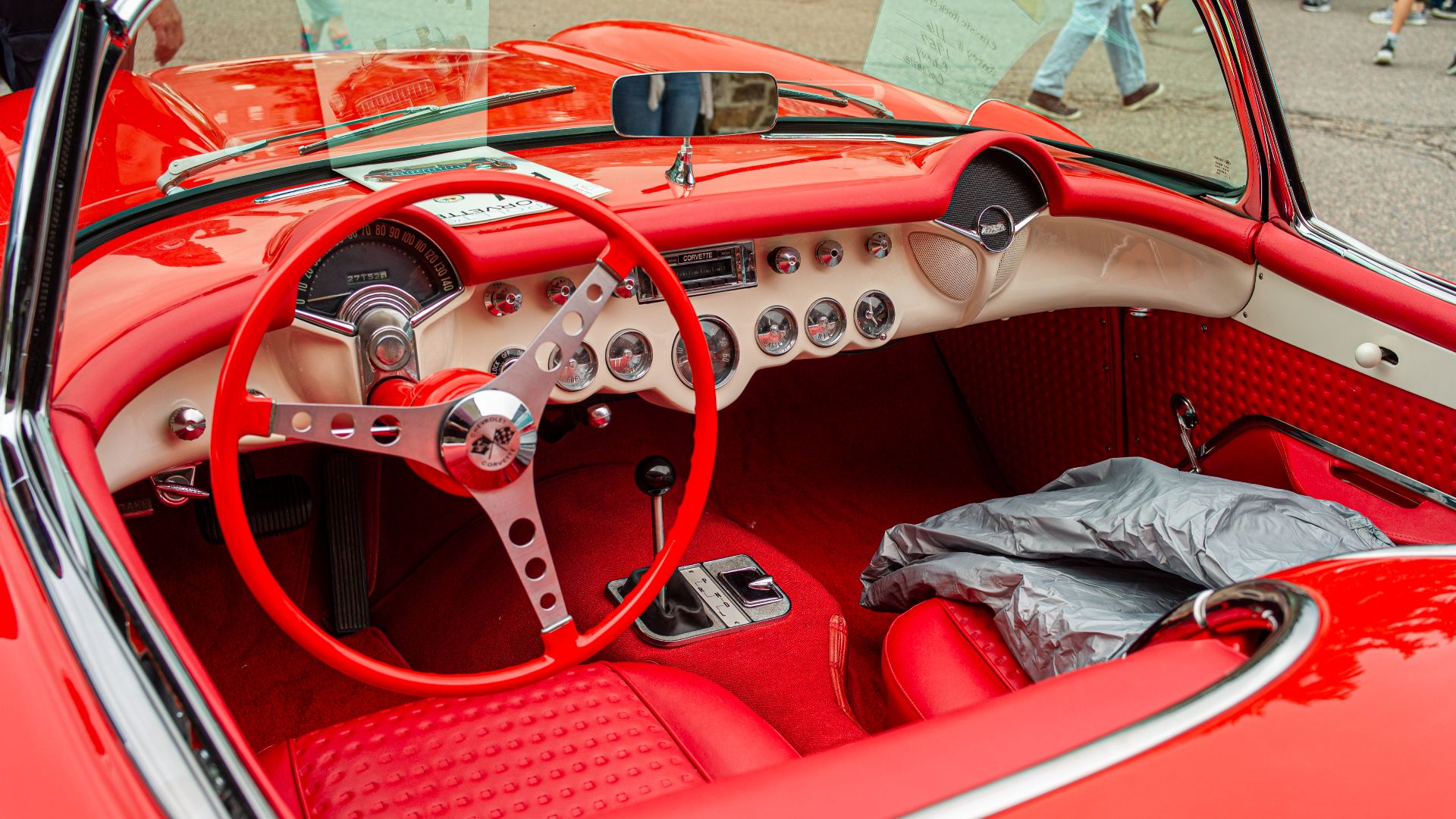
Test Drivers Felt The Difference
In a June 1957 road test, Sports Cars Illustrated compared injected and dual-carbureted Corvettes. The injected car responded more immediately to the throttle and did not stumble through hard corners. Its recorded zero-to-60-mph time was 6.6 seconds, only slightly quicker than the carbureted car.
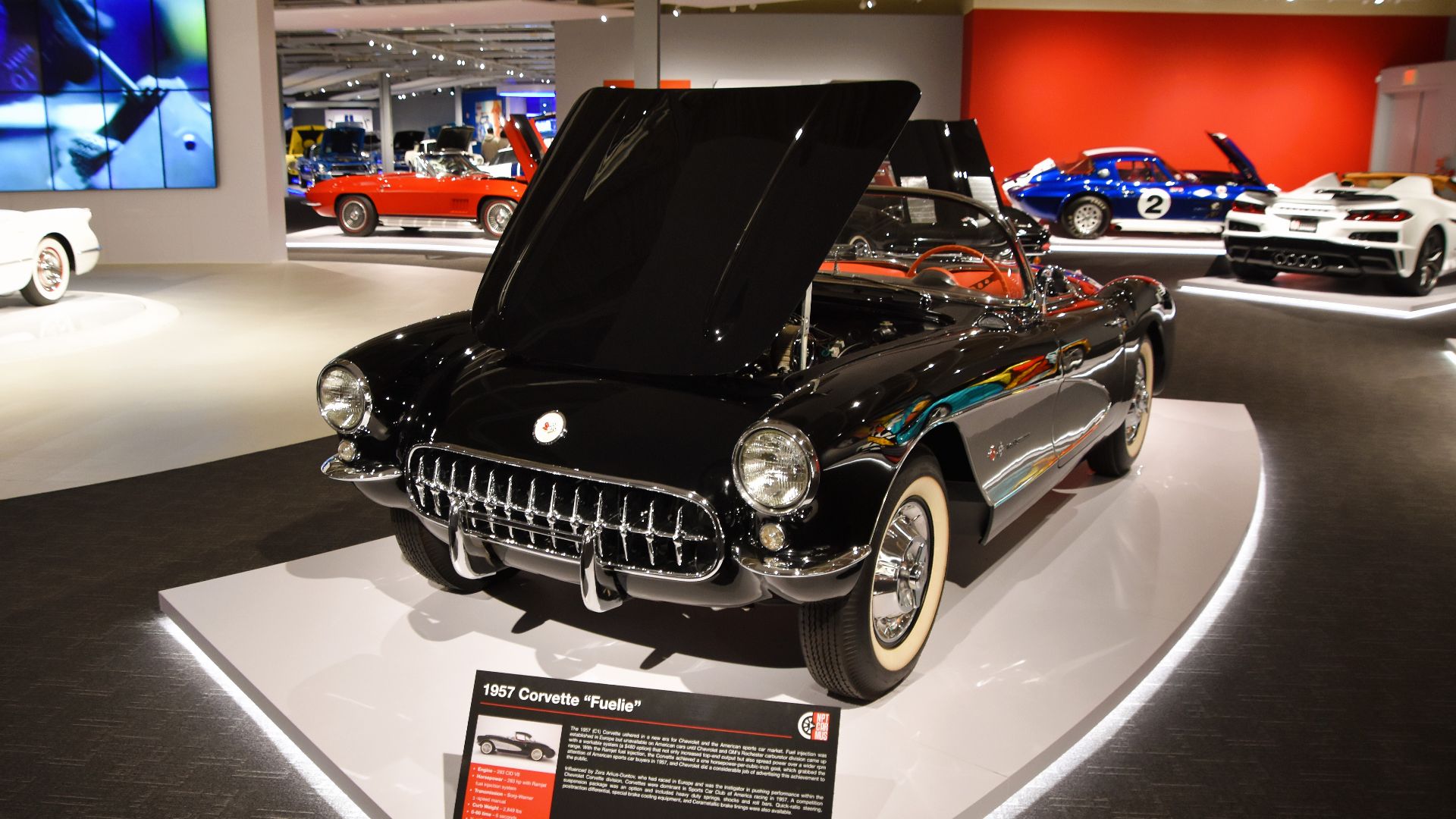 Charles from Port Chester, New York, Wikimedia Commons
Early Fuelies Had Real Growing Pains
That same test exposed a frustrating hot-starting problem, even though the injected car started readily when cold. The writers also questioned the system's complicated linkages, diaphragms, and tubing. Ramjet delivered real benefits, but early ownership was not automatically simpler than using carburetors.
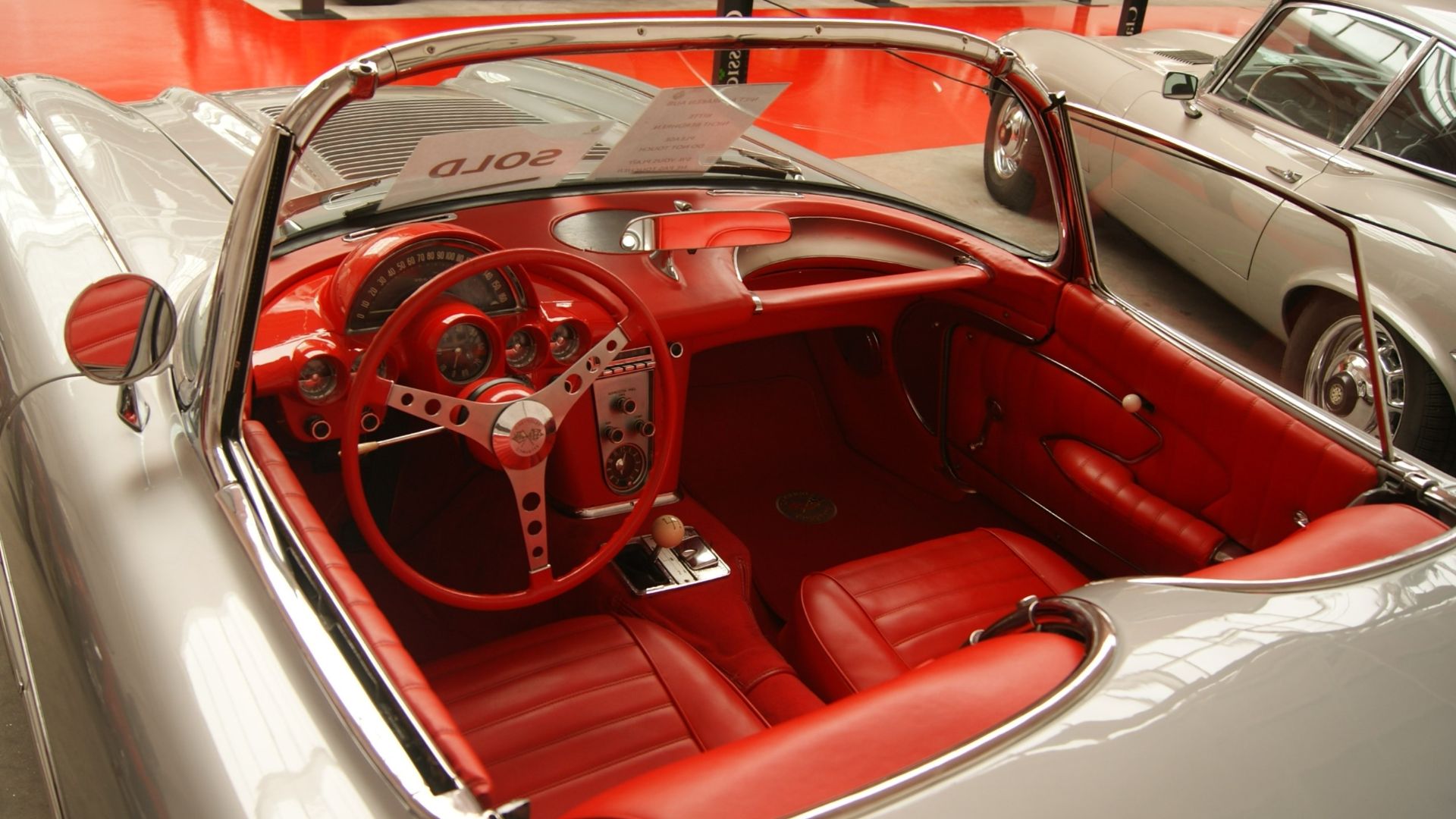 Niels de Wit from Lunteren, The Netherlands, Wikimedia Commons
A Rare Option With A Long Legacy
Of the 6,339 Corvettes built for 1957, just 1,040 received fuel injection, including the 43 airbox cars. Mechanical Ramjet remained available through 1965, long before Corvette adopted electronic Cross-Fire injection in 1982. The original option helped establish the Corvette's high-performance identity.
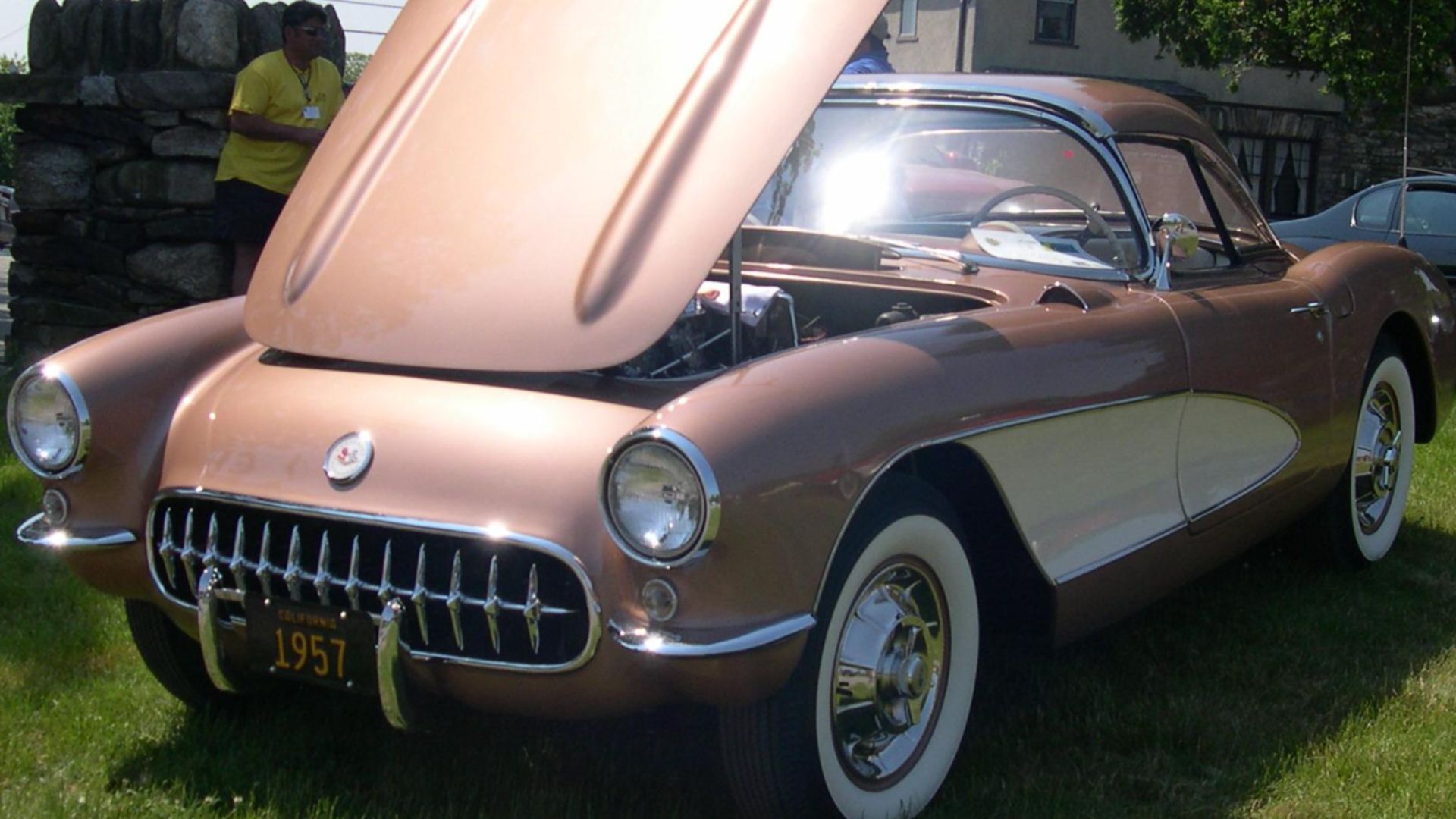 Sfoskett~commonswiki, Wikimedia Commons