When A Name Carries Thunder
Car names are rarely accidental; but every now and then, one lands with a kind of mythic weight that feels bigger than marketing. The Ford Thunderbird wasn’t just given a name—it was handed an identity. One that blended Native American symbolism, postwar optimism, and a touch of good old-fashioned Detroit flair.
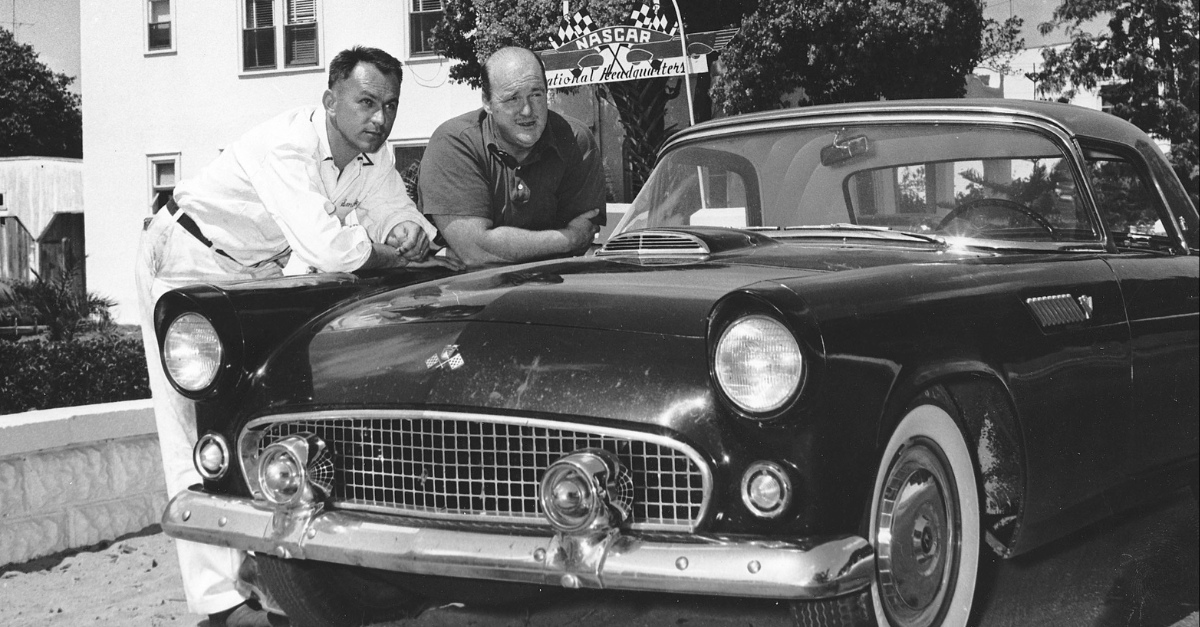
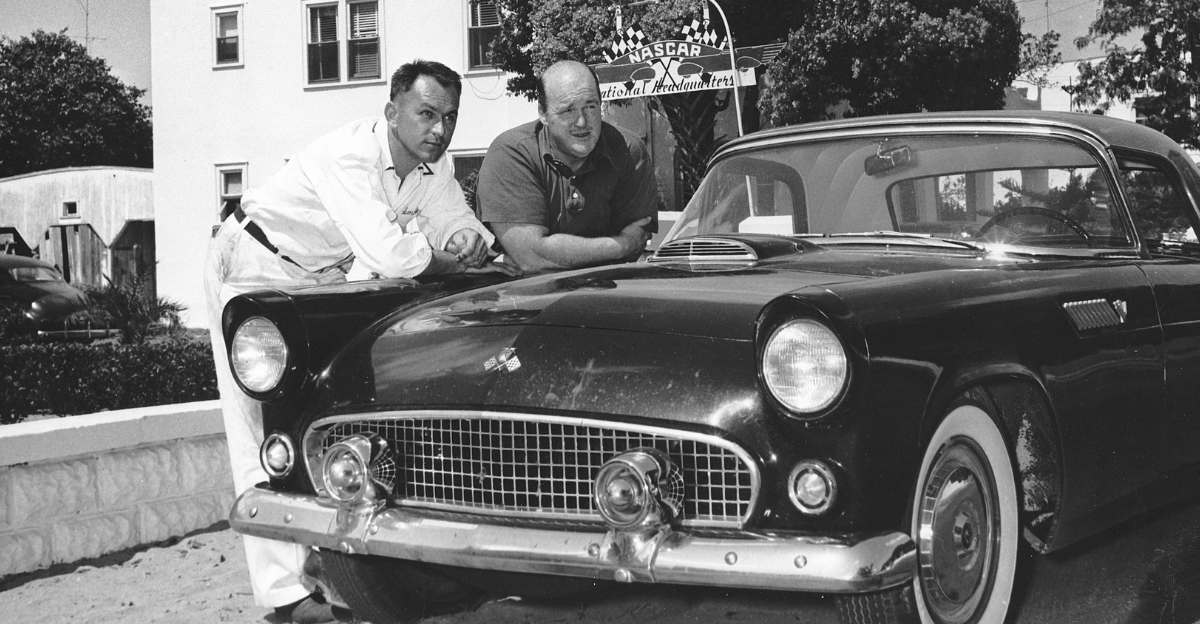 ISC Images & Archives via Getty Images
A Response To A Rival
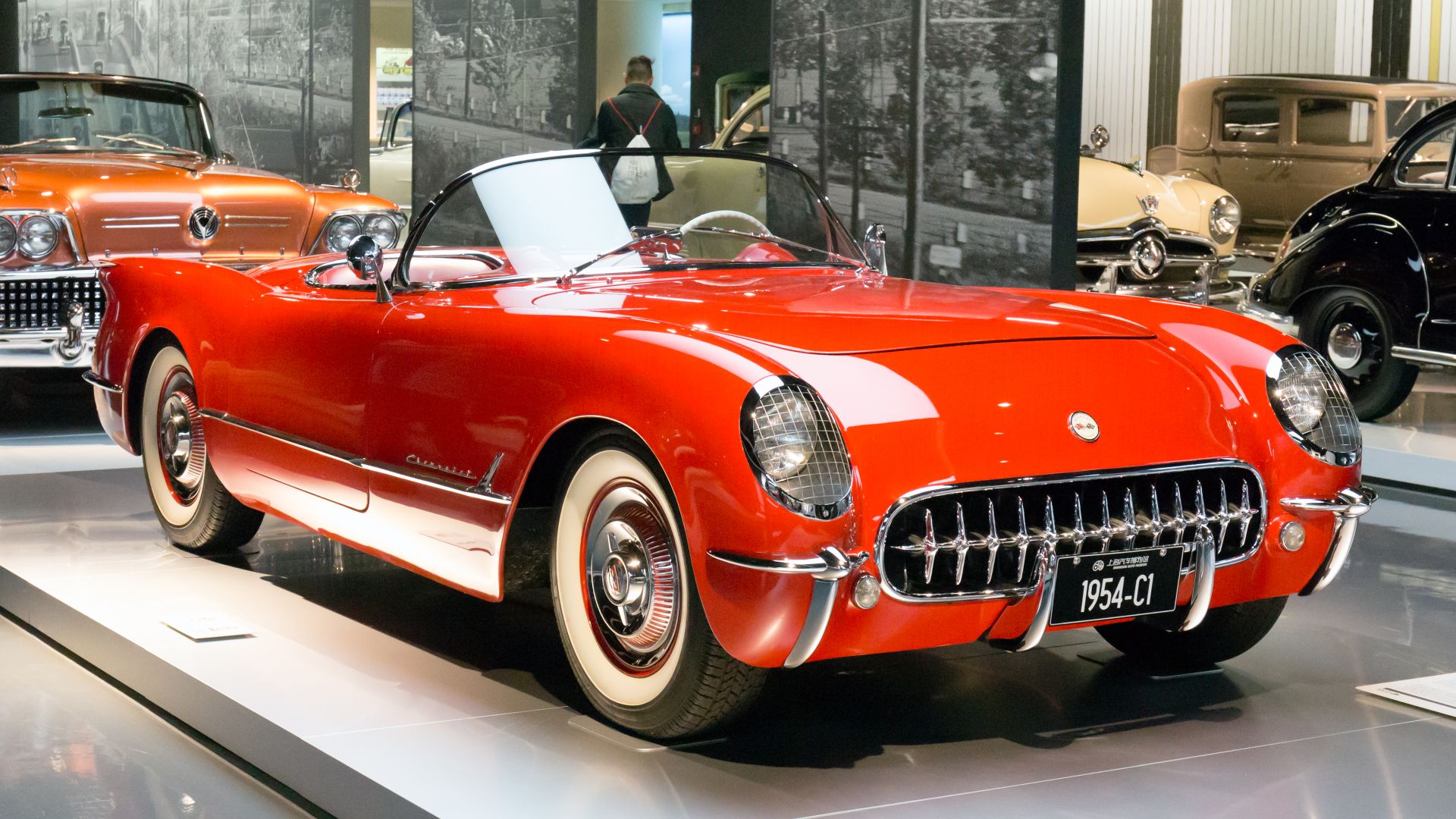
The Thunderbird didn’t start as a standalone vision, it began as a reaction. When Chevrolet introduced the Corvette in 1953, Ford realized it needed something equally eye-catching to compete in the growing sports car market.
But Ford wasn’t interested in copying the Corvette outright. Instead of a raw, performance-first machine, they leaned toward something more refined—part sports car, part personal luxury statement. That difference in philosophy would eventually shape not just the car itself, but the name it carried.
Not Quite A Sports Car
Despite being positioned as a Corvette rival, the Thunderbird quickly carved out its own lane. It wasn’t about razor-sharp handling or track performance—instead, it prioritized comfort, style, and everyday usability.
That shift in identity mattered, because it meant the name had to reflect something broader. This wasn’t just a machine—it was a lifestyle product. Something aspirational. Something with presence.
The Search For The Perfect Name
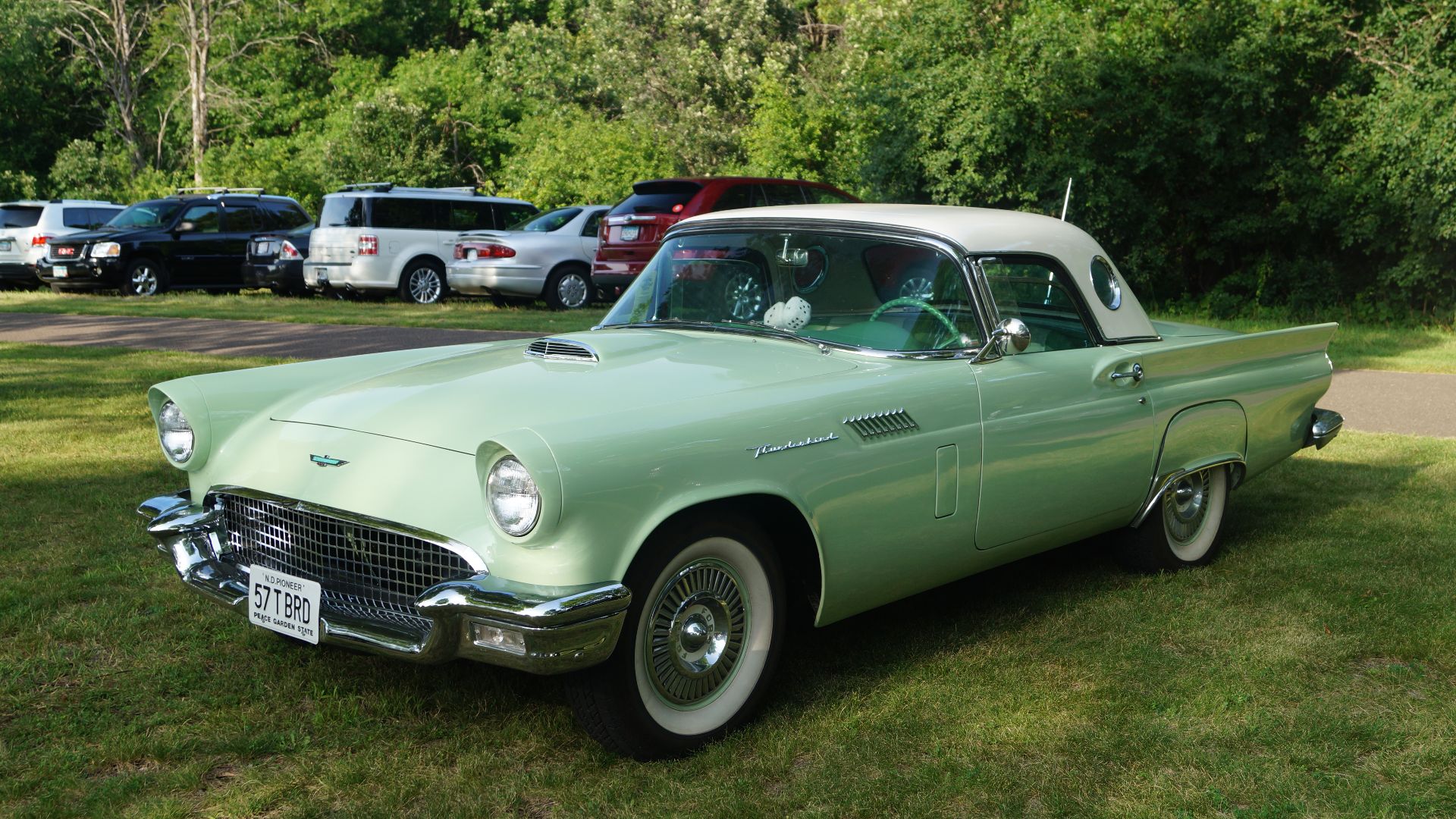
Ford didn’t just pull “Thunderbird” out of thin air. The company actually held an internal naming contest, inviting employees to submit ideas for what would become their new flagship personal car.
Thousands of suggestions poured in, ranging from the practical to the wildly imaginative. But one entry stood out—not because it sounded fast, but because it sounded powerful.
 MercurySable99, Wikimedia Commons
The Winning Suggestion
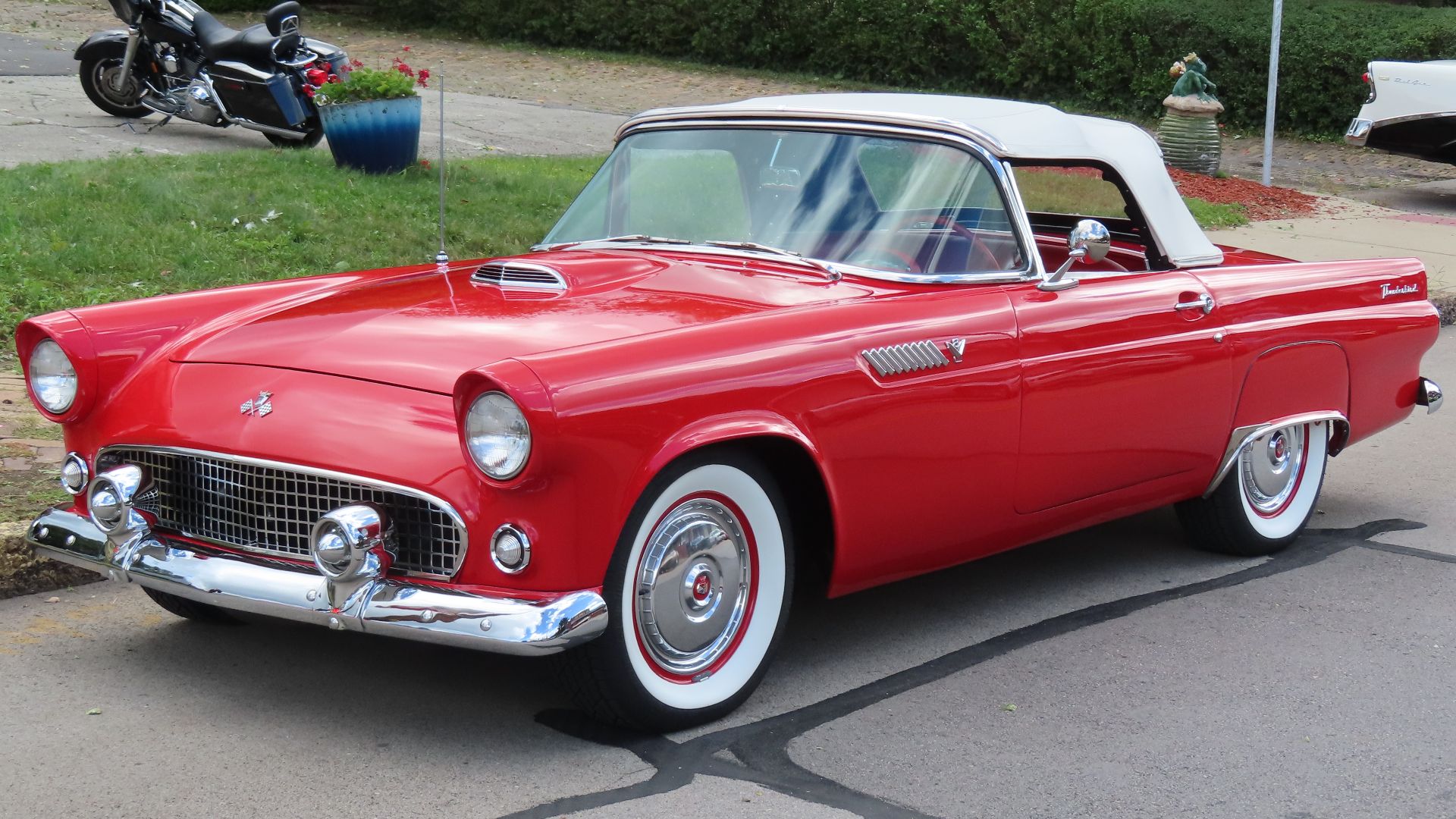
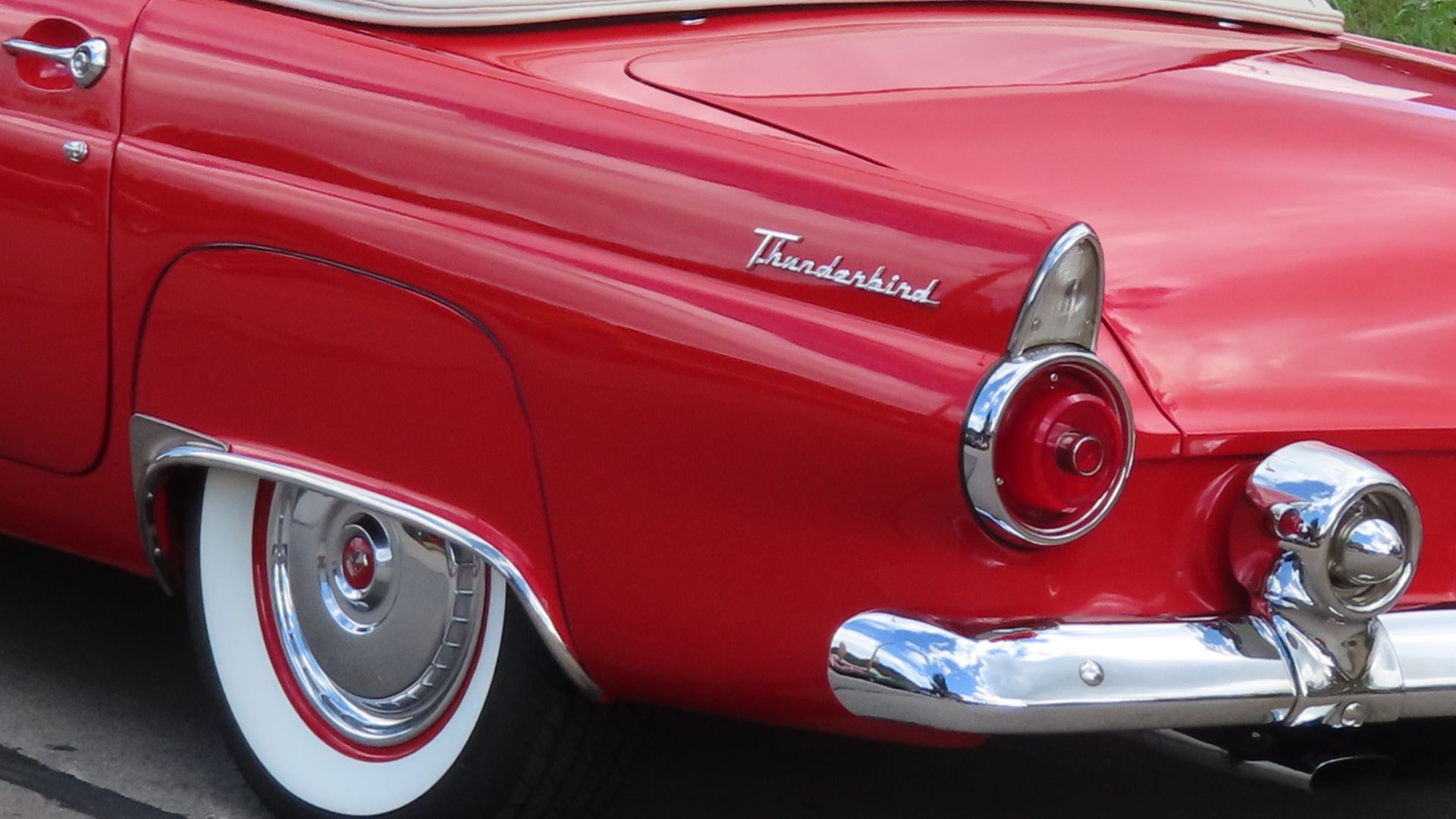
The name “Thunderbird” reportedly came from a Ford stylist who suggested it during the internal contest. It immediately resonated with executives.
It had a rhythm to it. A sense of movement. And more importantly, it carried meaning far beyond the automotive world.
 MercurySable99, Wikimedia Commons
Borrowed From Legend
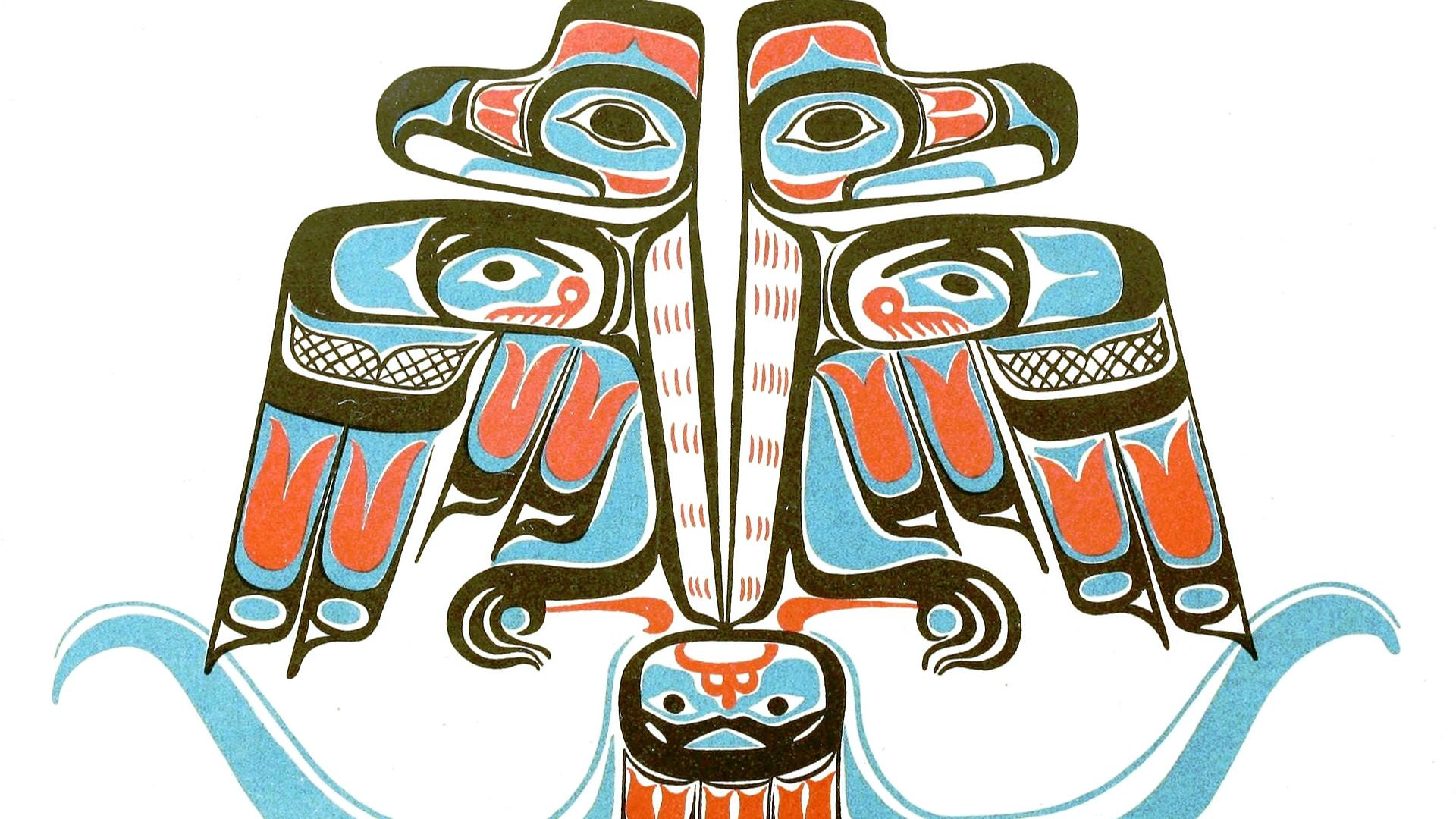
The Thunderbird isn’t just a cool-sounding word—it comes from Native American mythology, where the Thunderbird is a powerful supernatural being.
Often depicted as a giant bird capable of creating thunder with the beating of its wings, it symbolized strength, protection, and natural force. Not exactly subtle—but undeniably memorable.

A Symbol Of Power
For Ford, the symbolism was irresistible. The Thunderbird represented raw energy and dominance—qualities that translated perfectly into a car meant to stand out on the road.
Even if most buyers didn’t know the full mythological background, the name still carried an instinctive sense of power.
The Postwar Mood
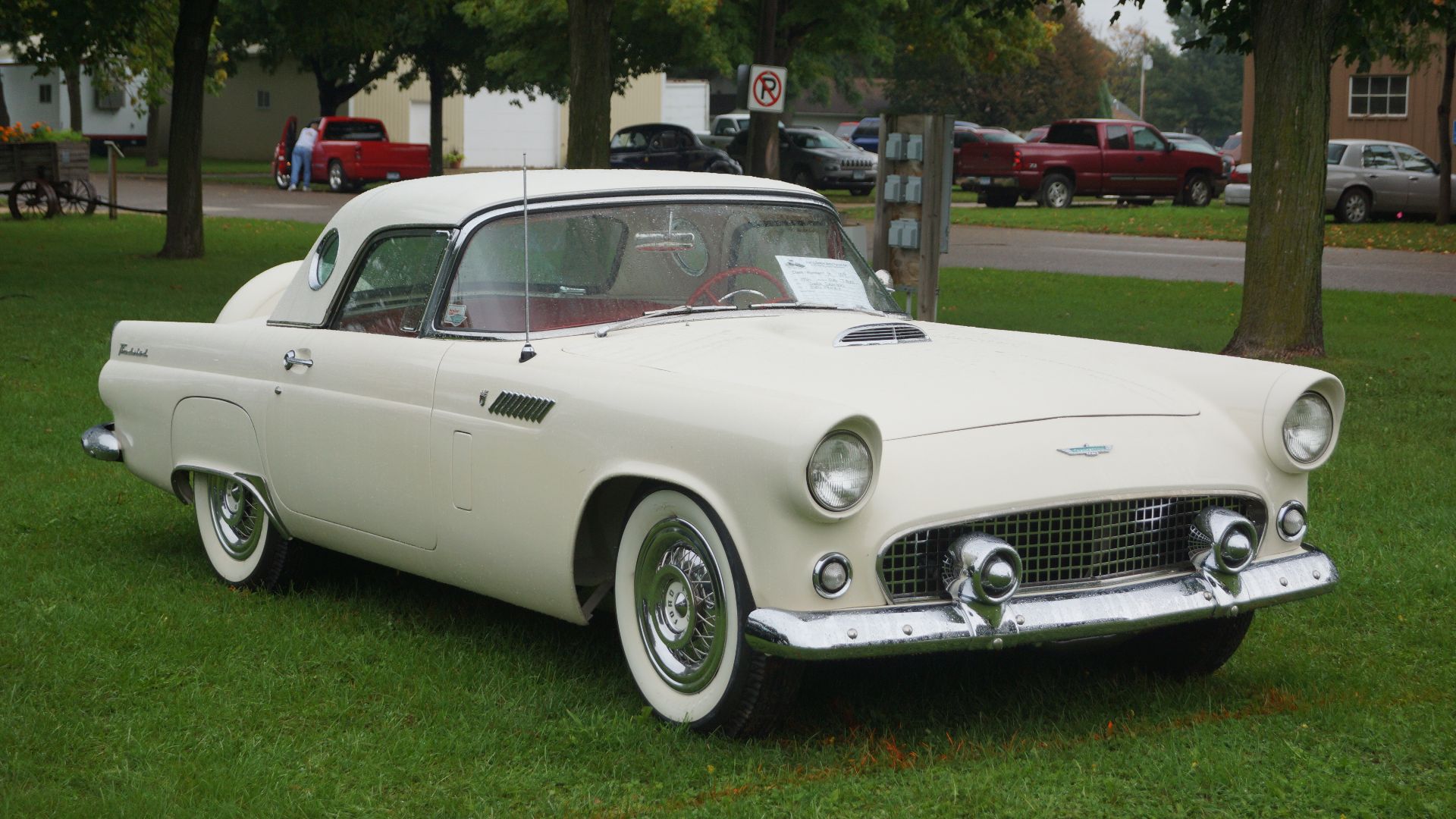
The 1950s were all about optimism, growth, and a fascination with bold ideas. Americans were embracing bigger cars, flashier designs, and names that sounded like they belonged in the future.
“Thunderbird” fit that mood perfectly. It wasn’t technical or clinical—it was emotional, almost cinematic.
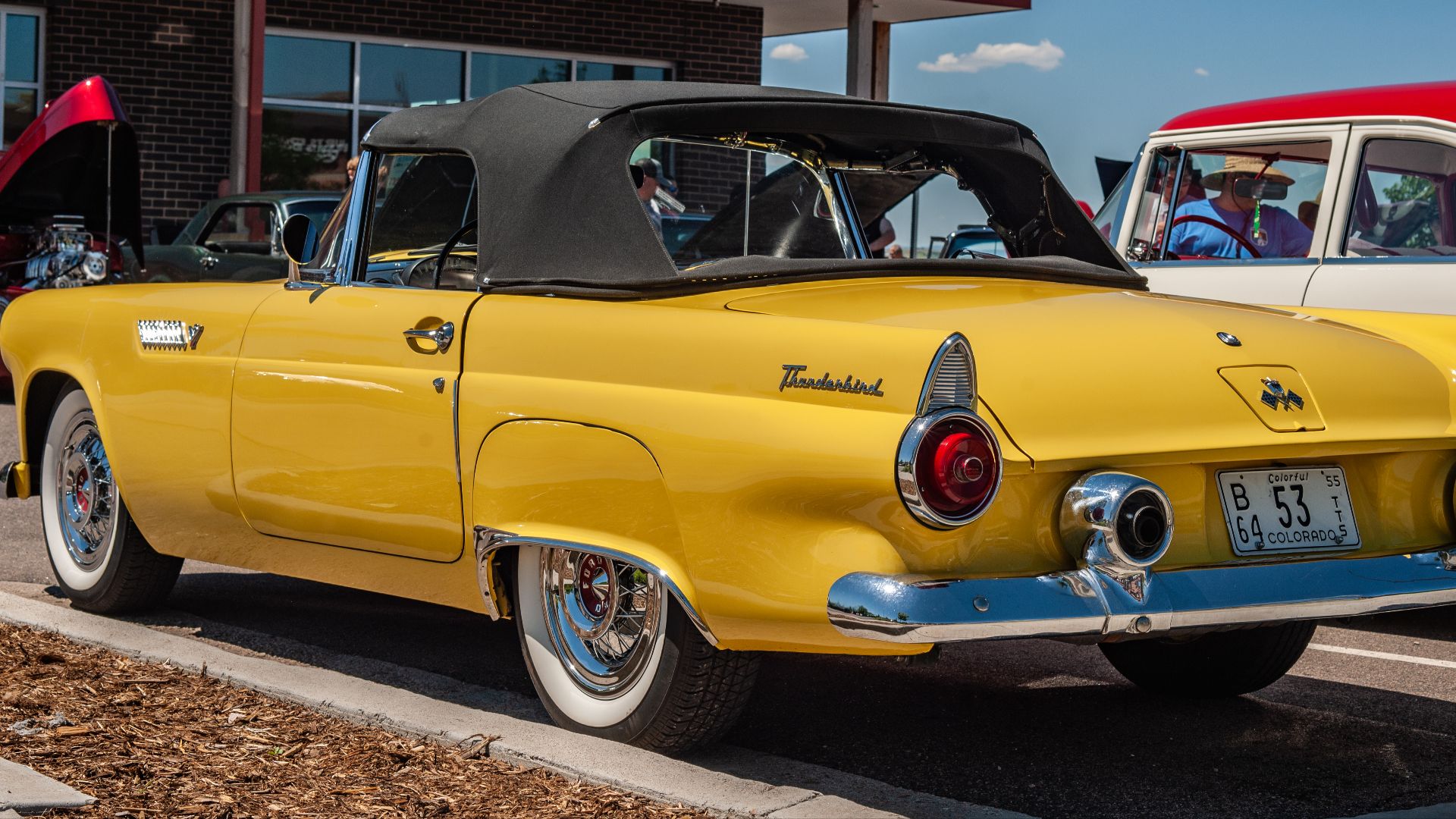
Inspired By The Southwest
There’s also evidence that Ford designers were influenced by the American Southwest, where Thunderbird imagery appears in Indigenous art and iconography.
This connection added a visual dimension to the name, influencing early design elements and marketing materials that leaned into that cultural imagery.
 Internet Archive Book Images, Wikimedia Commons
A Name That Felt American
Unlike some car names that sounded imported or abstract, “Thunderbird” felt deeply rooted in American identity—even if its origins were more complex.
It evoked wide-open landscapes, powerful storms, and a sense of untamed freedom.
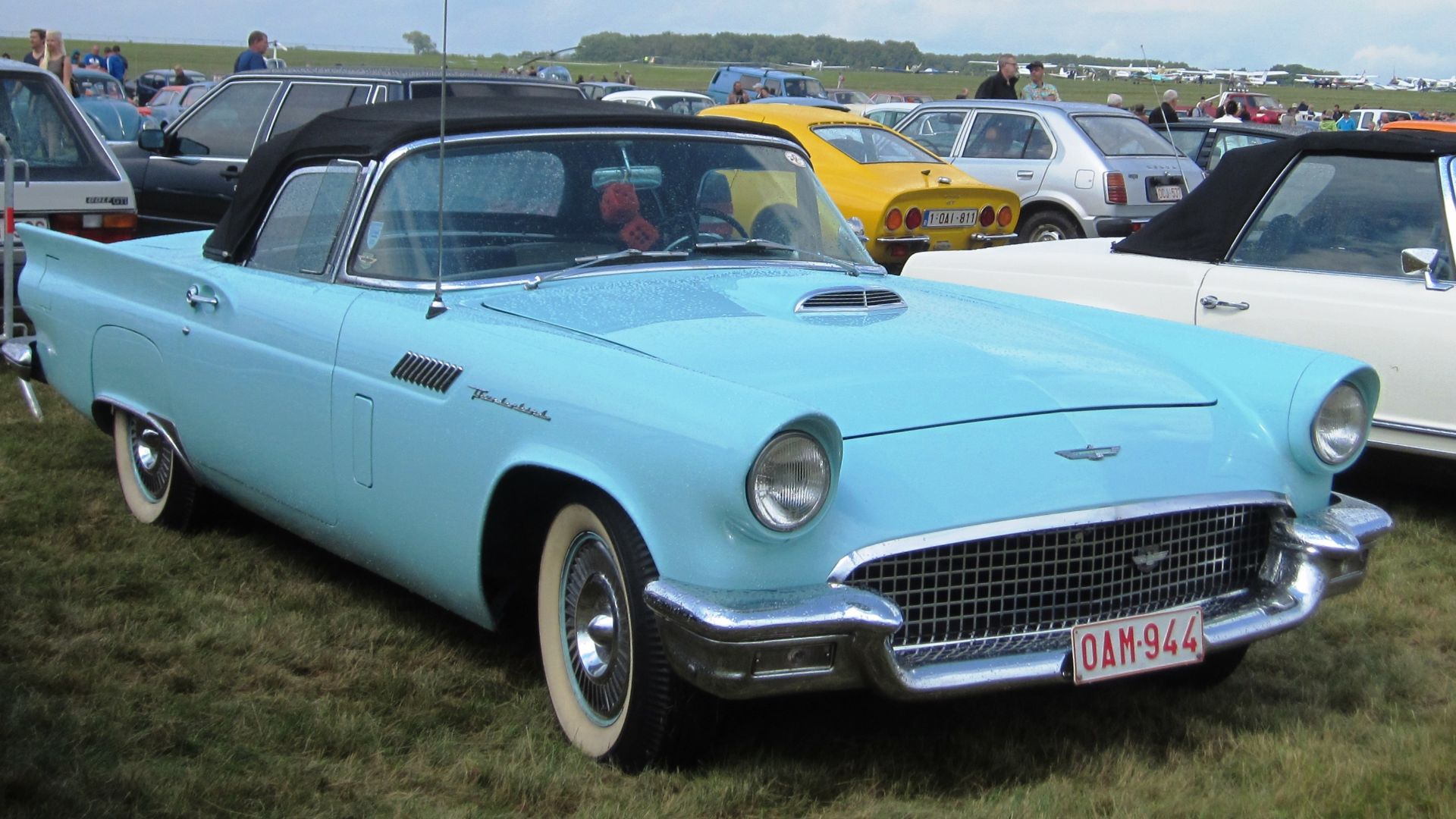
The First Thunderbird Debuts
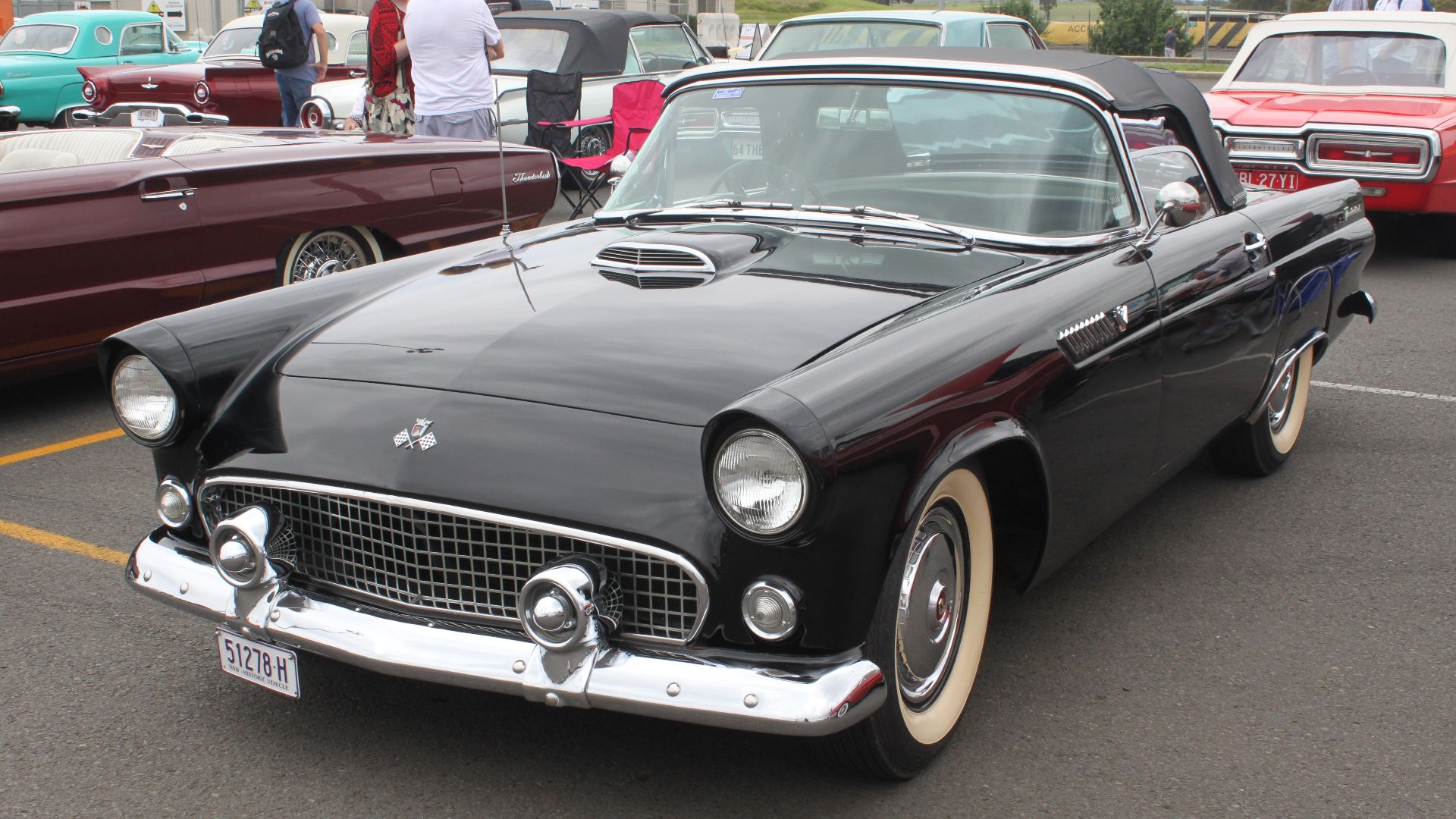
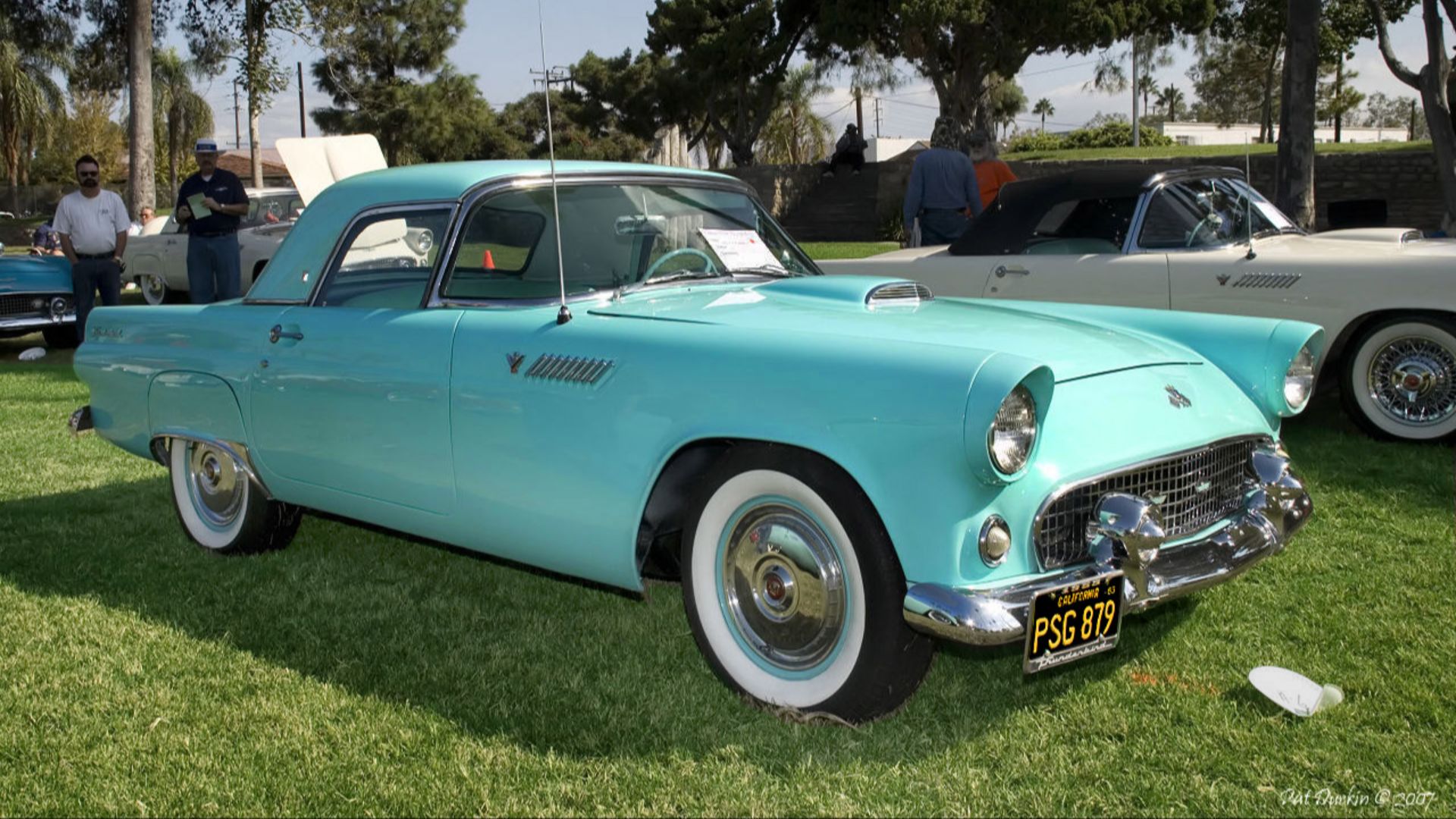
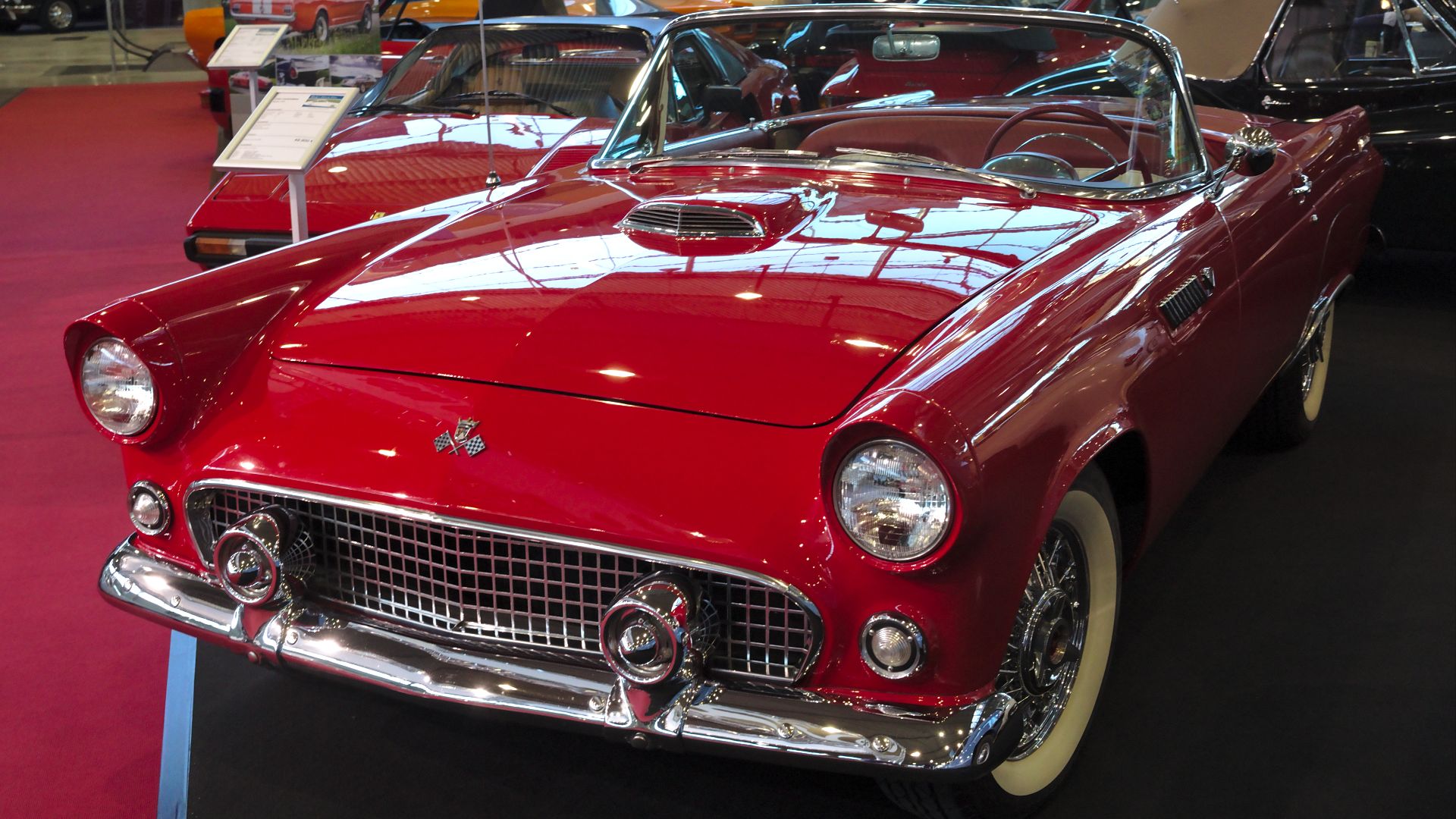
When the Thunderbird officially debuted in 1955, the name immediately clicked. It didn’t need explanation—it simply felt right.
The car’s sleek lines, modest size, and upscale touches matched the boldness of its name without overdoing it.
 Jeremy from Sydney, Australia, Wikimedia Commons
Style Over Speed
While the Corvette leaned into performance credentials, the Thunderbird leaned into presence. It wasn’t the fastest car on the road, but it looked like it could be.
The name helped reinforce that illusion—suggesting power even when the car’s true strength was refinement.
A Marketing Dream
From a branding perspective, “Thunderbird” was gold. It was memorable, easy to say, and loaded with imagery.
Ford leaned heavily into this, building campaigns that emphasized the car’s elegance while subtly nodding to its powerful name.
 Lars-Göran Lindgren Sweden, Wikimedia Commons
The Evolution Of The Image
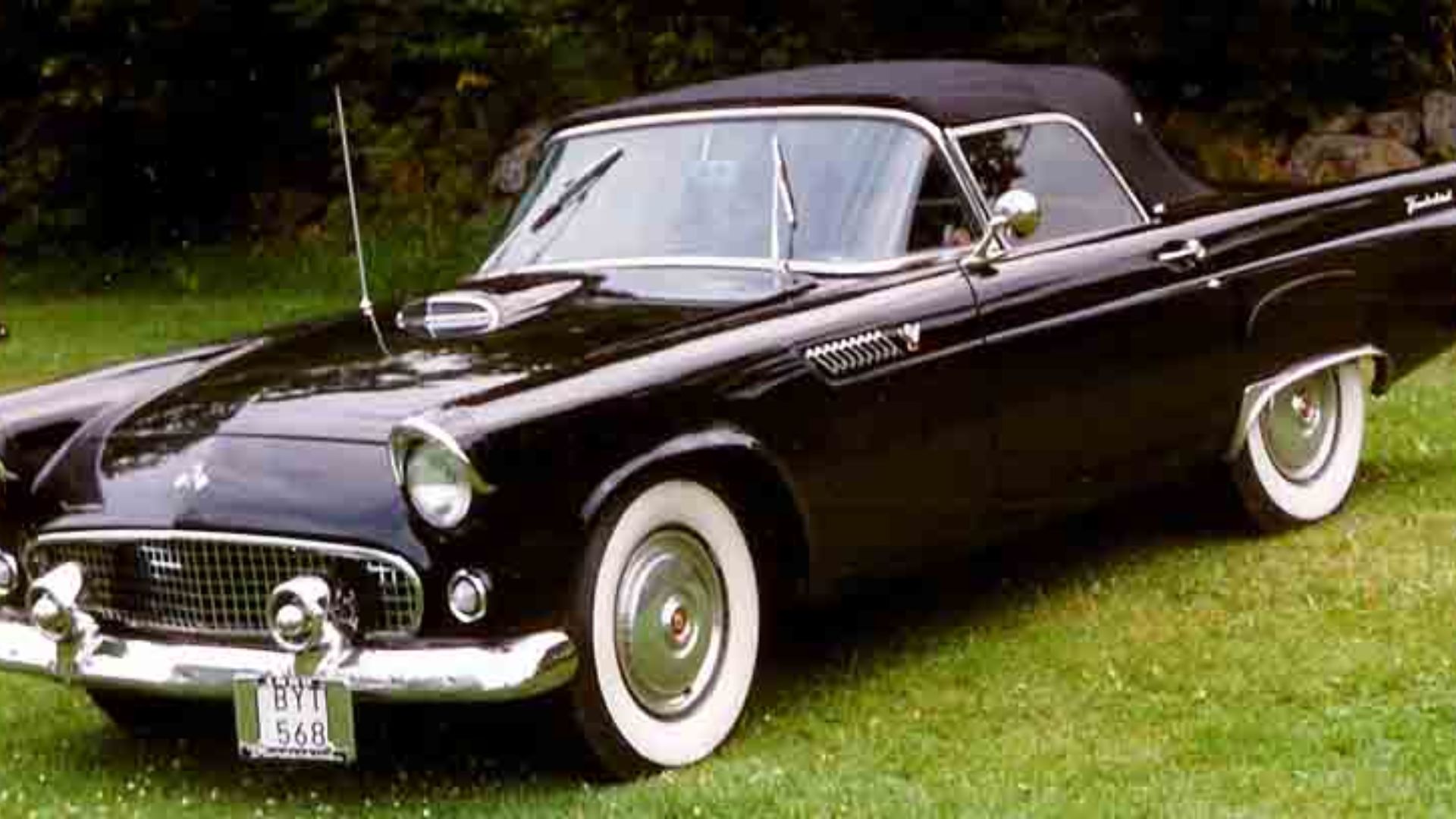
As the Thunderbird evolved through the decades—from two-seater to larger luxury coupe—the name remained constant.
That consistency helped maintain a sense of identity, even as the car itself changed dramatically over time.
Becoming A Status Symbol
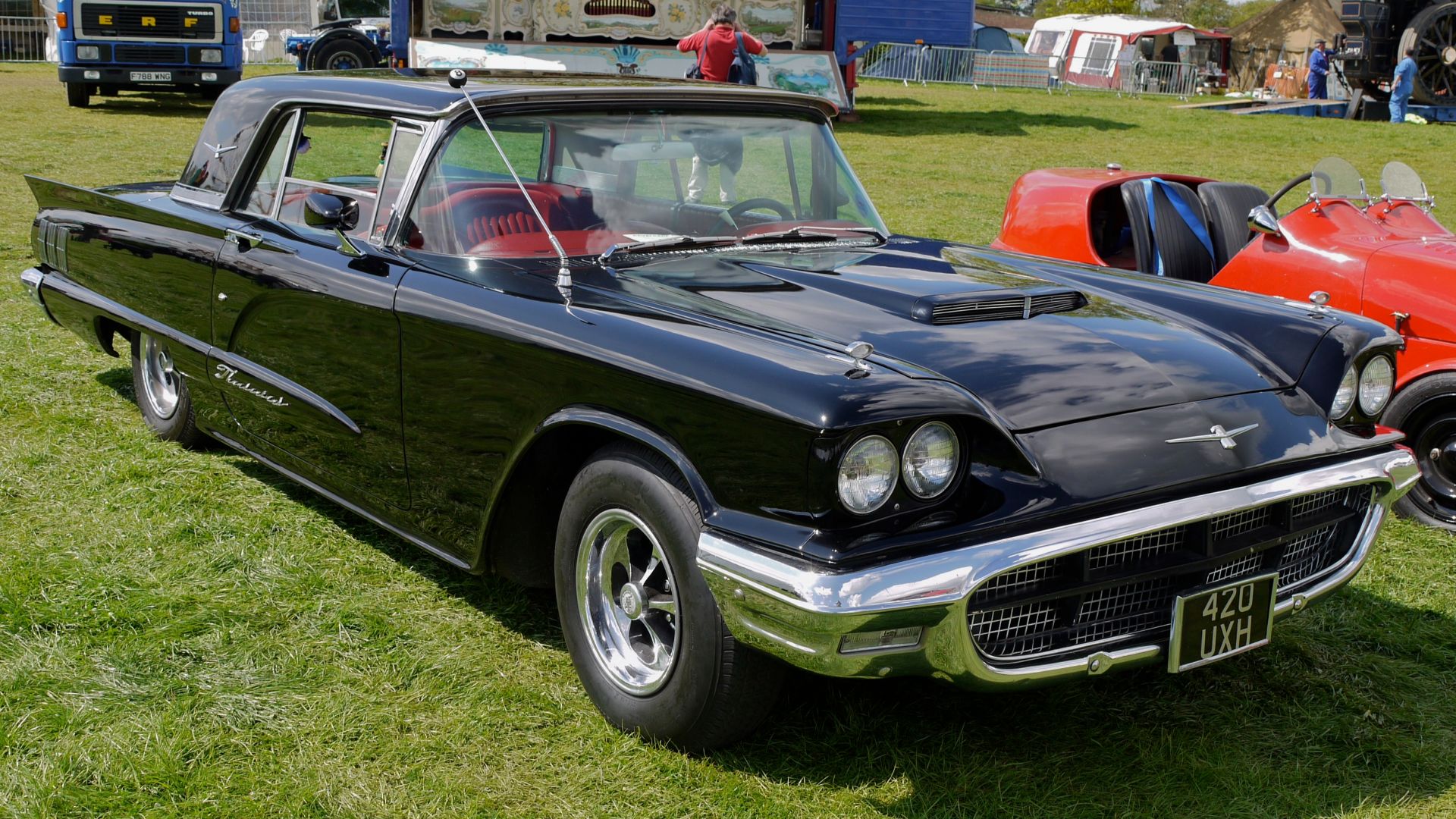
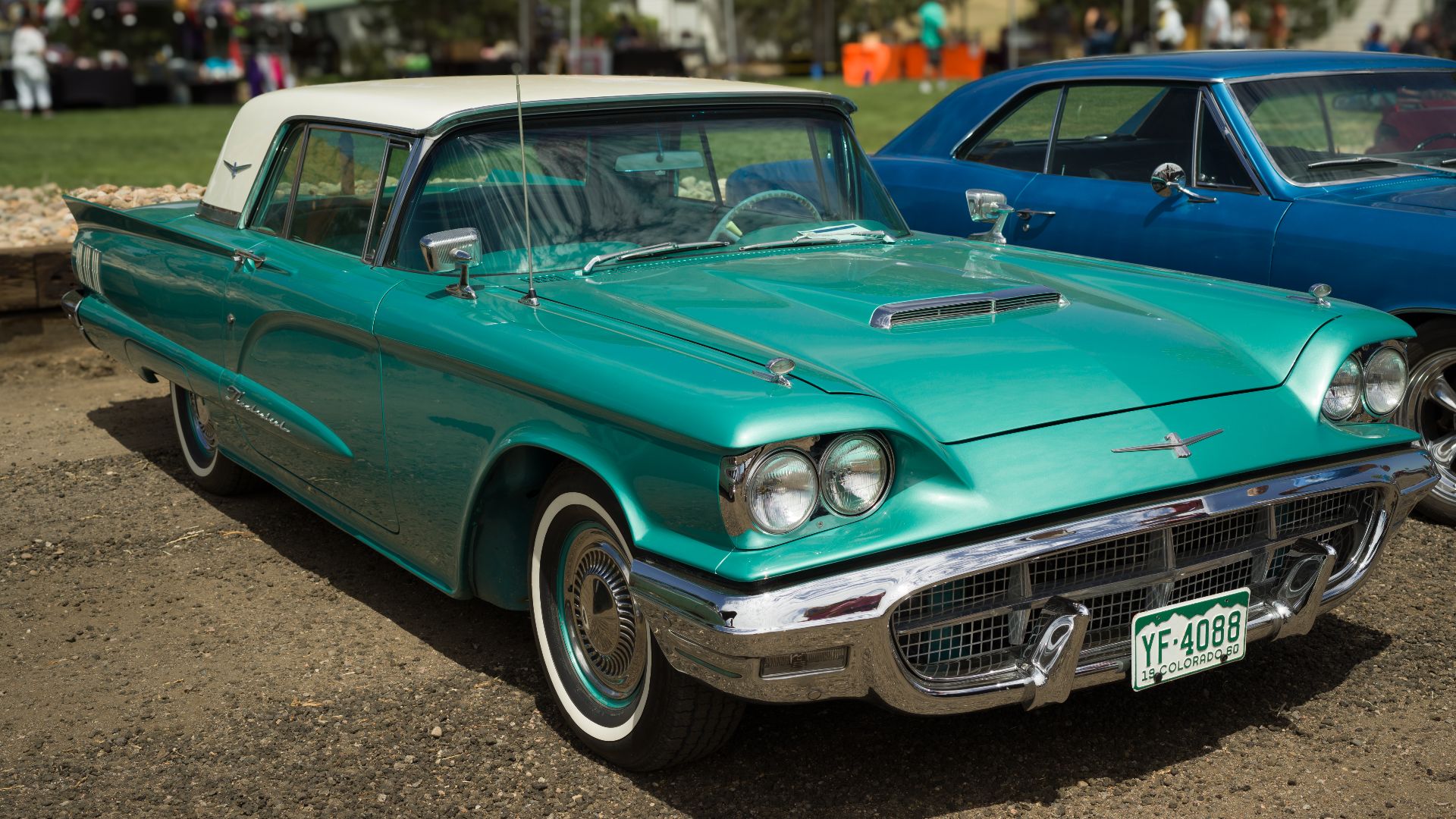
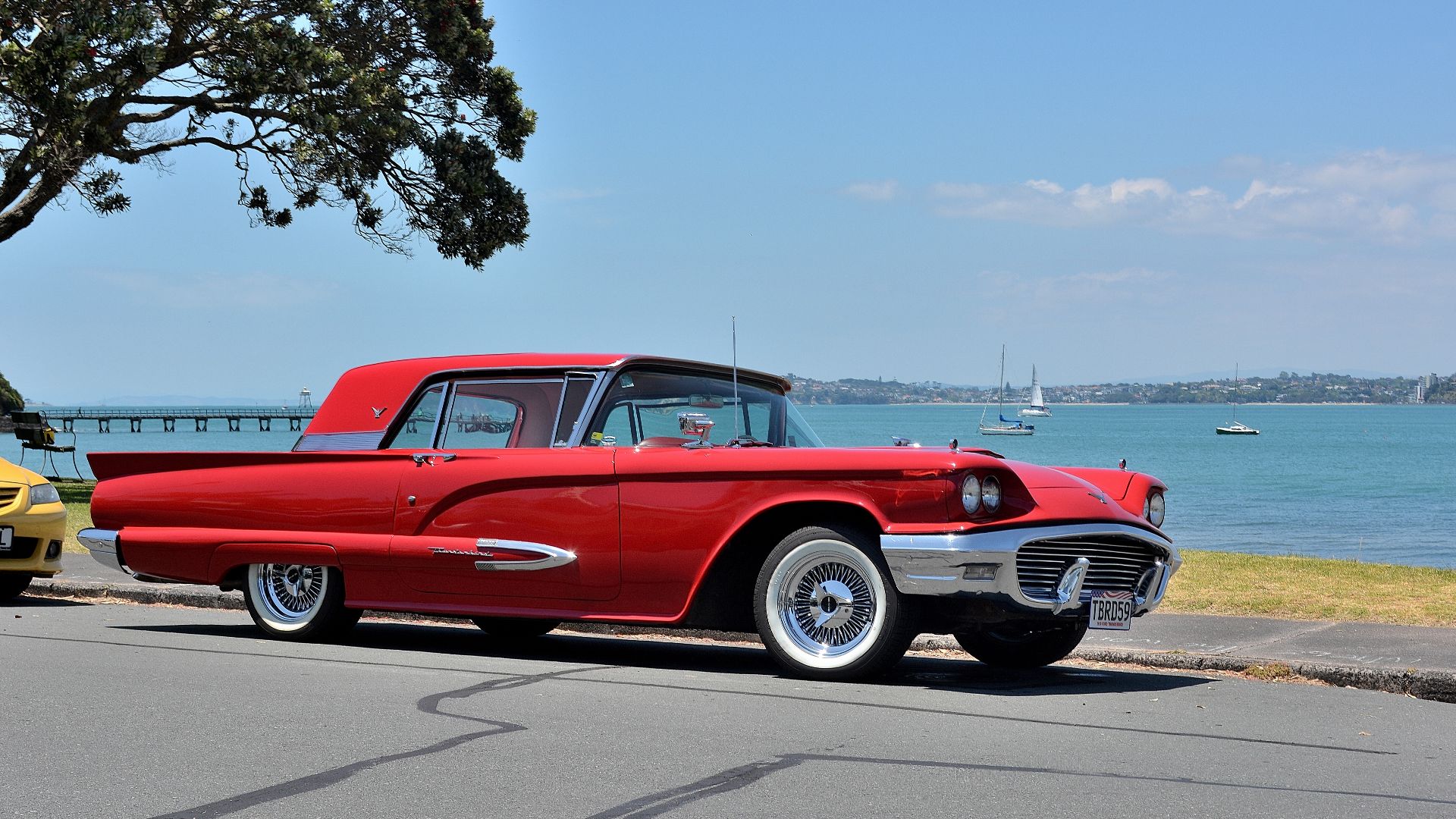
By the late 1950s and into the 1960s, the Thunderbird had transformed into a full-fledged luxury car. It was no longer just sporty—it was prestigious.
The name still worked, though. “Thunderbird” didn’t feel out of place on a larger, more comfortable vehicle—it simply took on a more sophisticated tone.
 Mick from Northamptonshire, England, Wikimedia Commons
Hollywood And The Thunderbird
The car’s image was further cemented through appearances in films and television. It became shorthand for cool, effortless style.
And once again, the name played a role—“Thunderbird” sounded like something that belonged on screen.
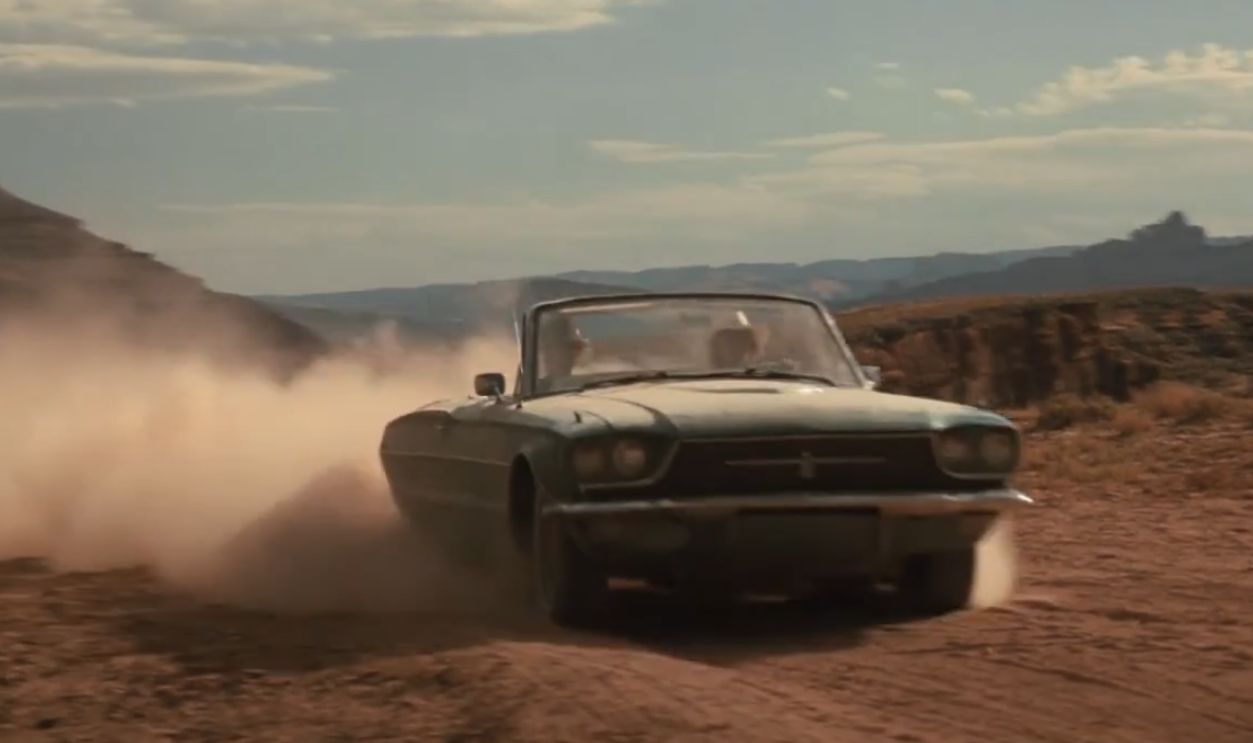 Screenshot from Thelma & Louise, Metro-Goldwyn-Mayer (1991)
The Cultural Layer
It’s worth noting that while the name drew from Native American mythology, it was used in a commercial context without much acknowledgment of its origins.
At the time, this wasn’t widely questioned—but today, it adds another layer to the story of how the name came to be.
Reinvention In The 1970s
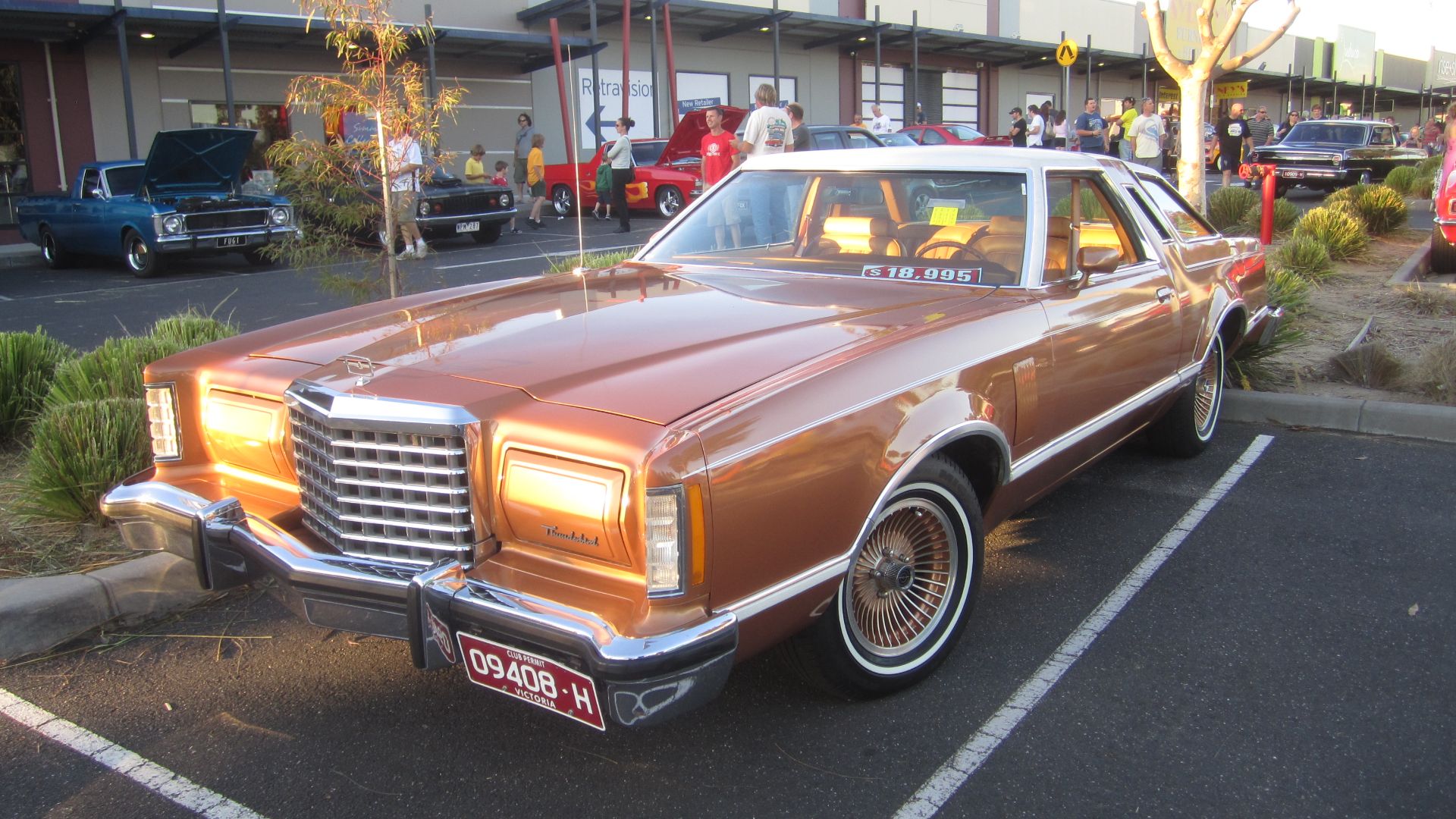
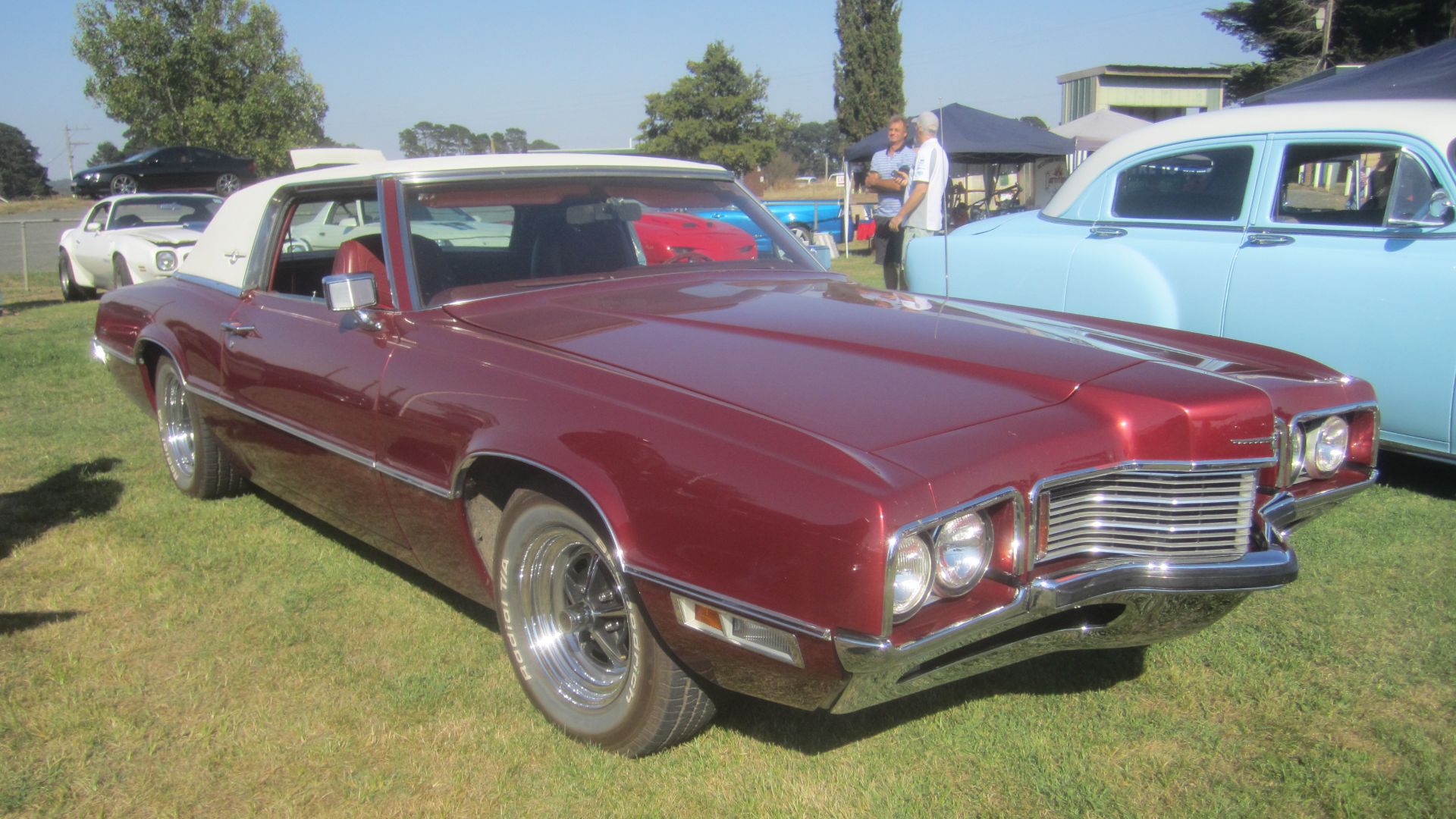
As automotive trends shifted, the Thunderbird adapted—growing larger, heavier, and more focused on comfort than ever before.
Through all of this, the name remained one of its strongest assets, continuing to evoke something more dynamic than the car’s actual performance.
A Name That Outlived Trends
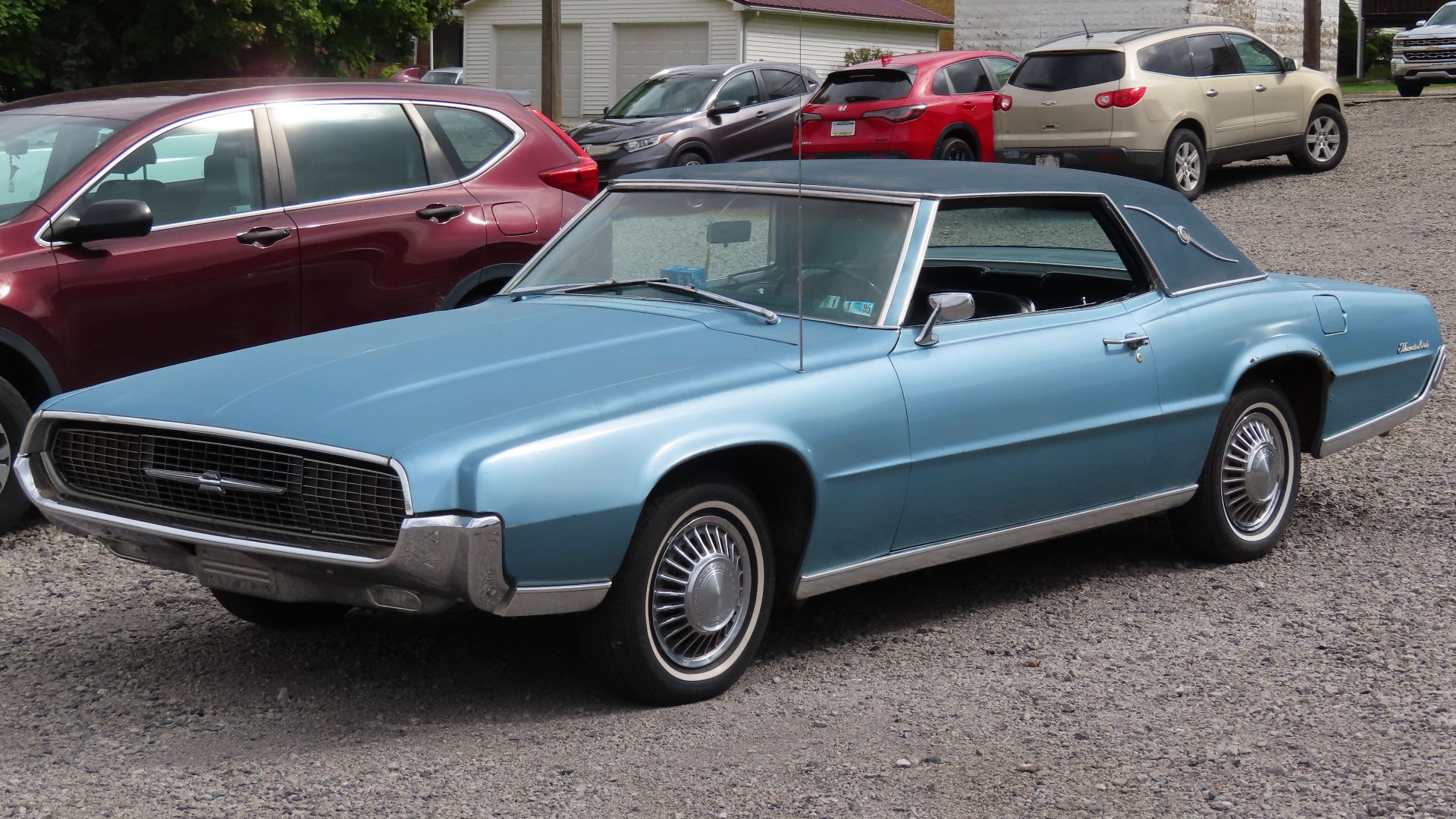
Even as designs changed and competitors came and went, “Thunderbird” stayed relevant. It was flexible enough to evolve, yet distinctive enough to remain recognizable.
Few car names manage that balance.
 MercurySable99, Wikimedia Commons
The Brief Revival
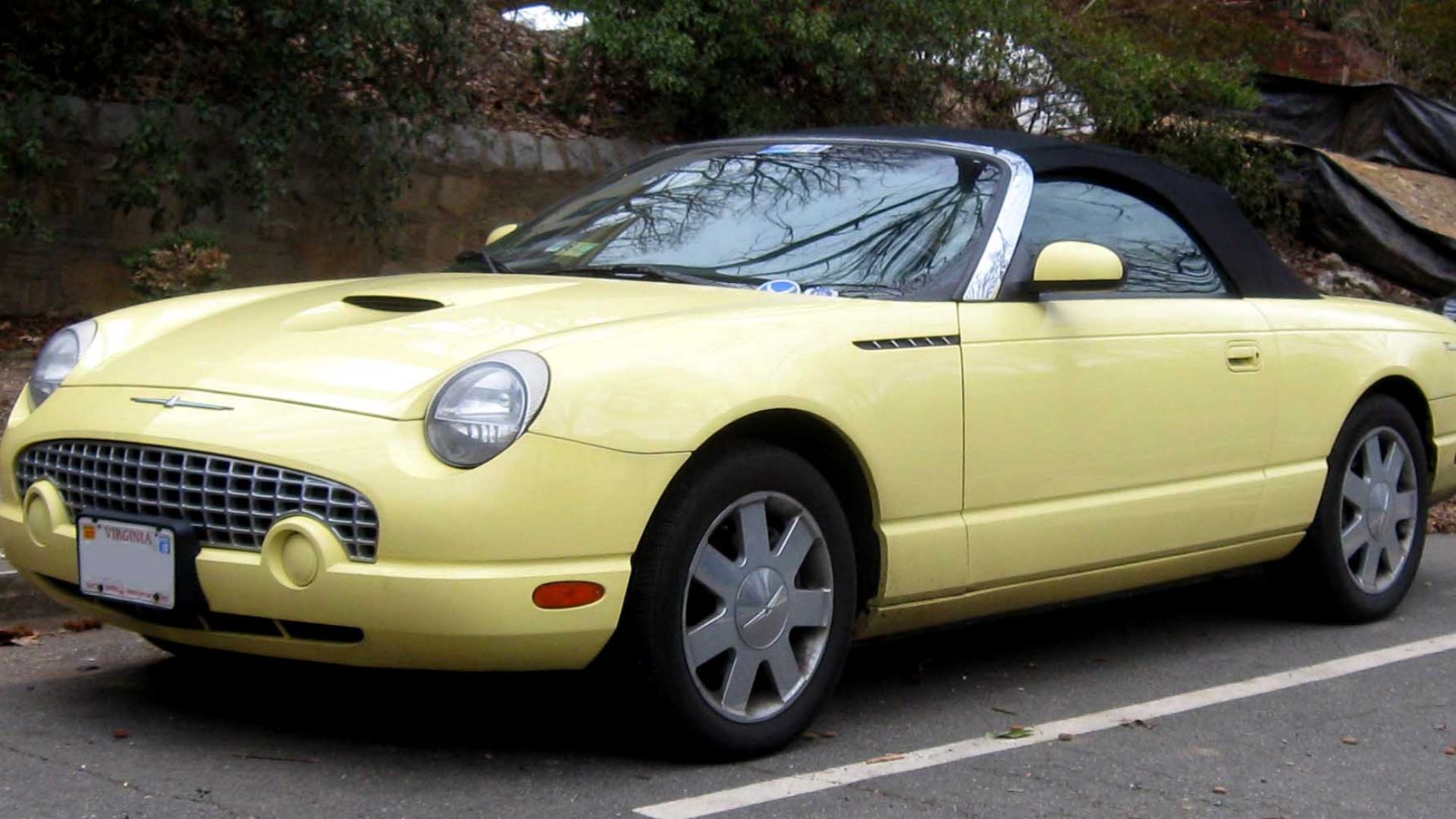
In the early 2000s, Ford revived the Thunderbird as a retro-inspired two-seater. It was a nod to the original—both in design and in spirit.
And once again, the name did much of the heavy lifting, instantly connecting the new model to its legacy.
More Than Just A Name
At its core, the Thunderbird’s name is a blend of mythology, marketing, and timing. It captured a moment in American culture while also tapping into something timeless.
It wasn’t just about speed or luxury—it was about presence.
 GPS 56 from New Zealand, Wikimedia Commons
Why It Still Matters
Decades later, “Thunderbird” still carries weight. Even people who’ve never driven one recognize the name.
That’s the mark of a truly successful automotive identity—not just something you drive, but something you remember.
 Alexander Migl, Wikimedia Commons
You May Also Like:
Ralph Lauren's Spectacular Car Collection
Three Great Cars For College Students