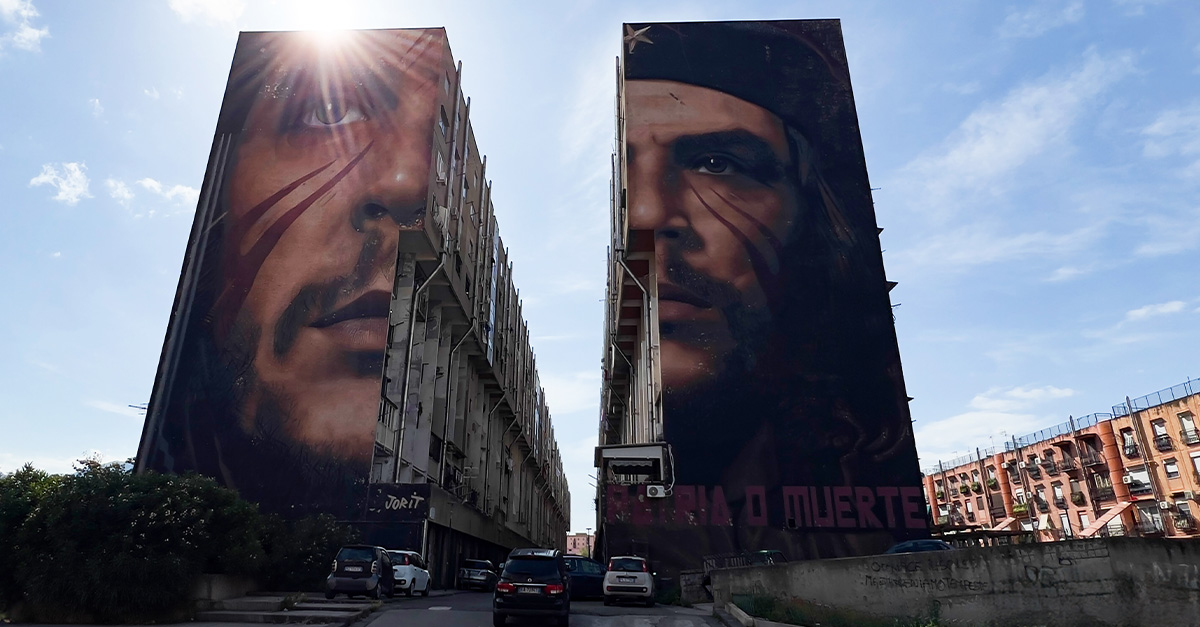
A Revolutionary Journey Through The Cars & Motorbikes Of Che Guevara
Before the beret, cigars, and posters, Ernesto “Che” Guevara was a restless young gearhead-on-a-budget. His vehicles weren’t glamorous garage queens—they were passports to ideas. This ride-by-ride journey explores the machines that shaped him, inspired adventures, and influenced his revolutionary worldview.
The Spark: A Motorized Bicycle In 1950
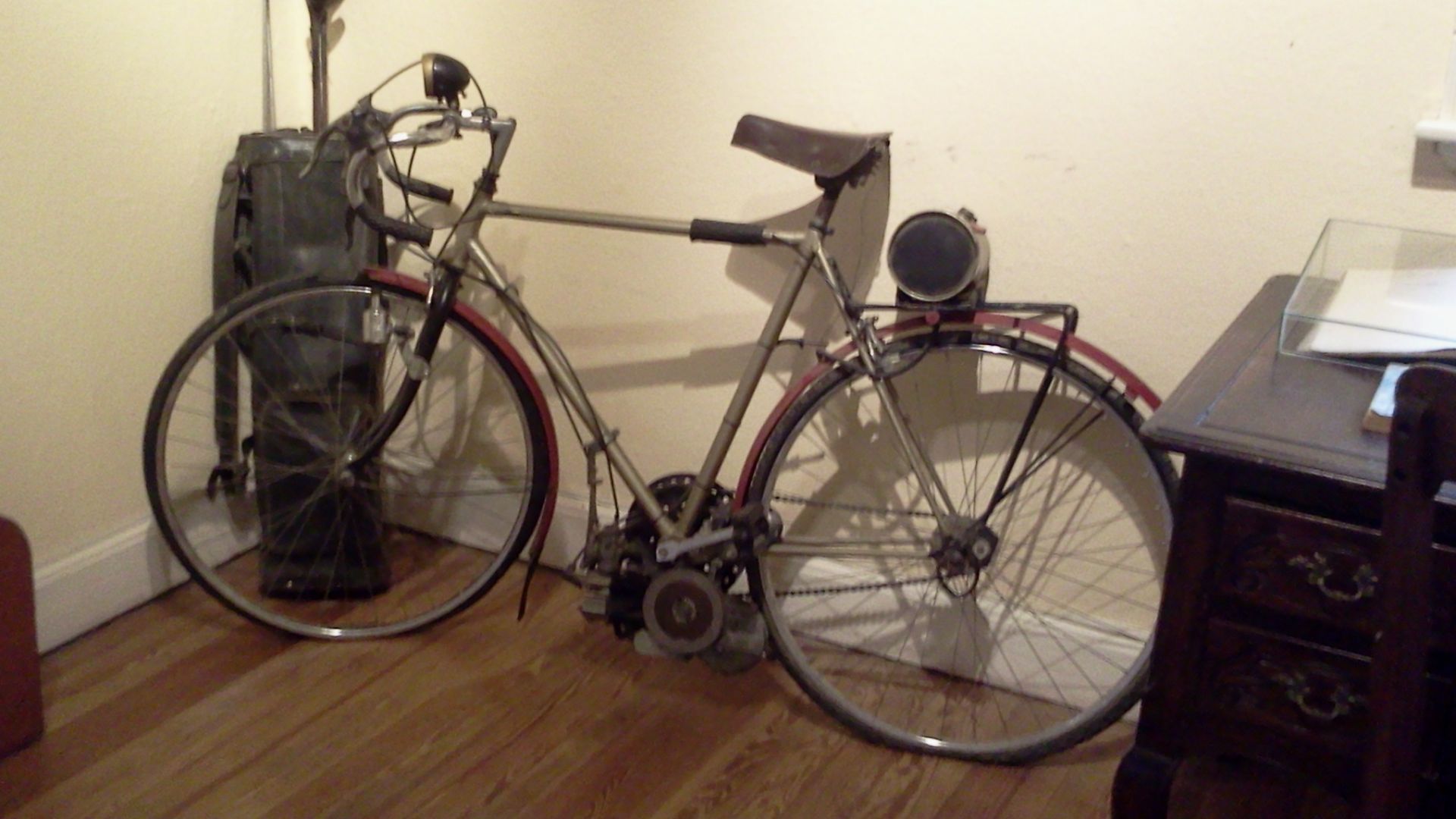
Che’s first epic ride wasn’t technically a motorcycle at all. In January 1950, he bolted a Micrón clip-on engine to a basic bicycle and rattled 4,500 kilometers around northern Argentina—equal parts cough, clatter, and curiosity. That noisy DIY contraption lit the adventurous fuse.
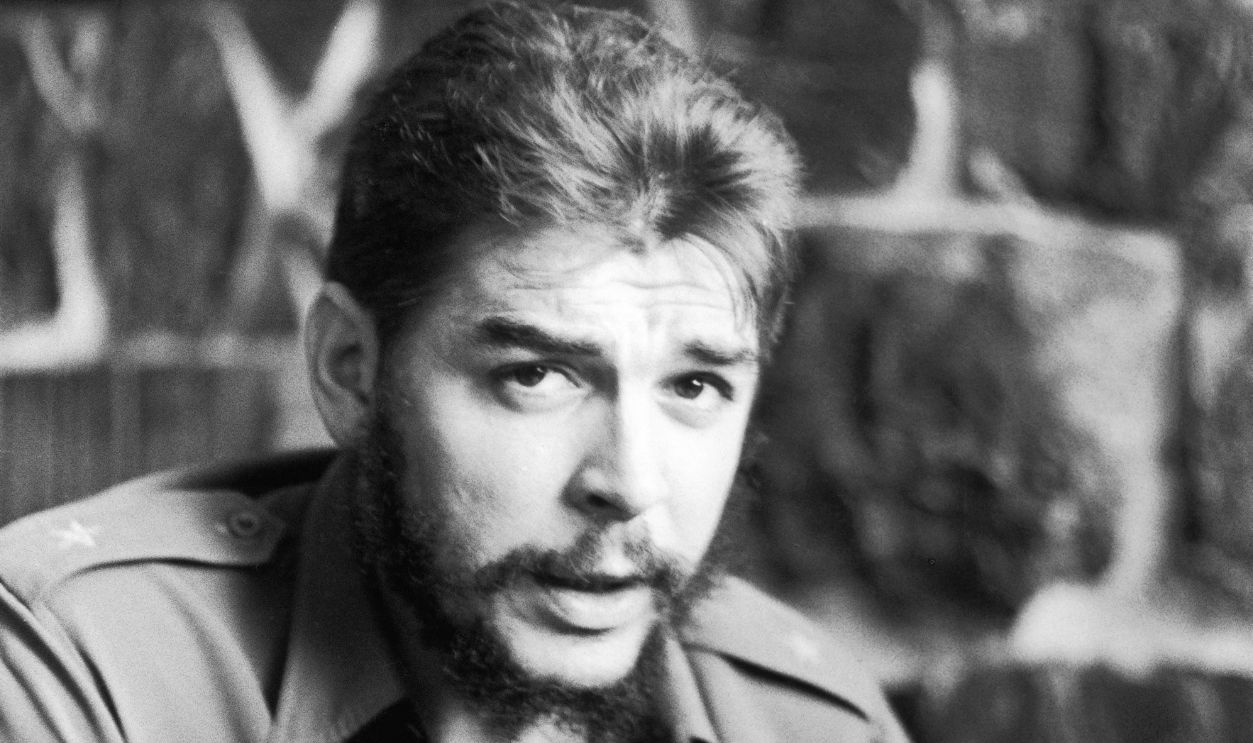 Don Carl STEFFEN, Getty Images
Proof In Print: The Micrón Engine Ad
Che’s motor-bicycle odyssey didn’t just stay personal—it made the papers. Argentina’s sports weekly El Gráfico ran an advert with his photo and letter to promote the Micrón engine. The unlikely cameo forever tied Che Guevara to his first quirky, underpowered machine.
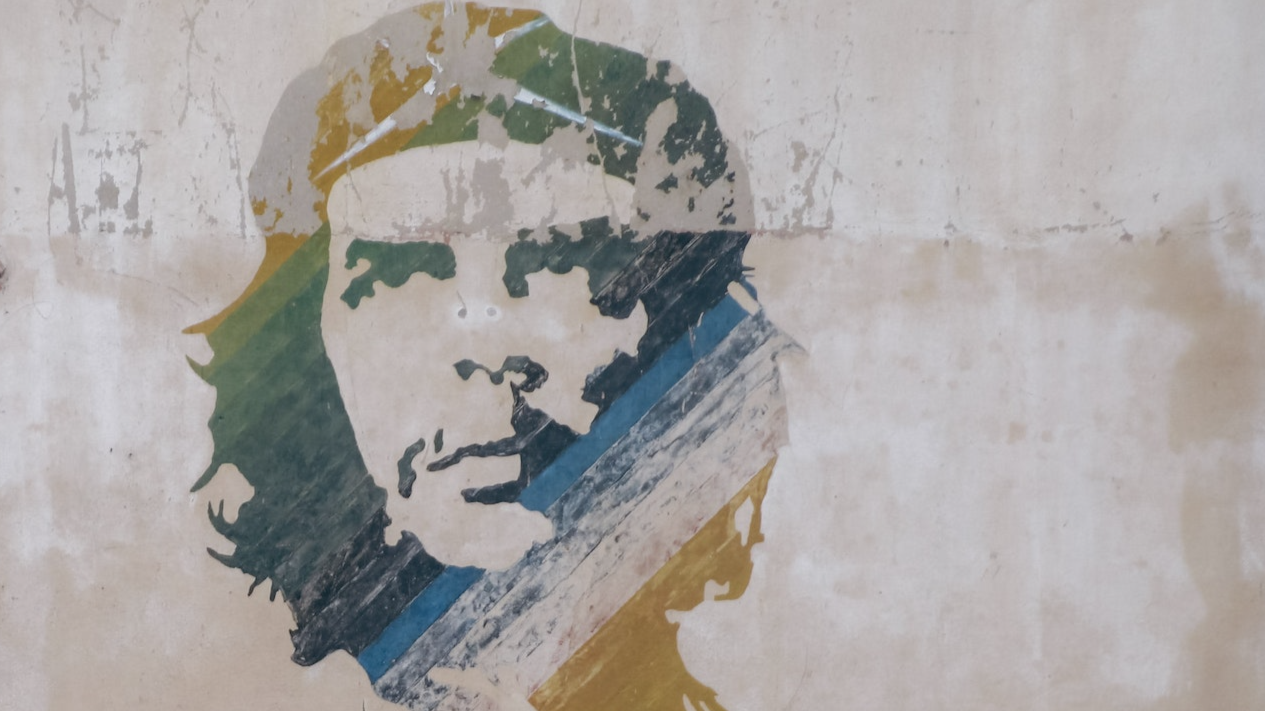
La Poderosa I: Nickname, Not A Norton
That souped-up motorized bicycle even gained a cheeky nickname: “La Poderosa I” (“The Mighty One”). It became a symbol of ambition—wobbly but determined. This humble hack set the tone for everything that followed: keep moving, keep learning, and never overthink the horsepower.
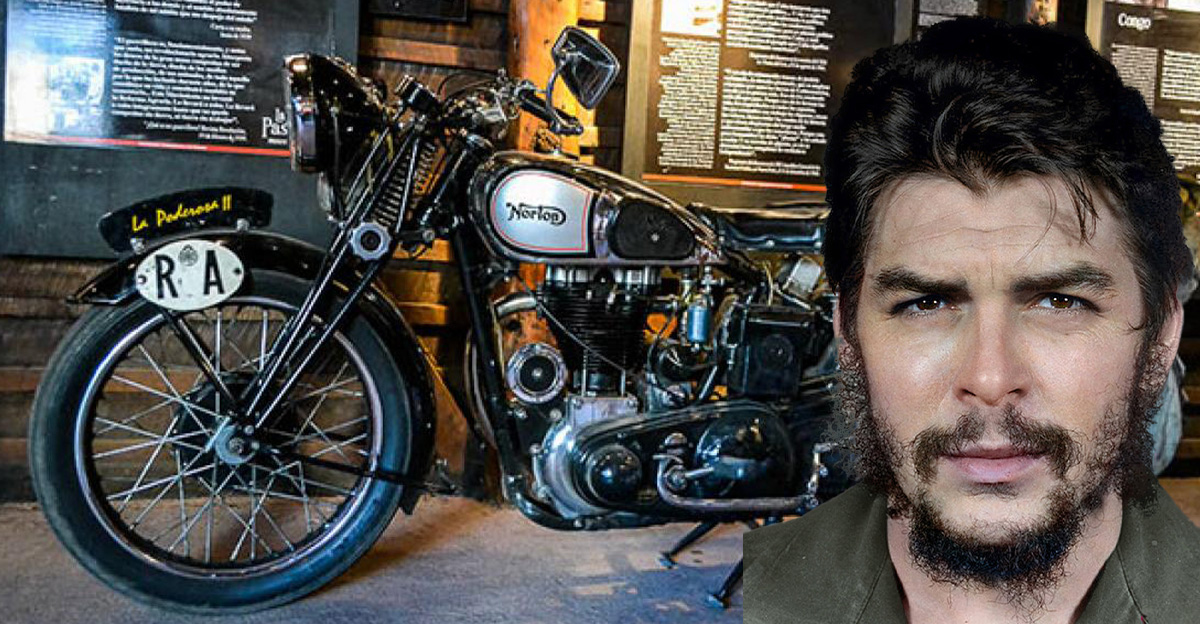
Enter La Poderosa II: A Norton 500
By late 1951, Che and his biochemist friend Alberto Granado prepped a battered 500cc Norton Model 18—La Poderosa II—for a South American ride. The bike technically belonged to Granado, but their mission was collective: explore the continent, document injustice, and serve others.
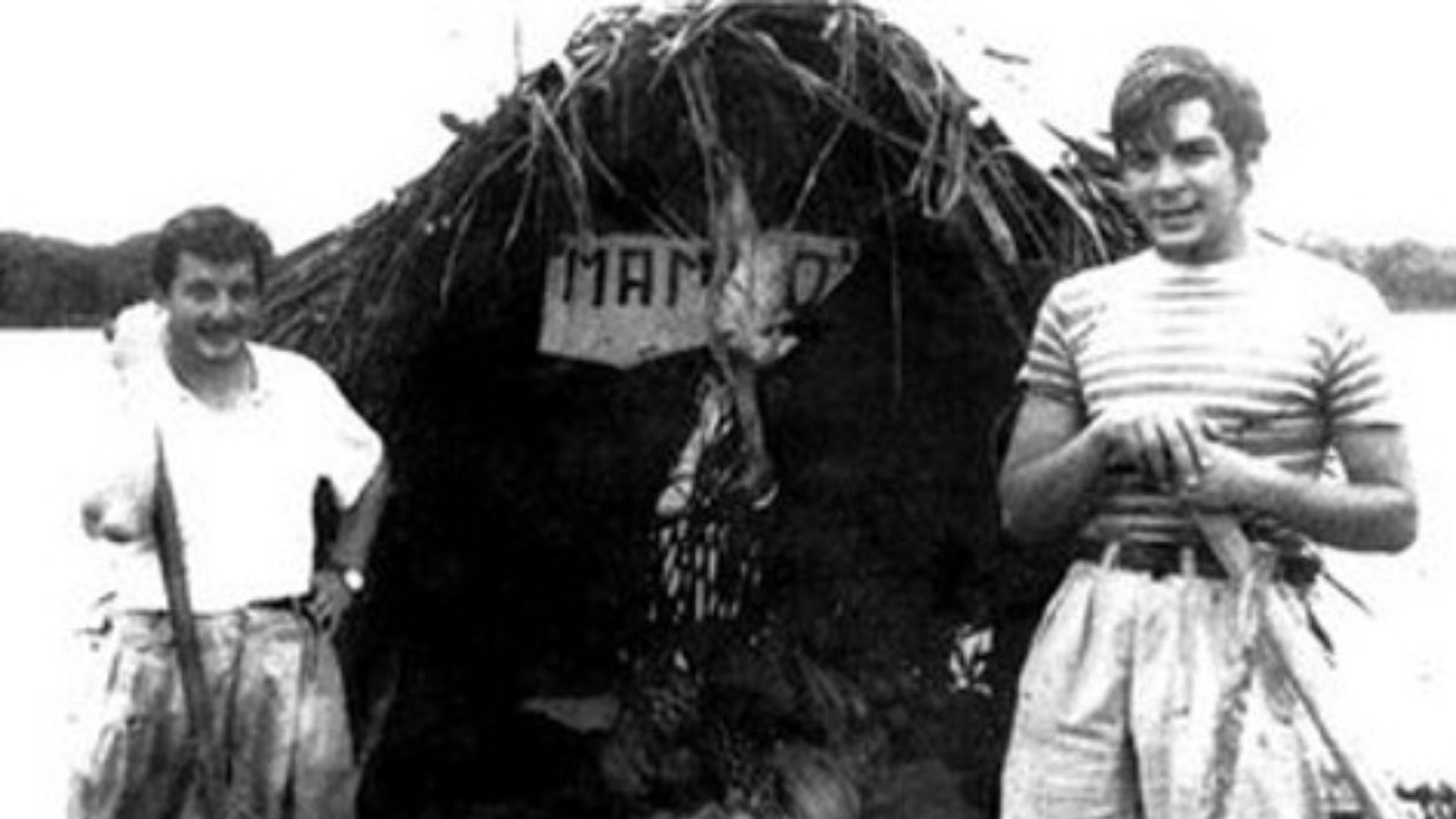 Unknown authorUnknown author, Wikimedia Commons
Wheels Up: January 1952 Departure
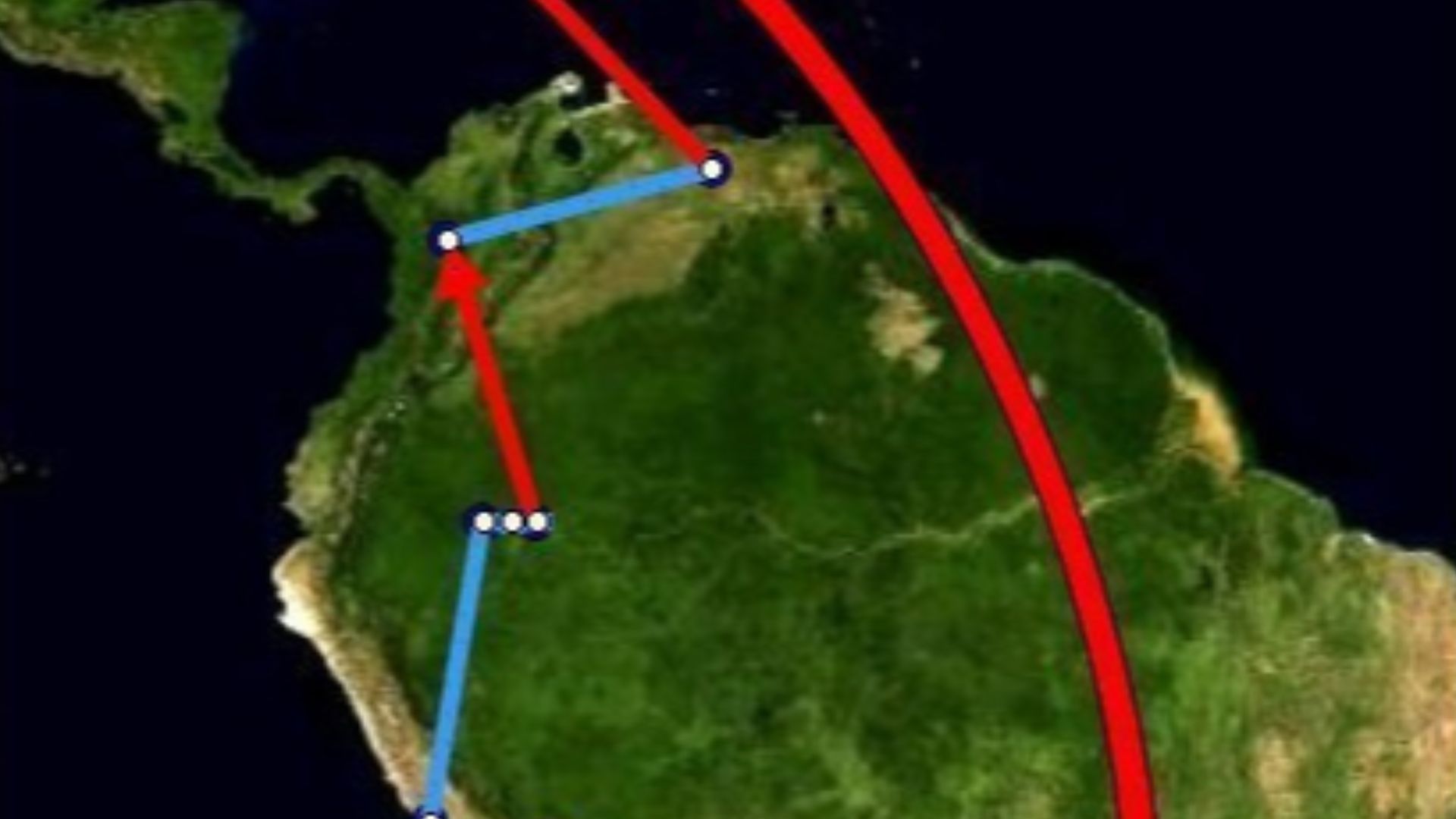
On January 4, 1952, they roared out from Córdoba, Argentina, the Norton chuffing north toward Chile, Peru, Colombia, and beyond. Their plan: travel, volunteer at a leper colony, and witness Latin America with uncompromisingly open eyes. For two young men, this was everything.
 Pepe Robles, Wikimedia Commons
The Norton, Honestly: Rough But Real
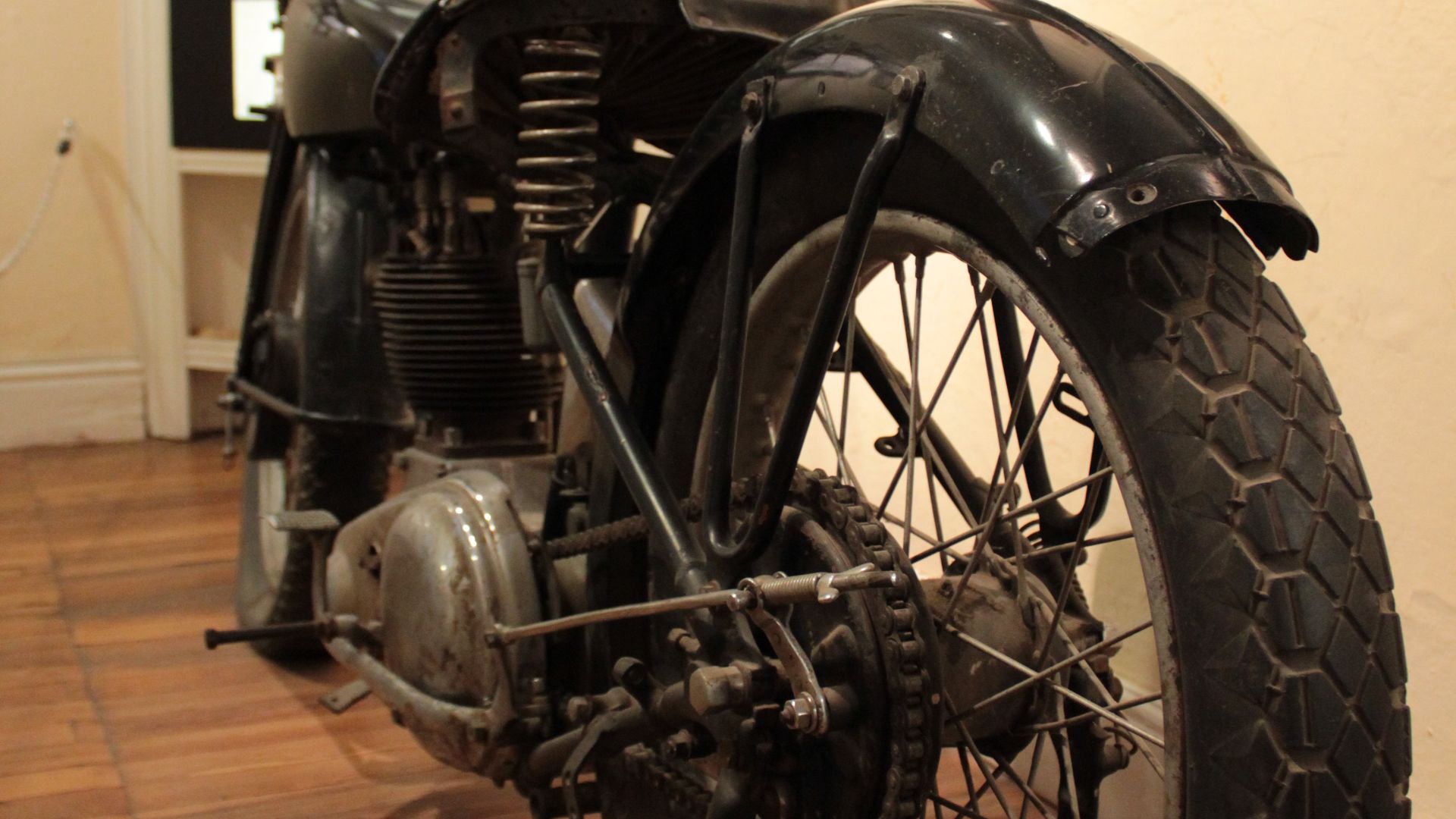
The Model 18 wasn’t glamorous—a 500cc OHV single-cylinder that shook bolts loose as easily as opinions. Still, it’s now the most famous motorcycle in modern political lore, immortalized for what it exposed Che to along dusty roads, not for its spec sheet.
 Niamfrifruli, Wikimedia Commons
When Mighty Isn’t: Breakdown In Chile
Adventure isn’t Instagram-perfect. After spills, breakdowns, and jury-rigged repairs, La Poderosa II finally gave up the ghost in Chile. Che and Granado pushed forward by boat, truck, mule, and foot—proof that the journey mattered more than the vehicle beneath them.
Where Is That Norton Now?
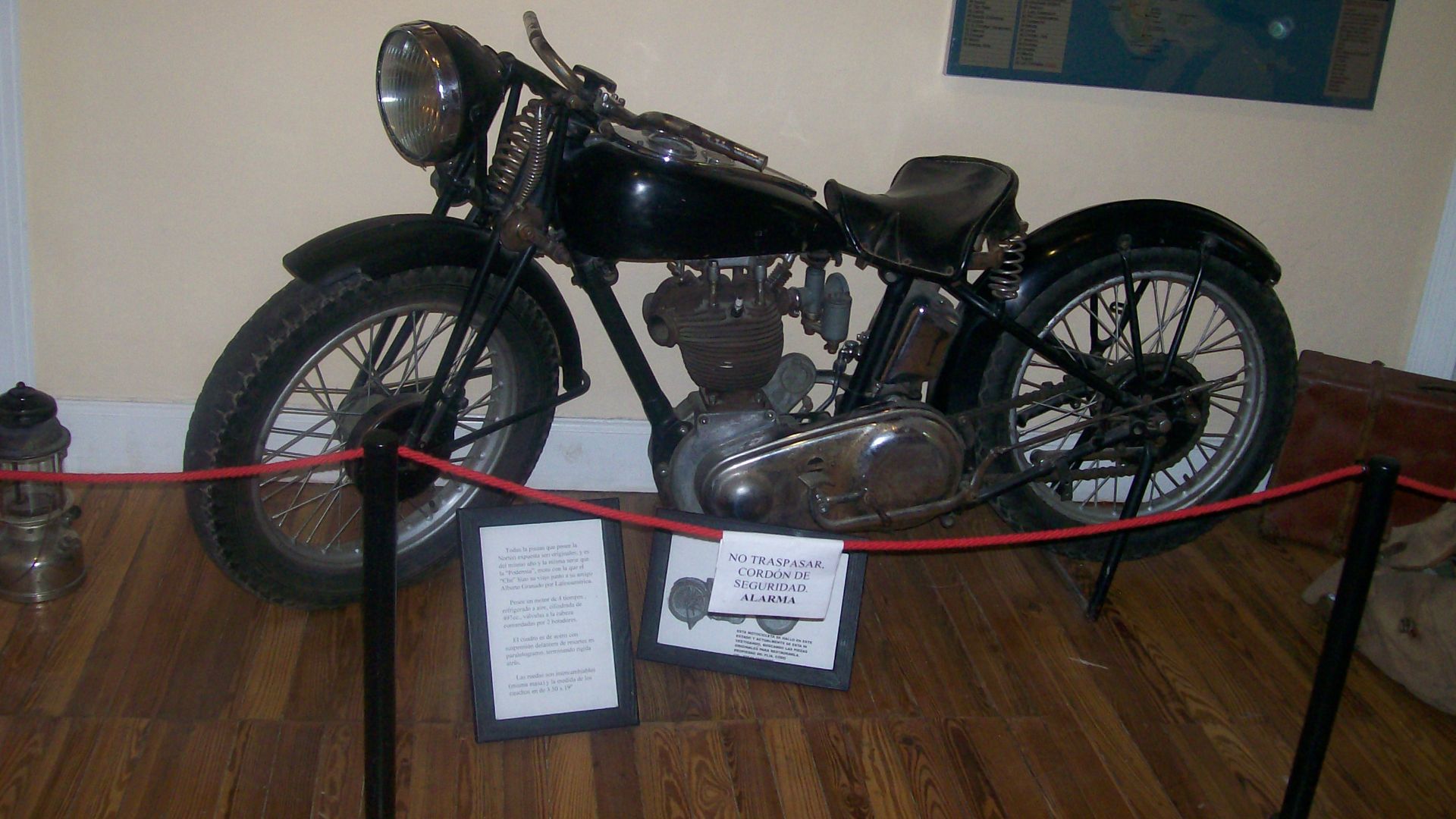
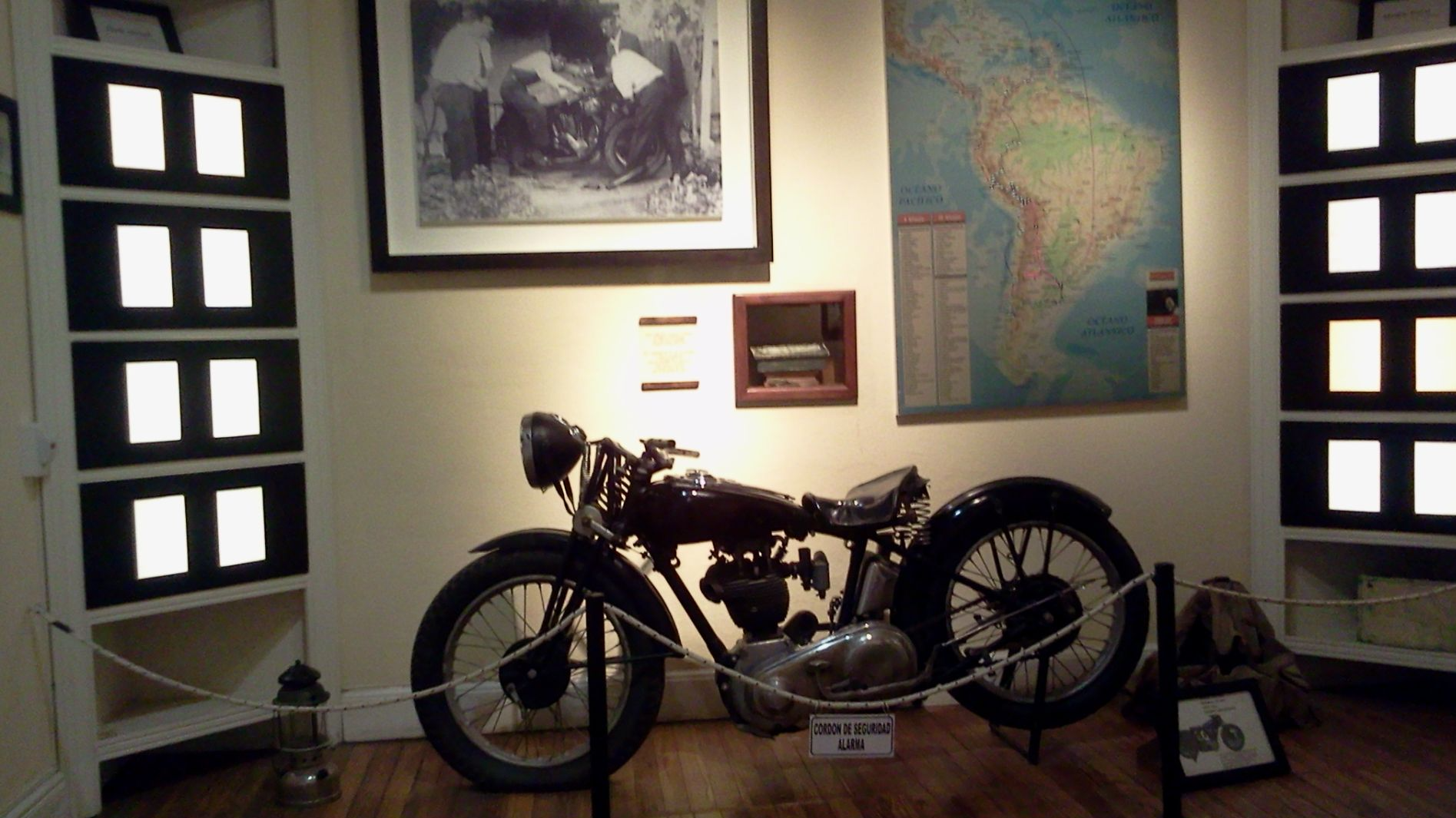
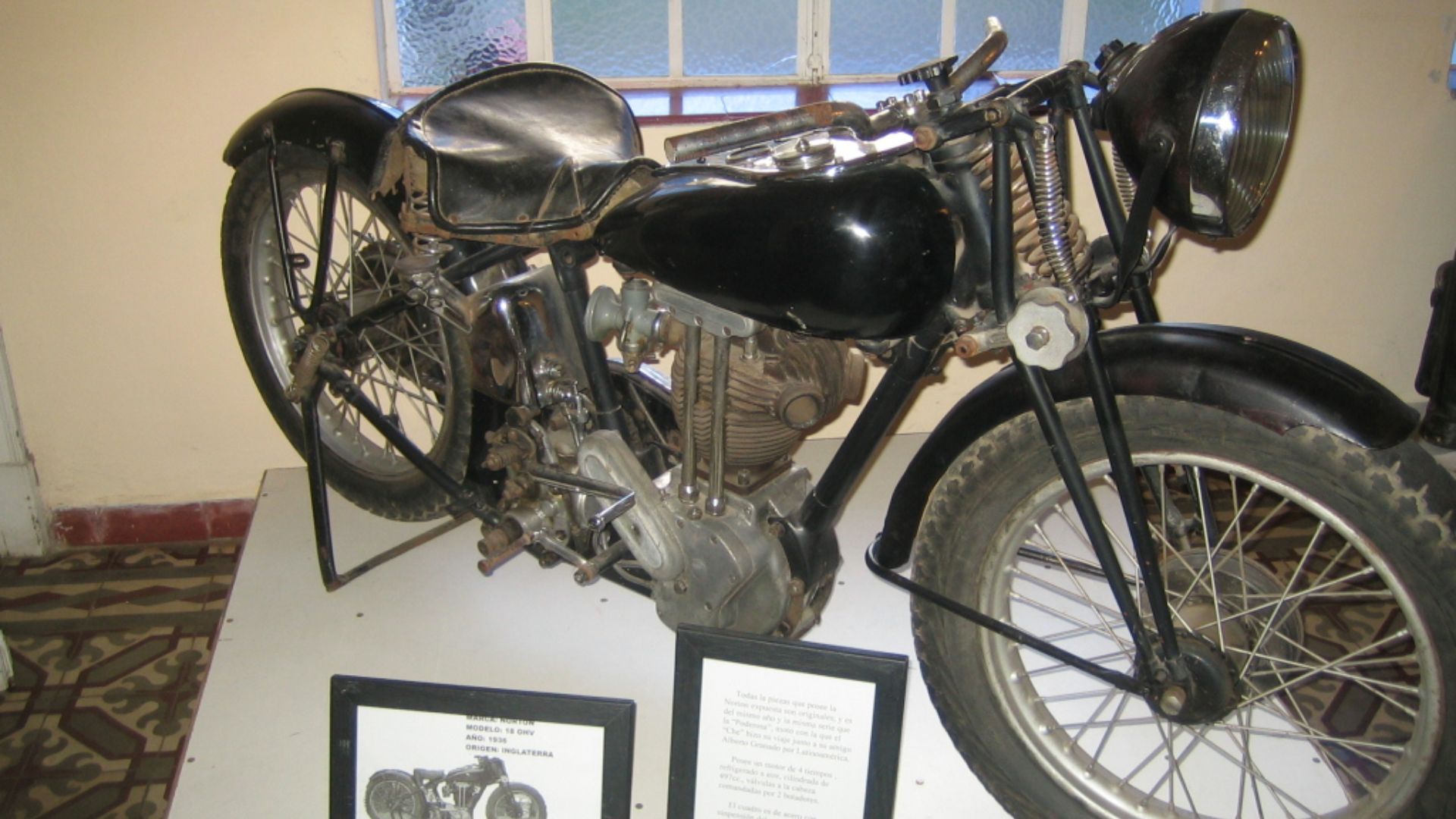
The original Norton was abandoned mid-trip. Today, visitors to Alta Gracia, Argentina, will find a faithful replica of La Poderosa II displayed at the Che Museum—a pilgrimage site for motorcycle fans and history buffs eager to touch revolutionary myth.
The Book That Canonized The Bike
Che’s diary from that 1952 journey became The Motorcycle Diaries, published posthumously in 1995. The book cemented the Norton as a character in its own right, inspiring countless modern copycat rides and a blockbuster film adaptation decades later.
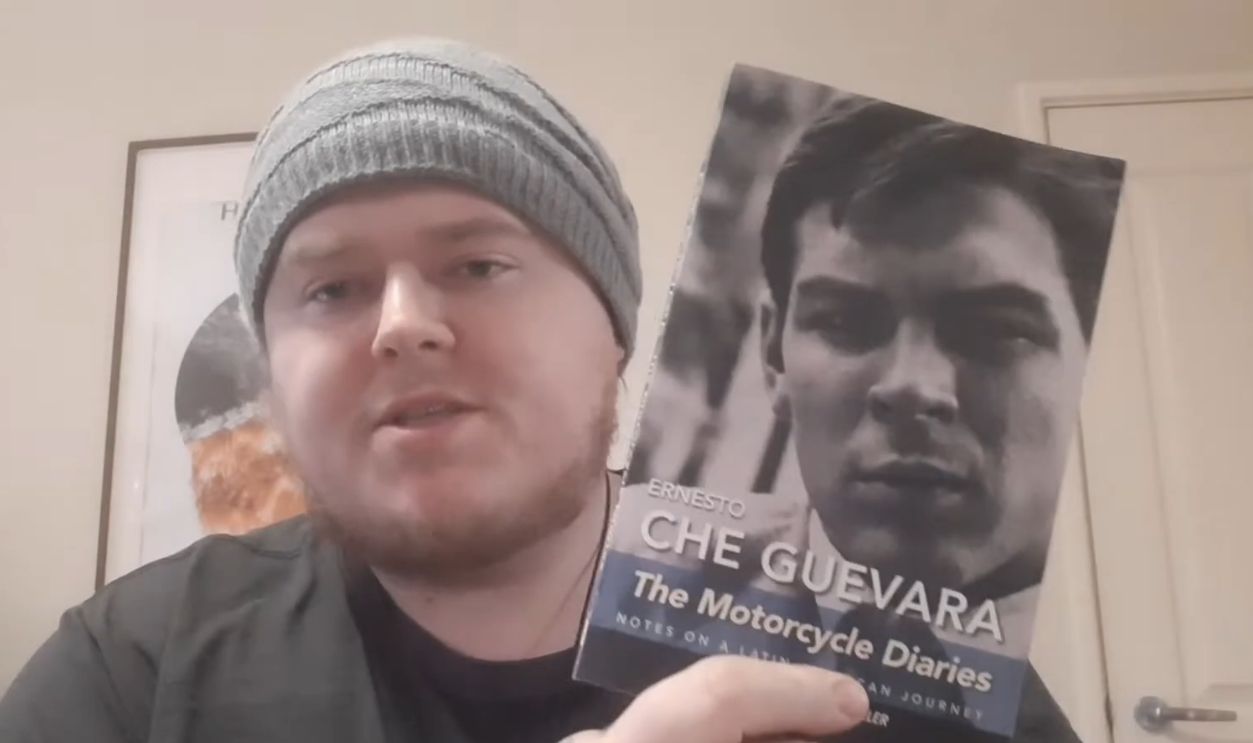 The Motorcycle Diaries - Ernesto Che Guevara BOOK REVIEW, The Reading Fabricator
Why These Early Rides Matter
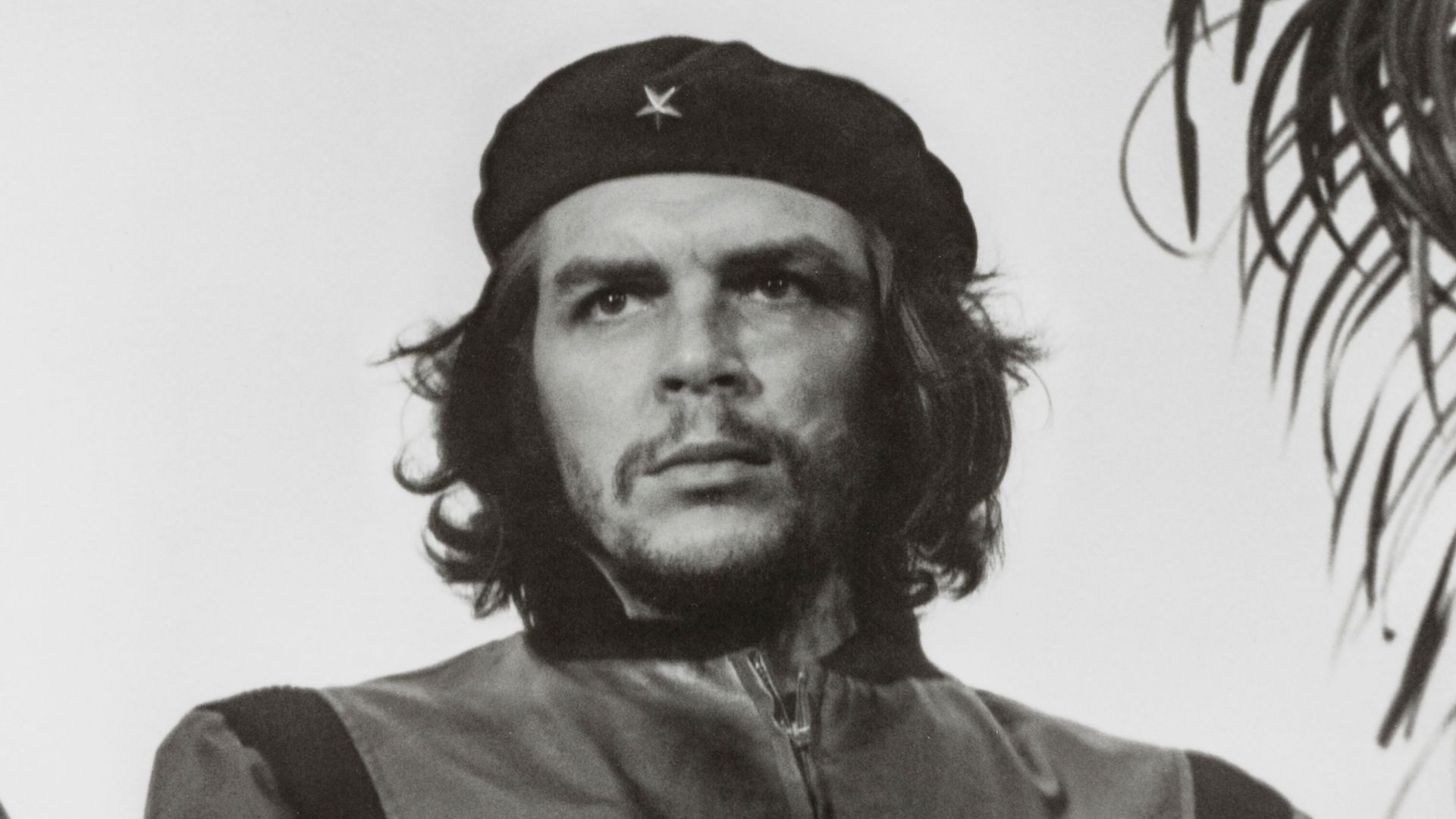
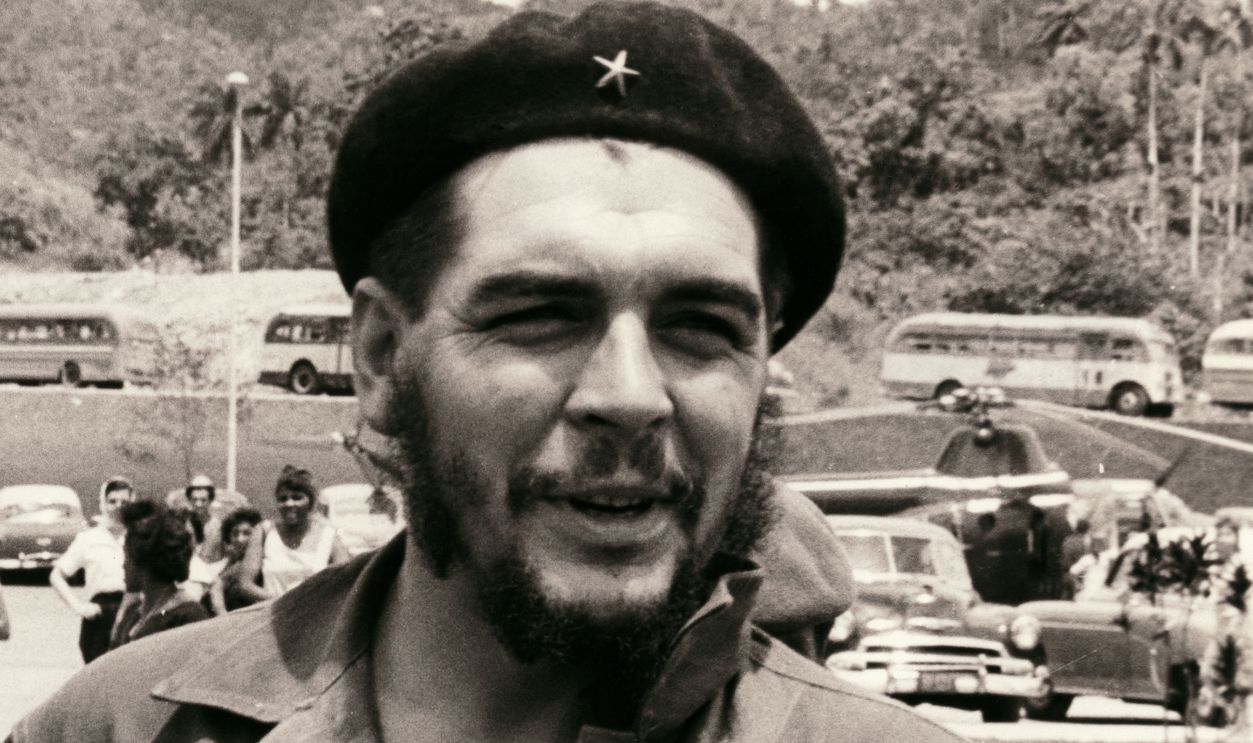
Those first rides weren’t about style or power—they were about discovery. Confronting inequality and injustice across South America nudged Ernesto toward becoming “Che.” The machines didn’t just carry a rider; they delivered a worldview that would ripple across history.
 Alberto Diaz Gutierrez (Alberto Korda), Wikimedia Commons
From Two Wheels To Four In Havana
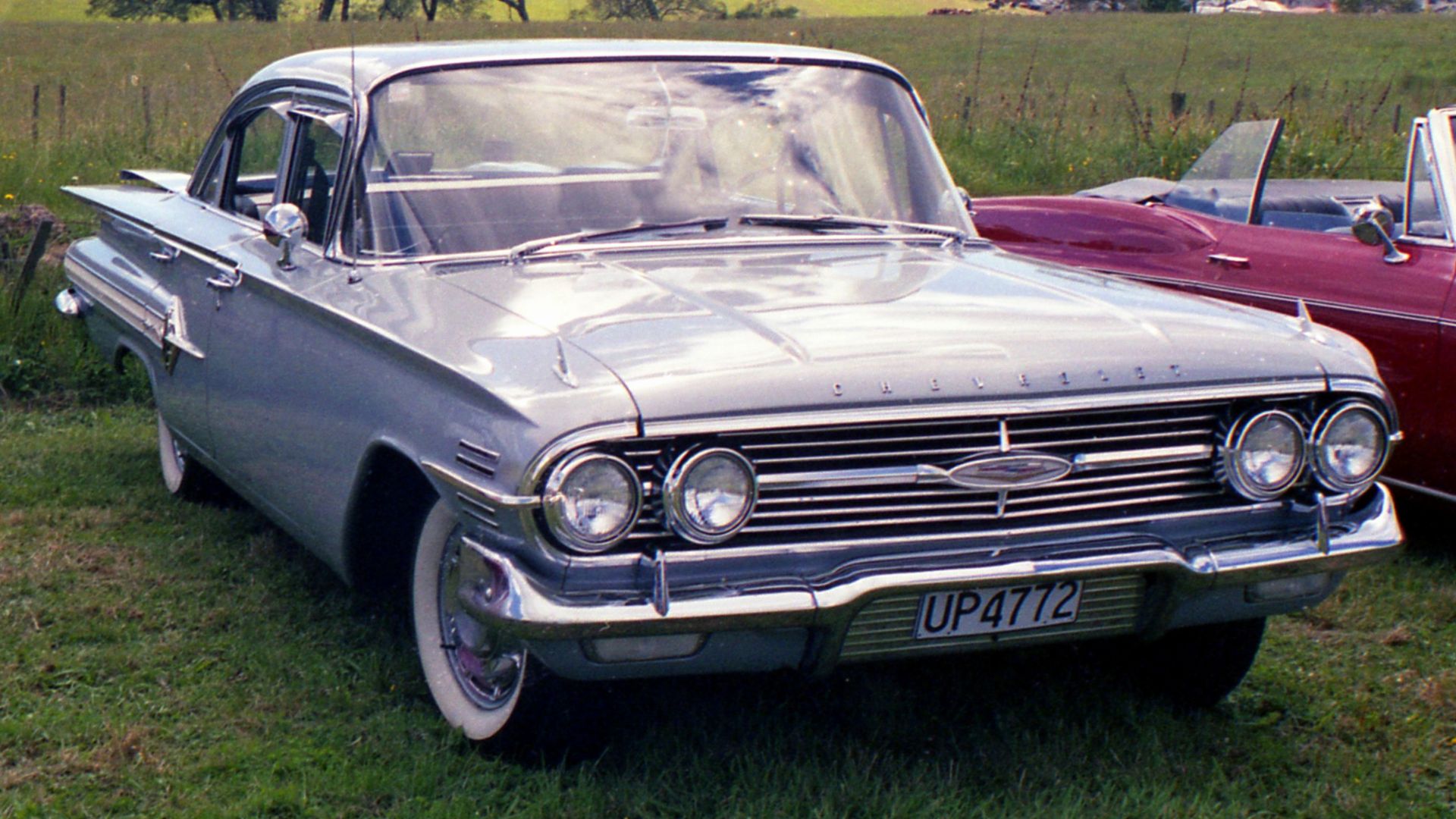
Post-Revolution, Che’s transport reflected new realities. In Havana he’s repeatedly linked with Chevrolet models—variously described as an Impala or Bel Air during the early 1960s. These American steel sedans symbolized Cuba’s reliance on U.S. imports before the embargo took full effect.
 GPS 56 from New Zealand, Wikimedia Commons
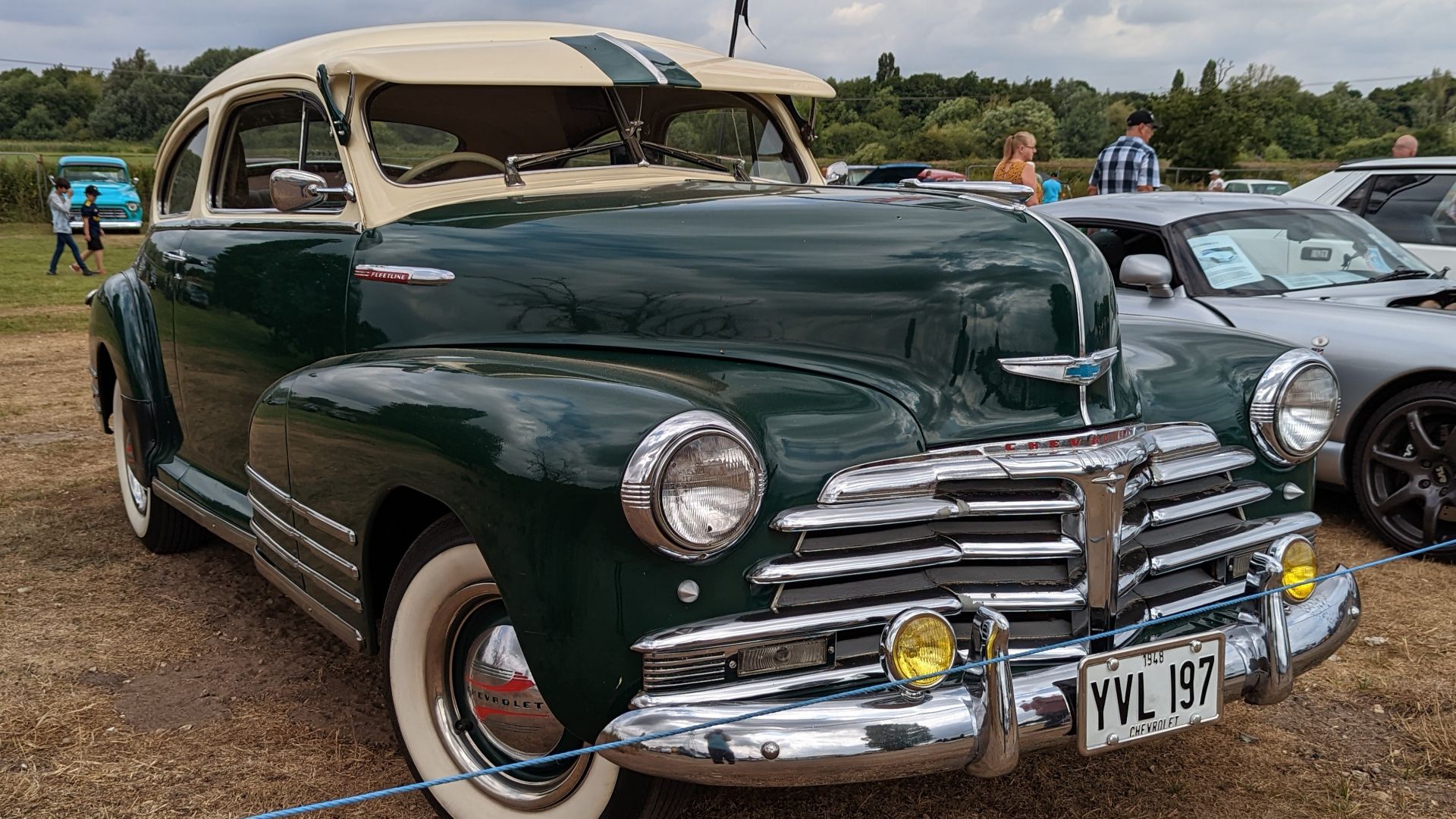
Snapshot: 1948 Chevrolet Fleetline Deluxe
One crisp period photo from 1959 shows Che confidently at the wheel of a 1948 Chevrolet Fleetline Deluxe. With its stylish fastback silhouette, the car embodied postwar American design—and perfectly captures his transitional years just after revolutionary victory.
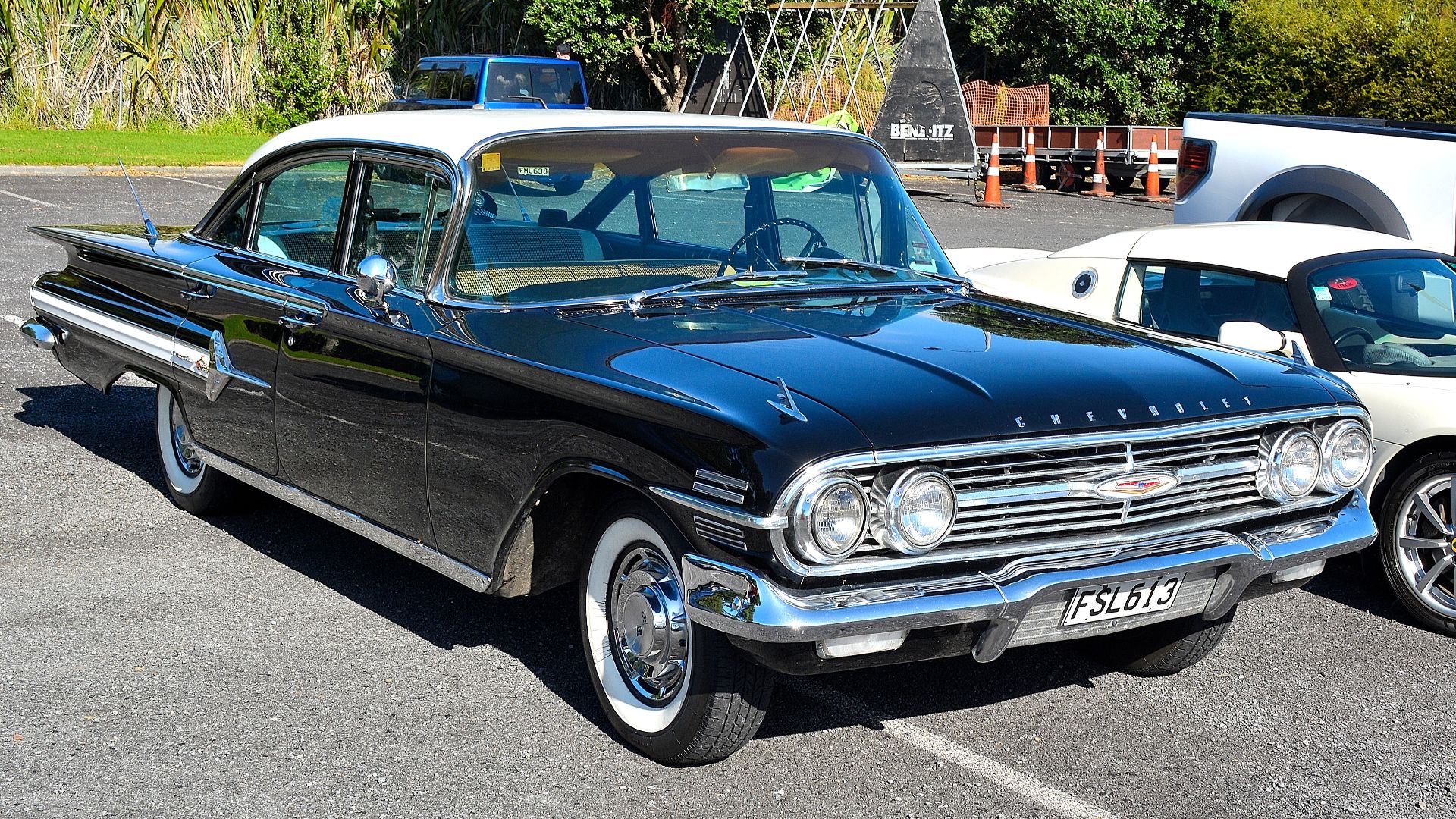
Bel Air Or Impala? The Model Debate
Tour guides and museum notes often cite a Chevrolet Impala as Che’s ride; others insist it was a green 1960 Bel Air. Documentation is murky, but everyone agrees on the brand—Chevrolet dominated Havana streets, making it Cuba’s default revolutionary chariot.
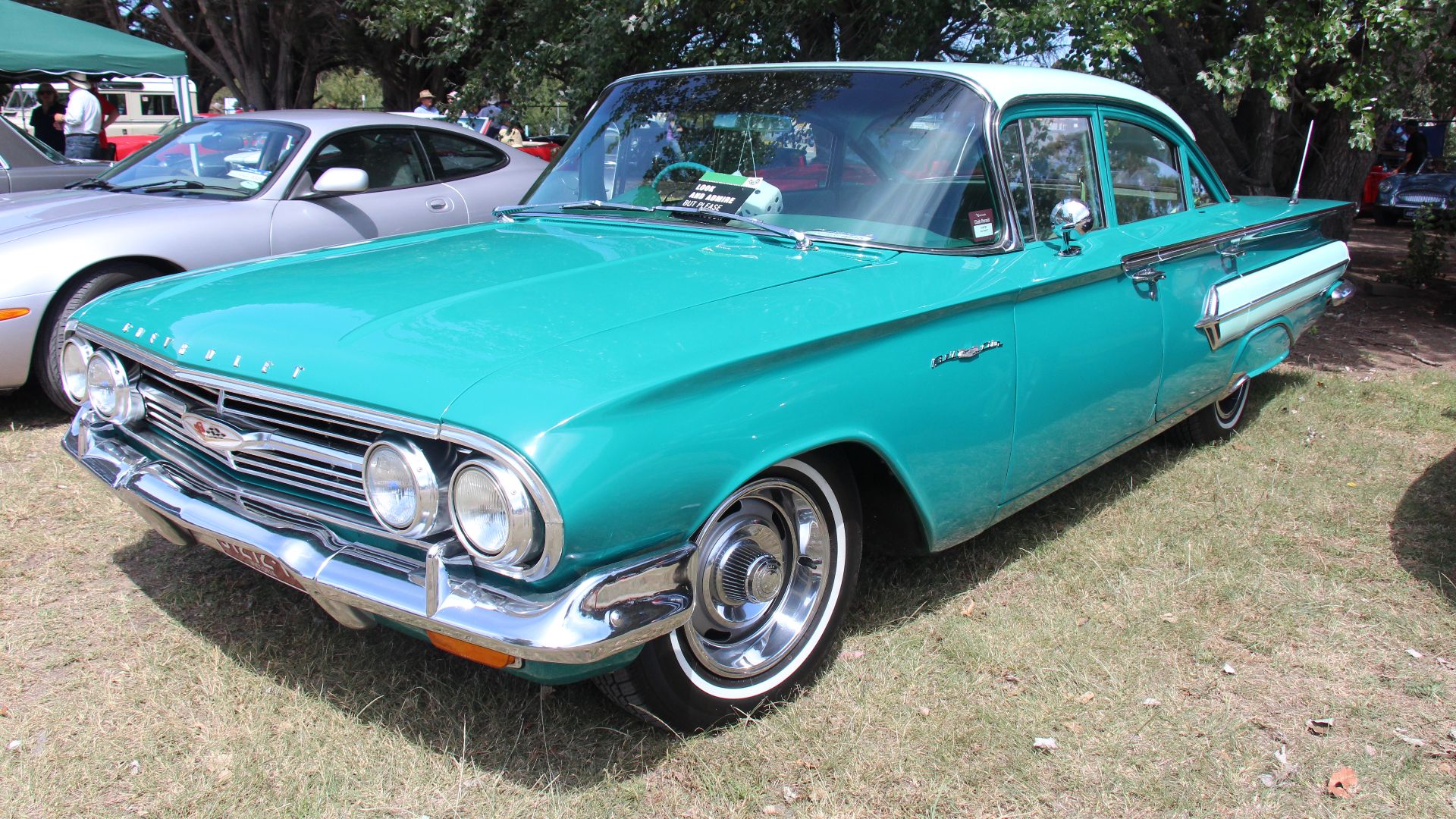
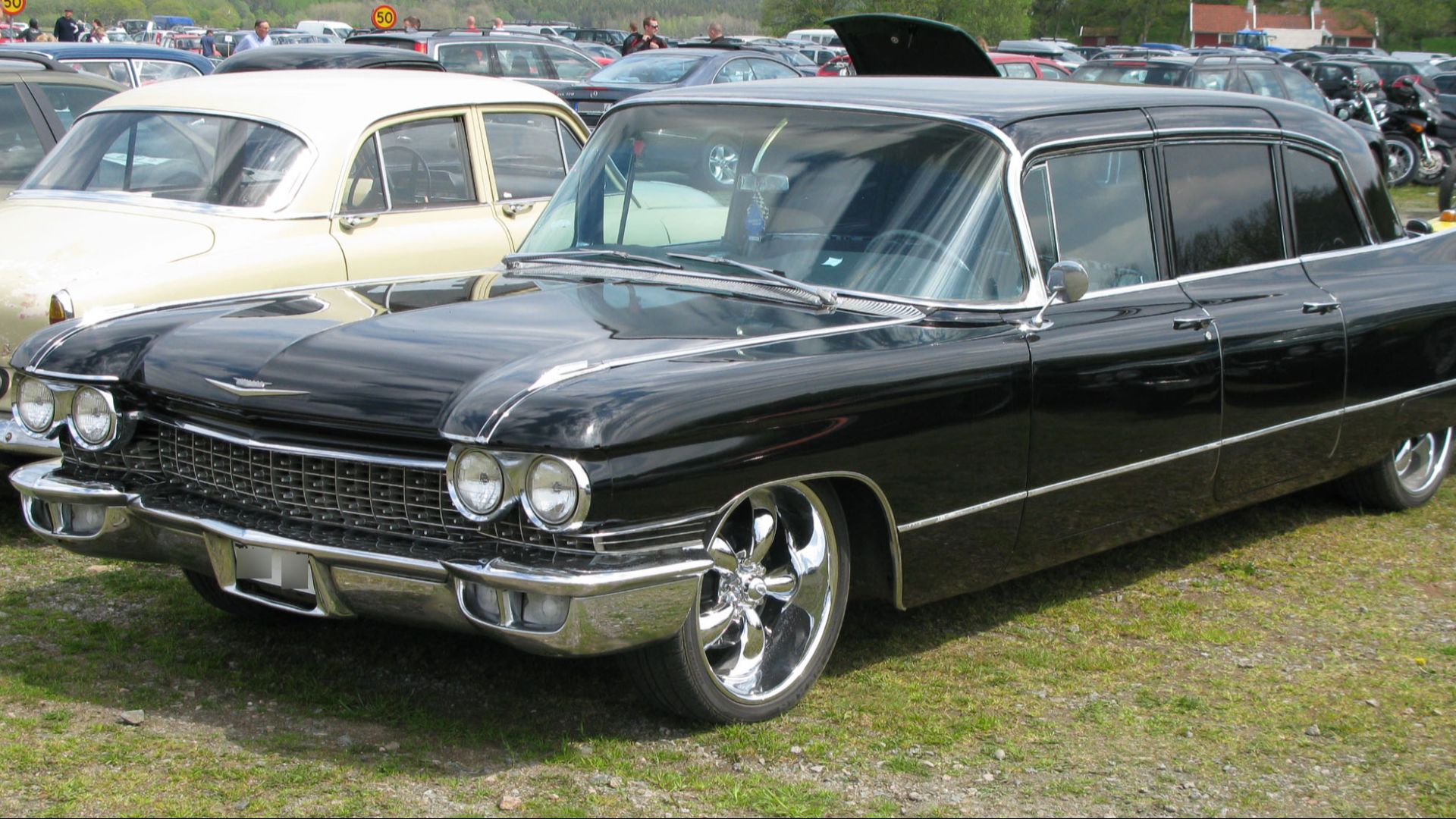
A Cadillac In The Story, Too
Some museum exhibits and tourism guides also reference a Cadillac associated with Che during his Havana years. Likely a government pool car, it underscores that his “garage” reflected political circumstance, not private wealth. Luxury didn’t define him—practical transport did.
 Herranderssvensson, Wikimedia Commons
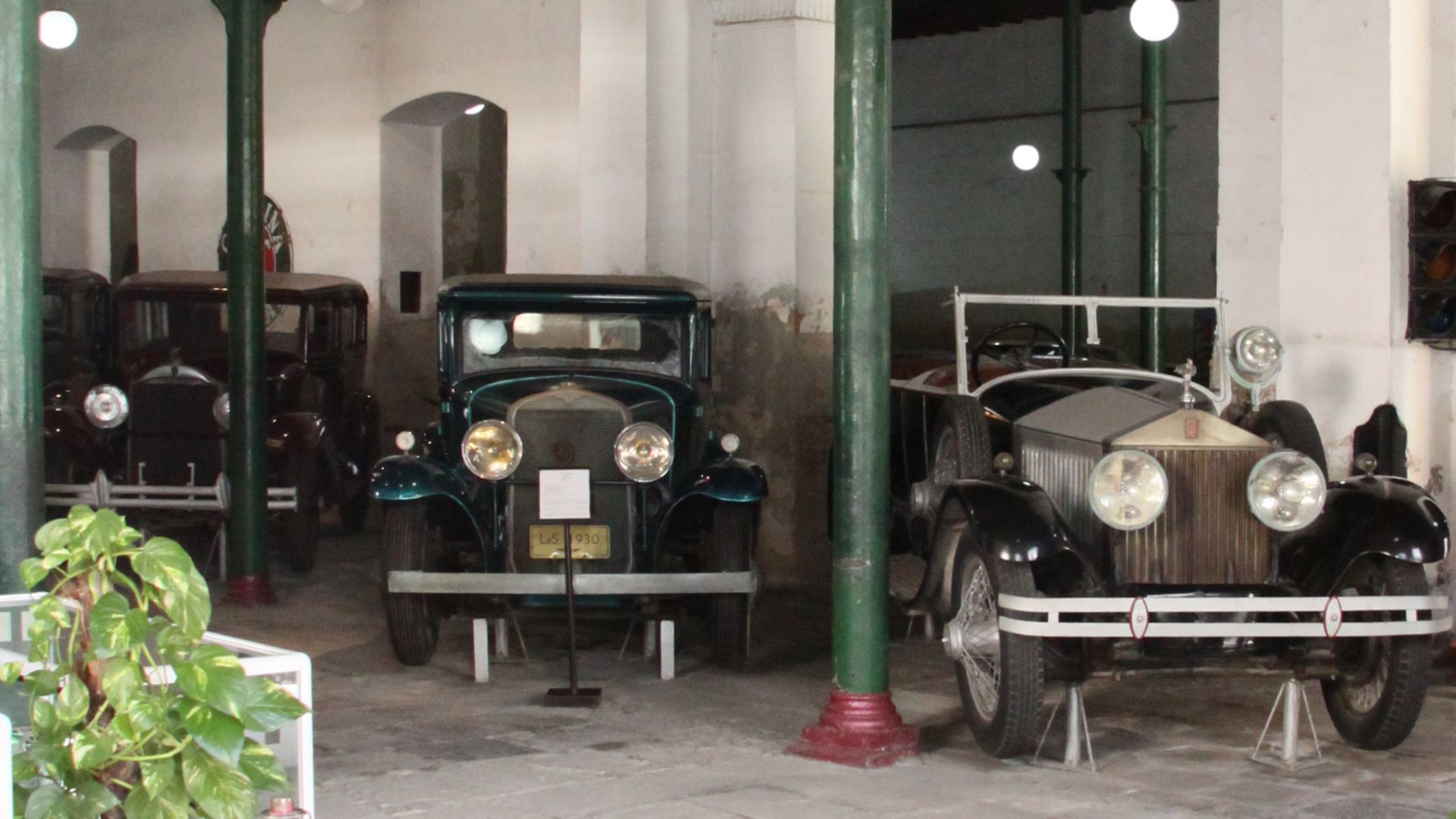
Where To See “Che Cars” In Cuba
Today, Havana’s Museo del Automóvil and other institutions showcase vehicles tied to revolutionary leaders. Che’s Chevrolet has appeared in rotating displays, sometimes swapped between museums. Exhibits vary—so adventurous fans should always confirm what’s currently on show before visiting.
 Tony Hisgett, Wikimedia Commons
Not A Collector—A User
Unlike celebrity car collectors, Che never sought trophy machines. The Norton (borrowed), Havana Chevrolets (state-issued), and that rumored Cadillac were tools of mobility, not luxury. In his world, a vehicle’s worth was measured in miles traveled and lessons learned.
 GPS 56 from New Zealand, Wikimedia Commons
What He “Owned” Vs. What He Drove
Strictly speaking, La Poderosa II belonged to Granado; Che used it from January 1952. The Havana cars were official government vehicles assigned to senior leaders. Only the 1950 motor-bicycle modification was fully his invention, truly Che’s personal machine.
How The Machines Shaped The Man
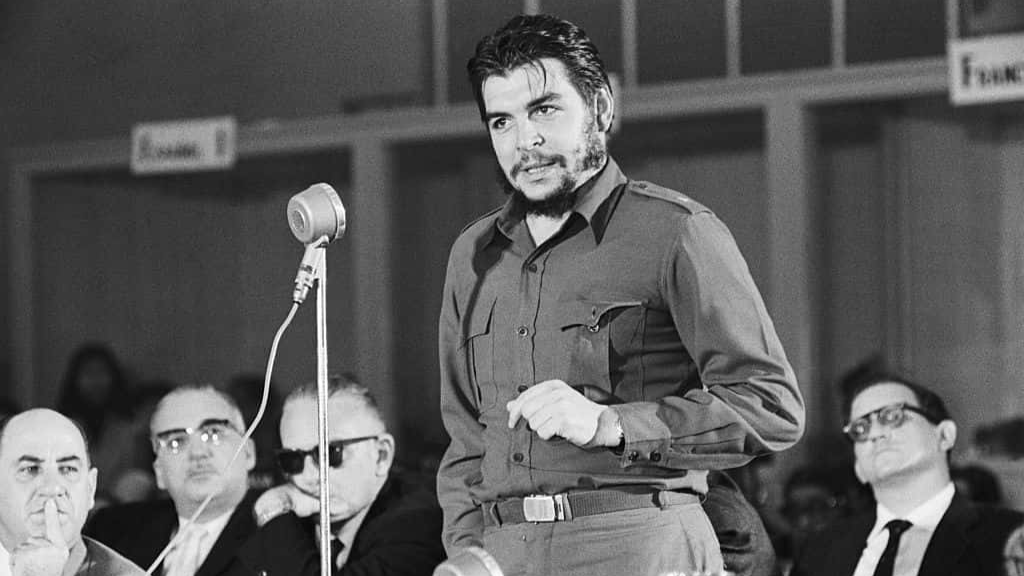
Each vehicle marks a turning gear in Che’s evolution: the motor-bicycle proved wandering could be radical; the Norton trip exposed injustice across borders; the Havana Chevys embodied governing responsibility. These machines didn’t just carry Che—they helped create him.
Visiting Alta Gracia: Touch The Myth
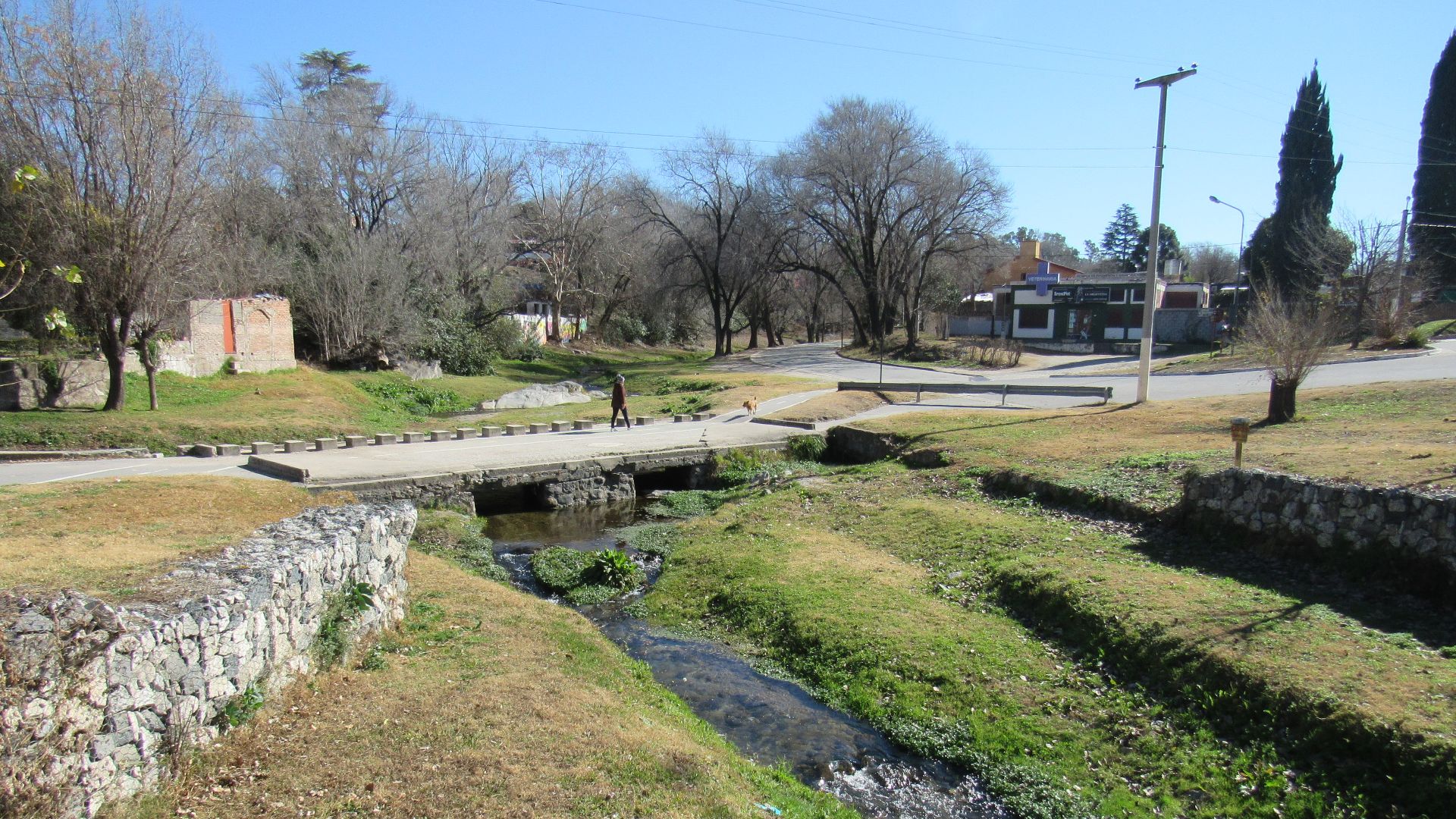
Want a tactile sense of the story? Visit Alta Gracia in Córdoba, Argentina, where Che’s childhood home now serves as a museum. There you’ll find the replica Norton alongside exhibits that reveal how deeply mobility shaped his early worldview.
The Legacy On Two Wheels
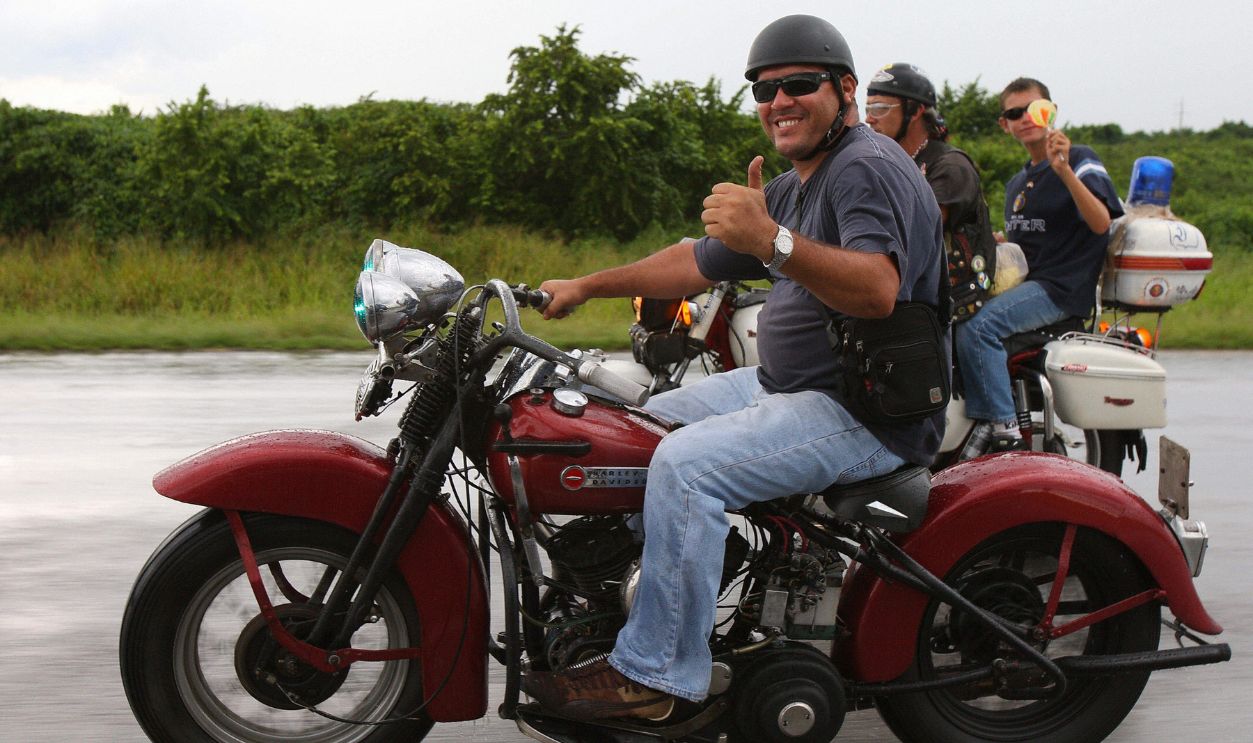
Che’s son, Ernesto Jr., continues the two-wheel legacy by leading “Motorcycle Diaries”-style tours today—though on modern Harleys instead of ancient Nortons. It proves that for the Guevara family, the romance of the open road never truly faded.
Final Lap: Why This Garage Still Matters
Che’s “collection” wasn’t about rarity or vanity plates—it was about direction and transformation. From a clattering bicycle to a coughing Norton to Havana’s Chevrolets, his vehicles carried questions, stories, and a fierce drive to answer them on the road.
You May Also Like:
JFK's Custom Lincoln: The Car That Made History
Expensive Cars From Jay Leno's Collection That Don't Get Talked About Much
Sources: 1, 2, 3