When Tough Just Wasn’t Enough
Not every truck earns the respect of the enthusiast crowd. Some fail with underpowered engines, awkward styling, or mechanical nightmares that still haunt used buyers today. From design flops to engineering missteps, these pickups are the ones that gearheads love to roast.
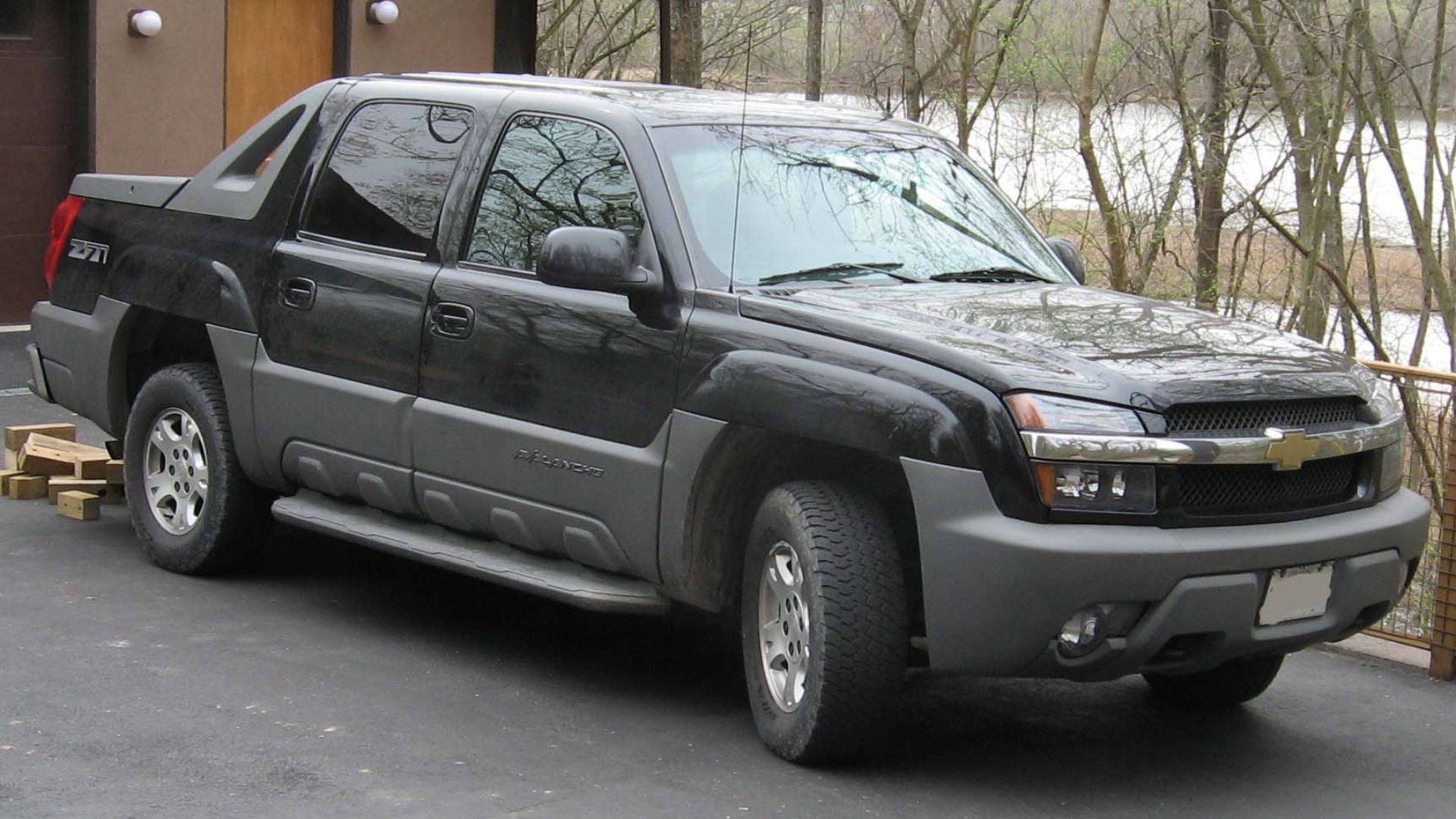
#25 – Chevrolet Avalanche
The Avalanche had potential—a full-size Chevy truck with SUV comfort—but gearheads hated its soft suspension and plastic body panels. Its 5.3L V8 (285 hp) wasn’t terrible, but the styling divided fans, and its utility didn’t justify its weight or price. A jack-of-all-trades that mastered none.
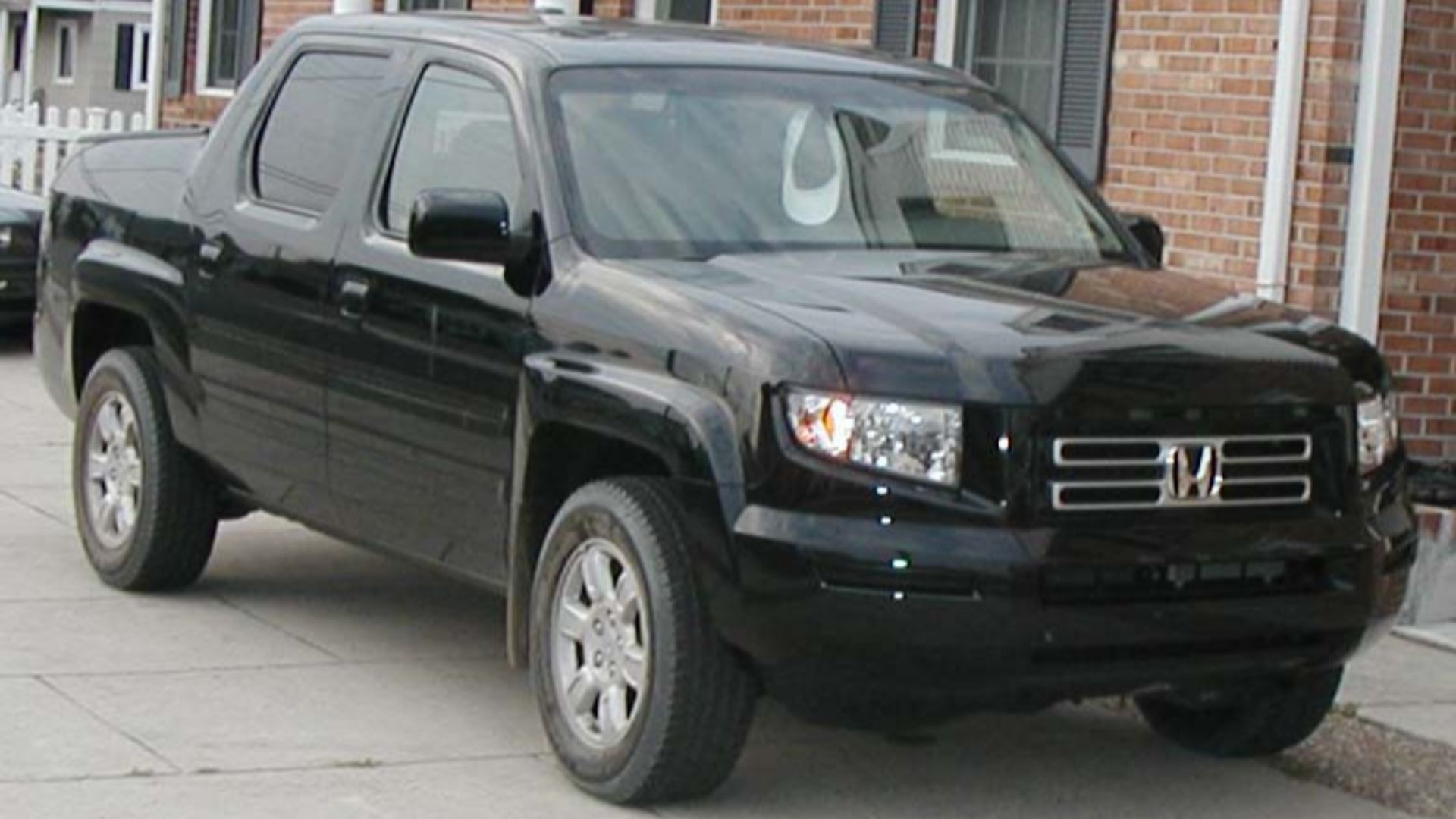
#24 – Honda Ridgeline (First Generation)
While practical, the first-gen Ridgeline offended purists with its unibody design and minivan underpinnings. The 3.5L V6 (250 hp) couldn’t tow like traditional body-on-frame rivals. Gearheads mocked its car-like handling and lack of true off-road grit. It was built for comfort—not credibility.
#23 – Dodge Dakota (2005–2011)
By the late 2000s, the Dakota lost its edge. Despite a 4.7L V8 option, it couldn’t compete with the growing midsize competition. Cheap interiors, poor reliability, and uninspired styling made enthusiasts feel Dodge had abandoned its once-proud workhorse.
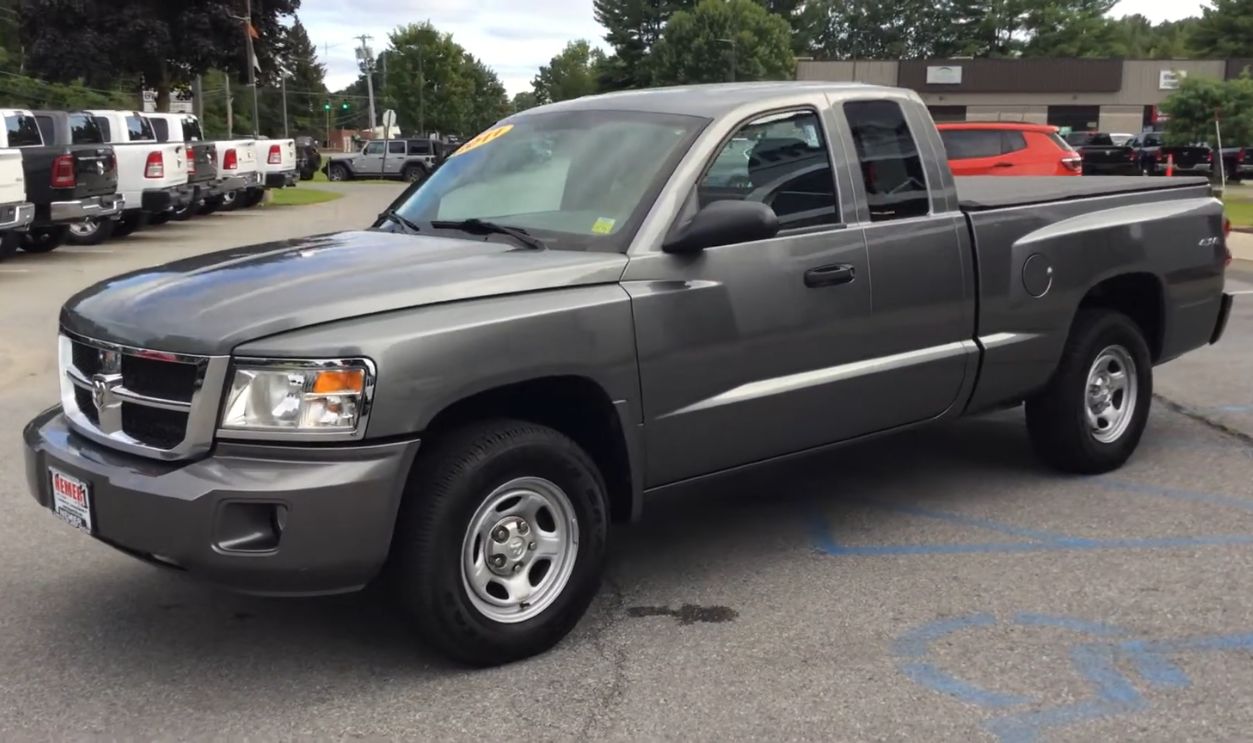 2011 Dodge Dakota | Only 15k miles | St#1005SP, Nemer Motor Group
#22 – Ford Explorer Sport Trac
Ford tried to blend SUV and truck, but the result was neither fish nor fowl. The 4.0L V6 (210 hp) struggled under its own weight, and towing maxed out at 5,300 lbs. Gearheads hated its compromised design and awkward proportions.
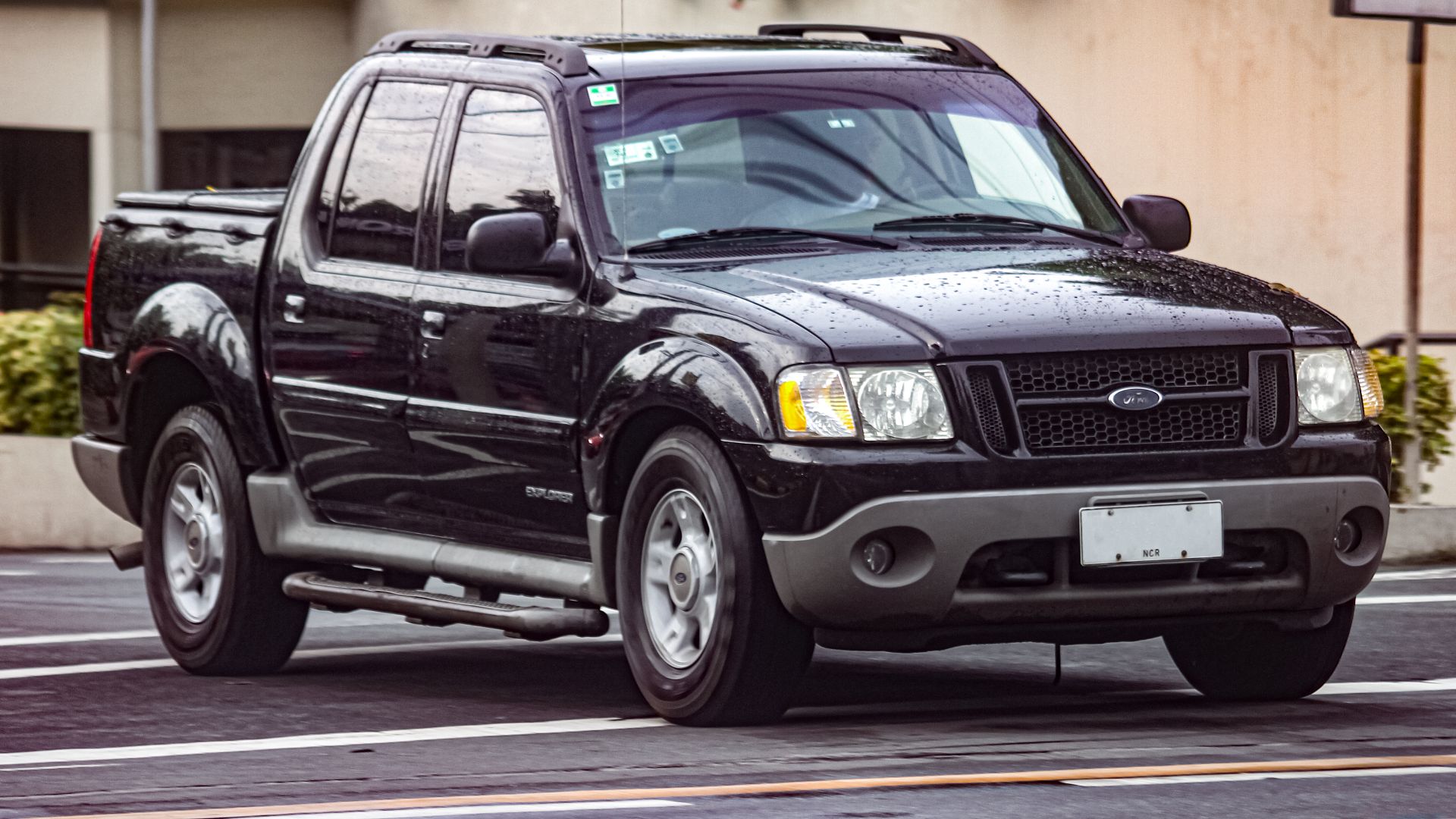 Ethan Llamas, Wikimedia Commons
#21 – Chevrolet SSR
On paper, a retro-styled convertible pickup with a V8 should’ve been fun. In reality, the SSR’s heavy chassis and underwhelming performance killed the vibe. Even with 390 hp in later models, its 4,700-pound weight and strange design made it more showpiece than speed machine.
 MercurySable99, Wikimedia Commons
#20 – GMC Canyon (2004–2012)
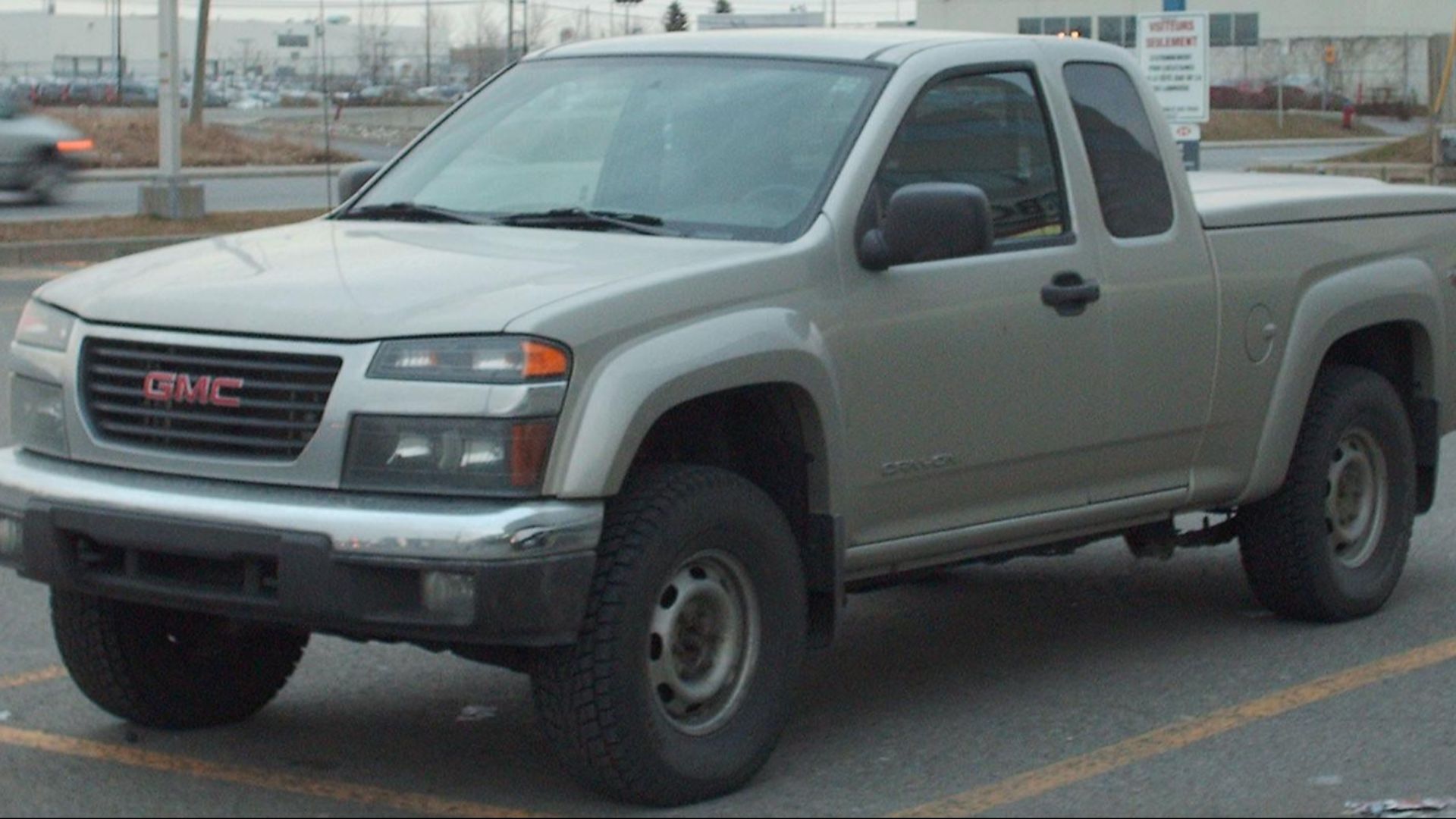
The first-gen Canyon was underpowered and cheaply built. Its inline-5 engine (220 hp) confused enthusiasts and lacked the torque expected from a truck. Sloppy steering, weak towing, and reliability issues earned it few fans among truck lovers.
#19 – Ford Maverick (Hybrid)
Although efficient, the Maverick Hybrid’s 2.5L engine (191 hp) and CVT make it feel more like an appliance than a pickup. Enthusiasts bash it for its lack of grunt, plasticky interior, and car-like demeanor. Gearheads want torque—not fuel economy bragging rights.
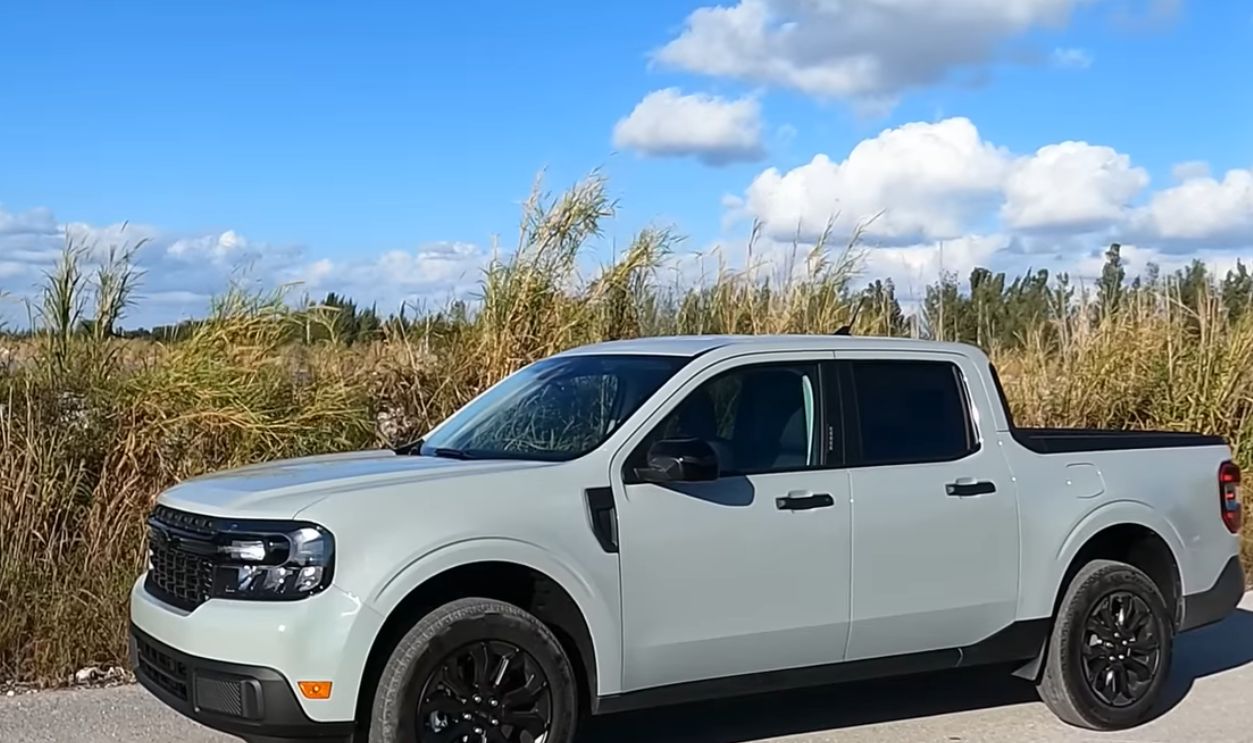 Ford Maverick Hybrid: Good Design does not cost extra., MotoManTV
#18 – Dodge Ram 1500 EcoDiesel (Early Models)
The EcoDiesel sounded great on paper—V6 torque and fuel savings—but early versions suffered from emissions issues and expensive failures. Enthusiasts quickly grew tired of the reliability headaches, especially when turbo and EGR problems started appearing before 100K miles.
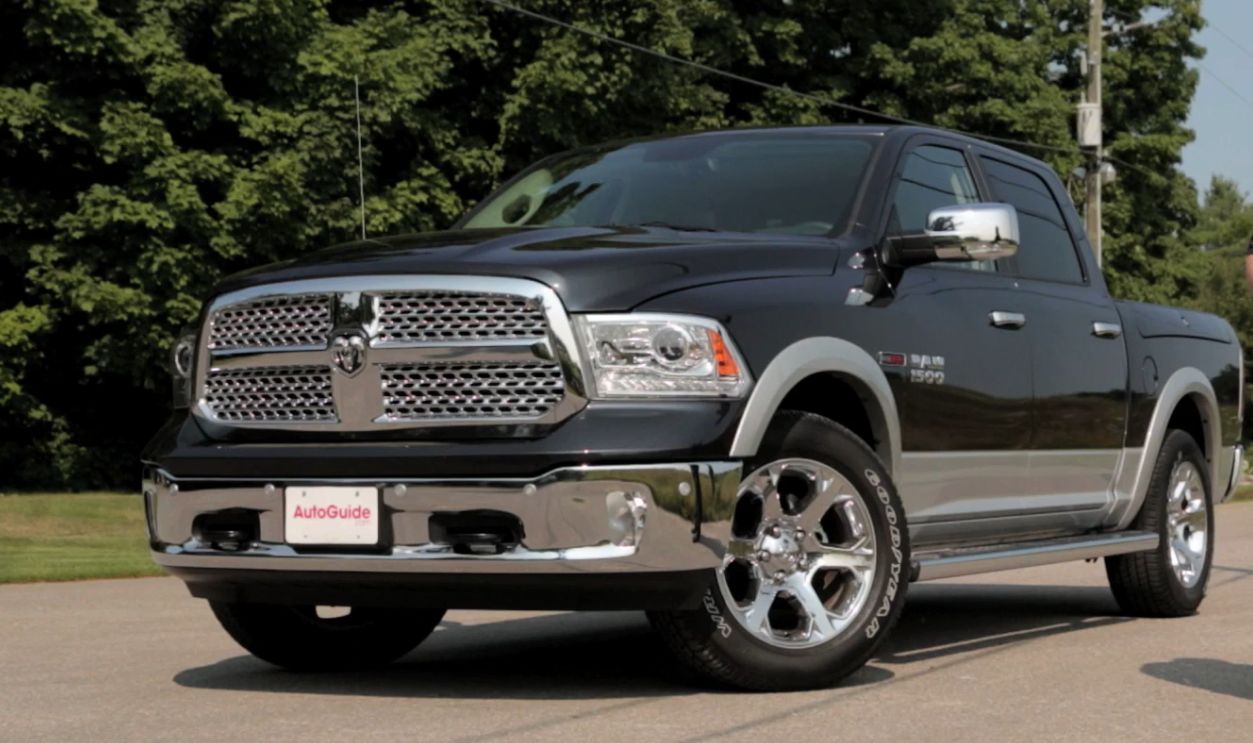 2014 Ram 1500 3.0L EcoDiesel V6 Review, AutoGuide.com
#17 – Chevrolet Colorado (First Generation)
Introduced in 2004, the Colorado promised to replace the S-10 but fell short. Its 3.5L inline-5 engine (220 hp) was rough and weak, and interior quality was poor. Gearheads felt it was a half-hearted effort from GM—especially compared to Toyota’s Tacoma.
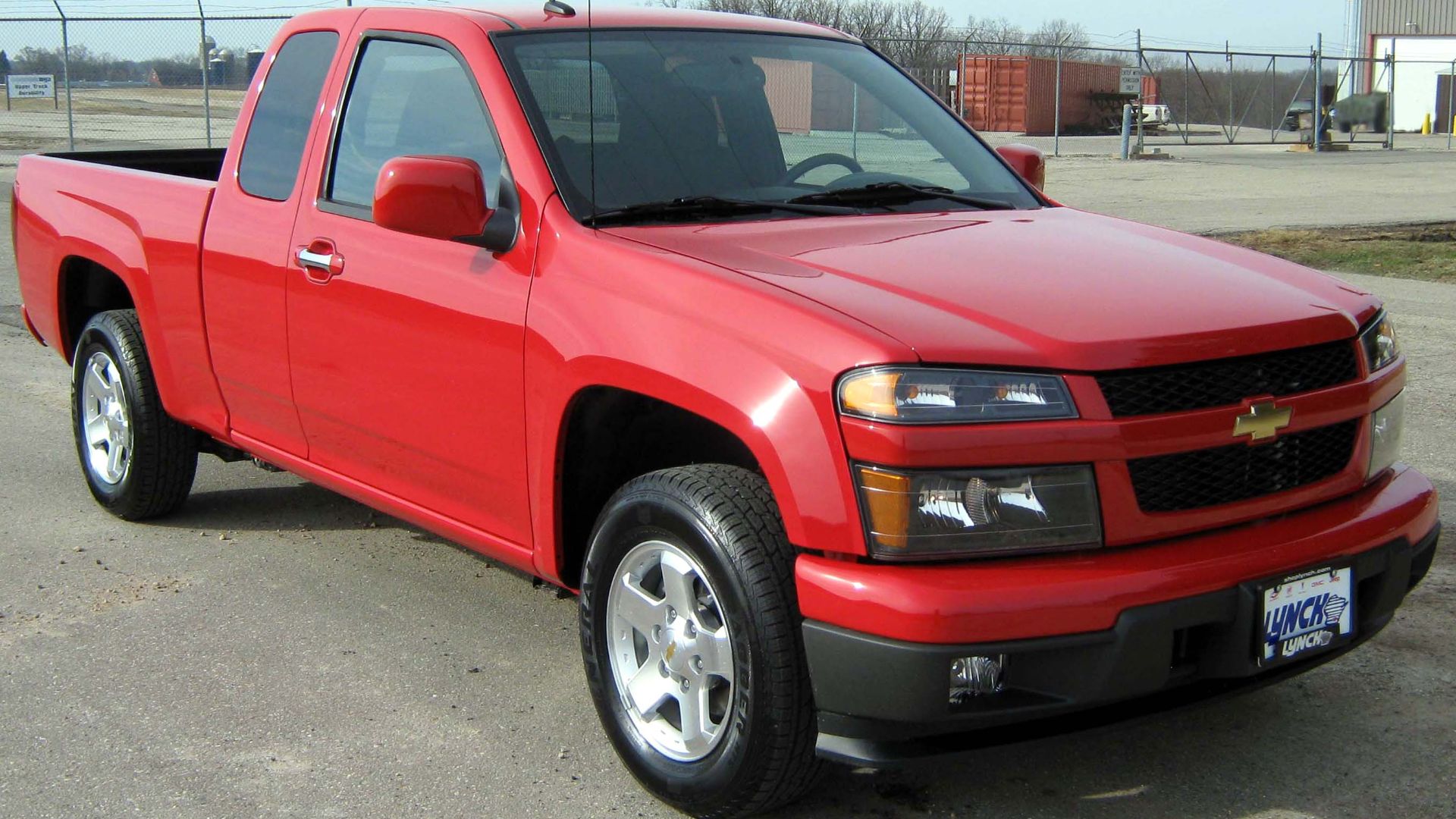 U.S. National Highway Traffic Safety Administration, Wikimedia Commons
#16 – Toyota Tundra (2014–2021 5.7L V8)
While powerful (381 hp), the Tundra’s 5.7L V8 guzzled gas and dated tech made it feel ancient by 2020. Its six-speed transmission lagged behind rivals, and poor ride comfort made long trips tiring. Enthusiasts hate that Toyota let this once-strong contender stagnate.
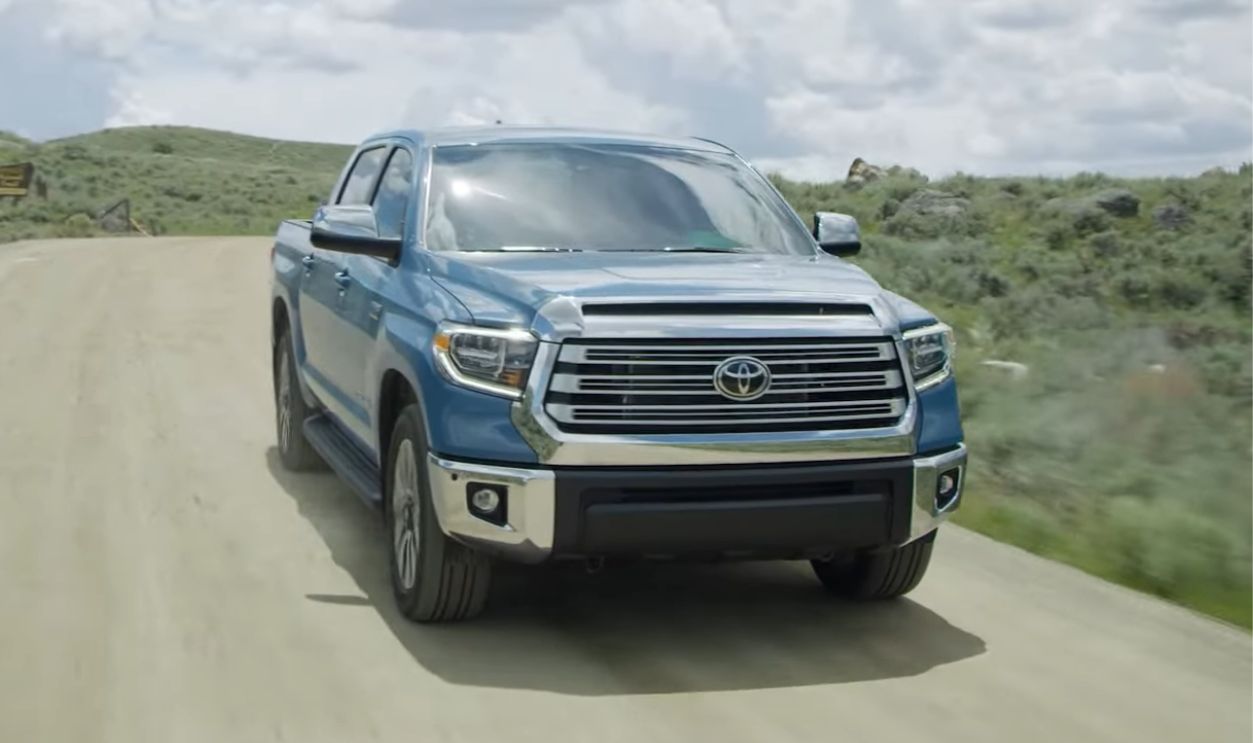 2021 Tundra Overview | Toyota, Toyota USA
#15 – Ford F-150 (2004–2008 5.4L Triton)
A nightmare engine for mechanics. The 5.4L Triton V8 was notorious for spark plug blowouts and timing chain tensioner failures. Despite Ford’s popularity, this generation became infamous in garages everywhere. Gearheads still cringe at the thought of extracting those seized plugs.
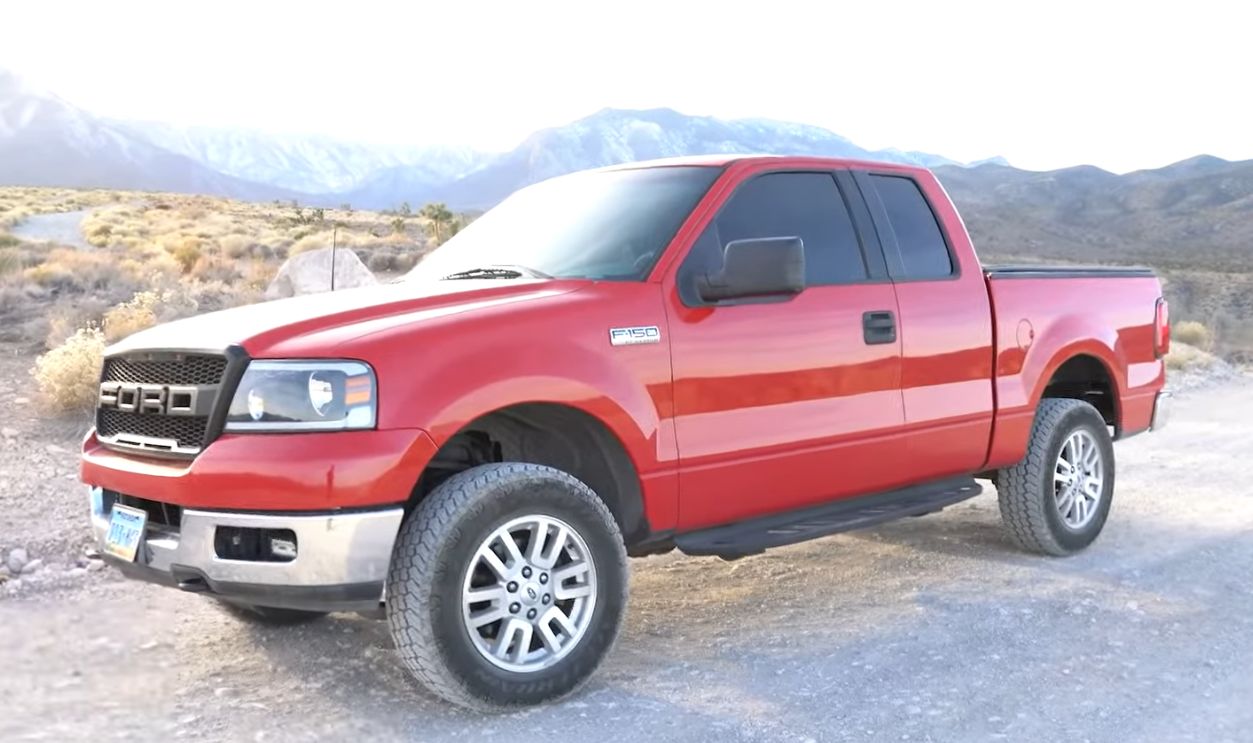 Should you buy a 2004-2008 F150? Watch this!, Just King Adrian
#14 – Nissan Titan XD (Cummins Diesel)
The idea was brilliant: combine Cummins torque with Nissan comfort. The result? A confusing middleweight truck that did neither well. The 5.0L diesel suffered from reliability problems, transmission issues, and poor resale value. Enthusiasts called it a “solution in search of a problem.”
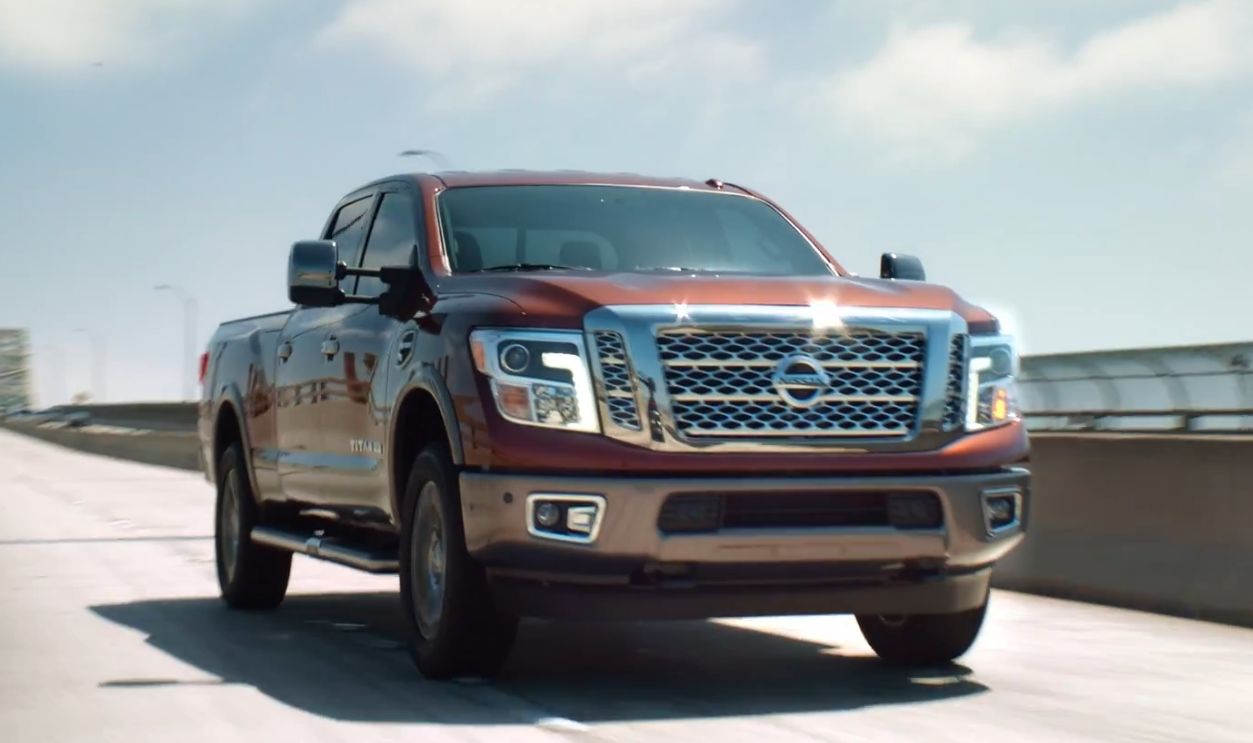 2019 Nissan TITAN XD Cummins® V8 Turbo Diesel Engine, Nissan USA
#13 – Dodge Ramcharger (1999 Concept)
The 1999 Ramcharger concept should’ve been a home run but missed entirely. Oversized, oddly styled, and plagued with cheap interiors, it never caught on. Enthusiasts still roast it as one of Dodge’s strangest attempts to blend SUV and truck DNA.
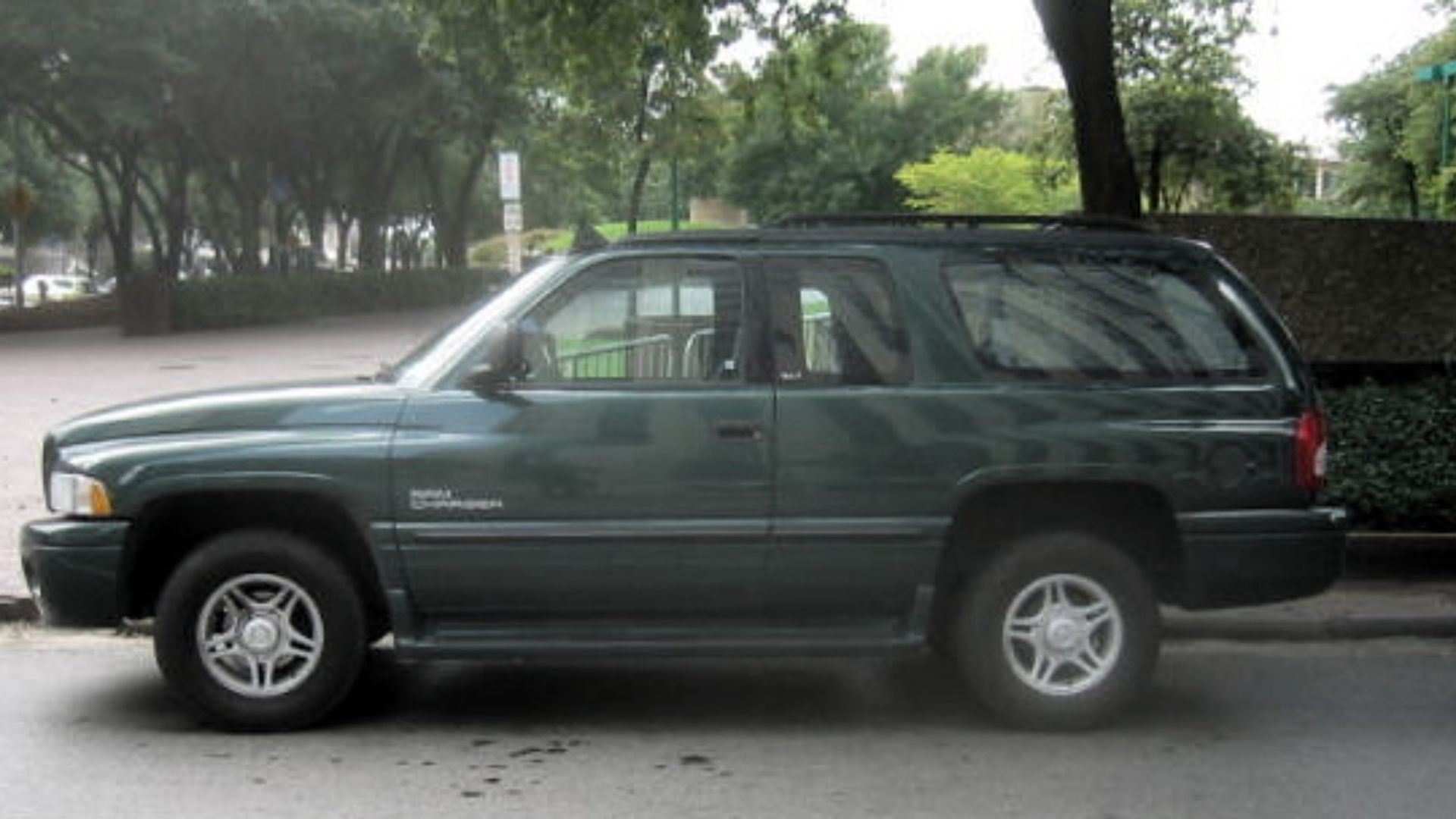 Montrose Patriot at English Wikipedia, Wikimedia Commons
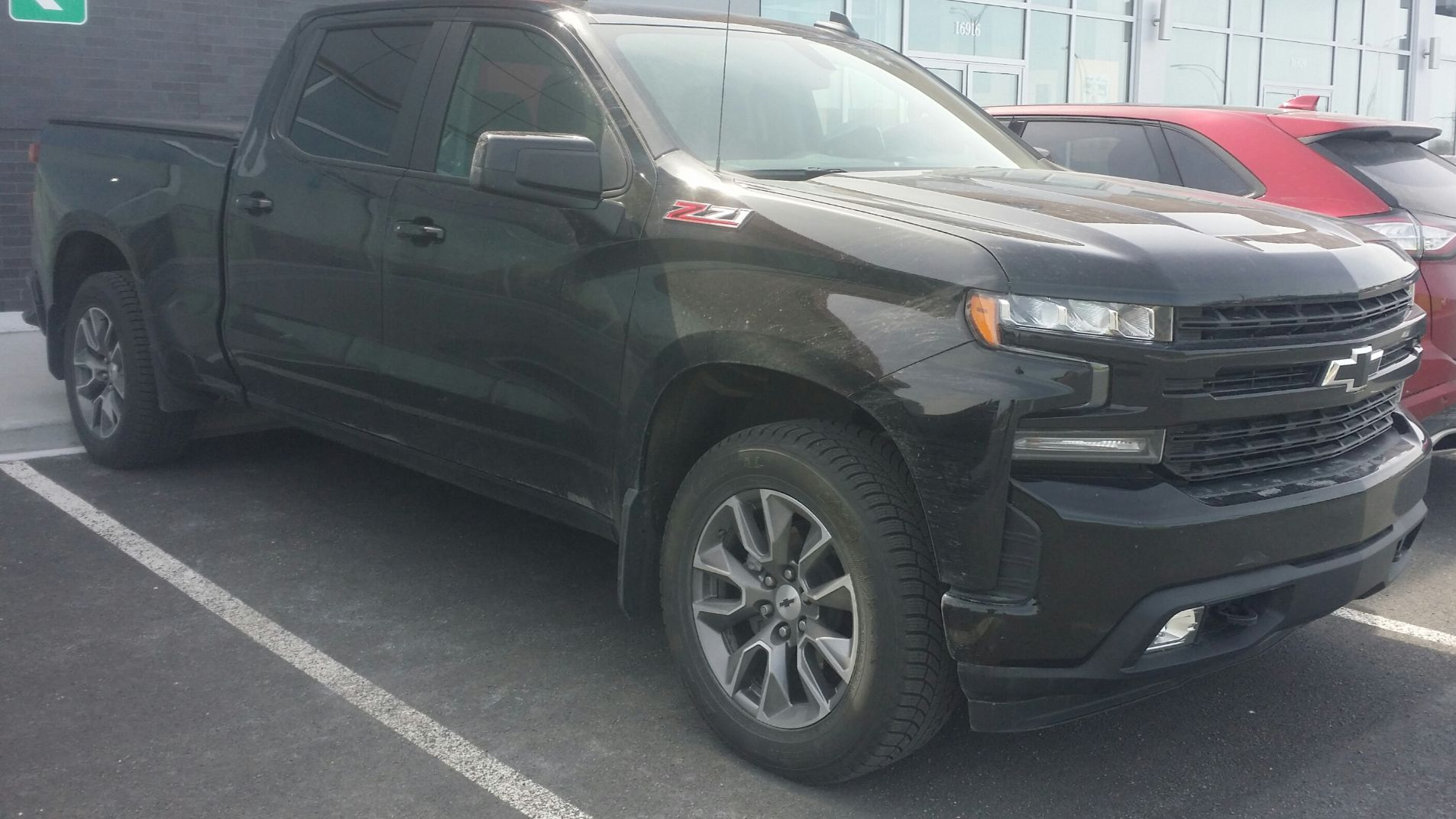
#12 – Chevrolet Silverado 1500 (2019 Launch Models)
When the redesigned Silverado arrived in 2019, gearheads were disappointed. The 5.3L and 6.2L V8s performed well, but the dated interior, awkward front end, and rough ride compared to Ram killed its appeal. Even loyal Chevy fans admitted it missed the mark.
#11 – Jeep Gladiator (Base Models)
While off-road capable, the Gladiator feels overpriced and underpowered for the work it’s meant to do. The 3.6L Pentastar V6 (285 hp) lacks low-end torque, and towing capacity lags behind rivals. Enthusiasts joke it’s “a Wrangler that can’t decide what it wants to be.”
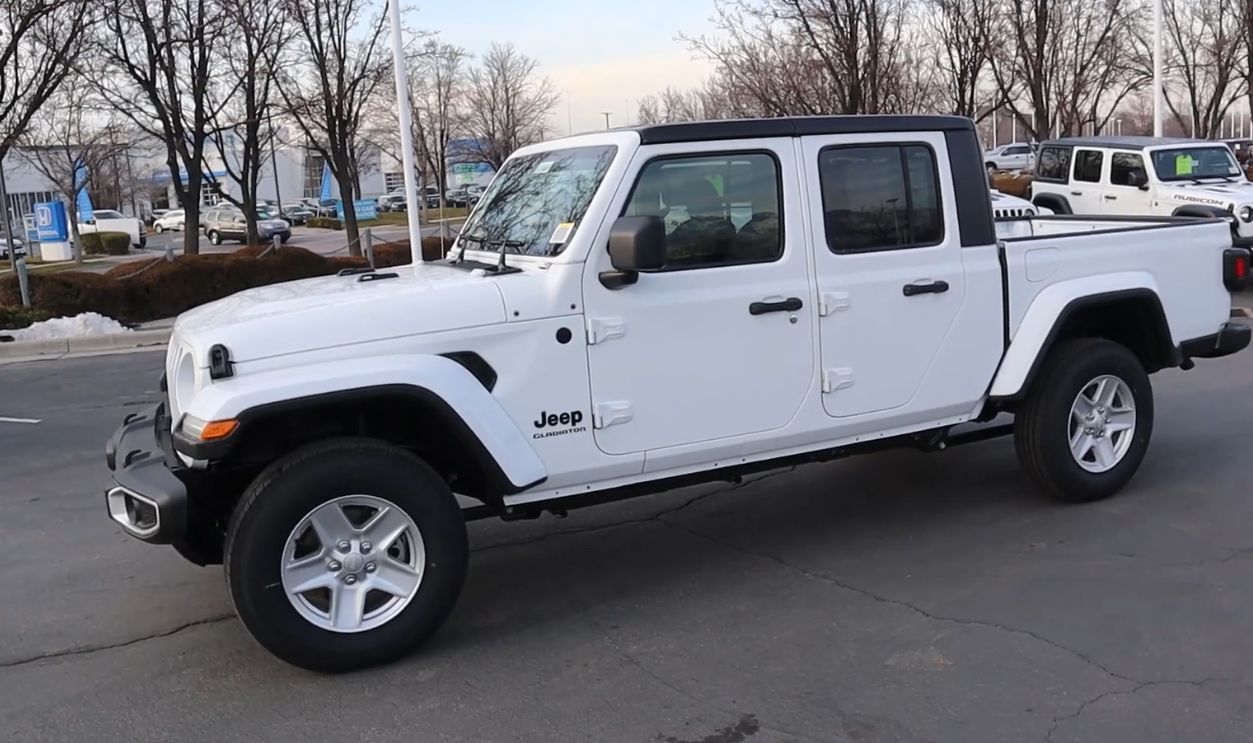 2022 Jeep Gladiator Sport S: Is The Base Model Gladiator Still Affordable?, Ben Hardy
#10 – Lincoln Blackwood
Luxury meets impracticality. The Blackwood had a fancy interior but a useless carpeted bed and rear-wheel-drive only. Its 5.4L V8 wasn’t bad, but the high price and lack of truck function made it an epic fail. Enthusiasts still laugh at its “pickup for people who don’t haul.”
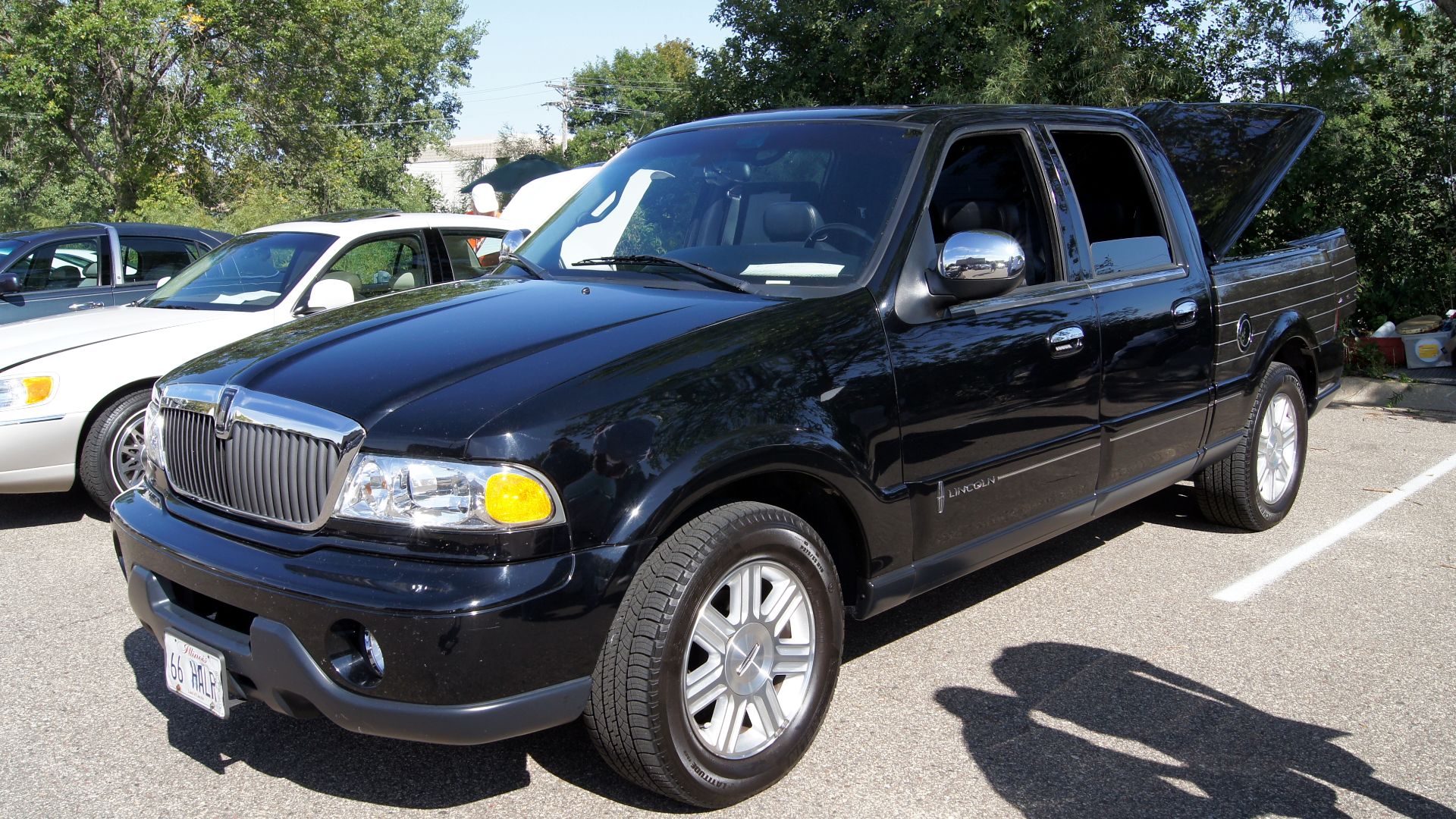 Greg Gjerdingen from Willmar, USA, Wikimedia Commons
#9 – Chevrolet Silverado 1500 Hybrid
GM’s early hybrid Silverado used a weak electric assist system that barely improved fuel economy. The 5.3L V8 (295 hp) was fine, but the system’s complexity and high price turned off enthusiasts. Gearheads hated its fake “green truck” gimmick that offered no real performance gain.
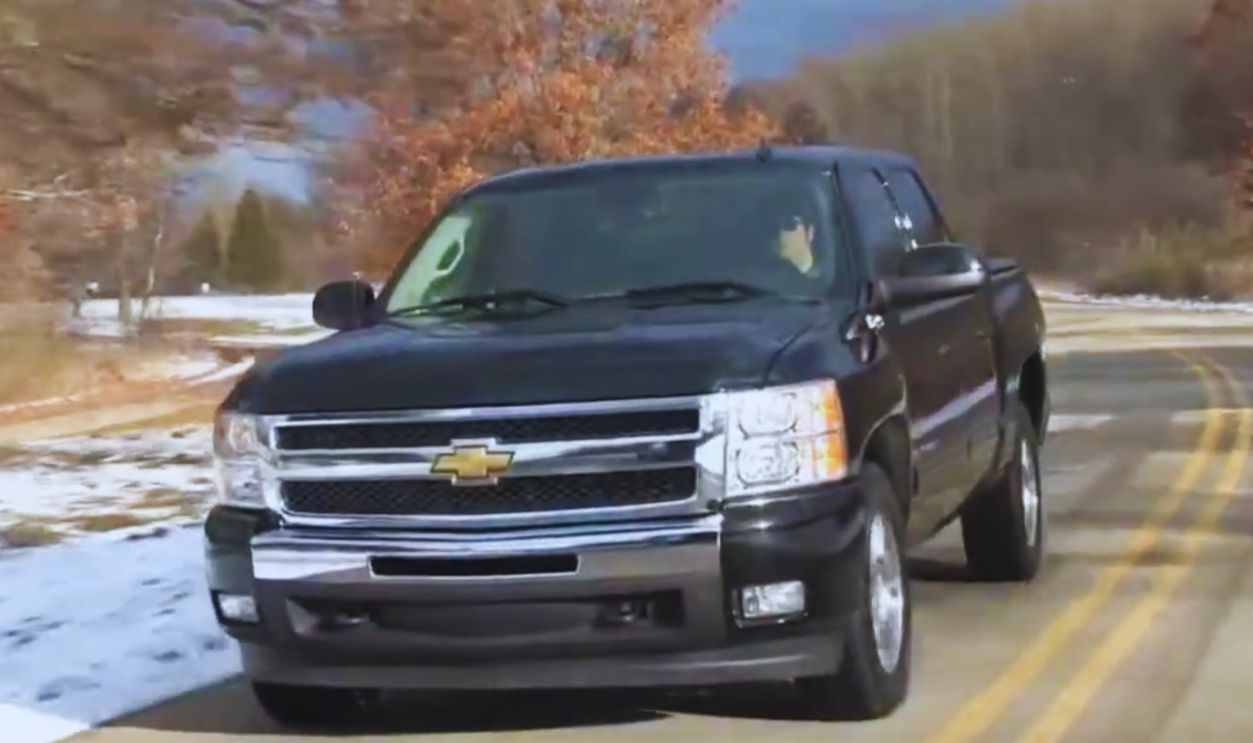 2010 Chevrolet Silverado 1500 Hybrid Overview, WheelsTV Test Drives
#8 – Dodge Ram 1500 (2002–2008)
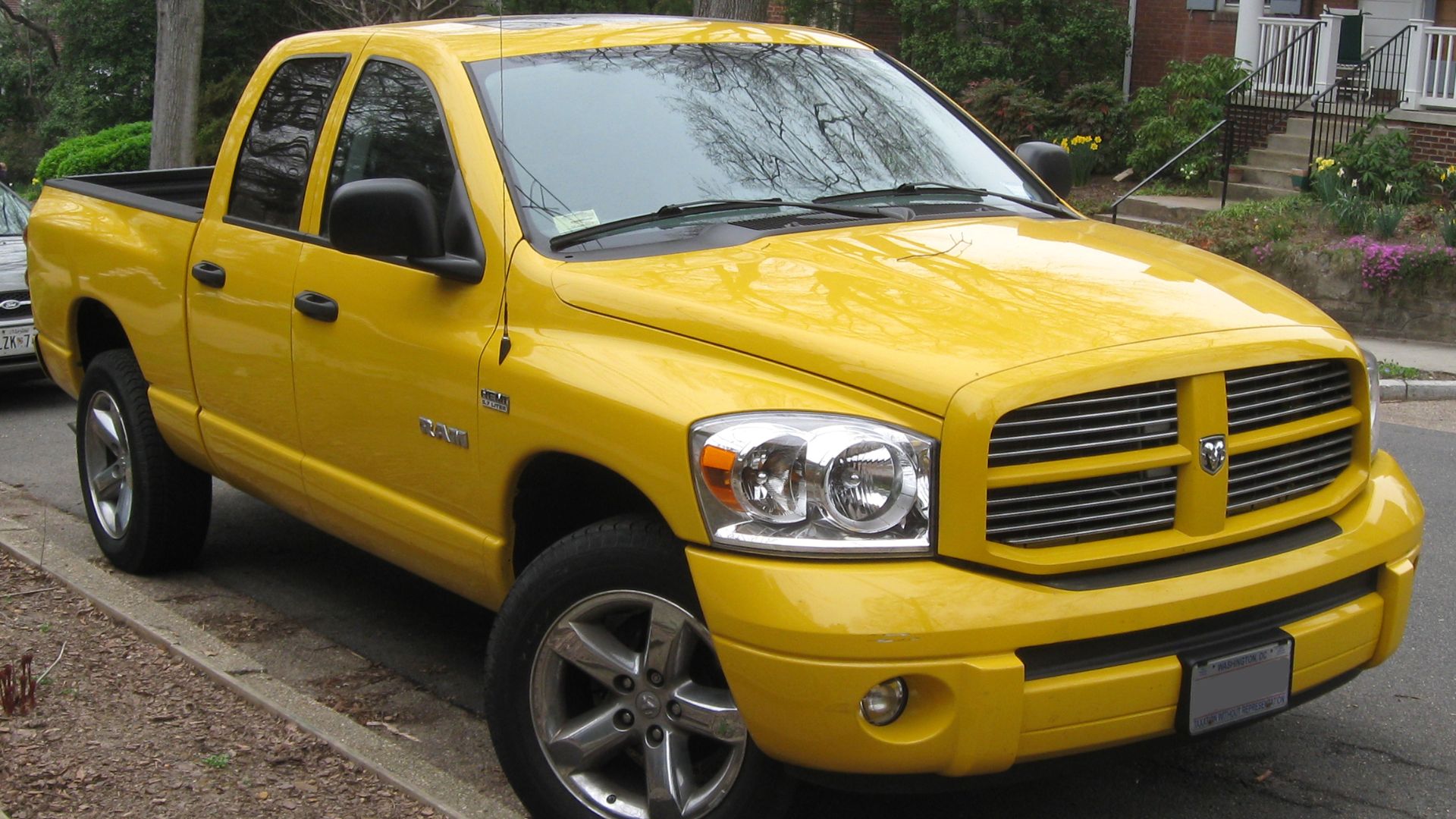
Stylish but flawed, this era of Ram suffered from poor build quality and electrical gremlins. The 5.7L HEMI had power, but front suspension failures and interior wear made ownership a headache. Enthusiasts saw it as beauty without backbone.
#7 – Toyota Pickup (1990s V6 Models)
While older Toyotas were bulletproof, the 3.0L V6 (“3VZ-E”) in early ‘90s trucks was not. It had head gasket failures, low power (150 hp), and poor fuel economy. Enthusiasts love Toyota’s legacy—but this engine nearly tarnished it.
 SsmIntrigue, Wikimedia Commons
#6 – Ford Ranger (2019–2022)
The Ranger’s long-awaited return fell flat for enthusiasts. Its 2.3L EcoBoost (270 hp) was peppy, but the truck felt cramped and plasticky. The ride was harsh, and the steering numb. Fans expected a reborn mini F-150—but got an overpriced global rebrand.
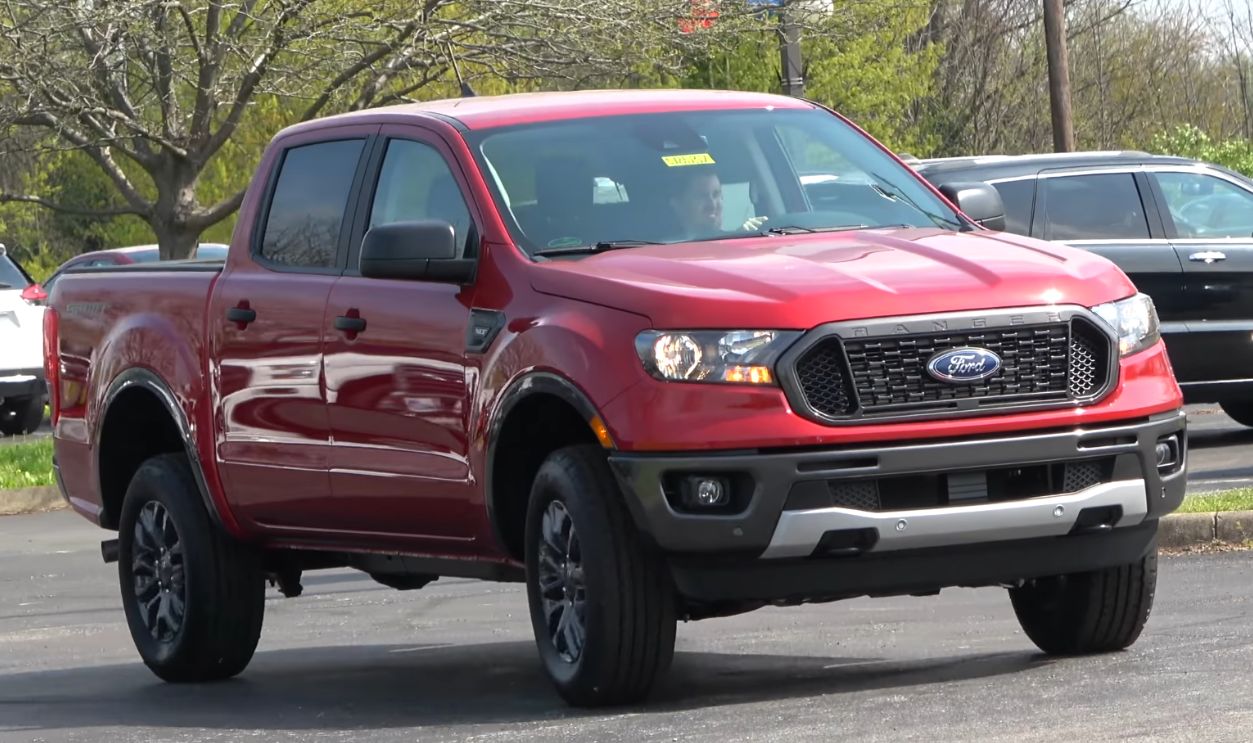 2020 Ford Ranger // Is THIS the BEST VALUE in Mid-Size Trucks??, Car Confections
#5 – Dodge Dakota R/T (1998–2003)
Despite its 5.9L Magnum V8 (250 hp), the Dakota R/T was more bark than bite. Poor handling, terrible gas mileage, and limited aftermarket tuning made it a poser in muscle truck clothing. Enthusiasts expected a baby Lightning—what they got was disappointment.
 Greg Gjerdingen from Willmar, USA, Wikimedia Commons
#4 – GMC Hummer EV Pickup
At over 9,000 pounds, the Hummer EV defies logic. Despite mind-blowing 1,000 hp specs, its price, weight, and massive battery footprint make it a target for ridicule. Enthusiasts see it as over-engineered excess masquerading as innovation.
 OWS Photography, Wikimedia Commons
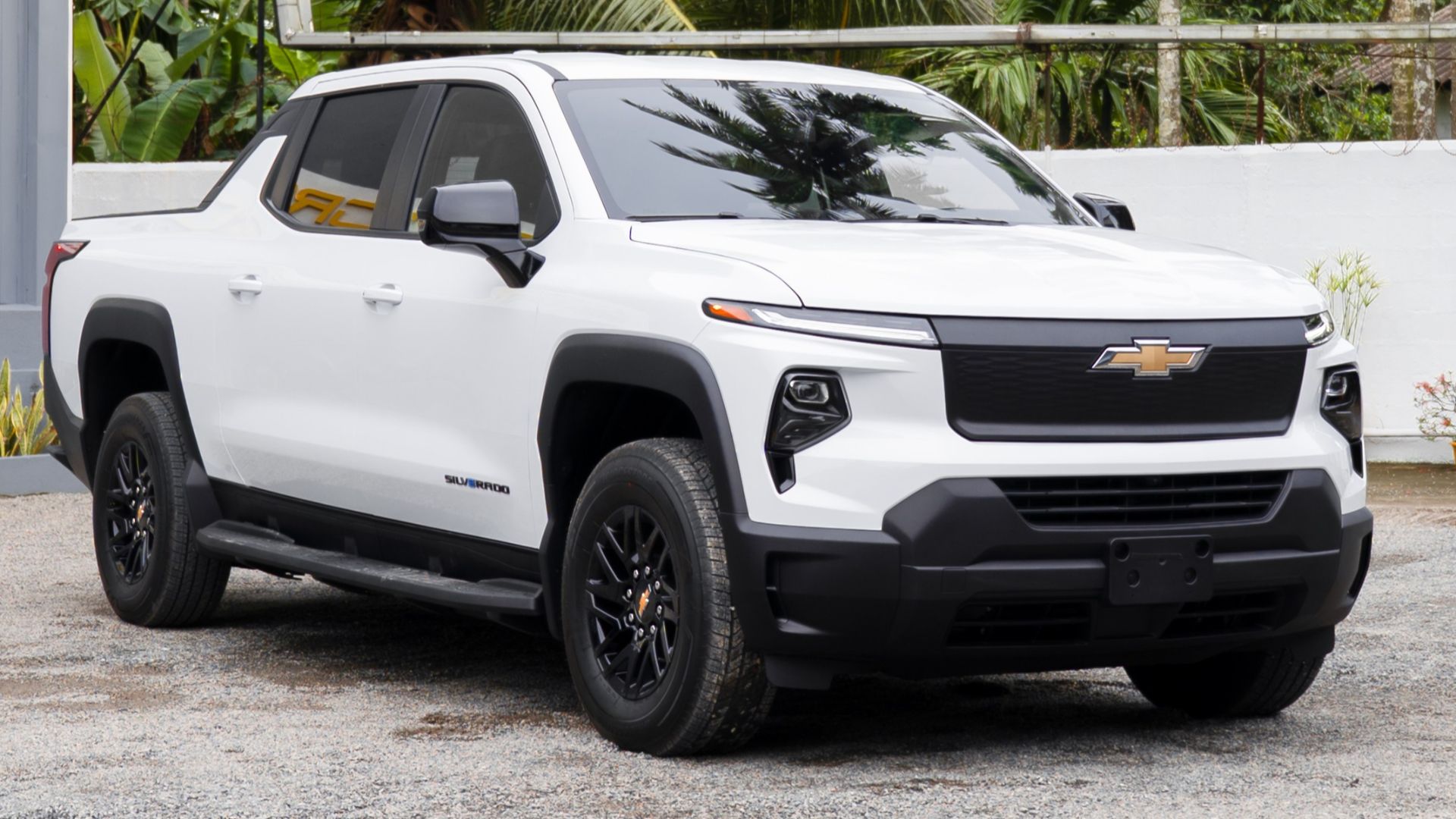
#3 – Chevrolet Silverado EV WT
Chevy’s electric work truck promised power but delivered range anxiety and a $70K sticker. Enthusiasts balk at its weight, uninspired design, and software-heavy focus. Gearheads want torque and noise—not an electric appliance with a bowtie.
#2 – Tesla Cybertruck
Few vehicles have divided the automotive world like the Cybertruck. Its stainless steel panels, unfinished feel, and unpredictable rollout infuriate traditional truck fans. Even with wild performance claims, gearheads see it as a tech experiment, not a true truck.
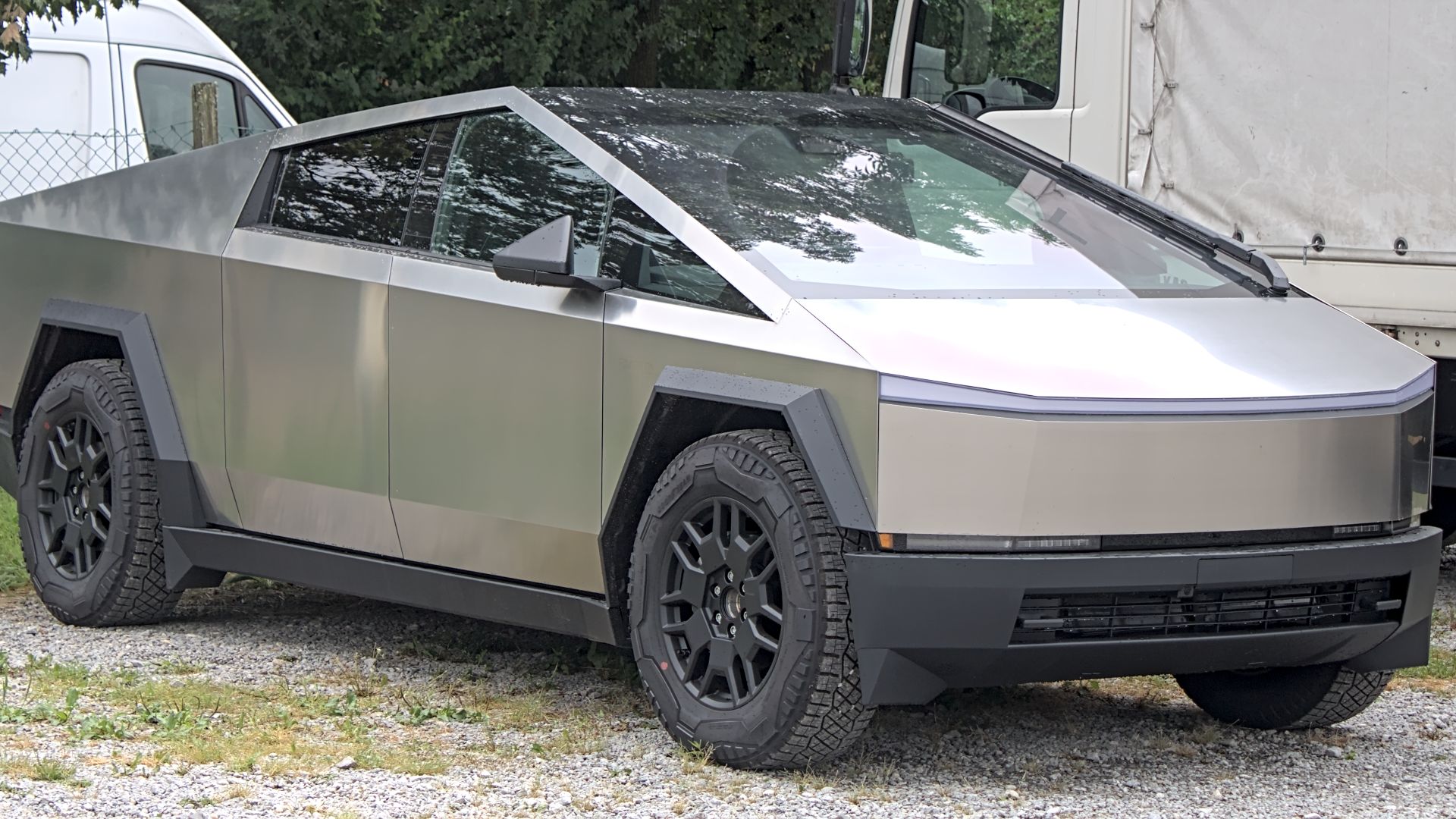 Alexander-93, Wikimedia Commons
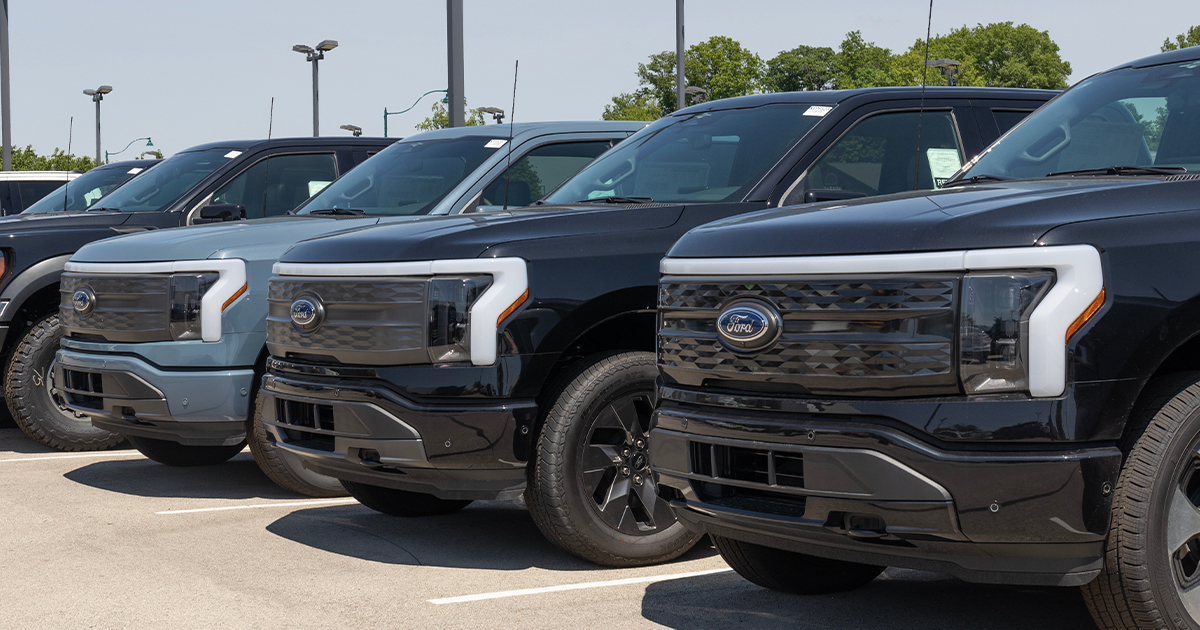
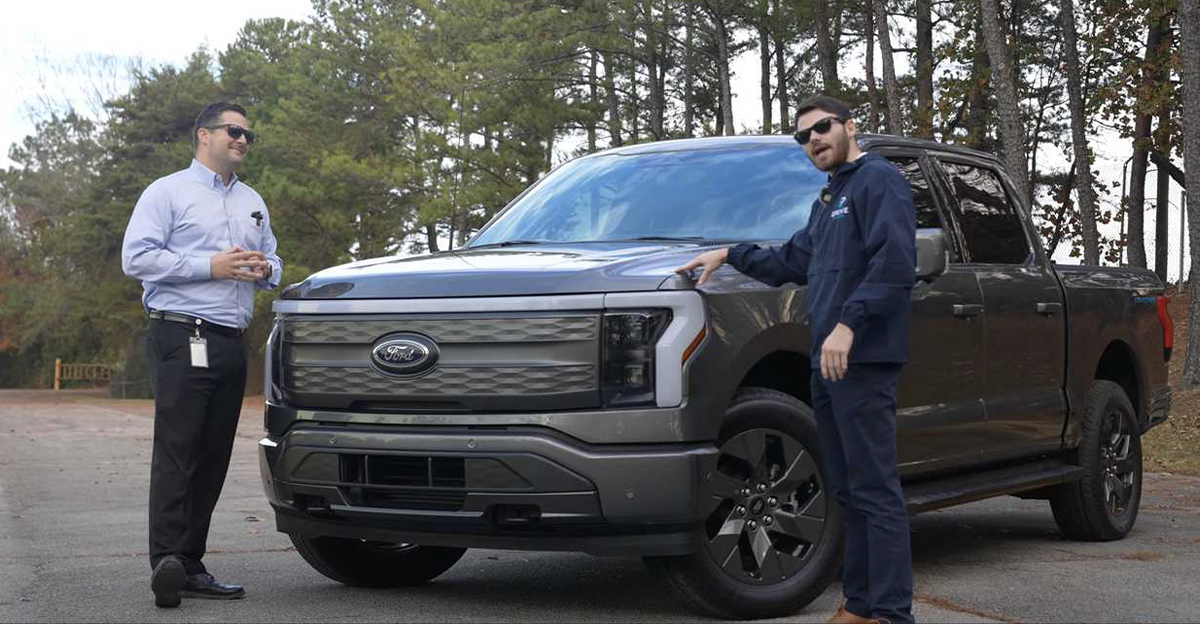
#1 – Ford F-150 Lightning
While groundbreaking, the F-150 Lightning alienates old-school truck fans. The instant torque is impressive, but towing range collapse and charging downtime make it impractical for real work. Gearheads love to hate it as the symbol of trucks losing their “tough” soul to technology.
 Mariordo (Mario Roberto Duran Ortiz), Wikimedia Commons
You May Also Like:
Pickup Trucks With The Worst Depreciation, According To Industry Experts
Why Pickup Trucks Are More Popular Than Ever
The Worst Pickup Trucks In The Last 20 Years, According To Industry Experts