When Dashboards Were Full Of Mysteries
Modern dashboards are basically rolling tablets, packed with touchscreens, digital gauges, voice assistants, and enough menus to rival a laptop. Not long ago, though, drivers faced an entirely different landscape. Buttons, levers, needles, sliders, and mysterious glowing symbols filled the cabin—and some of those features would completely baffle younger motorists today.
Choke Knobs
Before fuel injection became standard, cold engines often needed a little help starting. Drivers pulled a choke knob to restrict airflow and enrich the fuel mixture. Forget to push it back in, and the engine could run terribly. Starting a car used to involve considerably more technique than pressing a button.
Manual Ventilation Levers
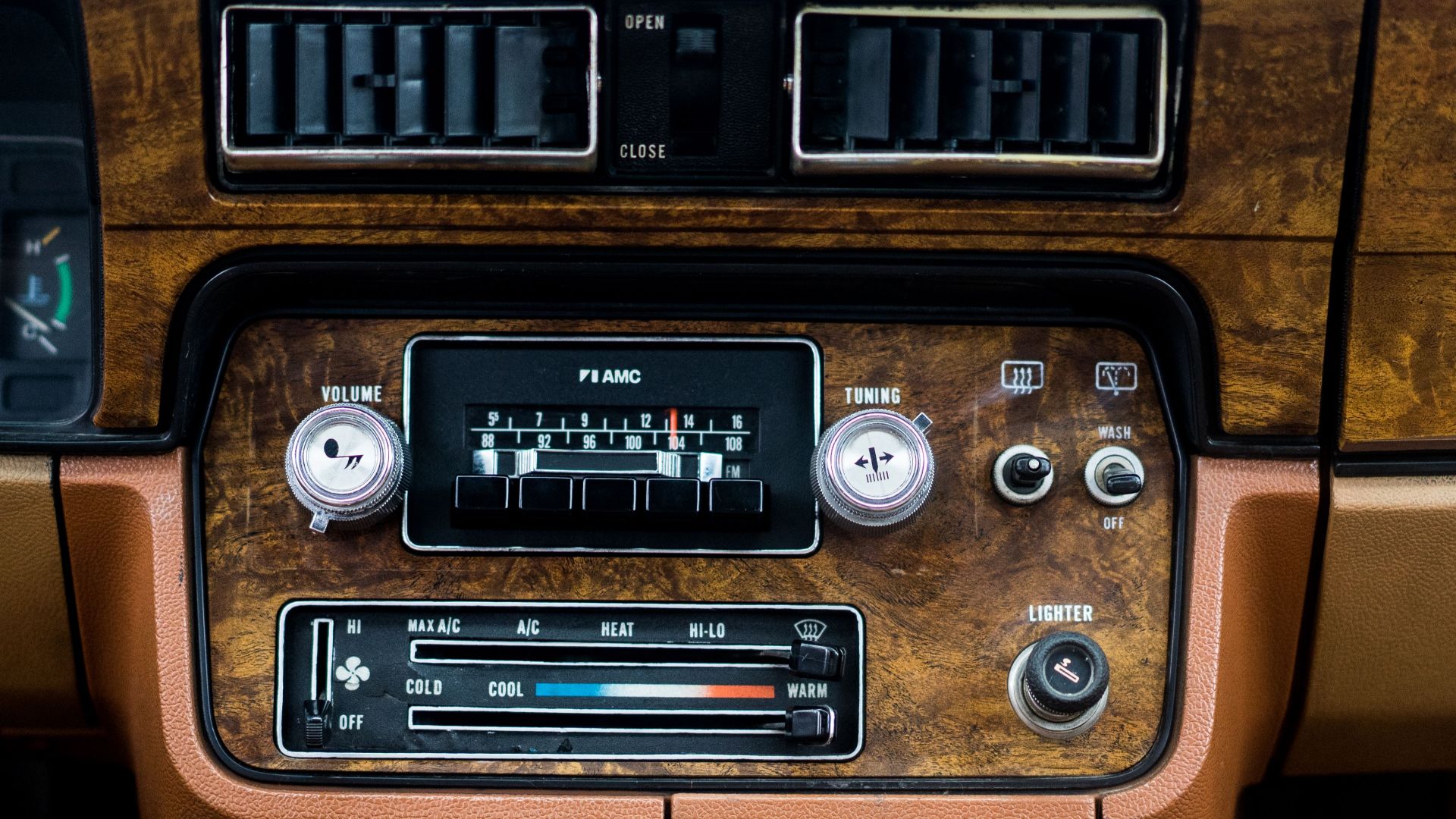
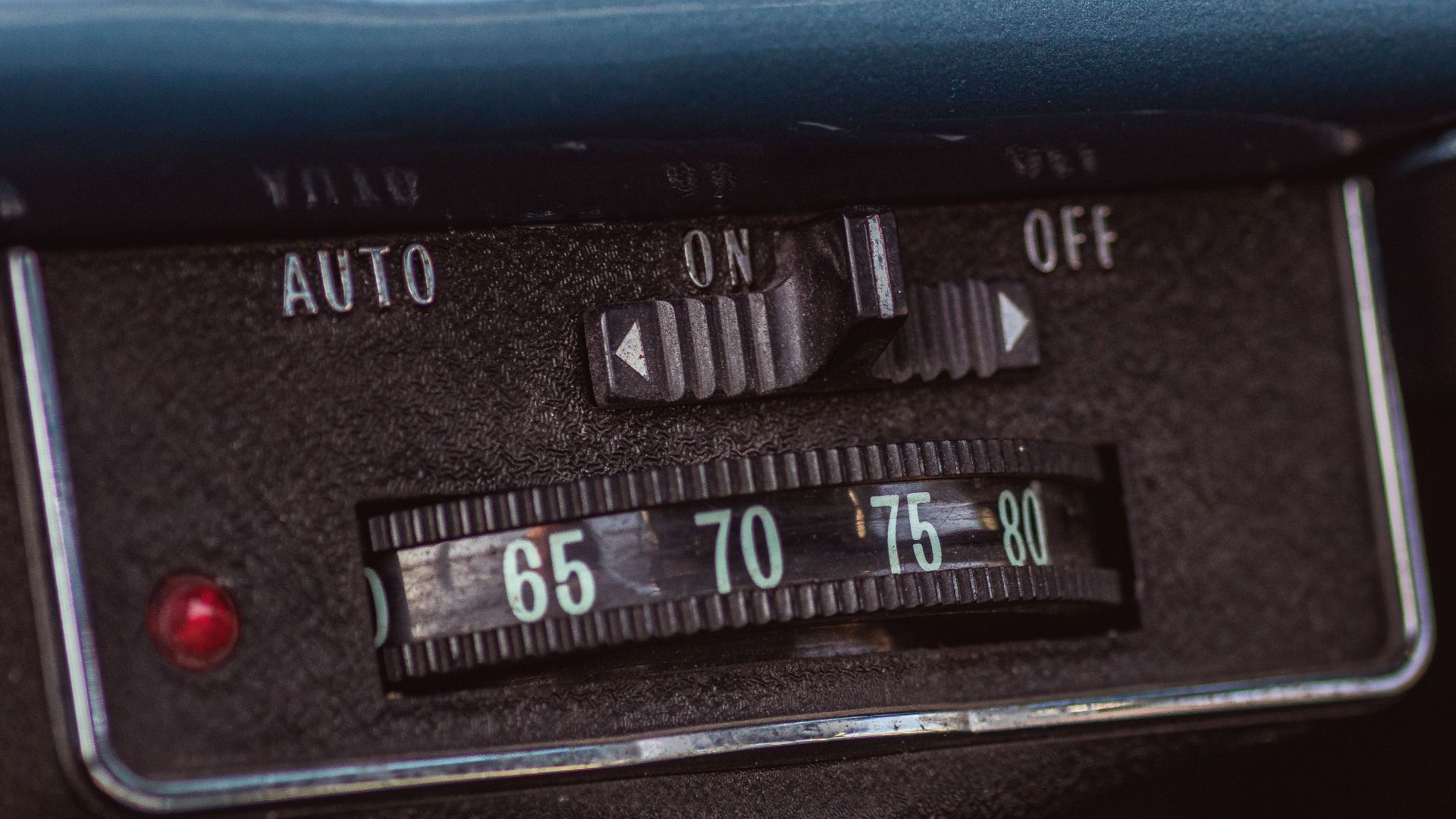
Climate control once meant physically sliding levers marked "Hot," "Cold," "Floor," or "Defrost." Those levers moved cables connected to doors inside the ventilation system. There was no digital temperature setting and certainly no dual-zone climate control. You adjusted things until the cabin felt approximately comfortable.
Mechanical Trip Odometers
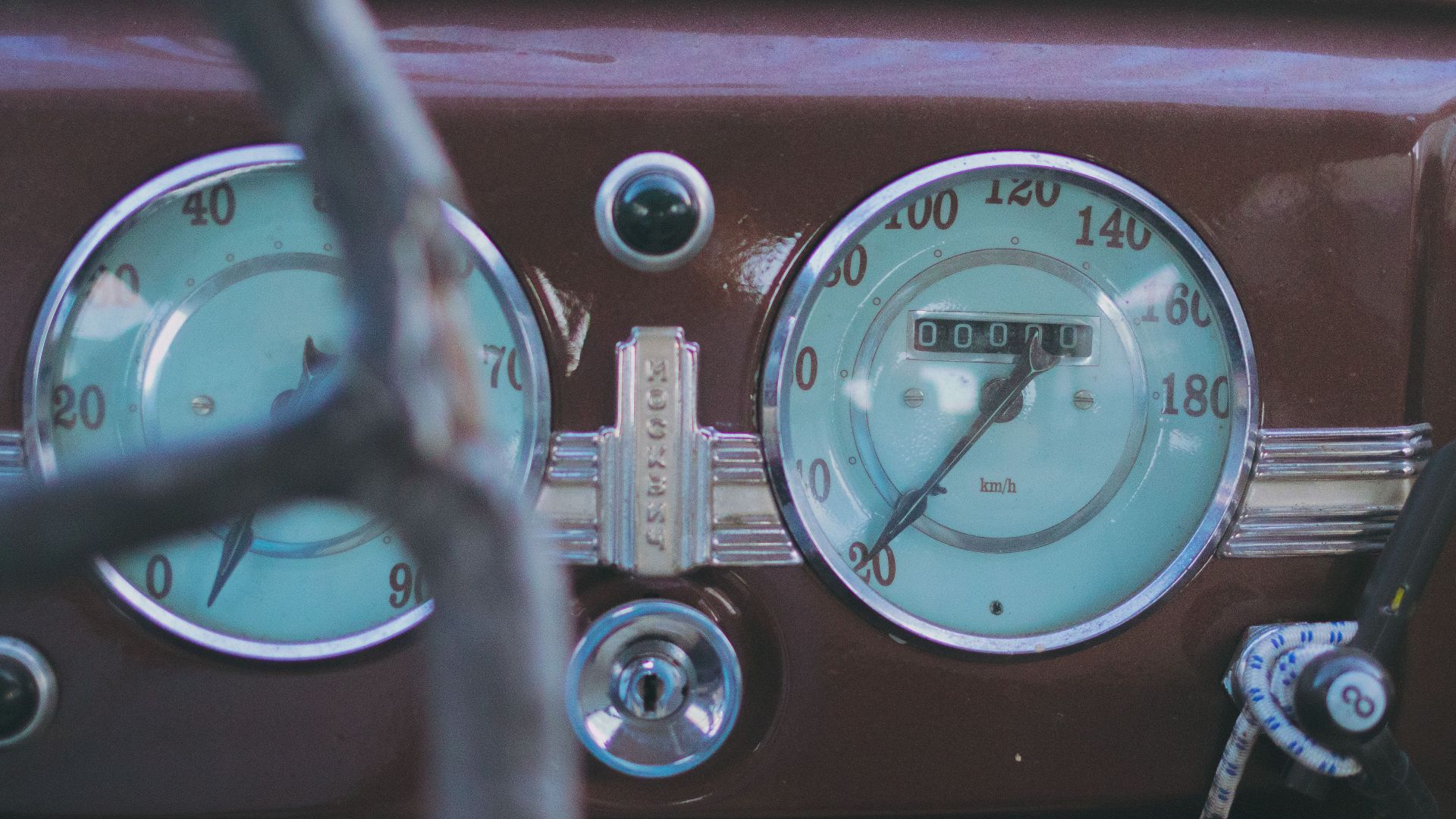
Older trip meters didn't reset through a touchscreen menu. Drivers physically pushed or twisted a little stalk protruding from the instrument cluster. The numbered wheels would mechanically roll back to zero. It was simple, satisfying, and practically impossible to operate without making a tiny clicking sound.
Analog Clocks
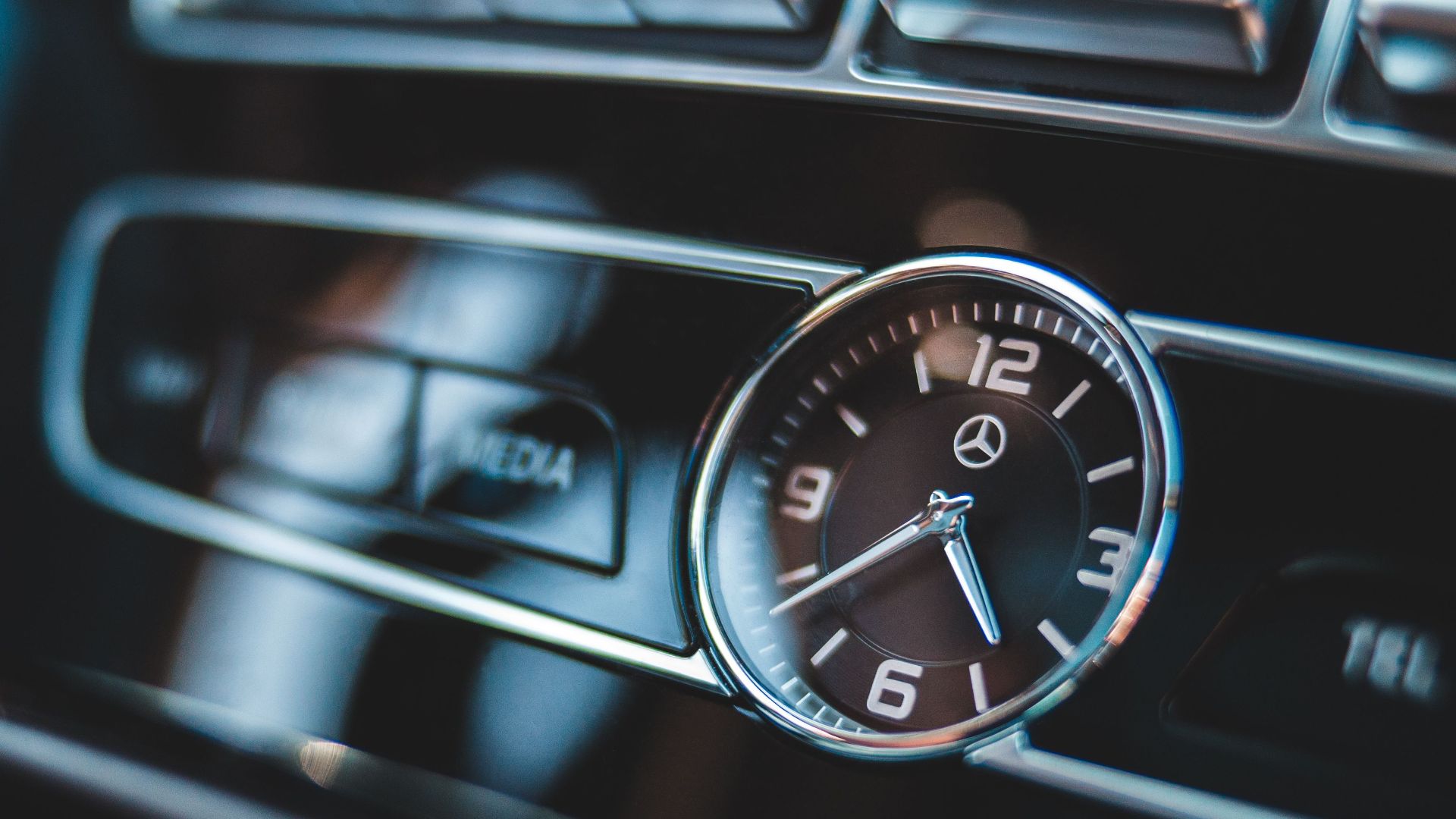
Before every electronic device displayed the time, cars frequently featured actual dashboard clocks. Some were rectangular quartz units, while luxury models proudly displayed elegant round analog faces. Keeping perfect time wasn't always their strongest skill, but they added a touch of class that a tiny digital readout rarely matches.
Floor-Mounted High-Beam Switches
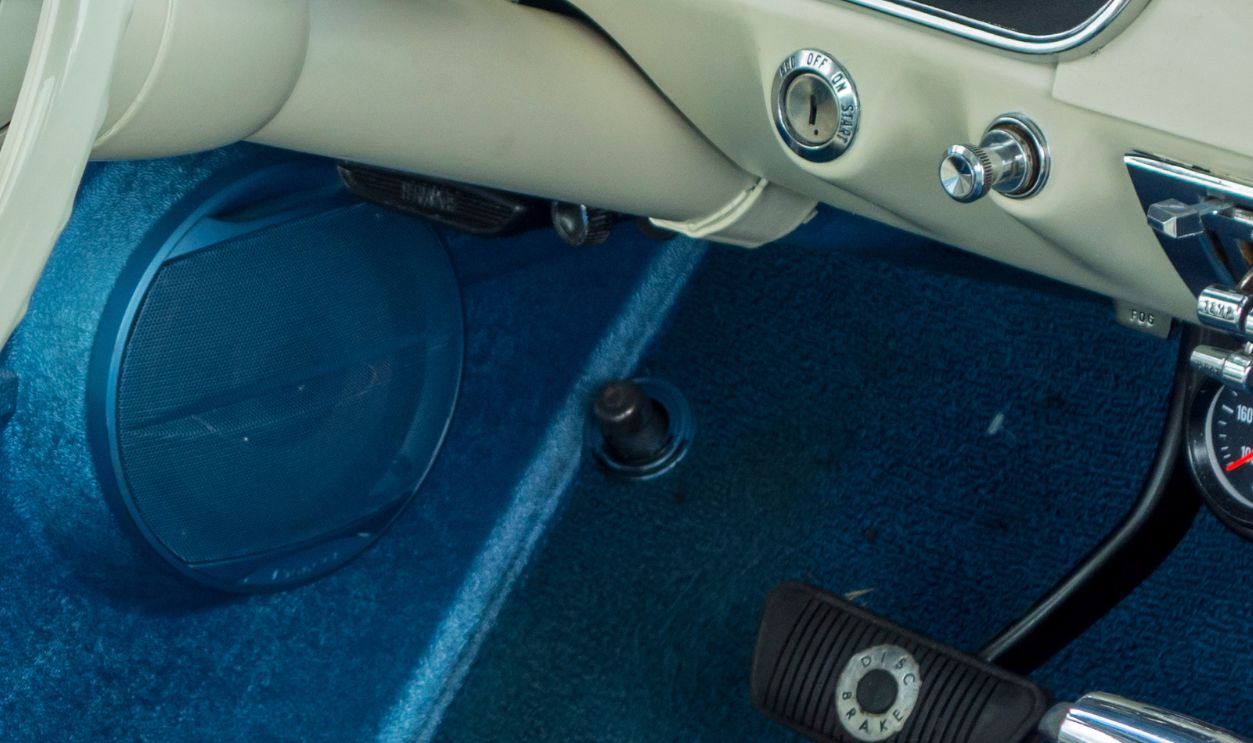
Older drivers may remember changing between low and high beams with their left foot. A chunky metal switch sat on the floor near the driver's side kick panel. You simply stomped it. Eventually, steering-column stalks took over, leaving younger drivers wondering why anyone needed a headlight button beside the pedals.
Pull-Knob Headlight Switches
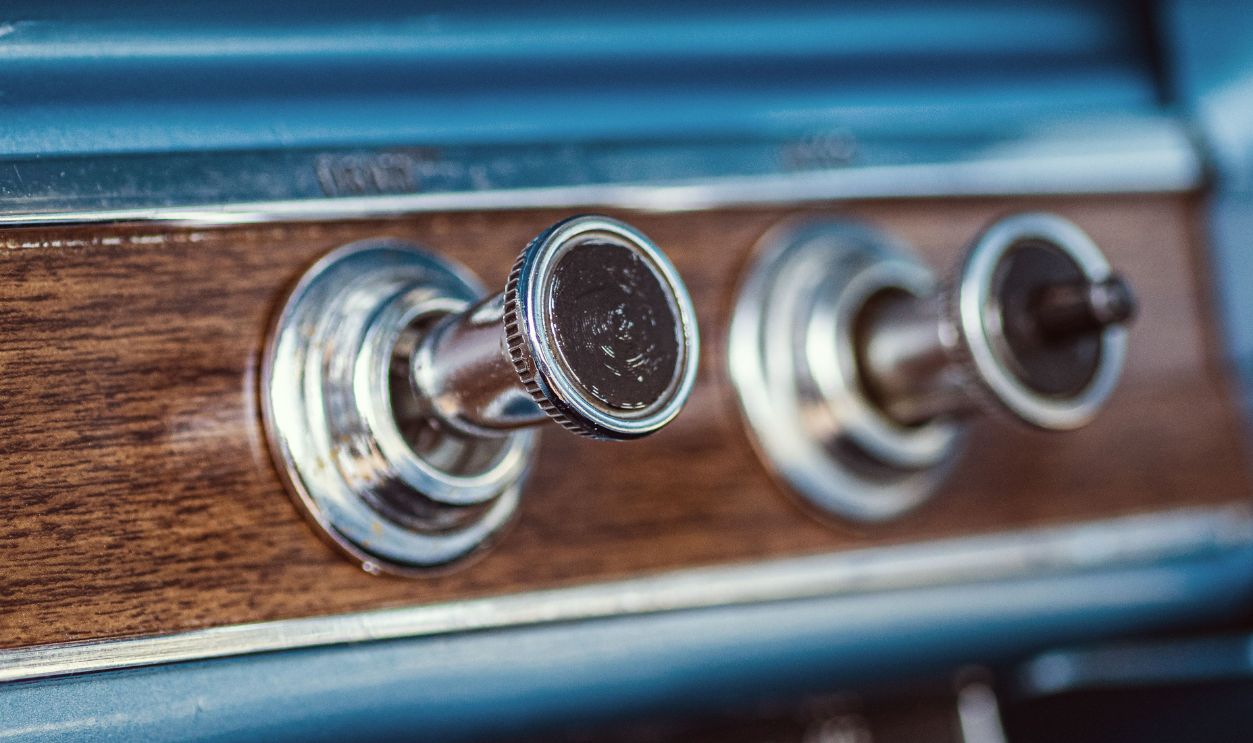
Speaking of headlights, many cars didn't use rotating stalks or automatic sensors. Instead, drivers pulled a knob from the dashboard. One click might activate parking lights; pulling it farther switched on the headlights. Some knobs could even rotate to adjust instrument brightness. Primitive perhaps, but beautifully straightforward.
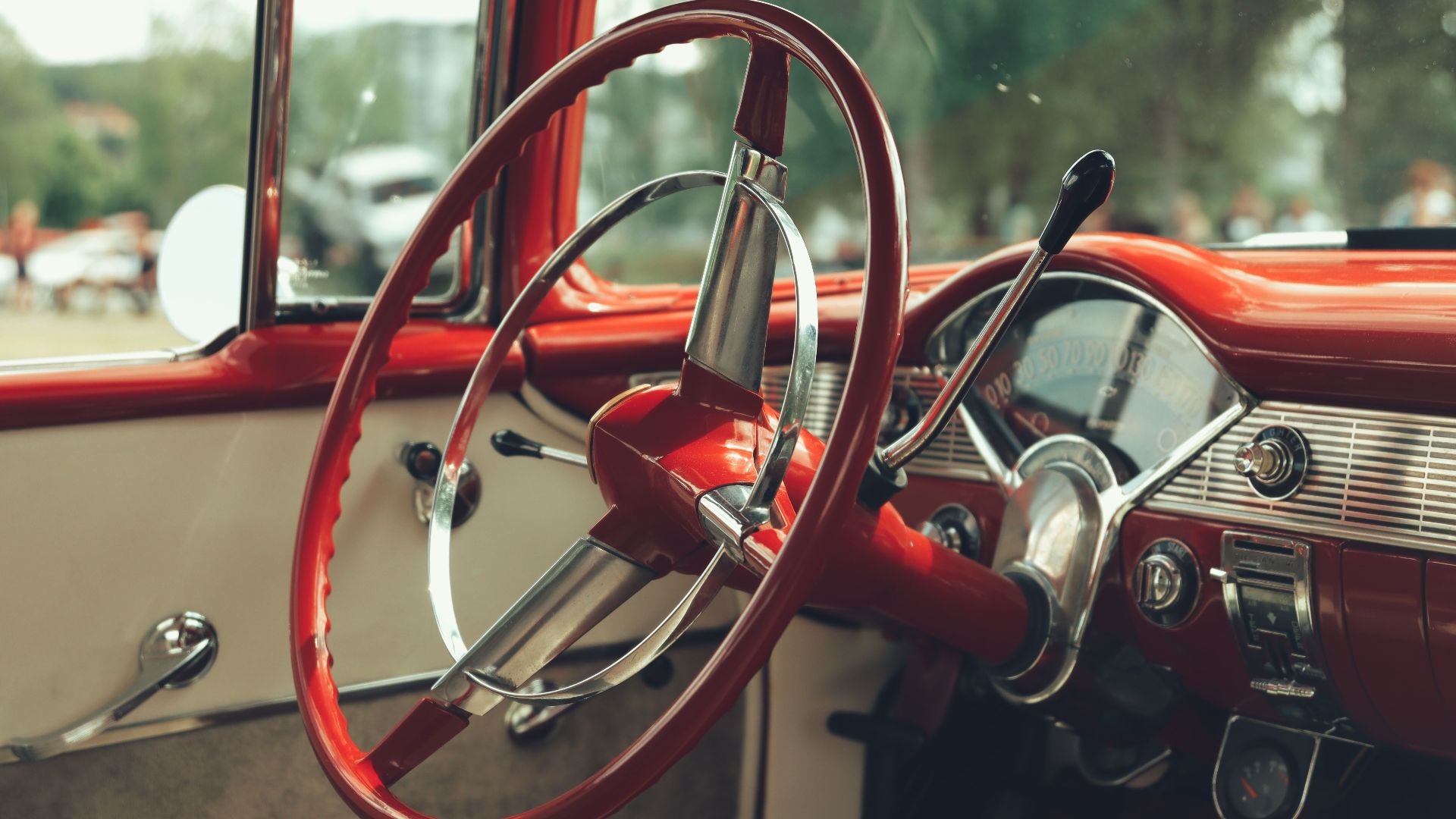
Rotary Dimmer Switches
Instrument brightness controls haven't disappeared entirely, but older dashboards often had obvious mechanical wheels or rotating knobs dedicated to the task. Drivers could dim the gauges until they were barely visible. There were no menus, buried settings, or animations—just one control that did exactly one thing.
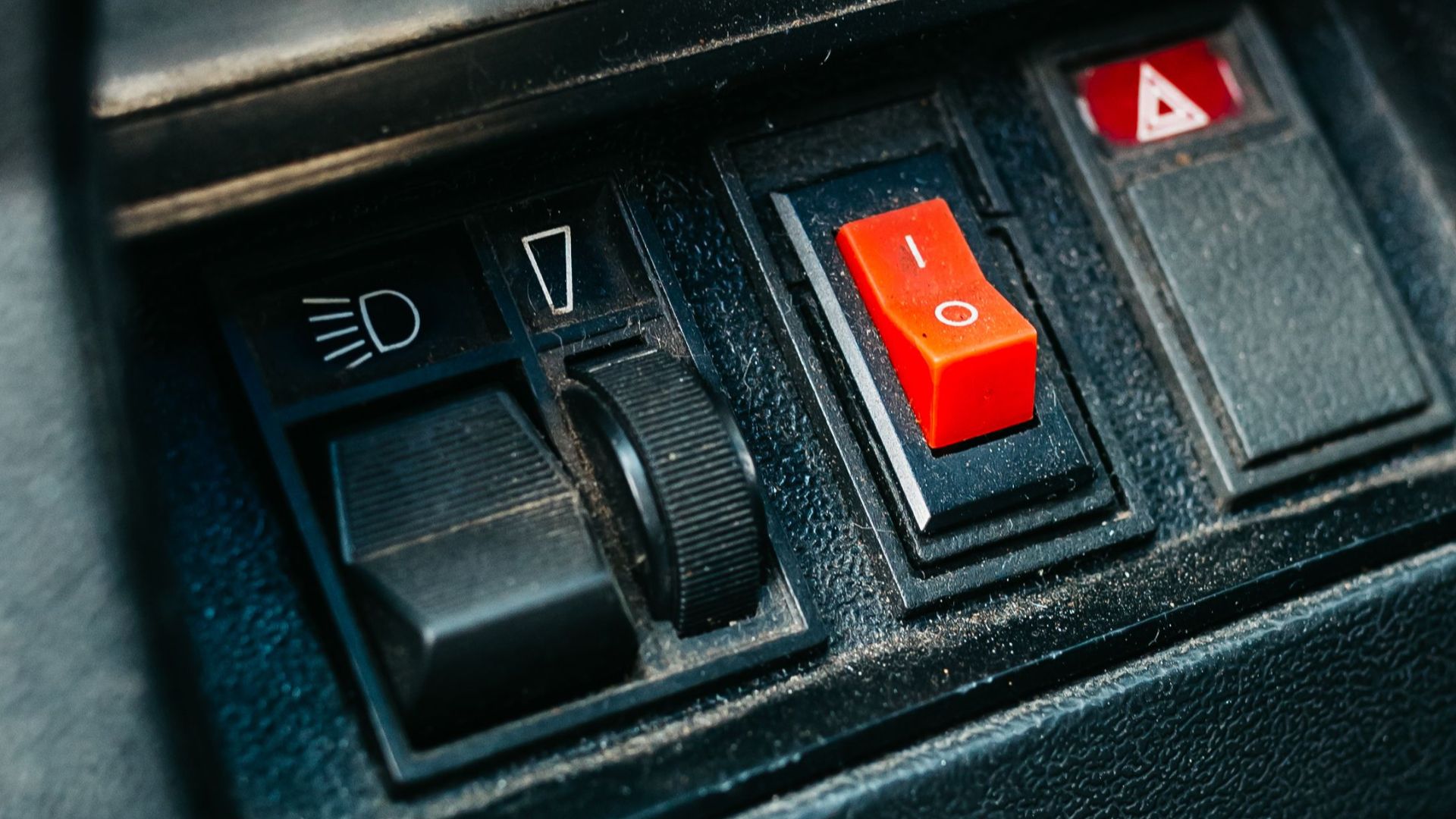
Mechanical Speedometers
Today's digital speed displays respond instantly, but traditional speedometers were mechanically driven. A spinning cable connected the transmission to the gauge, moving the needle according to vehicle speed. When that cable began failing, the needle could bounce wildly around the dial like it had suddenly developed stage fright.
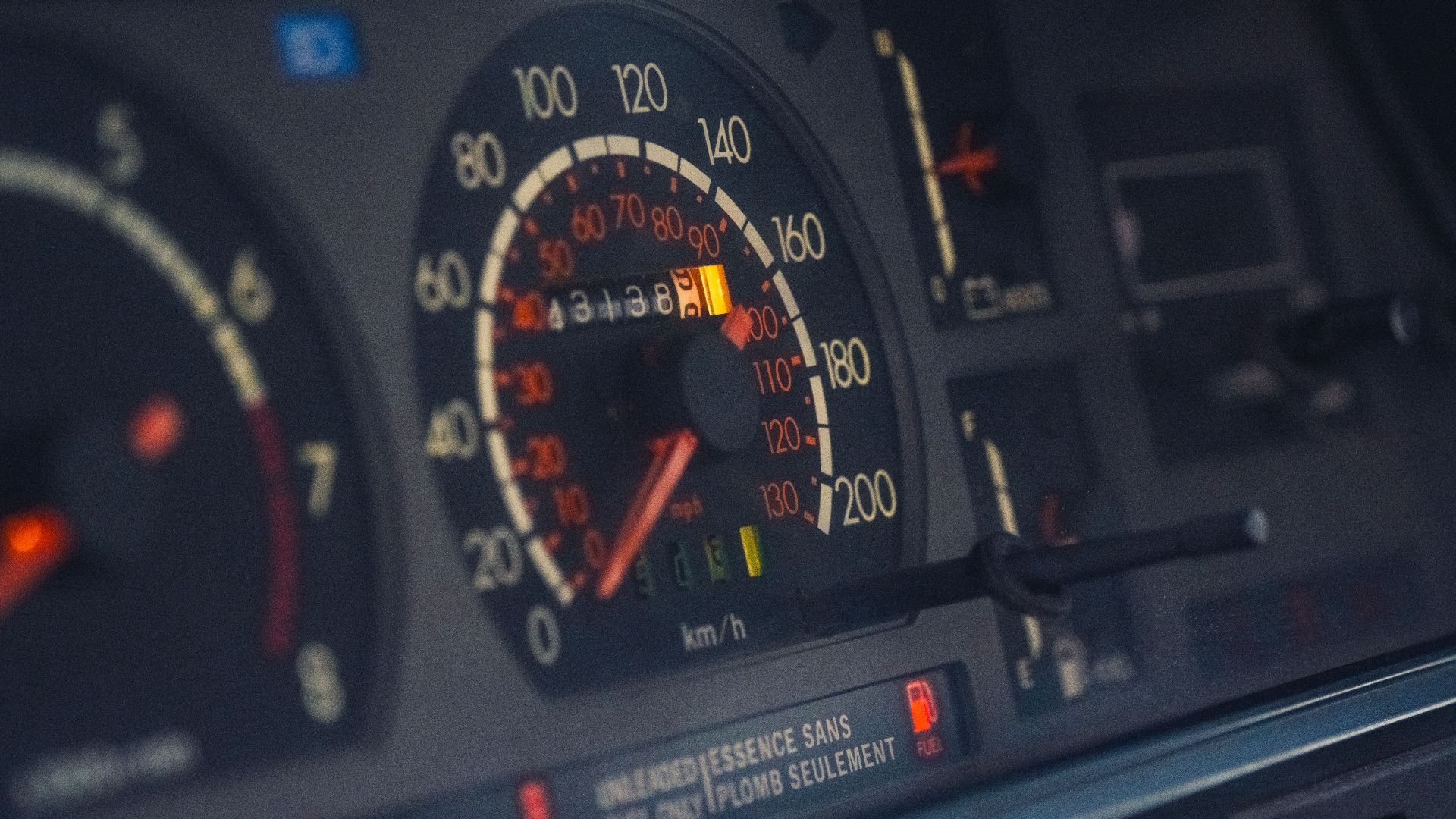
Column-Mounted Automatic Shifters
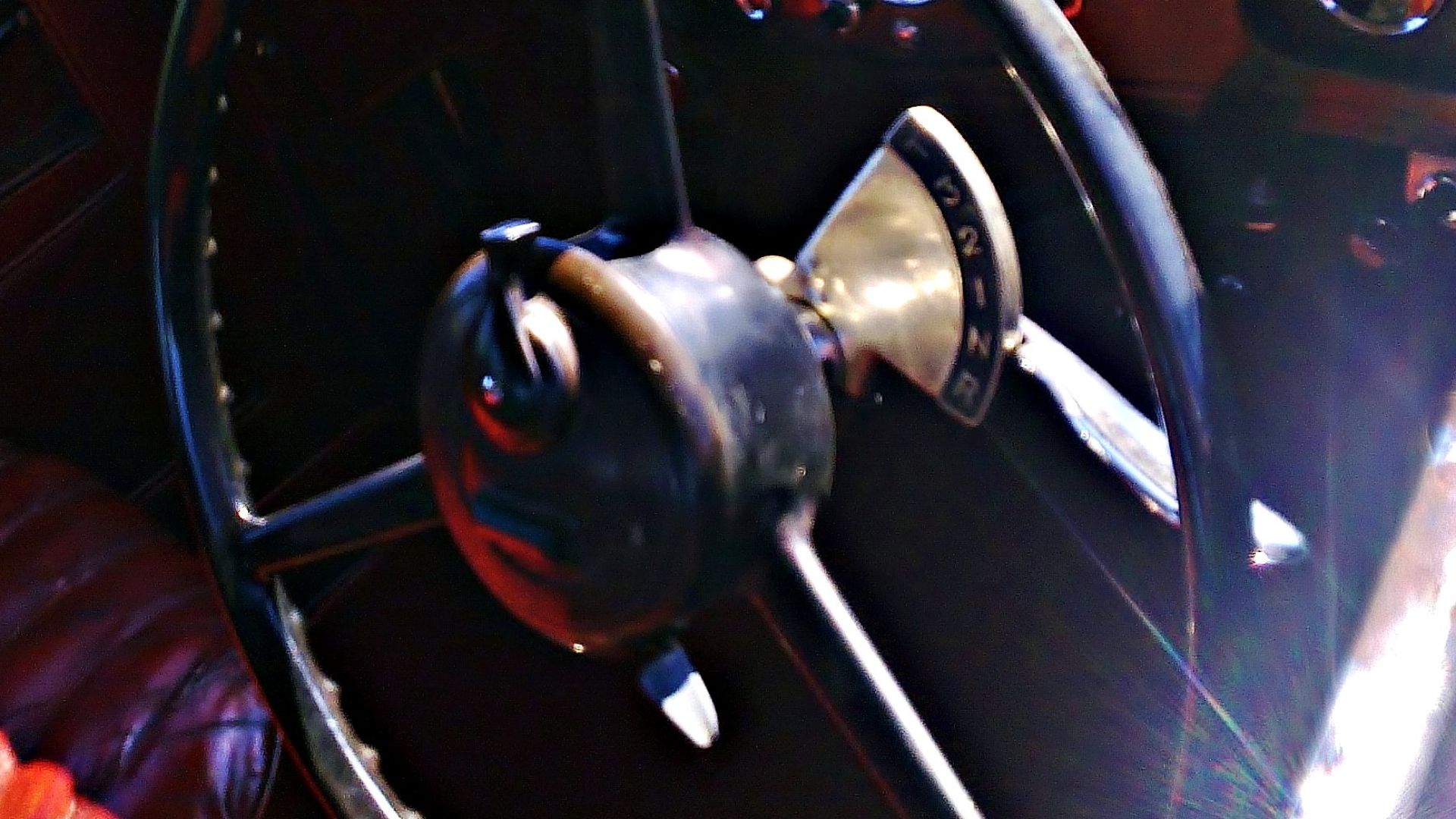
Younger drivers accustomed to electronic buttons or tiny console switches may be puzzled by a giant lever hanging from the steering column. For decades, "three on the tree" manuals and column-shift automatics were everywhere. Moving through PRNDL with a long chrome wand was part of everyday driving.
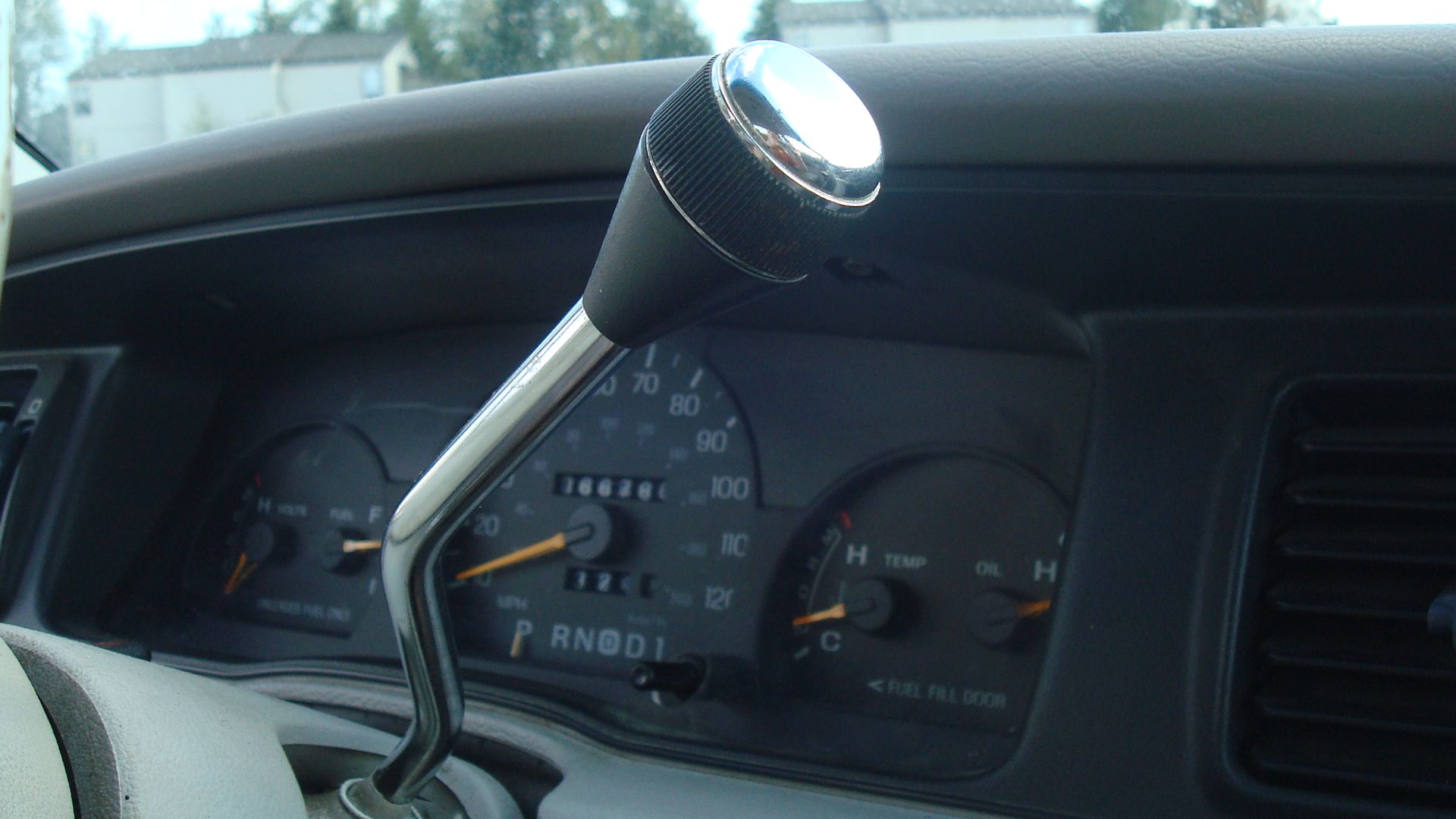
PRNDL Indicator Needles
Column shifters often came with a tiny indicator showing which gear was selected. A little needle moved across P-R-N-D-L using a thin cable connected to the shifter. When the cable stretched or broke, the pointer might say "Reverse" while the transmission was actually in Drive—an appropriately old-school problem.
 Phil Simpson, Wikimedia Commons
AM-Only Radios
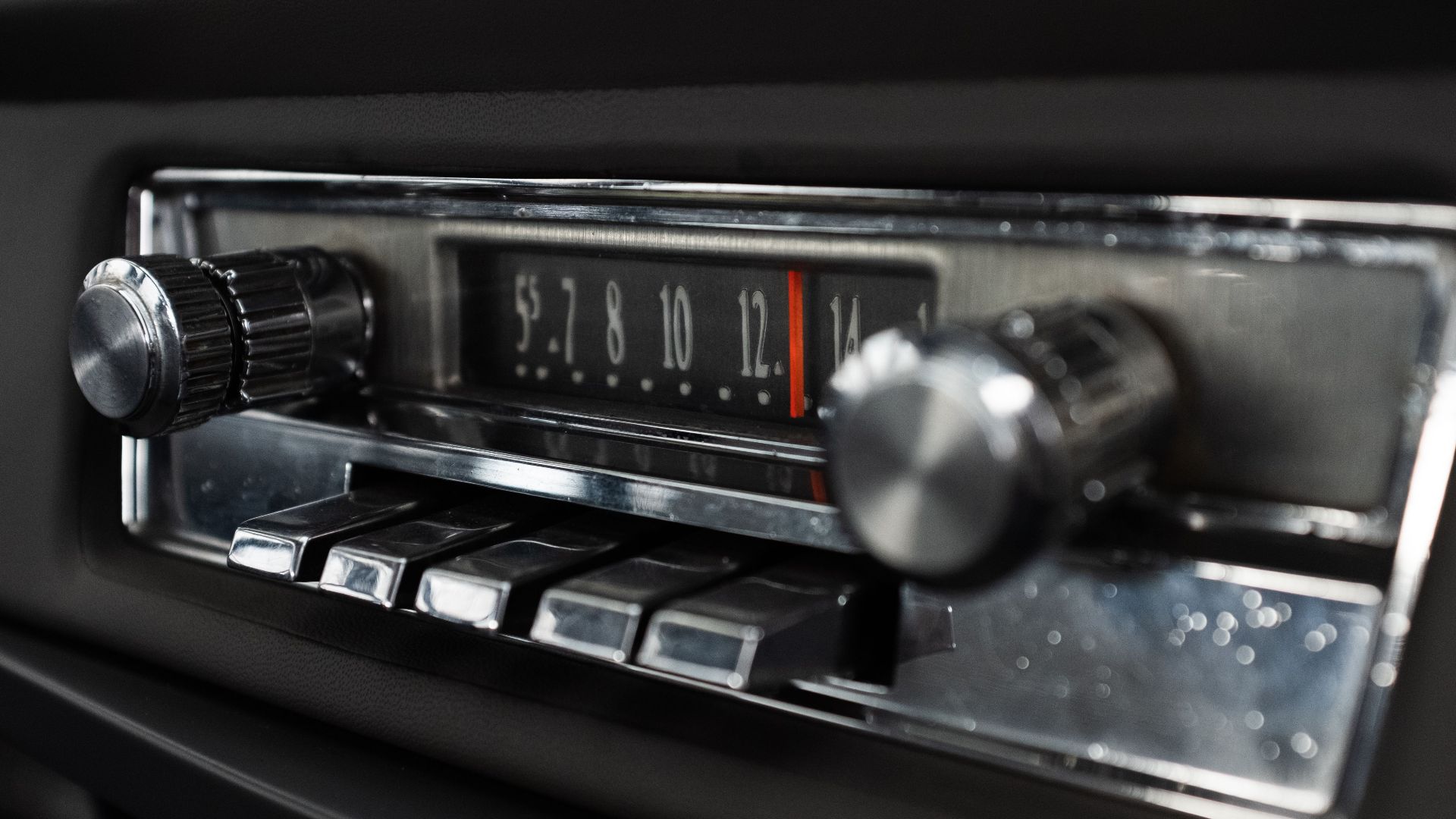
Imagine a car audio system with no Bluetooth, no streaming, no satellite radio, and not even FM. Plenty of older cars offered only AM radio. Drivers rotated large knobs to hunt for stations while a mechanical needle crawled across the frequency scale. Entertainment options depended heavily on atmospheric conditions.
Mechanical Radio Presets
Old radios sometimes had preset buttons that literally moved the tuning mechanism. Pull a button outward, tune the station, push the button back in, and it memorized that frequency mechanically. Press it later and the tuning needle physically jumped across the dial. Memory storage didn't require a microchip.
Cassette Players
For younger drivers, the mysterious horizontal slot found in countless 1980s and 1990s dashboards may require explanation. You inserted a cassette tape containing music recorded on magnetic ribbon. Eventually, the player would inevitably attempt to eat that ribbon, resulting in several frantic minutes involving pencils and careful rewinding.
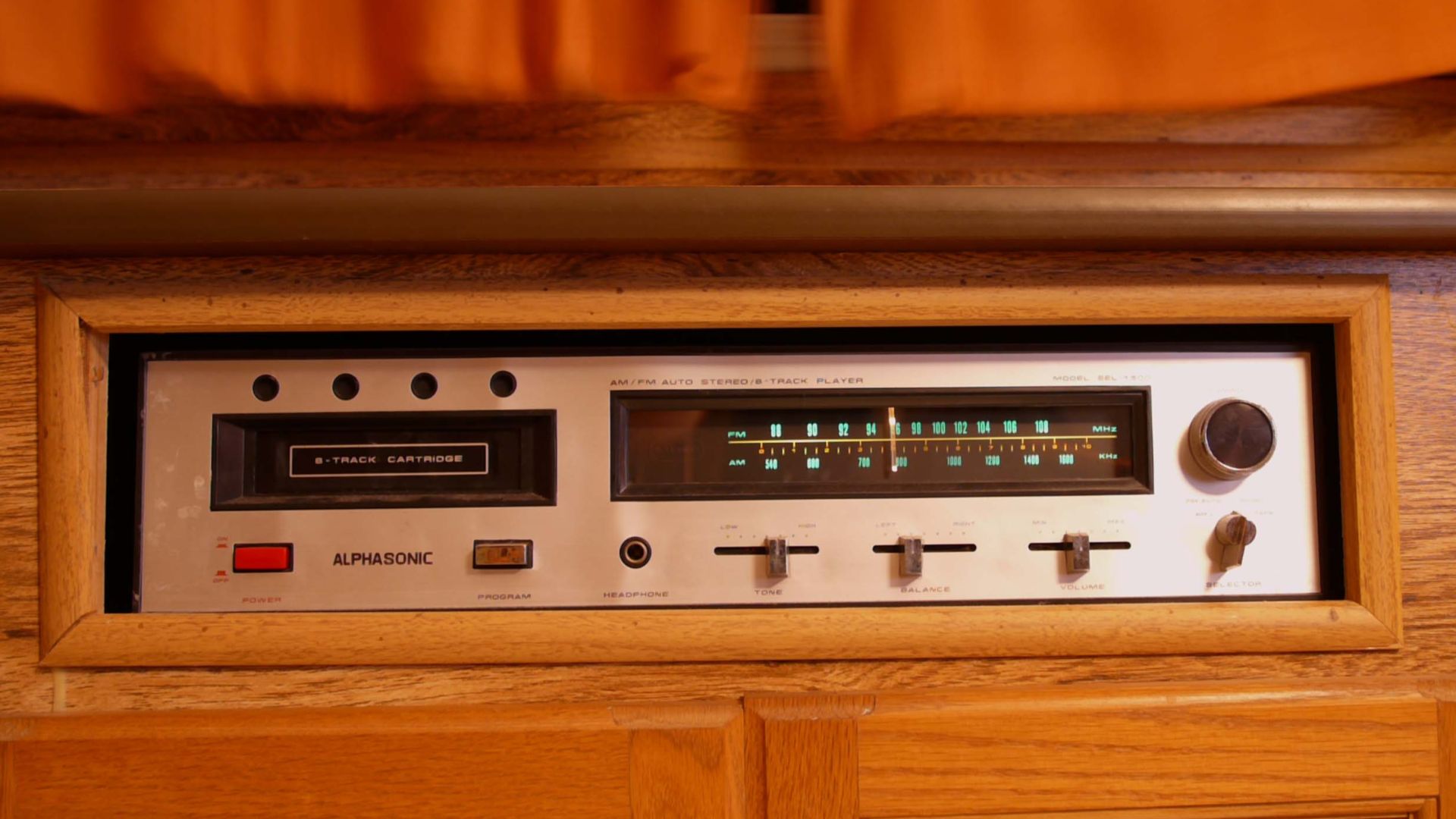
Eight-Track Players
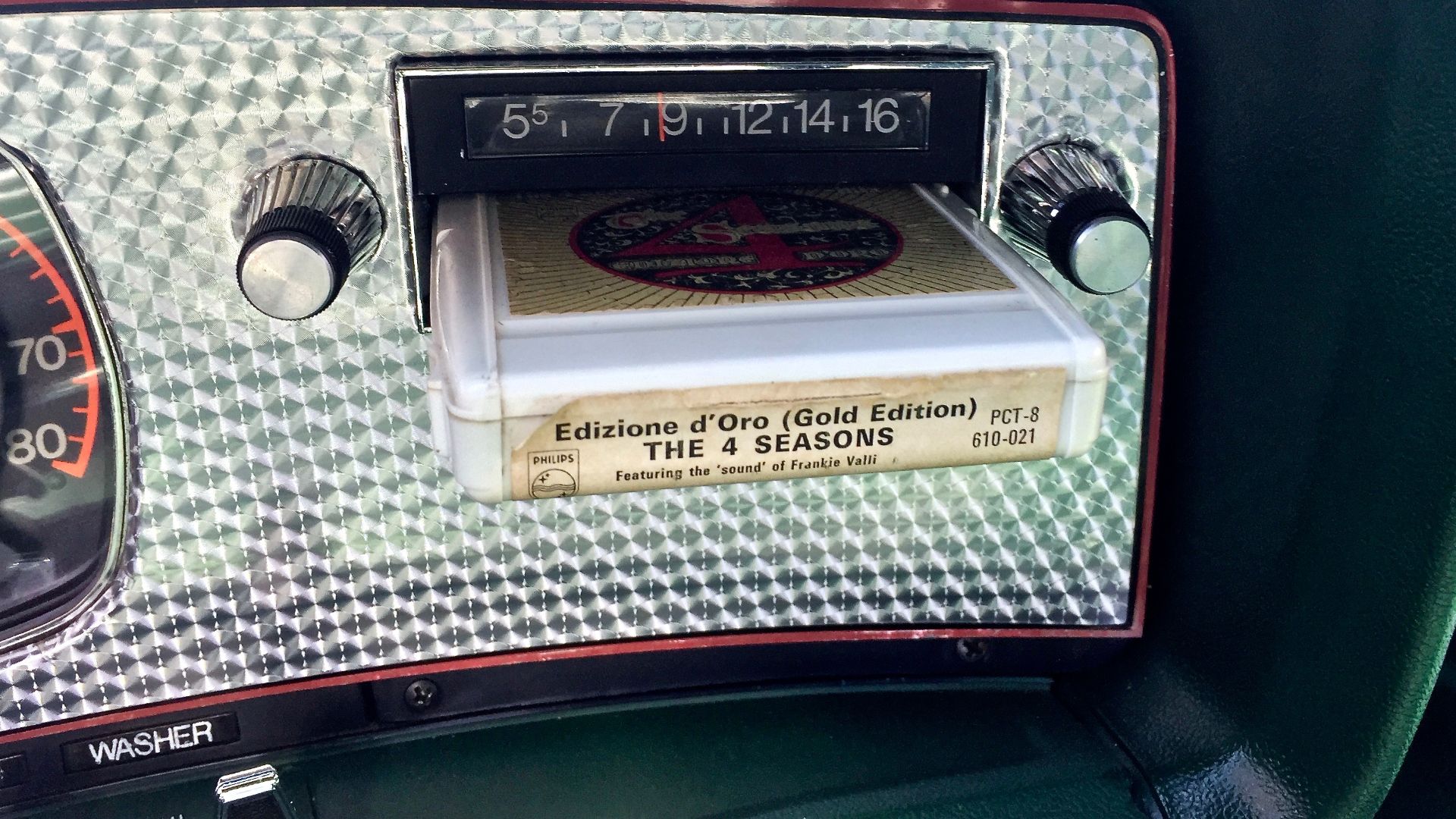
Before cassette decks came eight-track players, chunky devices built into or underneath dashboards. Cartridges were enormous by modern standards and could switch tracks unexpectedly in the middle of songs. They still represented impressive mobile entertainment technology when introduced, especially compared with carrying a stack of records around.
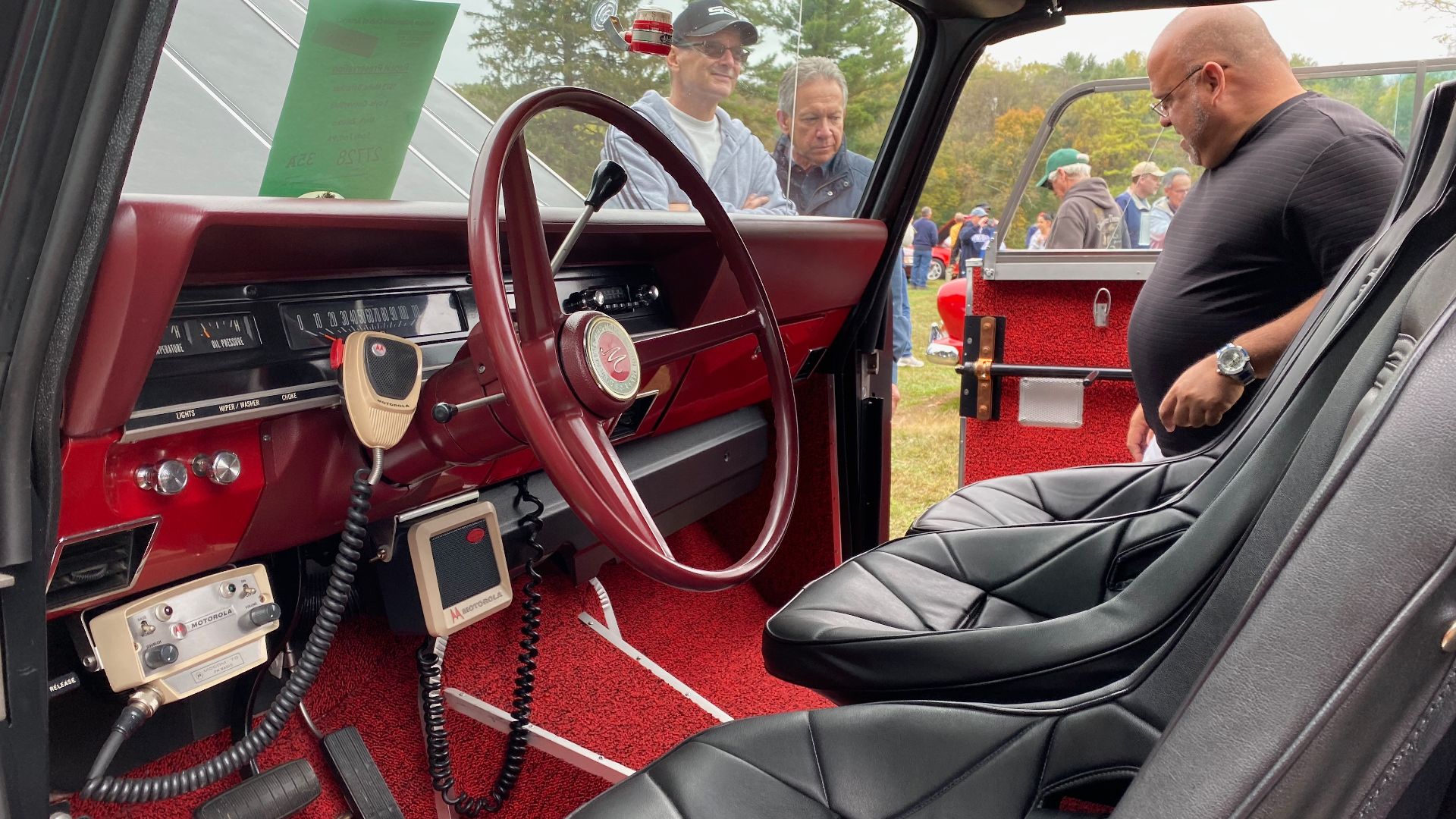
CB Radios
Citizen-band radios became enormously popular among truckers and everyday motorists during the 1970s. Dashboard-mounted CB units allowed drivers to communicate with strangers on the highway using colorful nicknames and specialized slang. Long before traffic apps, other drivers were often your best source for information about accidents and police.
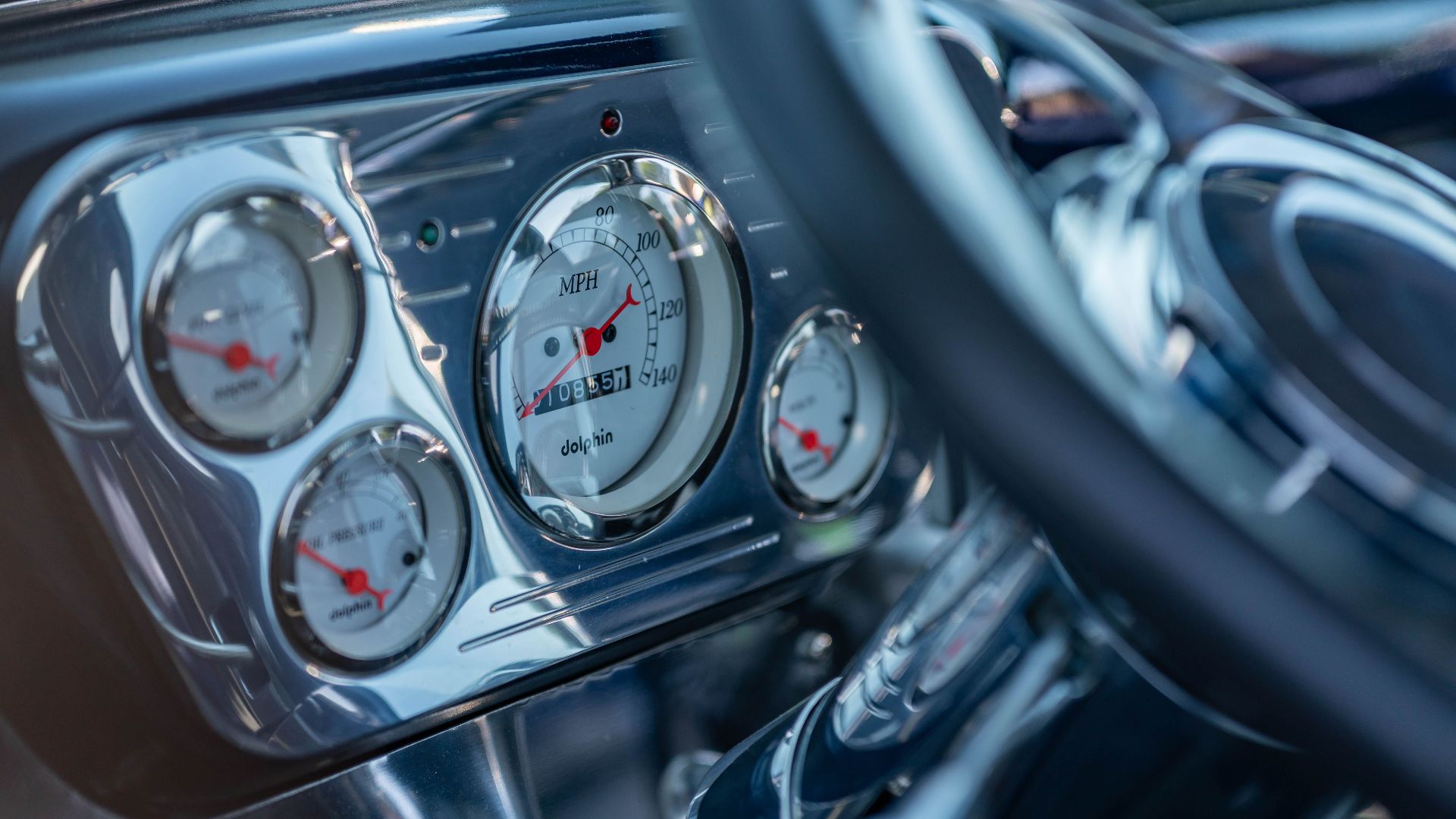
Vacuum Gauges
Some cars included dashboard vacuum gauges marketed as fuel-economy aids. Press the accelerator aggressively and the needle moved toward the inefficient zone. Ease off and it returned toward "economy." Essentially, it was an analog version of today's eco-driving display—except considerably more judgmental every time you floored it.
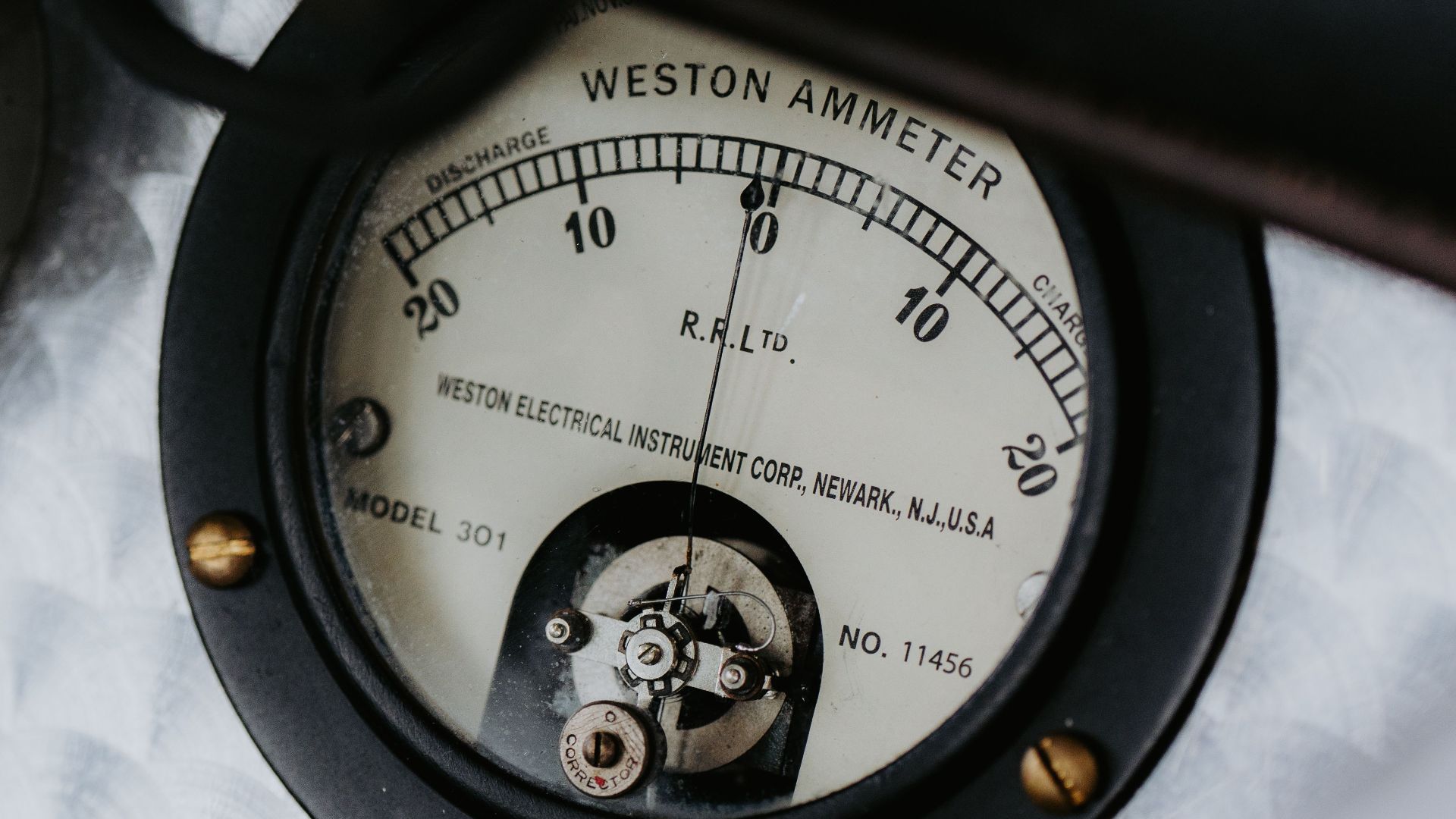
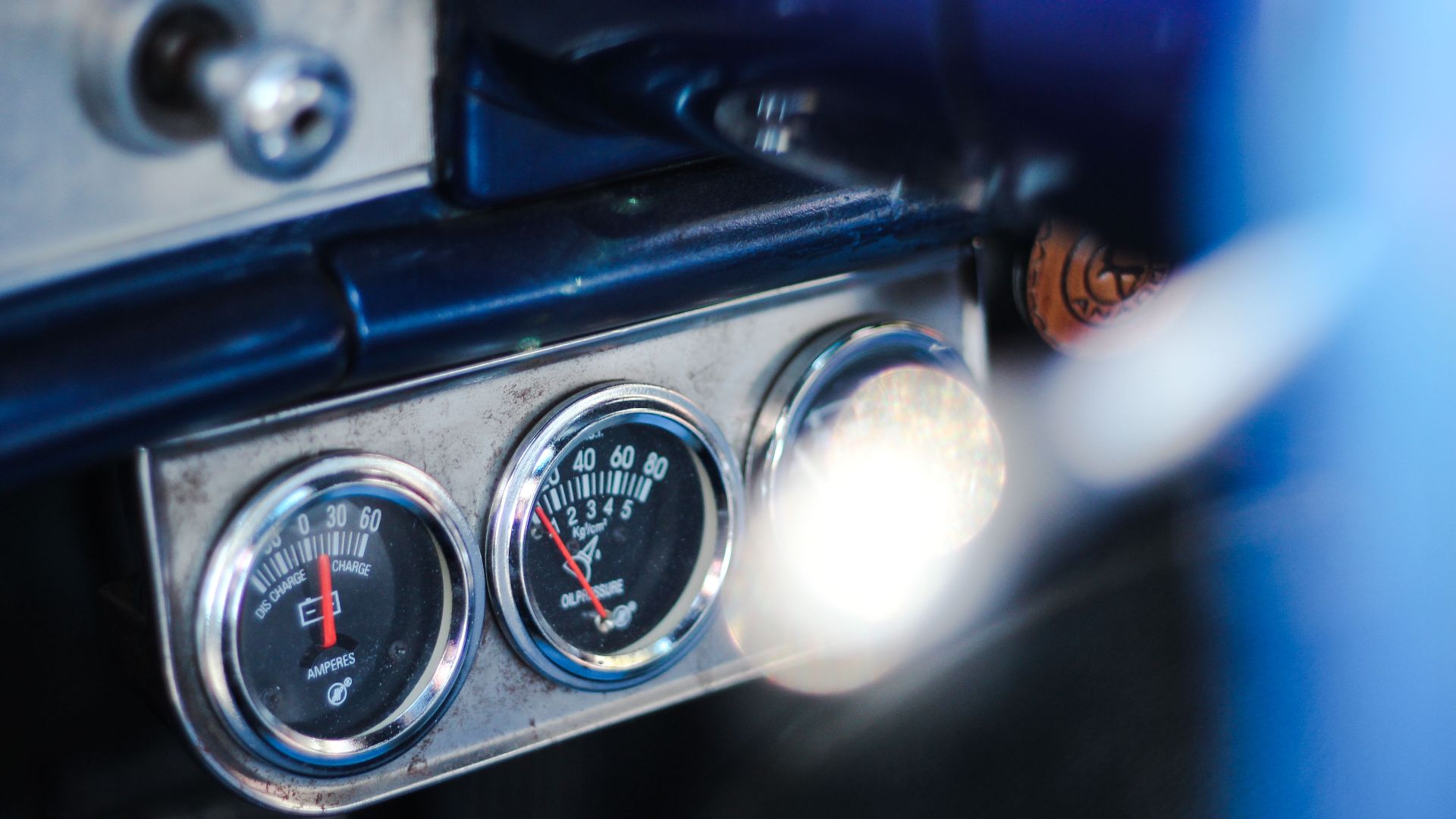
Ammeter Gauges
Modern dashboards usually alert drivers only when something goes wrong with the charging system. Older cars frequently displayed an ammeter, showing whether electrical current was flowing into or out of the battery. Watching the needle wander between "charge" and "discharge" made everyday driving feel slightly more like operating industrial machinery.
Oil Pressure Gauges
Real oil-pressure gauges were once common, especially in performance cars and trucks. Instead of waiting for a warning light, drivers could watch pressure rise and fall directly. Many modern vehicles replaced meaningful gauges with simplified indicators, leaving enthusiasts nostalgic for dashboards that actually told them what the engine was doing.
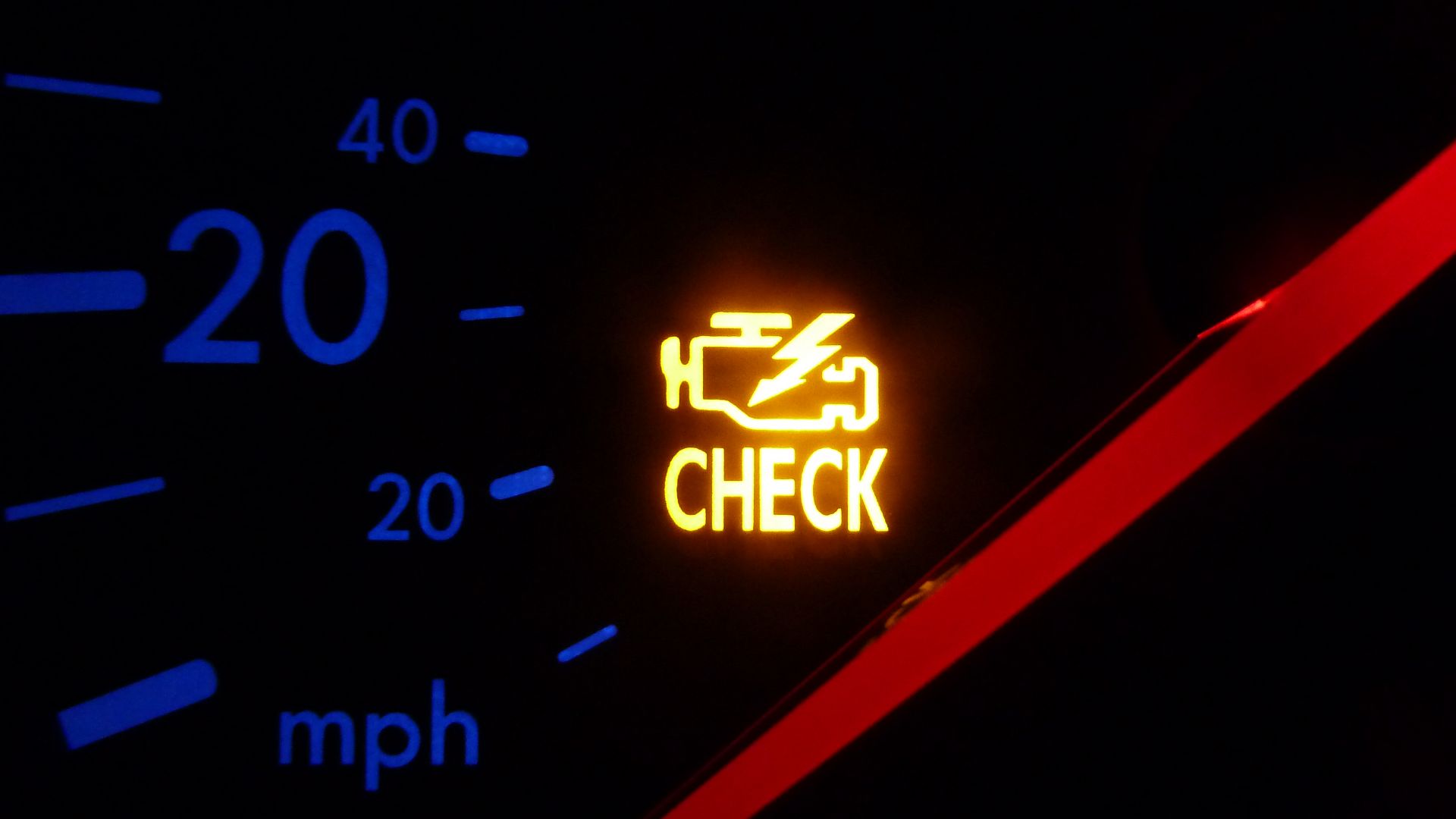
Carburetor Warning Lights
Some cars equipped with automatic chokes displayed lights relating to the carburetor or choke system. Younger drivers raised entirely on fuel injection might not even know what a carburetor does. Once essential to supplying fuel and air to engines, carburetors disappeared from mainstream passenger cars decades ago.
 Wikiuser100000, Wikimedia Commons
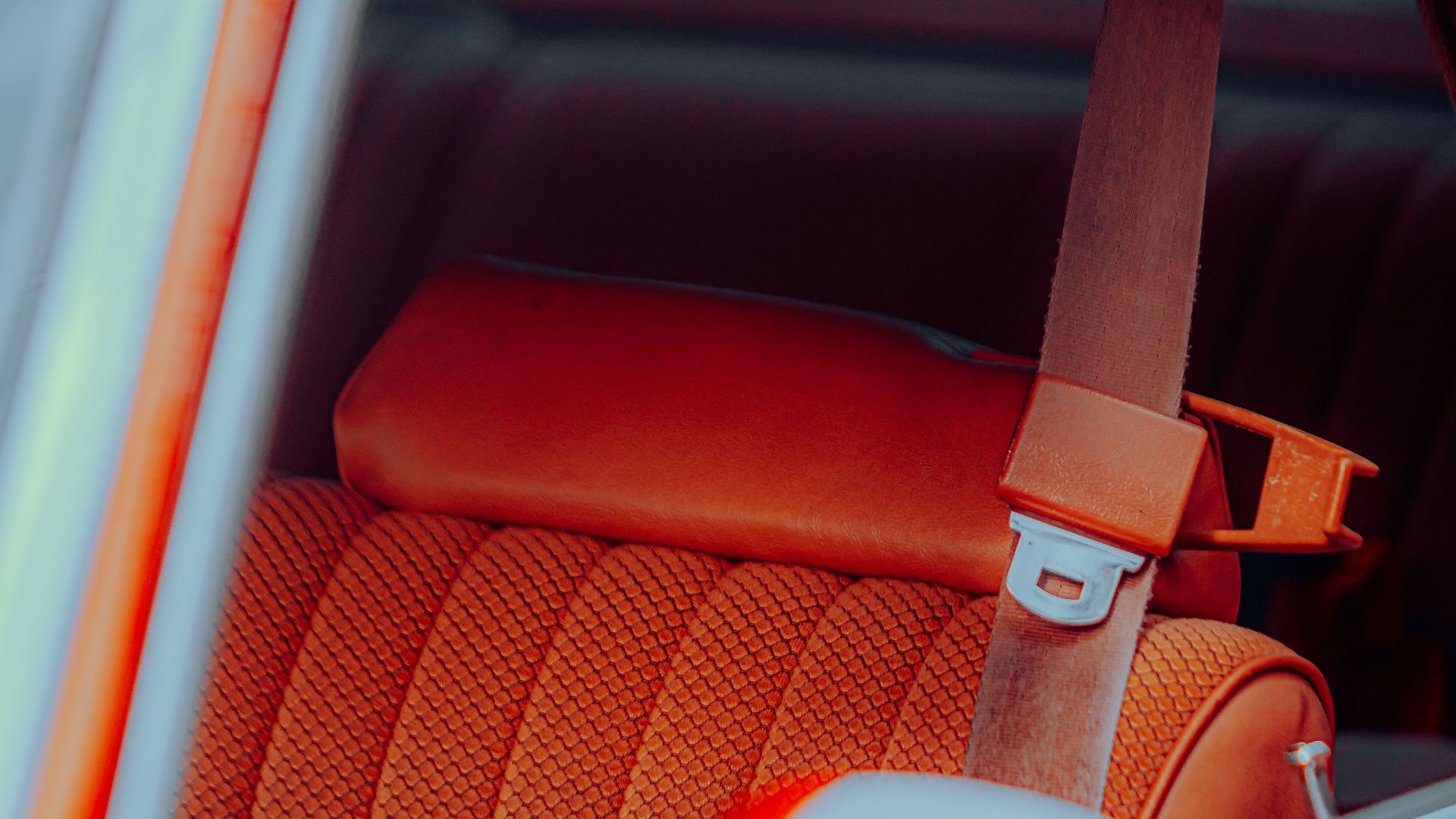
Seat-Belt Starter Interlocks
For a brief period in the 1970s, some American-market cars wouldn't start unless occupants had fastened their seat belts. Drivers hated the system, and it didn't last long. Unlike today's pleasant reminder chimes, the interlock could simply refuse to cooperate, turning a safety feature into an irritating mechanical argument.
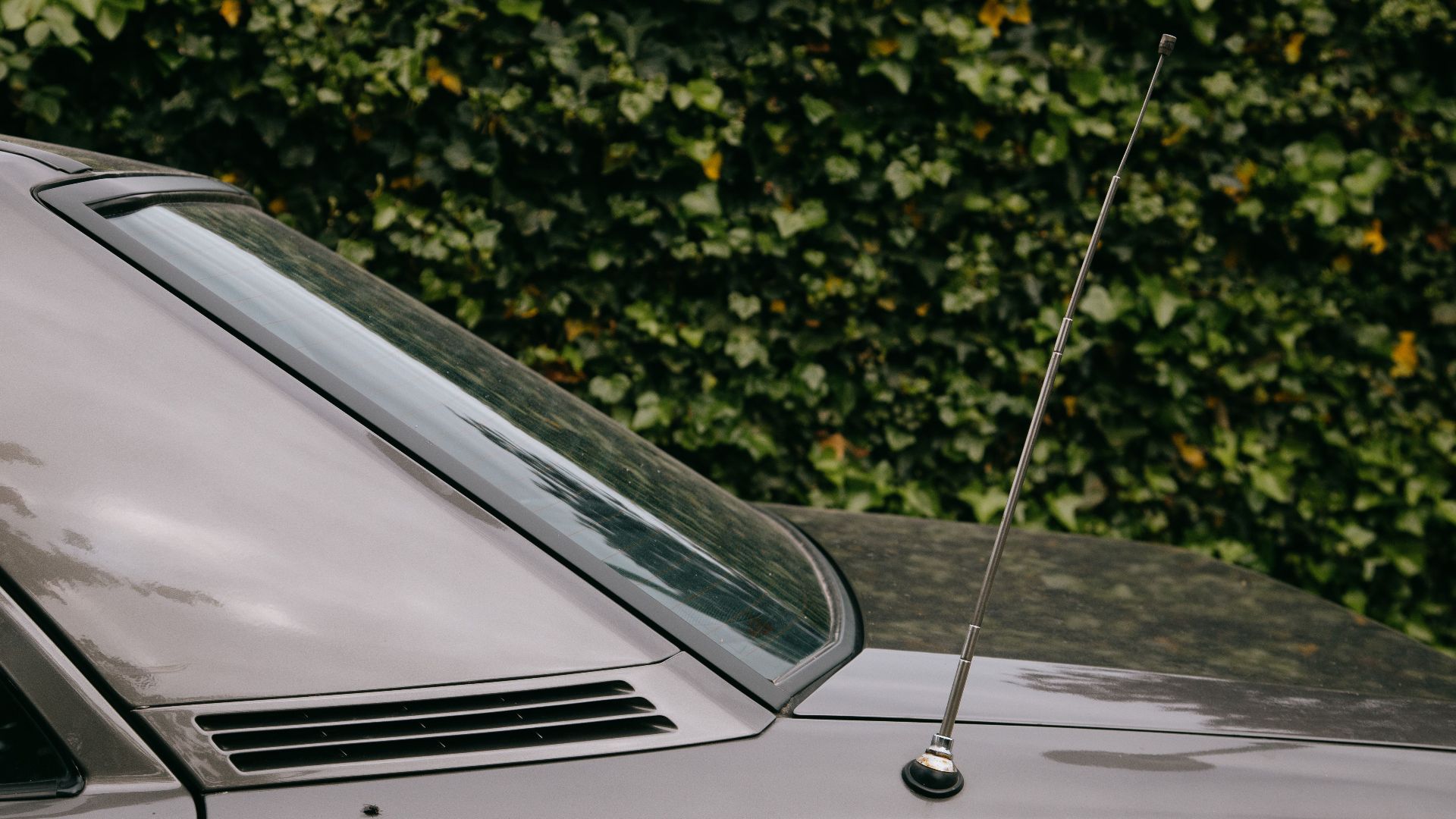
Retractable Radio Antenna Controls
Power antennas were once a genuine luxury feature. Turn on the radio and a thin metal mast dramatically rose from the fender. Some dashboards even included switches letting drivers raise or lower it manually. Automatic antennas later became hidden in glass, removing one more tiny piece of automotive theater.
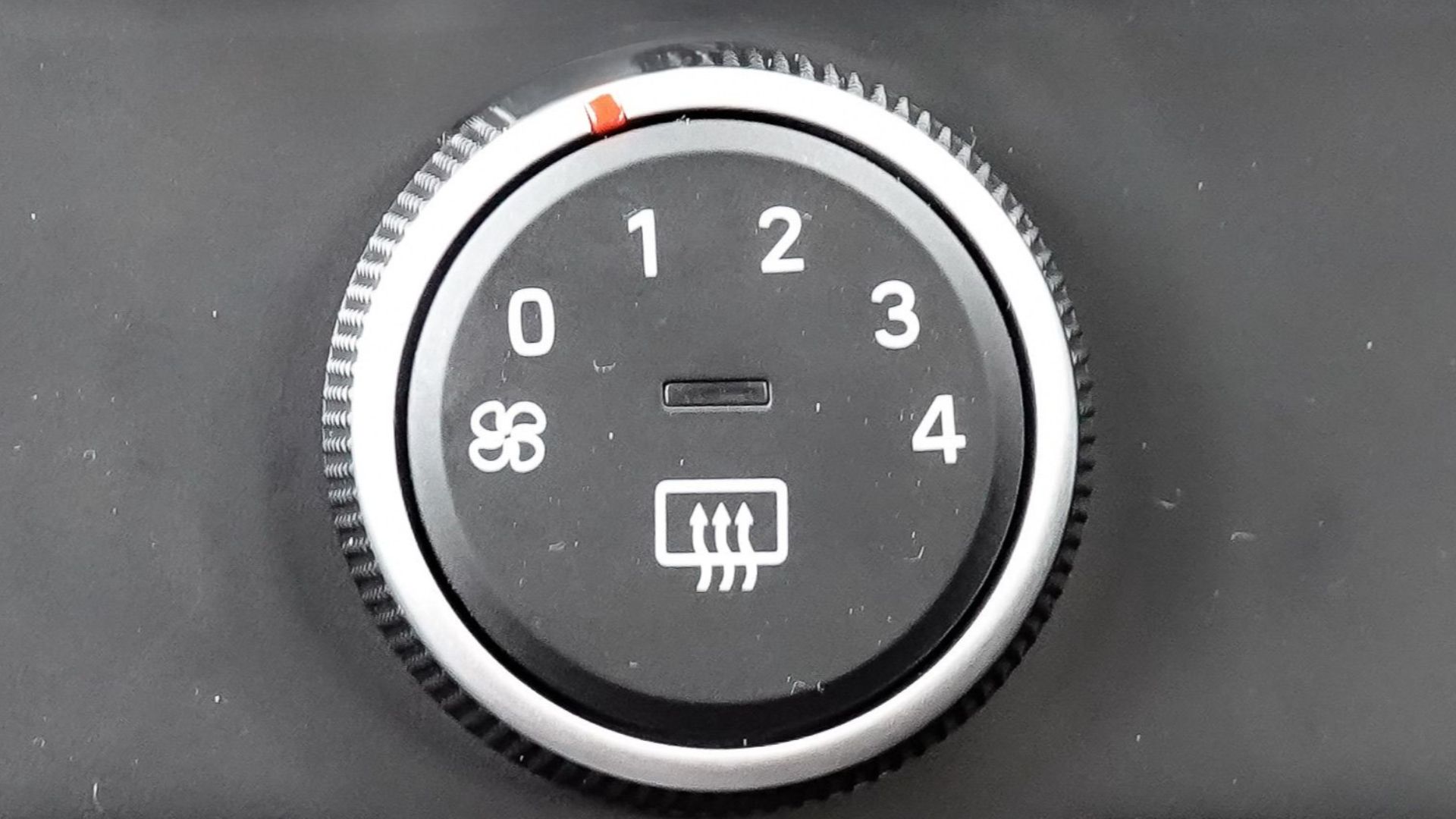
Rear-Window Defogger Timers
Older rear defoggers sometimes used unusual pull switches, illuminated buttons, or mechanical-style timers. Drivers had to remember to switch them off. Modern systems automatically shut themselves down, but vintage dashboards frequently expected considerably more participation from whoever happened to be sitting behind the wheel.
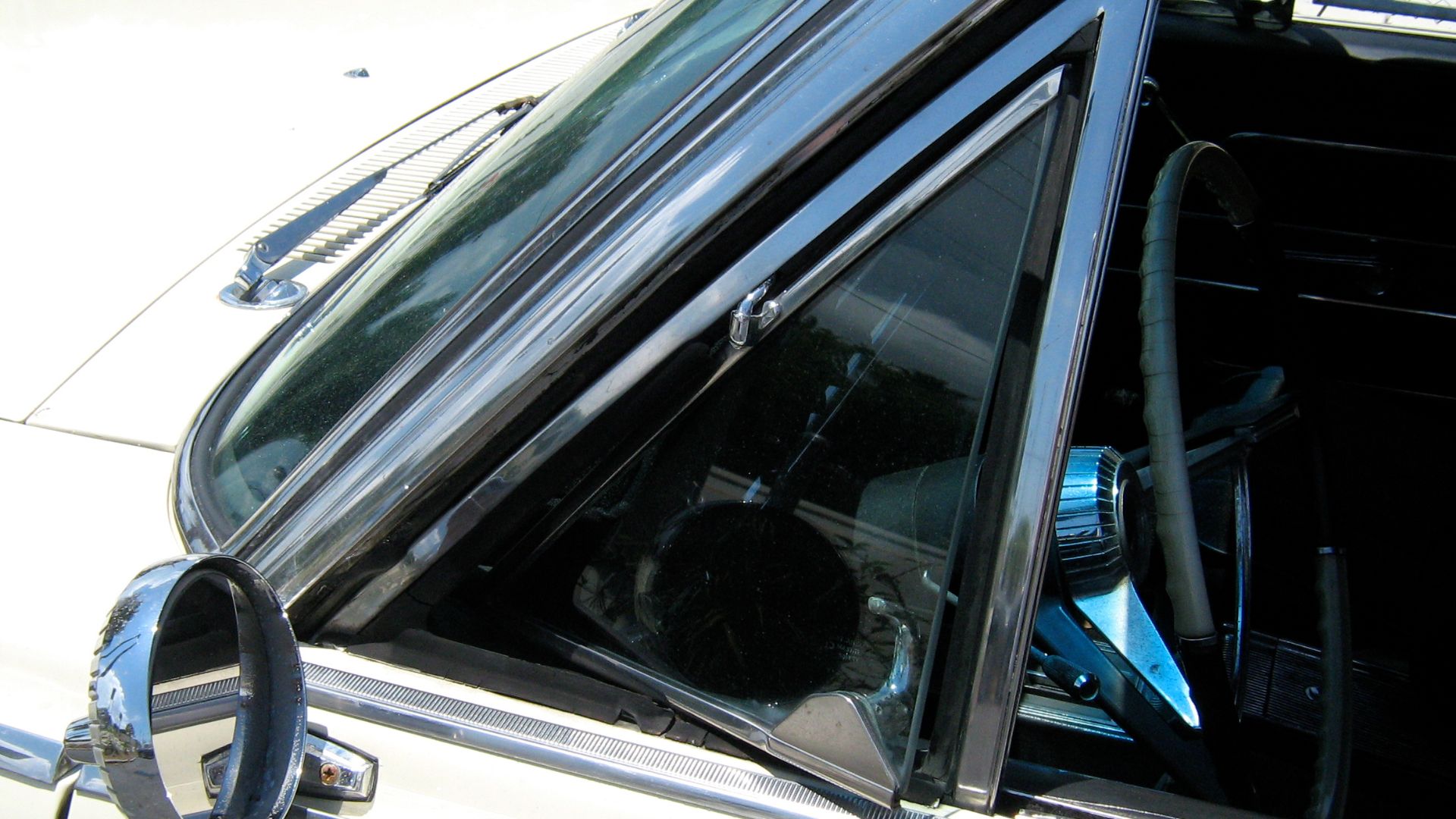
Vent Windows And Their Dashboard Cousins
Before powerful air conditioning became universal, cars relied heavily on airflow management. Dashboard vents could be opened and closed mechanically, working alongside small triangular "vent windows" in the doors. Carefully positioning them could direct a surprising blast of air toward passengers—nature's version of climate control.
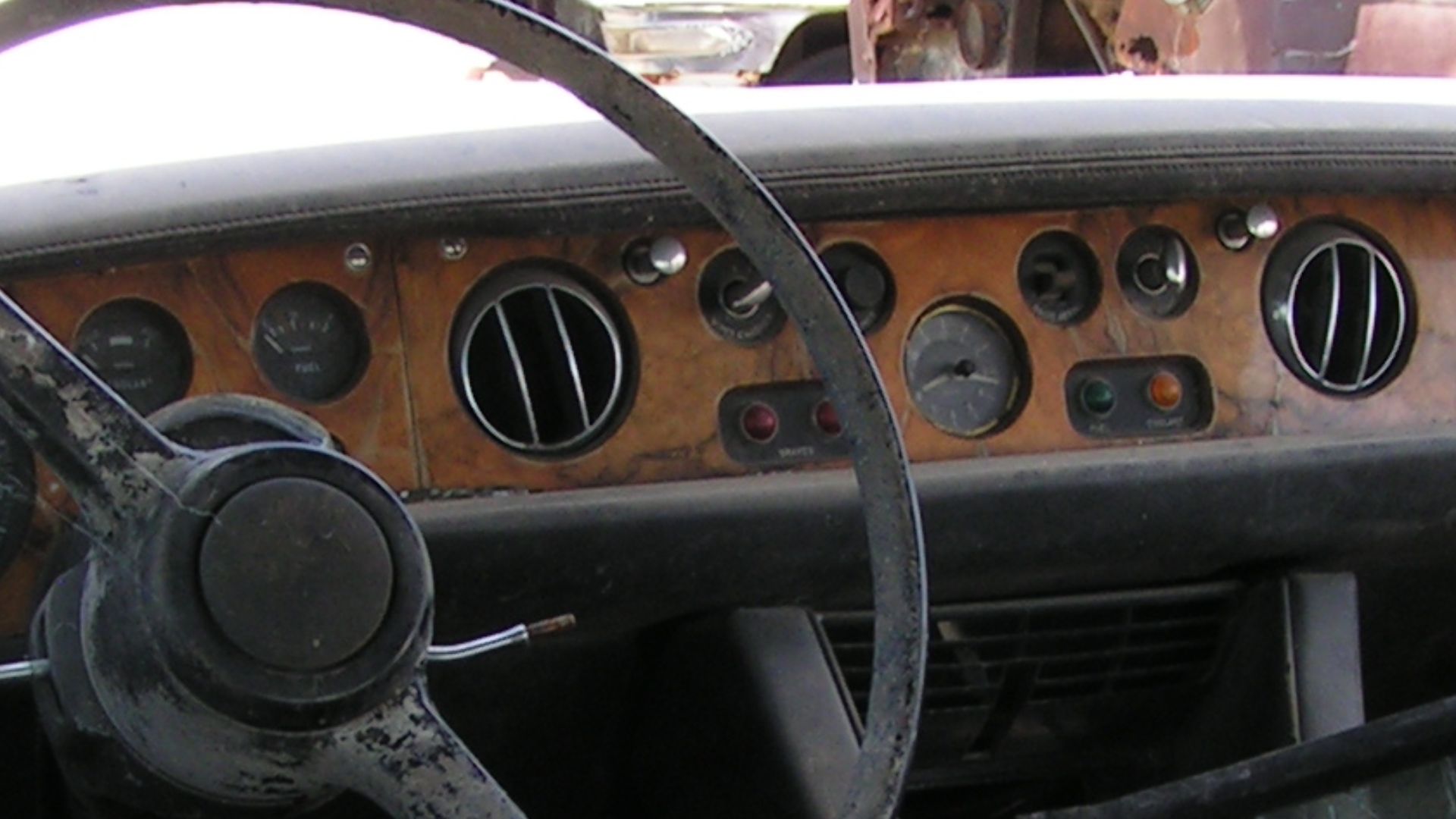
Physical Warning-Light Test Buttons
Some older cars allowed drivers to manually test warning lights by pressing a dedicated button. Push it and several dashboard lamps illuminated simultaneously, proving their bulbs still worked. Today, computers perform elaborate self-checks every time the vehicle starts, although watching every light briefly appear remains oddly reassuring.
 dave_7 from Lethbridge, Canada, Wikimedia Commons
From Knobs And Needles To Giant Screens
Dashboard technology has become faster, cleaner, and enormously more capable, but something has been lost along the way. Older dashboards demanded interaction, whether pulling a choke, tuning a radio, or watching mechanical gauges. Younger drivers may find these features bizarre, yet for automotive history fans, their tactile simplicity remains wonderfully charming.
You May Also Like:
Cars That Made It Past 1 Million Miles—And Believe It Or Not, Some Still Had Their Original Engines
Family Cars Gen X Grew Up With—And Swore They'd Never Own Themselves