
Nicolas Cage’s Car Collection Is More Than A National Treasure
Nicolas Cage’s movie career kicked off back in 1982 with Fast Times At Ridgemont High—a film that featured plenty of teenage mischief, but not nearly enough warning about the automotive obsession that would follow. Over the decades, Cage didn’t just collect unforgettable movie roles—he also collected cars. Lots of them.
Known for having a soft spot for exotic European machines, Cage built a garage that’s just as bold and unpredictable as his filmography. From sleek supercars to rare automotive gems, his collection reads like a greatest-hits list for car lovers. Let’s take a look at some of the coolest rides Nicolas Cage has parked in his famously eclectic garage.
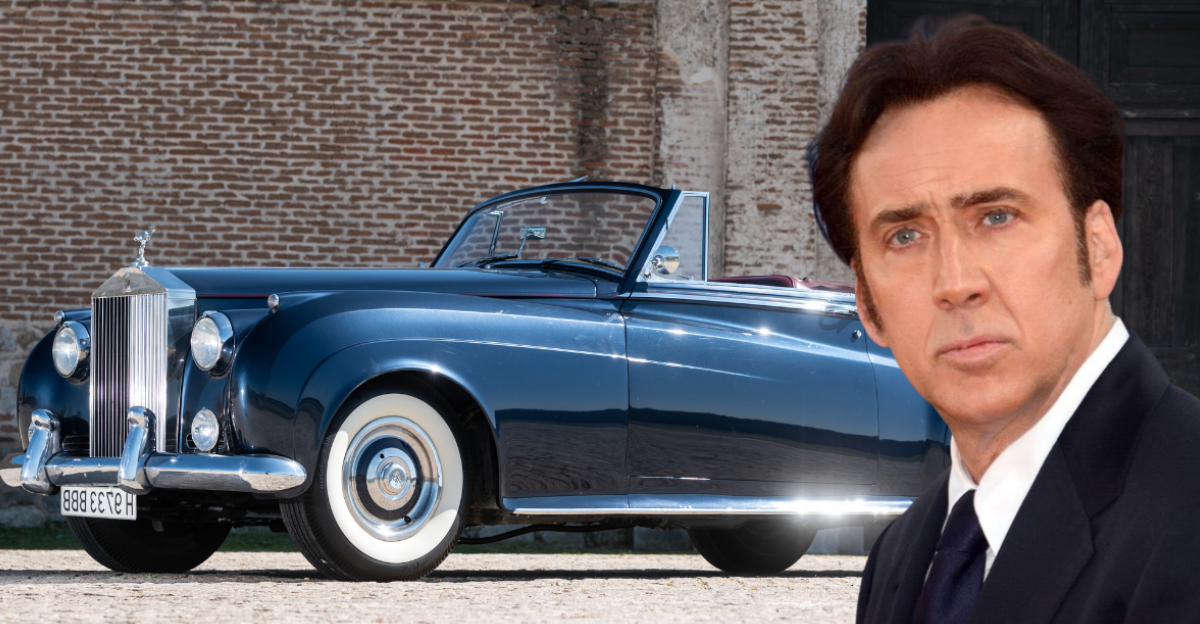
Lamborghini Diablo VT
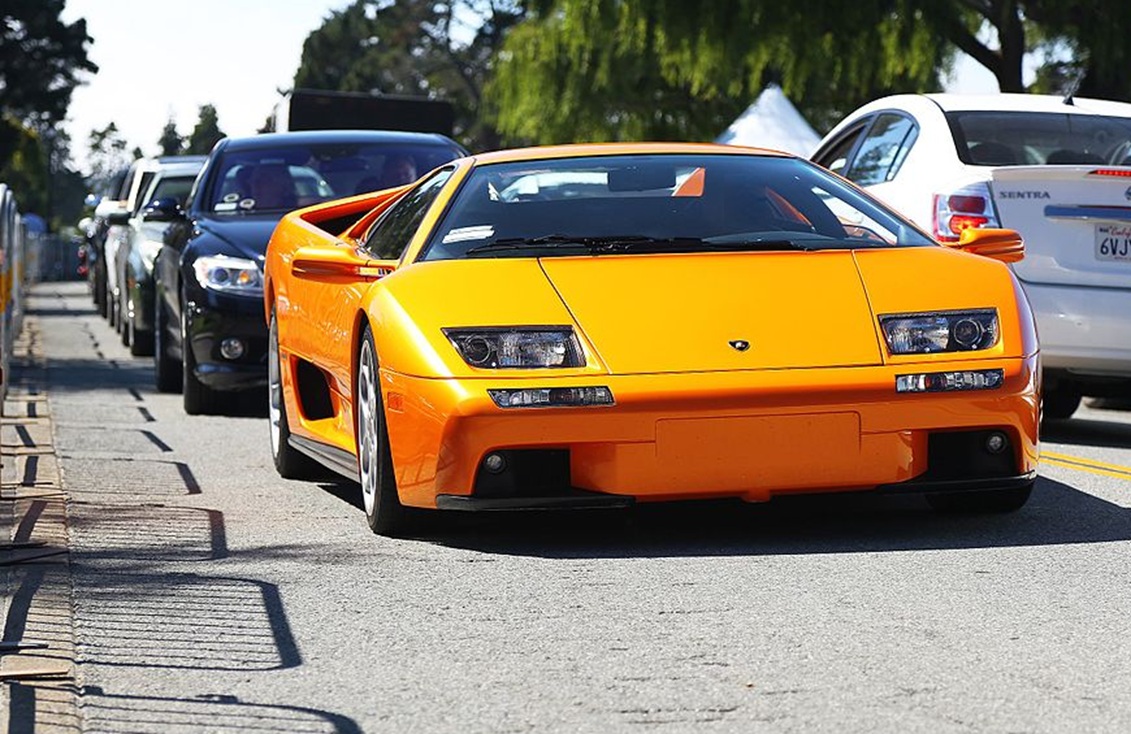
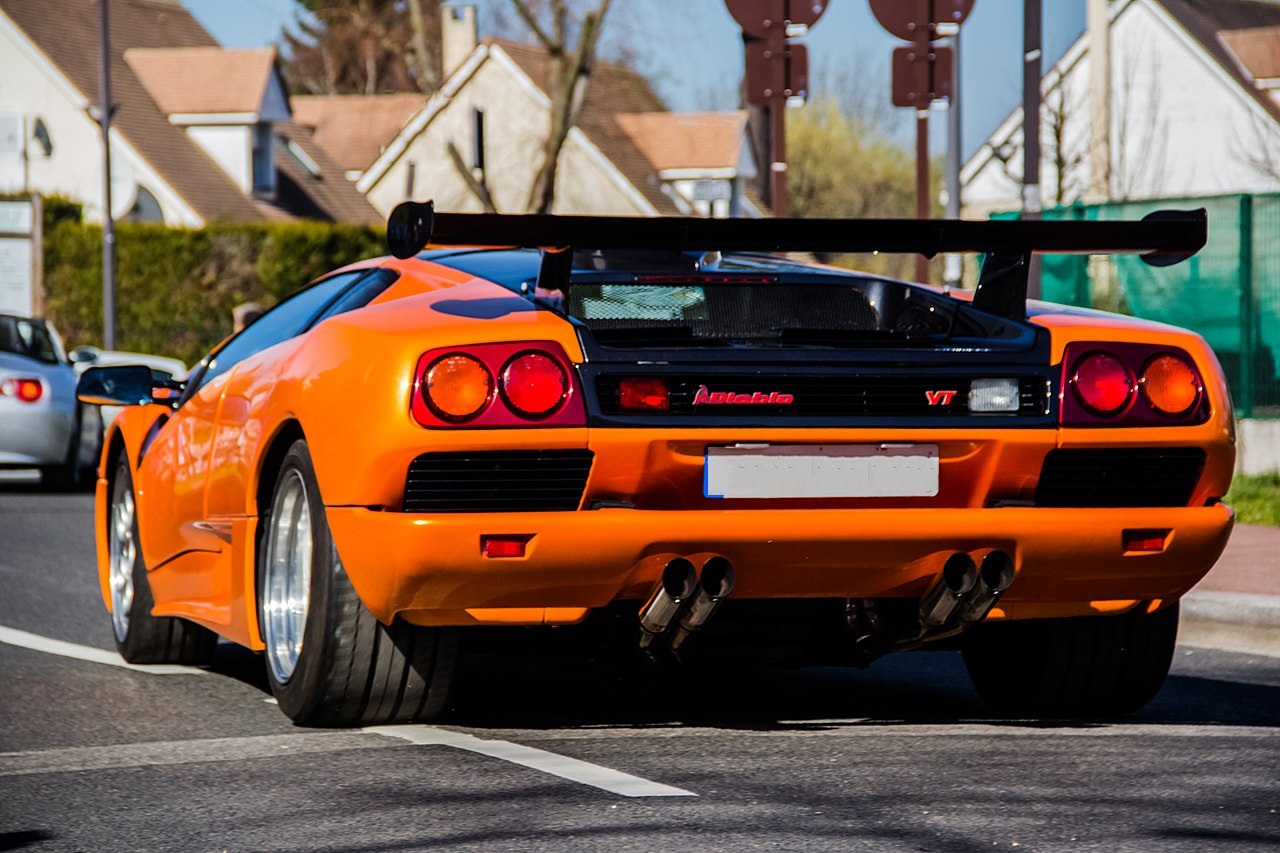
The Lamborghini Diablo VT is the first exotic Italian car in Cage's collection. This supercar has a V12 engine that produces over 500 hp and an extraordinary top speed of 208 mph. As Cage made it big in the 1990s, he had to pick up one of the biggest cars of the 1990s and one of Lamborghini's greatest-ever supercars. Fun fact: He ordered the Diablo in orange because his favorite movie is A Clockwork Orange (1972).
 Damian Morys, CC BY 2.0, Wikimedia Commons
Lamborghini Diablo VT (Cont'd)
The Lamborghini Diablo VT (standing for Viscous Traction) was the first Lamborghini to achieve a top speed of over 200 mph and the first all-wheel-drive production car. The SV Roadster version of the Diablo model is considered to be among the rarest.
 Ben, CC BY-SA 2.0, Wikimedia Commons
Lamborghini 350 GT
The Lamborghini 350 GT was Ferruccio Lamborghini's first attempt at creating a grand tourer—and one has found its way into Cage's collection. While a new kid on the block, this Lamborghini would set the stage for the future pretty well; powered by an incredible V12 that propelled the 350 GT from 0 to 60 in 6.7 seconds and gave it an astounding top speed of 158 mph, Lamborghini was well on its way to supercar superstardom.
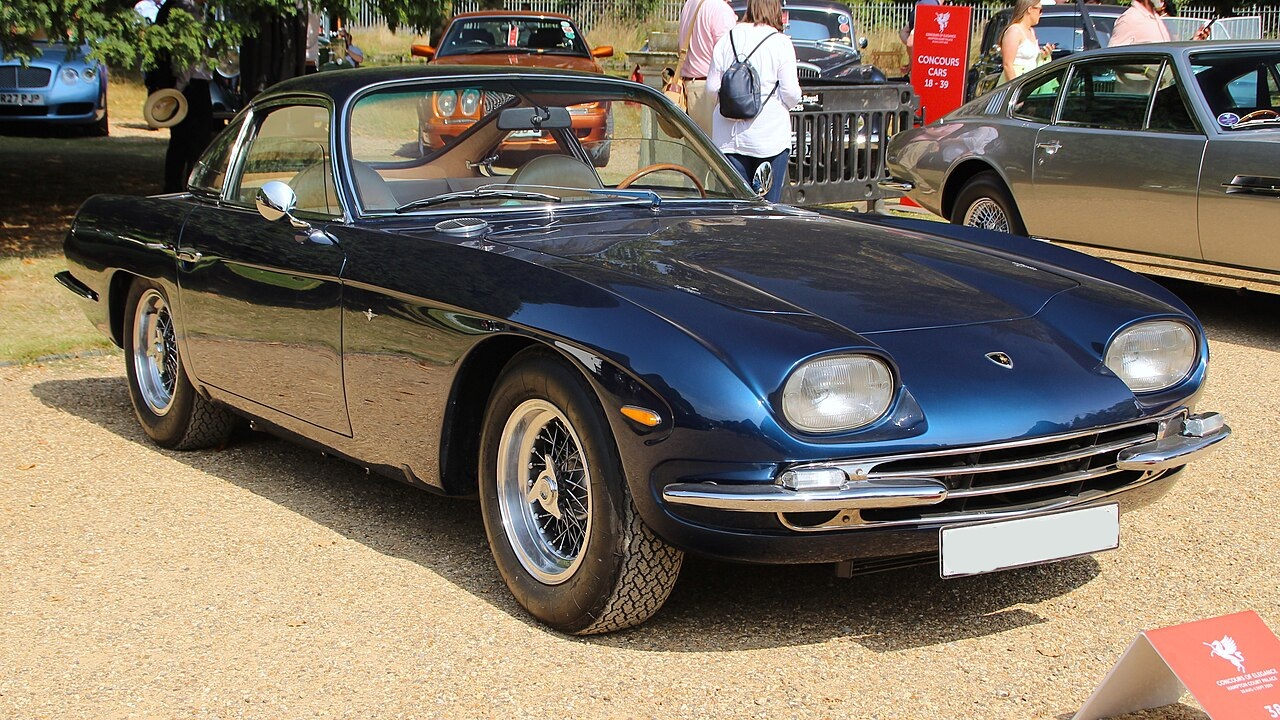 MrWalkr, CC BY-SA 4.0, Wikimedia Commons
Lamborghini 350 GT (Cont'd)
Did you know that Lamborghini made a change in how the 350 GT was produced? In the mid-1960s, Carrozzeria Touring produced the first 50 cars of the 350 GT—all made of aluminum—before Lamborghini hired a new designer, Mario Marazzi, who began to design the cars using steel.
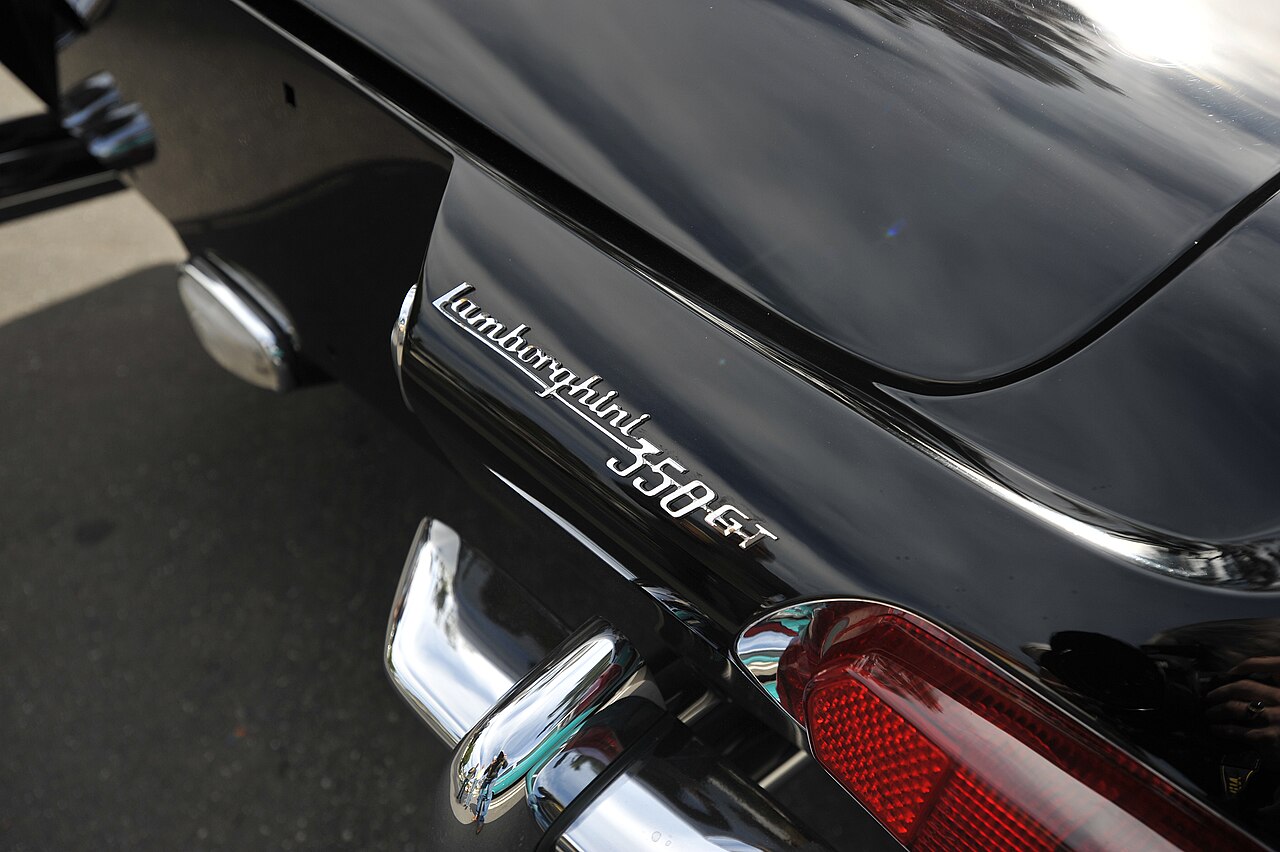 Edgy01 (Dan Lindsay), CC BY 3.0, Wikimedia Commons
Ferrari Enzo
The Ferrari Enzo was one of the first cars to set Ferrari apart from its competition. Named after its founder, Enzo Ferrari, this car is doubtlessly one of Cage's most prized Italian cars. Ferrari's knock-out supercar, which put the competition to shame, was acquired by Cage in 2003 after his success with Gone In 60 Seconds (2000). Don't worry; that car is also on our list. The Enzo does 0 to 60 in 3.1 seconds and has a top speed of 221 mph.
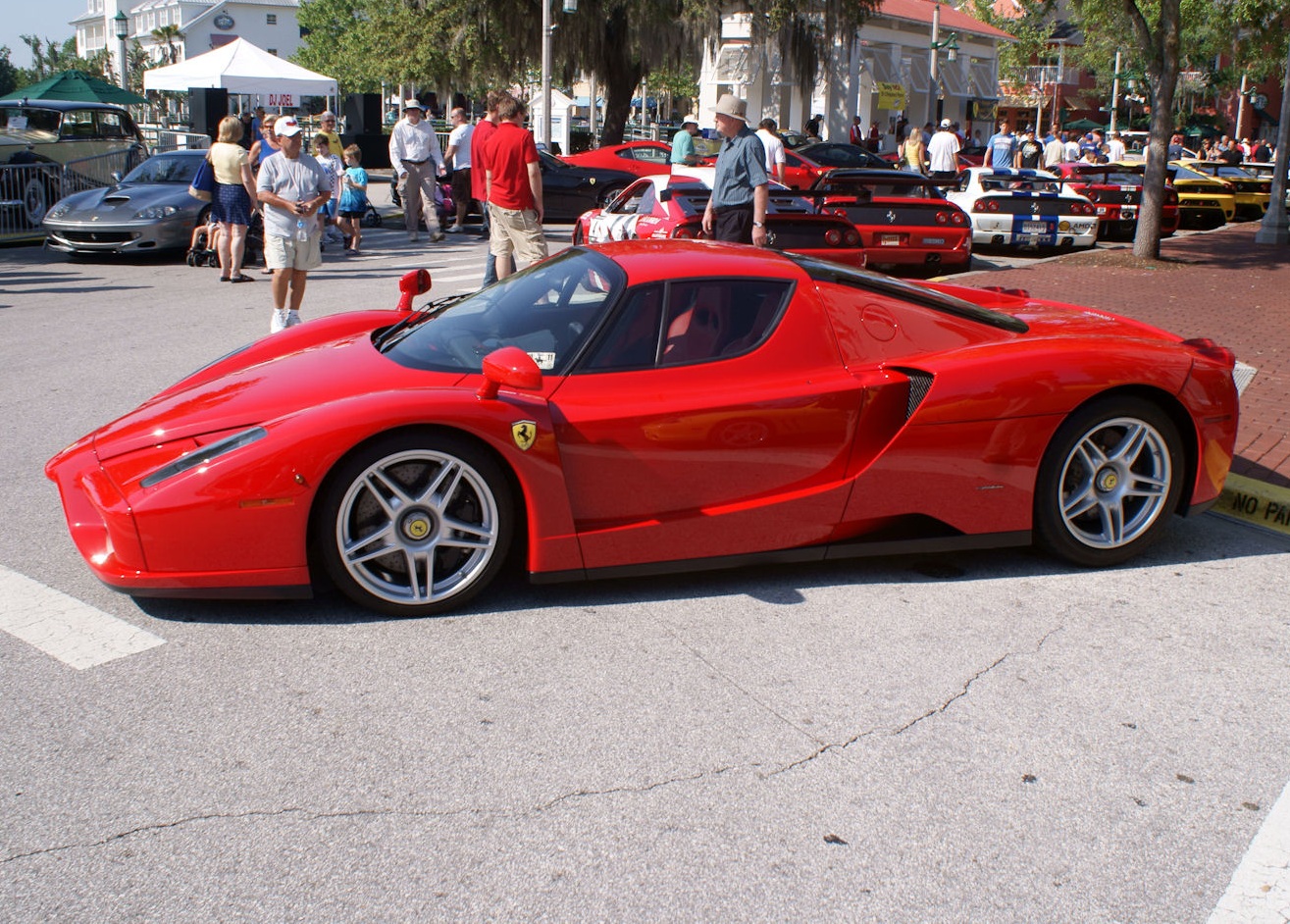 Valder137, CC BY 2.0, Wikimedia Commons
Ferrari Enzo (Cont'd)
Despite being produced for only two years between 2003 and 2005, the Ferrari Enzo was the definitive mid-2000s supercar, outperforming competition from Porsche, Lamborghini, and others. Although prices were stable of between $2 and $2.8 million depending on the trim and color, Ferrari actually gave the last Enzo to leave the production line away for free. It was a gift for none other than the Pope.
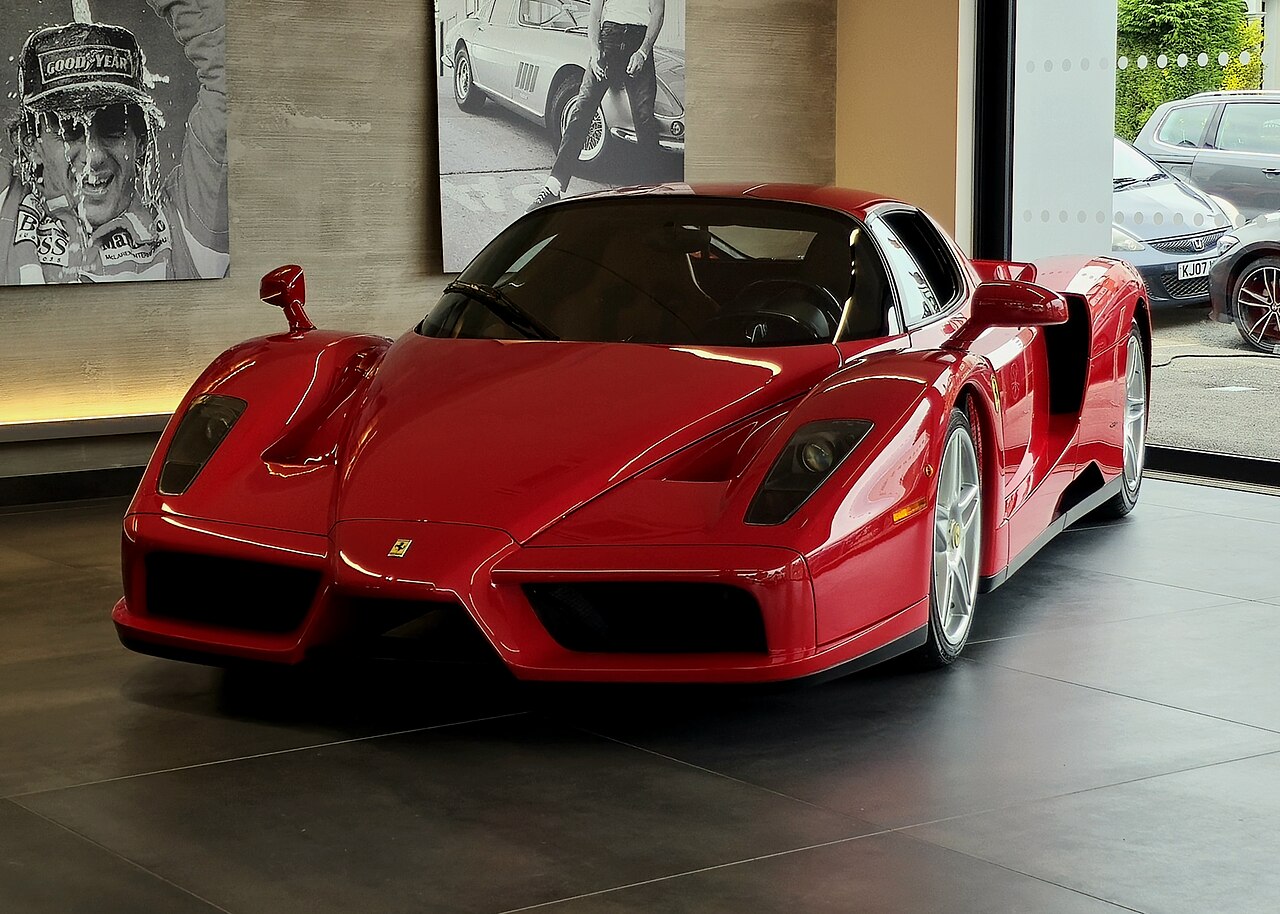 Calreyn88, CC BY-SA 4.0, Wikimedia Commons
Lamborghini Miura SVJ
Another Lamborghini in Cage’s garage is the Miura SVJ—a car with a backstory that sounds like it belongs in one of his movies. Built between 1966 and 1973, the Miura was once the fastest production car in the world, turning heads long before modern supercars took over the spotlight.
Cage bought the rare machine in 1997, but the car had already lived quite a life. Before ending up in his collection, it reportedly belonged to the Shah of Iran and was kept under armed guard at his palace in Tehran. When Cage finally got his hands on it, he paid a staggering $490,000—at the time, the highest price anyone had ever paid for a Lamborghini.
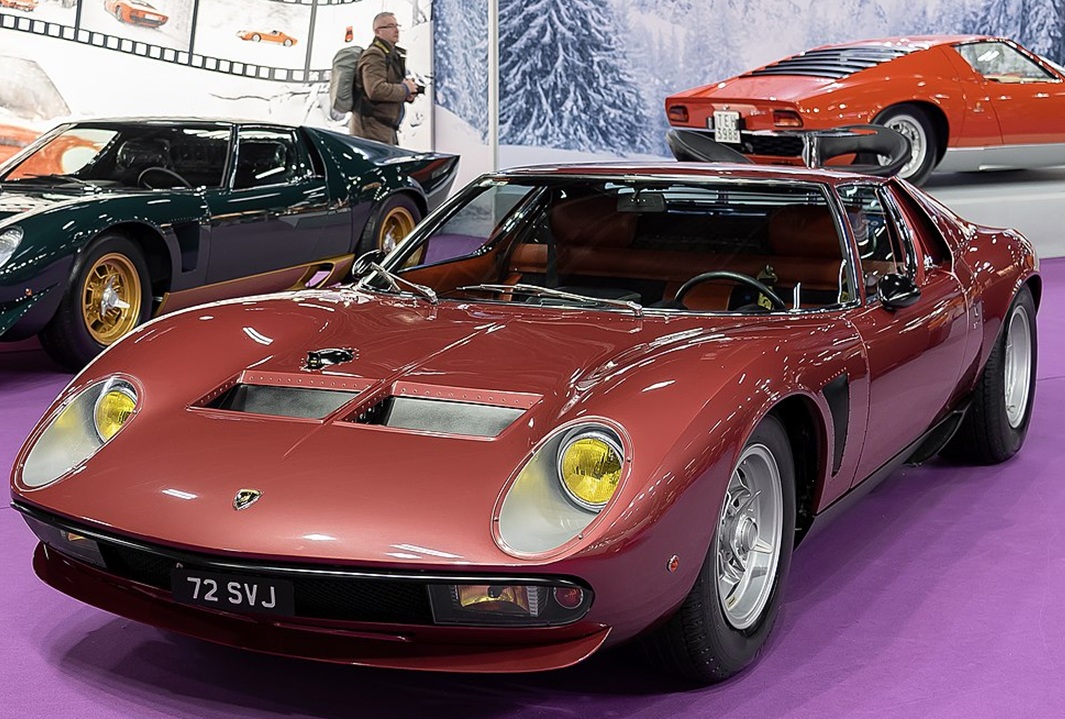 Alexandre Prevot, CC BY-SA 2.0, Wikimedia Commons
Lamborghini Miura SVJ (Cont'd)
The Miura SVJ may be one of Lamborghini's classic supercars, but that didn't stop Bob Wallace, one of the company's chief test drivers, from modifying his own Lamborghini Miura in the 1970s. Wallace mounted two fuel tanks on the door sills for better balance to the car, but this would eventually be its downfall: Wallace sold the Miura in 1972 and it crashed and burned not long after.
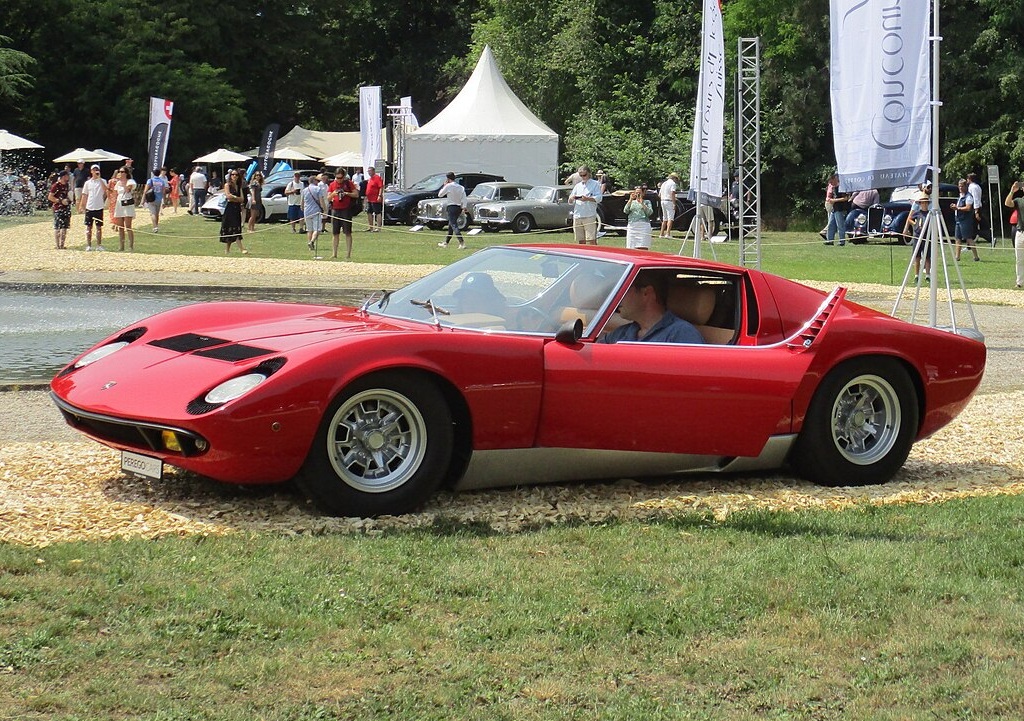 Arnaud 25, CC BY-SA 4.0, Wikimedia Commons
Ferrari 599 GTB
Despite the prevalence of fast Italian supers in his collection, Nicolas Cage restrained himself by purchasing the 599 GTB. More of a luxury cruiser than an ultra-fast whip, the 599 GTB had a 6.0L V12 engine that produced 620 hp and could reach a restrained top speed of 205 mph.
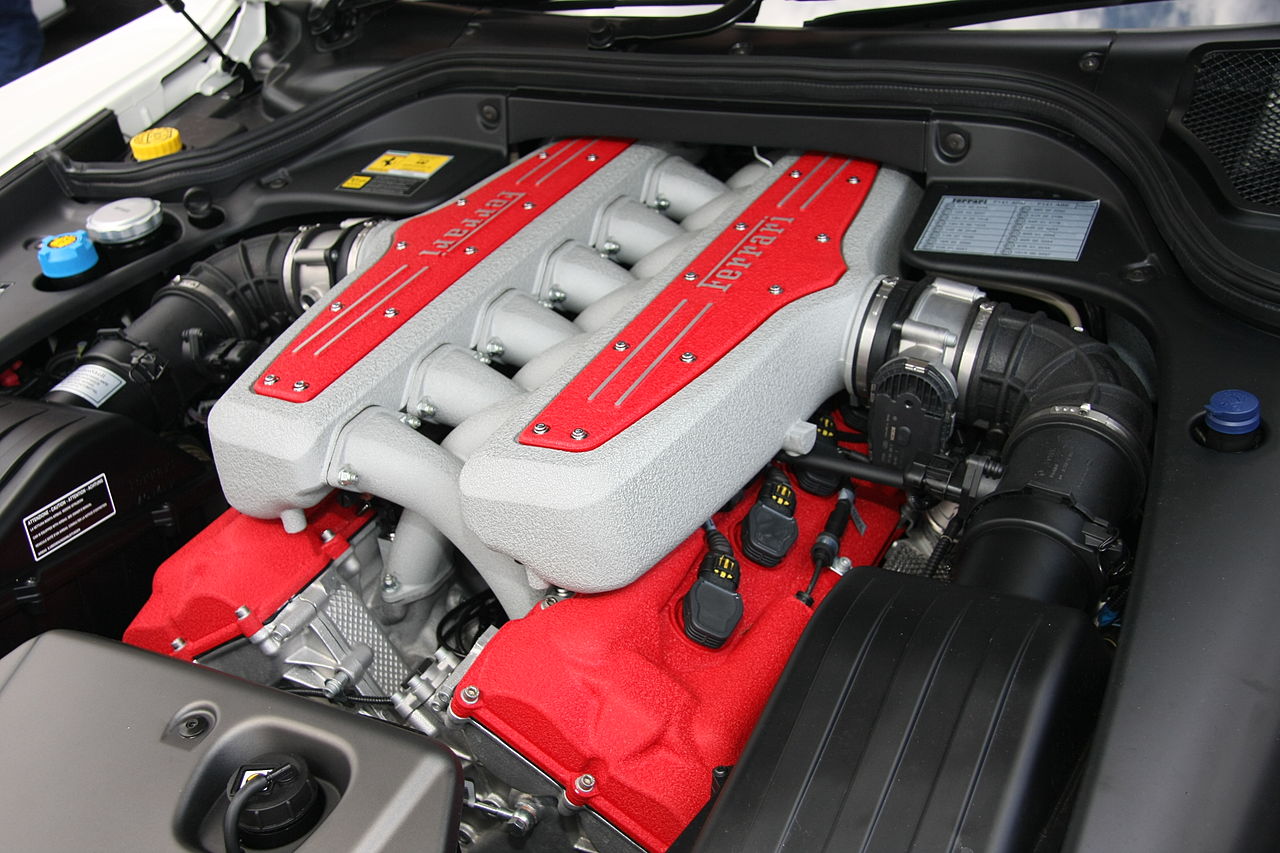 Tony Harrison, CC BY-SA 2.0, Wikimedia Commons
Ferrari 599 GTB (Cont'd)
The Ferrari 599 GTB replaced the legendary 575 Maranello in 2006 and was produced until 2013. Ferrari sought to re-inject the finesse and panache back into the brand that had for so long been associated with speed. The 599 was fast enough for the speedster in all of us, while also being much more akin to a daily driver.
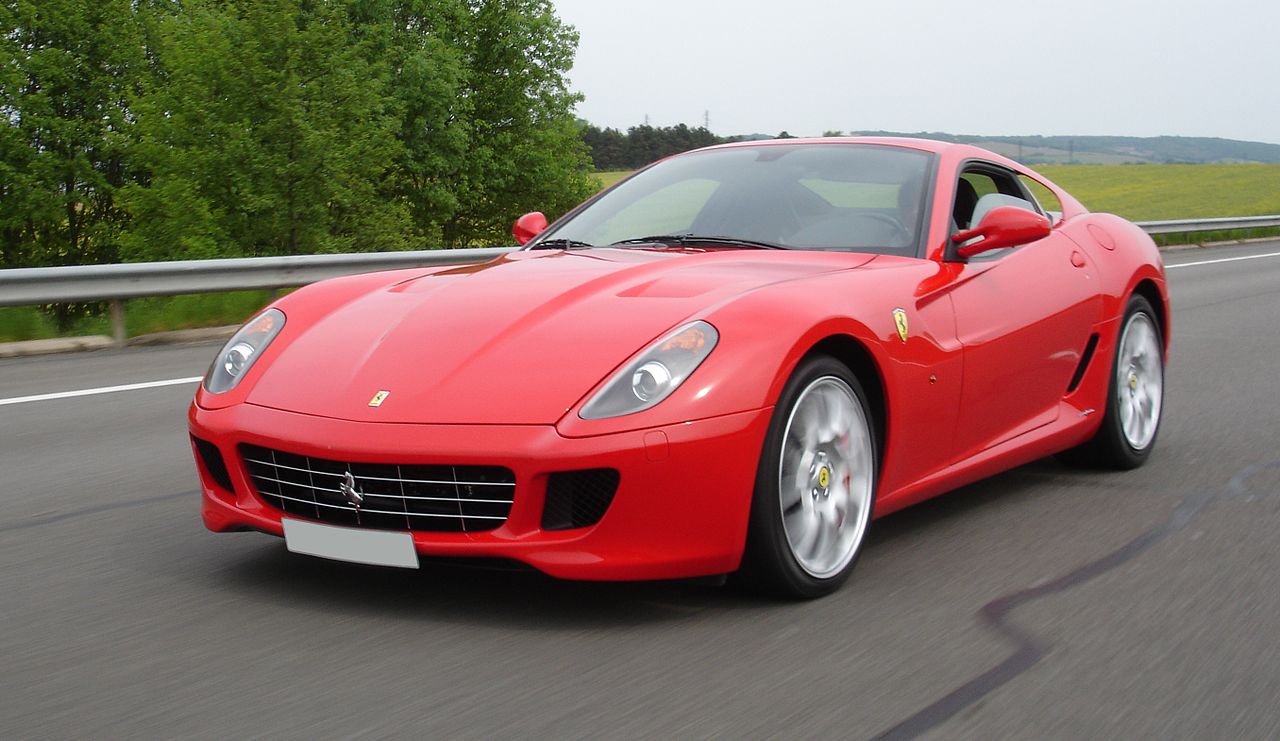 Sovxx, CC BY-SA 3.0, Wikimedia Commons
Ferrari 250 GT LWB California Spyder
One of the most special cars in Cage's collection is the Ferrari 250 GT Long Wheelbase California Spyder. Given the name, it was clear that Ferrari wanted to appeal to Americans with a convertible version of the Berlinetta. Produced between 1957 and 1963, just 51 cars were produced with a long wheelbase, while 49 were produced with a short wheelbase. Nic Cage's California Spyder was the 34th LWB produced by Ferrari.
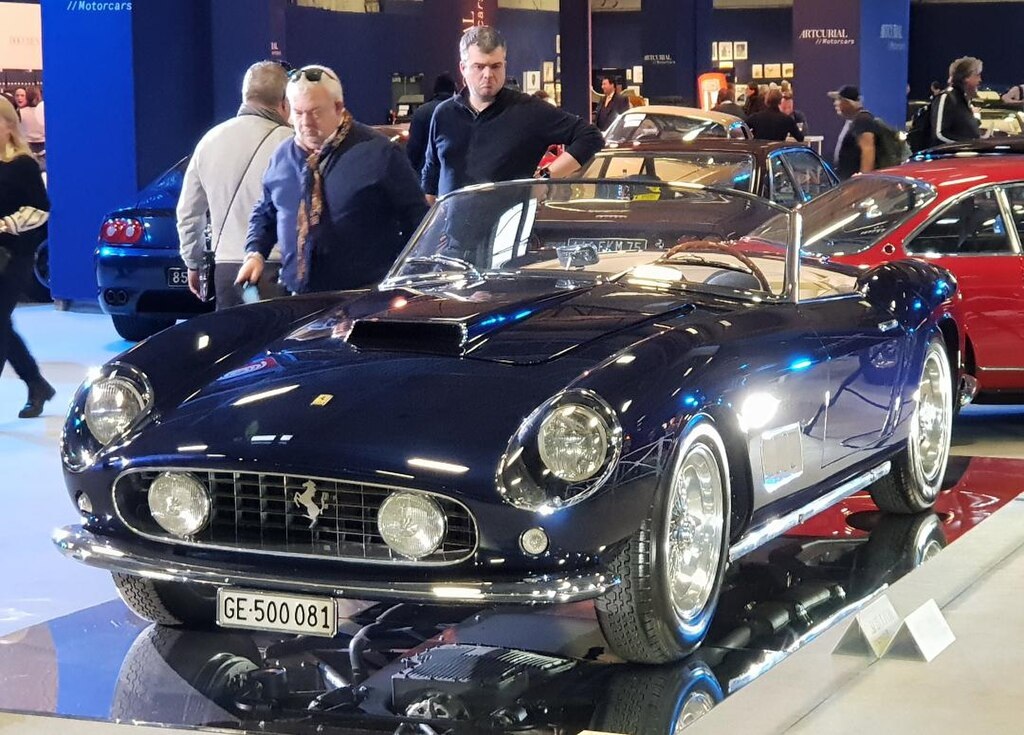 Andrew Bone, CC BY 2.0, Wikimedia Commons
Ferrari 250 GT LWB California Spyder (Cont'd)
The Ferrari 250 GT may have been made famous by Ferris Bueller's Day Off (1986), not a movie that Cage starred in, thank goodness. But did you know that the car wasn't real? That's right. It was actually swapped for another Ferrari, the Modena GT Spyder.
 Rex Gray, CC BY-SA 2.0, Wikimedia Commons
Ferrari 250 Series 1 Cabriolet
Another classic in the "Old Ferrari Garage," which Cage may consider calling his own. The 250 Series 1 Cabriolet features the excellence of Pininfarina design: clean, unobstructed lines with a smooth hood scoop set the gorgeous Cabriolet apart. The 250 Series 1 Cabriolet was one of Cage's favorite Ferrari touring cars.
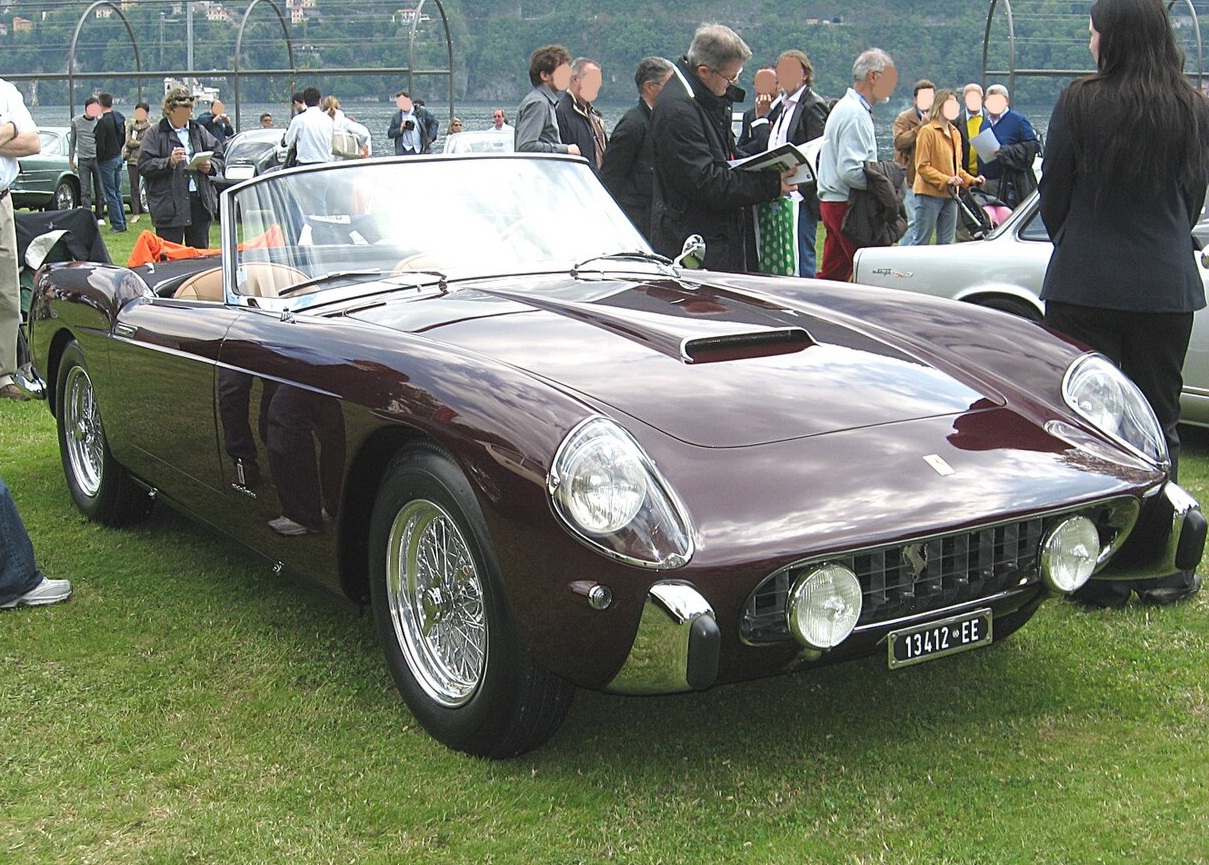
Ferrari 250 Series 1 Cabriolet (Cont'd)
The Ferrari 250 Series 1 helped set the template for many Ferrari coupes that followed, blending performance with the sleek styling that would become the brand’s signature. Interestingly, the prototype had one unusual quirk—the armrest on the driver’s side door was removed to create a little extra room in the cockpit. It was also among the earliest Ferraris to feature Dunlop disc brakes, a cutting-edge upgrade at the time.
Production was extremely limited, with just 36 Series 1 models built before Ferrari introduced the updated Series 2 in 1959. Even among rare Ferraris, that small production run makes the original Series 1 a particularly coveted piece of automotive history.
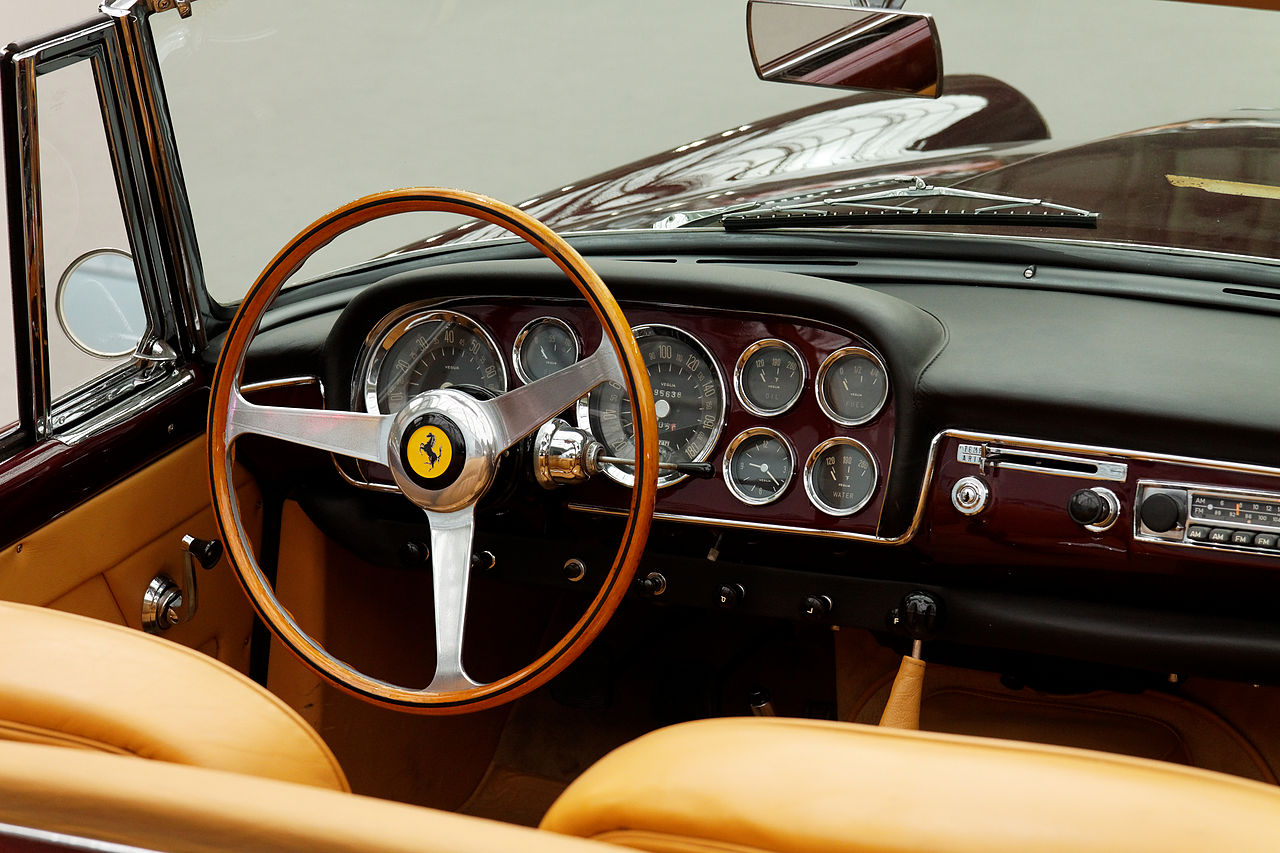 Thesupermat, CC BY-SA 3.0, Wikimedia Commons
Eleanor Mustang
Of course, that Eleanor Mustang—a custom Ford Mustang GT500—had to appear on our list. Designed by the legendary Chip Foose, the Eleanor Mustang was originally custom-built for Gone In 60 Seconds (2000). 12 units were designed and produced by Foose, and an unbelievable seven cars were destroyed during production. Ouch. However, of the surviving five, Nic Cage quickly snapped one up (presumably before someone could wreck it).
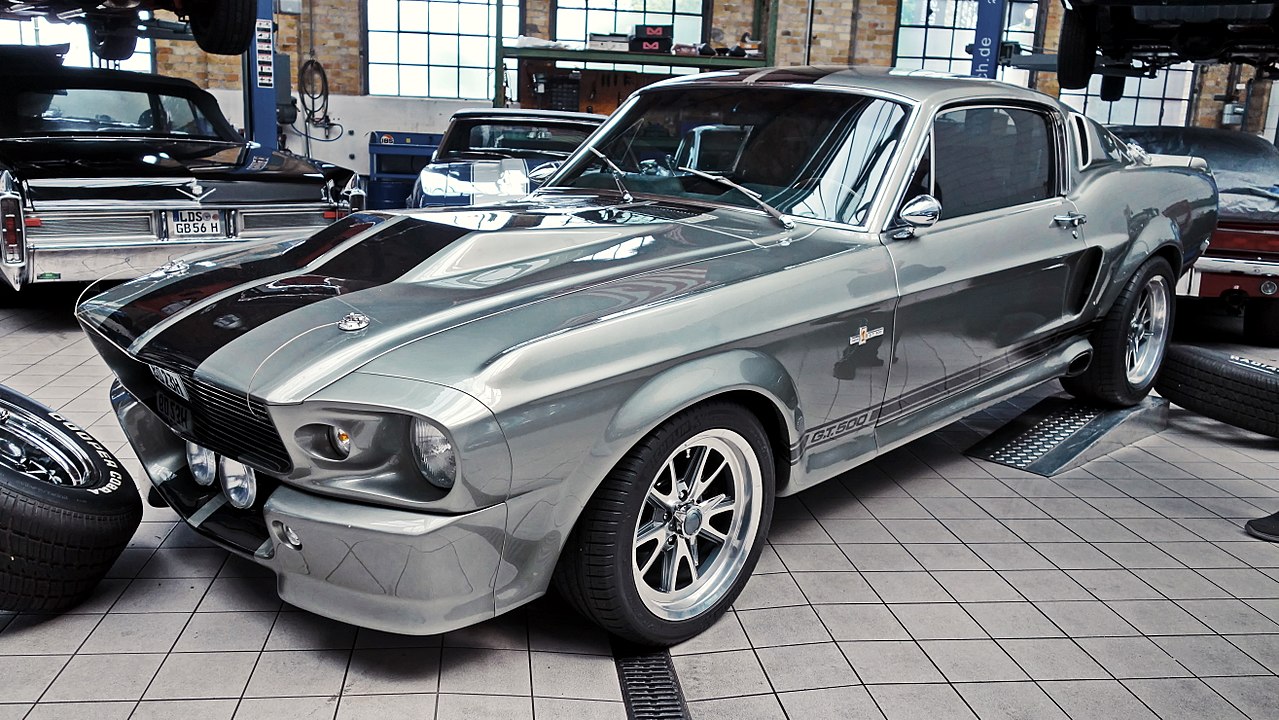 More Cars from Berlin, CC BY 2.0, Wikimedia Commons
Eleanor Mustang (Cont'd)
By the time the production crew had decided that "Eleanor" needed to be built, along with how many cars needed to be built, Chip Foose was only left with seven weeks turnaround time from design to build, before the movie was due to start shooting. Somehow, he pulled it off.
 TaurusEmerald, CC BY-SA 4.0, Wikimedia Commons
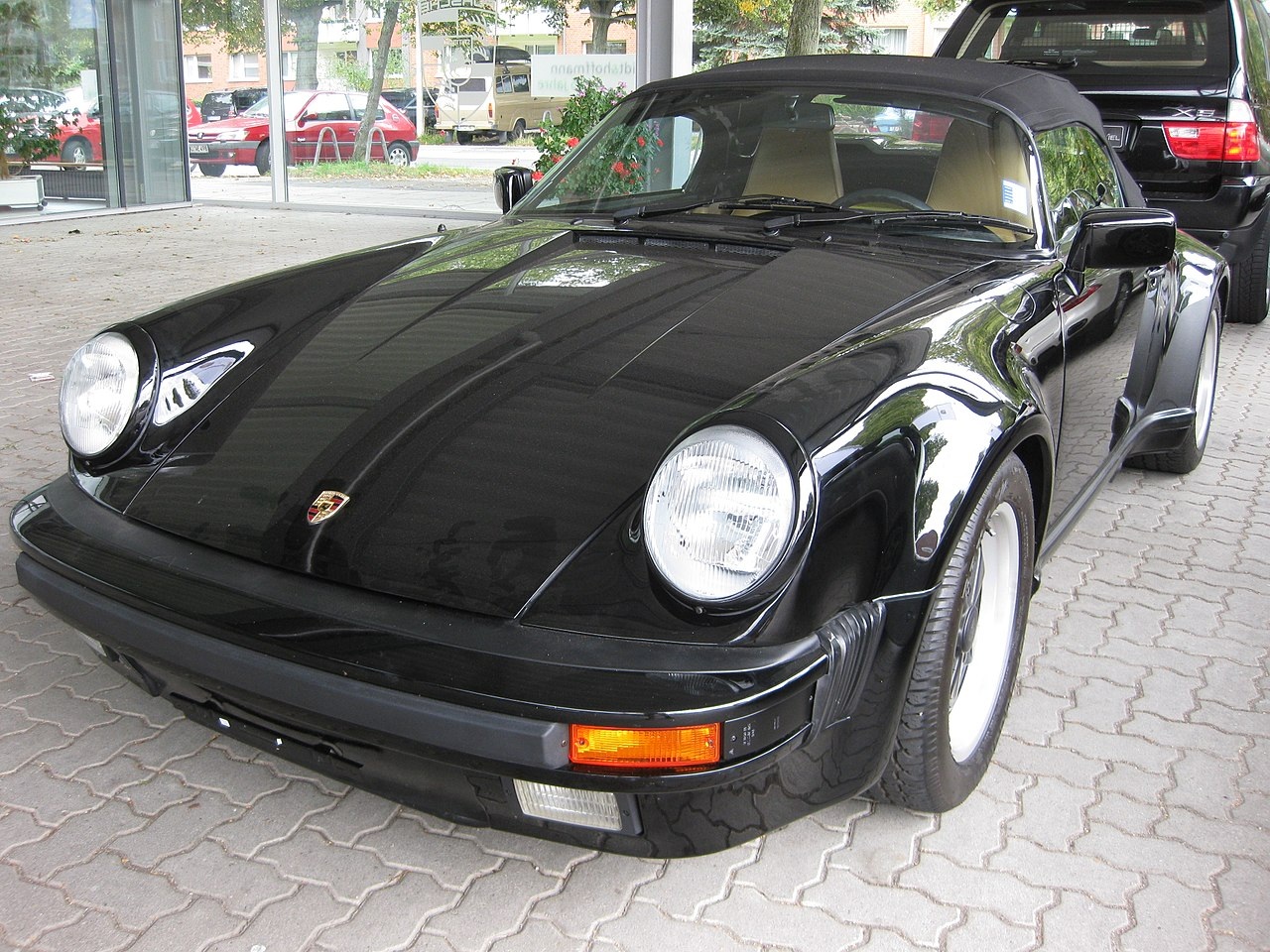
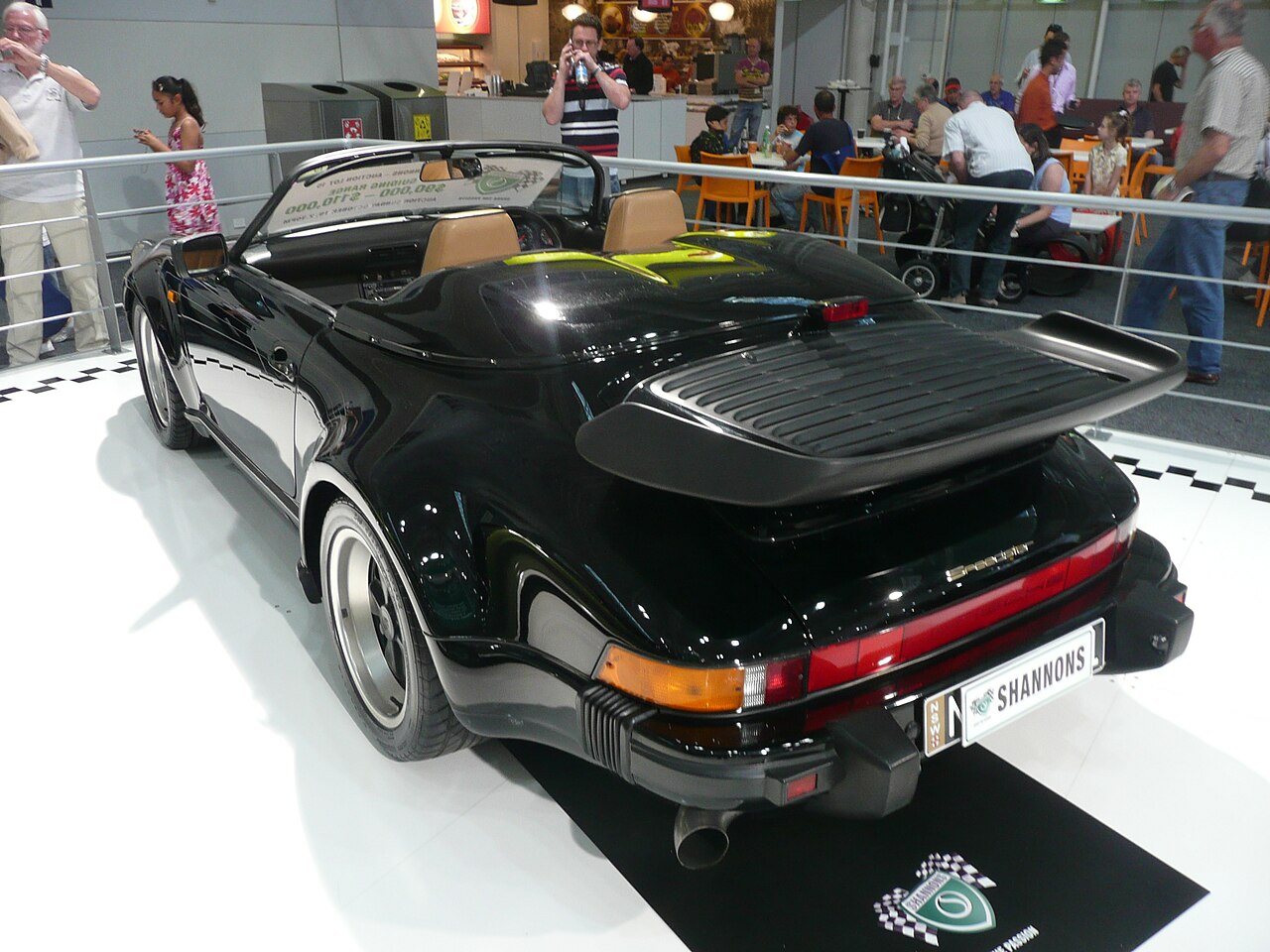
1989 Porsche 911 Speedster
Every celebrity car collector loves Porsches, and Nicolas Cage is no exception. He owns two. This 1989 Porsche 911 Speedster is another gorgeous touring car. Convertible? Check. You can tell Cage doesn't like to drive with a roof on.
 KarleHorn, CC BY 3.0, Wikimedia Commons
1989 Porsche 911 Speedster (Cont'd)
This 1989 911 Speedster is special because it's the last Porsche 911 to use the older 911 body, developed in the mid-1960s. Brought to the US by an importer in 1989, Cage reportedly sold his at auction.
Porsche 356 Speedster
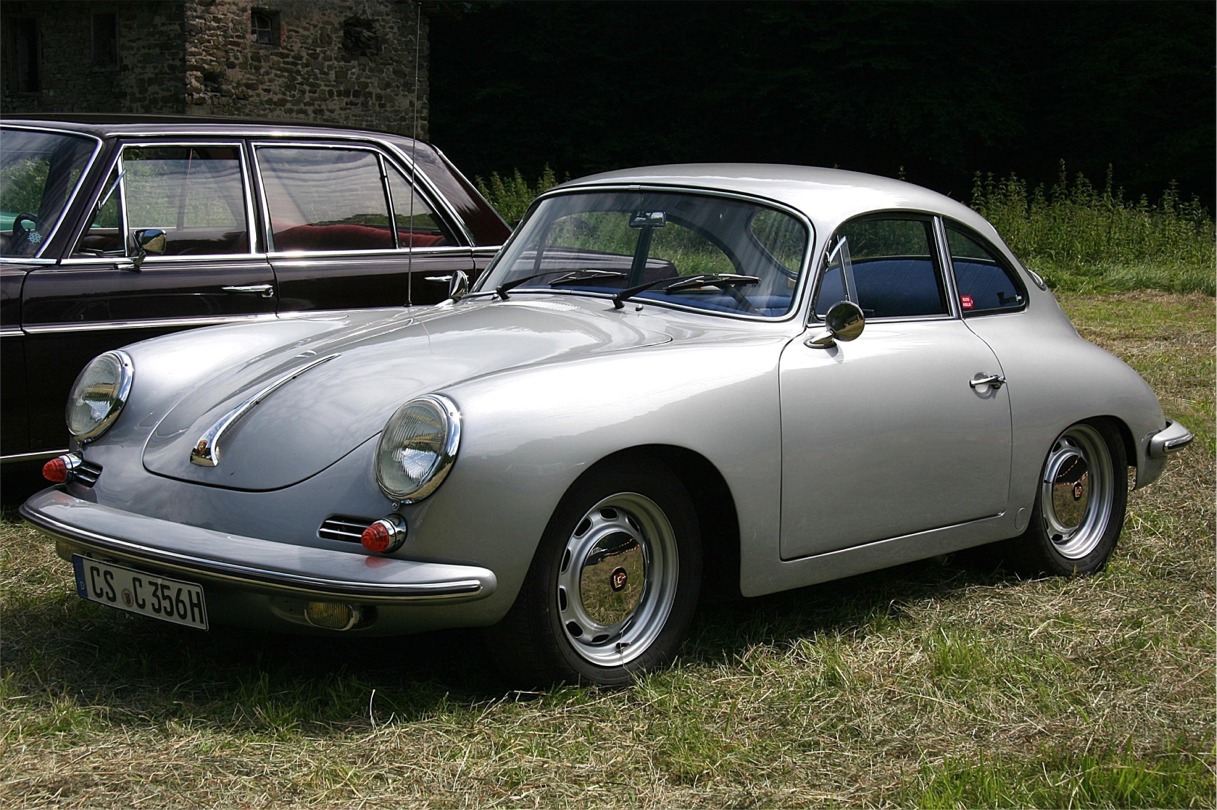
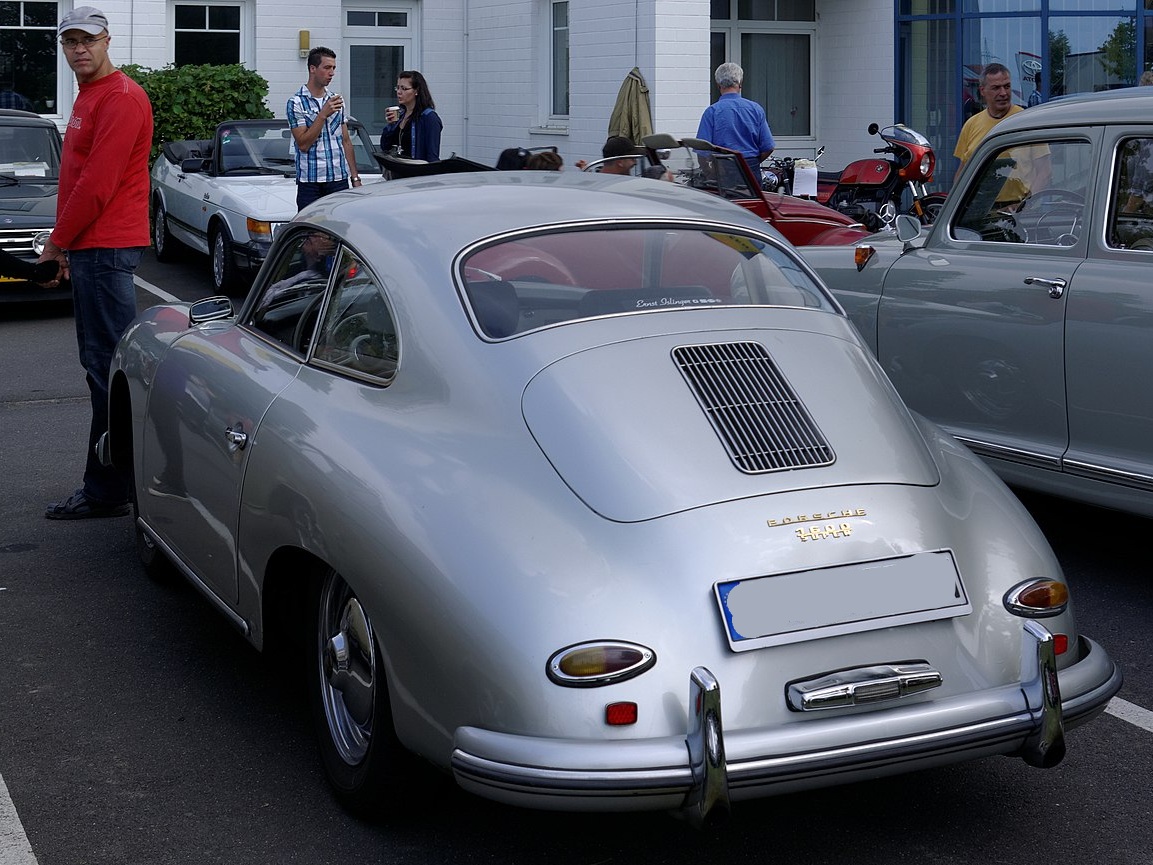
The original Porsche production car, the 356 Speedster, was designed and released by Ferdinand Porsche, the creator of Porsche automobiles. It became hugely popular in the 1950s throughout Europe, and the US. Cage bought a 1955 "Pre-A" version, one of the most valuable Porsches ever.
 Spurzem , CC BY-SA 2.0 DE, Wikimedia Commons
Porsche 356 Speedster (Cont'd)
While Nic Cage ended up selling his Porsche 356 to pay the IRS for taxes owed, his fate was way more lenient than that which Porsche's owner, Ferdinand, received during the aftermath of WWII. He was barred from re-entering Germany by Allied forces, so went and set up shop in Austria to produce the perfect sports car.
 Berthold Werner, CC BY-SA 3.0, Wikimedia Commons
Jaguar D-Type
In the 2019 film Primal, Nicolas Cage plays a big-game hunter on the trail of an ultra-rare white jaguar. Fortunately for the real-world jaguars, Cage had already found the kind he preferred—four wheels, a roaring engine, and a place in automotive history.
At one point, Cage owned a Jaguar D-Type, the legendary race car built in the early 1950s with one goal in mind: winning Le Mans. Only 53 of these sleek machines were ever produced, making them incredibly rare. Today, surviving D-Types are prized collector’s items that can fetch around $20 million at auction.
 Sicnag, CC BY 2.0, Wikimedia Commons
Jaguar D-Type (Cont'd)
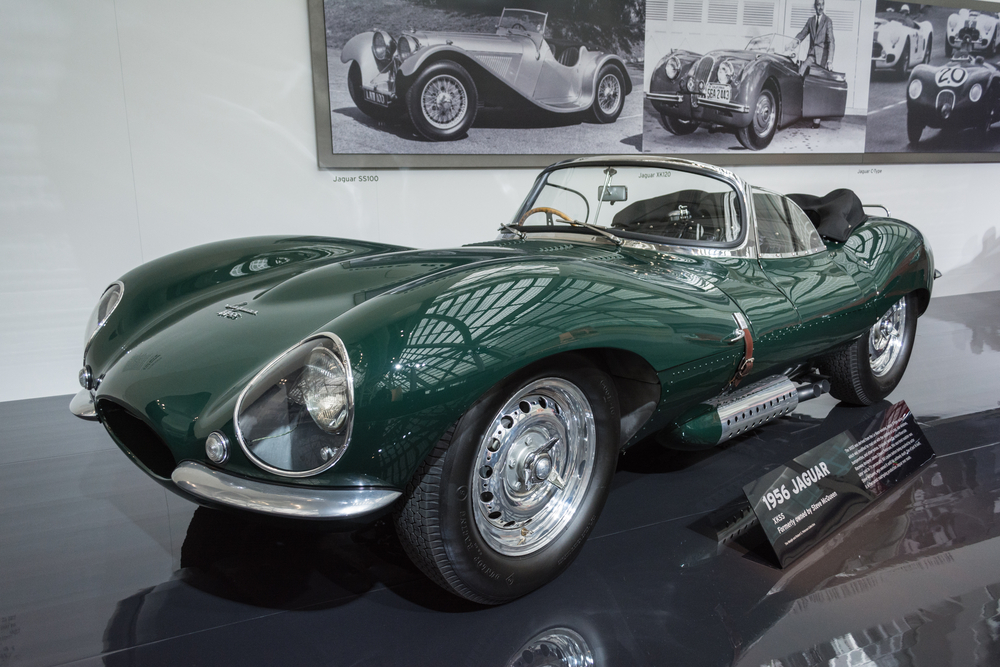
Nicolas Cage doesn't own a D-Type. More properly, he owns Jaguar's street-legal version, the XKSS. After Jaguar won three Le Mans races in a row in 1956, 1957 and 1958, they retired from racing. But, the beloved D-Type lived on in their street-legal XKSS.
Rolls Royce Ghost
The Rolls Royce Ghost is one of many British cars from the self-confessed "Anglophile". As luxurious a Rolls Royce as one could possibly imagine, like many celebrities, Cage has a gorgeous Ghost in his garage.
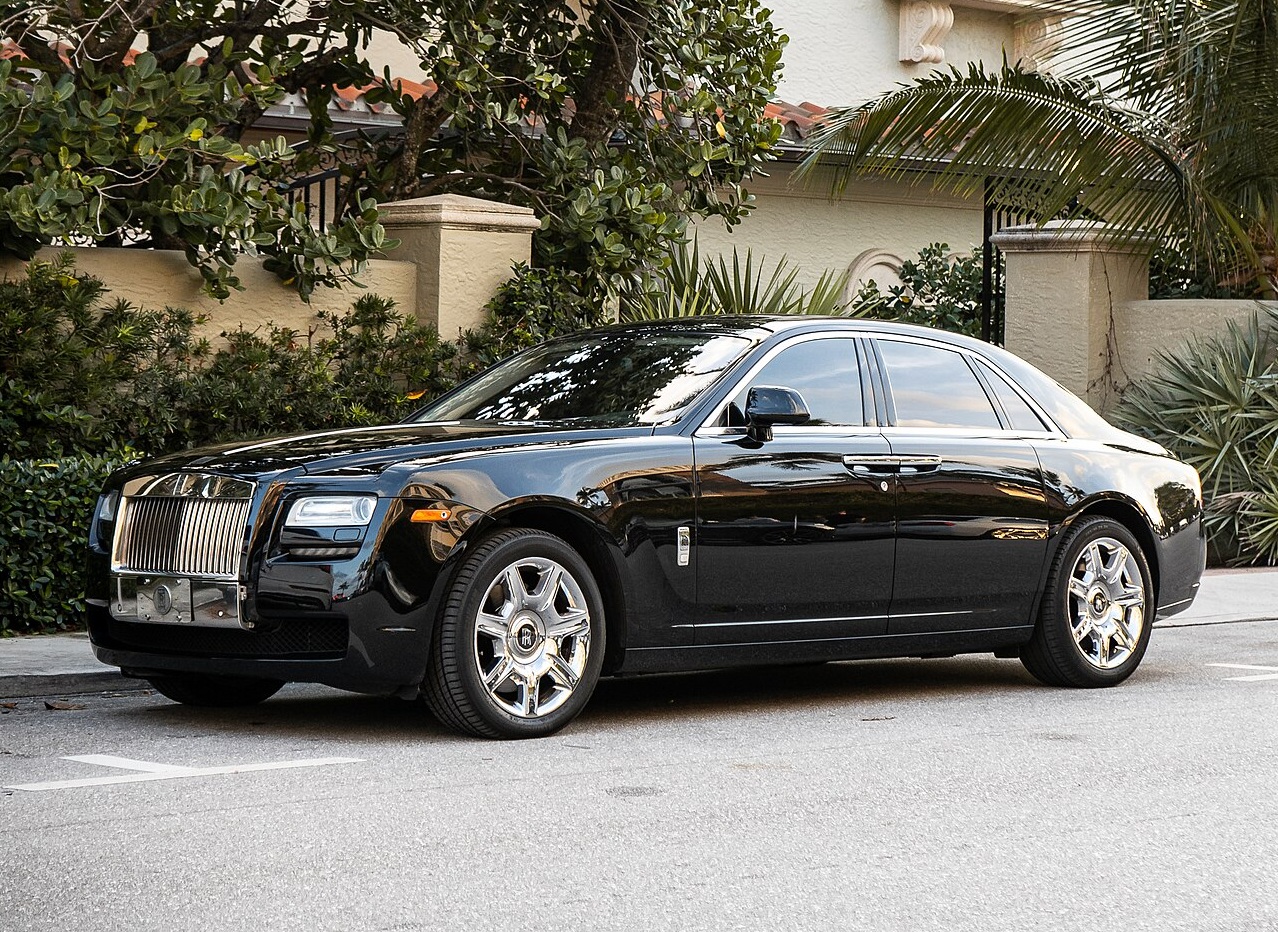 OWS Photography, CC BY 4.0, Wikimedia Commons
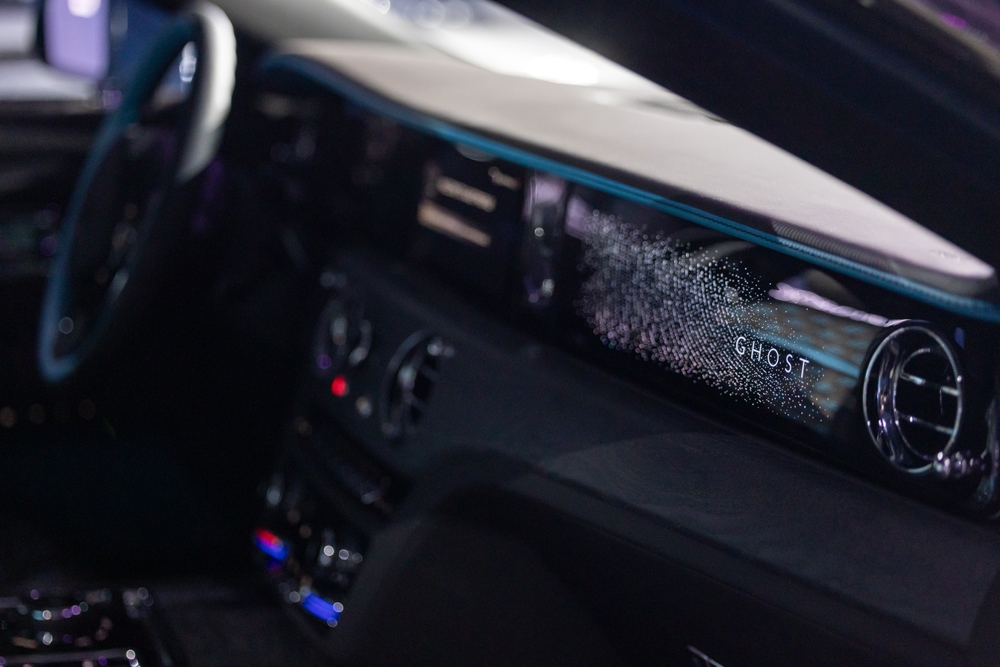
Rolls Royce Ghost (Cont'd)
While Nicolas Cage's Ghost is definitely a few years old at this point, the 2025 Ghost was crafted by Rolls Royce in typical fashion: with hours of expertise and handiwork. It's reported that the dashboard of the new Ghost model took 10,000 hours to produce.
Rolls Royce Phantom II Coupe
Another luxurious Rolls Royce is the Phantom II Coupe, a stunning 1930s model that exudes elegance, finesse, and beauty. The third and final 40/50 hp Rolls Royce, this car is more about looks than performance. Appearing in Indiana Jones And The Last Crusade (1989), just 1,400 of these were produced, making them one of the rarest Rolls Royce ever.
 Mr.choppers, CC BY-SA 3.0, Wikimedia Commons
Rolls Royce Phantom II Coupe (Cont'd)
The Rolls Royce Phantom II Coupe may be one of Rolls Royce's rarest cars, but it was also the final car produced by Sir Frederick Henry Royce, the creator of the Rolls-Royce brand, before he passed away in 1933. We can think of no more fitting tribute to the man than this stunning car.
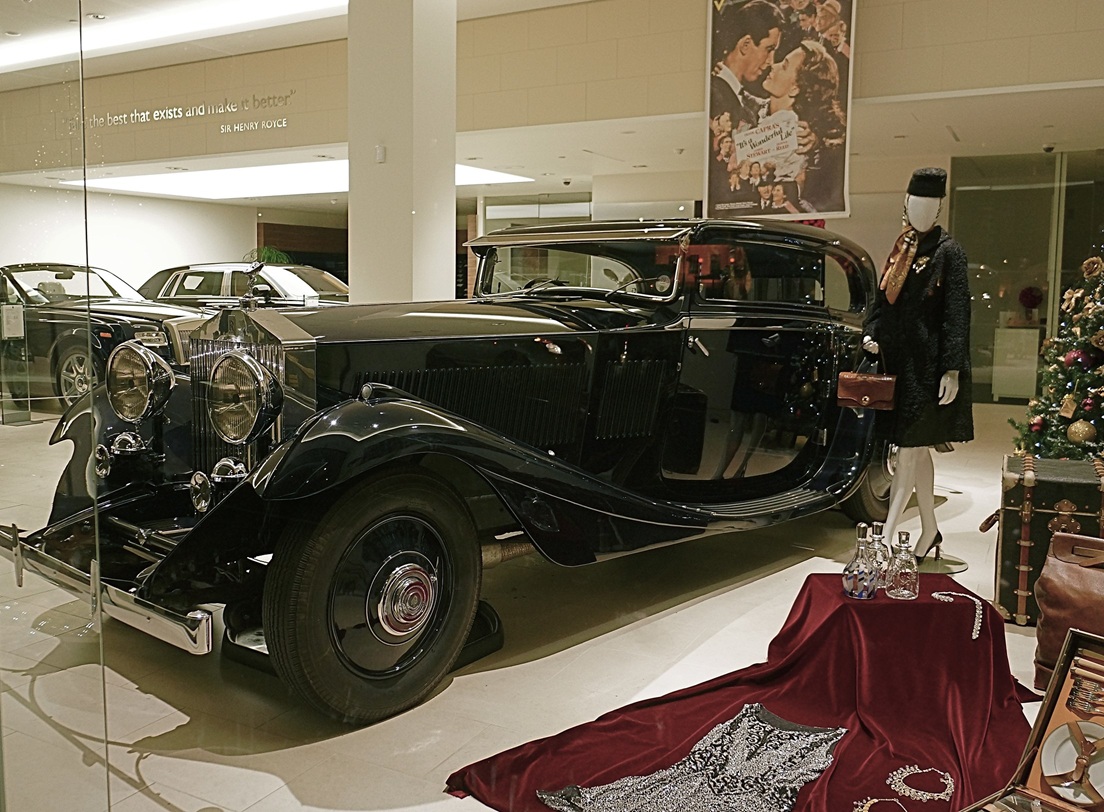 Anthony O'Neil ,CC BY-SA 2.0, Wikimedia Commons
Bugatti Type 57C Atalante
Speaking of rare, the Bugatti Type 57C Atalante is another stunning coupe in Cage's collection. He's a man of refined tastes with stunning lines and gorgeous bodywork. Originally owned in the UK by the Lord Great Chamberlain, the Fifth Marquess of Cholmondeley, the car made its way to America in the 1950s. However, the person from whom Cage bought this gorgeous Italian cruiser is unknown.
 Calreyn88, CC BY-SA 4.0, Wikimedia Commons
Bugatti Type 57C Atalante (Cont'd)
Some car historians consider the Bugatti Type 57C Atalante to be the world’s first supercar—and for good reason. When it debuted in the 1930s, the sleek machine could reach a top speed of about 123 mph, an almost unbelievable figure for the era. At a time when most cars struggled to hit highway speeds, the Atalante was already pushing performance boundaries.
Bugatti produced just 17 examples of the 57C Atalante, instantly making it one of the rarest and most desirable classics on the planet. Today, six of those surviving cars are preserved at the National Automobile Museum in Paris, a fitting home for a vehicle that helped define early high-performance engineering.
 Ramgeis, CC BY-SA 3.0, Wikimedia Commons
Bugatti Type 101C Antem Coupe
Another stunning Bugatti in Cage's collection is the Bugatti Type 101C Antem Coupe. Built between 1951 and 1952, just eight pieces of car design artwork are still around, and Nicolas Cage owns one. In particular, the Antem version of the Type 101C features a black-over-red color scheme that befits Cage's personality perfectly; sometimes dark, like in Ghost Rider (2007), while sometime bright and exuberant, like Randy in Valley Girl (1983).
 Alan Raine, CC BY 2.0, Wikimedia Commons
Bugatti Type 101C Antem Coupe (Cont'd)
The Type101C represented a resurgence of the Bugatti brand following the tragic crash of its owner, Jean Bugatti, and the restarting of the brand at the end of WWII. It's the car that reinvigorated Bugatti and ensured brand survival in the catastrophic ashes of the war.
 Alan Raine, CC BY 2.0, Wikimedia Commons
Triumph Spitfire Mark IV
The self-appointed Anglophile flexed his love of England again by purchasing a British classic: a 1970 Triumph Spitfire Mark IV. The two-door drophead coupe, named after the infamous WWII fighter plane, is a small sports car that fits perfectly into Cage's treasure trove of other grand tourers.
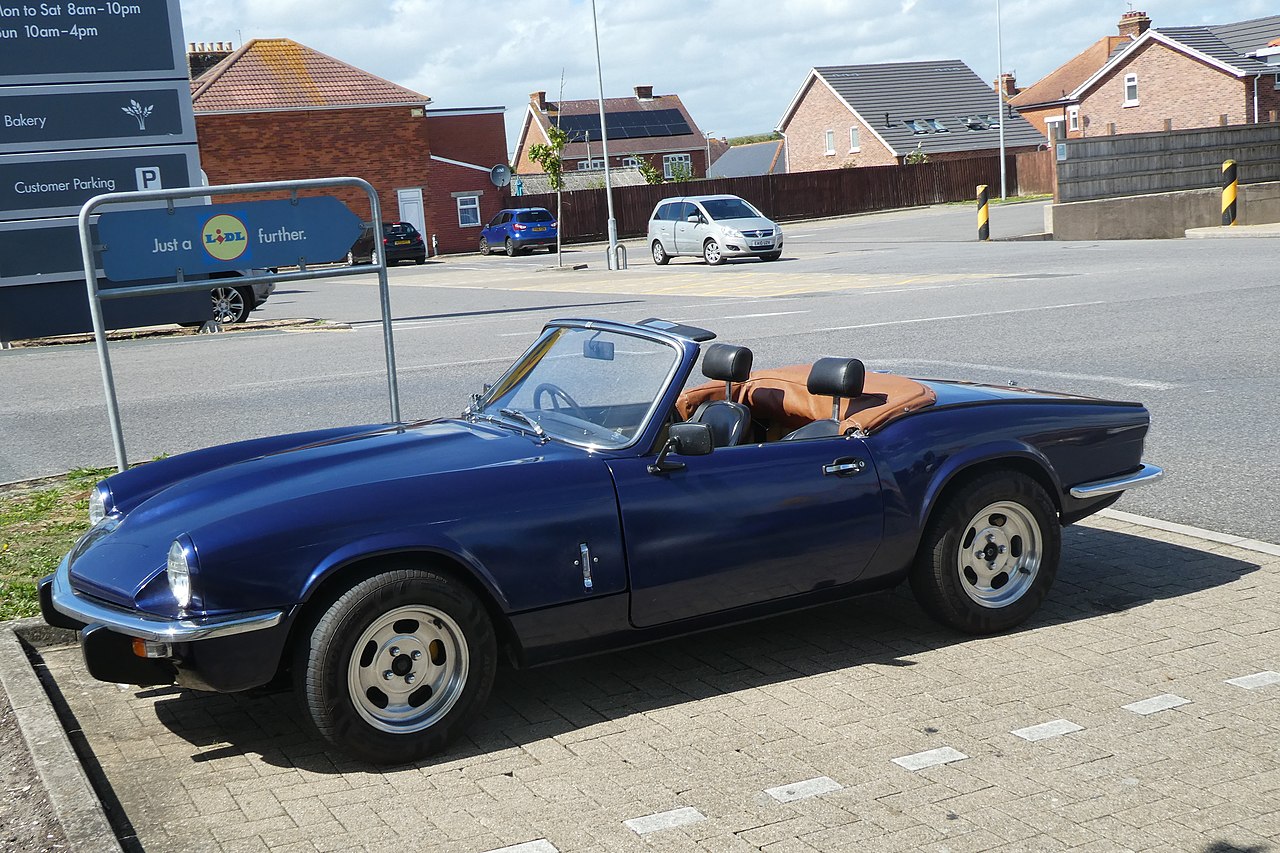 Andrew Bone from Weymouth, England, CC BY 2.0, Wikimedia Commons
Triumph Spitfire Mark IV (Cont'd)
The Triumph Spitfire was another car developed out of the ashes of the war. The original Spitfire version was released in the early 1950s, after Triumph rebuilt their factory that had been destroyed by the Luftwaffe. The Mark IV had a top speed of 92 mph and went from 0 to 60 in 12.5 seconds. Although that's not very fast, it's often said that Triumph Mark IV had a different "feel" to it when driving. You felt like you were going faster than you were.
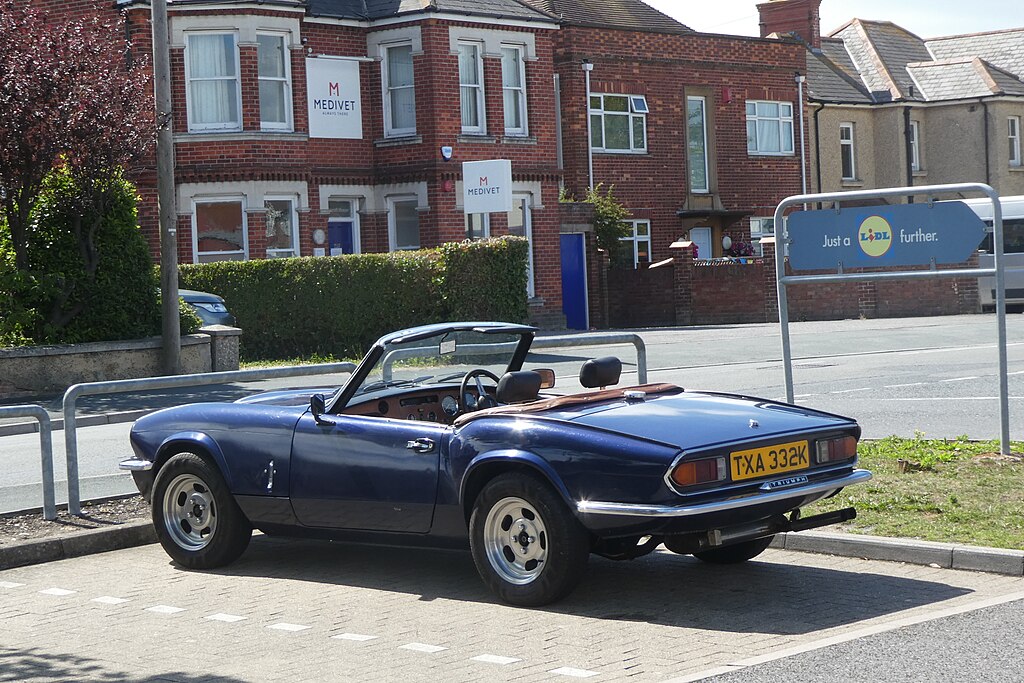 Andrew Bone, CC BY 2.0 , Wikimedia Commons
Ferrari 275 GTB/4
Yet another grand tourer in Cage's extraordinary collection is the Ferrari 275 GTB 4. First introduced in 1966, the 275 was the first Ferrari to include a transaxle and independent rear suspension. This groundbreaking revelation paved the way for innovation in the Italian sports car world. And, as a Ferrari lover, Cage had to have one. 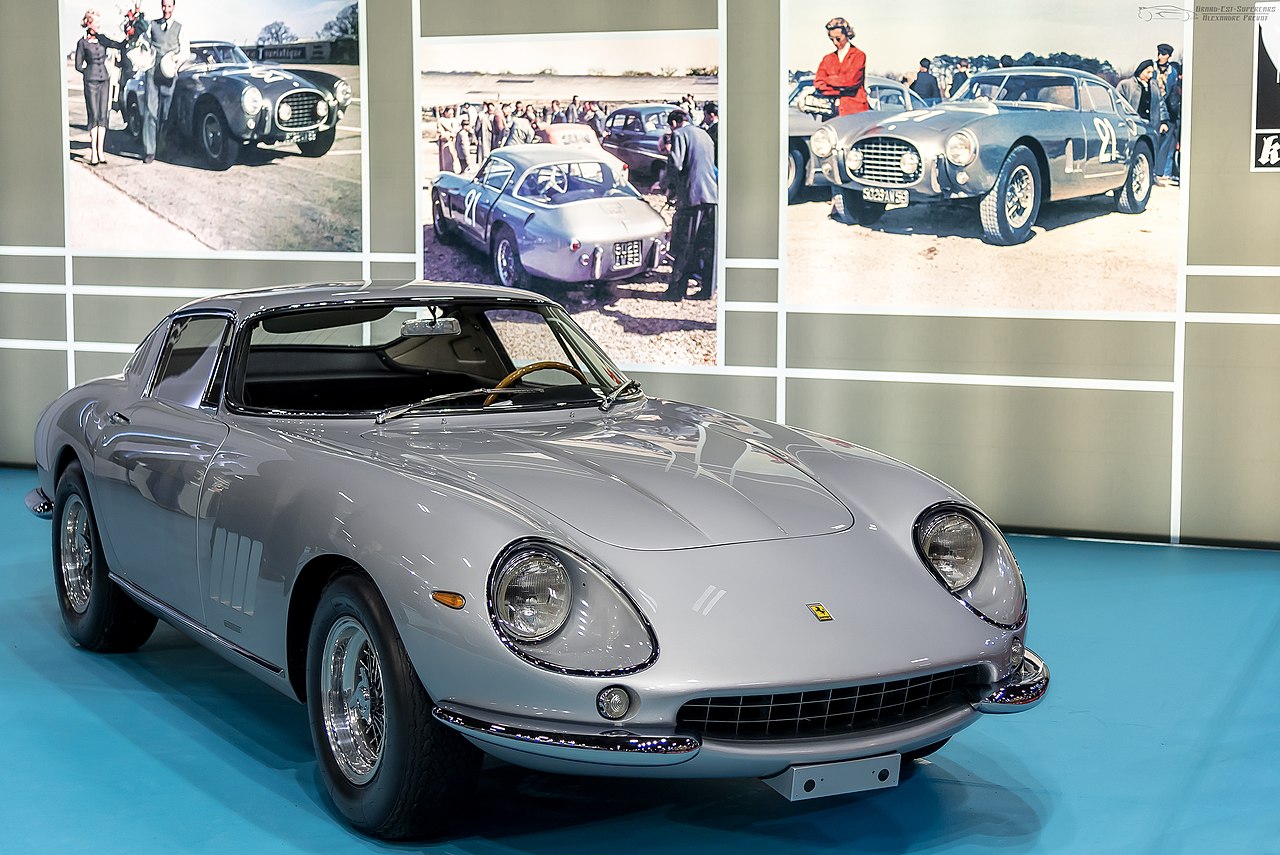 Alexandre Prevot, CC BY-SA 2.0, Wikimedia Commons
Ferrari 275 GTB/4 (Cont'd)
The Ferrari 275 GTB/4 was special, not only for its groundbreaking engineering, but that it could outperform even the cars of today. Featuring six carburetors, the Ferrari 275 GTB/4 could produce over 300 hp and had an astonishing top speed of 155 mph, a stunning feat for a mid-60s car, even one produced by Ferrari.
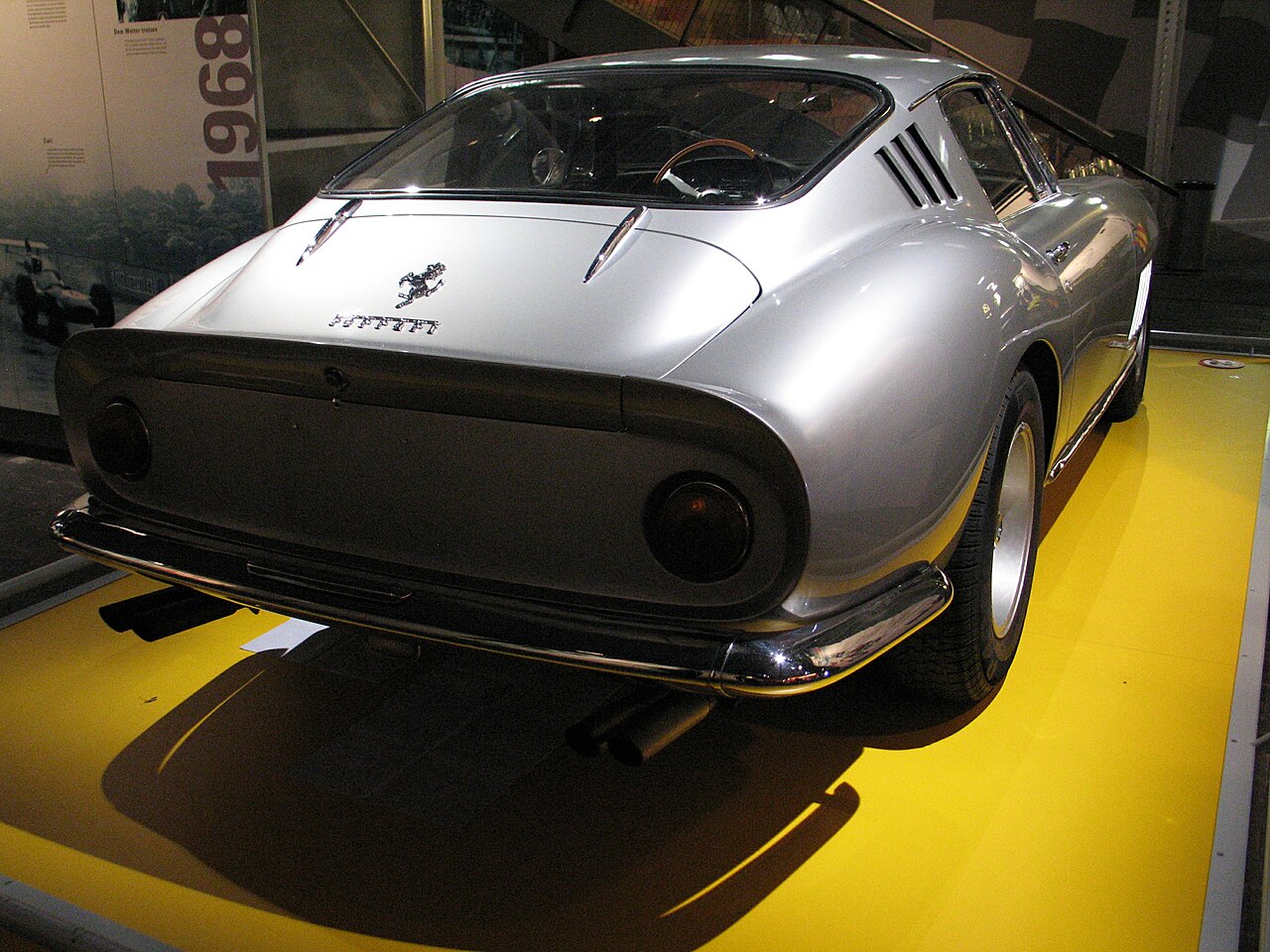 Mike Roberts, CC BY-SA 2.0, Wikimedia Commons
Rolls Royce Silver Cloud Convertible II
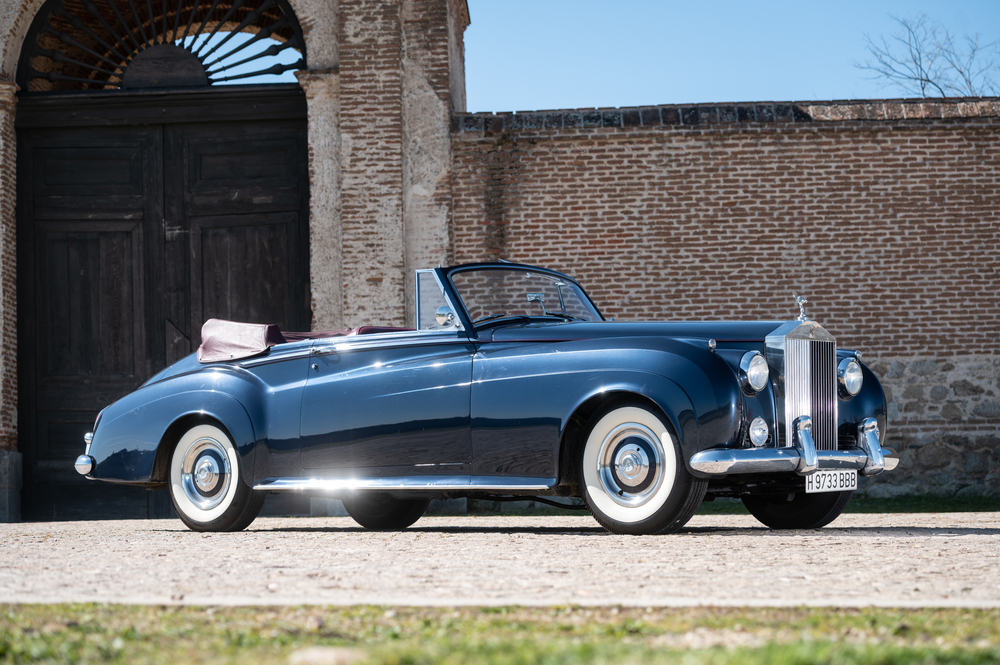
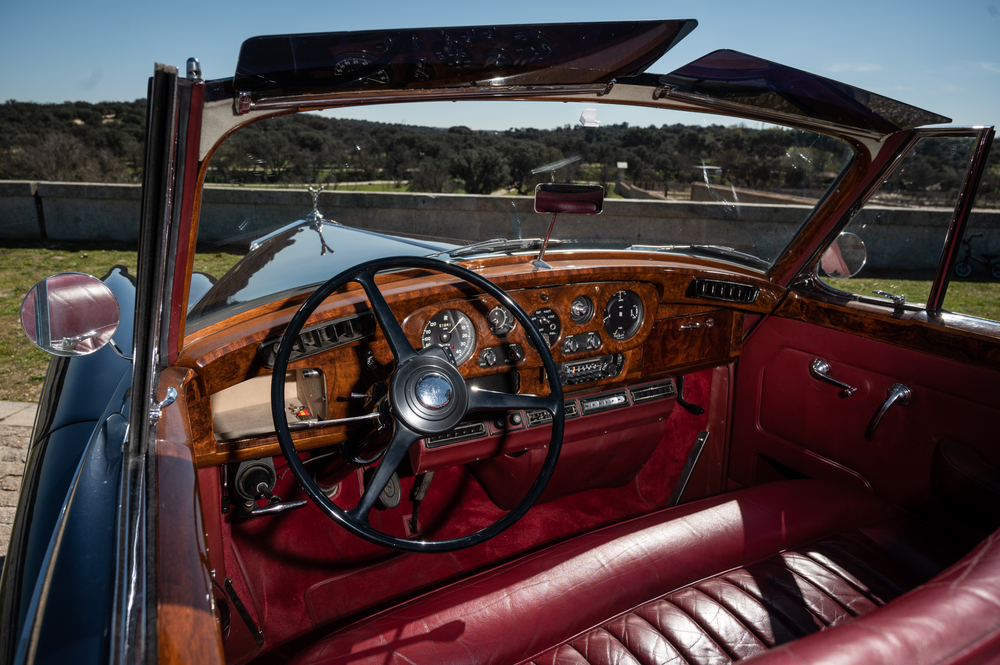
Lastly, we have a stunning Rolls Royce Silver Cloud Convertible. Produced between 1955 and 1966, the Silver Cloud was the epitome of luxury. It also included some exciting design features: blue instrument lighting, a combined indicator/headlamp switch for the first time, and a handbrake warning light. We're not entirely sure when Cage acquired this stunning car, but we hope he treats it carefully.
Rolls Royce Silver Cloud Convertible II (Cont'd)
Making vast performance-related improvements on the Mk. I, the Rolls Royce Silver Cloud Convertible II featured a brand-new 6.2L V8 engine produced by Rolls-Royce themselves, which gave the car a new top speed of 114 mph, with much-improved acceleration. At the time, the Silver Cloud was the very first Rolls to be powered by a V8.
You May Also Like:
Ed "Big Daddy" Roth's Coolest Custom Cars
Inside James Hetfield's Rockin' Car Collection
Sultan Hassanal Bolkiah's Car Collection
Sources:




.jpg)
.jpg)


.jpg)

.jpg)

.jpg)

_(53550977338).jpg)


.jpg)


_Speedster_convertible_02.jpg)
.jpg)

.jpg)
_Miami_Metro_Area,_USA_(1).jpg)

.jpg)


.jpg)
.jpg)
_(50079717767).jpg)
_(50079462861).jpg)
.jpg)
.jpg)