The Denial That Catches Truck Owners Off Guard
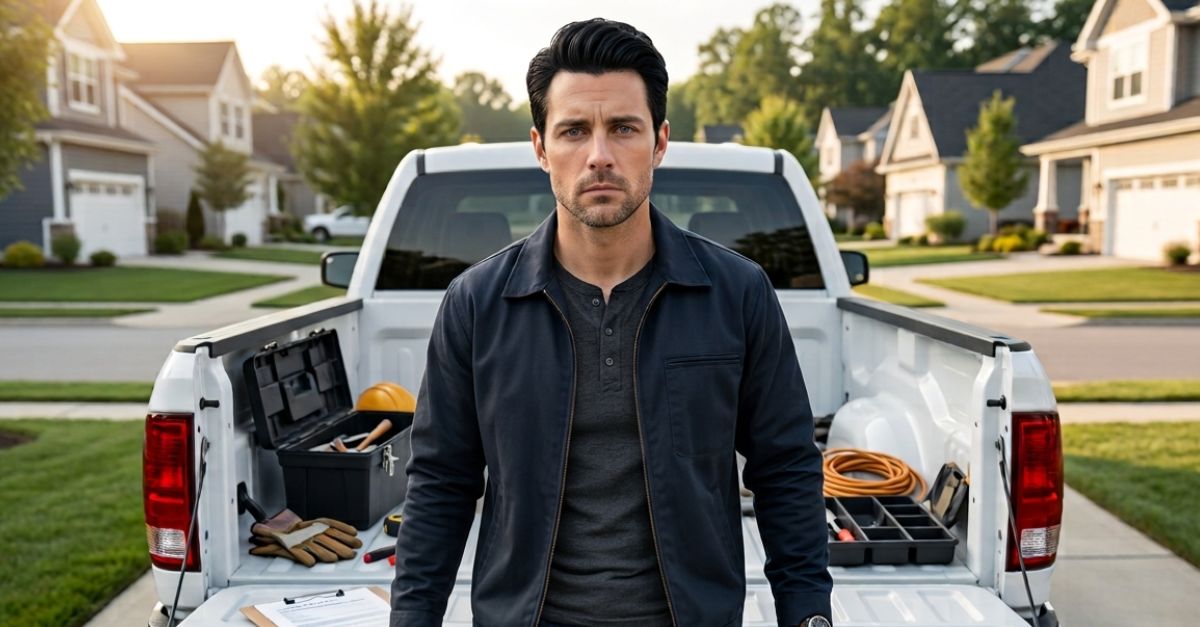
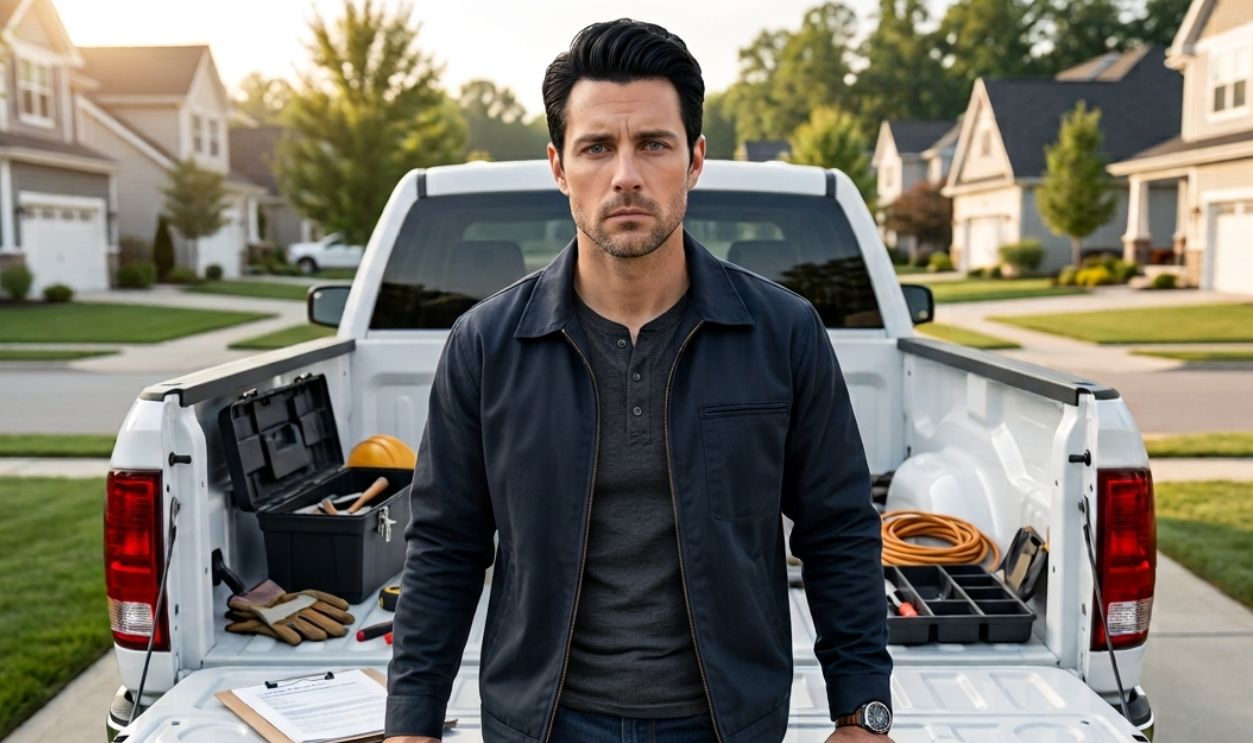
You walk out in the morning, the truck is still there, but the tools are gone. Then comes the second hit: the insurer says the loss is not covered because the tools were left in the vehicle overnight. It sounds brutal, but it's definitely not unusual. Coverage for stolen tools often depends on what policy you had, where the tools were stored, and whether an exclusion applies.
The Short Answer
There is no blanket rule saying insurers must deny tools stolen from a truck overnight. But it is common for claims to be limited or denied when the tools were business property, were inside an unattended vehicle, or went over the sub-limits in a homeowners or renters policy. The real answer comes down to the policy language. That is where these claims are decided.
Why This Happens So Often
A lot of people assume that if they own something, it is covered everywhere. Insurance does not work that way. Personal auto insurance usually covers damage to the truck itself. The tools inside may fall under homeowners, renters, inland marine, or business property coverage, depending on how they were used.
Personal Auto Insurance Usually Is Not The Main Tool Policy
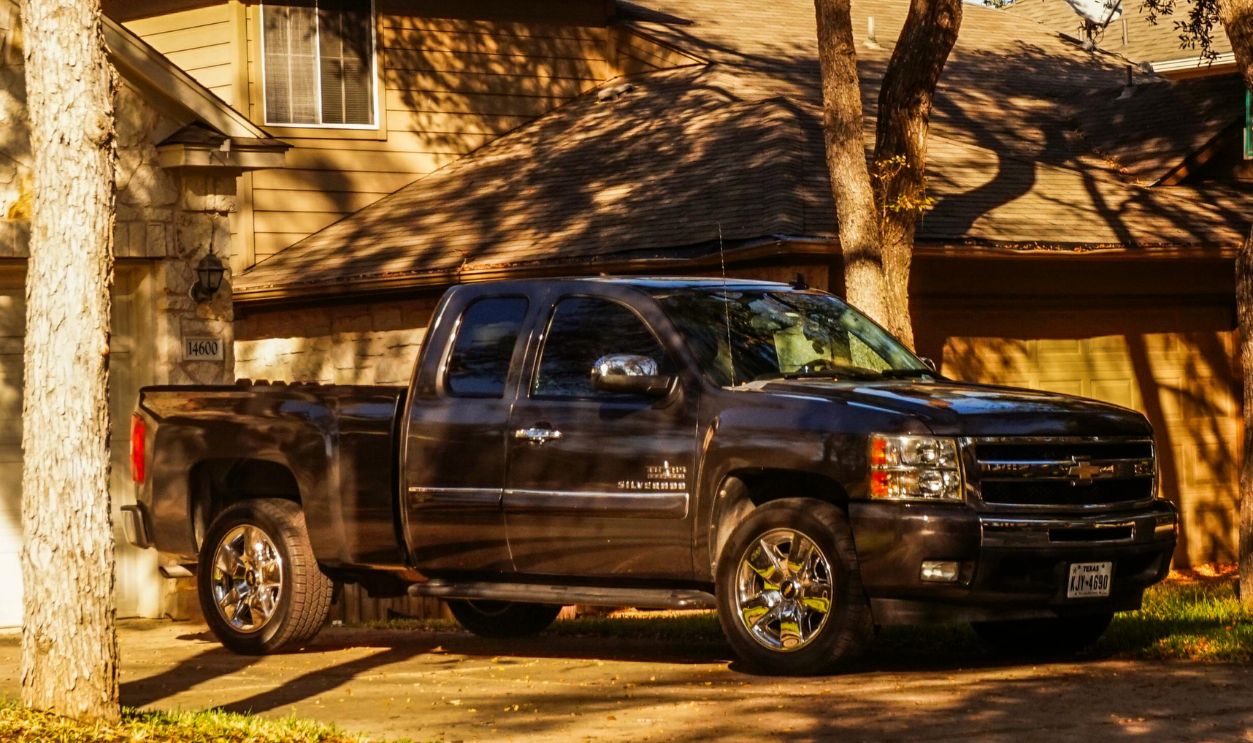
If your truck was broken into, comprehensive coverage on an auto policy may pay for broken glass or other theft-related damage to the vehicle. What it usually does not pay for is the property inside the truck. That gap is one reason stolen-tool fights are so common.
Homeowners And Renters Policies Can Help, But With Limits
The Insurance Information Institute says homeowners insurance generally covers personal belongings even when they are away from home, but that coverage still depends on deductibles and policy limits. It also notes that belongings kept at another residence may be limited, often to 10 percent of Coverage C. That does not mean every tool theft from a truck is excluded. It does mean broad assumptions can get expensive fast.

Business Tools Are A Major Flash Point
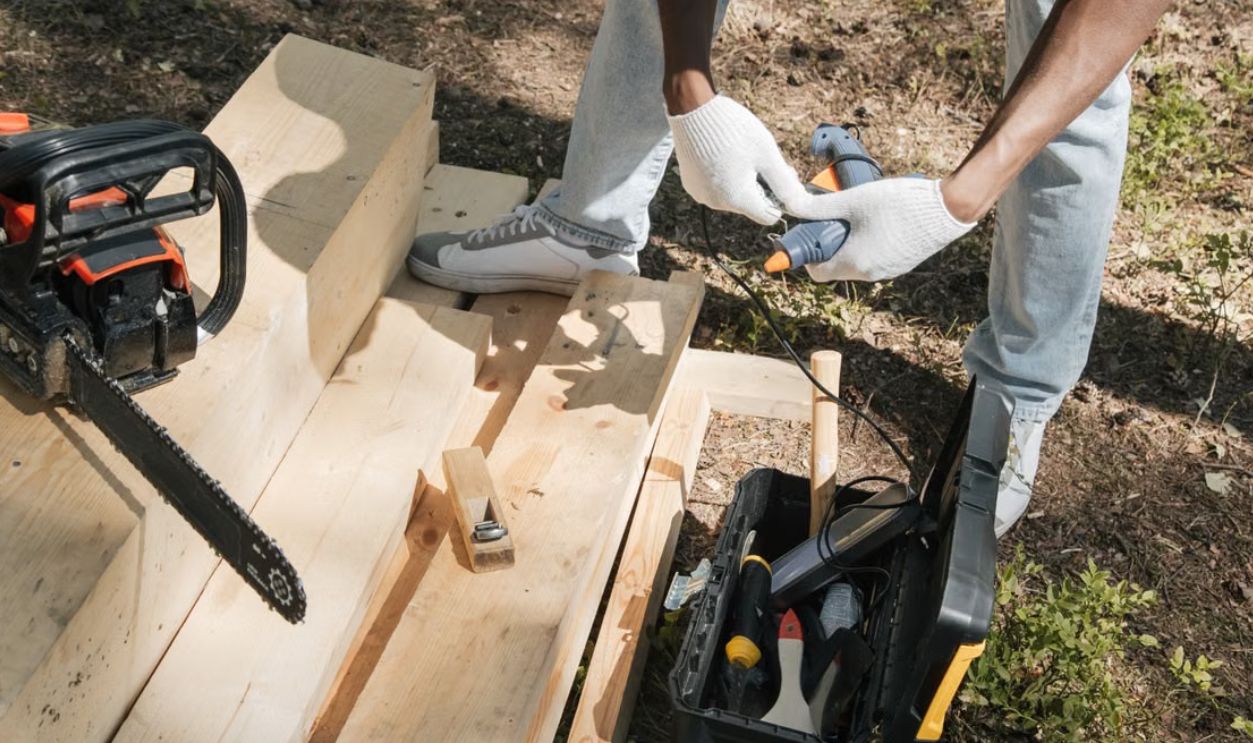
If the stolen tools were used for work, the insurer may treat them as business property instead of ordinary personal belongings. The National Association of Insurance Commissioners says standard homeowners policies often place special limits on business property. That matters because a contractor with thousands of dollars in gear can hit a low cap long before the full loss is covered.
The Overnight Problem Is Often Really An Unattended Vehicle Issue
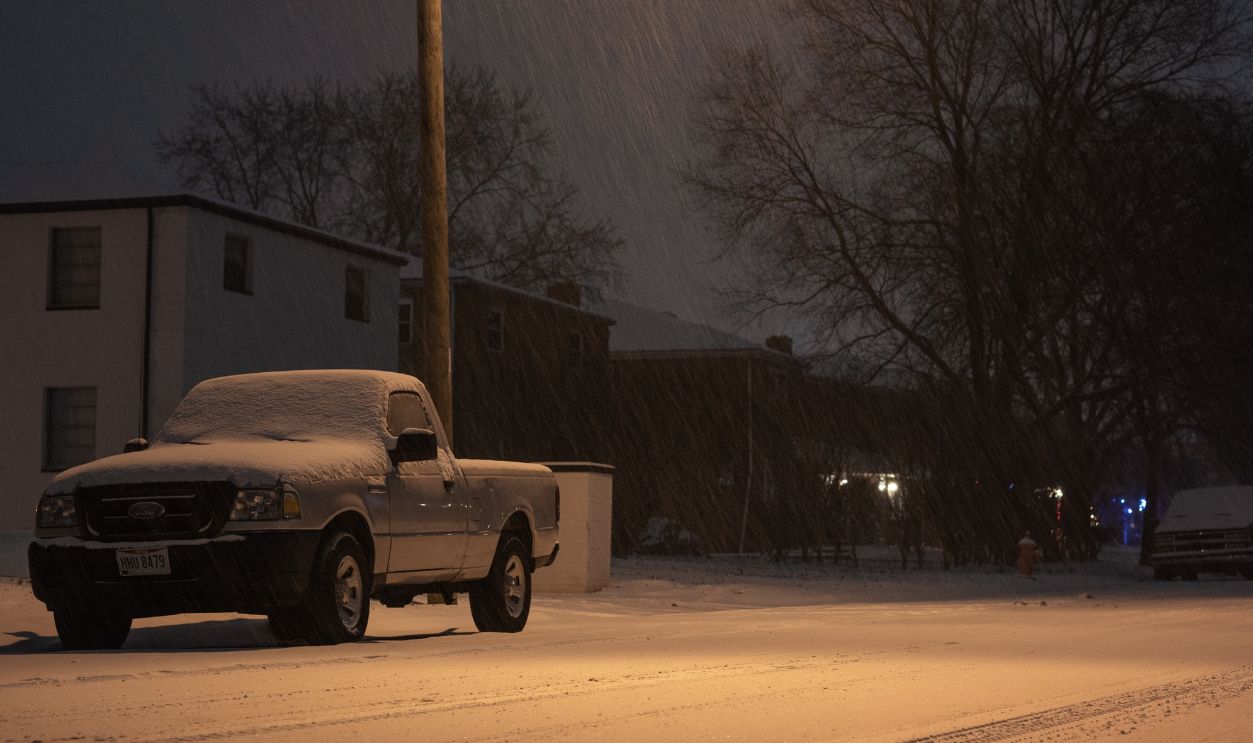
People often say the insurer denied the claim because the tools were left overnight. In many cases, the policy uses different wording, such as an exclusion or restriction for theft from an unattended vehicle unless there are visible signs of forced entry. The overnight detail matters because it usually means the truck was unattended for a long stretch, which can trigger tougher policy terms.
Visible Forced Entry Can Be The Make-Or-Break Detail
Some policies that cover tools or equipment in a vehicle require proof of forcible entry. If a thief used a key, a relay attack, or another method that left little damage, the insurer may argue that the condition was not met. That is why photos of locks, glass, door seals, and the police report can become key evidence.
A Homeowners Claim May Still Be Cut Down By The Deductible
Even when a homeowners or renters policy applies, the deductible can wipe out much of a smaller tool claim. If you lost $1,200 in tools and your deductible is $1,000, the payout may be very small. That is why some denied or underpaid claims feel so surprising even when the insurer points to a real policy limit.

Expensive Tool Collections Need Special Treatment
Standard property policies are not always built for a truck full of pro-grade tools. The Insurance Information Institute notes that especially valuable items may need to be scheduled or separately insured. For tradespeople, that often means inland marine coverage, contractor equipment coverage, or a business owners policy with the right endorsements.
What Inland Marine Coverage Actually Does
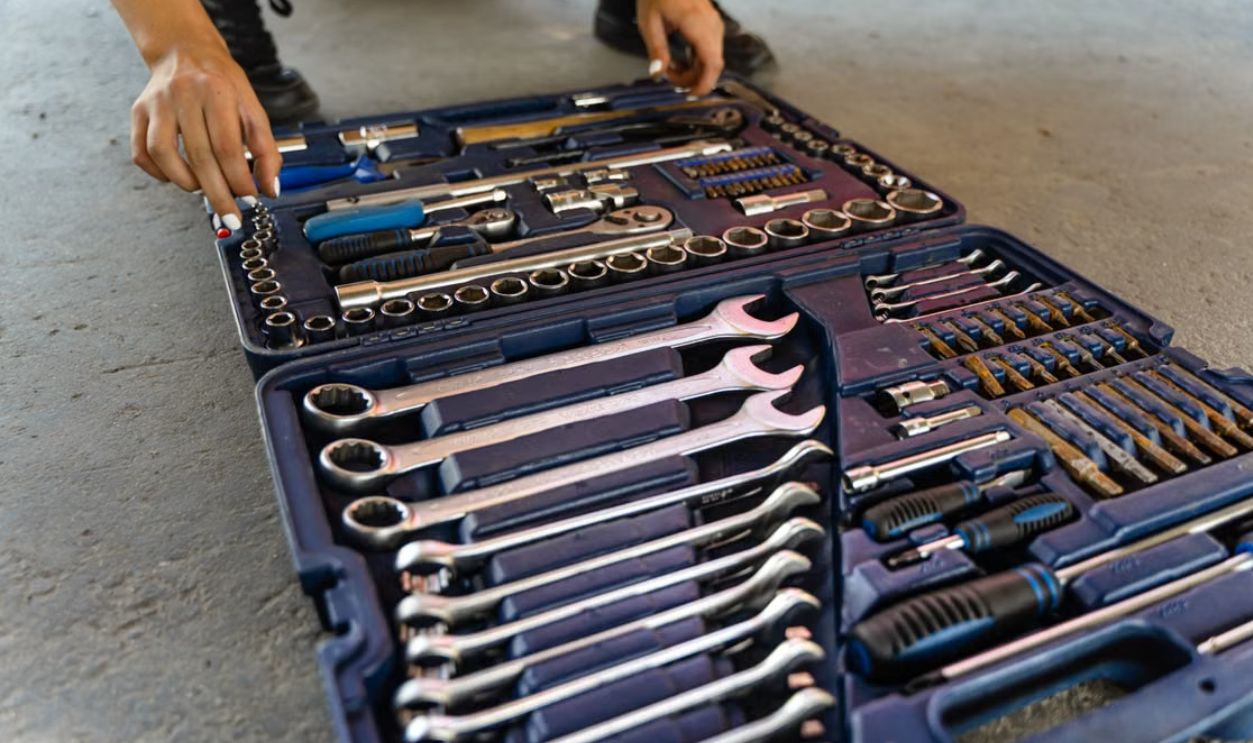
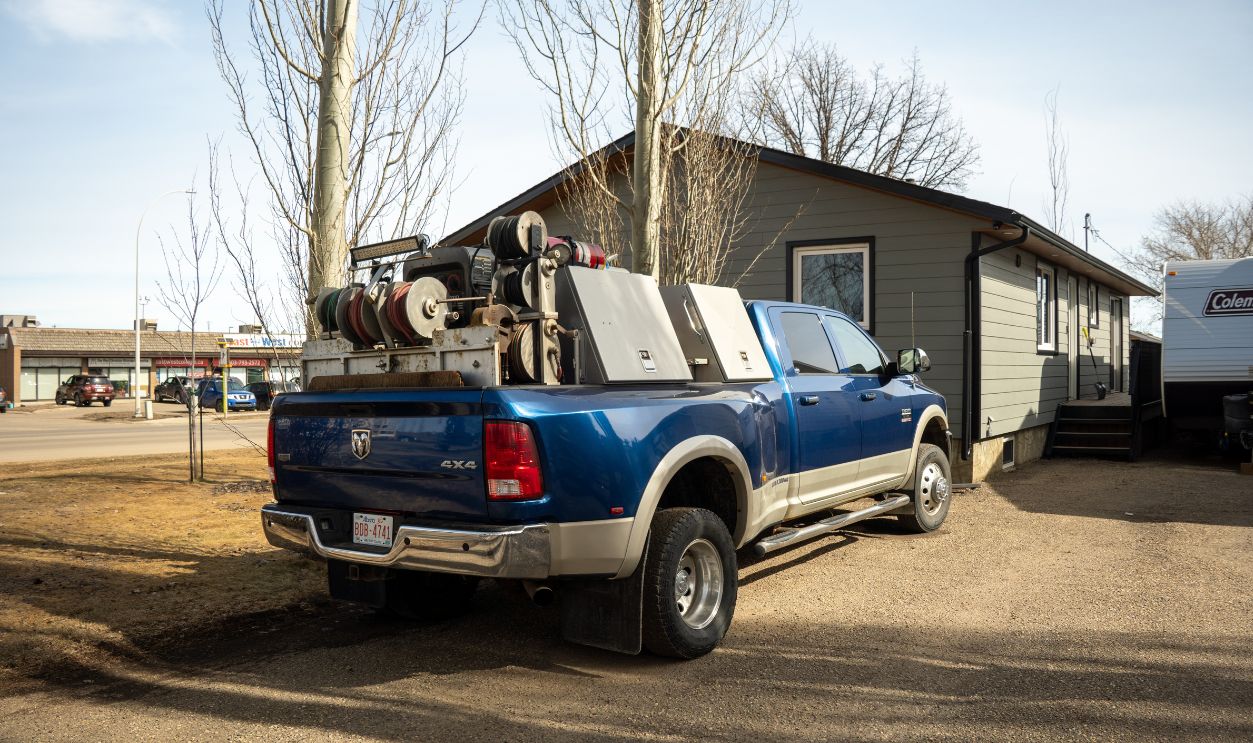
Despite the name, inland marine insurance is commonly used for tools and equipment that move from job to job. Travelers describes it as protection for property that is mobile or in transit. That is exactly the kind of risk a basic homeowners or auto policy often handles badly.
 Karolis Kavolelis, Shutterstock
Why Insurers Look Closely At How The Tools Were Used
If you are a hobbyist with a few personal tools, the claim may be reviewed one way. If you are an electrician, plumber, or carpenter carrying tools to earn income, the insurer may classify them as business property. That one difference can change both which policy applies and how much gets paid.
Your Policy May Have Tiny Limits For Business Property Away From Home
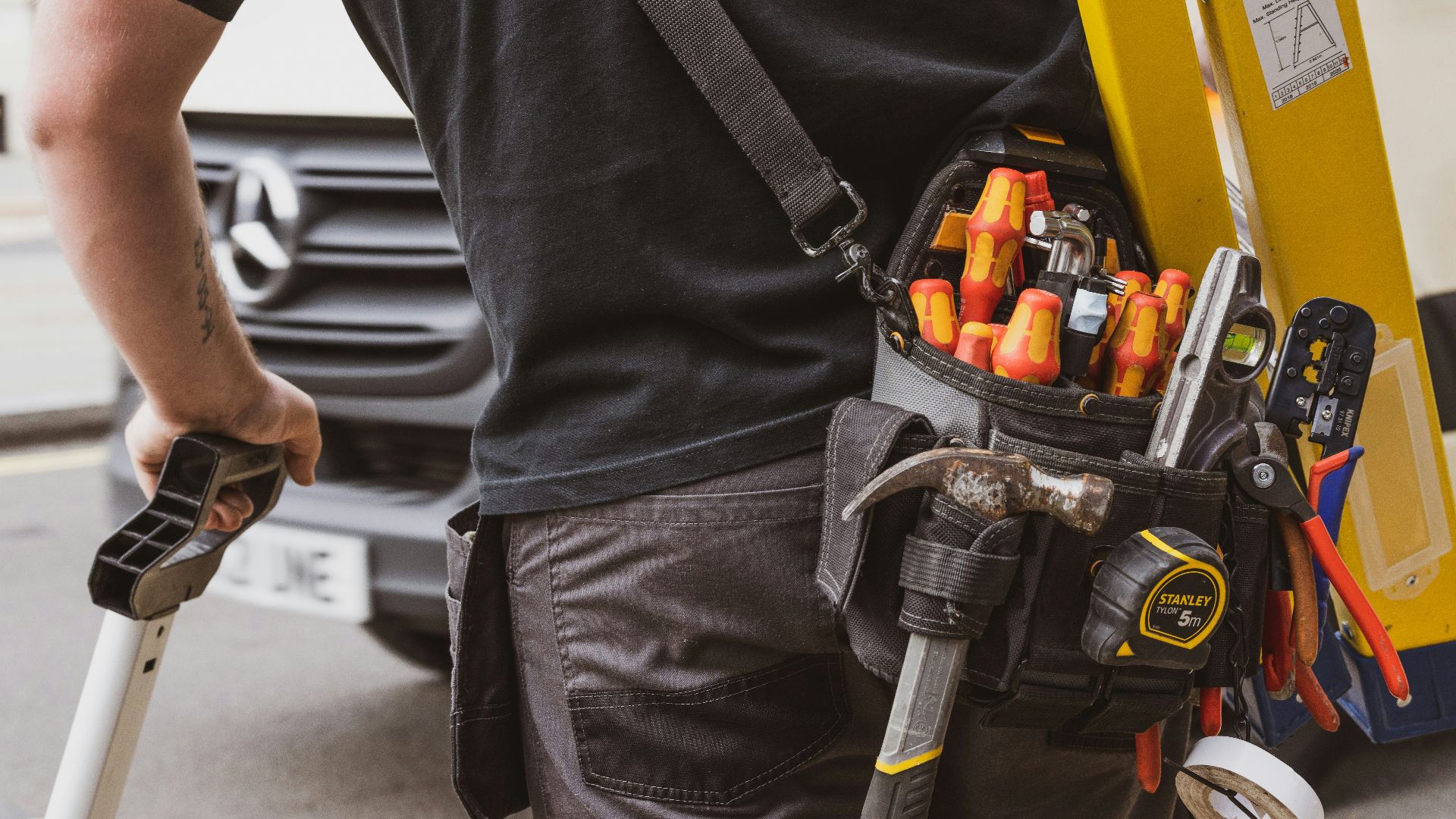
The NAIC warns consumers that standard homeowners policies may set lower dollar limits on business property, especially when it is away from the residence. That means a truck theft at a jobsite, in a parking lot, or at the curb can expose a serious gap. For some owners, the problem is not a full exclusion but a very small cap.

It Is Not Just About Theft
The same confusion can show up after a fire, water damage, or a crash. The truck may be insured under one policy while the equipment inside falls under another. When people assume one claim covers everything, they often find out how narrowly each policy is written.
State Rules Matter Less Than The Contract Language
People often ask whether there is a law stopping insurers from denying tools stolen from a vehicle overnight. Usually, the bigger issue is not a special state rule but the contract you bought. State regulators set standards for claims handling, but they do not rewrite your coverage after the loss.

What A Legit Denial Usually Looks Like
A proper denial letter should point to the policy provisions the insurer relied on. It may cite an unattended vehicle exclusion, a business property limit, a failure to meet proof-of-loss rules, or a lack of evidence of forced entry. If the letter is vague, ask for the exact form number and page references.

What A Questionable Denial Looks Like
If the insurer just says that leaving the tools in the truck overnight means there is no coverage, without pointing to the actual policy wording, that is a warning sign. Insurance decisions should be tied to the contract, not just something said on the phone. The denial may still be right, but you should ask to see the language behind it.

Your First Move Is To Read The Declarations And Endorsements
Start with the declarations page to confirm what policies were in force on the date of loss. Then read the endorsements, because that is often where added protections or extra exclusions appear. A lot of confusion starts when people read a general summary instead of the actual policy form that controls the claim.

Gather Proof Before The Trail Goes Cold
Make a list of every missing tool, along with the brand, model, serial number, and estimated age. Pull together receipts, credit card statements, jobsite photos, and any inventory records you have. The more clearly you can show ownership and value, the harder it is for the claim to be brushed aside for lack of proof.

Police Reports Matter More Than You Think
File a police report quickly and give officers a detailed list of the missing tools if you can. Insurers routinely ask for the report number and may compare your claim with what you told police. Small differences can slow the claim down, while solid documentation can help show that a real theft happened.

Photos Of The Truck Can Help Decide The Case
Take pictures of the doors, handles, locks, windows, weather stripping, toolboxes, and the area around the vehicle. If the policy requires visible signs of forced entry, those images may end up being some of the most important evidence. Even minor damage can show more in a close-up than it does in memory later.
If The Tools Were For Work, Ask About Business Coverage Immediately
Do not stop with the homeowners or auto claim if the tools were tied to your trade. Check whether you had a business owners policy, contractors equipment coverage, or inland marine protection through your business. Some denials look final only because the owner filed under the wrong policy first.

You Can Appeal A Denial
If you think the insurer got it wrong, ask for an internal appeal or claim review. Put your argument in writing and include the policy language, receipts, photos, and any proof of forced entry or misclassification. Keep it clear and factual. A clean paper trail usually works better than an angry phone call.

State Insurance Departments Can Be A Backstop
If the insurer will not clearly explain the denial or you think the claim was mishandled, you can contact your state insurance department. The NAIC offers consumer guidance and links to state regulators. They usually will not act as your lawyer, but they can review whether the company followed claims-handling rules.

When A Lawyer Or Public Adjuster May Be Worth It
If the loss is large and the policy language is complicated, professional help may be worth the cost. A coverage lawyer can read the exclusions and challenge a bad interpretation. In some property claims, a licensed public adjuster can also help document and present the loss, though the rules vary by state.

How To Avoid This Mess Next Time
If your living rides around in the cab or bed every day, do not rely on guesswork. Ask your agent, in writing, whether your tools are covered in an unattended vehicle, whether forced entry is required, what the business property limit is, and whether overnight storage changes anything. If the answer is fuzzy, the coverage probably is too.

Simple Habits That Can Reduce The Risk
Bring high-value tools inside when you can, especially overnight. Use a locked, bolted toolbox, park in a well-lit area, keep a record of serial numbers, and consider GPS tags for expensive gear. None of that guarantees coverage, but it can lower the chance of theft and make a later claim stronger.
The Bottom Line
Yes, insurers often deny or sharply limit claims for tools stolen from a truck overnight, but the overnight part is usually only one piece of the story. The real issue is whether the tools were personal or business property, which policy applied, and whether an unattended vehicle or forced-entry requirement was triggered. If this happened to you, do not accept a one-line answer. Ask for the exact policy wording and make the insurer show its work.