Sometimes Finding Your Car Isn't The Happy Ending
Having your car stolen is awful. Getting it back should be the part where everything works out. But some drivers get the call they've been waiting for and then discover they have a brand-new problem on their hands.
In fact, some recovered vehicles create so many headaches that owners start asking a question that sounds completely ridiculous at first: can I refuse to take my own car back?
Stolen Cars Are Recovered More Often Than You'd Think
Many people assume a stolen vehicle is gone forever. In reality, many stolen vehicles are eventually recovered. The problem is that recovery and restoration are two very different things.
Found Doesn't Mean Fixed
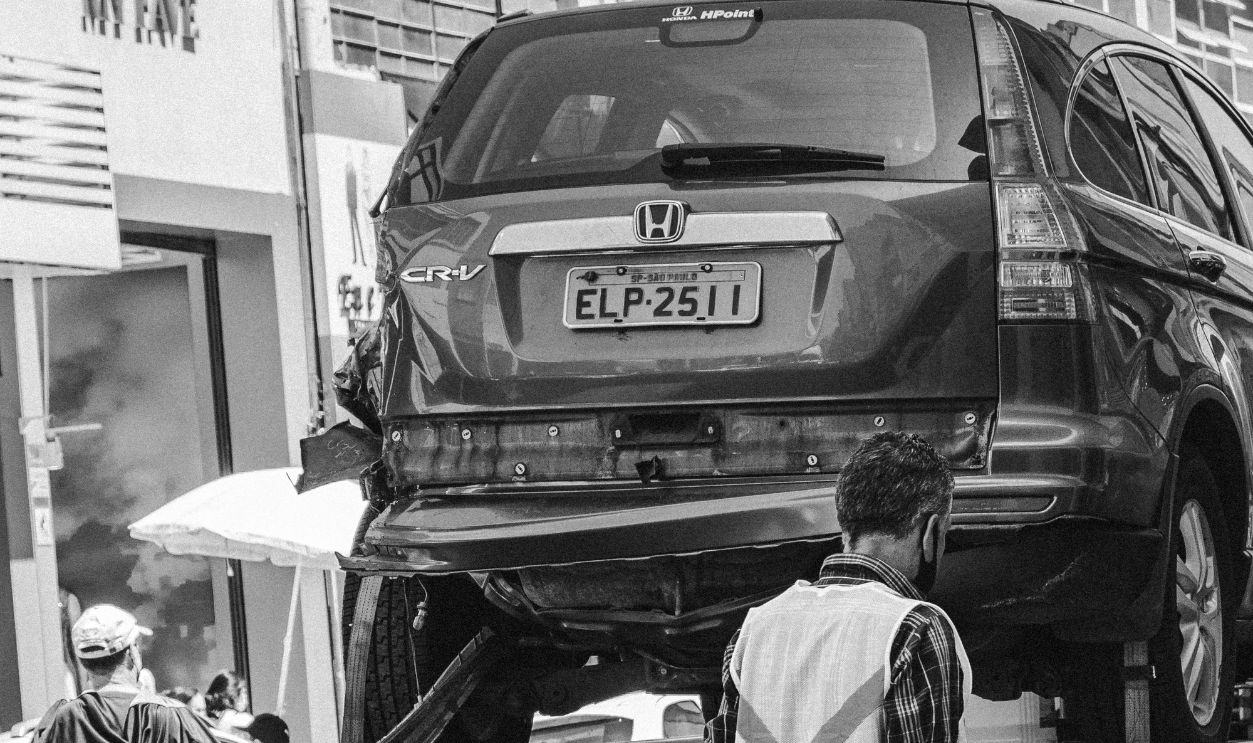
A vehicle might be recovered hours later or months later. Some are found abandoned with little damage. Others are discovered after being stripped, vandalized, abused, or involved in criminal activity. That's where many owners' problems begin.
The Condition Of The Car Changes Everything
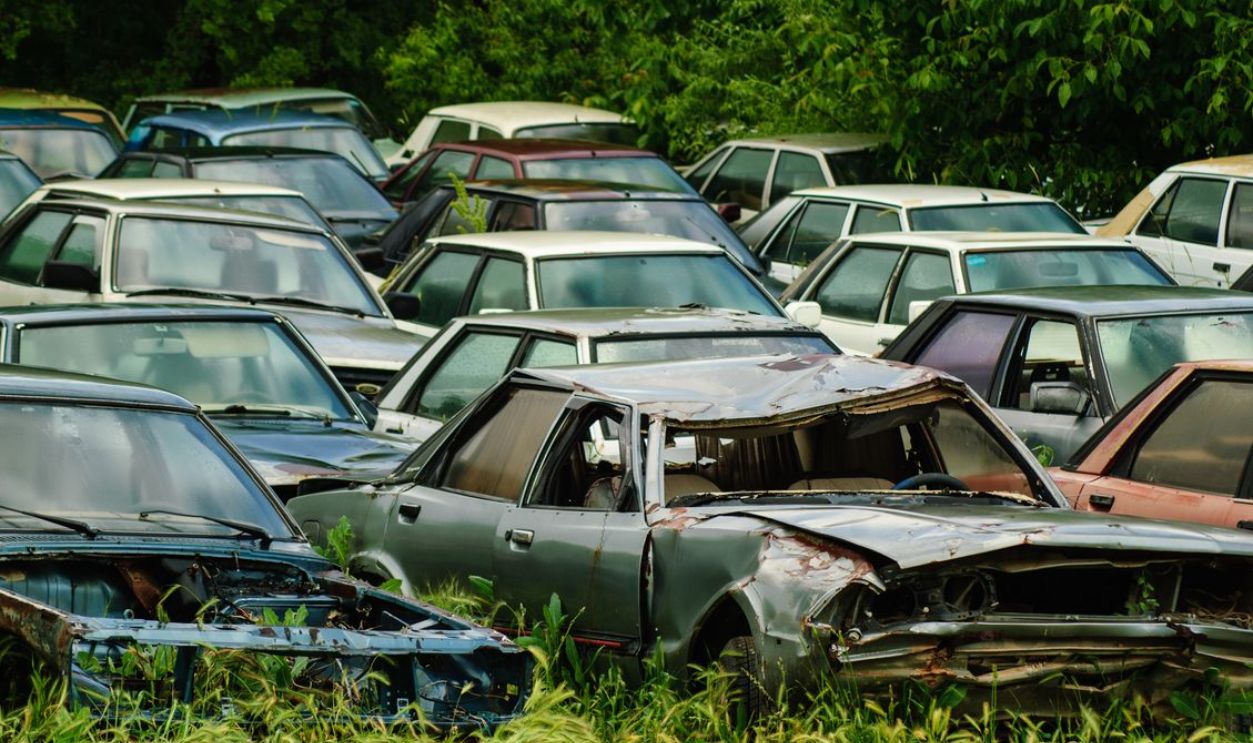
Whether you're stuck taking the vehicle back often depends on the car's condition and where the insurance claim stands. A lightly damaged vehicle creates one set of issues. A heavily damaged vehicle creates a very different set.
Some Recoveries Are Best-Case Scenarios
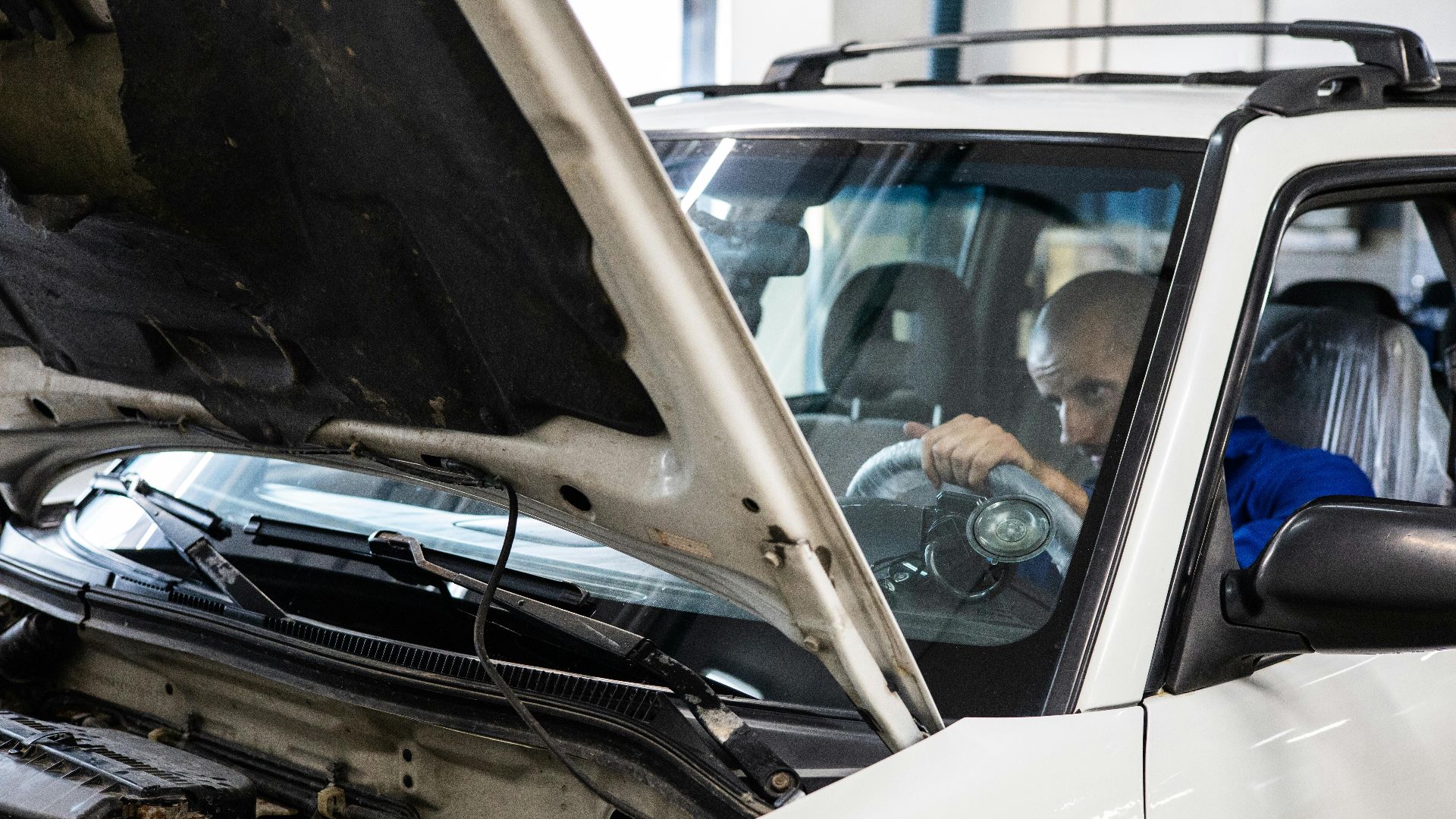
Not every recovery story is a disaster. Some stolen cars come back with little more than extra mileage, a dirty interior, or minor cosmetic damage. In those cases, owners are usually thrilled to see their vehicle again.

Others Come Back Looking Like A Disaster
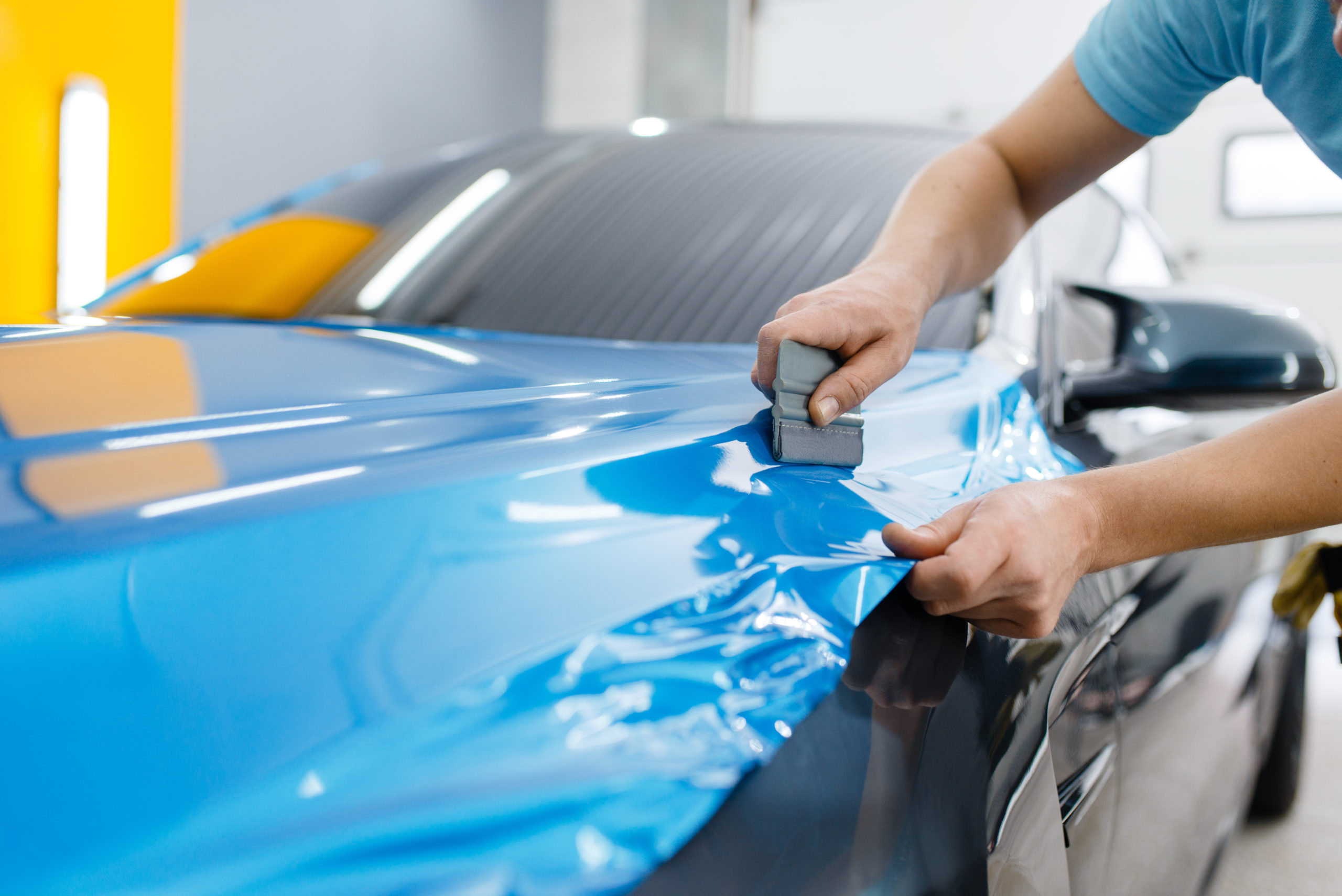
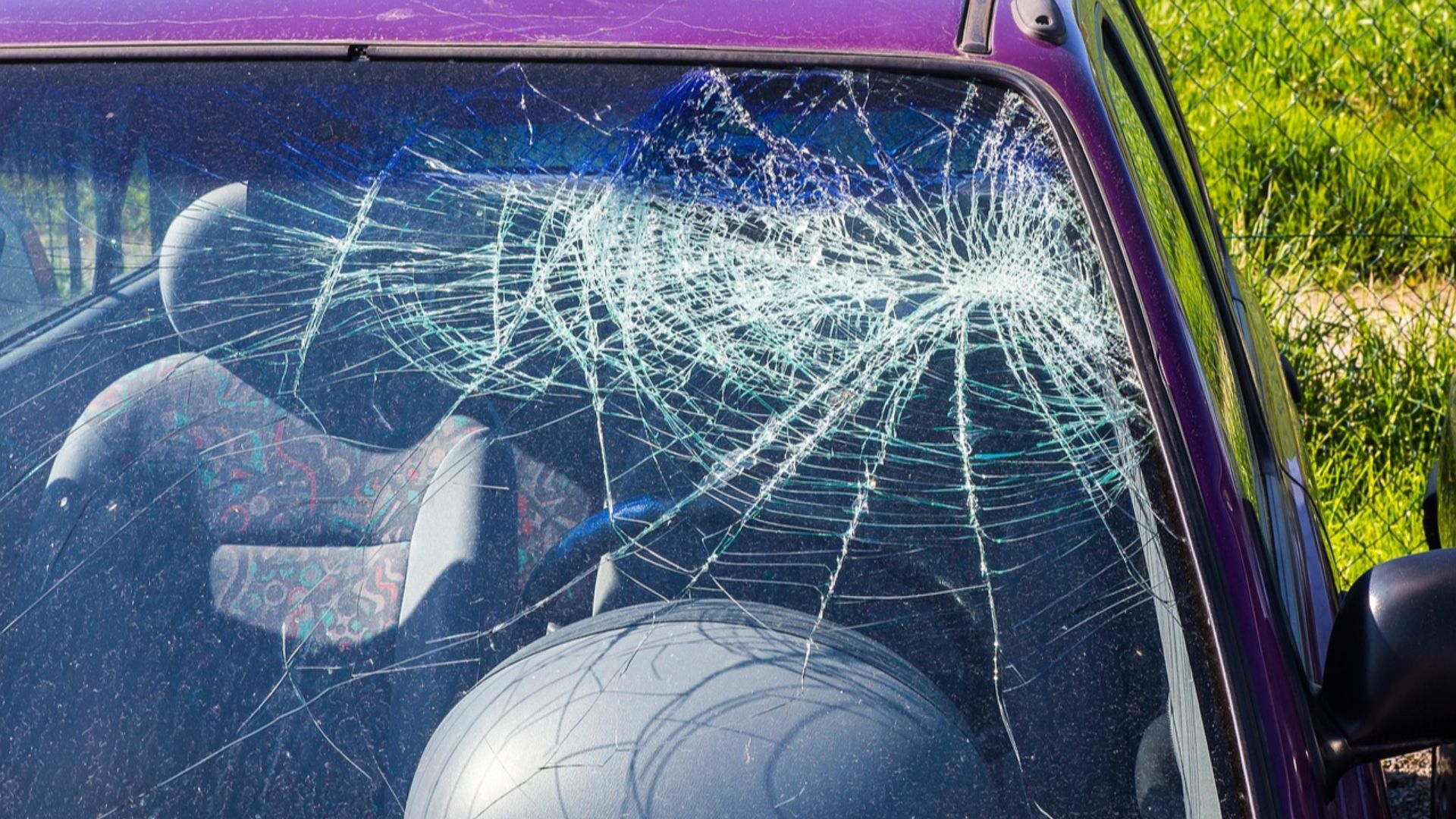
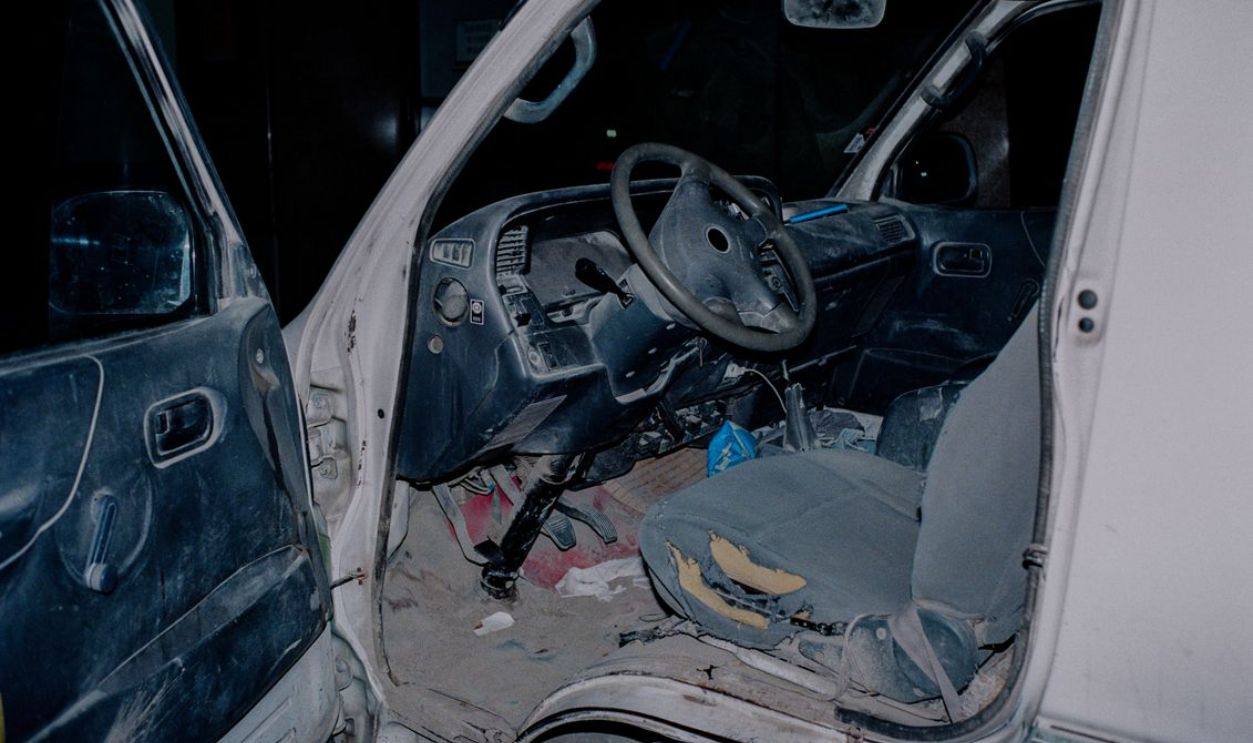
Unfortunately, not every recovery is so pleasant. Recovered vehicles are sometimes found with smashed interiors, missing electronics, broken windows, stripped parts, or significant body damage. Some are even used in other crimes before being abandoned.
Mechanical Damage Can Be Hidden
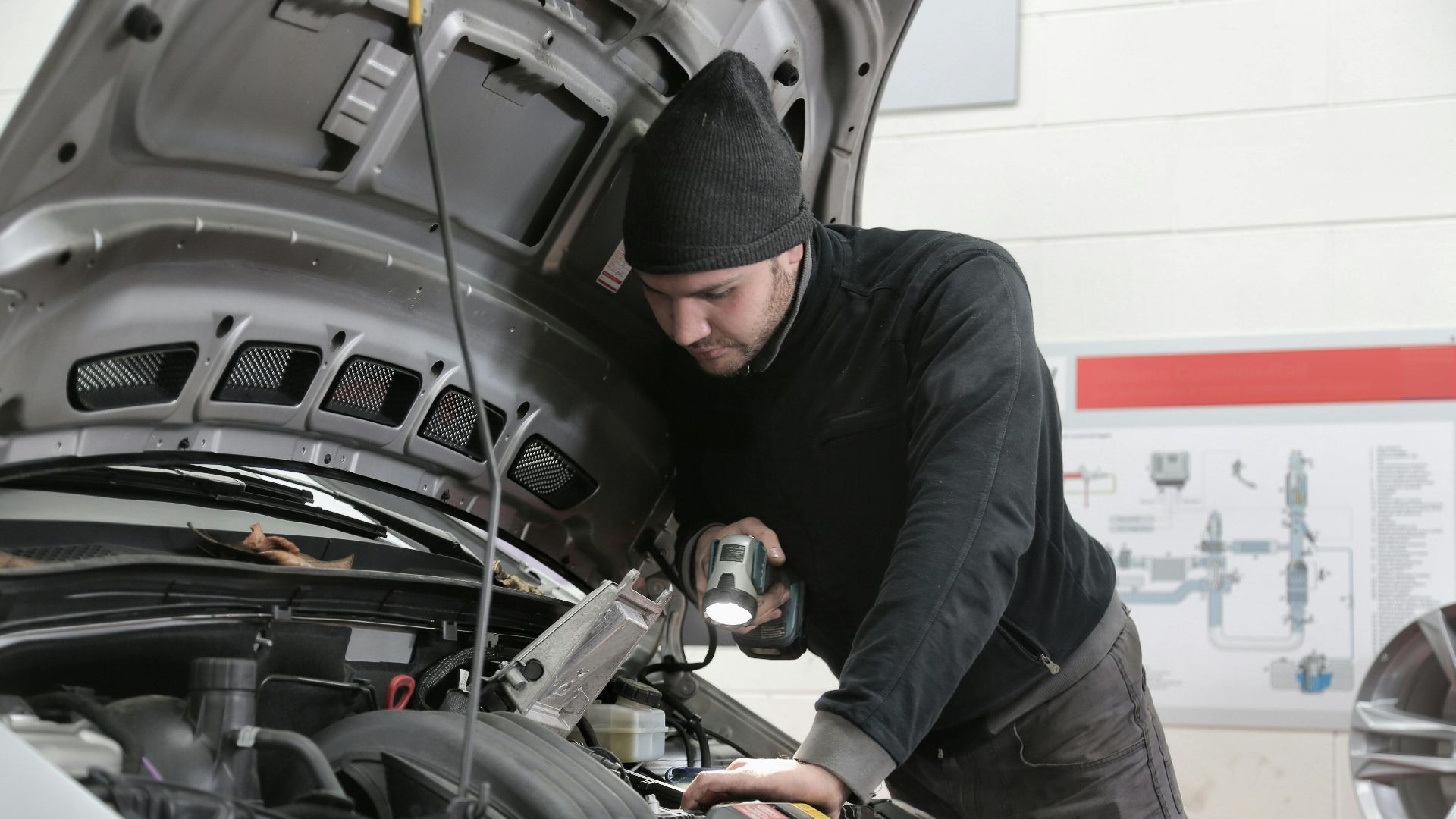
Visible damage is easy to spot. Hidden damage is where things get expensive. A stolen vehicle may have been driven aggressively, neglected, overloaded, curb-jumped, or run low on oil. None of that necessarily shows up during a quick walk-around inspection.
The Problems Might Not Show Up Right Away
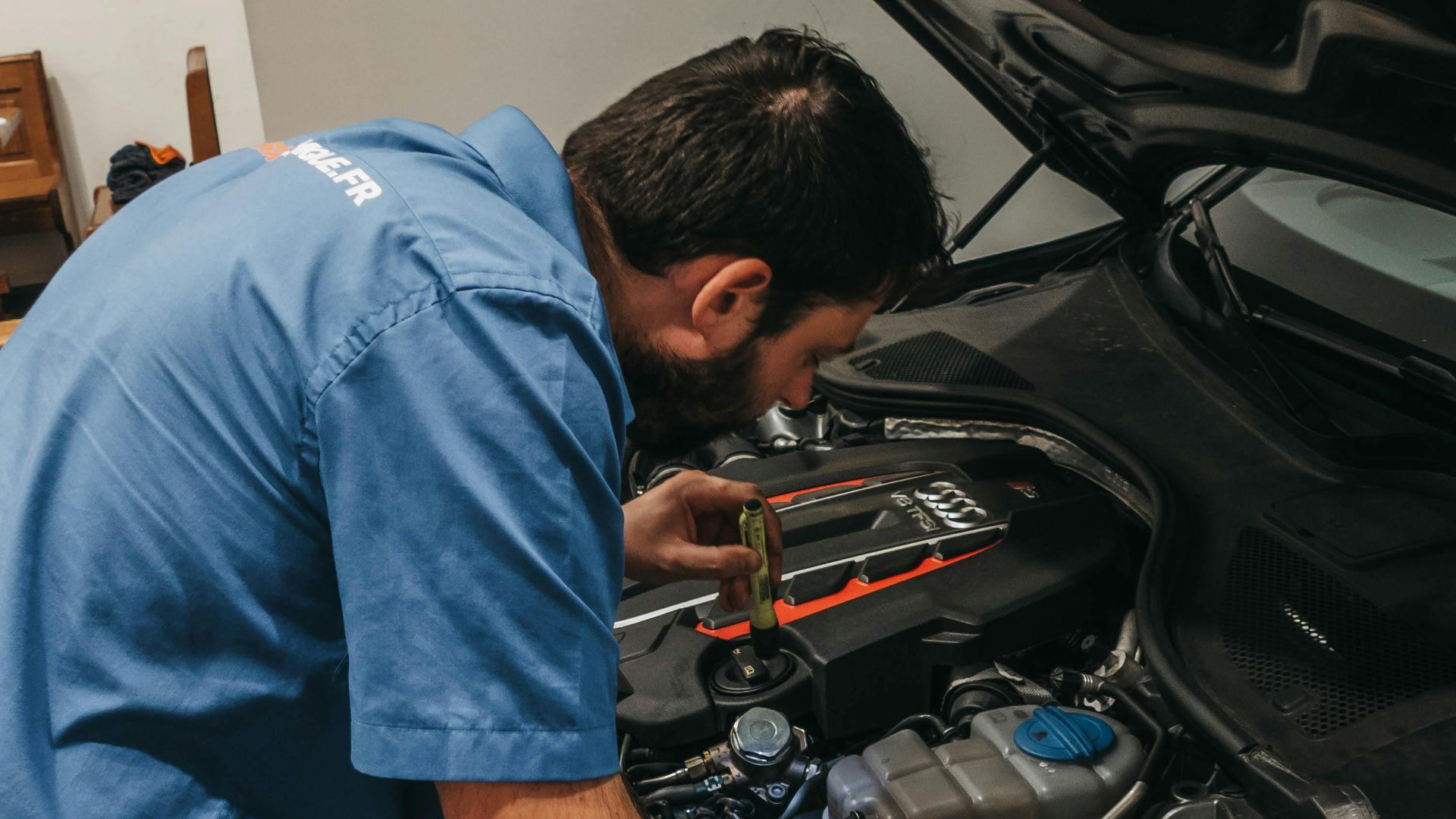
The engine may seem fine today and develop problems months later. That's one reason many experts recommend a thorough mechanical inspection before putting a recovered vehicle back into regular daily use.
The Interior Can Be Worse Than The Exterior
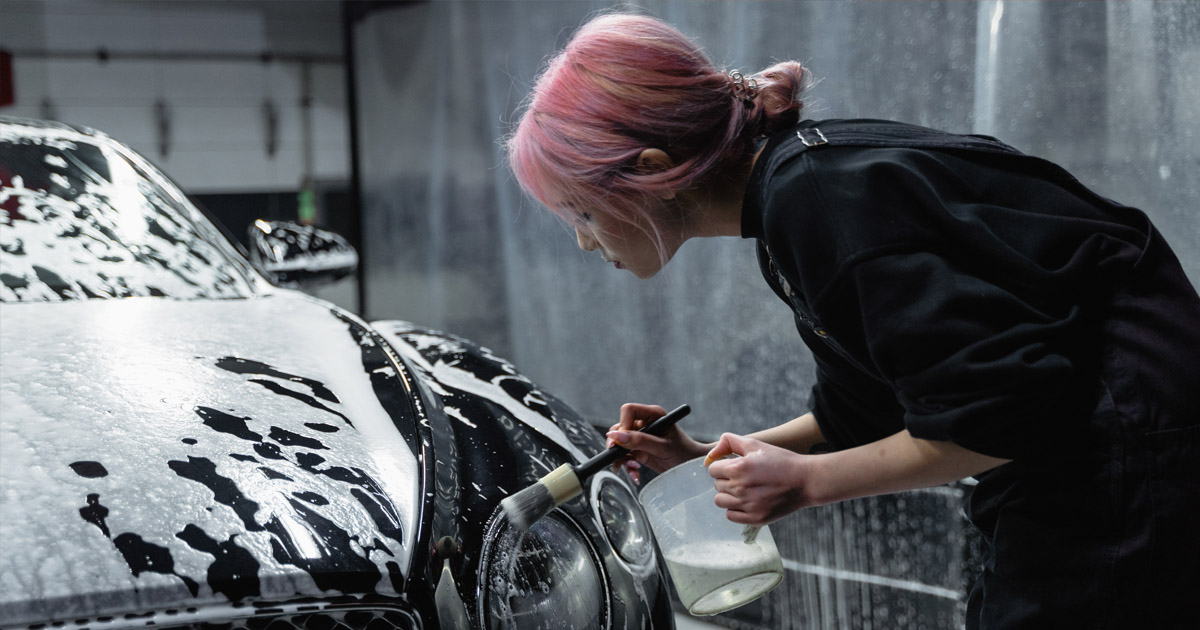
Many owners are shocked by what they find inside their recovered vehicles. Police and insurers have reported cases involving drug paraphernalia, smoke damage, garbage, biological waste, insects, and other contamination that requires professional cleaning.
Some Owners Never Trust The Car Again
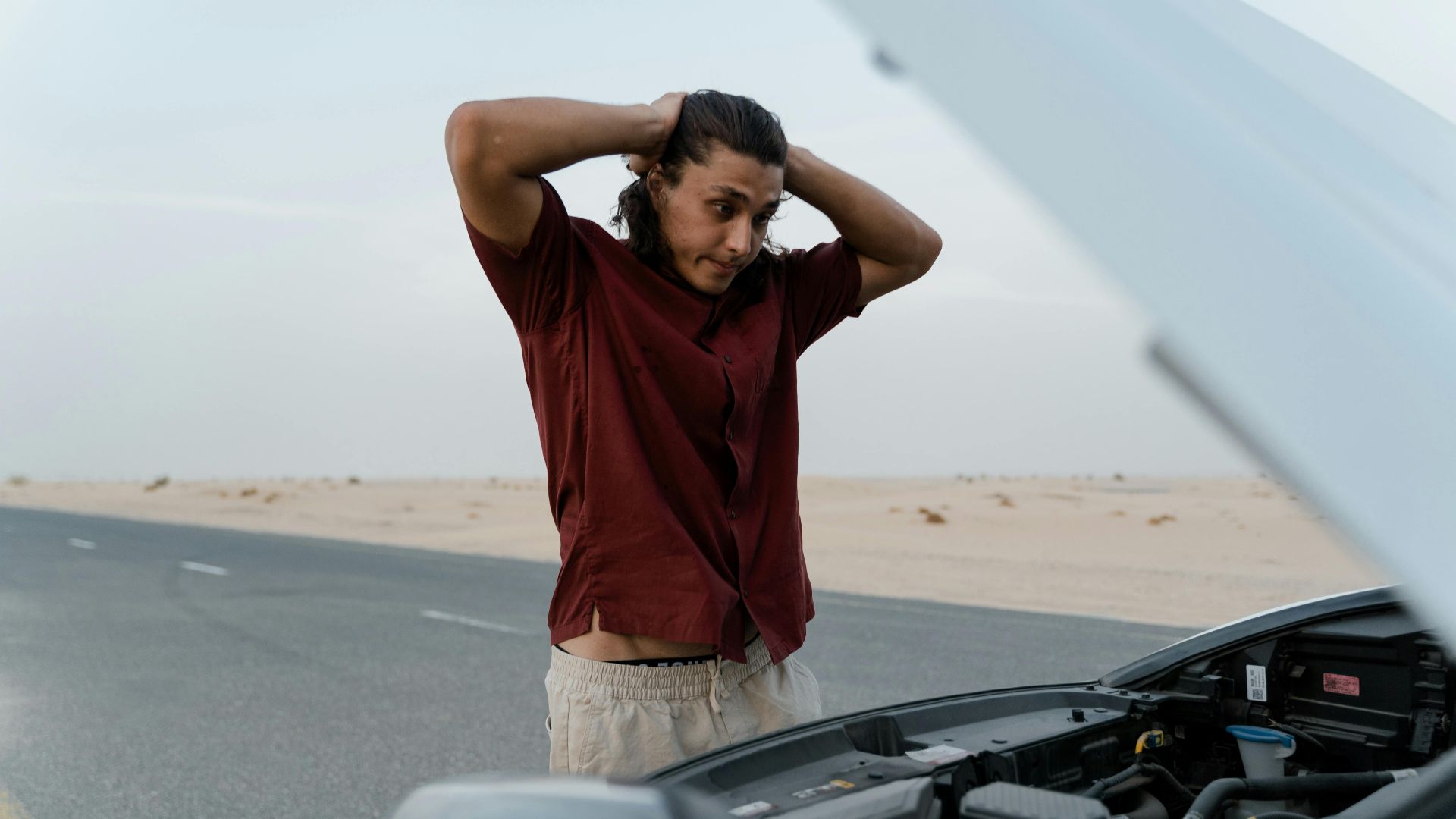
Even after repairs are completed, some drivers simply lose confidence in the vehicle. Every strange noise suddenly sounds suspicious. Every warning light creates anxiety. The car may be mechanically fine, but the owner's trust in it is gone.
The Insurance Timeline Matters
The biggest factor is often timing. Was the vehicle recovered before the insurance company settled the claim or after? The answer can completely change who owns the vehicle and what options are available.

Before The Insurance Settlement
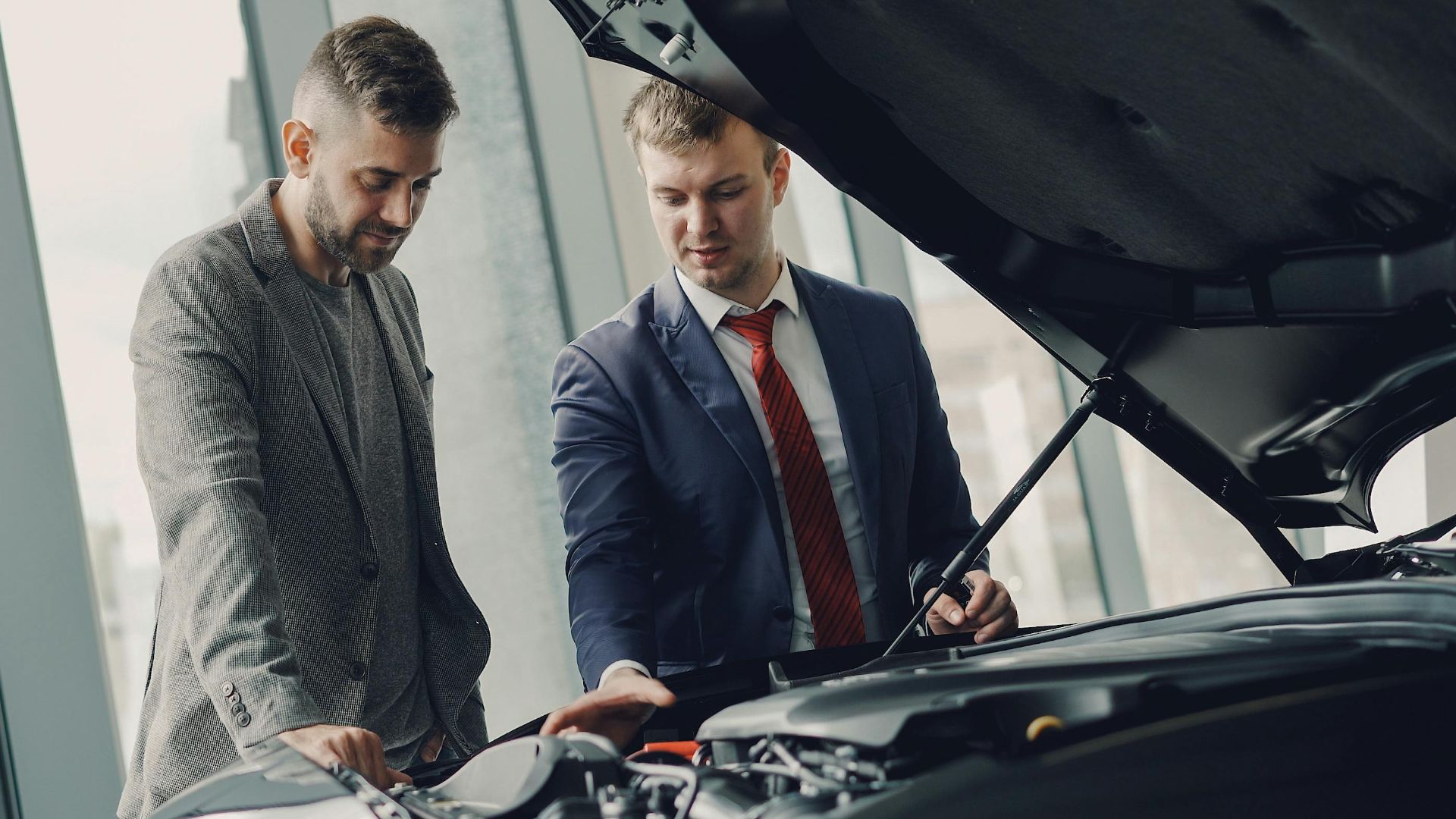
If the vehicle is recovered before the insurance company completes a total-loss payout, you generally remain the owner. The insurer will usually inspect the recovered vehicle and determine whether it should be repaired, declared a total loss, or handled another way under the policy.
After The Insurance Settlement
Once a total-loss settlement has been paid and ownership transfers, the situation changes dramatically. At that point, the insurance company typically becomes the owner of the recovered vehicle rather than you.
What Happens After A Total-Loss Payout?
This surprises many drivers. If the insurer has already paid you for the vehicle and taken ownership, a later recovery usually becomes the insurance company's problem, not yours.

You Usually Can't Be Forced To Buy It Back
Many people assume the insurance company can simply hand the car back and demand it be taken. That's generally not how it works. Once ownership has transferred through a total-loss settlement, you're typically not obligated to take the vehicle back.
But You Might Be Given The Option
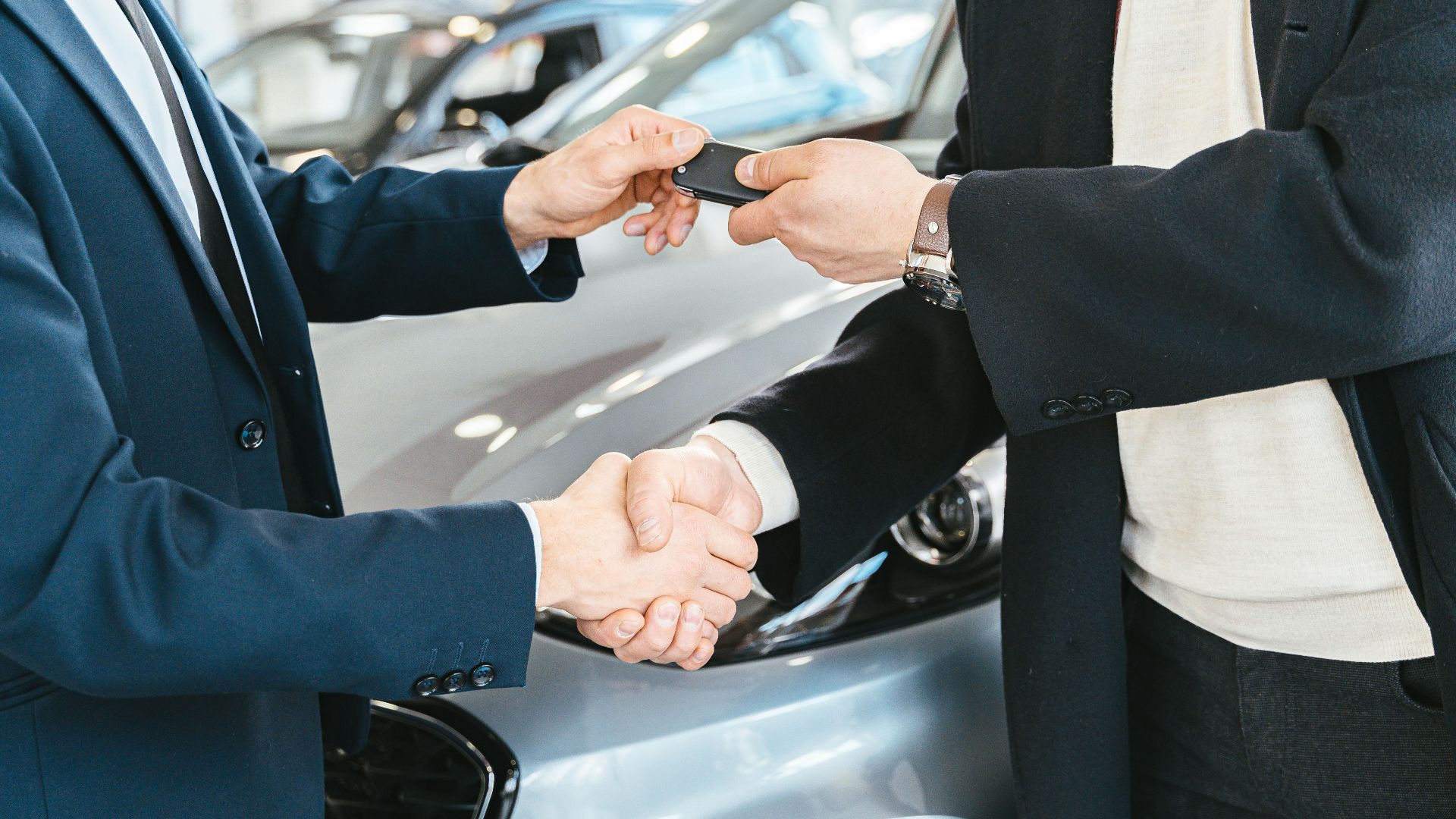
Some insurers offer former owners the opportunity to keep or repurchase a recovered vehicle. Whether that makes sense depends on the damage, repair costs, title status, and long-term value of the vehicle.

A Salvage Title Can Change Everything
Some recovered vehicles may eventually receive salvage or rebuilt title designations depending on the vehicle's condition and state law. Even when properly repaired, those designations can significantly affect future resale value and buyer interest.

Vehicle History Reports Don't Forget
Future buyers often check vehicle history reports before purchasing a used car. Depending on how the theft and recovery were handled, those events may appear in the vehicle's documented history for years afterward.

Diminished Value Is A Real Thing
A recovered vehicle can sometimes be worth less than a similar vehicle that was never stolen. Even if repairs are perfect, some buyers simply don't want the extra uncertainty that comes with a theft-recovery history.
Why Some Owners Secretly Hope For A Total Loss
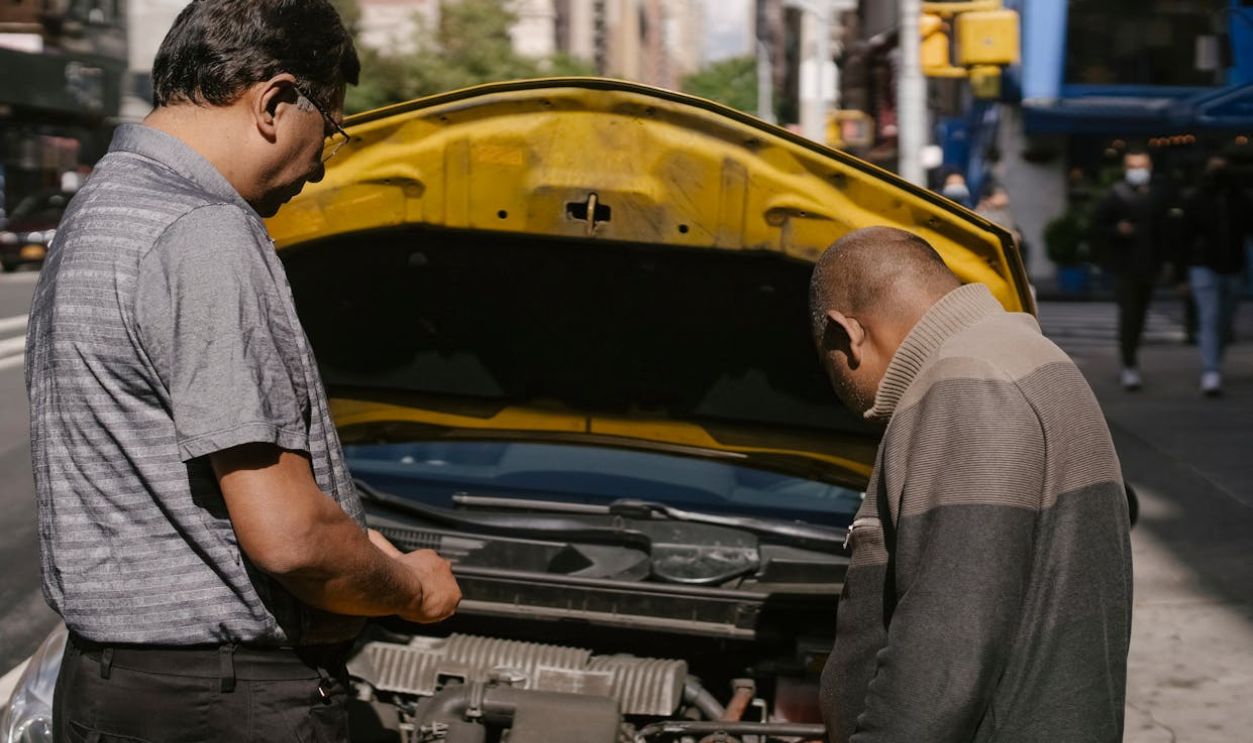
This sounds strange until you've heard enough recovery stories. If a vehicle comes back heavily damaged, contaminated, or mechanically questionable, some owners would rather receive a fair insurance settlement than spend years wondering what problems might appear later.

Recovery Isn't Always The Best Outcome
Most people assume finding the vehicle is automatically good news. But depending on the condition of the car, some recoveries create years of repair bills, resale headaches, and uncertainty that owners never expected.
Don't Rush To Take Possession
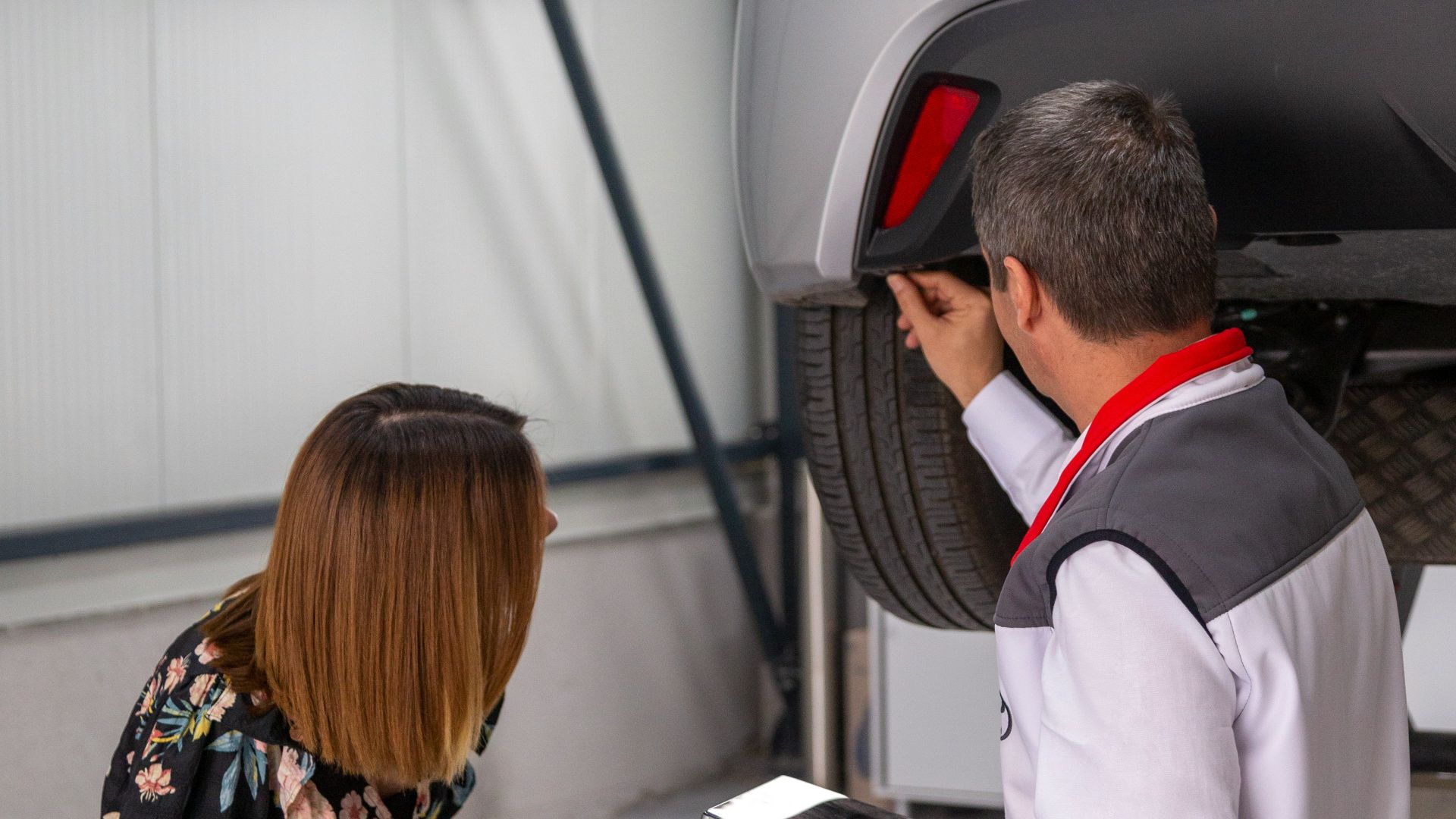
The excitement of getting the car back can cause people to move too quickly. Before accepting a recovered vehicle, it's smart to carefully document damage, review insurance paperwork, and understand exactly what repairs are being performed.
Get A Thorough Inspection
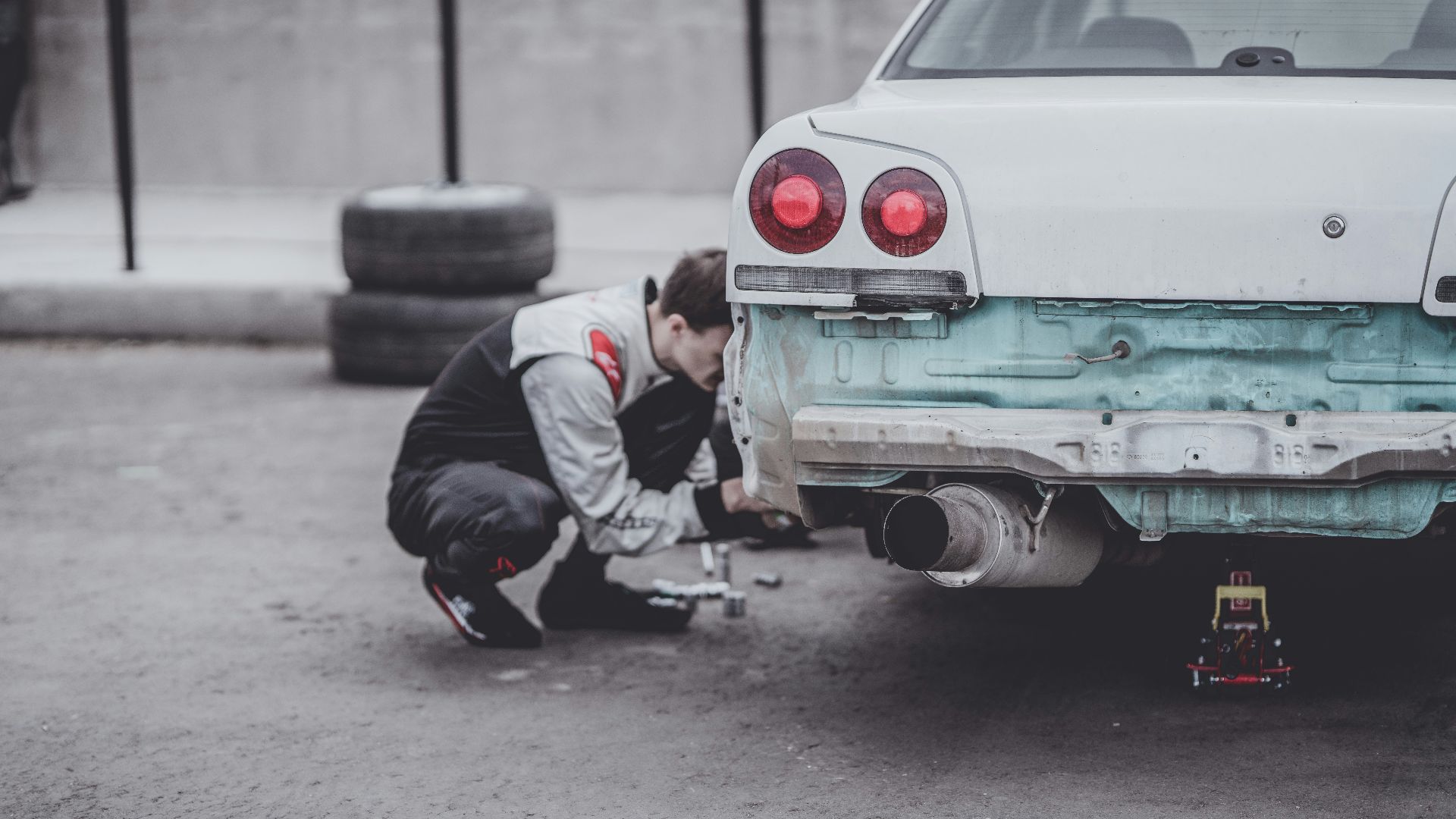
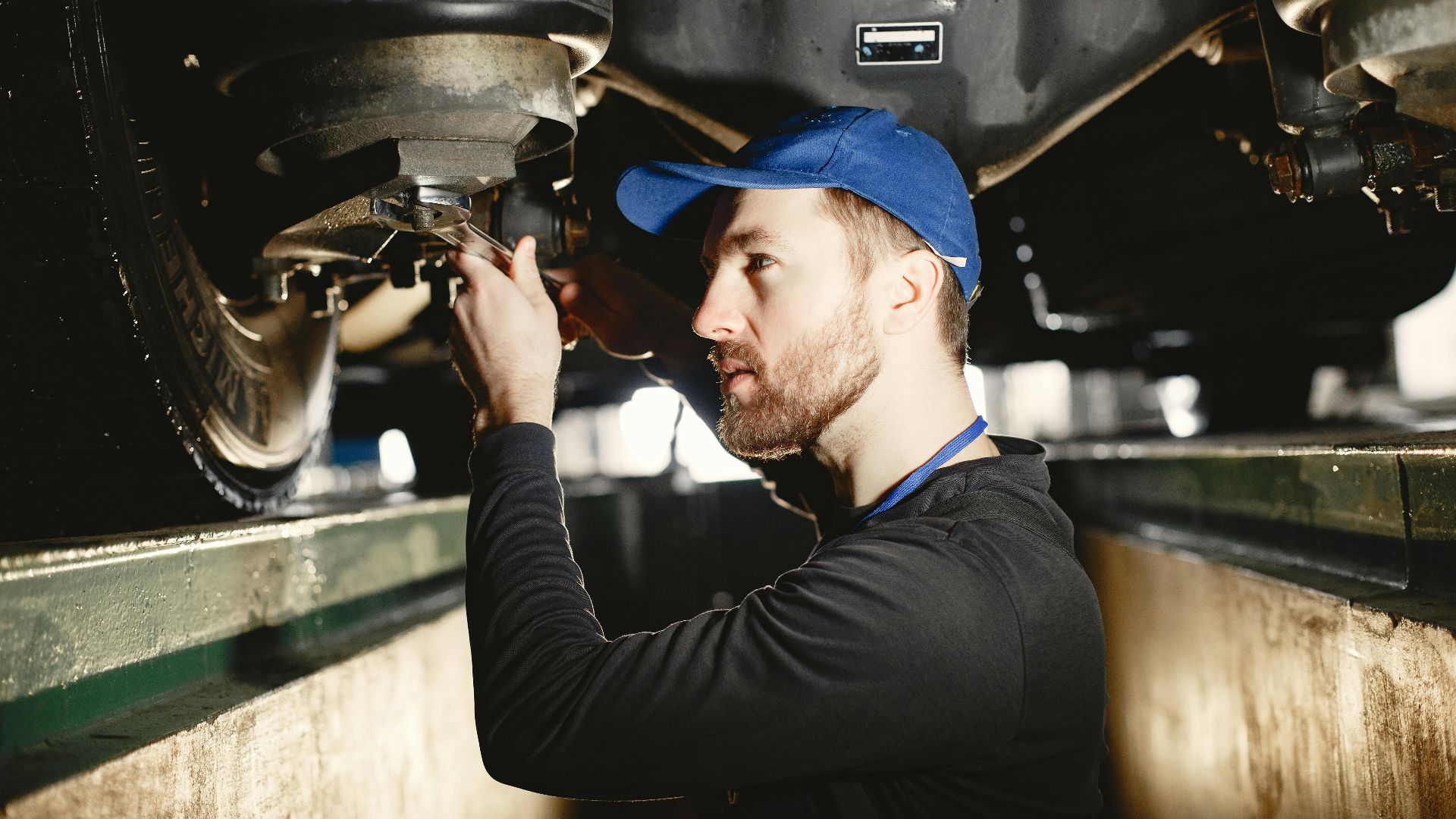
A basic repair estimate doesn't always tell the full story. Independent inspections can sometimes reveal hidden mechanical issues, structural damage, or electrical problems that might otherwise go unnoticed until much later.
Get Everything In Writing
If repairs are being covered, get the details in writing. If ownership questions arise, get those in writing too. Documentation can become extremely important if disagreements emerge later about damage, repairs, or responsibility.

So Can You Refuse To Take It Back?
Sometimes yes, sometimes no. If you still own the vehicle and it is recovered before a total-loss settlement, you generally can't simply force the insurance company to keep it. But if ownership has already transferred through a total-loss payout, you're usually not required to take the vehicle back when it's later recovered.
The Bottom Line
A recovered stolen car sounds like the ending everyone wants. But damage, contamination, hidden mechanical issues, title complications, and reduced resale value can all turn a happy phone call into a difficult decision. That's why the real question isn't whether the car was found, it's what condition it was found in, who owns it now, and whether getting it back is actually the outcome you want.
You Might Also Like: