
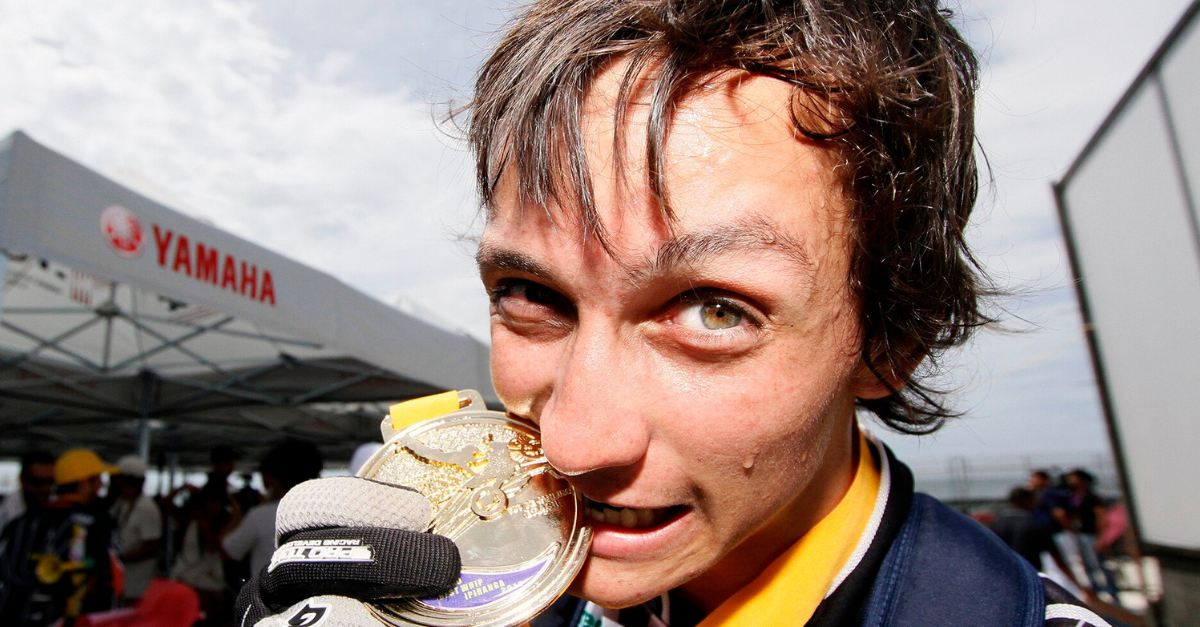
When Motocross Decided Racing Wasn’t Enough
Motocross was already wild enough on its own, but some riders looked at dirt tracks, jumps, and roaring bikes and thought, “What if we made this even crazier?” That’s basically how freestyle motocross, or FMX, found its groove. Instead of chasing lap times, riders started chasing bigger tricks, smoother style, and the kind of airborne moments that make crowds hold their breath.
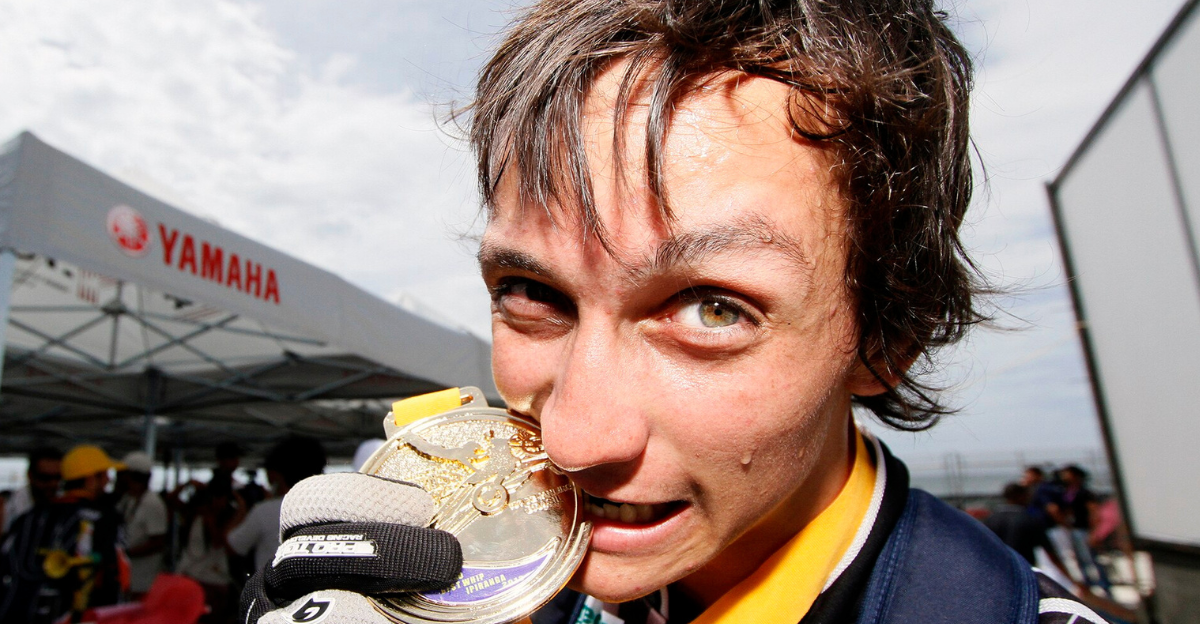 Copa Brasil de Motocross Freestyle, Wikimedia Commons
The Birth Of Freestyle Motocross
Freestyle motocross really started taking shape in the late 1990s, when riders began experimenting with tricks outside the usual racing format. Suddenly, winning was not about who crossed the finish line first. It was about who could fly higher, stretch farther, rotate cleaner, and land without turning the whole thing into a yard sale.
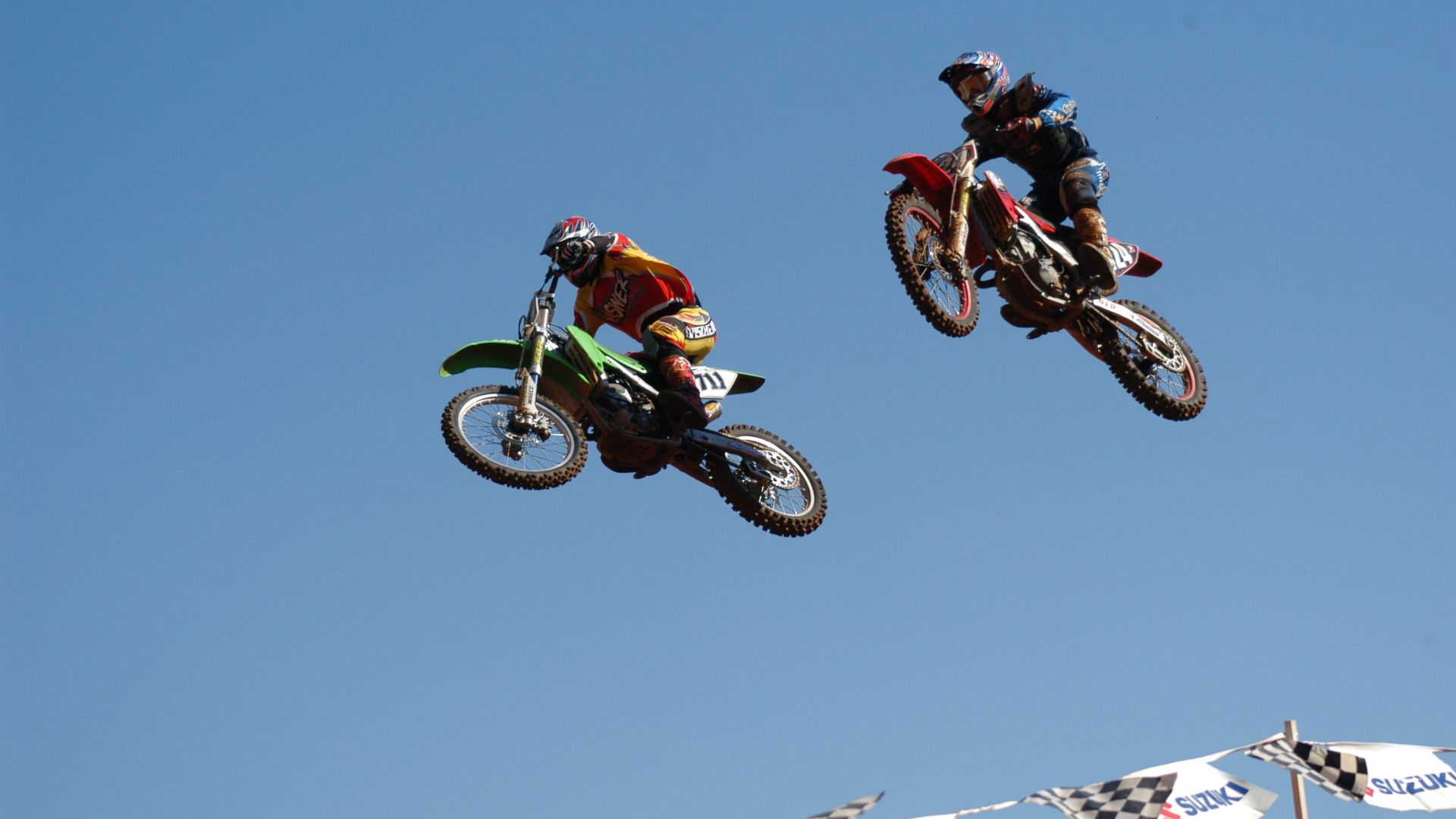 Whipmeister, Wikimedia Commons
Why FMX Hooks A Crowd So Fast
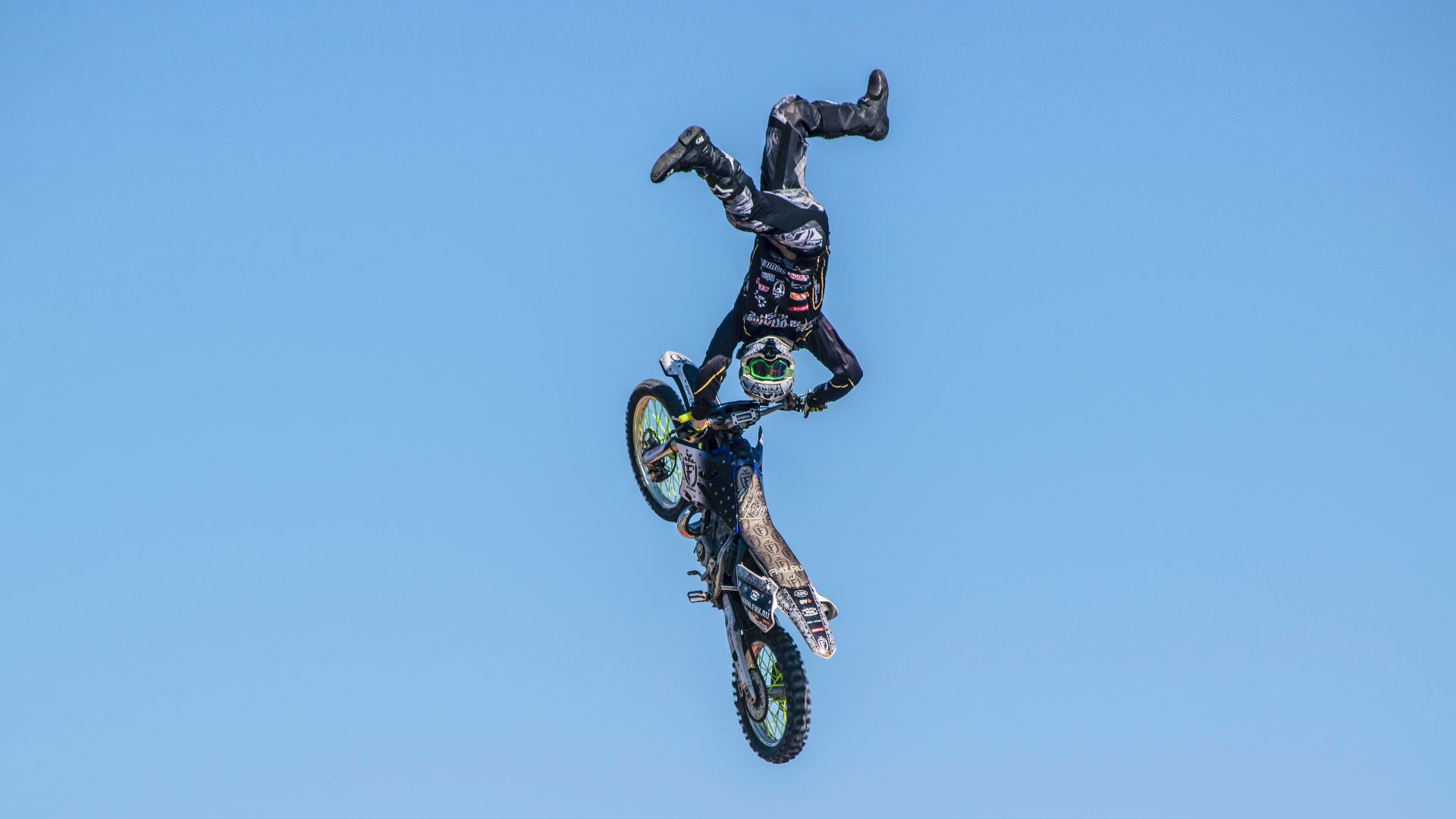
FMX is easy to understand, even if you know nothing about motorcycles. A rider launches off a ramp, lets go of the bike, twists their body into some impossible-looking position, then somehow grabs everything again before landing. It is part sport, part stunt show, and part group panic attack for everyone watching.
The Courses Are Built For Big Air
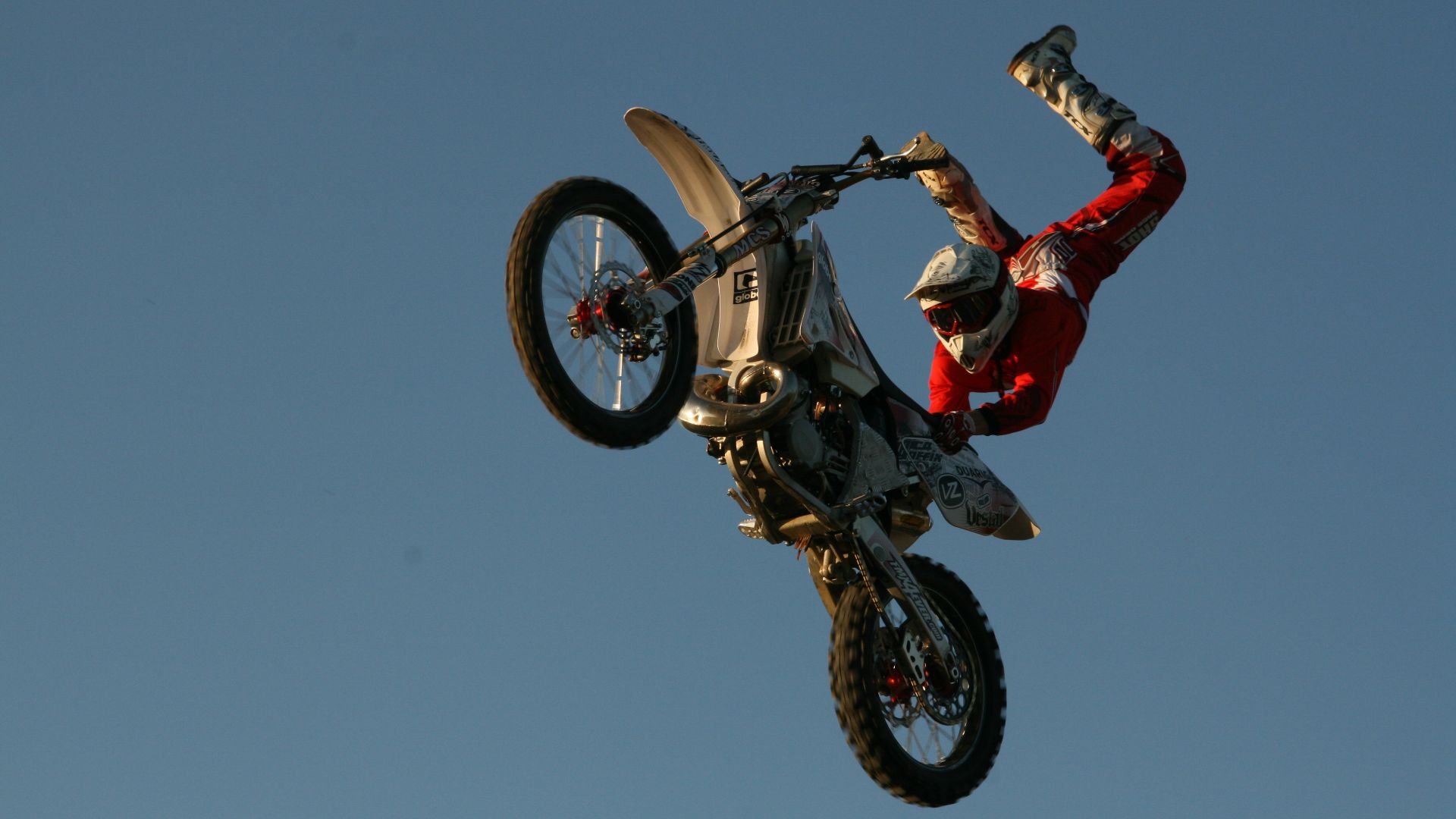
Freestyle motocross courses are designed around ramps, landings, and enough open space to let riders perform huge aerial tricks. Every jump depends on speed, timing, body control, and confidence. Come in too slow, too fast, or slightly off balance, and the landing can get ugly in a hurry.
 Carlos Delgado, Wikimedia Commons
The Early Tricks Set The Tone
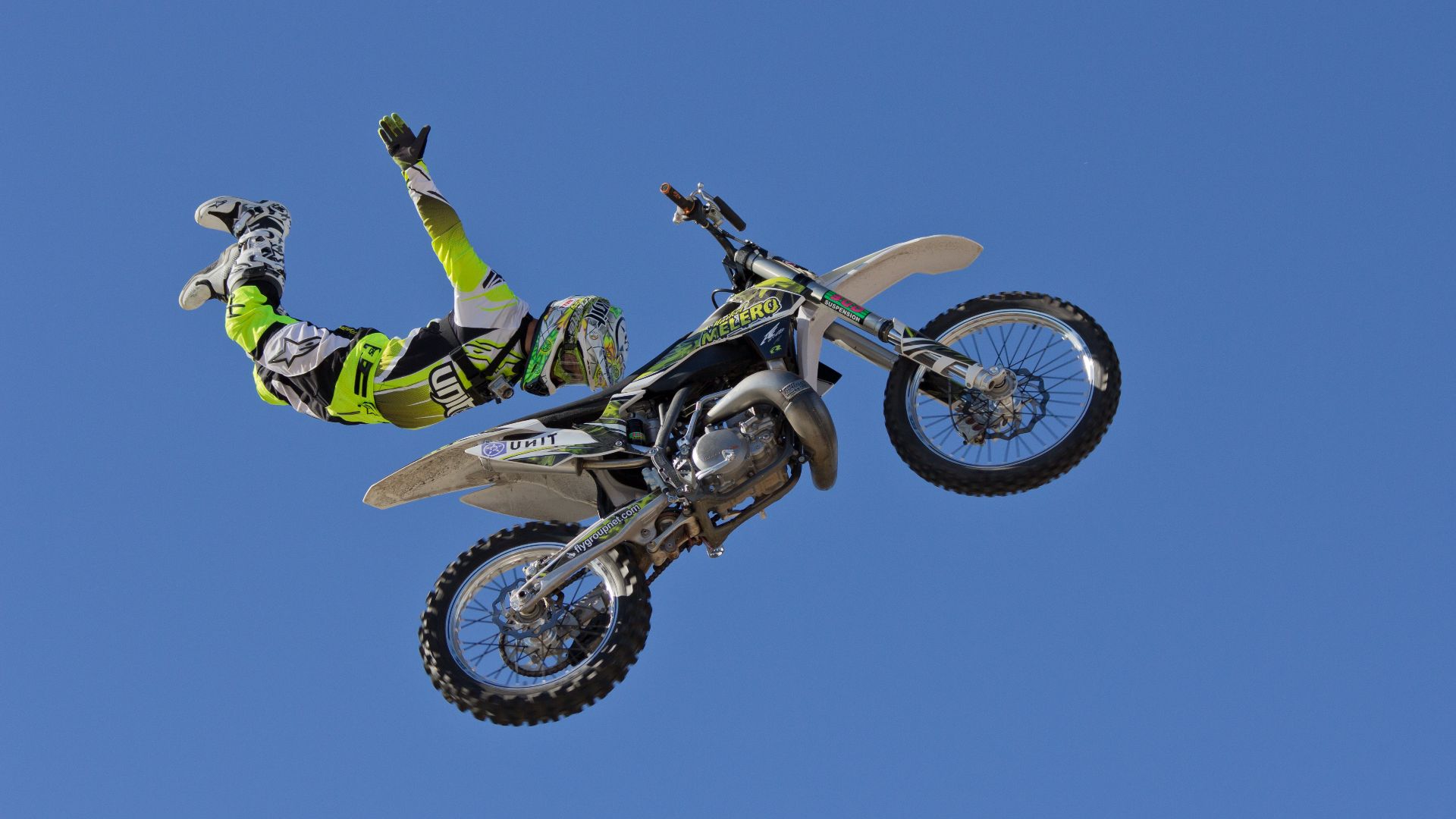
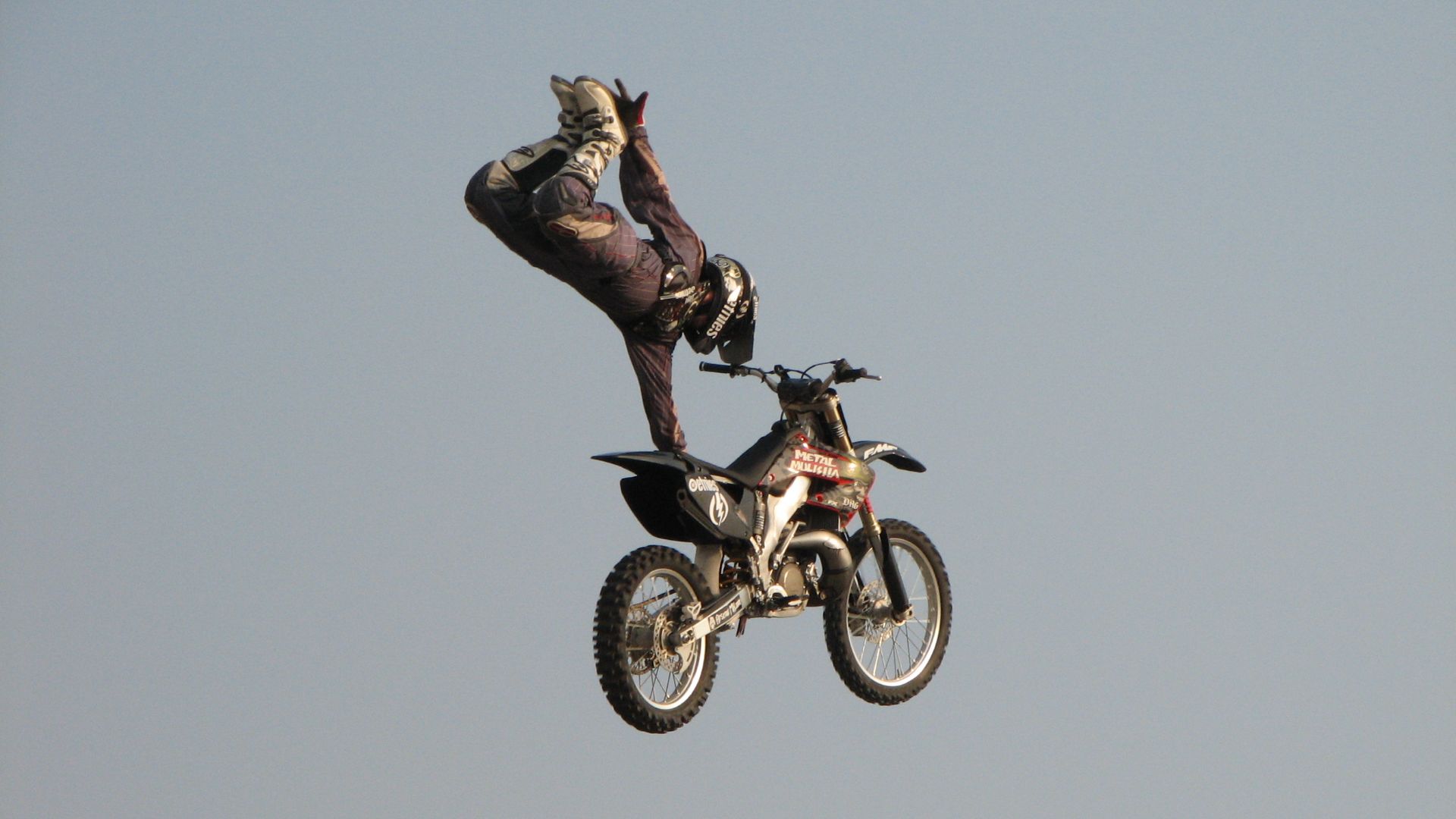
Before backflips became the headline act, riders wowed fans with tricks like the Superman, No Footer, and Heel Clicker. These moves may sound playful, but they require serious timing and nerve. Riders had to separate from the bike midair, make the trick look clean, then get back into position before gravity collected its bill.
Carey Hart Helped Change The Sport
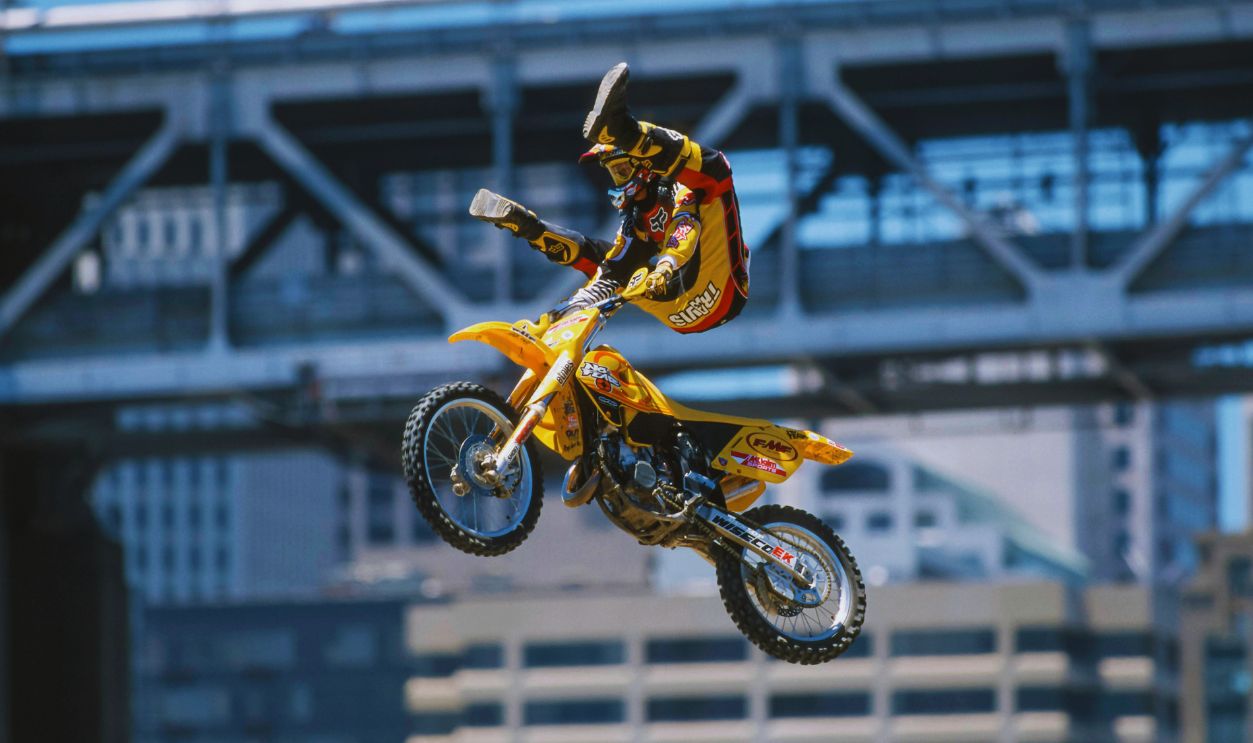
Carey Hart became part of FMX history at the 2000 Gravity Games when he attempted a backflip on a full-size motocross bike. The landing was not perfect, but the point had been made. A trick many people thought was impossible had suddenly moved from fantasy into reality.
Then Came The Backflip Race
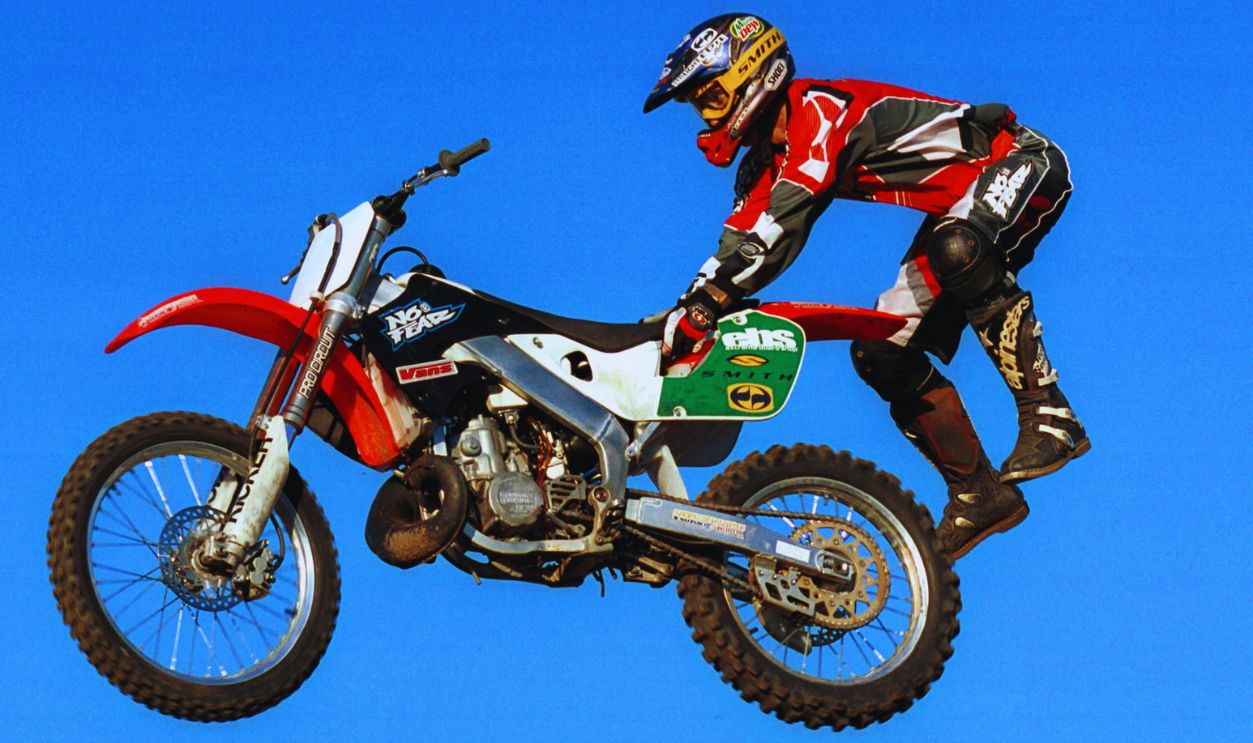
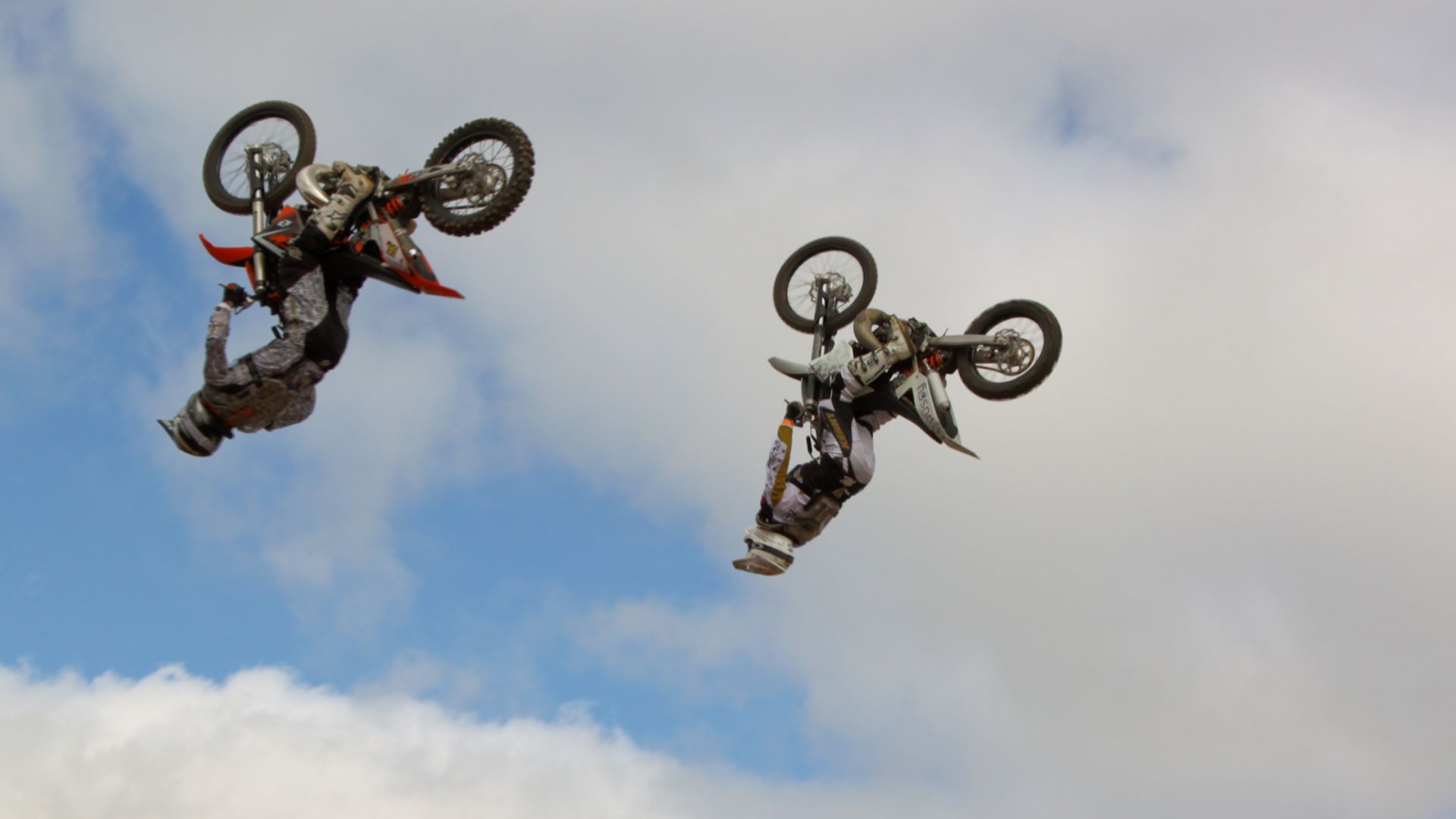
Once riders saw that a backflip could be attempted, the sport changed almost overnight. Everyone wanted to make it cleaner, bigger, and more controlled. Before long, riders were adding variations to the flip, turning one breakthrough into an entire new chapter of FMX progression.
 Eroan Boyer, Scooter System, Wikimedia Commons
X Games Put FMX In Front Of Everyone
The X Games gave freestyle motocross the kind of stage it needed. Suddenly, these riders were not just performing for small action-sports crowds. They were on television, launching motorcycles through the air in front of huge audiences who could not believe what they were seeing.
Travis Pastrana Became A Household Name
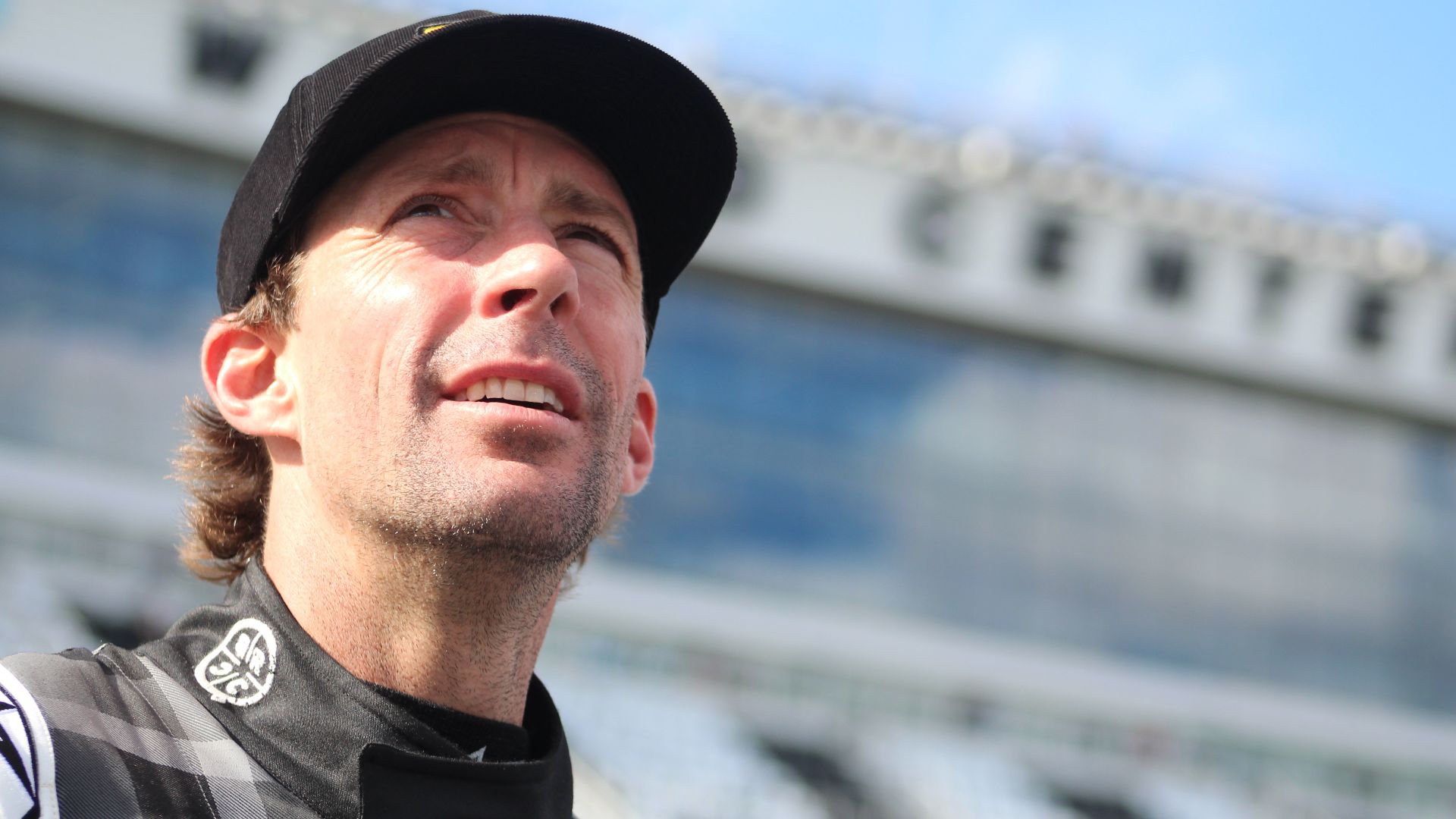
Travis Pastrana helped bring FMX into the mainstream with his fearless riding style and appetite for tricks that sounded ridiculous until he actually tried them. He was already a motocross talent, but freestyle gave him a place to turn risk-taking into spectacle. Fans loved him because he made impossible stunts feel just barely possible.
 Zach Catanzareti Photo, Wikimedia Commons
The Double Backflip Was A Jaw-Dropper
In 2006, Pastrana landed a double backflip in X Games competition, and the sport had one of its defining moments. A single backflip had once seemed outrageous, so two rotations felt like something pulled from a video game. Somehow, he made it happen, and FMX had a new benchmark.
Nitro Circus Took The Madness On Tour
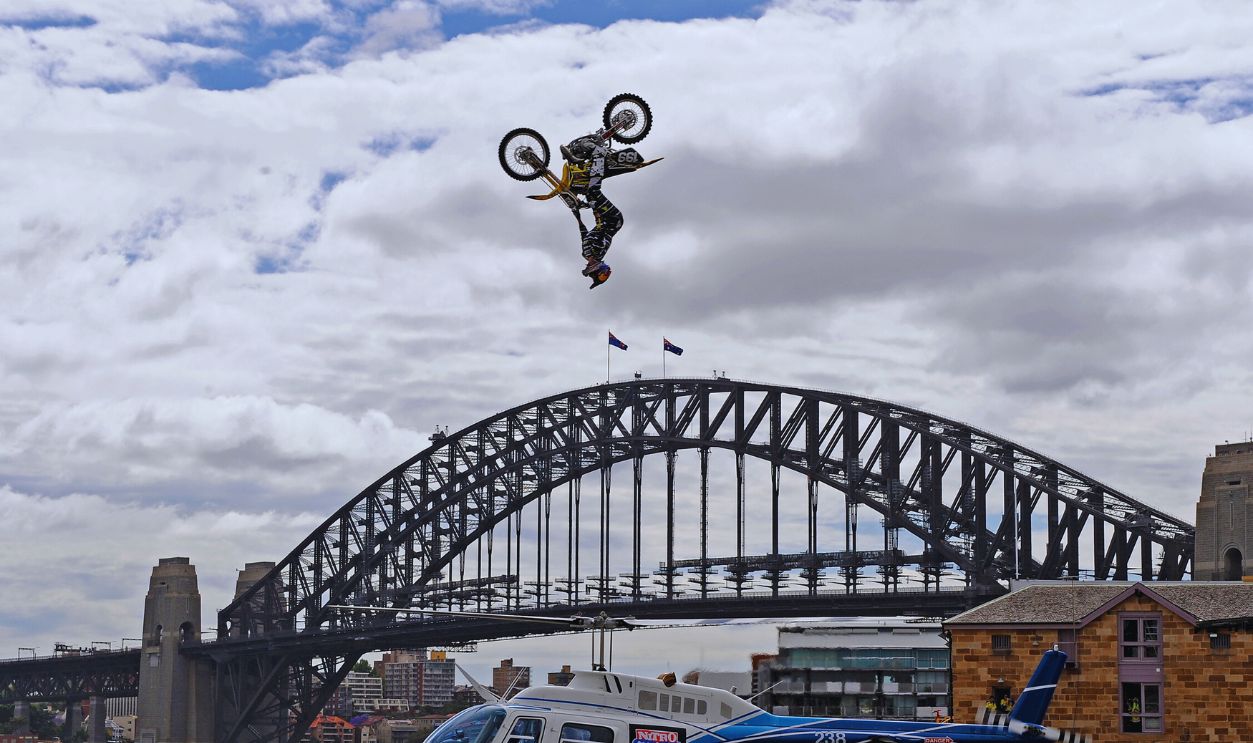
Nitro Circus helped push FMX beyond competitions and into full-blown entertainment. With Pastrana at the center of it, the brand mixed freestyle riding, live stunts, and action-sports chaos into a traveling spectacle. It gave casual fans a front-row seat to the culture around FMX, not just the contests.
 Shirlaine Forrest, Getty Images
New Tricks Keep The Sport Moving
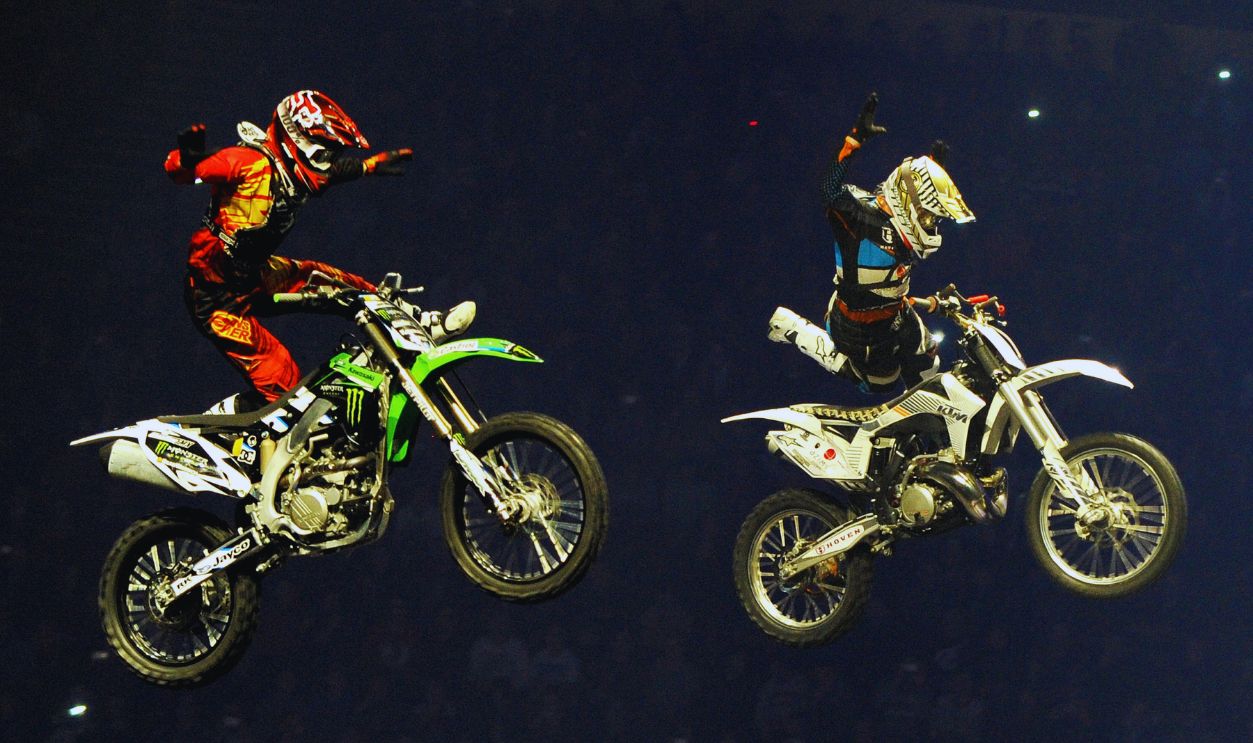
Freestyle motocross does not sit still for very long. Riders are always chasing new combinations, cleaner variations, and tricks nobody has seen before. In FMX, yesterday’s jaw-dropper can become tomorrow’s standard move, which is exactly what keeps the sport feeling so unpredictable.
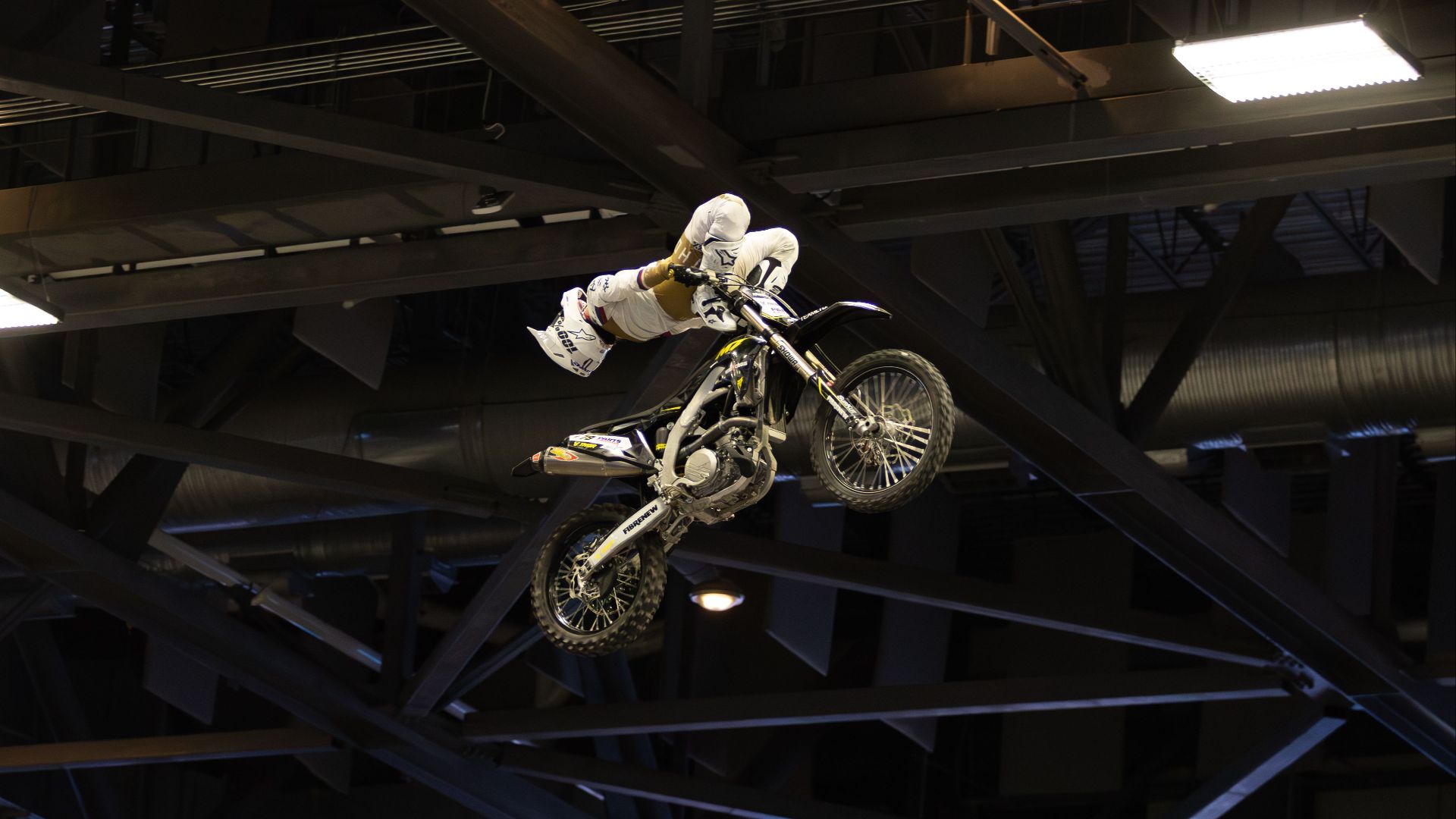
These Riders Are Serious Athletes
It is easy to focus on the danger, but FMX riders are not just daredevils with throttle hands. They need strength, flexibility, timing, balance, and enough bike control to manage a machine weighing more than 200 pounds while flying through the air. The trick may last only seconds, but the training behind it is anything but casual.
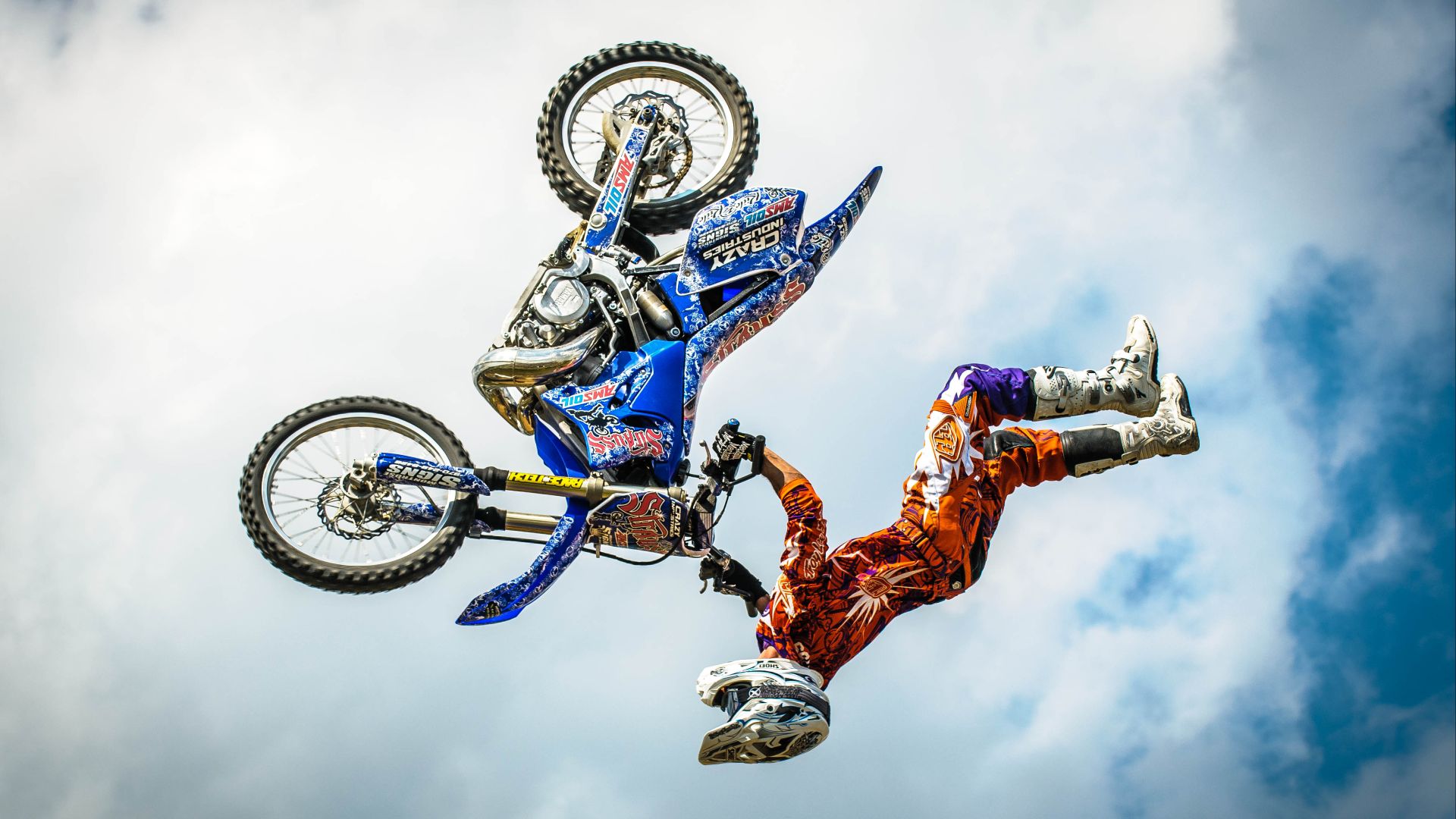 Bob Haarmans, Wikimedia Commons
The Injuries Are Very Real
There is no sugarcoating it. Freestyle motocross is dangerous, and riders pay a physical price for pushing the limits. Broken bones, hard crashes, and long recoveries have always been part of the sport’s reality, even for the biggest names.
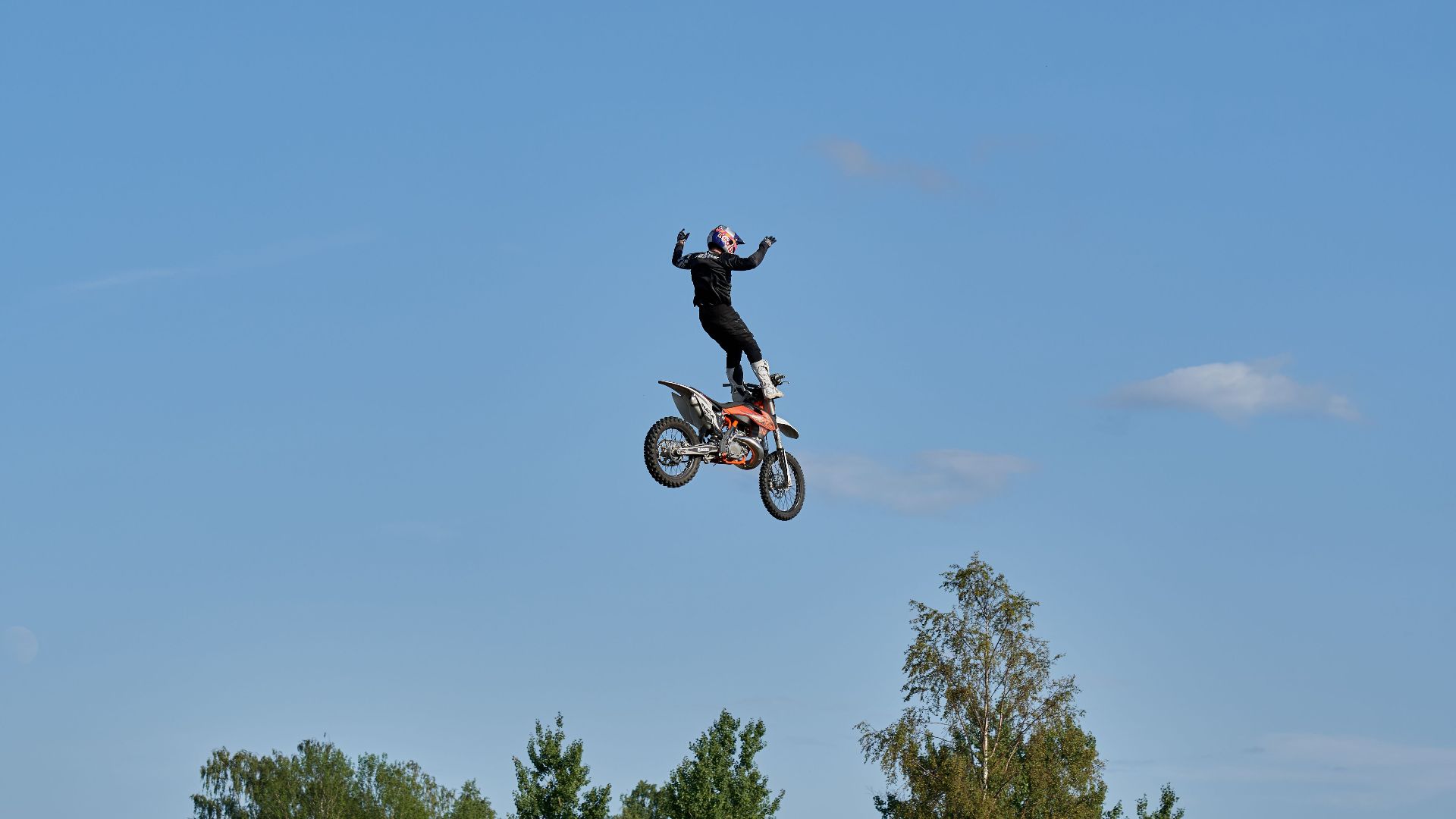
Foam Pits Helped Riders Push Further
Foam pits and airbags changed how riders learned new tricks. Instead of trying a dangerous move for the first time on a hard landing, they could practice in a more controlled setup. That did not make FMX safe, exactly, but it gave riders a smarter way to work through the scariest ideas.
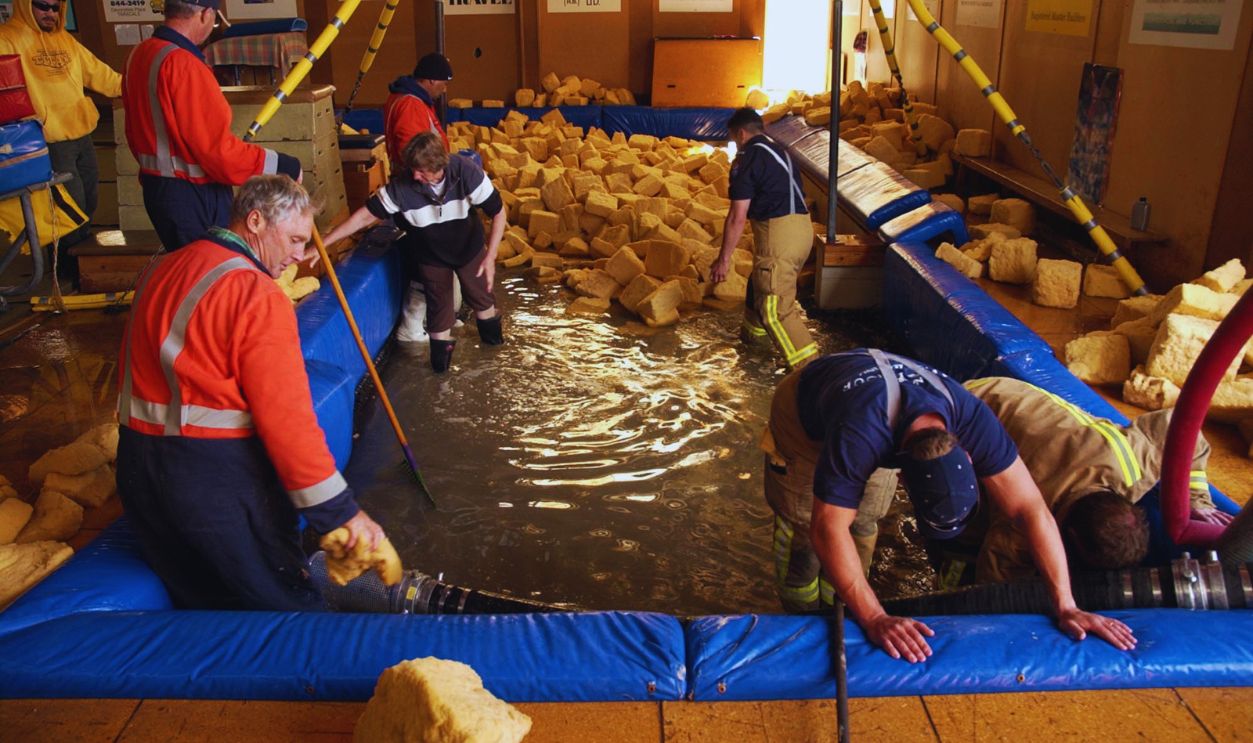
Front Flips Opened A New Door
Once backflips became a major part of FMX, riders started looking in the opposite direction. Front flips brought a totally different kind of rotation and a fresh set of problems to solve. They proved that the sport still had plenty of wild territory left to explore.
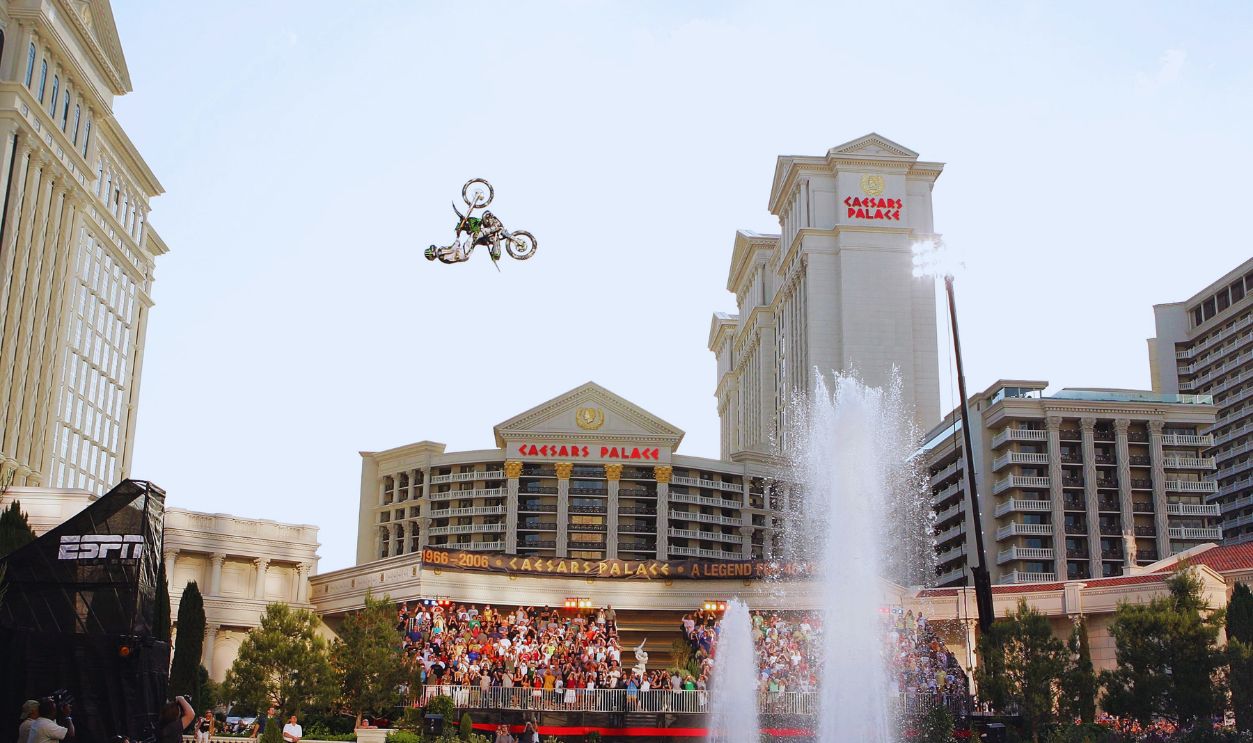
Triple Backflips Sounded Impossible
In 2015, Josh Sheehan landed the first triple backflip, and once again FMX had to redraw the line between possible and ridiculous. Three full backward rotations on a motocross bike sounded absurd until it actually happened. That is the strange magic of this sport: impossible things have a way of becoming history.
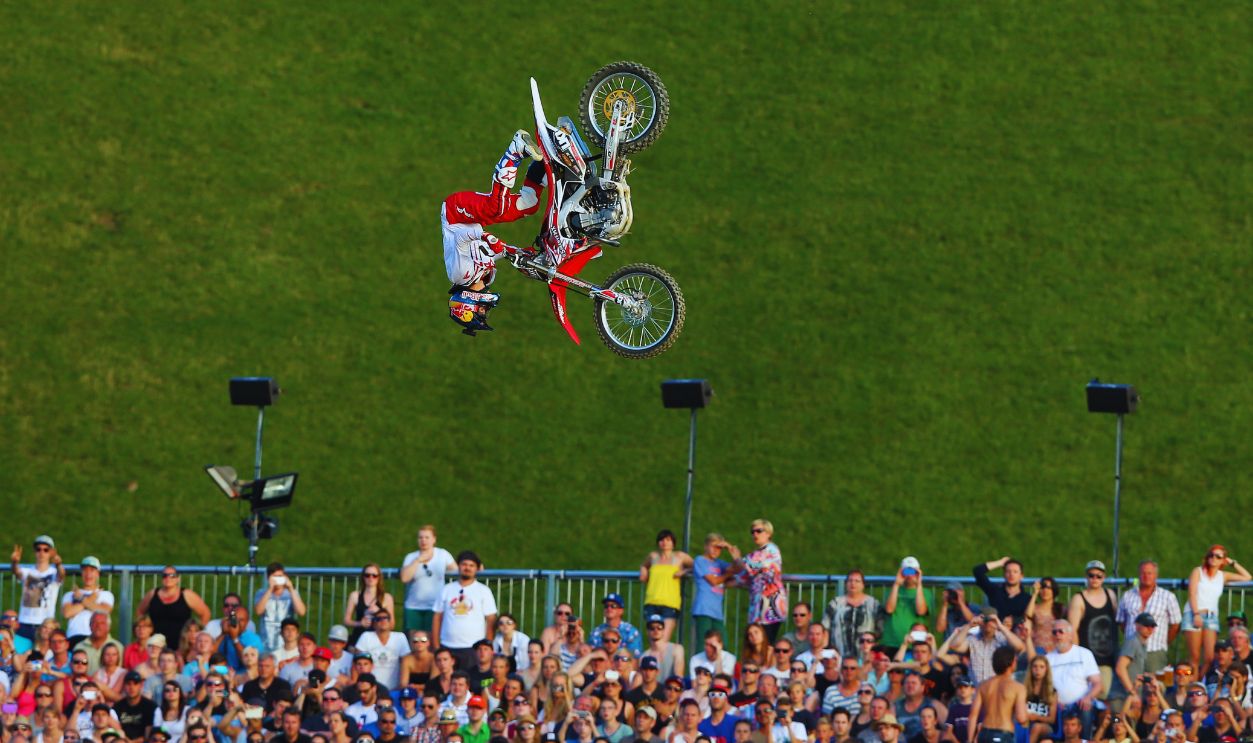 Alexander Hassenstein, Getty Images
The New Generation Keeps Swinging Big
Modern FMX riders continue to push the sport forward with bigger tricks and harder combinations. Names like Jayden “Jayo” Archer and Colby Raha showed how much ambition still exists in the scene. Even after decades of progression, riders are still finding new ways to shock the crowd.
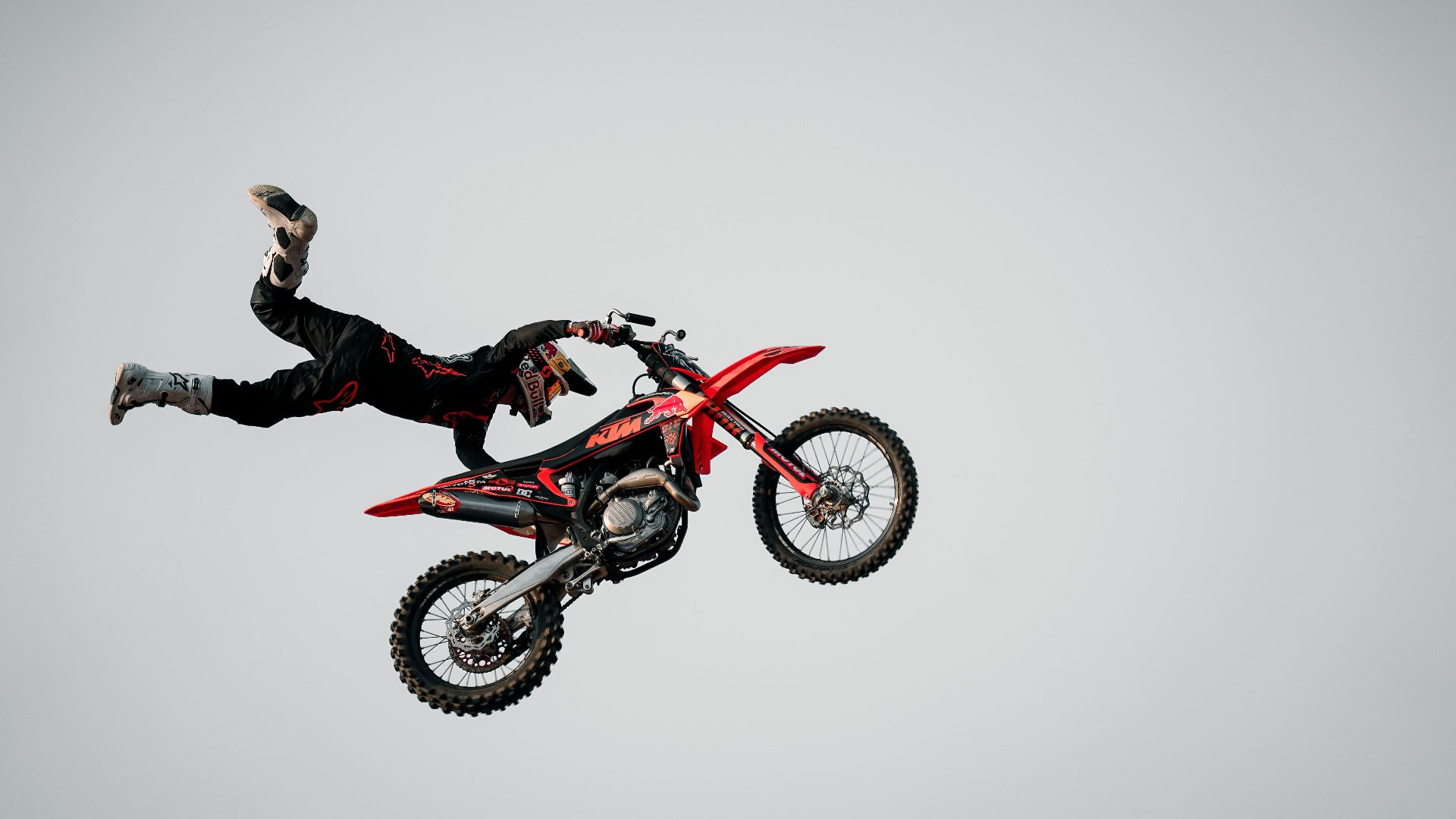
The Danger Never Really Leaves
Better training tools, improved equipment, and more experience have helped riders prepare, but the risk never disappears. FMX is still built around high-speed jumps, heavy machines, and tiny margins for error. That danger is part of what makes the sport thrilling, but it is also what makes every landing matter.
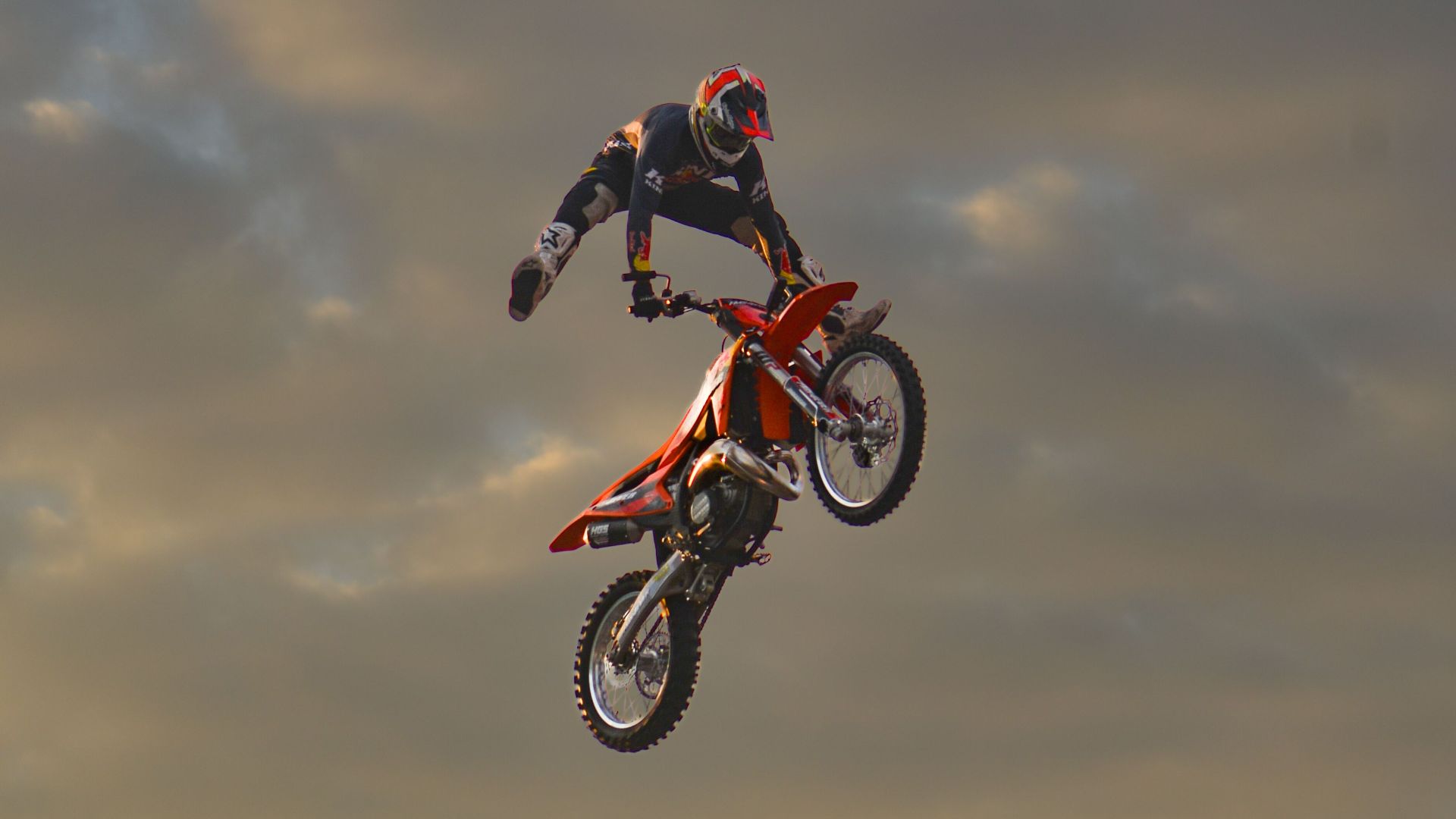
Why Riders Keep Coming Back
From the outside, it is fair to wonder why anyone would keep doing this after a bad crash. But for FMX riders, the pull is the challenge, the creativity, and the feeling of landing something that once seemed out of reach. Every trick is a mix of fear, preparation, and payoff.
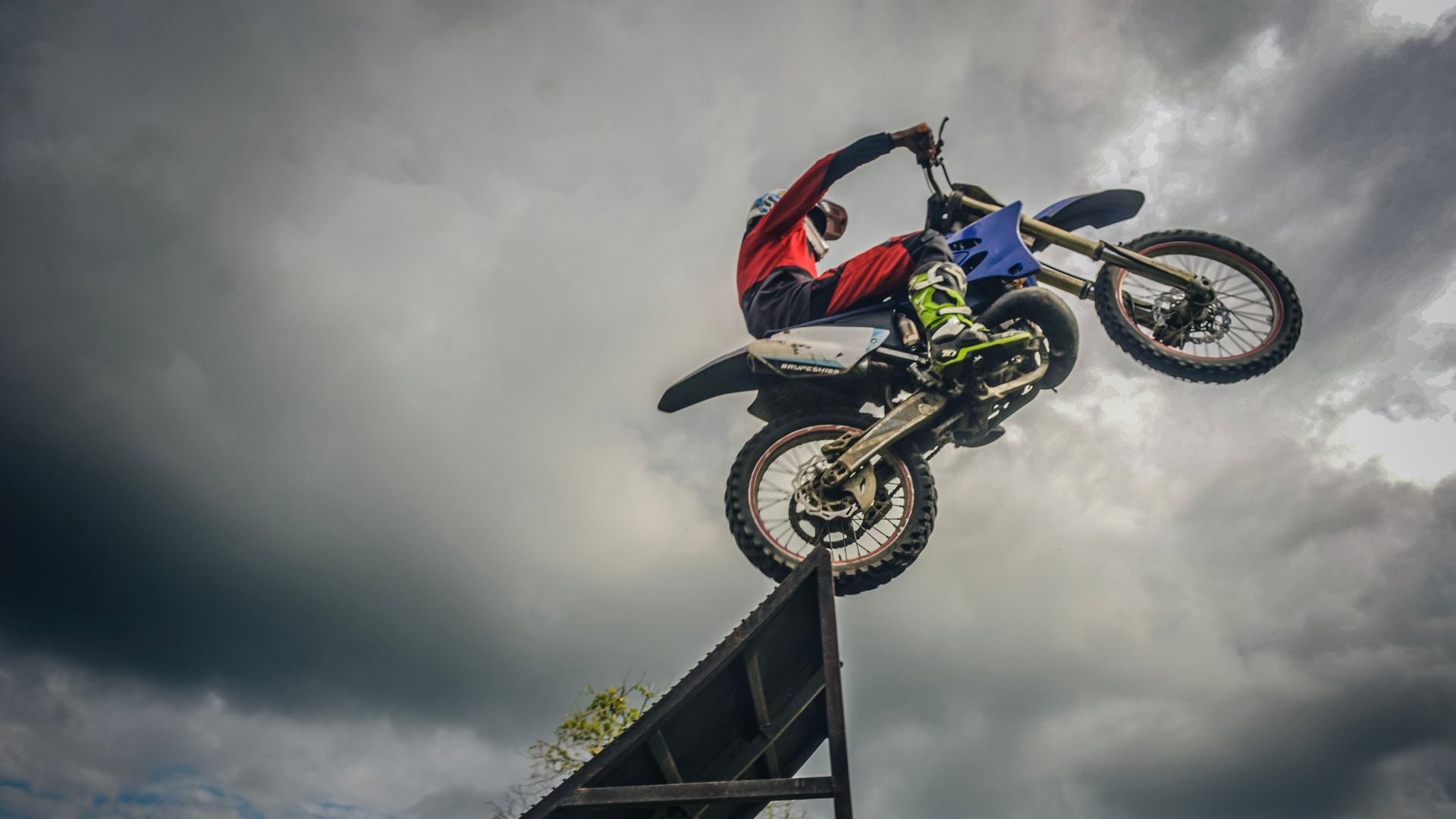 Aniketnadkar29, Wikimedia Commons
The Future Of Freestyle Motocross
Freestyle motocross has come a long way from riders simply adding tricks to jumps. It has become one of the most exciting spectacles in motorsports, powered by innovation, personality, and a whole lot of nerve. As long as riders keep asking what else is possible, FMX will keep giving fans a reason to lean forward and hold their breath.
You May Also Like:
Promising Supercars That Were All Bark & No Bite
The Only F1 Champion Crowned After His Death






.jpg)