
If You Love Muscle Cars, The Brothers Automotive Museum Is The Place To Go
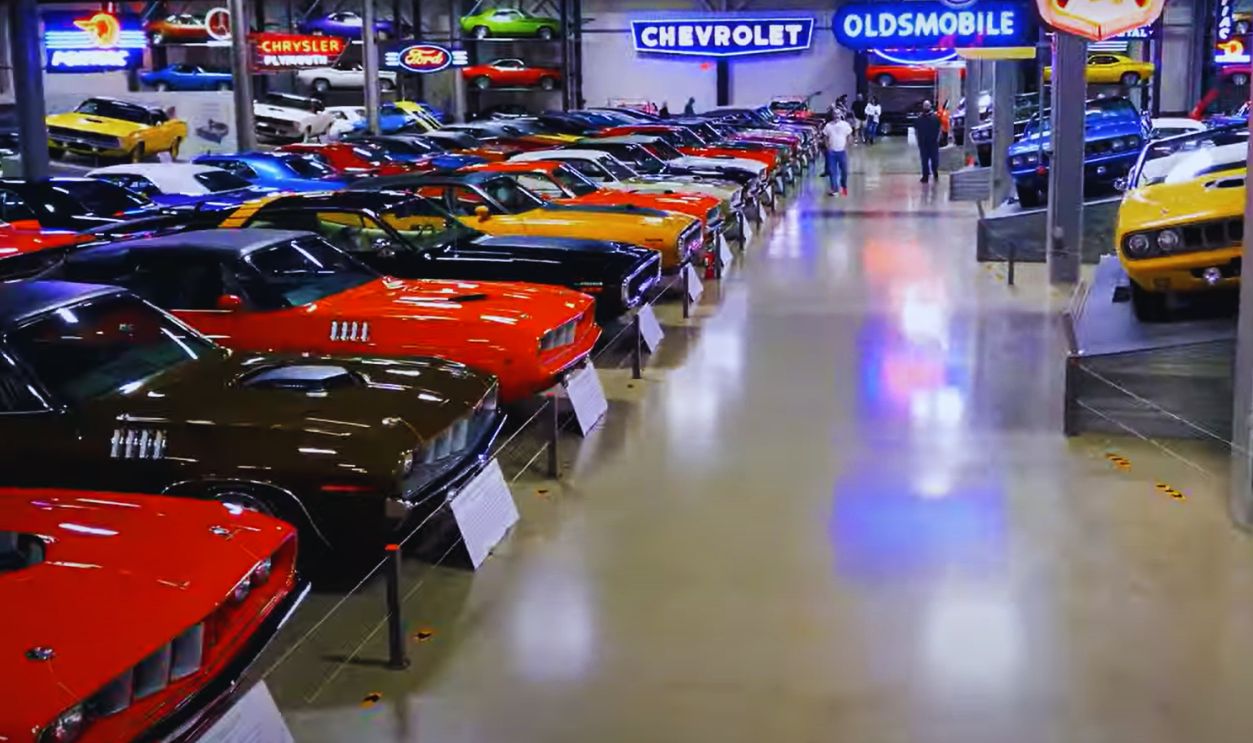
Imagine a secret location packed with more than 600 of America's most incredible cars, from legendary Chevrolet Chevelle SS models to classic 1965 Ford Mustangs. Tucked away in Salem, Oregon, the Brothers Automotive Museum is a private collection that most car enthusiasts can only dream of seeing. Behind its closed doors sits a jaw-dropping tribute to American muscle, filled with automotive treasures that have to be seen to be believed.
 Daniel Jolivet, Wikimedia Commons
The Facility
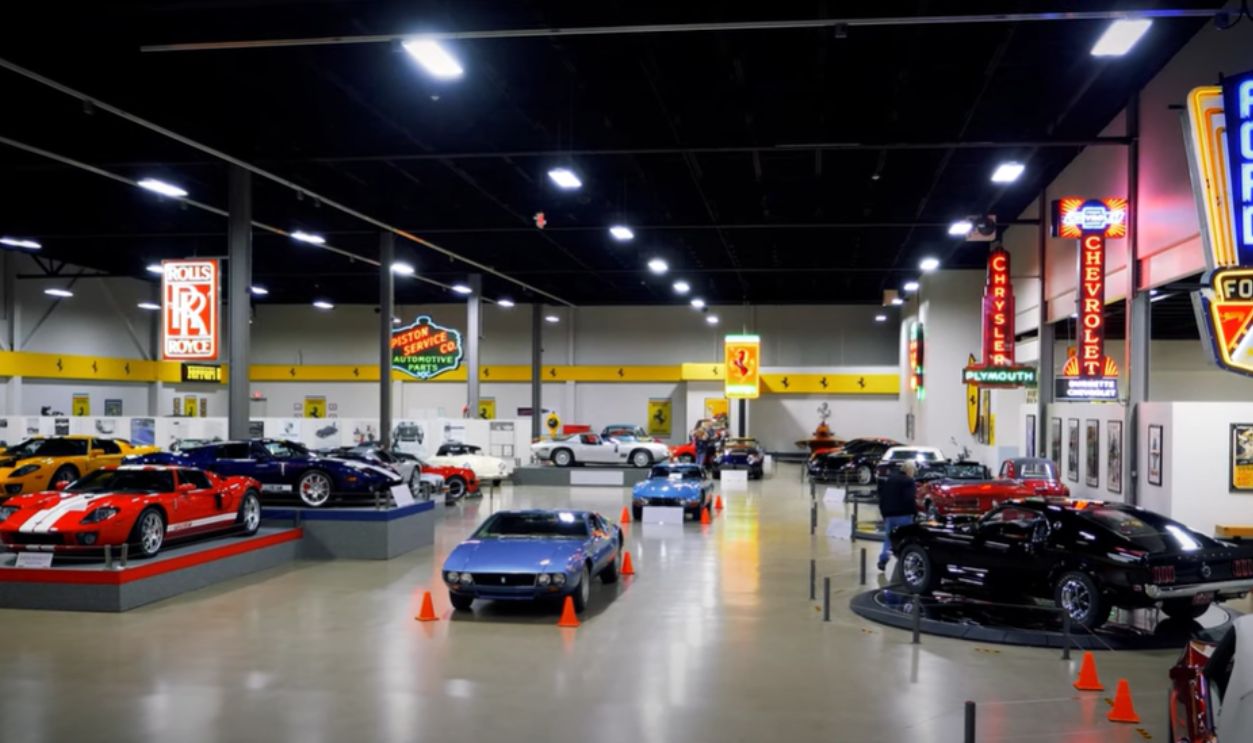
The facility is located in Salem, Oregon—although the exact address is withheld—and is 117,000 square feet of muscle car mania. Although a private collection of more than 600 cars, the museum often hosts charity and fundraising events that you can buy tickets to for as little as $25.
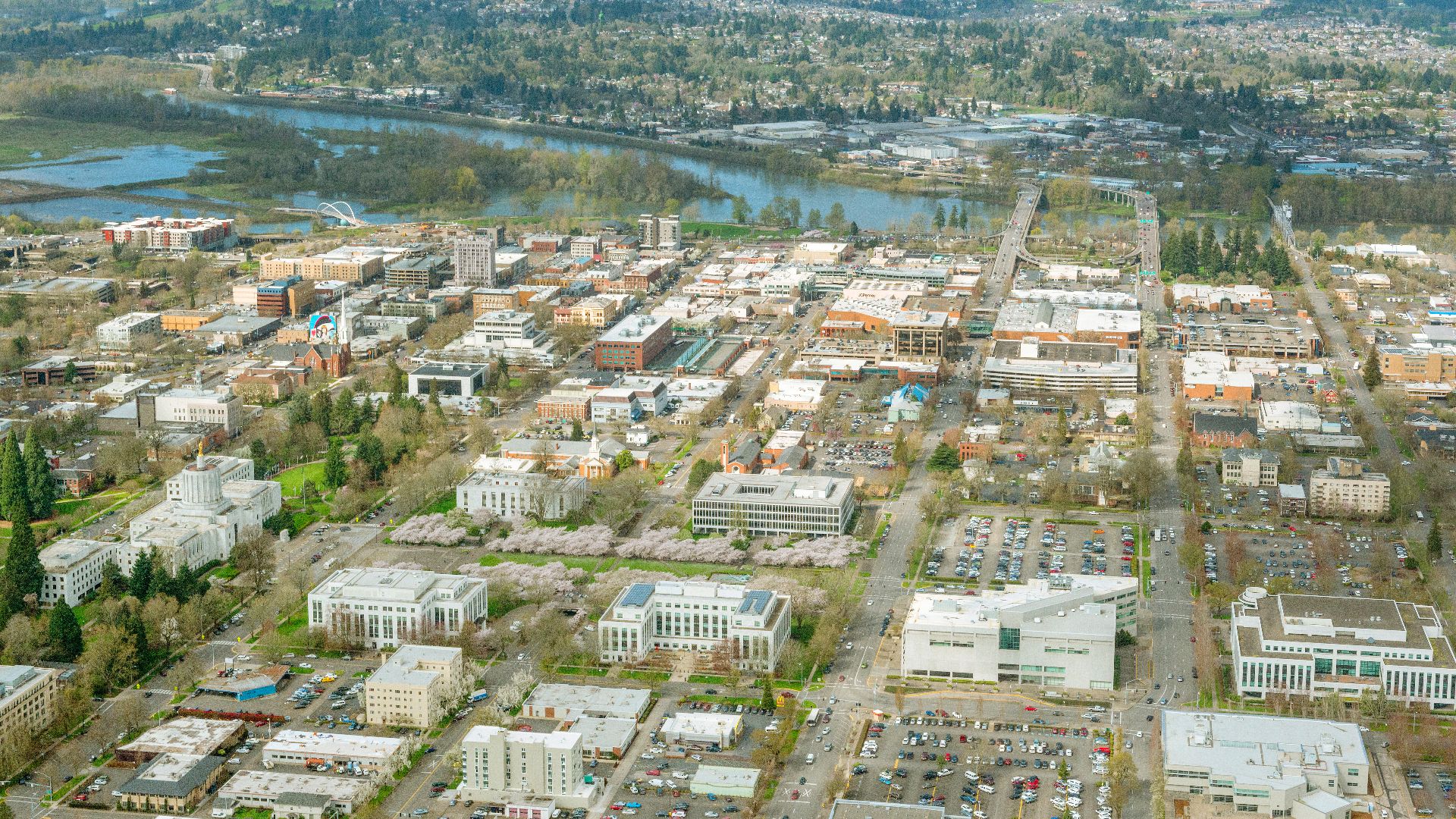 Oregon Department of Transportation, Wikimedia Commons
Open To The Public, Infrequently
However, if you don't want to spend the money on that, the museum does open four or five times a year for Public Days. You can sign up on the museum's website to be notified when the next Public Day will be.
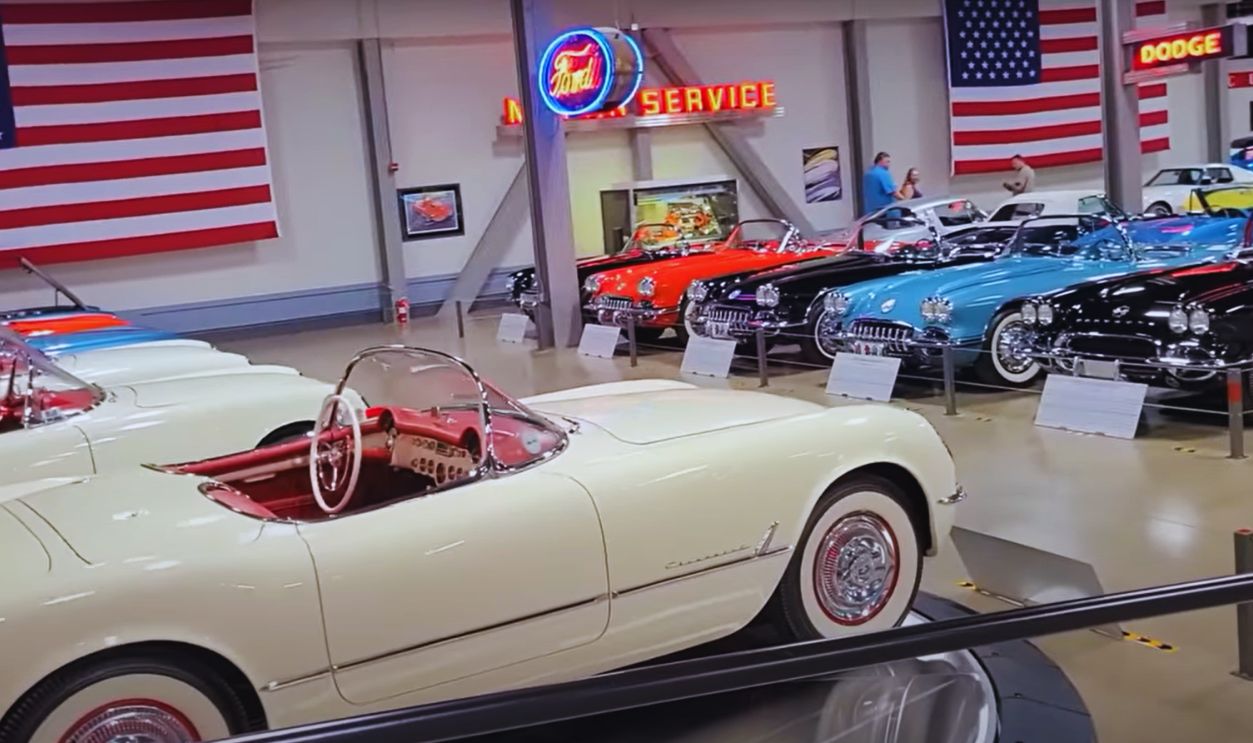 Brothers Car Collection private tour!! Super exclusive! One of the largest!, SRT Jovita
The Owner Of The Collection: Barton Colson
Barton Colson was the heir-apparent to his father, Hugh Colson, who founded the museum in 1971. After Hugh and his wife made their fortune by investing in retirement communities across the United States, he began collecting muscle cars and opened a museum. More than 335 vehicles are on permanent display. Let's explore the stand-outs of the collection.
 JET Motors at Brothers Collection Unbelievable American Muscle Car Museum, Jet Motors
Bizzarrini Strada 5300 GT
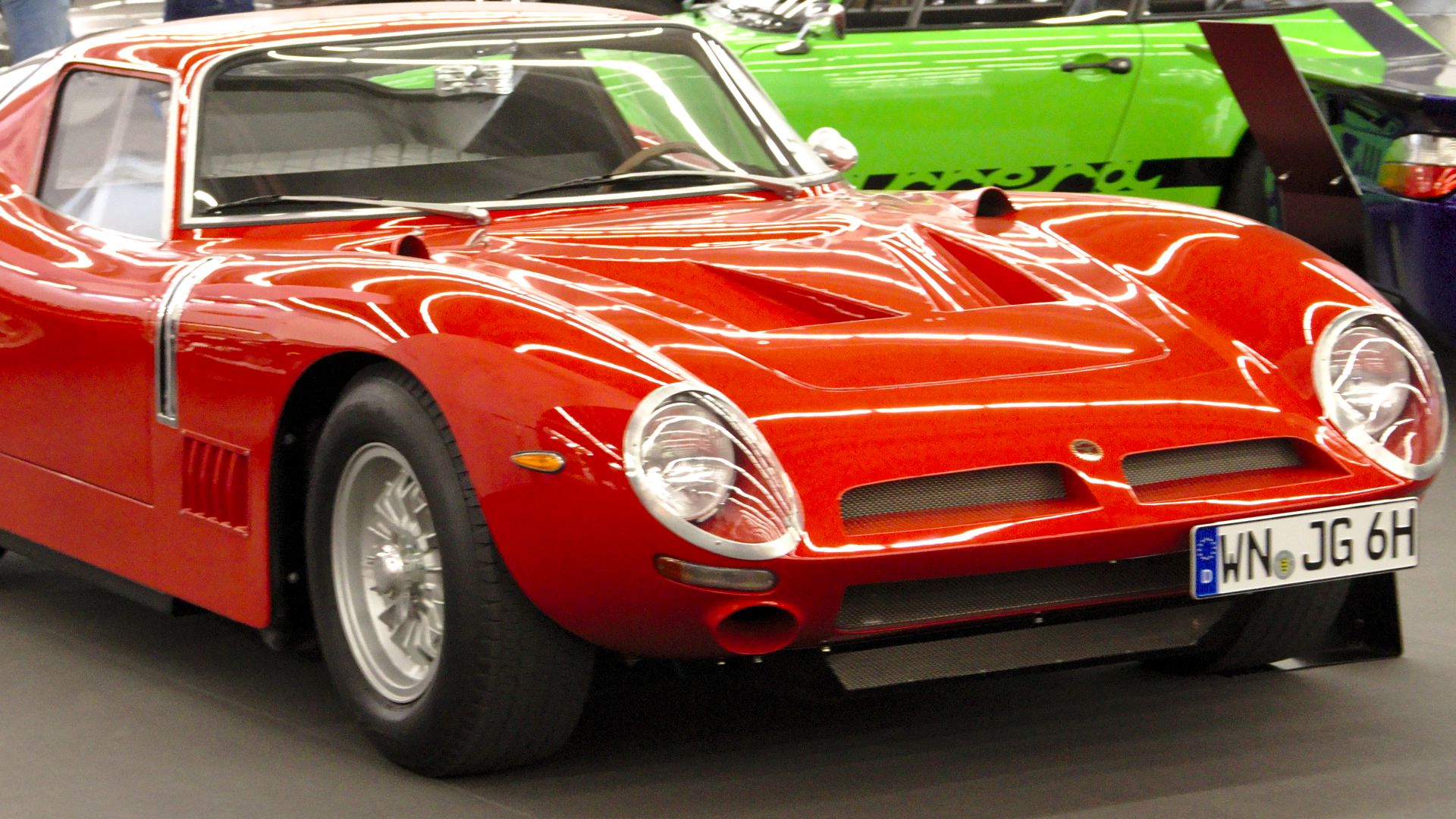
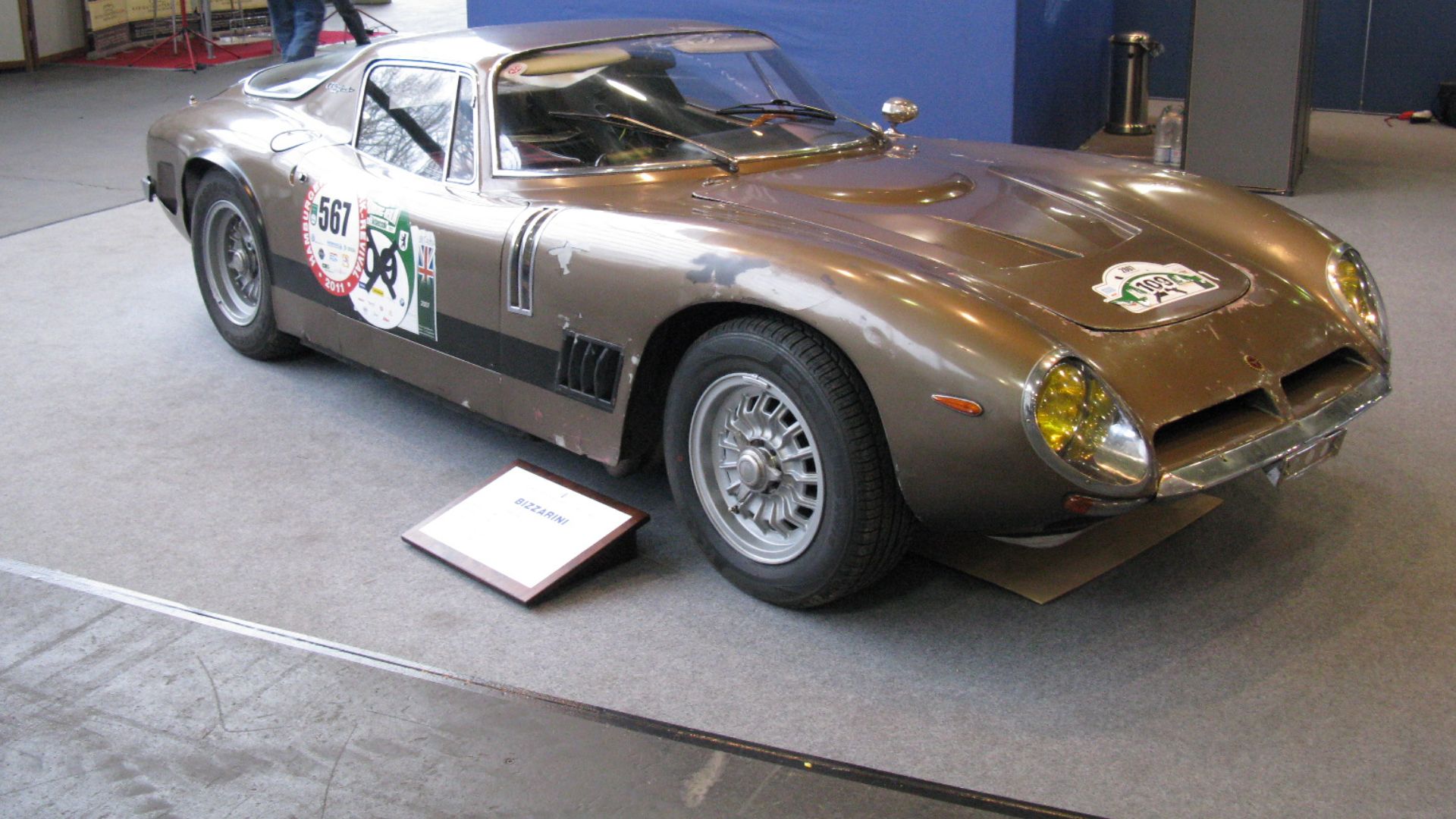
The Bizzarrini Strada 5300 GT was a short-lived coupe designed and built by Bizzarrini, an Italian car manufacturer spearheaded by Giotto Bizzarrini, an ex-Ferrari designer. Interestingly, the Bizzarrini used a 327 5.4L Chevrolet engine that produced 365 hp.
 Alexander Migl, Wikimedia Commons
Bizzarrini Strada 5300 GT (Cont'd)
The Strada 5300 GT was also sold in the United States under the nameplate of "5300 GT America," sporting a fiberglass body and a less complex suspension setup. Just 133 examples of the car were produced and sold within the four years it was on the market. It obviously borrowed heavily from the Ferrari 250 GT. Nevertheless, this rare Italian sports car gets a place in the Automotive Museum.
1964 Ford GT40
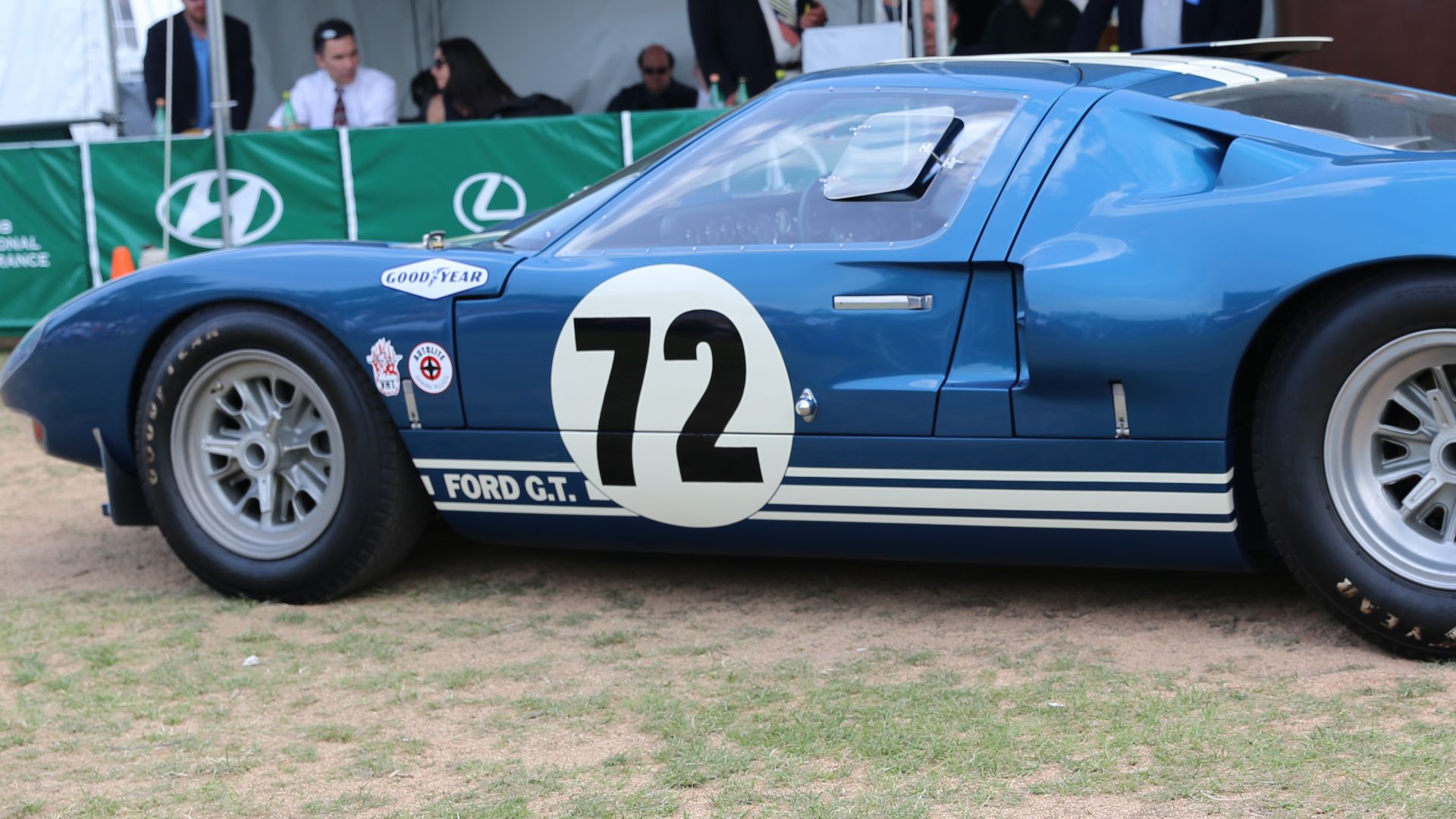
Beginning the collection of American cars with a banger is the original 1964 Ford GT40. This concept car would go on to become the car that defeated the Italians at Le Mans, but before that, it was just a Mk I. Powered by a 4.7L V8 engine with lightweight alloy bodies, despite looking the part of a racing car, a season of poor finishes saw the project handed over to Carroll Shelby.
 Mr.choppers, Wikimedia Commons
1964 Ford GT40 (Cont'd)
We'll get to that story shortly, but the original Ford GT40 didn't exactly come roaring out of the gate. Its early appearances at Sebring, Le Mans, and Daytona were disappointing, despite the car's enormous potential. The original prototype, finished in silver with a black hood and a distinctive white roundel, eventually became a collector's dream. When it hit the auction block in 2020, it fetched several million dollars, proving that even Ford's early racing disappointments could become priceless pieces of automotive history.
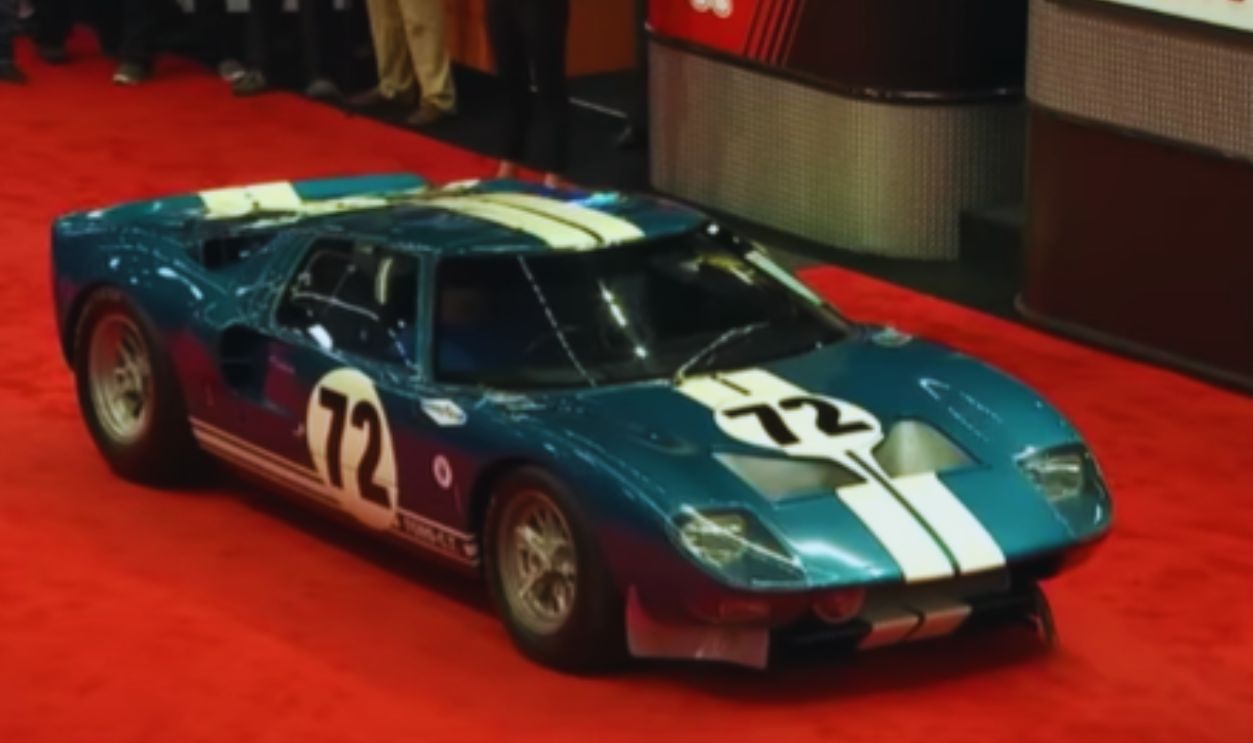 $7 Million 1964 Ford GT40 Prototype - Mecum Auctions, Mecum Auctions
1966 Ford GT40
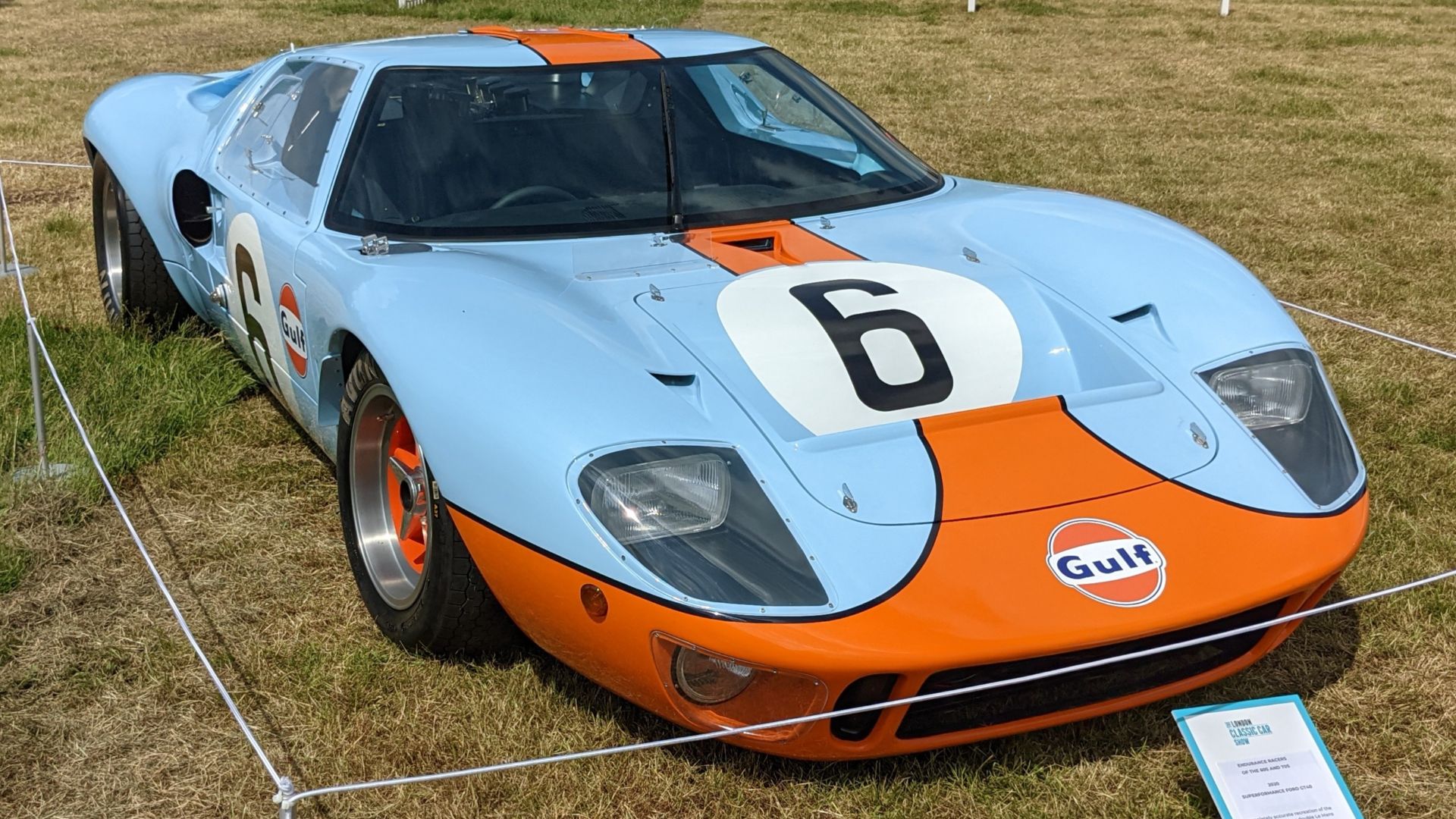
From the prototype to the real thing: one of the 1966 Ford GT40s that infamously raced at Le Mans can be found at the museum. It's decked out in orange and blue, the original Gulf Oil livery of the car that beat Ferrari, sporting the original race number.
1966 Ford GT40 (Cont'd)
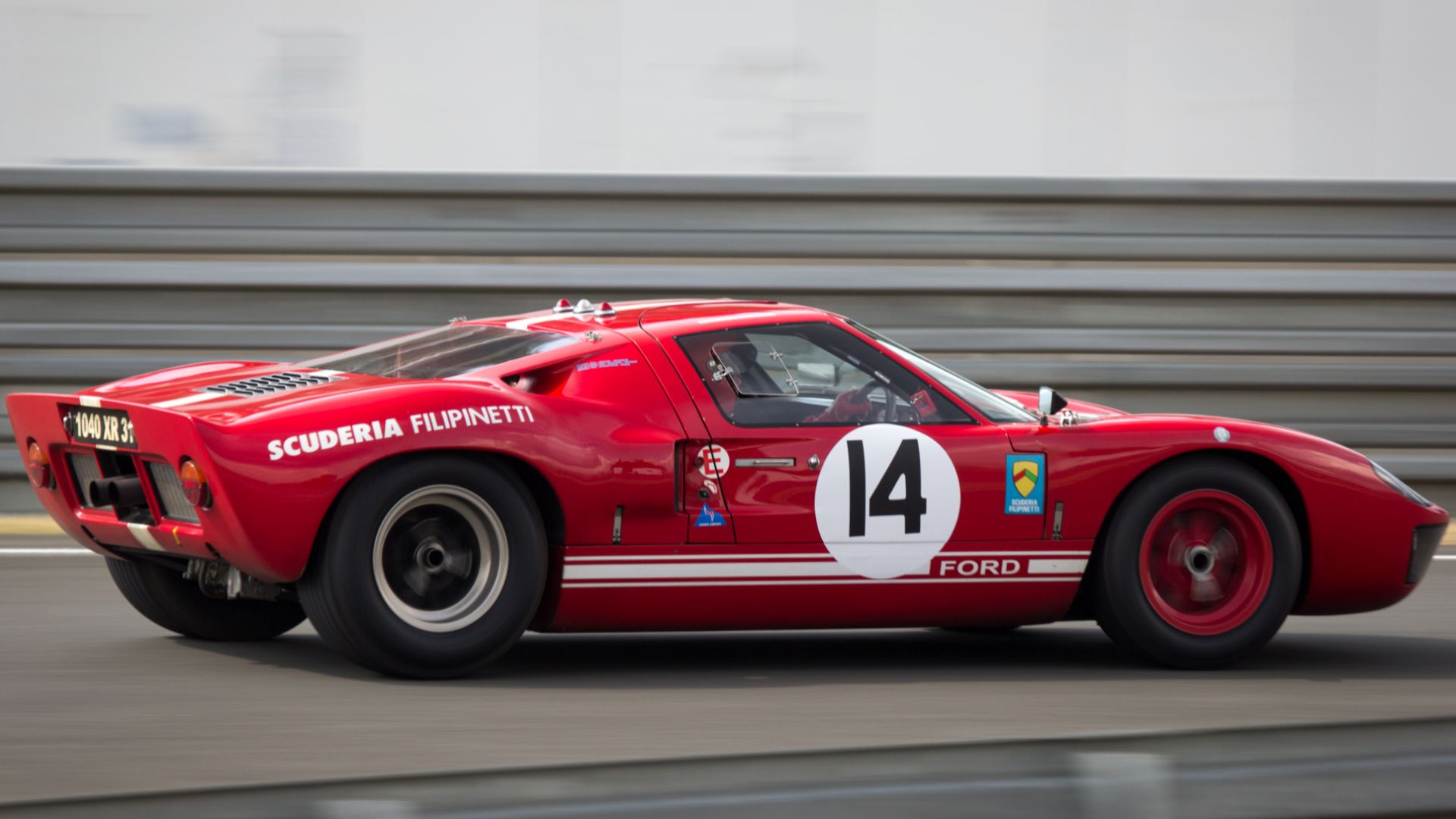
In 1966 at Le Mans, after years of Ferrari hegemony, three Ford GT40s finally broke the Italian giant. In one of the most incredible feats in racing history, three GT40s, powered by 7.0L V8 engines with a top speed of 213 mph and delivering 390 hp, crossed the finish line in a 1-2-3 finish at Le Mans. The car would go on to dominate the next three years at Le Mans, unseating Ferrari and proving that Americans could race with the European bigwigs.
 Kevin Decherf from Nantes, France, Wikimedia Commons
2005 Ford GT
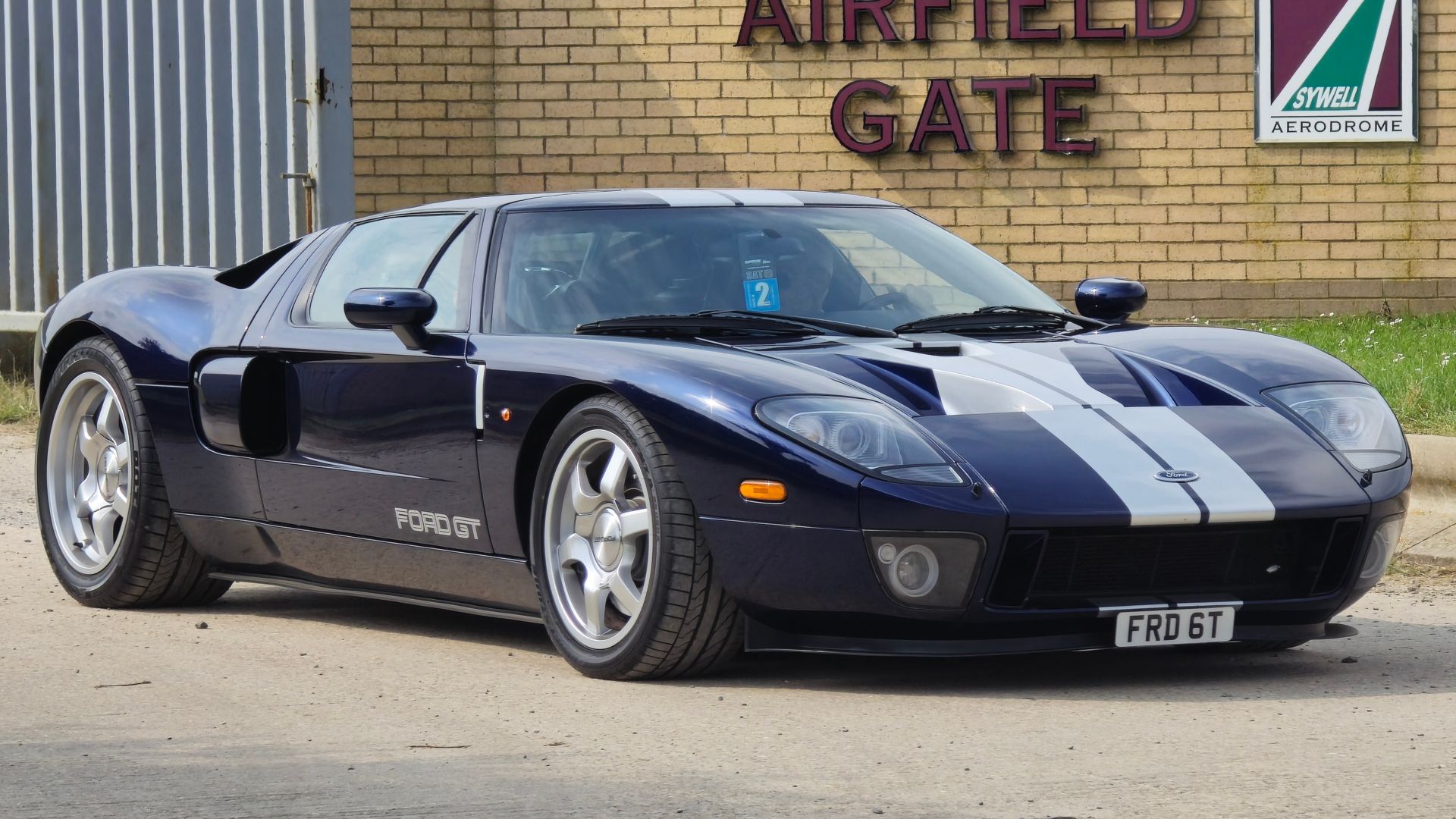
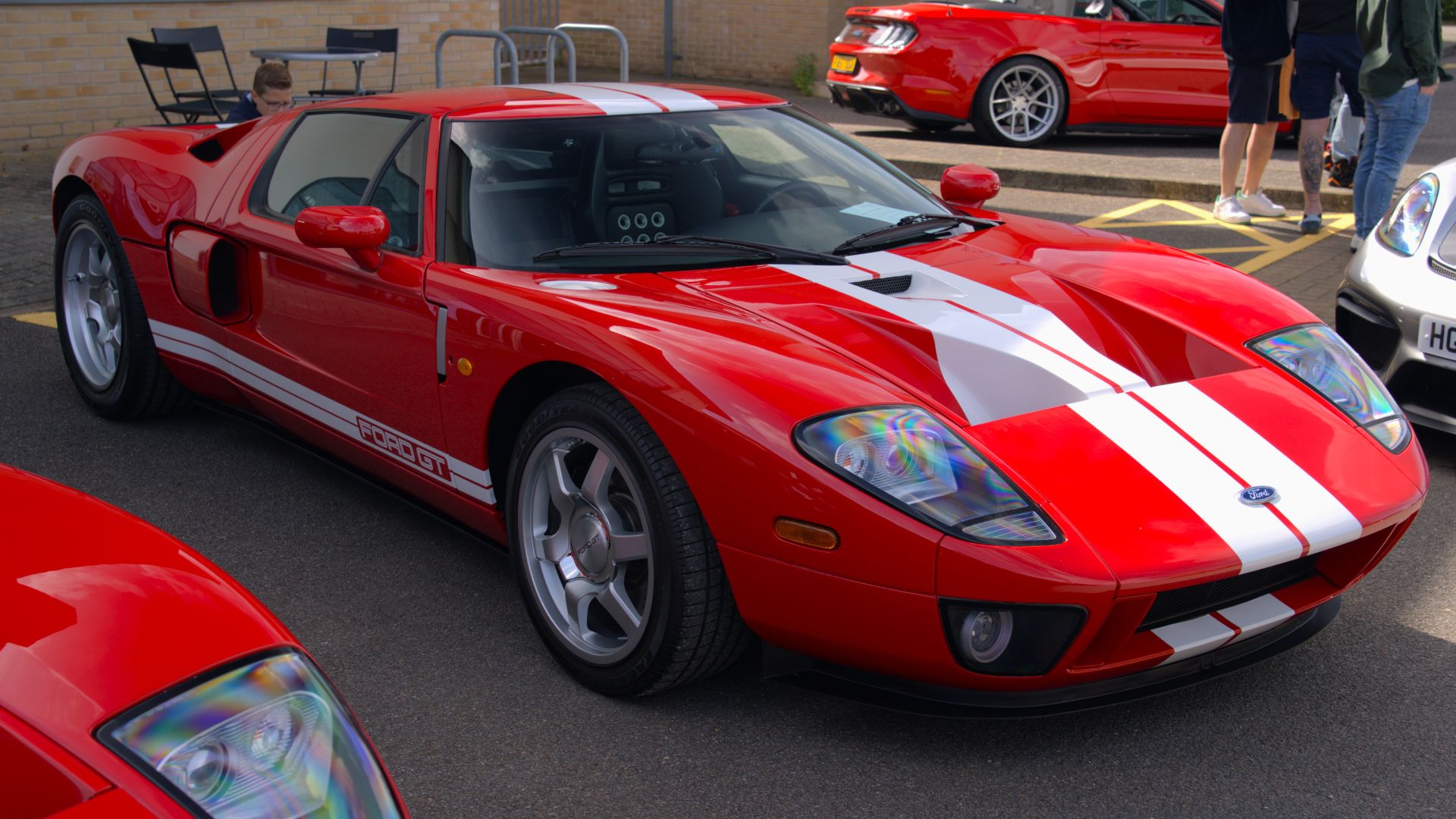
In 2005, Ford revived the GT40 (briefly) to celebrate the 100th anniversary of the Ford Motor Company. Simply known as the GT, the car bore plenty of similarities to the GT40, but included a 5.4L Ford Modular V8 engine and was bigger, wider, and four inches taller than the original GT40. The GT produced 540 hp and could hit a top speed of 205 mph.
2005 Ford GT (Cont'd)
Ford produced 4,038 examples of the GT, with 100 being shipped to Europe. The very first GT sold was to Microsoft executive Jon Shirley, who purchased a "Midnight Blue" GT for $557,000. The GT was available in blue, red, black, and yellow, with a pair of white racing stripes running the length of the car. Red was among the most popular colors.
Jaguar XK120
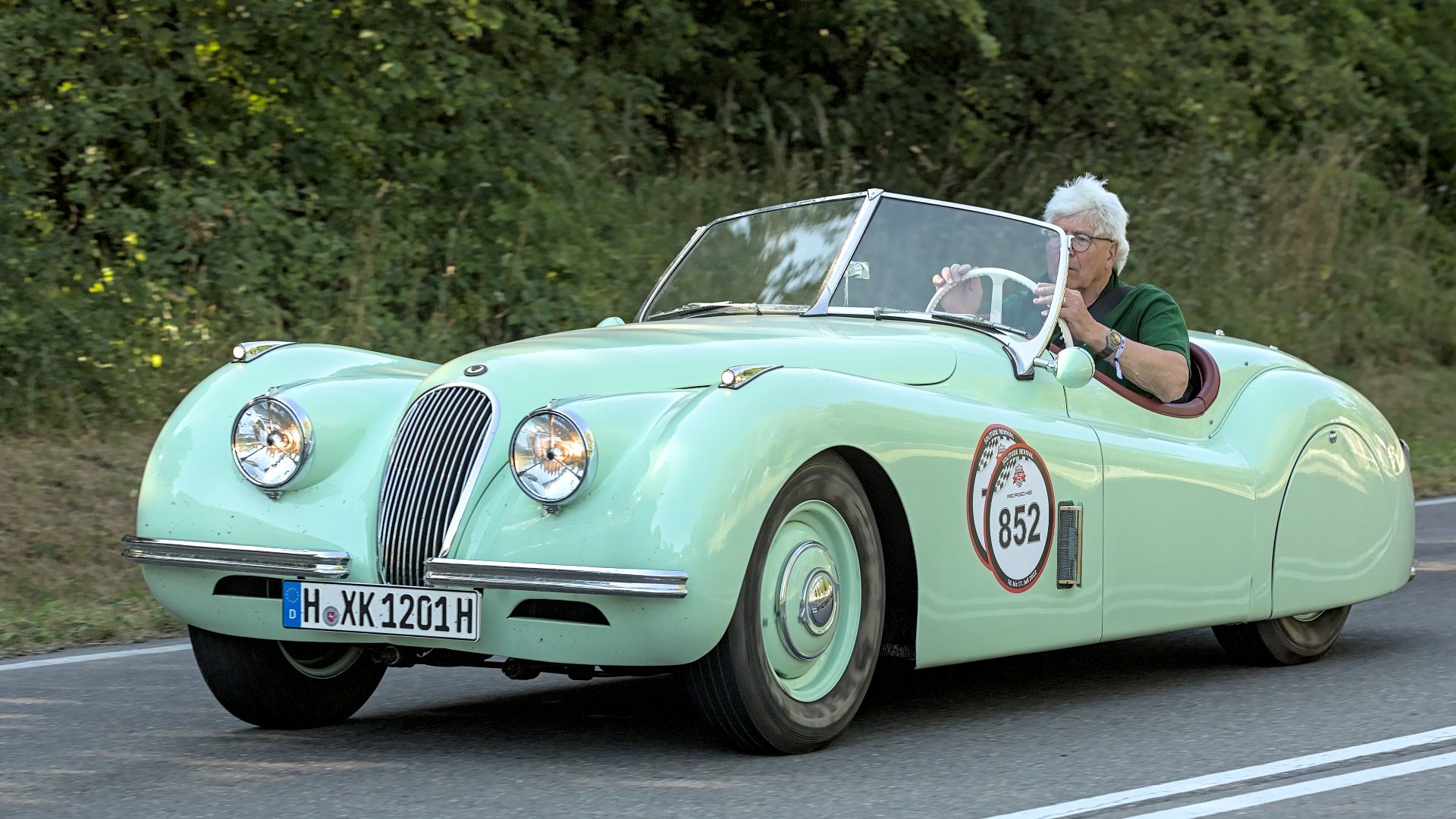
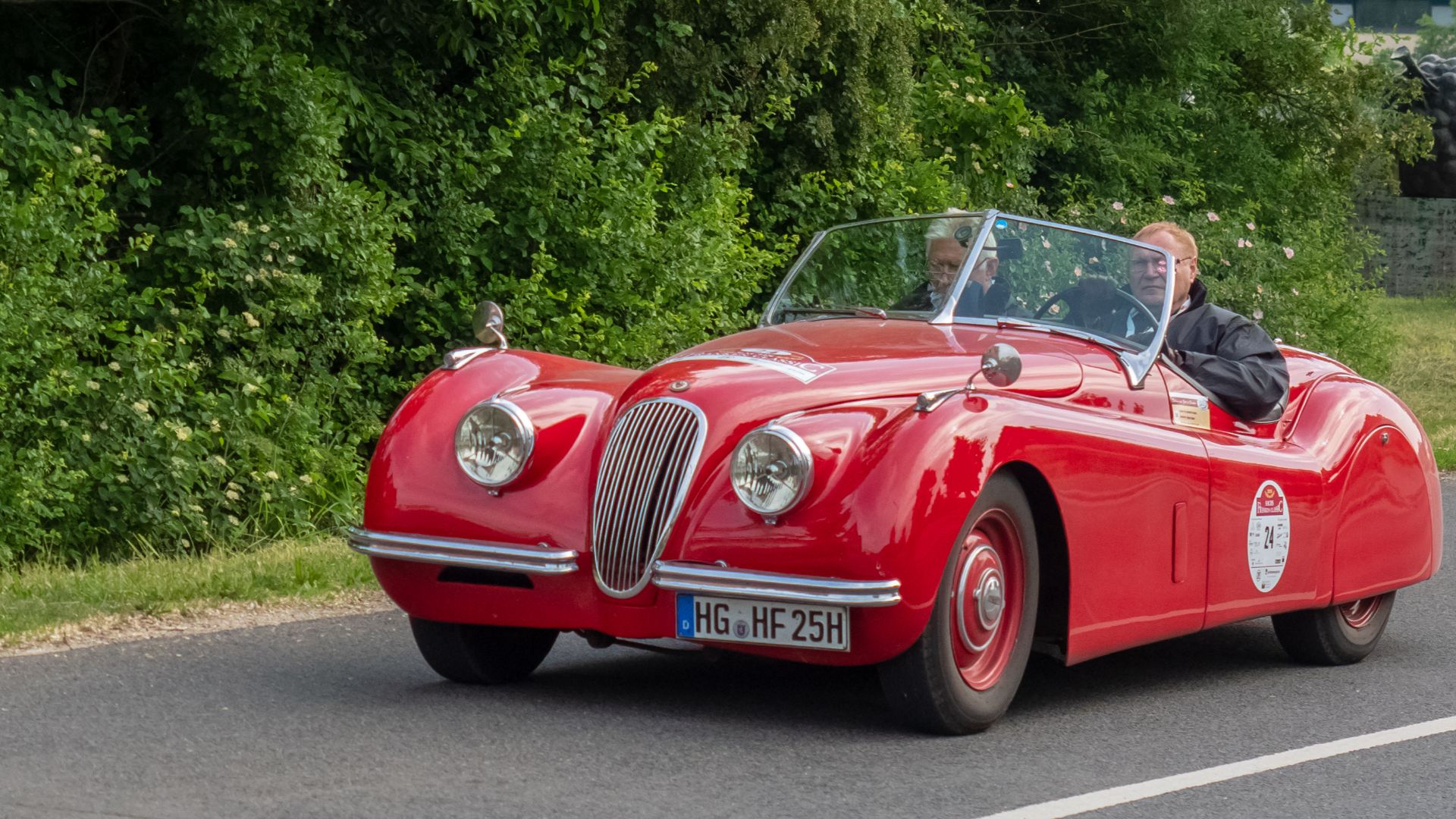
We know we've not quite gotten to the "muscle" section of the museum just yet, but we're getting there, we promise. Next up is one of two British cars in the museum: the XK120 (the XK140 being the other). This gorgeous old Jaguar was manufactured from 1948 to 1954 and was Jaguar's first post-war sports car. The wood- and steel-framed open-top cars were powered by a 3.4L inline-six engine that produced 160 hp.
 Alexander Migl, Wikimedia Commons
Jaguar XK120 (Cont'd)
The fastest production car in the world at the time of its creation, the XK120 had a number of impressive stats for the era, including accelerating from 0 to 60 in 10 seconds and a top speed of 124 mph. The very first production car of the XK120 was delivered to American actor Clark Gable.
1969 Camaro ZL1
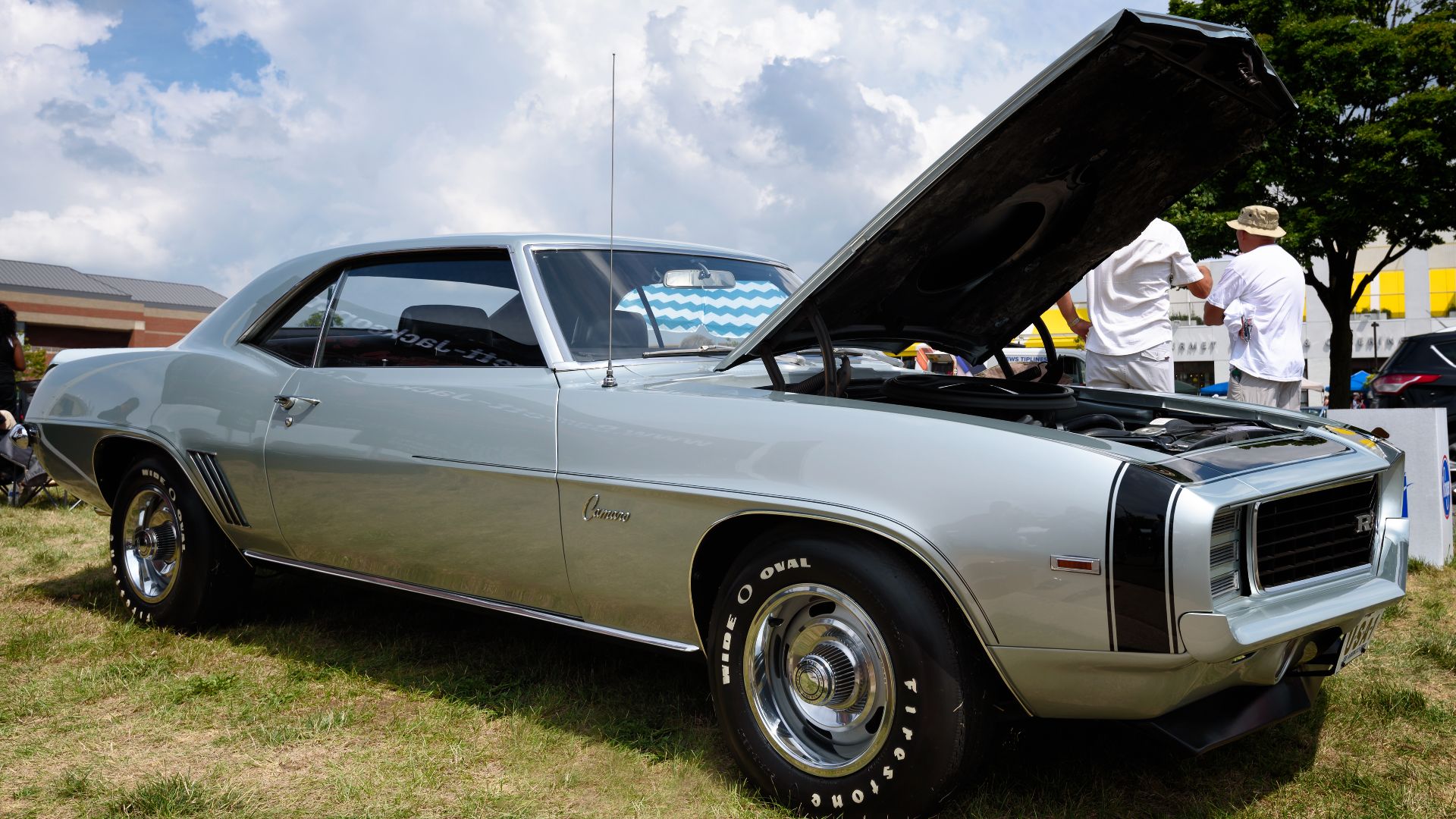
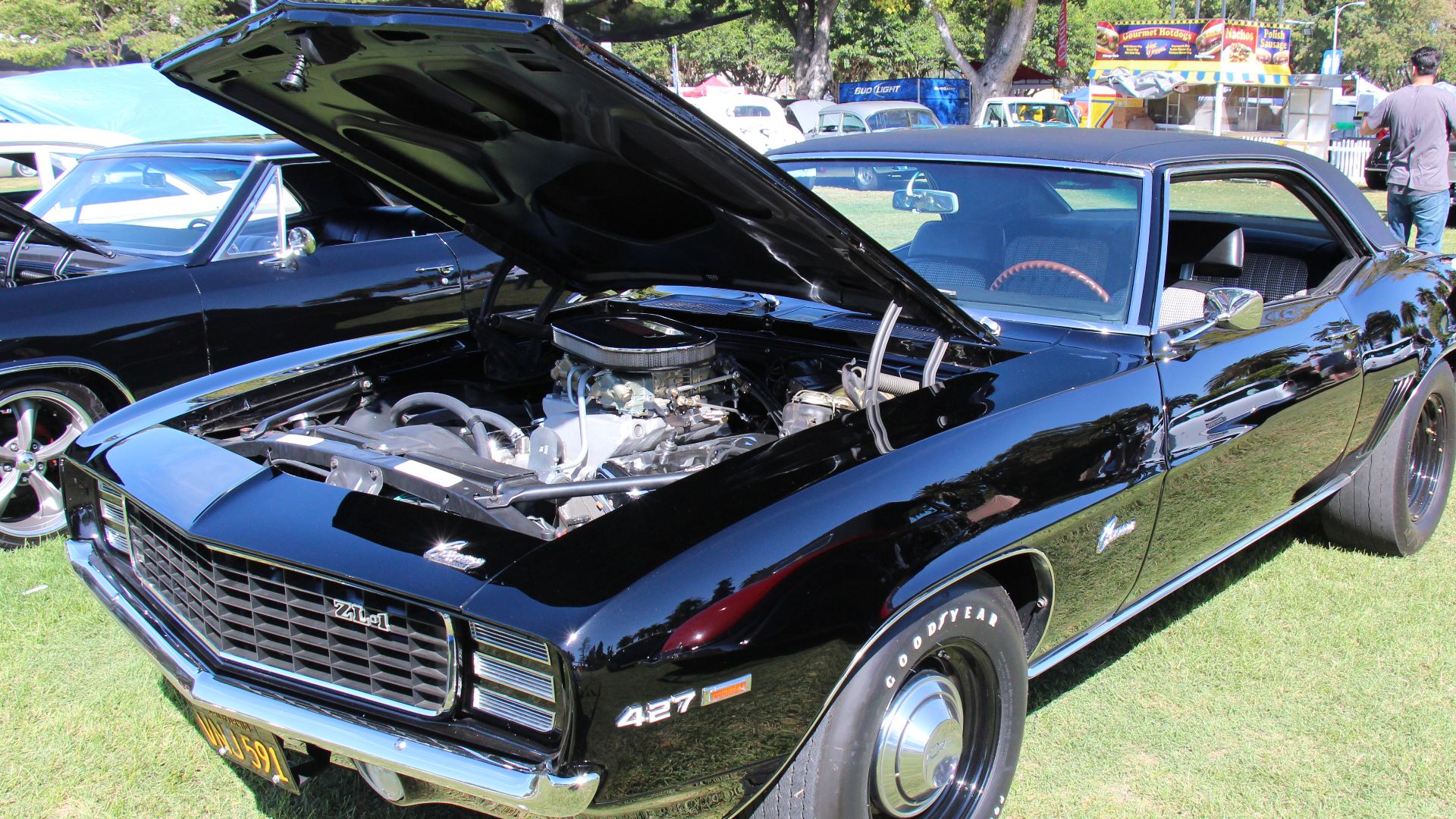
Now we begin the muscle car fiesta in earnest, with the classic 1969 Camaro ZL1. We're unsure exactly how many ZL1s are inside the museum, but there's definitely more than one. Powered by an all-aluminum 7.0L V8 engine and specifically crafted for drag racing, the 7.0L Camaro ZL1 was made to circumvent GM's engine restrictions at the time.
 Mustang Joe, Wikimedia Commons
1969 Camaro ZL1 (Cont'd)
Chevrolet built just 69 examples of the legendary ZL1, making it one of the rarest and most coveted American muscle cars ever produced. With a factory-rated 430 horsepower and a top speed of around 125 mph, this beast had the performance to match its exclusivity. Today, the Brothers Automotive Museum is home to a stunning blue example, meticulously preserved and looking every bit as impressive as its reputation suggests.
1965 Shelby Mustang GT350
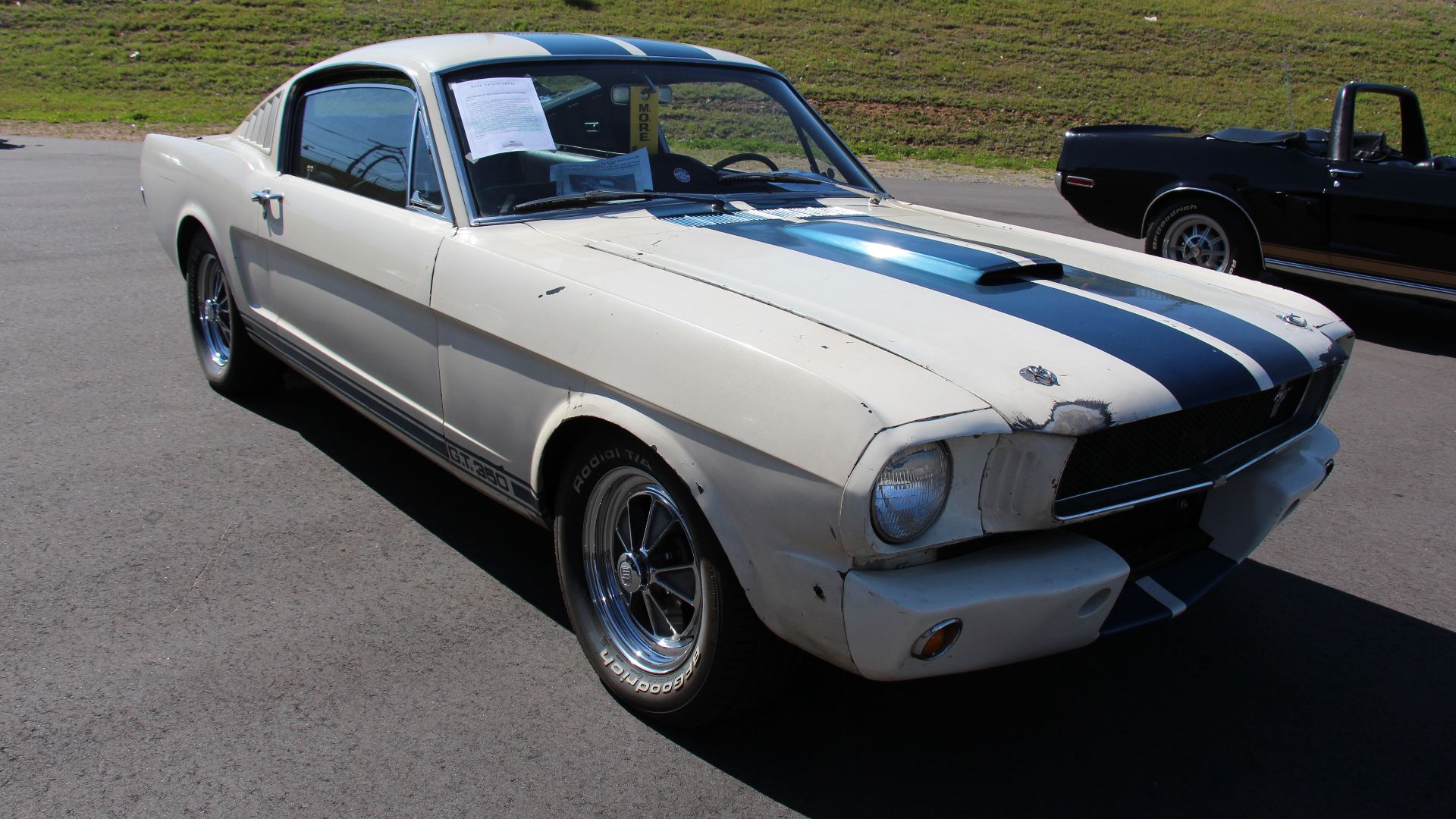
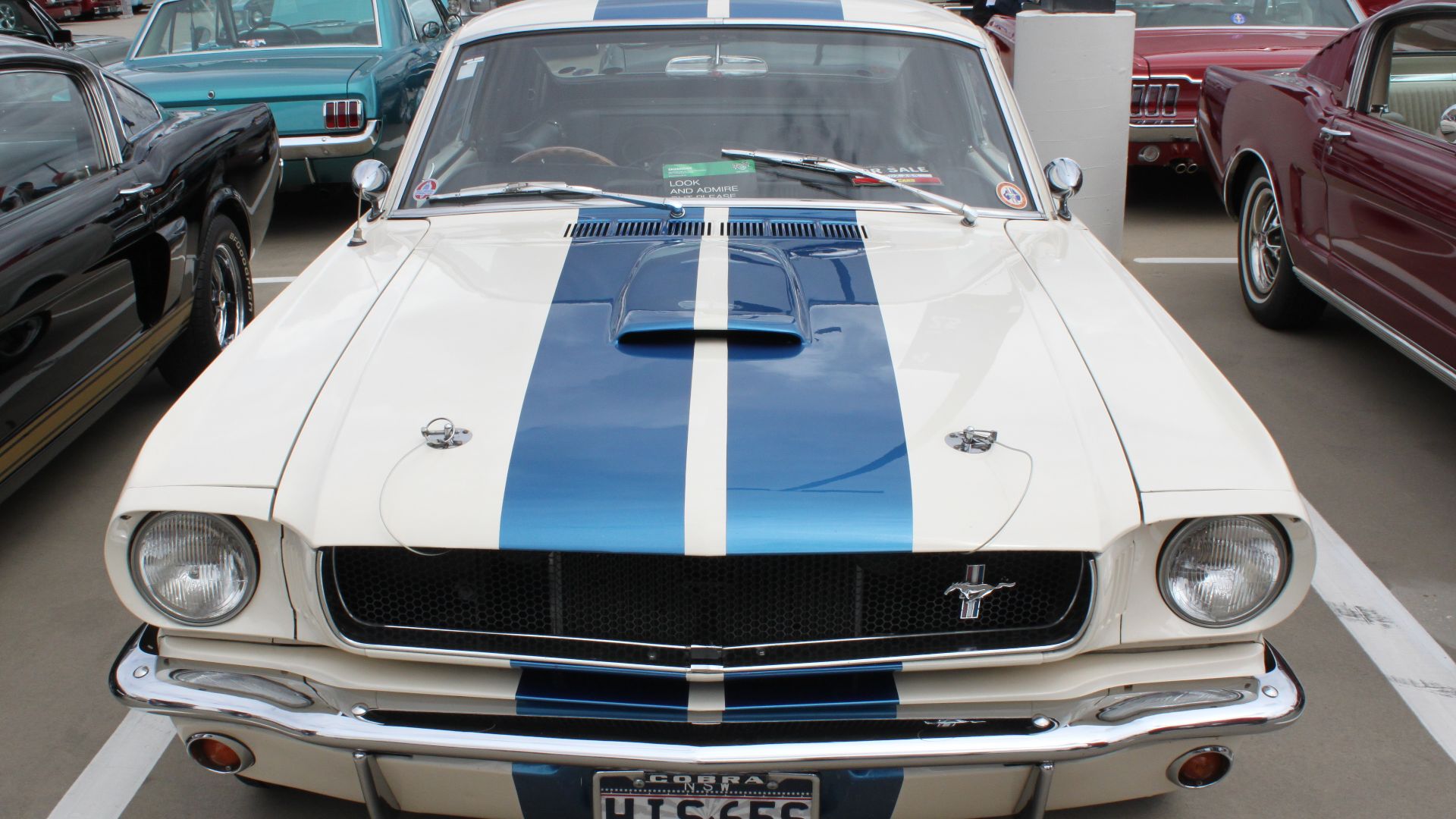
Of course, no muscle car collection would be complete without a Ford Mustang. In this case, the 1965 Shelby GT350, the first variant of the Shelby Mustang. The fastback coupe was the first taste the baying public received of the Mustang's power and speed. The stunning V8 engine produced 306 hp, thanks to a four-barrel Holley carburetor. All of these cars were released in Wimbledon White with blue racing stripes down the middle. Just 562 GT350s were produced in 1965.
1965 Shelby Mustang GT350 (Cont'd)
It wasn't until 1966 that Ford decided to focus more on comfort and aesthetics, rather than producing an out-and-out race car. Optional colors were available, along with quarter-panel windows and fold-down seats. Ford partnered with car rental company Hertz to create a "Rent A Racer" program, intended to encourage sales for Ford and rentals for Hertz. Most of these cars came with a black and gold color scheme in 1966.
 Jeremy from Sydney, Australia, Wikimedia Commons
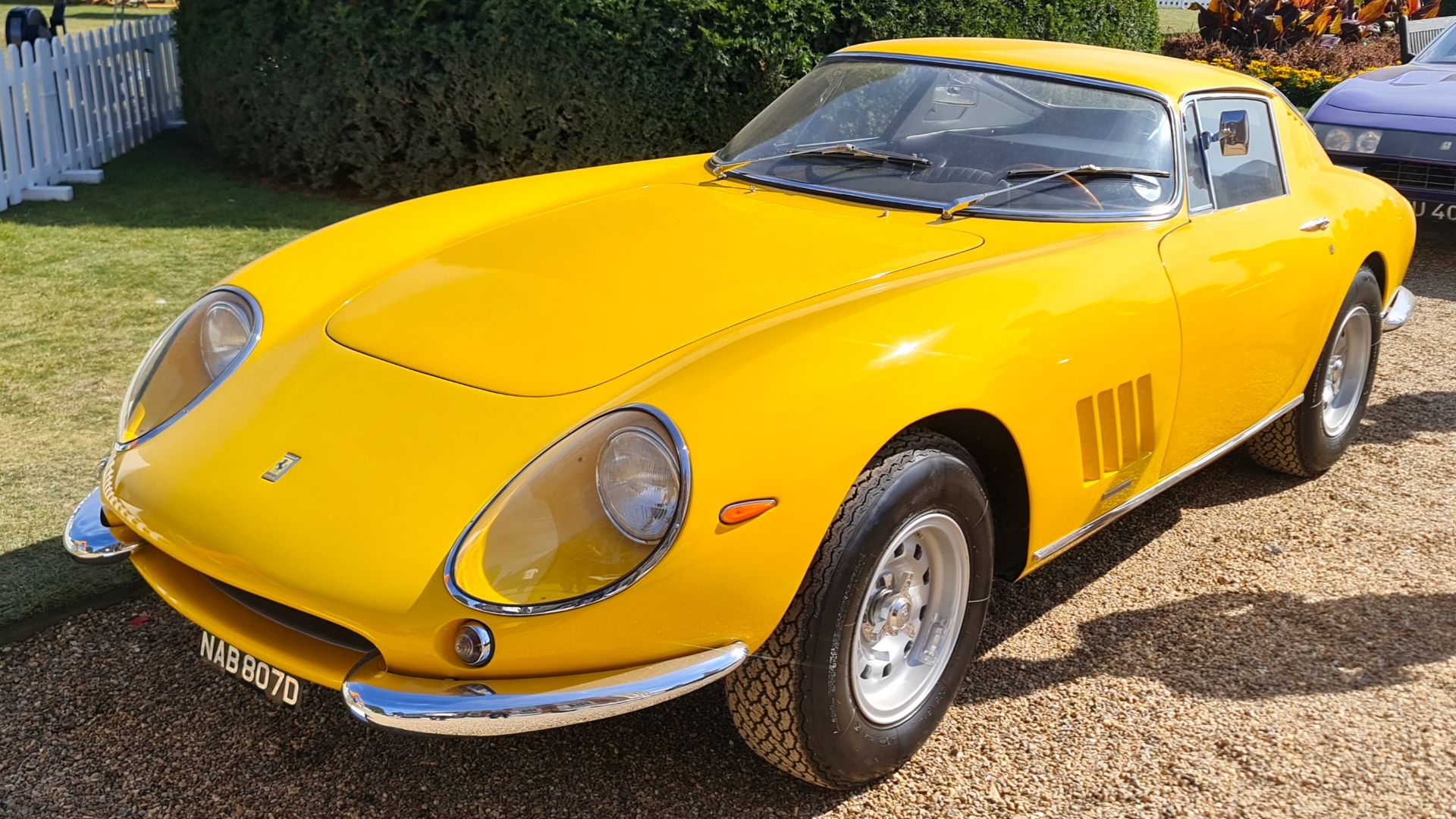
1966 Ferrari 275
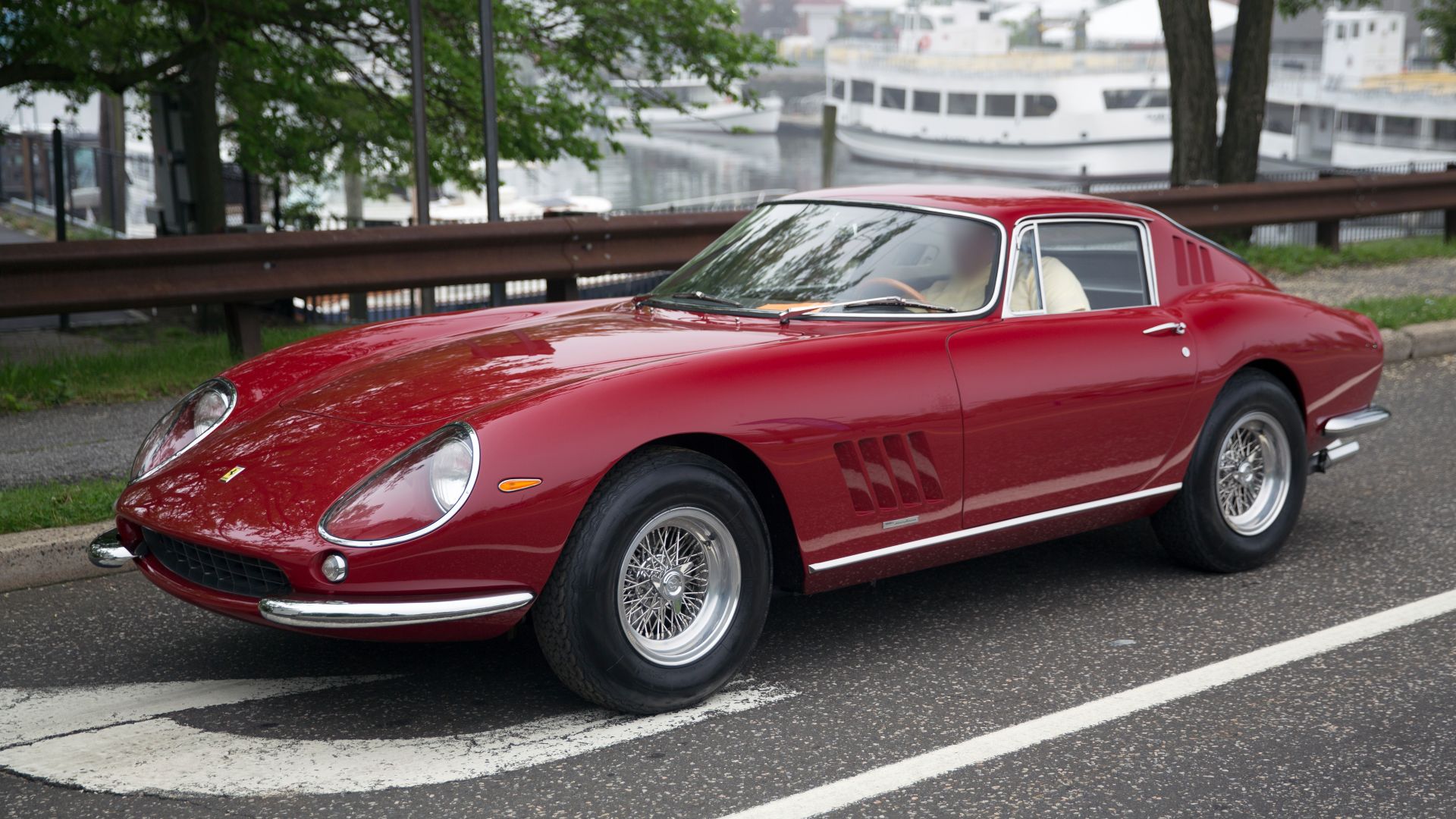
Talking of '66, the Ferrari 275 is another foreign beauty in the Brothers Automotive Museum. A classic grand tourer produced between 1964 and 1968, the bang-in-the-middle '66 275 was powered by a 3.3L overhead-camshaft V12 engine that produced 300 hp. It was the first road-legal Ferrari ever equipped with a transaxle and independent rear suspension.
 Mr.choppers, Wikimedia Commons
1966 Ferrari 275 (Cont'd)
It wasn't just the under-hood performance that made the 275 a classic. The stunning lines on a steel body, aluminum doors, trunk, and hood, with a long nose and covered headlights were also timeless. With a top speed of 167 mph, the 275 was one of the quickest sports cars of its era and has long been considered one of the greatest sports cars of the 1960s.
Mercedes-Benz 300SL Roadster
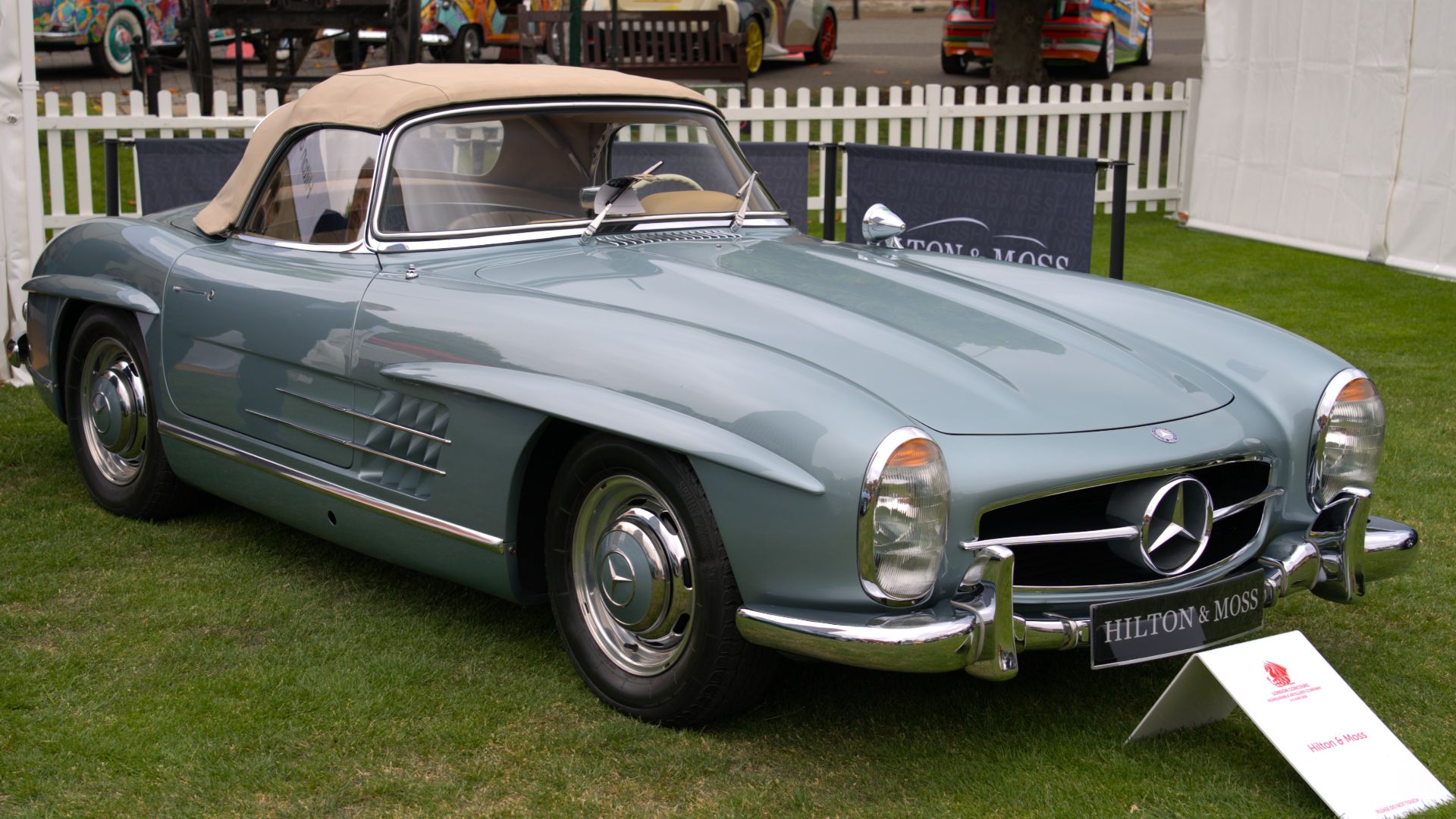
From Italy to Germany: the Mercedes-Benz 300SL Roadster deserves a spot in any automotive museum. You know why—it's those incredible gullwing doors that were mechanically necessary because of the height of the car between the wheels. It's a good thing too, the doors gave the 300SL its iconic look and set it apart from almost any competitor.
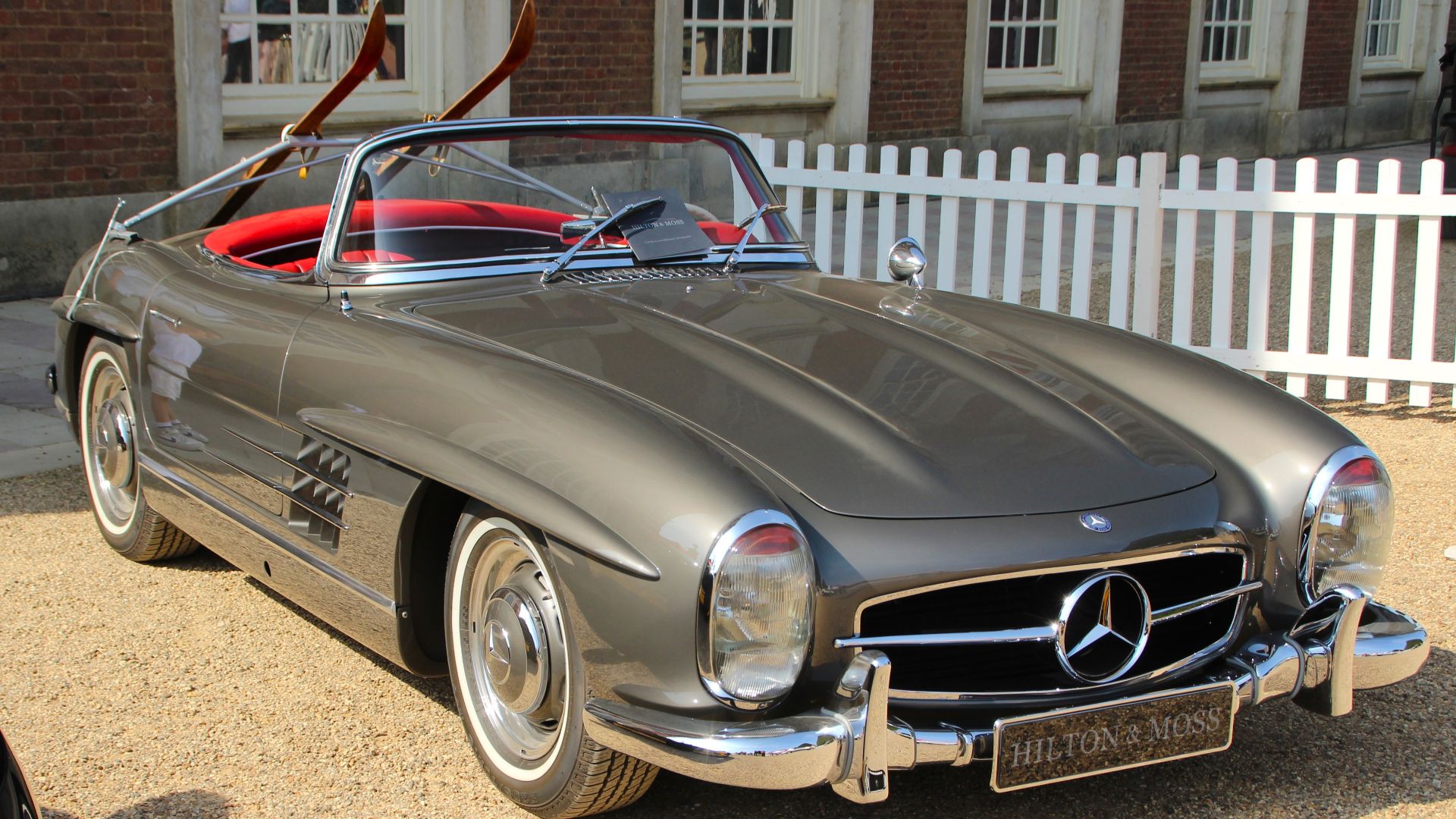
Mercedes-Benz 300SL Roadster (Cont'd)
With a top speed of 162 mph, the 300SL Roadster quickly claimed the top spot as the world's fastest production car in the mid-1950s. It cut its teeth on the racing circuit, aided by a revolutionary engine technology: direct fuel injection, which made its 3.0L straight-six engine even more powerful. An iconic German car for the ages, the 300SL would look out of place not in a museum such as this.
1970 Plymouth Hemi Road Runner Rapid Transit
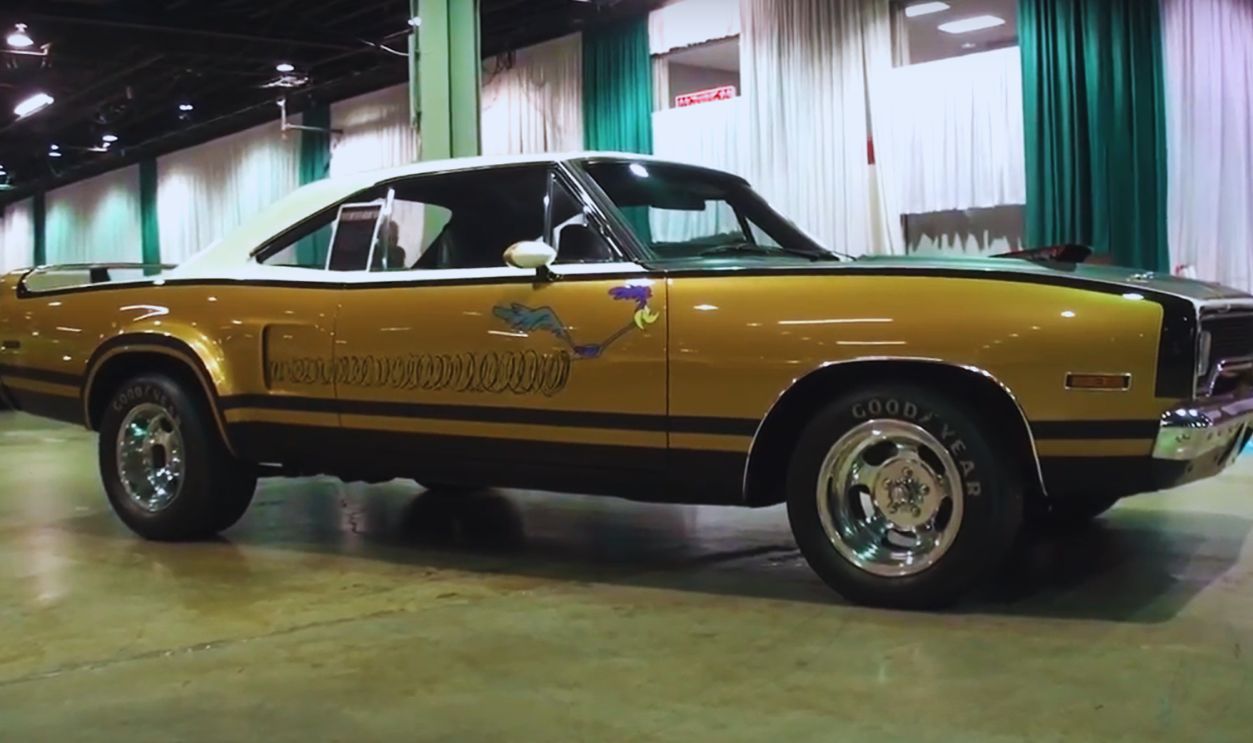
From German engineering, we're shifting gears to some serious American muscle. Meet the 1970 Plymouth Hemi Road Runner Rapid Transit, a rare twist on an already sought-after classic. In 1970, Plymouth wanted to show off its growing lineup of high-performance parts, and what better way than with a traveling exhibition of outrageously powerful cars? The result was the Rapid Transit System Caravan, featuring this spectacular Hemi-powered Road Runner that was built to turn heads.
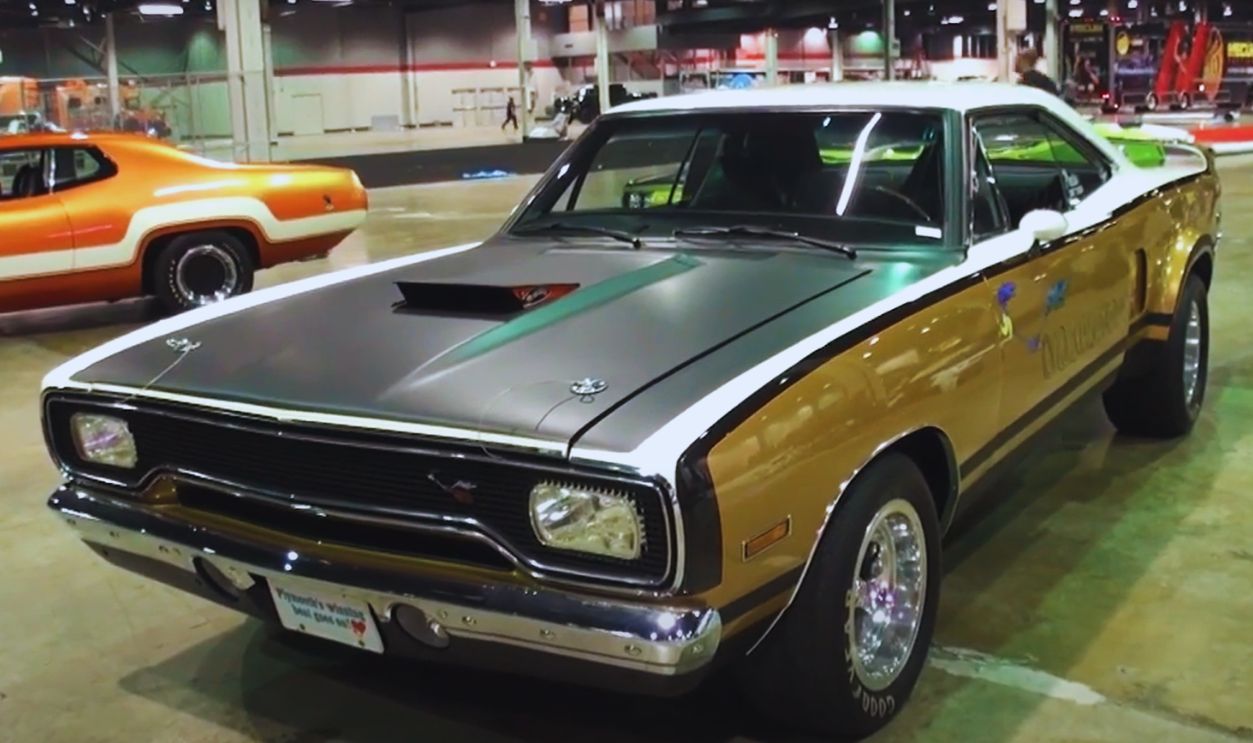
1970 Plymouth Hemi Road Runner Rapid Transit (Cont'd)
Powered by a 7.0L Hemi engine, the Road Runner Rapid Transit is a unique car: one of four in the lineup of this traveling auto show. Notable features include a spoiler blended into the rear fenders, square headlights, shaved door handles, and, of course, the Road Runner decal on its side. Rocketing from 0 to 60 in 5.5 seconds, with a top speed of 185 mph, this all-American classic is a once-in-a-lifetime find at the museum.
1956 Dual-Ghia Convertible Coupe
Dual Motors Corporation was a short-lived auto manufacturer in the United States in the 1950s. In 1956, Eugene Casaroll came up with the idea to partner with Carrozzeria Ghia, an Italian car designer, to create a convertible coupe. The 1956 Dual-Ghia Convertible Coupe was the brainchild of this scheme, which created the "world's longest assembly line", stretching from the United States to Italy and back again.
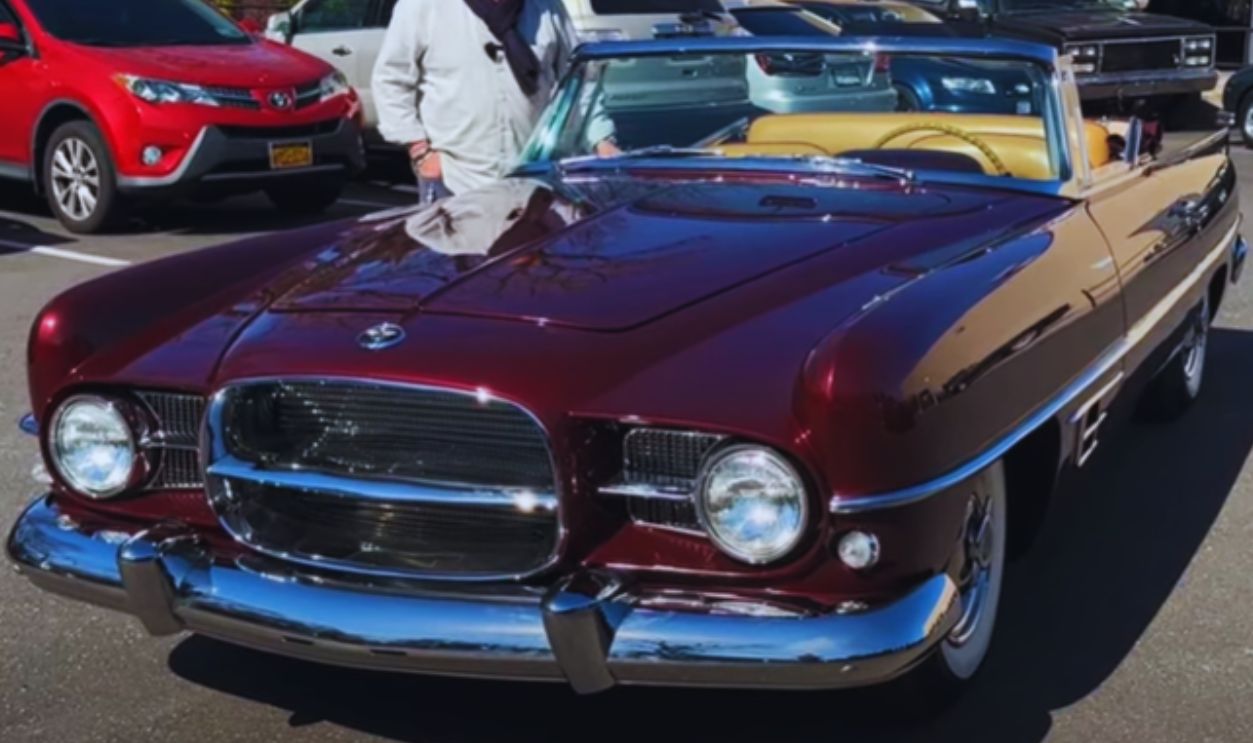 1956 Dual Ghia Convertible Road Test Passenger POV, AutosportDesigns
1956 Dual-Ghia Convertible Coupe (Cont'd)
The Dual-Ghia was powered by a Dodge V8 engine, coachbuilt in Italy with a long wheelbase and flared fenders, ovular grille and available as a convertible or coupe—this rare car definitely belongs in American automotive history. Just 116 examples were built between 1956 and 1958, thanks in part to the cost of shipping auto parts across the world and back again.
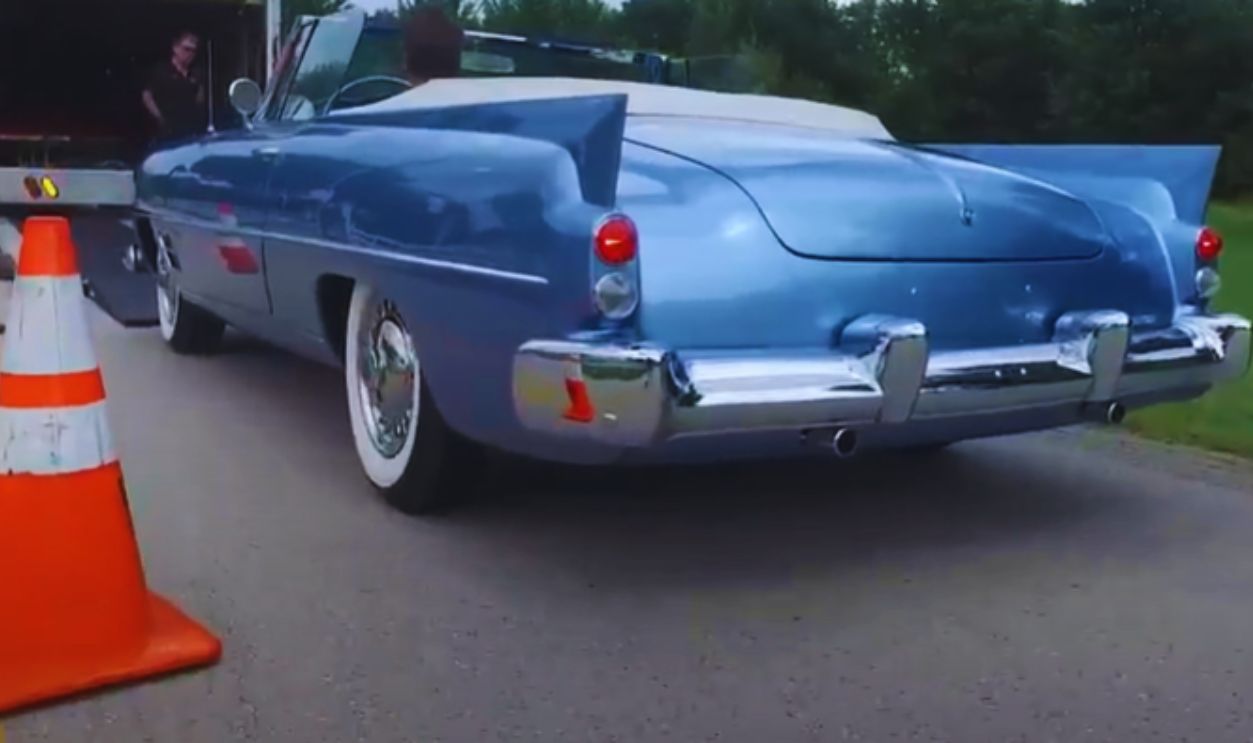 '56 DUAL GHIA: First Ever Produced, Dennis Collins
1967 Toyota 2000 GT
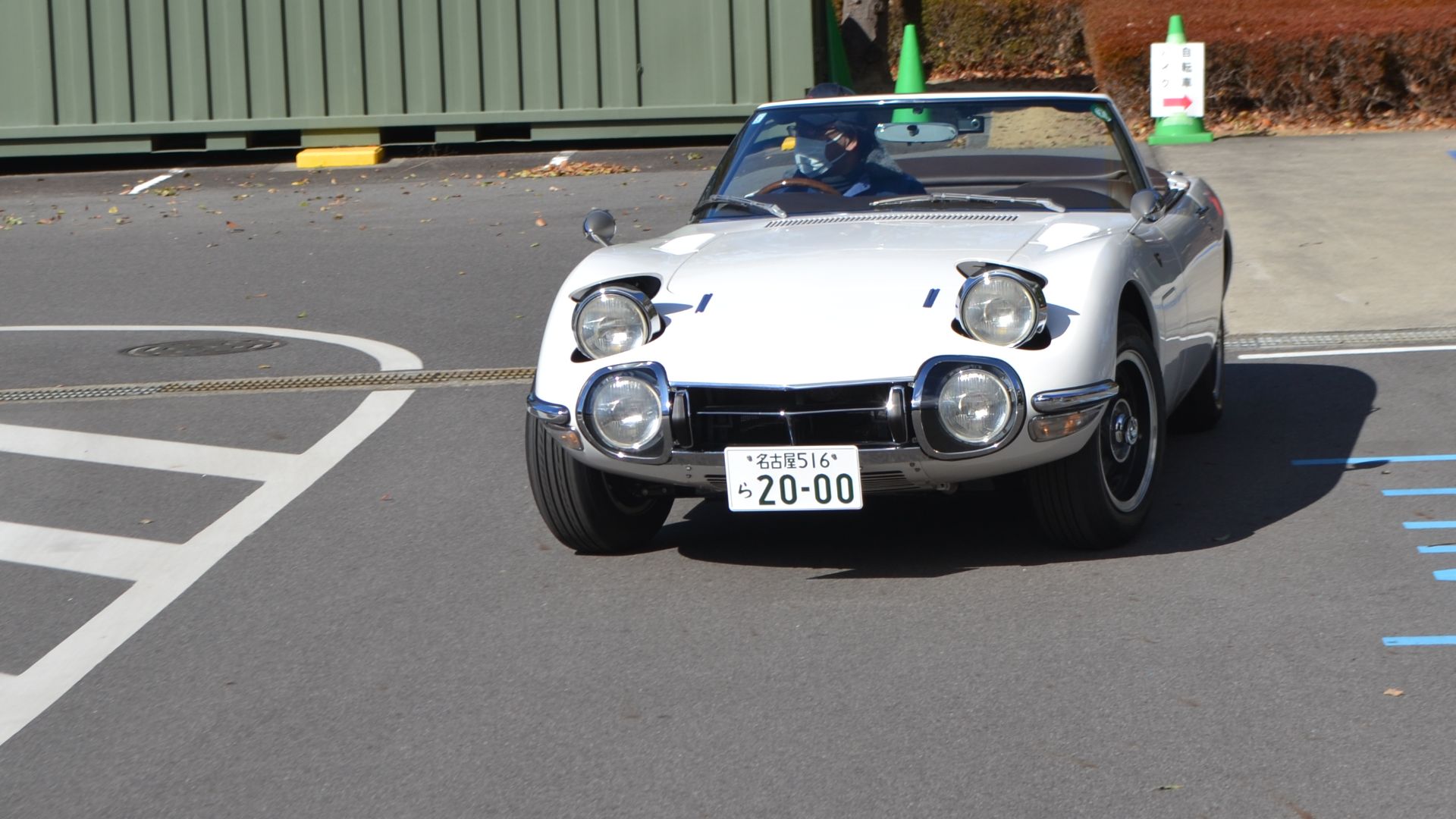
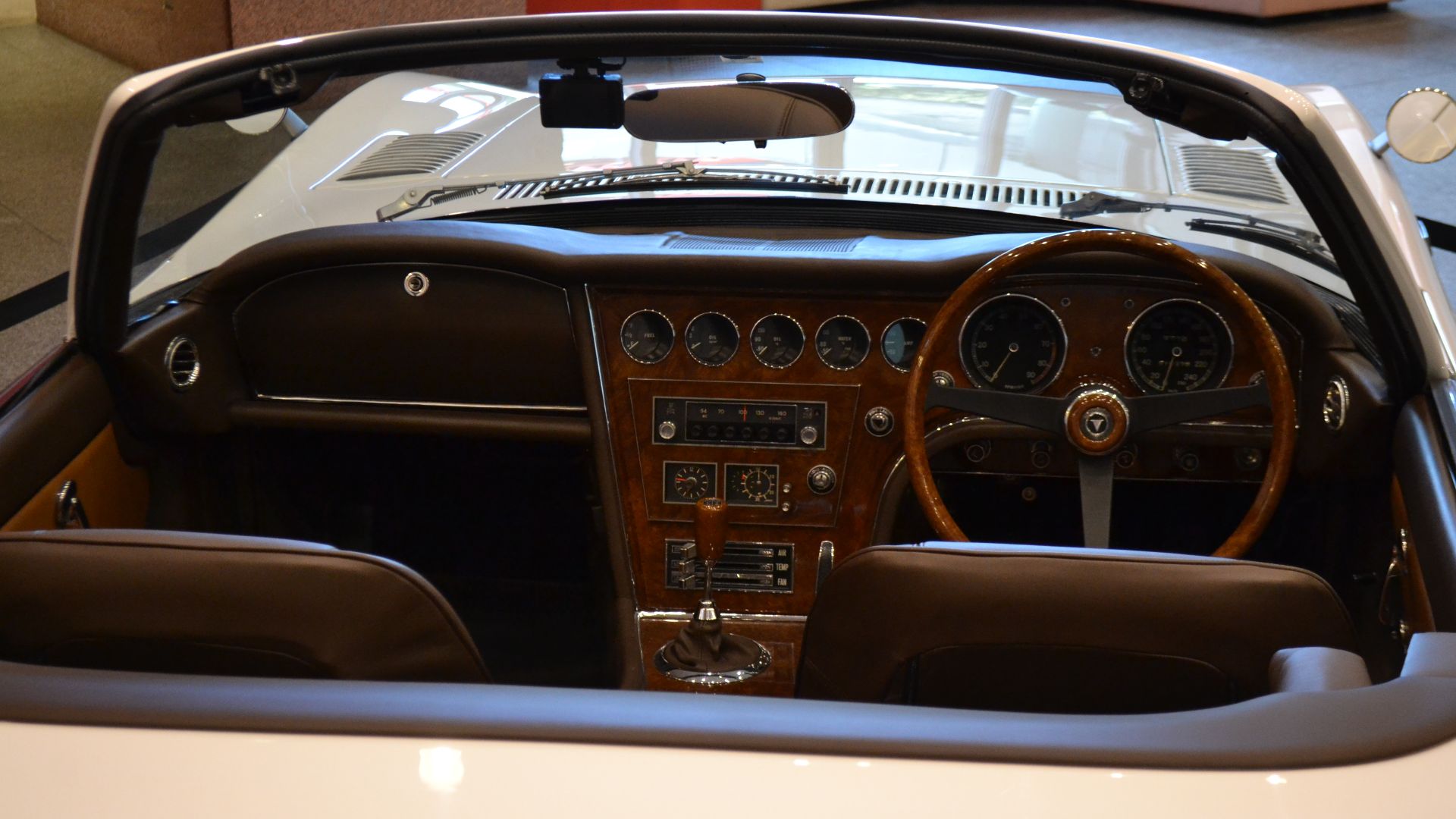
You might not think that Toyota was doing much in the 1960s, but you'd be wrong! This interesting car from Toyota is a grand tourer and sports car, a high-performance fastback coupe. Powered by a 2.0L or 2.3L inline-six engine, the 2000 GT produces 148 hp and a top speed of 135 mph. Just 337 of these were built, making them exceedingly rare.
1967 Toyota 2000 GT (Cont'd)
The 2000 GT is widely considered to be Toyota's first sports car and, by some standards, Japan's first supercar. It was only sold at Toyota dealerships in Japan and revolutionized how the rest of the world saw Japanese cars. They were no longer slow and cumbersome, they were instead nimble and exciting. The 2000 GT was even compared to the Porsche 911.
1965 Shelby Cobra Mk III
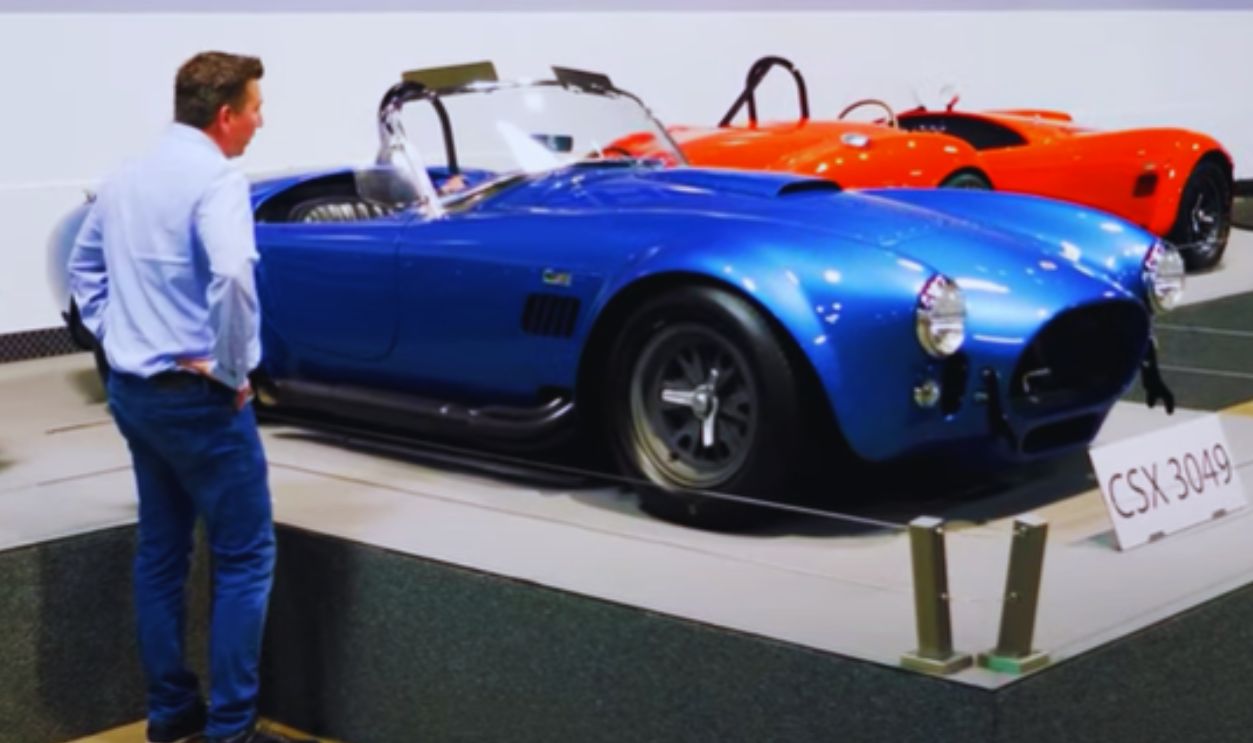
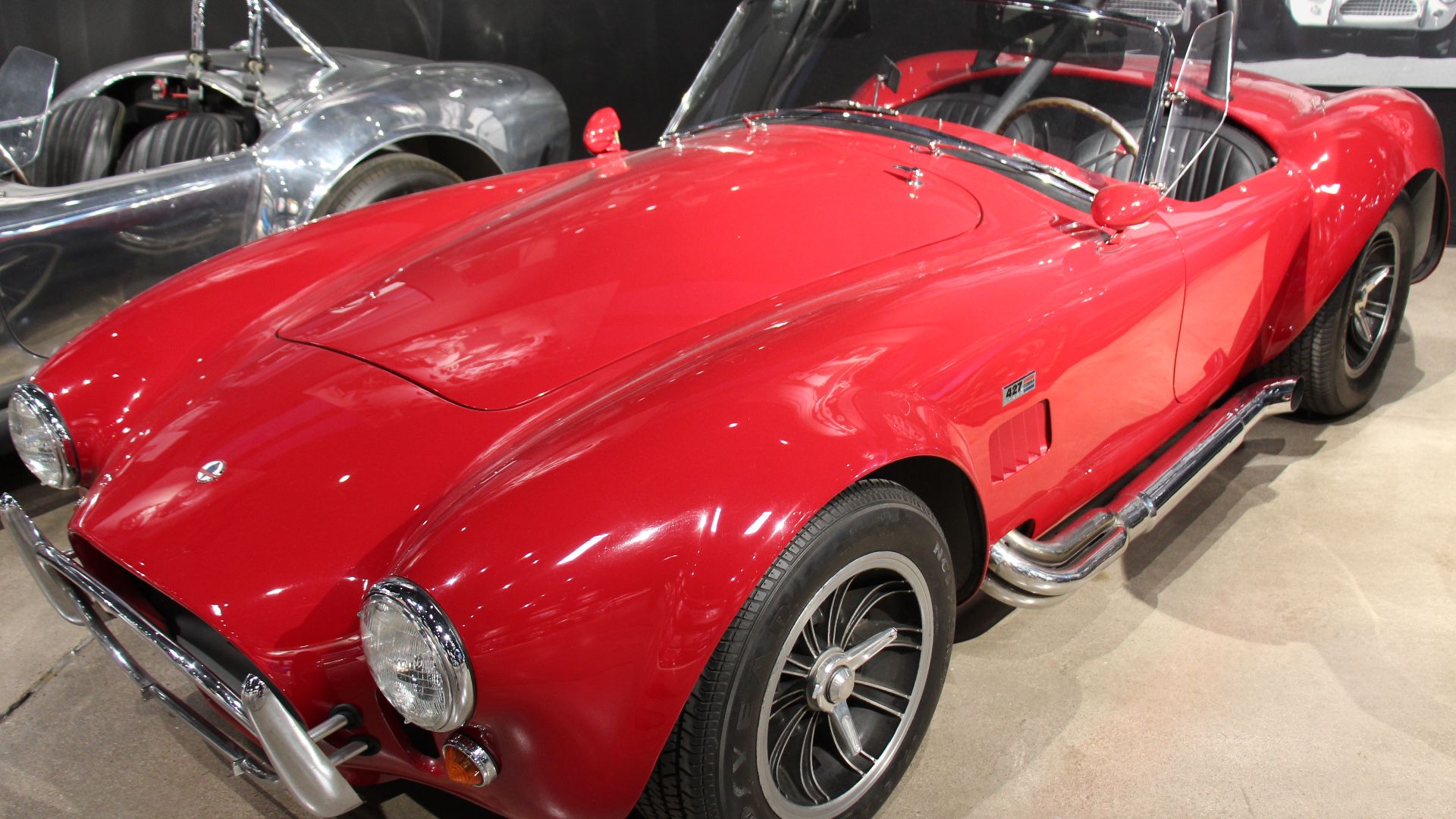
Also known as the AC Cobra 427, the Mk III is widely considered one of the most beautiful cars of the 1960s. It was developed on a new chassis with wide fenders and powered by a 7.0L V8 engine with a carburetor, which provided 425 hp and a top speed of 164 mph. Despite being a beautiful car and hugely popular in the United Kingdom, the car was a financial failure in the United States.
 JET Motors at Brothers Collection Unbelievable American Muscle Car Museum, Jet Motors
1965 Shelby Cobra Mk III (Cont'd)
One particularly special AC Cobra S/C had a pretty impressive owner: Carroll Shelby himself, who used the upgraded roadster as his personal car over the years. The 1965 Cobra Mk III was commonly seen in classic shades like British Racing Green and Midnight Blue, although other colors were available. It also marked the end of an era, becoming the last car Shelby imported from Britain to the United States.
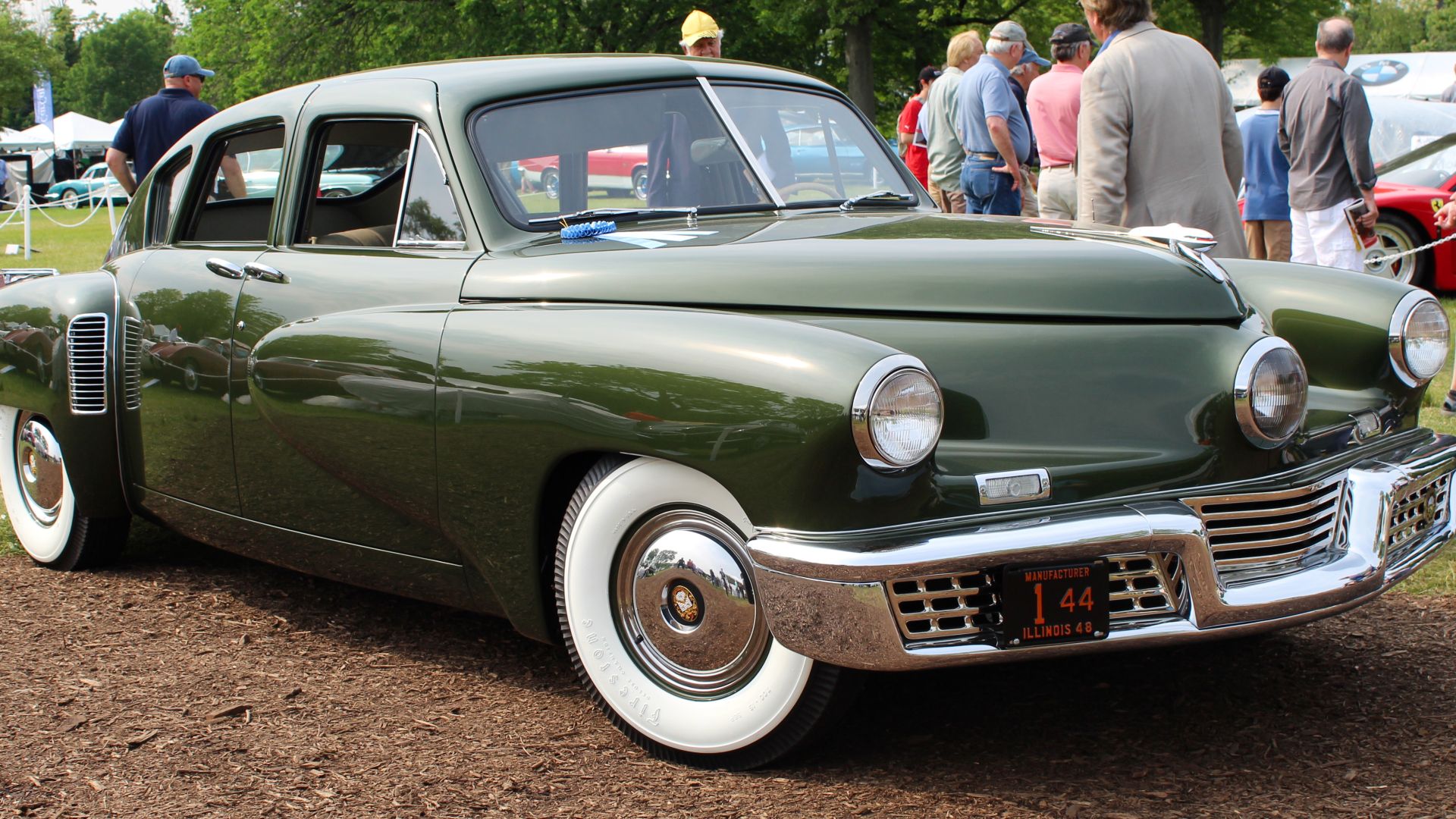
1948 Tucker Torpedo
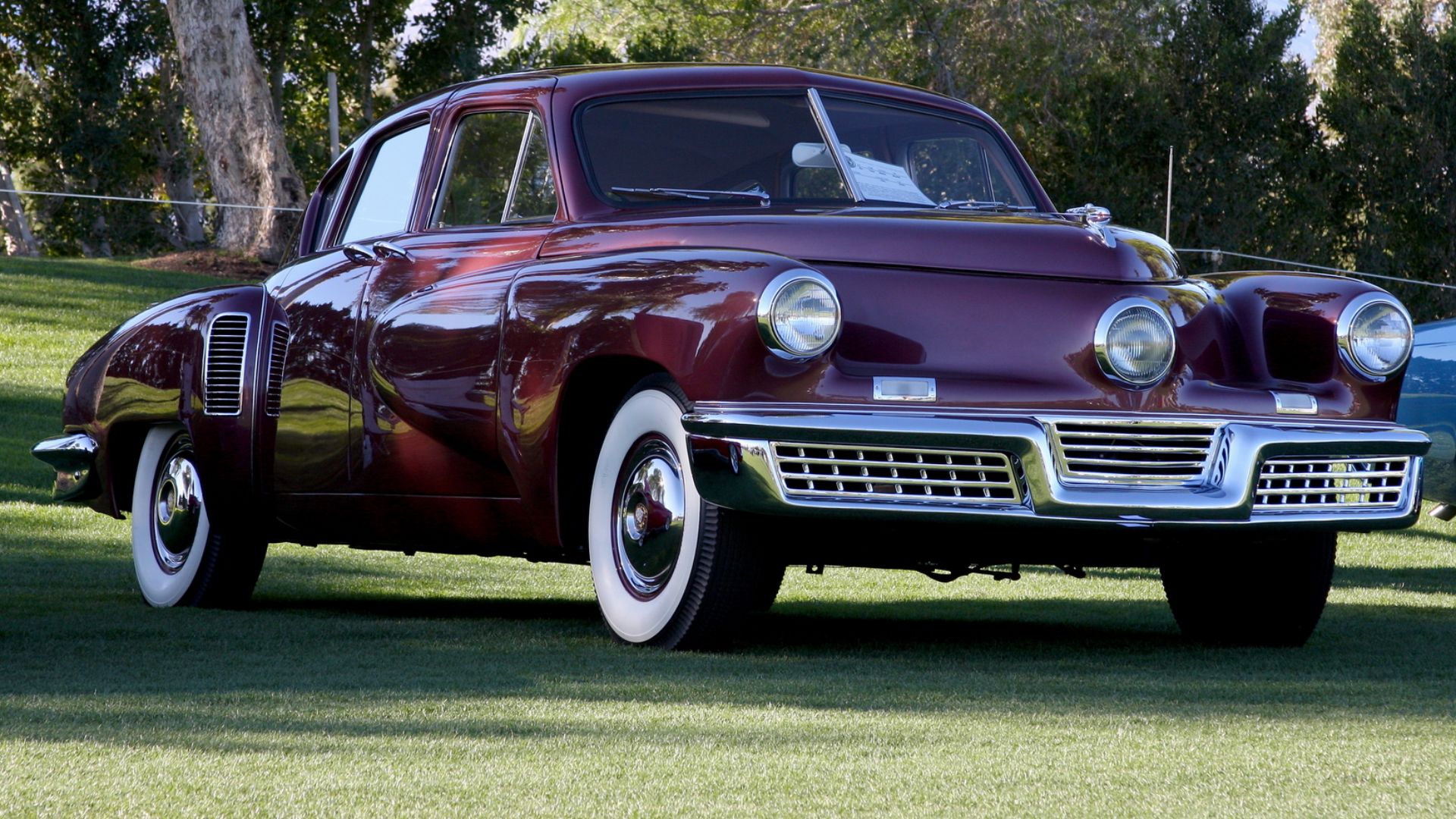
One of the most revolutionary cars of the 1940s, the Tucker Torpedo featured a number of innovations that would pave the way for cars of the future. The big sedan featured a one-piece windshield that popped out in case of an accident, a large area where drivers and passengers could "duck" into underneath the dash and steering wheel, independent suspension, and a rear-mounted engine.
1948 Tucker Torpedo (Cont'd)
Unfortunately, only 51 of the Tucker Torpedoes were built before Preston Tucker, the car's designer, was left bankrupt by baseless accusations of financial impropriety. He long suspected that the Big Three car manufacturers had something to do with the allegations and the heavily publicized trial.
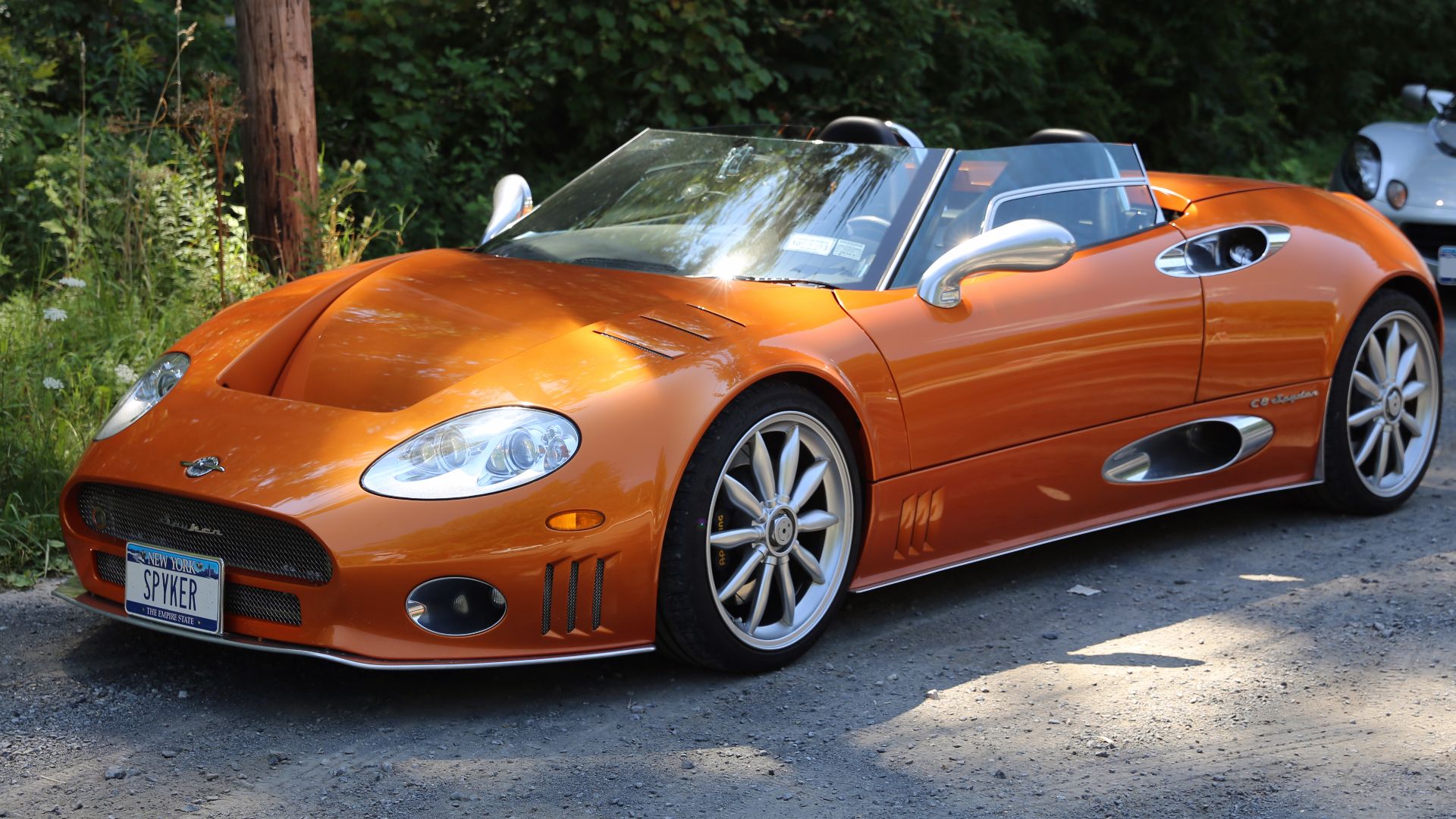
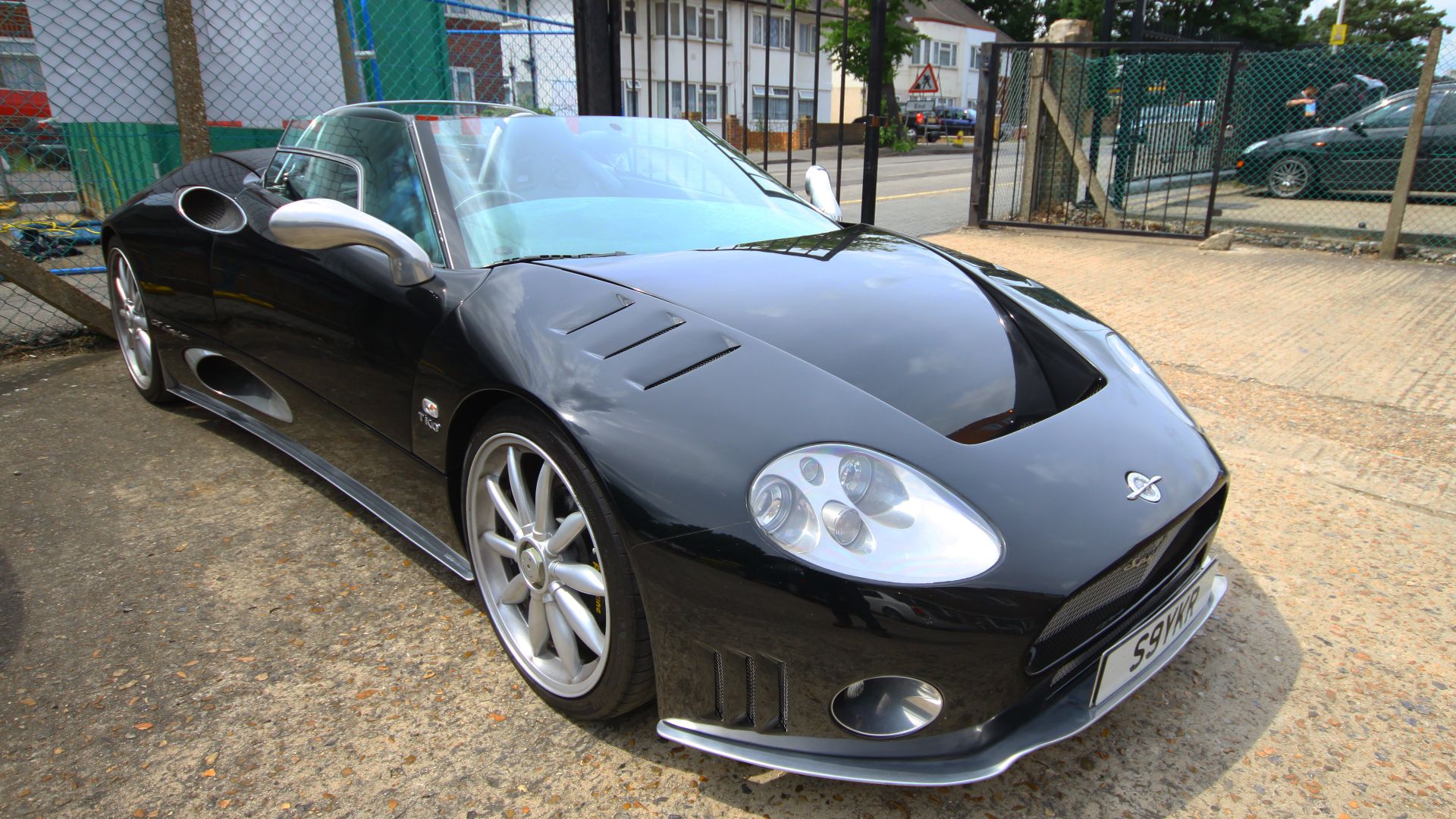
Spyker C8 Spyder
You may not have heard of this car. That's because it's manufactured by Dutch automaker Spyker Cars, a sports car manufacturer based in Zeewolde, Netherlands. The C8 Spyder was equipped with an Audi 4.2L engine that produced 395 hp. It had an astonishing top speed of 186 mph.
 Mr.choppers, Wikimedia Commons
Spyker C8 Spyder (Cont'd)
Spyker's heritage is in the airline industry and that's evident on the C8 Spyder, thanks to the side-mounted air intakes, propeller rotor dash air vents, and electric scissor-lift doors. Spyker really paid attention to detail here, with the C8 Spyder being a superbly comfortable ride, and a beautiful piece of European automotive history.
 Shane's Stuff, Wikimedia Commons
2000 Saleen S7 Turbo
Saleen was an American supercar company that developed the S7 Turbo as a way to hang with the "big boys" of Ferrari and Porsche. It's America's sixth mid-engine sports car, powered by a Ford Windsor 7.0L V8 engine that produced 550 hp and a stunning top speed of 248 mph. Carbon fiber throughout, the car creates its own downforce at 160 mph, a truly bananas feat of engineering.
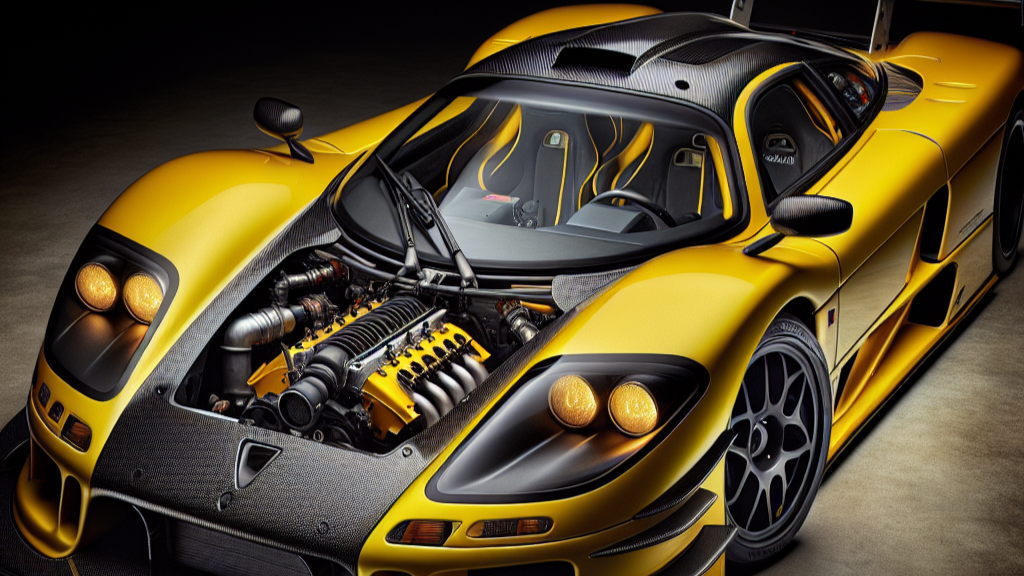
2000 Saleen S7 Turbo (Cont'd)
The 2000 Saleen S7 Turbo featured an all-leather interior with aluminum, a trunk in both the front and rear, and a rear-view camera. The S7 Turbo could hit 60 mph in 2.7 seconds and took less than six seconds to reach 100 mph. Several Saleens were turned into racing vehicles with much success in North America. One of the first major supercars of the 21st century in the US, the S7 Turbo is deserving of its place in American automotive history.
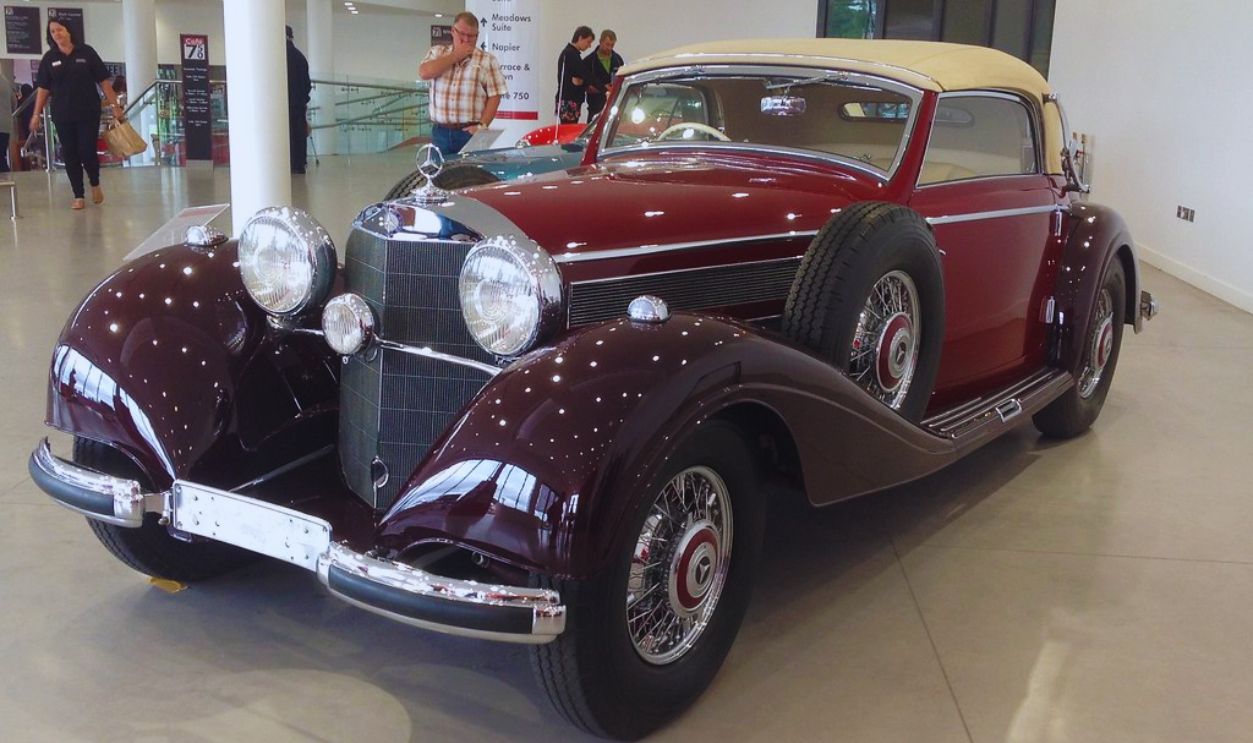
1935 Mercedes-Benz 540K
The 1935 Mercedes-Benz 540K is a grand tourer built by Mercedes between 1936 and 1940. Available as either a four-seater coupe, cabriolet, or even an armored seven-seater limousine, the 540K was one of the largest production cars of its era.
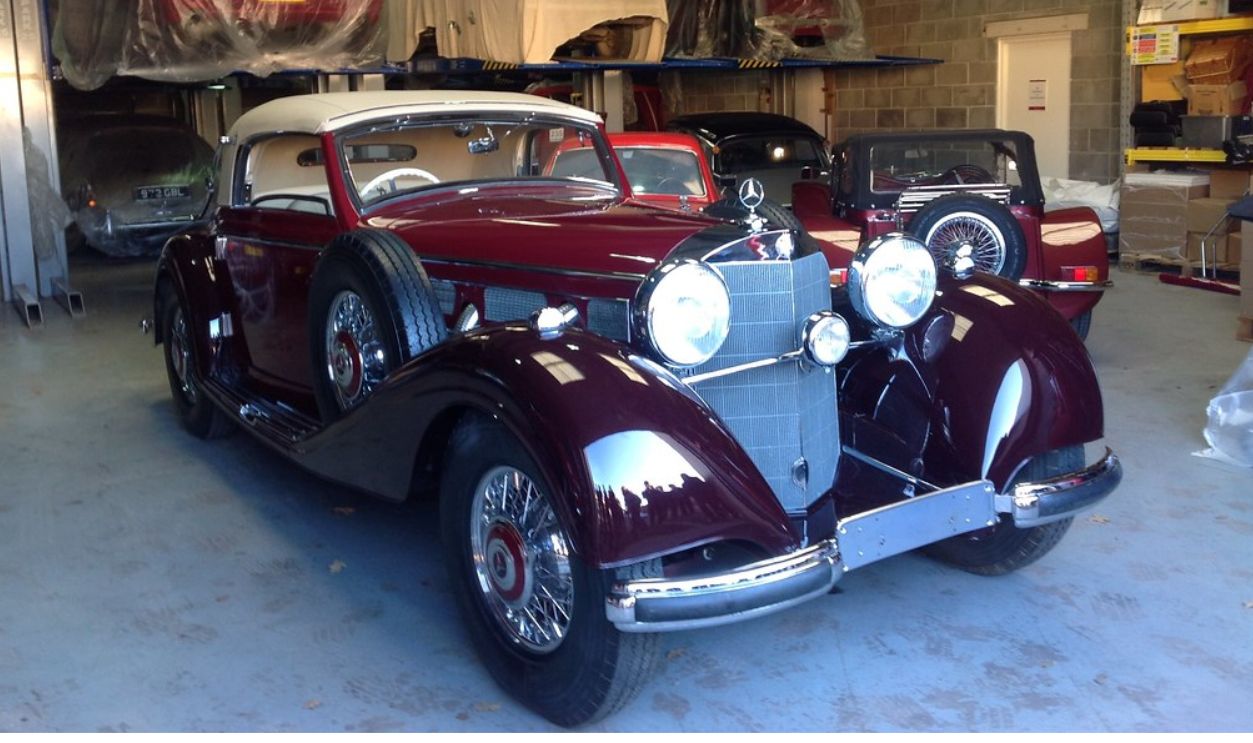
1935 Mercedes-Benz 540K (Cont'd)
Powered by an eight-cylinder engine with dual updraft carburettors that produced 115 hp, a Roots supercharger would later be added, increasing the power output to an impressive 180 hp. This also gave the 540K a top speed of 110 mph. 12 special cars were produced on an extended wheelbase in the late 1930s for members of the Nazi hierarchy, including Reynard Heydrich.
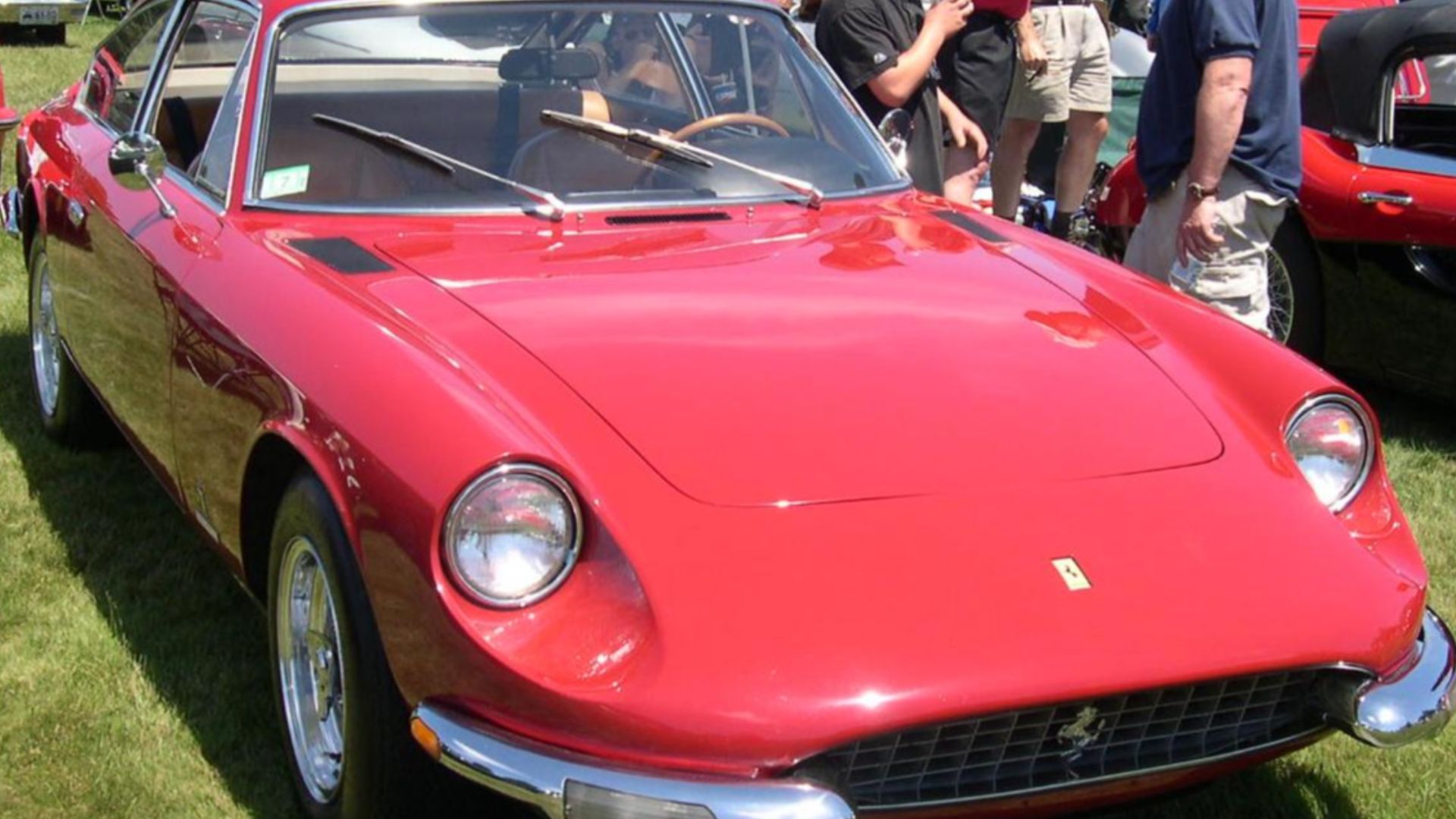
1972 Ferrari 365 GT 2+2
In 1972, Ferrari introduced the 365 GT 2+2 grand tourer, building on the success of the GTC/4. The front-engine, rear-wheel drive cars were popular in Europe, but less so in the US, as none were officially imported (instead entering the country as grey market imports). Double wishbone suspensions and steel bodies with fiberglass floors made for a relatively light grand tourer.
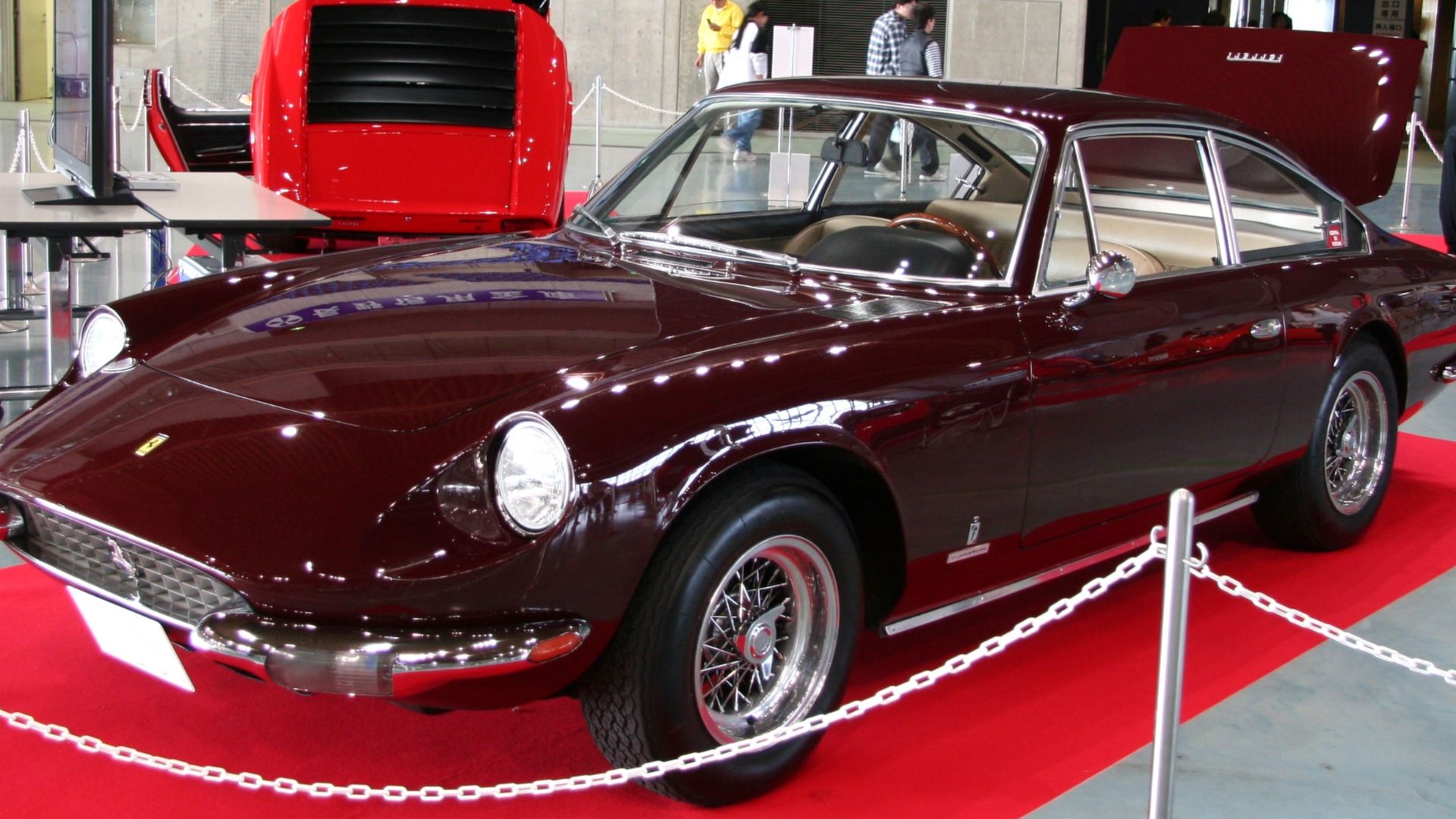
1972 Ferrari 365 GT 2+2 (Cont'd)
Under the hood, the standard Ferrari 4.4L V12 engine purred away, producing 335 hp with a top speed of 152 mph. 524 of these units were produced before Ferrari upgraded to the Ferrari 400 in 1976, featuring both an automatic gearbox (for the first time) alongside the standard manual.
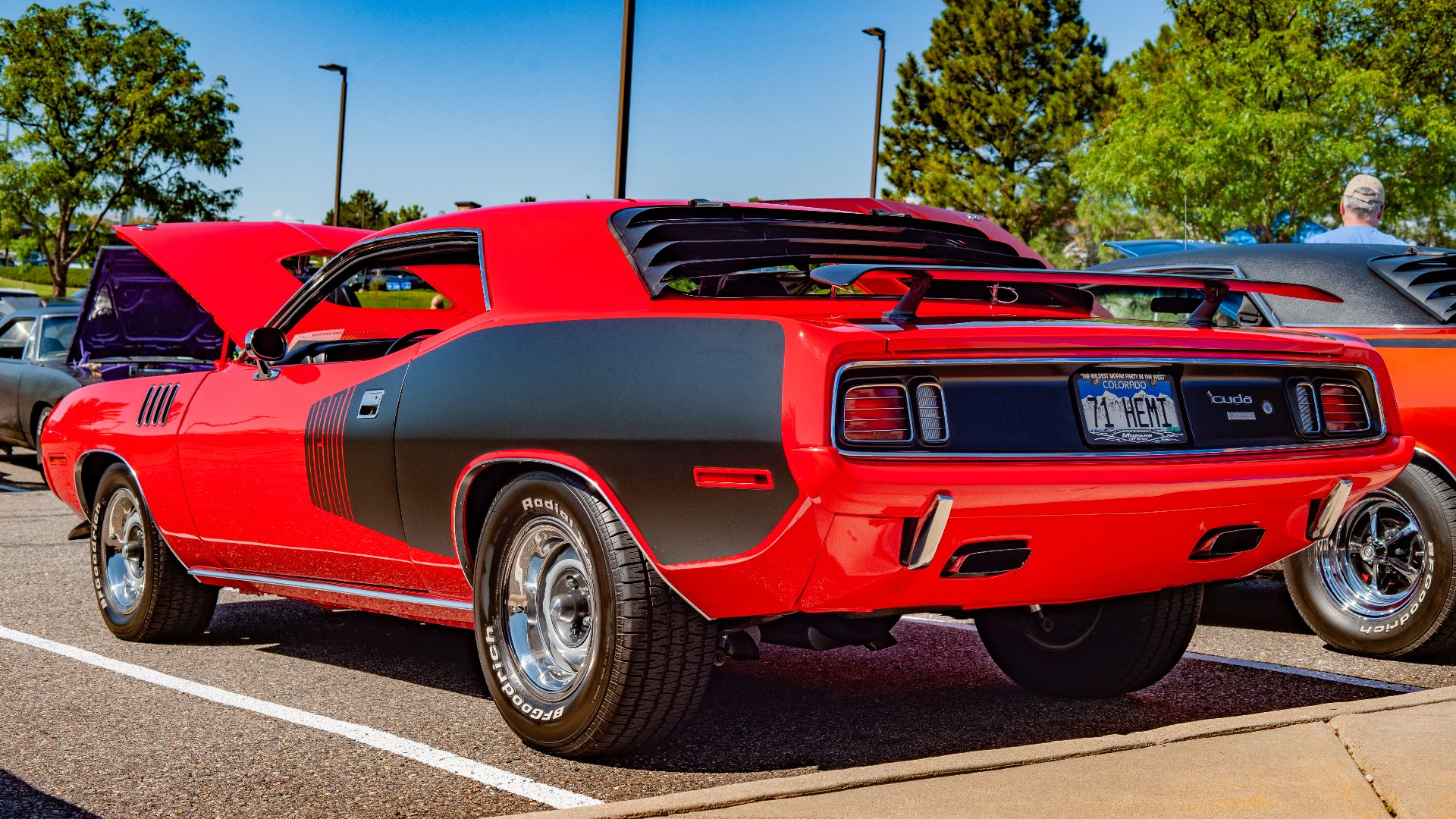
1971 Plymouth Hemi 'Cuda
One of the rarest Plymouths ever devised: the 1971 Plymouth Hemi 'Cuda. Only 114 of these 7.0L V8-engined beasts were ever produced, and all 114 of them included styling that Plymouth held for only one model year, like the grille fender gills and quad headlights. Styling also included a few "high impact" colors that would make the Hemi 'Cuda stand out from the crowd.
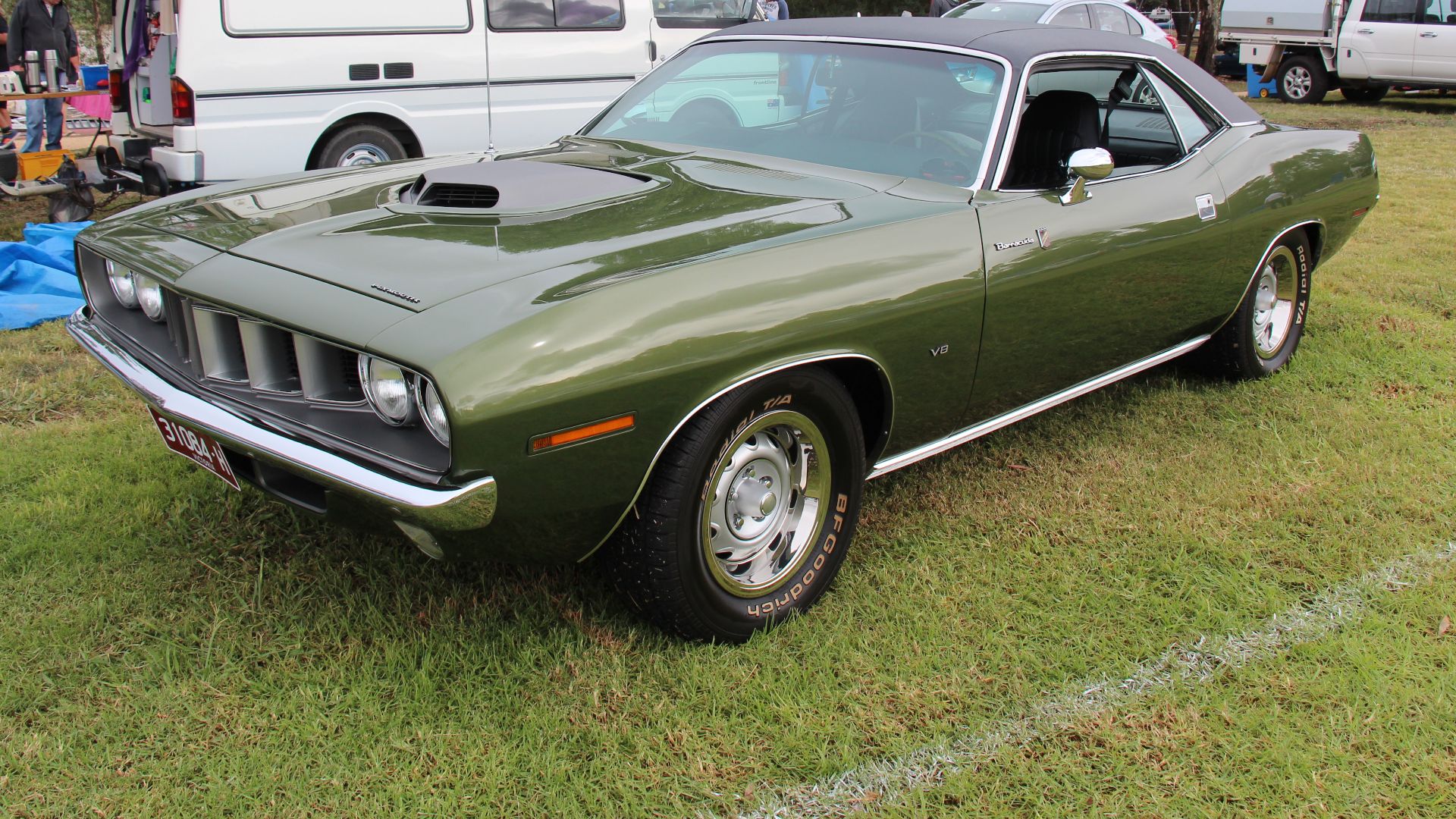
1971 Plymouth Hemi 'Cuda (Cont'd)
If the color didn't work, then the growling of the 7.0L V8 certainly would make it stand out. Used extensively in drag racing and as a daily driver, the 1971 'Cuda produced 390 hp and could hit a top speed of 140 mph.
1953 Chevrolet Corvette
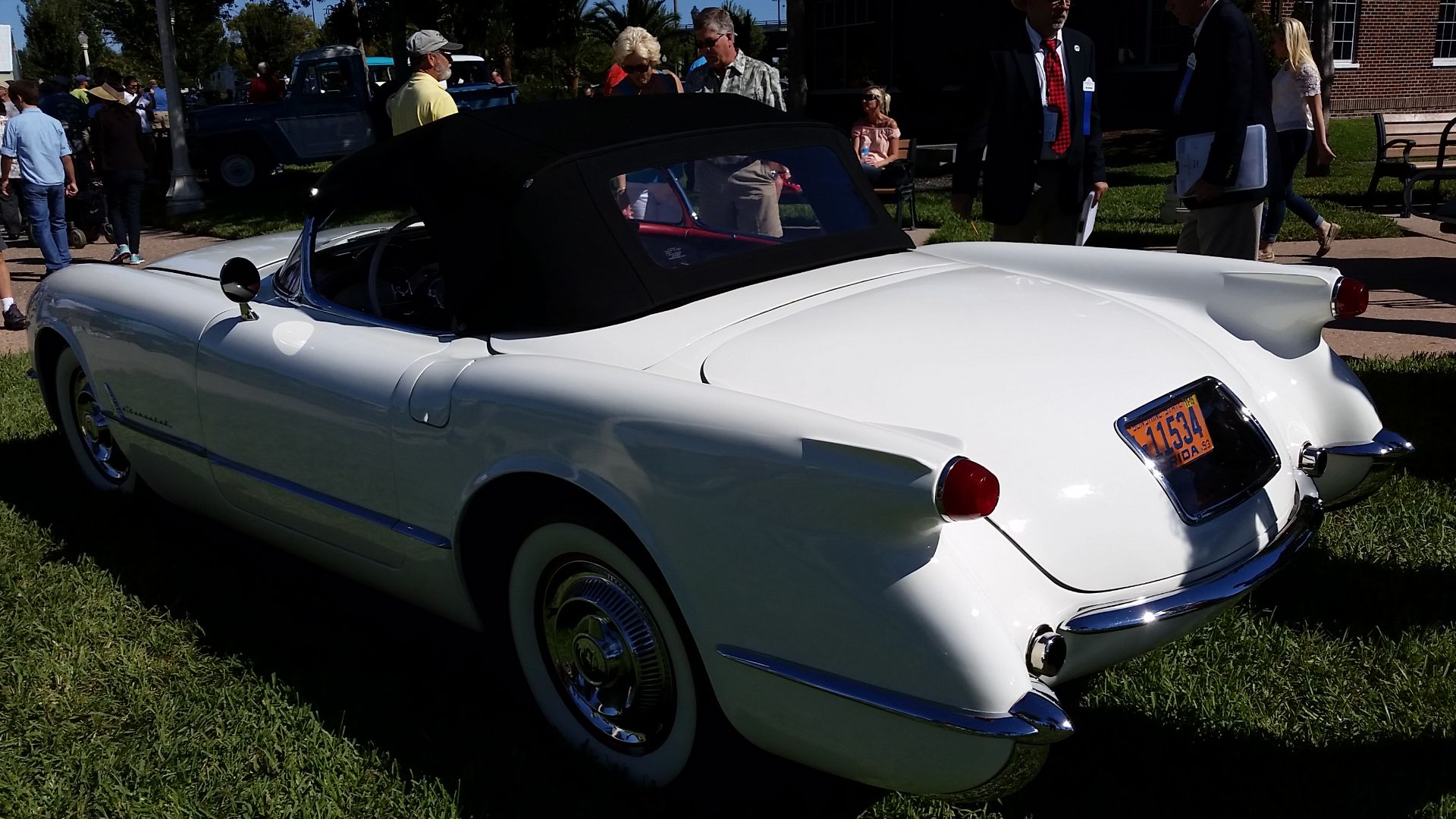
An iconic Corvette for anyone, especially thanks to its Polo White exterior paint with a red interior, and an engine that produced 150 hp through its six cylinders. Just 300 of these were built and their extreme popularity paved the way for Chevrolet to introduce more versions as the decades went on. The engines of these cars were painted blue, with all three colors on the car representing the three colors of the United States.
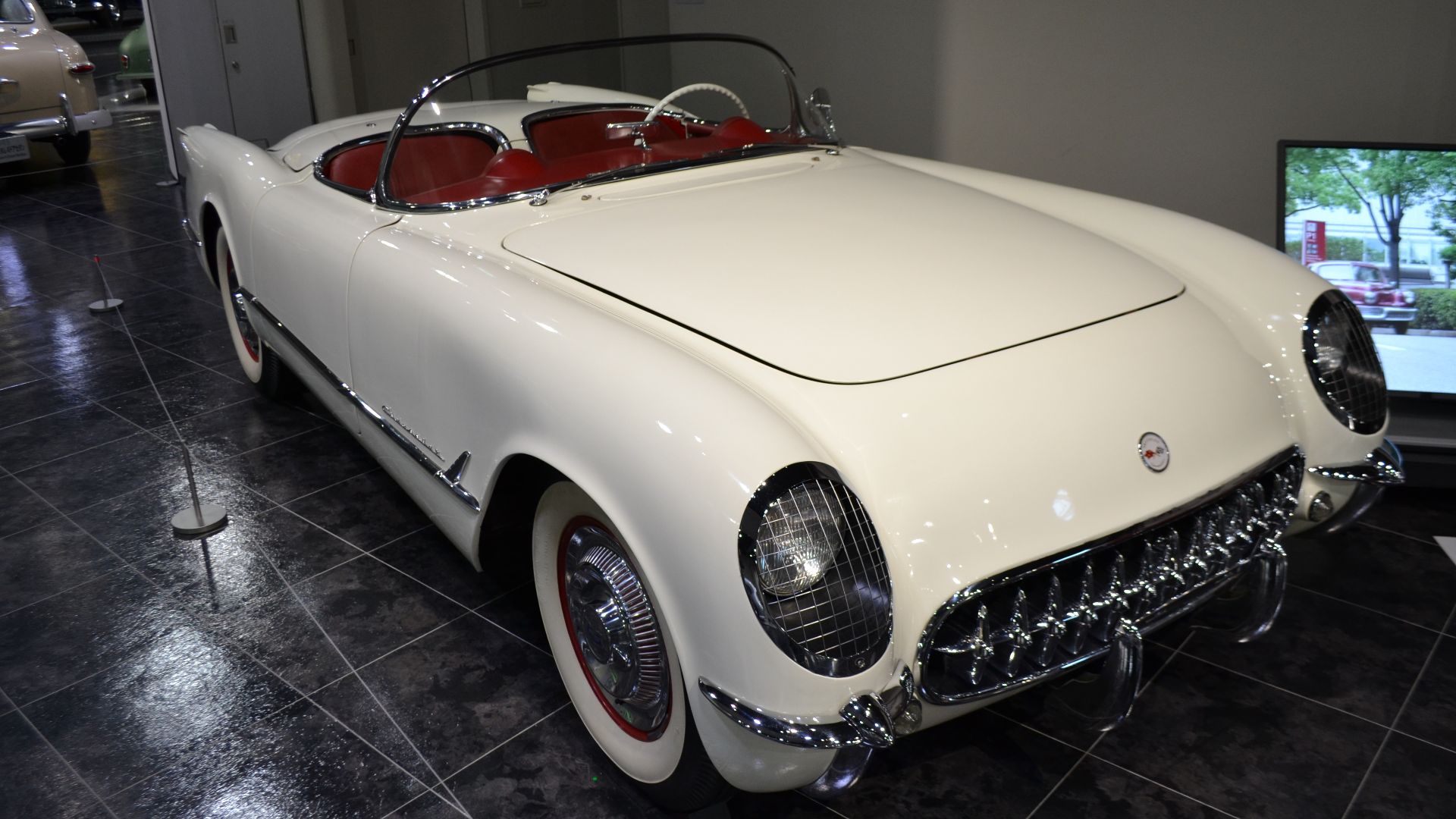
1953 Chevrolet Corvette (Cont'd)
Unfortunately for Chevrolet, despite being historic, the C1 was fraught with problems: poor-quality fiberglass bodies that were easily damaged, doors that could open while driving, and poor weather-sealing in the canvas soft tops led to customer complaints and diminished sales. Nevertheless, the first Corvette is certain of a place in the Brothers Automotive Museum.
 Michel Curi, Wikimedia Commons
When Will You Visit?
Of course, the museum is a very exclusive place, being almost entirely private. Try out an invitation-only Public Day, or buy a ticket for a fundraiser and walk around some of the most beautiful cars in American automotive history, alongside their iconic European compatriots.
 JET Motors at Brothers Collection Unbelievable American Muscle Car Museum, Jet Motors
You May Also Like:
The Best Of The Worst Muscle Cars In History





._(8500937544).jpg)