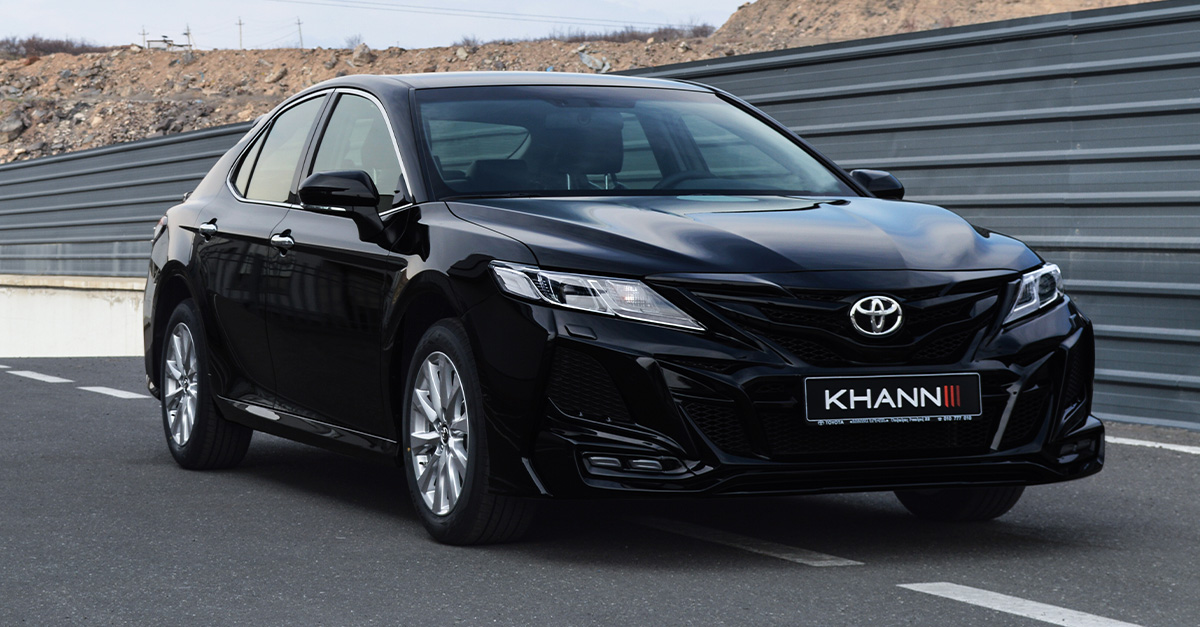
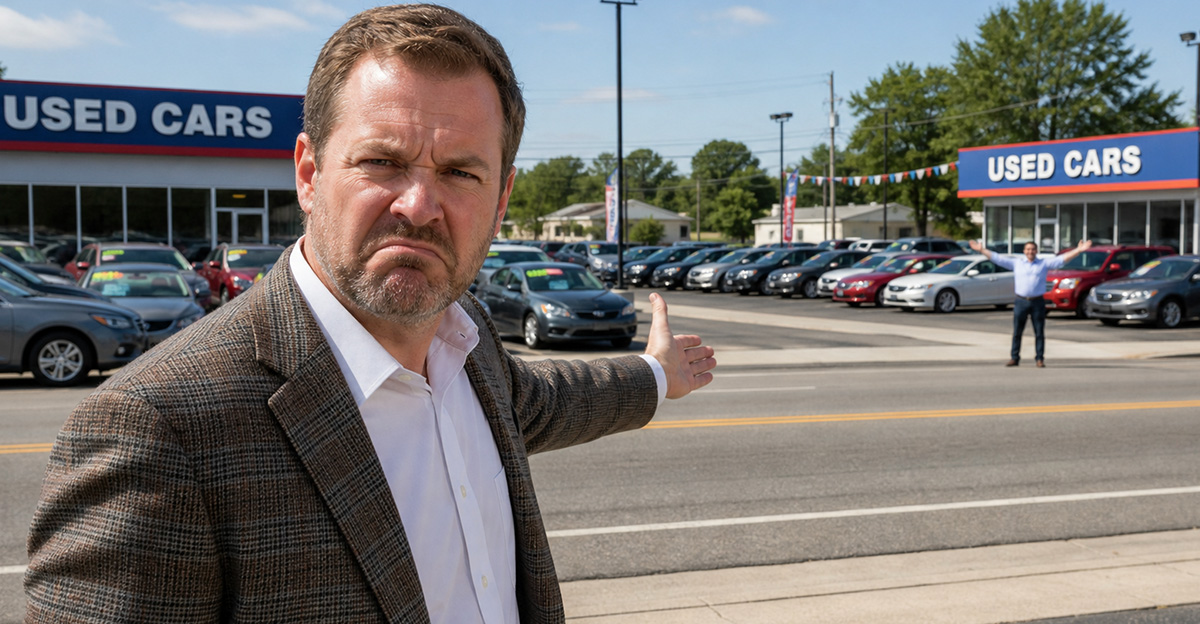
The Lot Across The Street
You’re standing on your used car lot, coffee in hand, watching a banner go up across the road. Same kind of cars. Same customers. Same hustle. Worse yet, the owner is a guy you once sold cars to. Your first thought is probably: “Can he actually do that?”
Competition Is Usually Legal
In most places, yes, someone can open a competing used car dealership near you. Business law generally allows competition, even aggressive competition. If he rents a building, gets licensed, buys inventory legally, and sells honestly, the law usually says: buckle up, that’s the marketplace.
Annoying Is Not The Same As Illegal
This is the painful part. A rival business can be frustrating, sneaky-feeling, and bad for your blood pressure without being illegal. The law usually does not protect you from competition itself. It protects you from unfair competition, deception, stolen information, and broken contracts.

Location Alone Usually Does Not Save You
Unless you have some special territory agreement, you probably do not own the street, the block, or the customer base. A dealership across the road may feel like a personal attack, but geography alone usually does not make it unlawful. The free market can be very rude.

The Big Question Is How He Did It
The real issue is not simply that he opened a dealership. The real issue is what he used to open it. Did he use public knowledge, normal market research, and his own money? Or did he use your customer lists, pricing sheets, supplier deals, or confidential business playbook?

If He Was Just A Customer
If this guy was only someone who bought cars from you, your legal options may be limited. Customers are allowed to learn from experience. If he watched how the business worked, decided it looked profitable, and started his own shop, that alone is probably not illegal.

If He Was Your Employee
Things change if he worked for you. Employees may owe duties to their employer, especially while still employed. If he secretly planned a rival shop on company time, took records, copied leads, or diverted buyers, you may have a stronger case than if he was only a customer.

Check For A Non-Compete
A non-compete agreement can restrict someone from opening or joining a rival business, but these agreements depend heavily on local law. In the U.S., the FTC abandoned its broad federal non-compete ban in 2025 after litigation, leaving many disputes to state law and case-by-case enforcement.

State Law Matters A Lot
Some places dislike non-competes. Others enforce them only if they are reasonable in time, distance, and scope. A clause saying “you can never sell cars anywhere again” is likely weaker than one saying “no competing lot within five miles for one year,” depending on the jurisdiction.
What About A Non-Solicit Agreement?
A non-solicit agreement is different. It may stop a former employee or business partner from poaching your customers, vendors, or staff. If the rival owner is calling your recent buyers using information he got from your dealership, that could be more serious than simply opening across the street.

Customer Lists Can Be Protected
Customer lists may qualify as trade secrets when they include private, valuable information and the business takes real steps to keep them confidential. A random list of names from Facebook is one thing. A detailed buyer database with financing notes, preferences, and purchase history is another.

Trade Secrets Need Actual Secrecy
You cannot treat your customer list like a napkin menu and then call it Fort Knox later. To claim trade secret protection, businesses generally need passwords, limited access, confidentiality policies, or other safeguards. Courts tend to ask: did you actually protect this information before complaining?

Same Cars Does Not Mean Stolen Idea
Selling the same cars is usually not enough. Used Camrys, F-150s, Civics, and Silverados are not exactly secret recipes. Unless he is copying protected branding, confidential sourcing methods, or stolen inventory channels, selling similar vehicles is just competition wearing a polo shirt.

Watch For Trademark Trouble
If his new shop uses a name, logo, slogan, or sign that looks confusingly close to yours, that could be a problem. “Jack’s Auto Depot” across from “Jack’s Auto Direct” might raise eyebrows. Customers should not be tricked into thinking his lot is connected to yours.
False Advertising Is A Different Beast
He can compete. He cannot lie. If he claims your dealership closed, says he bought your business, advertises fake prices, hides major vehicle defects, or tells customers you sent them over, that may cross into false advertising or deceptive trade practices.

Dealer Licensing Still Applies
Used car dealers usually need proper licenses, bonds, permits, tax registrations, and compliance systems. If the guy across the street is selling vehicles without the right dealer license, rolling titles improperly, or dodging consumer protection rules, that may give regulators something to inspect.

Franchise Dealers Have Extra Rules
If you are a franchised dealer, territory rights may matter. Some franchise agreements give dealers limited protection against same-brand stores opening too close. But that usually applies to franchised new-car brands, not independent used lots selling similar inventory. Franchise territory rights come from contracts.
 Wedmoments.stock, Shutterstock
Independent Lots Face Tougher Competition
Independent used car dealers usually live in a rougher jungle. There may be five lots selling the same kind of $14,995 SUVs within one mile. Unless contracts, deception, stolen data, or licensing violations are involved, the law often expects dealers to compete rather than complain.

Did He Take Your Suppliers?
If he contacted auctions, wholesalers, lenders, transporters, or warranty companies you also use, that is not automatically illegal. Vendors can usually work with multiple dealers. But if he obtained your private pricing terms, passwords, account access, or negotiated deals through improper means, that is different.

Did He Steal Your Staff?
Poaching employees can feel like a punch in the ribs, but hiring from a competitor is often legal. The exception is when contracts are violated, confidential information walks out the door, or the hiring is part of a scheme to damage your business unfairly.

Did He Copy Your Website?
A rival can build a website with inventory photos, financing buttons, and cheerful “family owned” language. But copying your exact photos, descriptions, layout, videos, logo, or written content may raise copyright or trademark issues. Inspiration is common. Copy-paste theft is riskier.

Pricing Wars Are Usually Fair Game
He can undercut your prices. You can undercut his. That is competition. Predatory pricing claims are hard to prove because discounting is usually good for consumers. If he wants to lose money selling bargain Buicks, the law may let him learn that lesson himself.

Do Not Retaliate Stupidly
Do not slash his tires, fake bad reviews, harass his customers, or send someone over to “inspect” his cars with a baseball bat attitude. That turns your problem into his lawsuit. The cleanest response is documentation, legal review, sharper marketing, and better customer service.

Start Saving Evidence
If you suspect wrongdoing, save everything. Screenshots, ads, emails, texts, customer complaints, suspicious calls, copied photos, staff messages, and timeline notes all matter. Vague anger is not evidence. A dated folder full of receipts, screenshots, and names is much more useful.

Talk To A Local Lawyer
Because this depends on contracts and local law, talk to a business or employment lawyer in your area. Bring any non-compete, non-solicit, NDA, employee handbook, sale agreement, franchise document, and proof of copied material. A lawyer can separate “infuriating” from “actionable.”

Compete Like A Pro
Meanwhile, tighten your own operation. Follow up faster. Improve your online reviews. Make your photos better. Offer clearer vehicle history reports. Build trust. A rival across the street is annoying, but it also gives you a daily reminder to run the sharper lot.

The Bottom Line
So, is it legal? Usually, yes—opening a used car lot across from yours and selling similar cars is probably legal. But if he used stolen information, violated a contract, copied your brand, lied to customers, or skipped licensing rules, the story changes fast. Competition is legal. Dirty tricks are not.

You May Also Like:
Drivers Hated These SUVs, But Critics Loved Them—Who Do You Agree With?
You May Have Hated These Cars—But Critics Absolutely Loved Them