He’s At Work Anyway
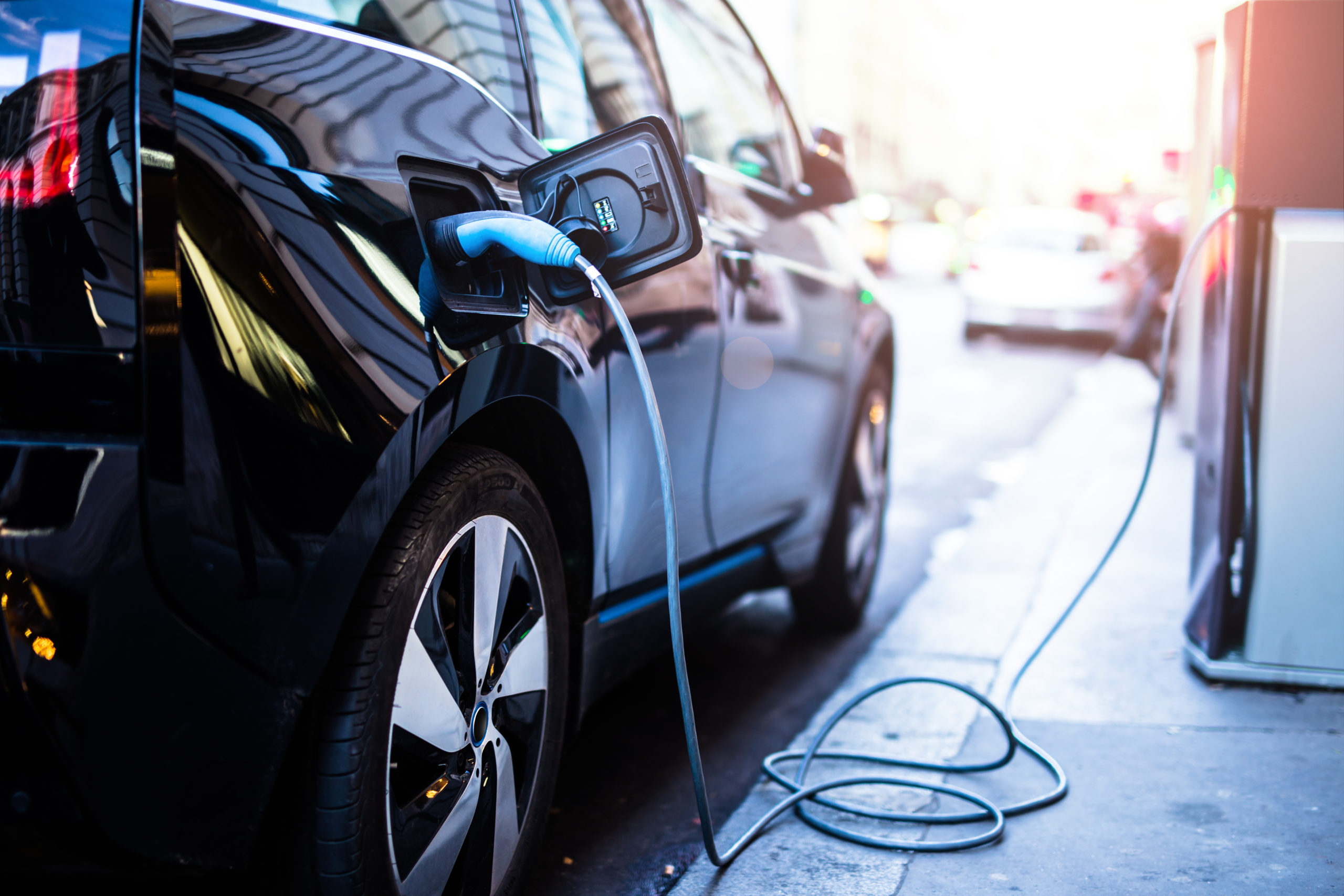
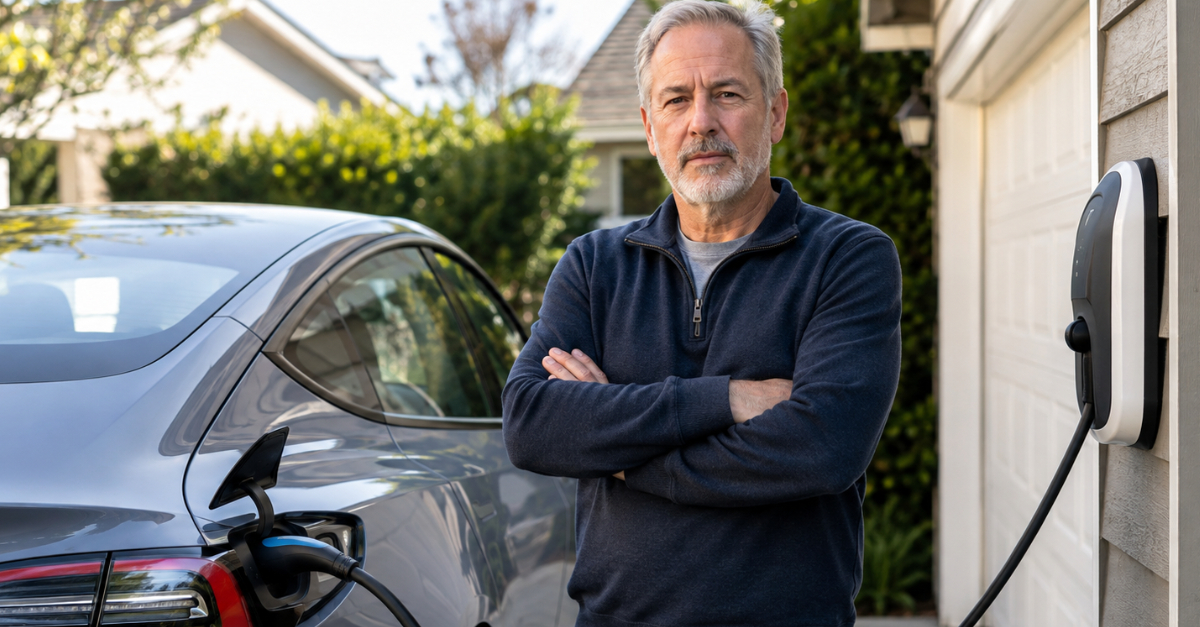
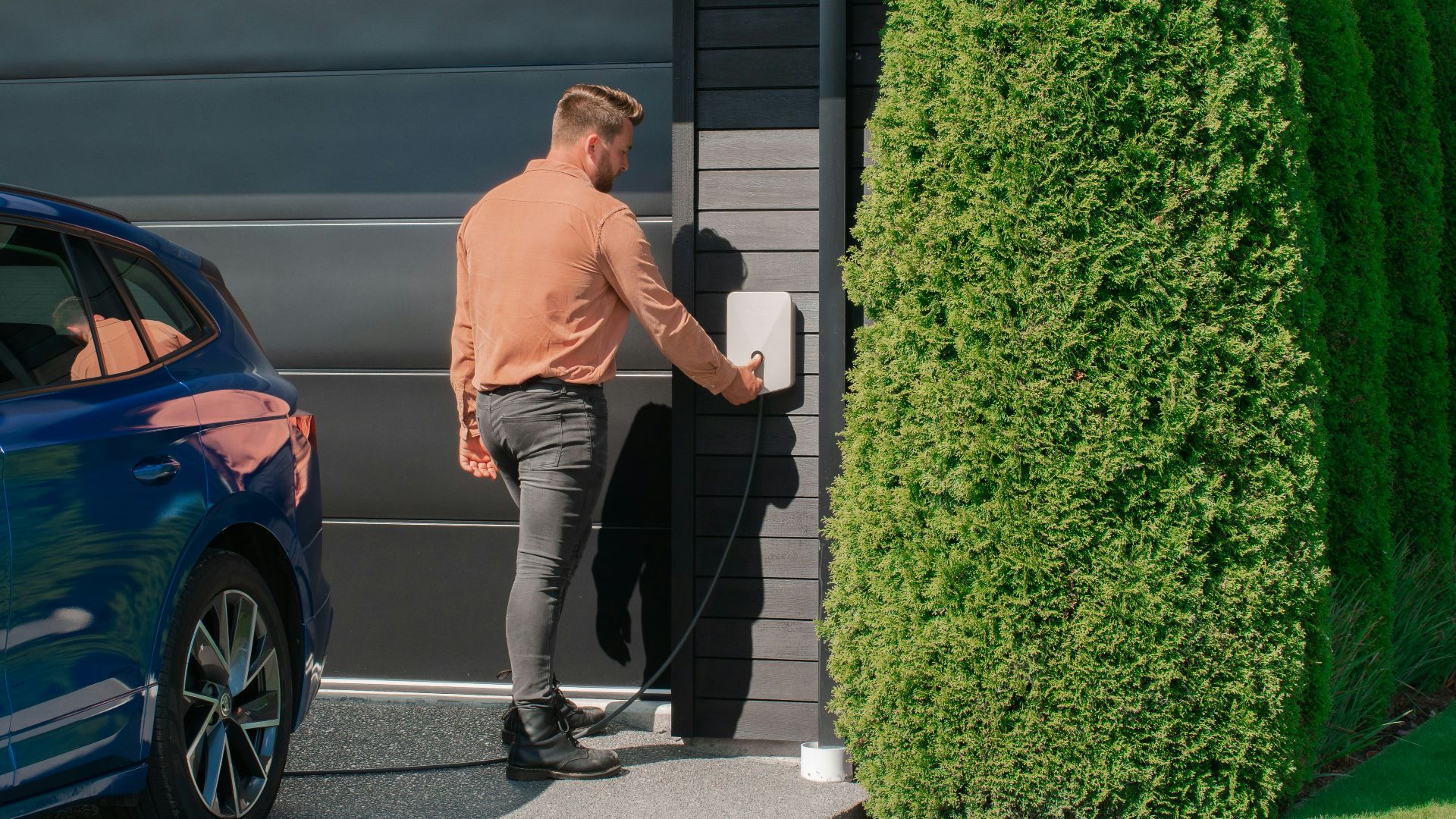
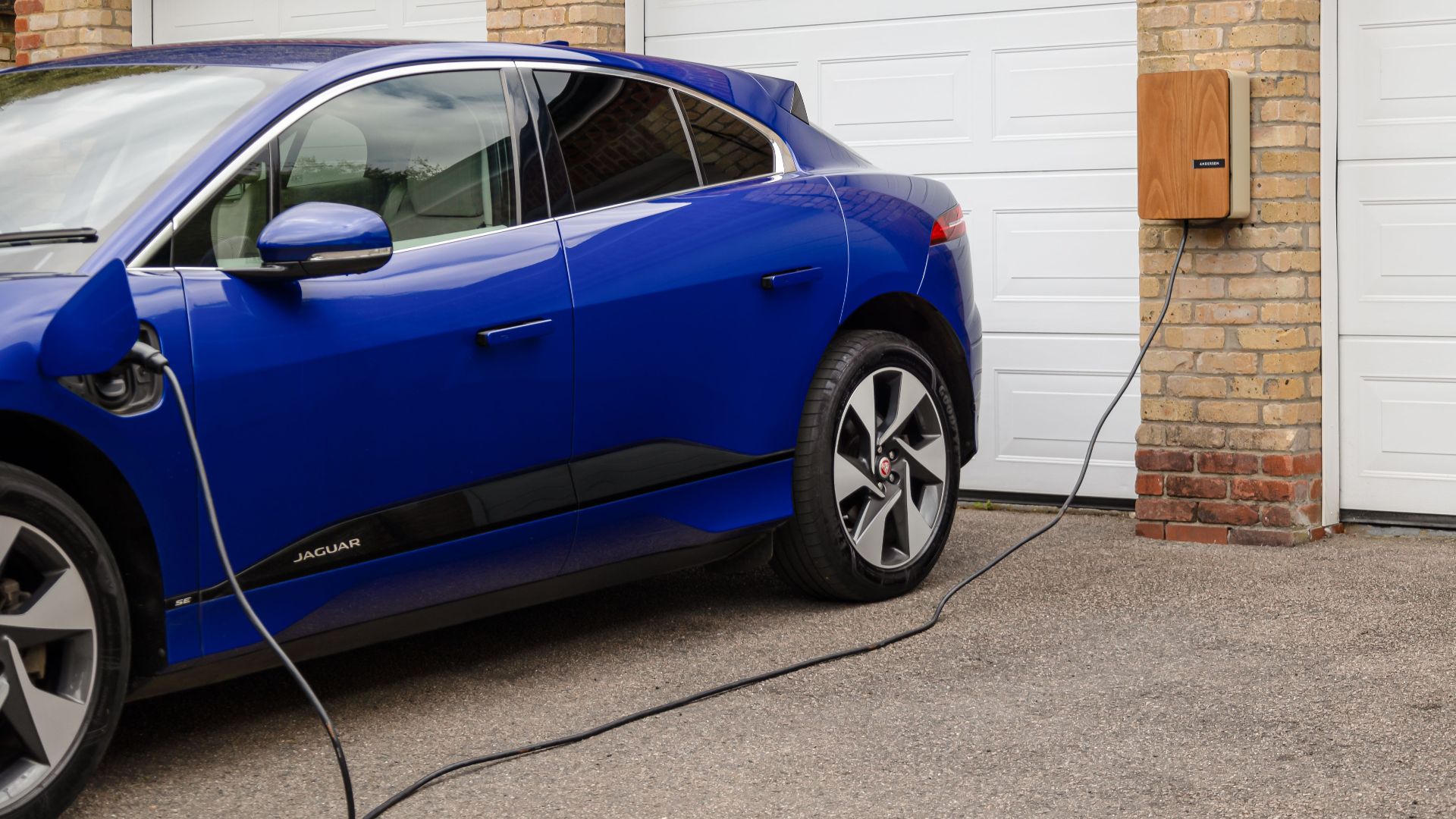
The neighbor leaves for work every morning. His EV charger stays behind. So if someone nearby needs a little extra range and the charger is just sitting there...what’s the harm in plugging in for a while? The answer depends on more than whether the homeowner notices.
The State You’re In Changes The Answer
There isn’t one identical rule across all 50 states. Theft, services, unauthorized use, and trespass are defined under state law, and those definitions can differ considerably. Texas, New York, and Florida show just how differently this seemingly simple charging session can be treated.

The Charger Being Outside Doesn’t Settle Anything
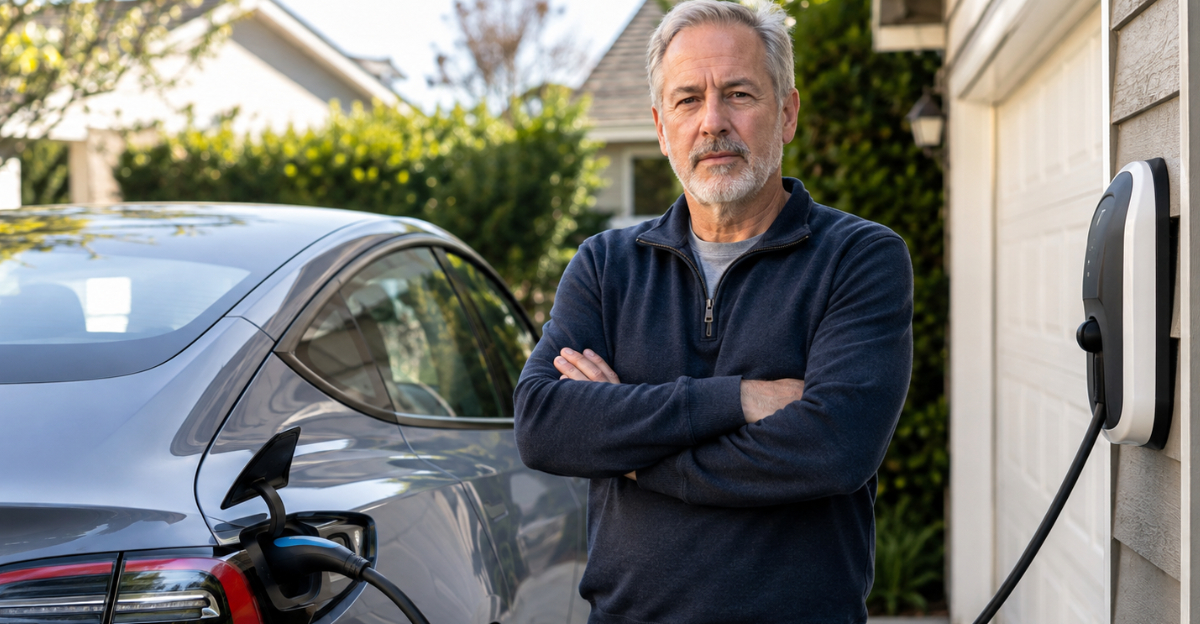
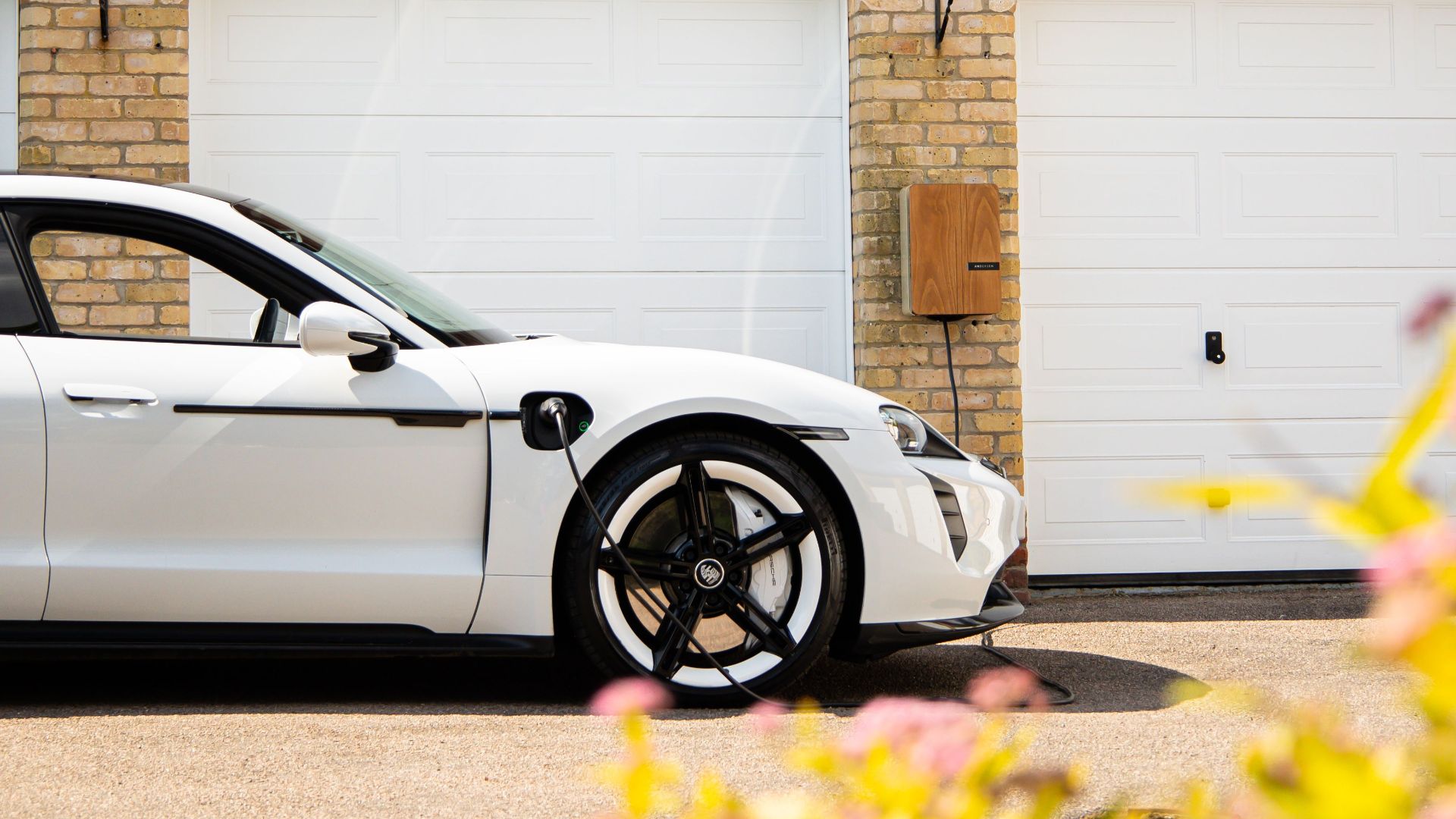
An EV charger being visible and easy to reach doesn’t automatically make it available for anyone to use. There are really two separate issues here: using electricity someone else is paying for, and possibly entering private property to reach the charger. Either one can matter.
The Driveway Can Be A Separate Problem
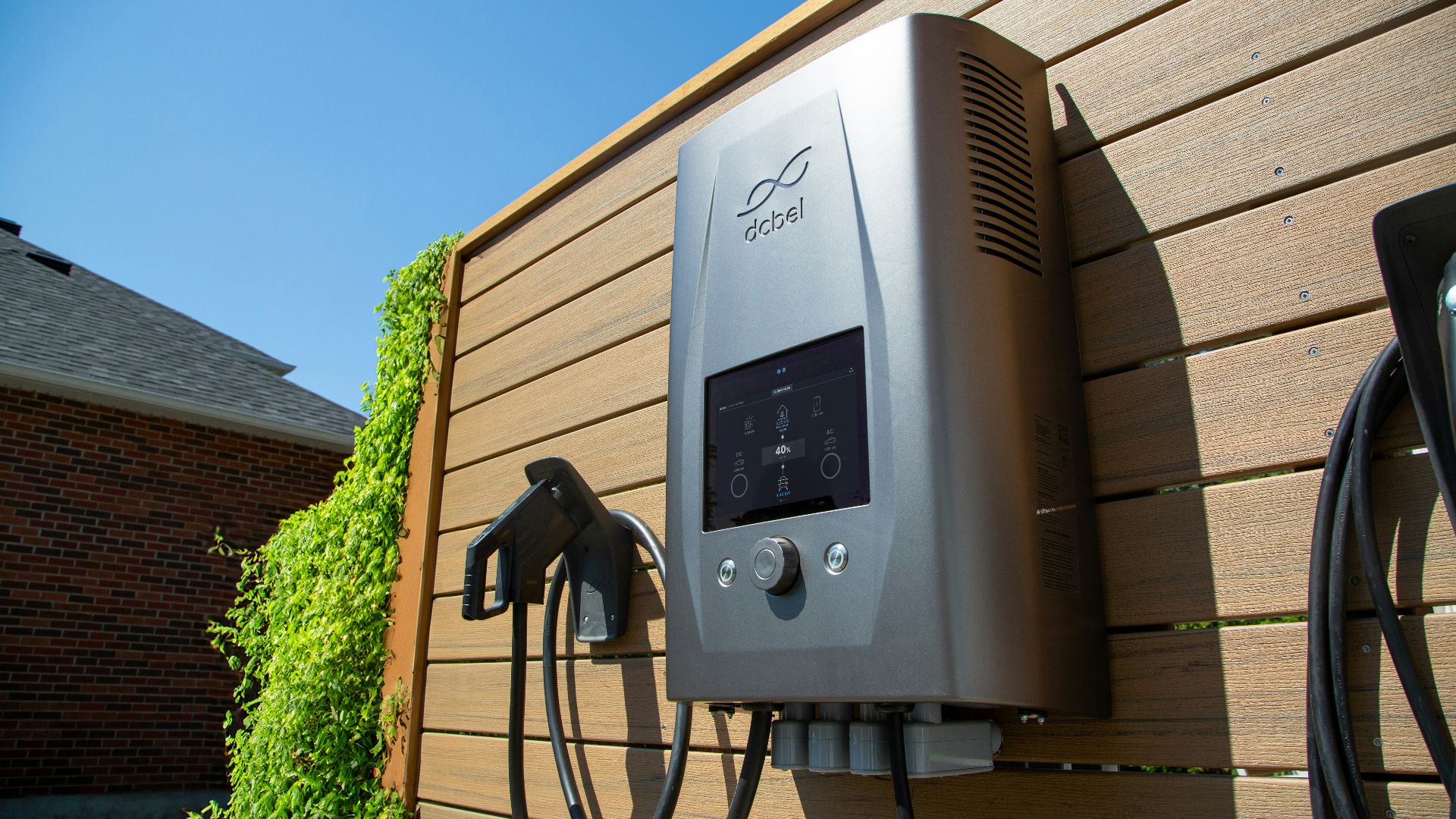
Before the electricity issue even starts, there’s another question: is that person allowed to be where the charger is? Trespass laws vary, and an open driveway isn’t necessarily treated the same as fenced property, a posted yard, or somewhere a person has already been told to leave.
Texas Puts A Lot Of Weight On Notice
Under Texas law, criminal trespass generally involves entering or remaining without effective consent after receiving notice that entry is forbidden or notice to leave. That notice can take different forms. So simply seeing an open driveway doesn’t answer the Texas trespass question by itself.

Florida Has A Different Driveway Wrinkle
Florida has a special rule involving the “unenclosed curtilage” of a home, meaning grounds closely connected with the dwelling. Entering that area without authorization while intending to commit another offense can potentially satisfy the trespass statute. Whether a particular driveway qualifies would depend on the facts.

New York Uses Yet Another Test
New York’s basic trespass law applies when someone knowingly enters or remains unlawfully on premises, generally meaning that person lacks license or privilege to be there. So an open residential driveway isn’t automatically an invitation to use whatever equipment happens to be sitting beside it.
Electricity Really Can Count As Property Or A Service
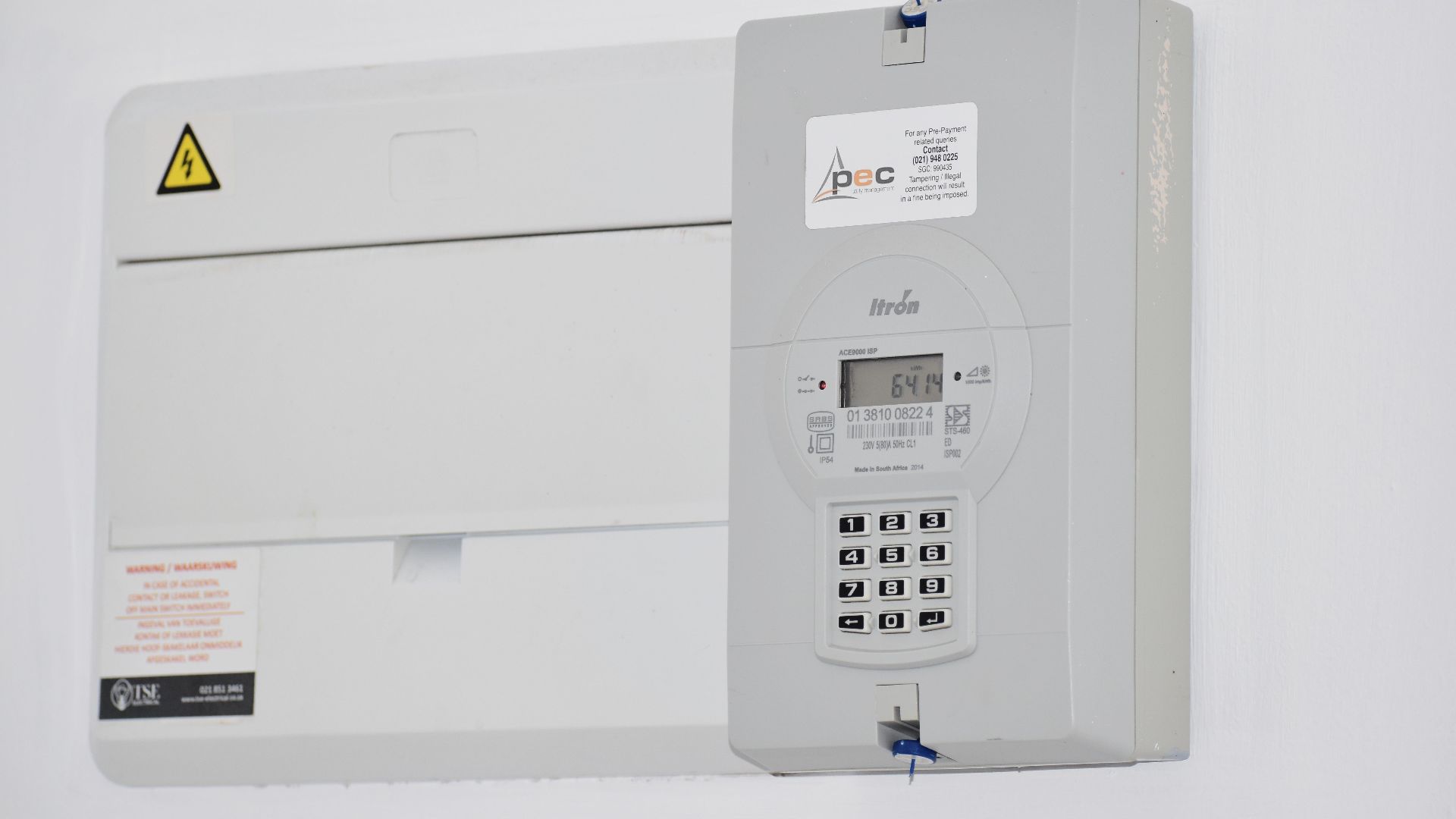
The “it’s only electricity” argument doesn’t go very far. New York expressly treats certain electricity as property, Florida includes power within its definition of services, and Texas defines “service” to include public utility service. In other words, the law absolutely can treat electricity as something that belongs to someone.
Texas Has A Theft-Of-Service Law
Texas law can cover someone who intentionally diverts another person’s services for personal benefit while trying to avoid payment. Because Texas defines “service” to include public utility service, unauthorized EV charging could potentially fall into that territory. Whether it actually does would still depend on the specific facts.
New York’s Broader Theft Law Matters Too
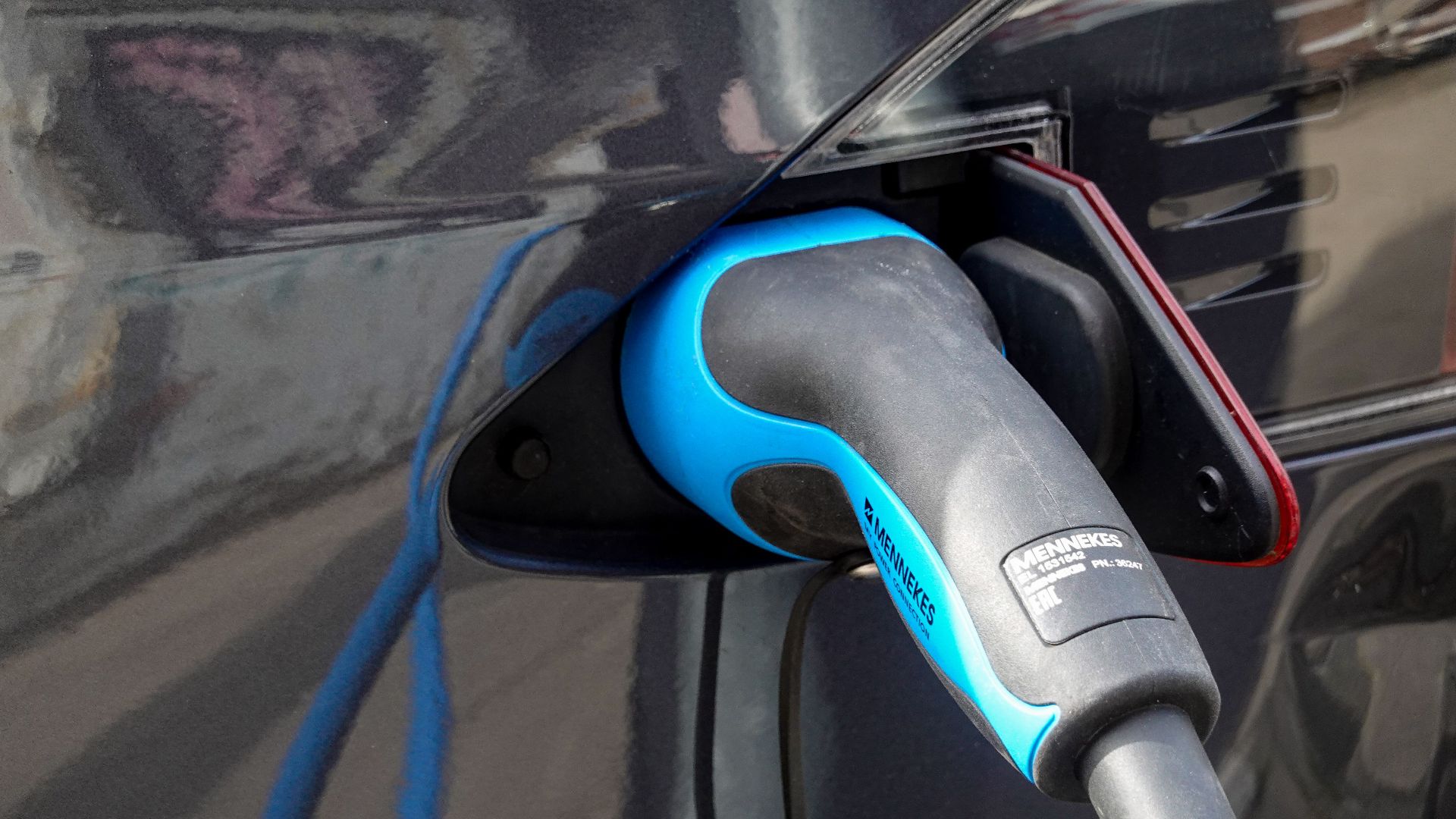
New York’s larceny law covers wrongfully taking, obtaining, or withholding another person’s property with the required intent. And New York expressly includes certain electricity within its definition of property. That makes unauthorized charging potentially relevant, although whether one charging session satisfies every element still depends on the facts.
 JasonParis from Toronto, Canada, Wikimedia Commons
Florida’s Definition Is Pretty Broad
Florida defines property to include services, includes power among those services, and says “obtains or uses” can include unauthorized use. Its theft law can therefore become relevant to someone knowingly using another person’s electricity without permission, even if nobody tampered with a meter or rewired anything.

Doing It Over And Over Can Matter
Repeated charging can create a different situation from one isolated incident. Florida, for example, allows the value of separate thefts committed as part of one scheme or course of conduct to be combined when determining the grade of an offense. A regular charging routine can therefore matter more than one quick plug-in.
Permission Is Still The Big Question
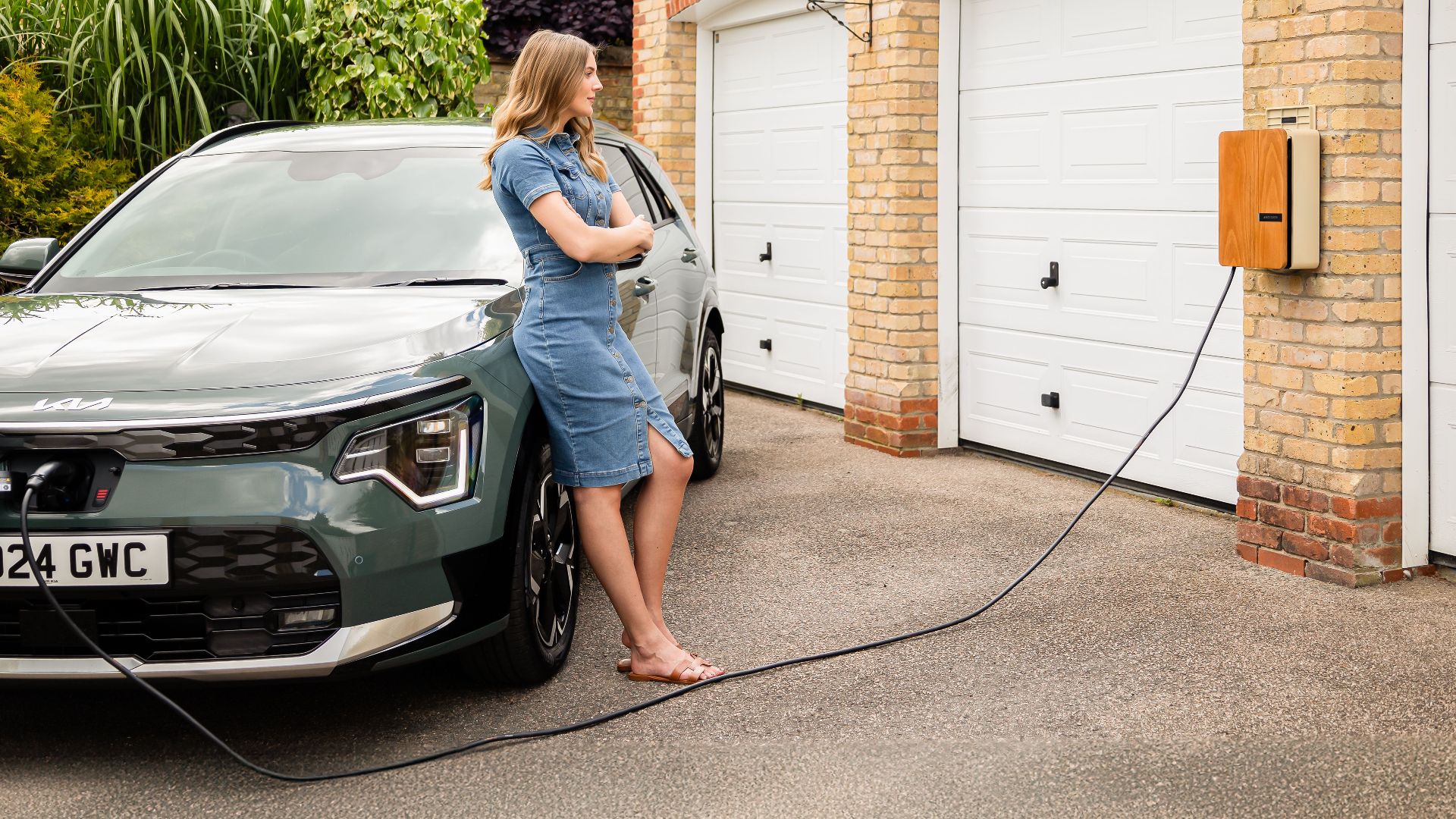
After all those statutes, the issue comes back to something remarkably simple: did the neighbor actually say the charger could be used? If the answer is no, the fact that permission might have been granted if asked doesn’t help much. Imagined permission isn’t the same as actual permission.

Not All Permission Is The Same
Maybe the neighbor once allowed a charge because the battery was nearly empty. That matters, but “use it tonight” isn’t necessarily the same as “help yourself every weekday.” If the neighbor genuinely said to use the charger whenever needed, however, the situation changes dramatically.
Paying Him Later Doesn’t Solve Everything
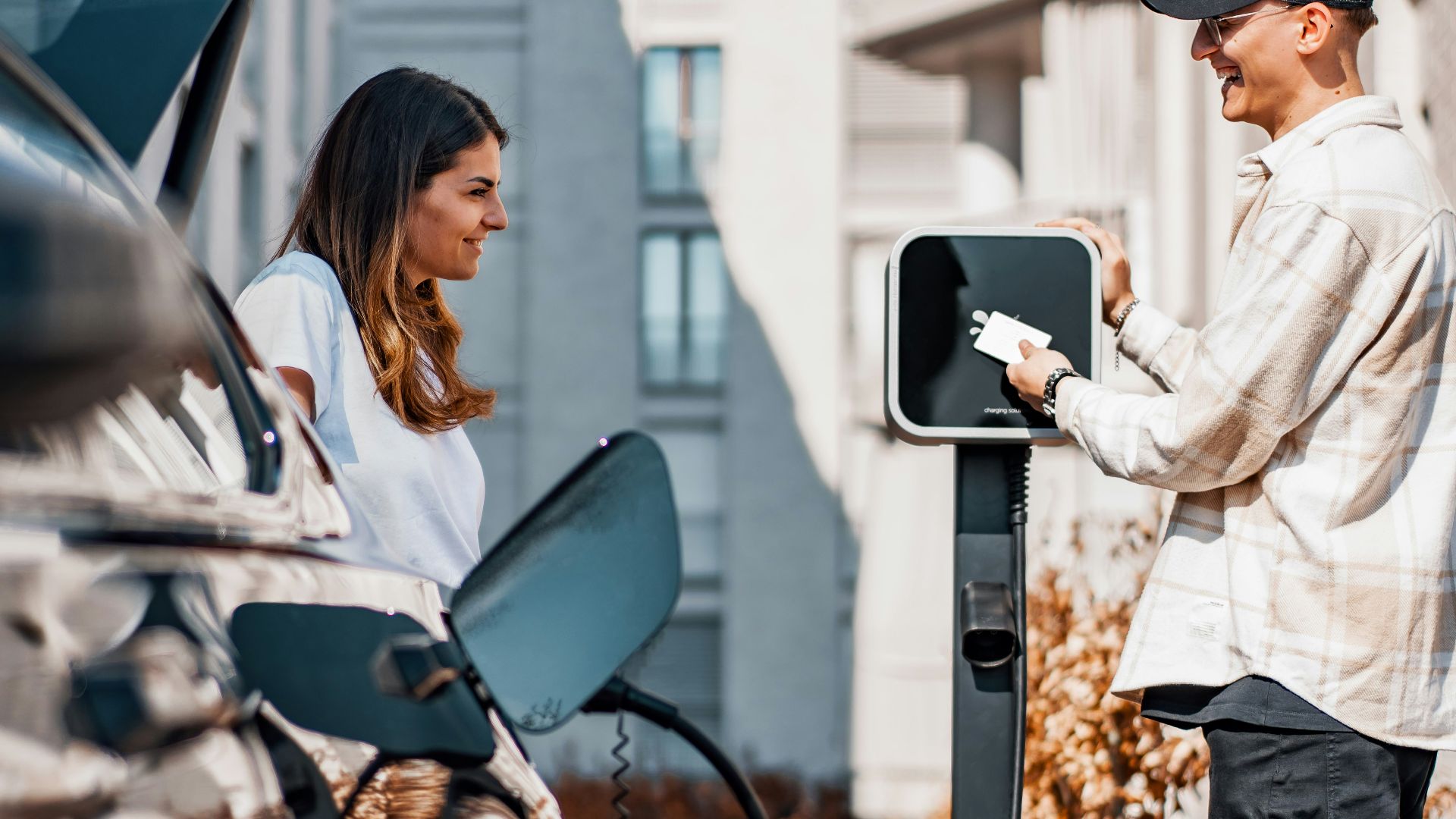
Permission usually can’t be created retroactively by offering reimbursement after getting caught. Paying for the electricity may help settle the dispute between neighbors, but offering money afterward and receiving permission beforehand are still two very different things.
 https://kaboompics.com/, Pexels
The Charger Might Have Receipts
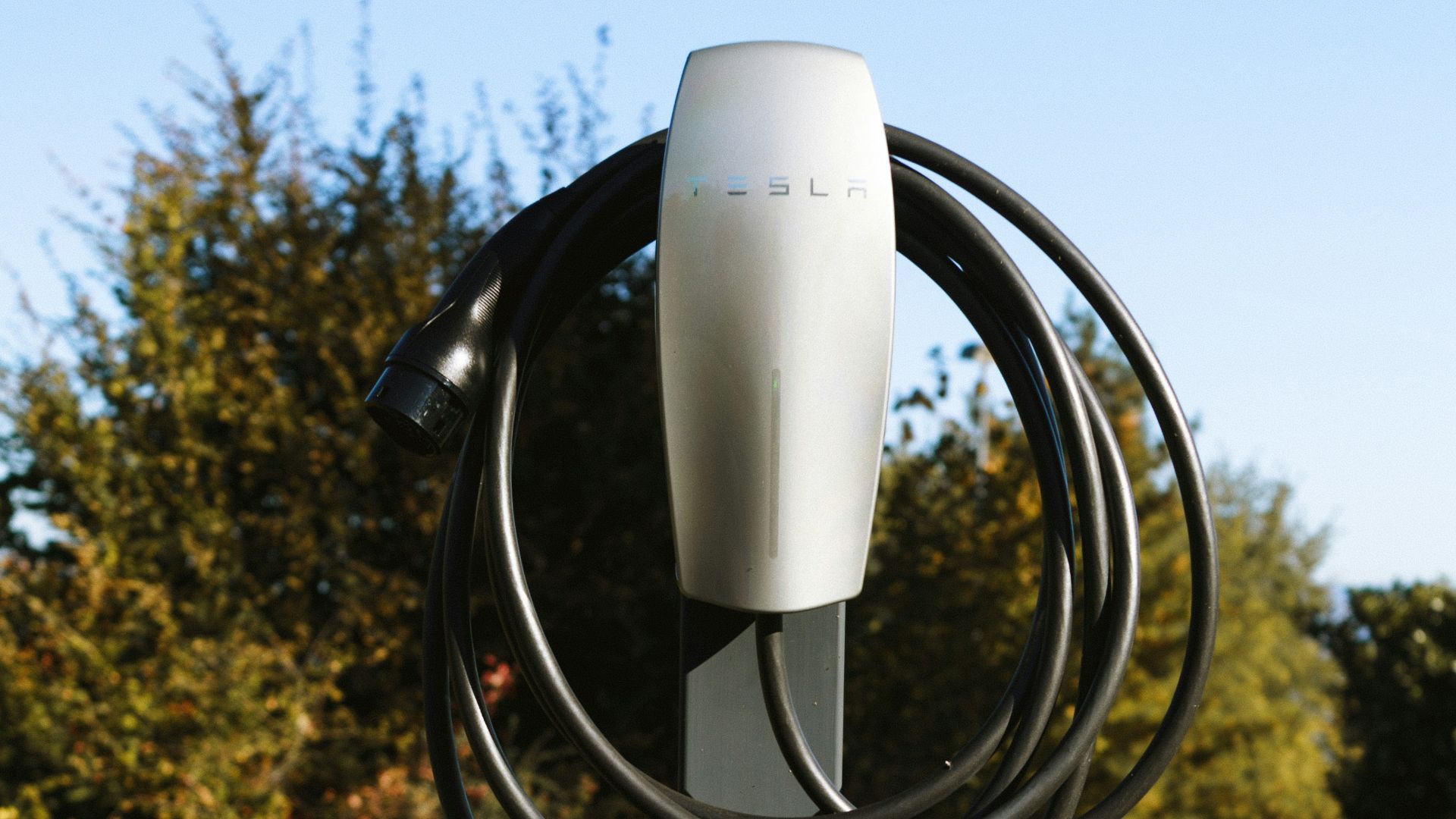
Some connected home chargers keep detailed records. Tesla’s Wall Connector can show charging history including session duration and energy delivered, while ChargePoint Home Flex stores home charging-session information. The homeowner might not need to catch anyone in the driveway to realize somebody has been plugging in.
This Might Not Be Only A Criminal Question
Even if nobody is prosecuted, civil law can potentially come into play. Texas allows qualifying theft-of-service claims under its Theft Liability Act, while Florida also provides a civil remedy for certain proven theft violations. Whether either applies would depend on the facts and whether the required elements can actually be shown.

So...Could This Actually Be Illegal?
Potentially, yes. Using someone else’s electricity without permission can raise theft or theft-of-service issues, while entering the property to reach the charger can create a separate trespass question. Exactly what applies depends on the state, the property setup, the intent involved, and any permission that was given.
There Is A Much Easier Charging Plan
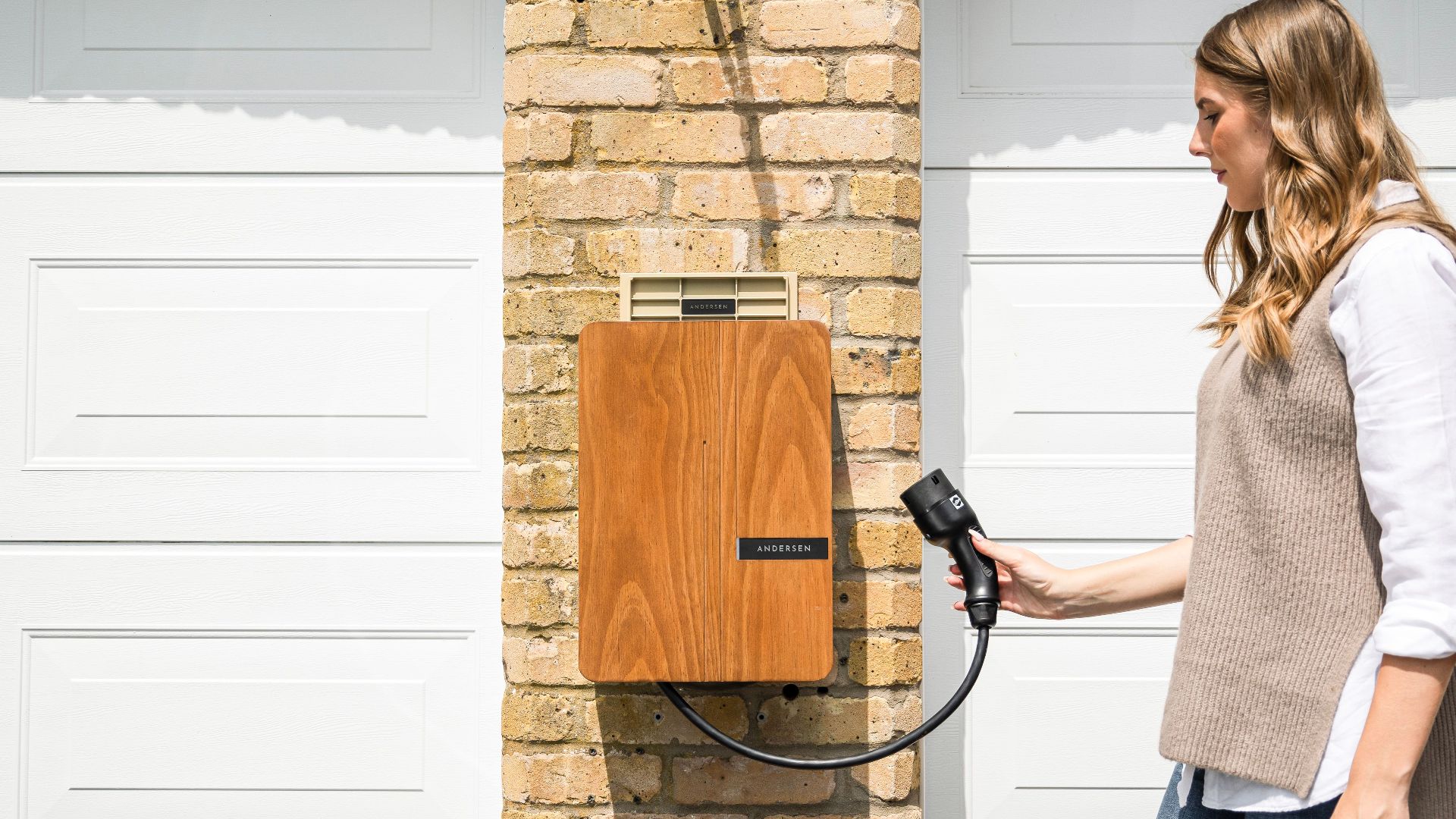
Ask the neighbor. Maybe he says no. Maybe he allows occasional use. Maybe both sides agree on reimbursement and the entire problem disappears. Anything is better than learning somebody else’s work schedule well enough to run a covert neighborhood charging operation.
“He Wasn’t Using It” Still Isn’t Permission
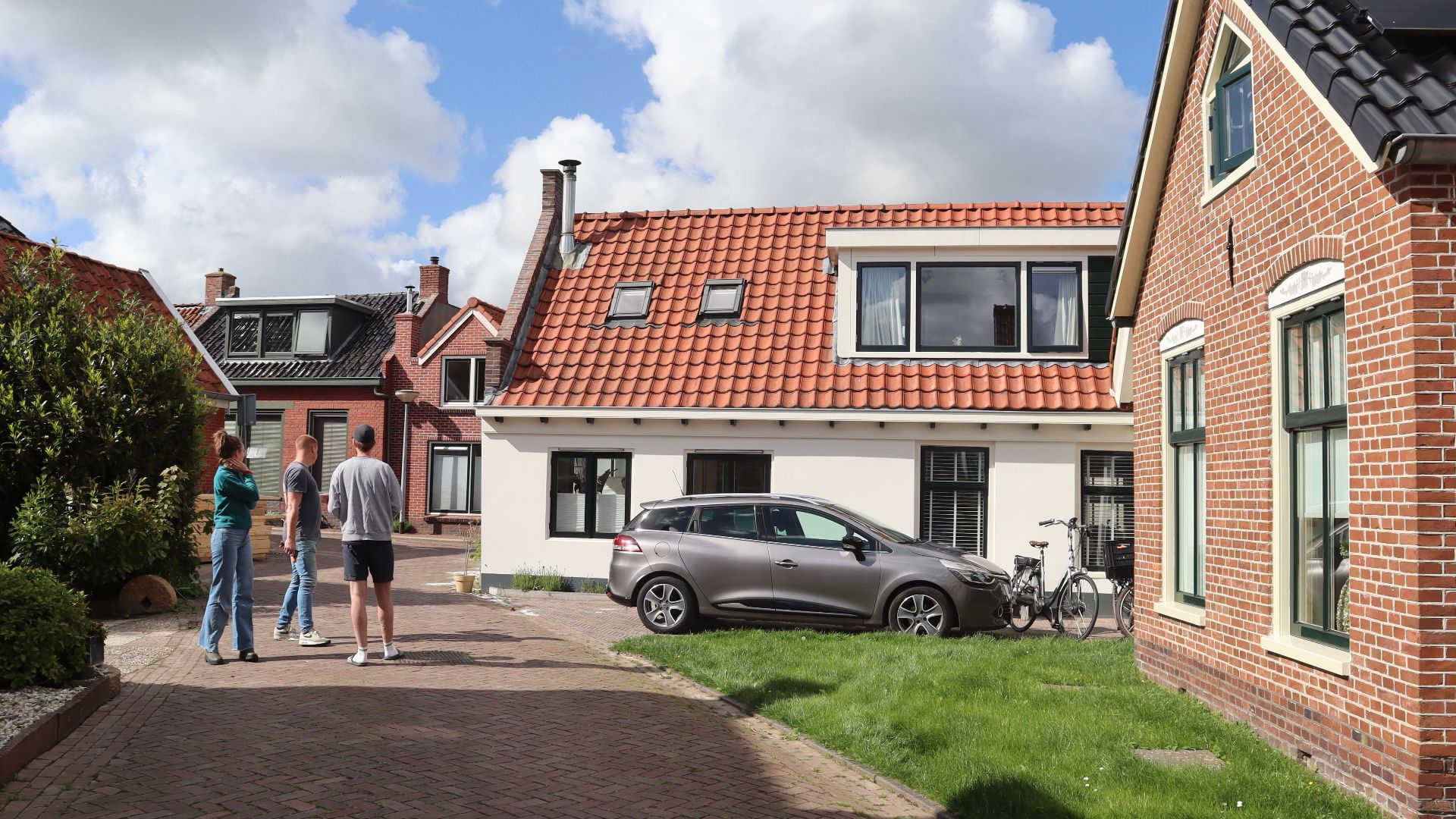
A neighbor being at work doesn’t make the charger public. Leaving it outside doesn’t make the electricity free for whoever happens to need 40 miles of range. And the fact that nobody has been caught yet certainly doesn’t mean anyone agreed to any of this. Deep down, that part was probably obvious all along.
You Might Also Like: