Let Someone Else Pay Full Price
Some cars lose value faster than free donuts disappear from an office break room. And while that is painful news for the first owner, it can create some almost unbelievable bargains for the person waiting patiently in the used-car market. Like...
The Numbers Are Pretty Shocking
A 2026 iSeeCars study analyzed more than 950,000 five-year-old used vehicles sold from March 2025 through February 2026. The average vehicle lost 41.8% of its value, but luxury models and EVs fell considerably faster. The study measured depreciation, not reliability or total ownership costs.

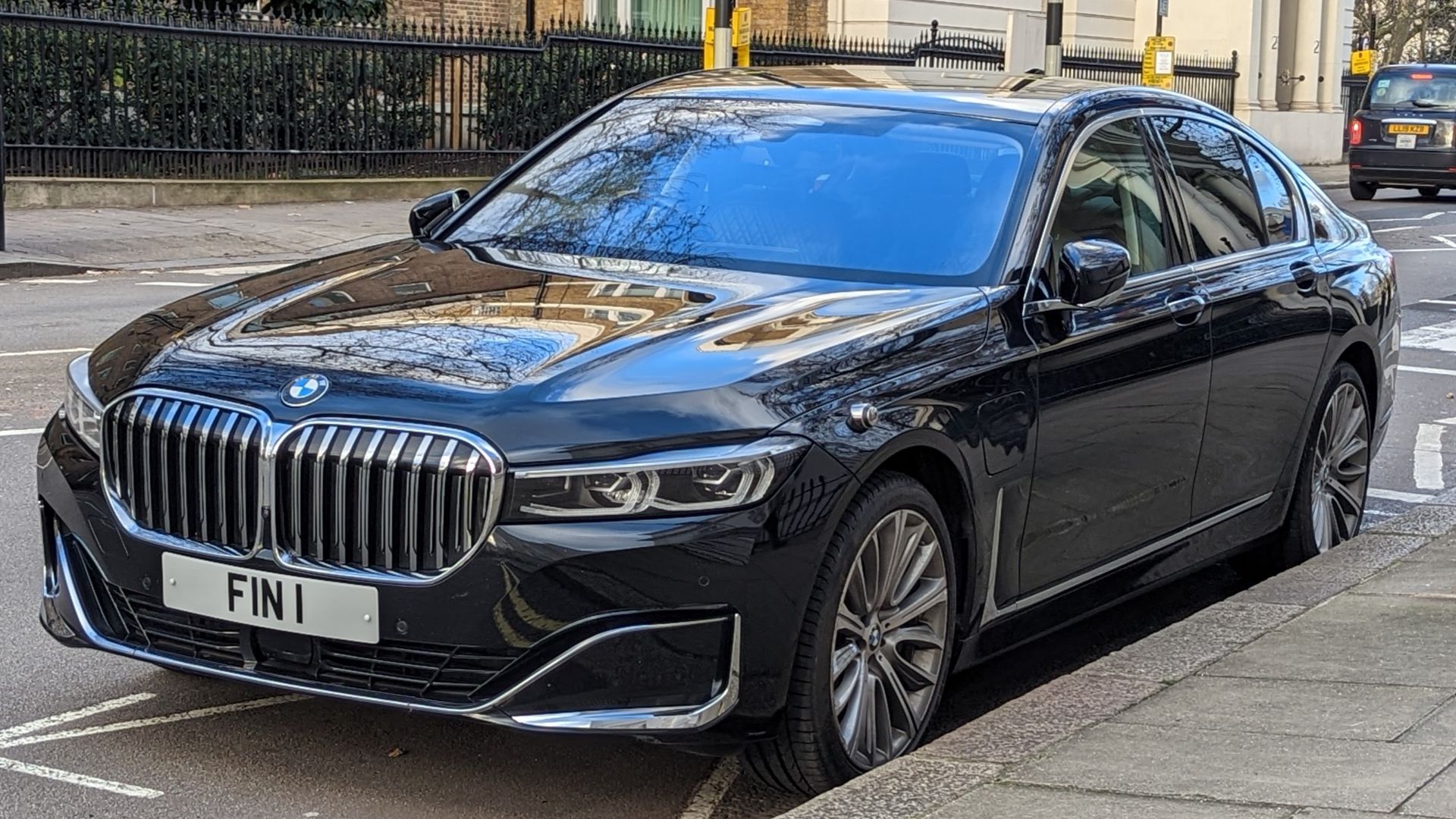
BMW 7 Series
BMW’s flagship sedan lost an average of 61.6% over five years, representing more than $61,000 in lost value. That leaves used buyers with an exceptionally comfortable, powerful and technology-packed luxury car for a fraction of its original price. Just leave room for repairs.
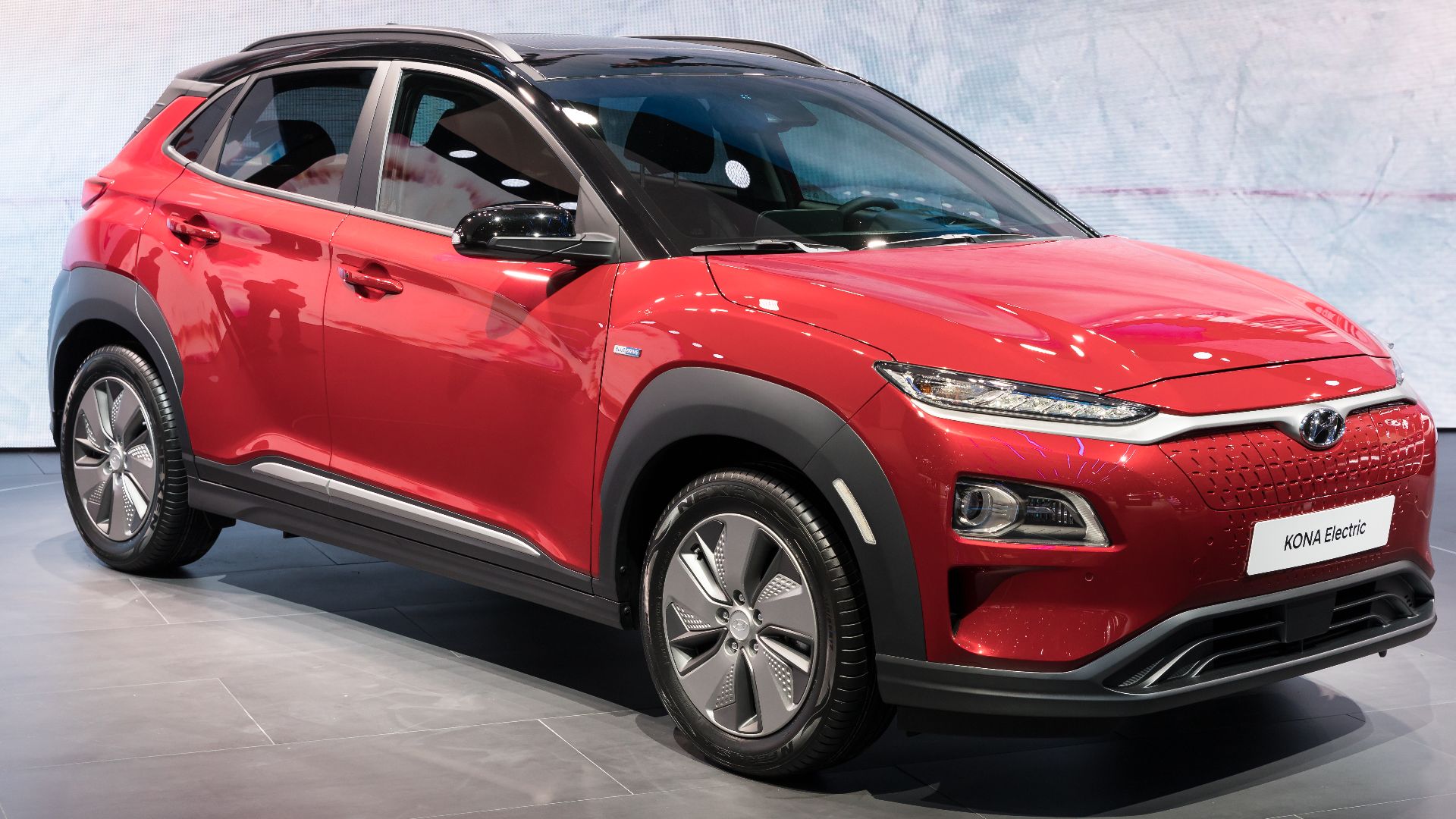
Hyundai Kona Electric
With 56.5% average depreciation, a five-year-old Kona Electric can make a surprisingly affordable commuter. It is small, easy to park and can be inexpensive to charge at home. Battery condition, remaining warranty coverage and real-world winter range should all be checked before buying.
 Matti Blume, Wikimedia Commons
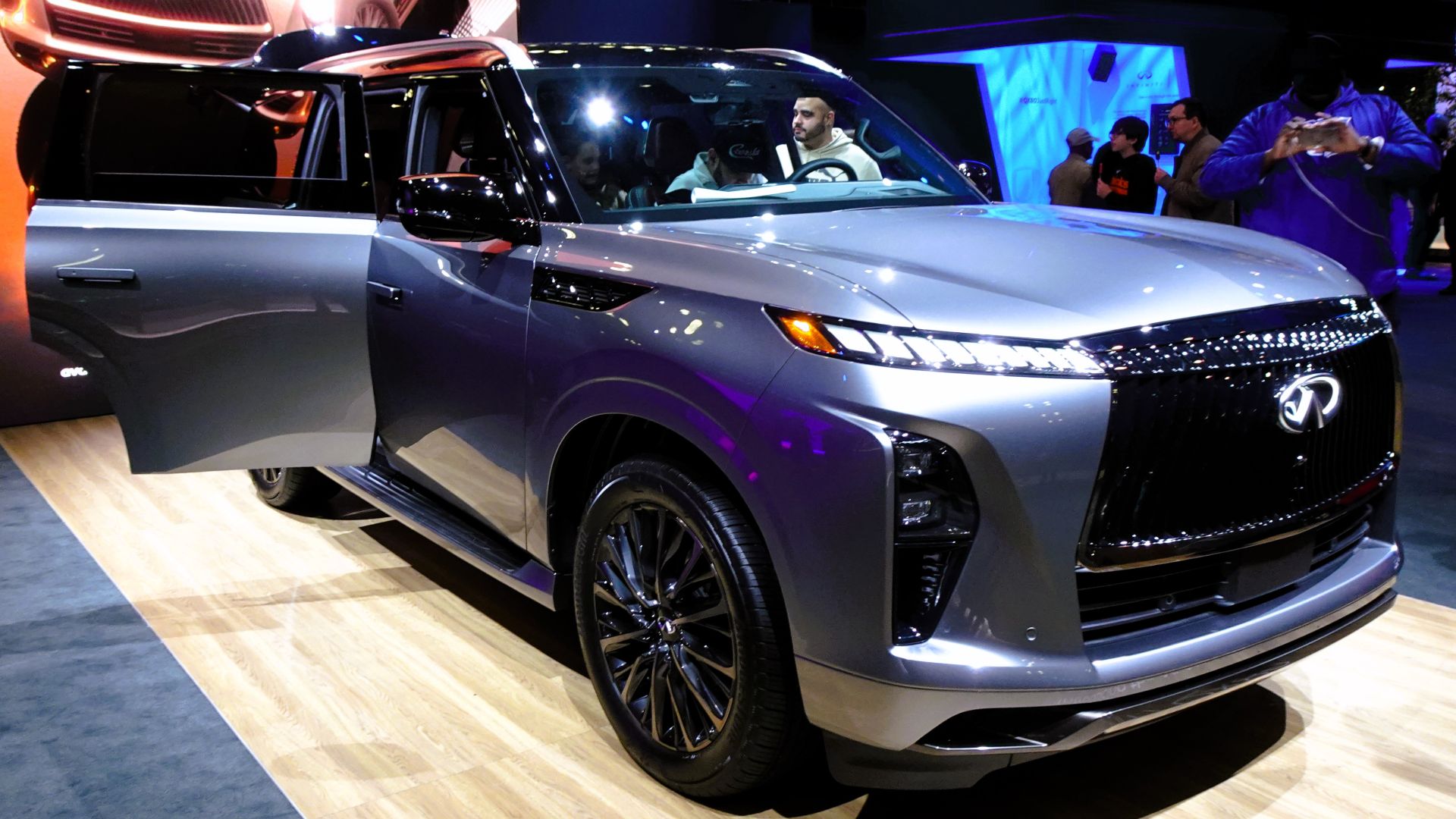
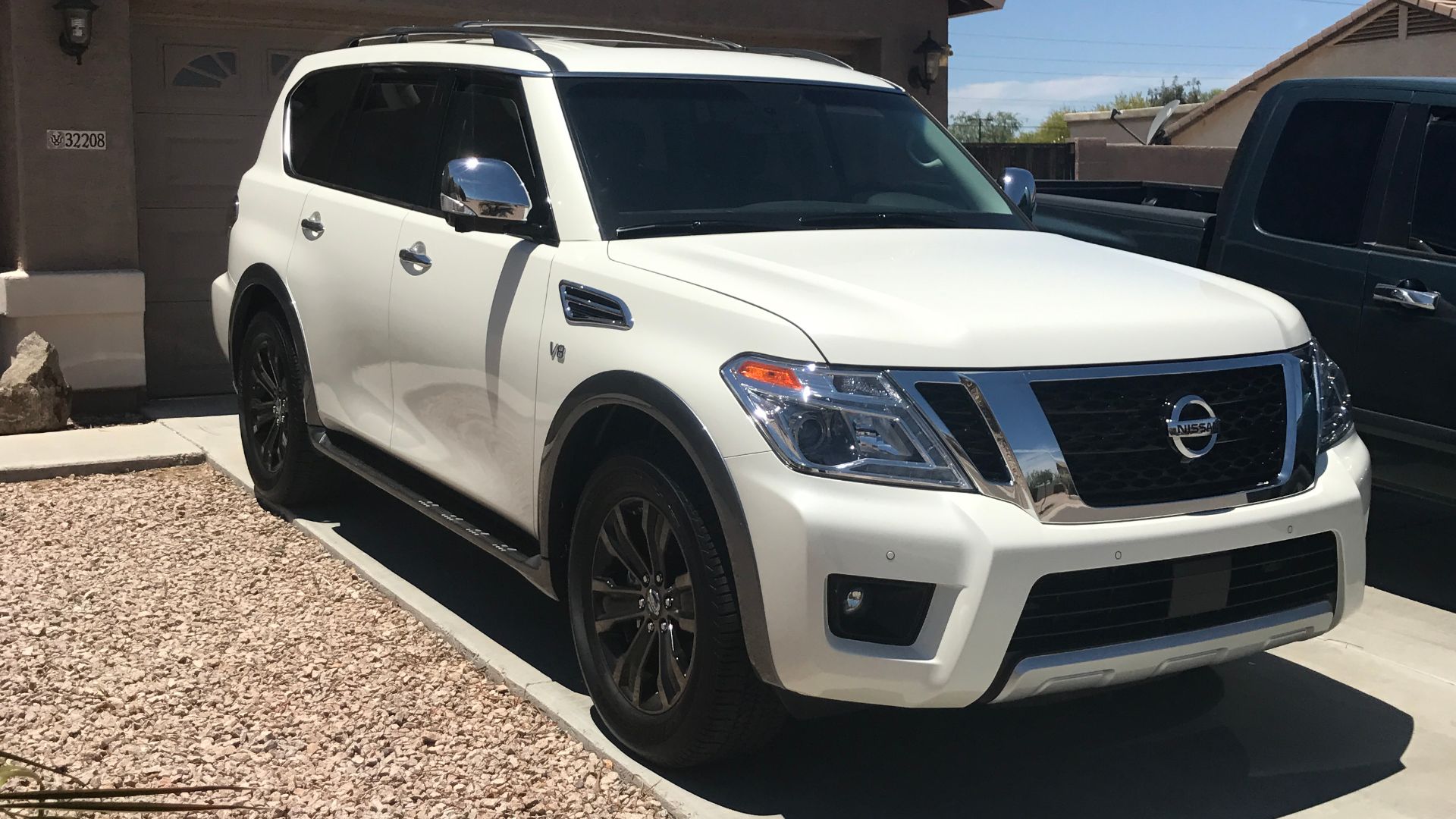
Infiniti QX80
The QX80 lost an astonishing 62.8% over five years, or more than $52,000. Underneath all that luxury is a traditional body-on-frame SUV with a powerful V8 and serious towing ability. Fuel costs are considerable, but the used purchase price can be remarkably low.
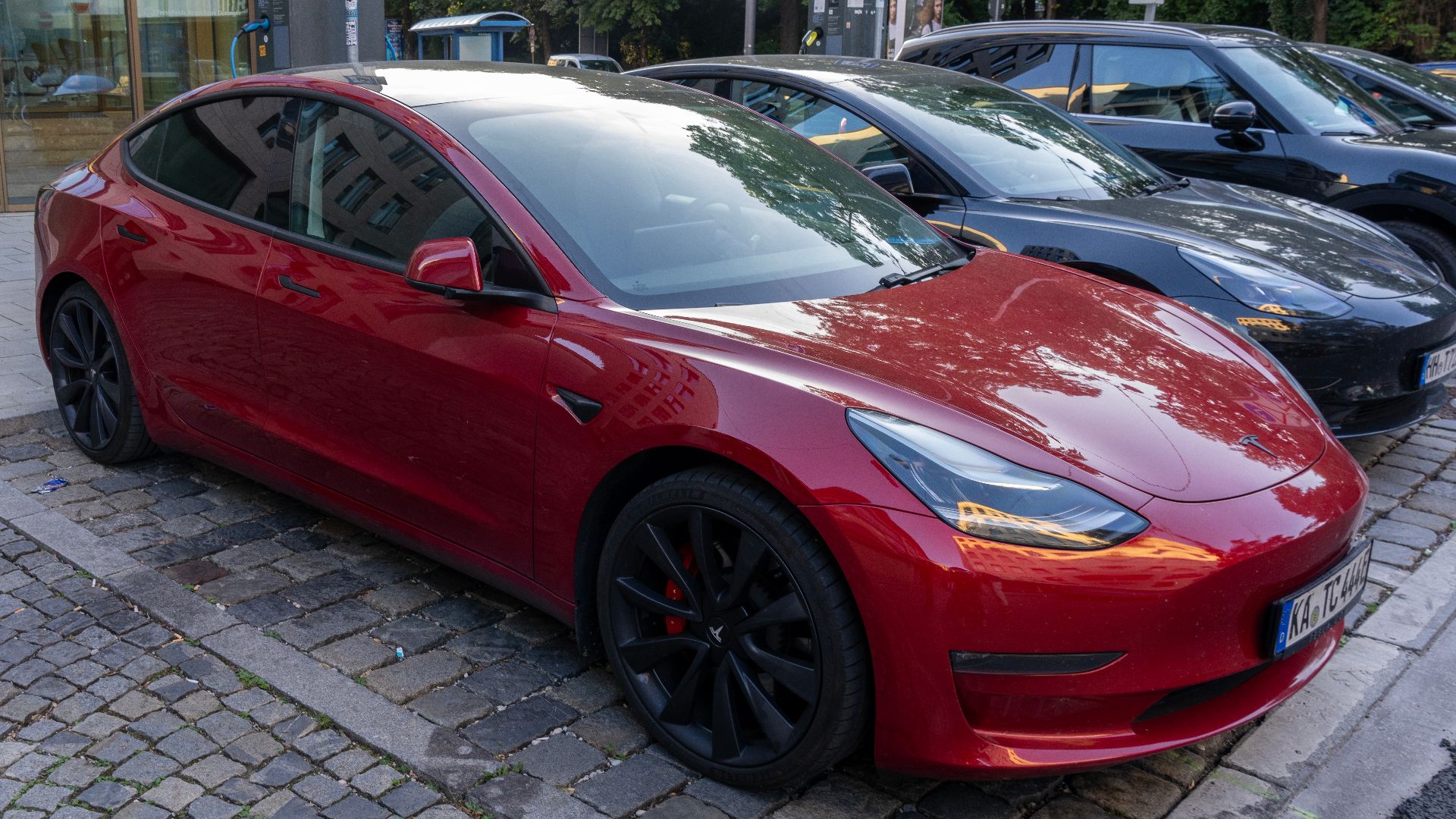
Tesla Model 3
The Model 3 lost an average of 54.6% in five years. That means used examples can deliver strong acceleration, useful driving range and access to Tesla’s charging network without anything close to the original price. Insurance, repair history and battery condition still require careful research.
 AuHaidhausen, Wikimedia Commons
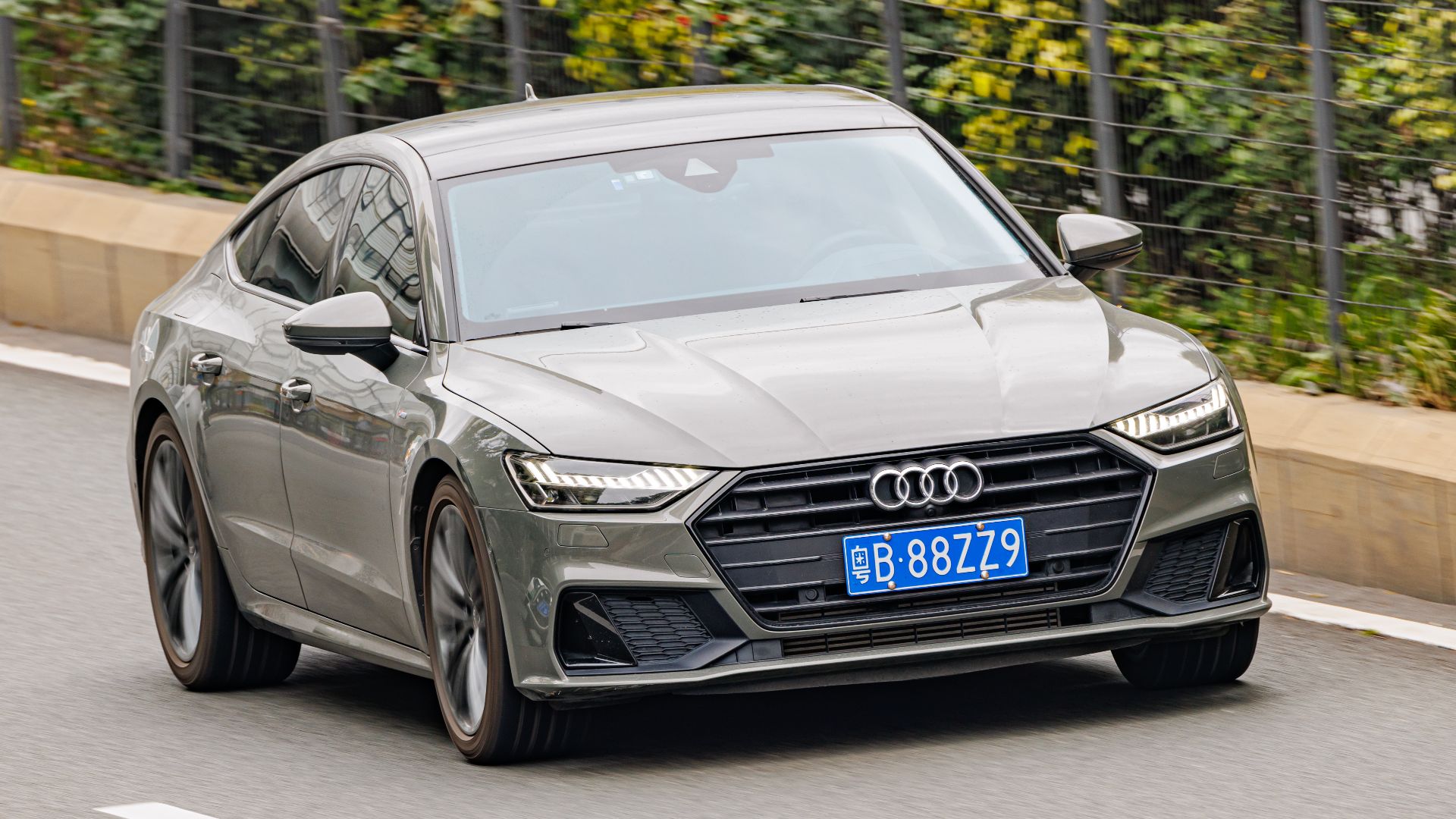
Audi A7
The A7 combines luxury-sedan comfort with a large hatchback that is far more useful than its sleek shape suggests. Five-year depreciation averaged 56.5%, wiping more than $40,000 from its value. A well-maintained example can feel far more expensive than its used price.
 Dinkun Chen, Wikimedia Commons
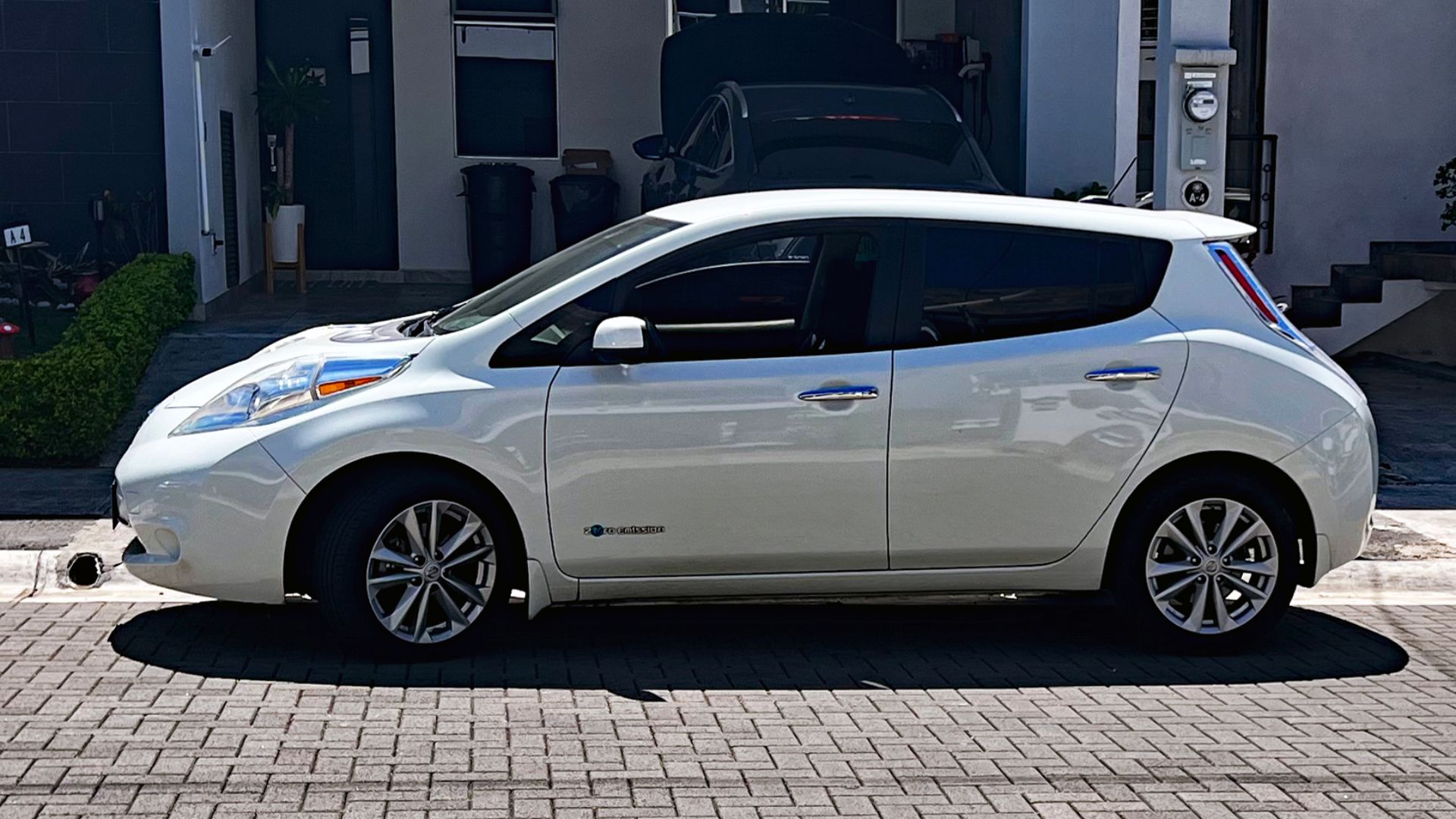
Nissan Leaf
No vehicle in the study lost a greater percentage of its value. The Leaf depreciated by 63.1% in five years, creating some very cheap used EVs. Limited range and the older CHAdeMO fast-charging connector narrow its appeal, but it can be an excellent local commuter.
 Mariordo (Mario Roberto Durán Ortiz), Wikimedia Commons
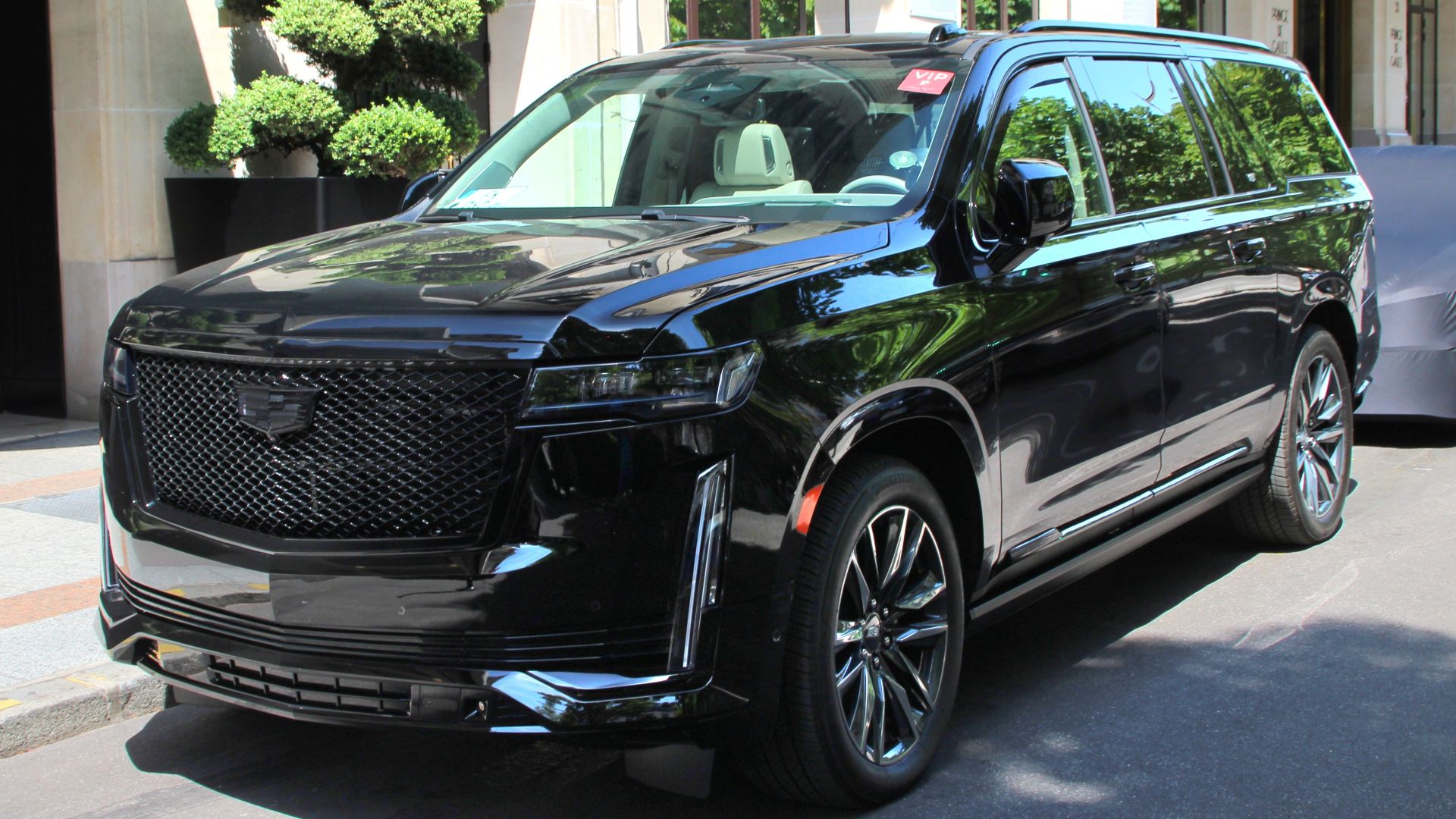
Cadillac Escalade ESV
Few vehicles make a bigger entrance, and few have a bigger appetite for fuel. The stretched Escalade ESV lost 57% of its value, averaging more than $53,000 in depreciation. Used buyers get enormous passenger space and unmistakable luxury, provided they can handle the running costs.
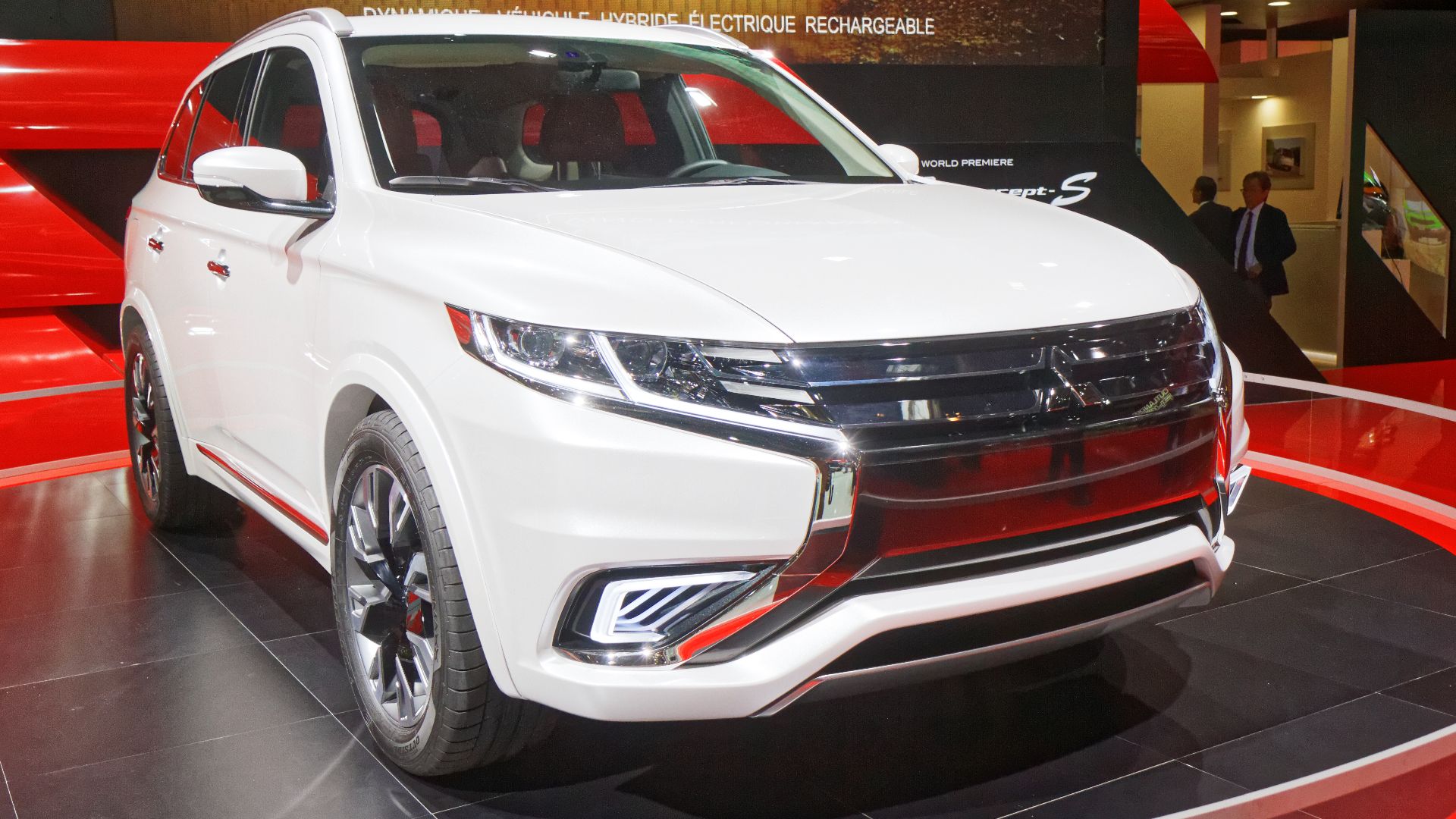
Mitsubishi Outlander PHEV
The Outlander PHEV lost an average of 50.4% over five years. Its combination of short electric trips, gasoline-powered road travel and all-wheel drive can still make plenty of sense. Confirm the battery’s usable capacity, because electric range can decline as the vehicle ages.
 Thesupermat, Wikimedia Commons
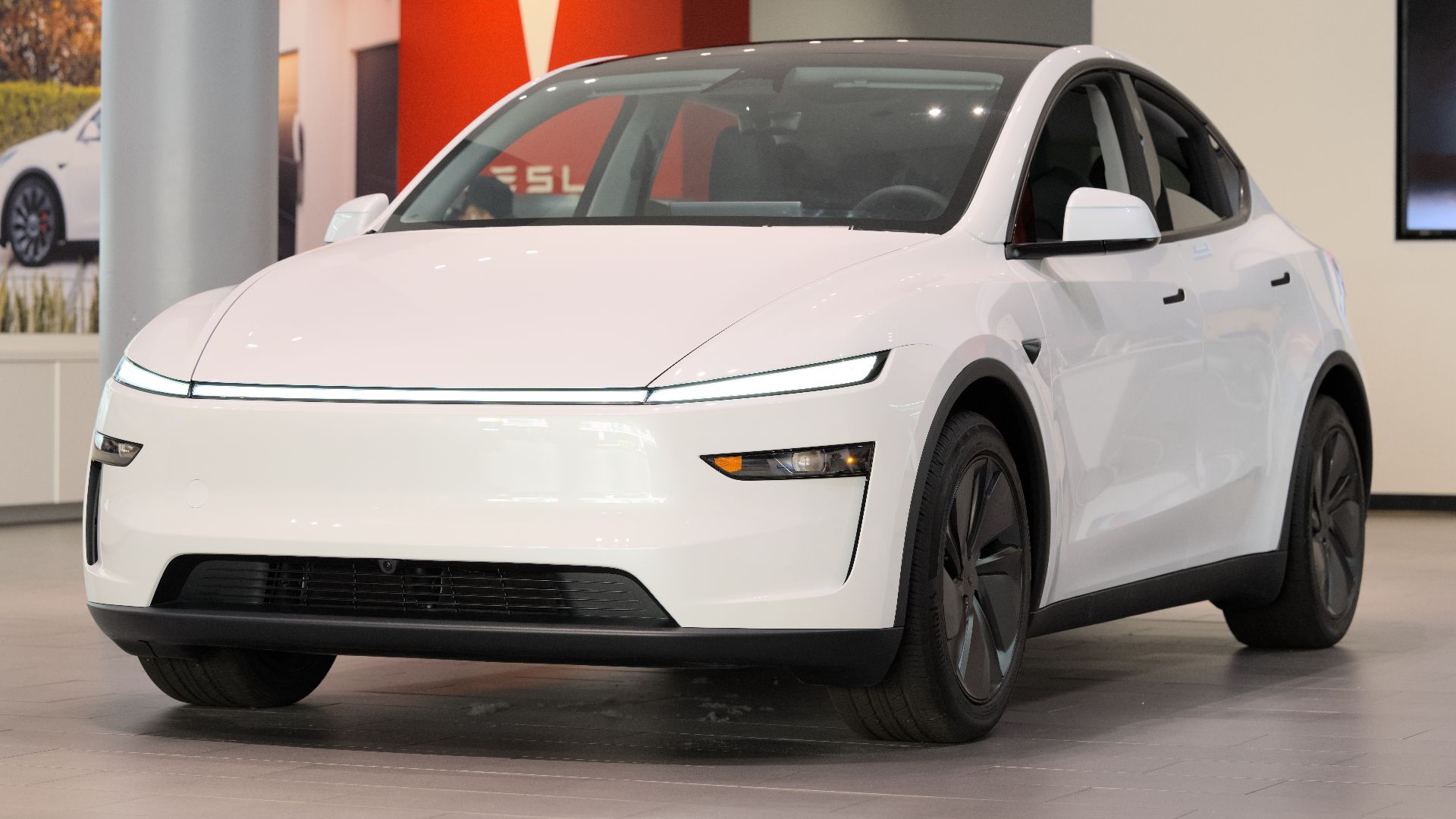
Tesla Model Y
The Model Y’s popularity did not protect it from a 57.8% five-year decline. Used prices can now make this spacious, quick electric crossover much easier to justify. Examine previous repairs carefully, check tire wear and compare the asking price with the current cost of a new one.
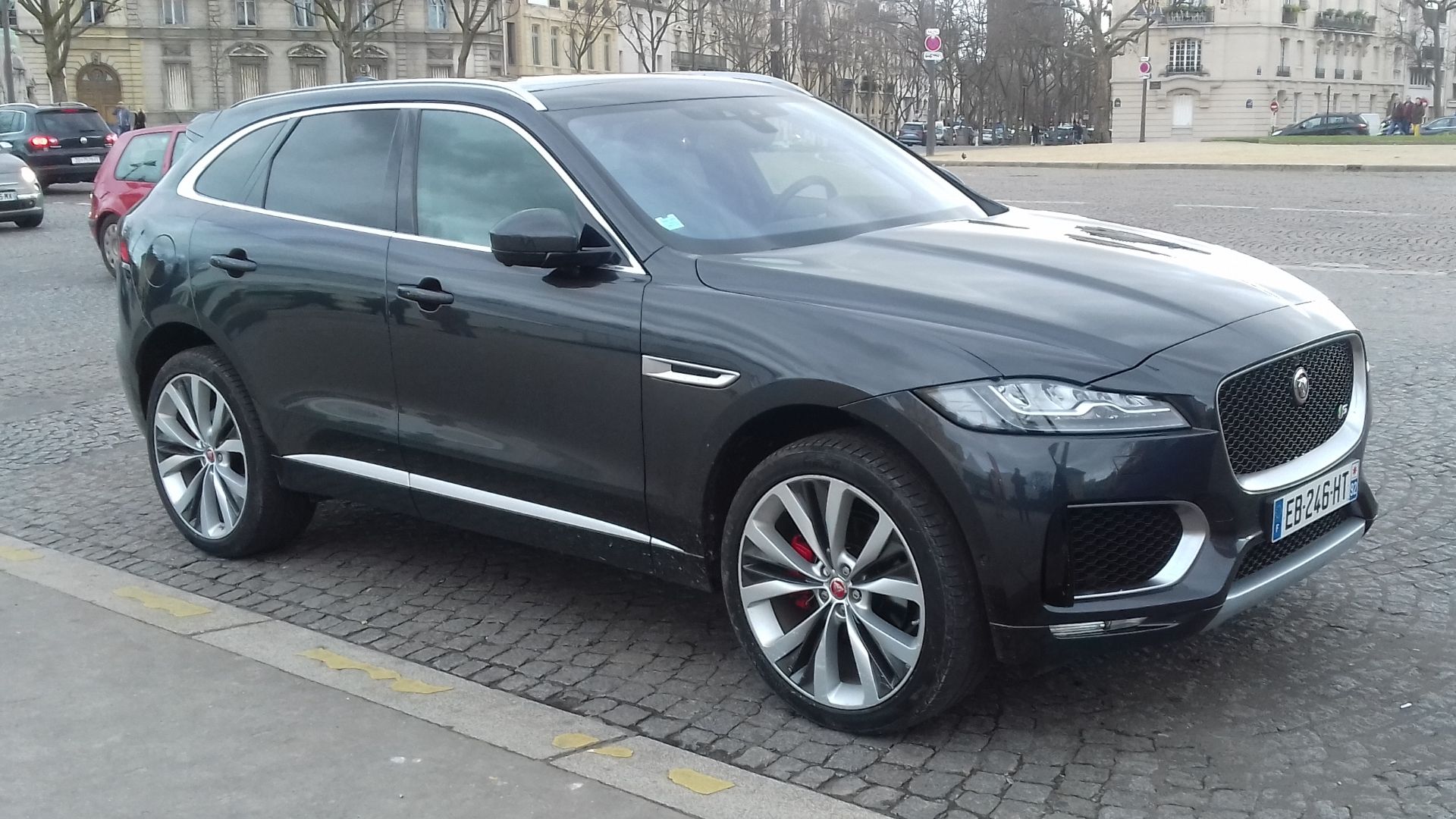
Jaguar F-PACE
The F-PACE looks distinctive, drives more like a sport sedan than many SUVs and lost 56.5% of its value over five years. That is more than $32,000 gone. The price can be irresistible, but a thorough inspection and complete service history are especially important here.
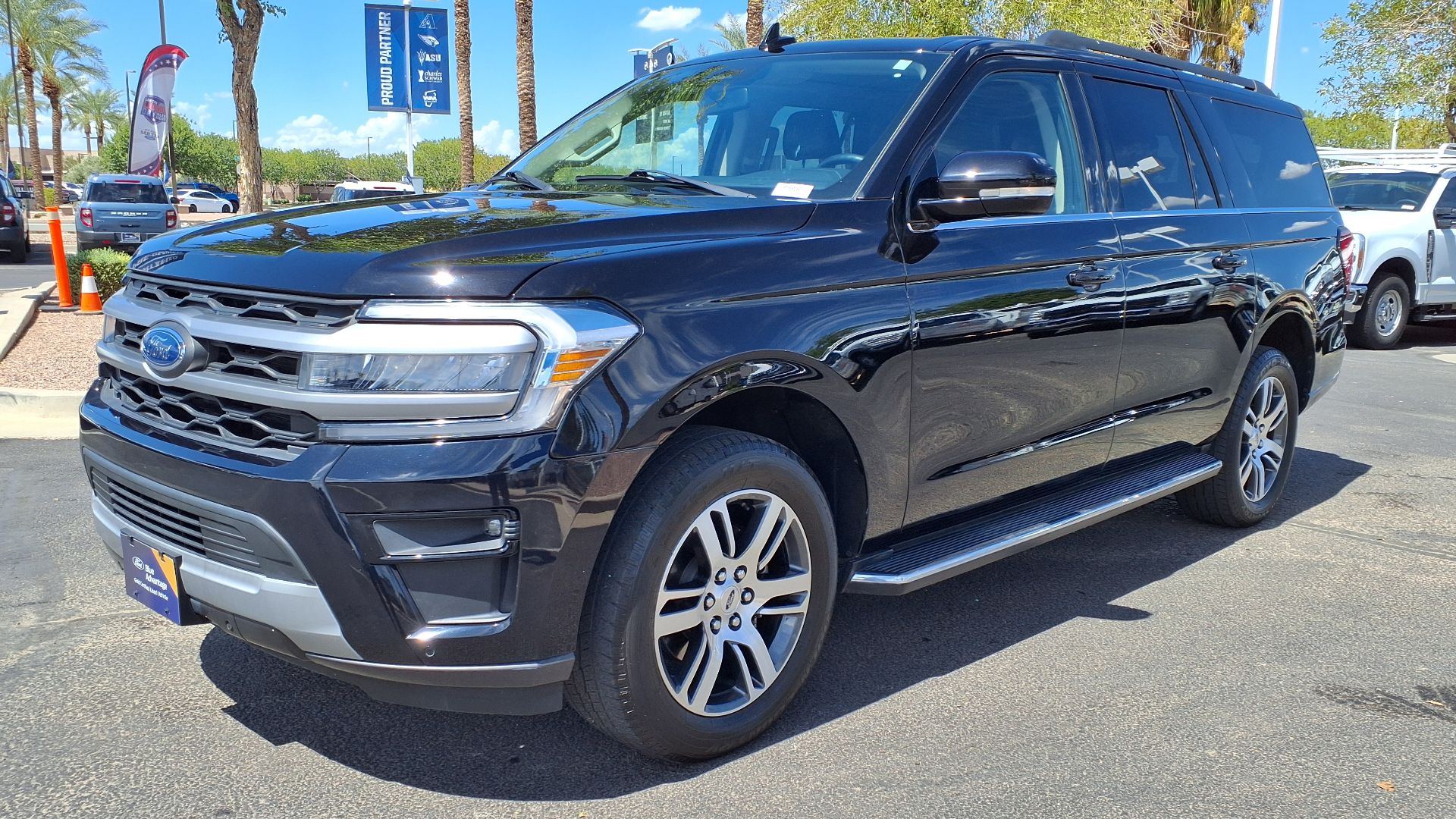
Ford Expedition MAX
Families needing genuine three-row room should notice the Expedition MAX. Its extended body provides useful space behind the third row, while five-year depreciation averaged 56.3%. It still uses plenty of fuel, but buying used can remove nearly $35,000 from the original-price equation.
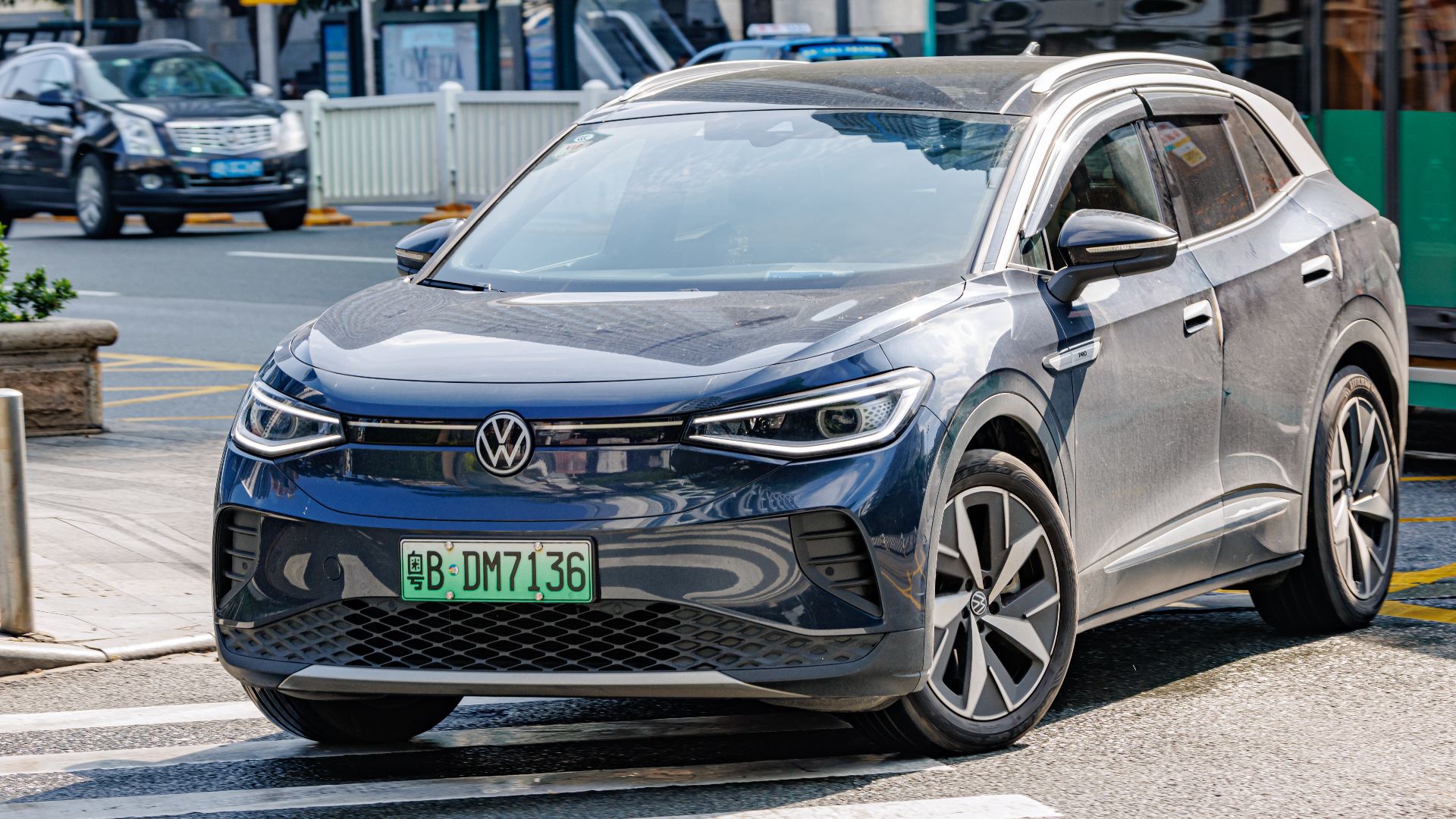
Volkswagen ID.4
The ID.4 lost 62.1% of its value over five years, despite offering a roomy cabin, quiet ride and practical crossover shape. That makes used examples look far more attractive than new ones. Confirm that applicable recalls have been completed, including the door-handle campaign affecting certain 2021–2024 vehicles.
 Dinkun Chen, Wikimedia Commons
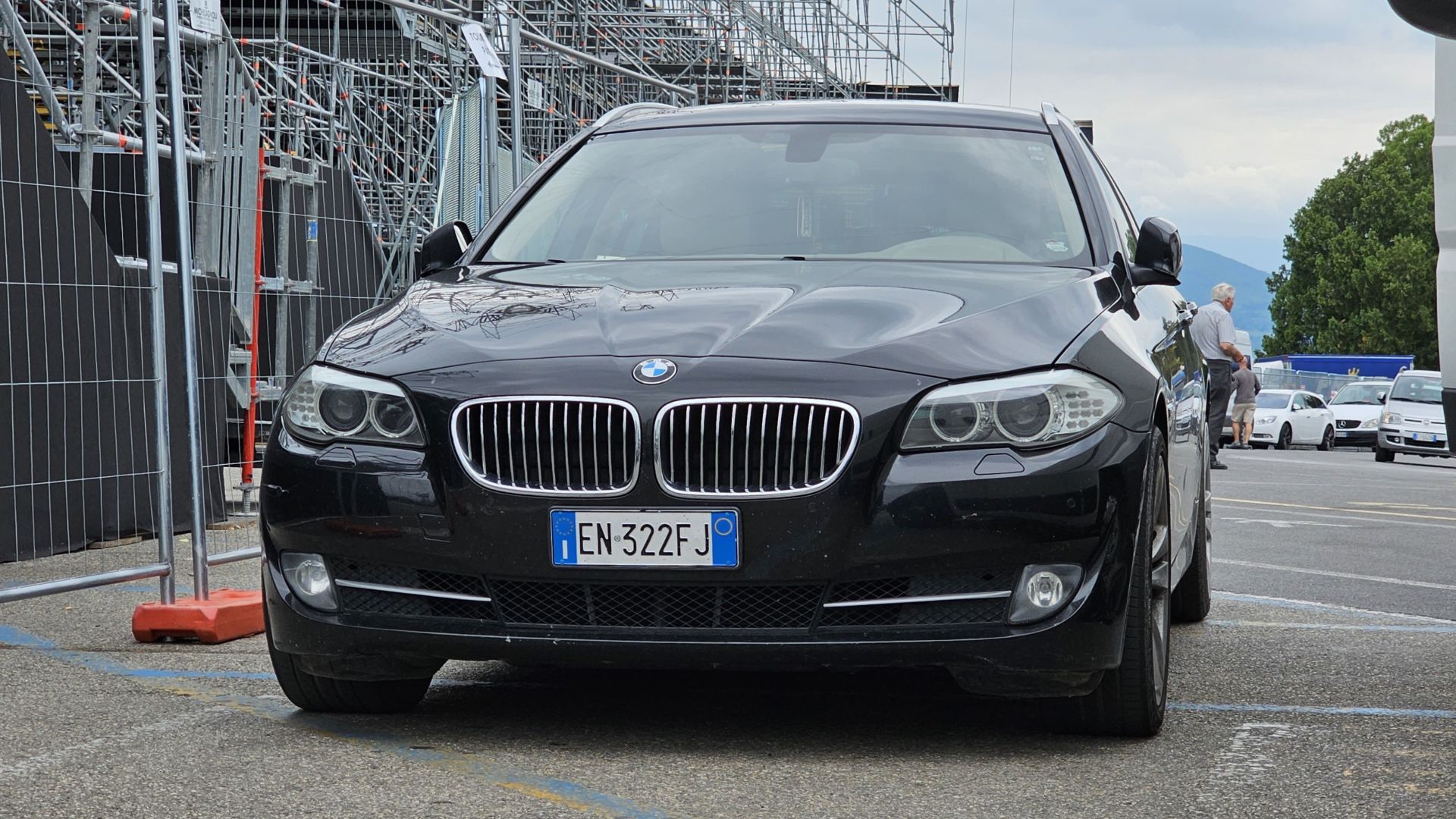
BMW 5 Series Hybrid
The hybrid 5 Series averaged 59.5% depreciation, representing nearly $45,000 in lost value. Used buyers get performance, comfort and the ability to handle some trips electrically. They also get a complicated luxury plug-in, so service records and a specialist inspection matter enormously.
 Damian B Oh, Wikimedia Commons
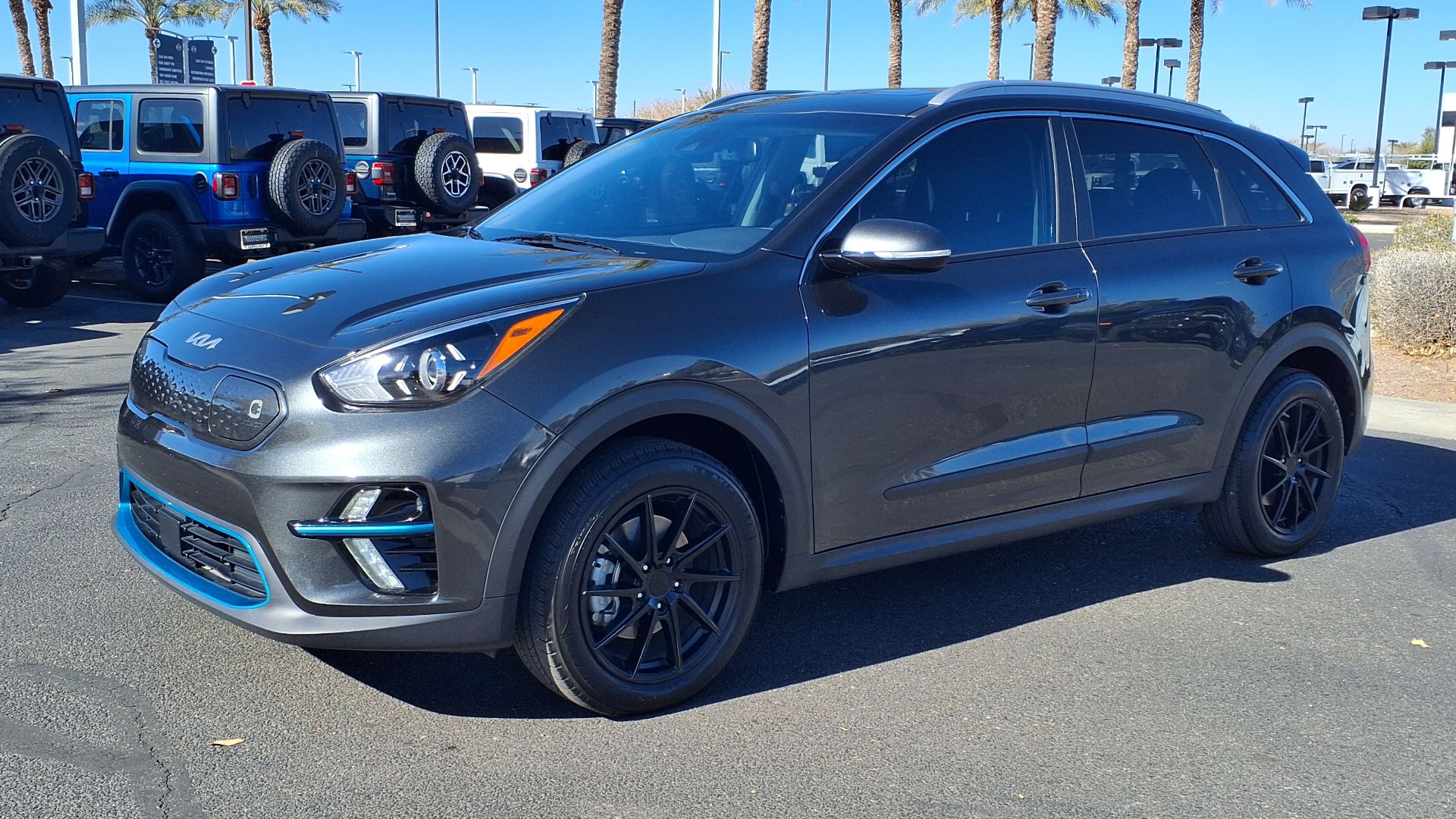
Kia Niro EV
The Niro EV is not flashy, but that may be exactly why it works so well as a used buy. Five-year depreciation averaged 57.3%. It offers a useful hatchback body and respectable range, while avoiding the enormous size and weight of many newer electric SUVs.
Land Rover Range Rover
The full-size Range Rover lost an average of $69,856 over five years, more than any vehicle on the list. That can place astonishing luxury within reach of ordinary used-car shoppers. Unfortunately, maintenance does not depreciate nearly as quickly, making an inspection and repair reserve essential.
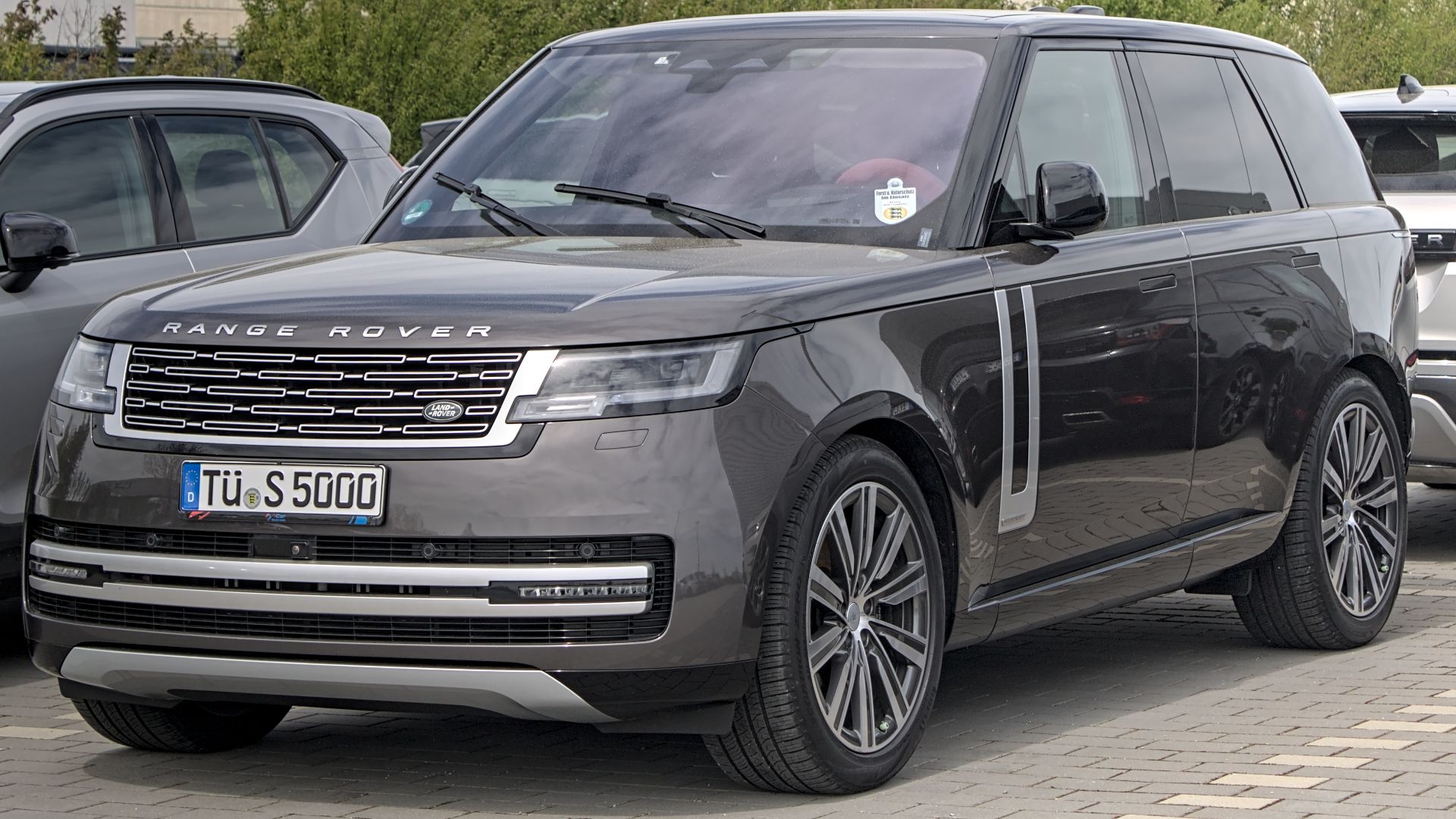 Alexander-93, Wikimedia Commons
Ford Mustang Mach-E
The Mustang Mach-E shed 60.8% of its value in five years. That is rough for the original owner but much more interesting for the next one. It is quick, roomy and enjoyable to drive, with later software improvements making used examples particularly worth investigating.
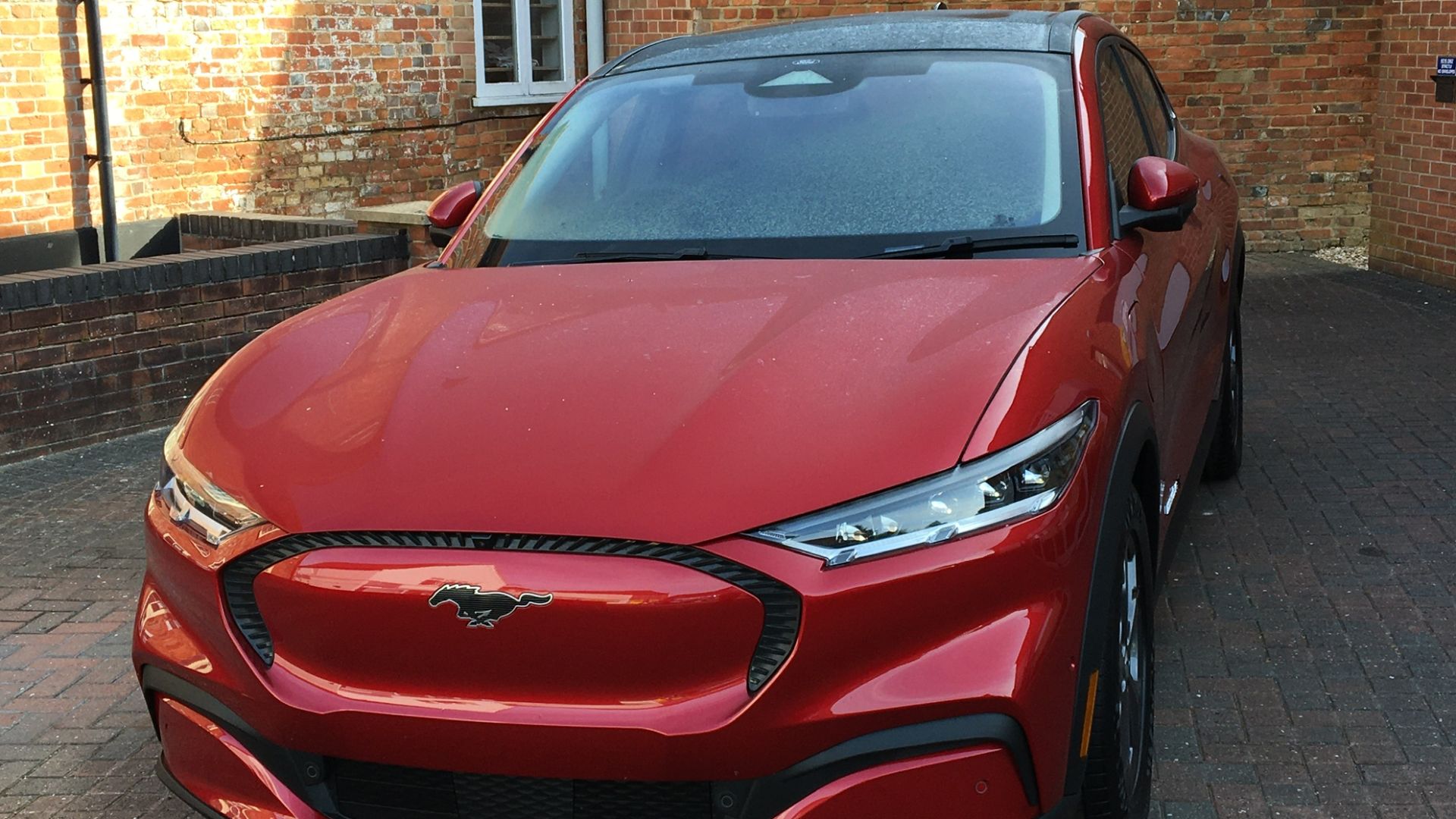 PooleHarbour, Wikimedia Commons
Audi Q7
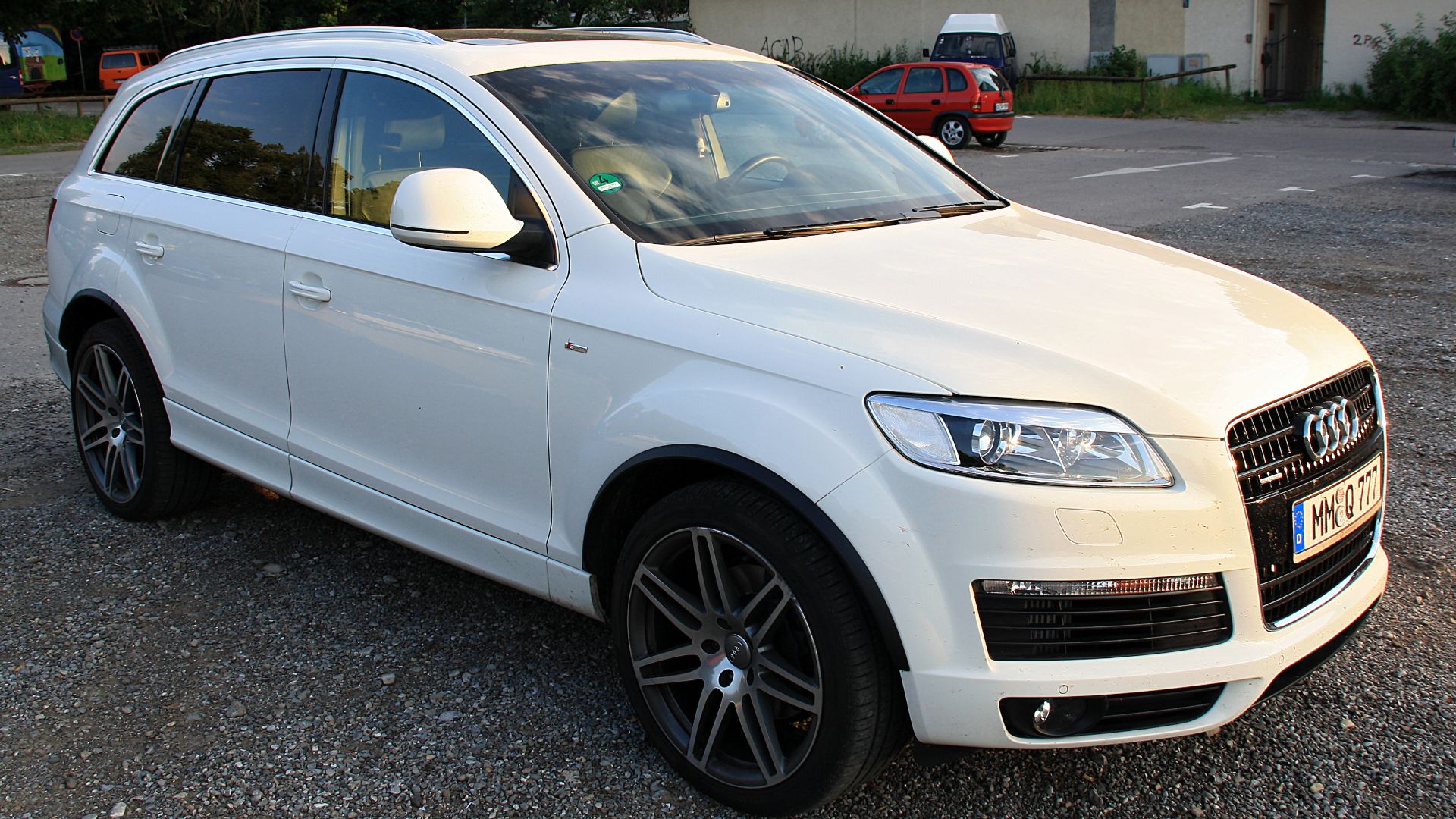
The Q7 offers three rows, an excellent cabin and remarkably composed handling for a family SUV. It also lost 57.2% of its value over five years. The resulting used price can look wonderful, but optional air suspension and complicated electronics deserve careful attention during an inspection.
Infiniti QX60
The QX60 depreciated by 58.3%, erasing about $30,000 in five years. That creates an affordable route into a comfortable three-row luxury crossover. Model year matters, however: the all-new 2022 generation replaced the previous model’s continuously variable transmission with a nine-speed automatic.
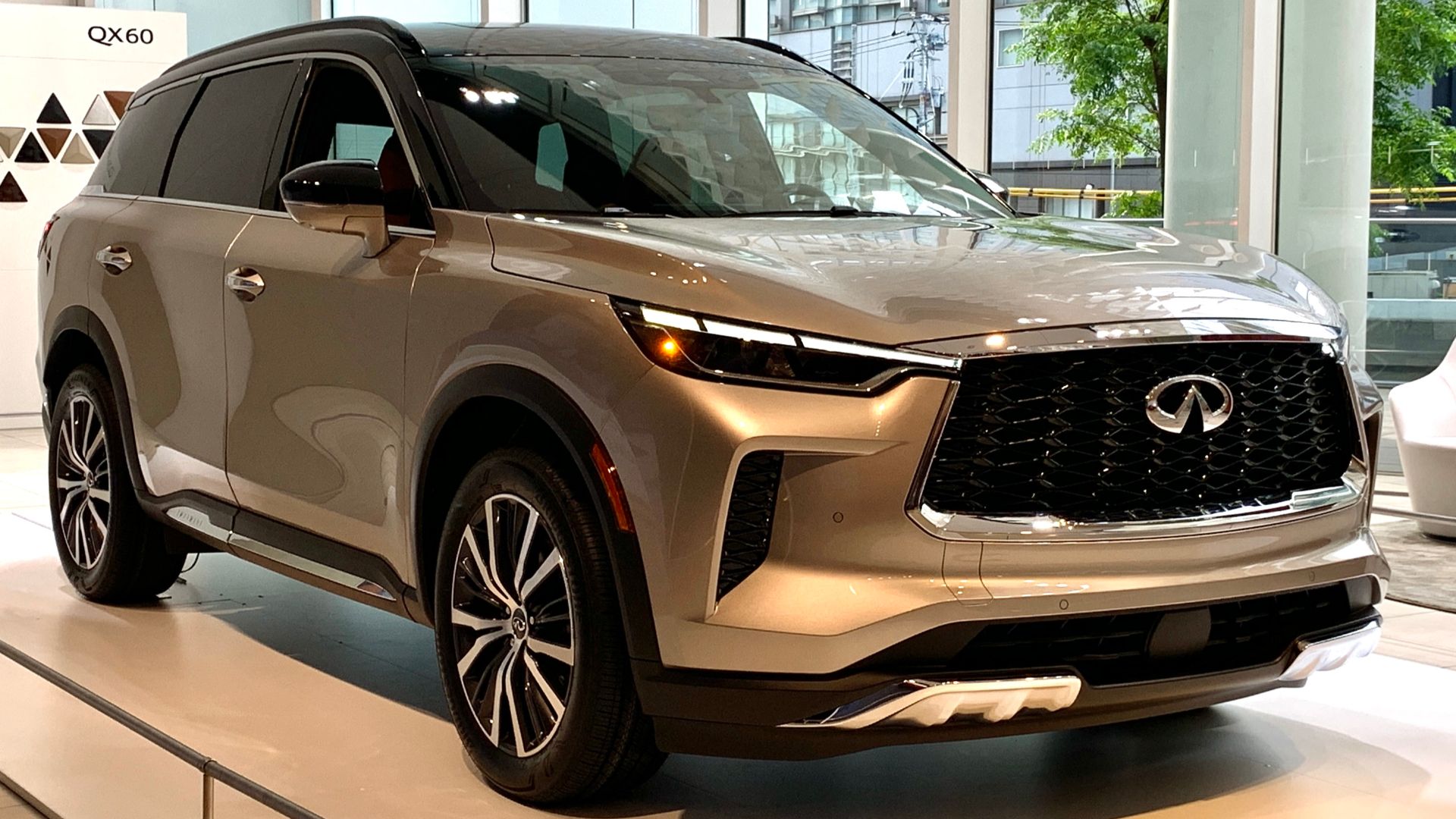 Kazyakuruma, Wikimedia Commons
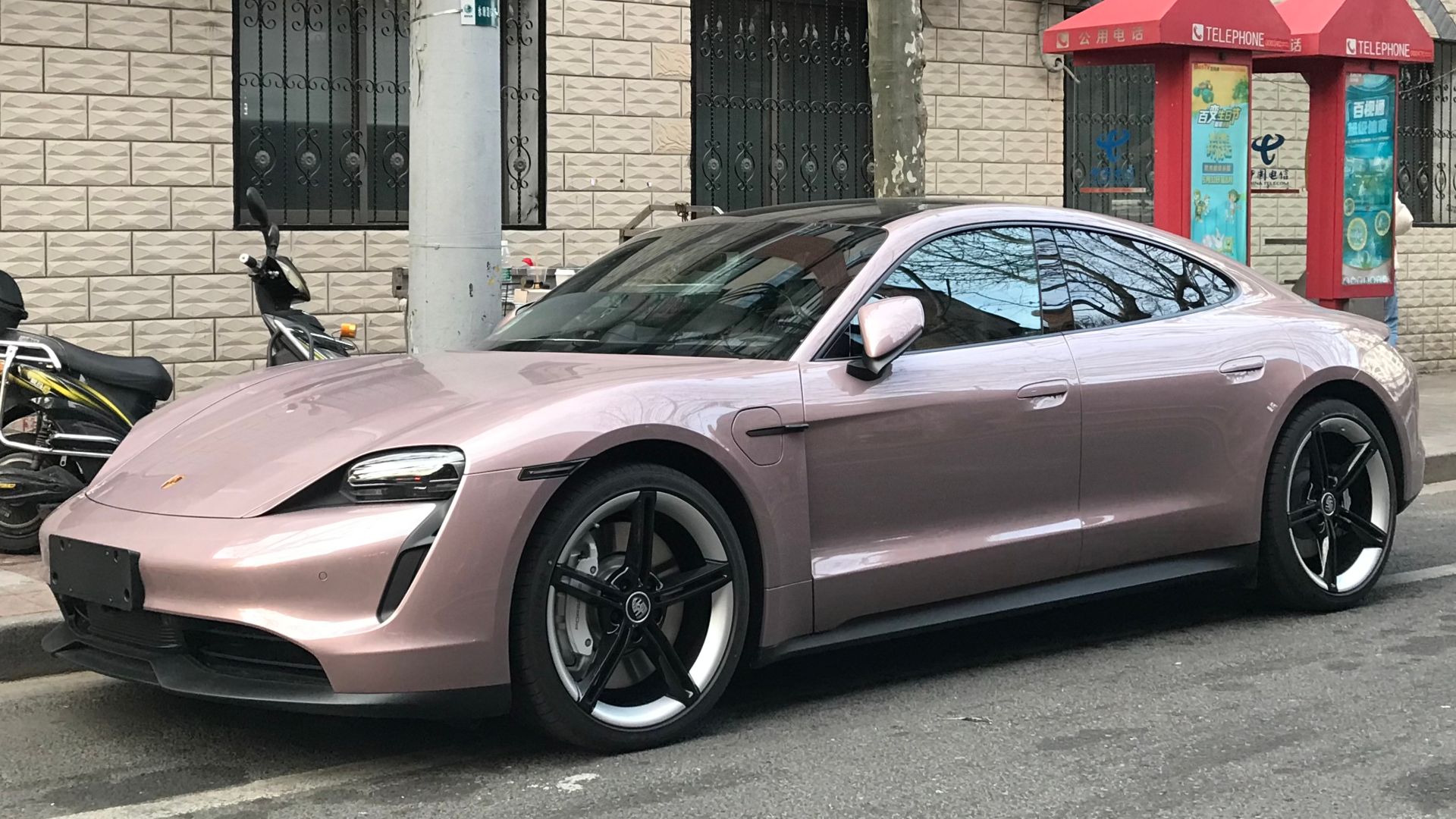
Porsche Taycan
A Porsche becoming affordable never sounds entirely believable, but the Taycan lost an average of $54,403 over five years. Its depreciation rate was 54.7%. The driving experience remains spectacular, although tire costs, insurance, charging needs and potential repairs still belong in the budget.
Nissan Armada
The Armada shares much of the QX80’s old-school appeal without quite as much luxury trim. It lost 57% over five years, or more than $33,000. Buyers needing towing capacity, room and a traditional V8 SUV may find far more vehicle than the price suggests.
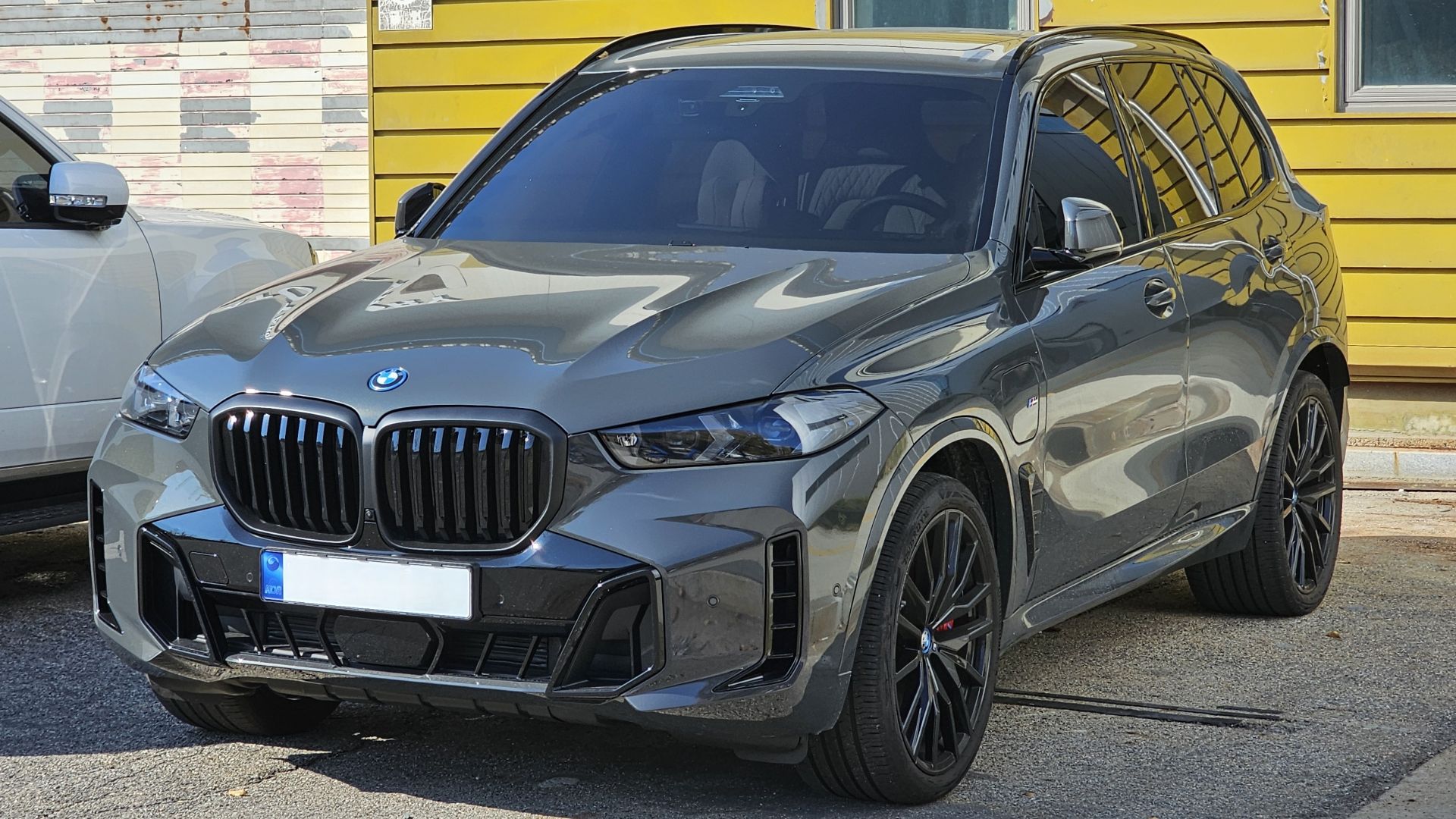
BMW X5 Hybrid
The plug-in hybrid X5 combines electric commuting potential with the freedom of a gasoline engine on longer trips. Five-year depreciation averaged 57.1%, representing more than $43,000. That is a compelling discount, but both halves of its complicated powertrain need to be inspected properly.
 Damian B Oh, Wikimedia Commons
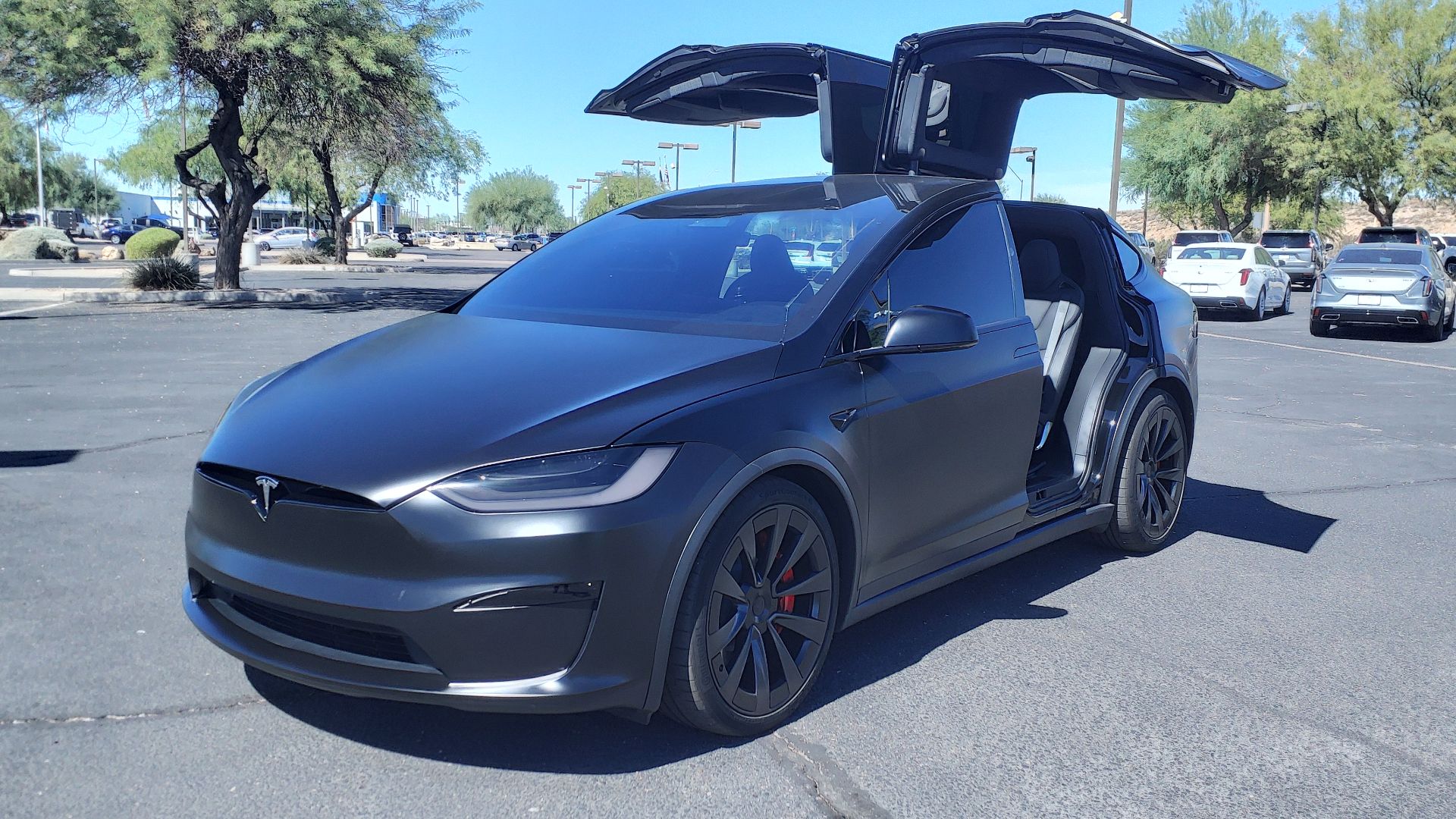
Tesla Model X
The Model X lost 61.2% over five years, wiping away more than $61,000. That buys the second owner startling acceleration, plenty of room and those attention-grabbing falcon-wing doors. Those same doors also add complexity, so convenience features should be tested repeatedly before purchase.
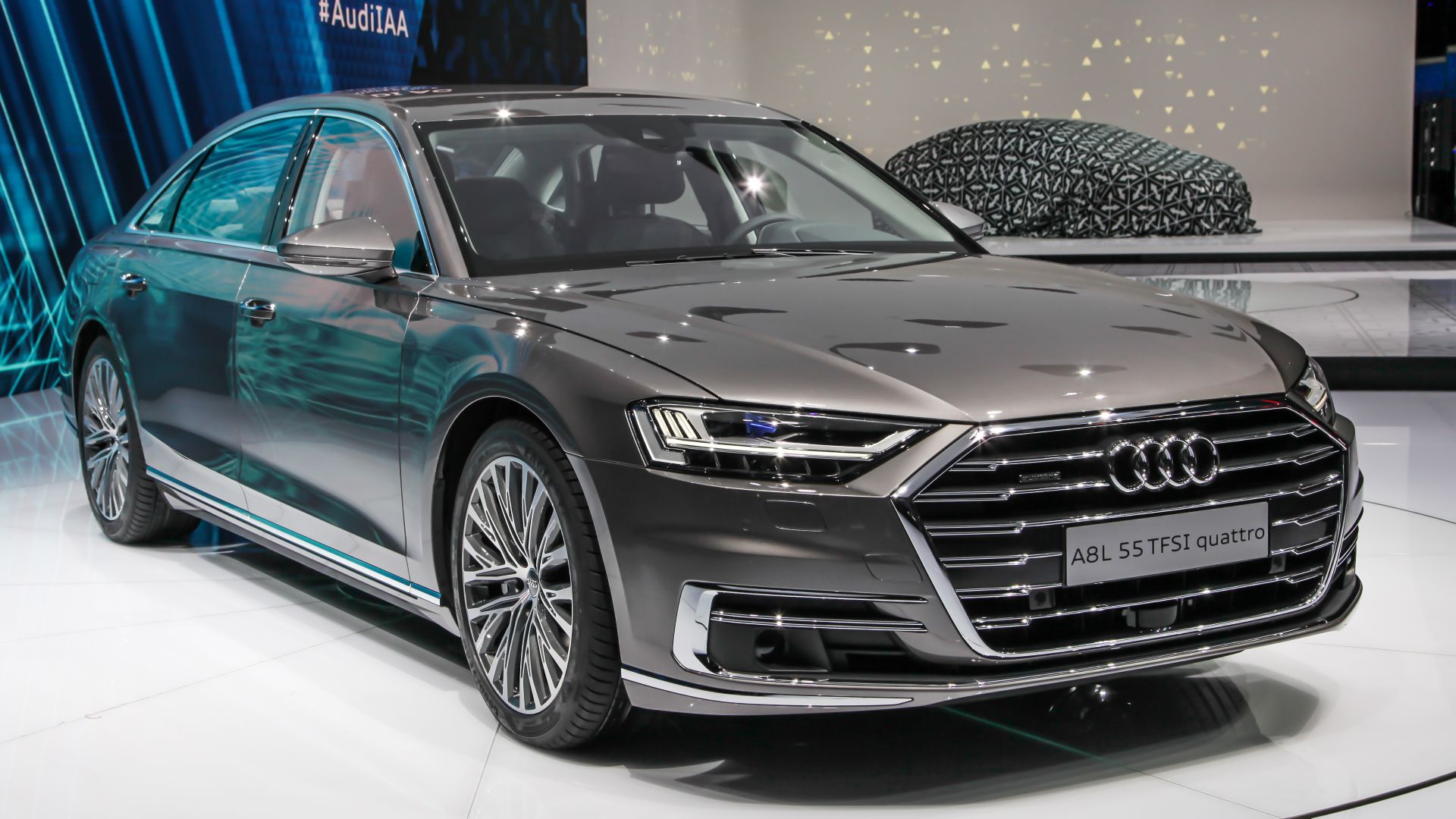
Audi A8 L
Audi’s largest sedan lost 57.6% of its value, representing almost $55,000. A used A8 L can provide extraordinary comfort, space and technology for the price of a much more ordinary new car. It remains an extremely complicated flagship, however, and should be treated accordingly.
 Alexander Migl, Wikimedia Commons
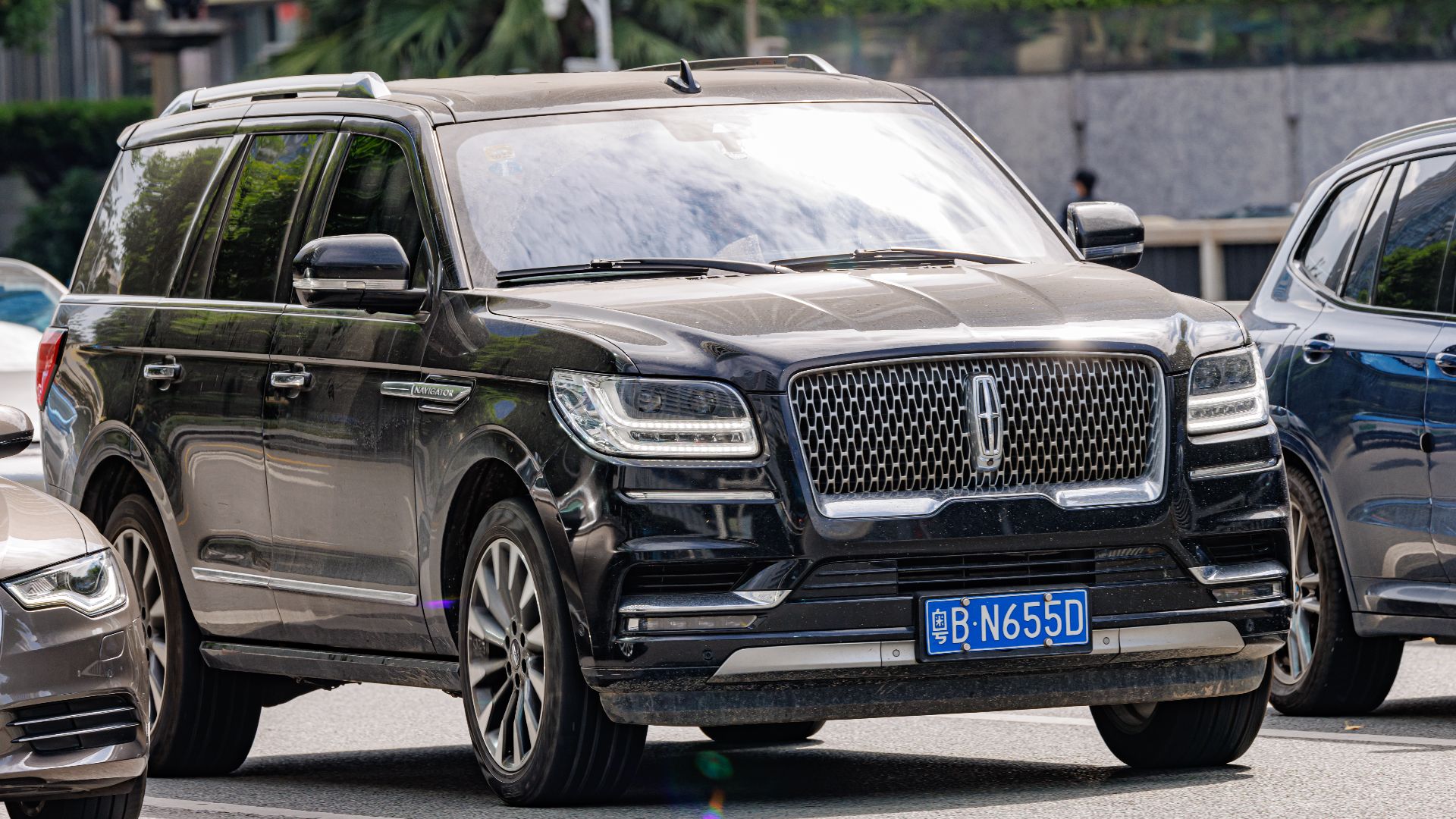
Lincoln Navigator
The Navigator L and standard Navigator averaged 56.3% depreciation, losing more than $41,000 over five years. That can turn this enormous, beautifully appointed SUV into an intriguing used buy. Fuel, tires, insurance and power-operated features may still remind owners what it originally cost.
 Dinkun Chen, Wikimedia Commons
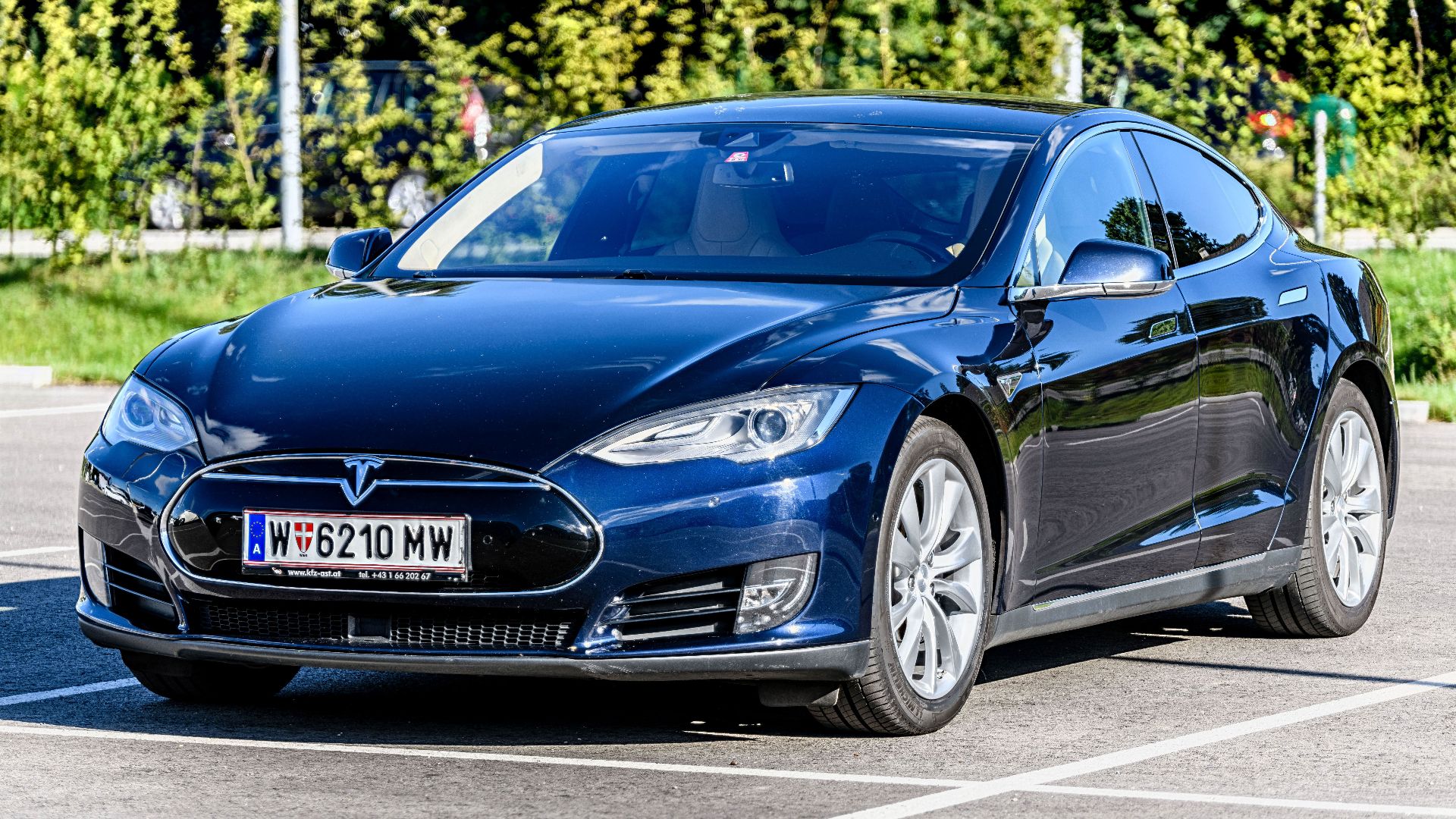
Tesla Model S
The Model S lost 62% of its value over five years, an average decline of nearly $59,000. For used buyers, that can mean astonishing speed, long-distance ability and flagship technology at a far more ordinary price. Battery health and repair history remain the deciding factors.
The Discount Is Only The Beginning
Depreciation can make an expensive car affordable to buy, but not necessarily affordable to own. Check the history, inspect the vehicle properly and price the insurance before celebrating. If everything checks out, the first owner’s loss could become an extraordinary used-car bargain.

You Might Also Like:
Forgotten American Coupes That Tried To Keep Personal Luxury Alive
Classic Car Features From The 1980s That We're Glad Disappeared For Good