These Pickup Trucks Nearly Broke Their Makers
Every automaker eventually builds a truck that bites back. Sometimes it’s a brilliant idea with dreadful timing. Other times it’s a parts-bin experiment, an engine gamble, or halo hubris that torches warranty budgets and reputations. Let's spotlight 25 American-made pickups that became poison chalices—through recalls, reliability nightmares, PR disasters, or sales so thin they couldn’t justify their existence. Here’s what went wrong, and why it mattered.
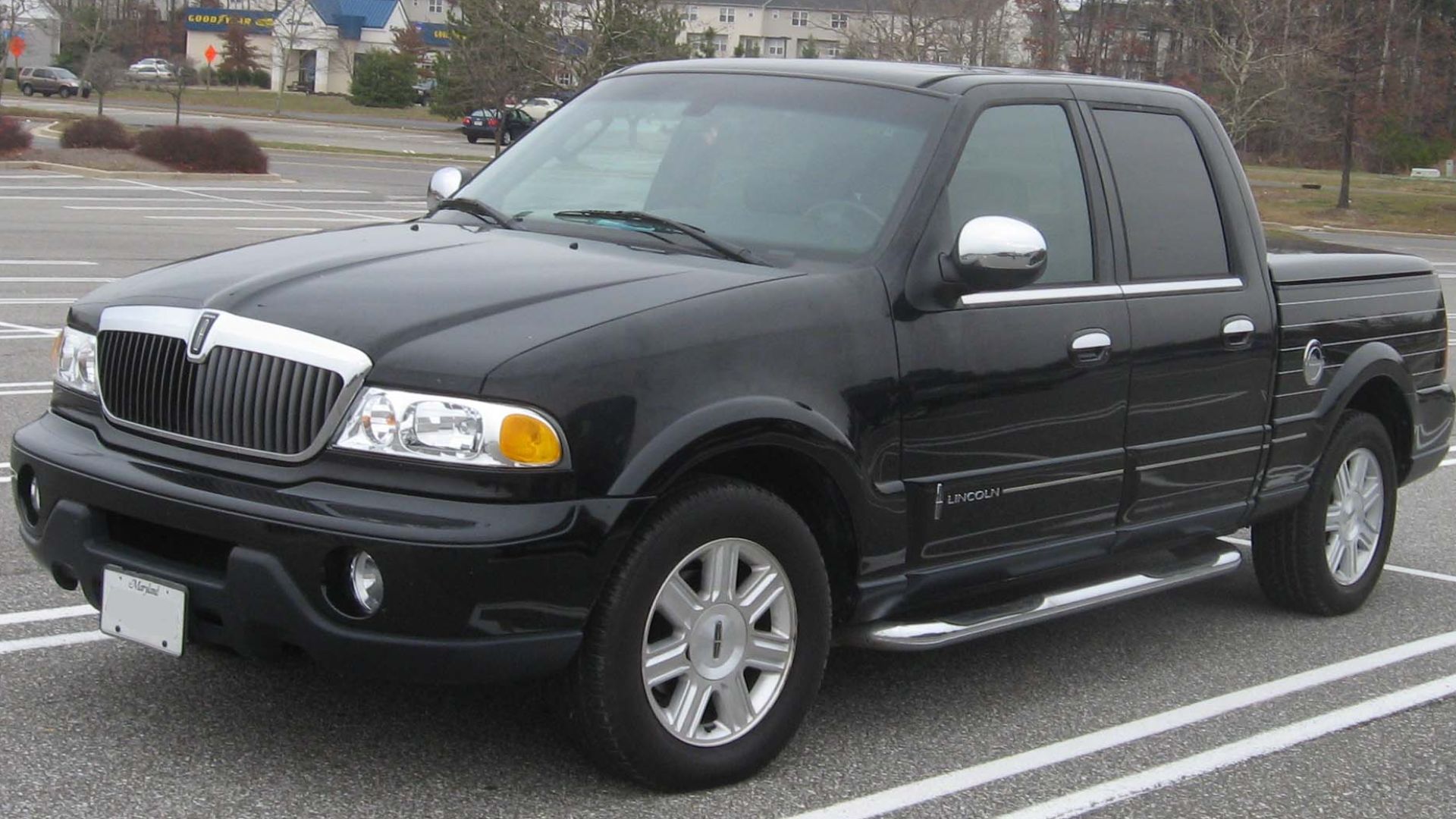
Lincoln Blackwood (2002)
An ultra-luxury F-150 in tuxedo trim sounded clever—until buyers met the non-functional “bed” (a carpeted, power-lid trunk), single color (black only), rear-wheel drive only, and a price tag that out-Cadillaced Cadillac. Dealers begged for a real truck; Ford pulled the plug after one model year.
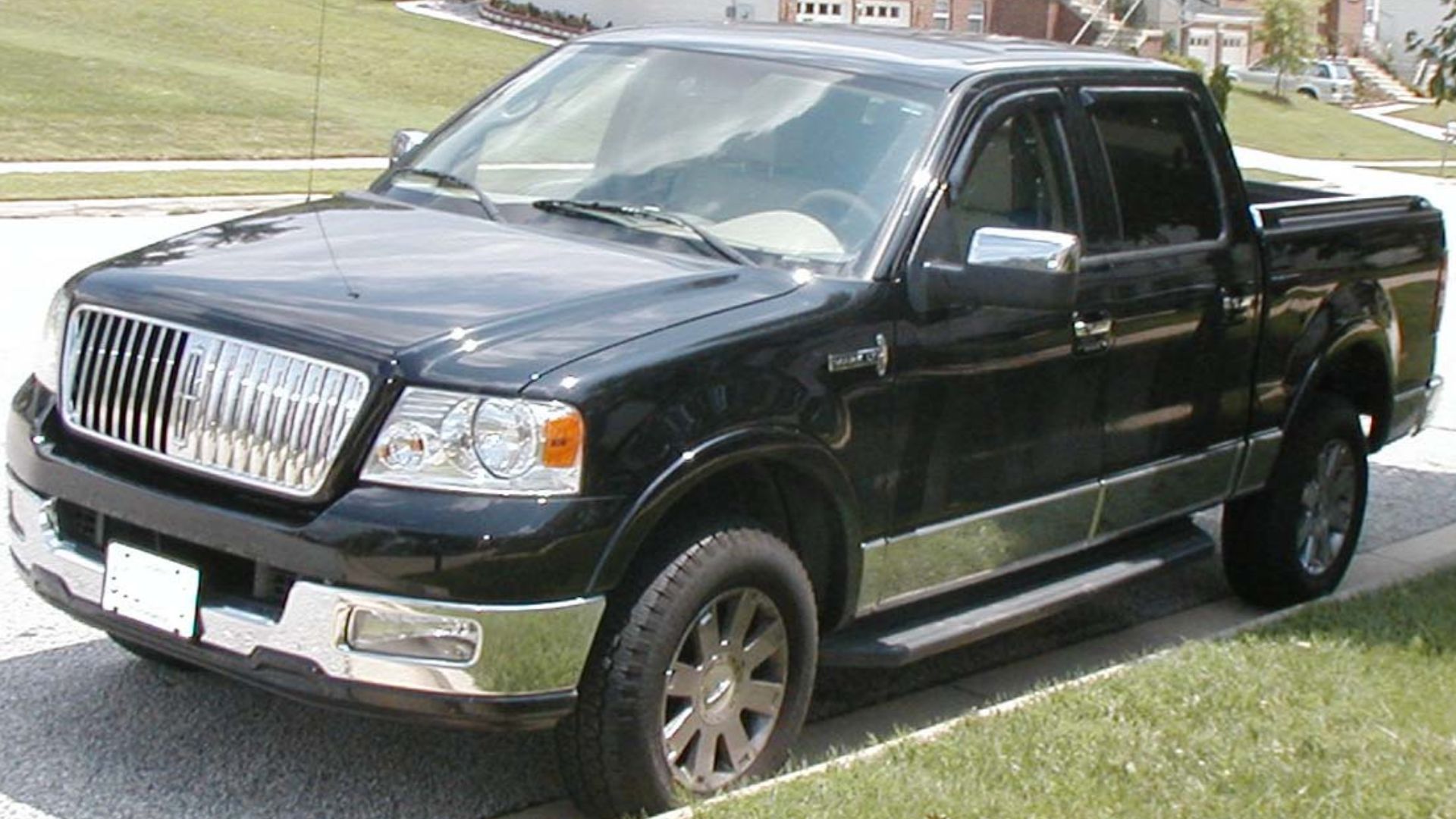
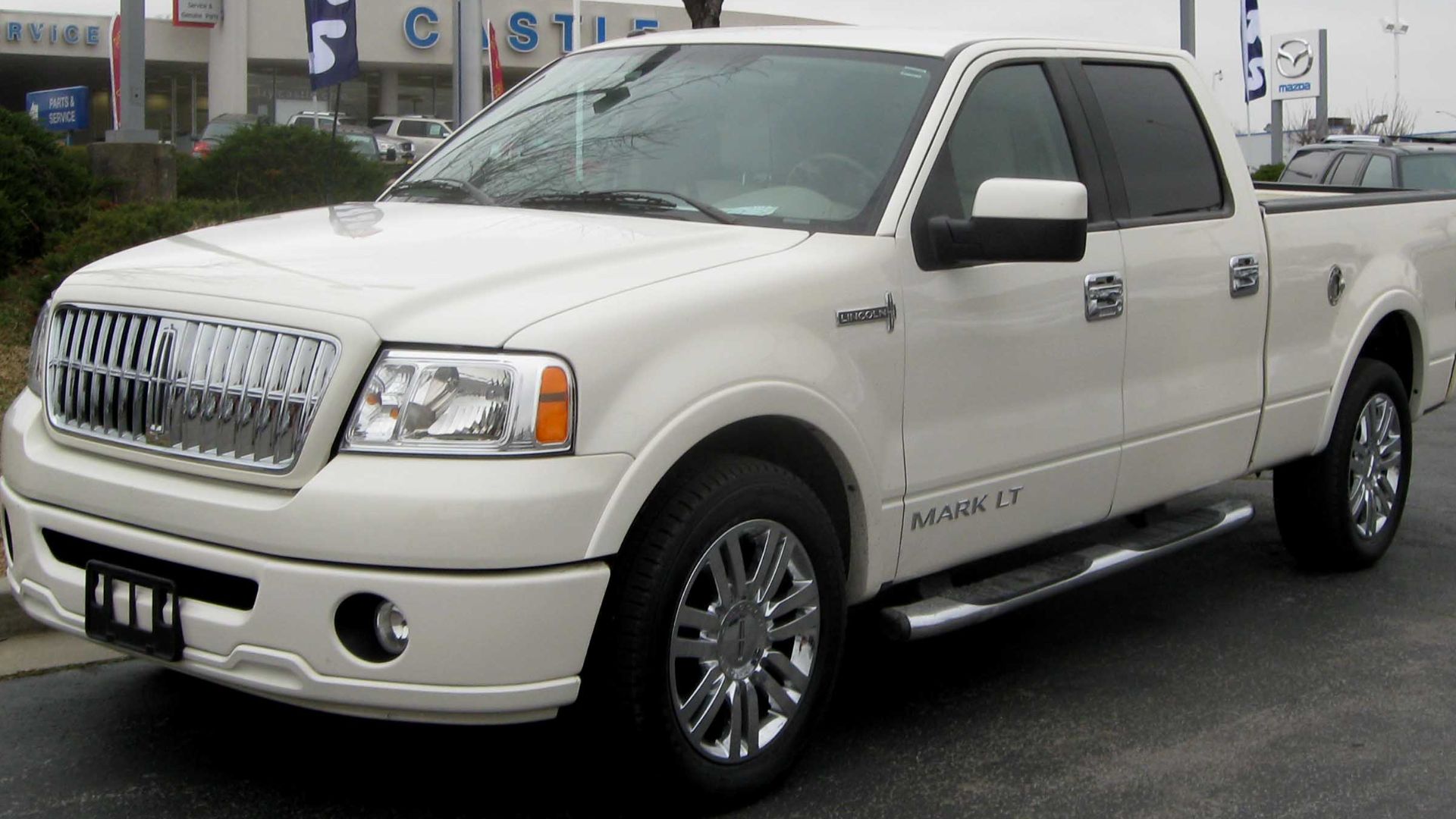
Lincoln Mark LT (2006–2008, U.S.)
Round two for a luxury Lincoln pickup fixed little. It towed and hauled, but looked like a chromed-up F-150 without a clear “why.” Sales skated on thin ice stateside (it lived longer only in Mexico), convincing Ford that luxury pickups were better as top-trim F-150s.
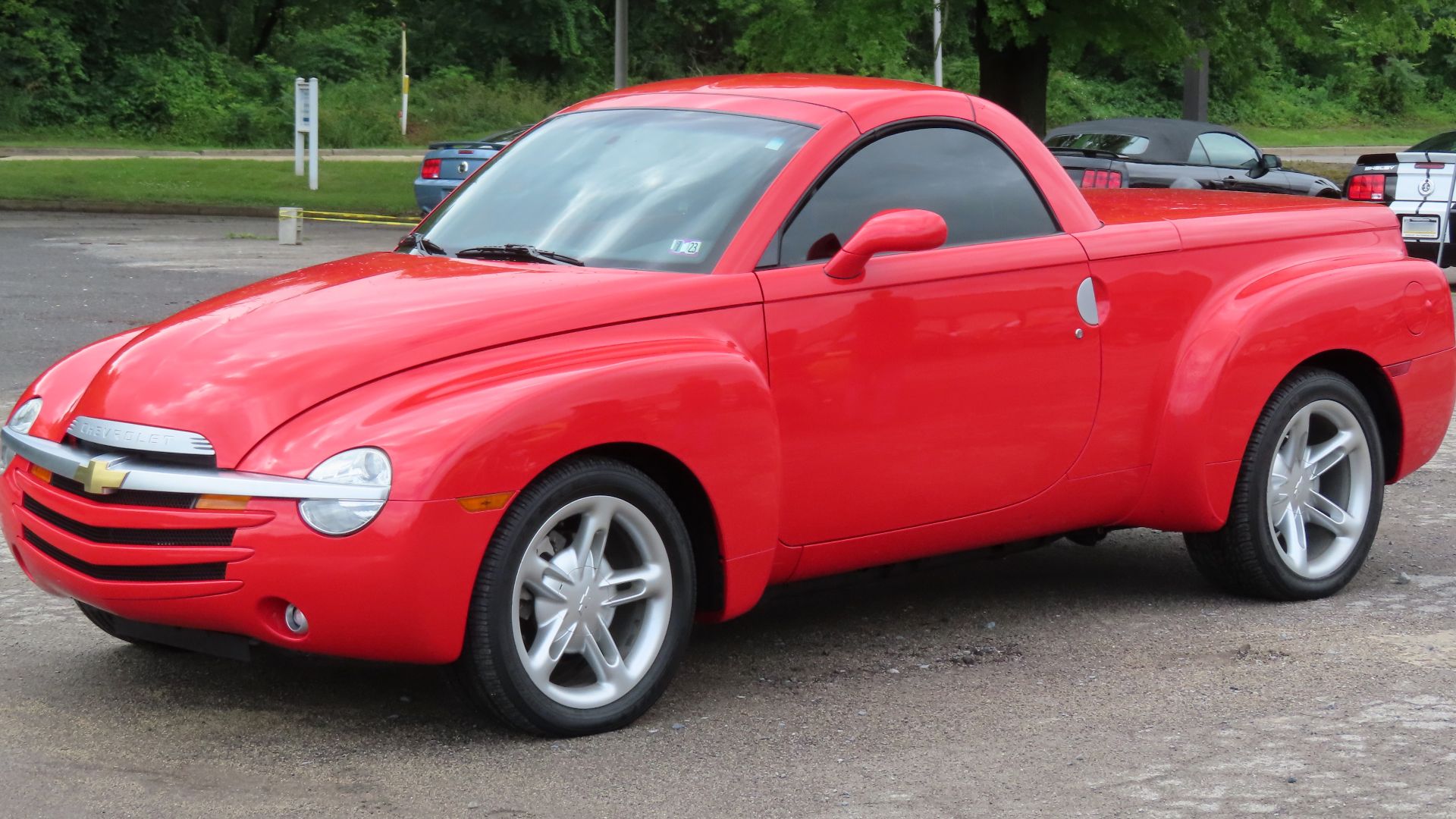
Chevrolet SSR (2003–2006)
A retro-roadster pickup with a retractable hardtop and meager bed space was catnip for auto-show crowds—and kryptonite on dealer lots. Pricey, heavy, and compromised, it arrived just as gas prices spiked. Cool collectible now; costly distraction then.
 MercurySable99, Wikimedia Commons
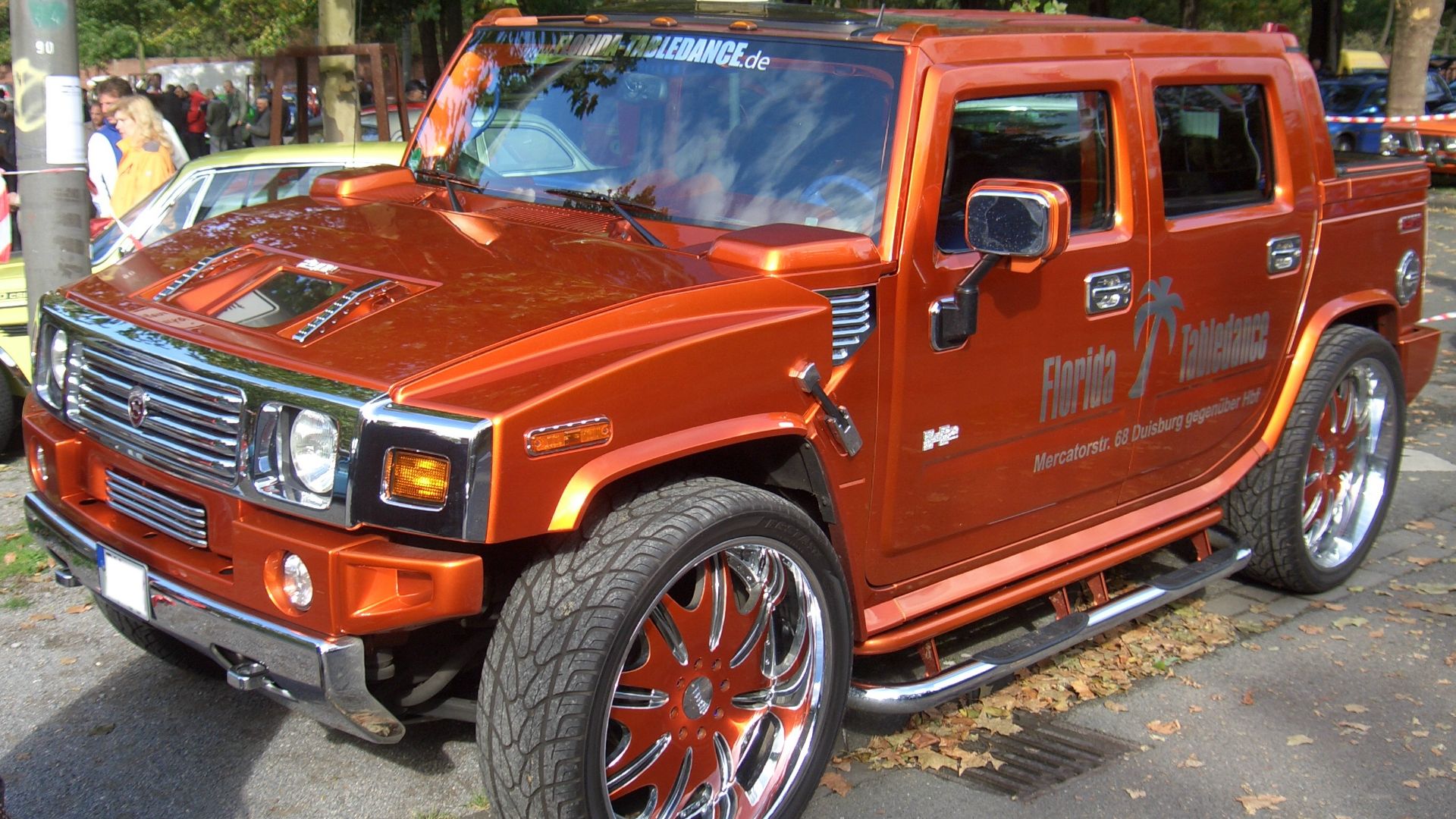
Hummer H2 SUT (2005–2009)
The bed-chopped H2 became a lightning rod for the late-2000s backlash against thirsty SUVs. When fuel prices climbed and the economy slipped, GM’s Hummer bet soured; the SUT’s timing (and image) helped hasten the brand’s 2010 shutdown.
 Detectandpreserve, Wikimedia Commons
Hummer H3T (2009–2010)
By the time the smaller H3T arrived—arguably the most sensible Hummer—the party was already over. A short run, thin marketing, and a collapsing brand meant few buyers and fewer second chances.
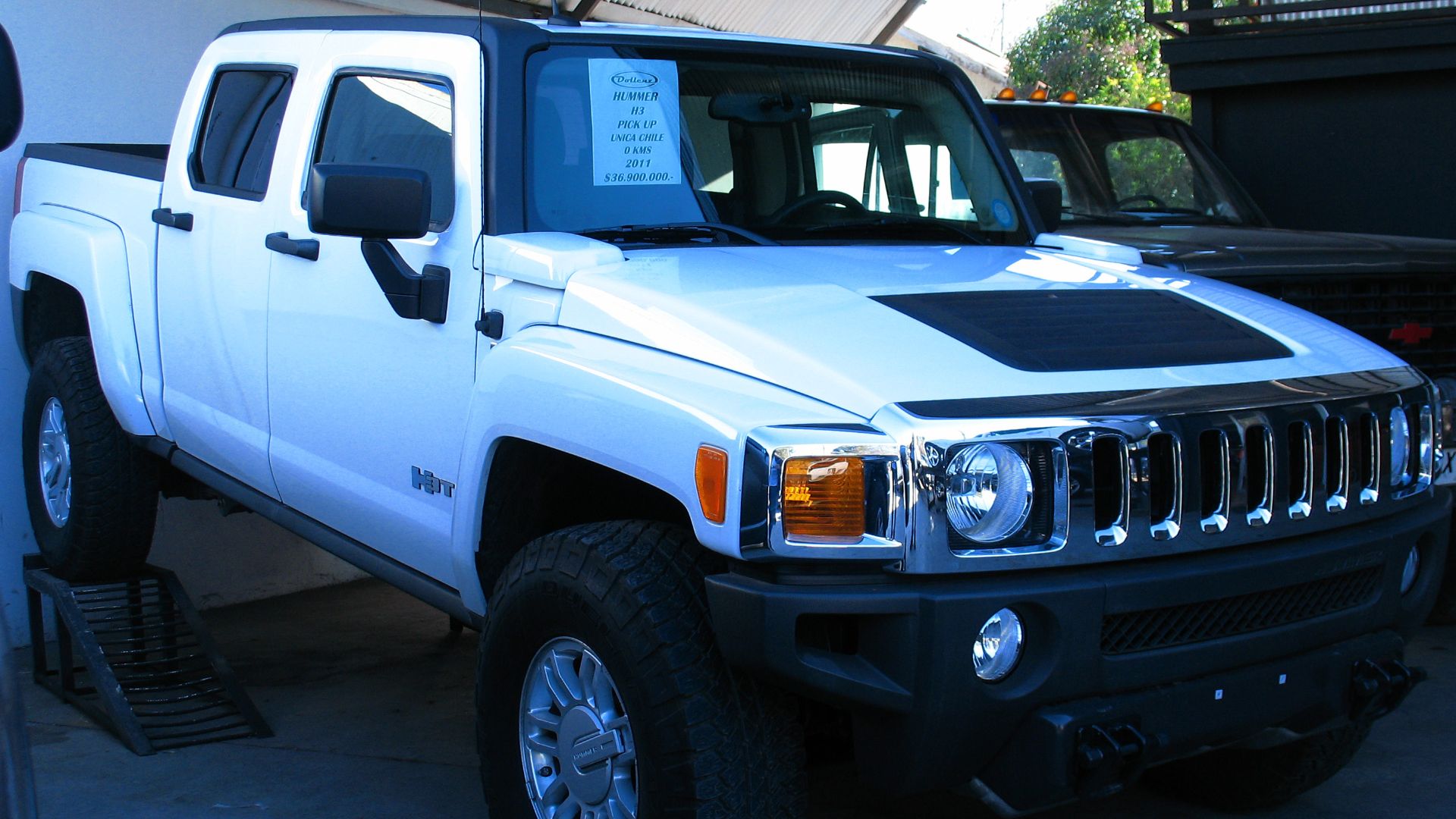 order_242 from Chile, Wikimedia Commons
Jeep Comanche (1986–1992)
Ingenious idea—XJ Cherokee bones with a usable bed—undone by internal cannibalization and a market rushing toward SUVs. Comanche underperformed, and Jeep focused on the money-printing Cherokee/Grand Cherokee instead.
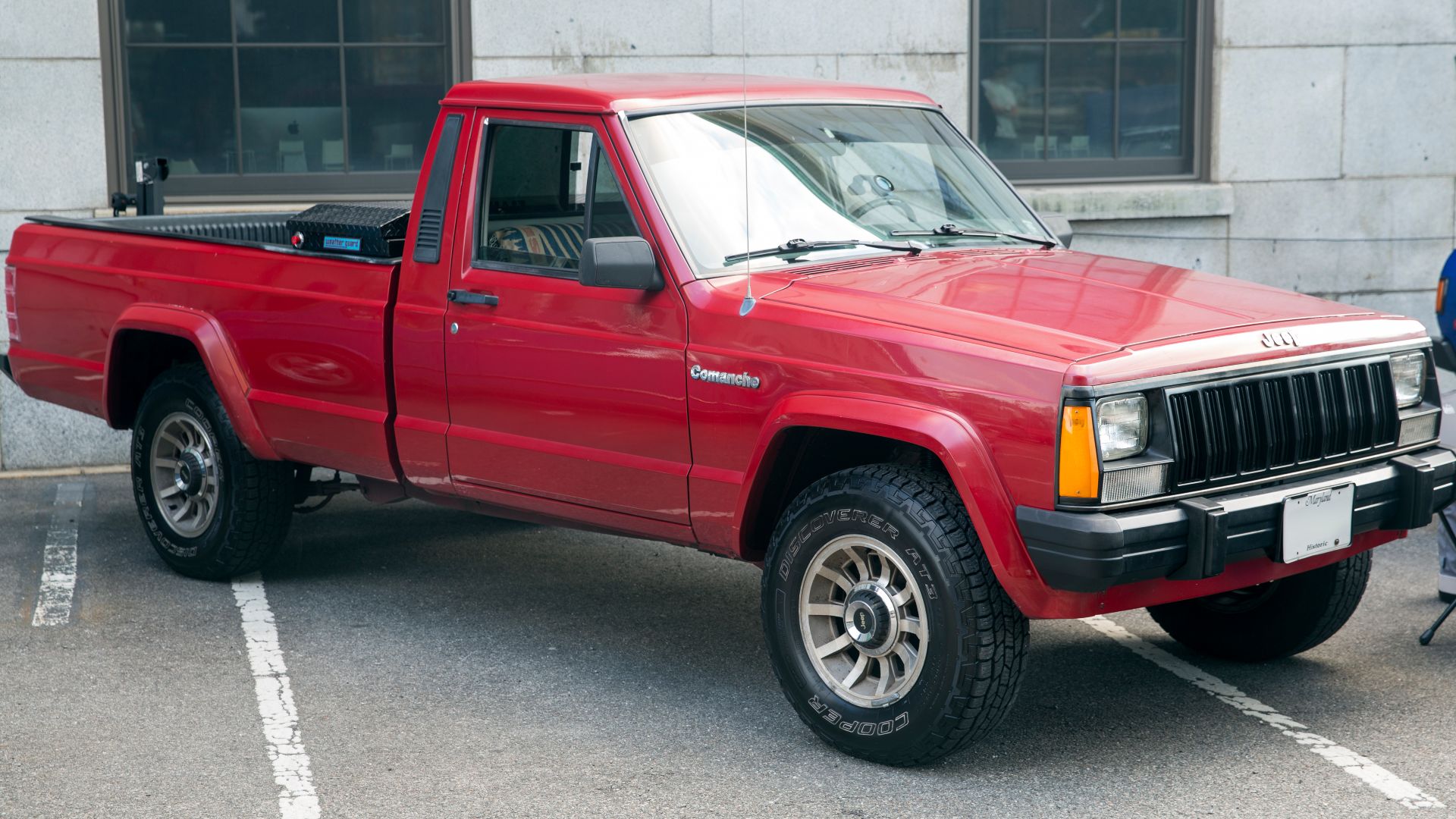 Mr.choppers, Wikimedia Commons
Studebaker Champ (1960–1964)
Studebaker grafted a modern cab onto old truck frames to save cash. The clever shoestring engineering couldn’t save the company. Weak budgets, stronger rivals, and thin dealer networks doomed the Champ—and soon, Studebaker’s U.S. operations.
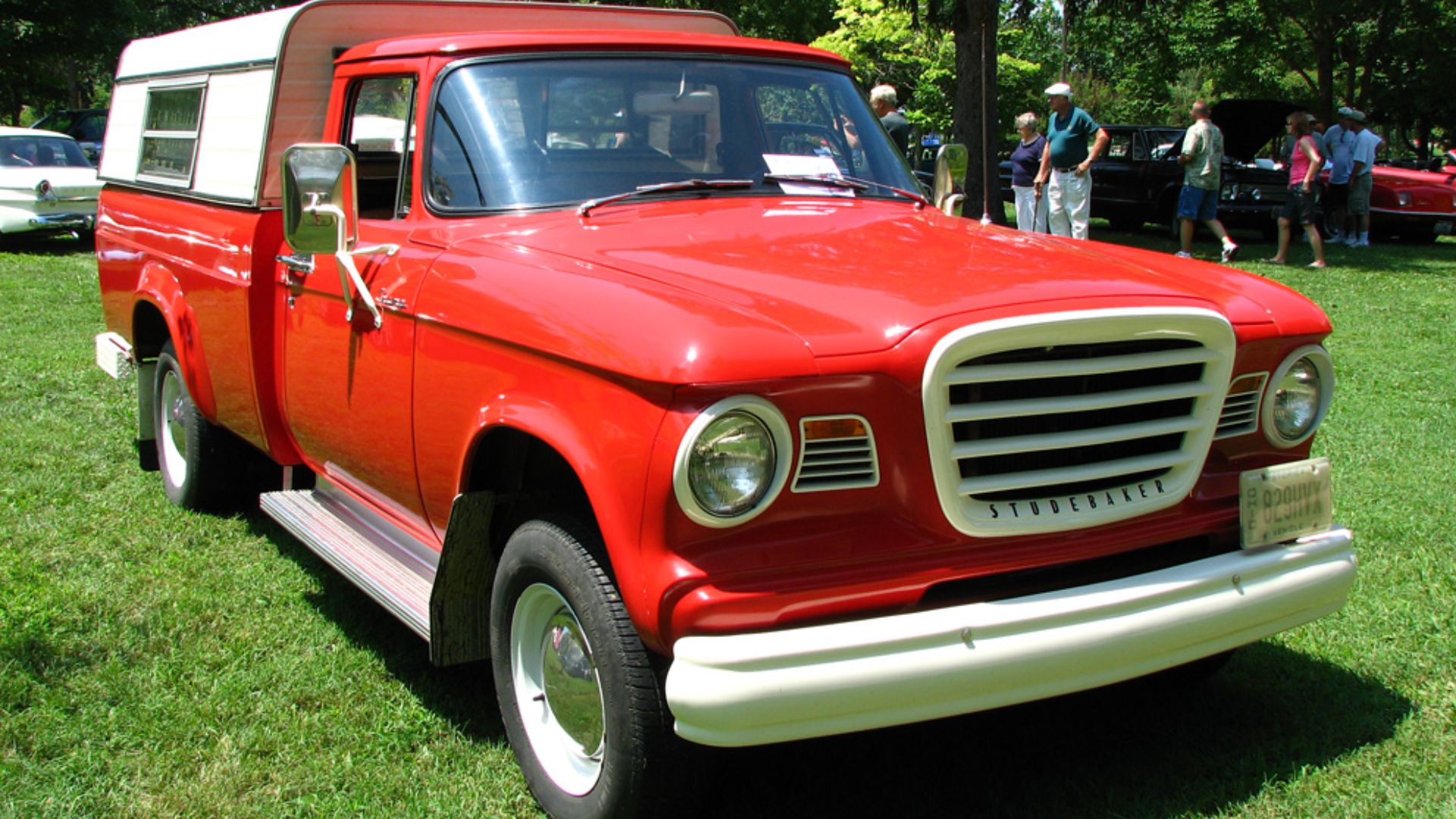 Don O'Brien, Wikimedia Commons
International Harvester Light Line Pickups (’60s–1975)
IH built tough, honest pickups—but emissions costs, safety rules, and a brutal price war with the Big Three bled profits. IH exited consumer pickups after 1975, ceding a chunk of heritage—and future loyalty—to rivals.
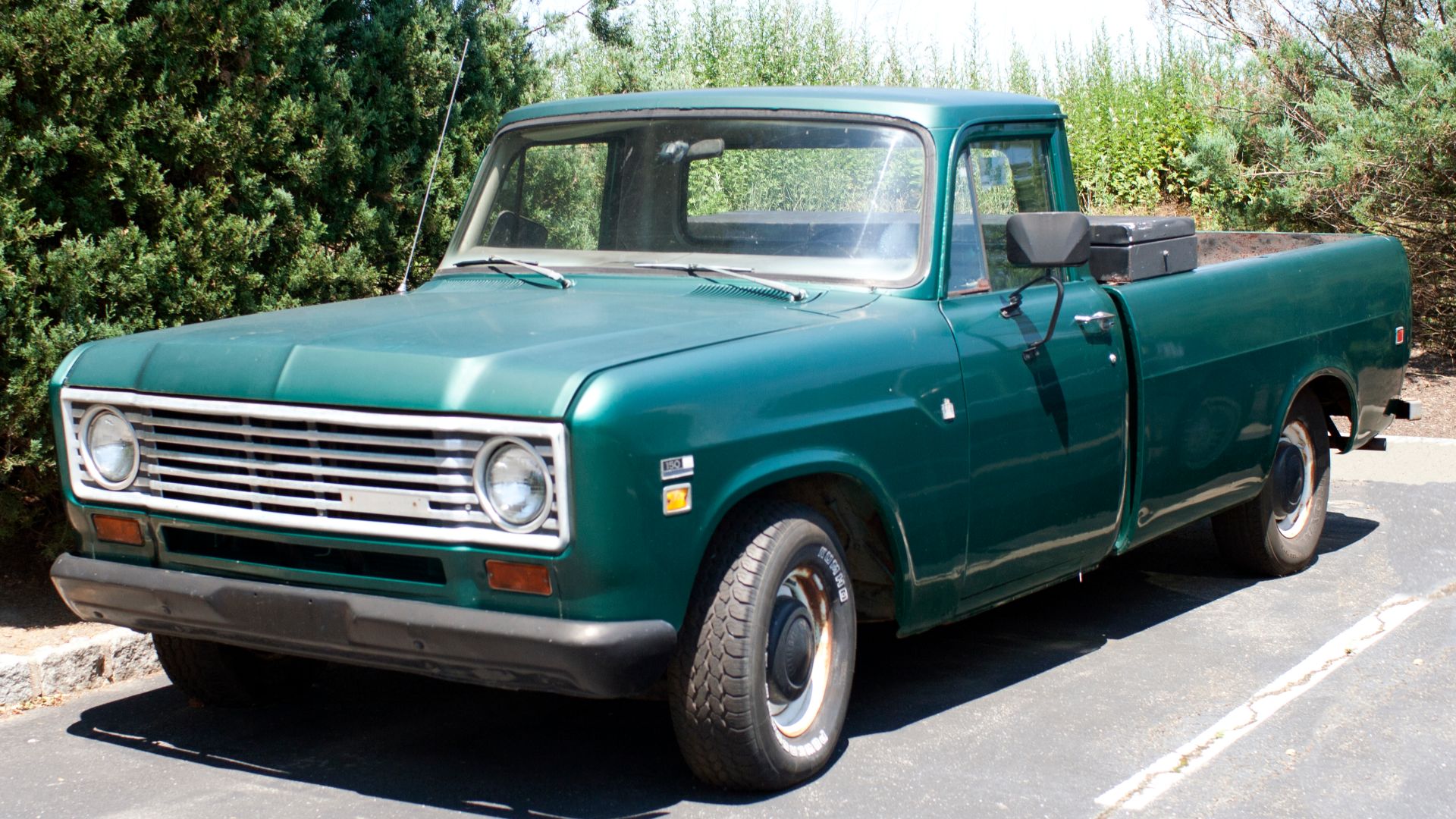 Mr.choppers, Wikimedia Commons
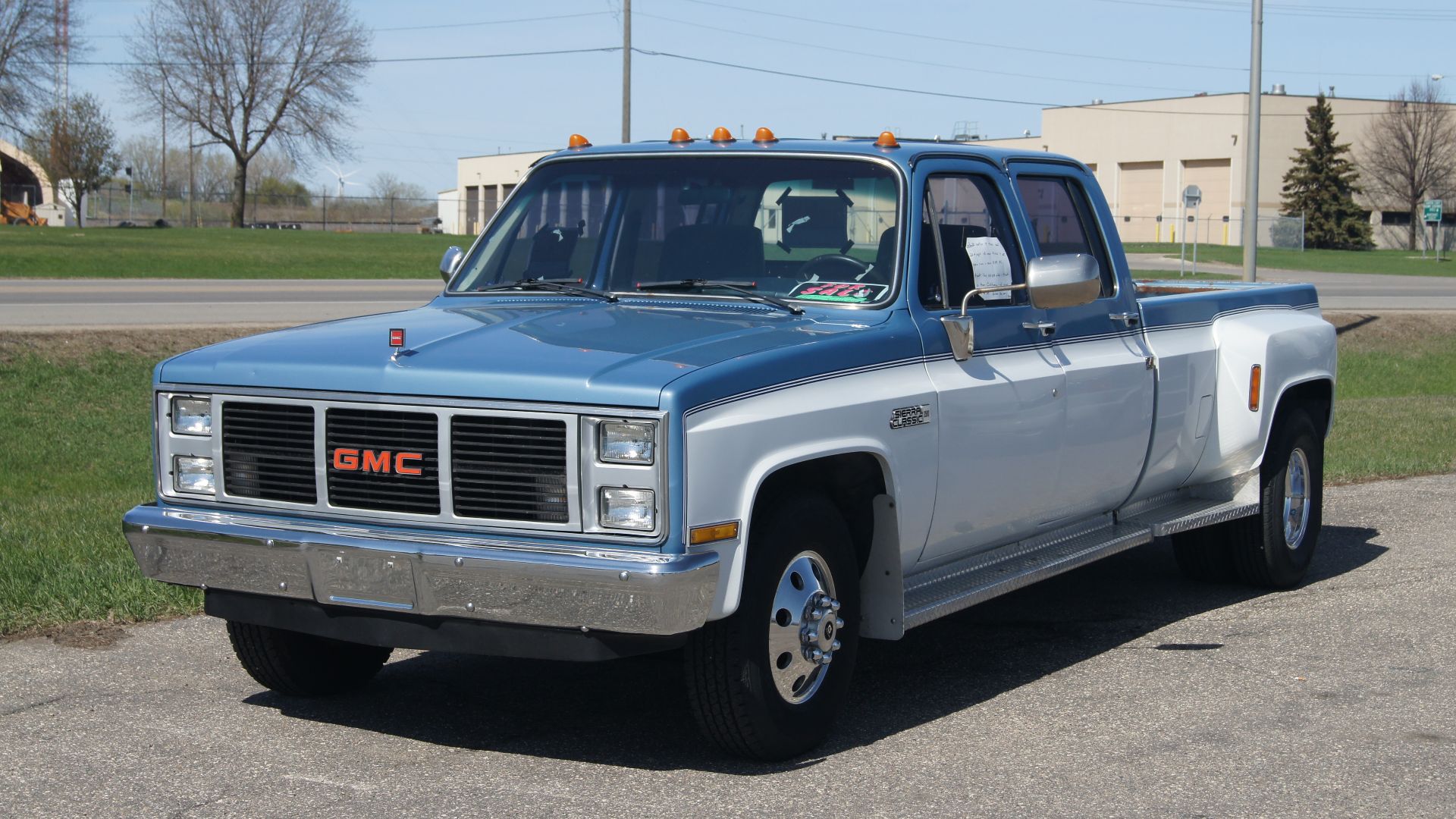
GM “Side-Saddle” Fuel Tank Controversy (1973–1987 C/K)
Mounting fuel tanks outside the frame rails saved packaging space and cost but sparked decades of lawsuits and bad press. Even a TV exposé fiasco didn’t undo the reputational damage. The accounting win became a PR millstone.
 Greg Gjerdingen from Willmar, USA, Wikimedia Commons
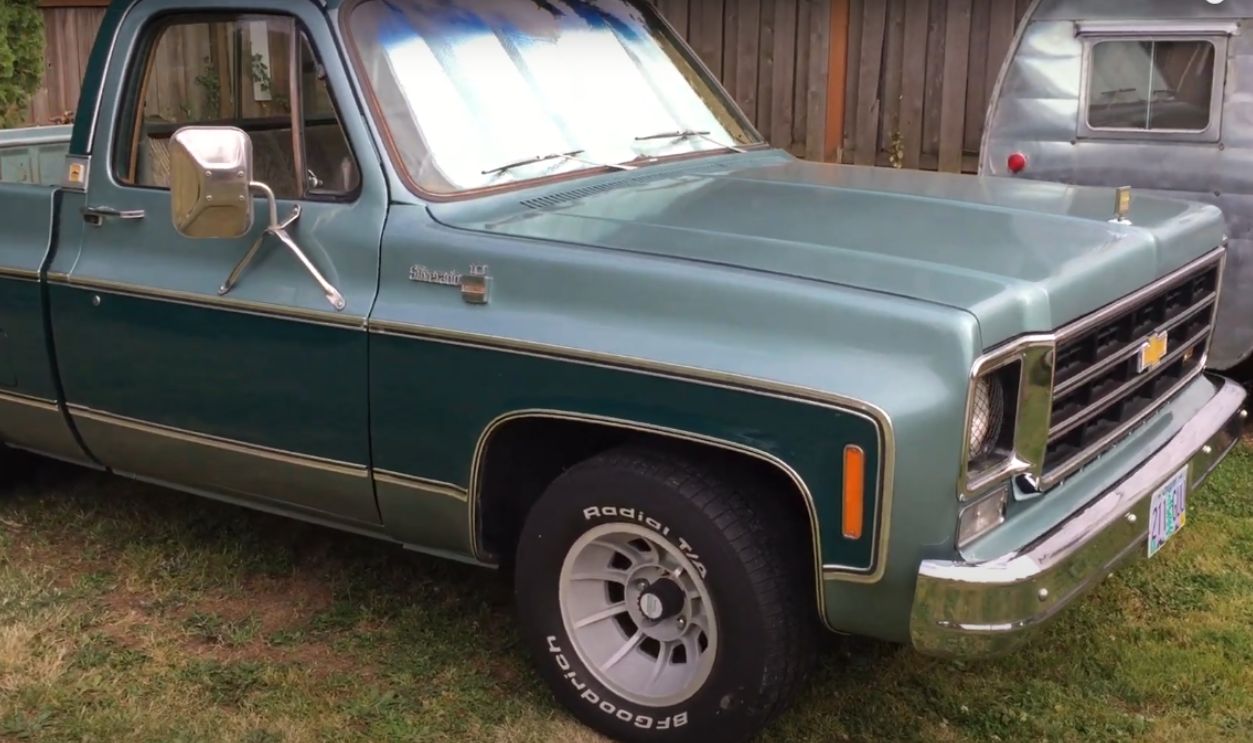
GM 5.7-L Oldsmobile Diesel in Pickups (Late ’70s–Early ’80s)
Born from a converted gasoline architecture, the light-duty 350 diesel promised high mpg during the oil shocks—and delivered fragile head bolts, fuel-system woes, and warranty carnage. It poisoned U.S. diesel perceptions for years.
 Olds 5.7 Diesel Truck, Always Another Project
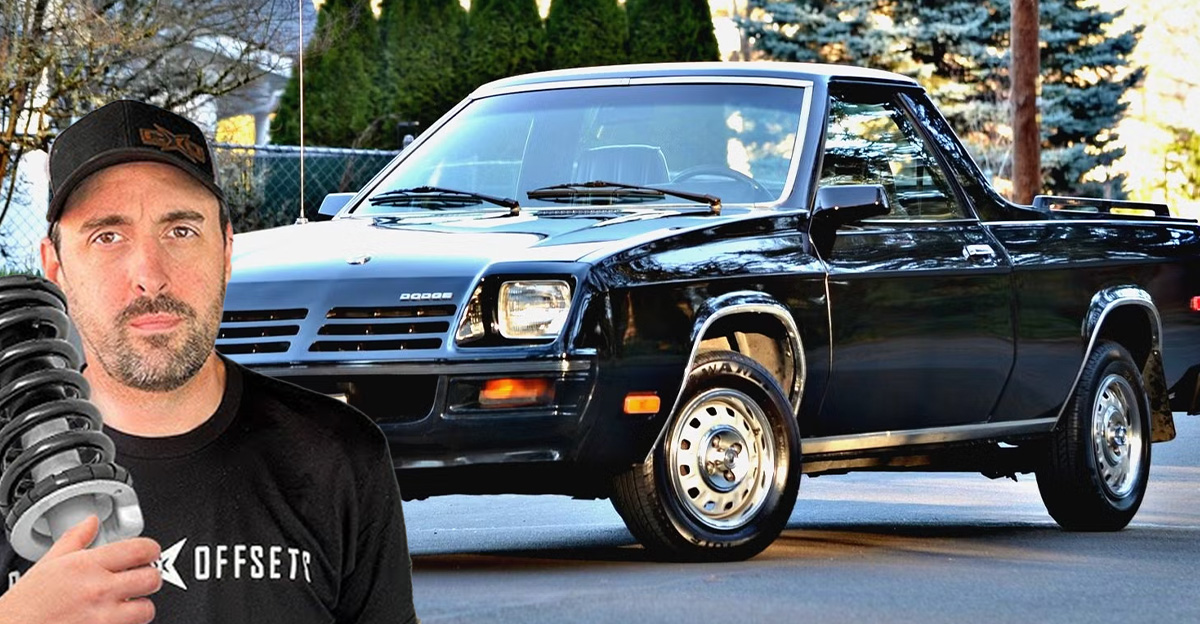
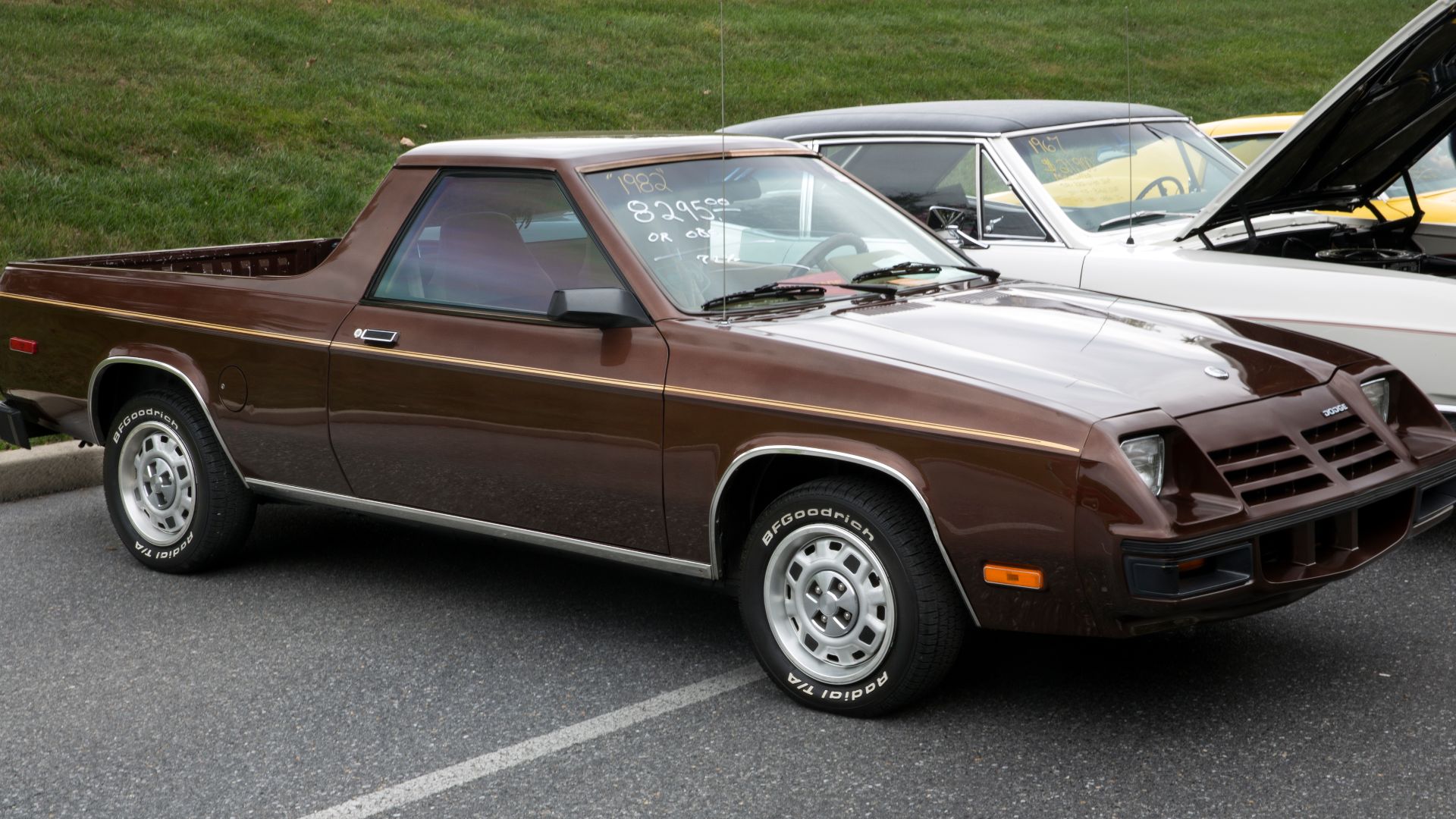
Dodge Rampage (1982–1984)
A front-drive, car-based hauler sounded perfect for a frugal era—until buyers realized it hauled less than a small truck and lacked the charm (and aftermarket) of mini-trucks. Sales fizzled; Plymouth’s Scamp twin did even worse.
 Mr.choppers, Wikimedia Commons
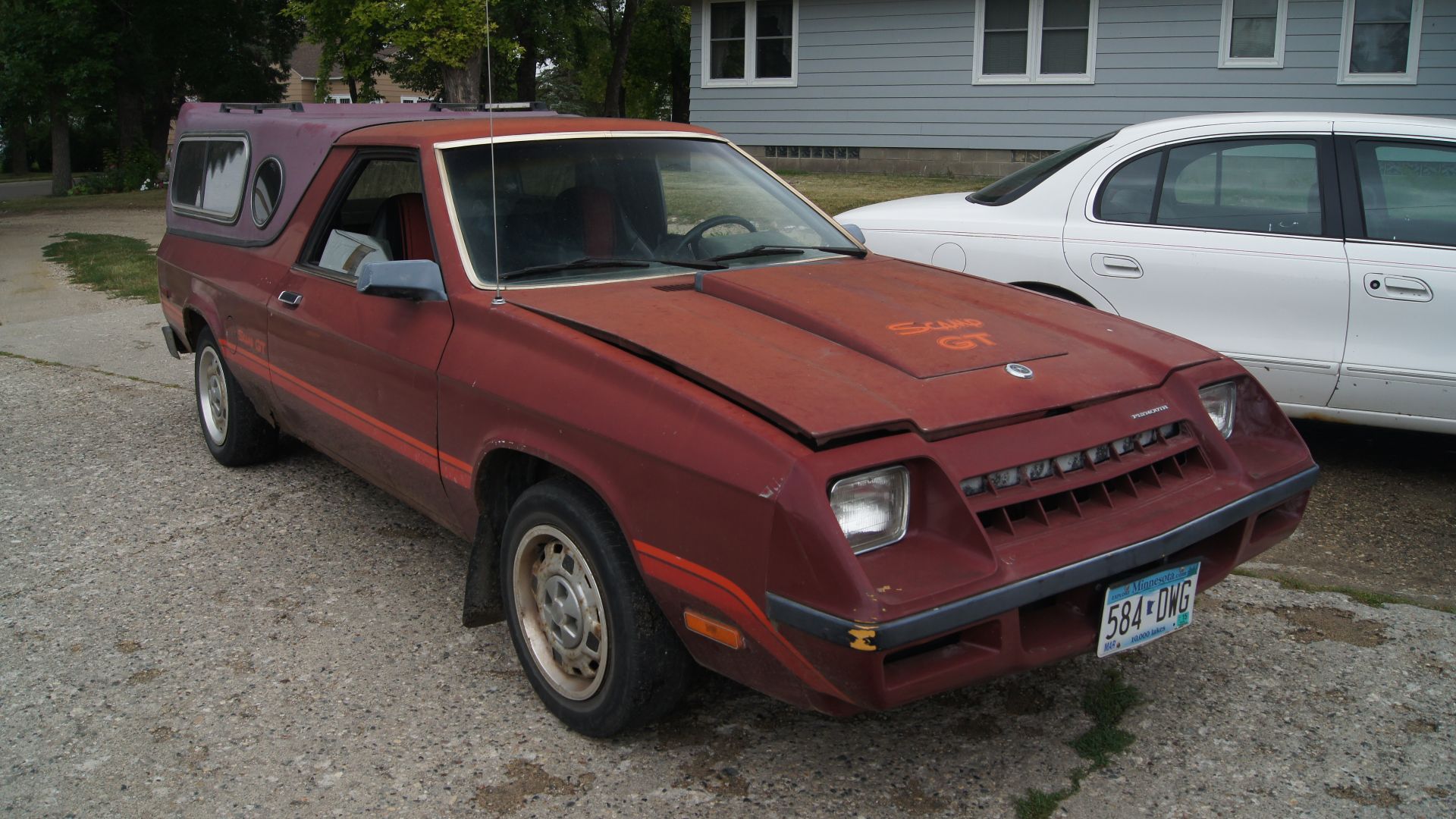
Plymouth Scamp Pickup (1983)
Rebadged Rampage, smaller volumes, bigger problem. Plymouth dealers had little luck pitching a niche ute with shrinking appeal. It vanished after a single model year.
 Greg Gjerdingen from Willmar, USA, Wikimedia Commons
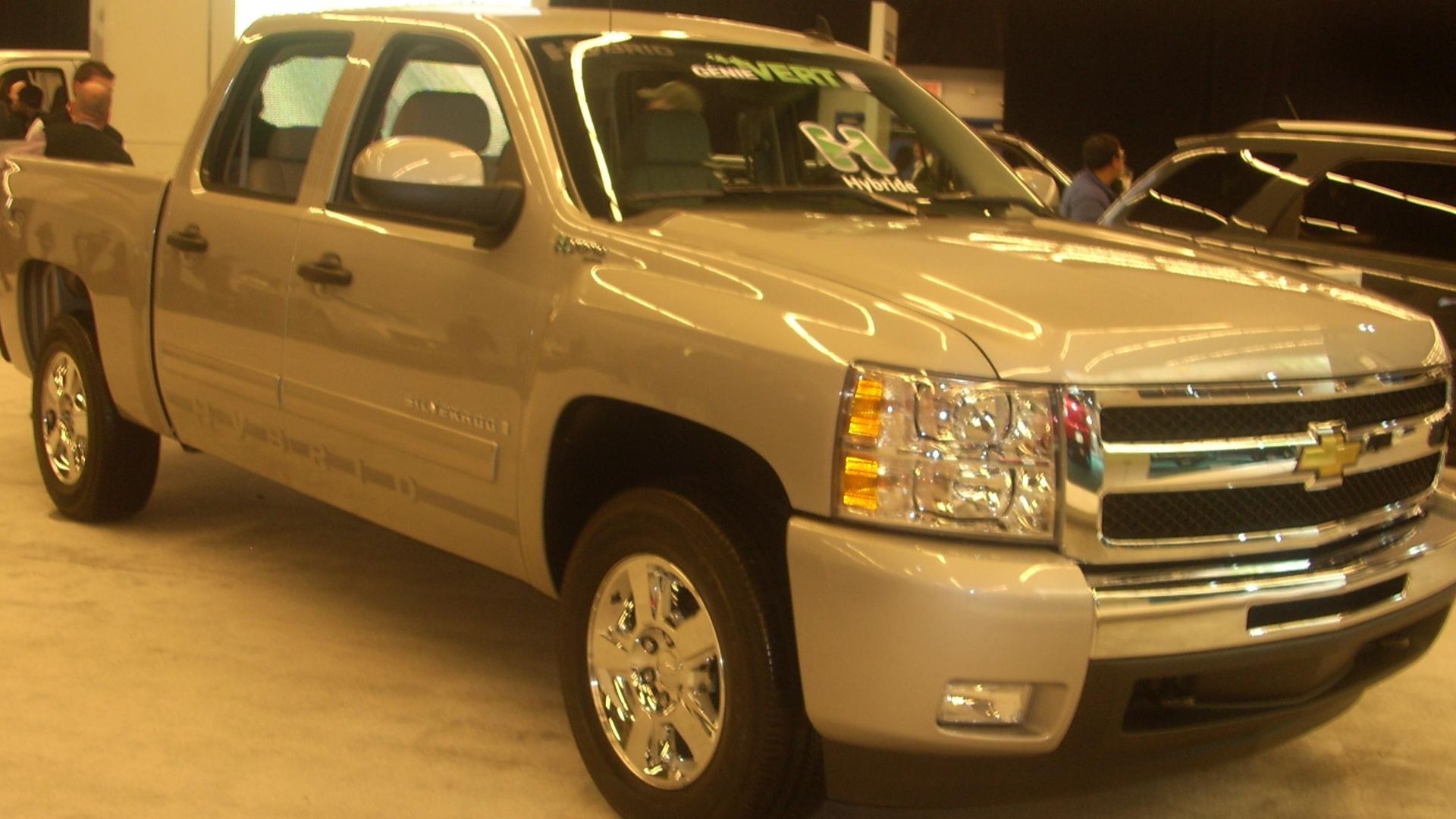
Chevrolet Silverado Hybrid (2004–2007, “Mild Hybrid”)
GM’s first “hybrid” pickup gave owners a 120-volt worksite outlet—and almost no real-world mpg gains. The tech previewed future ideas, but the value case flopped. Shoppers shrugged and stuck with conventional V8s.
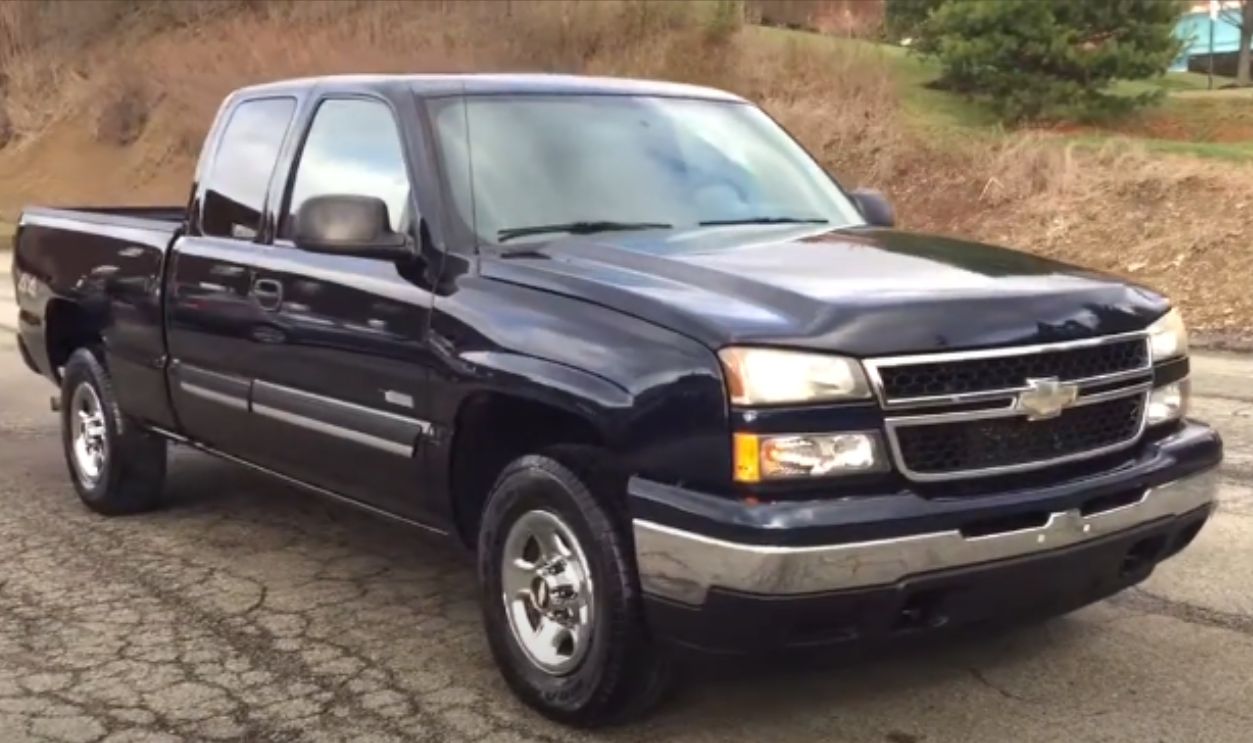 2007 Chevrolet Silverado 1500 Hybrid For Sale, lwautomotive
Quadrasteer-Equipped GM Pickups (2002–2005)
Four-wheel steering made big trucks park like compacts and tow like champs. But the option cost thousands, added complexity, and spooked resale. Brilliant engineering, brutal take-rate—killed not by function, but by finance.
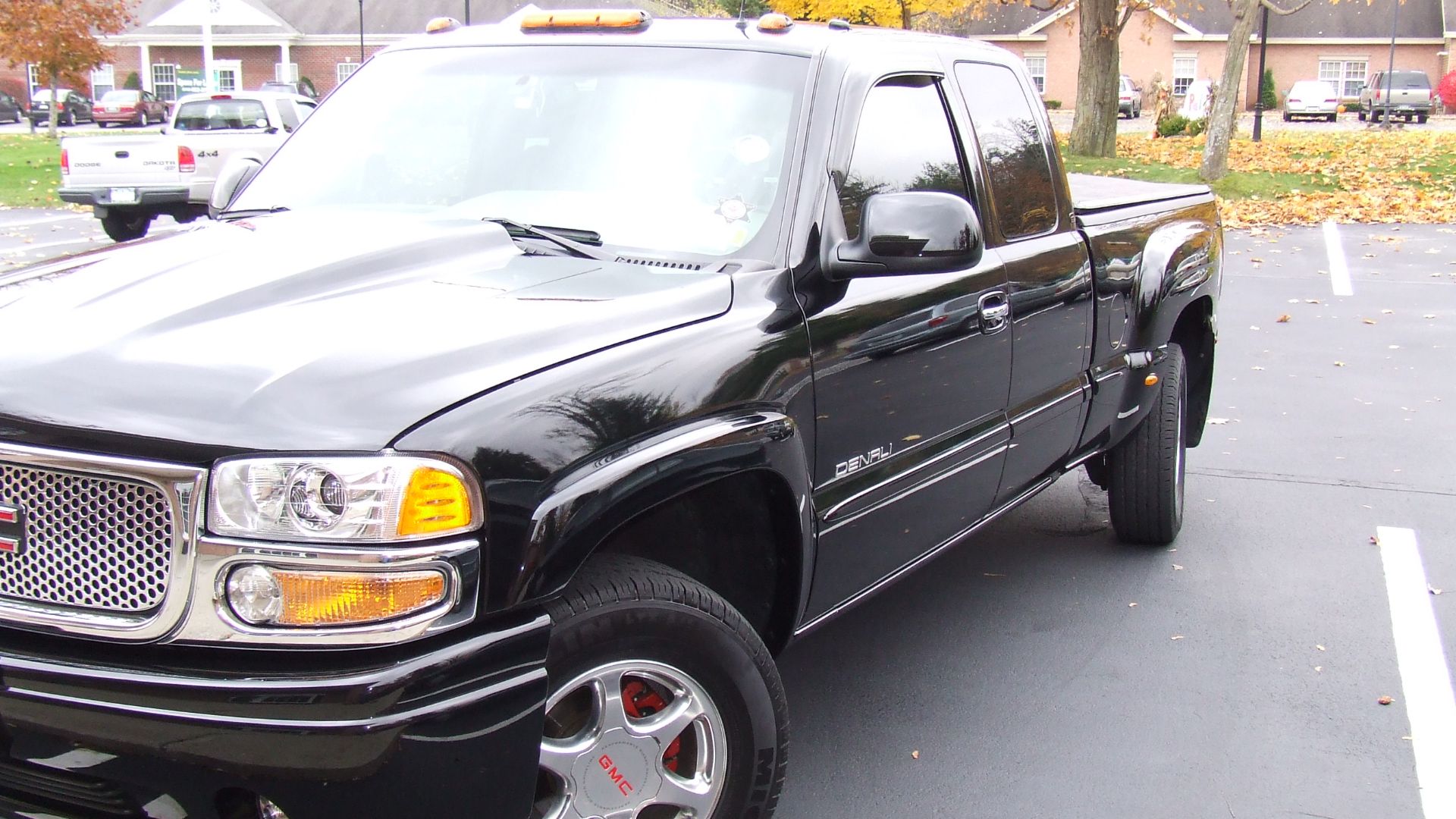
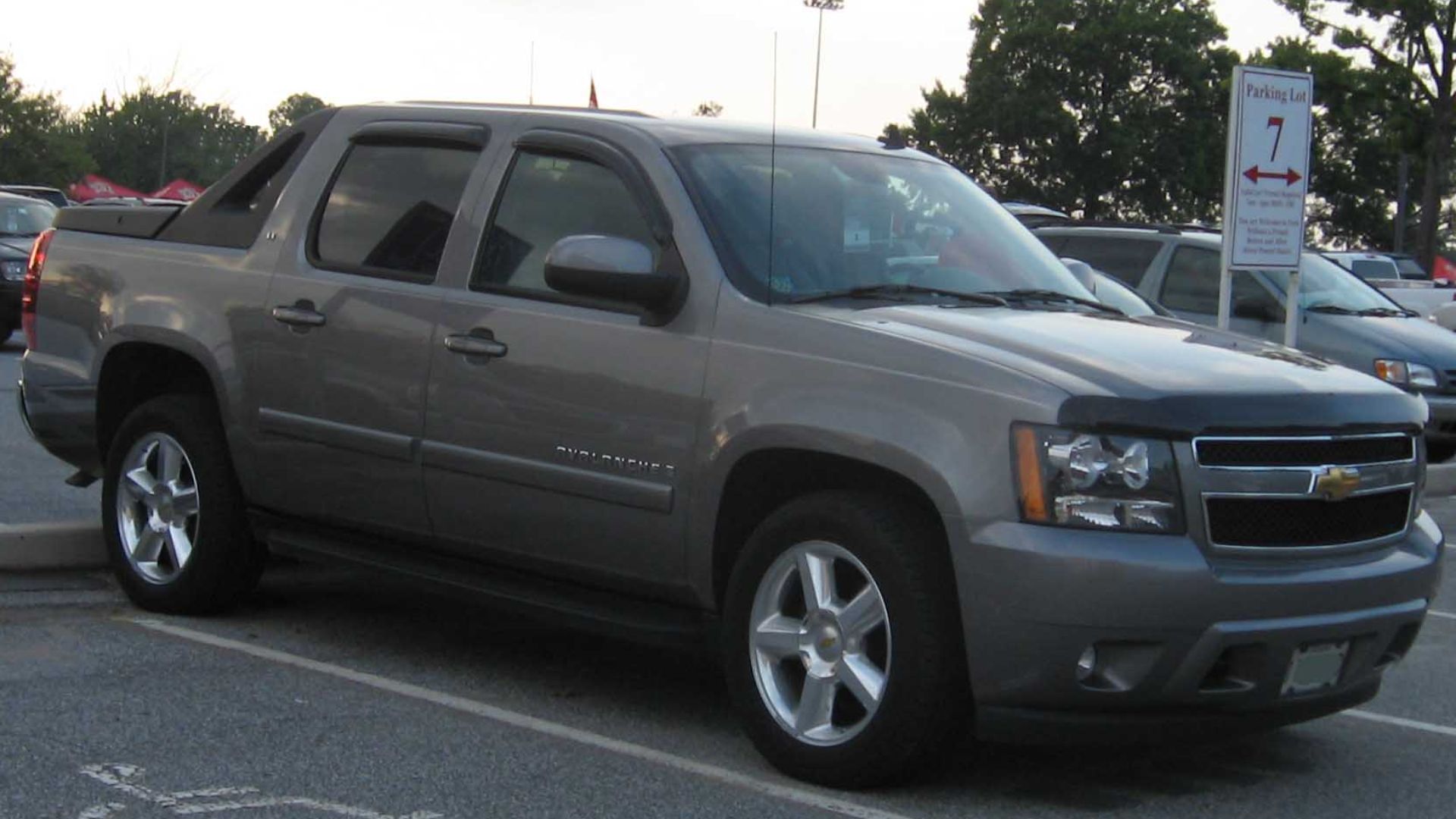
Chevrolet SSR’s Spiritual Cousin: Cadillac Escalade EXT (2002–2013)
More practical than the SSR and initially hot, the luxury ute still solved a tiny problem at a massive price. As luxury crossovers surged, the EXT’s sales withered, reminding GM that “niche plus expensive” ages fast.
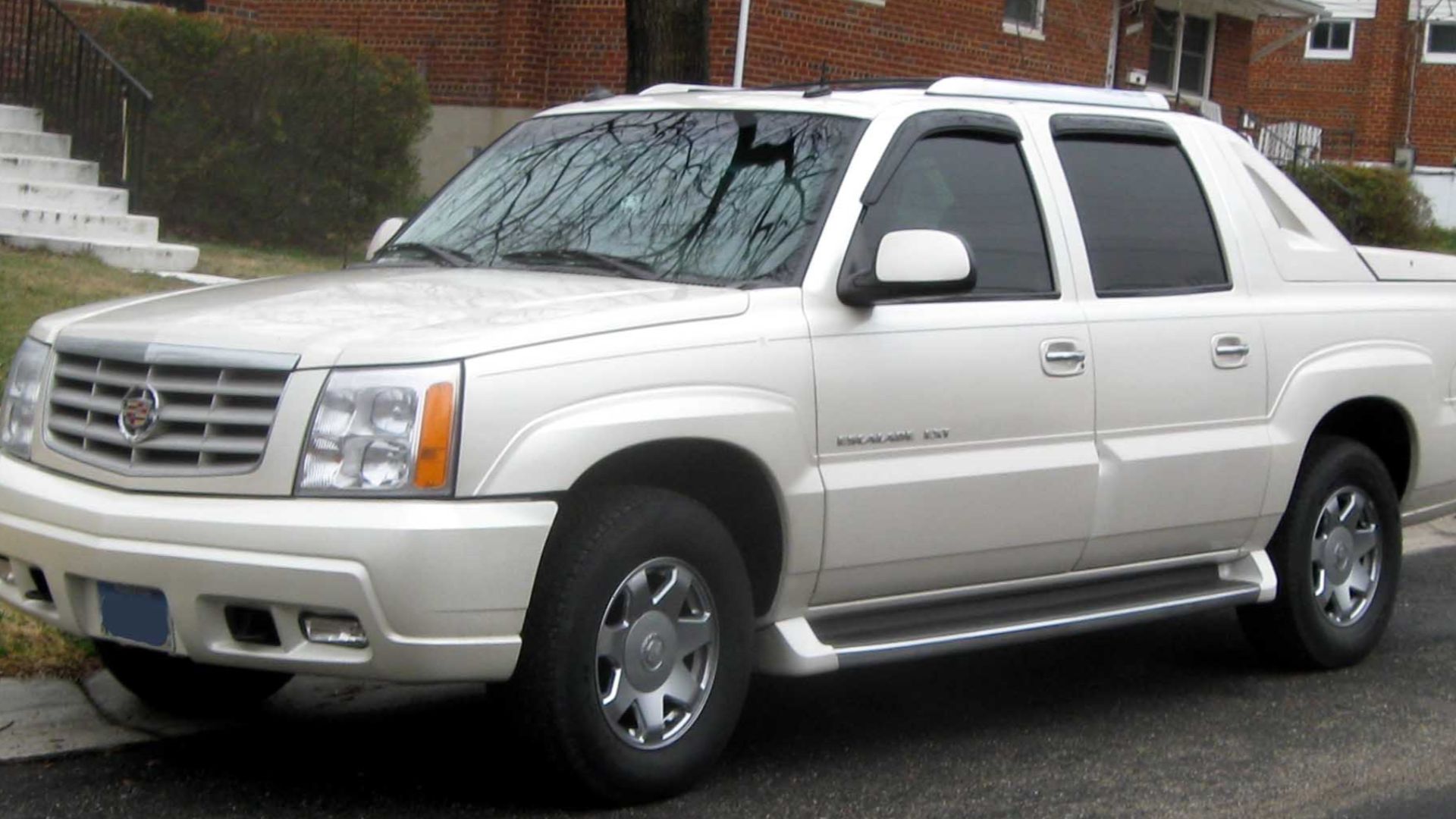
Ford F-150 5.4-L 3-Valve Triton (2004–2008)
Spark-plug blowouts (or plugs stuck in heads), cam-phaser racket, and timing issues turned a bread-and-butter V8 into a warranty headache. The F-150 soldiered on because the truck was great; the engine, less so.
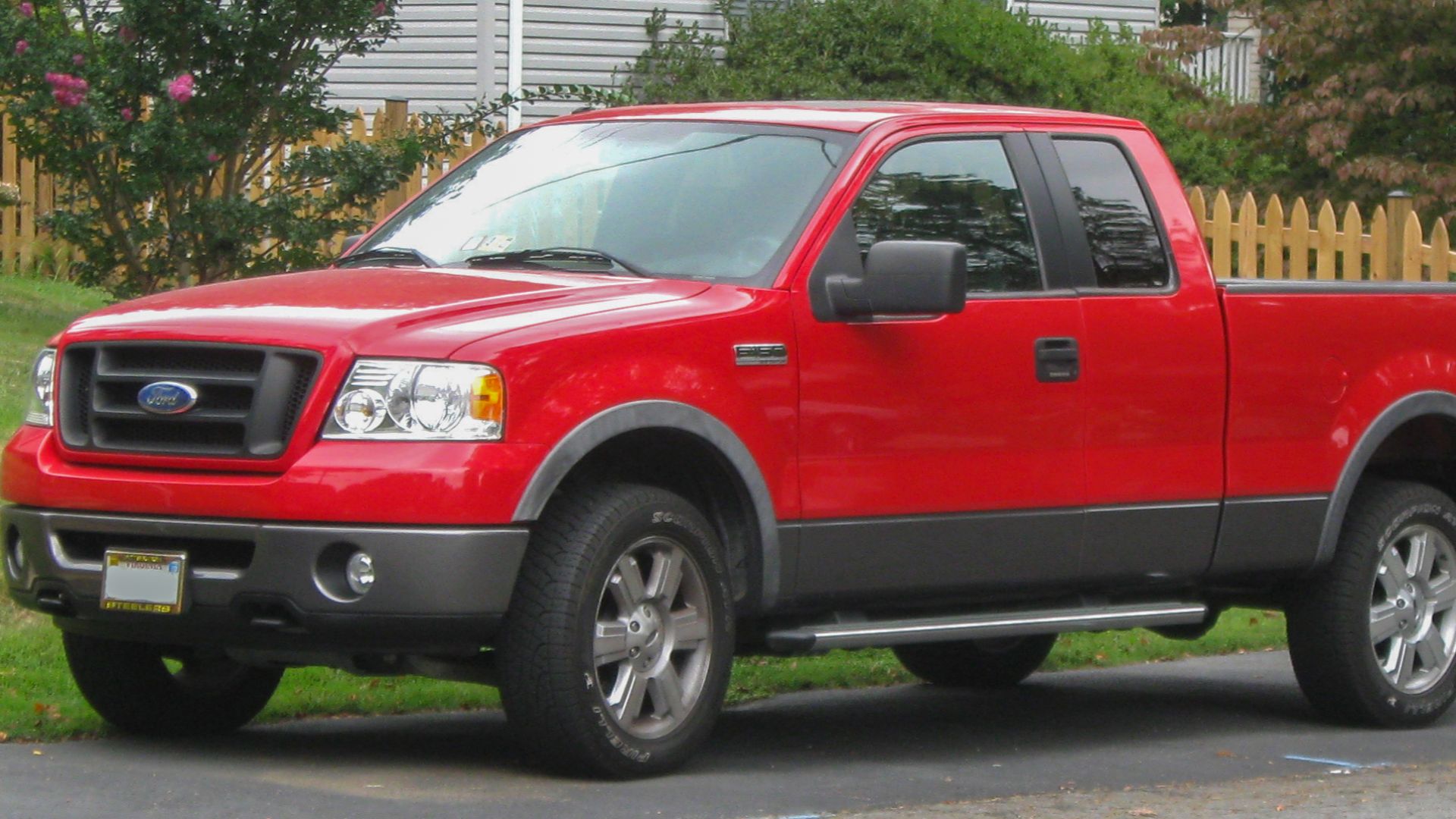
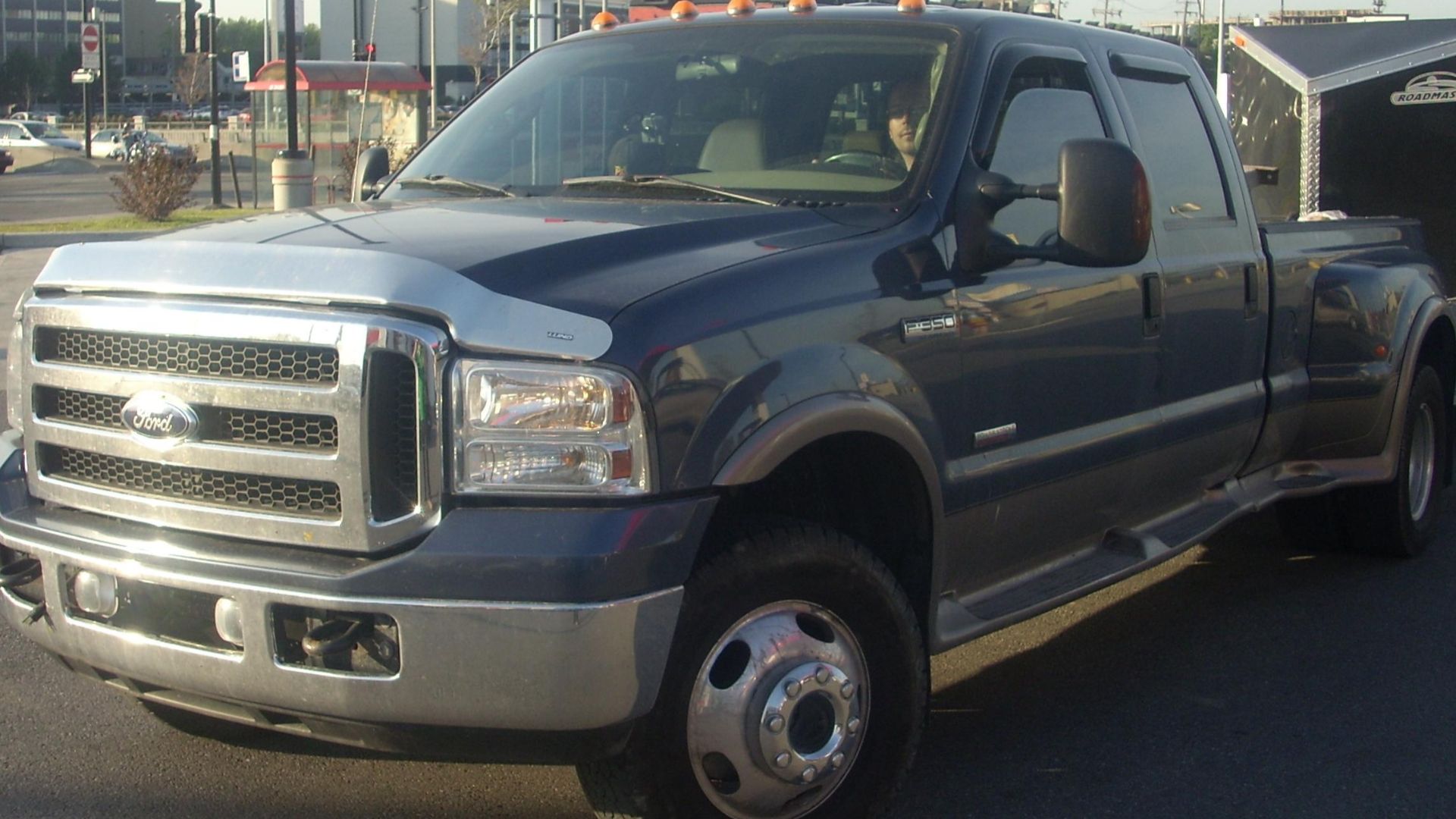
Ford Super Duty 6.0-L Power Stroke (2003–2007)
On paper: power and emissions compliance. In practice: EGR coolers, head gaskets, injectors, and reflashes galore—plus lawsuits and bruised relationships with commercial fleets. Many owners eventually “bulletproofed” them at their own expense.
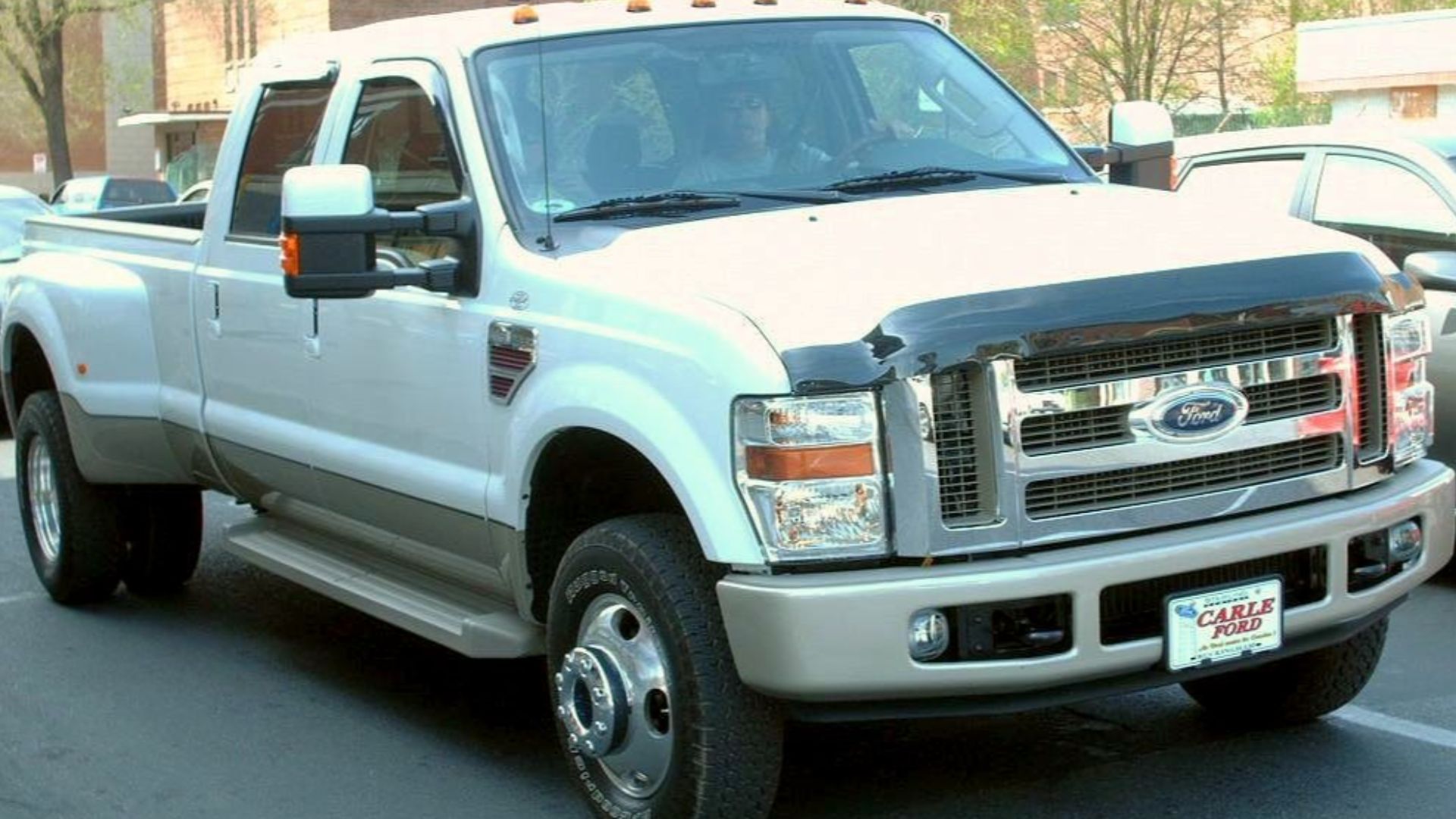
Ford Super Duty 6.4-L Power Stroke (2008–2010)
Quieter and stronger—but thirsty, heavy, and complex. Fuel dilution and regen complaints kept warranty coffers busy. Ford’s in-house 6.7 would finally calm the waters, but the 6.4 era was an expensive bridge to get there.
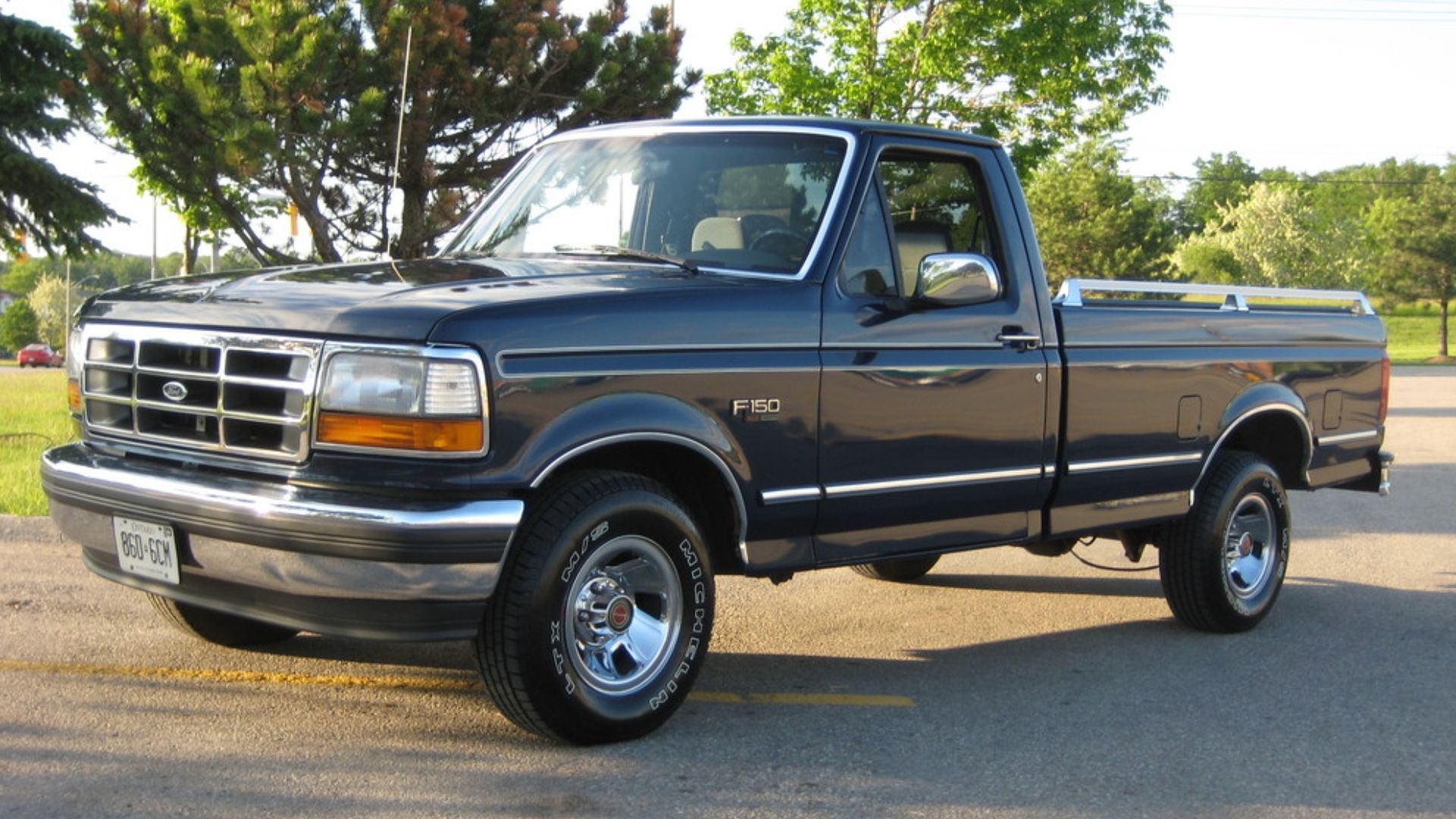
Ford Cruise-Control Fire Recalls (1990s–2000s F-Series)
A tiny deactivation switch could short and start under-hood fires—even parked. The fix was simple; the headlines weren’t. Recalls spanning millions of trucks dinged Ford’s vaunted F-Series halo.
 Henry.hilliard, Wikimedia Commons
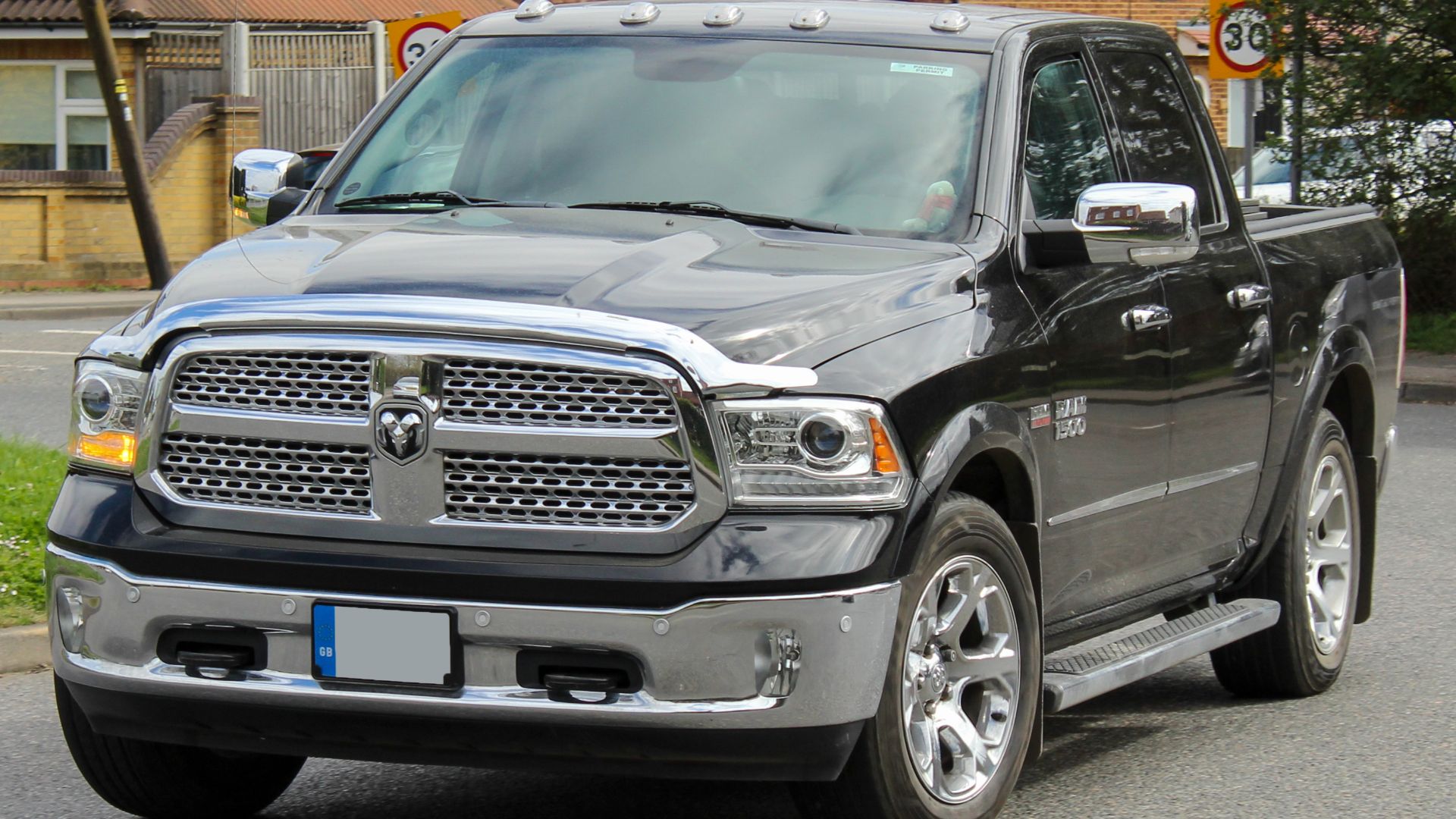
Ram 1500 EcoDiesel Emissions Scandal (2014–2016)
A compelling light-duty diesel pitch—torque and mpg—was kneecapped by emissions-compliance trouble that culminated in government action and settlements. Costly for the company; confusing for buyers who wanted diesel done right.
 Adam Weston, Wikimedia Commons
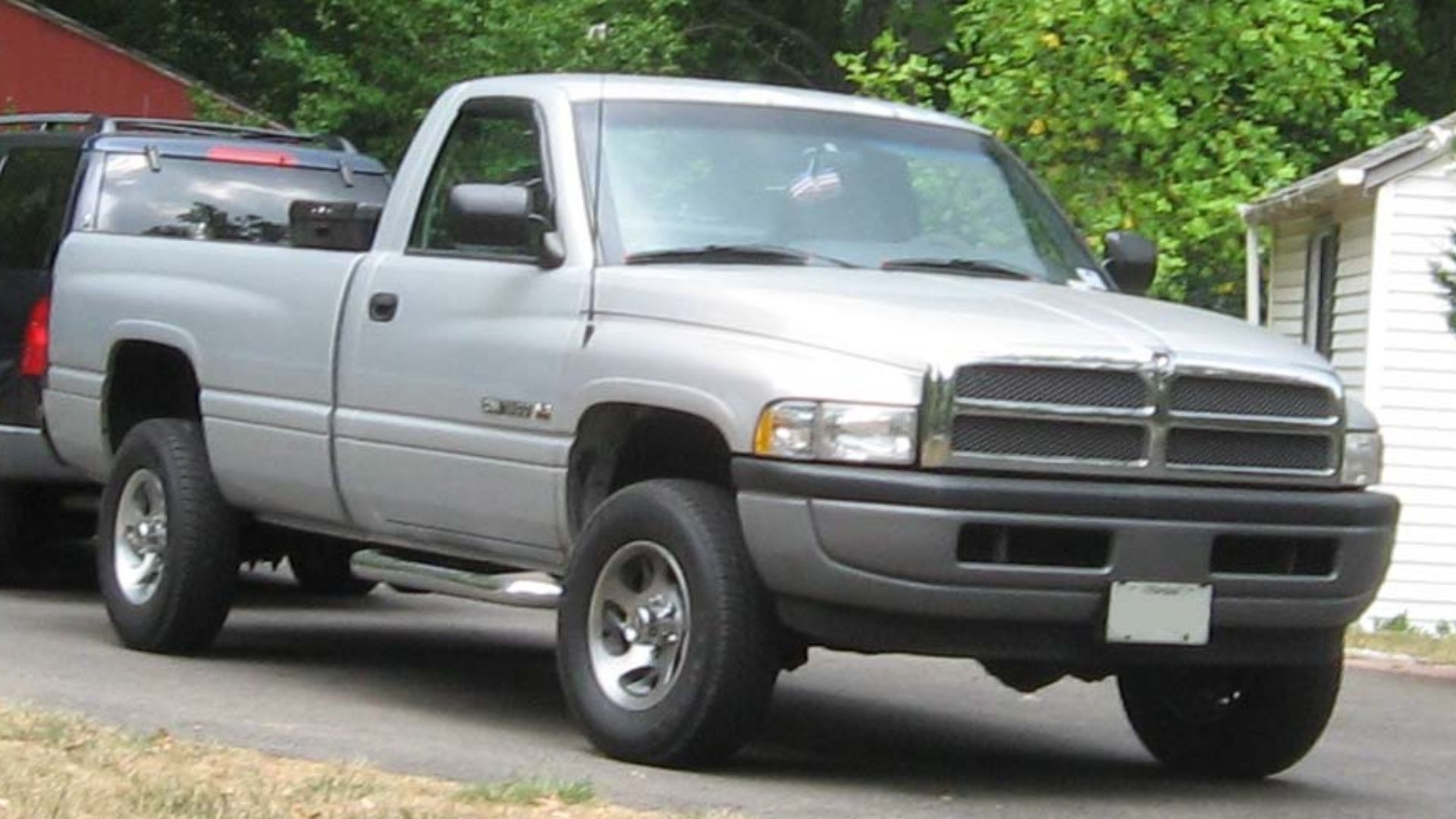
Dodge Ram Cracking Dashboards (1994–2001)
These Rams reinvented the full-size segment—but their interiors aged like sun-baked vinyl records. Shattered dashes didn’t strand owners, but they did dent brand perception and resale, an image problem that outlived the generation.
GM 5.3-L AFM Oil-Consumption Woes (2007–2014)
Active Fuel Management sounded smart; in practice, some engines drank oil, fouled plugs, and triggered warranty work. Class-action attention followed. The tech evolved, but the first rounds left scars.
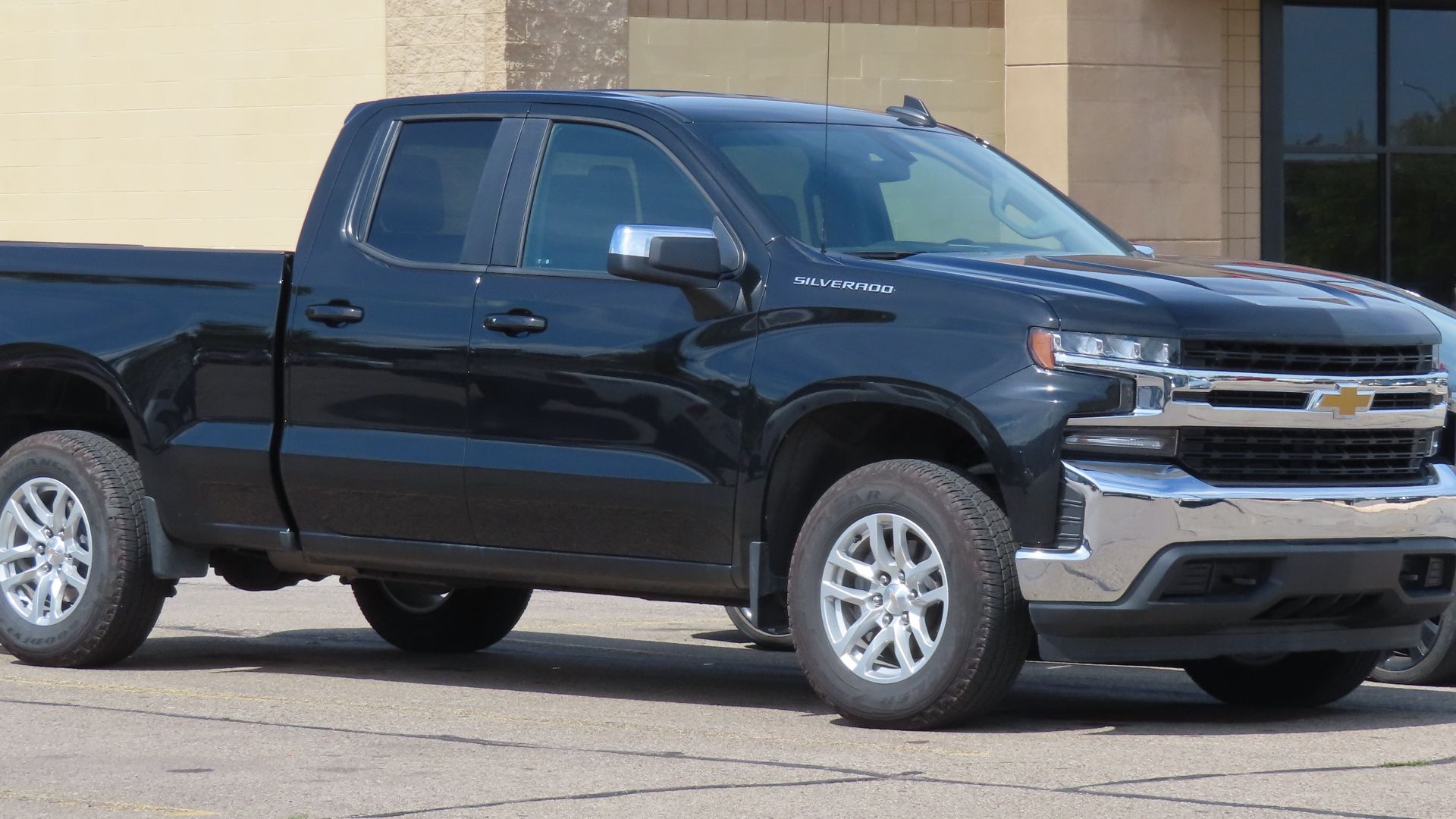
GM 8-Speed Automatic “Shudder” (2015–2018)
The 8L90/8L45 brought better ratios—and a torque-converter shudder that some owners chased for years via flushes and updates. Not every truck suffered, but the ones that did became ambassadorships for buyer frustration.
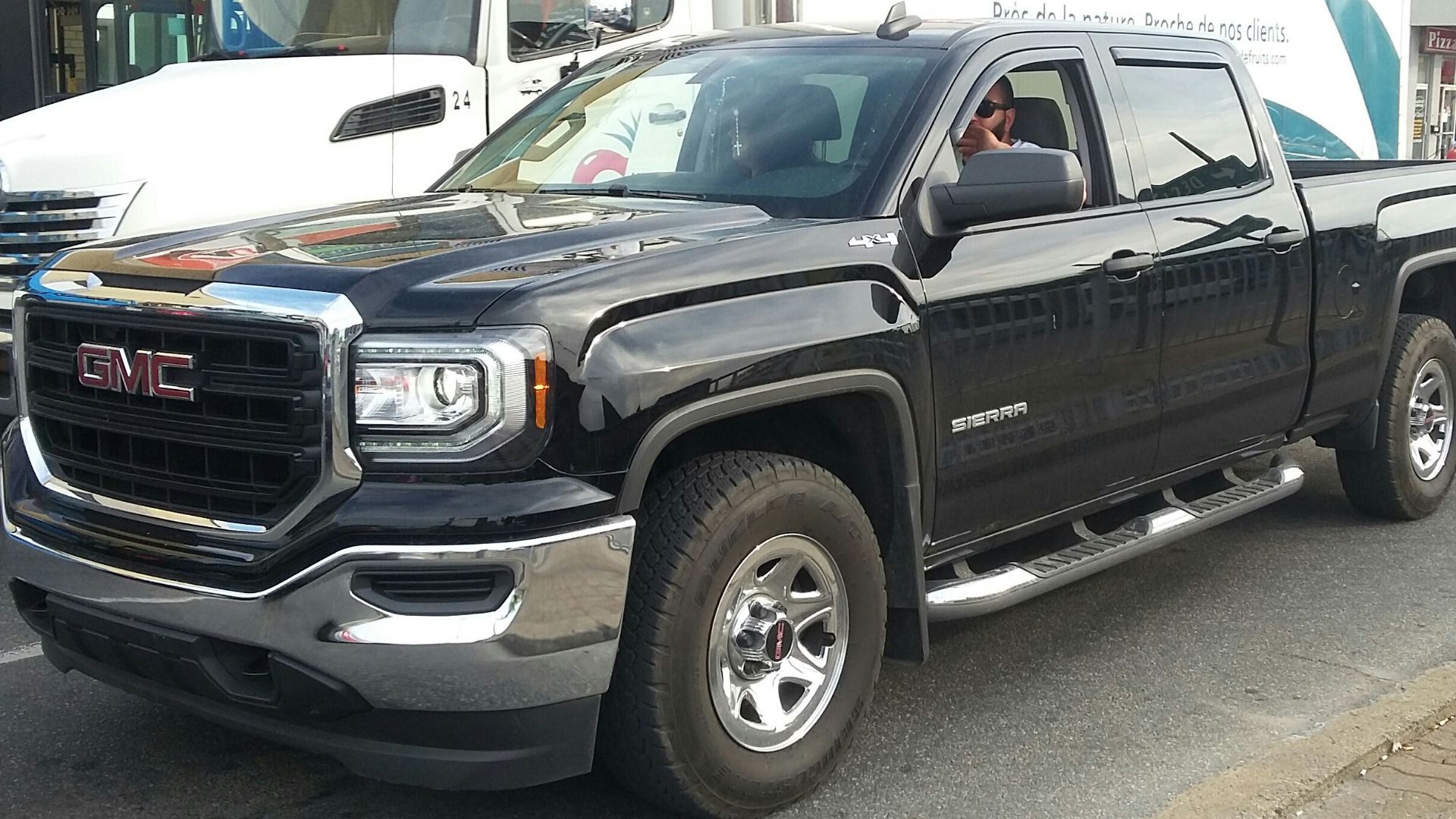
GM AFM/DFM Lifter Failures (Circa 2021–2023)
A later wave of collapsed lifters in V8s with cylinder-deactivation tech triggered repairs, buybacks in some cases, and fresh skepticism about fuel-saving tricks that add moving parts but not peace of mind.
 MercurySable99, Wikimedia Commons
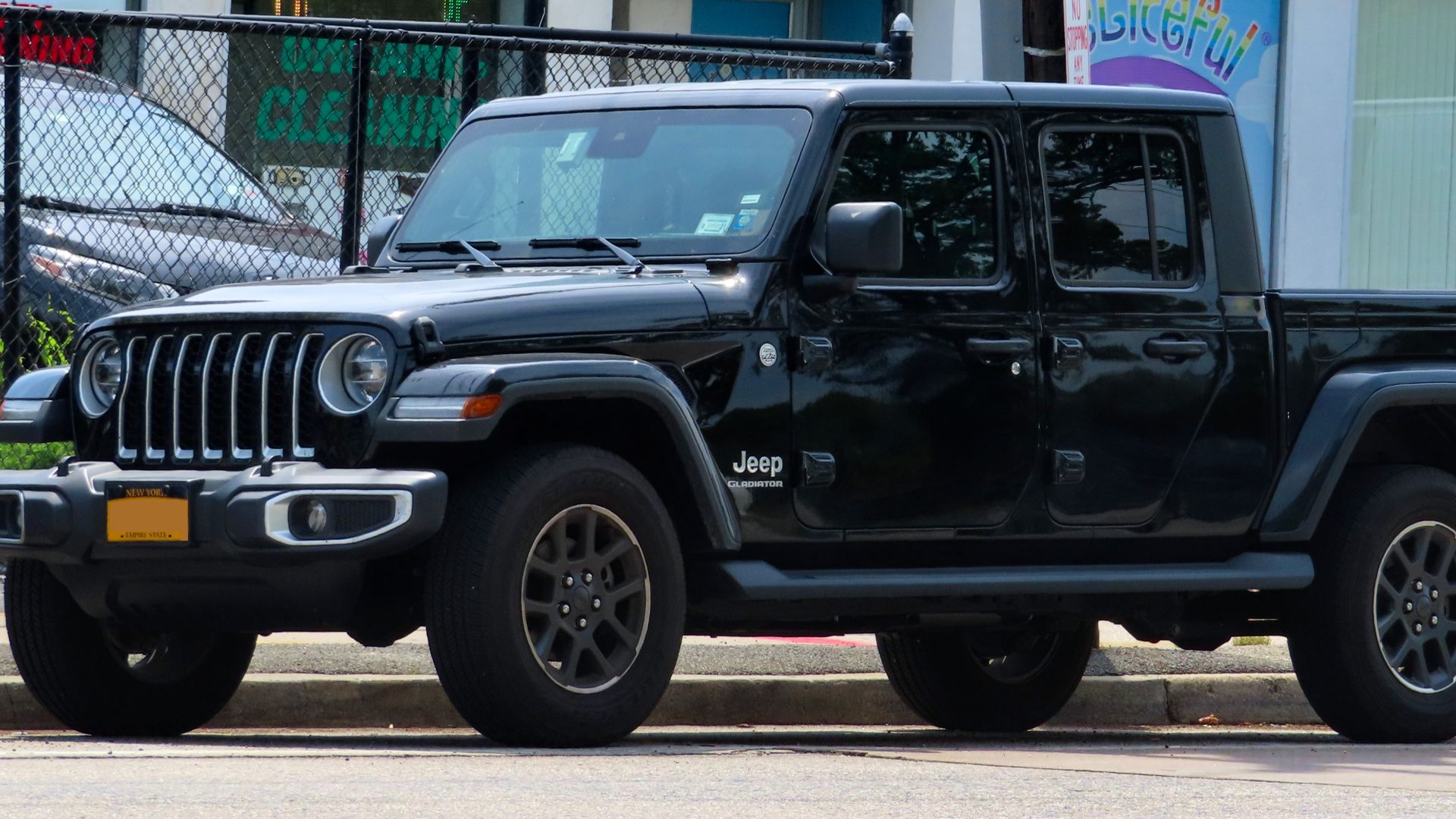
First-Run Jeep Gladiator Clutch Recall (2020 Manuals)
A promising midsize truck had an early-run manual-clutch component at risk of overheating and, in rare cases, fire. The recall fix worked—but the launch-phase hiccup generated headlines a brand-new nameplate didn’t need.
Chevrolet Silverado Hybrid Redux: Misread Market (2009–2013 Two-Mode)
The sophisticated Two-Mode system delivered real efficiency gains when towing and in city cycles—but added weight, cost, and complexity the average truck buyer didn’t value. Fleets balked; consumers yawned.
Which Is Your Worst Pickup?
America builds the world’s best pickups—full stop. But even the best lineups carry chapters automakers would love to edit out. These 25 trucks didn’t fail for one reason; they failed for dozens: timing, tech, cost, culture, regulations, marketing, and plain old luck. The upside? Every fiasco leaves fingerprints on the next success. Today’s trucks are better—stronger, safer, more efficient—precisely because these missteps hurt so much at the time. That’s the merciless alchemy of progress.
You May Also Like:
The Dubai Crown Prince’s Off-Road Collection Is Pure Desert Royalty
The Most Iconic Movie Cars & Who Owns Them Today
The Most Reliable Car Brands To Drive In America In 2025