
Dangerous Drives
Plenty of once-beloved car features from the past would cause instant panic in today’s safety-obsessed world. What follows is a look at some of those eyebrow-raising choices—and oddly enough, without them, we probably wouldn’t be enjoying today’s much safer rides.

Lap Seatbelts
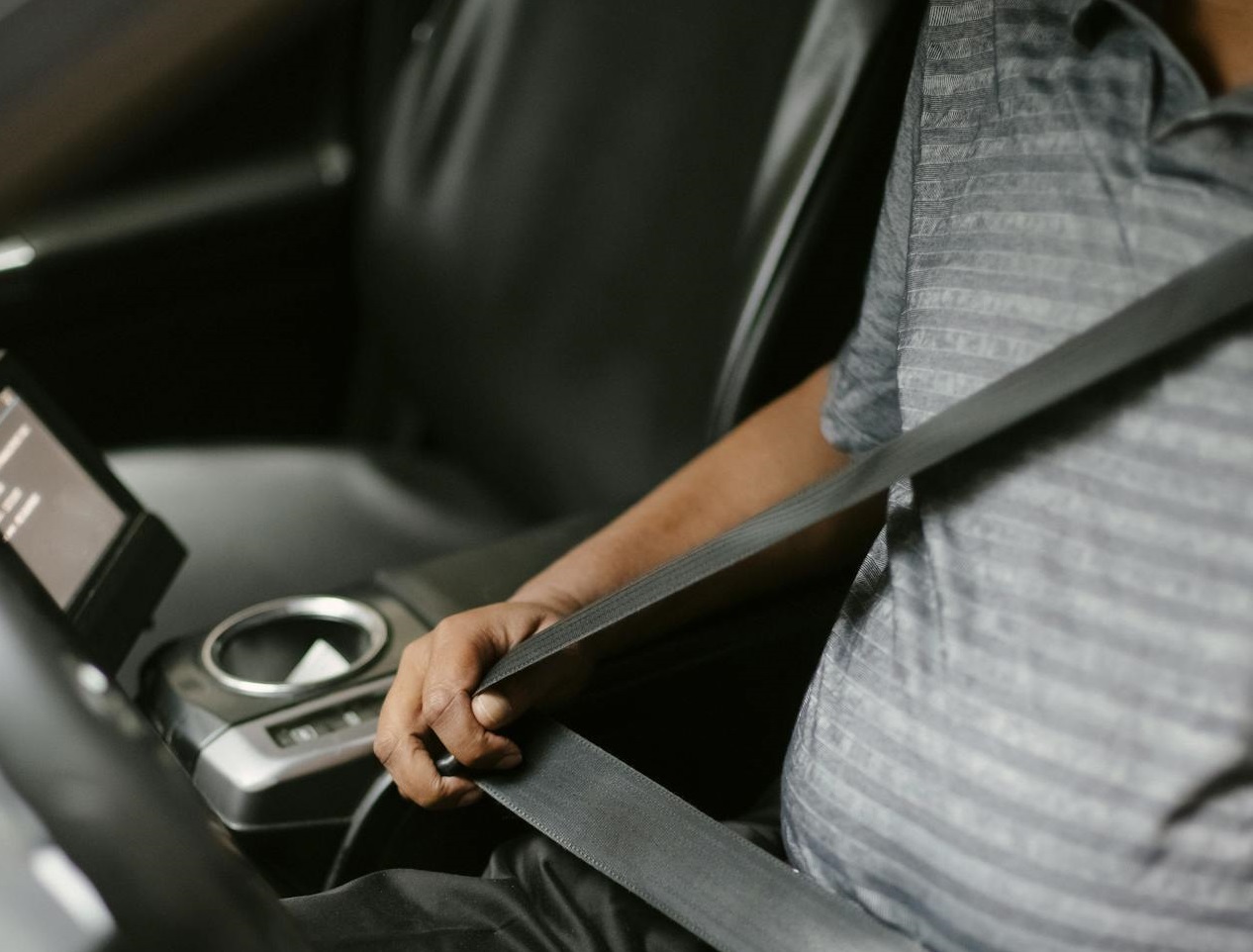
This might be new to you, but lap belts can lead to something called “seat belt syndrome”, which involves injuries like broken bones in the lower back and internal organs issues. Studies also show that the odds of lumbar spine fractures are higher for children using lap belts alone.

Lap Seatbelts (Cont.)
Unfortunately, lap-only seatbelts don’t really stop your upper body from moving if you get into an accident. Without a shoulder strap, you can still get thrown forward, which raises the chances of hitting your head on the dashboard or windshield and getting hurt.
Lap Seatbelts (Cont.)
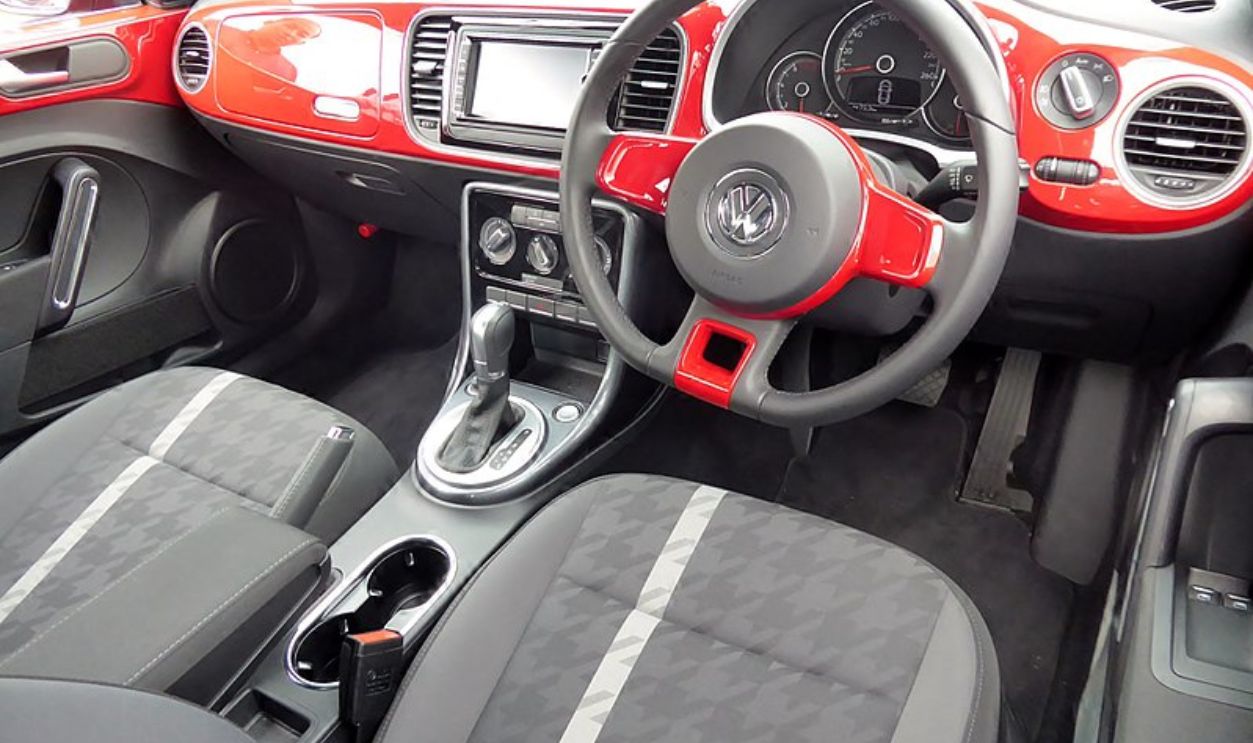
In the early Volkswagen Beetles models, lap seatbelts held you in at the waist, but they didn’t give you the extra upper body support like the three-point seatbelts we have today. It was by the 1960s that three-point seatbelts were introduced by Volvo and have since then become standard.
 Tokumeigakarinoaoshima, CC BY-SA 4.0, Wikimedia Commons
Ford Pinto’s Fuel Tank Design
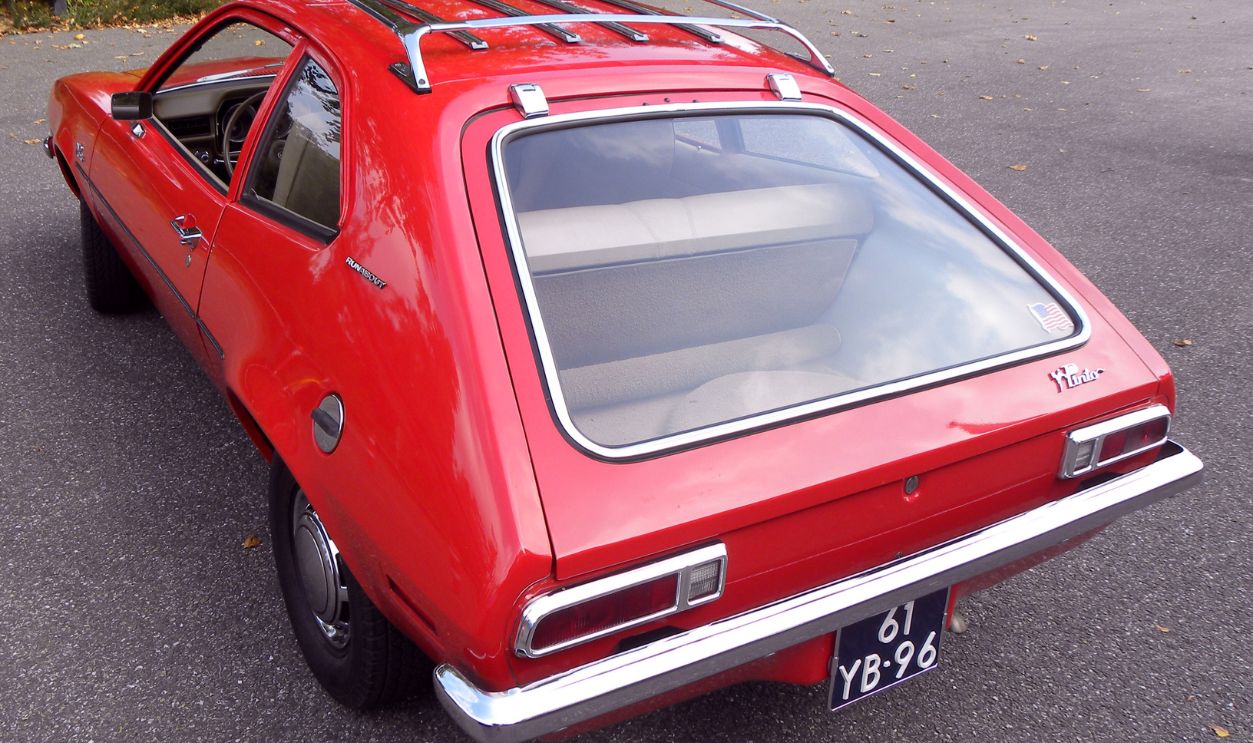
The Pinto’s gas tank was placed right between the back axle and the bumper, which was quite common for cars back then. But this setup made it easy for the tank to get damaged in crashes, especially if you were going over 20 mph.
 Joost J. Bakker, CC BY 2.0, Wikimedia Commons
Ford Pinto’s Fuel Tank Design (Cont.)
Additionally, the fuel tank was built with super thin walls, which made it easy to rupture if there was an impact. During crash tests, it frequently leaked fuel when hit from behind because the rear axle would get pushed in or bolts from the differential would stick out.
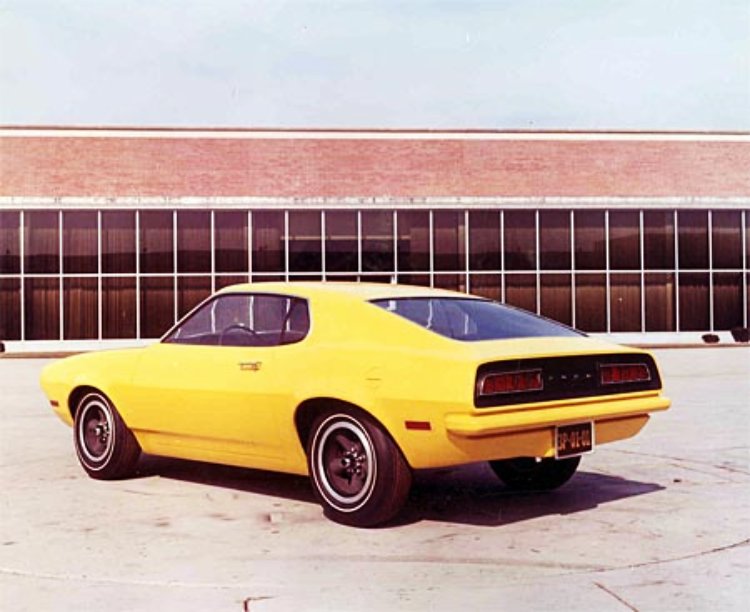 JOHN LLOYD, CC BY 2.0, Wikimedia Commons
Chrome Bumpers
These are usually linked to classic cars from the late ’50s and early ’60s, known for their shiny, polished look, which reminds one of jet or rocket engines. The bumpers were typically made from steel and then electroplated with nickel and a thin layer of chromium.
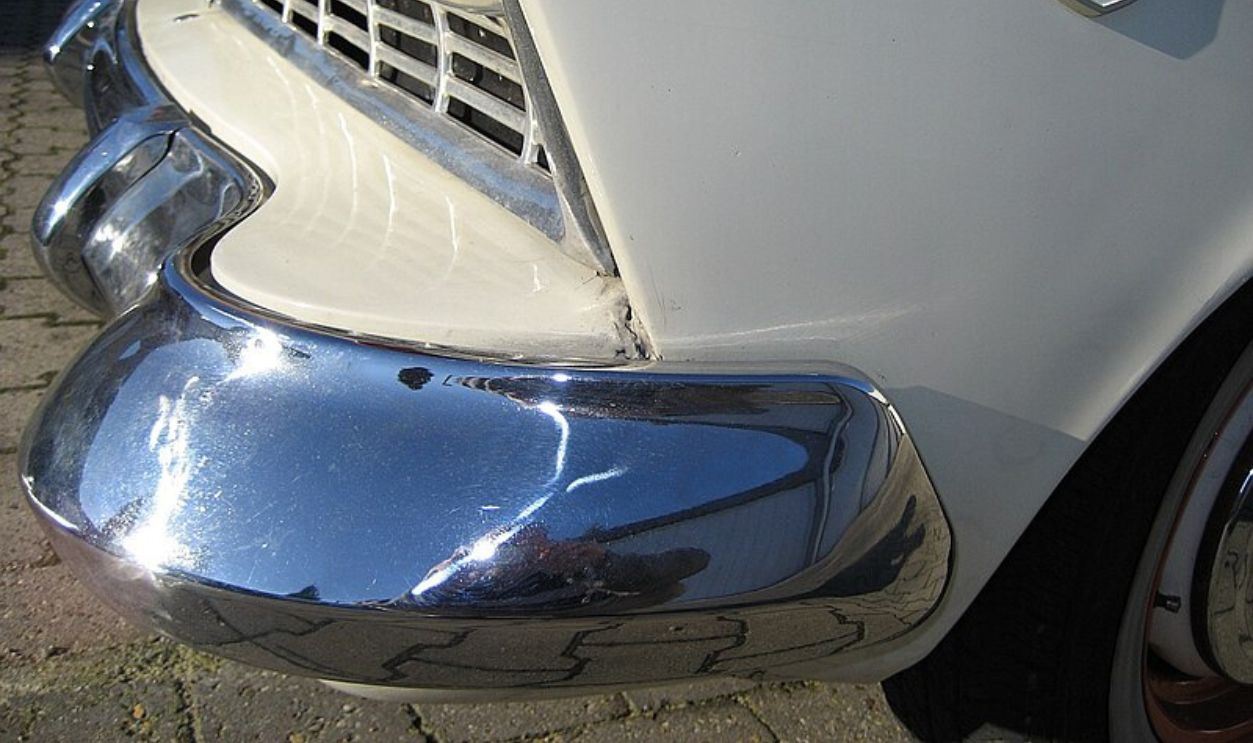 Yeti.bigfoot, CC BY 3.0, Wikimedia Commons
Chrome Bumpers (Cont.)
Modern safety design relies on crumple zones that absorb crash energy before it reaches the people inside. Those old-school chrome bumpers did the exact opposite—sending impact forces straight into the car’s frame. Stylish, yes. Safe? Not even close.
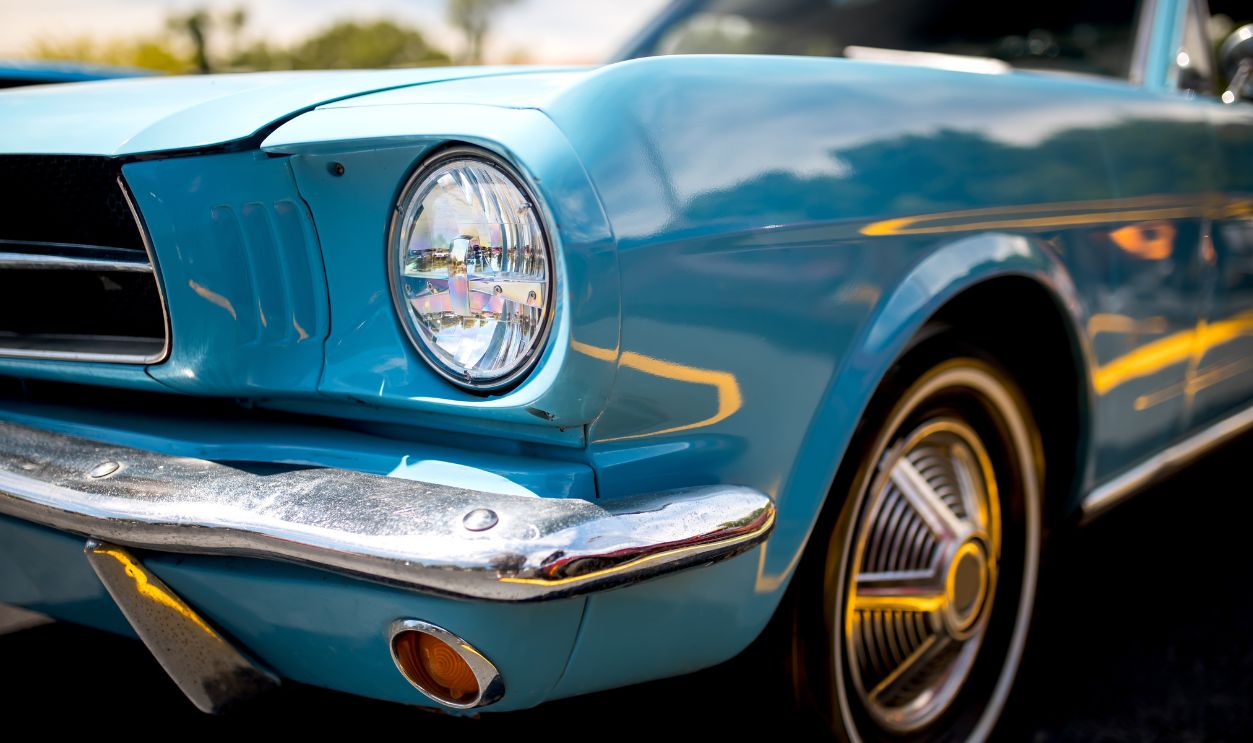
Hood Ornaments
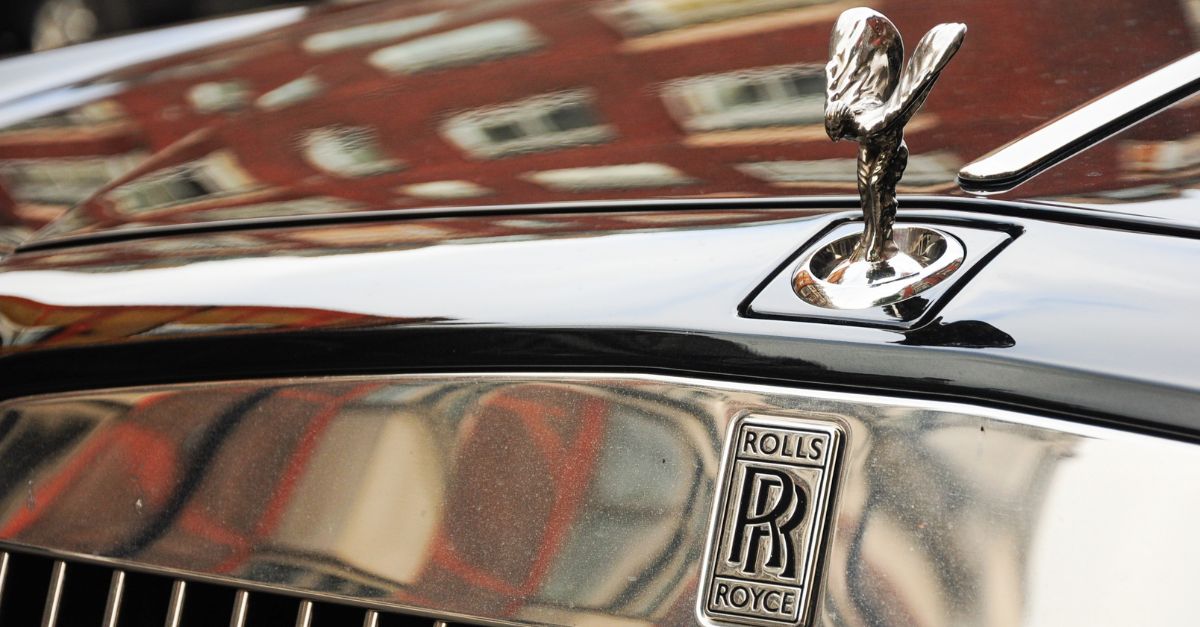
Hood ornaments took off in the early to mid-20th century and became a hallmark of luxury cars. These include brands like Rolls-Royce, Cadillac, and Lincoln. In the beginning, these ornaments were considerably fixed and rigid, often made from metal or glass. They posed a danger to stab pedestrians upon impact.
 Charles Robinson Sykes, Wikimedia Commons
Hood Ornaments (Cont.)
Thankfully, in the 1960s, the US implemented new rules because of safety concerns. Some still exist today, but they had to meet standards to still be used. In some cases, they were functional and ornamental. The Boyce MotoMeter Company patented a thermometer radiator cap in 1912 for engine temperature monitoring.
 Infrogmation of New Orleans, CC BY-SA 3.0, Wikimedia Commons
Two-Wheel Brakes
Two-wheel brakes come in two types: disc brakes and drum brakes. These rely on brake fluid to power the hydraulic braking system effectively. However, a faulty master cylinder or damaged brake lines can cause fluid leaks, leading to a drop in hydraulic pressure—and ultimately, brake failure.
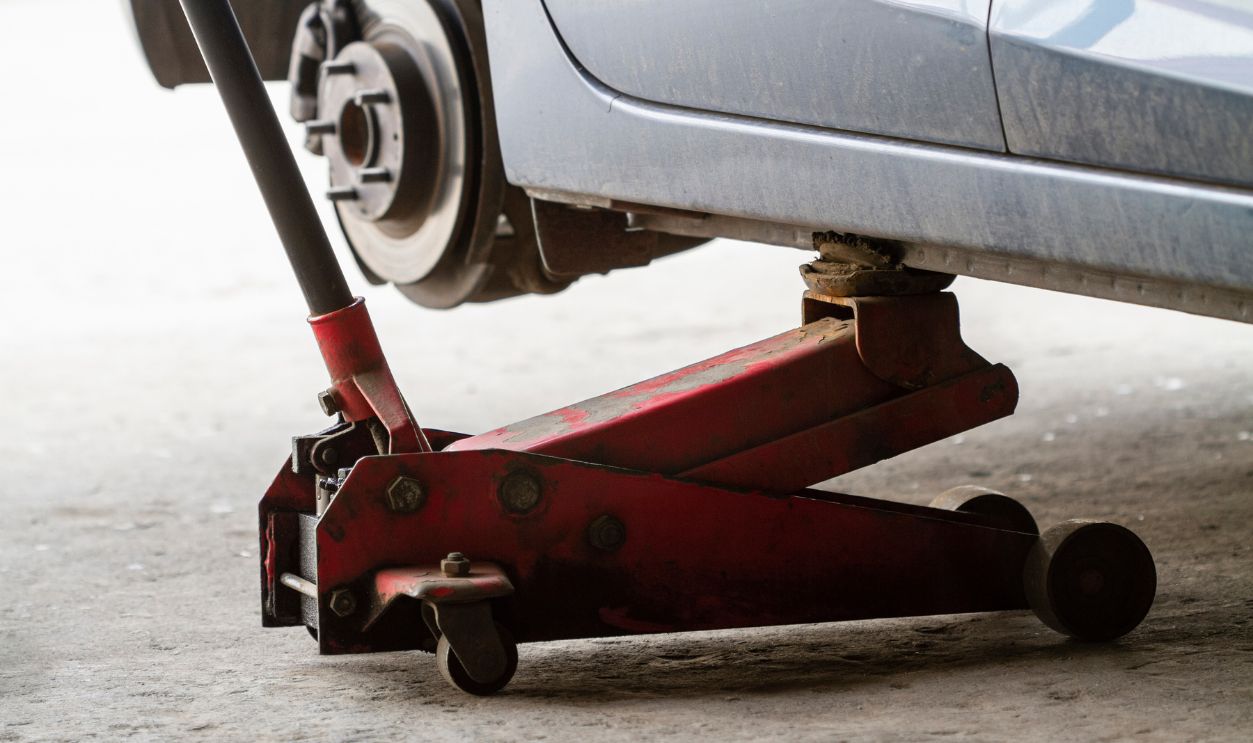
Two-Wheel Brakes (Cont.)
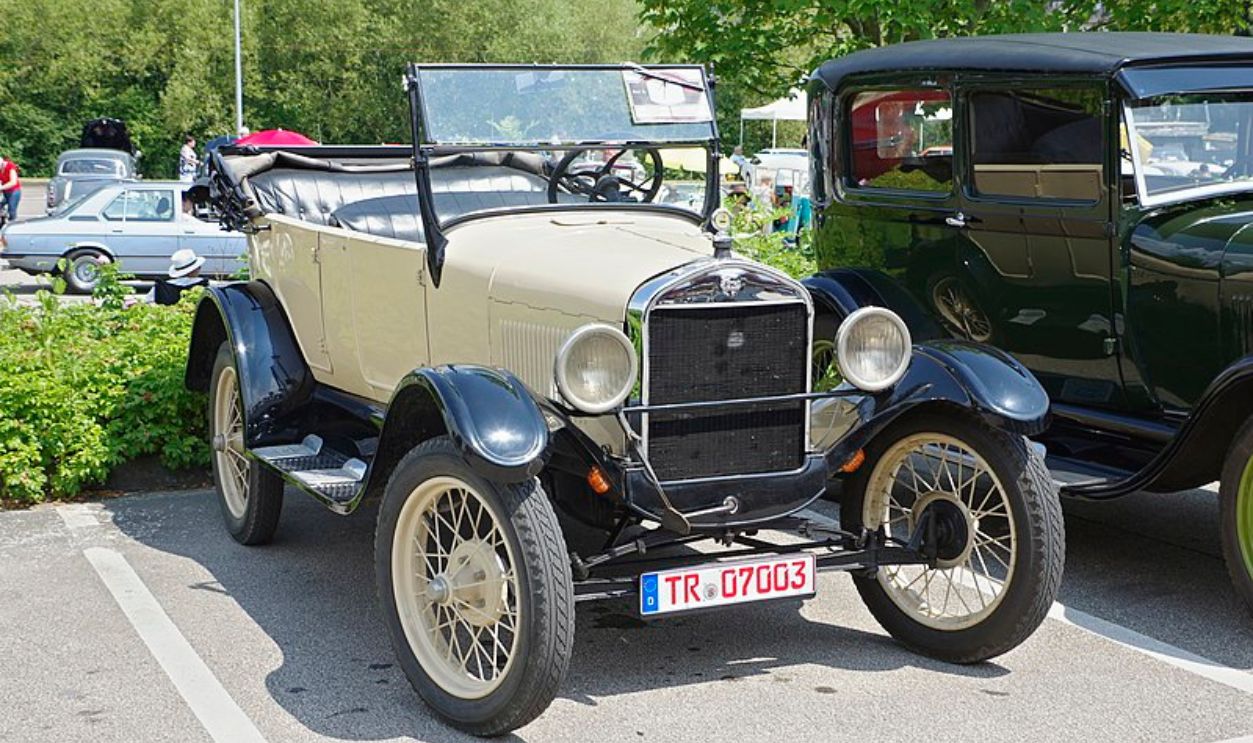
The Ford Model T used simple two-wheel braking systems with drum brakes on the rear wheels. Another issue such braking systems presented was that the wheels could lock up when you brake hard, especially on slippery surfaces. Today, we have four-wheel brakes and anti-lock braking systems.
 Berthold Werner, CC BY-SA 3.0, Wikimedia Commons
Bench Seats
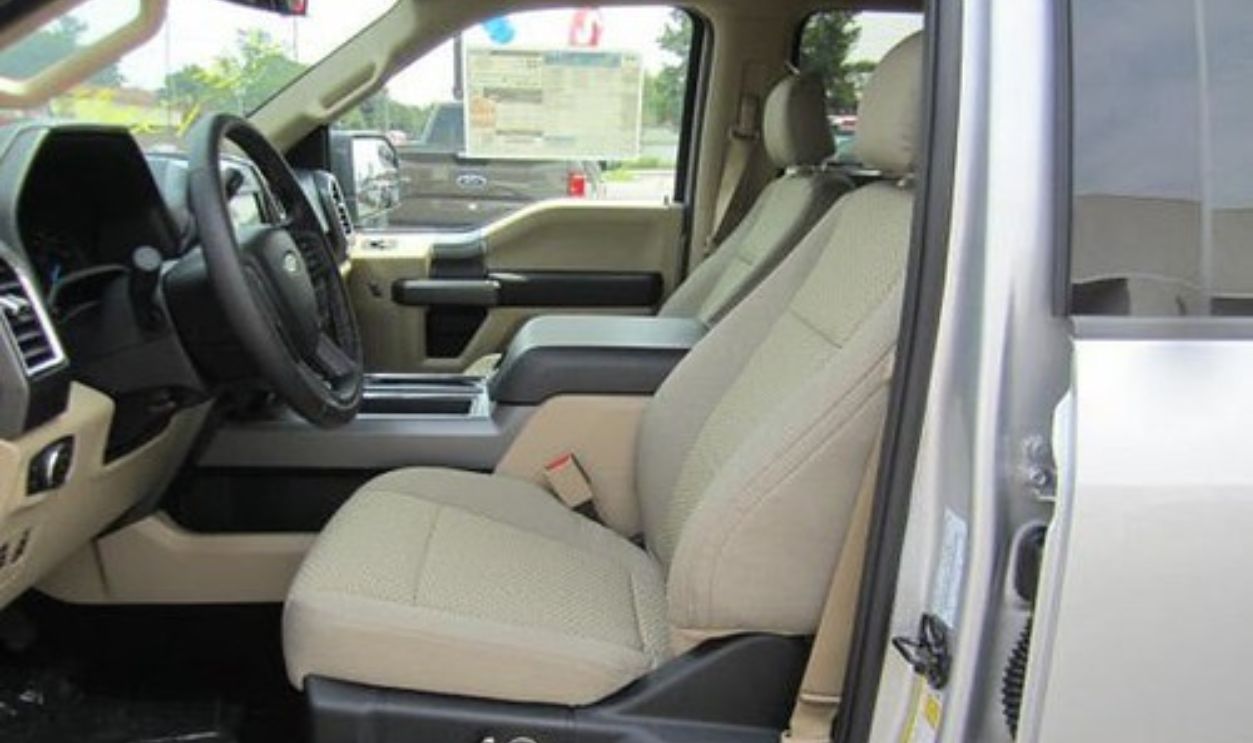
The Ram 1500, kind of like the Ford F-150, had front bench seating on different trims. But a lot of those bench seats, especially in older models, usually only came with a lap belt for the person sitting in the middle. That alone could be unsafe for the passenger.
Bench Seats (Cont.)
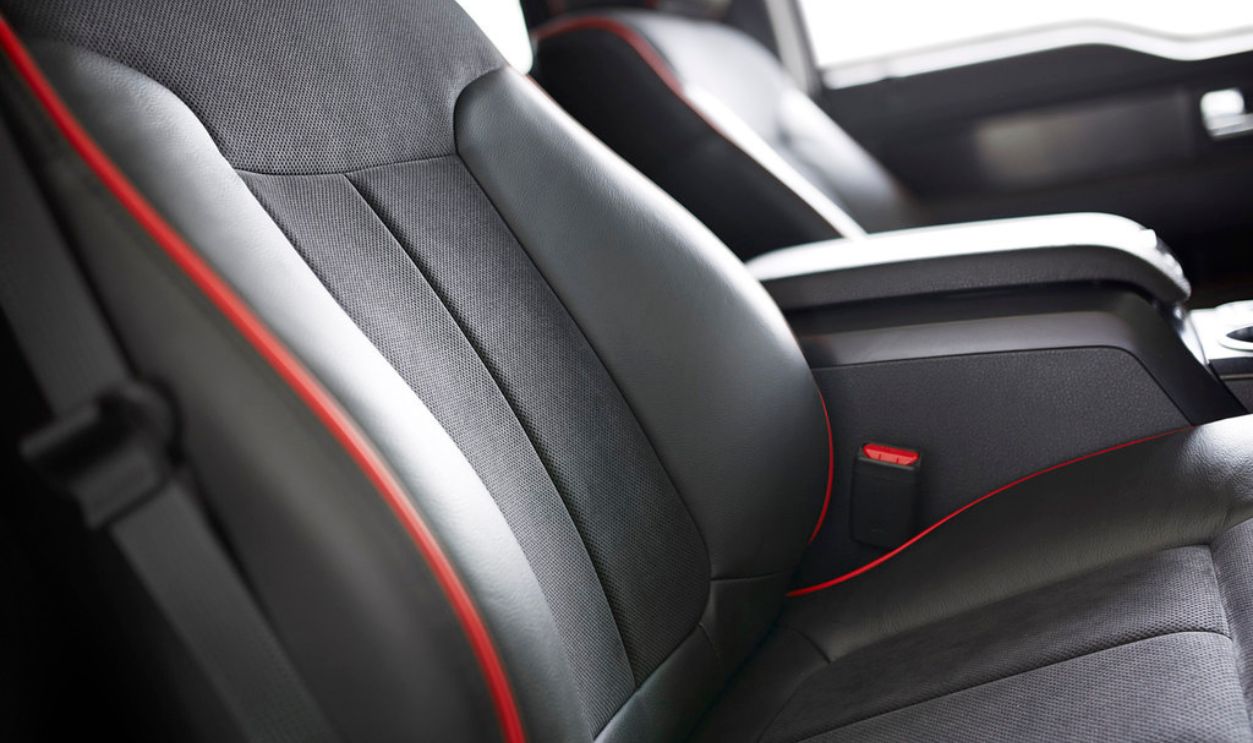
Besides that, the middle seat also mostly didn’t have an airbag specifically made for it. During a collision, passengers could slide along the bench seat. Compared to today’s bucket seats, bench seats consisted of an unsupported single cushion and backrest with minimal energy absorption and impact protection.
Vent Windows
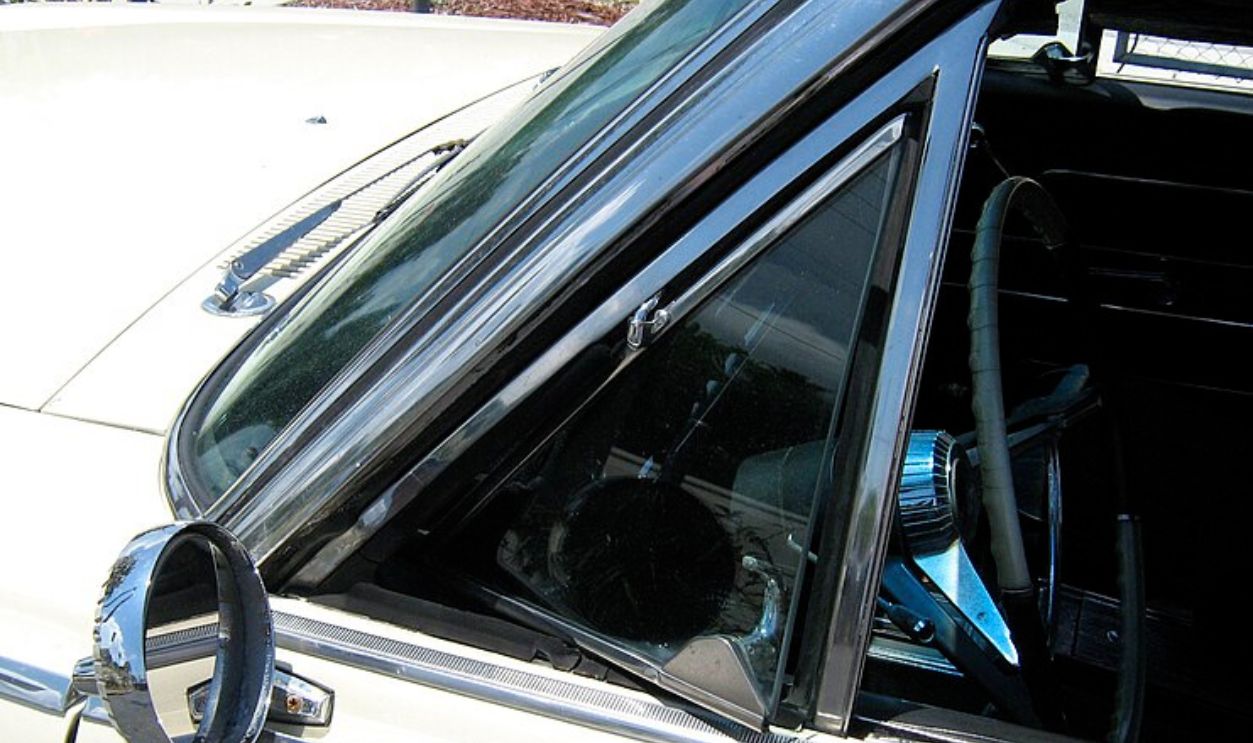
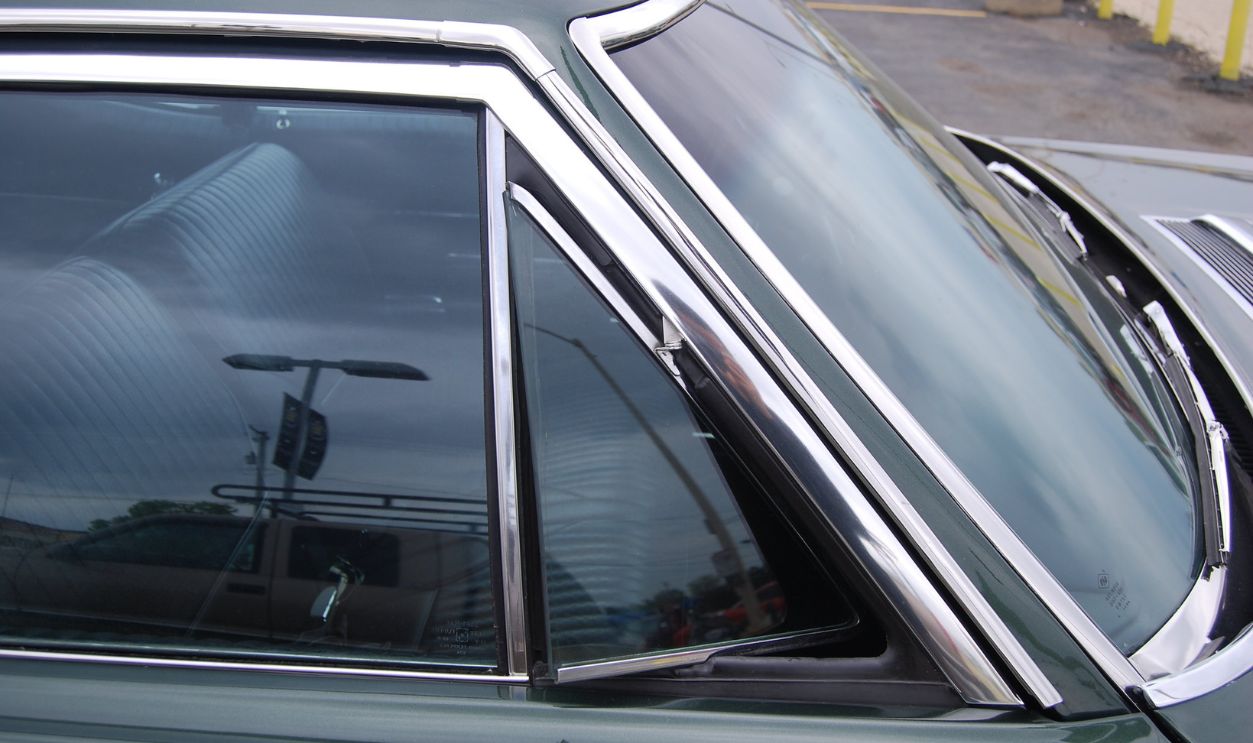
Vent windows—the little triangular panes tucked between the main window and the A-pillar—were an early attempt at keeping drivers from roasting alive. Introduced in the 1920s, they offered much-needed airflow back when cars had no real climate control and “air conditioning” meant hoping for a breeze.
 Christopher Ziemnowicz, Wikimedia Commons
Vent Windows (Cont.)
By the 1980s, many manufacturers started getting rid of them. Leaner designs that made cars more aerodynamic and efficient on gas started appearing. Also, why take the risk with these windows that were made of thinner glass? They were much easier to break.
Unpadded Dashboards
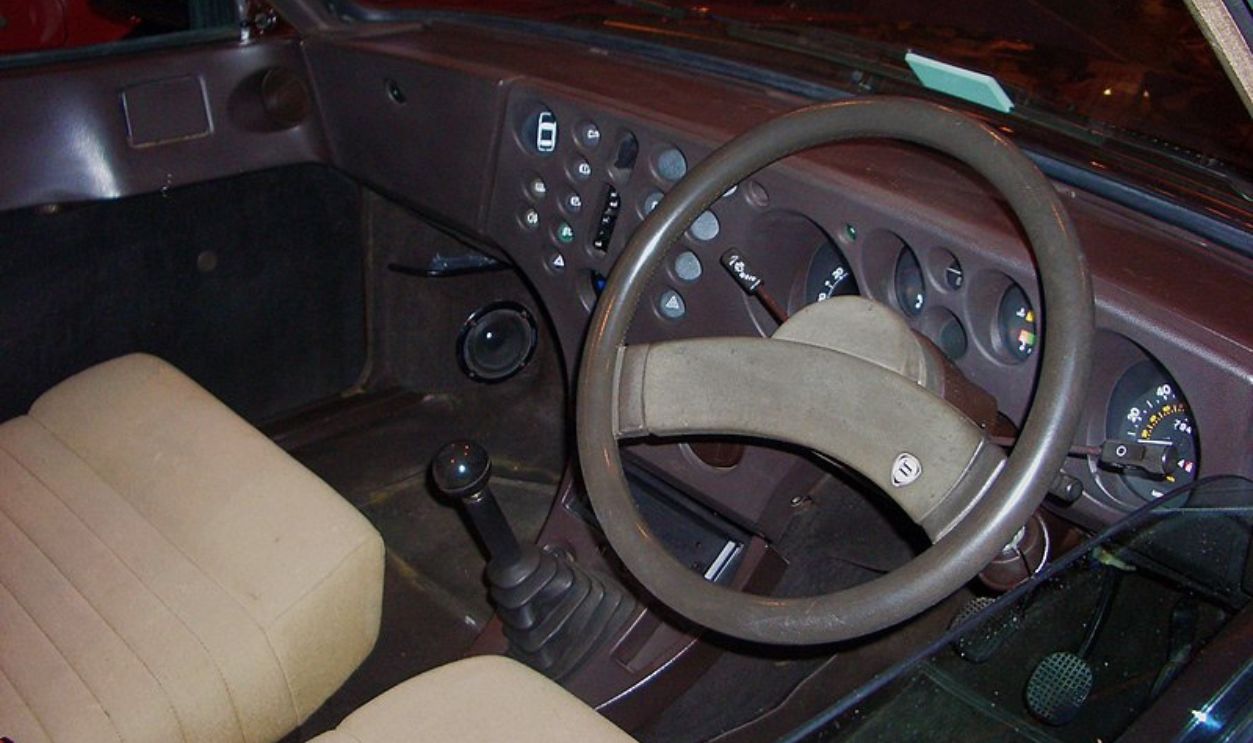
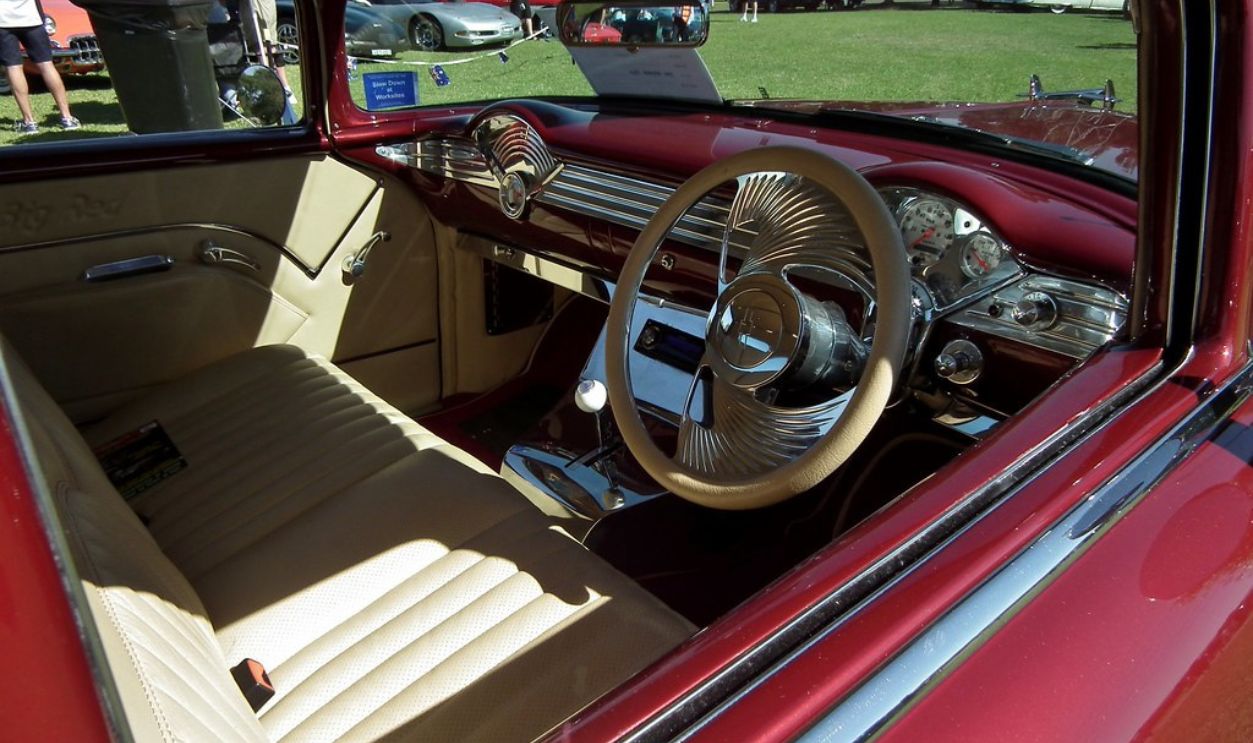
Quite obviously, unpadded dashboards display a rigid surface that can lead to serious head injuries in an accident. Today’s padded dashboards are much safer, as they are made to absorb some of the energy during a collision. This principle is based on the impulse-momentum theorem.
 Kierant, CC BY 3.0, Wikimedia Commons
Unpadded Dashboards (Cont.)
The 1955 Chevrolet Bel Air was surely one of those classic stylish cars. The dashboard, though, was not exactly the safest, as there was no padding. Similarly, the Ford Pinto, which was known for its fuel tank issues, also had an unpadded dashboard.
Winged Doors
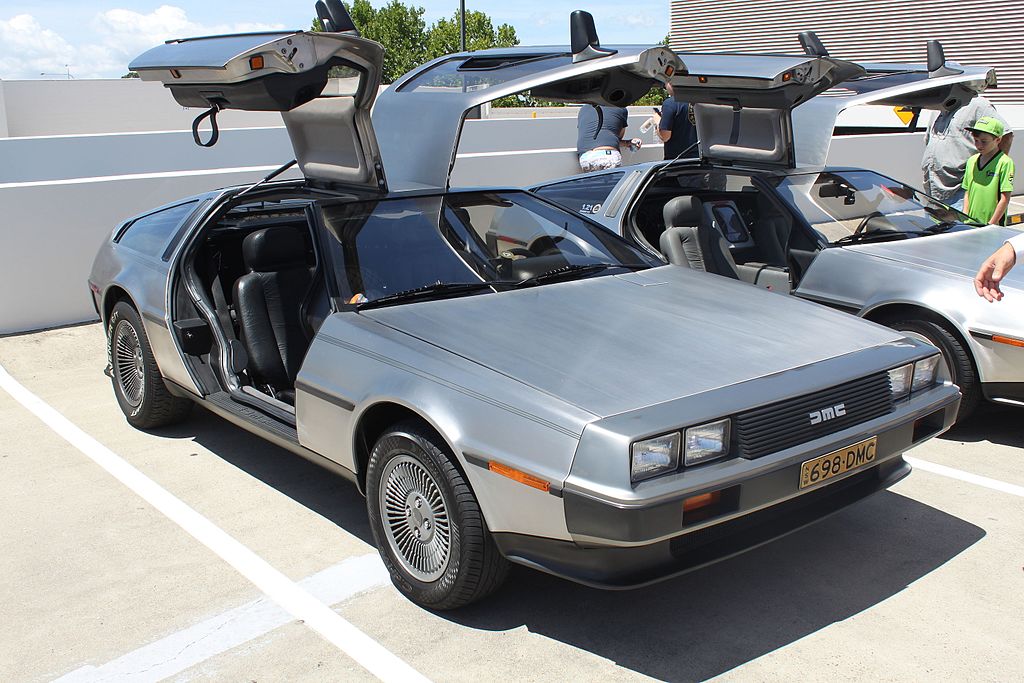
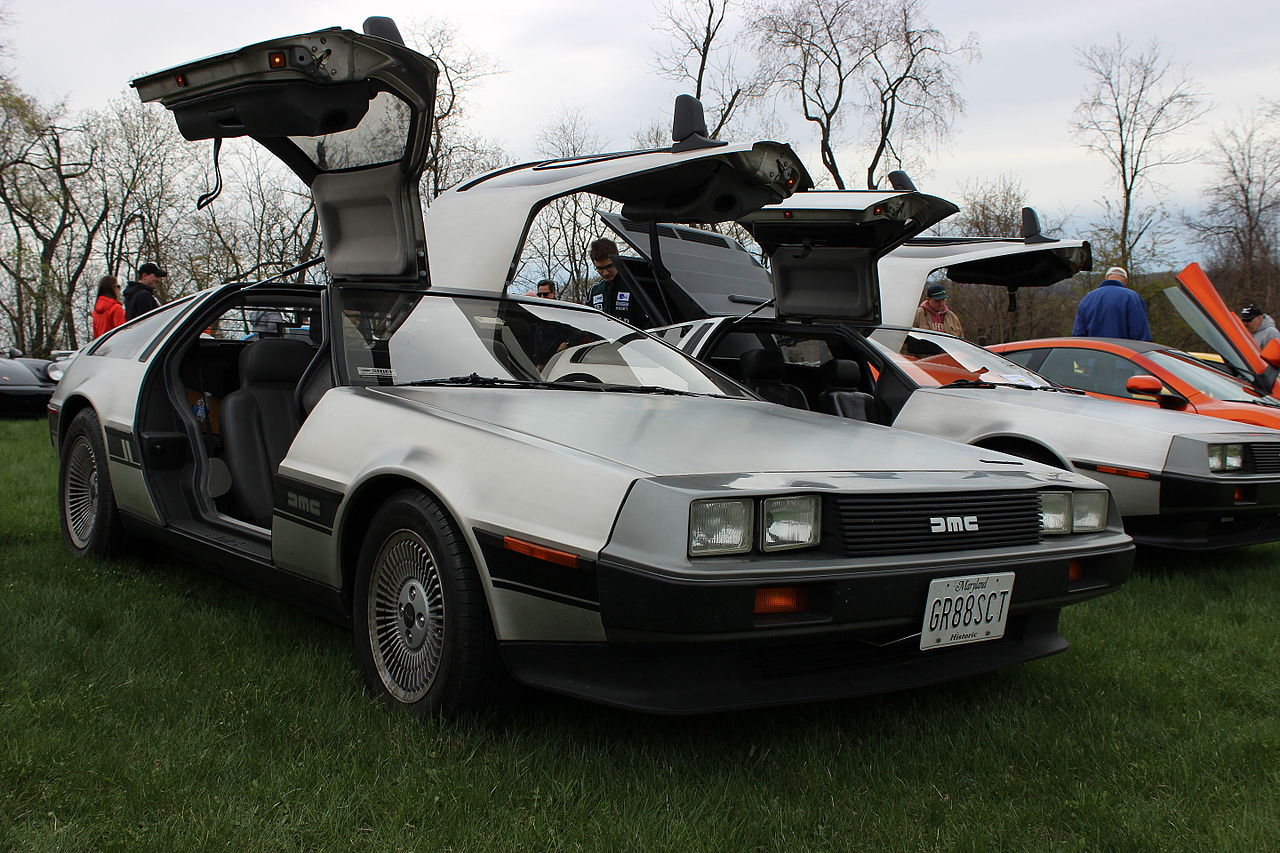
The DeLorean DM-12 car stood out because of its gull-wing doors that opened up instead of swinging out to the side like regular car doors. But how efficient are these in case of an accident? It could be tough to exit the vehicle if the doors are obstructed or damaged.
 Jeremy, CC BY 2.0, Wikimedia Commons
Winged Doors (Cont.)
Yes, they were unsafe as they were, but modern engineers have come up with solutions. Today, the cars with gull-wing doors have advanced hinge and support systems, like gas struts and torsion bars, to eliminate all prior concerns. They also use lightweight material such that exits on collisions is easier.
 ilikewaffles11, CC BY 2.0, Wikimedia Commons
Chevrolet Corvair’s Swing-Axle Suspensions
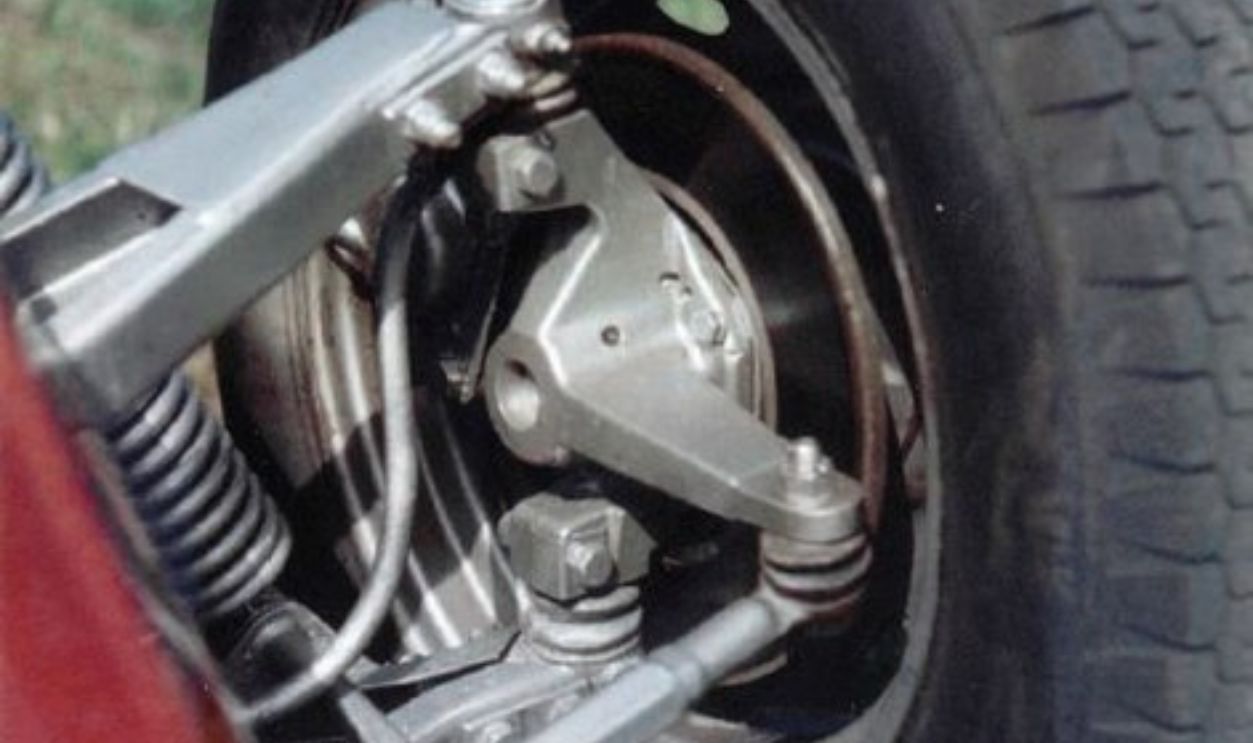
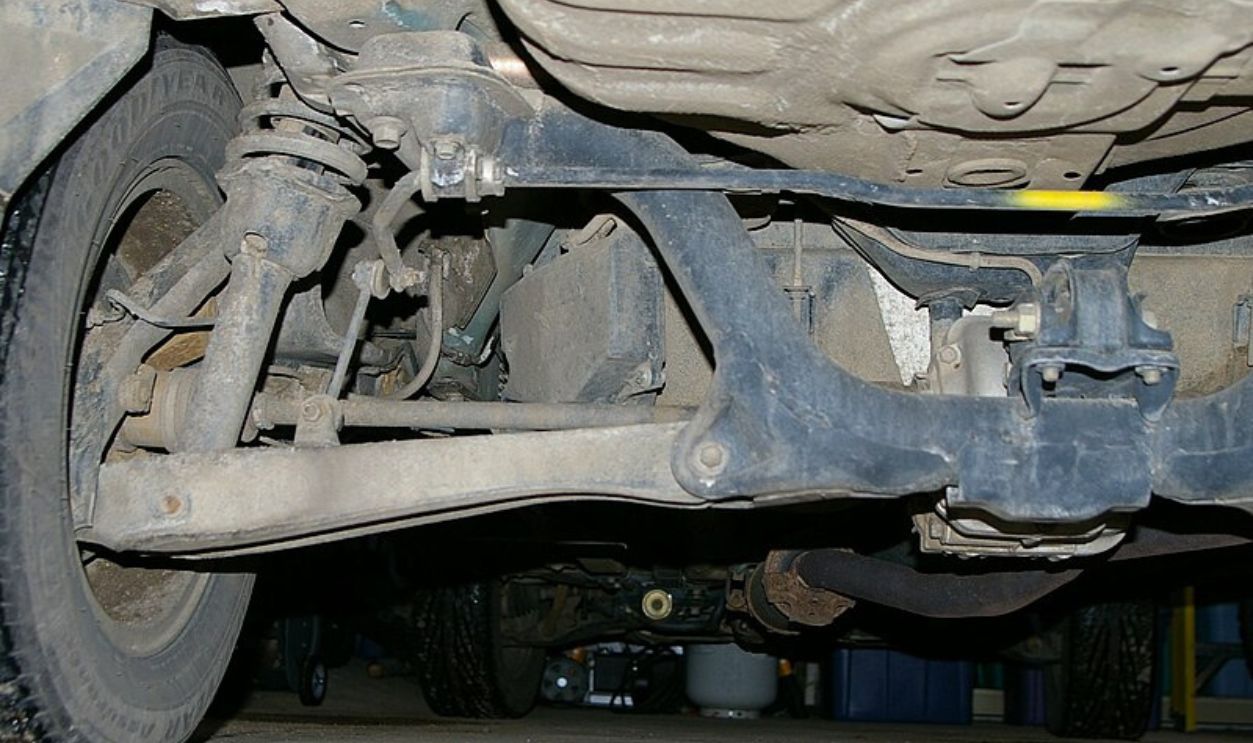
Produced between 1960 and 1969, the Corvair used a swing-axle suspension system, which was unconventional for American cars then. This design allowed the rear wheels to tilt at extreme angles during suspension travel, but it would affect the tire contact with the road.
Chevrolet Corvair’s Swing-Axle Suspensions (Cont.)
When Ralph Nader released Unsafe at Any Speed in 1965, he didn’t just critique American cars—he put them on trial. His sharpest target was the Chevrolet Corvair, which he argued had serious handling flaws that made it dangerously prone to oversteering, turning a simple drive into an unexpected spin.
 Hustvedt, CC BY-SA 3.0, Wikimedia Commons
No Seatbelts
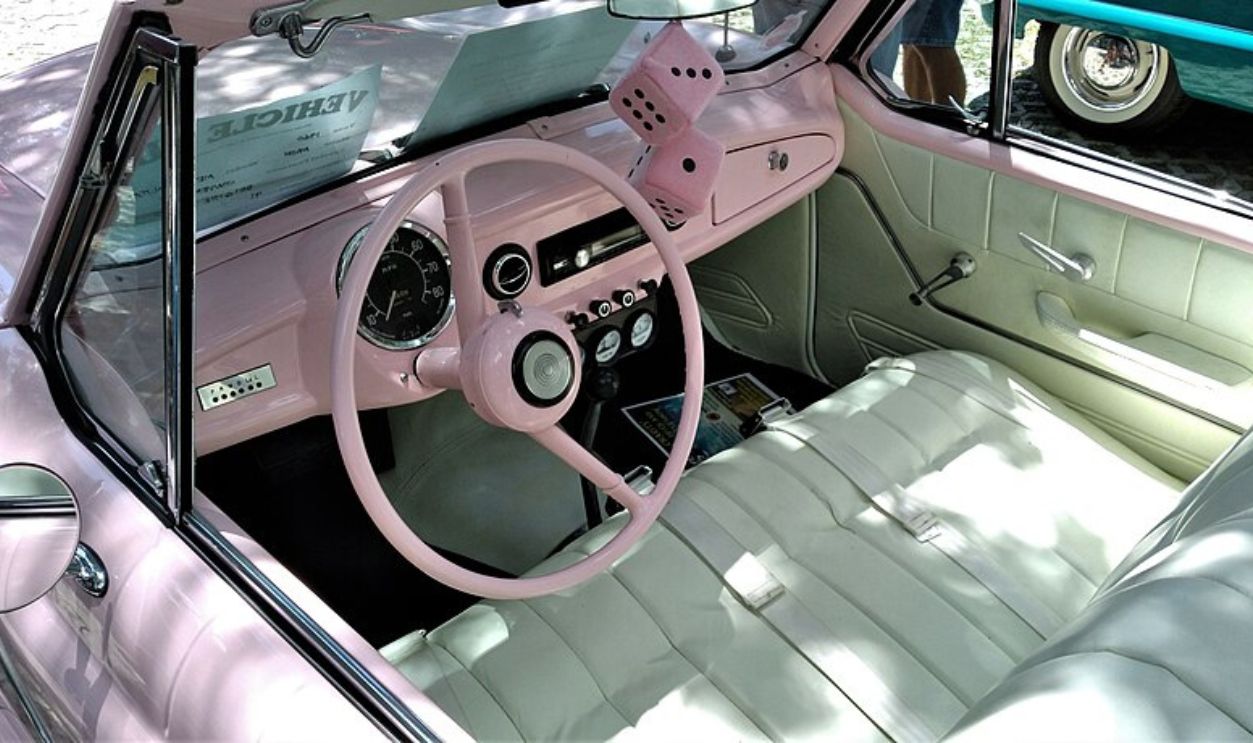
The first seatbelt patent was handed out in 1885, but it wasn’t until the 1950s that cars started featuring them as optional gear. Nash Motors was basically the first car company to offer seatbelts as an option in 1949. A lot of people didn’t like it, though.
 Xrzt, CC BY-SA 4.0, Wikimedia Commons
No Seatbelts (Cont.)
Statistics reveal that people not wearing seatbelts are about 30 times more likely to get thrown out of a vehicle during a crash compared to those buckled up. This significantly increases the risk of serious injuries or even death. Now, of course, seatbelt use is mandated by law.
Pop-Out Windshields
Pop-out windshields are a feature found in some older cars. In these, the windshield could actually come loose or “pop out” if there was an accident. These windshields might also interfere with airbag deployment by preventing them from deploying correctly.
Pop-Out Windshields (Cont.)
The Tucker 48 is known for being one of the first cars to own pop-out windshields. Issue number one; on collision, chances of ejection out of the car were higher. Number two; it would compromise the structure of the car, posing more danger. Visibility without a windshield is also compromised.
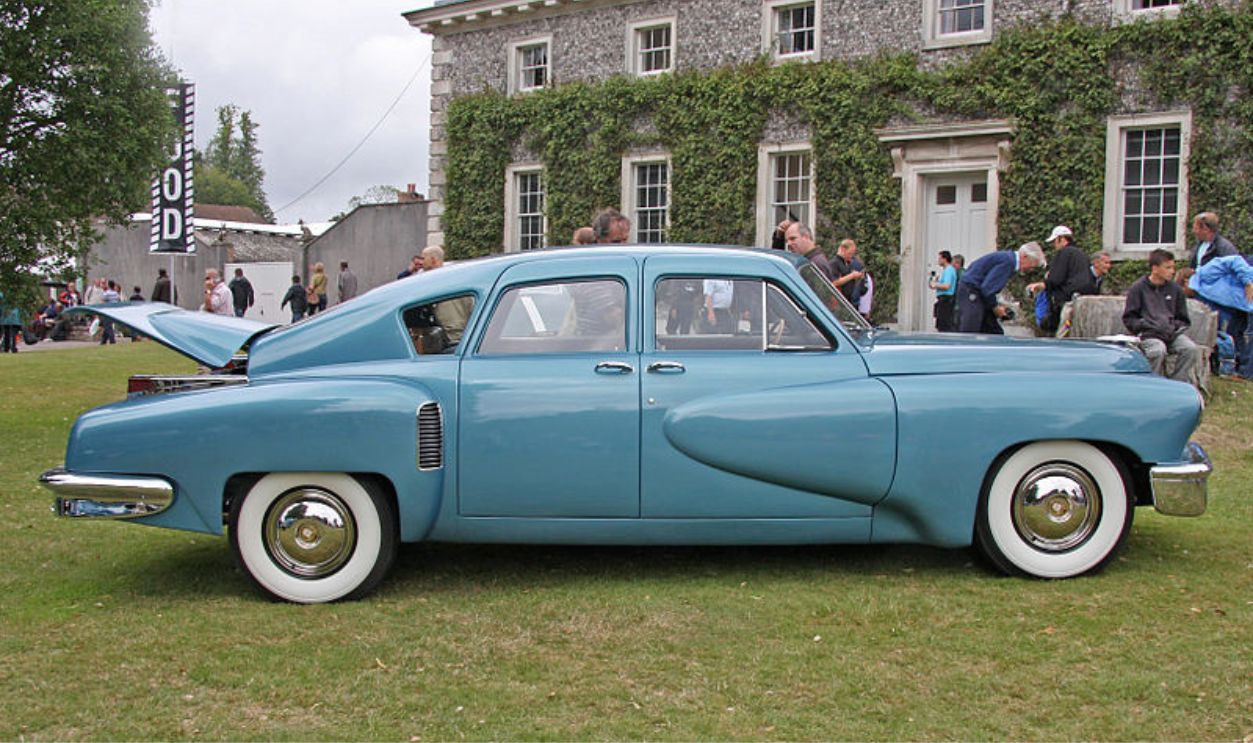 Brian Snelson, CC BY 2.0, Wikimedia Commons




.jpg)
.jpg)
_deLuxe_Two_door_1958_Bumper.jpg)


.jpg)
.jpg)


.jpg)