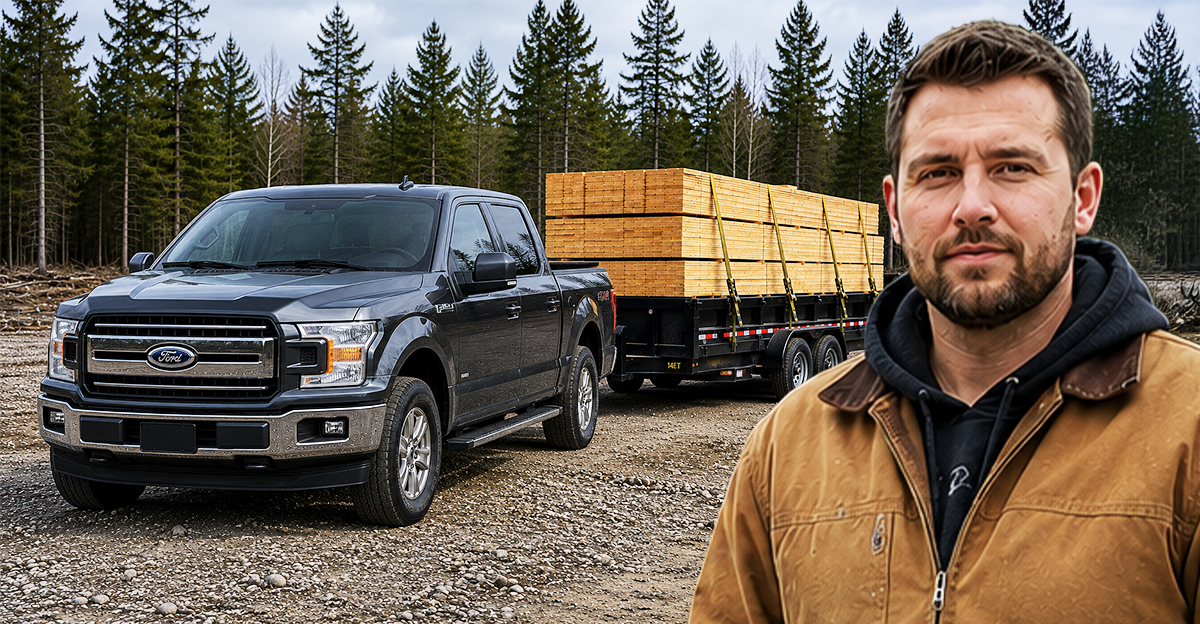
The Towing Capacity Dispute
You bought a truck specifically for towing after a salesperson assured you it could handle your trailer. Later, the transmission failed or suffered serious damage while towing. Now you are wondering whether the dealership misrepresented the truck's capabilities and whether they may be responsible for repair costs.
Start With The Facts
Before assuming the dealership is at fault, gather the key facts. You'll need the truck's official towing rating, the actual weight of the trailer, the weight of any cargo, maintenance records, and documentation showing exactly what the dealership represented during the sale.

Find The Official Rating
The manufacturer's towing capacity matters far more than a salesperson's verbal estimate. Check the owner's manual, towing guide, door stickers, and manufacturer specifications to determine the truck's actual ratings. Those published ratings usually become the starting point for any dispute.

Understand Towing Capacity
Towing capacity refers to the maximum trailer weight a vehicle can safely pull under specified conditions. Exceeding that rating can place excessive stress on the transmission, cooling system, brakes, suspension, and drivetrain components.

Did You Count Trailer Weight?
One common mistake is focusing only on the cargo being hauled. Remember that the trailer itself has weight before anything is loaded into it. The truck must pull the combined weight of both the trailer and everything inside it.
Check The Trailer GVWR
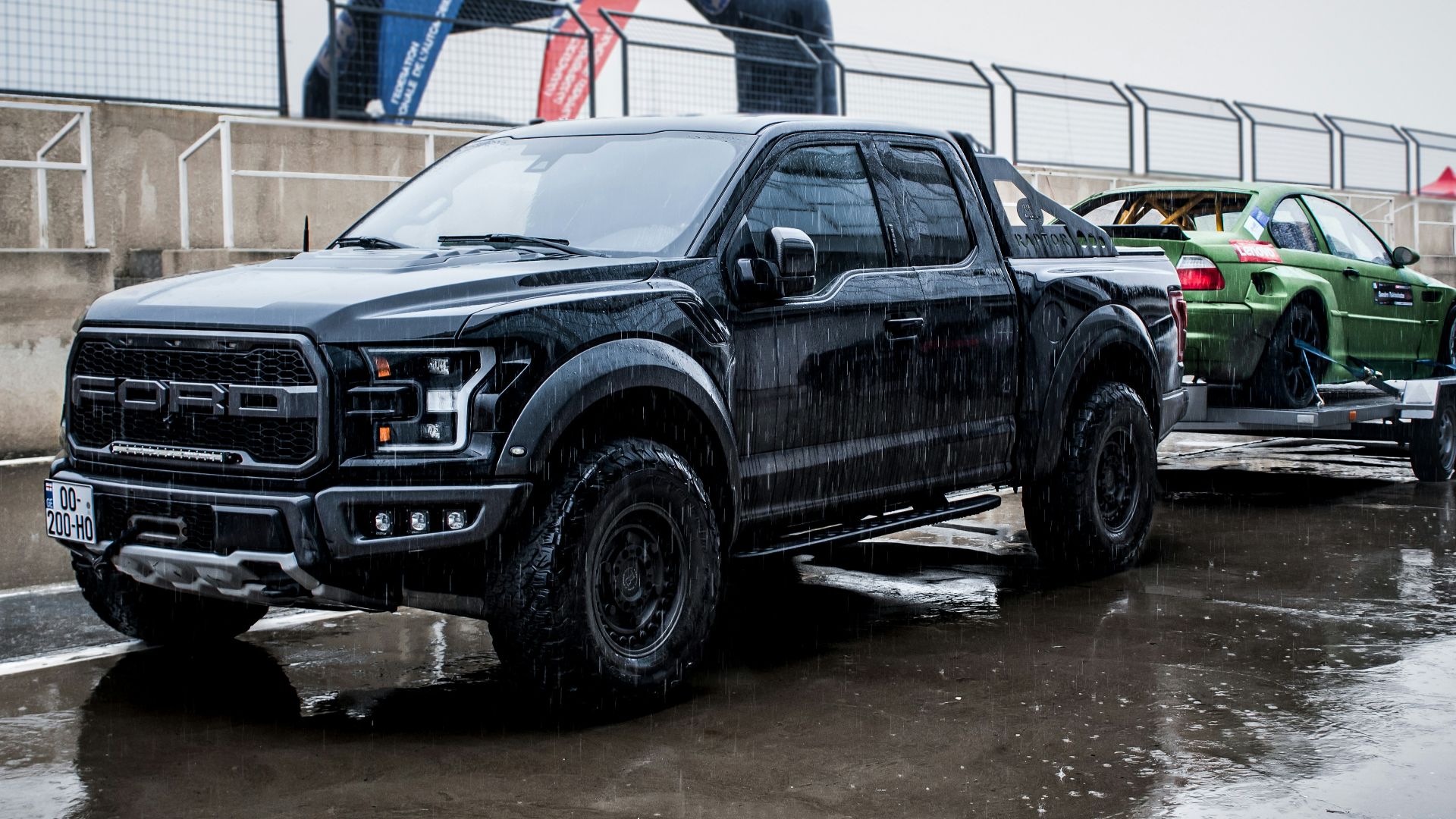
Look at the trailer's Gross Vehicle Weight Rating, or GVWR. This represents the maximum loaded weight of the trailer. Many towing experts recommend ensuring your tow vehicle can comfortably handle the trailer's potential loaded weight, not merely its empty weight.

Cargo Adds Up Fast
Tools, lumber, landscaping materials, ATVs, furniture, camping gear, and construction supplies can quickly add thousands of pounds. Many towing problems occur because owners calculate only part of the load rather than the entire weight being pulled.
What About Passengers?
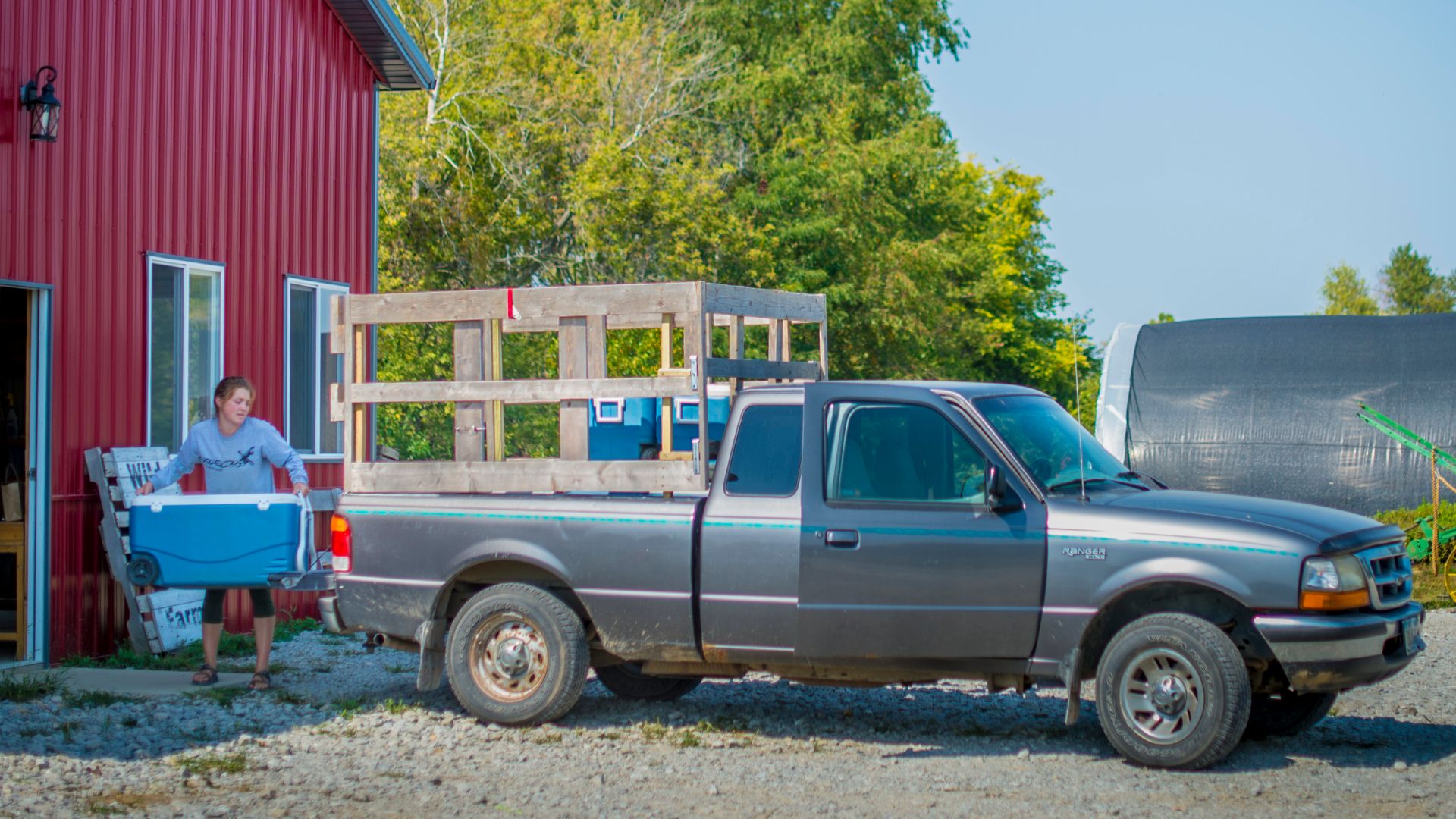
Passengers and cargo inside the truck matter too. Towing calculations often include more than just the trailer. Extra passengers, luggage, fuel, and equipment all contribute to the overall load carried by the vehicle.

Did The Trailer Have Brakes?
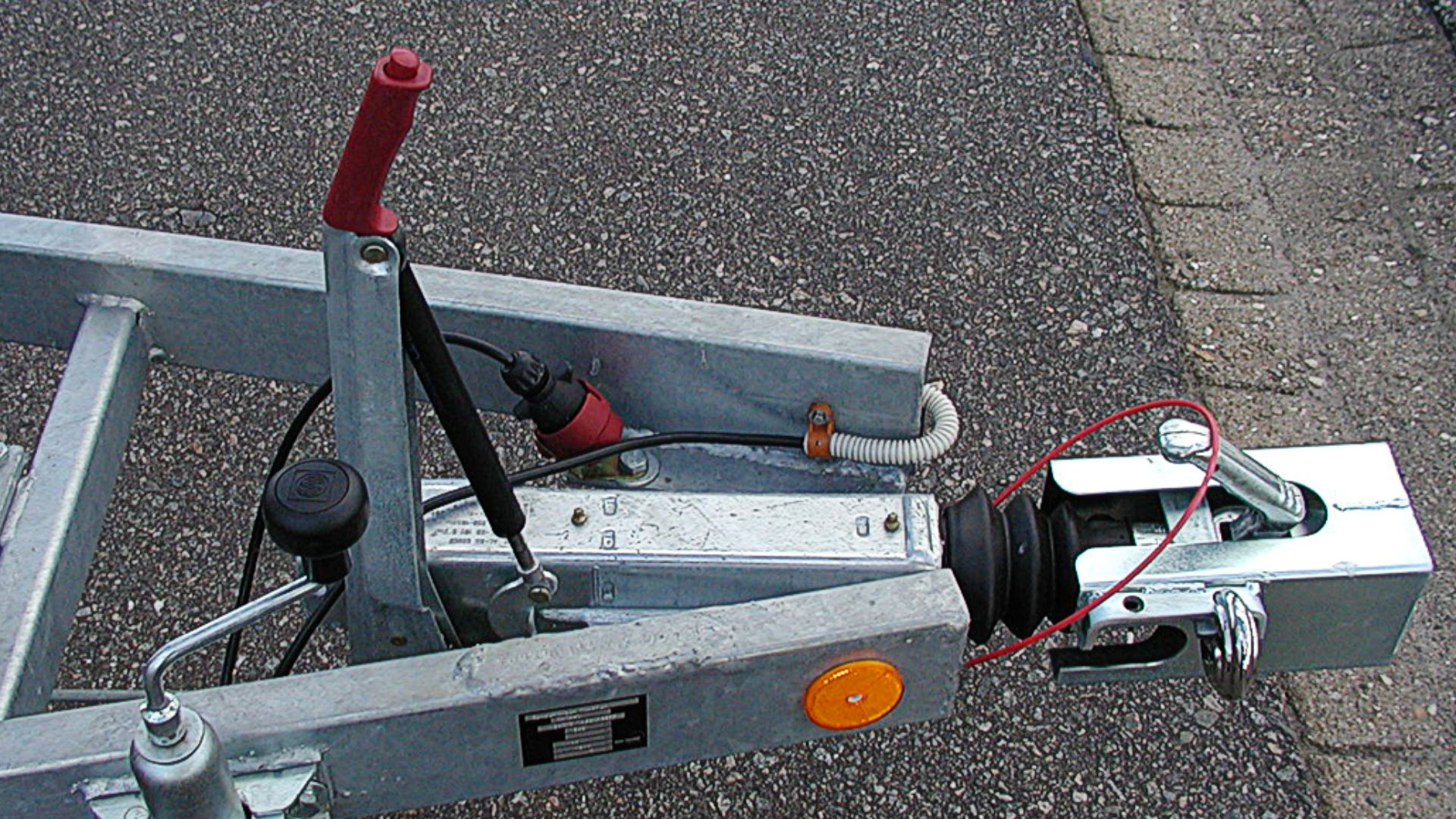
Another important question is whether the trailer had its own braking system. Many heavier trailers are designed to use electric or surge brakes. Towing substantial weight without functioning trailer brakes can create additional strain and safety concerns.
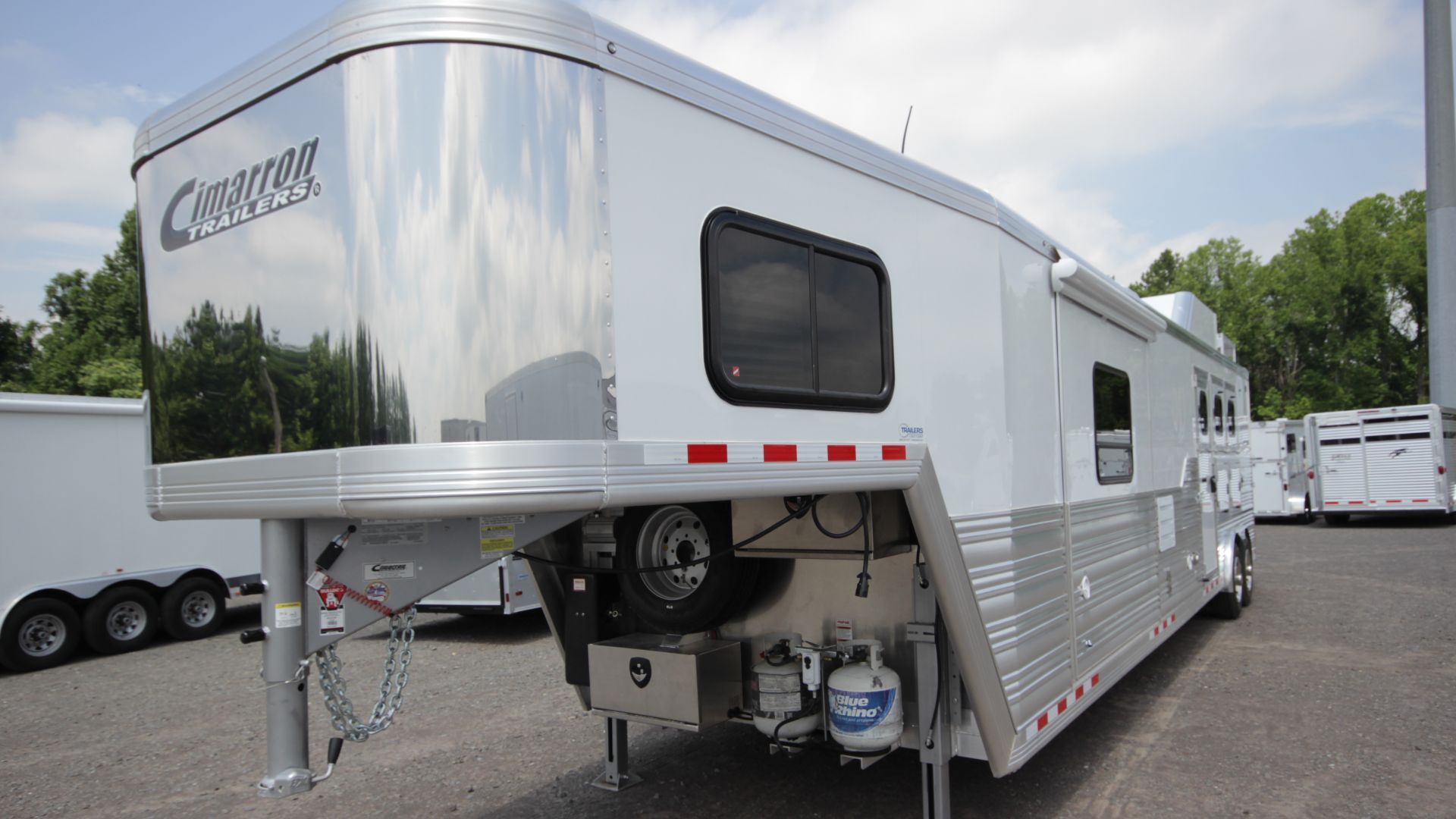 Trailers of the East Coast, Wikimedia Commons
Verify Brake Operation
Even if the trailer was equipped with brakes, were they actually working? Faulty brake controllers, disconnected wiring, or improperly adjusted trailer brakes can affect towing performance and increase stress on the tow vehicle during repeated stops.
Consider Tongue Weight
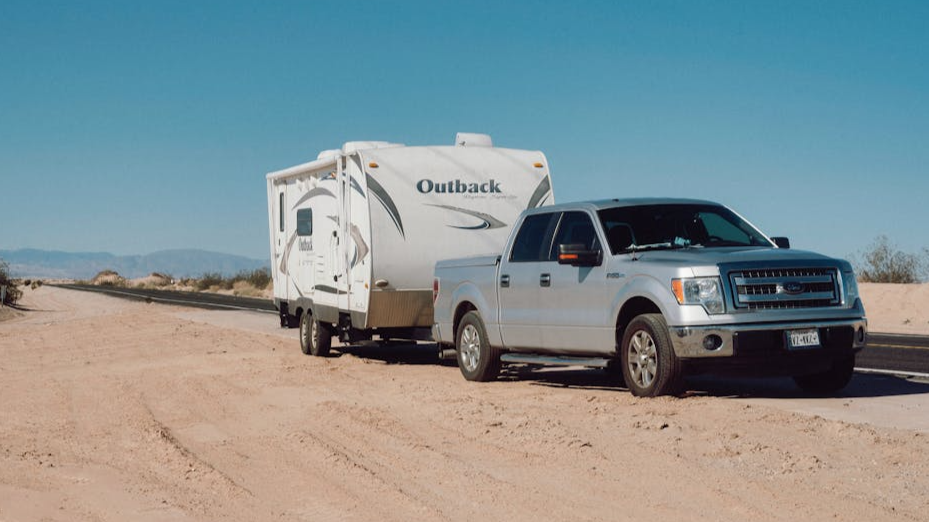
Proper tongue weight helps maintain stability and reduces stress on vehicle components. Too much or too little weight on the hitch can affect handling, braking, and drivetrain performance. Proper trailer loading is often just as important as total trailer weight.
Review Your Maintenance History
Dealerships frequently examine maintenance records when evaluating warranty claims. If transmission service, cooling system maintenance, or manufacturer-recommended inspections were skipped, the dealer may argue that maintenance issues contributed to the failure.
Determine The Cause
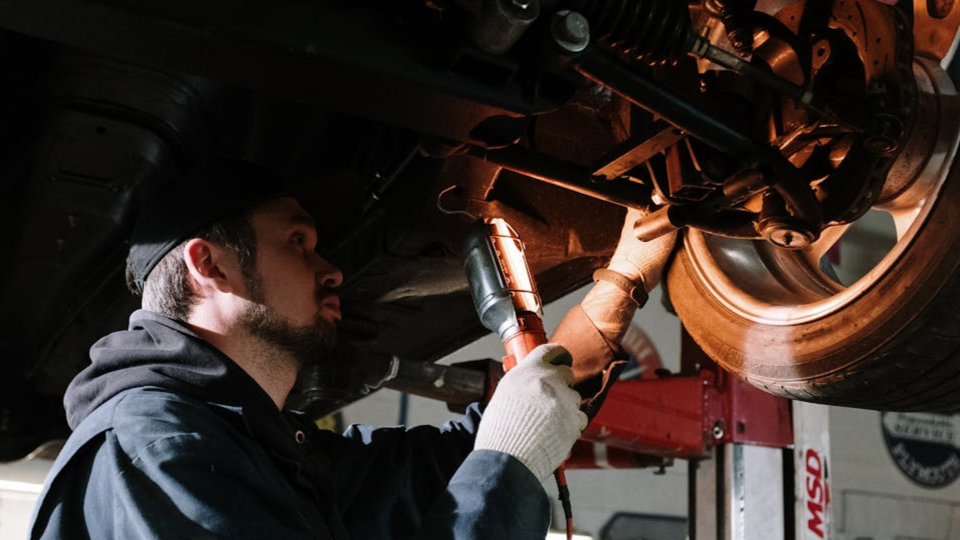
A failed transmission does not automatically prove the truck was overloaded. Manufacturing defects, cooling issues, defective components, or improper repairs may also contribute. An independent mechanic's written diagnosis can be extremely valuable.
Gather Evidence
Save sales brochures, advertisements, emails, text messages, financing paperwork, and any written communications discussing towing capacity. If a salesperson specifically promised the truck could safely tow your trailer, that documentation may become important later.

Verbal Promises Are Harder
Unfortunately, verbal statements are often difficult to prove. If the salesperson made towing claims that were never documented, the dispute may become your word against theirs unless witnesses or other supporting evidence exist.

Warranty Coverage Matters
Review both the manufacturer's warranty and any extended warranty you purchased. Depending on the cause of the failure, transmission repairs may already be covered regardless of whether a towing-capacity dispute exists.

Misrepresentation Is Different
If the dealership knowingly or negligently provided inaccurate towing information that influenced your purchase decision, you may have a stronger claim. Consumer protection laws generally prohibit material misrepresentations during vehicle sales.

Ask The Dealer First
Before hiring attorneys or filing complaints, approach the dealership directly. Present your evidence calmly and professionally. Many disputes are resolved through goodwill assistance, partial reimbursement, or negotiated repair contributions.

Escalate To The Manufacturer
If the dealership refuses to help, contact the manufacturer's customer assistance department. Manufacturers sometimes review dealership conduct, warranty disputes, and customer complaints independently of the local dealer.

Consider Consumer Agencies
State consumer protection offices, attorneys general, and motor vehicle regulatory agencies may accept complaints involving alleged misrepresentations. While they may not resolve every dispute, they can sometimes encourage meaningful responses from dealerships.

Small Claims May Help
If the repair cost falls within your state's small claims court limits, you may have an affordable option for pursuing compensation. Documentation showing inaccurate towing advice can be particularly important in these cases.

The Bottom Line
If the truck was operated within its published towing limits and a dealership overstated its capabilities, you may have a legitimate argument for compensation. However, before pursuing a claim, make sure you accurately account for trailer weight, cargo weight, passenger weight, and whether the trailer had properly functioning brakes.
You May Also Like:
The Best Small Trailers For Campers
Ranking The Pickup Trucks That Defined Small-Town America, According To Industry Experts