When Every Pickup Had a Job Before Breakfast
The 1950s produced some of the most distinctive pickups ever built, from tiny imported haulers to farm trucks tough enough to uproot a barn. Many were once familiar around job sites and small towns, but younger drivers would probably struggle to name them today.
How many do you recognize?
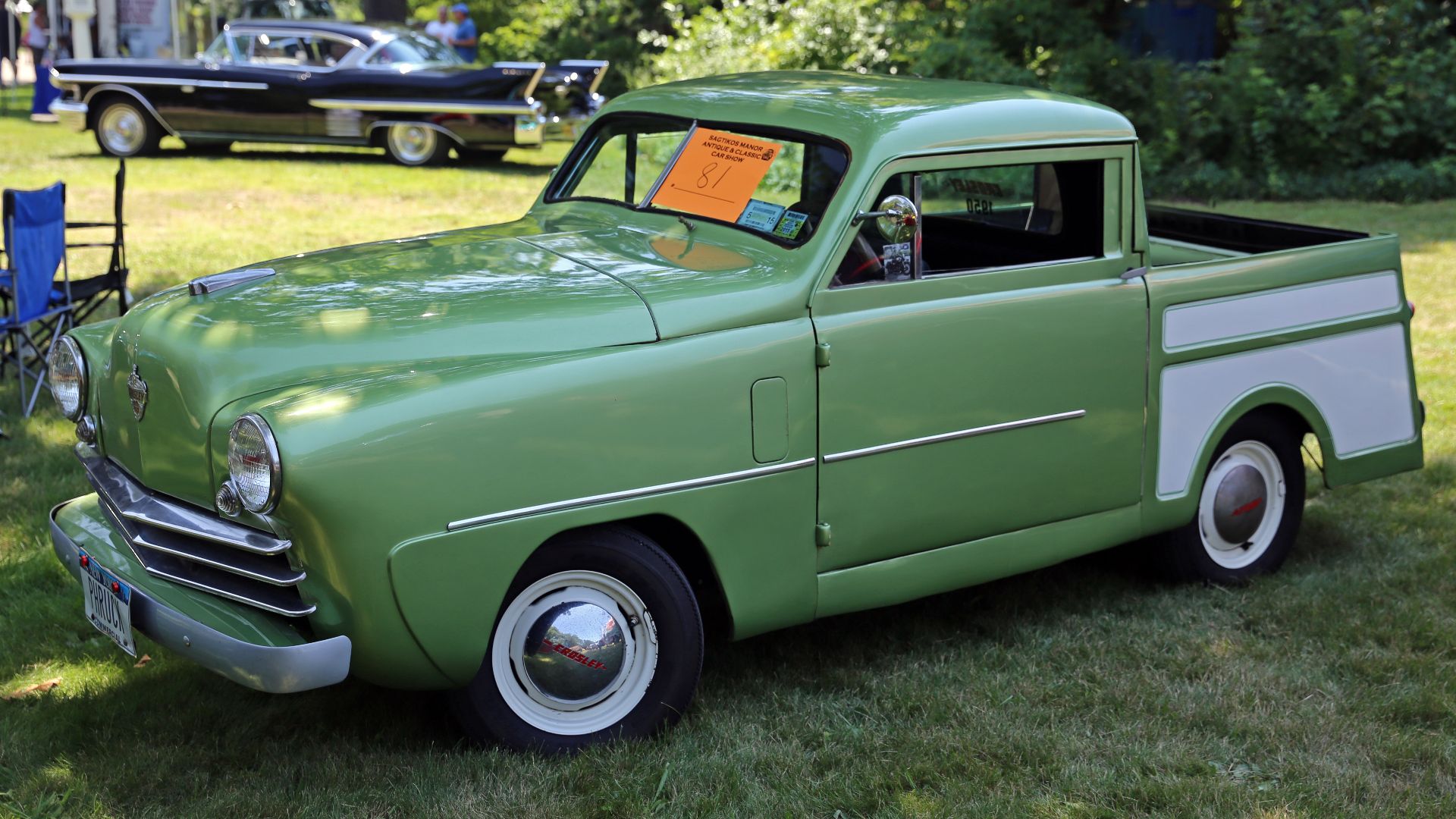
25. 1949–1952 Crosley CD Pickup
The Crosley CD Pickup was almost comically small beside a Chevrolet or Ford, but that was part of its appeal. Its compact dimensions and economical four-cylinder engine suited deliveries and light chores, although seeing one today is considerably harder than finding parking for it.
 Mr.choppers, Wikimedia Commons
24. 1953–1971 Morris Minor Pickup
Britain’s Morris Minor Pickup brought the friendly face of the popular passenger car to commercial work. Tradespeople appreciated its economical engine, simple construction, and manageable size. In America it looked unusually delicate, but overseas these little pickups regularly carried loads that tested their optimism.
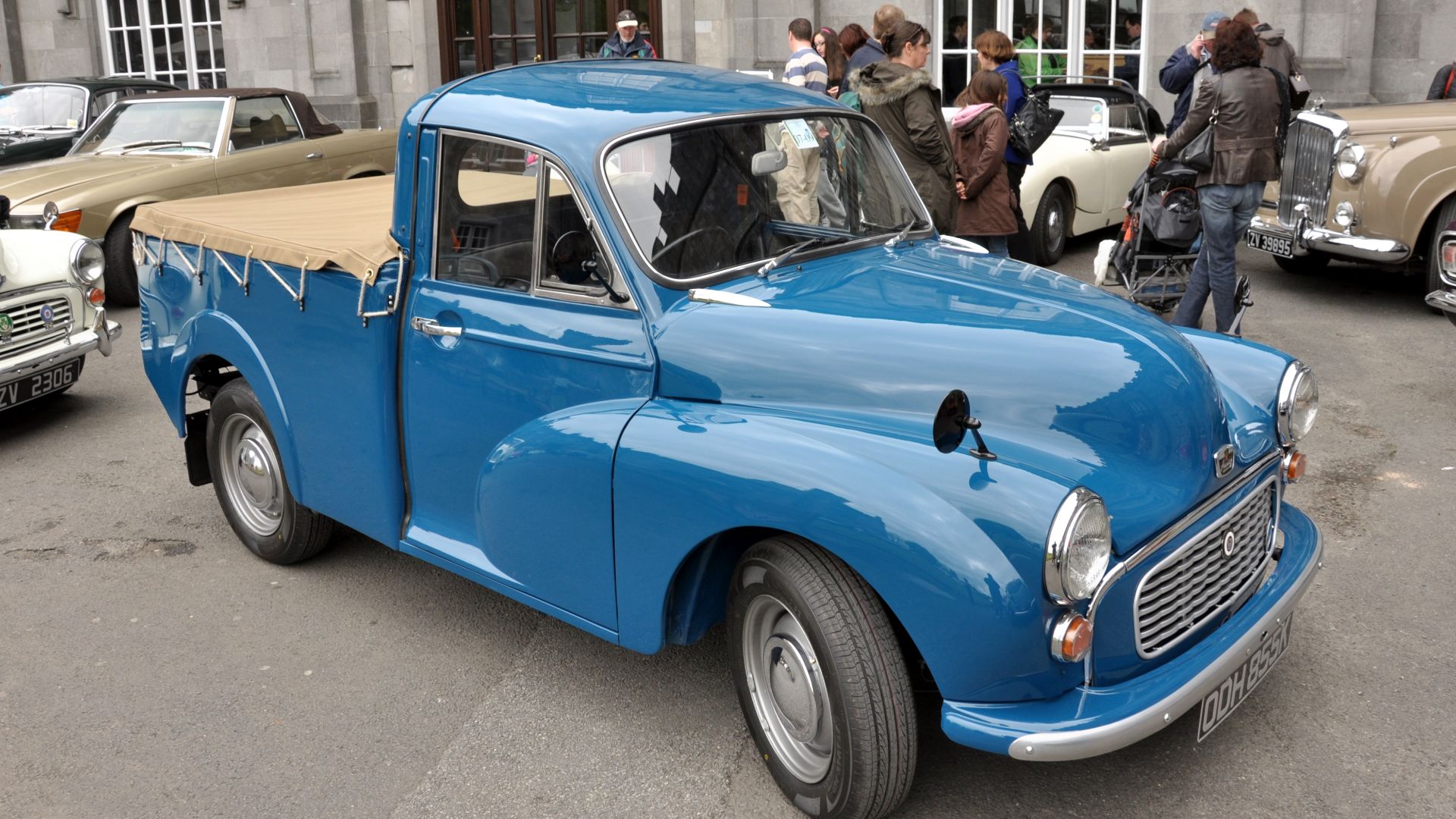 Stephen Hanafin from Kilkenny, Ireland, Wikimedia Commons
23. 1958–1961 Datsun 220
The Datsun 220 introduced many Americans to the idea of a truly compact Japanese pickup. Its four-cylinder engine and narrow body seemed almost toy-like beside domestic trucks, but it was inexpensive and practical. Few buyers realized they were witnessing the beginning of a major automotive shift.
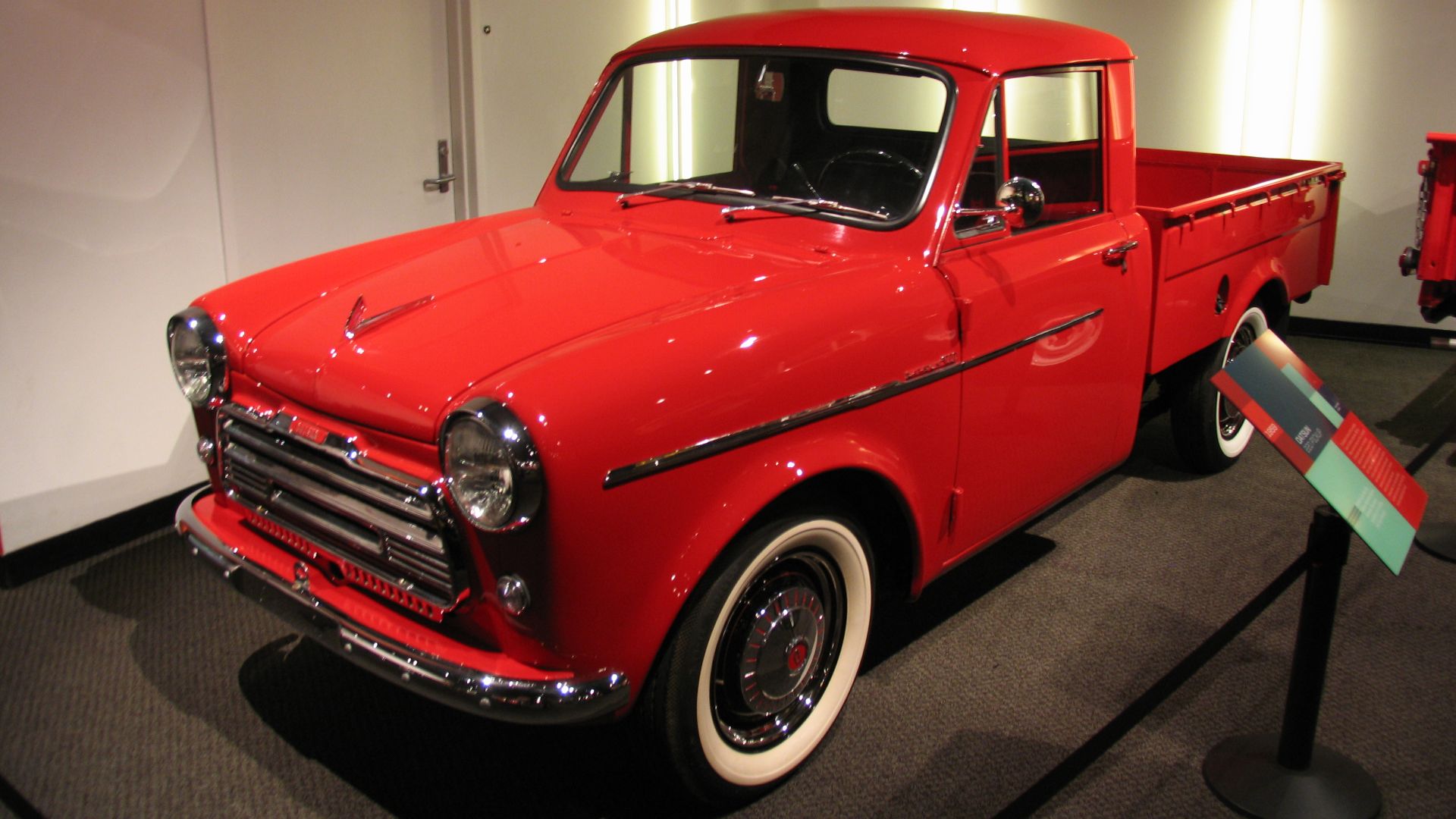 ilikewaffles11, Wikimedia Commons
22. 1952–1967 Volkswagen Type 2 Single Cab
Volkswagen transformed its familiar Type 2 into a forward-control pickup with a flat cargo platform and storage compartment underneath. Its rear-mounted, air-cooled engine produced modest power, but urban businesses appreciated its maneuverability. It resembled a Volkswagen Bus that had misplaced half its body.
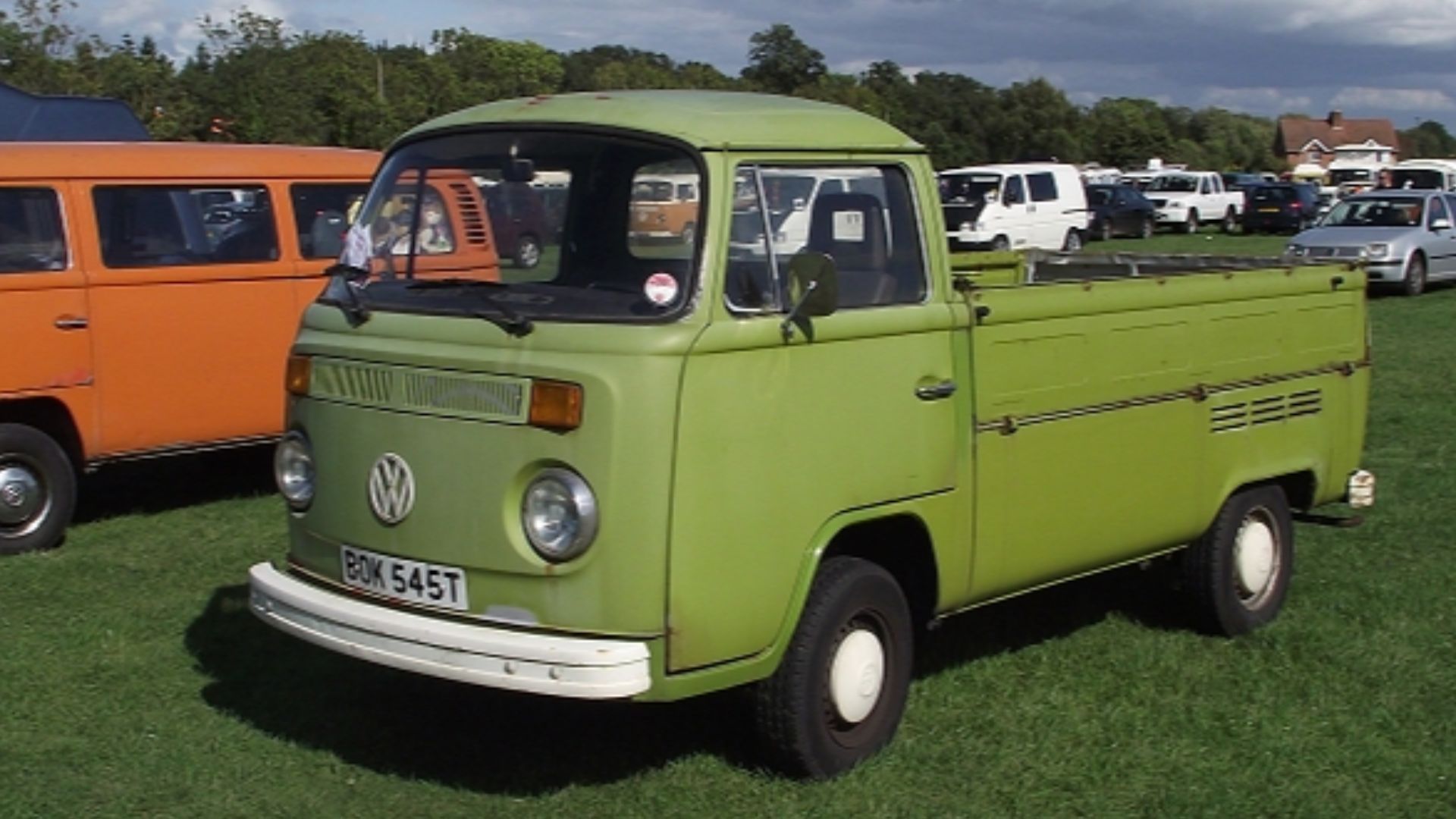 Phil_Parker, Wikimedia Commons
21. 1954–1960 Fargo Pickup
Canadian Chrysler-Plymouth dealers sold Fargo trucks because Dodge dealerships already had Dodge pickups. Underneath the different badges and trim, Fargos shared much with their Dodge relatives. They became familiar Canadian workhorses, although many younger drivers now assume Fargo was only a city in North Dakota.
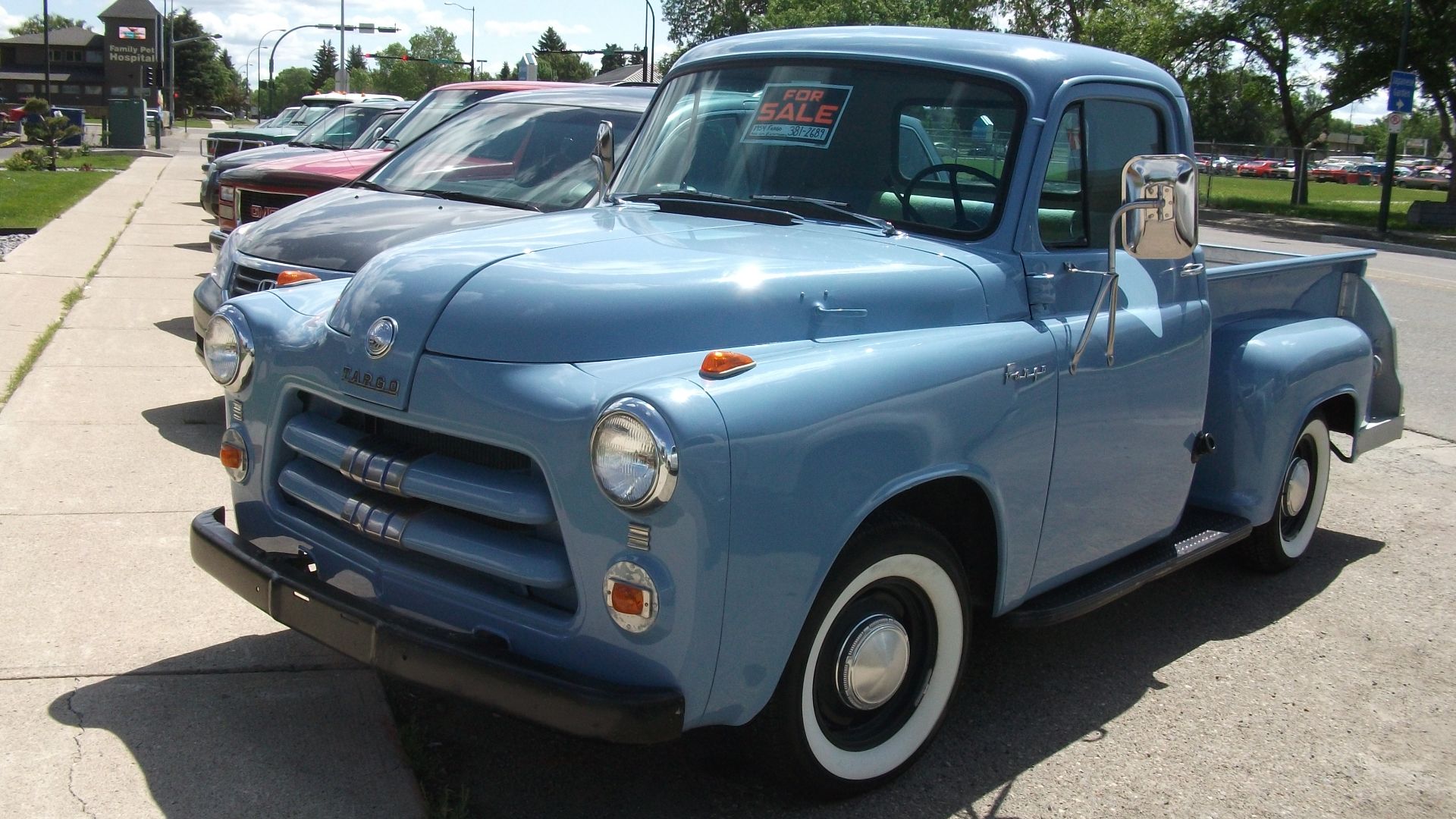 dave_7 from Lethbridge, Canada, Wikimedia Commons
20. 1953–1960 Mercury M-100
Ford of Canada created Mercury pickups for communities served by Lincoln-Mercury dealers rather than Ford stores. The M-100 largely followed the Ford F-Series but wore distinctive Mercury badging and trim. Once common in rural Canada, surviving examples now cause considerable confusion at American truck shows.
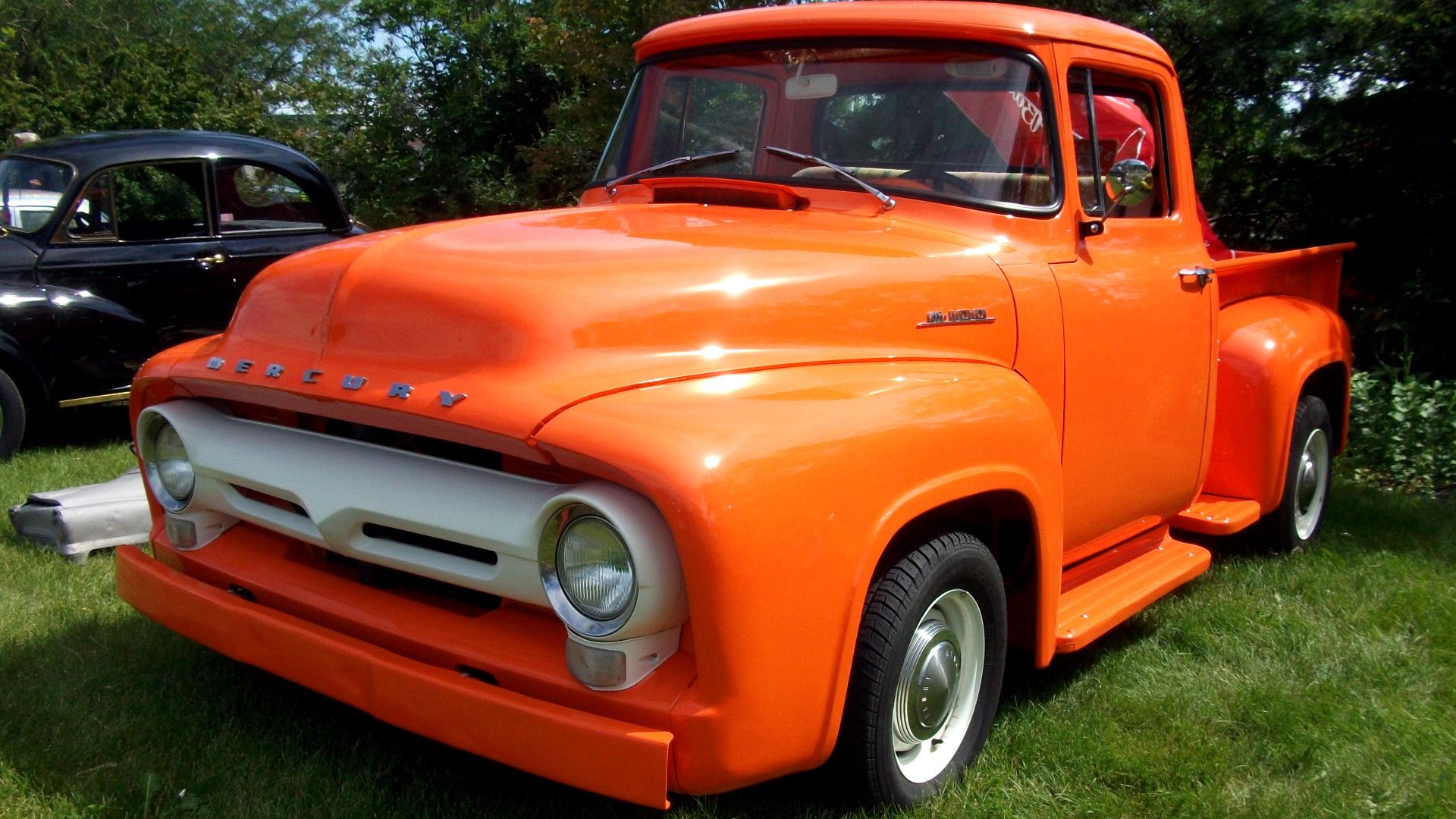 dave_7 from Lethbridge, Canada, Wikimedia Commons
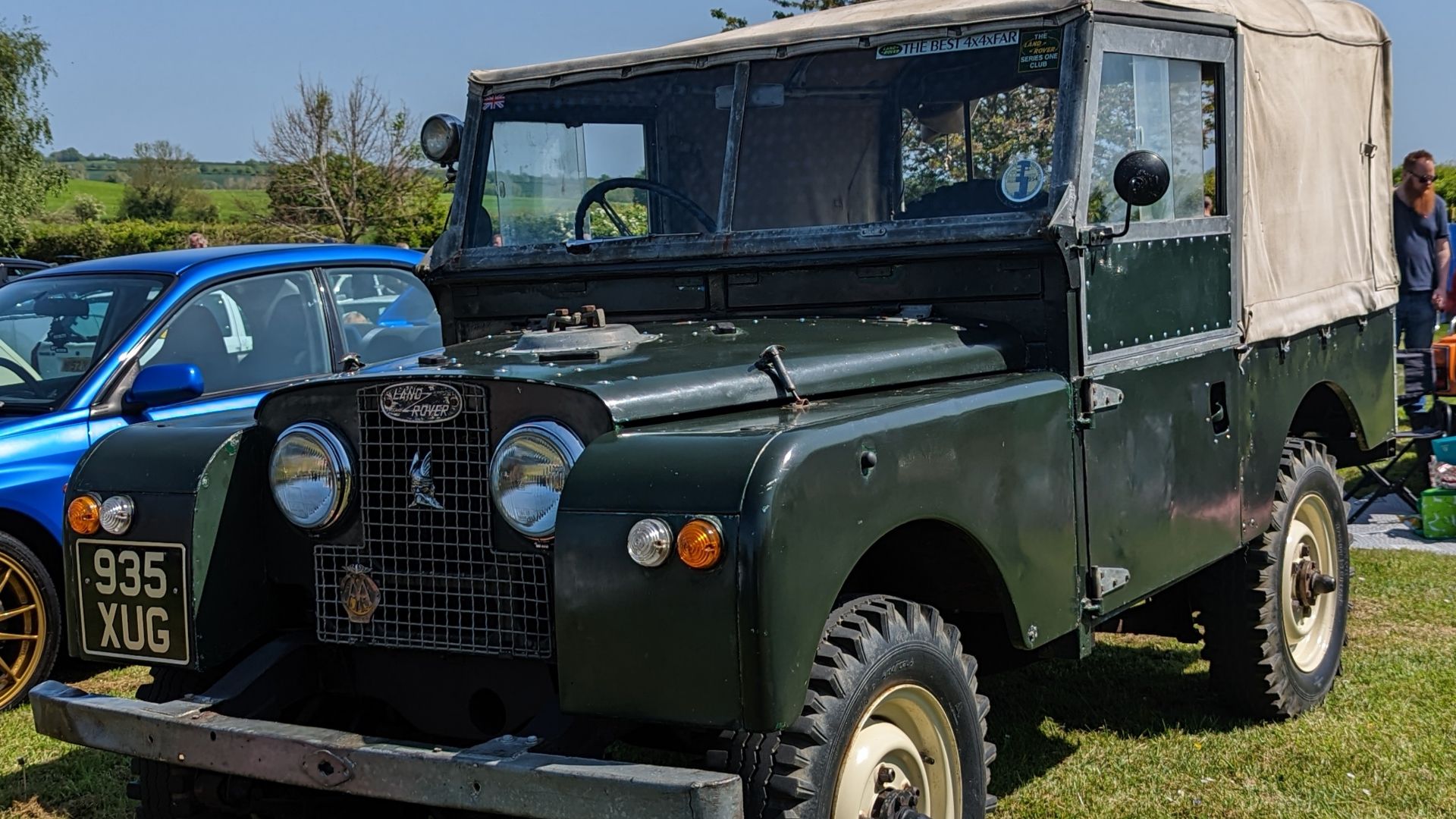
19. 1954–1958 Land Rover Series I Pickup
The Series I Land Rover Pickup brought British four-wheel-drive capability to farms, construction projects, and remote properties around the world. Its aluminum body resisted rust better than steel, although the frame remained vulnerable. Comfort was minimal, but nobody bought one to enjoy the upholstery.
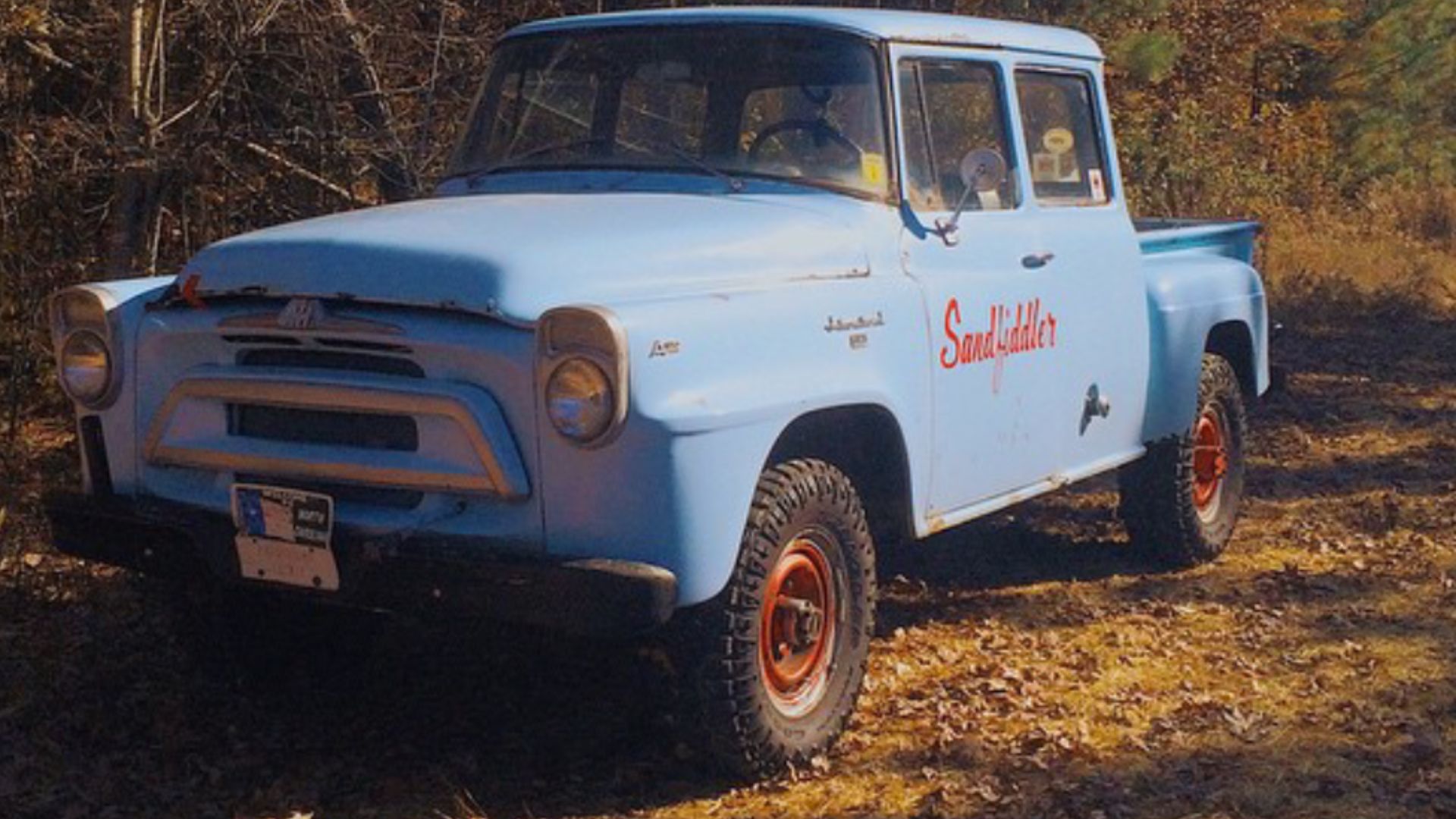
18. 1957–1960 International Harvester Travelette
International’s original Travelette was an early factory-built crew-cab pickup with room for six workers. Curiously, the first version had three doors, giving rear passengers their own entrance on only one side. It looked unusual, but work crews appreciated reaching distant job sites in one vehicle.
17. 1957–1959 Dodge D100 Sweptside
Dodge created the Sweptside by fitting dramatic station-wagon-style rear fenders onto a conventional pickup box. The result offered chrome, fins, and two-tone paint in a market discovering that trucks could be stylish. Sales were limited, but nobody could accuse it of arriving quietly.
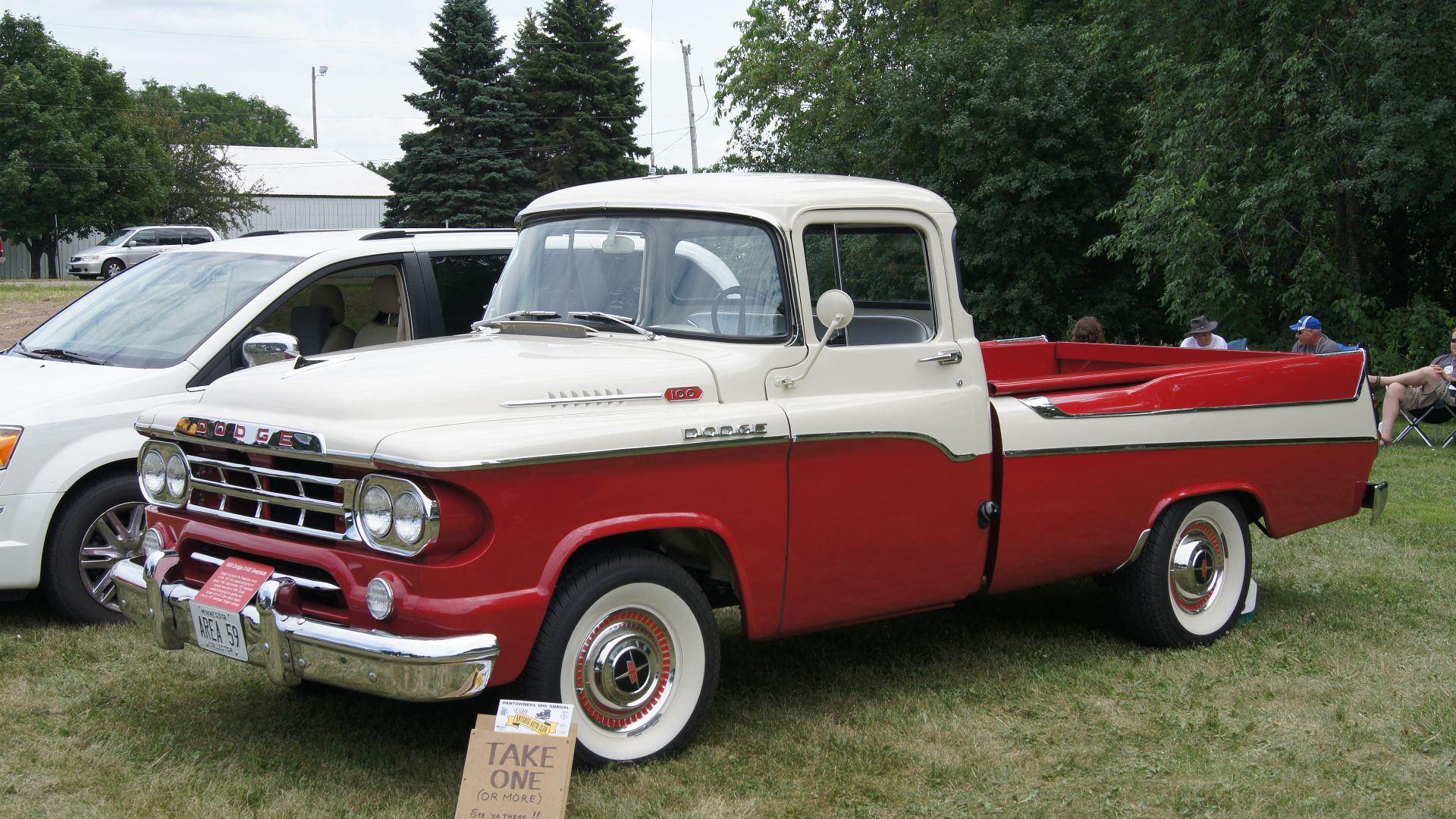 Greg Gjerdingen from Willmar, USA, Wikimedia Commons
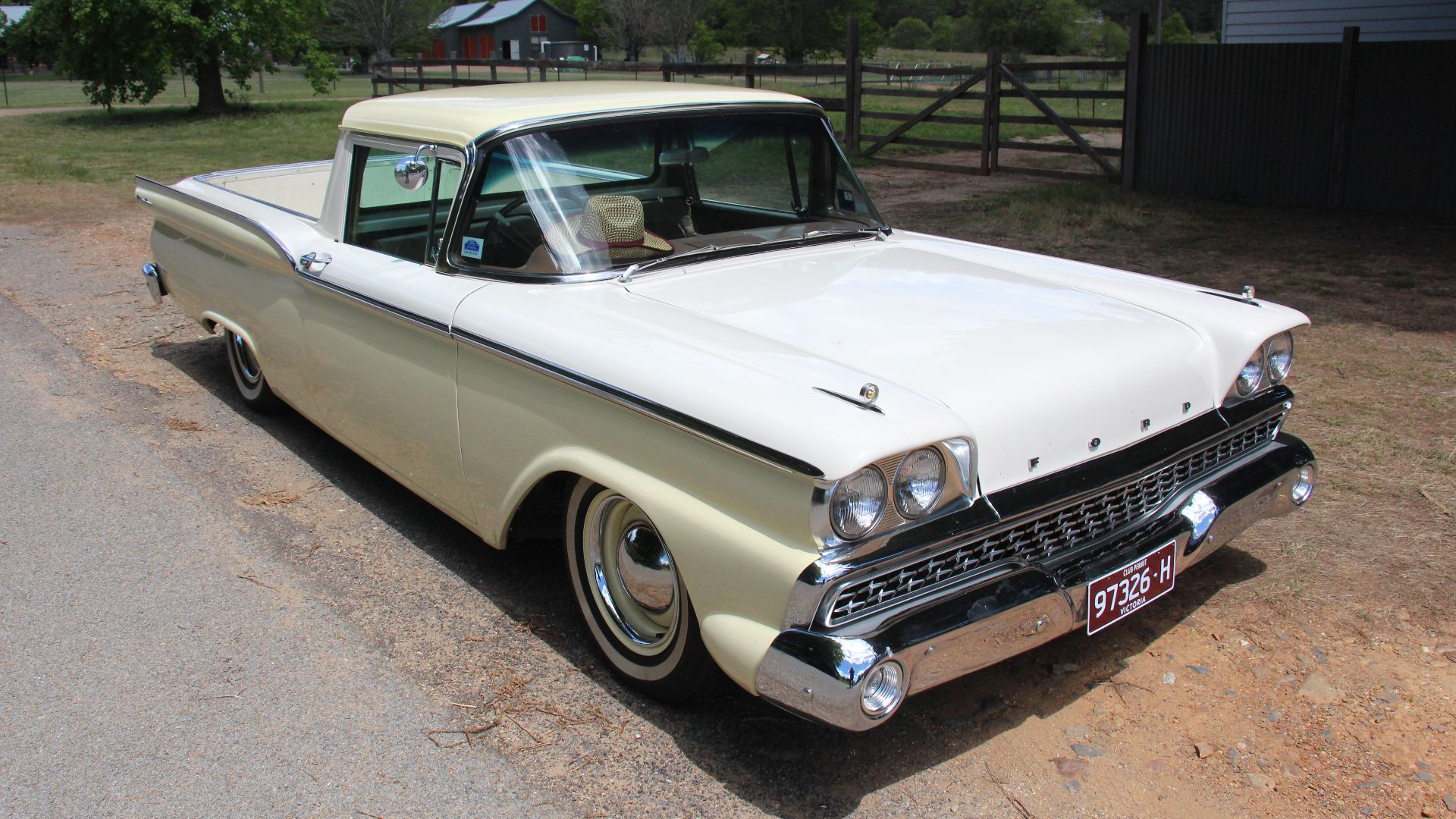
16. 1957–1959 Ford Ranchero
Ford introduced the Ranchero by combining a passenger-car front end and interior with an integrated cargo bed. It drove more comfortably than most traditional pickups while still handling light work. Younger motorists might call it strange, but Ford advertised it as “more than a car.”
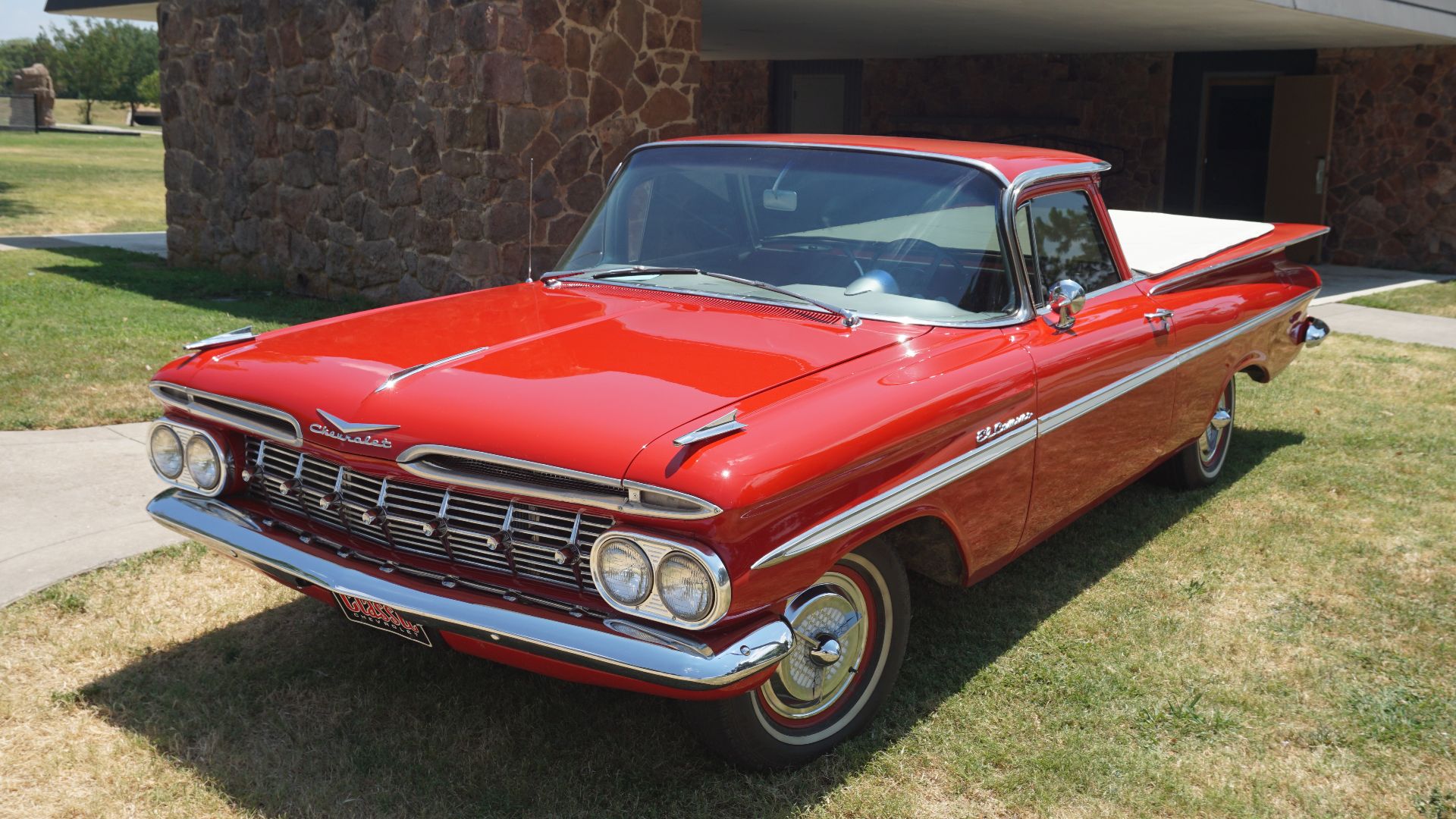
15. 1959 Chevrolet El Camino
Chevrolet answered the Ranchero with the wildly styled 1959 El Camino, complete with enormous fins and a sweeping body. It was technically a coupe utility rather than a conventional truck, but its cargo bed made it useful. Subtlety was not included, even as an option.
 Michael Barera, Wikimedia Commons
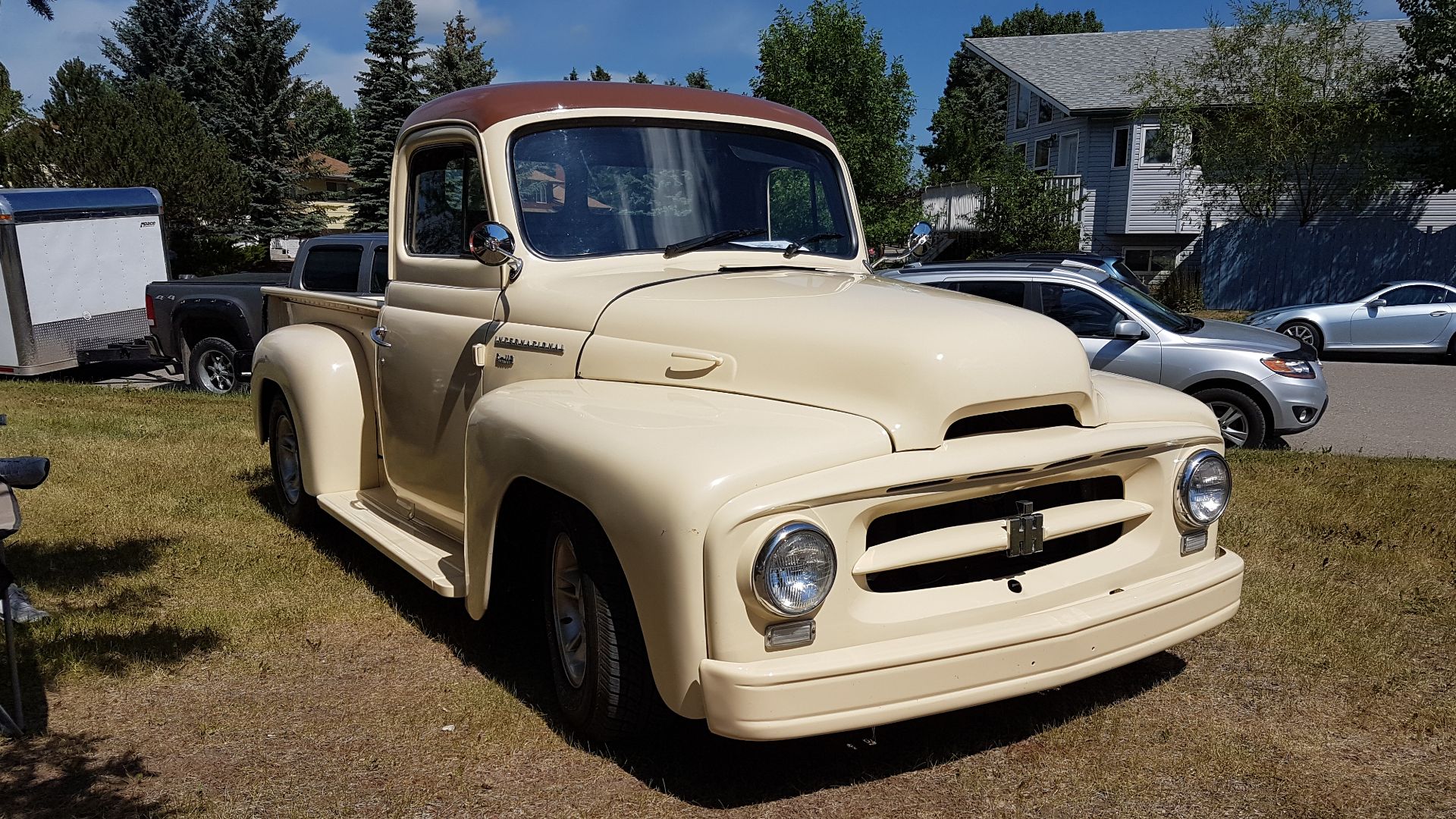
14. 1953–1955 International Harvester R-110
The half-ton R-110 combined International Harvester’s agricultural reputation with a practical everyday pickup. Its Silver Diamond six-cylinder engine and sturdy chassis suited farms and commercial fleets. Owners trusted it because International built equipment for work—not because the brochure promised an exciting lifestyle.
 dave_7 from Canada, Wikimedia Commons
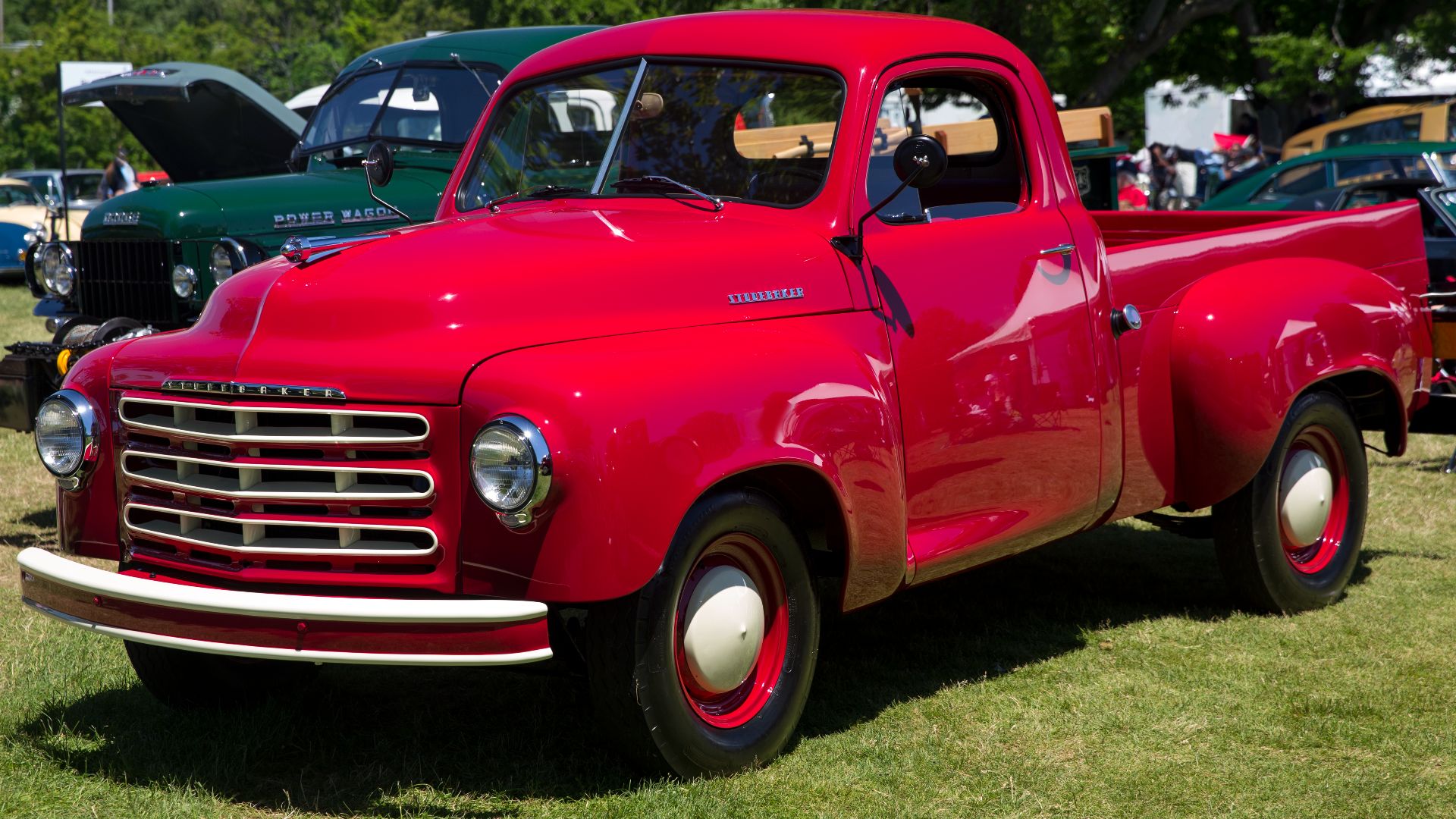
13. 1949–1953 Studebaker 2R-5
The streamlined 2R-5 featured concealed running boards and a double-wall cargo box, both unusually modern touches. Its economical six-cylinder engine appealed to small businesses and farmers. Studebaker sold plenty of 2R trucks, yet the company’s pickup history is largely forgotten outside enthusiast circles.
 Mr.choppers, Wikimedia Commons
12. 1956–1958 Studebaker Transtar
Studebaker updated its aging truck line with new front styling and the Transtar name. Buyers could choose six-cylinder or V8 power, while four-wheel drive eventually became available through NAPCO equipment. It was capable, affordable, and unfortunately competing against companies with far deeper pockets.
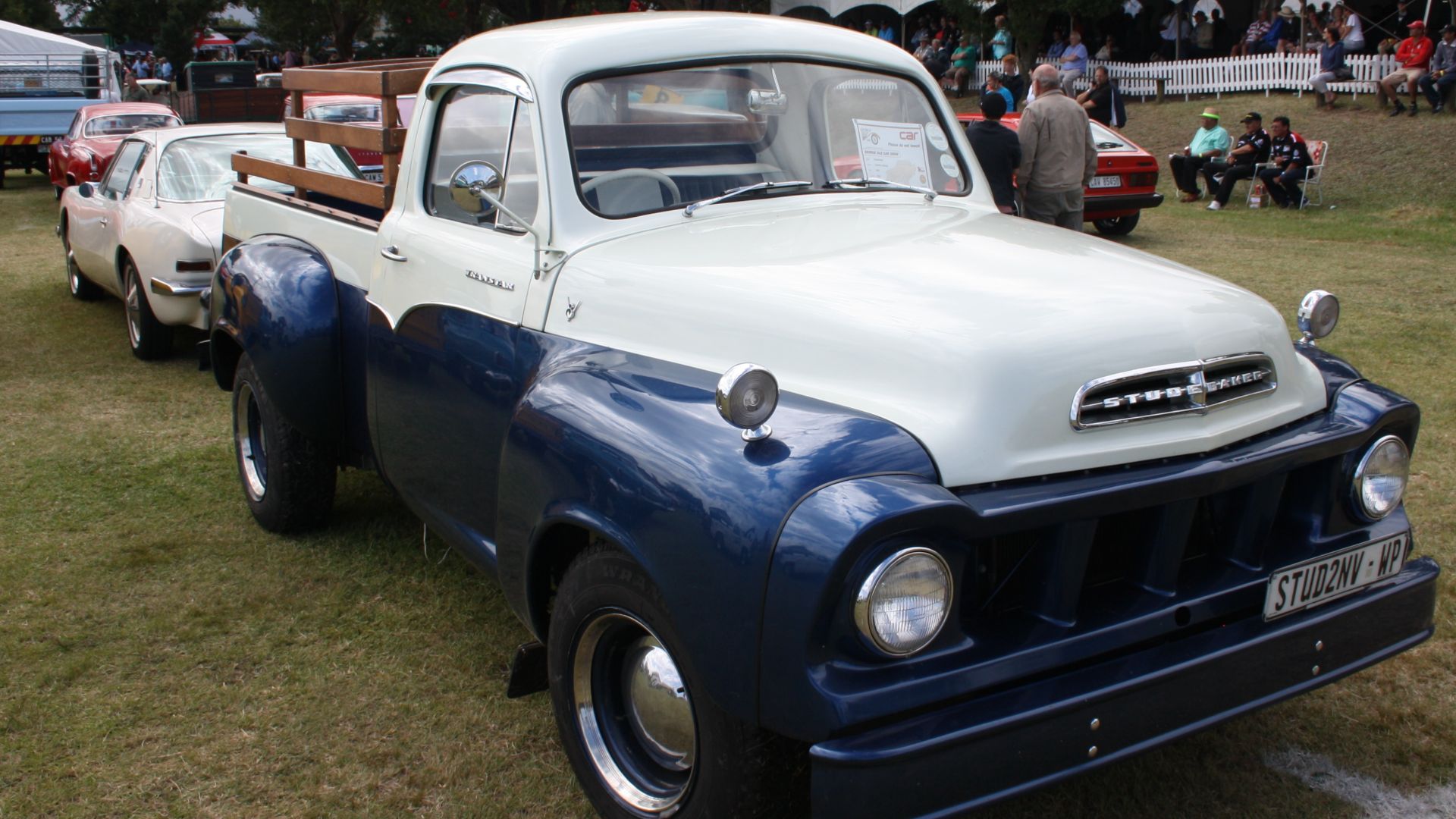 Bob Adams from Amanzimtoti, South Africa, Wikimedia Commons
11. 1957–1965 Jeep FC-150
The FC-150 placed its cab above the engine and mounted the entire arrangement on a short CJ-5 chassis. That created useful bed space, excellent visibility, and a tight turning circle. It looked like a Jeep approaching from both directions, but farmers appreciated its maneuverability.
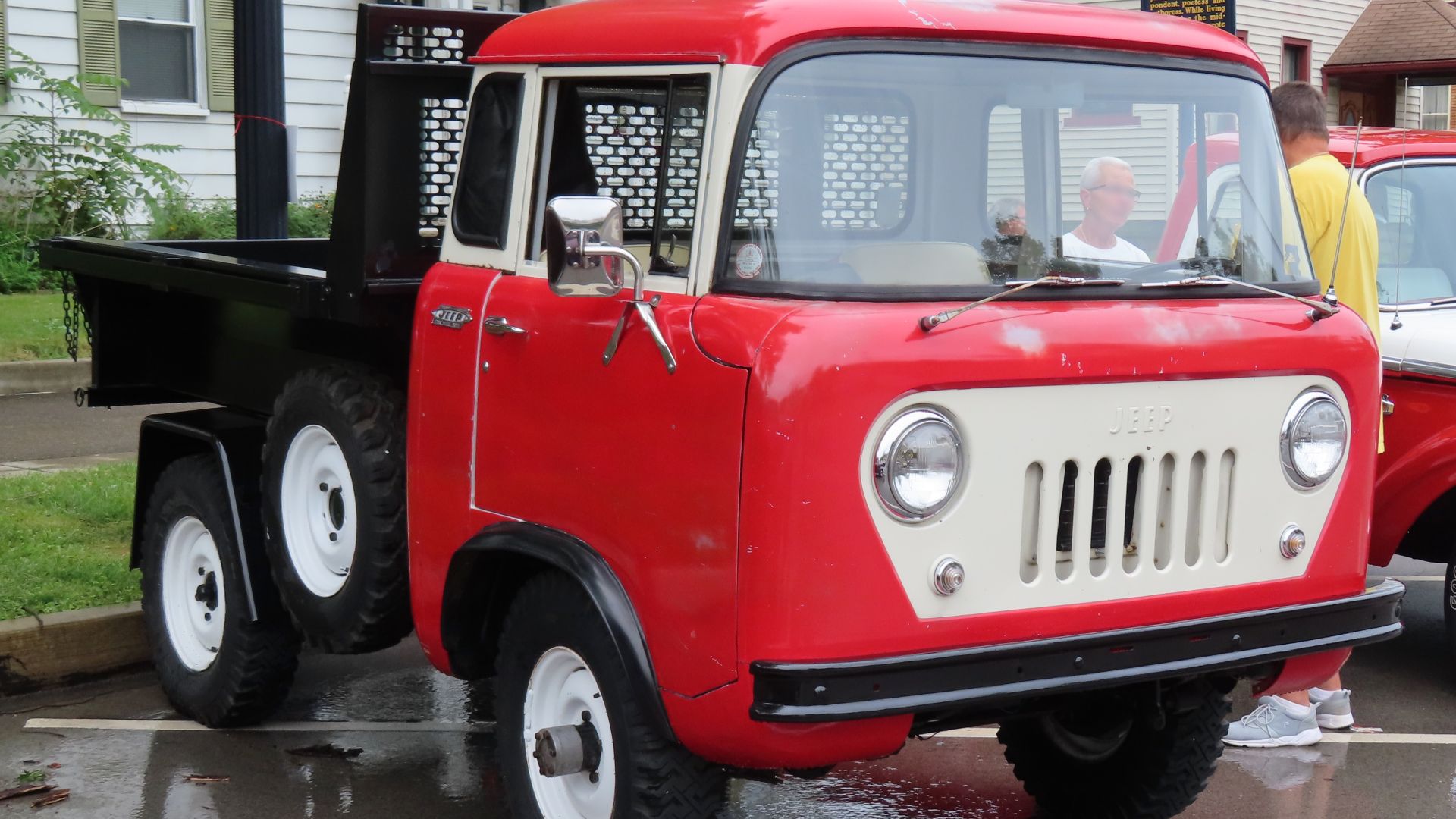 MercurySable99, Wikimedia Commons
10. 1947–1965 Willys-Overland Jeep Truck
The Willys Jeep Truck combined a proper cargo bed with the rugged drivetrain that returning veterans already respected. Available four-wheel drive helped it cross muddy fields, snowy roads, and remote properties. It was noisy and slow, but chores rarely award points for refinement.
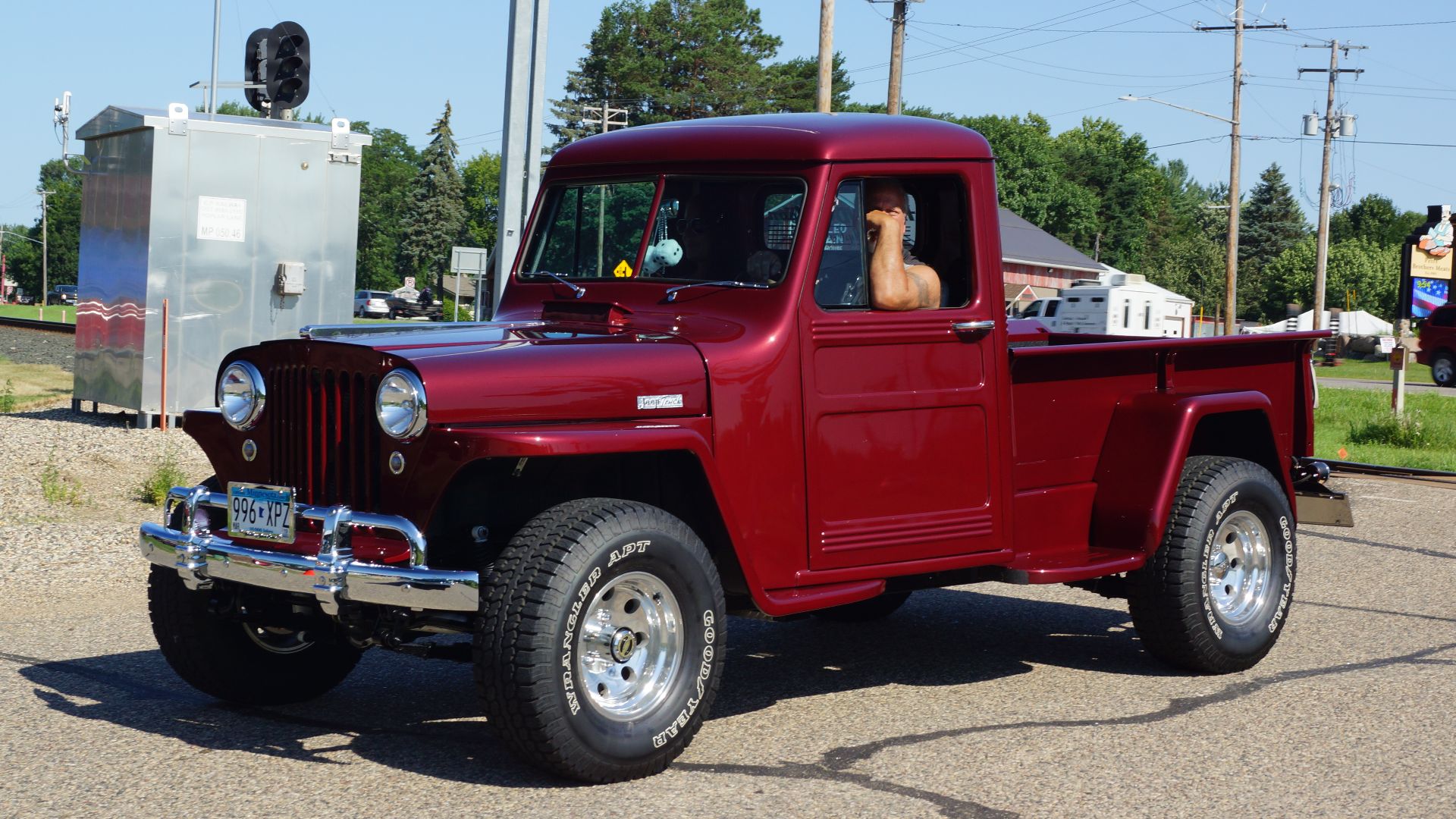 Greg Gjerdingen from Willmar, USA, Wikimedia Commons
9. 1955–1959 GMC Blue Chip 100
GMC’s Blue Chip pickups shared their basic architecture with Chevrolet’s Task Force trucks but received different grilles, engines, and badging. They were particularly popular with commercial buyers who considered GMC the more work-focused brand. Today, many observers simply mistake one for a customized Chevrolet.
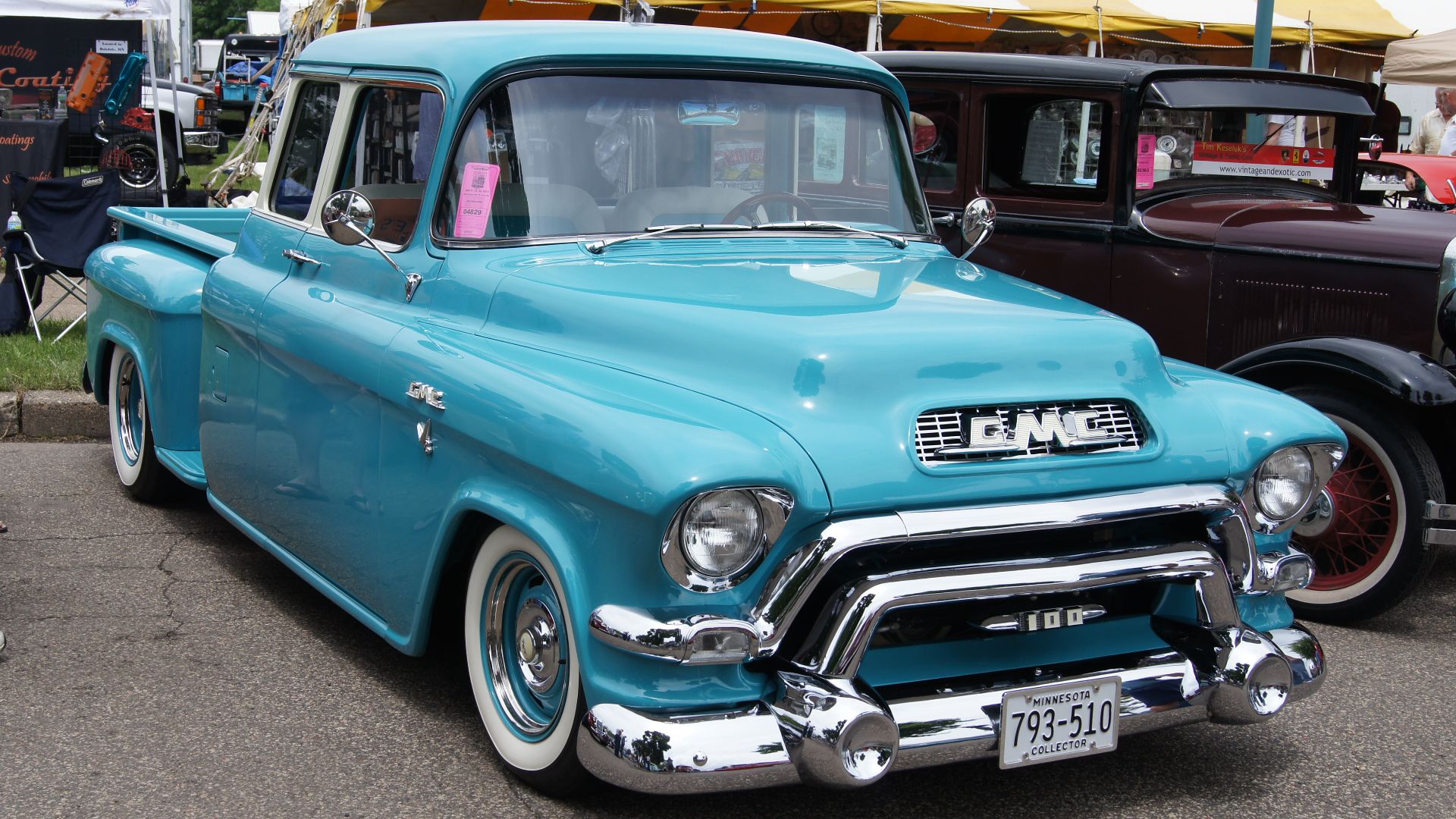 Greg Gjerdingen from Willmar, USA, Wikimedia Commons
8. 1950–1952 International Harvester L-110
International introduced the L-Series for 1950 with a wider cab, improved visibility, and a more modern appearance. The half-ton L-110 became a dependable choice for farmers, merchants, and tradespeople. Its face was friendly, even if the ride reminded passengers that this was working equipment.
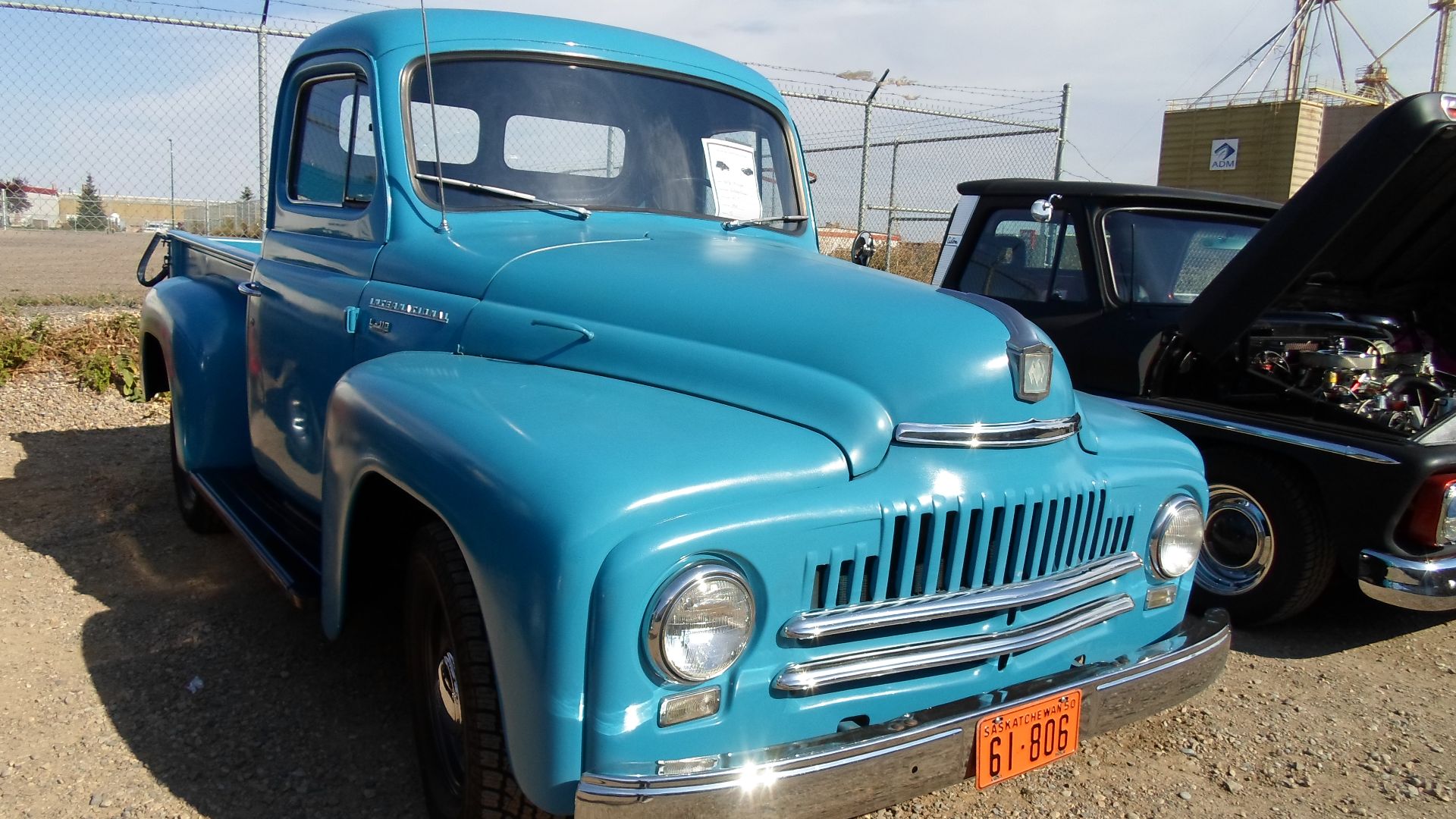 dave_7 from Lethbridge, Canada, Wikimedia Commons
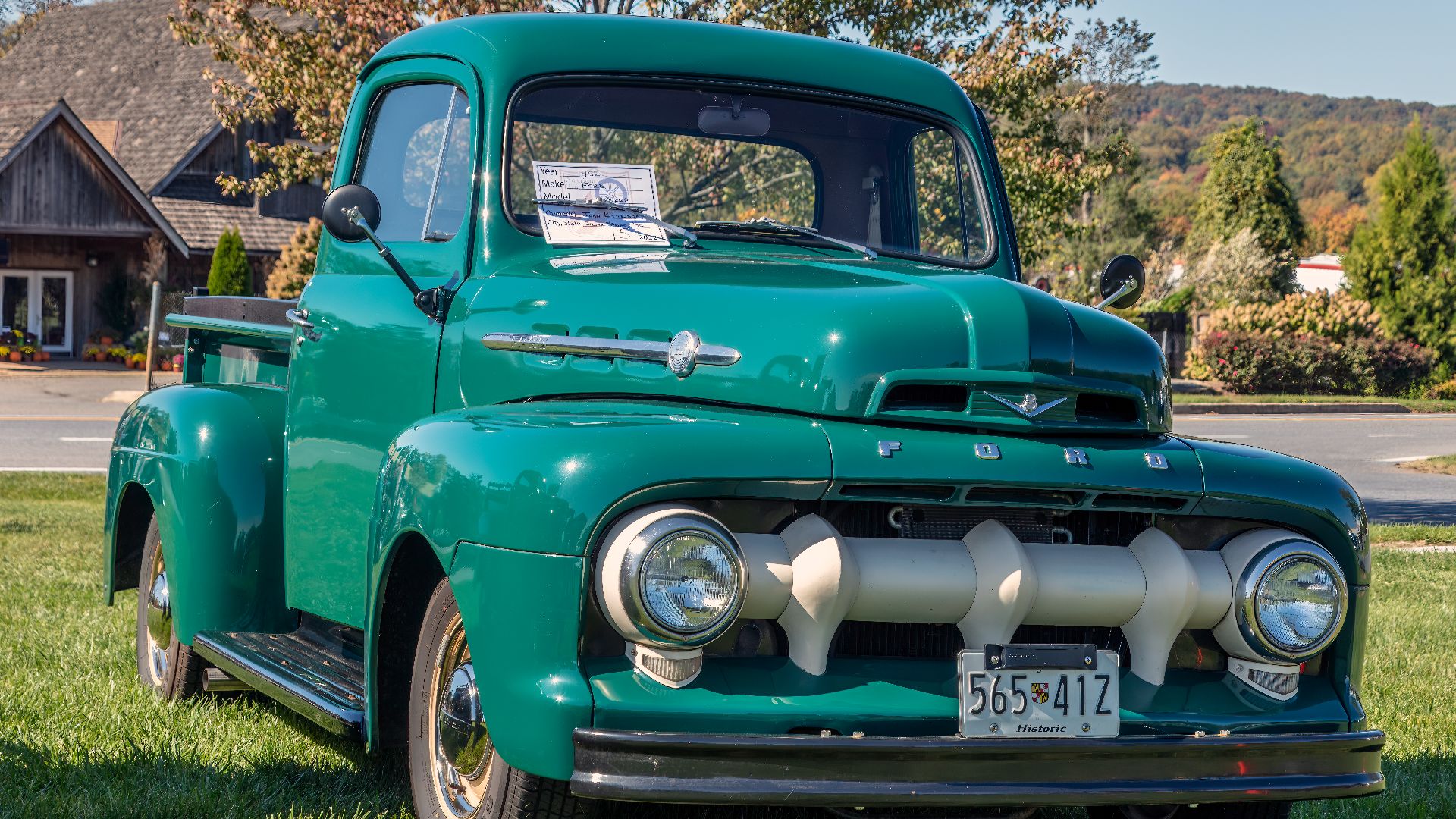
7. 1948–1952 Ford F-1
The F-1 launched Ford’s famous F-Series with a purpose-built truck platform and a more comfortable cab than its predecessors. Buyers could select six-cylinder or flathead V8 power. Its descendants remain everywhere, but many young drivers would not recognize the truck that started the family.
6. 1955–1958 Chevrolet Cameo Carrier
The Cameo Carrier added smooth fiberglass bedsides, two-tone paint, and car-inspired styling to Chevrolet’s pickup line. It cost considerably more than a basic work truck, but it previewed the modern idea of a stylish personal pickup. Even its spare tire received a hidden compartment.
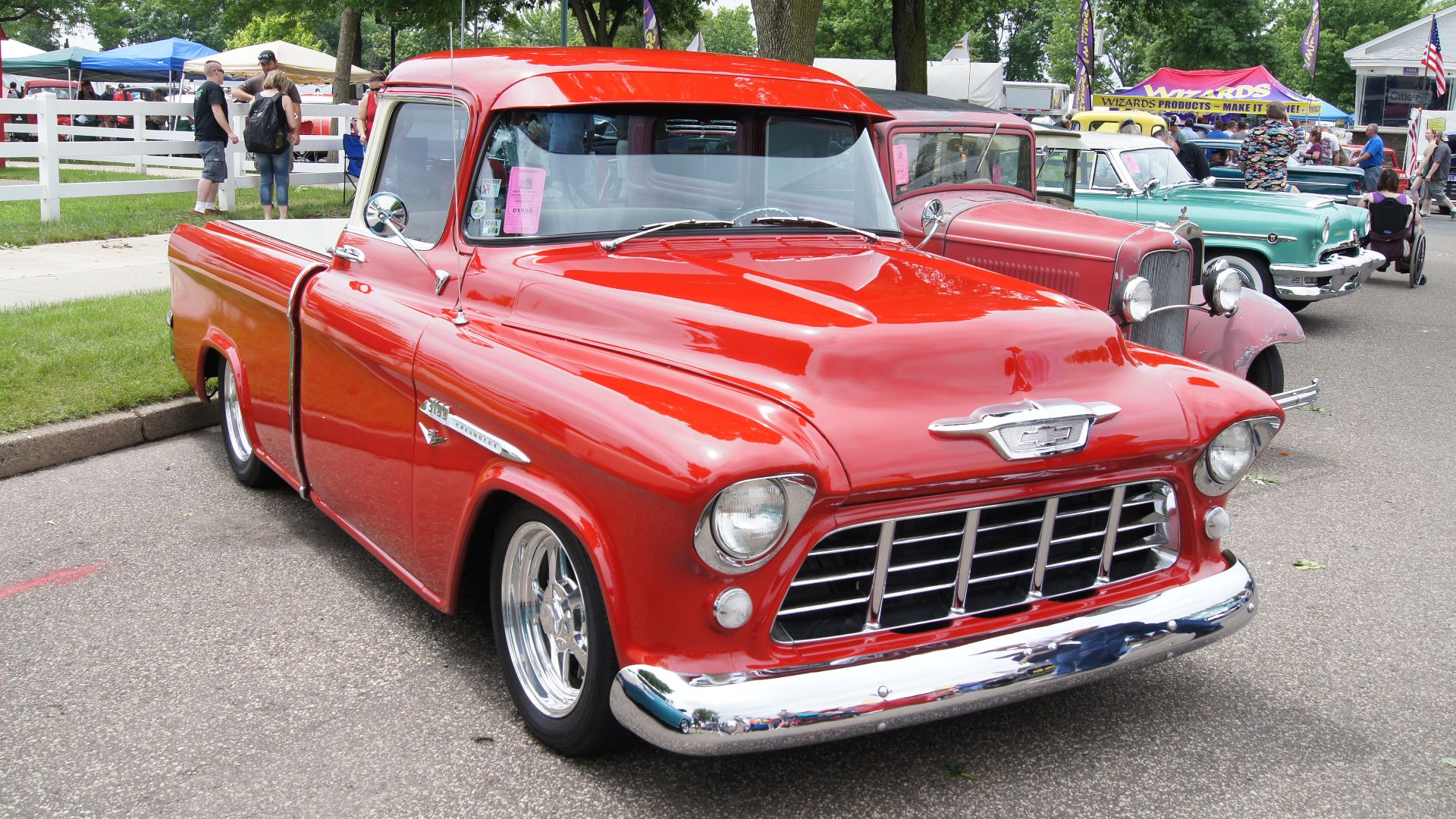 Greg Gjerdingen from Willmar, USA, Wikimedia Commons
5. 1948–1953 Dodge B-Series “Pilothouse”
Dodge’s Pilothouse trucks earned their nickname from a high-visibility cab with generous glass and an elevated seating position. A dependable flathead six supplied the power, while higher bed sides increased cargo capacity. It gave drivers a better view of every pothole they were about to feel.
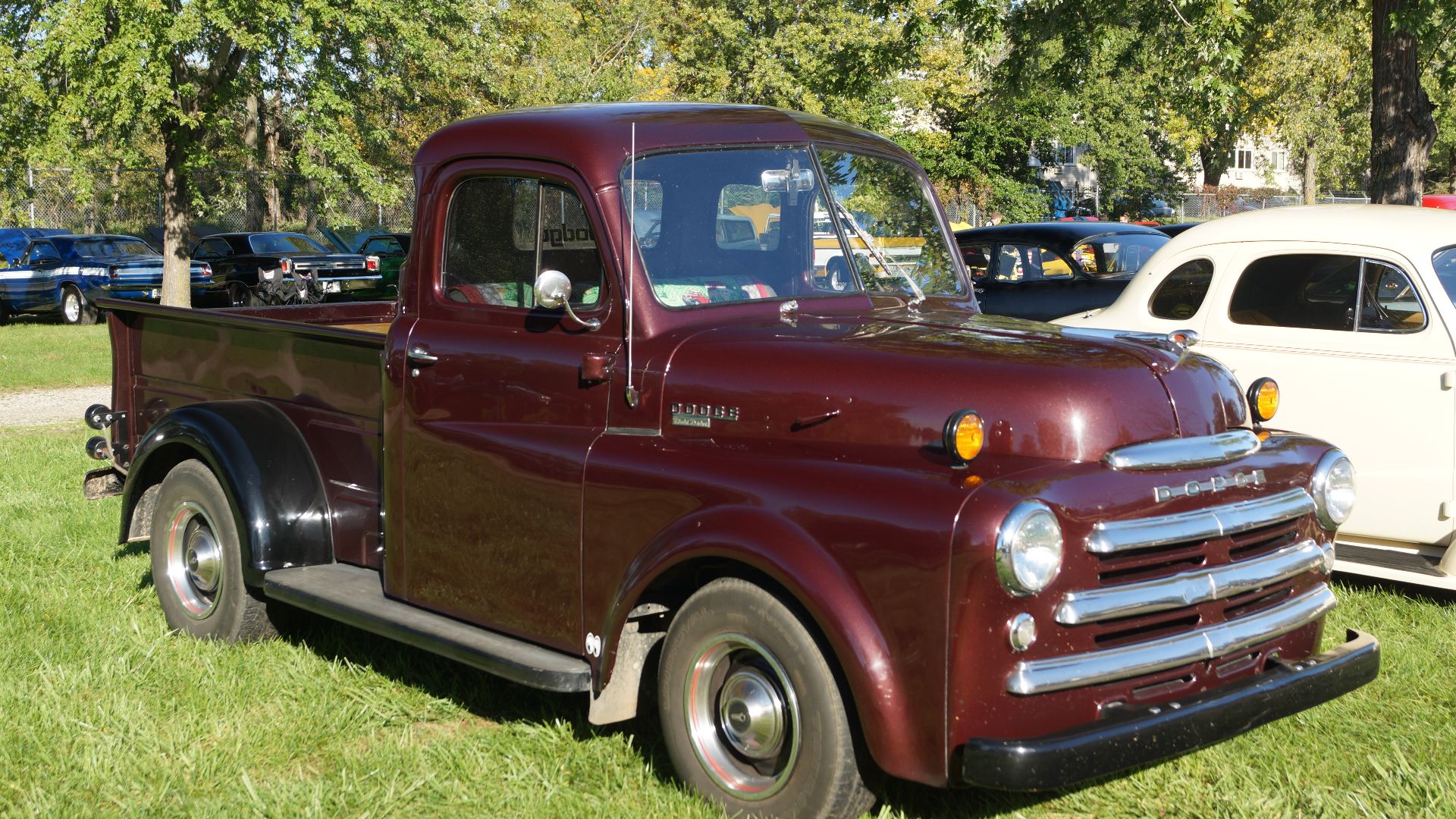 Greg Gjerdingen from Willmar, USA, Wikimedia Commons
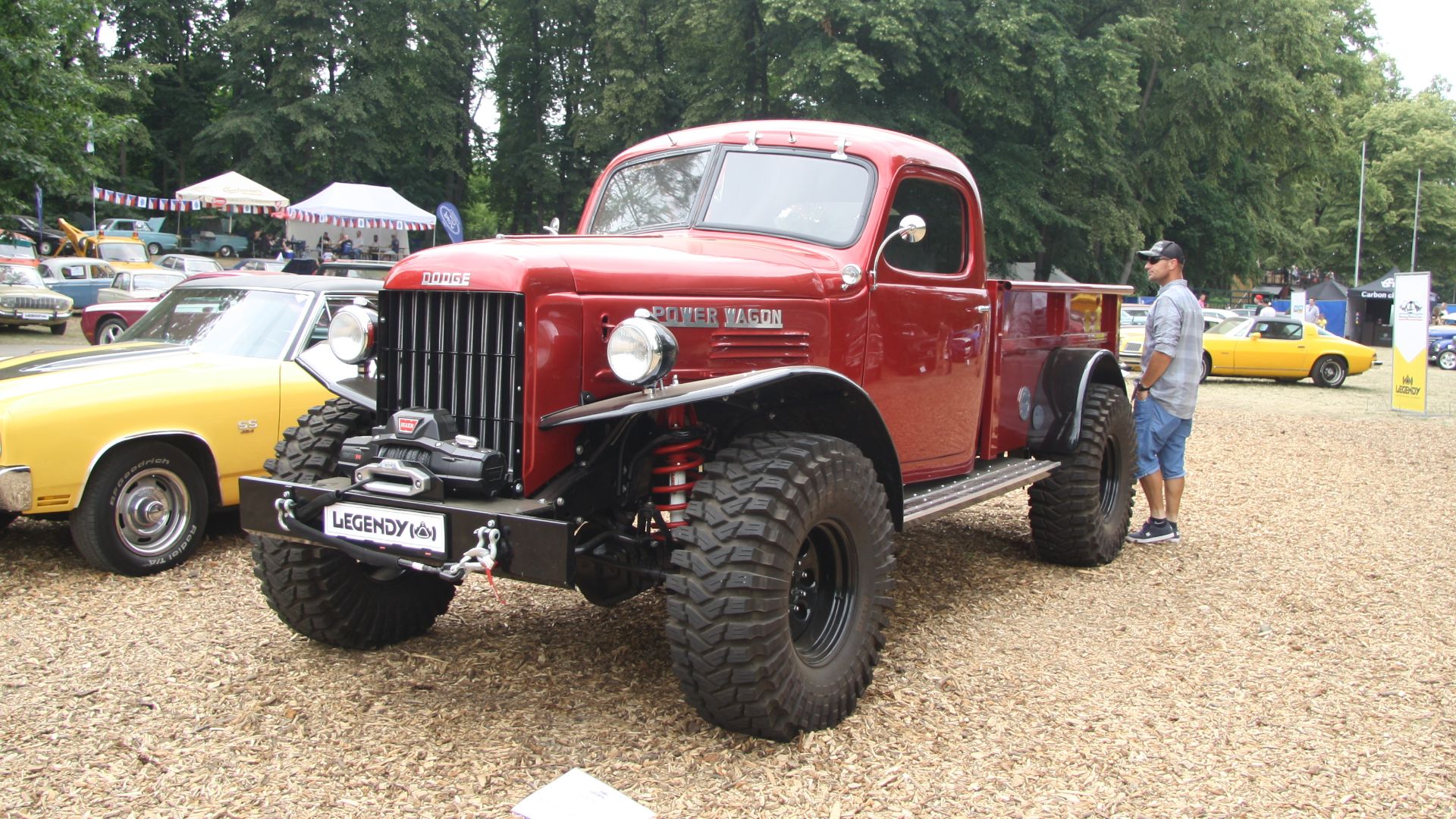
4. 1946–1968 Dodge Power Wagon
The civilian Power Wagon evolved from Dodge’s wartime military trucks and brought serious factory-built four-wheel drive to ordinary buyers. Low gearing, rugged axles, and available power takeoff equipment made it invaluable for farming, forestry, and emergency work. Easy steering was apparently considered unnecessary.
 Jiri Sedlacek, Wikimedia Commons
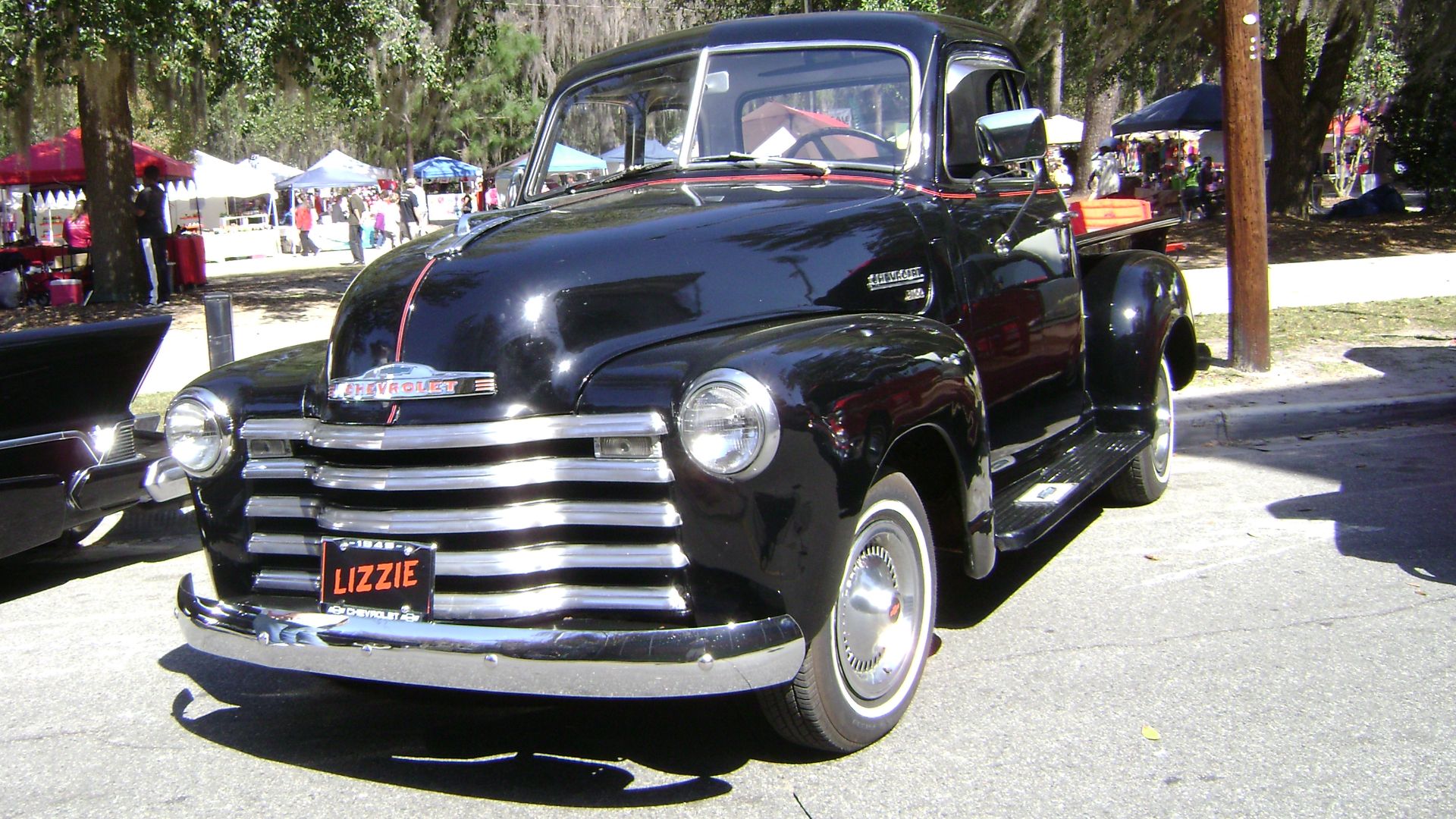
3. 1947–1955 Chevrolet Advance-Design 3100
Chevrolet’s Advance-Design 3100 offered a larger cab, better visibility, and more comfortable seating than earlier pickups. Its dependable inline-six engine and rounded body made it enormously popular. These trucks helped build postwar America before collectors decided they belonged under soft covers in heated garages.
 Michael Rivera, Wikimedia Commons
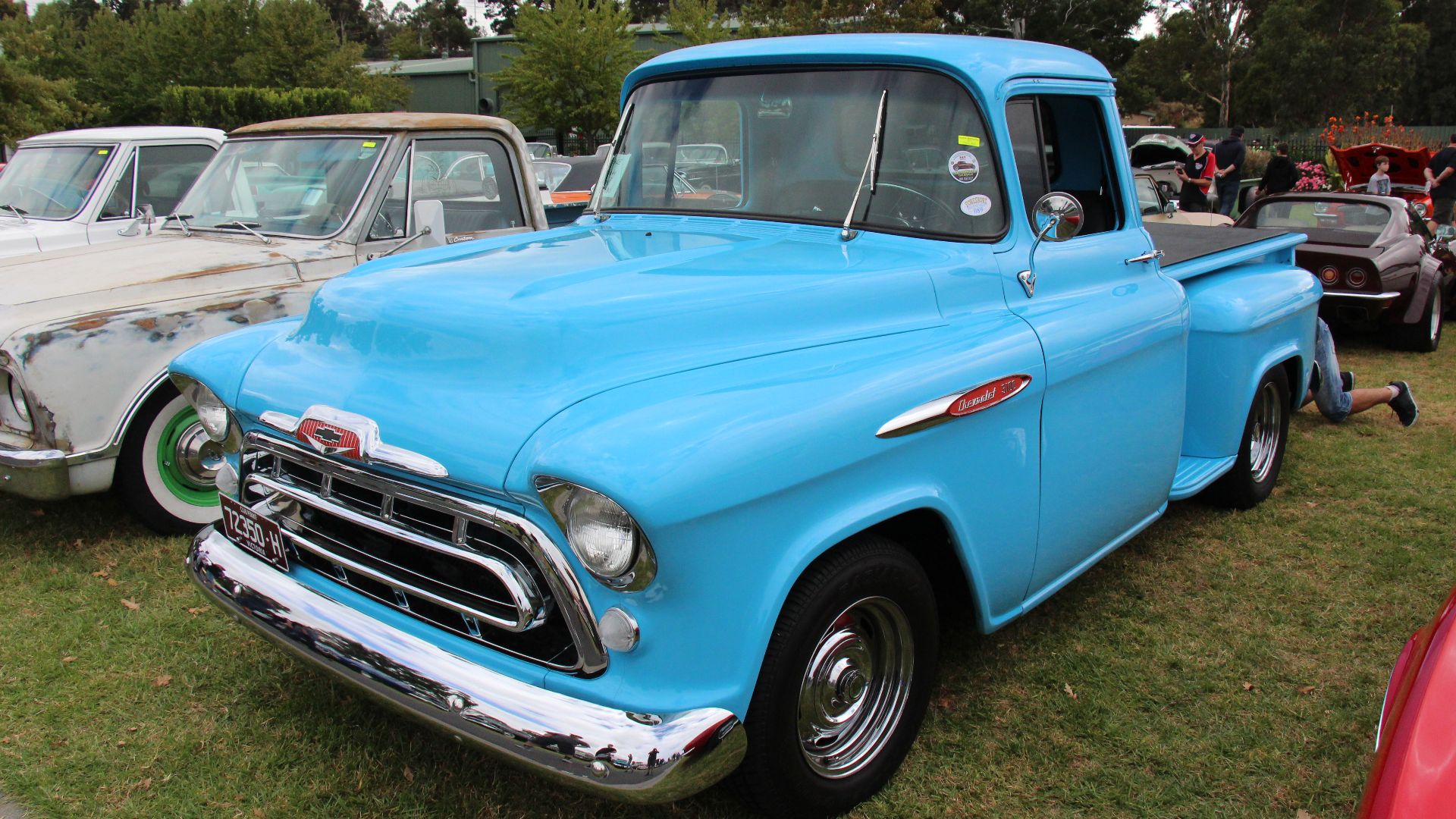
2. 1955–1959 Chevrolet Task Force 3100
The Task Force generation introduced a wraparound windshield, 12-volt electrical system, and available small-block V8 power. Chevrolet later added the smooth-sided Fleetside cargo box. It looked considerably more modern than the Advance-Design truck while remaining practical enough for farms, shops, and construction crews.
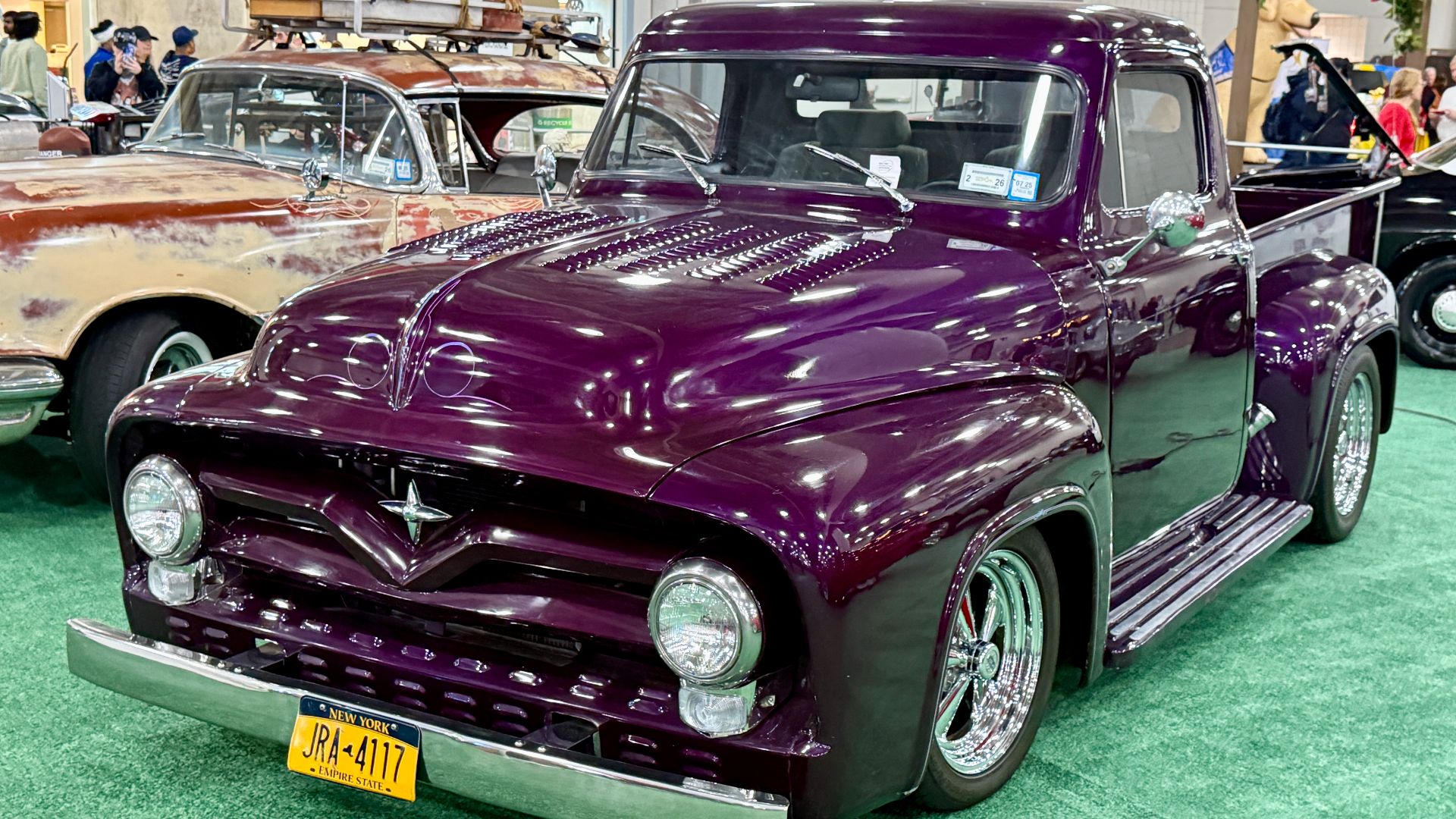
1. 1953–1956 Ford F-100
The second-generation Ford F-100 takes first place for blending classic styling with genuine everyday usefulness. Its roomier cab, improved visibility, and available V8 power made it a favorite across America. The 1956 model became especially iconic—even if younger drivers cannot always identify it by name.
You May Also Like:
Pickup Trucks That Are Still Running Strong After 400,000 Miles
The Most Reliable Diesel Trucks For 2025, According To Edmunds
Classic Pickup Trucks Are Skyrocketing in Value—Here’s What’s Driving It