The Cord Across The Sidewalk Is More Than A Small Annoyance
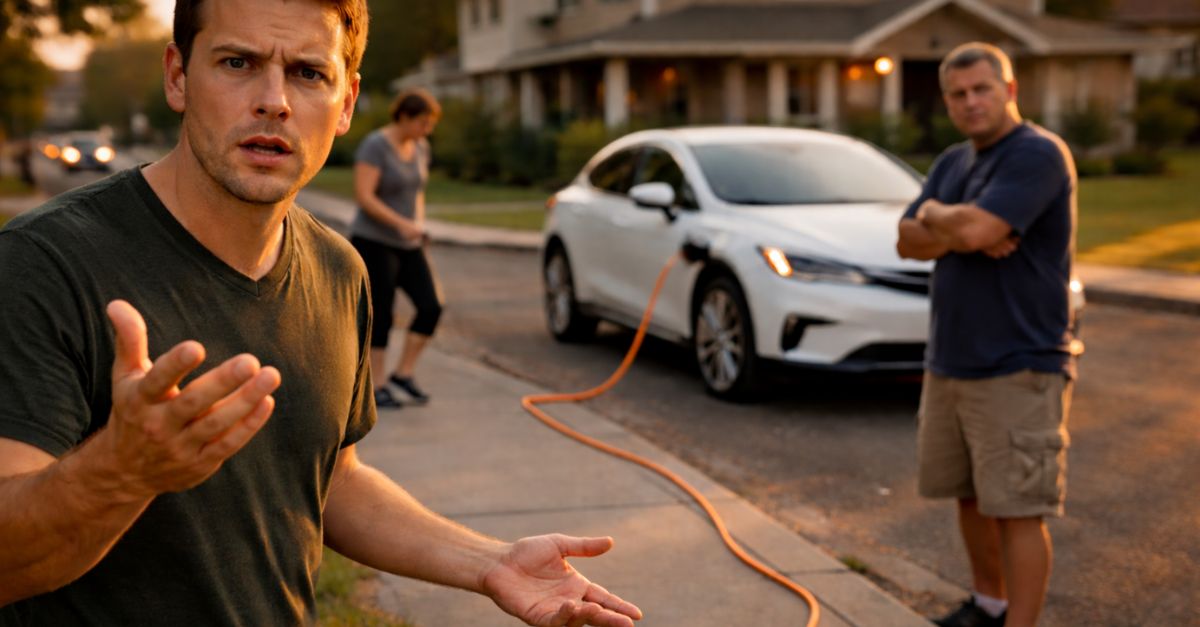
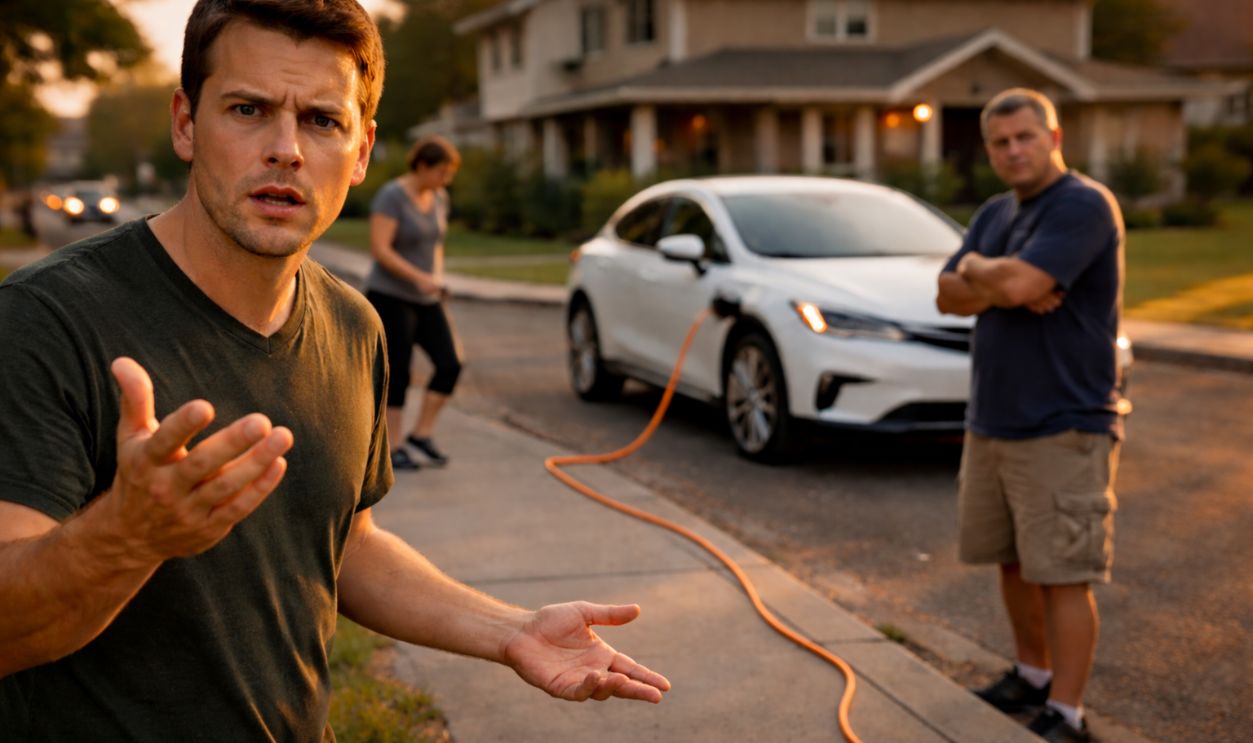
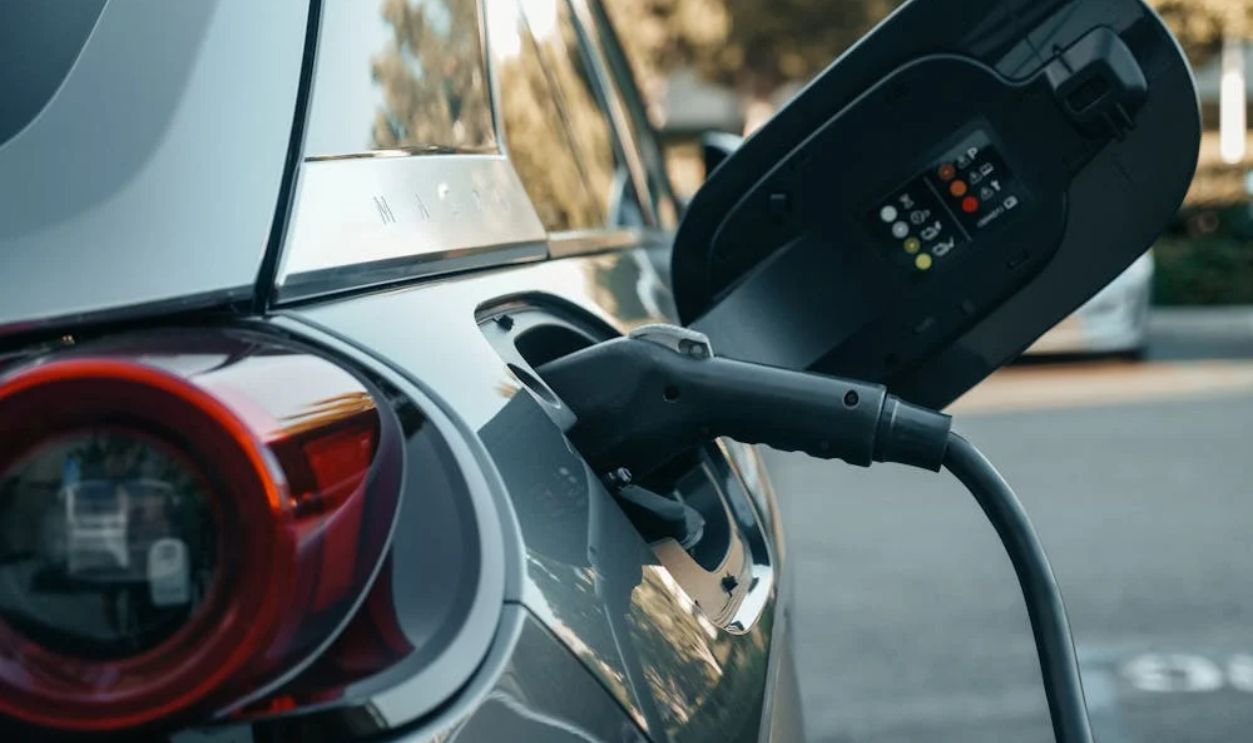
It is easy to picture. A new EV shows up, and soon a charging cable is stretched from the house, across the public sidewalk, to the car at the curb. Whether that is legal is not a simple yes or no. In many places, it can break local sidewalk obstruction rules, create liability problems, or raise electrical safety concerns.
There Is No Single Nationwide Rule
In the United States, sidewalk obstruction rules are usually set by state and local governments. So a setup that might slide by in one city could be a clear violation in the next. The big takeaway is simple: local ordinances, permit rules, and utility guidance matter more than broad talk about EV charging.
Why The Sidewalk Is Such A Big Deal
Sidewalks are public rights of way, and cities do not treat them like private driveways. Anything laid across them can get in the way of pedestrians, wheelchair users, people pushing strollers, and anyone with limited vision. That is why a charging cord is not just about electricity. It is also about safety and access.

The ADA Is Part Of The Picture
The Americans with Disabilities Act does not specifically call out EV charging cords across sidewalks. But the law and related accessibility standards are a major reason cities are careful about anything that blocks or narrows a walking path. The U.S. Access Board has long stressed the need for accessible pedestrian routes, and that idea shapes how many local governments handle sidewalk obstructions.

Safety Experts Have Warned About Extension Cords
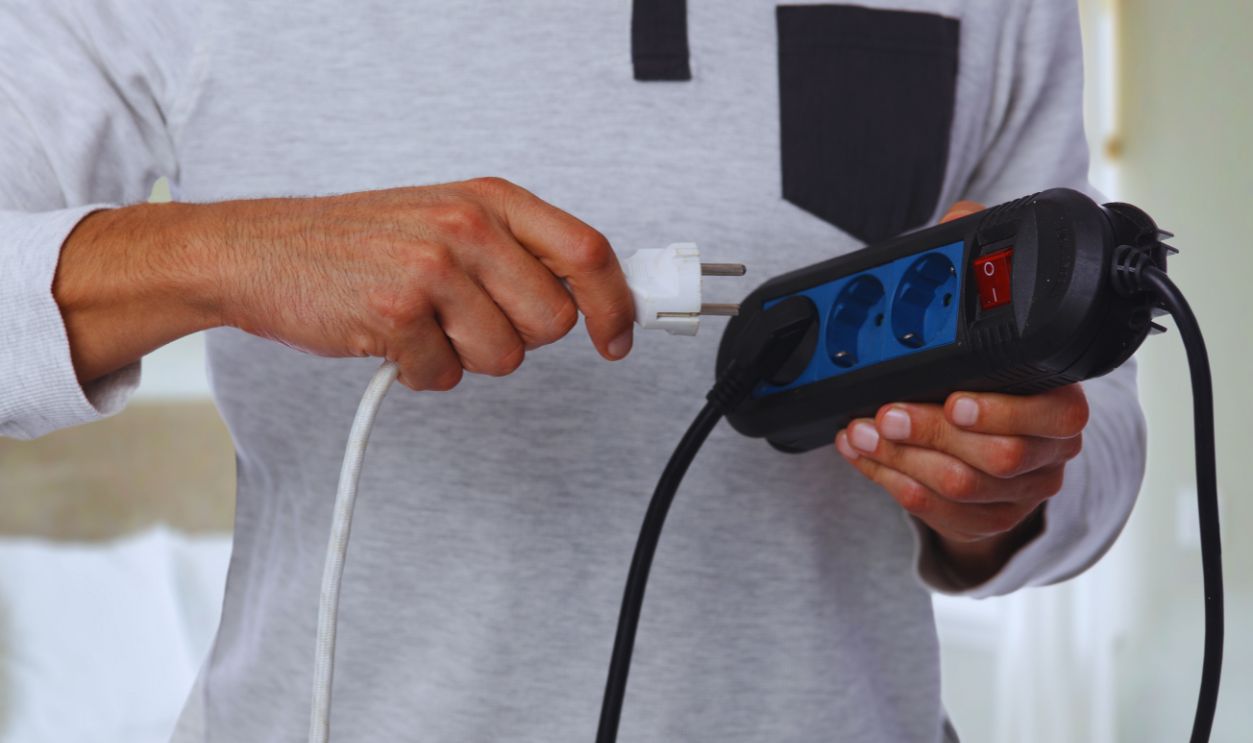
The National Fire Protection Association says extension cords are meant for temporary use, not as a stand-in for permanent wiring. That matters because EV charging can go on for hours and put a steady electrical load on the cord and outlet. A basic household extension cord is not what safety experts have in mind for regular car charging.
 Albina Gavrilovic, Shutterstock
Automakers Usually Give The Same Warning
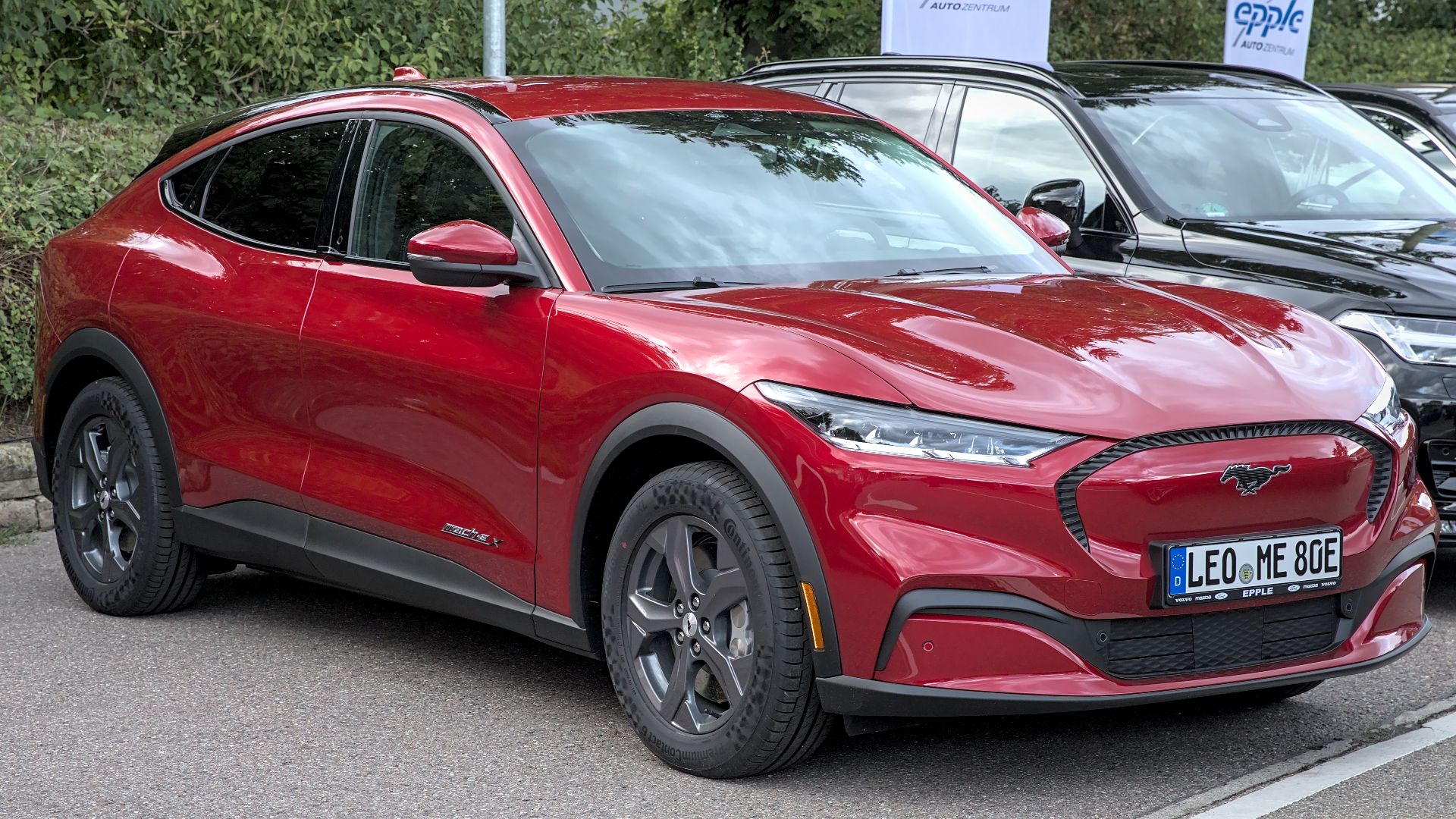
Ford says in its Mustang Mach-E charging guidance not to use an extension cord, and Tesla has given similar advice for its vehicles and charging gear. Those warnings are not just about protecting the battery. They are also about lowering the risk of overheating, voltage drop, damaged equipment, and fire when charging current runs through cables that were never meant for that job.
 Alexander Migl, Wikimedia Commons
Outlet Overload Is A Real Risk
The U.S. Consumer Product Safety Commission has repeatedly warned that extension cords can overheat and start fires when overloaded. EV charging can pull a lot of current for a long stretch, especially with Level 1 charging from a standard household outlet. It may look like an easy shortcut, but the risk is real.
Some Cities Have Started Making Formal EV Cable Rules
As more people own EVs but park on the street, some local governments have moved from vague enforcement to specific policies. London boroughs and several UK councils have been especially visible in setting up permit systems or guidance for charging cables that cross pavements. Those examples are not U.S. law, but they show how governments are trying to balance home charging with pedestrian access.

Oakland Created A Pilot For Curbside Charging Cables
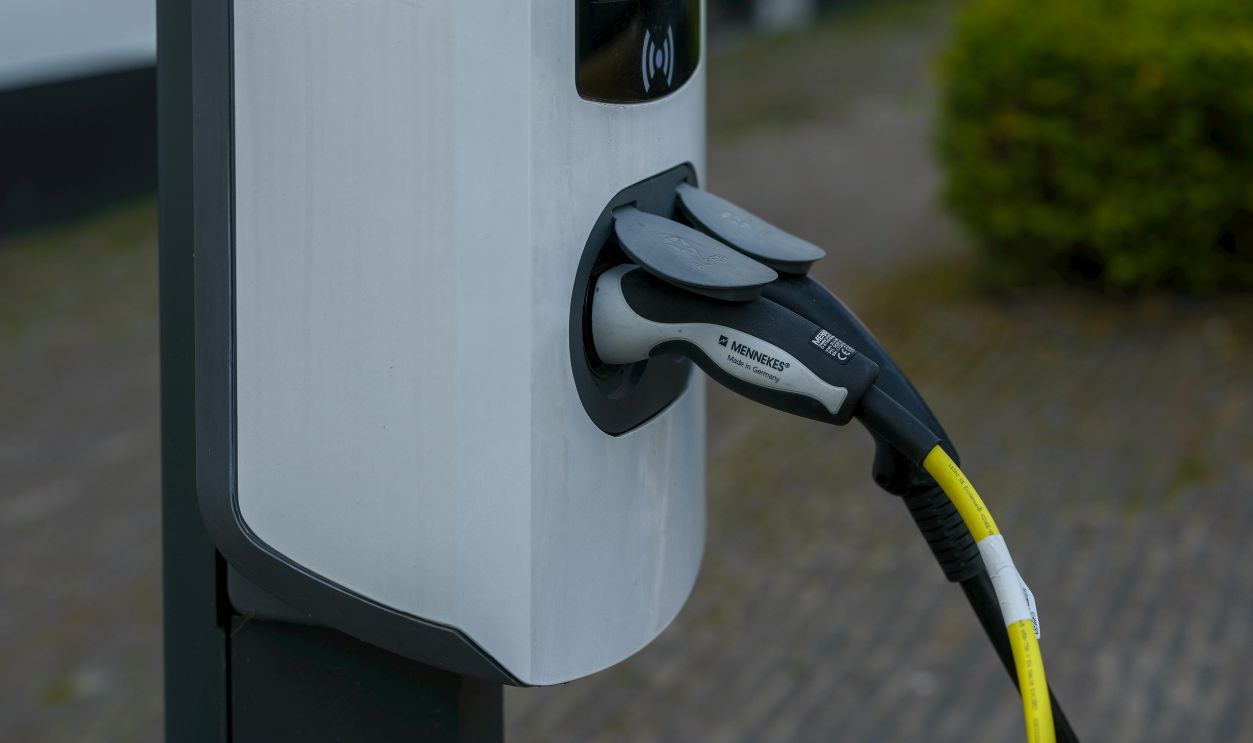
In 2024, Oakland, California launched a pilot program that lets some residents use protected cable covers across sidewalks in limited cases. The city said the goal was to help residents who cannot install a traditional driveway charger but still want to own an EV. The program matters because it shows a city trying to regulate the practice instead of just ignoring it.
 Haberdoedas Photography, Pexels
That Oakland Pilot Came With Rules
Oakland's pilot was not a free-for-all. Residents had to apply, meet eligibility requirements, and use approved equipment meant to reduce trip hazards and keep sidewalks accessible. In other words, even where a city allows sidewalk charging, it usually wants permits and purpose-built equipment, not a loose extension cord tossed over the concrete.

Why A Loose Cord Is Different From An Approved Cable Cover
A proper cable cover is made to cut down on trip risk and make the cord easier to see. That still does not make it legal everywhere, but it is much closer to what regulators may accept. A bare extension cord stretched across a walkway is the version most likely to bring complaints, citations, or both.
New York City Took A Different Route
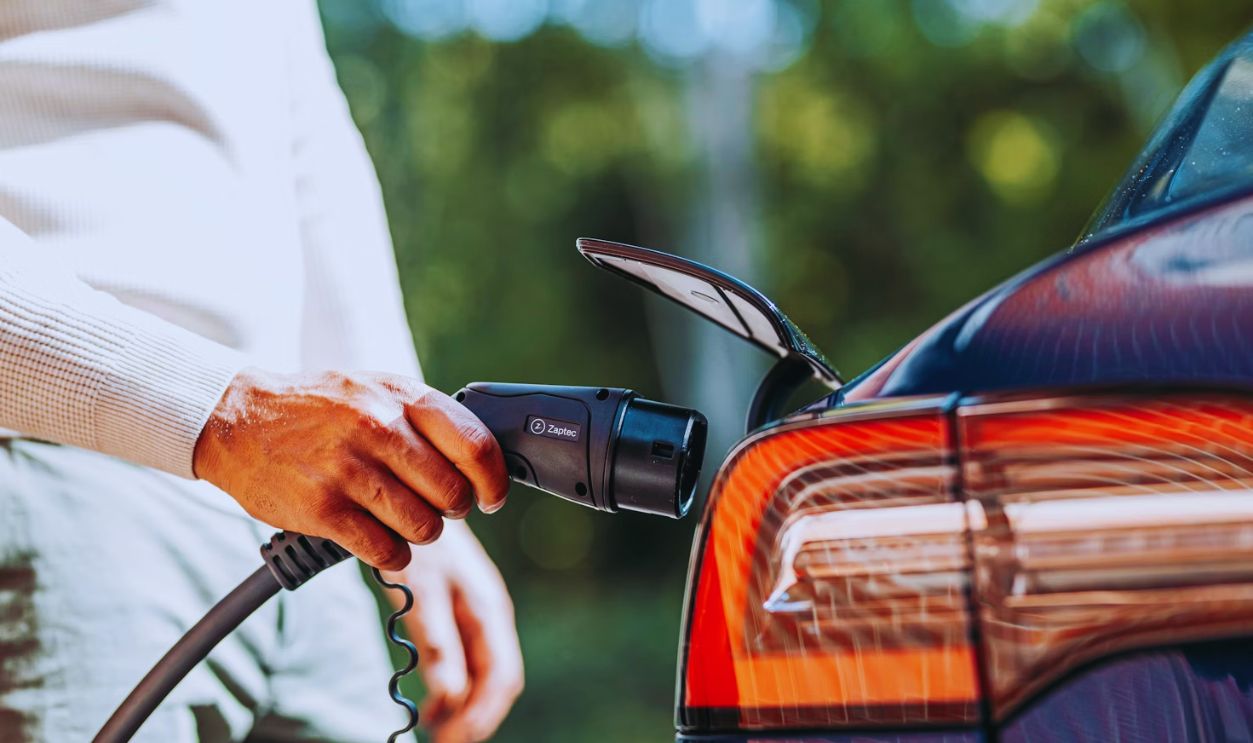
In March 2024, New York City announced a pilot curbside charging program with Level 2 chargers on city streets. The goal was to help EV drivers who do not have private garages or driveways. Programs like that matter because they offer a legal option instead of improvised sidewalk charging from a home outlet.
Los Angeles Has Also Expanded Curbside Charging
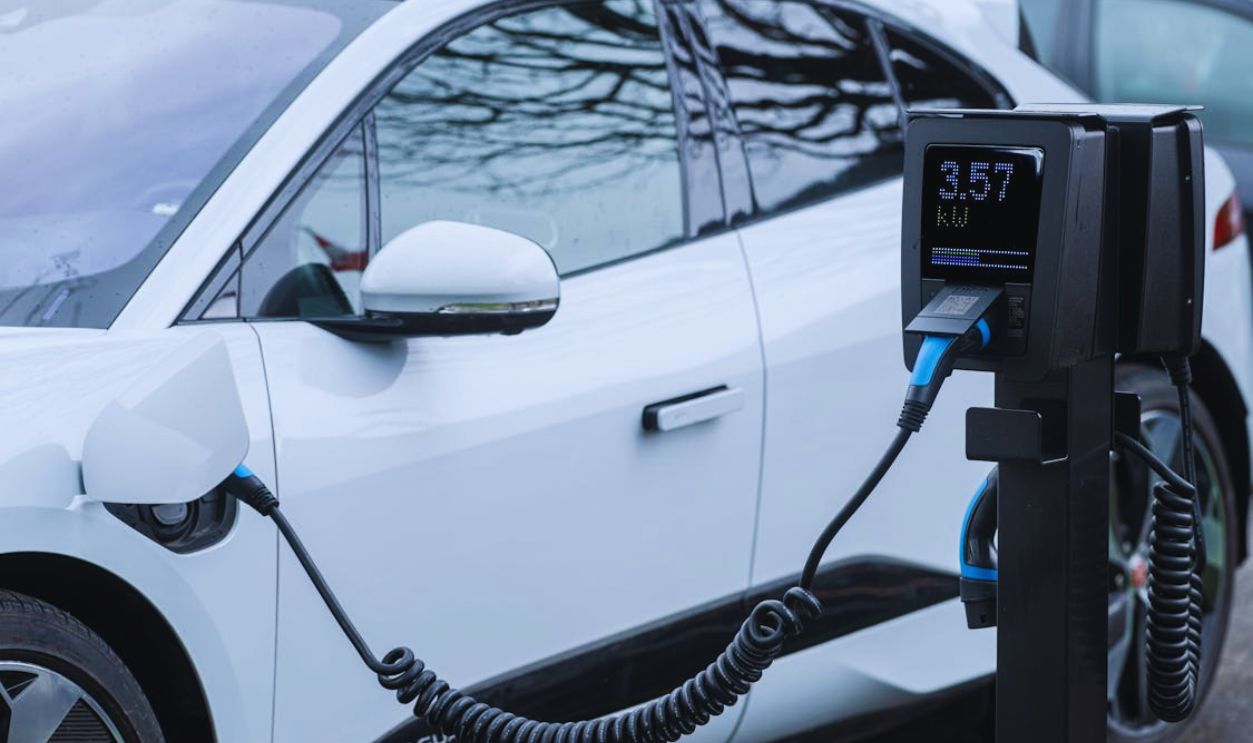
The Los Angeles Department of Transportation has worked with charging providers on curbside EV charging projects. The bigger lesson is that major cities know the demand is real. But the policy answer is usually dedicated public charging, not a private cord stretched across a public walkway.
HOAs And Landlords Can Make It Even Trickier
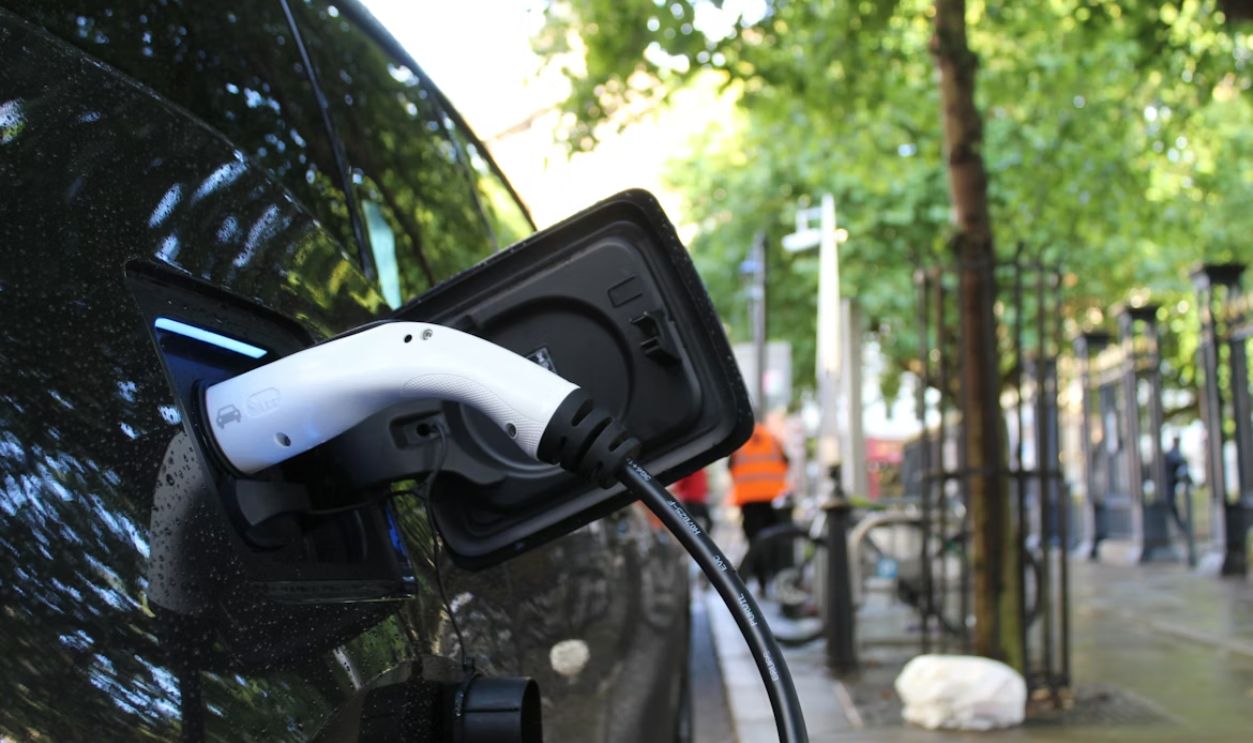
Even if your city does not directly ban the cord, a homeowners association or lease agreement might. Some HOAs restrict visible cords, changes near common areas, or anything they see as a safety hazard. Renters may also need landlord approval before installing outlets or using shared access areas for charging.

Insurance Issues Are Easy To Miss
If someone trips on the cord and gets hurt, your neighbor could be dealing with more than a warning from the city. Homeowners insurance may help in some cases, but coverage can depend on the facts, local law, and whether the setup broke local rules or policy terms. That is one more reason a quick extension-cord fix can get expensive fast.

Fire Codes May Matter More Than People Think
Local fire marshals often enforce standards that go beyond what residents expect. If an extension cord is being used like permanent wiring or creates a dangerous condition, officials may step in. The exact rules vary, but fire safety is one of the strongest arguments against routine sidewalk charging by extension cord.

Yes, Many EVs Can Charge On A Standard Outlet
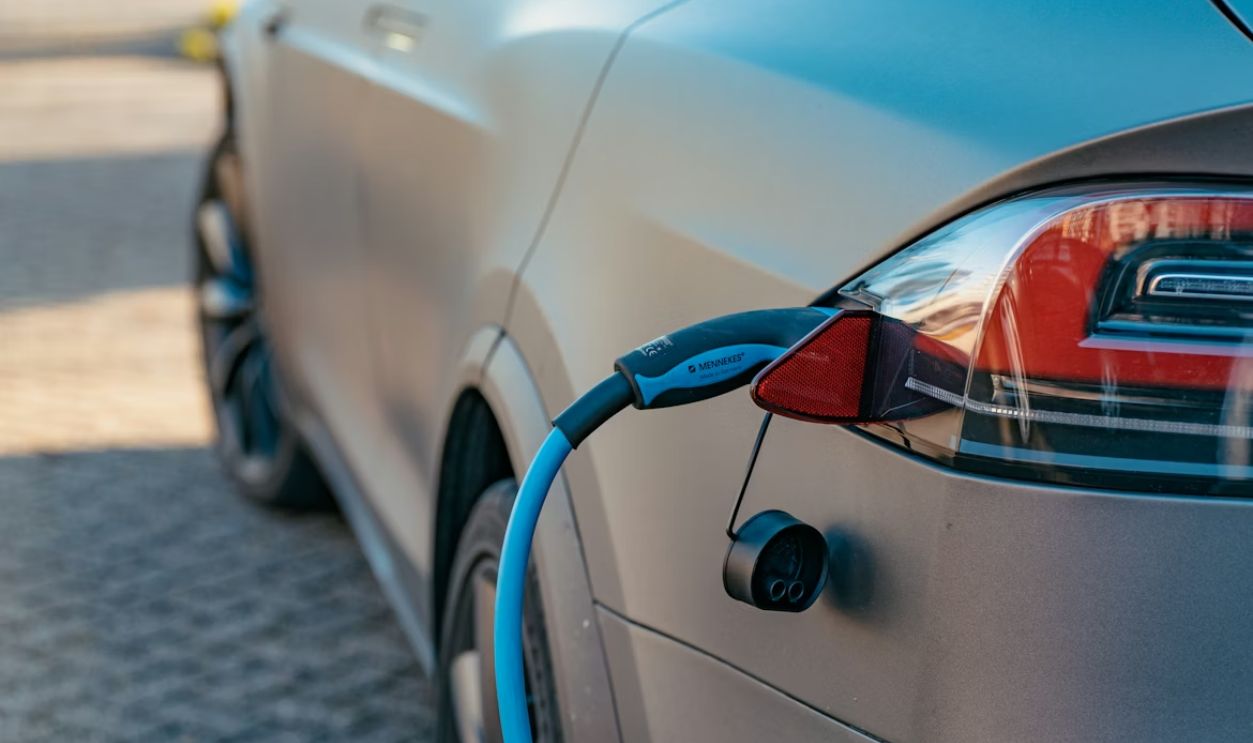
Level 1 charging from a 120-volt outlet is real and common, especially for drivers with short daily commutes. The problem is that charging can take many hours, which makes it tempting to leave a cord out overnight or every day. Just because the car can charge that way does not mean every setup for doing it is safe or legal.
Public Nuisance Rules Can Also Apply
Some cities handle sidewalk obstructions under nuisance or public safety ordinances instead of EV-specific laws. That means a charging cord might be cited the same way as construction debris, a signboard, or some other object left in the pedestrian path. If your town has no EV rule on the books, that does not mean the cord is automatically fine.

Accessibility Complaints Can Bring Quick Action
Sometimes it takes only one complaint from a pedestrian, neighbor, or accessibility advocate to put a cord across a sidewalk on the city's radar. Officials tend to take these reports seriously because blocked or narrowed walkways can affect disabled residents right away. What looks harmless to one homeowner can be a real obstacle to someone using a wheelchair or cane.

Utilities Sometimes Weigh In Too
Some utilities and municipal providers offer EV charging guidance, rebates, or lists of approved equipment. If a homeowner is relying on an old outdoor outlet and a consumer-grade extension cord, that setup may be far outside what the utility recommends. Utility guidance is not always law, but it can shape what installers, inspectors, and local officials see as reasonable.
The Cleanest Answer Is Usually A Proper Home Charger
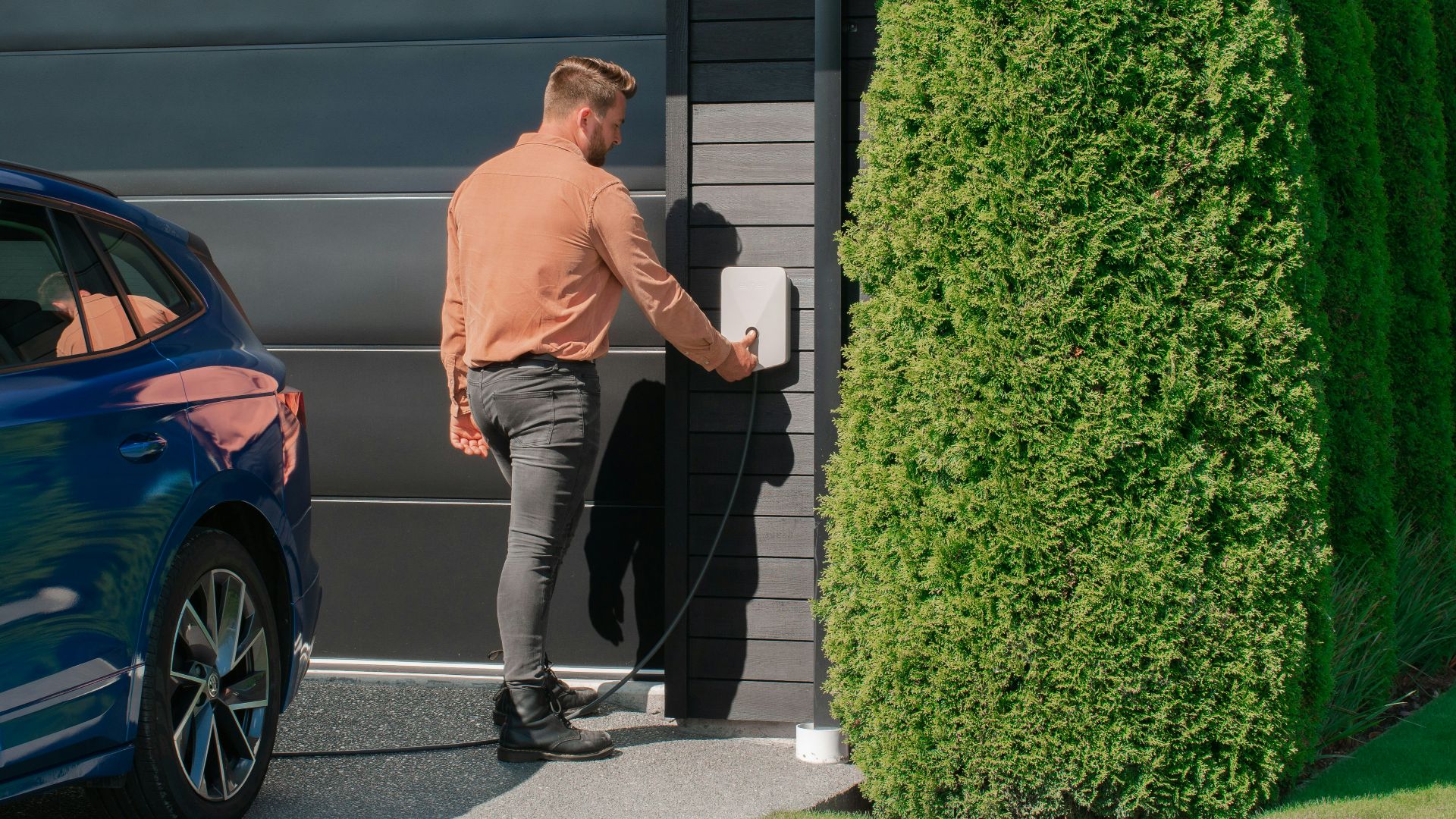
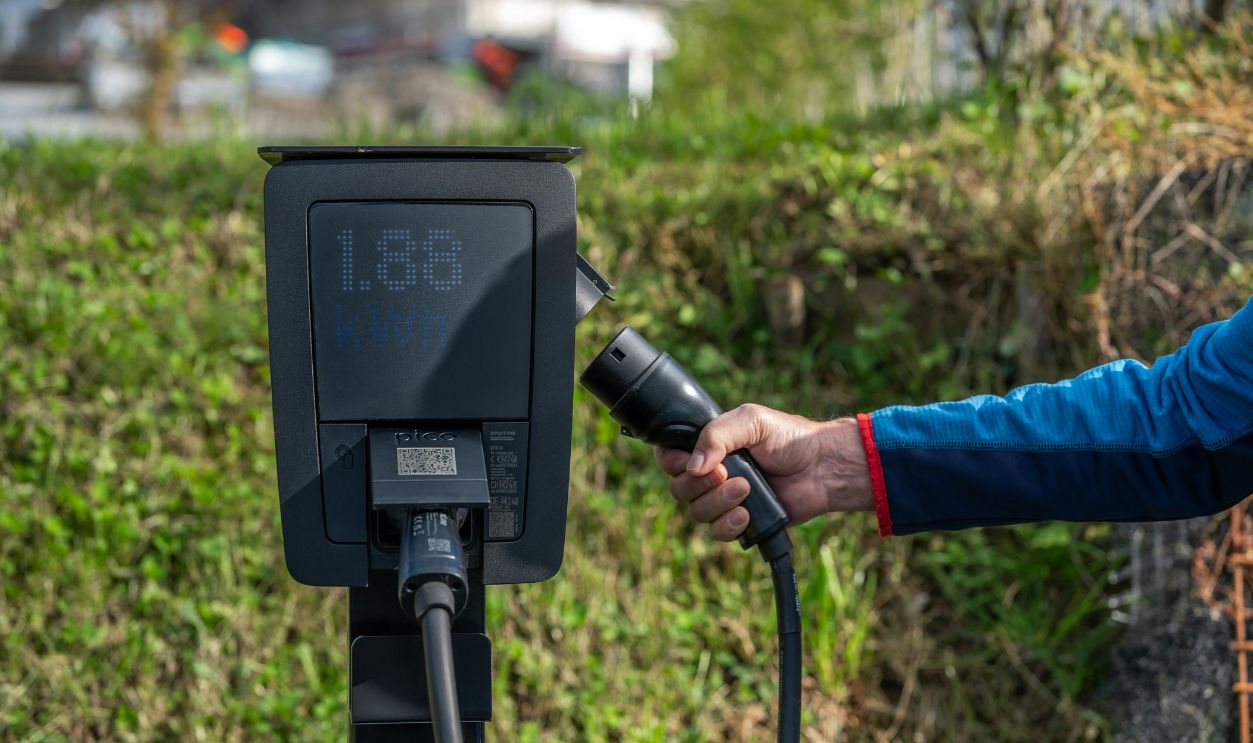
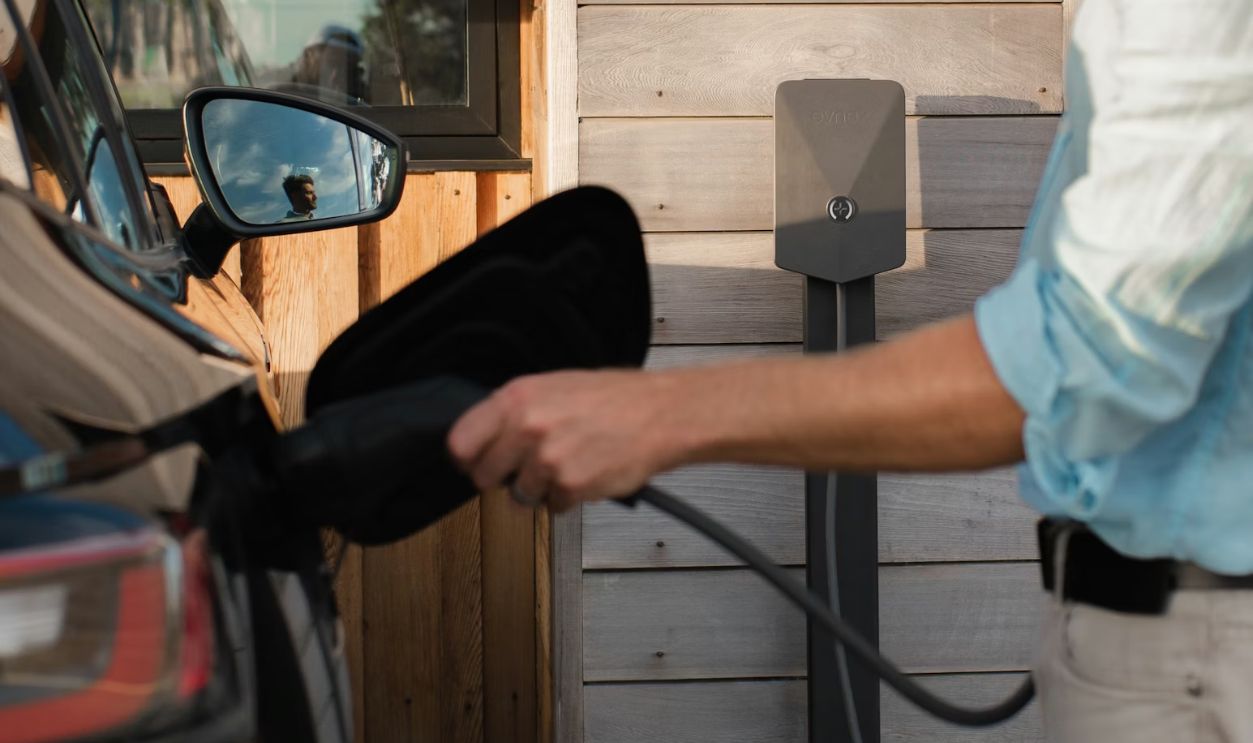
If the car is parked on private property, the simplest fix is a dedicated outlet or Level 2 charger installed to code by a licensed electrician. That avoids sidewalk conflicts and usually gives the owner faster, more reliable charging. It also lines up with what automakers, safety groups, and cities have been pushing for years.
For Street Parking, The Legal Answer Is Usually Public Infrastructure
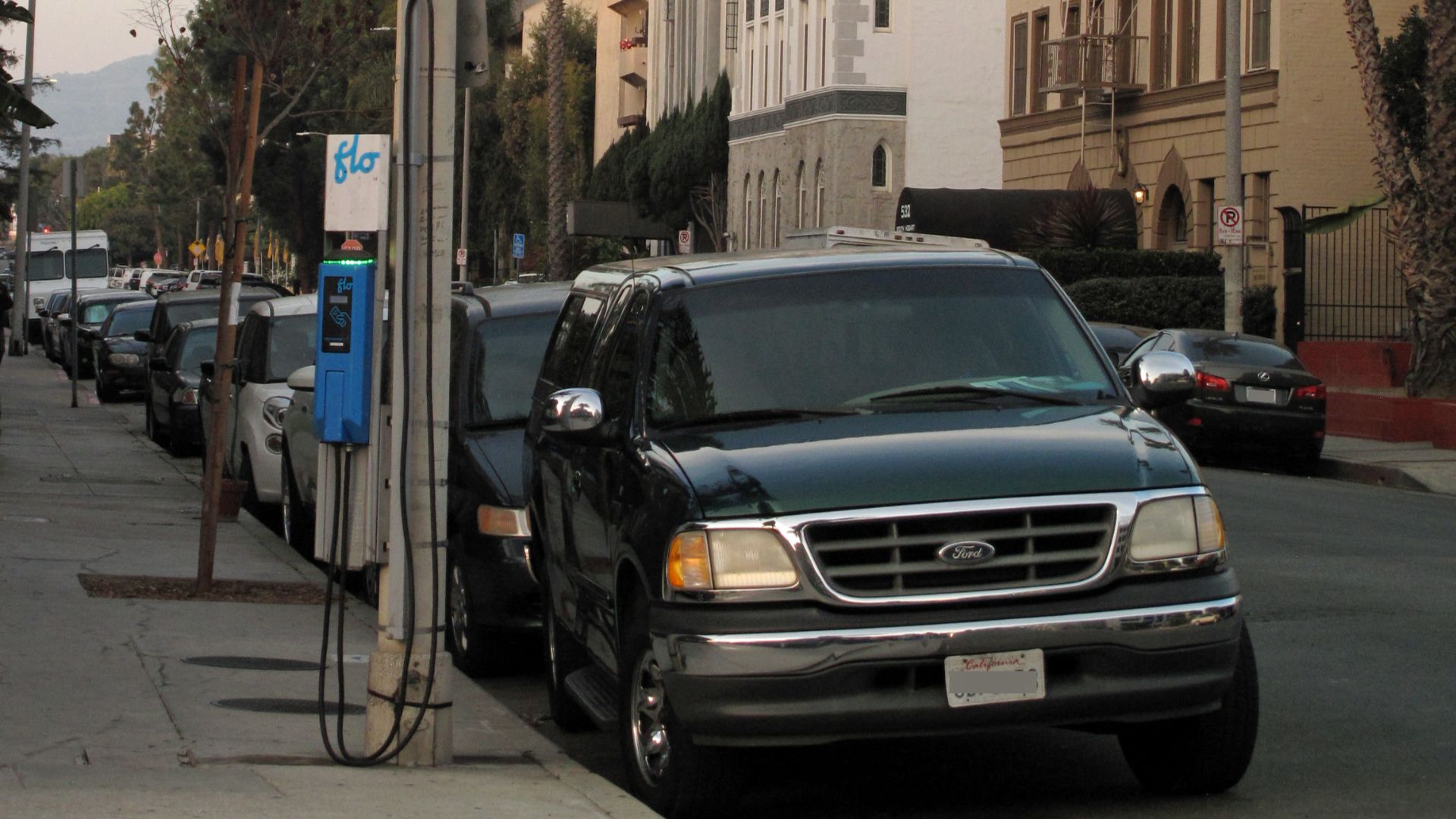
If the vehicle is parked on the street and the house has no driveway, the owner may simply not have a good legal home-charging option yet. That is frustrating, but it is exactly why cities are testing curbside chargers, lamppost charging, and permit-based cable systems. A loose extension cord may seem clever, but at best it often falls into a legal gray area.
 Downtowngal, Wikimedia Commons
The Short Answer Is Usually No, Or Not Without Permission
In plain English, a regular extension cord across a public sidewalk is often not legal unless a local government clearly allows it and the homeowner follows strict rules. Even where it is not expressly banned, it can still create code, safety, and liability problems. That is about as close to a universal answer as this issue gets.
What To Check Before Assuming It Is Fine
Start with your city or county code and search for terms like sidewalk obstruction, public right of way, nuisance, or encroachment permit. Then check your fire department, building department, and any EV charging guidance your city has posted. If an HOA or lease is involved, those documents should be on the list too.

What To Do If You Are The EV Owner
Do not assume that because the car charges, the setup is approved. Ask your local building or transportation department whether curbside charging from your property is allowed, whether a permit exists, and whether a cable cover system is required. If the answer is no, the safer move is to use public charging or get a code-compliant installation on private property.

What To Do If You Are The Neighbor Watching It Happen
If the cord clearly crosses a public sidewalk, start with a calm conversation before turning it into a bigger fight. Your neighbor may not realize the access and liability issues, especially if they are new to EV ownership. If the problem keeps going, local code enforcement, public works, or the city's non-emergency service line is usually the right place to ask for help.

The Real Bottom Line
EV adoption is moving faster than curbside charging infrastructure, and this awkward sidewalk-cable problem shows it. The law is not exactly the same everywhere, but safety agencies, automakers, and many cities are all pointing in the same direction. A standard extension cord stretched across a sidewalk is usually a bad bet, both legally and practically.