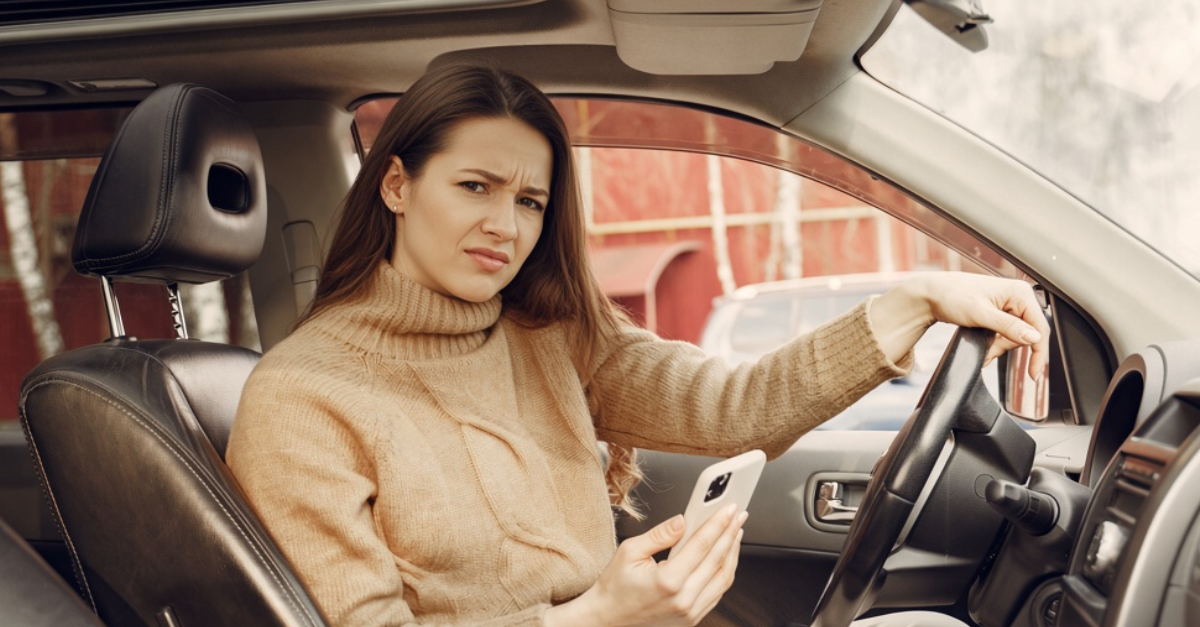
The Car App Surprise In The Driveway
Many drivers think of their car app as a stronger version of a key fob. But if you start poking around inside, you'll find much more. It may show where the car is parked, when it was driven, and sometimes a detailed record of past trips. That can feel useful, intrusive, or both, especially when spouses share a car, an account, or a home but not the same ideas about privacy.
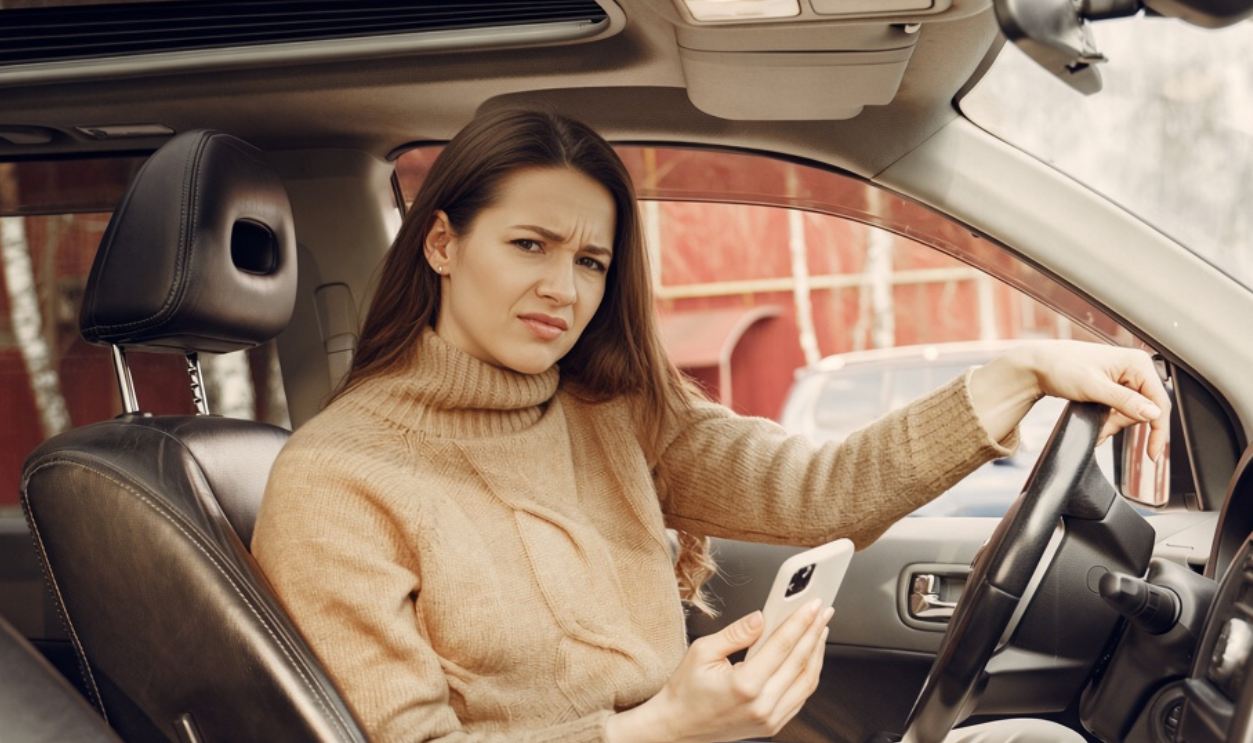 Gustavo Fring, Pexels, Modified
Why This Question Feels So Personal
This is no longer some abstract tech debate. Modern connected-car services regularly collect location, trip, and vehicle status data through built-in systems and phone apps. Once that data exists, the big question is simple: who gets to see it by default, and should marriage alone be enough to unlock it.

What Drivers Often Find Out Too Late
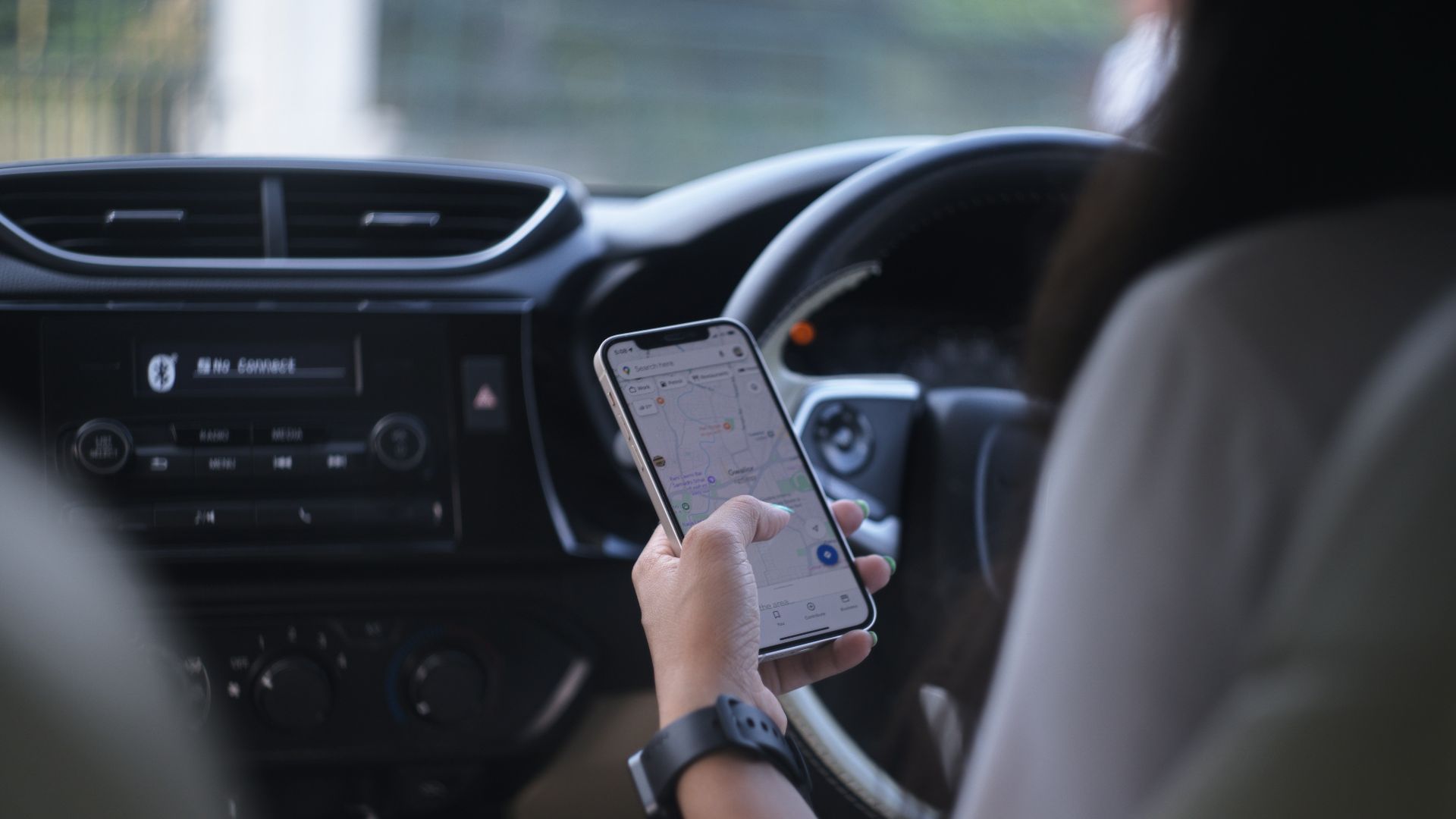
A lot of people do not realize how much a car can record until they see it for themselves. Depending on the brand, an app may show the car’s current location, recent parking spot, trip history, charging sessions, speed-related details, and remote unlock activity. In some homes, that means one partner can quietly piece together the other’s movements without ever touching the keys.
The Industry Has Been Heading Here For Years
Over the past decade, connected-car platforms have become standard across much of the market. Services from General Motors, Tesla, Ford, Hyundai, Kia, BMW, and others grew from emergency help and remote start into full digital dashboards showing where a car is and how it is being used. The pitch was convenience. The privacy questions came right behind it.
Mozilla Put Car Privacy Under A Harsh Light In 2023
In September 2023, Mozilla published a report calling cars the worst product category it had reviewed for privacy. Researchers looked at 25 car brands and said every one of them collected too much personal data. Mozilla also said many brands could collect or share geolocation and other sensitive information. That matters when families assume car data stays inside the car.
Why Location Data Is Such A Big Deal
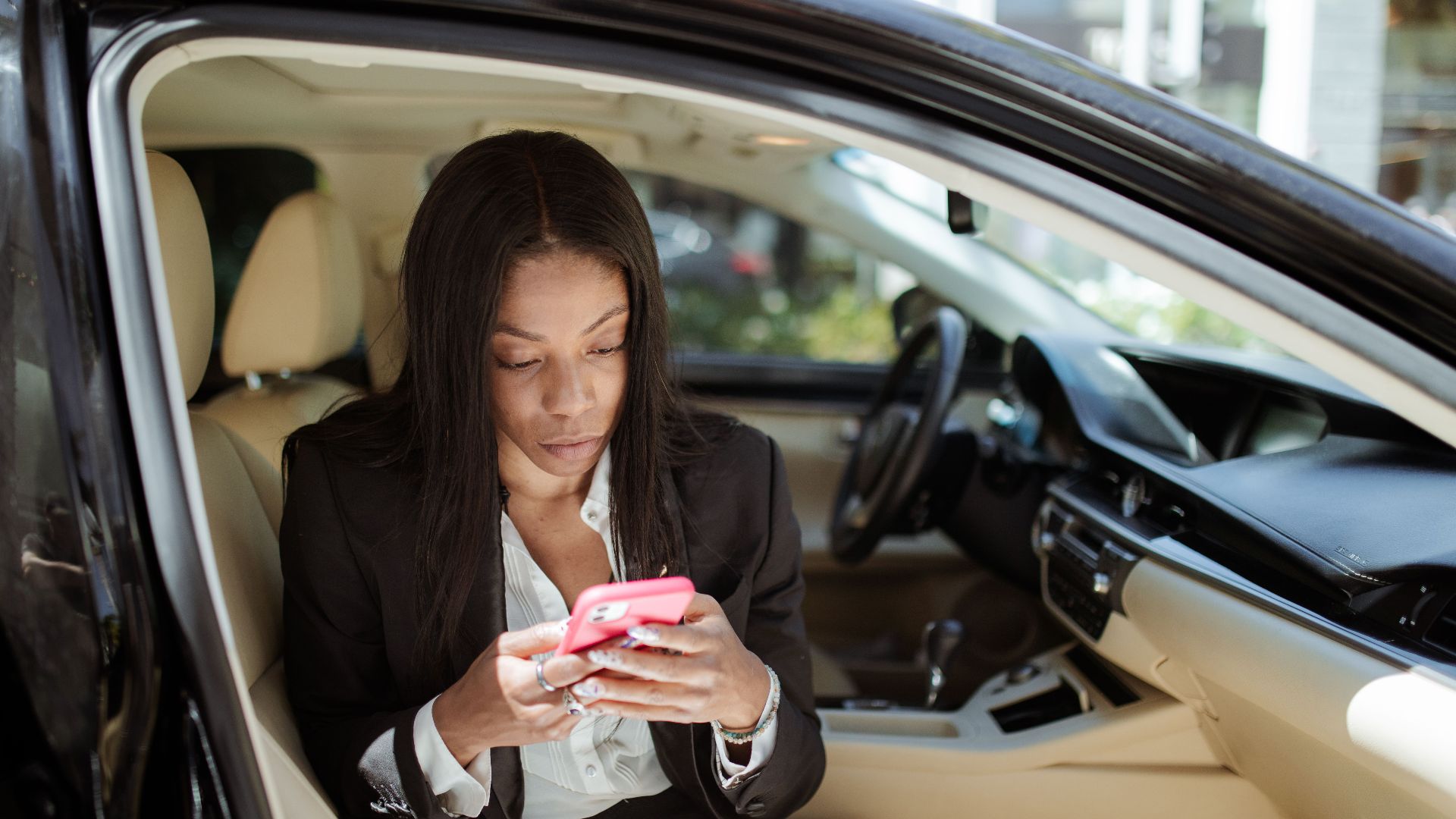
A map pin showing where a car was parked may sound harmless. It is not. Location history can reveal where someone works, where they get medical care, where they worship, what political events they attend, who they spend time with, and how they move through daily life. That is why privacy experts treat location data as some of the most sensitive information a company can hold.
A Federal Agency Has Already Sounded The Alarm
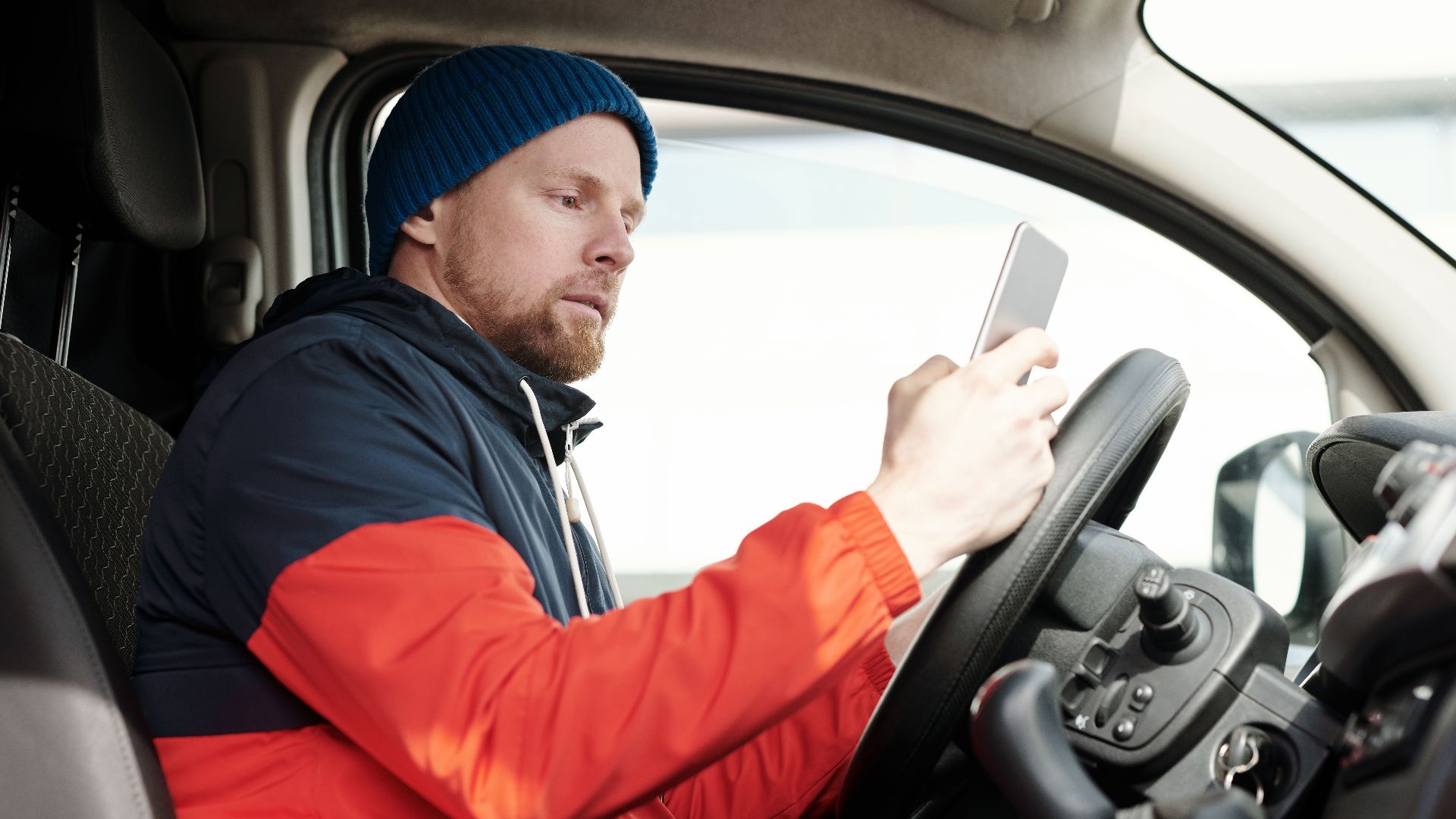
In December 2023, the Federal Trade Commission announced a proposed order against data broker X-Mode Social, now called Outlogic, over allegations tied to the collection and sale of precise location data. The FTC said sensitive location data can reveal visits to medical facilities, places of worship, and domestic violence shelters. The same concern applies when that data comes from a connected car instead of a phone app.

Automakers Know This Data Has Value
Location and driving data can support useful features like stolen-vehicle recovery, roadside help, remote diagnostics, and charging support. It can also help companies improve products, sell subscriptions, and in some cases feed larger data networks. When a husband or wife opens a car app and sees parking history, that is only the visible edge of a much bigger stream of data.

The New York Times Showed How Personal Car Data Can Get
In March 2024, The New York Times reported on the growing amount of personal data collected by connected vehicles, including detailed driving behavior and location-related information. The story showed how hard it can be for people to understand what is collected and where it ends up. For couples, that confusion matters. One spouse may think shared access is normal while the other never clearly agreed to that level of tracking.
Privacy Policies Usually Go Further Than The App Screen
The app may show only a map and a few trip entries, but the legal terms often say a lot more. Privacy notices from major automakers commonly describe collection of geolocation, diagnostics, usage data, and interactions with the vehicle or app. So if the app shows your spouse where the car was parked, that may be just one small part of a much larger record.
Some Brands Allow Multiple Drivers But Not Equal Control
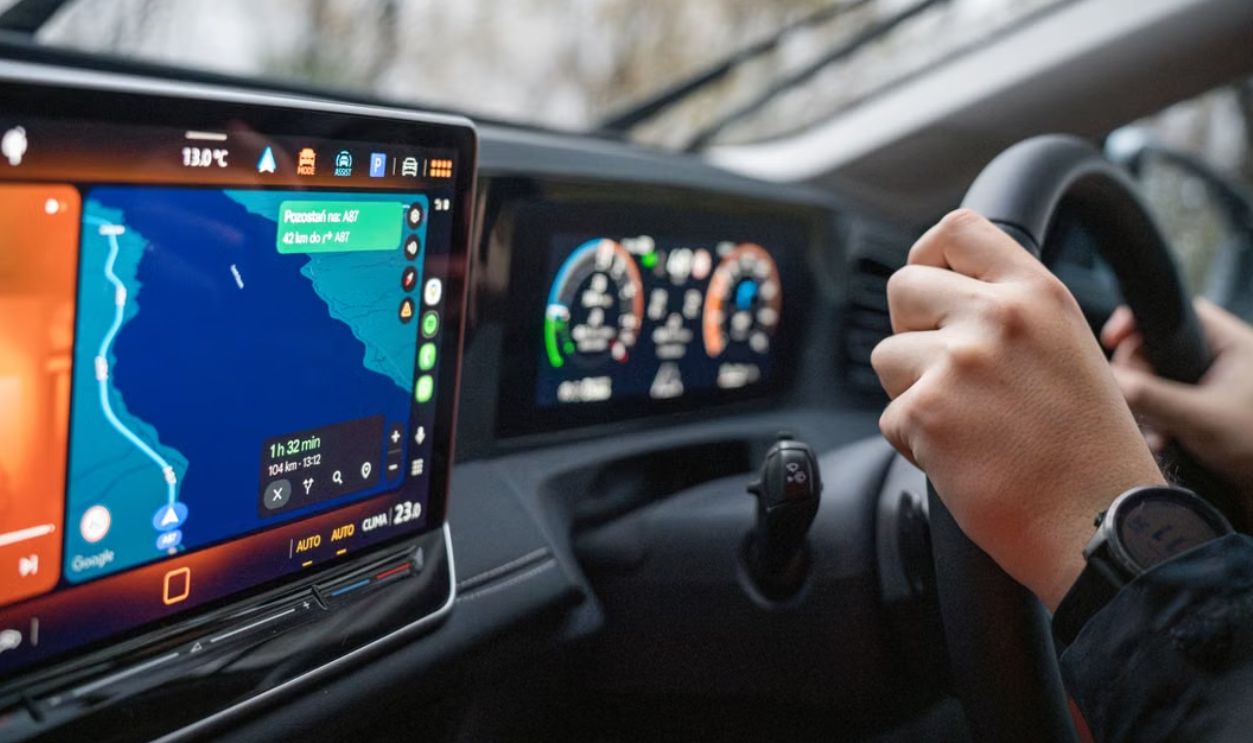
Some automakers let owners invite extra users to a vehicle profile, while others put control mainly in the hands of the primary account holder. That can create an uneven balance inside a marriage. The spouse with the main login may see more data and control more settings than the person who actually drives the car most of the time.
Marriage Does Not Cancel Privacy
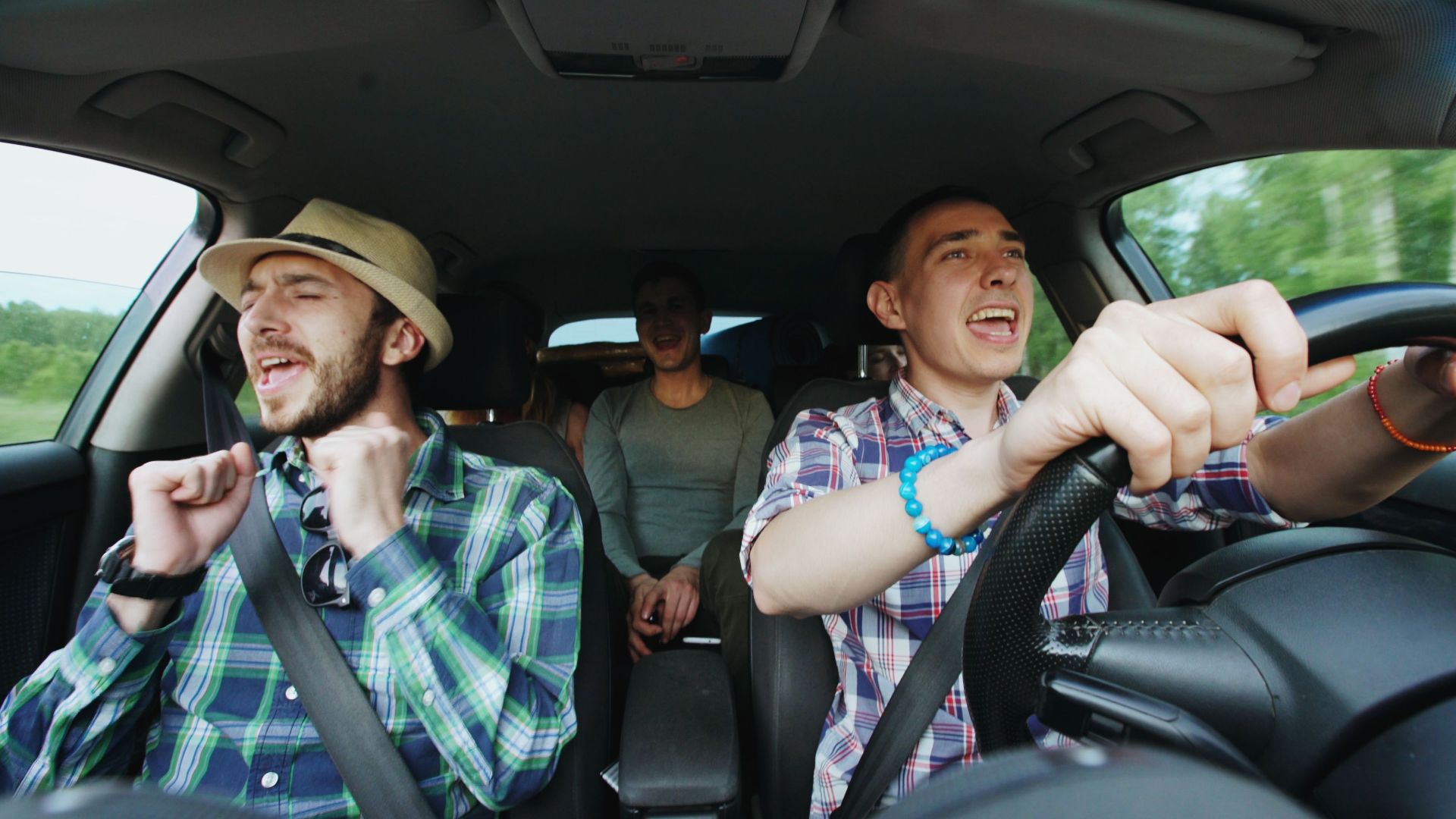
Marriage usually means shared bills, shared schedules, and often shared vehicles. It does not automatically mean either person has agreed to round-the-clock location tracking. Privacy in a marriage is not the same as secrecy, and many couples draw a clear line between safety-related access and everyday surveillance.

Safety Is The Best Case For Shared Access
There are solid reasons some couples want both spouses to have app access. Shared location can help in emergencies, make breakdowns easier to handle, confirm that a teen or older parent got home safely, and help find a car in a crowded lot. In a home with one main vehicle, those features can feel less like spying and more like basic coordination.
How Convenience Can Turn Into Surveillance
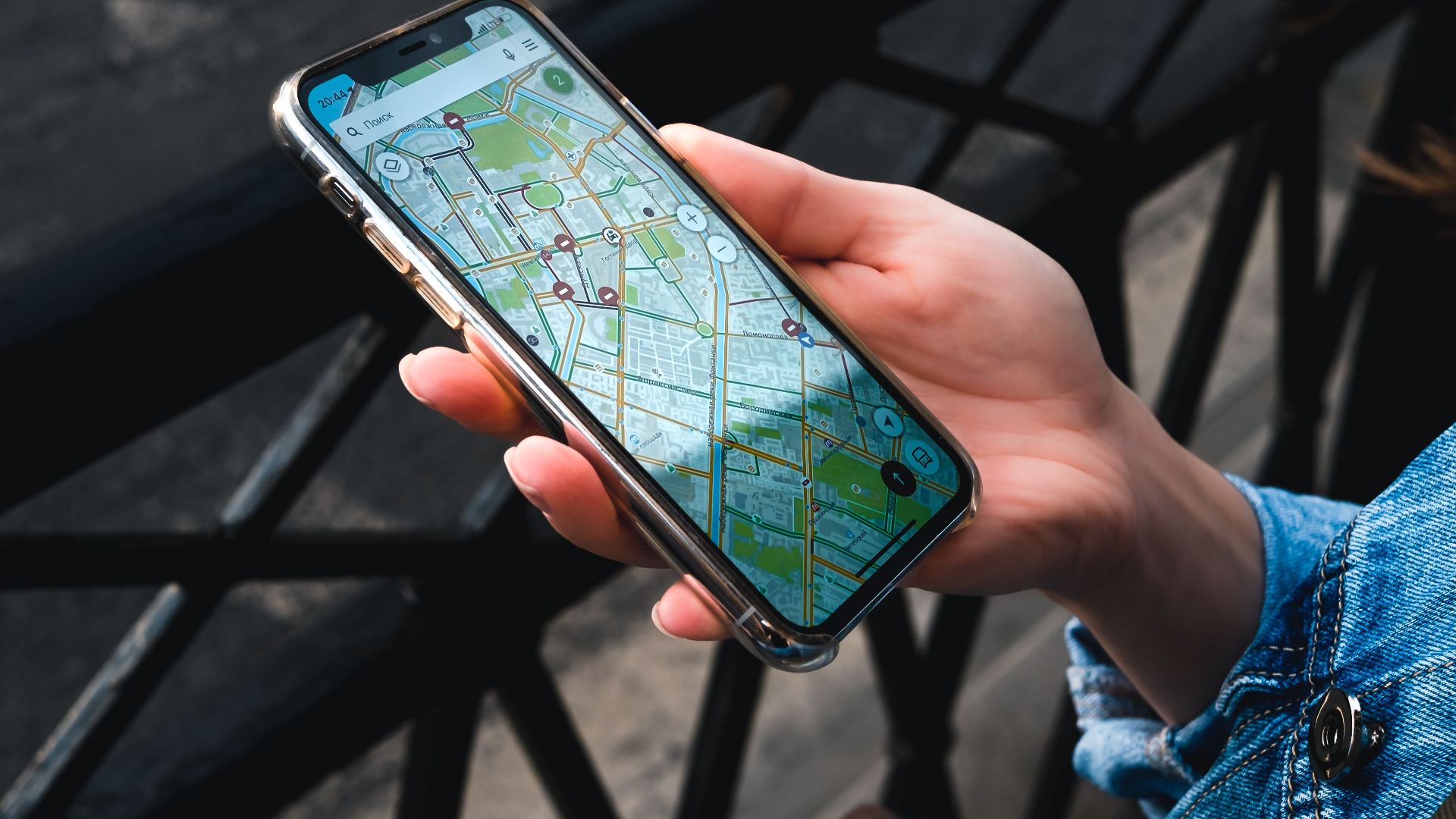
The problem starts when access shifts from convenience to oversight. A spouse checking the car’s location every night, reviewing trip logs, or watching for changes in routine may see it as reasonable. The other person may experience it as mistrust. The technology makes that slide easy because the app presents monitoring as just another normal feature.

Domestic Violence Experts Have Warned About Tech Misuse
The National Network to End Domestic Violence has long warned that digital tools, including location-sharing technology, can be misused for stalking and coercive control. Connected-car apps fit that pattern because they can reveal movement and routines with very little effort. Any default rule about spousal access has to take into account homes where sharing this kind of data is not safe.

Car Data Is Already Showing Up As Evidence
Vehicle data is not just something couples argue about. Police and courts have increasingly used car-generated information in criminal and civil cases, and insurers have also used telematics data in some programs. Once a driving history exists, it can move far beyond the marriage and into legal, business, or government settings.
Who Really Owns The Data Is Murky
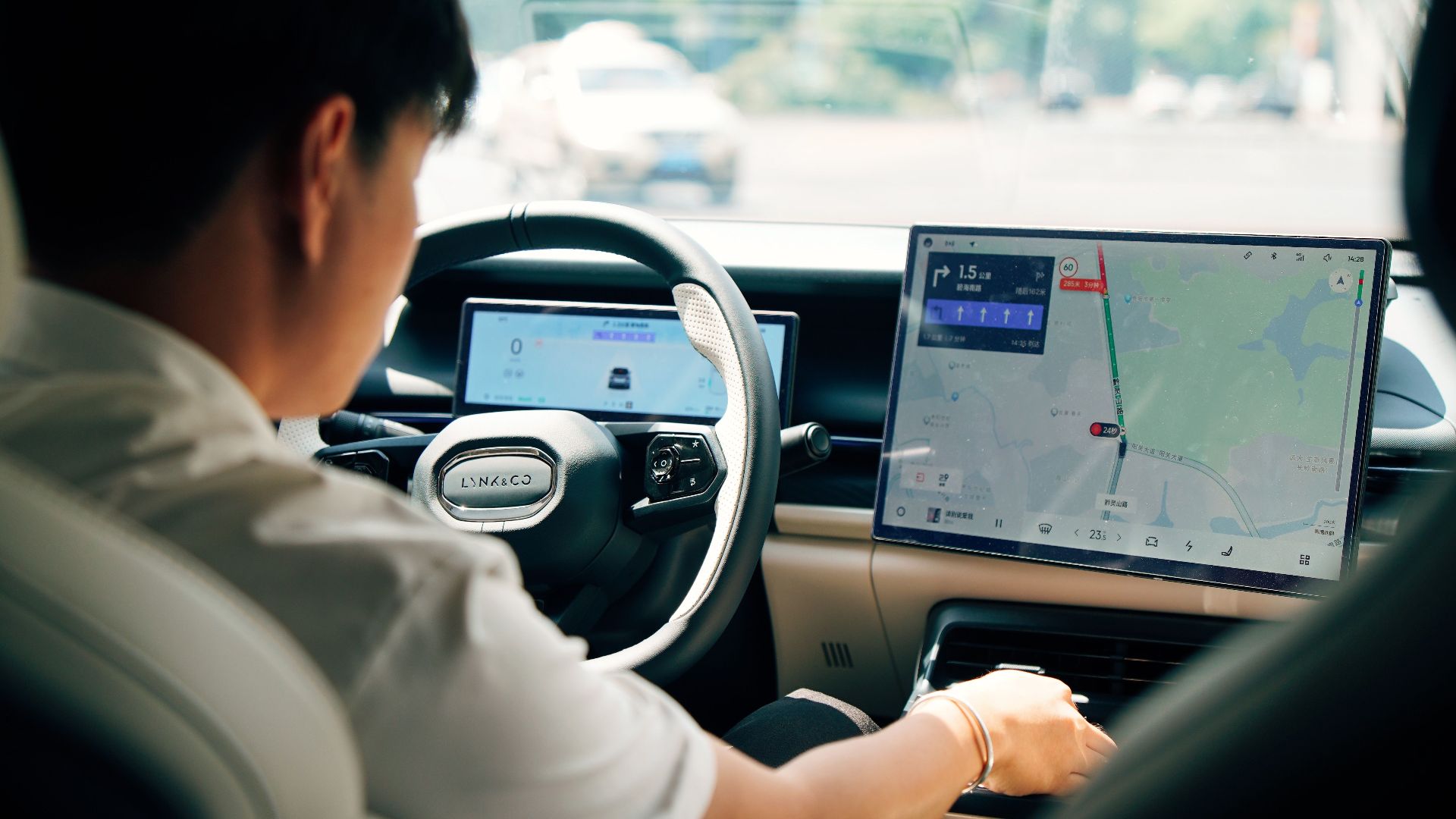
Drivers often assume they own this information because it comes from their car and their behavior. In practice, the terms of service usually give the automaker broad rights to collect, use, store, and sometimes share that data. That matters for spouses because the person who bought the car may control the account, while the other person may be generating most of the data.
The Real Power Starts At Account Setup
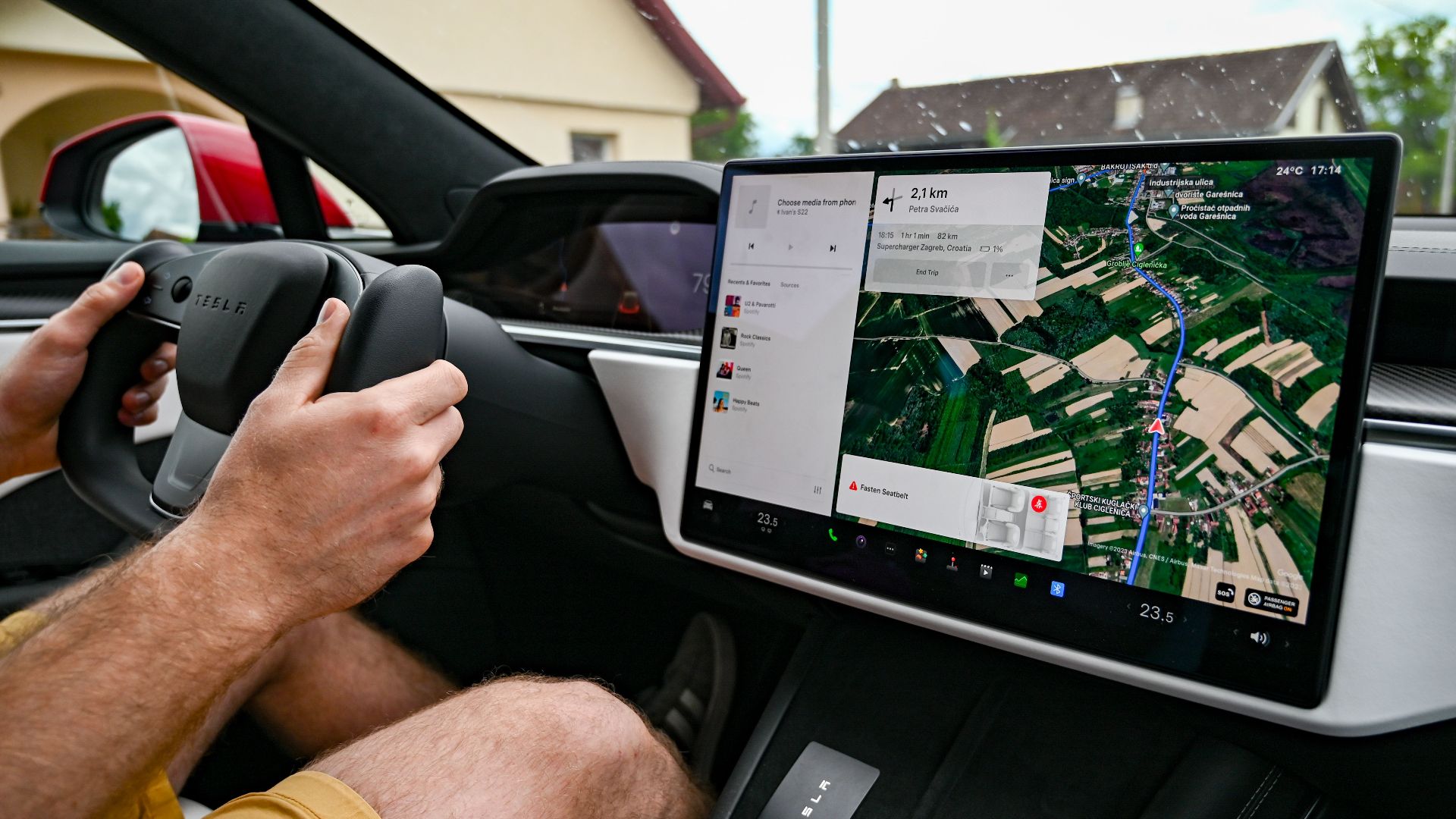
The most important moment may be the day the vehicle gets connected, not the day a fight starts. Whoever creates the main account often controls the linked email, phone number, password, user invitations, and data permissions. If couples do not talk through those settings early, one person can end up with automatic oversight the other never expected.

Consent Should Be Clear, Not Assumed
If a couple wants shared app access, the cleanest way is an explicit agreement. That means talking about what each person can see, whether trip history stays on, whether parked locations are visible, and when either spouse can remove access. Automatic access just because two people are married skips the step that matters most: informed consent.

Joint Ownership Does Not Fix The Privacy Issue
Even if both names are on the title, the privacy questions do not disappear. A jointly owned car may still be used very differently by each spouse, and one person may face greater risks from location exposure because of safety concerns or a public-facing job. Ownership and visibility are connected, but they are not the same thing.

Families Have To Think Beyond Spouses
Many households share vehicles with teens, adult children, parents, or caregivers. A default rule that gives spouses full driving history could get messy fast when several people use the same car under one account. The wider the access, the more likely it is that someone sees details about a trip that were never meant to become household knowledge.

What Automakers Could Do Better
Car companies could cut down a lot of tension with clearer controls. Better design would separate emergency functions from historical tracking, require active opt-in for sharing trip and parking history, and make account roles easy to understand. A simple privacy dashboard with plain explanations would do more for trust than another flashy vehicle status screen.
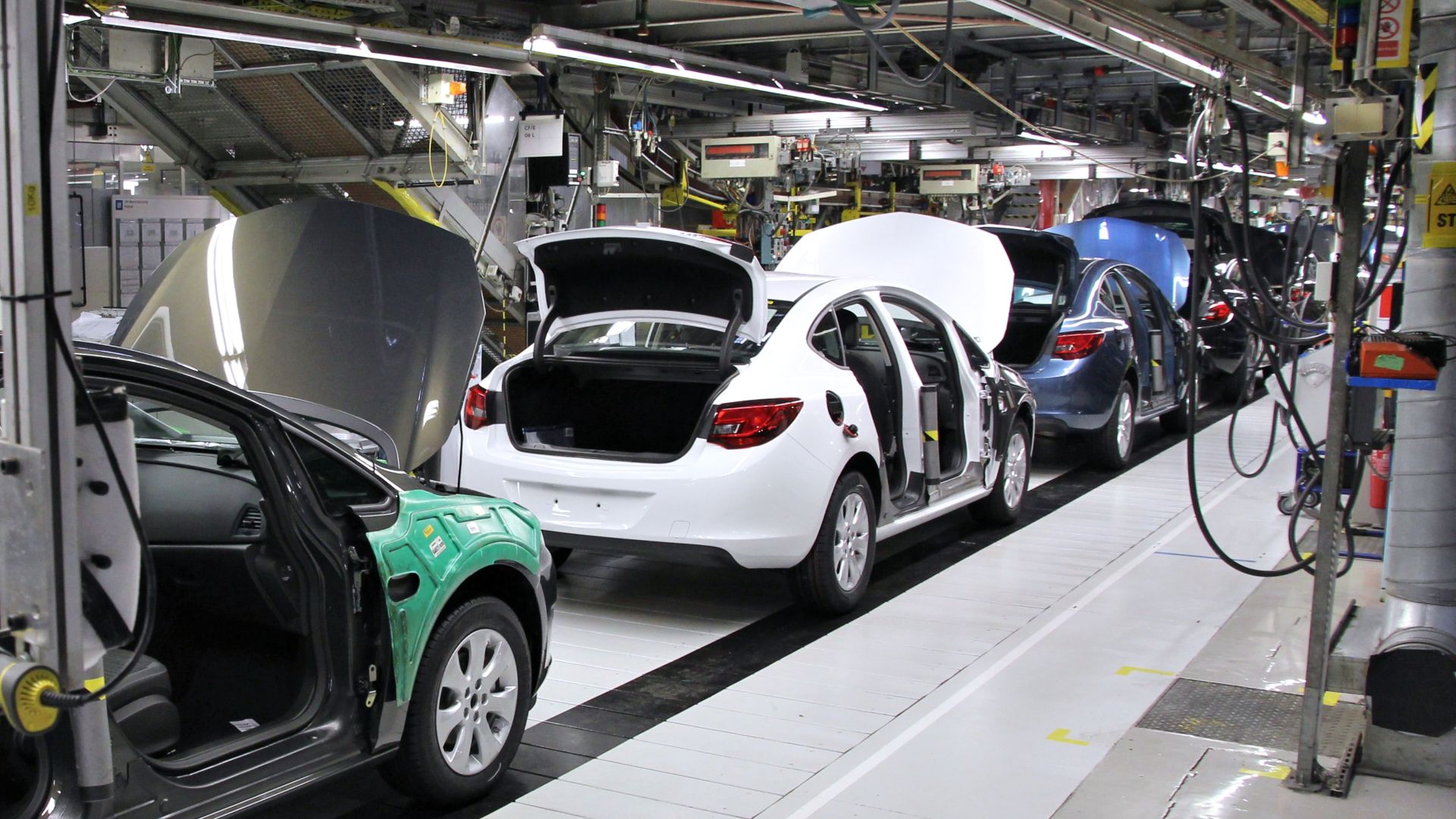 Marek Ślusarczyk (Tupungato) Photo portfolio, Wikimedia Commons
What Couples Should Check Right Now
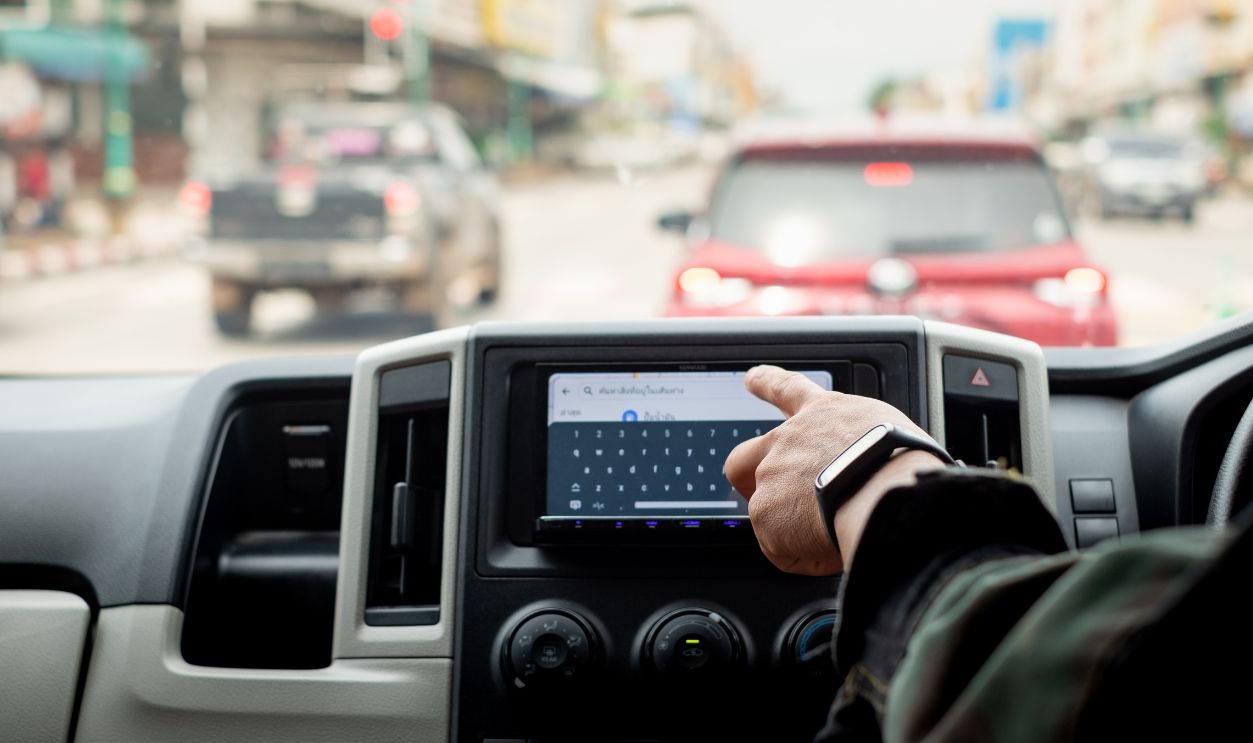
If this sounds familiar, start with the basics. Open the car app and check users, permissions, trip logs, parking history, remote functions, and any connected-service renewals. Then read the automaker’s privacy notice, because the app may show only part of what is being collected.

Questions Worth Asking Before Things Get Messy
Couples should ask a few direct questions. Do we both know what the app records, who can see it, and how long it is stored? Are we sharing access for safety and convenience, or has it quietly turned into a way to check up on each other?
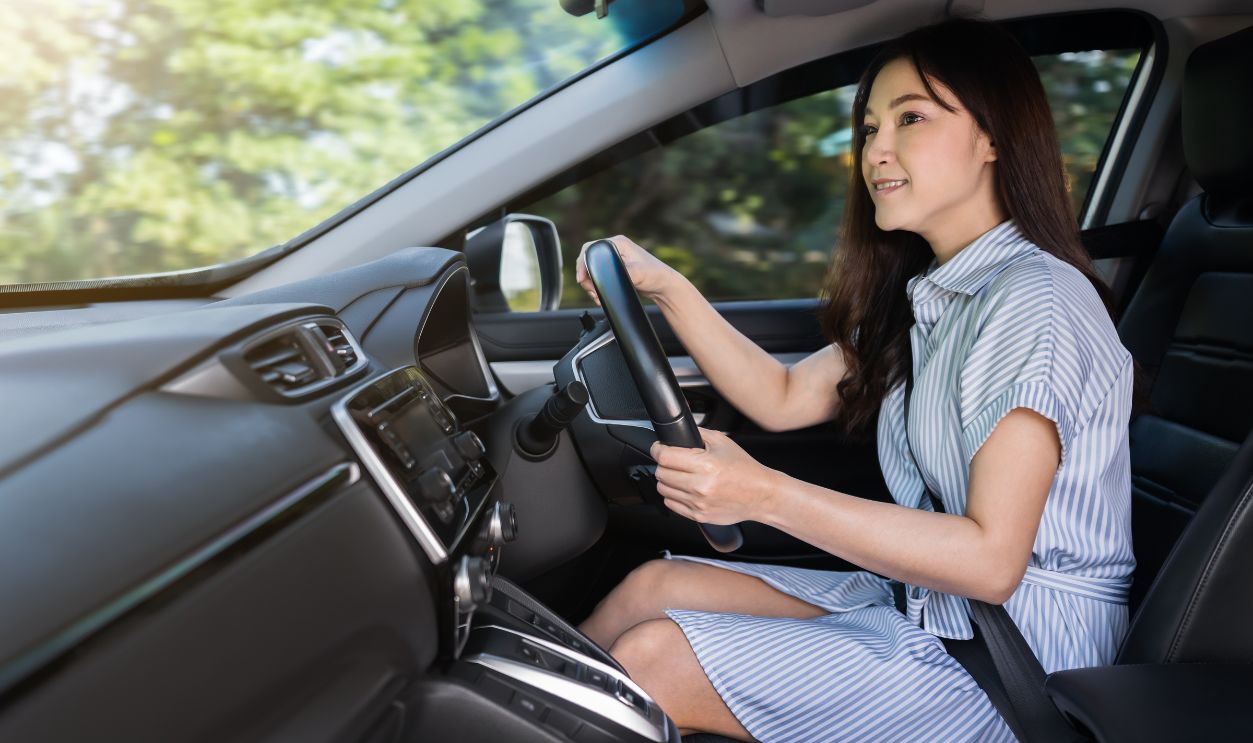
 https://kaboompics.com/, Pexels
So Should Spouses Get Automatic Access
The strongest answer is no, not automatically. Spouses should be able to share access easily if they want to, but default visibility into driving history and parked locations is too sensitive to assume. The data is deeply personal, the risks are real, and the reality at home can range from close teamwork to coercive control.
The Better Default Is Mutual Choice
A smarter rule would offer shared tools with clear permission settings. Let couples opt in to live location, roadside help, and remote controls if they want them, while keeping historical driving and parking data off by default or under separate controls. That approach respects both safety and independence, which is where connected-car technology should have started.
The Bottom Line For Drivers
If your spouse discovers that the app shows everywhere the car has been parked, the surprising part is not that the feature exists. The surprising part is how often people were never clearly told what they were sharing and who could see it. In a connected-car marriage, trust should come from conversation and consent, not from a silent map inside an app.