
Cold Weather Exposes Bad Controls Fast.
Changing fan speed or clearing a fogging windshield should be nearly automatic, yet some modern cars turn those basic tasks into a hunt through menus. The good news is that physical climate controls have not disappeared, and several current vehicles still prove that screens and real buttons can coexist.
Winter Makes The Problem Obvious
A touchscreen may seem perfectly manageable during a summer test drive when the cabin is warm and the road is quiet. Winter adds gloves, wet roads, fogged windows, low sun, and rapidly changing visibility to the equation. Those conditions make a control that demands careful visual attention feel much more intrusive.

Your Frustration Has A Safety Angle
Adjusting climate settings is not automatically dangerous, but any task that takes your eyes away from traffic creates additional visual demand. NHTSA’s guidance for in-vehicle electronic devices is built around limiting how long drivers look away from the road. A climate interface that repeatedly requires searching and tapping therefore deserves scrutiny.

Touchscreens Are Not Automatically Bad
A large screen can display clear information and make infrequently used settings easier to organize. The trouble begins when manufacturers place regularly used functions behind small icons, sliders, or several layers of menus. Consumer Reports recommends keeping frequently adjusted functions such as climate and audio on simple physical controls.
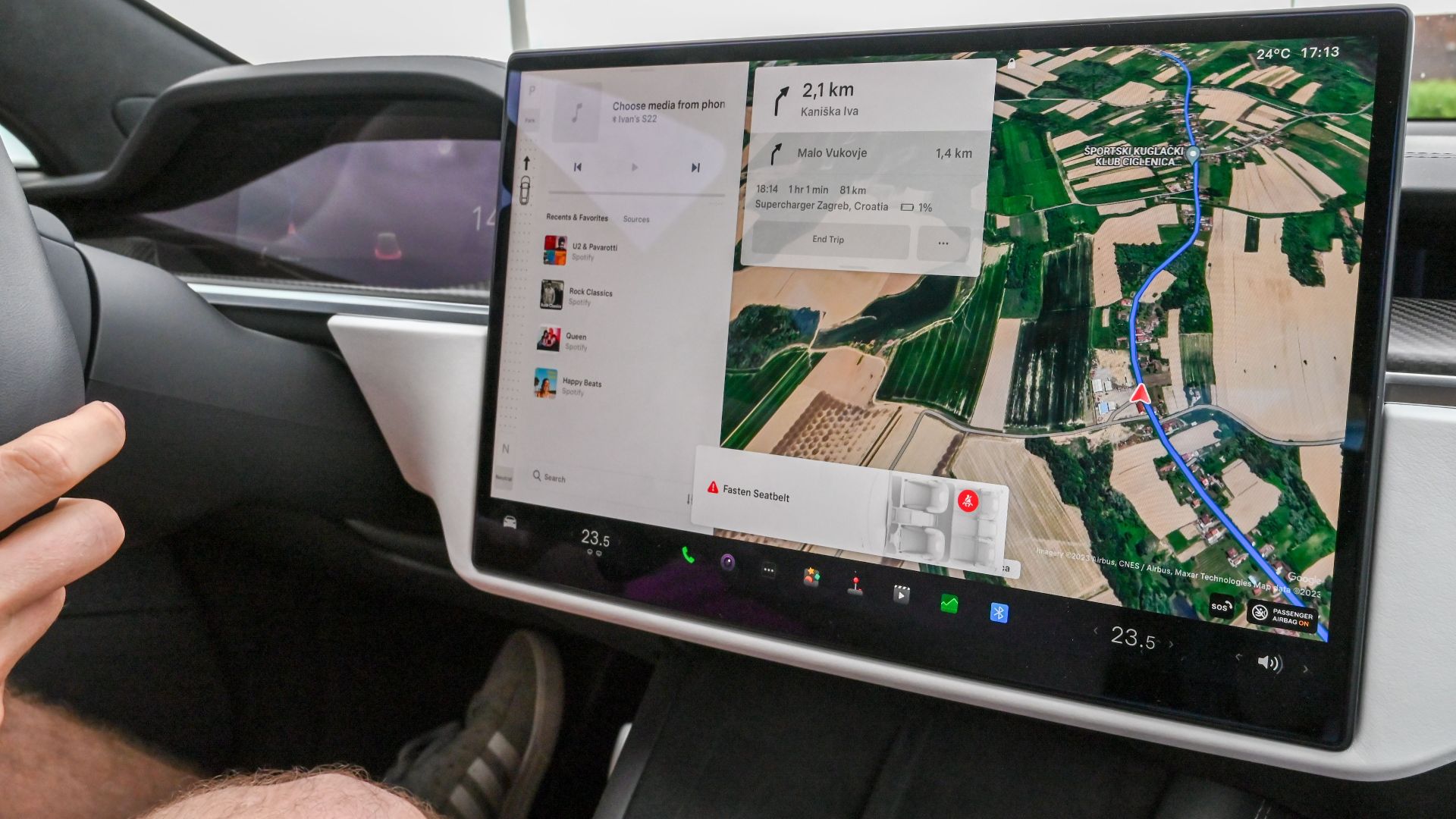
Flat Glass Gives Your Fingers Few Clues
A rotary dial can be found by touch because its shape and location remain constant. A touchscreen generally offers no equivalent physical landmark for temperature or fan adjustments. The driver often has to glance down first, place a finger accurately, and then look again to confirm that the input registered.
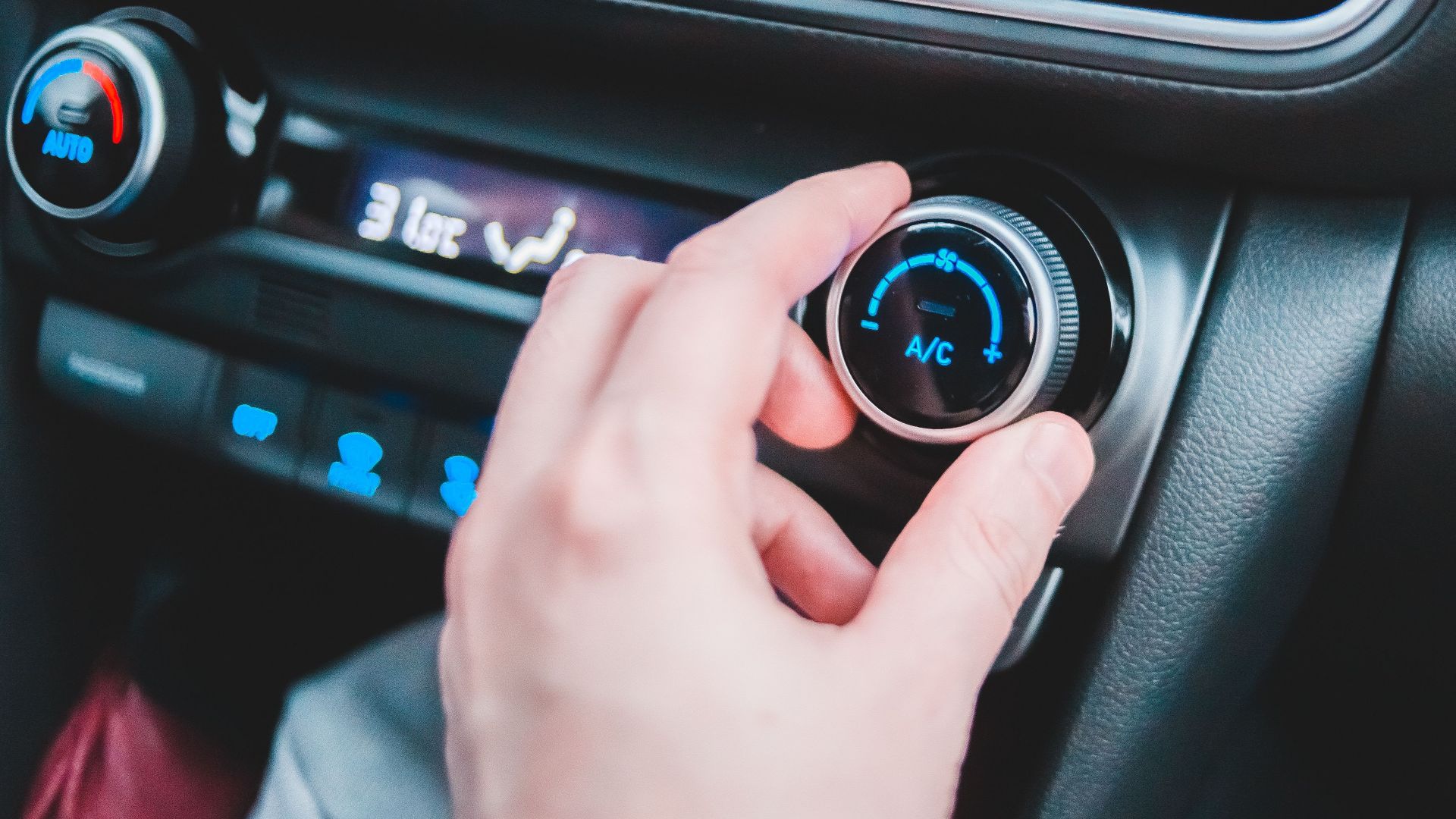
Gloves Make Precision More Annoying
Winter gloves add another layer between your fingertips and a capacitive touchscreen. Some gloves include touchscreen-compatible material, while ordinary insulated gloves may not operate a screen reliably. Removing a glove simply to change the heater is hardly an elegant solution in a vehicle designed for cold-weather transportation.

Defrosting Is More Than A Comfort Feature
A fogged or frosted windshield directly affects the driver’s ability to see. Climate systems use heat, airflow, fresh air, and air conditioning or dehumidification to clear glass. That is why many manufacturers that rely heavily on touchscreens still preserve a dedicated physical windshield-defroster button.

NHTSA Focuses On Eyes-Off-Road Time
NHTSA’s visual-manual distraction guidelines were developed to reduce the visual demand created by factory-installed electronic systems. The agency recommends that individual glances away from the roadway remain short and that total eyes-off-road time for a task remain limited. Although the guidance is voluntary, it provides a useful benchmark for judging whether an interface asks too much of a driver.

Several Quick Glances Still Count
A touchscreen task can appear harmless because each individual tap takes only a moment. The complete process may involve opening the climate panel, finding fan speed, changing airflow, closing the menu, and checking the result. The cumulative distraction can therefore be considerably longer than any single glance suggests.
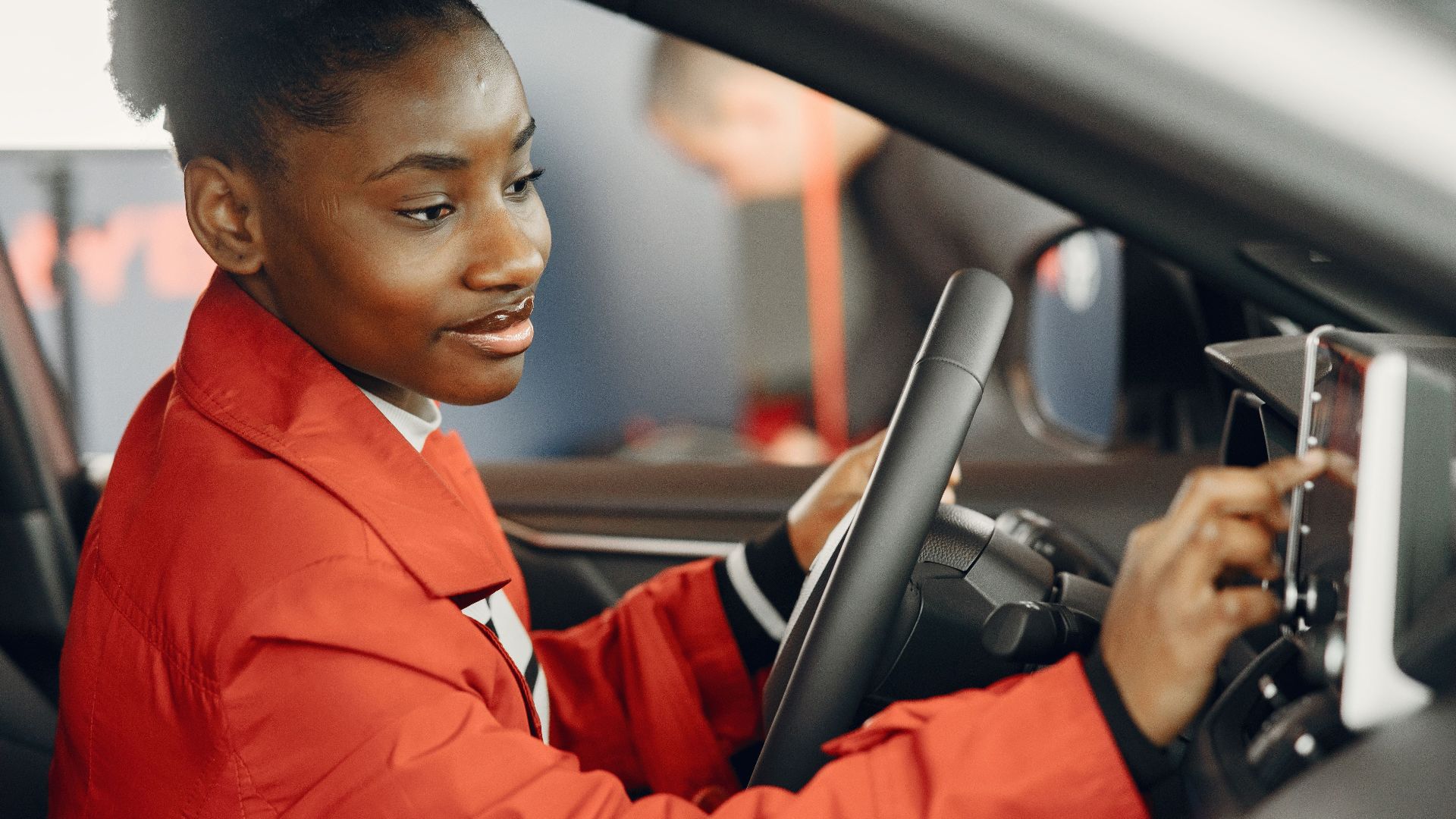
Physical Controls Let Muscle Memory Help
Drivers can learn the location and feel of a familiar knob or switch. After enough use, a temperature dial or fan button can often be reached without visually searching for it. That tactile advantage is one reason traditional controls remain valuable even when a car also has a sophisticated center display.
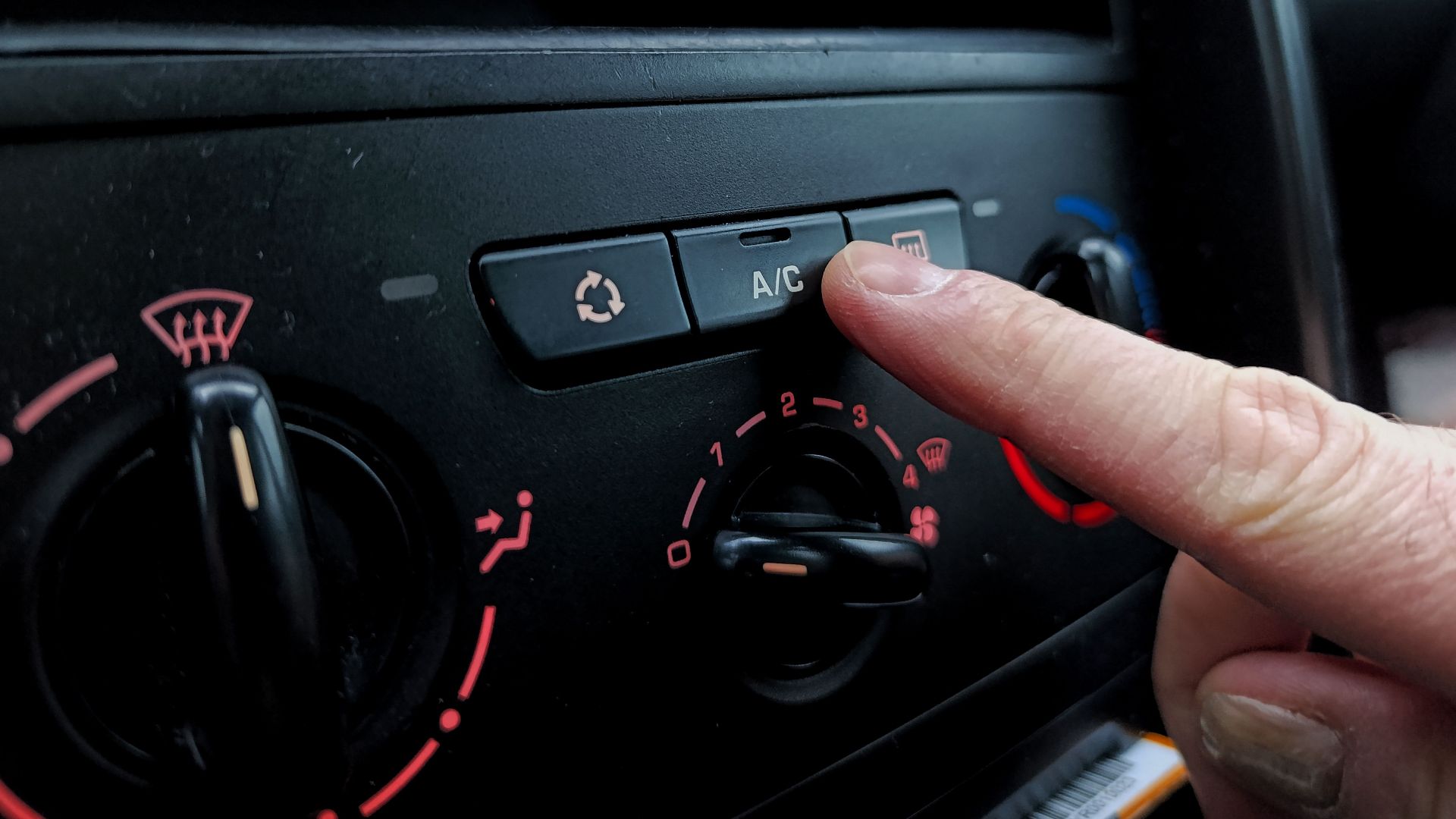
Safety Testers Are Paying Attention
Euro NCAP changed its safety-assessment approach for 2026 to place more emphasis on the design of vehicle controls. Its new framework considers the placement, clarity, and ease of using essential functions, including the availability of physical controls for commonly used tasks. The organization explicitly links those design choices with reducing driver distraction.
Touchscreen-Heavy Cars Can Lose Points
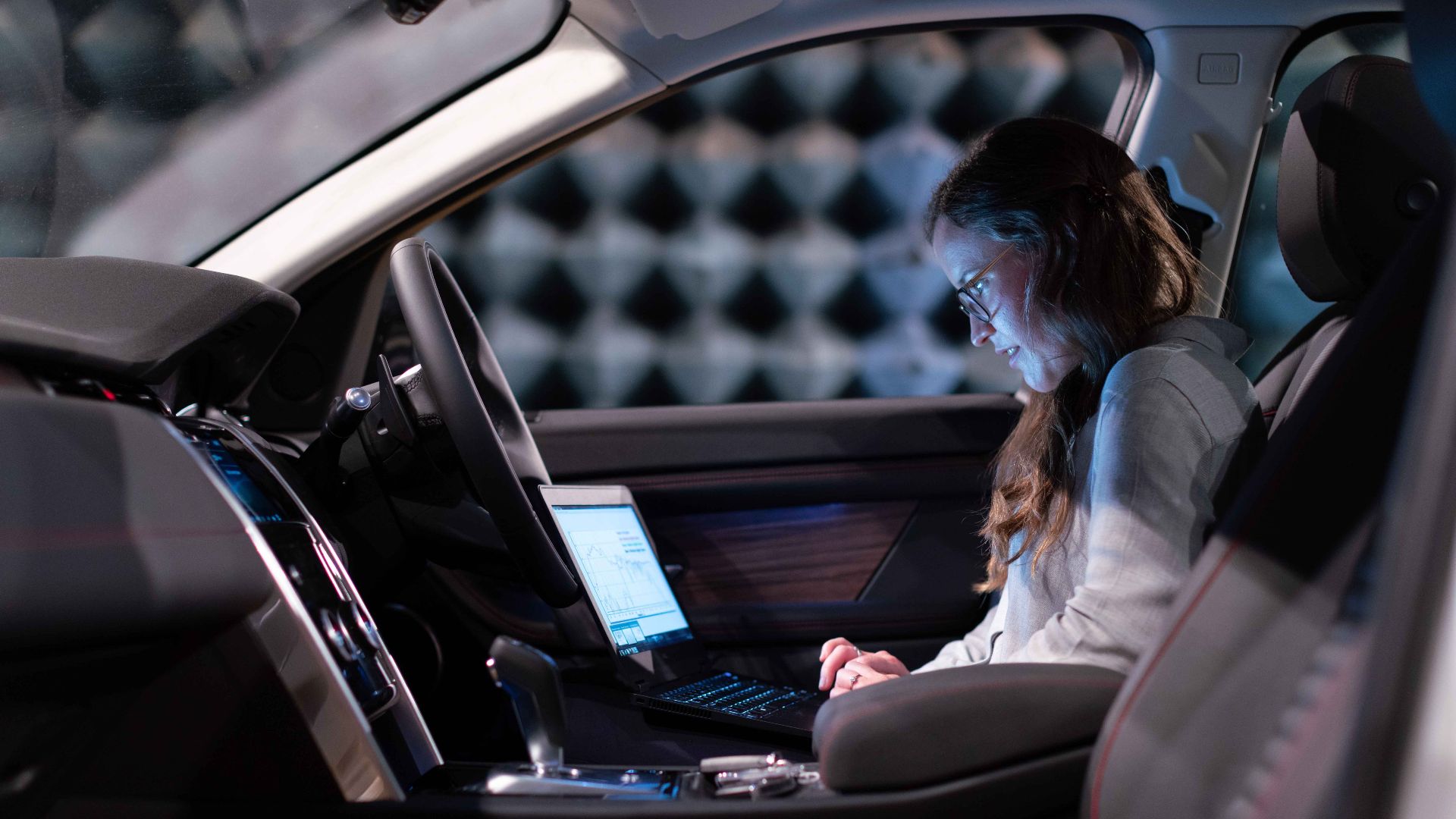
The issue is no longer merely an enthusiast complaint. In Euro NCAP’s 2026 testing, the ZEEKR 7GT lost ground in its general-controls assessment because numerous functions, including climate settings, relied on its center touchscreen. A vehicle can therefore perform strongly in crash avoidance while still being criticized for how its controls demand attention.
Physical Climate Controls Still Exist
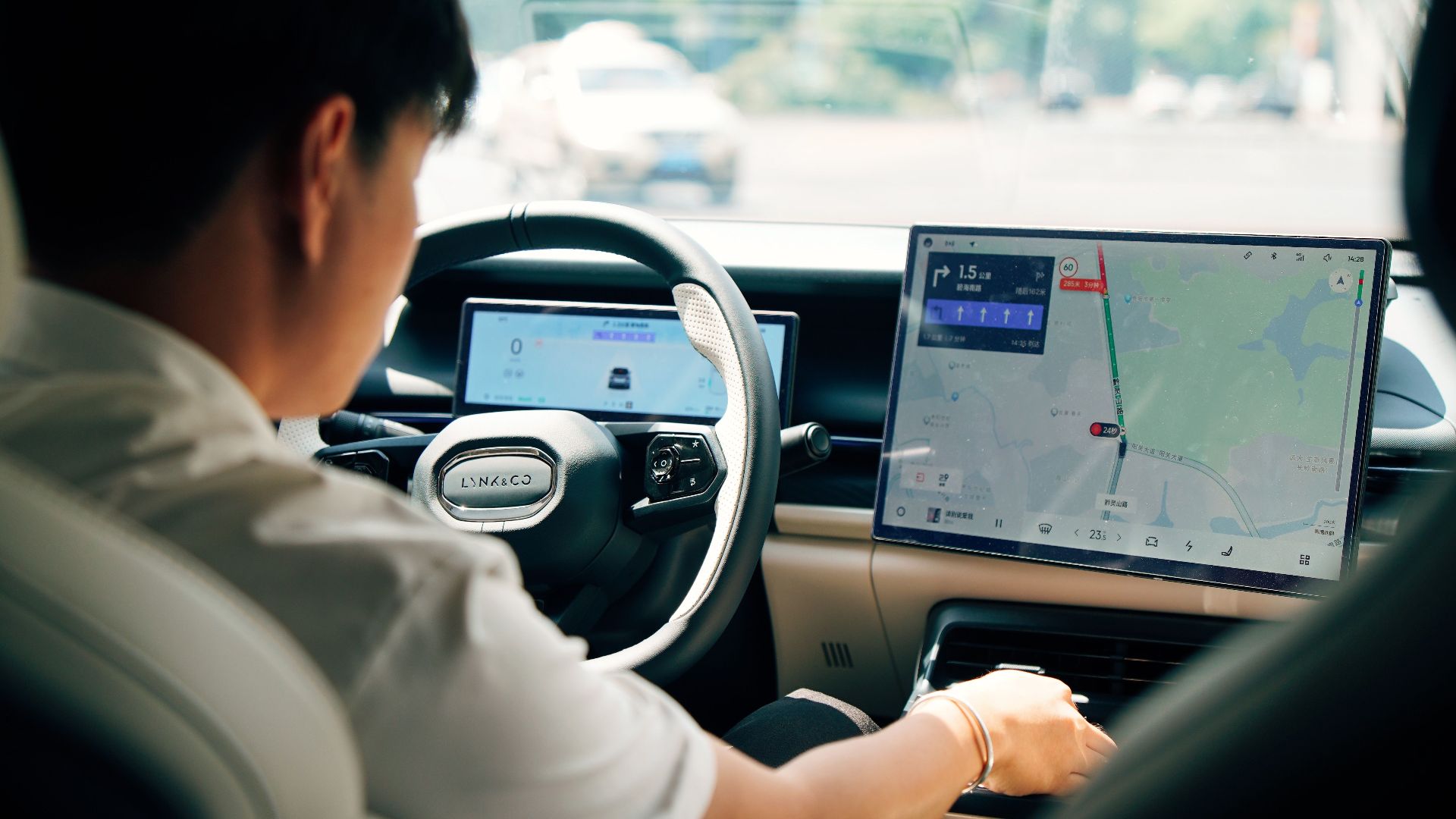
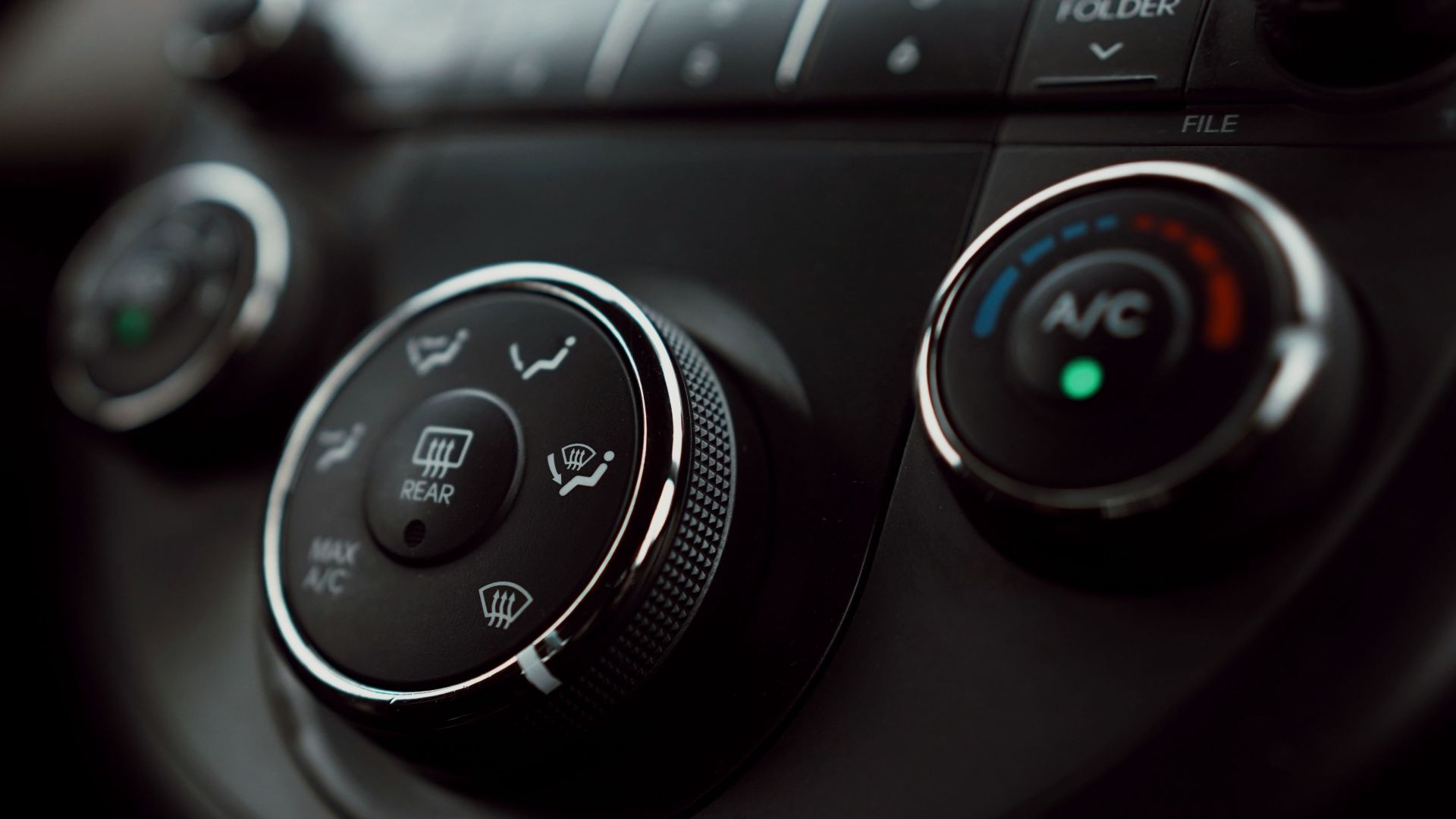
Automakers have not collectively abandoned knobs and buttons. Some new cars retain complete climate panels, while others combine physical temperature controls and defrosters with touchscreen menus for less frequently changed settings. Shopping carefully can still get you an interior that does not require swiping simply to warm your feet.
Honda Civic Keeps Things Familiar
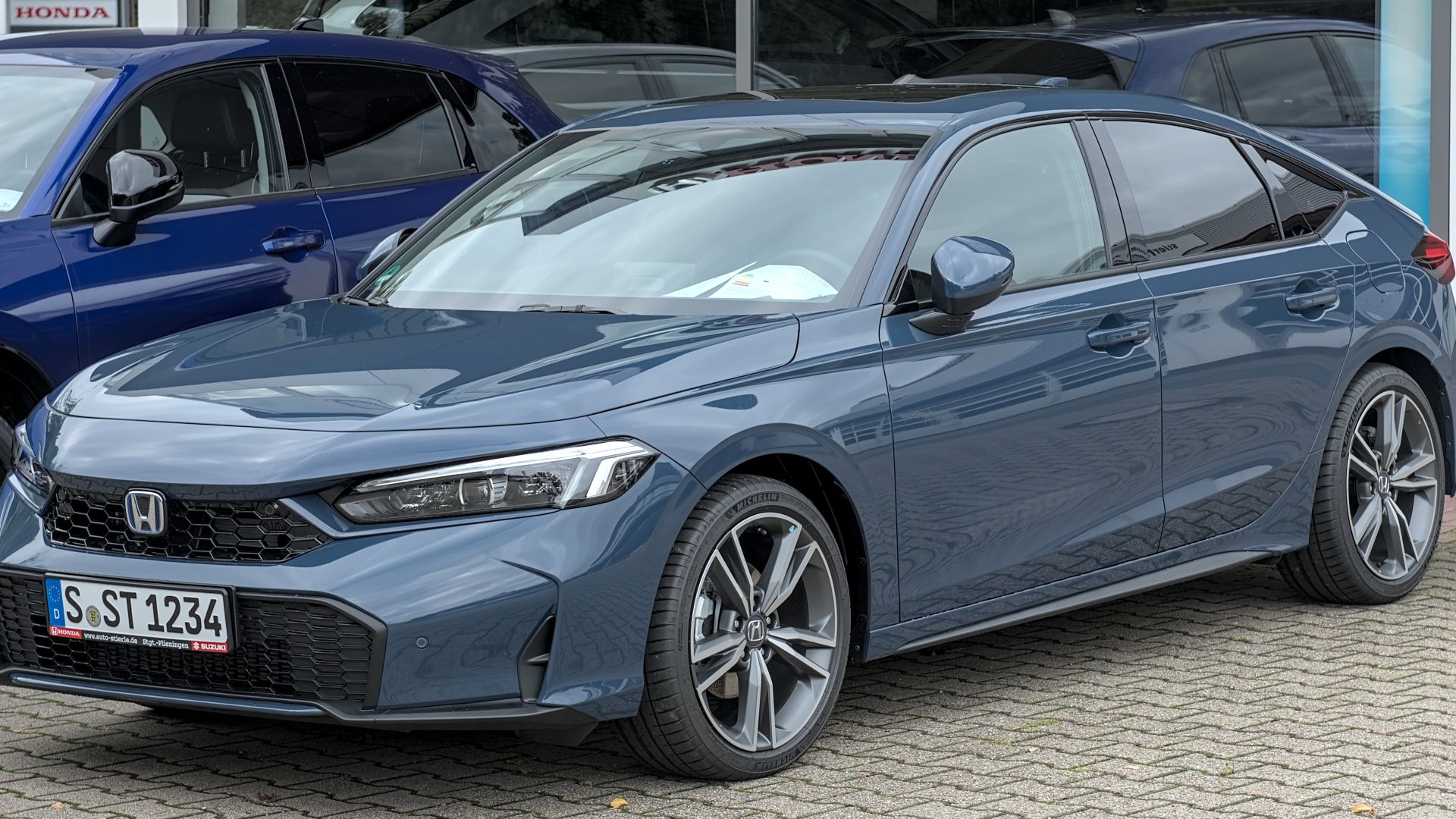
Consumer Reports praised the 2025 Honda Civic Hybrid for its straightforward physical climate controls. Temperature and other frequent adjustments use conventional knobs and buttons even though the car also has a modern infotainment touchscreen. It is a good example of an automaker treating the screen as an addition rather than a replacement for every switch.
 Alexander Migl, Wikimedia Commons
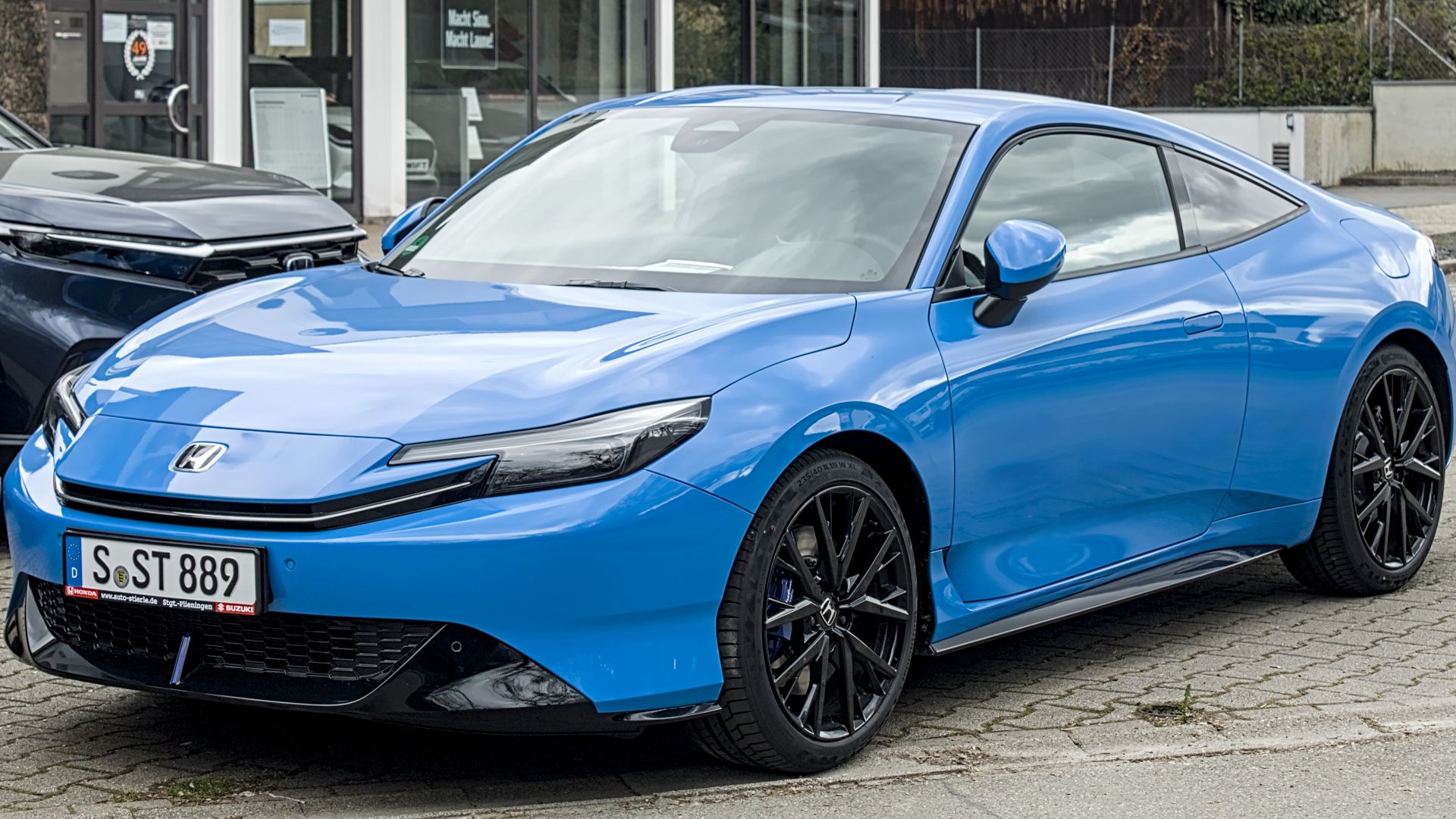
Honda Prelude Continues The Approach
The 2026 Honda Prelude follows a similar philosophy. Consumer Reports found that its climate system uses a simple group of physical buttons and knobs instead of making the driver work through touchscreen menus. Honda still uses a central display for infotainment, but routine heating and cooling remain separate.
 Alexander Migl, Wikimedia Commons
Acura And Honda EVs Keep Real Controls
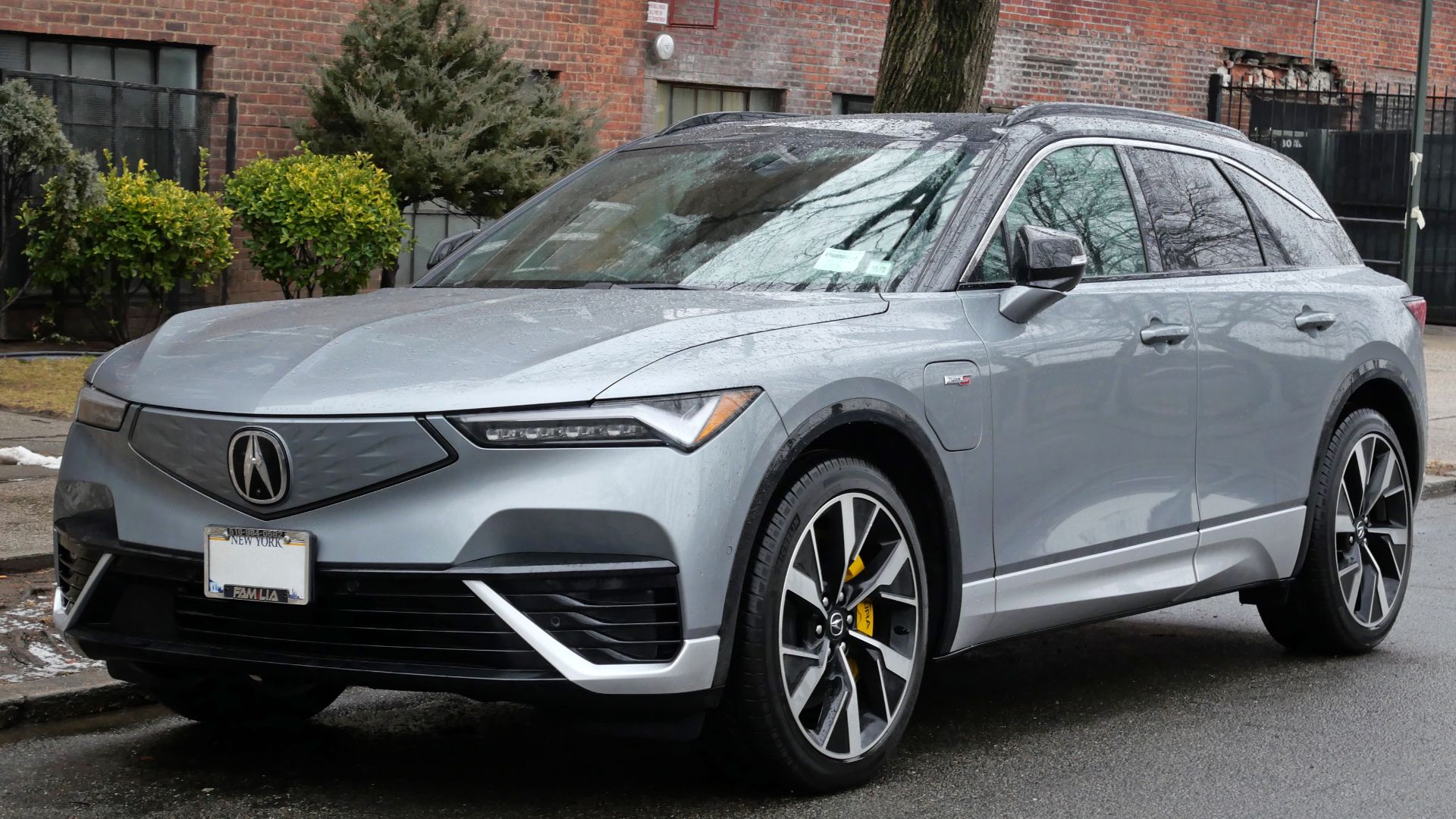
The Acura ZDX and Honda Prologue are both modern electric vehicles with large digital displays, yet they retain grippy physical climate controls. Consumer Reports specifically praised that decision because it makes adjustments quicker and reduces the need to interact with the infotainment screen. Driving an EV does not automatically require surrendering every knob.
Hyundai Still Offers A Conventional Panel
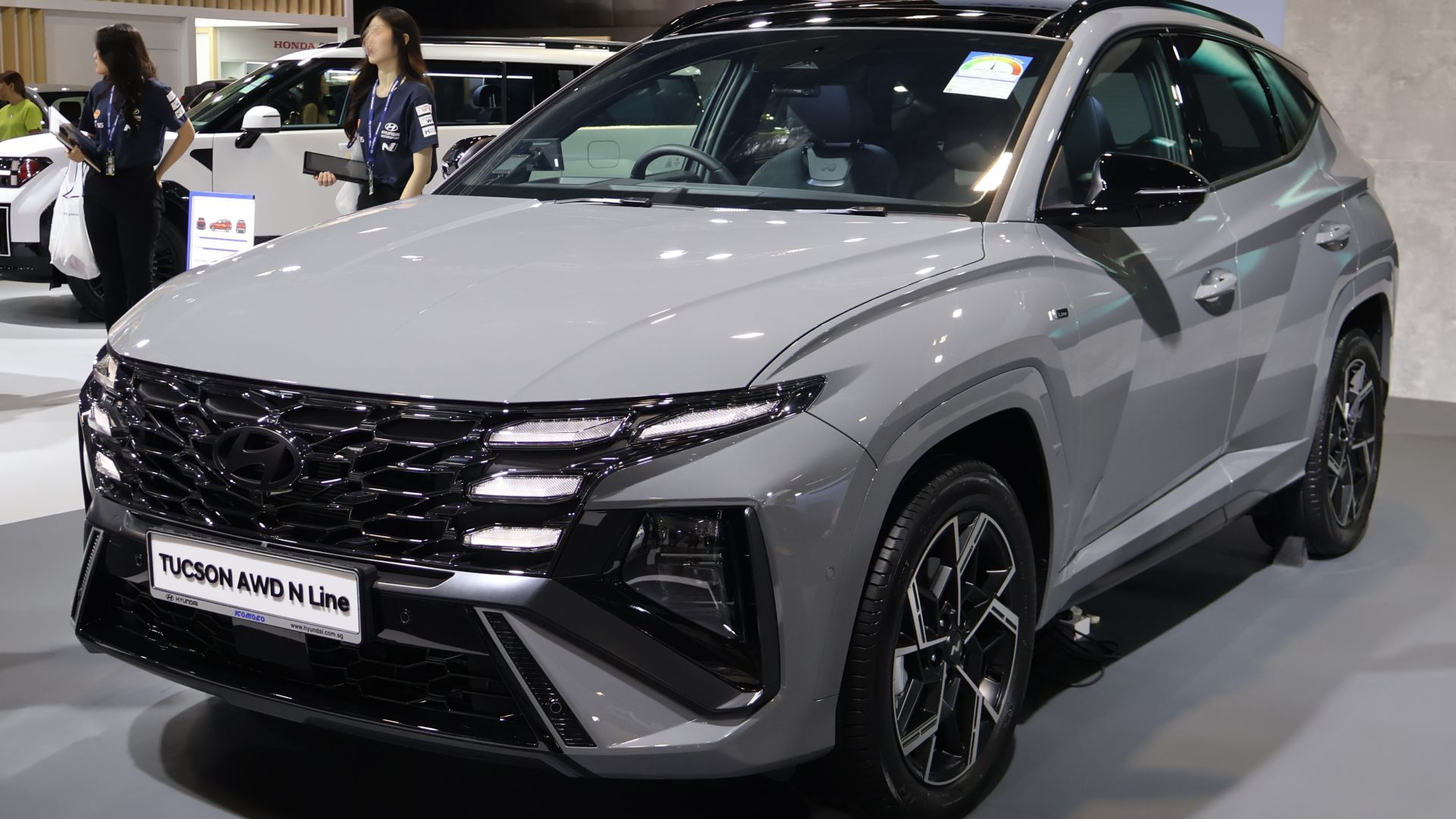
The 2025 Hyundai Tucson owner’s manual shows dedicated controls for fan speed, temperature, airflow mode, air conditioning, recirculation, and both front and rear defrosting. Those functions can be operated without entering an infotainment menu. For drivers tired of screen-only cabins, that traditional layout remains very much alive.
Kia Uses A Hybrid Approach
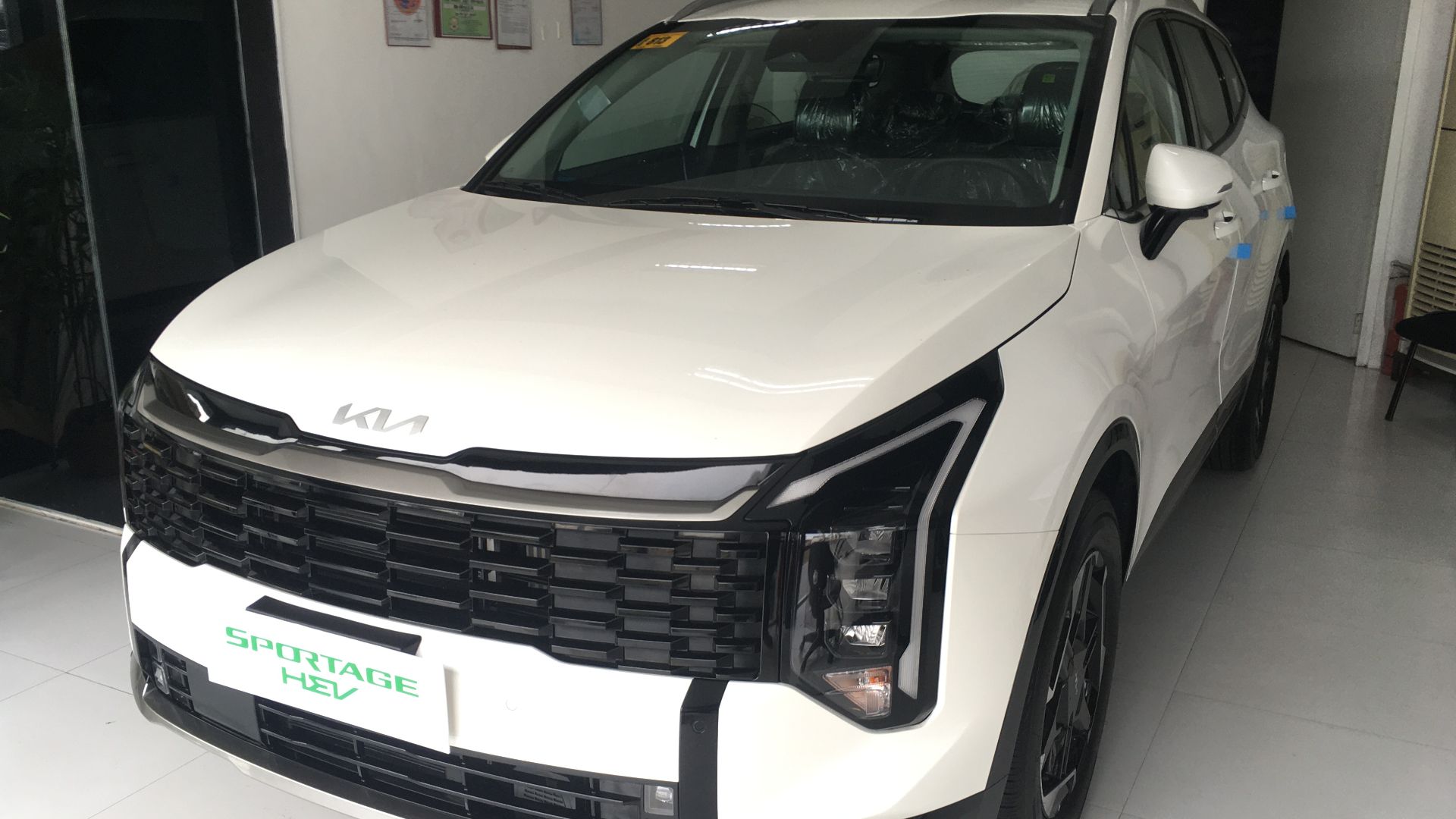
The 2026 Kia Sportage uses a switchable panel that can serve infotainment or climate duties, but it retains direct climate functions including temperature, fan speed, defrost, air intake, air conditioning, and automatic mode. Kia’s manuals describe dedicated controls rather than forcing every adjustment into a graphical menu. It is more digital than an old-fashioned row of knobs, but still less dependent on the main touchscreen.
 Captainmorlypogi1959, Wikimedia Commons
Toyota Has Not Abandoned Buttons Either
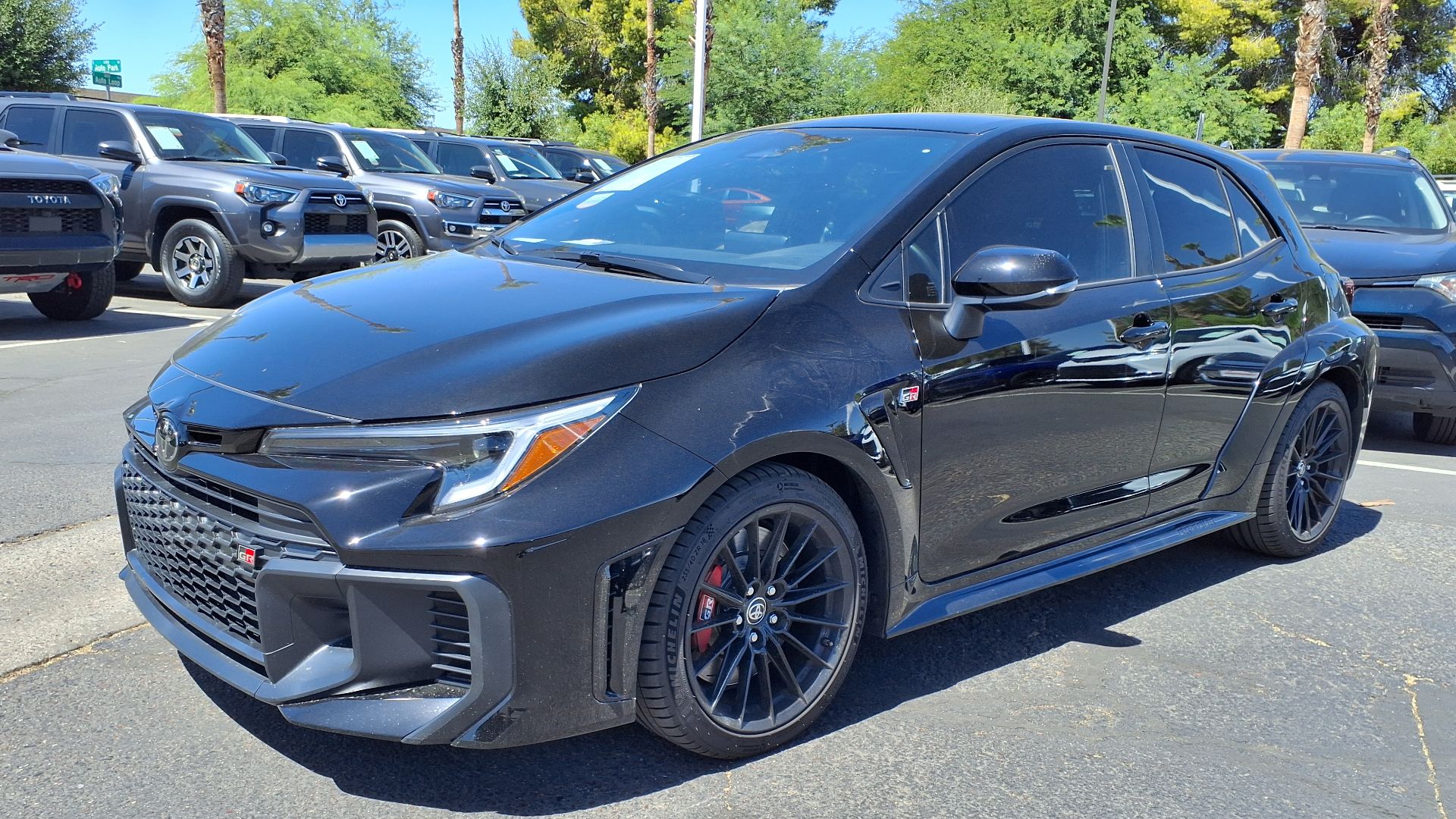
The 2025 Toyota GR Corolla uses dedicated switches for airflow mode, recirculation, air conditioning, windshield defogging, and other climate functions. Its system illustrates how a modern performance car can have current electronics without putting every comfort setting behind glass. Toyota continues to use similar physical-control logic across portions of its lineup.
Subaru Still Has Traditional Examples
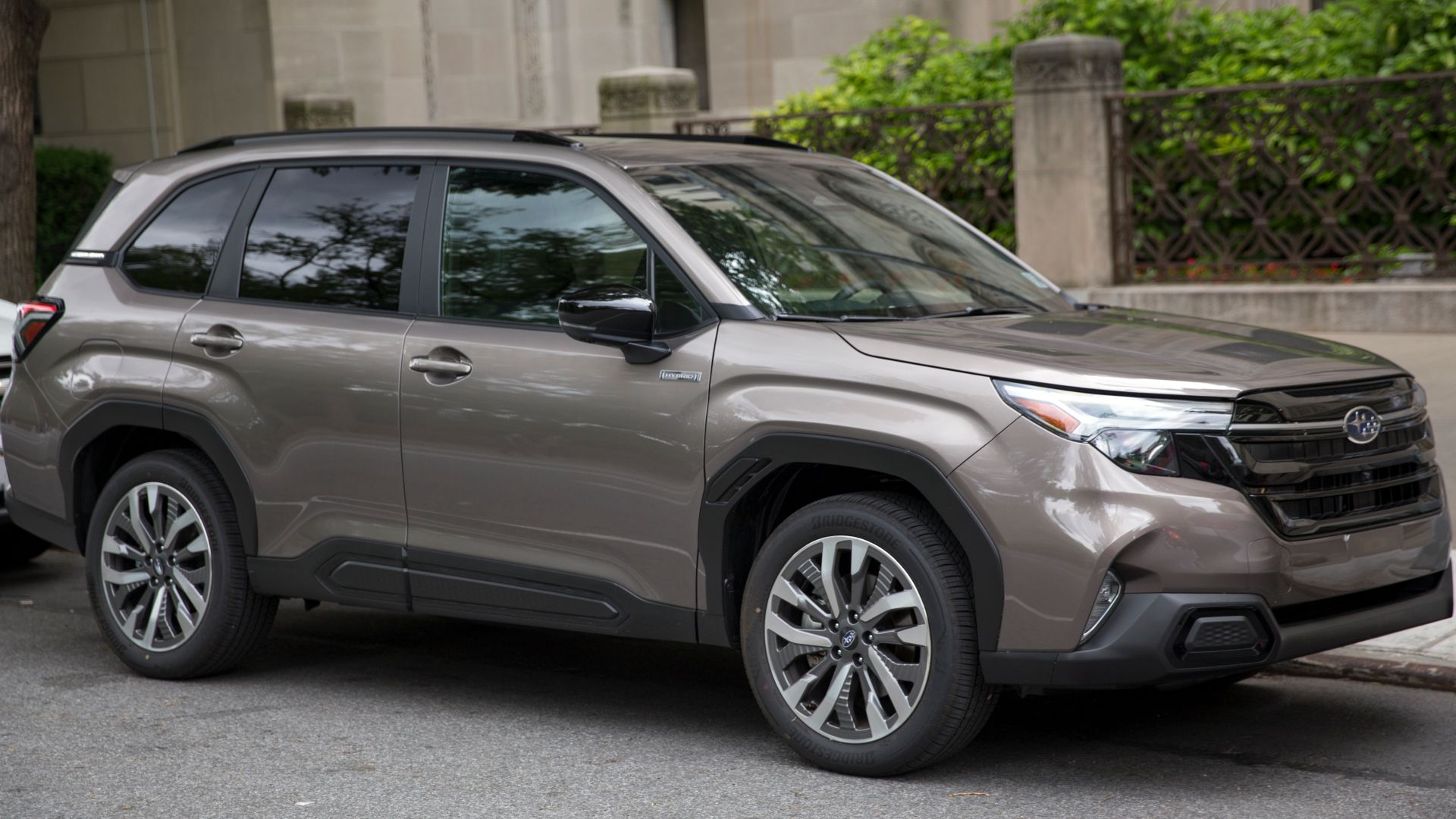
Certain Subaru models also retain more conventional climate hardware. The 2025 Forester Wilderness guide describes a temperature-control dial, fan-speed dial, air-conditioning button, airflow selector, and dedicated defroster control. Subaru uses touchscreen-heavy climate interfaces elsewhere, so the exact trim and model matter.
 Mr.choppers, Wikimedia Commons
Even Screen-Heavy Cars Often Keep One Escape Hatch
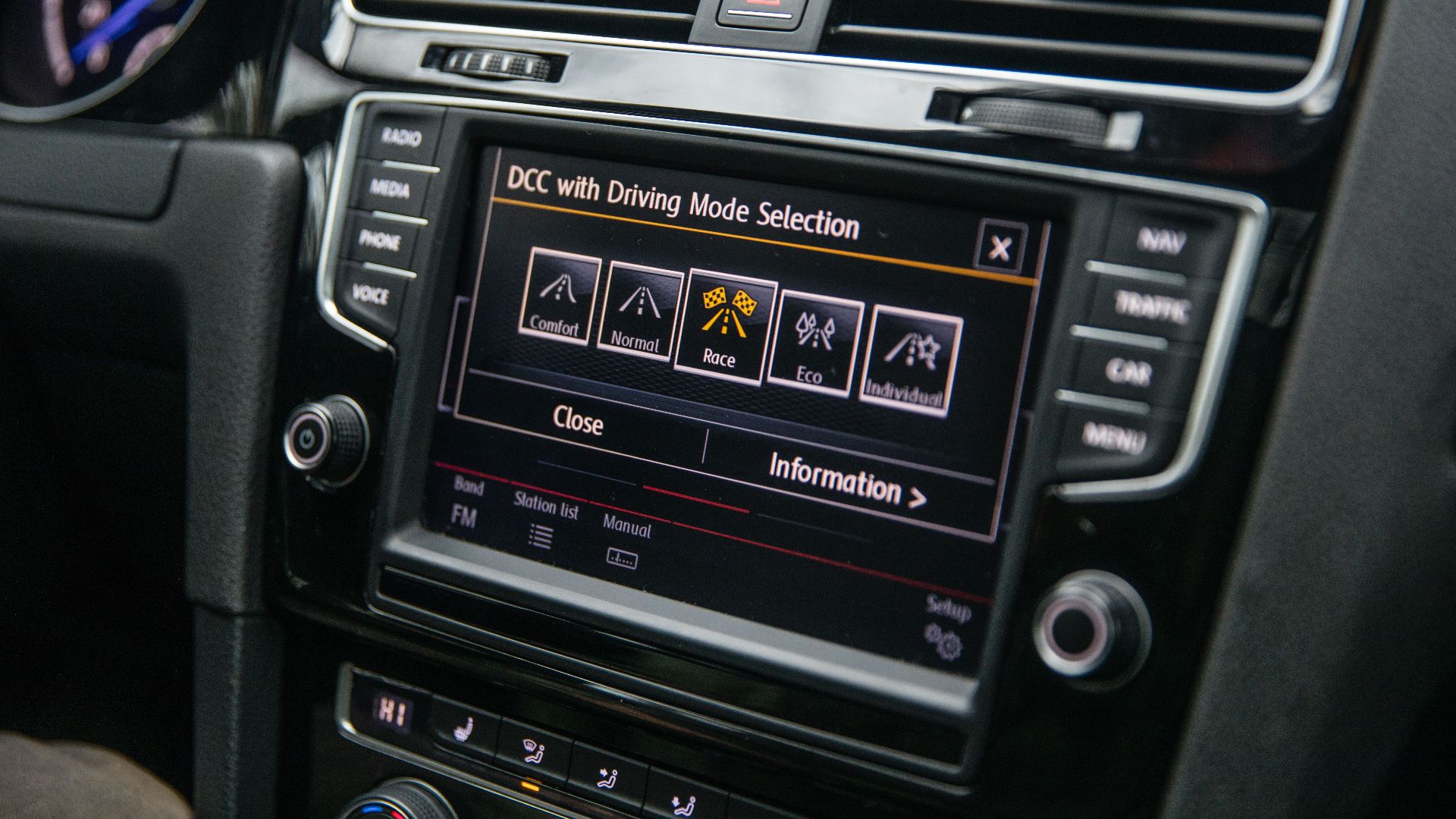
Volvo routes most climate settings in several current models through the center display. However, the company still provides physical buttons for important defrosting functions below the screen. That compromise recognizes that clearing glass may need to happen faster than navigating a climate menu comfortably allows.
Automatic Climate Can Reduce The Tapping
If your current car has automatic climate control, using it properly can reduce how often you interact with the screen. Set a comfortable temperature and let the system manage fan speed, air distribution, and heating or cooling when possible. Constantly overriding automatic mode can turn a reasonably hands-off system into a touchscreen chore.

One Temperature Setting May Be Enough
Owners sometimes treat automatic climate systems like old manual heaters and repeatedly change the setting whenever the fan changes speed. Automatic systems are designed to vary airflow as the cabin approaches the selected temperature. Choosing one reasonable setting and allowing the system to work can significantly reduce mid-drive adjustments.
Preconditioning Can Fix The Worst Part
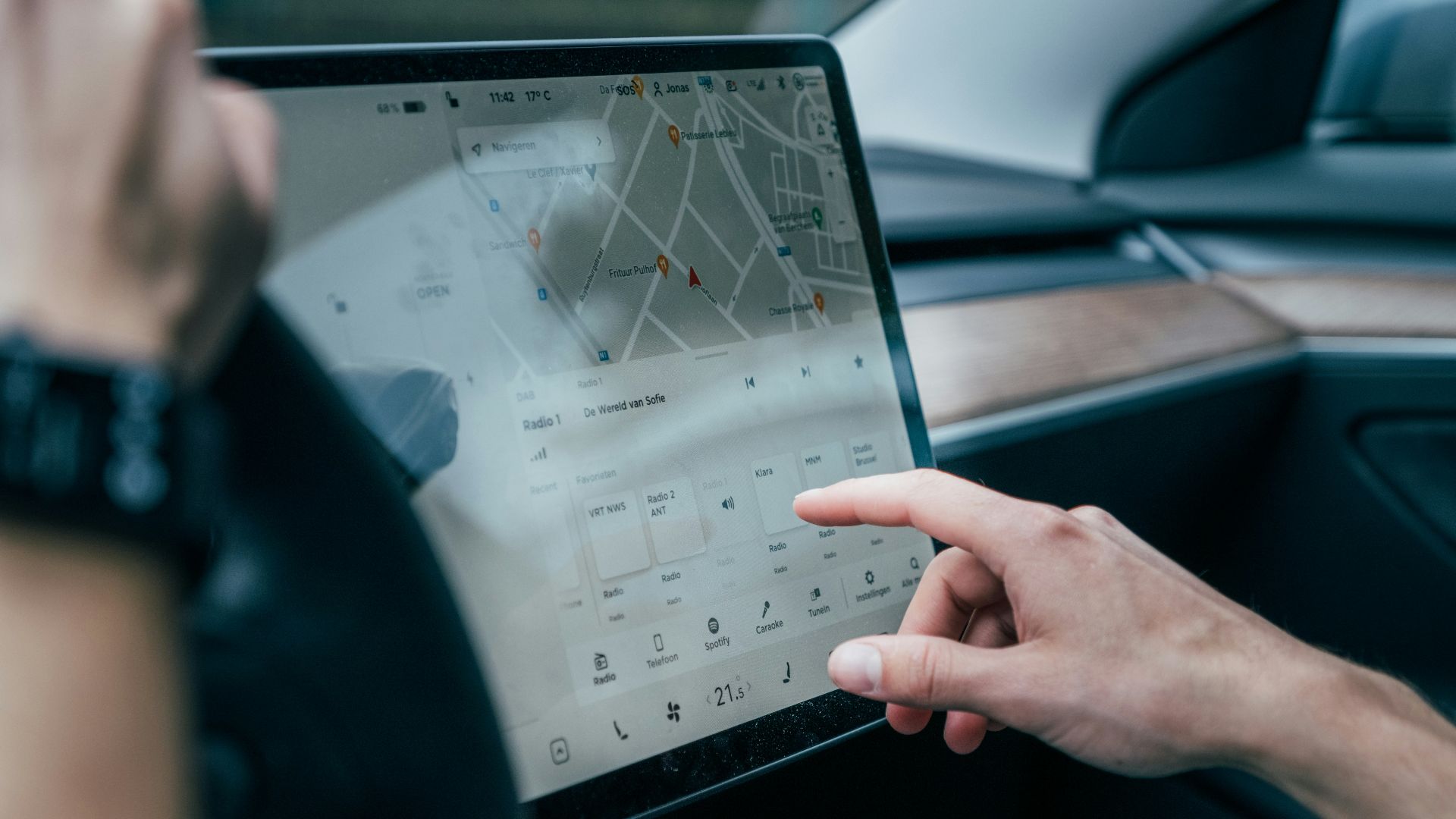
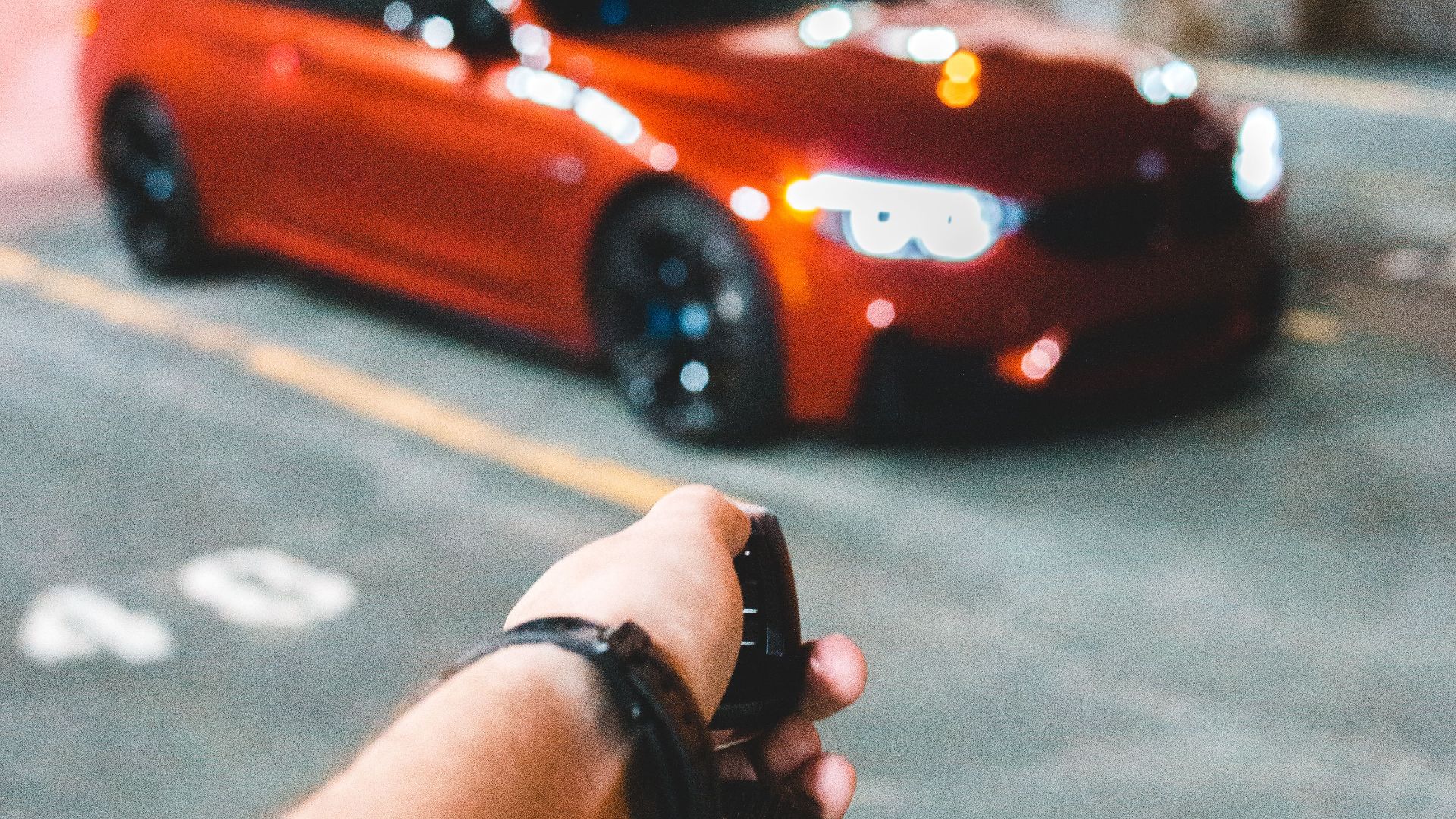
Remote climate control can warm the vehicle before you leave the house. Ford allows compatible vehicles to use remote-start climate settings that heat or cool the cabin automatically, while Tesla provides remote preconditioning and a Defrost Car function through its app. Starting with clear windows and a warm cabin means fewer urgent adjustments during the first miles of a winter trip.
Preheating Helps Visibility Too
Remote climate features can do more than warm your hands. Ford says its automatic remote-start setting can activate heated rear glass and mirrors in cold conditions, while Tesla’s defrost mode is designed to help clear snow, ice, and frost from glass and mirrors. Preparing the car before departure can reduce the need to fight with the interface while moving.

Voice Control Is Becoming A Real Alternative
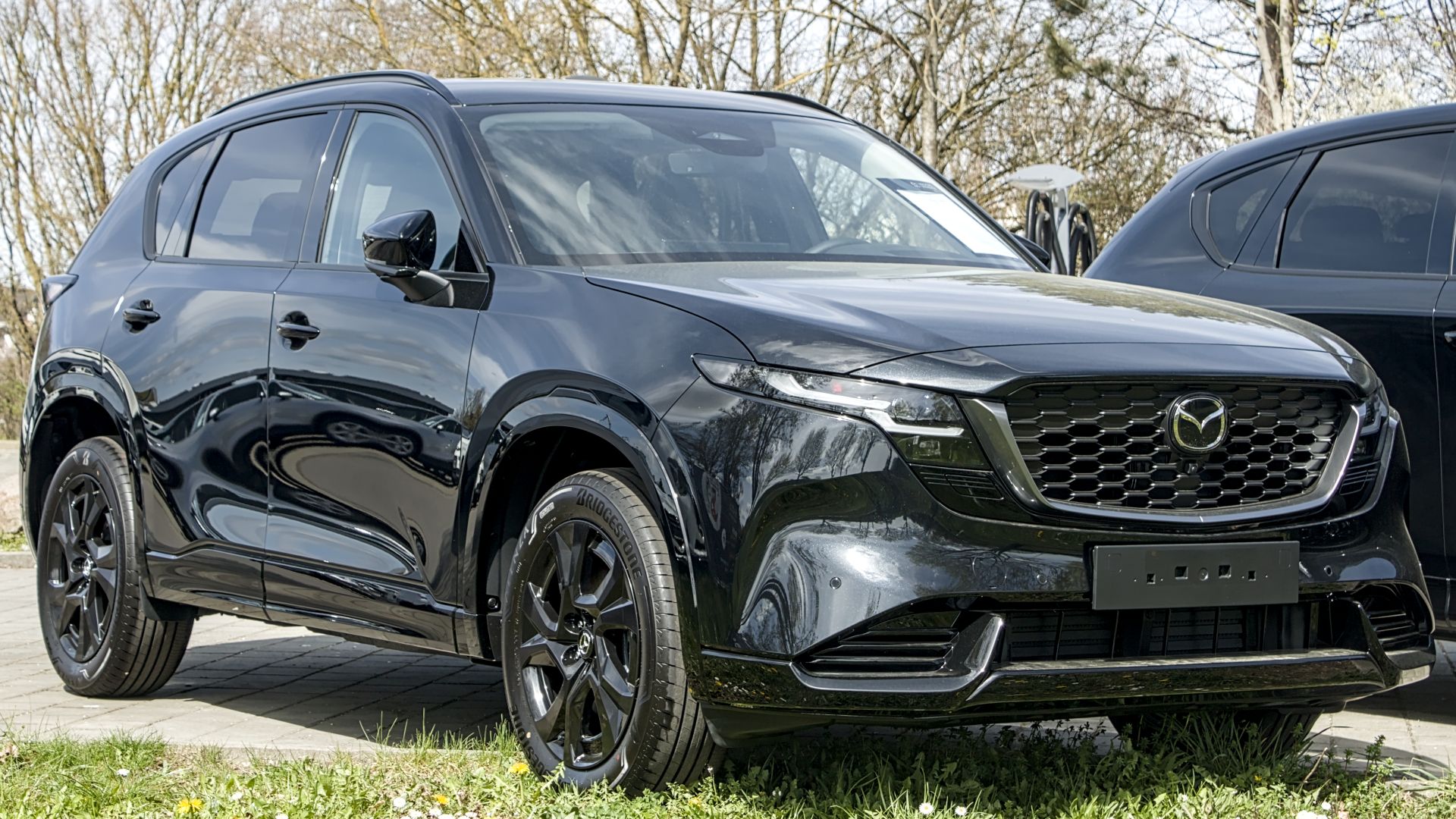
Some newer vehicles allow climate functions to be controlled by voice. The 2026 Mazda CX-5 manual lists voice commands for temperature, fan speed, airflow direction, air conditioning, recirculation, defrosting, seat heaters, and the heated steering wheel. A reliable voice system can therefore bypass much of the touchscreen even when the visible climate controls live there.
 Alexander Migl, Wikimedia Commons
Voice Commands Still Have Limits
Voice control is not always faster than turning a knob. Noise, accents, connectivity, software delays, and misunderstood commands can make a simple request unexpectedly tedious. Use voice features as another option rather than assuming they fully replace a well-positioned physical switch.

Customize Whatever Shortcuts You Have
Some infotainment systems let owners place climate shortcuts on the home screen or keep a climate bar permanently visible. If your car allows customization, prioritize fan speed, defrost, temperature, heated seats, and the heated steering wheel over settings you rarely touch. One-tap access is not as tactile as a button, but it is better than digging through multiple pages.
Do Not Add Random Aftermarket Switches
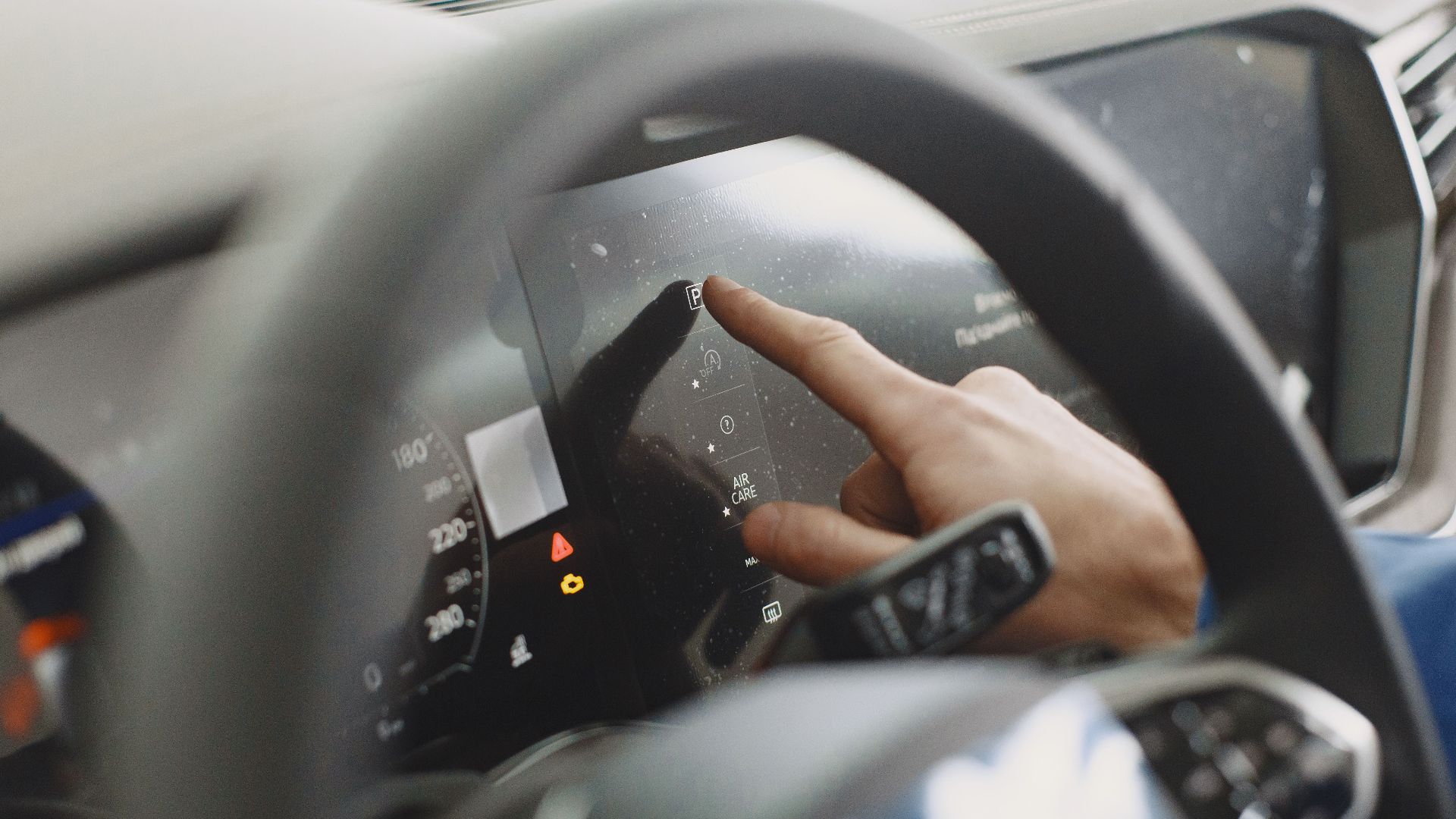
Adding a physical switch to a modern climate-control network is usually much more complicated than attaching a button to an old heater fan. Current HVAC systems communicate through electronic control modules, sensors, and vehicle data networks. Avoid splicing into wiring or installing unverified interfaces unless the product and procedure are specifically approved for your vehicle.

Test Climate Controls Before Buying Again
A five-minute showroom inspection does not reveal how annoying an interface becomes on a dark, snowy commute. During your next test drive, adjust fan speed, temperature, airflow direction, heated seats, steering-wheel heat, and the windshield defroster while paying attention to how often you must look away. Controls deserve the same evaluation as seat comfort, acceleration, visibility, and cargo space.
Do Not Assume A Bigger Screen Is Better
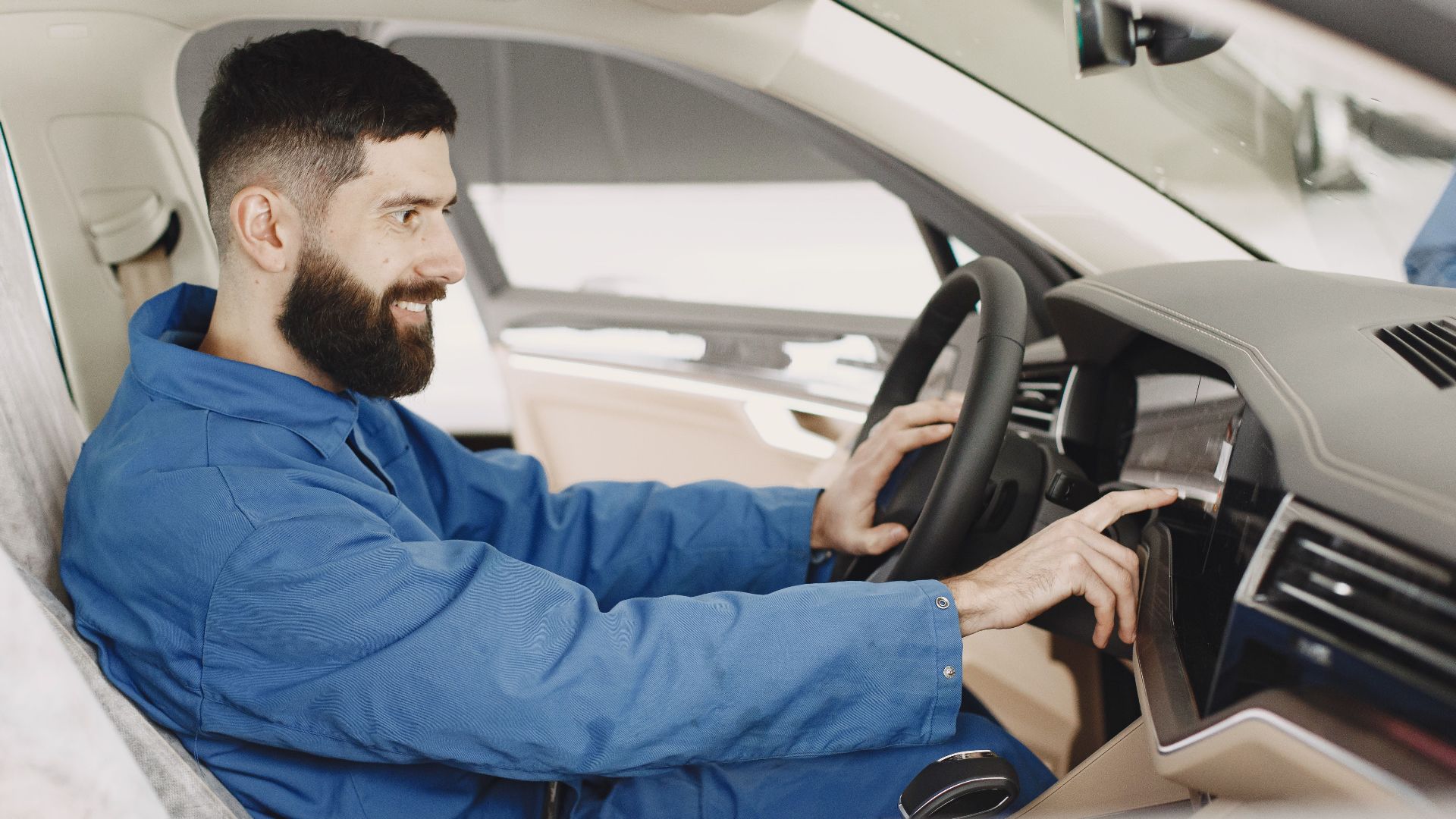
Screen size has become a prominent marketing feature, but more glass does not guarantee easier operation. Consumer Reports has criticized vehicles where large displays still contain small targets, cluttered layouts, or frequently used controls buried in menus. A smaller screen surrounded by sensible knobs can be much easier to live with.
The Industry Is Not Moving In One Direction
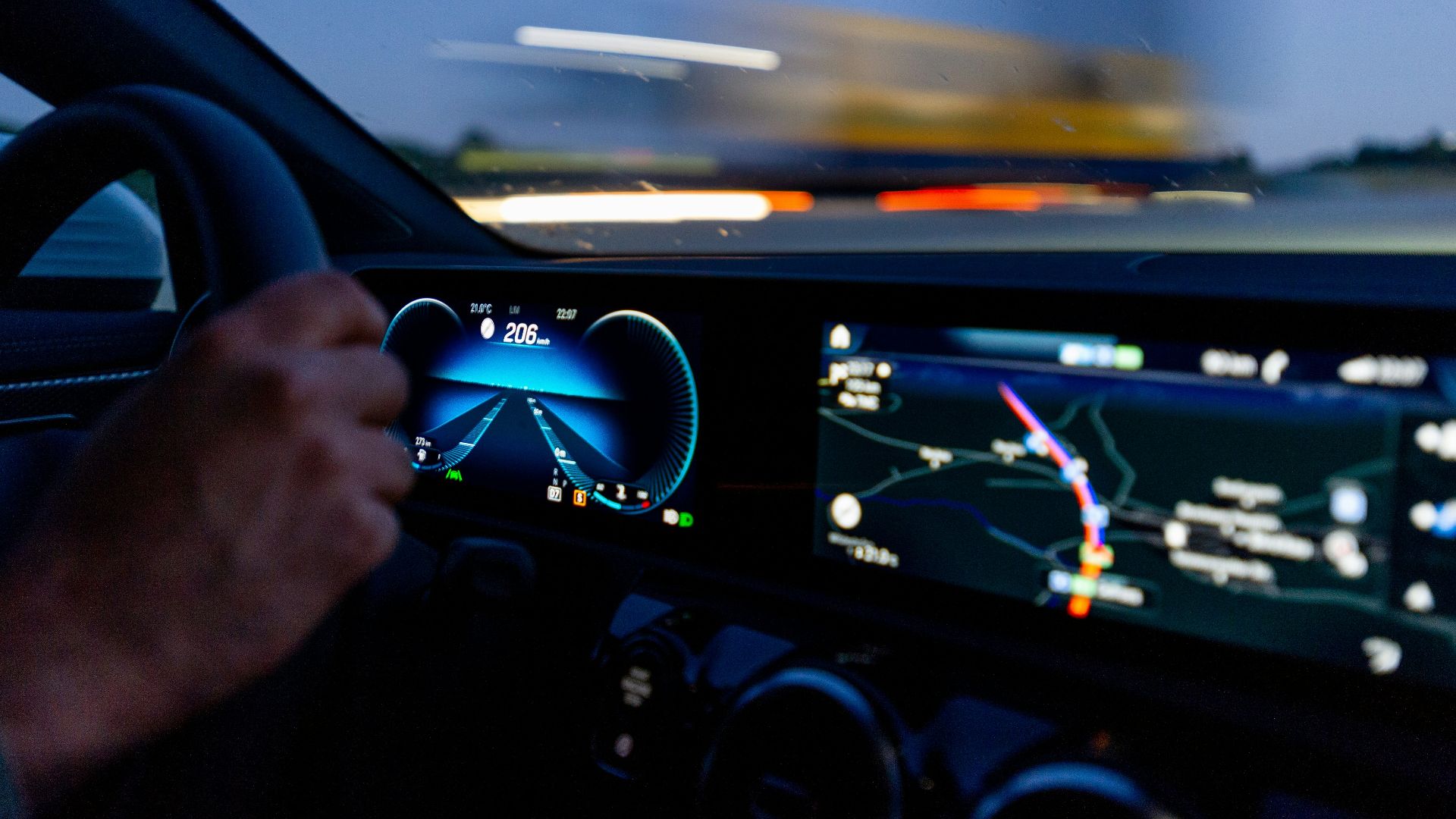
Some automakers continue replacing hardware with software, while others retain or restore physical controls for frequently used functions. Euro NCAP’s new emphasis on control usability gives manufacturers another incentive to think carefully before moving everything into a touchscreen. Consumer criticism is also keeping the subject visible.
 Marek Ślusarczyk (Tupungato) Photo portfolio, Wikimedia Commons
You Still Have Alternatives
You do not have to buy an old car simply to get real climate controls. Current Honda, Acura, Hyundai, Kia, Toyota, Subaru, and other models still offer varying degrees of physical climate hardware, while preconditioning, automatic climate, and voice commands can improve screen-heavy vehicles you already own. The best solution is not eliminating screens completely, but keeping important winter functions quick, obvious, and easy to operate without taking your attention from the road.
 BeMagnified Media & Marketing, Pexels
You May Also Like:
Classic Cars That Were Found In Barns, Then Set Auction Records
Underrated Pony Cars That Most People Forgot Existed
Expensive Cars From Jay Leno's Collection That Don't Get Talked About Much
Sources: 1, 2, 3, 4, 5, 6, 7, 8, 9, 10, 11, 12, 13, 14, 15, 16, 17, 18, 19, 20, 21, 22, 23, 24, 25, 26, 27