We Didn’t Know How Good We Had It
There was a time when certain car features were so common that nobody thought twice about them. Then automakers quietly redesigned them, digitized them, downsized them, or eliminated them completely. Suddenly, that little vent window or simple radio knob started looking pretty clever. Sometimes progress has a funny way of making the past seem smarter.
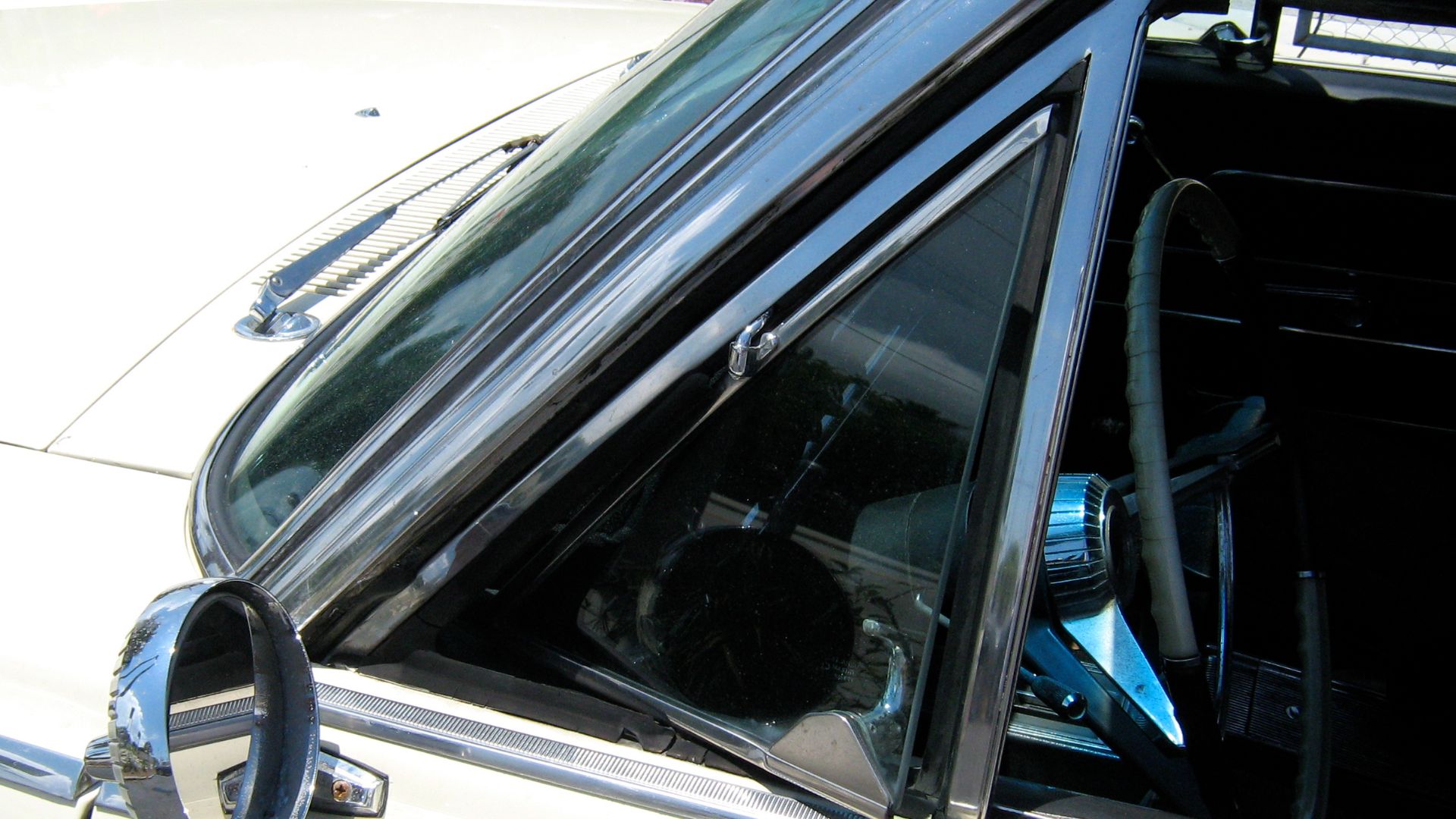
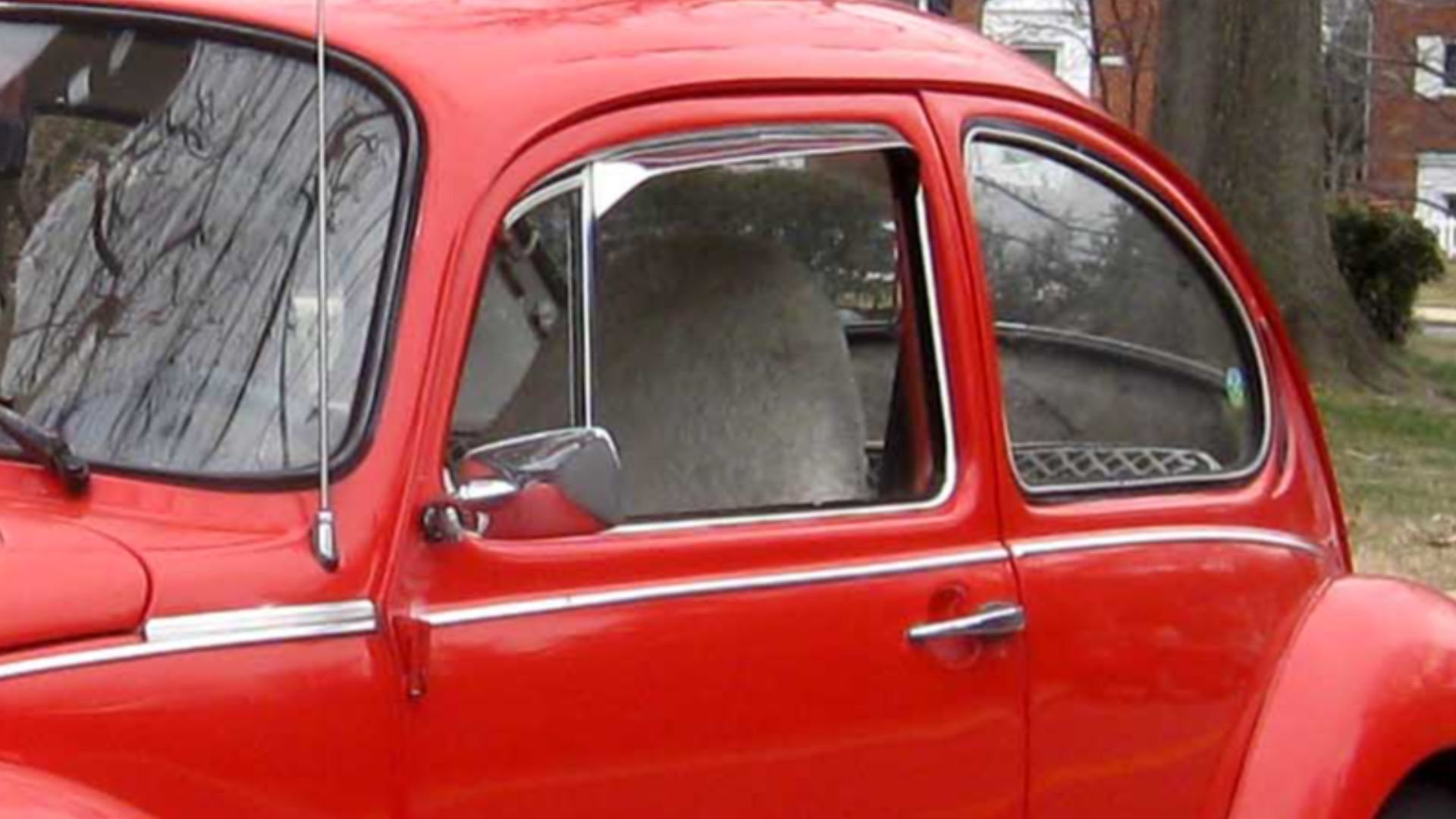
Vent Windows
Those little triangular windows ahead of the main side glass never looked particularly exciting. Twist the latch, angle the glass, and suddenly you had a perfectly aimed blast of fresh air. No complicated climate-control menu was necessary. On a warm afternoon, vent windows could cool you down surprisingly well without turning the cabin into a wind tunnel.
Full-Size Spare Tires
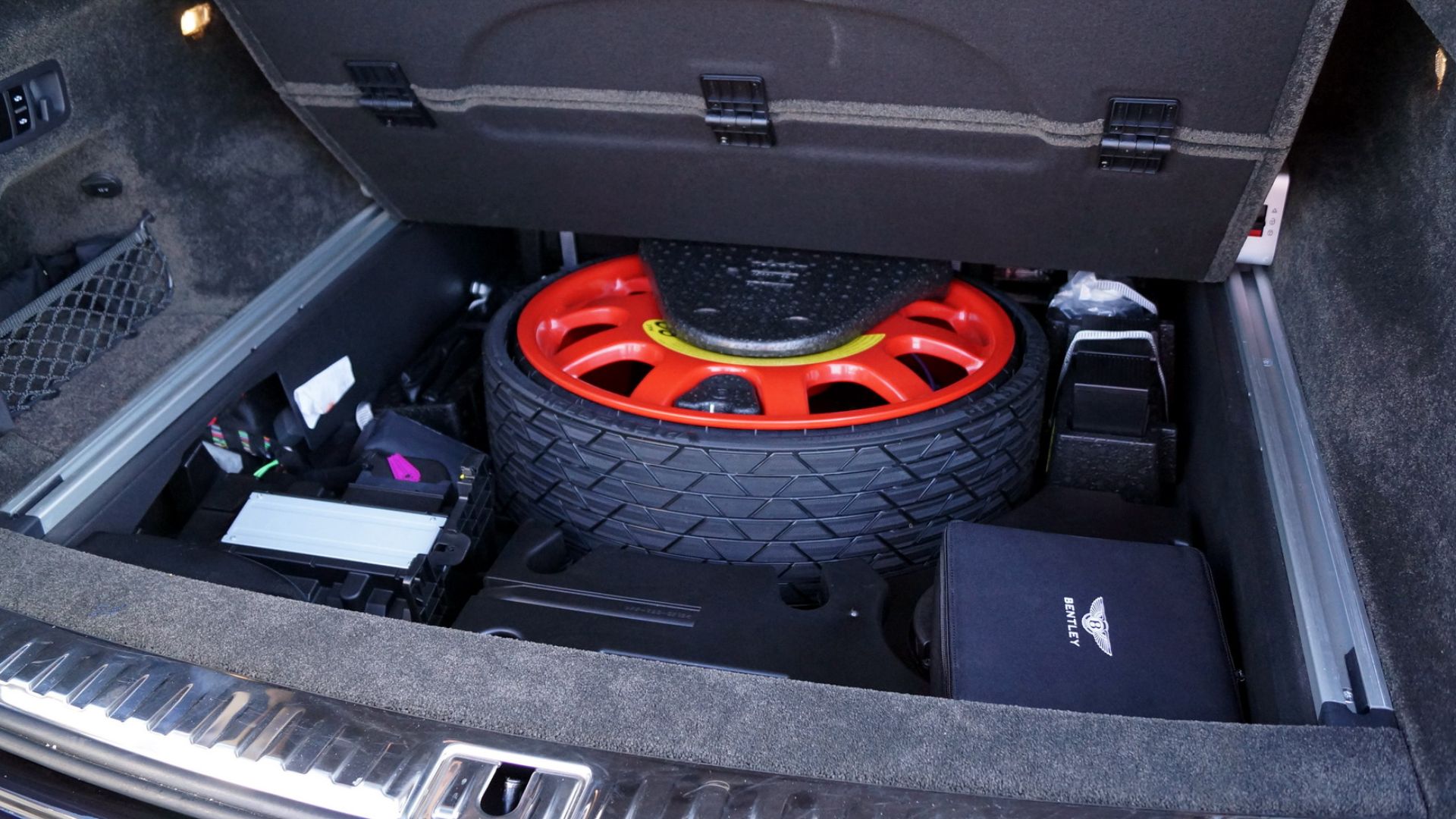
For decades, opening the trunk usually revealed an honest-to-goodness spare tire. If you got a flat, you changed it and kept driving normally. Today, many cars provide a tiny temporary spare, while others offer nothing except sealant and a compressor. That old full-size spare consumed cargo space, but stranded drivers rarely complained about that.
 Mike-fiesta, Wikimedia Commons
Front Bench Seats
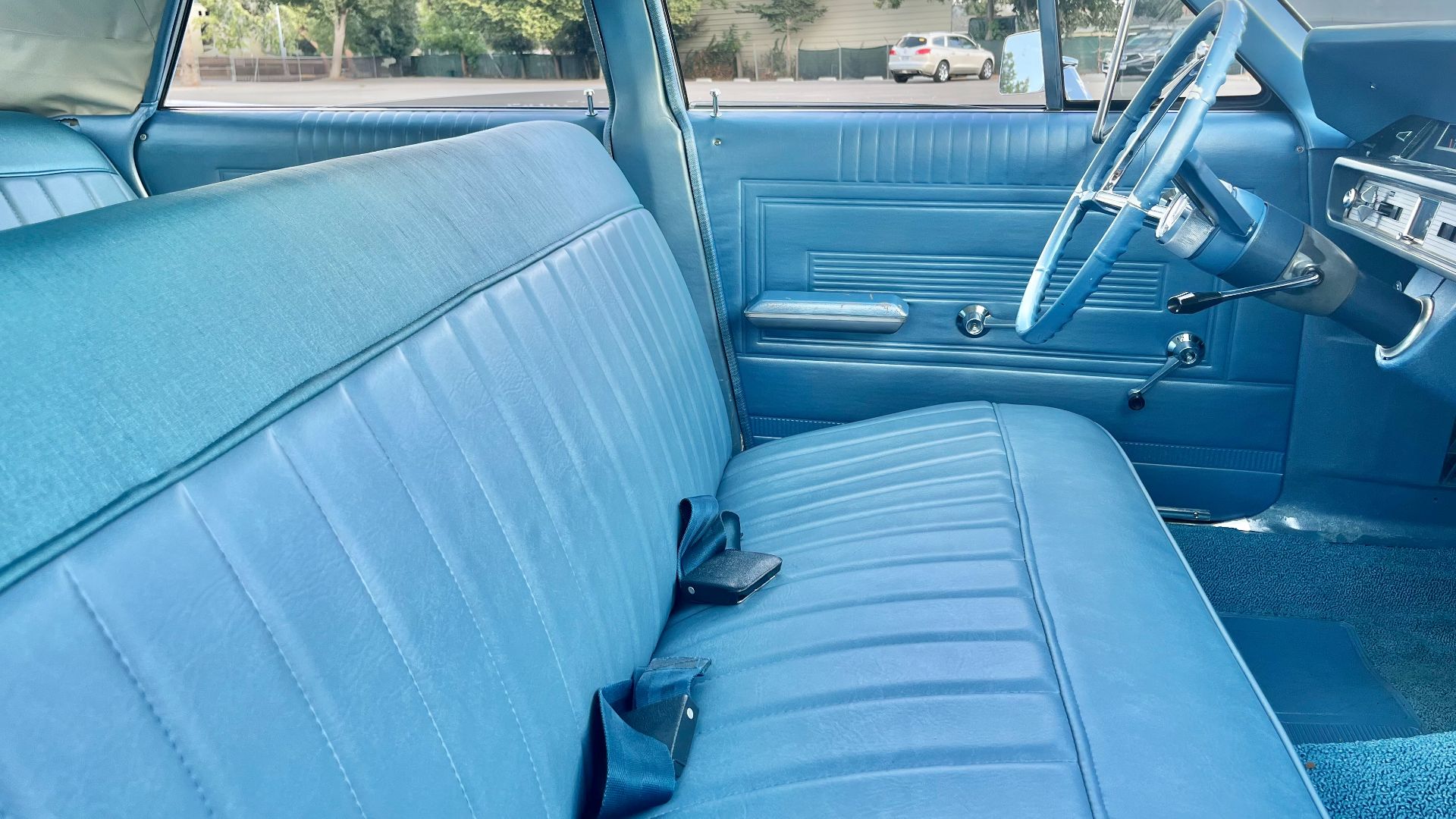
Bench seats made the front of a car feel like a living room on wheels. Three people could sit across, and couples could slide a little closer together on long drives. Bucket seats eventually became sportier and safer in many applications, but something disappeared with the bench: the wonderfully relaxed atmosphere of an old American cruiser.
 1966fordcustomsedan, Wikimedia Commons
Column-Mounted Shifters
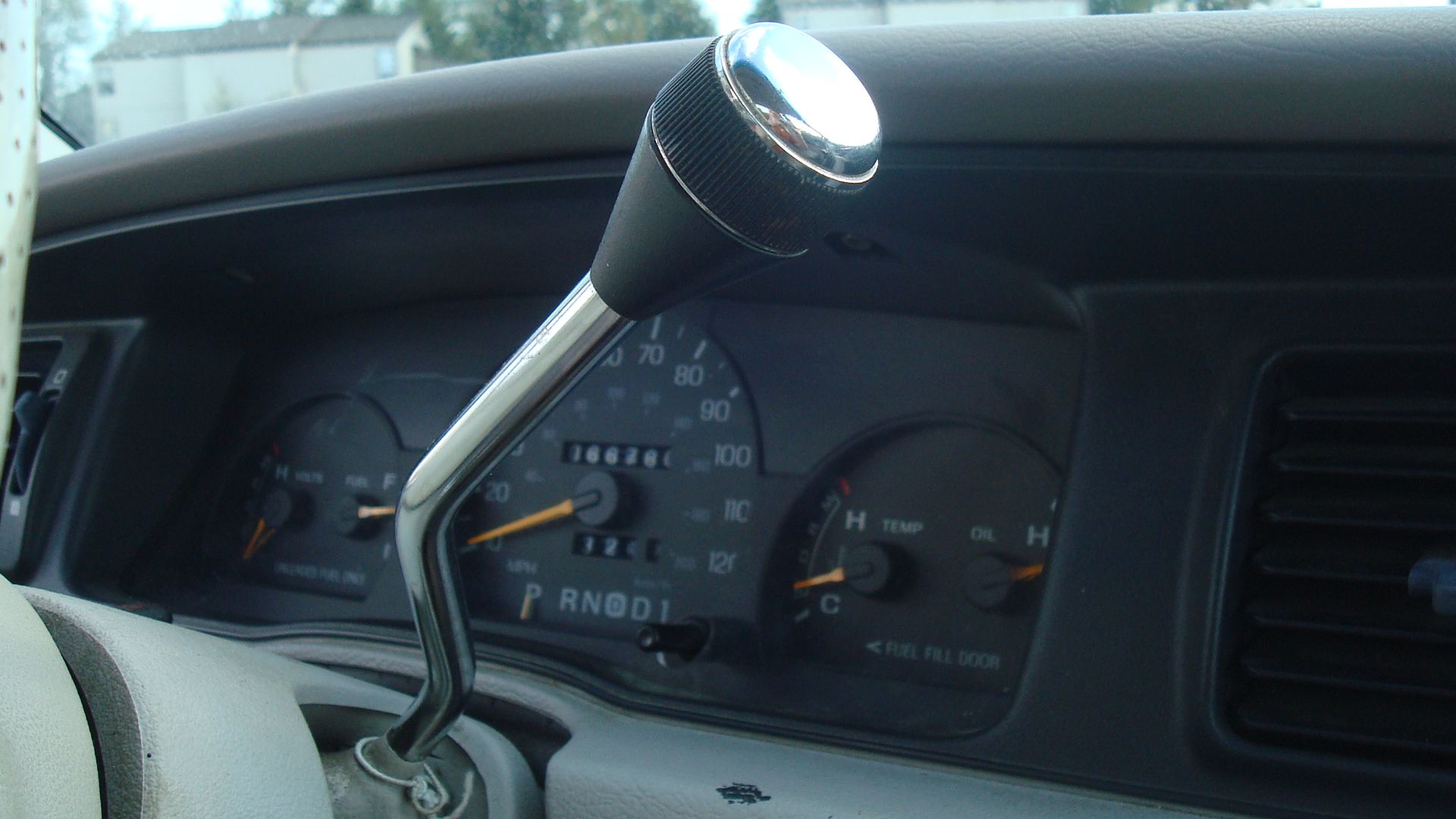
A column shifter freed up valuable space between the driver and passenger. It worked especially well with those wide bench seats and gave big sedans a clean, uncluttered interior. Modern electronic gear selectors can look futuristic, but reaching behind the steering wheel and dropping an old automatic into Drive had a satisfying simplicity.
Thin Roof Pillars
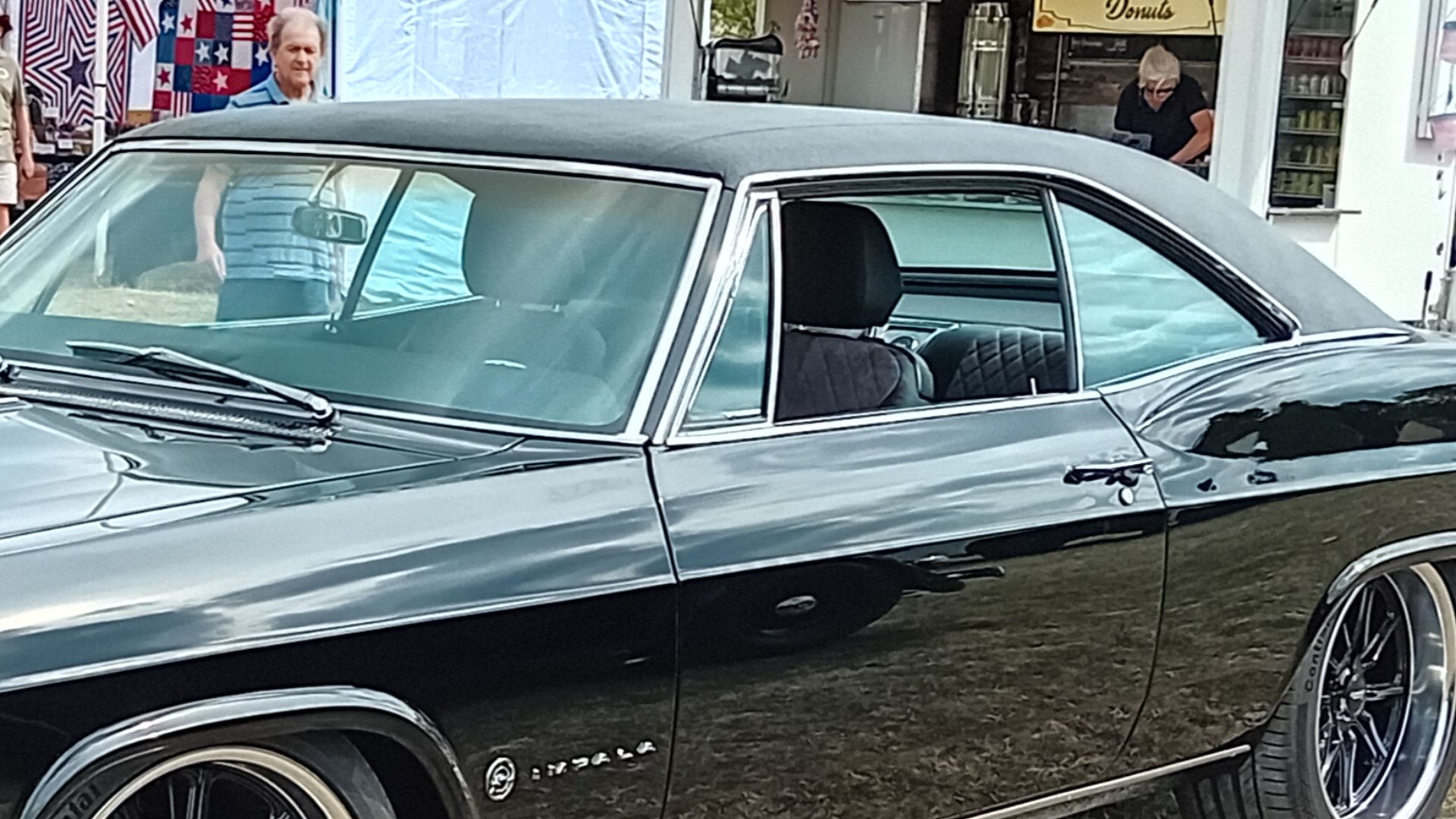
Older cars often had wonderfully thin pillars surrounding the windshield and windows. The result was tremendous visibility in almost every direction. Modern vehicles need stronger structures for crash protection, which has made pillars much thicker. Safety has improved dramatically, but anyone who remembers effortlessly checking a blind spot knows exactly what was lost.
 hugh llewelyn, Wikimedia Commons
Hood Ornaments
A hood ornament served no practical purpose, which was precisely why it was wonderful. Cadillacs, Buicks, Mercedes-Benz models, Jaguars, and countless others wore proud little sculptures at the front. You could identify some cars from a block away. Today, aerodynamic efficiency and pedestrian-safety concerns have made these miniature works of automotive jewelry increasingly rare.

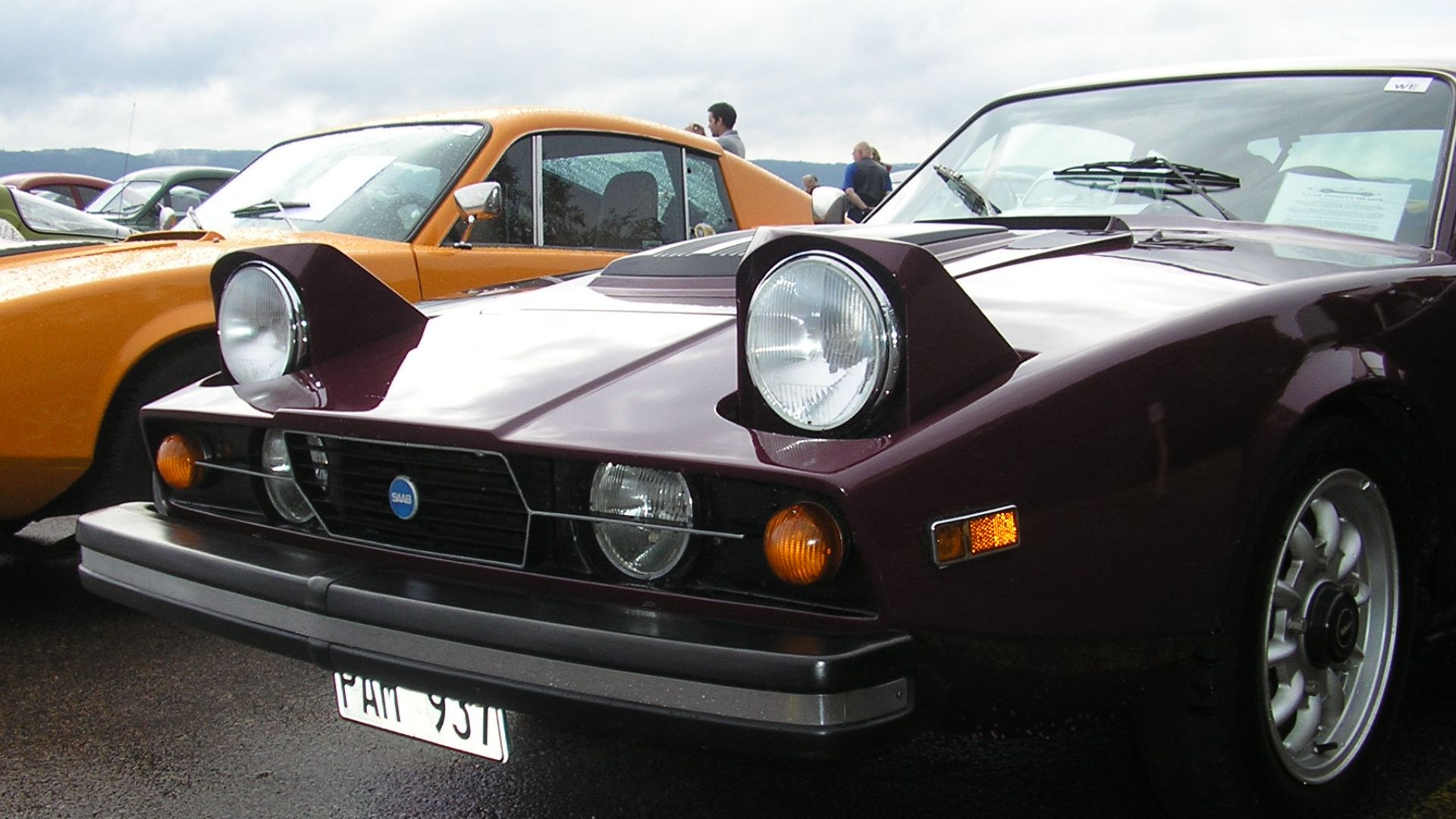
Pop-Up Headlights
Pop-up headlights turned starting an evening drive into a tiny mechanical performance. Flip the switch and up they came, transforming the entire face of the car. Aerodynamics and safety regulations helped send them into retirement. They could malfunction, admittedly, but no modern LED lighting animation has quite the same sense of occasion.
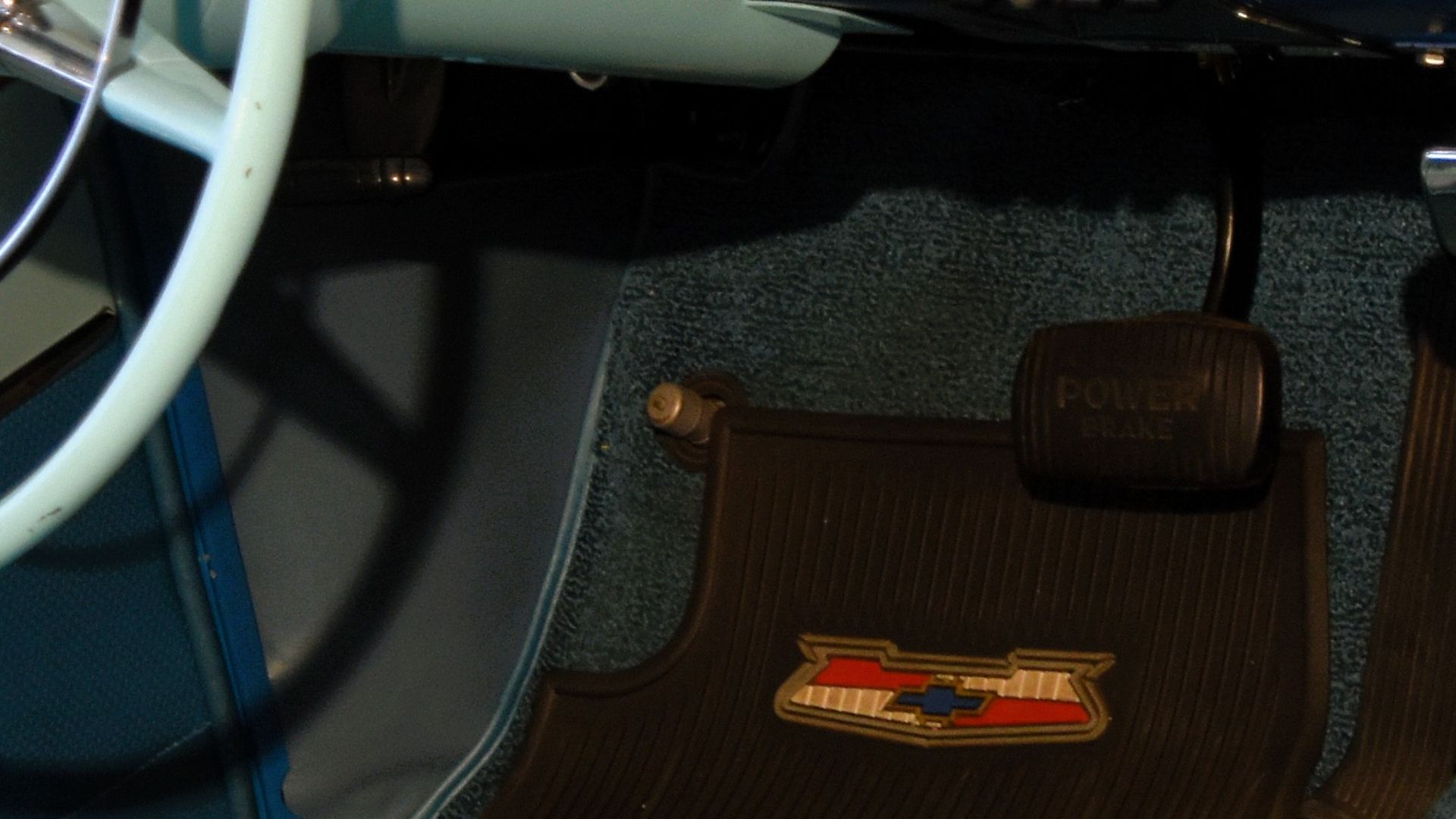
Floor-Mounted Dimmer Switches
Older drivers may remember controlling high beams with a button on the floor. Your left foot handled the job while your hands remained on the wheel. Eventually, automakers moved the function to the steering-column stalk. That arrangement works perfectly well, but anyone who grew up stomping a metal switch may still miss the old method.
 Charles from Port Chester, New York, Wikimedia Commons
Actual Keys
Car keys once had one job: start the car. There was no battery to die, no wireless signal to disappear, and no mysterious message saying your key could not be detected while it was clearly sitting in your cupholder. Keyless ignition is convenient, but turning an actual key still feels reassuringly definite.
 R. Henrik Nilsson, Wikimedia Commons
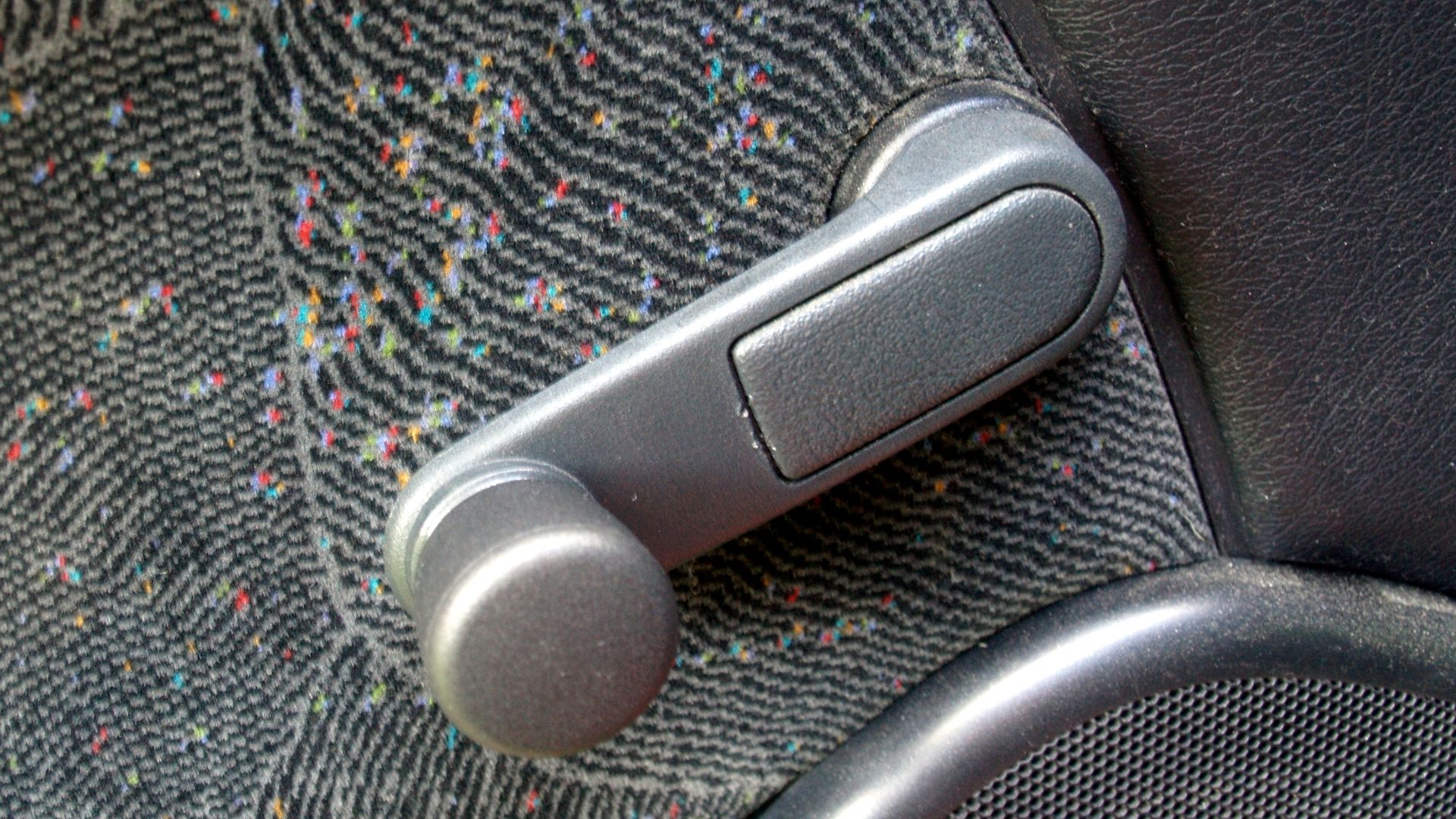
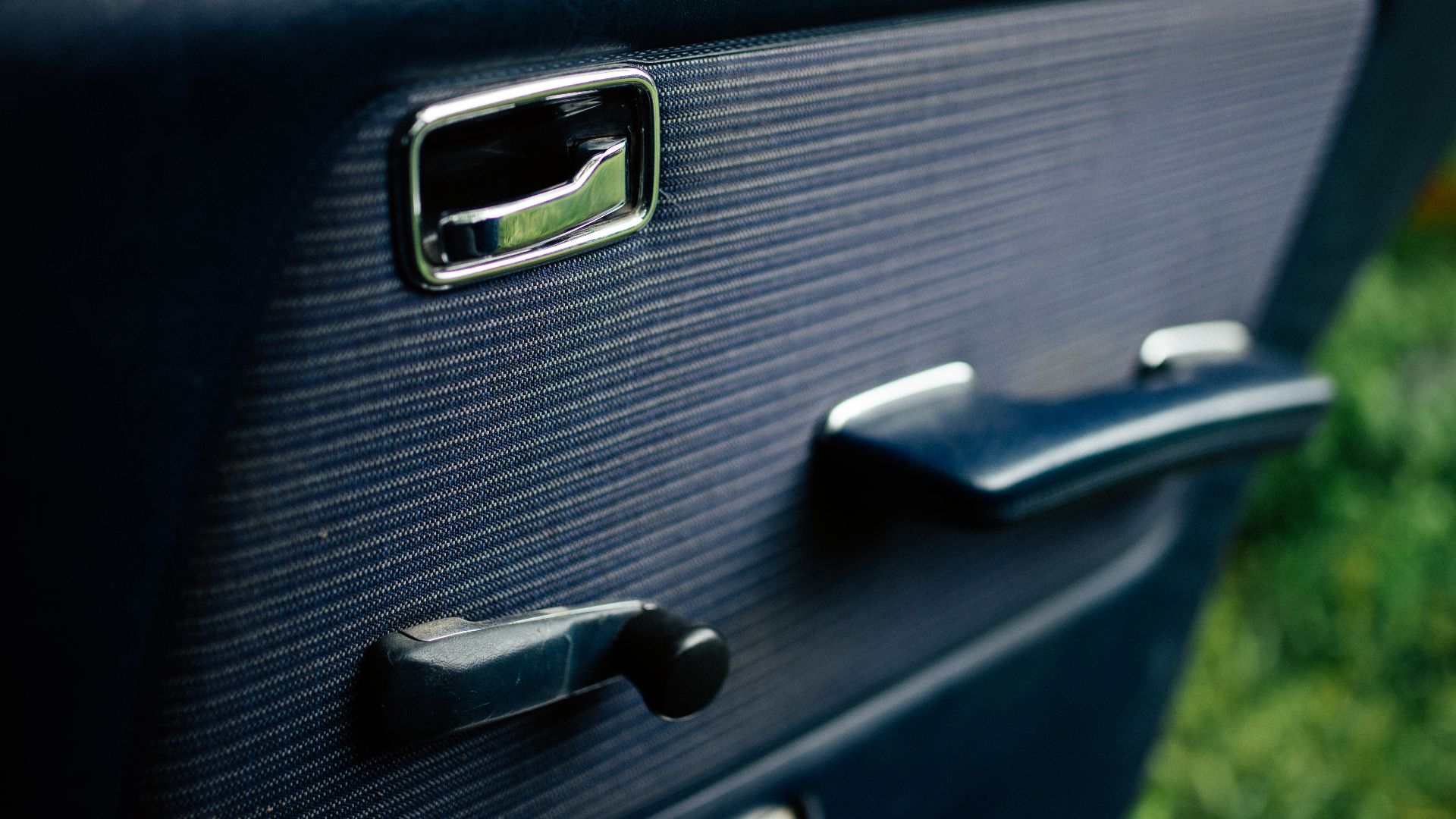
Manual Window Cranks
Power windows are one modern convenience few people want to surrender, but manual cranks had one undeniable advantage: they always worked. Dead battery? No problem. Electrical fault? Keep cranking. They also provided an unexpected little arm workout at toll booths. Simple mechanical parts rarely impress anyone until their electronic replacements refuse to cooperate.
 Santeri Viinamaki, Wikimedia Commons
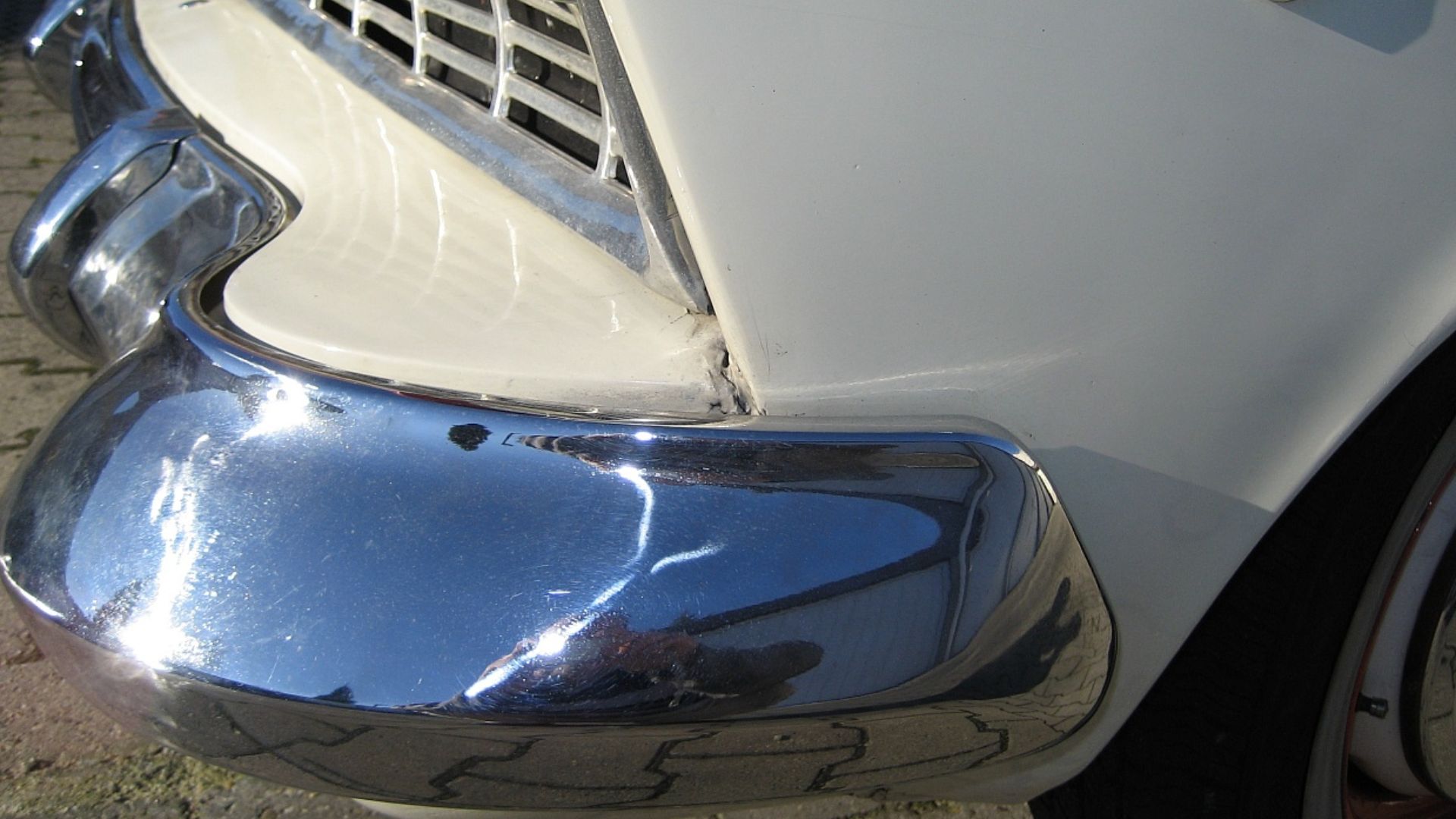
Chrome Bumpers
A bumper used to look like a bumper. Huge chrome pieces projected from the front and rear of many American cars, proudly announcing that minor parking mishaps were somebody else’s problem. Modern painted bumpers are lighter and more aerodynamic, but even a small scrape can now turn into a surprisingly expensive cosmetic repair.
 Yeti.bigfoot, Wikimedia Commons
Rain Gutters
Those little channels running above classic car doors served a useful purpose: directing rainwater away from the cabin. Open the door on many newer cars during a downpour and water may pour straight from the roof onto the seat. Flush rooflines look sleek, but old-fashioned rain gutters quietly solved a problem many modern owners have rediscovered.
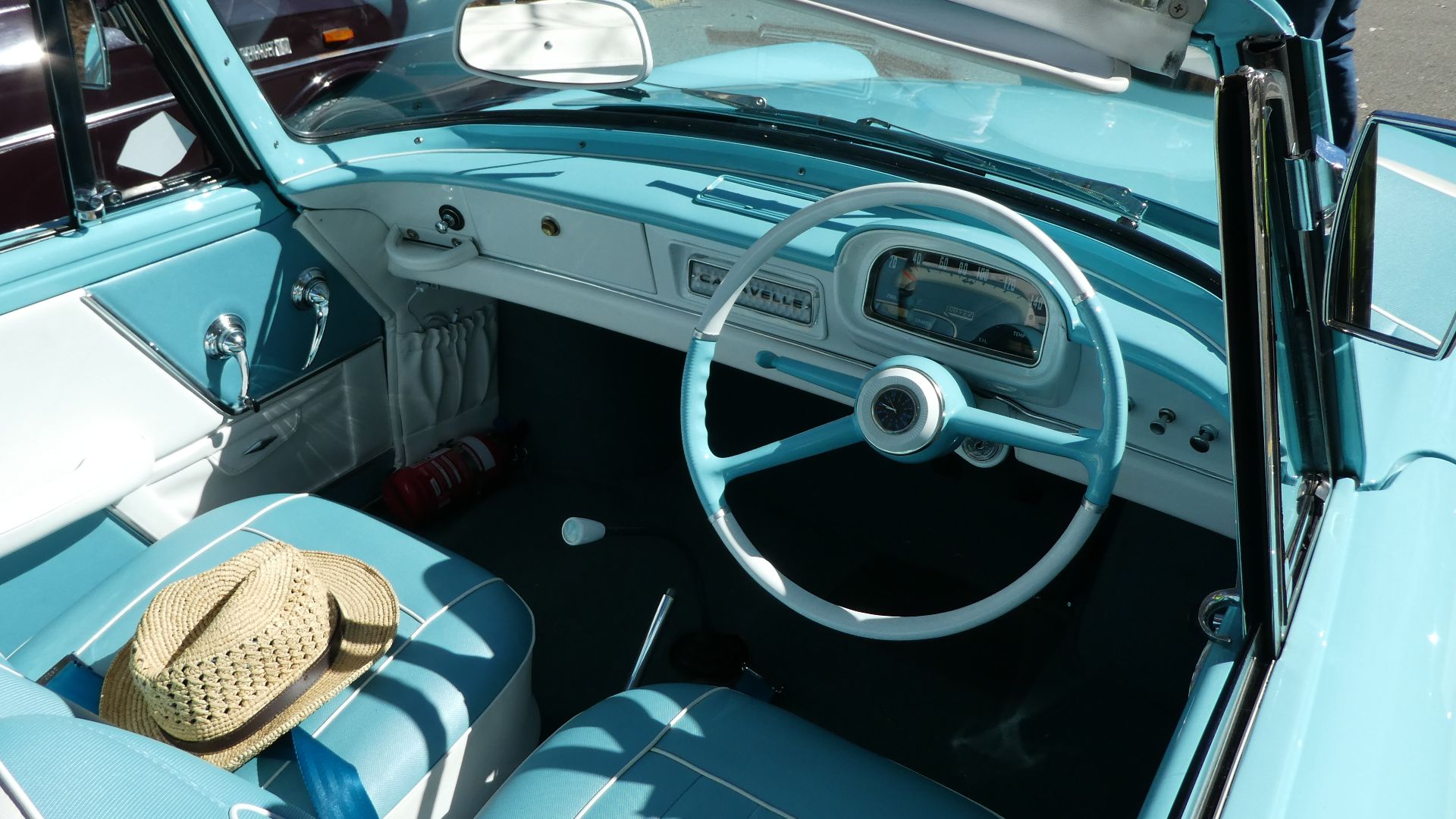
Simple Dashboards
Classic dashboards usually told you what you needed to know without demanding a tutorial. Speedometer, fuel gauge, temperature, maybe a clock and radio. Modern dashboards can display almost everything except tomorrow’s lottery numbers. More information can be useful, but sometimes you just want to know how fast you’re going without navigating three menus.
 ZidaneHartono, Wikimedia Commons
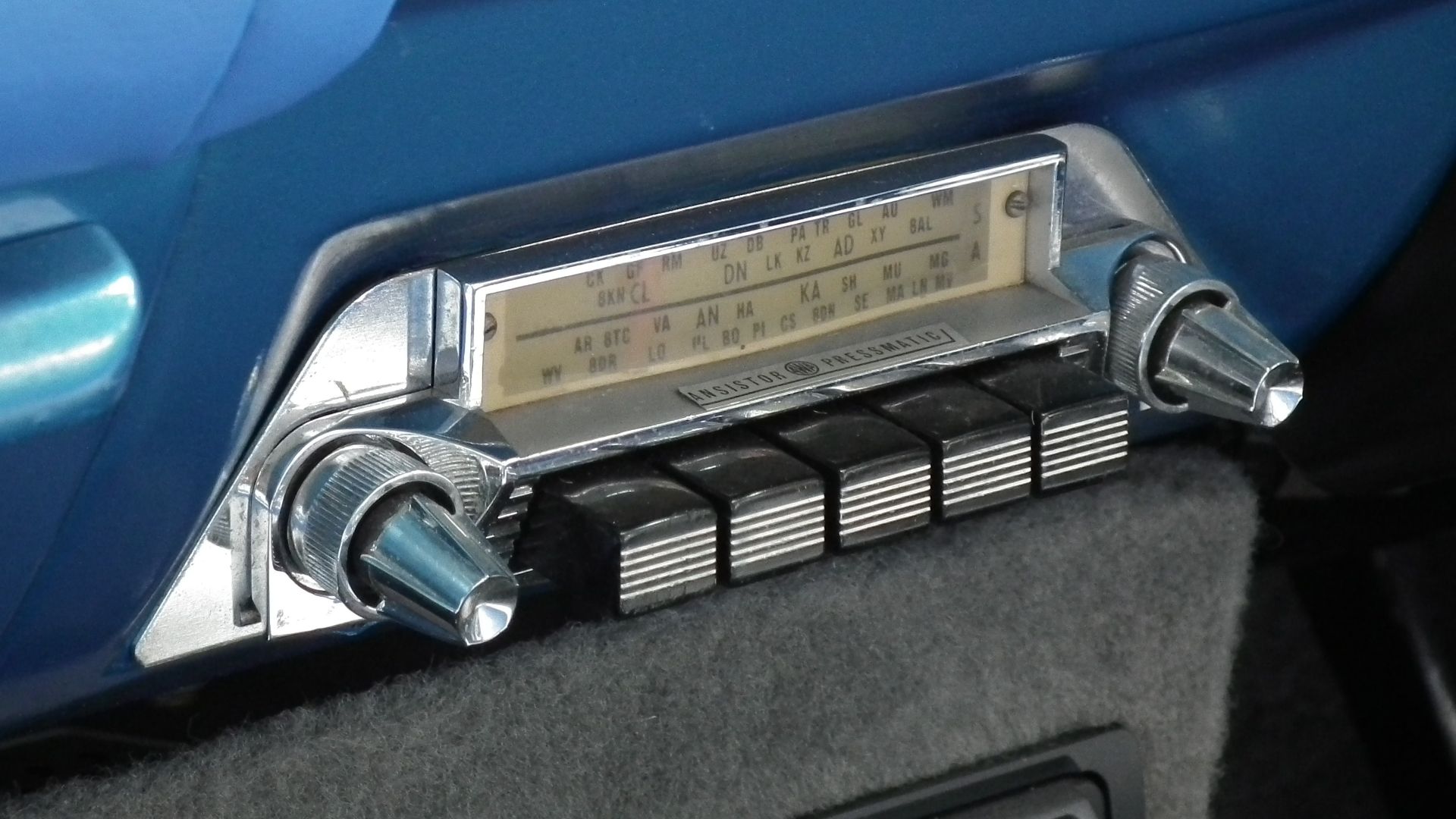
Physical Radio Knobs
A proper radio knob could be operated entirely by feel. Reach over, twist the volume, find the station, and keep your eyes on the road. Touchscreens replaced many of these controls in the name of modern design. Manufacturers have gradually rediscovered something drivers already knew decades ago: fingers are remarkably good at finding knobs.
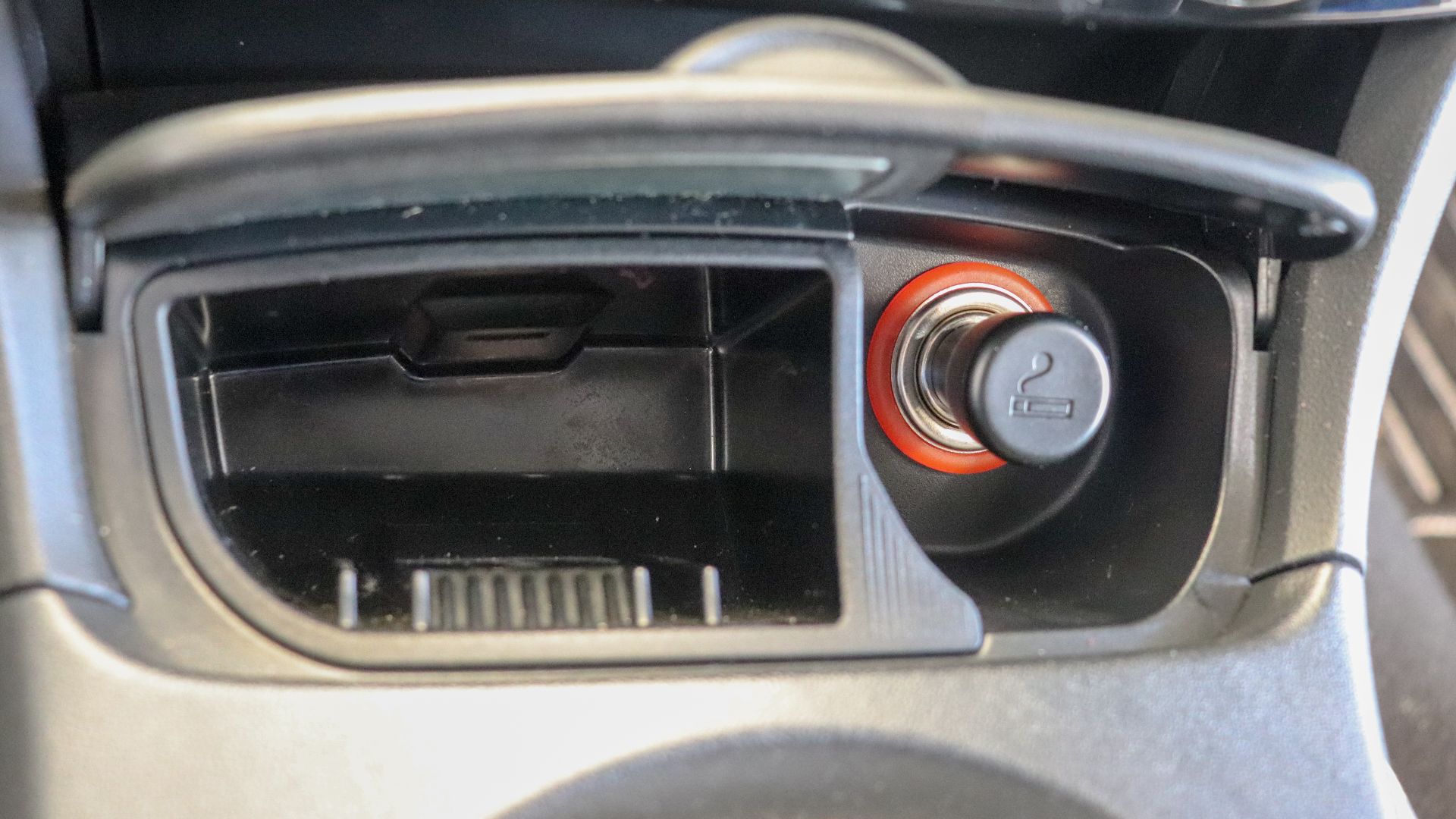
Ashtrays That Became Storage
Even drivers who never smoked found uses for old car ashtrays. They held coins, spare keys, receipts, screws, fuses, and enough mysterious objects to stock a hardware drawer. As smoking declined, ashtrays disappeared. Cupholders multiplied, but somehow modern cars still seem to lack one perfect little place for loose change.
Wing Mirrors You Could Actually See
Exterior mirrors on many older cars were big, simple, and mounted where drivers could easily use them. Modern aerodynamic mirrors can be beautifully sculpted, but visibility sometimes feels secondary to airflow and styling. Cameras and blind-spot sensors compensate, yet there is something comforting about simply looking into a large piece of glass.
 Alex Holyoake stairhopper, Wikimedia Commons
Big Greenhouses
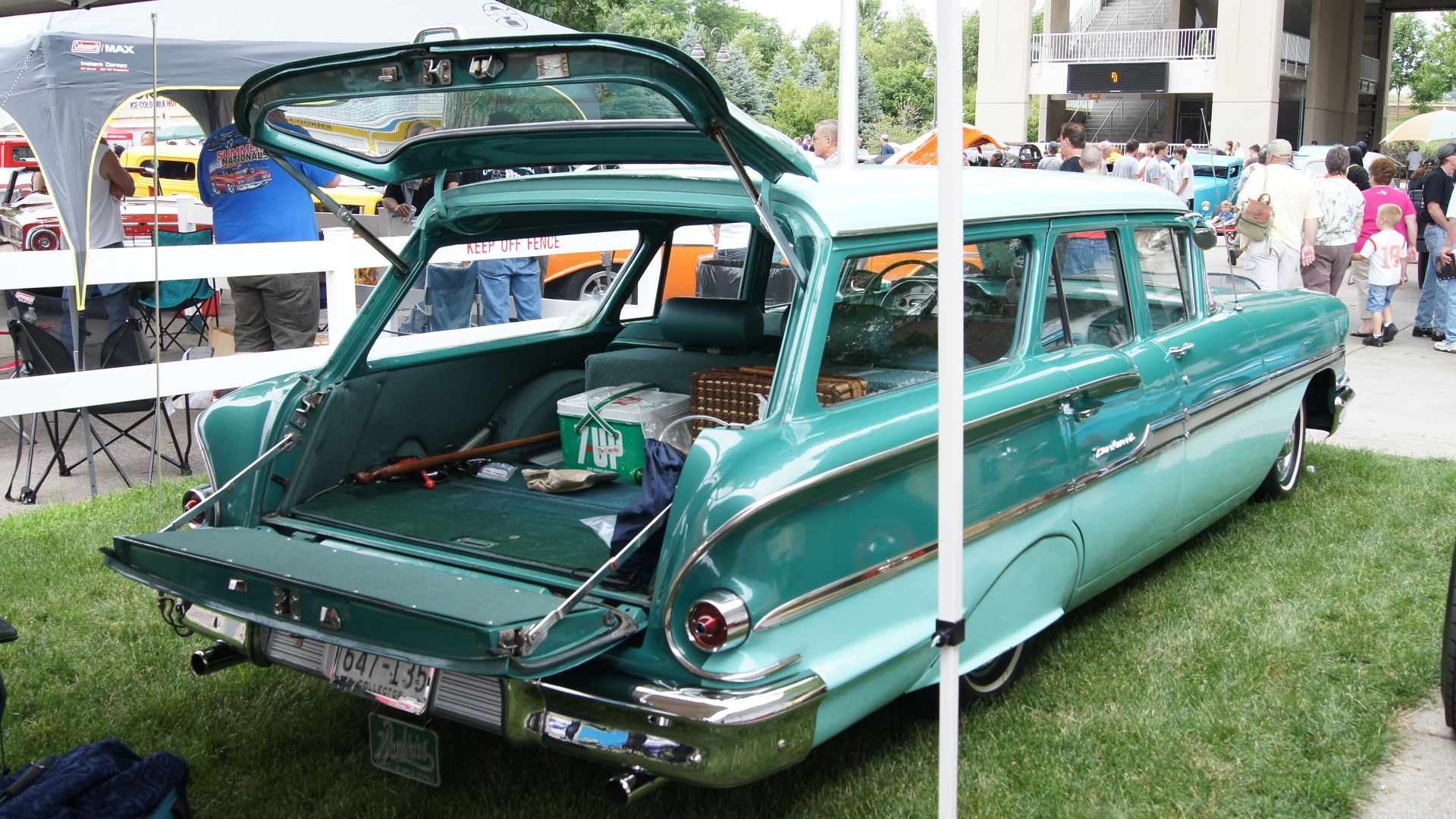
Designers once referred to the passenger cabin’s glass area as the greenhouse, and many classic cars had enormous ones. Tall windows made interiors bright, airy, and easy to see out of. Modern styling favors smaller windows and rising beltlines. They may look dramatic from outside, but older cars often felt far more open from behind the wheel.
 Greg Gjerdingen from Willmar, USA, Wikimedia Commons
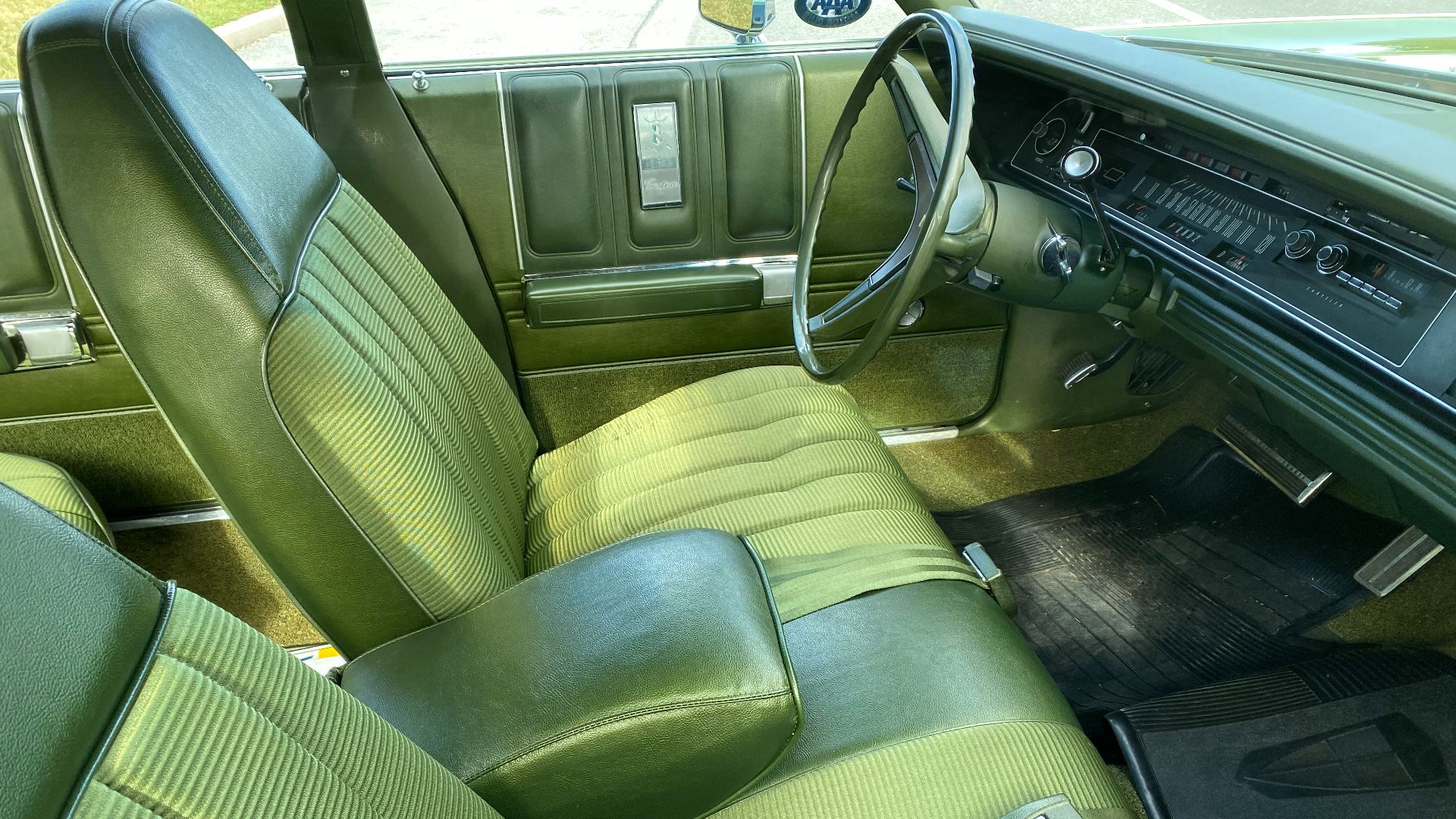
Upright Seating Positions
Not every classic car forced you into a low, sporty posture. Many sedans placed drivers upright, with excellent visibility and easy entry. Modern vehicles sometimes emphasize dramatic seating positions or thick center consoles. The old arrangement might not have looked exciting in advertisements, but getting in and out without performing gymnastics certainly had its advantages.
Fender-Mounted Turn Signals
Some cars featured turn-signal indicators on top of the front fenders or hood. They were wonderfully simple visual reminders that your signal was actually flashing. Drivers could confirm operation without staring at the instrument panel. It was a small feature, but it added a certain elegance that made ordinary lane changes feel almost ceremonial.
 Andrew Bone from Weymouth, England, Wikimedia Commons
Real Metal Interior Hardware
Door handles, window cranks, knobs, and trim pieces were once commonly made from real metal. They felt cold on winter mornings and solid every other day of the year. Modern plastics save weight and manufacturing cost, but a heavy chrome door handle had a satisfying click that made the entire vehicle feel substantial.
 Shixart1985, Wikimedia Commons
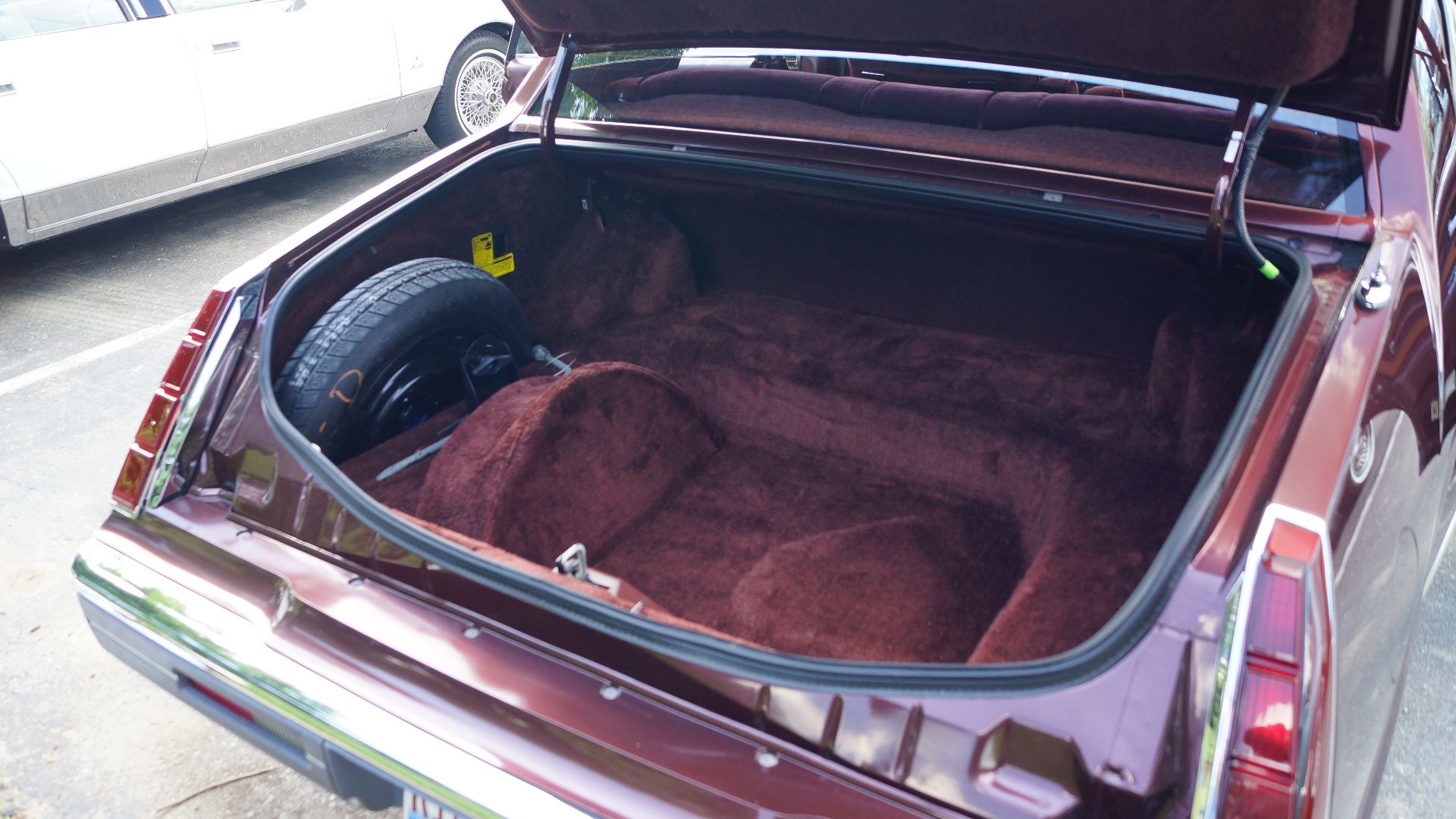
Huge Trunks With Flat Floors
Old full-size sedans could swallow luggage like small moving vans. Their trunks were wide, deep, and often relatively simple inside. Modern cars must package batteries, electronics, suspension components, speakers, and countless safety systems around the cargo area. Some are brilliantly designed, but few inspire the same confidence as an old Detroit trunk.
 Greg Gjerdingen, Wikimedia Commons
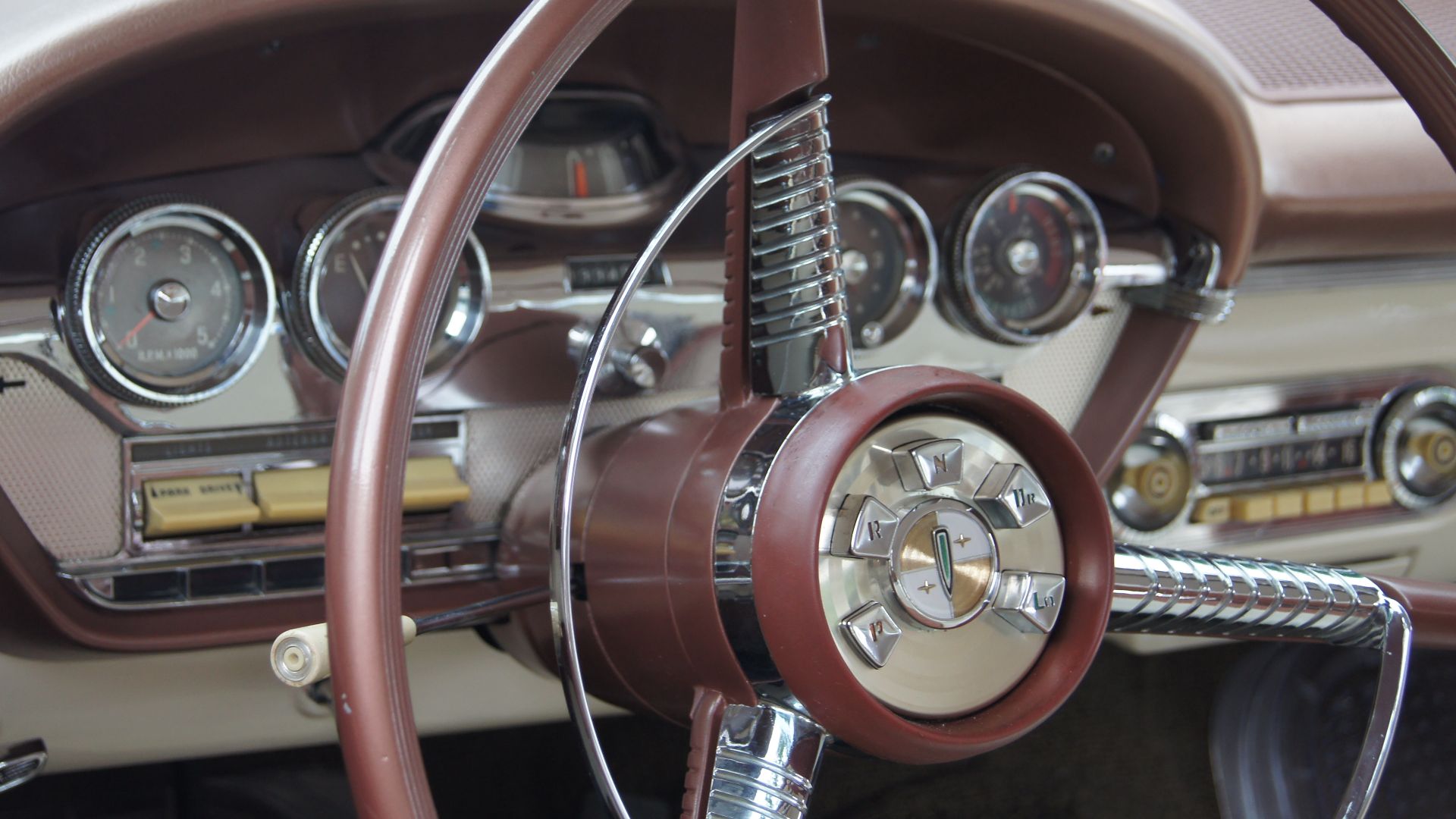
Horizontal Speedometers
Those wide ribbon-style speedometers stretching across the dashboard were peak mid-century automotive theater. The needle swept dramatically from left to right as speed increased. Round gauges eventually became the norm, followed by digital displays. Neither is necessarily worse, but a glowing horizontal speedometer could make 45 mph feel like an event.
 Greg Gjerdingen from Willmar, USA, Wikimedia Commons
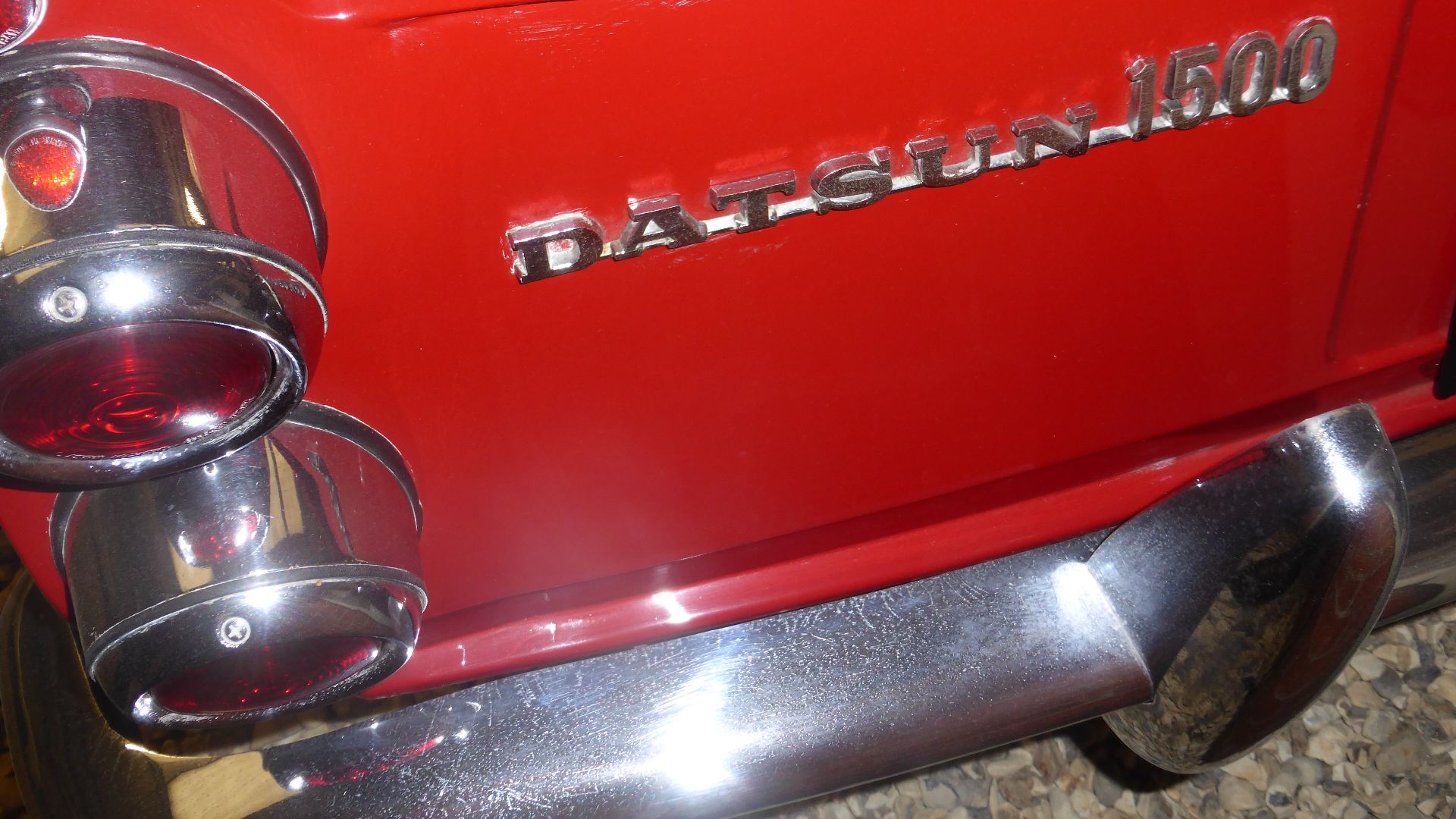
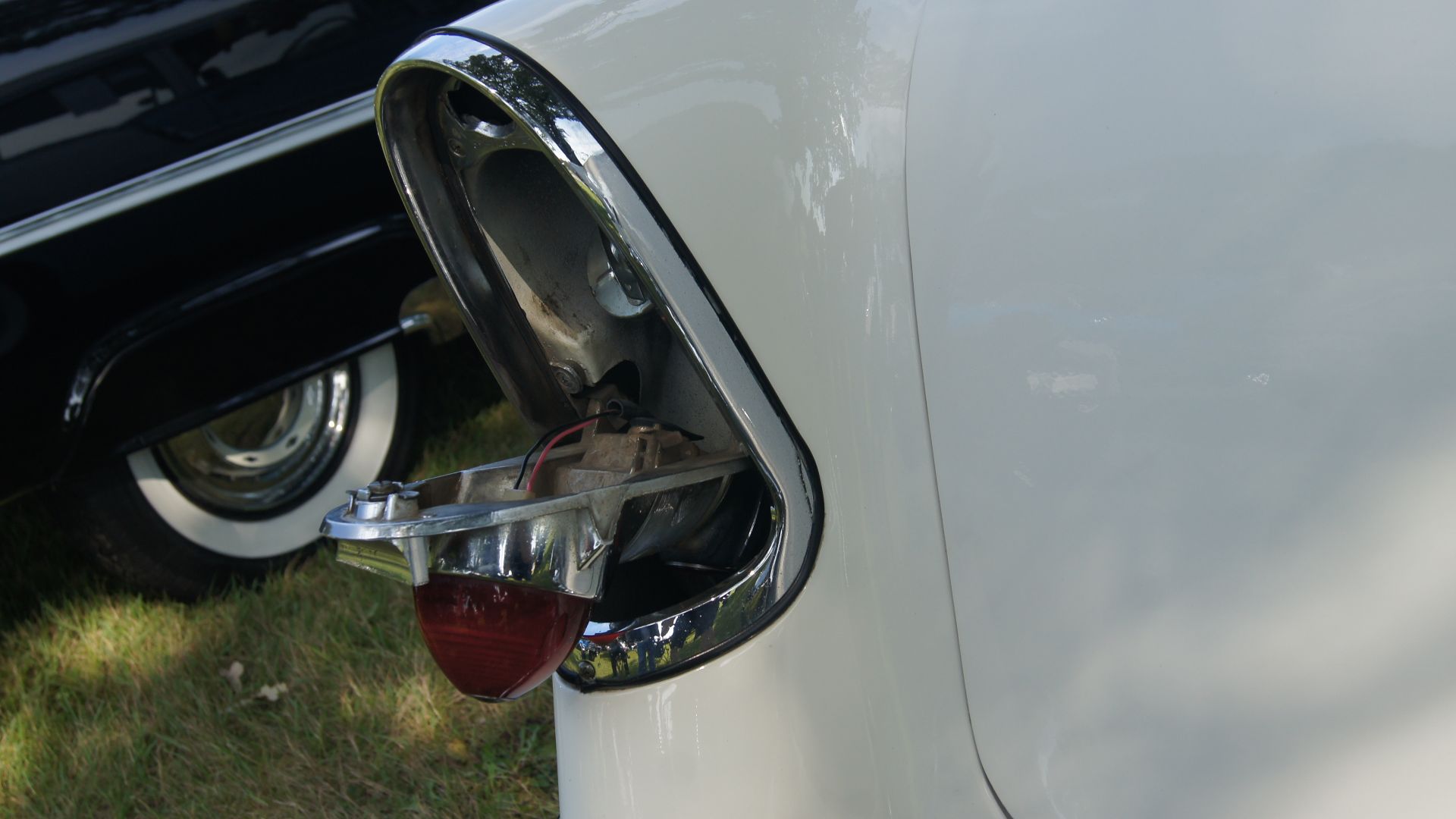
Hidden Fuel Filler Doors
Some classic cars concealed the fuel cap behind a taillight, license plate, or trim panel. It gave designers a cleaner exterior without an obvious fuel door interrupting the bodywork. Owners sometimes enjoyed watching gas-station attendants hunt for it. Modern filler doors are certainly easier to locate, but far less entertaining.
 Greg Gjerdingen from Willmar, USA, Wikimedia Commons
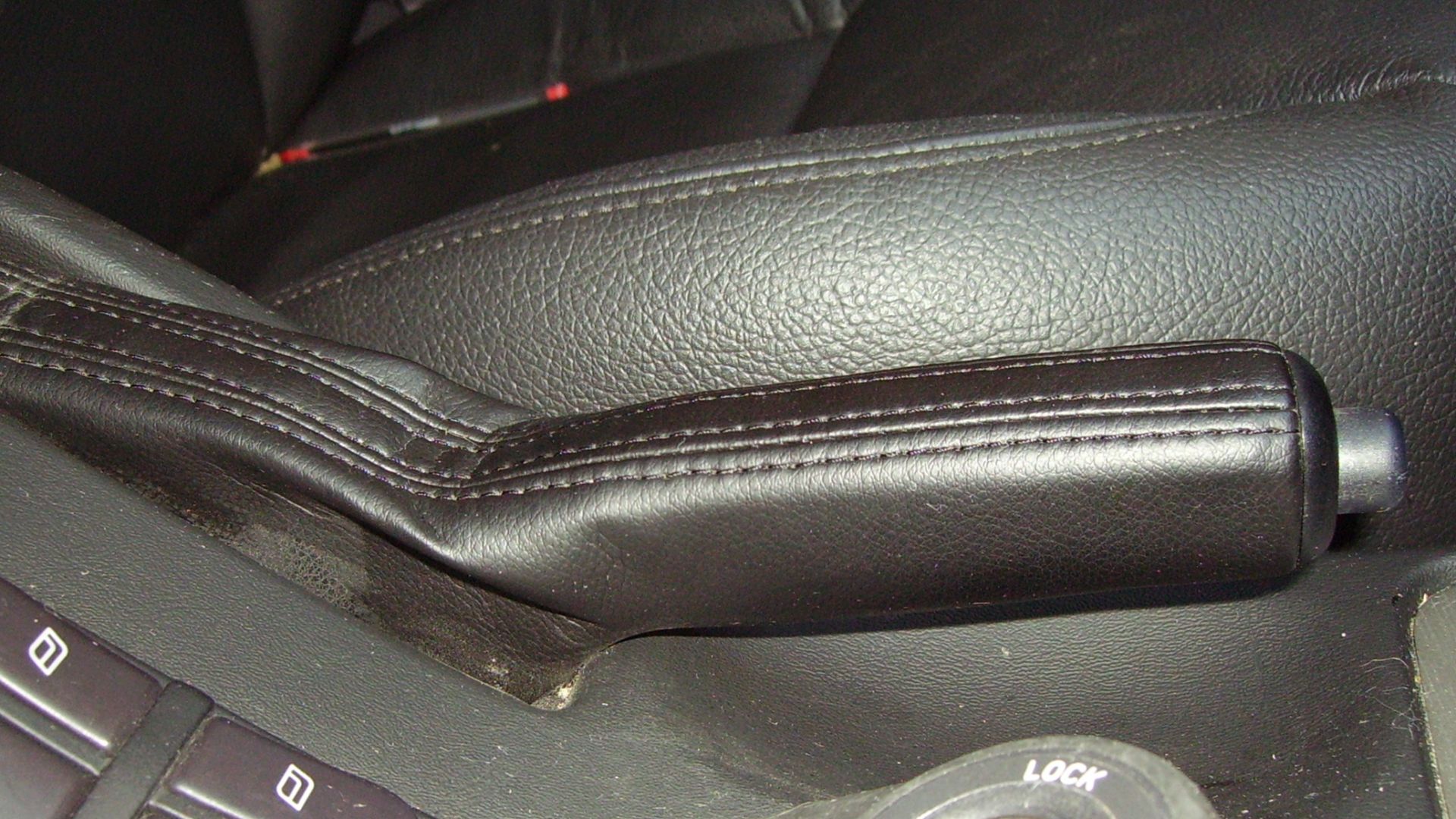
Mechanical Parking Brakes
A proper parking brake involved a lever or pedal and a cable. You could feel it engage, hear the clicks, and know exactly what was happening. Electronic parking brakes free up interior space, but pressing a tiny button lacks the mechanical certainty of pulling a sturdy lever until the car was firmly planted.
 User Ballista on en.wikipedia, Wikimedia Commons
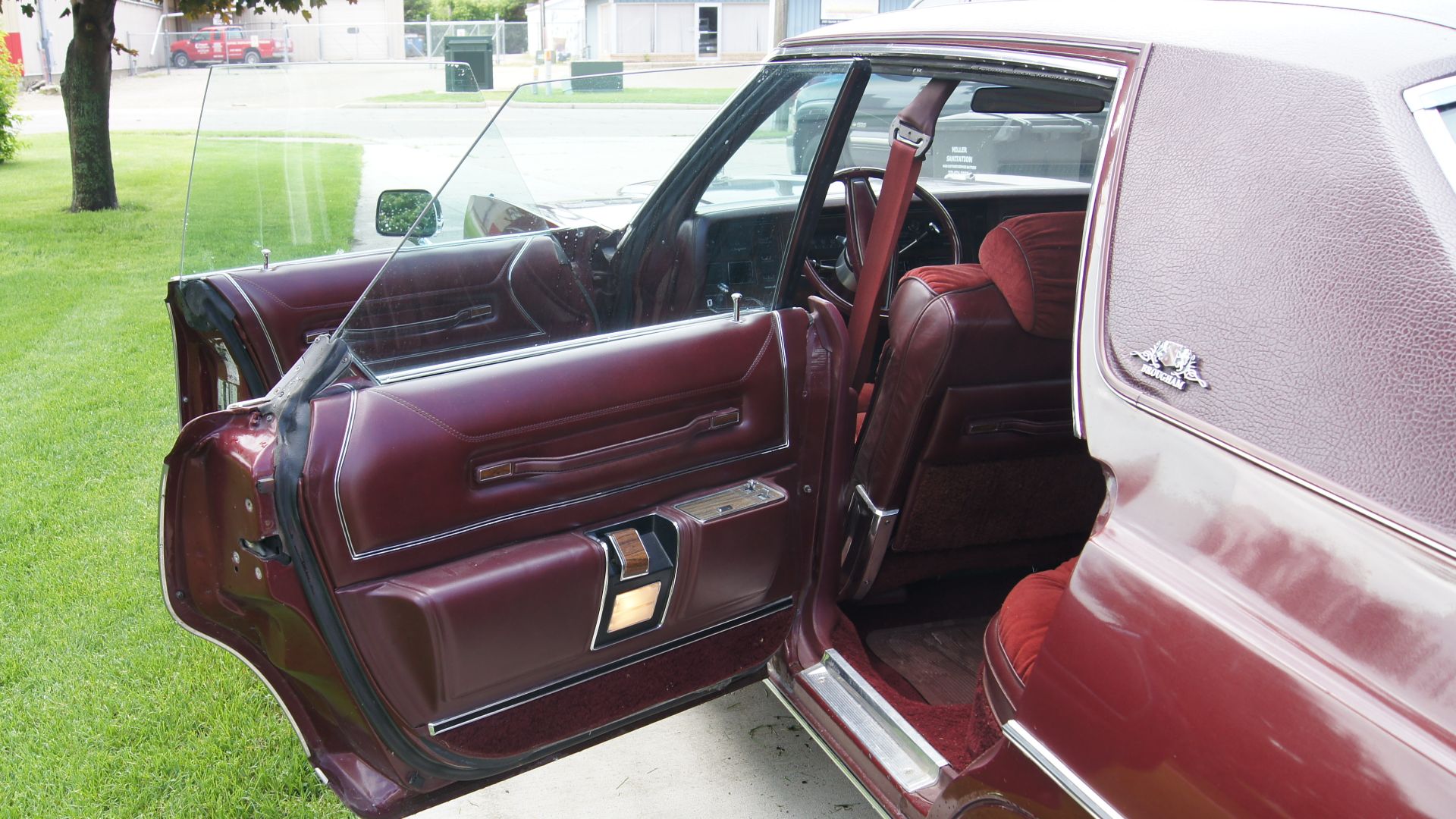
Frameless Door Glass
Classic coupes and convertibles frequently used frameless side windows. Open the door with the glass lowered and virtually nothing interrupted the view. They gave even ordinary two-doors a sporty, elegant appearance. Frameless windows still exist, but they are less common than they once were, especially on affordable cars.
 Greg Gjerdingen from Willmar, USA, Wikimedia Commons
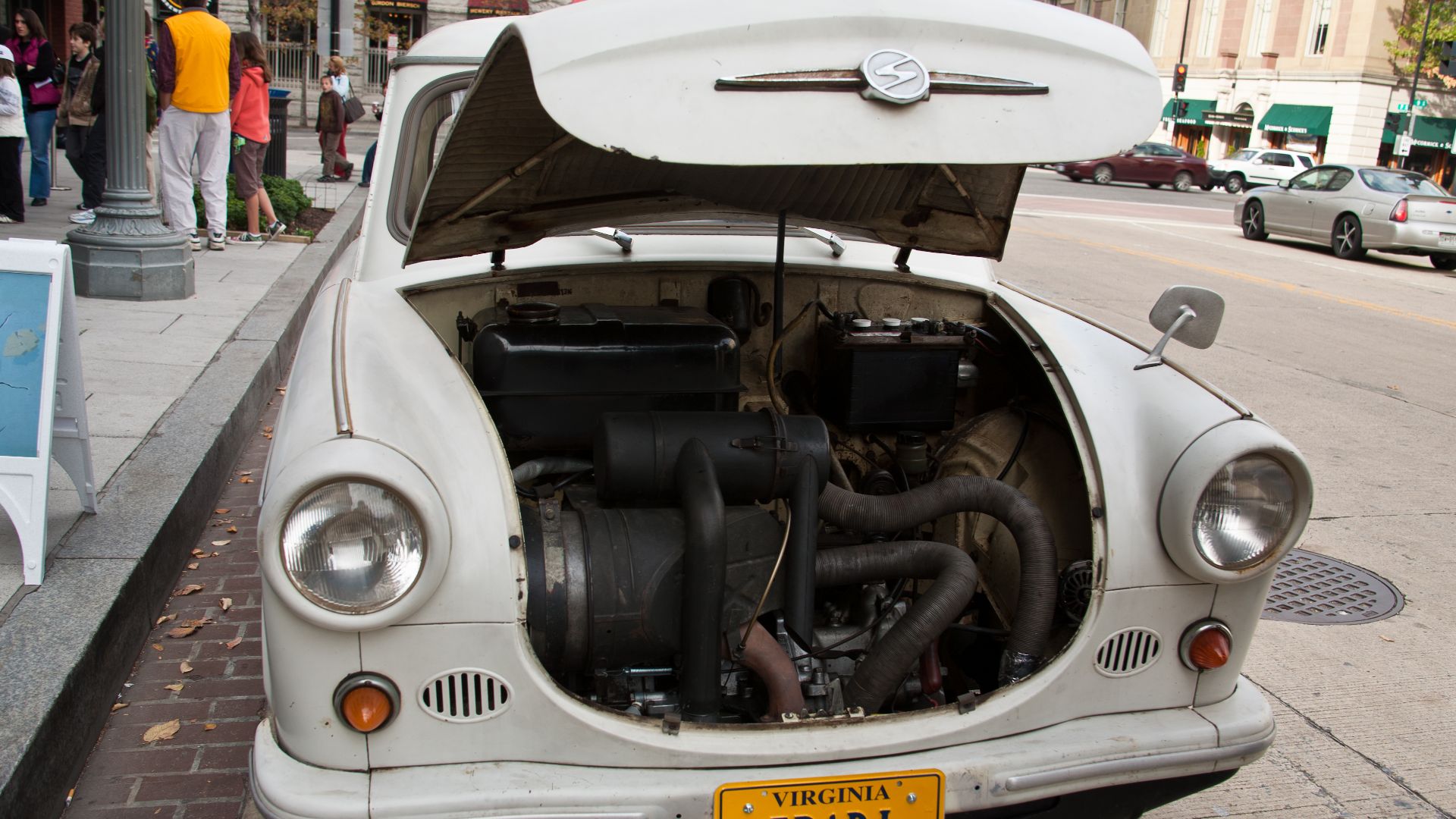
Easily Accessible Engines
Open the hood of many older cars and there was space around the engine. You could see spark plugs, belts, hoses, and sometimes even the ground below. Modern engine bays are packed tightly beneath plastic covers. Today’s cars require less routine maintenance, but when something does need attention, that old empty space seems luxurious.
 Cliff from Arlington, Virginia, USA, Wikimedia Commons
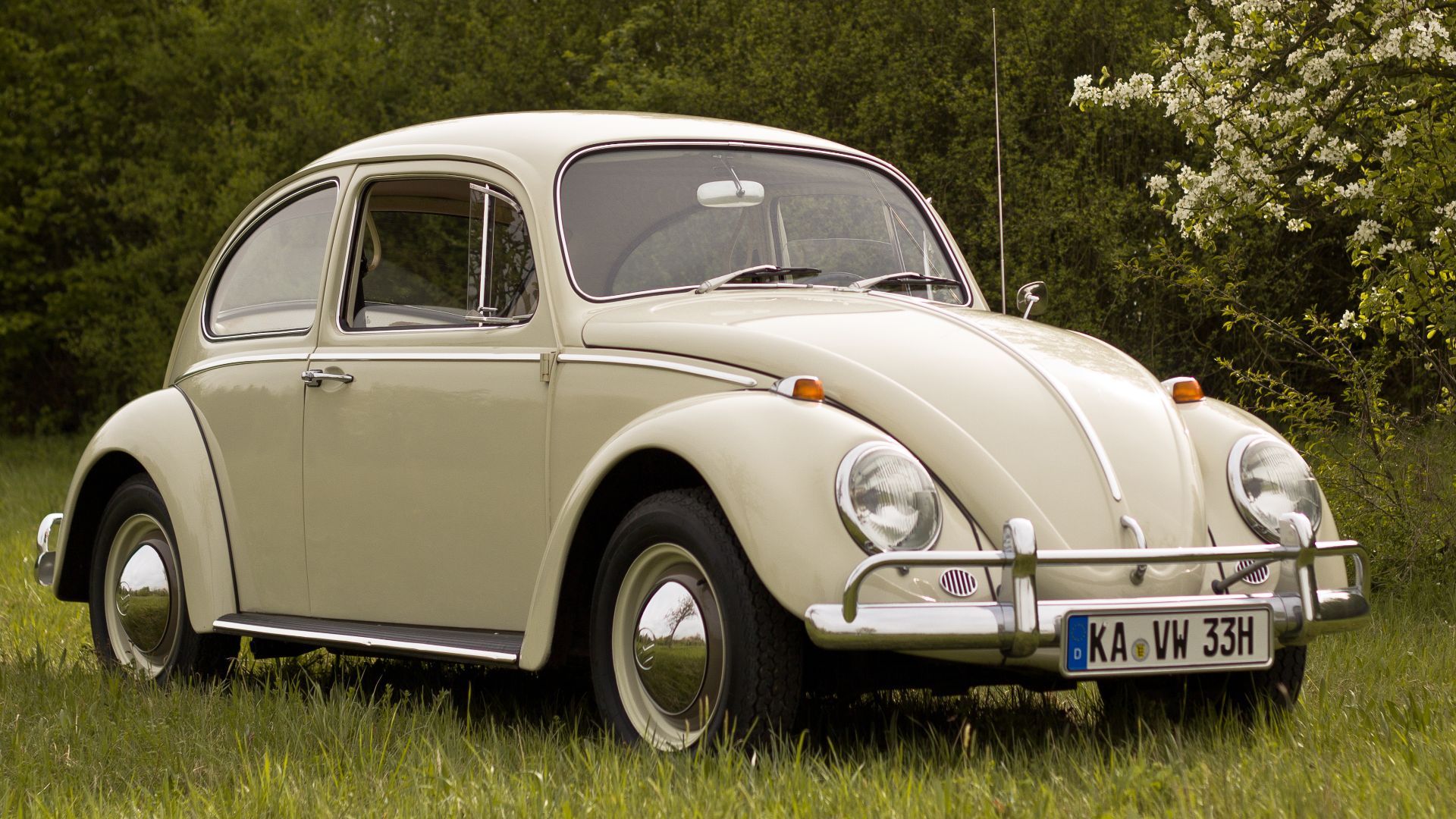
Cars Had Faces
Perhaps the biggest disappearing feature is personality itself. Chrome grilles, round headlights, hood ornaments, upright windshields, and distinctive taillights gave cars instantly recognizable faces. Aerodynamics and shared platforms have made modern vehicles more efficient, yet Boomers can be forgiven for missing parking lots where everything did not look remotely related.
 Vwexport1300, Wikimedia Commons
Progress Always Comes With A Trade-Off
Nobody seriously wants to give up modern crash protection, fuel injection, dependable air conditioning, or anti-lock brakes. Cars are safer, cleaner, and more reliable than the classics we remember. But progress sometimes removes little pleasures along the way. Those forgotten features remind us that clever design does not always require a touchscreen.
You May Also Like:
The T100 was Toyota's first serious American pickup—but it wasn't quite big enough for America.