The Basketball Is Not The Real Problem
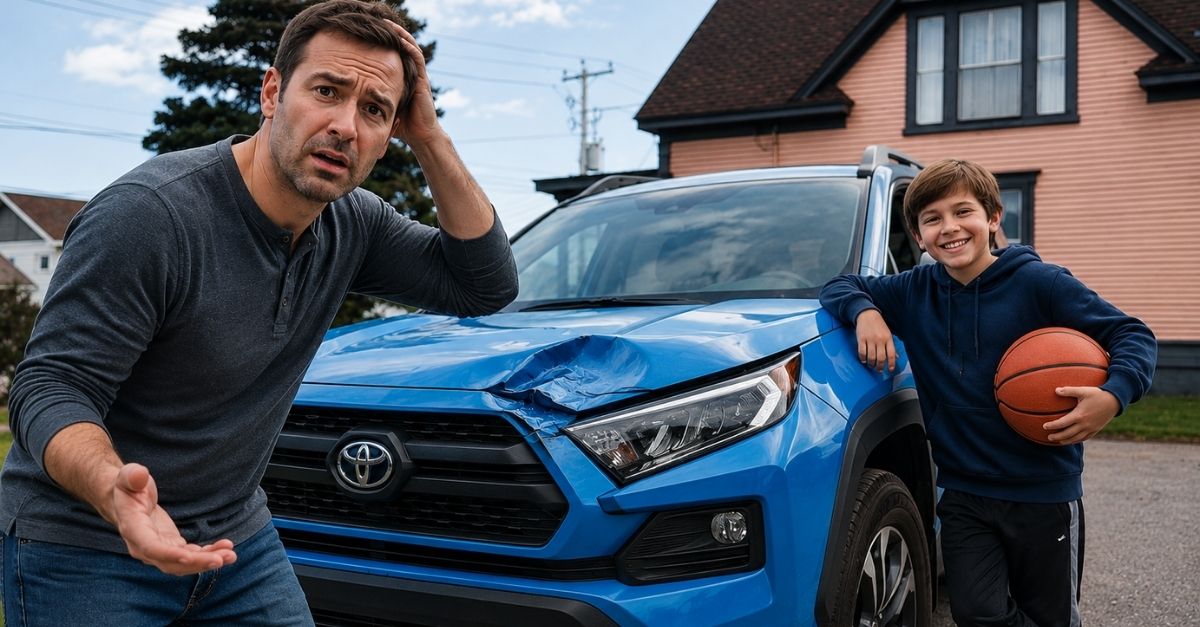
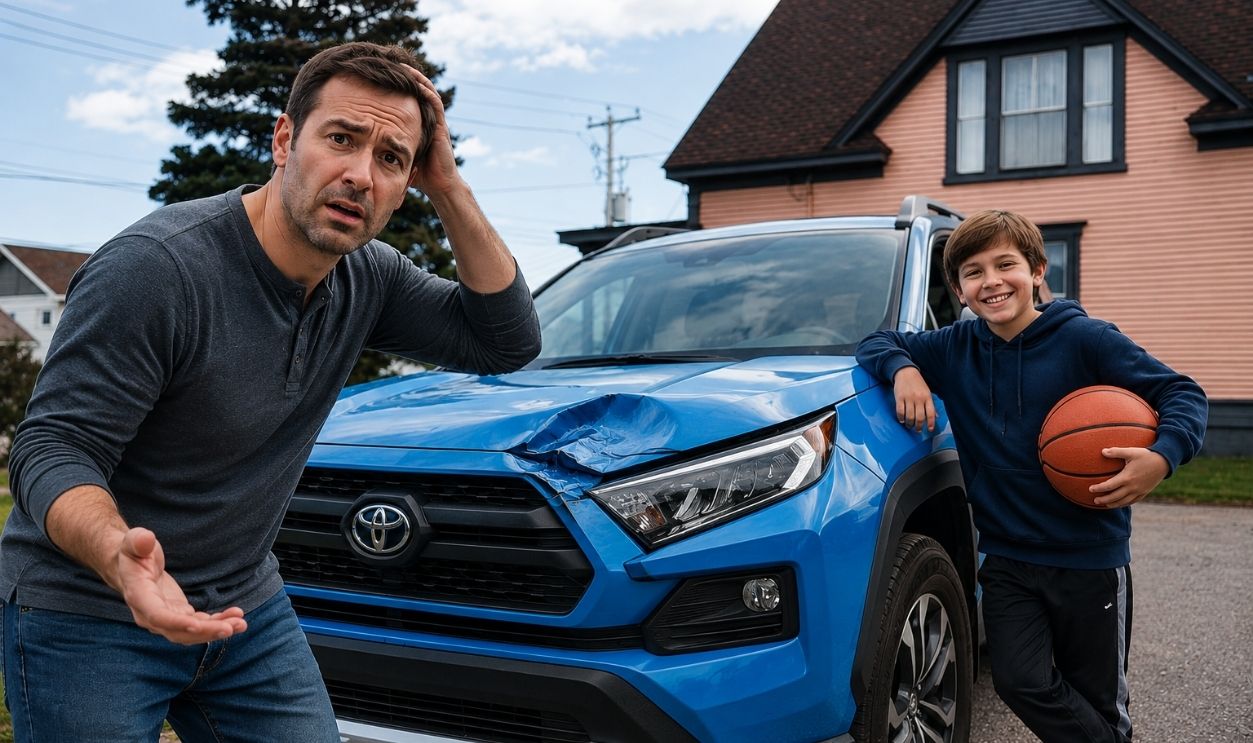
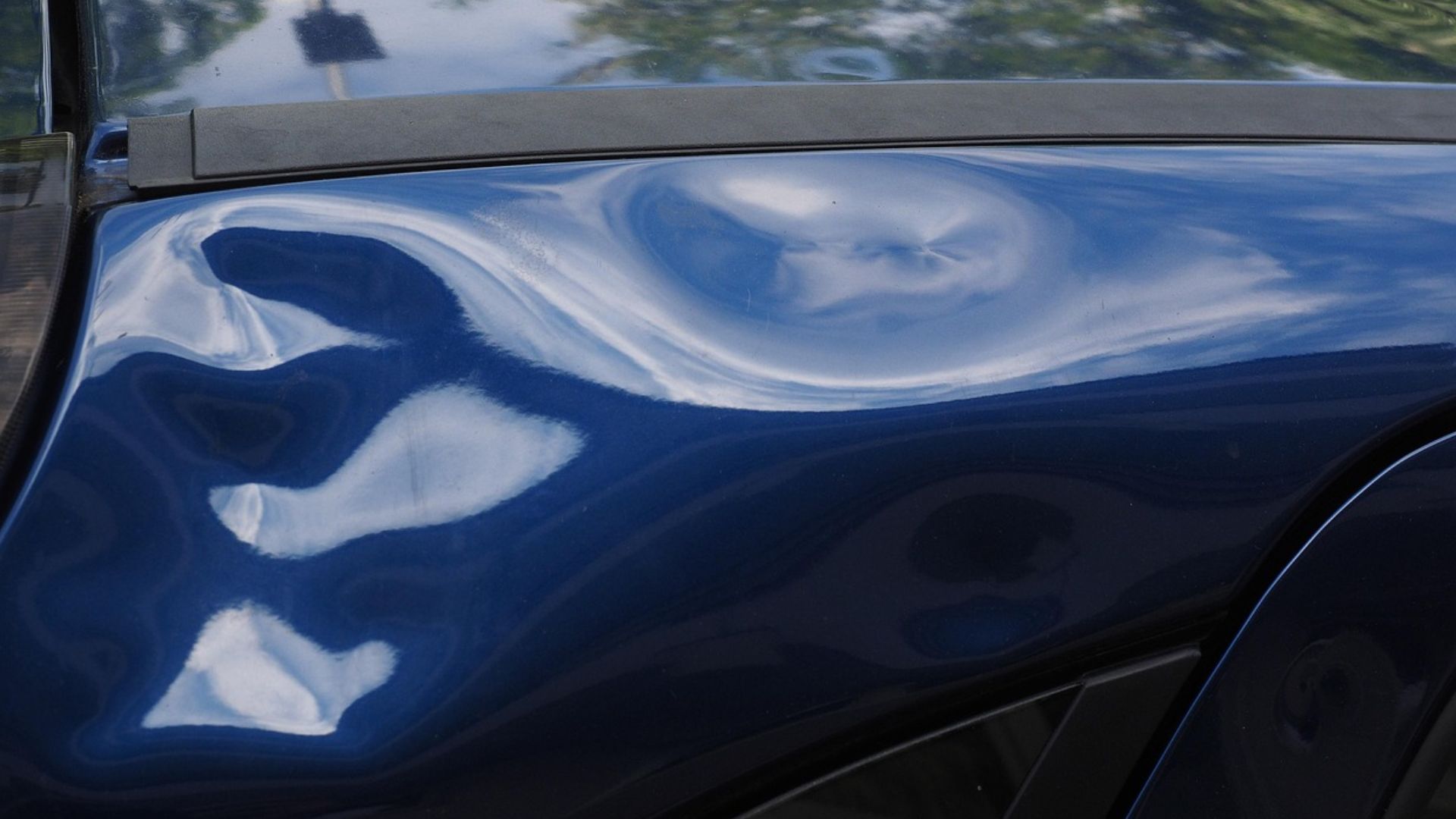
A stray basketball can seem minor, but once there are dents, chipped paint, or a cracked mirror, it starts looking like property damage. If your neighbor acts like dents are just part of everyday life, the legal and insurance side of this is usually not that casual.
Who Usually Pays For Damage Like This
In most cases, the person who caused the damage is responsible for paying for it. If the people throwing the ball are minors, that can mean the parents end up dealing with the claim, either directly or through insurance. The exact answer depends on state law, the facts, and whether negligence can be shown.
Start With The Simplest Rule
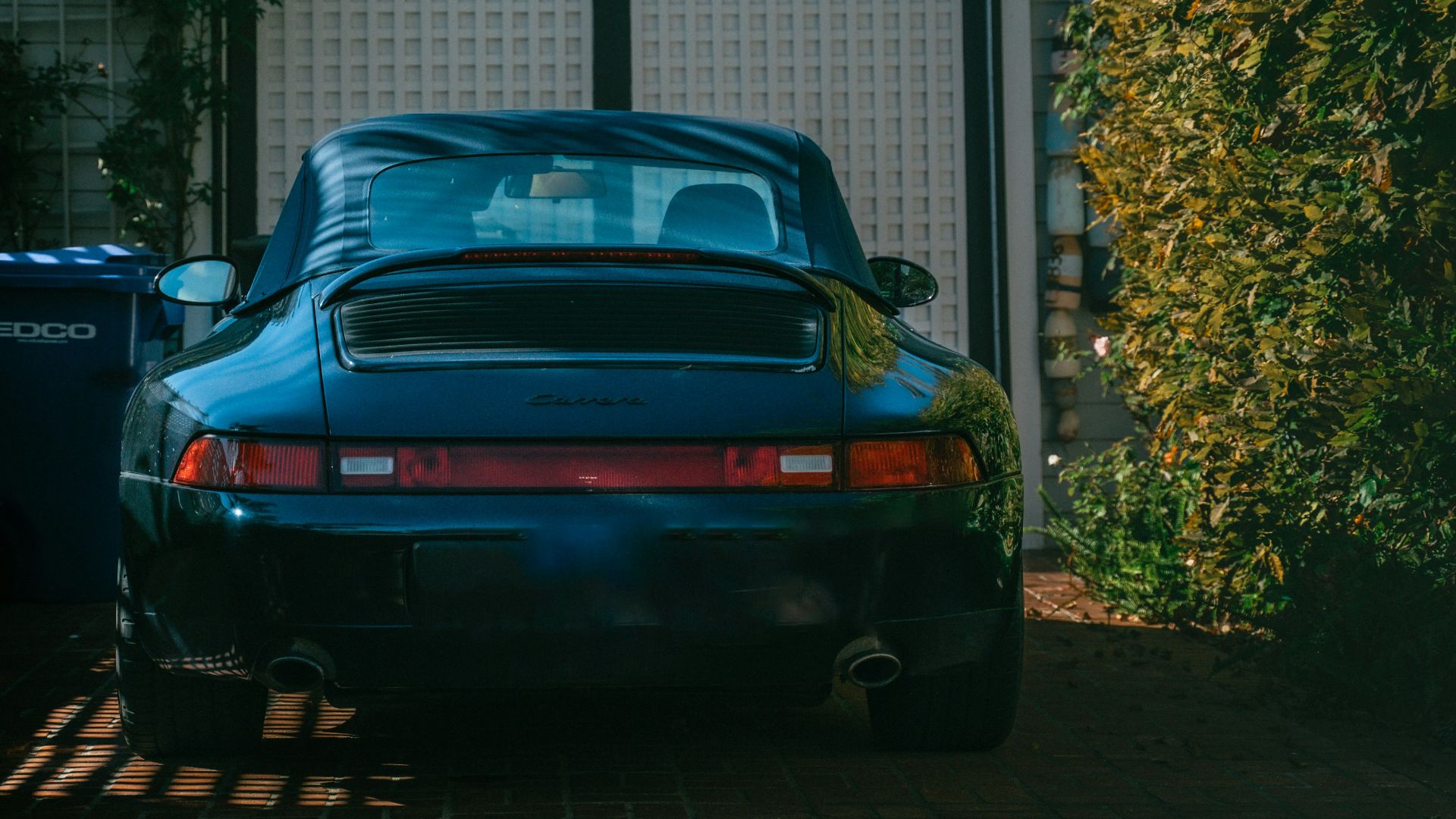
Damage to someone else’s car is not excused just because kids were playing outside. A parked car has every right to sit where it is legally parked without getting hit by sports equipment. That does not mean every random bounce leads to an easy claim, but repeated hits make the case much stronger.
Why Repeated Hits Matter
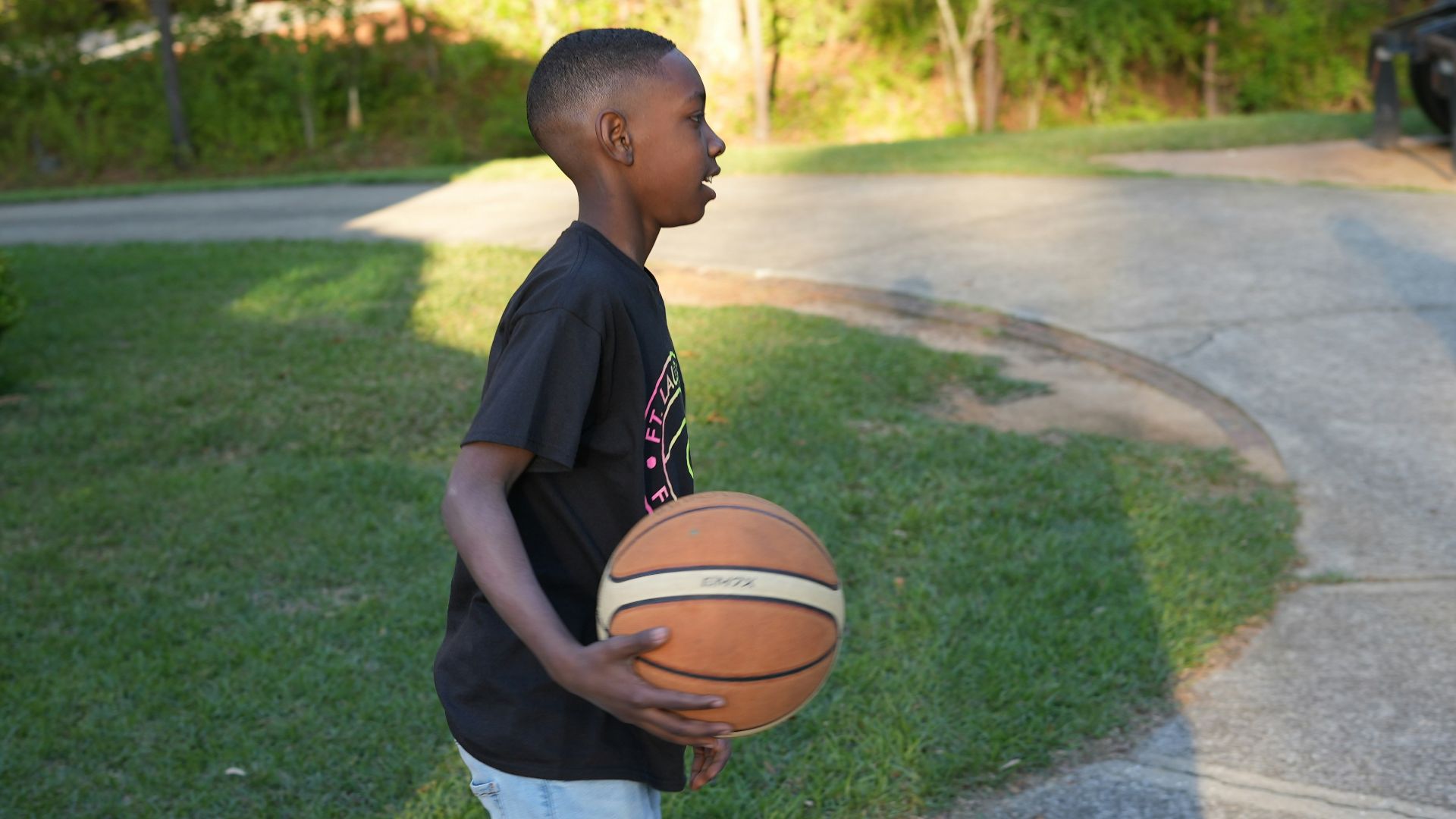
One bad bounce may be treated differently from a pattern of careless behavior. If the same kids keep hitting the same car and the parent has already been told about it, the idea that this was unavoidable gets a lot weaker. Repeated warnings can help show the problem was predictable and preventable.
Negligence Is The Key Word
Property damage claims often come down to negligence, which basically means someone failed to use reasonable care. If children are regularly playing basketball too close to parked cars, a reasonable person might move the hoop, set some rules, or supervise more closely. That matters because negligence is often what makes recovery possible.
Parents Are Not Automatically Liable For Everything
This is where neighborhood disputes often get messy. Parents are not automatically responsible for every careless act by their children in every state and every situation. The details depend on state parental responsibility laws and on whether the parents themselves were careless in supervising or allowing the activity.

State Laws Can Change The Answer
Many states have laws that make parents financially responsible for certain damage caused by their minor children, especially willful or malicious acts. Some of those laws are limited and may not neatly cover an accidental basketball dent. That is why the same facts can lead to different results depending on where you live.
What The Legal Information Institute Says
Cornell Law School’s Legal Information Institute explains that parents generally are not liable for a child’s torts just because they are the parent, but they can be liable under parental responsibility laws or for their own negligence. That distinction matters here. If your neighbor knew the basketball kept hitting your car and did nothing, the parent’s own conduct may become part of the issue.
What Nolo Adds To The Picture
Nolo, a long-running legal self-help publisher, notes that parental responsibility laws vary by state and often cap damages or focus on intentional misconduct. Nolo also explains that parents can sometimes be liable if their own negligent supervision contributed to the harm. For a repeated curbside or driveway basketball problem, that is a very important detail.

Why The Neighbor’s Comment Does Not End The Discussion
Saying dents are just part of living in a neighborhood is more attitude than legal defense. Normal neighborhood life includes kids playing outside, but it does not give anyone a free pass to damage someone else’s property. A dismissive response can even make things worse if it shows the parent knew about the problem and refused to fix it.

Insurance May Be The Fastest Practical Path
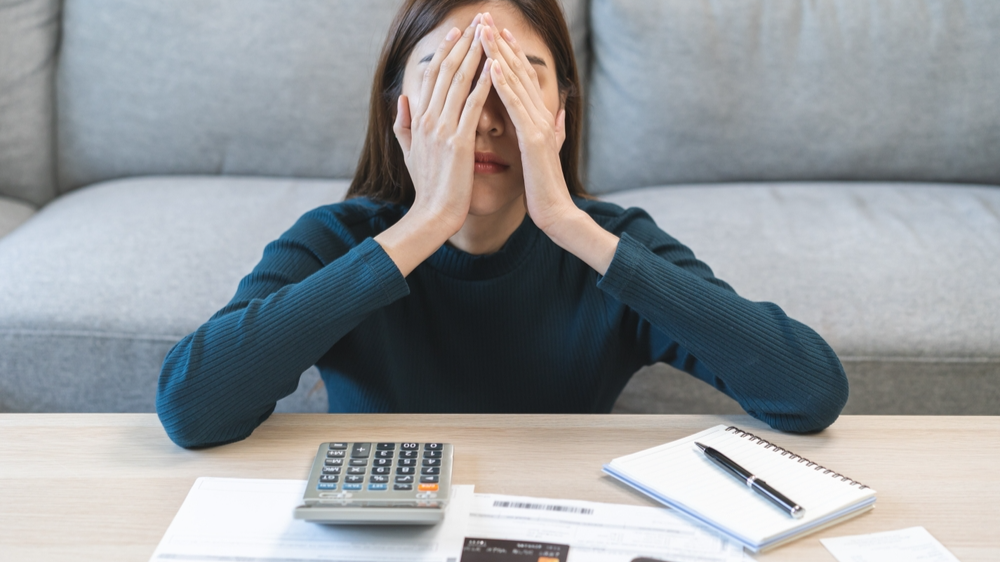
Even when you are clearly in the right, getting money directly from a neighbor can be awkward and slow. In real life, an insurance claim may be the fastest way to get your car repaired. Which policy might apply depends on the kind of damage and the policy language.

When Your Auto Insurance Might Help
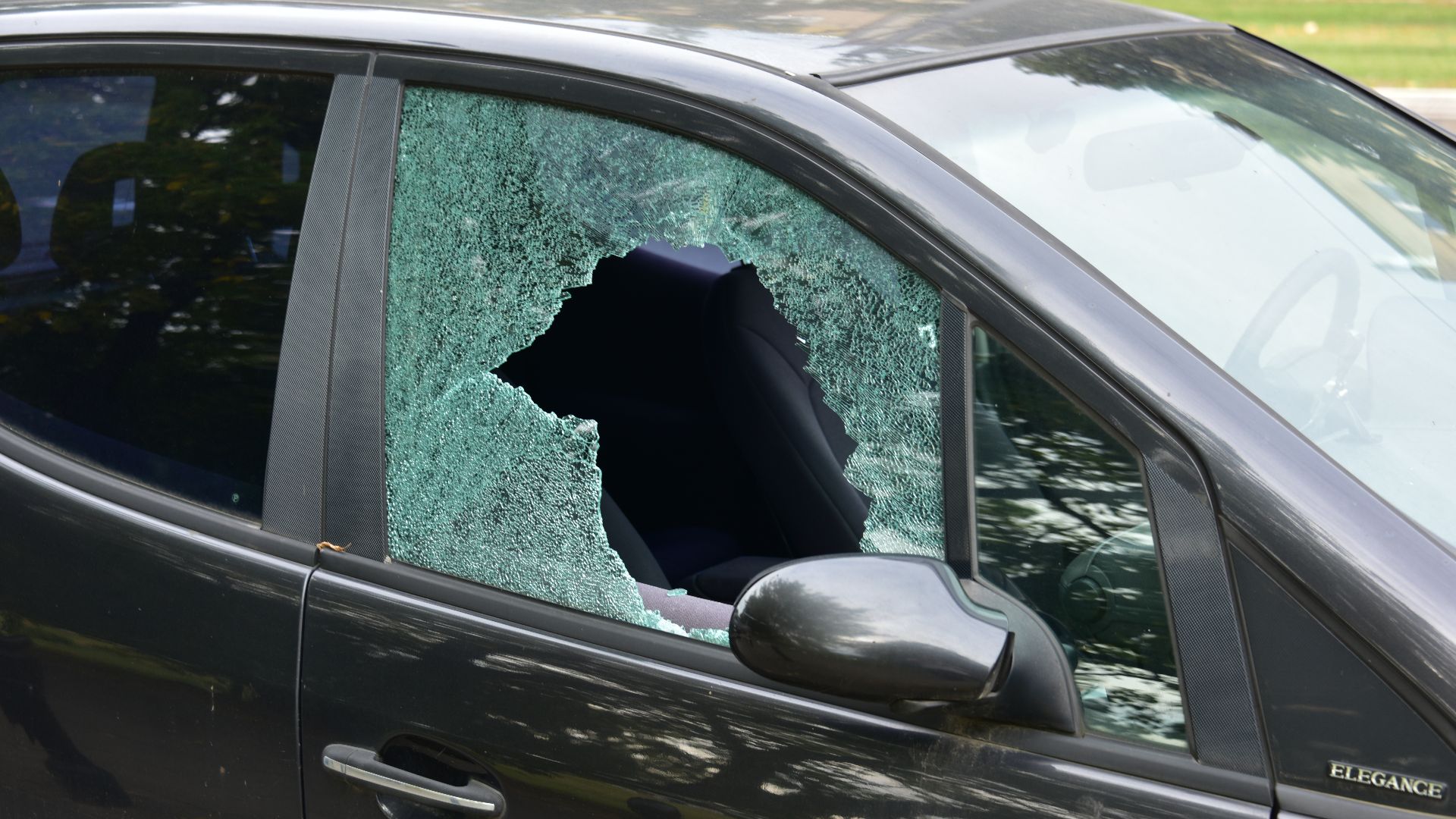
If the ball causes dents or breaks glass, your own auto policy might cover the damage if you have the right coverage. Collision usually applies when your vehicle hits something or another vehicle hits you, while comprehensive often covers non-collision damage such as vandalism, falling objects, or certain other incidents. A basketball claim can fall into a gray area, so how the insurer classifies it matters.
 Adrian Grycuk, Wikimedia Commons
What Progressive Says About Ball Damage
Progressive notes that if a ball hits your parked car, the damage may be covered under comprehensive coverage, subject to your deductible and policy terms. That does not mean every insurer will handle it exactly the same way, but it gives a useful real-world example. It also shows that the legal answer and the practical insurance answer are not always the same thing.

Homeowners Insurance Could Also Enter The Story
The neighbor’s homeowners or renters insurance may provide liability coverage if someone in the household is legally responsible for property damage. That can matter a lot if repair costs are more than the family wants to pay out of pocket. Whether the insurer pays depends on the facts, the policy, and whether legal responsibility can be shown.

What Insurance Information Institute Explains
The Insurance Information Institute says homeowners insurance includes personal liability coverage that can apply when policyholders are legally responsible for bodily injury or property damage. That does not mean every basketball dent is automatically covered. It does mean there may be an insurance path if the neighbor accepts responsibility or a claim proves it.

Document Everything Before Tempers Rise
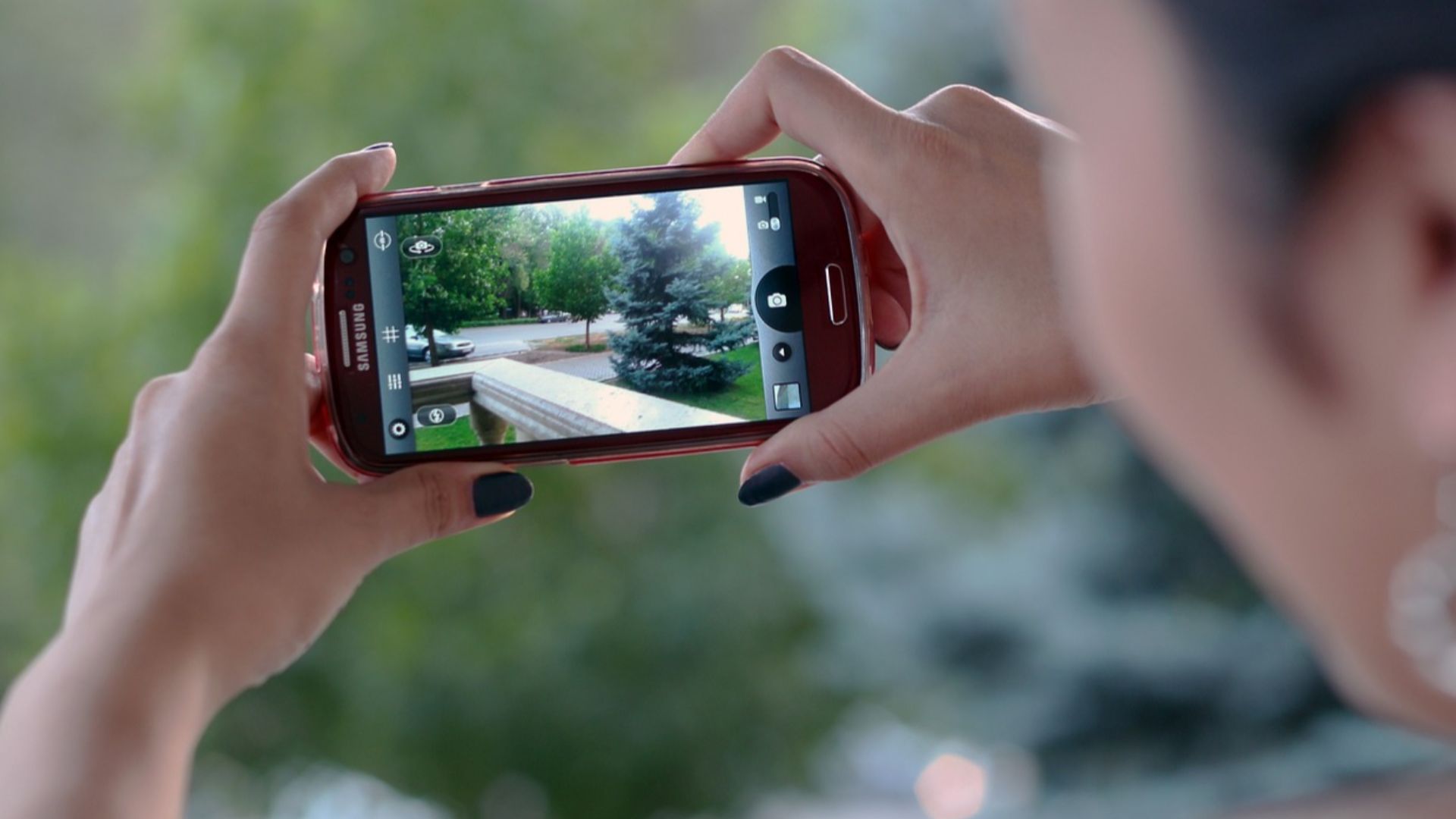
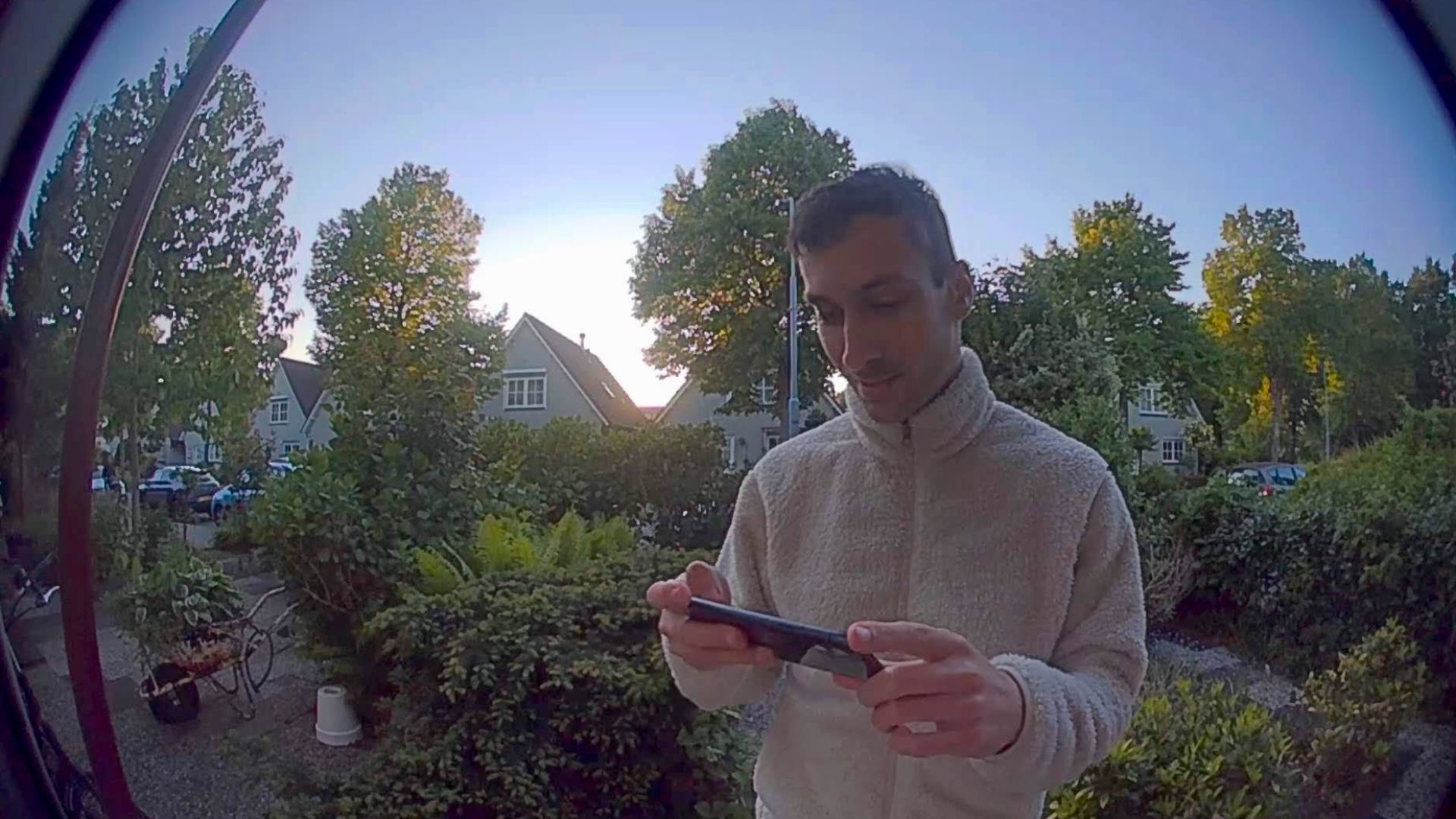
If this keeps happening, your phone may be your best witness. Take dated photos of every dent, scuff, and cracked piece of trim, and photograph where the car was parked in relation to the hoop or playing area. If possible, save doorbell camera footage or dashcam clips that show the impacts.
Make A Written Record Of Conversations
After you speak with the neighbor, write down the date, time, and what was said. If the parent admitted the kids hit your car or brushed off the damage, that may matter later. A calm follow-up text or email can create a paper trail without turning a sidewalk conversation into a shouting match.

Get Repair Estimates Early
Before anyone starts arguing over principles, find out what the damage actually costs to fix. A paintless dent repair quote may show a manageable bill, or a body shop may find hidden paint and panel damage that pushes the cost much higher. Real numbers tend to sharpen the conversation fast.

Ask Politely, But Be Specific
A vague complaint usually gets a vague answer. Instead, tell the neighbor the dates the damage happened, show the photos, and provide the repair estimate. Then ask directly whether they will pay out of pocket or provide insurance information.

If The Neighbor Refuses, Small Claims Court May Be An Option
When the amount is modest and the facts are simple, small claims court is often where these disputes end up. Nolo explains that small claims procedures are designed for everyday disputes involving limited sums, though dollar limits vary by state. For a few dents, mirror damage, or broken glass, that may be the most realistic legal route.

What You Would Need In Court
You would generally want photos, video if available, witness statements, repair estimates, and proof that you notified the neighbor. Evidence of repeated incidents can be especially persuasive. If the parent knew the kids kept hitting the car and failed to take reasonable steps, that can help support a negligence argument.

Could The Police Help
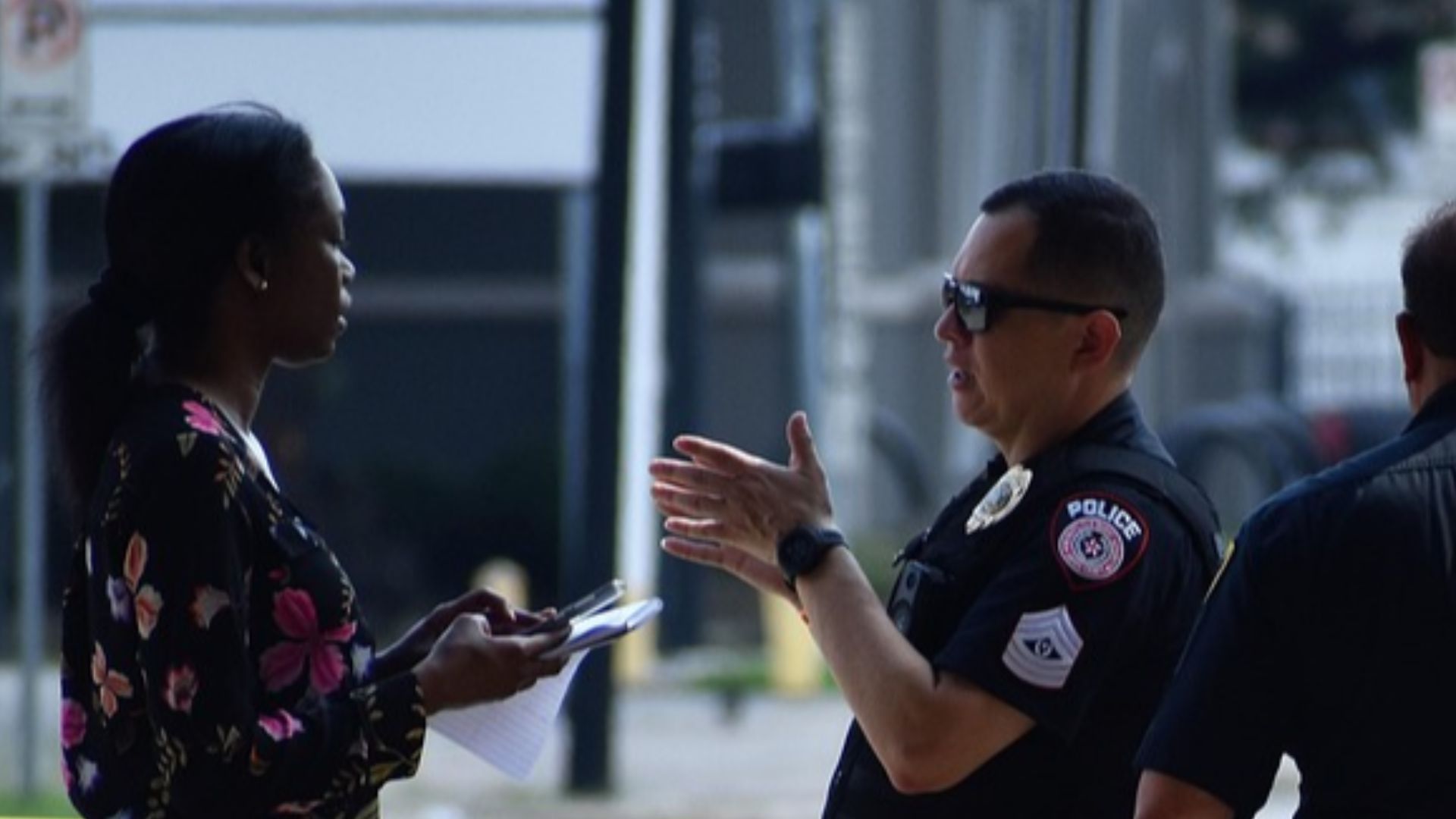
Usually, this is more of a civil property damage dispute than a criminal case, especially if the conduct was careless rather than intentional. Still, if the damage keeps happening, tensions are rising, or there is harassment involved, a non-emergency police report may help document the situation. Documentation can be useful even when officers do not directly settle the payment issue.
Do Not Escalate With Revenge Parking
It may be tempting to respond by parking closer, confronting the kids, or blasting the dispute in the neighborhood group chat. That usually creates more heat than progress. Stay calm and reasonable, because if the matter reaches insurance or court, you want your paper trail to look a lot better than your neighbor’s attitude.

Practical Ways To Prevent More Damage
If you can safely park somewhere else for a while, that may save you another claim and another deductible. You can also ask the neighbor to move the hoop, put up a rebound net, or point play away from parked cars. Prevention does not erase the right to seek payment for damage that already happened.
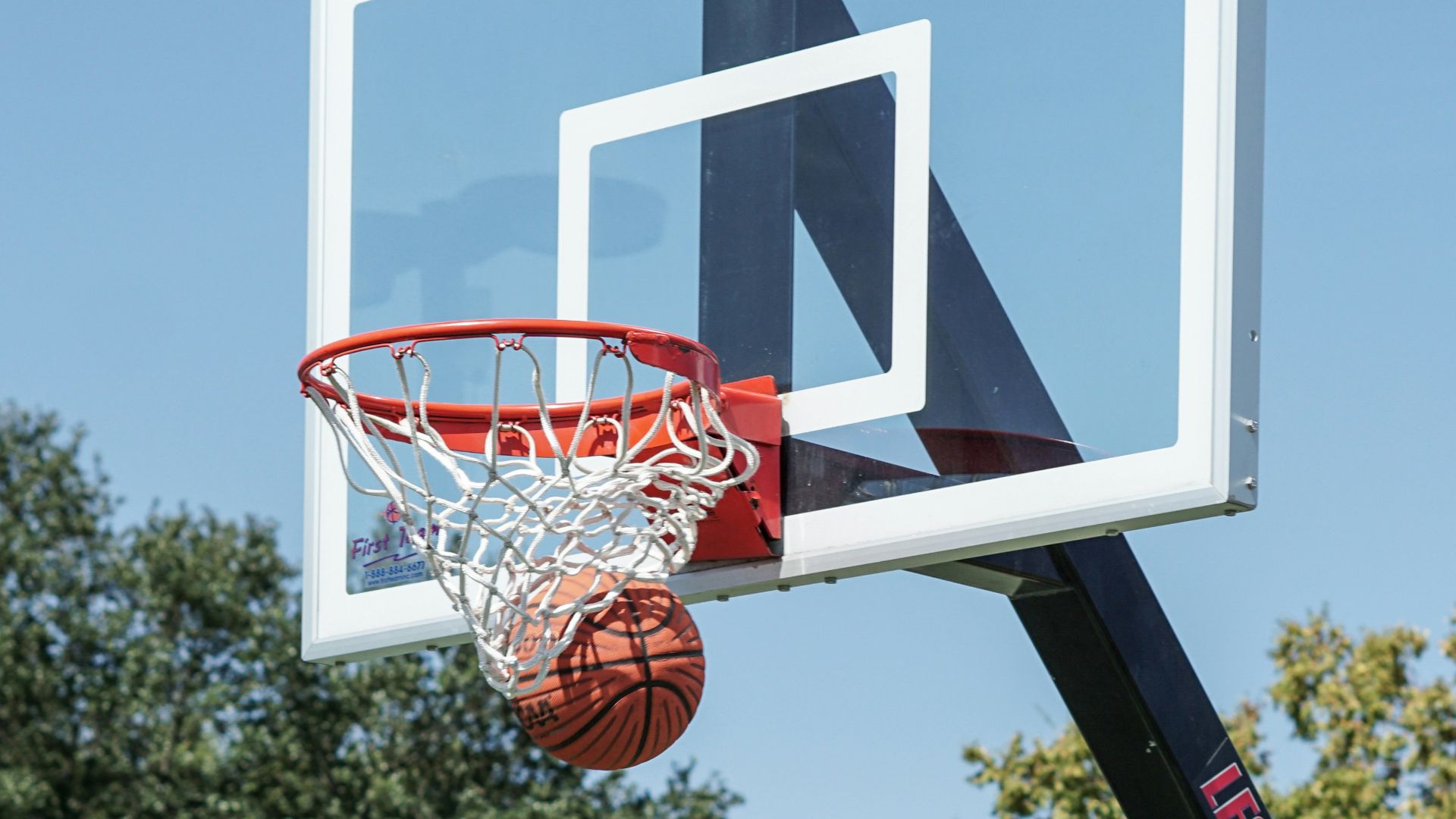
What If You Park On The Street
Being on a public street does not make your car fair game for impacts. If your car is legally parked, it is entitled to the same protection from careless damage as if it were sitting in your driveway. The location may affect the facts, but it does not erase responsibility.
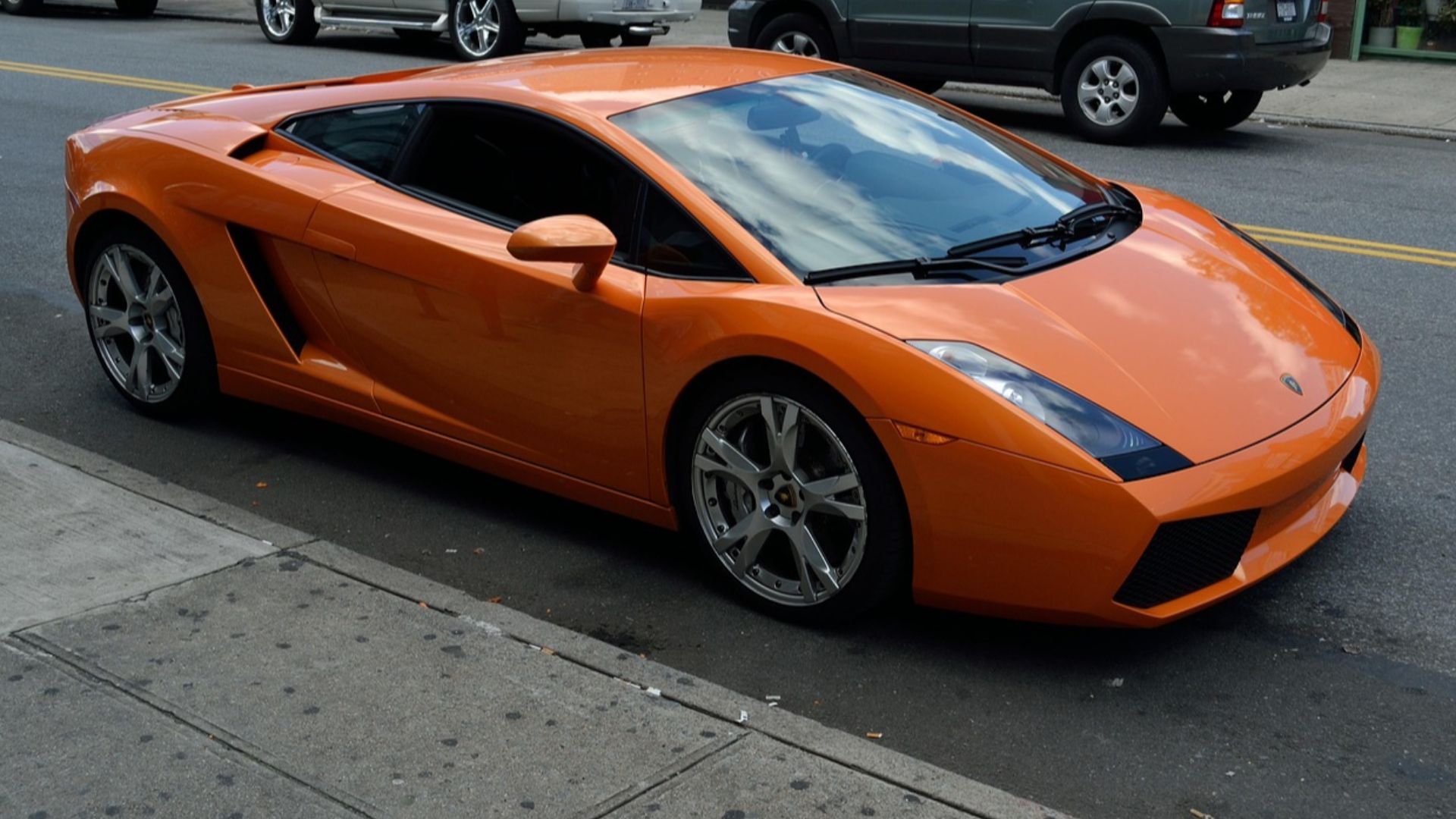
What If The Kids Truly Did Not Mean It
Intent matters in some legal situations, but accidental damage can still lead to liability. The big question is often not whether the child meant to dent your door, but whether the activity was careless or continued after repeated warnings. Accidents happen, but repeated avoidable accidents are much harder to brush off.
The Most Likely Real-World Answer
If the kids repeatedly hit your parked car with basketballs and your neighbor knows about it, the neighbor’s household is on much shakier ground than that casual comment suggests. Payment may come from the parent directly, from homeowners liability coverage, or from your own insurer with later subrogation depending on the circumstances. In plain English, this usually is not just your loss to eat.

The Bottom Line For Drivers
You do not have to accept dents as the price of being neighborly. Start with photos, video, estimates, and a calm written request for payment or insurance information. If the neighbor still refuses, a small claims case or an insurance claim is often the next practical step.