The Cones Are Out Again
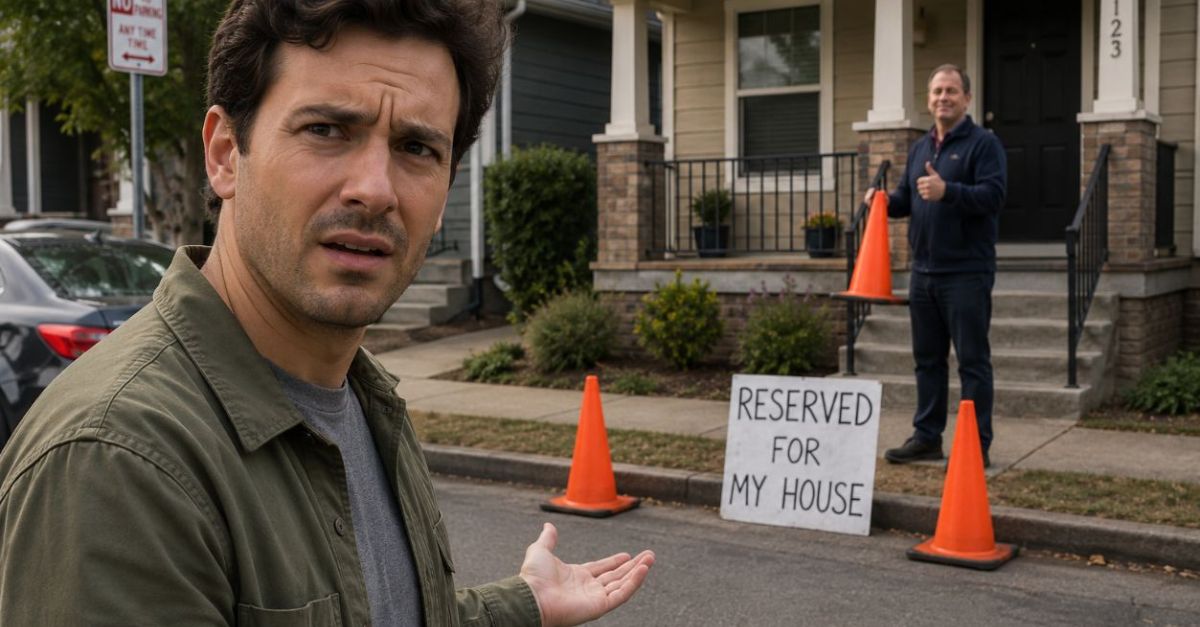
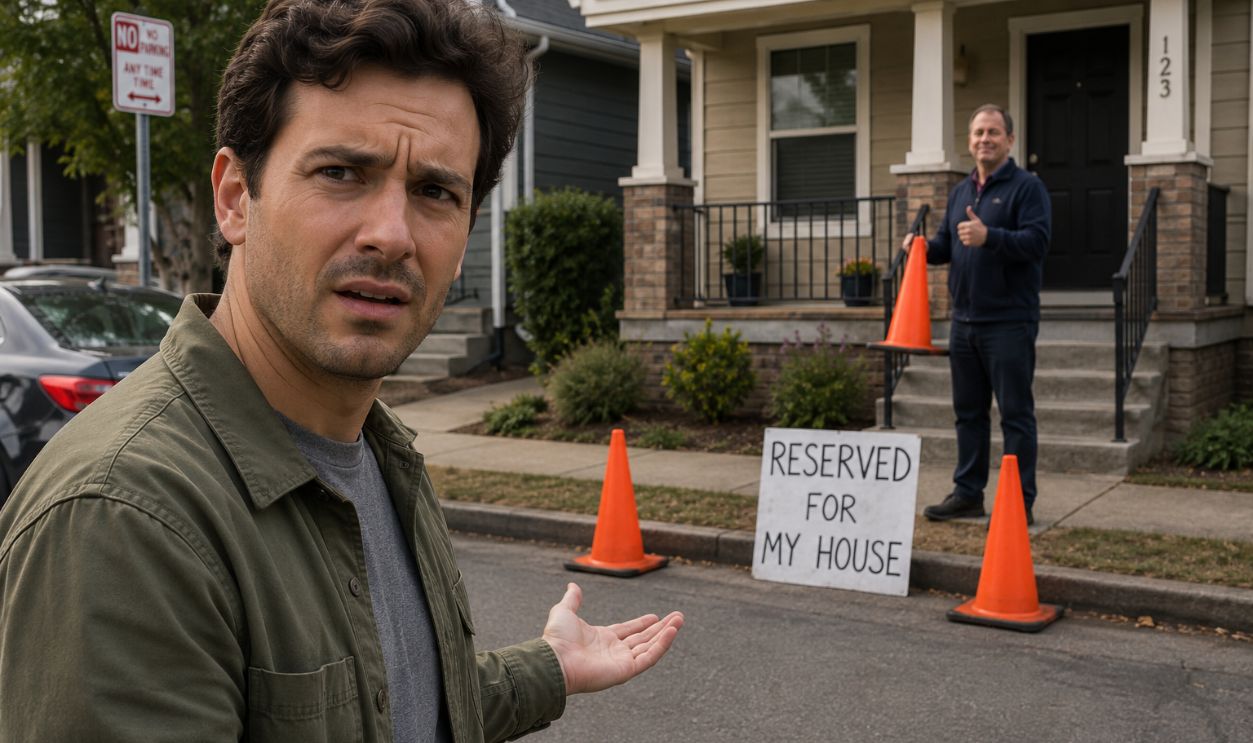
You pull up to your block, spot an open curb space, and there they are. That same old dirty pair of orange traffic cones, guarding the pavement in front of your neighbor’s house like it's their private property. It's a familiar neighborhood fight, but the legal answer is usually much simpler than the attitude behind the cones.
Public Street Usually Means Public Parking
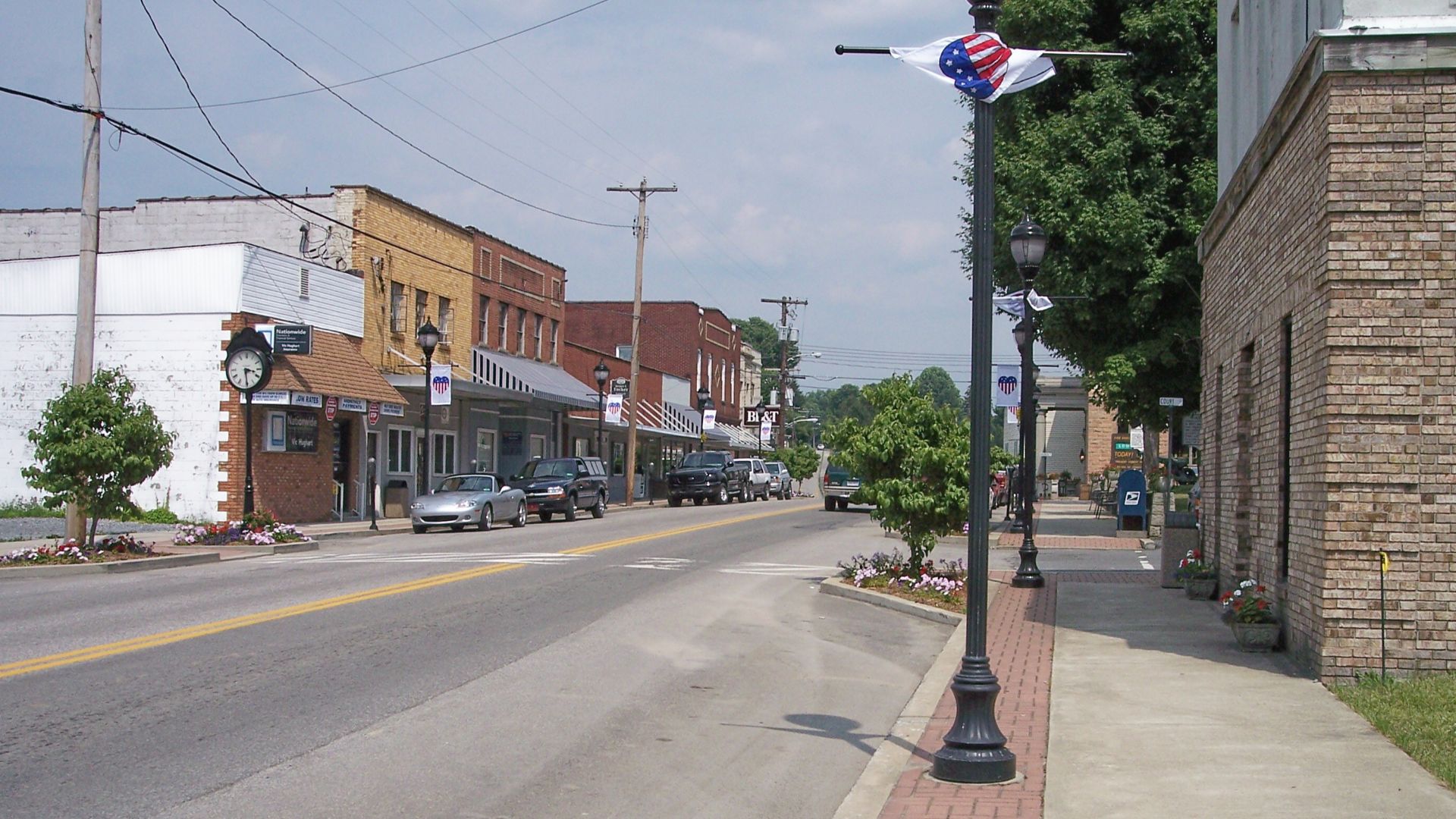
On most city streets, curbside parking is public unless signs, meters, permits, or local rules say otherwise. A homeowner does not automatically own the space in front of the house just because they live there. If the street is public right of way, that curb is usually controlled by the city, not the resident.
 Tim Kiser (w:User:Malepheasant), Wikimedia Commons
Why People Think They Own The Curb
A lot of this comes from habit, not law. People park in front of their homes every day and start to feel like the space is theirs. That feeling can get strong enough that some residents try to defend the spot with cones, chairs, bins, or handwritten notes.

What Cities Usually Say About It
Major cities have been clear about this for years. The New York City Department of Transportation says traffic cones and other objects cannot be used to reserve on-street parking spaces. Philadelphia parking officials have made the same basic point in public guidance and enforcement notices.

New York Spells It Out
New York City says plainly that using cones, garbage cans, ladders, or similar objects to save a parking space is not allowed. The city also tells residents to report these objects through 311. That matters because it comes straight from the system that handles street complaints and enforcement.

Philadelphia Has Fought The Same Battle
Philadelphia has long dealt with residents putting out objects to hold spaces, especially after snow. In 2021, the Philadelphia Parking Authority reminded residents that saving parking spaces with personal items on public streets is illegal. The authority also said those objects could be removed by the city.

Chicago Has A Famous Version Of This Fight
Chicago’s so-called dibs tradition is one of the best-known parking customs in America. Residents have often placed chairs or other objects in shoveled-out spaces after winter storms. But city guidance and news coverage have repeatedly made the same point: dibs is a custom, not a legal property right, and city crews have at times been told to clear the items away.

Snow Does Not Usually Create Ownership
Some neighbors swear they earned the space by digging it out after a storm. That may feel fair, but it usually does not create a legal claim to public parking. Public streets stay public even when someone spent an hour with a shovel.

Cones Are Not Magic
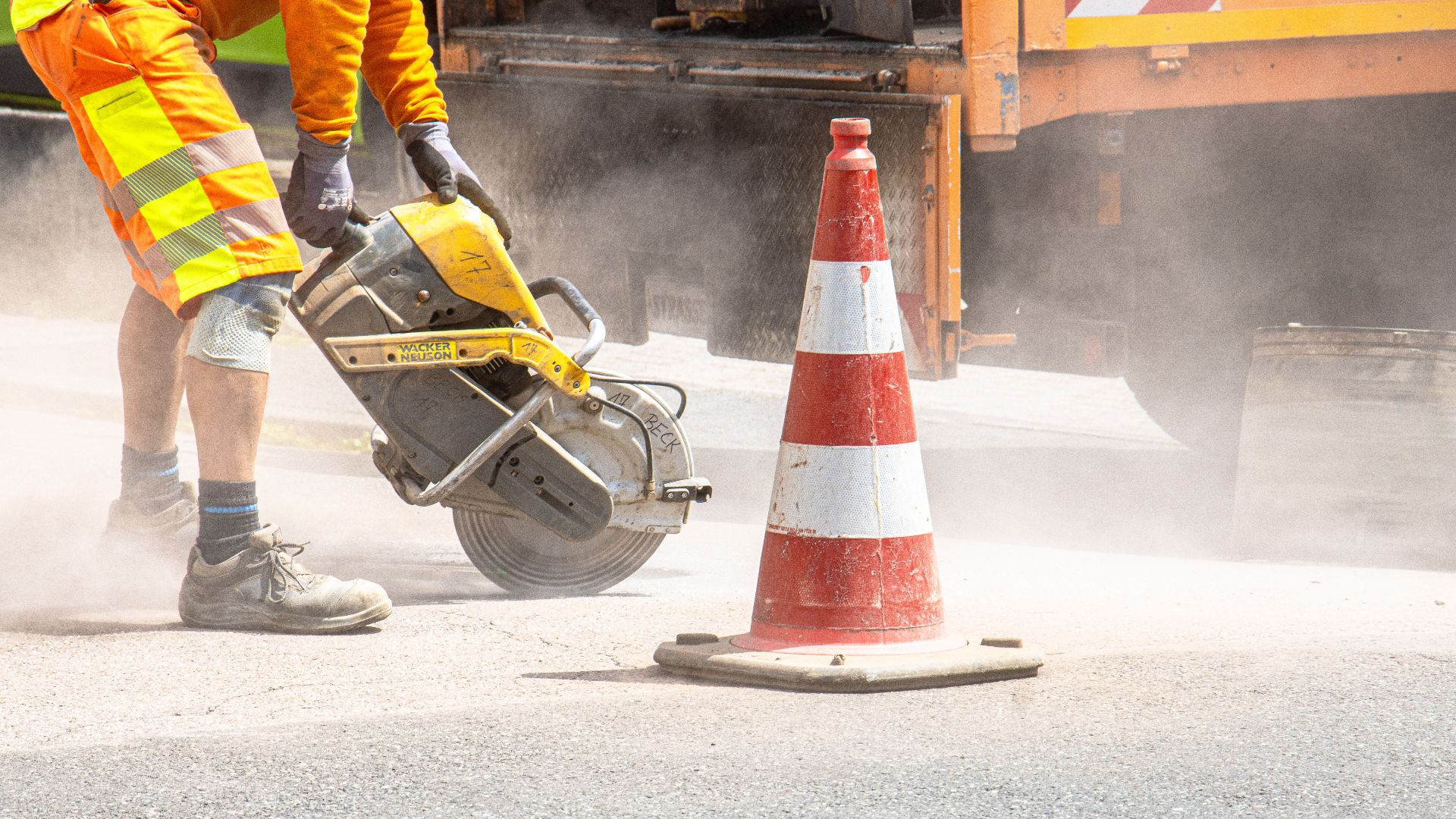
Traffic cones can be legitimate in some cases, but usually only when they are used by authorized crews, contractors, utilities, movers, or permit holders. Random residents do not get special powers because they bought orange cones at a hardware store. Without city approval, those cones are often just unauthorized objects sitting in the street.

There Are Real Exceptions
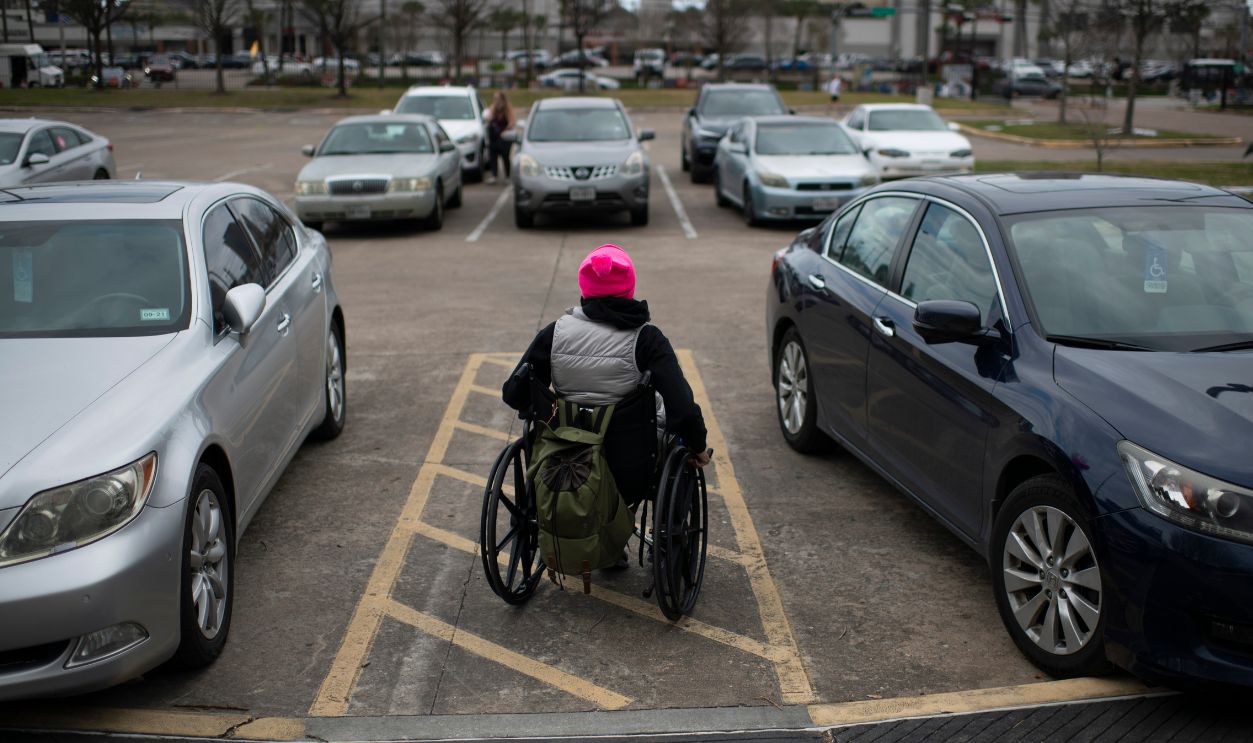
Some curb space is legally restricted. Temporary no-parking signs for construction, film shoots, moving permits, utility work, or street repairs can block access when the city authorizes them. Accessible parking spaces may also be created under local programs, but those come from a government process, not from a homeowner putting out cones.
A Driveway Is Different From A Curb Space
If a car blocks a driveway, that is a real violation almost everywhere. Homeowners do have the right to get in and out of their driveways and garages. But that right usually does not extend to the legal parking space along the curb in front of the property unless local rules specifically reserve it.

Your Neighbor Probably Cannot Claim It
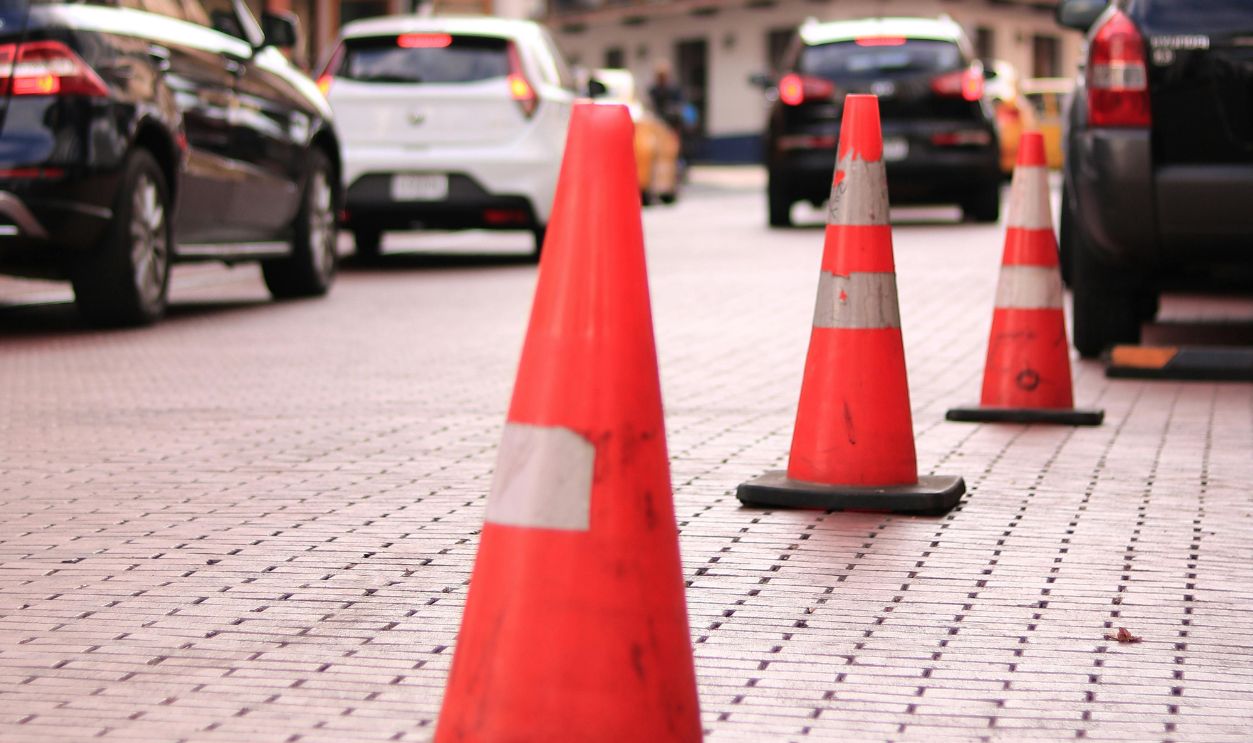
In the normal case, no, your neighbor cannot claim a public parking space by placing cones in it. That is true whether the reason is convenience, habit, or frustration over scarce parking. The key question is what local laws and posted signs say, not what the neighbor wants.
The Best First Move Is To Read The Signs
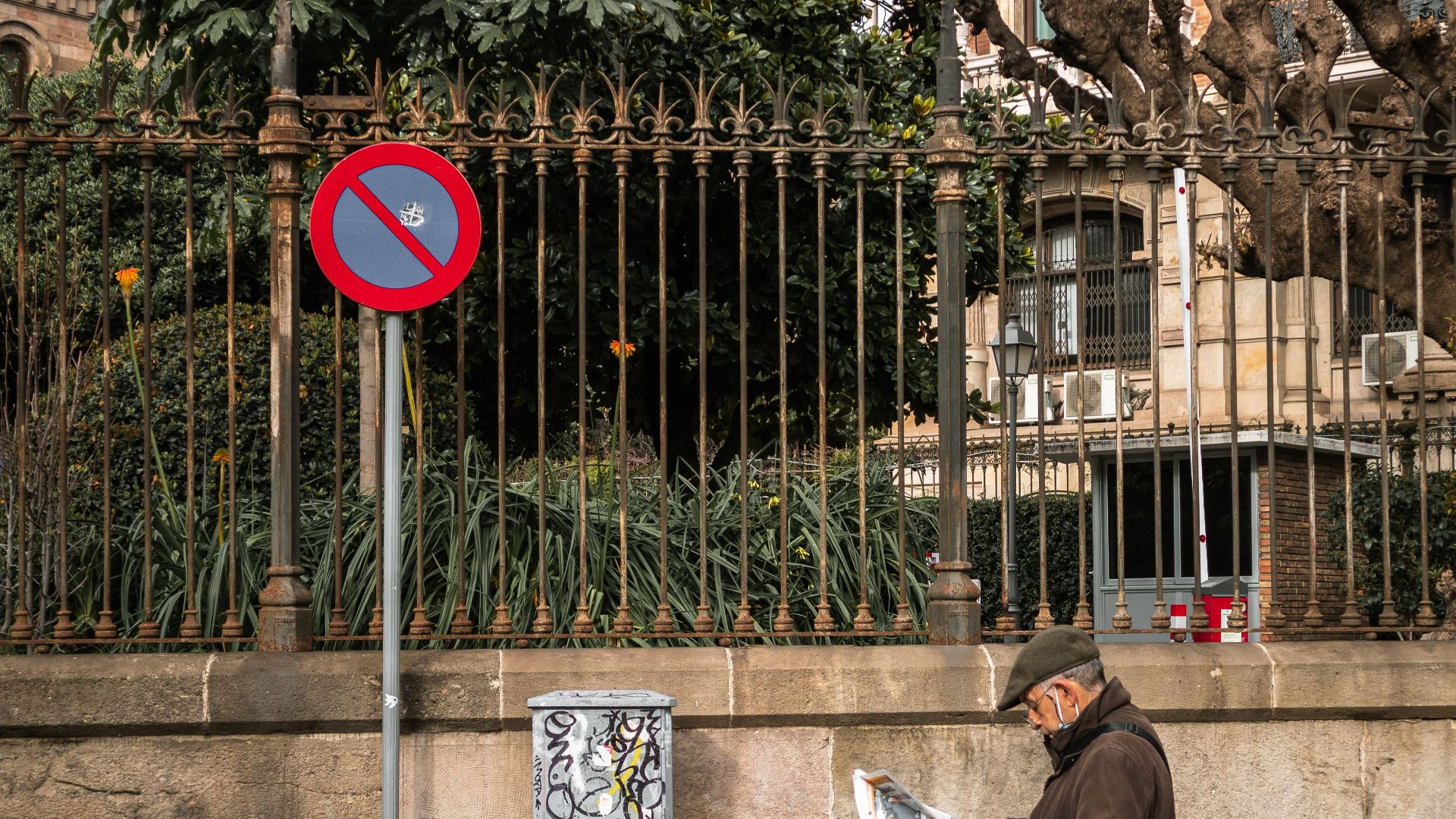
Before doing anything, check the curb carefully. Look for permit zone markings, street-cleaning schedules, temporary restrictions, construction notices, or blocked hydrants. If no rule is posted and the spot is otherwise legal, the cones may be the only thing standing between you and a valid parking space.

Do Not Assume Every Cone Is Fake
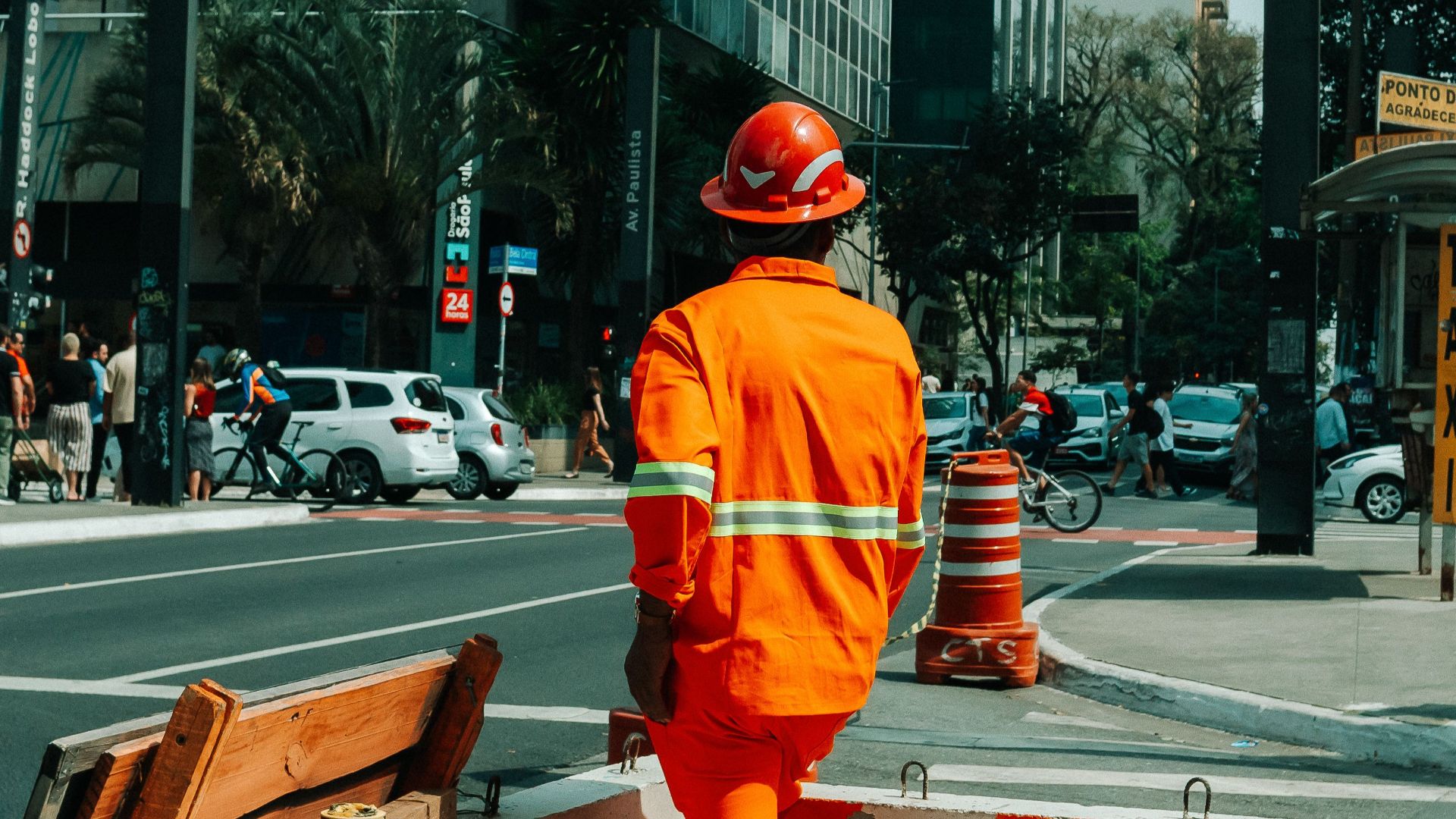
Sometimes a cone really is there for a valid reason. Utilities, telecom crews, city workers, moving companies, and contractors may have permits or active work zones. If there are posted notices, official markings, or work vehicles nearby, give the area space and make sure before acting.
How To Check If The Restriction Is Legit
Many cities let residents check temporary parking restrictions through 311, transportation departments, or permit offices. If the cones appeared overnight with no signs and no work crew, that is worth questioning. If there are official temporary no-parking placards with dates and permit numbers, the restriction may be valid.
Should You Move The Cones Yourself
That is where the practical answer gets more cautious. Even if the cones are unauthorized, moving them yourself can start a pointless fight with the neighbor. It can also cause confusion if the cones were there for a reason you did not spot right away.

The Safer Move Is Usually Reporting It
Many cities want residents to report unauthorized objects in the street instead of handling the dispute alone. New York directs people to 311 for this exact issue. That creates a record, lowers the chance of conflict, and lets the city decide whether the obstruction should be removed.

Why This Matters Beyond Petty Neighborhood Drama
Unauthorized objects in the street are not always harmless. They can block traffic, create hazards for cyclists, interfere with street cleaning, and complicate access for emergency or service vehicles. What starts as one resident saving a spot can turn into a blockwide mess if everyone does it.

Enforcement Can Vary A Lot
The legal principle is usually straightforward, but enforcement may be uneven. Some cities remove objects quickly, while others act only after complaints. That inconsistency is one reason people keep trying the cone trick in the first place.

Local Culture Can Muddy The Waters
In some neighborhoods, informal customs are treated like unwritten law. Chicago’s dibs culture is the classic example, especially after heavy snow. But custom and legality are not the same thing, and city policy can change from one winter to the next.

What If The Neighbor Gets Angry
That is the part most drivers actually care about. Even if you are legally right, a parking dispute with someone who lives next door can turn ugly fast. A calm approach, good photos, and a report through city channels are usually smarter than a curbside showdown.

Take Photos Before You Do Anything
If you plan to report the issue, document it first. Take clear photos showing the cones, the curb, nearby signs, house numbers, and the date if possible. That helps if the city asks for details and gives you a clean record of what was happening.

Do Not Escalate With Notes Or Retaliation
It is tempting to answer with your own note or start a back-and-forth parking war. That usually makes things worse and rarely solves the problem. Let city rules, not neighborhood revenge, do the work.

Apartment Buildings And Busy Blocks Are Flashpoints
This issue comes up most often on dense residential streets where parking is tight. On blocks with apartments, schools, or mixed-use buildings, curb space can feel painfully scarce. That scarcity can make people possessive, but it still does not turn a public street into private property.

Accessible Spaces Follow Formal Rules
Some readers may wonder about handicap or accessible spaces near homes. Those are real and often important, but they are usually created through local application programs, engineering review, and official signage. A resident cannot create one by setting out cones or a homemade placard.
 The Washington Post, Getty Images
Moving Day And Construction Are Different Stories
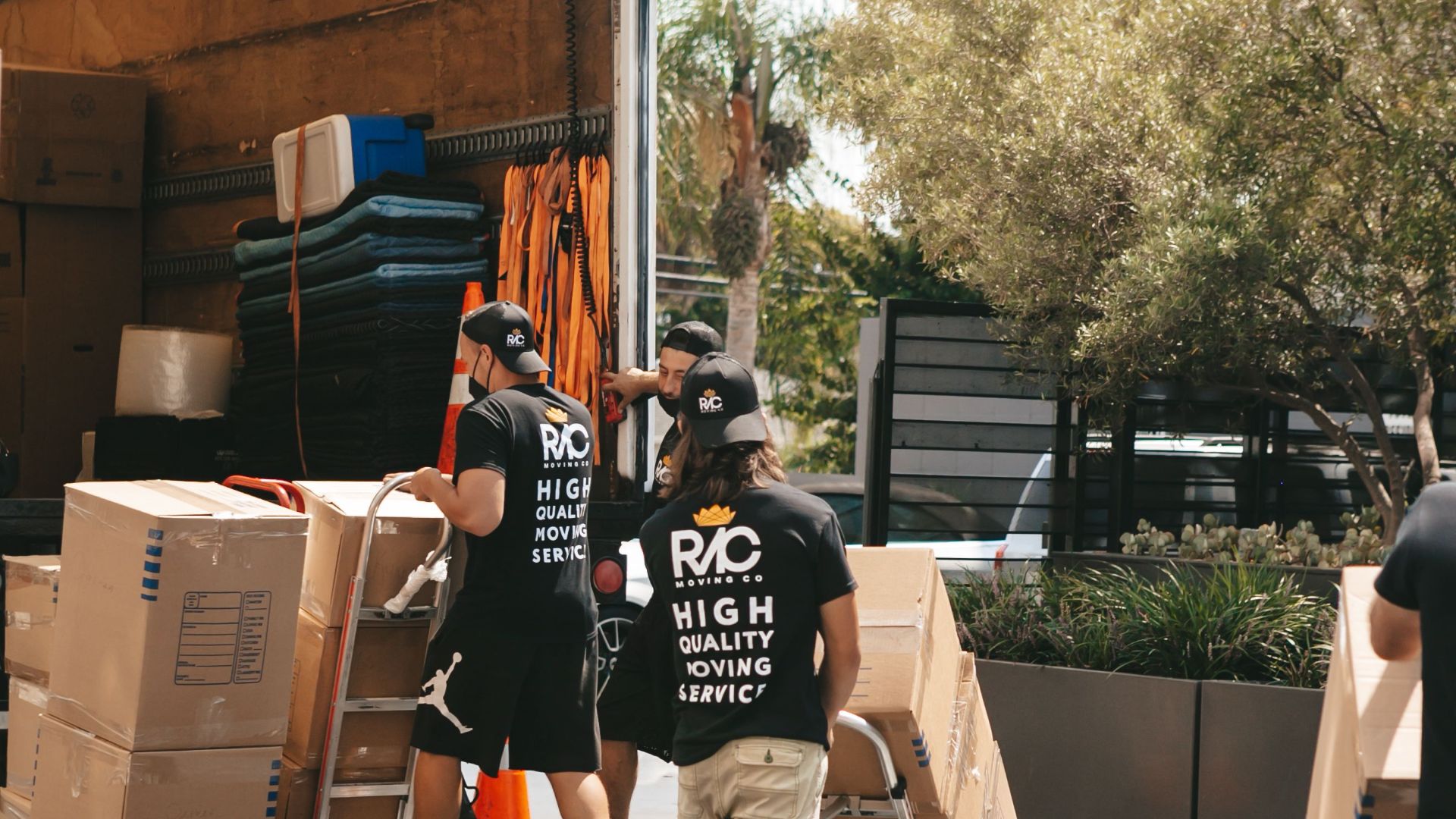
If someone has a valid moving permit or a contractor has authorized temporary occupancy, the curb may actually be reserved for a limited time. Those cases usually come with posted notices, dates, and official paperwork. The lesson is simple: verify first, then act.
 Royal Moving & Storage, Pexels
The Practical Bottom Line
If the street is public and there is no official restriction, your neighbor usually cannot reserve that parking space with traffic cones. The curb belongs to the public parking system, not the person whose front window faces it. In most places, the smart move is to confirm the rules, avoid a personal clash, and report unauthorized obstructions through the city.

What To Remember The Next Time You See Cones
Start with signs, permits, and local rules. Assume nothing, document what you see, and use official reporting channels when the cones look fake. In the curbside turf war, the law is often much less dramatic than the people involved.