When A Tight Parking Job Becomes A Daily Headache
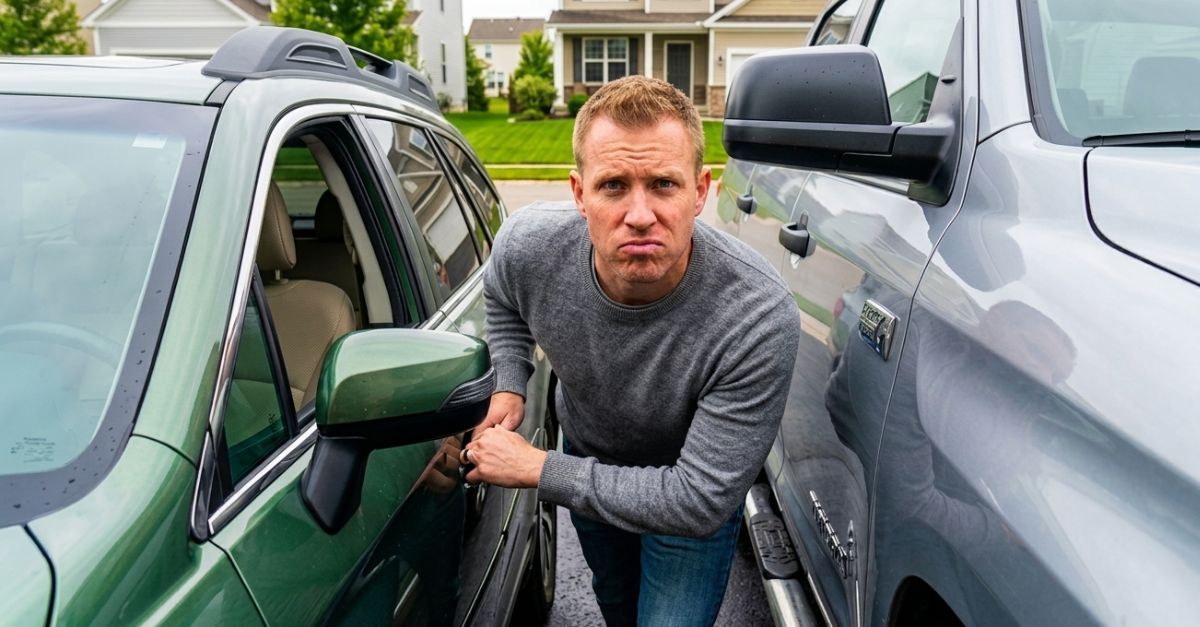
If your neighbor parks so close that you can barely get into your car, you are not alone. With parking at a premium in dense areas, this is a common problem that can get stressful fast. The good news is that you may have legal or practical options, depending on where the cars are parked and whether any rules are being broken. The first step is figuring out whether this is just rude parking or an actual violation of a law, city rule, lease, or HOA rule.
Start By Figuring Out Where The Parking Is Happening
The most important detail is where this is happening. A car parked on a public street is usually covered by city or county parking rules. A car parked in an apartment lot, condo garage, driveway, or HOA community may also be covered by private rules. If the problem is on private property, your landlord, property manager, condo board, or HOA may be able to step in. If it is on a public road, local parking enforcement or police may be the right place to call.
Not Every Annoying Parking Job Is Illegal
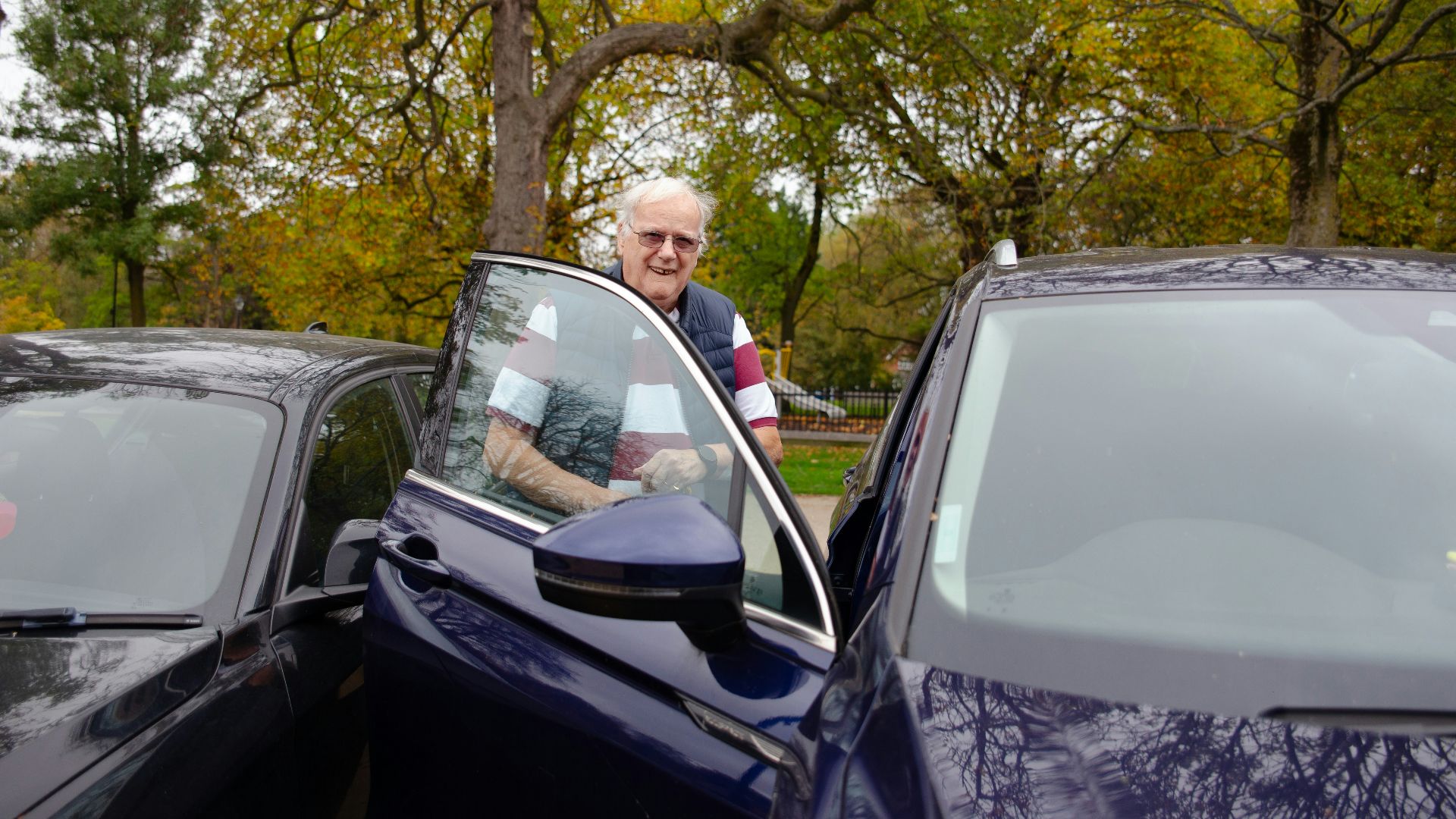
In many places, there is no rule that says drivers must leave enough room for the person next to them to open their door wide. That means someone can be inconsiderate without technically breaking the law. Still, if the vehicle is over the line in a marked lot, blocking access, getting in the way of traffic, or breaking a posted rule, that is different. What matters is whether the parking creates an actual legal violation, not just a frustrating situation.
 Centre for Ageing Better, Unsplash
Marked Spaces Can Make Your Case Stronger
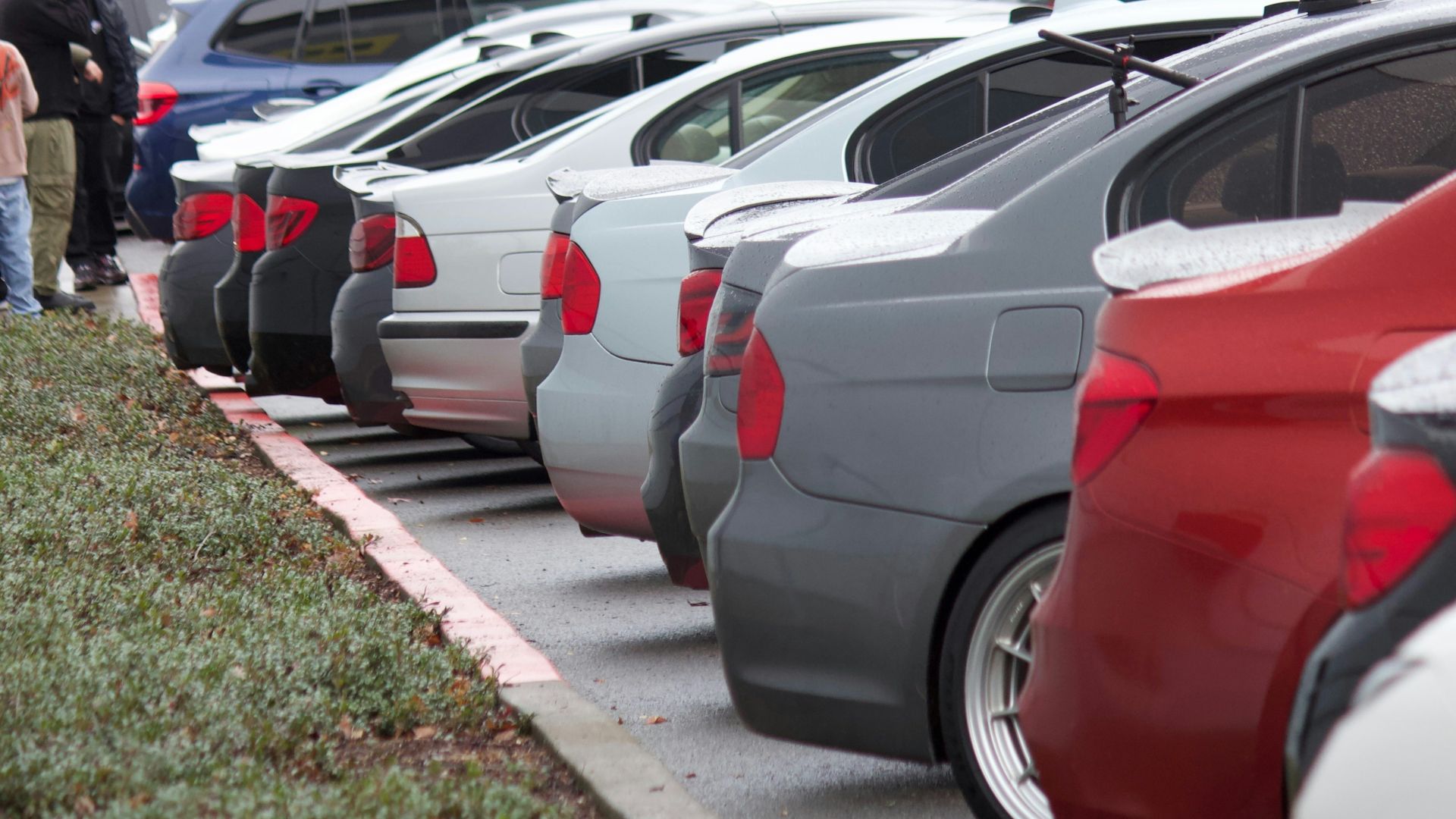
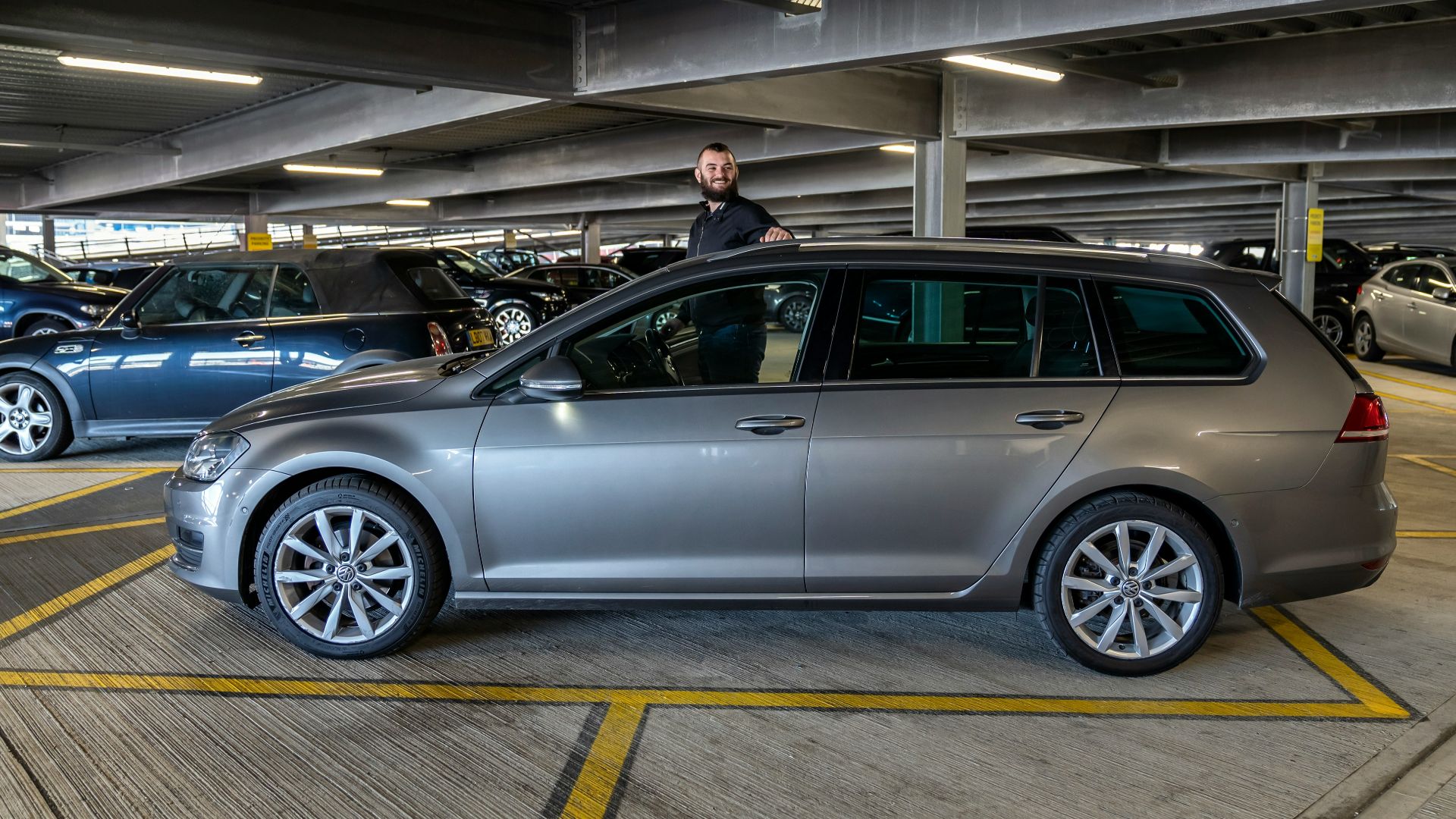
If you park in a lot with painted lines, those lines matter. A vehicle parked on or over the line may be breaking property rules or posted parking rules, especially in managed lots. In some places, enforcement in a private lot depends on the property owner or manager allowing it. Photos that show the tires, the lines, and the space layout can help a lot if you need to report the problem.
Street Parking Usually Comes With Fewer Guarantees
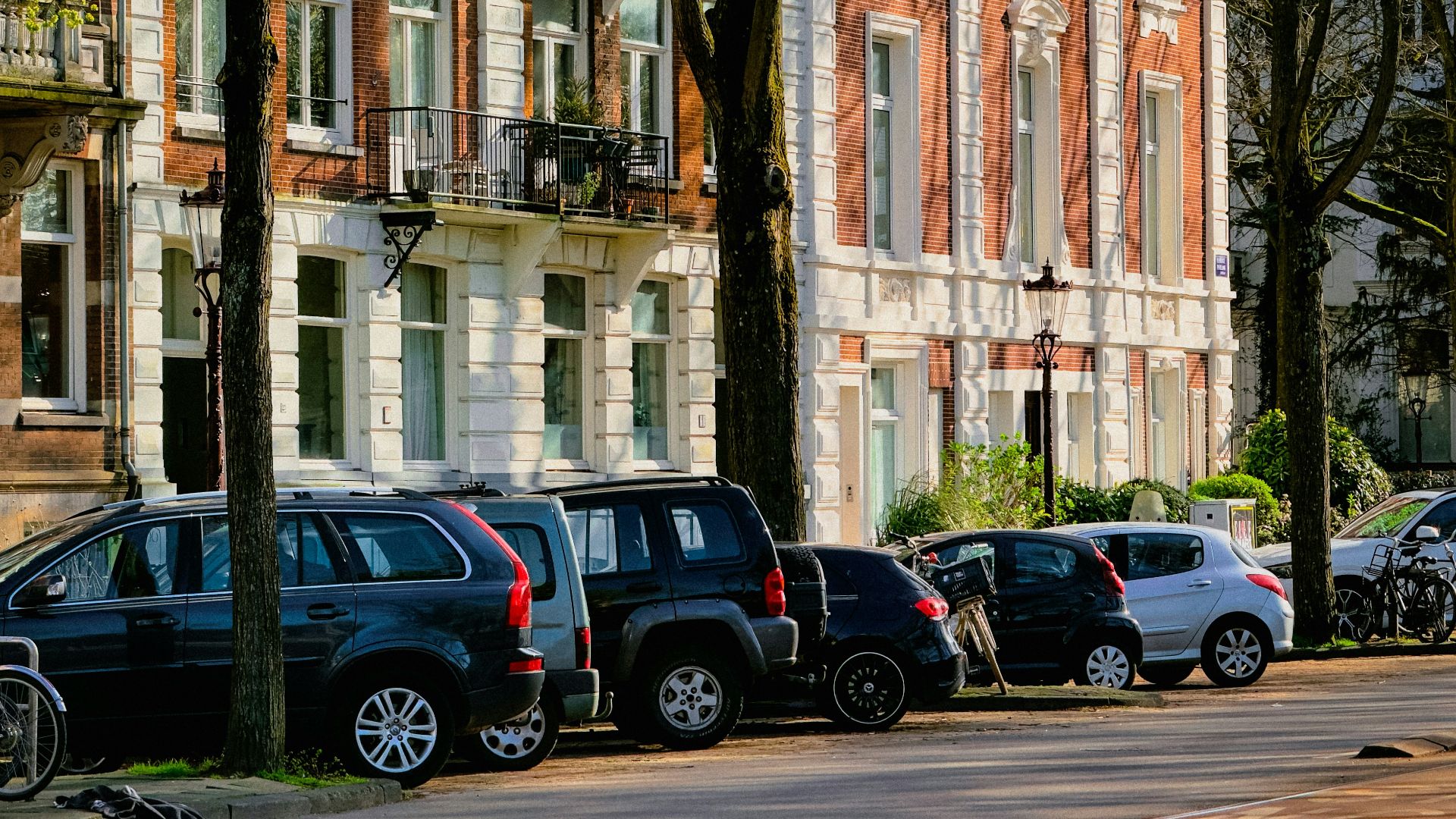
On a public street, drivers usually do not have a legal right to extra space next to their car unless a local rule says otherwise. If both cars are legally parked, authorities may see it as a neighbor issue instead of a ticket issue. But many laws do ban parking too close to driveways, crosswalks, fire hydrants, stop signs, or other restricted spots. If your neighbor is parking so close that they are also breaking one of those rules, enforcement may be possible.
Blocking A Driveway Is A Different Story
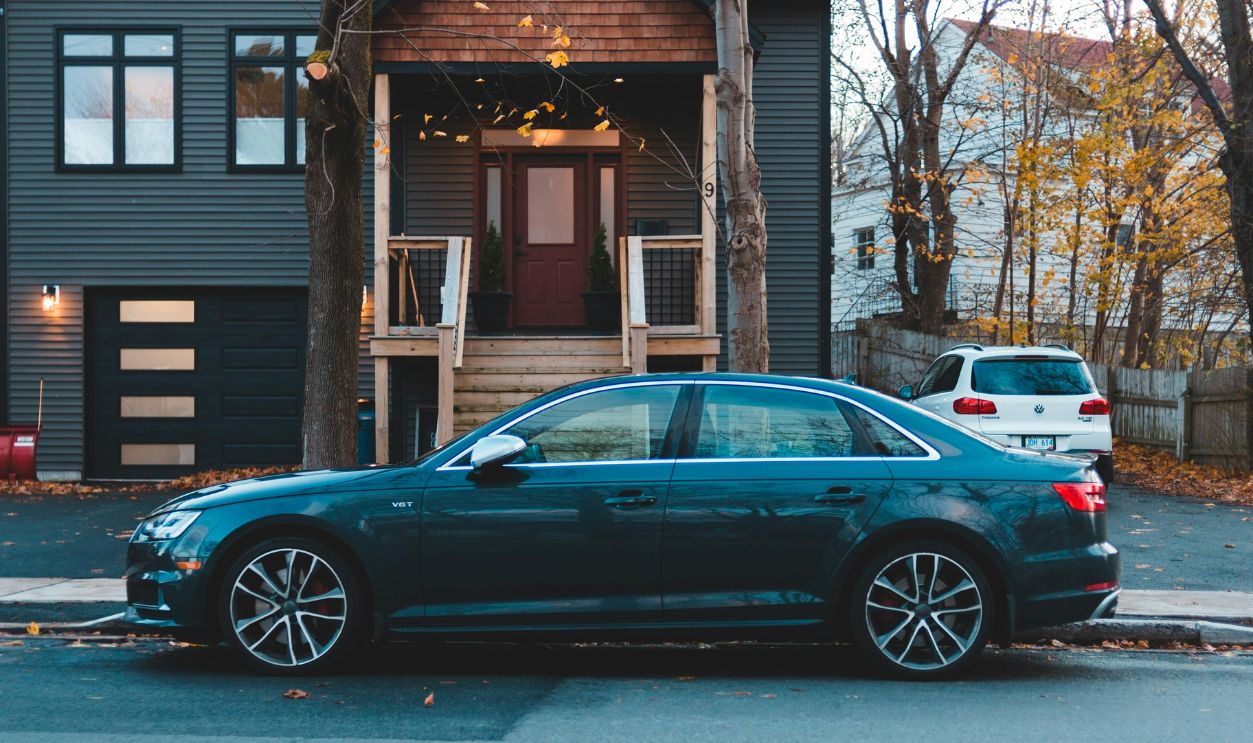
If the close parking blocks your driveway, many cities treat that as a clear violation. State vehicle codes and local rules often ban stopping or parking in front of public or private driveways. In that case, you may be able to call parking enforcement or law enforcement for a ticket or tow, depending on local rules. Make sure the blockage is real and take photos before reporting it.
Accessible Parking Rules Can Also Matter
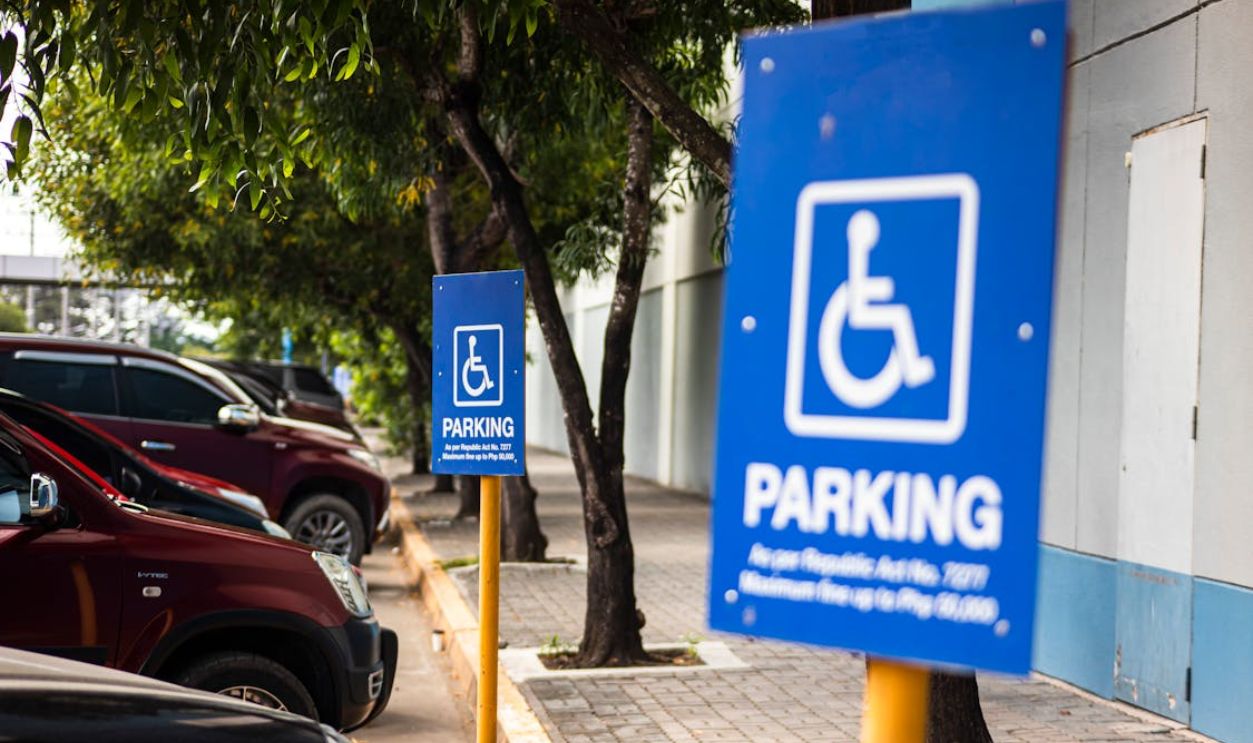
If you or someone in your household uses a disabled parking placard or plate, accessible spaces and access aisles may have legal protection under the Americans with Disabilities Act in many public places, along with state and local law. In private housing, disability-related accommodations can also come up under fair housing rules. If a parking setup makes a needed accessibility accommodation unusable, the issue may be more than just bad manners. It may be worth bringing to the property manager or asking for a reasonable accommodation through housing channels.
Your Lease Or HOA Rules May Have The Real Answer
Apartment complexes, condos, and HOA communities often have parking rules that go beyond local law. Residents may have to park fully inside their assigned space, use only certain spots, or avoid blocking nearby vehicles. If your neighbor keeps breaking those rules, management may be able to warn, fine, or tow the vehicle depending on the community documents and state law. Check your lease, parking addendum, HOA rules, or community handbook for the exact language.

Take Photos Before You Do Anything Else
Documentation can make a big difference. Take clear photos that show both cars, the parking lines if there are any, nearby signs, license plates, and how little room is left for entry. It also helps to keep a simple log with dates, times, and whether it is the same vehicle each time. If you later need help from a landlord, HOA, parking officer, or small claims court, a pattern of evidence is much stronger than a one-time complaint.
A Friendly Conversation Can Still Be Worth Trying
Before escalating, it may help to talk to your neighbor in a calm way. Sometimes people really do not realize how hard they are making it for someone else to get into a car. A short conversation or note can solve the problem faster than a formal complaint. If you leave a note, keep it polite and clear so it does not make things worse.

Property Managers Often Have More Power Than You Think
In a managed apartment or condo lot, the office may be able to identify the car owner, issue warnings, reassign spaces, or enforce parking rules. Some communities have contracts with towing companies, but towing from private property is heavily regulated in many states. That usually means there are notice, signage, and approval rules that must be followed. It is usually better to let management handle it than to try to fix it yourself.
Calling The Police Is Usually Not The First Move
Police usually will not step into a simple argument about a neighbor parking too close if no law is being broken. But if the vehicle is blocking your driveway, parked in a fire lane, blocking traffic, trespassing in a restricted area, or breaking a local parking rule, a non-emergency call may make sense. Many cities also have separate parking enforcement departments for these issues. Save 911 for real emergencies.
Towing Is Heavily Regulated
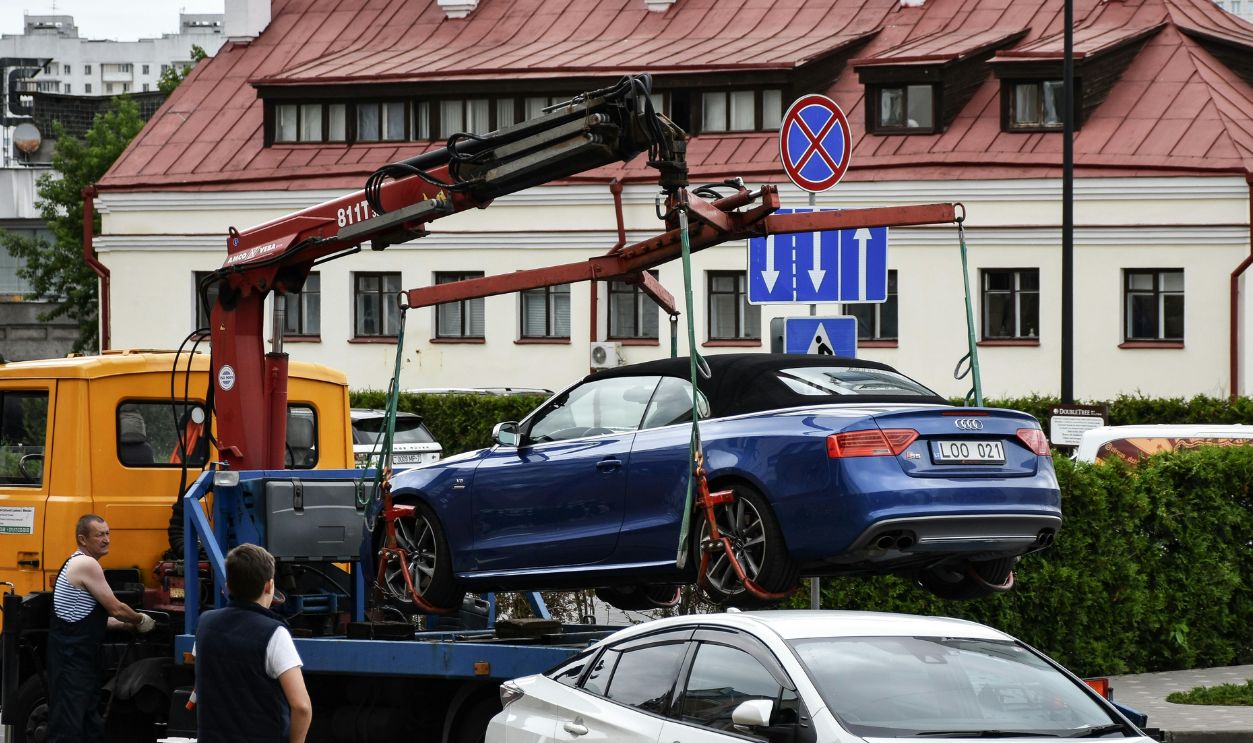
A lot of people assume they can just have a badly parked car towed, but it is usually not that simple. Private-property towing rules often require signs, advance approval from the property owner, and compliance with state consumer-protection rules. Unauthorized towing can create legal trouble for the person who asked for it. If towing may be an option, go through the landlord, HOA, or property owner and make sure local rules are followed.
Do Not Try To Trap Or Touch Their Car
It may be tempting to retaliate by parking inches from their door, leaving items around their vehicle, or moving something near the car. That can go badly fast. Interfering with someone else’s vehicle can lead to claims of harassment, vandalism, or property damage. Even if you are frustrated, it is safer to stick with photos, records, and official channels.
If Your Car Gets Damaged, That Is A Separate Issue
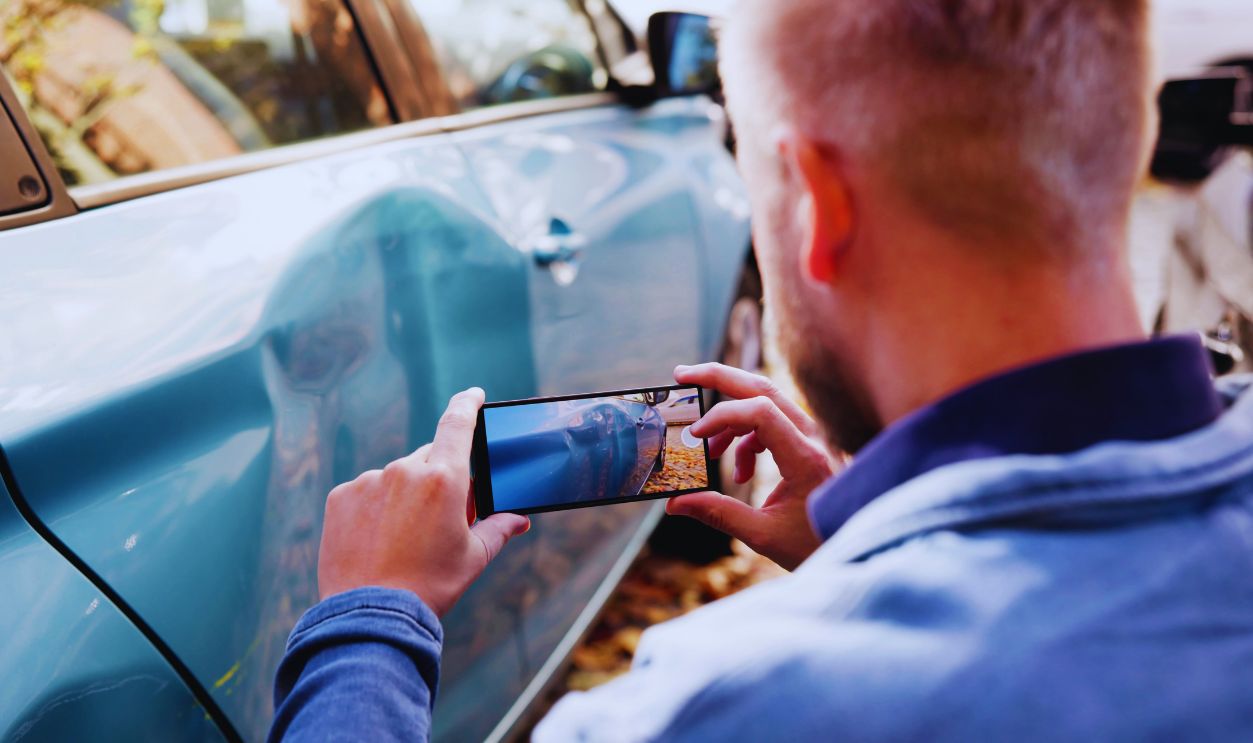
If your neighbor’s close parking leads to real damage, such as chipped paint, dents, or broken mirrors, the issue changes. Take photos right away and gather any witness statements or camera footage if you can. You may be able to file an insurance claim, make a police report for property damage, or bring a small claims case depending on the amount involved and your evidence. Damage claims are about proving contact and loss, not just proving rude parking.
Small Claims Court Is Usually For Damage, Not Annoyance
Small claims court can sometimes help if repeated conduct caused actual financial loss, like vehicle damage or towing costs you had to pay. It usually is not the place to ask a judge to punish someone just for parking too close. Courts usually want proof of real damages and proof linking the person to the loss. If your goal is to stop future behavior, management enforcement or local parking enforcement is often more useful.
Local Parking Codes Are Worth Checking
Many cities post their parking rules online, and those rules can be more detailed than people expect. You may find rules about blocking driveways, time limits, curb color zones, alley access, or how far a vehicle must be from certain places. Some city codes also let residents report blocked driveways or abandoned vehicles through an app or non-emergency number. A quick search of your city parking authority or municipal code may tell you whether you have a real violation to report.
Neighborhood Mediation Can Help When The Law Cannot
When the parking is rude but technically legal, community mediation may work better than law enforcement. Many cities and counties have free or low-cost programs for neighbor disputes. A mediator will not issue tickets, but they may help both sides agree on practical solutions before things get worse. That can be especially useful if you live next to the person and want to keep the peace.

Reasonable Accommodation May Be Available In Housing
If getting into your vehicle is hard because of a disability, you may be able to request a reasonable accommodation in housing. The U.S. Department of Housing and Urban Development explains that housing providers may need to make exceptions to rules or policies when needed for a person with a disability to have equal use and enjoyment of housing. In practice, that could mean a reassigned or reserved parking space, depending on the setting and facts. Requests often work best when made in writing and tied clearly to the access problem.

Camera Footage Can Be Useful If It Is Lawfully Obtained
If your building has security cameras or your home camera shows the parking area, footage may help show a repeated pattern. Just make sure any recording is taken from a lawful place and used appropriately. Video can be especially helpful if you need to show that a specific vehicle keeps crowding your space or that damage happened during parking. It is often more convincing than a written description alone.
What Usually Works Best In Real Life
In many cases, the best approach is to take things step by step. Start with photos and a polite request. Then move to management, HOA enforcement, or local parking enforcement if there is an actual rule violation. If there is damage, save the evidence and look at insurance or small claims options. Going straight to threats or retaliation usually turns a parking problem into a bigger neighbor problem.

The Bottom Line On What You Can Legally Do
Yes, you may have legal options, but they depend a lot on whether your neighbor is breaking a specific law, private parking rule, lease term, HOA rule, or accessibility requirement. If they are only parking inconsiderately in a legal spot, your best tools may be documentation, communication, and help from property management rather than the police. If they are blocking a driveway, crossing marked lines in a controlled lot, breaking posted rules, or causing damage, your case gets much stronger. The best move is to match your response to the exact type of parking area and the exact rule being broken.