Is The Rust Under Your Car An Eyesore Or Unsafe?
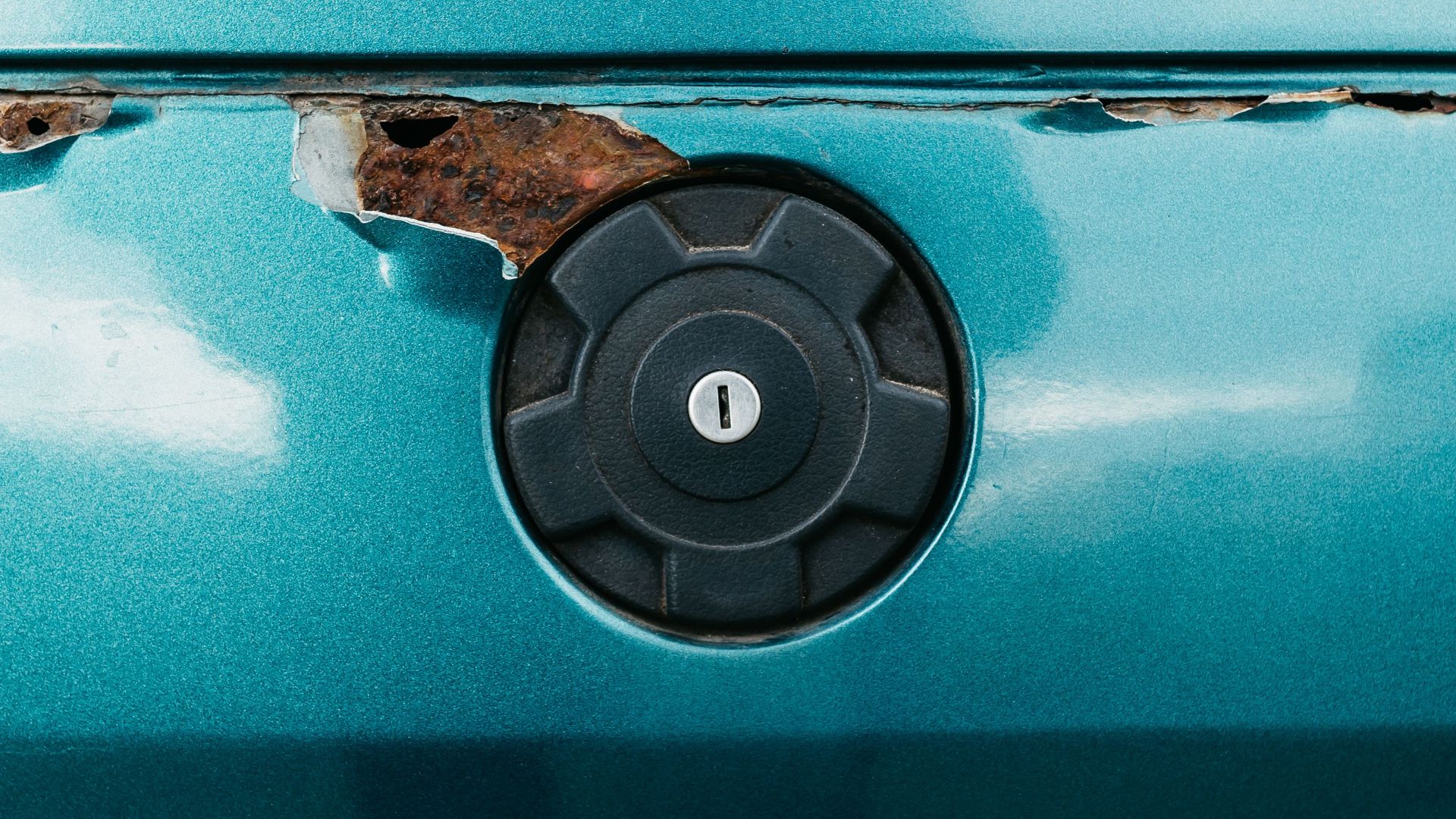
Rust under a car can mean very different things. A rusty exhaust flange is one thing. A rusted-through frame rail or suspension mount is something else entirely. If you've got rust under your car and different shops are giving you different answers, it helps to know the difference between an eyesore and a safety issue.
Cosmetic Rust Is Real, But So Is Dangerous Rust
Surface rust is common on steel parts under a car, especially where water, road salt, and humidity hit hard. But corrosion can also damage brake lines and structural parts, turning an ugly problem into a safety problem. Some rust looks bad but is manageable. Some rust can make a vehicle unsafe to drive.
Start With The Most Important Question
If one shop says the rust is cosmetic and another says the car is unsafe, ask both to show you the exact parts they mean. Do not settle for vague opinions. Ask for photos. Ask whether the rust is on body panels, the frame or unibody, brake or fuel lines, suspension mounting points, or steering parts.

Where Rust Matters Most
The most serious rust usually shows up on structural areas and on parts that help the car stop, steer, and hold together in a crash. NHTSA has investigated corrosion-related failures involving brake pipes, fuel filler necks, and suspension parts on certain vehicles over the years. If the rust is on frame rails, rocker structures, subframes, control arm mounts, strut towers, or brake lines, take the warning seriously.
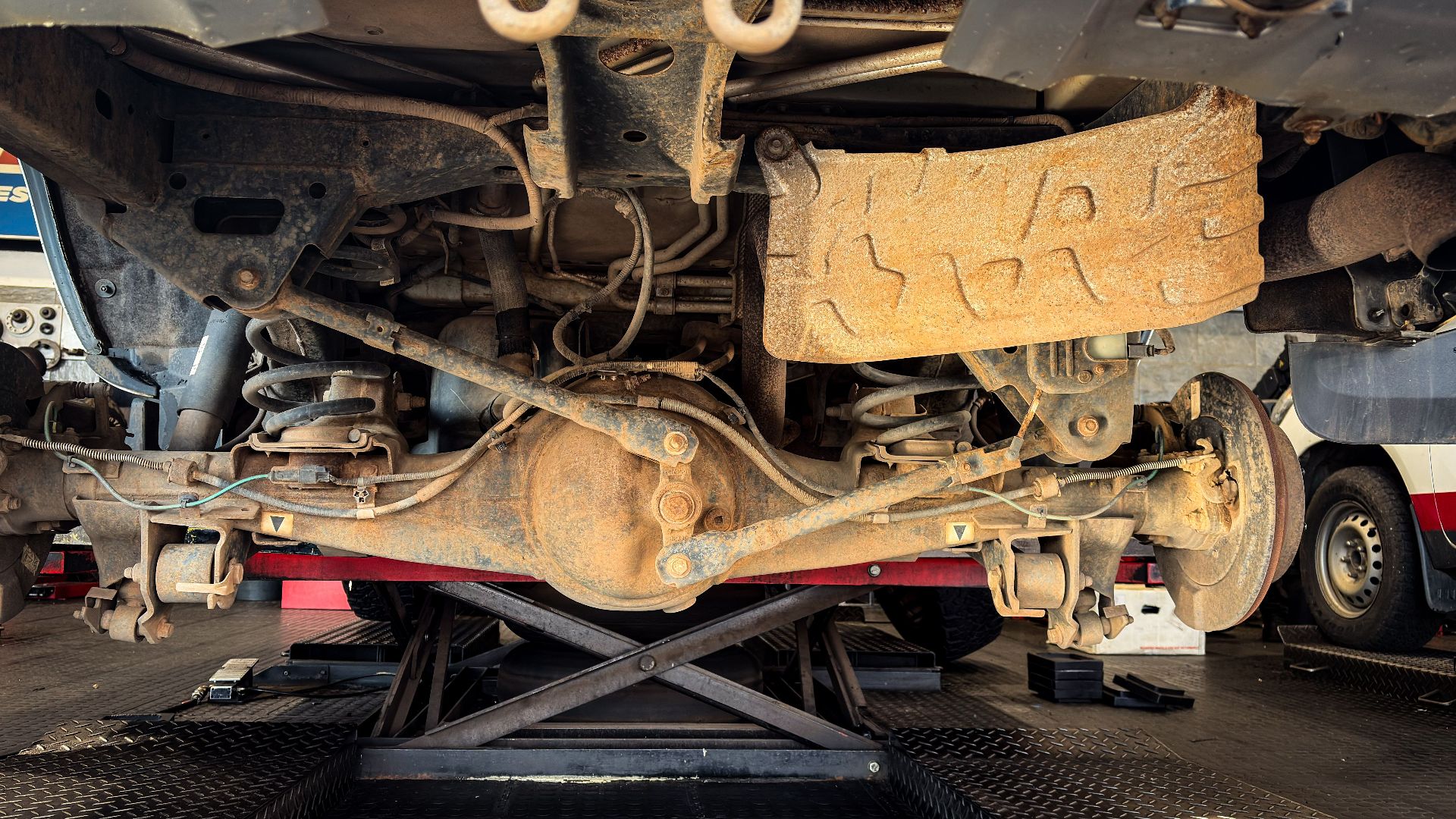
Surface Rust Has A Different Look
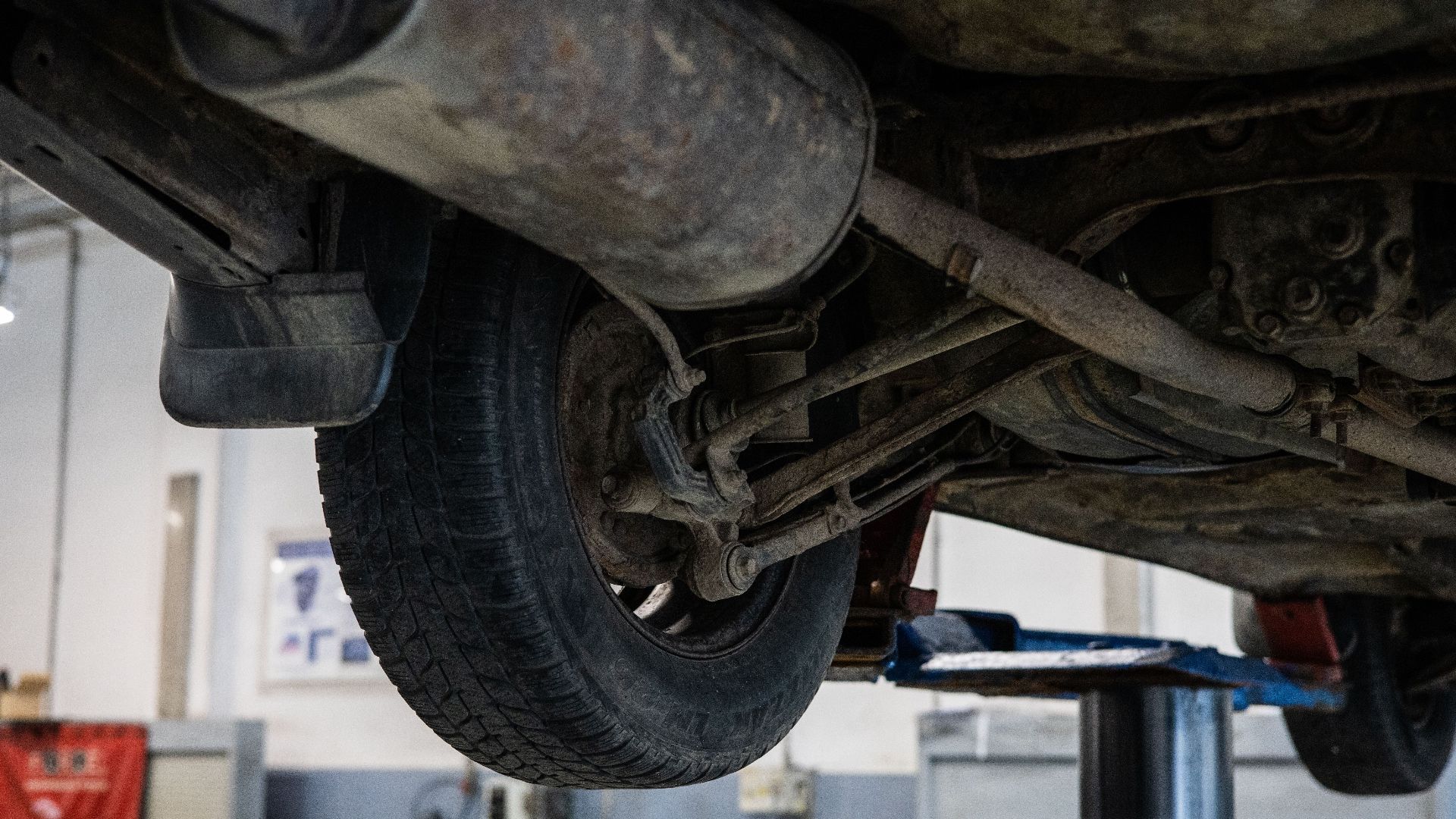
Light surface rust usually shows up as orange-brown staining or thin scale on the outer layer of metal. The part still feels solid. There are no holes, no big flakes breaking off, and no distortion around welds or seams. Many suspension arms, exhaust parts, and bits of hardware get this kind of rust without becoming unsafe right away.
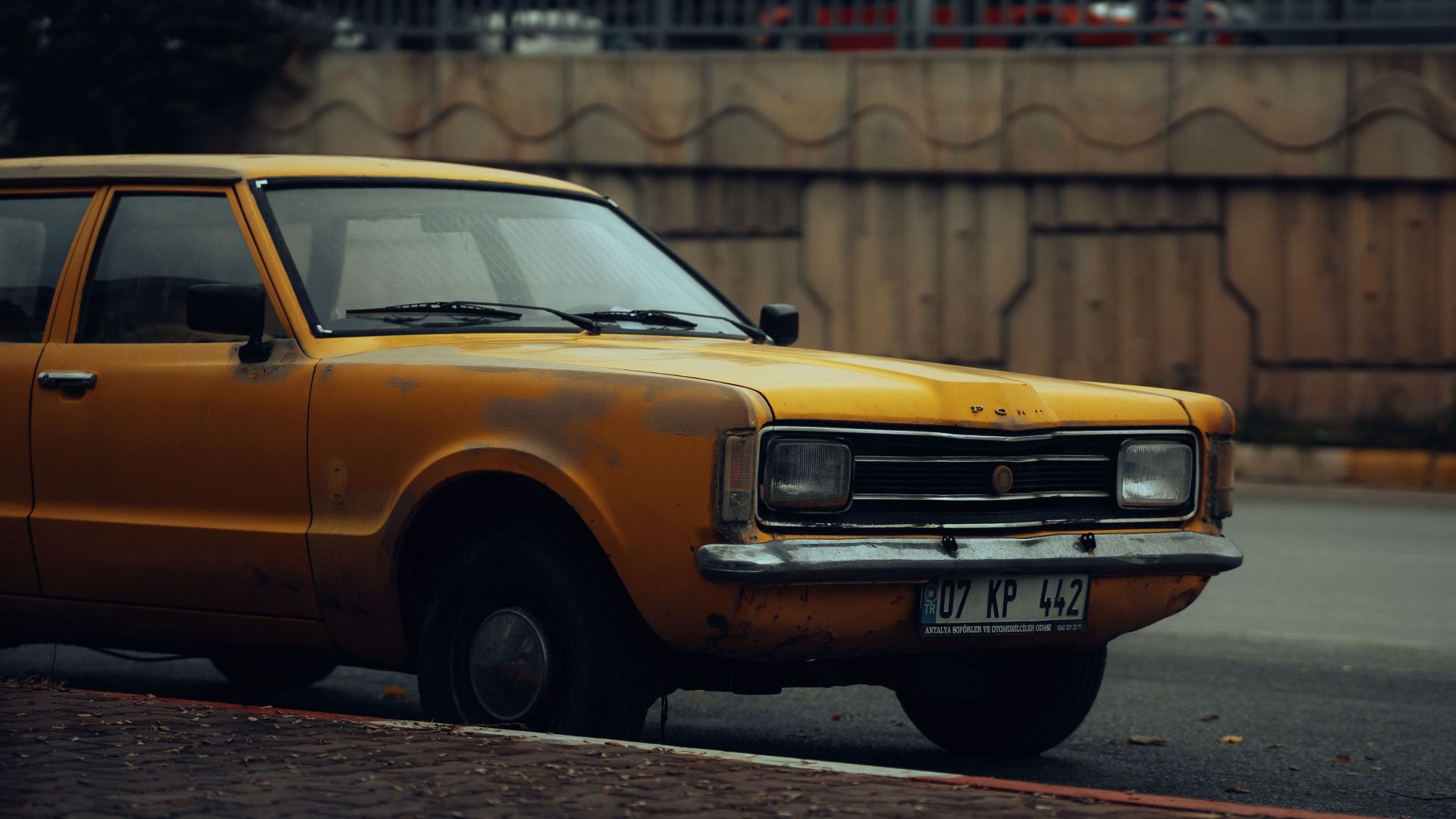
Structural Rust Tells On Itself
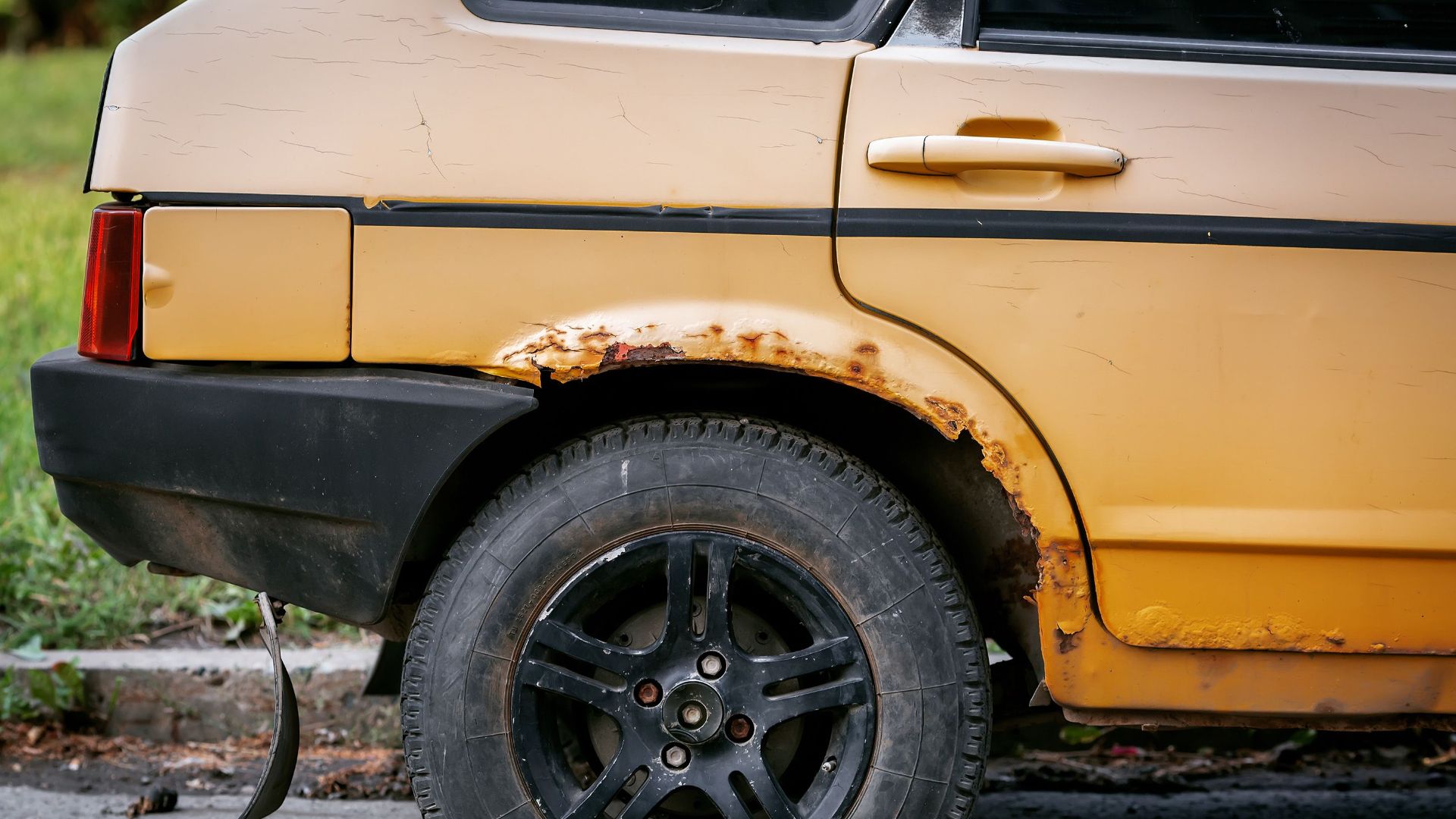
Dangerous rust usually gives clearer signs. Look for bubbling, thick layered flaking, swollen seams, soft spots, holes, or metal that can be pierced with light pressure from a tool. If a jack point folds, a subframe mount is heavily scaled, or a control arm mount is losing metal, that is not cosmetic. The issue is metal loss, and less metal means less strength.
Brake Lines Are One Of The Biggest Red Flags
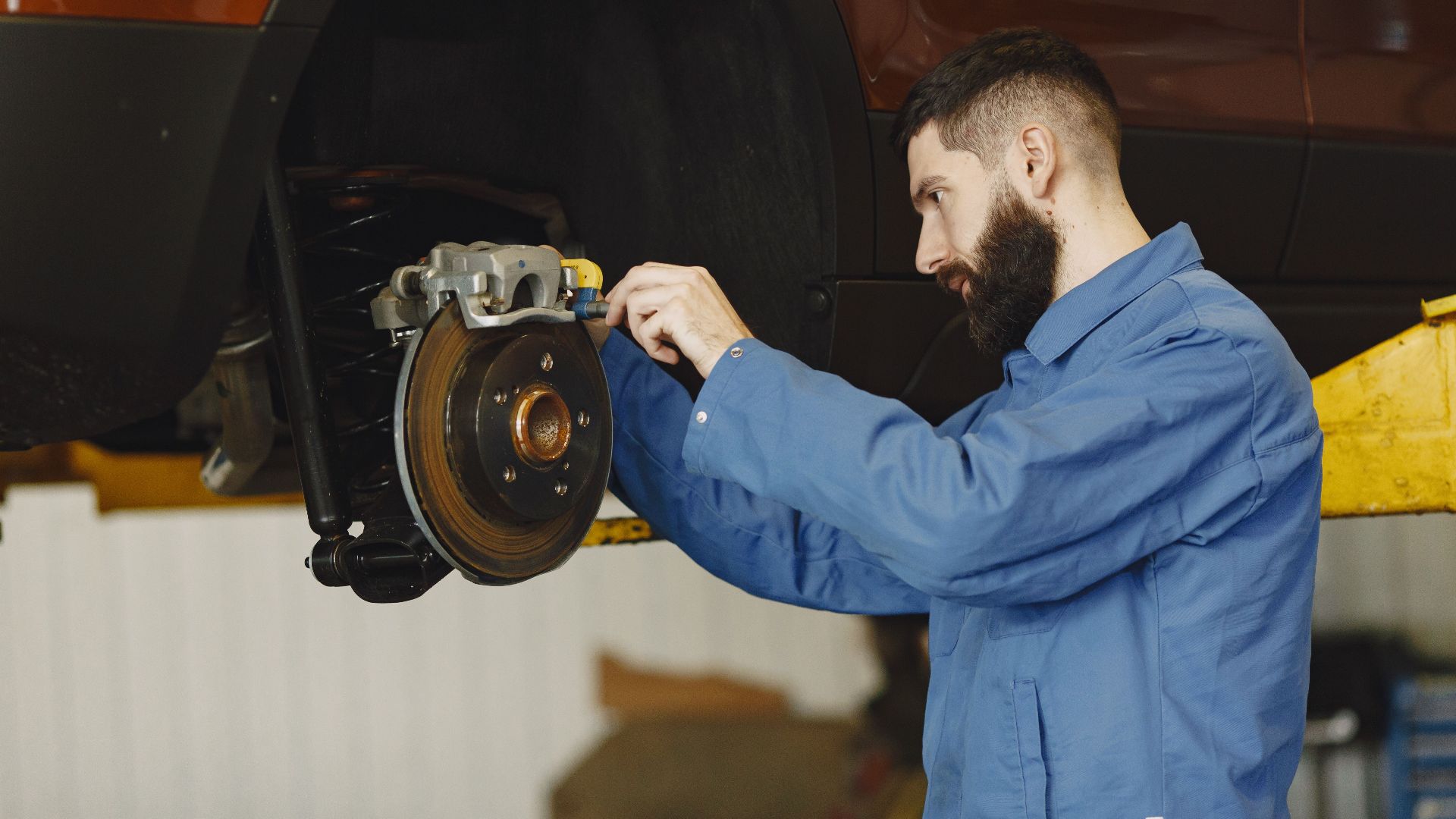
Corroded brake parts are a major safety concern, and failed brake lines can cause sudden loss of braking. If you see heavy rust on steel brake lines, especially near clips, fittings, and bends, do not write it off as normal aging. Ask whether the lines are just discolored or whether they are already pitted and thinning.
Fuel Lines And Filler Necks Matter Too
Rust on fuel lines or fuel filler necks also needs quick attention. NHTSA records show multiple investigations and recalls tied to fuel system corrosion, because leaks can cause both driveability problems and fire risk. Rust in these areas is never just about looks.
Suspension Mounts Separate Cosmetic From Unsafe Very Quickly
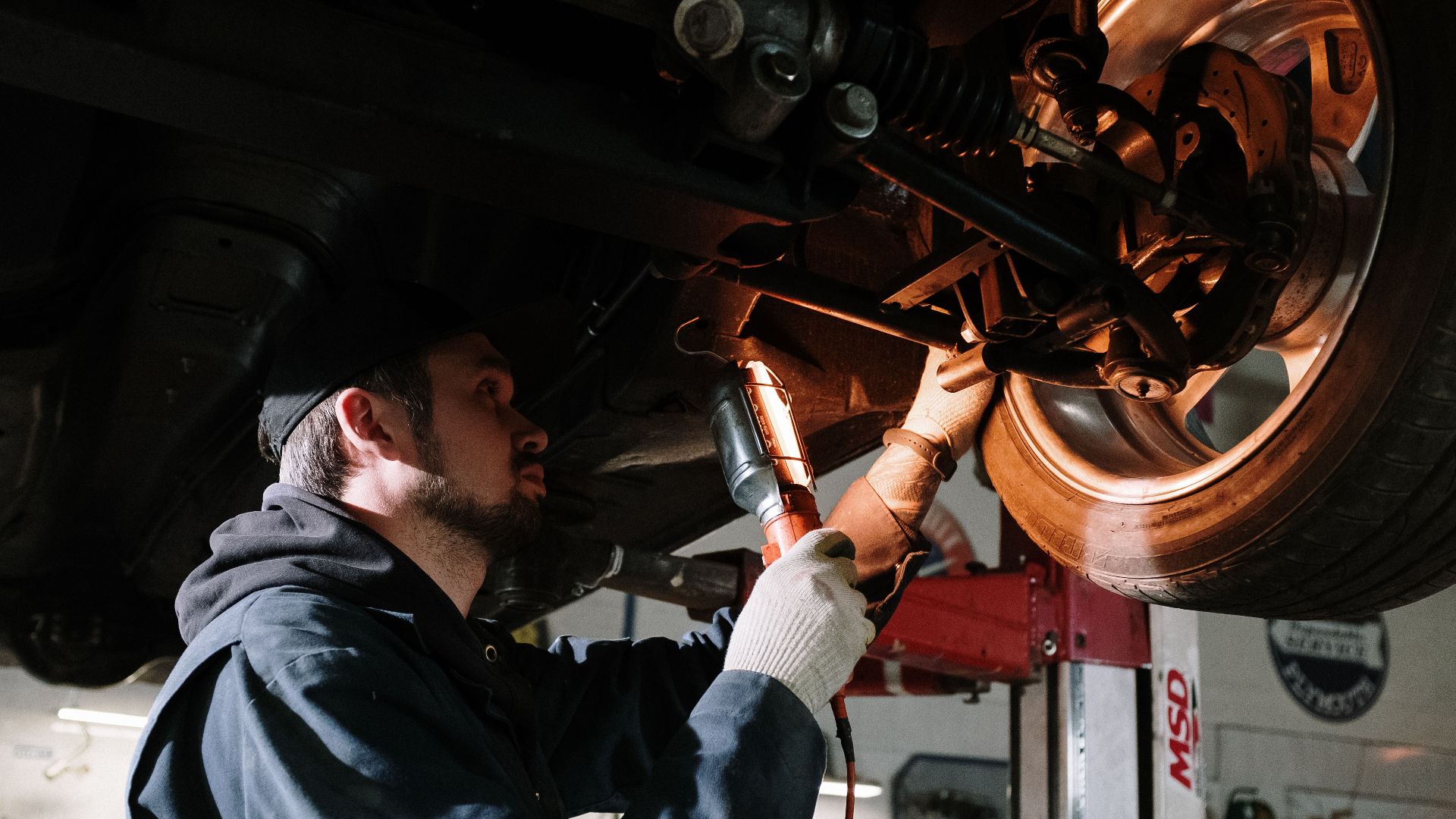
A rusty sway bar may look rough and still be usable for a while. A rust-weakened control arm mount or strut tower is far more serious. These points carry loads, locate the wheels, and absorb impact forces. If a shop is warning you about rust at mounting points, ask for close-up photos and exact measurements.
Frames And Unibodies Rust In Different Ways
Body-on-frame trucks and SUVs have frame rails and crossmembers that can rust from the outside and the inside. Unibody cars depend on built-in stamped structures like rockers, floor reinforcements, subframes, and strut towers. Rust in those areas can affect crash protection and alignment. The repair decision depends on whether the rust is limited to non-structural sheet metal or has reached parts that carry load.
Rust Can Hide Behind Plastic Covers And Undercoating
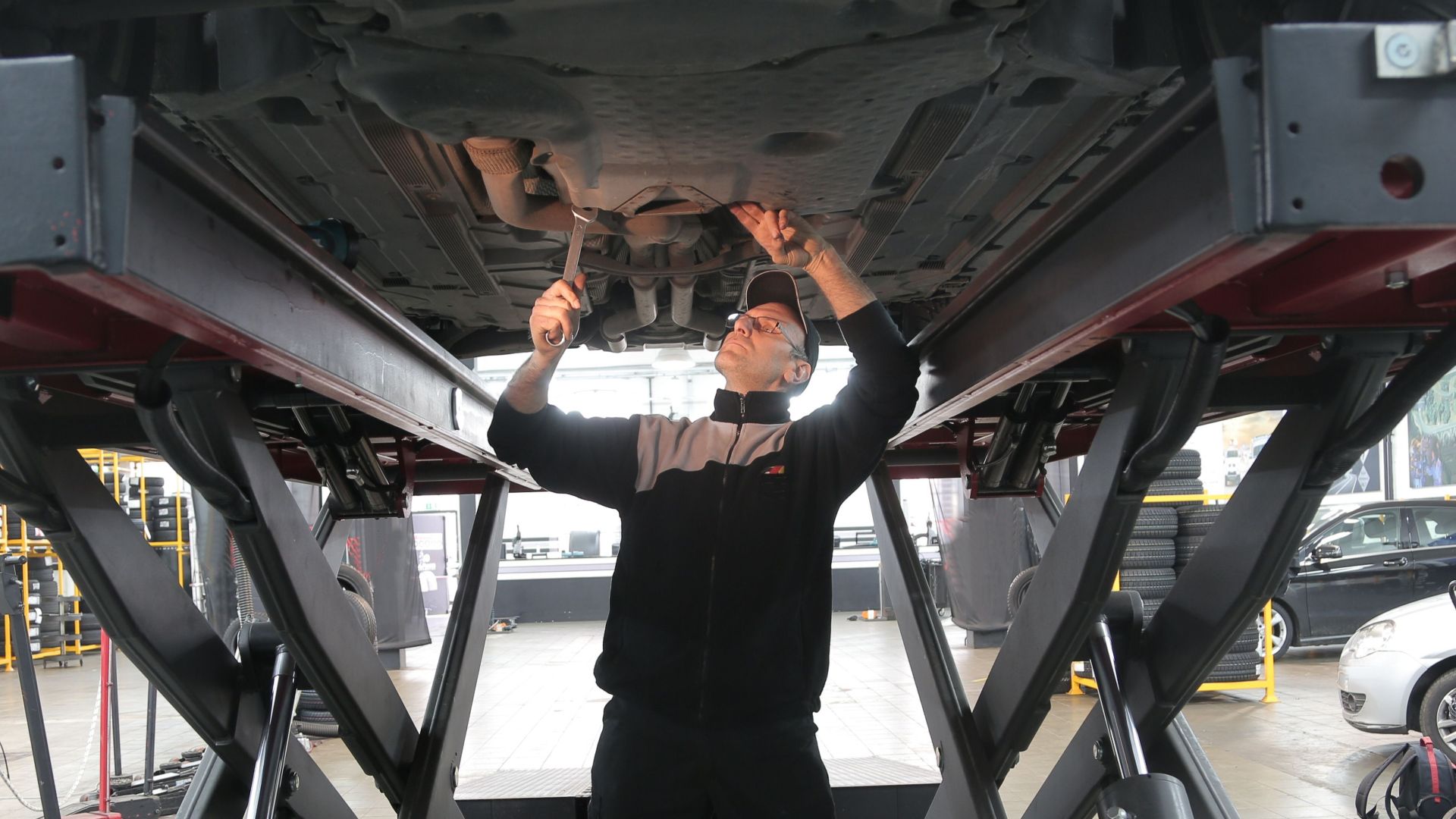
One reason shops disagree is that rust is not always easy to see. Splash shields, underbody panels, seam sealer, and undercoating can hide damage. A fresh black coating does not automatically mean the metal underneath is healthy. Ask whether the inspection included probing suspect spots and checking from more than one angle, especially around seams and mounts.
Road Salt Is The Usual Villain
Road salt creates ideal conditions for corrosion, especially when slush sits in seams and hidden cavities. The Federal Highway Administration has long noted how widely salt is used for winter road maintenance. The trade-off is faster rust on vehicles. That is why cars from the Northeast, Midwest, and parts of Canada often rust much faster than similar vehicles from drier places.

Age Alone Does Not Tell The Whole Story
A 15-year-old car from Arizona may have cleaner metal underneath than a 7-year-old car from a snowy coastal state. Climate, salt exposure, storage, and washing habits often matter more than mileage alone. That context helps you tell the difference between a shop overreacting and a shop spotting a real corrosion problem.

Manufacturers And Regulators Have Seen This Before
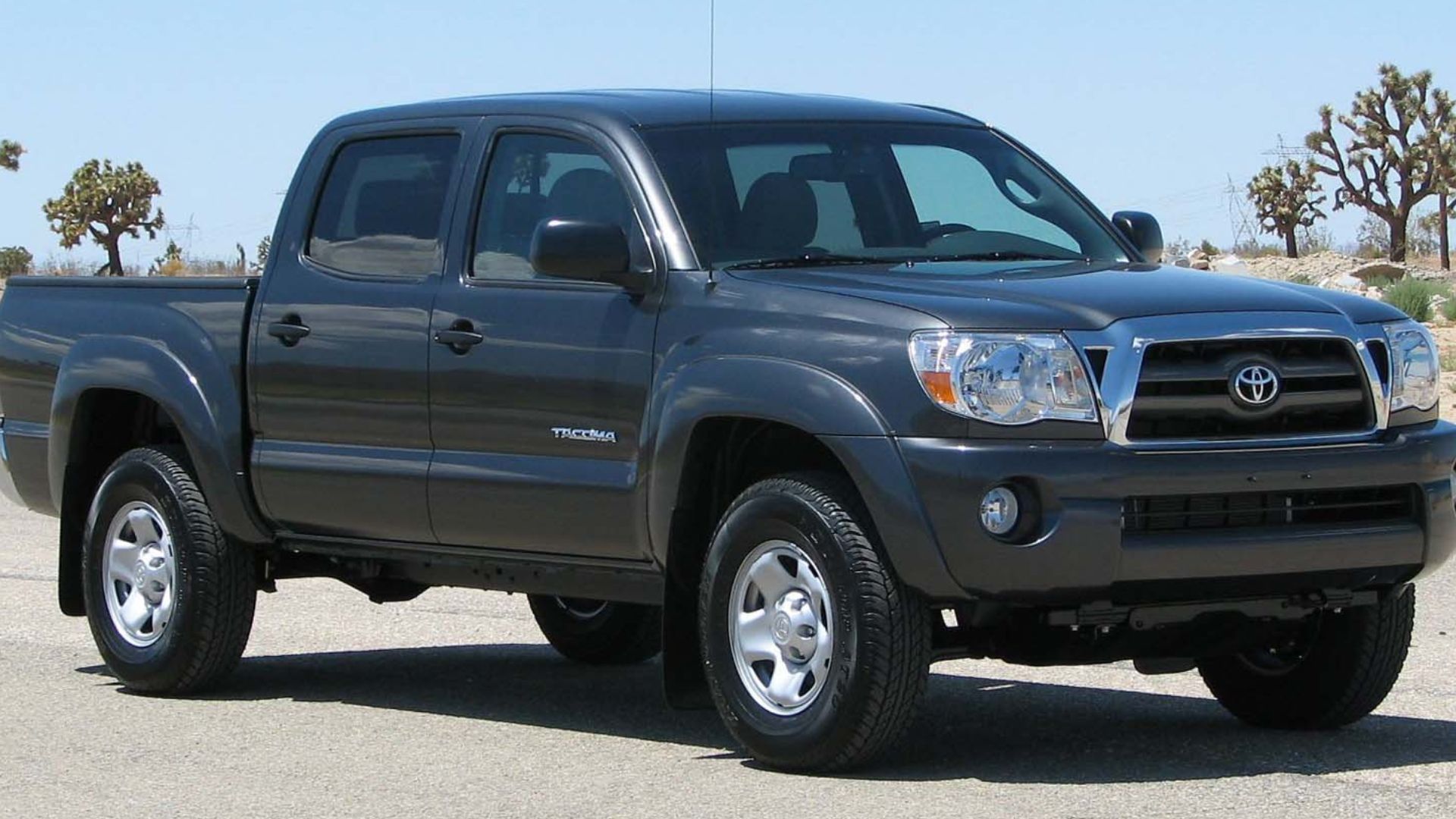
This is not some edge case. NHTSA has published investigations, recalls, and service information involving corrosion-related failures on real vehicles. Toyota’s truck frame corrosion campaigns in the 2000s and 2010s became especially well known because the rust went far beyond appearance and affected structural strength.

Toyota’s Frame Rust Cases Changed A Lot Of Minds
Toyota rolled out major actions over frame corrosion on Tacoma, Tundra, and Sequoia models in stages during the late 2000s and early 2010s, including inspections, treatments, and in some cases full frame replacement. Those programs were documented in NHTSA materials and Toyota customer support pages. The lesson was expensive and hard to ignore: underbody rust can turn into a major structural problem long before the vehicle looks terrible from a distance.
 U.S. National Highway Traffic Safety Administration, Wikimedia Commons
Look For State Inspection Clues
In many states, structural rust and corroded brake parts are enough to fail a safety inspection. Pennsylvania’s inspection rules, for example, specifically cover unsafe conditions involving body and chassis parts. If a car would fail a state inspection because of rust damage, that is a strong sign the issue is not just cosmetic.

Ask For A Lift Inspection, Not A Parking Lot Opinion
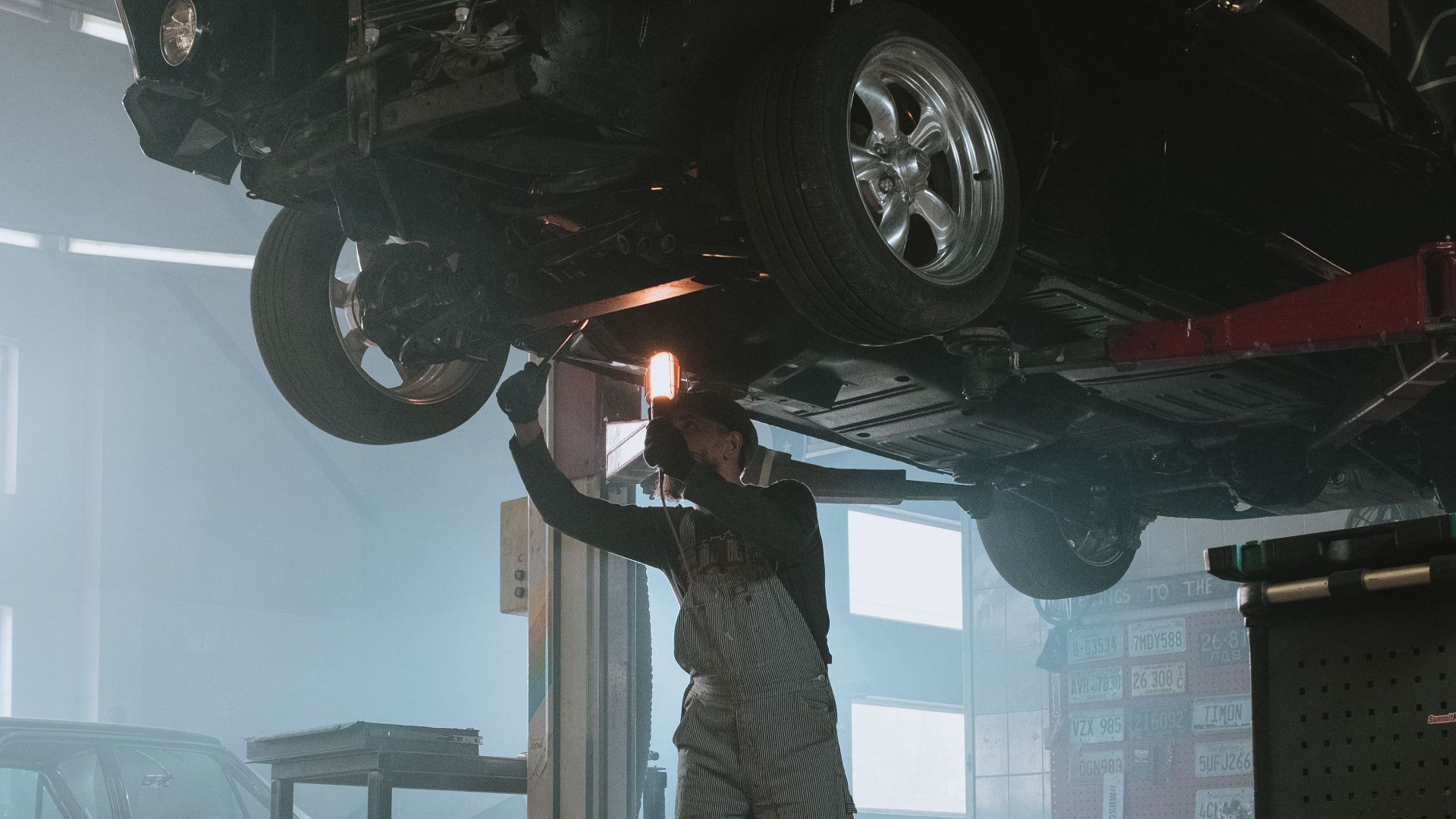
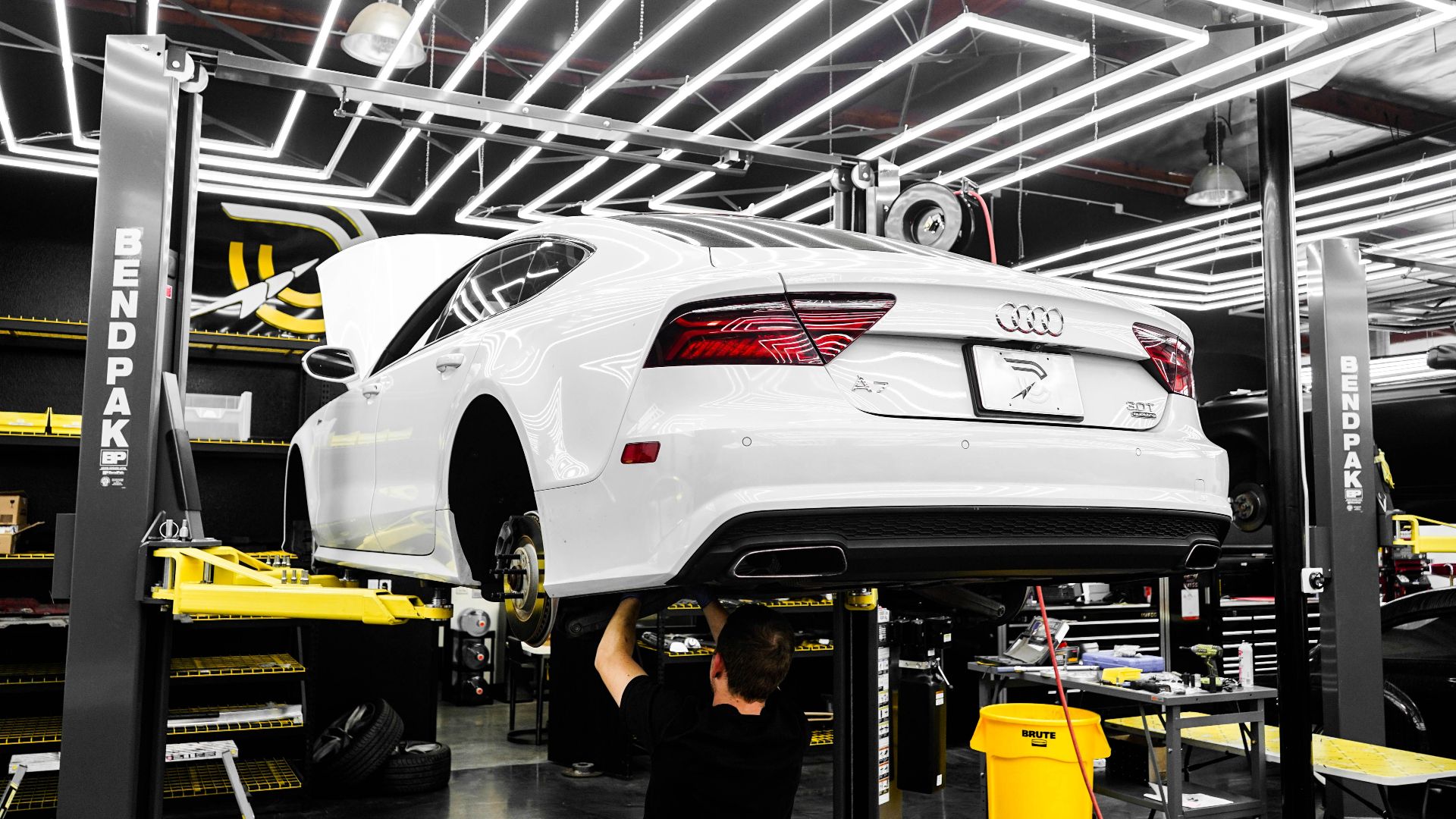
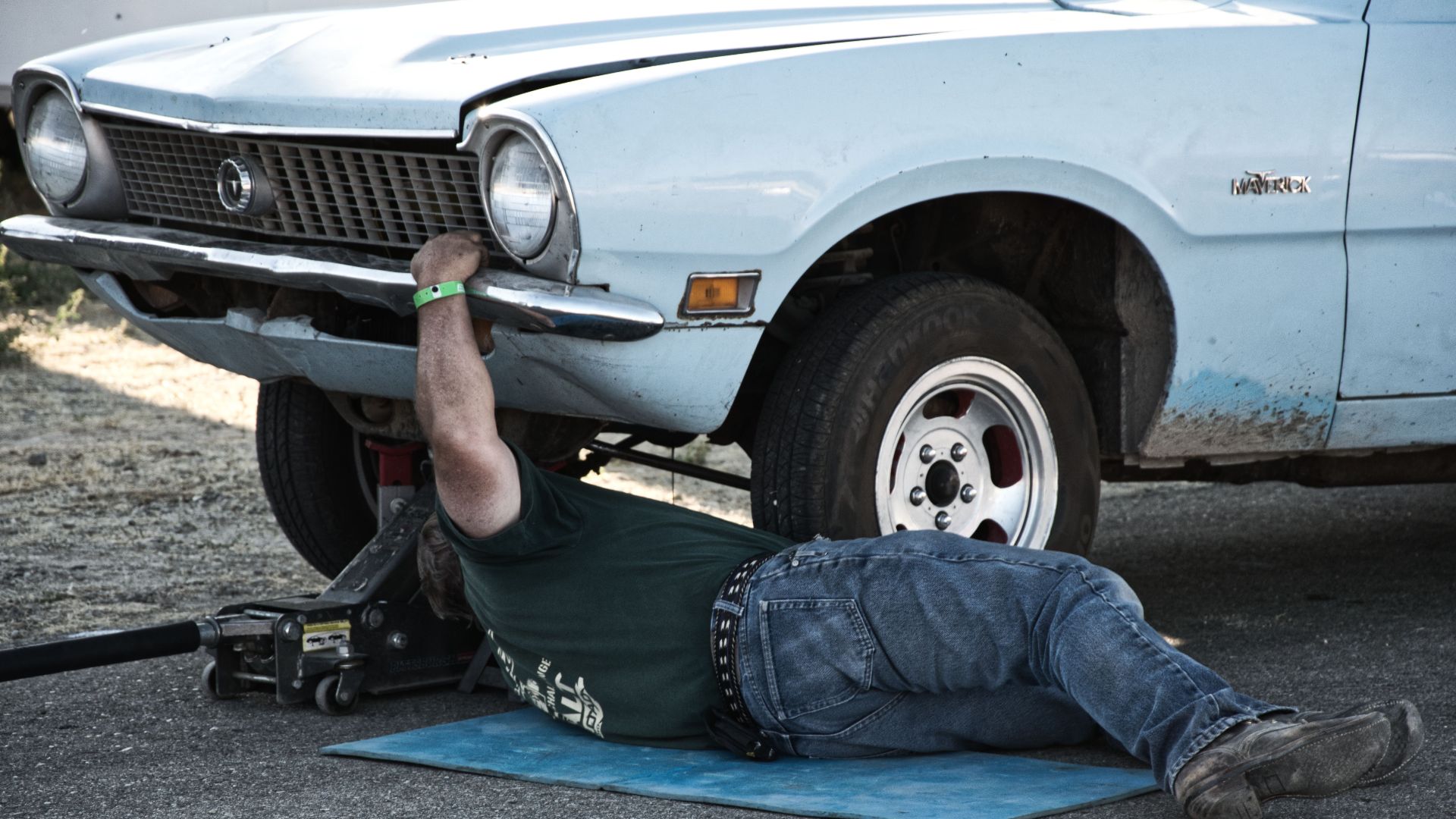
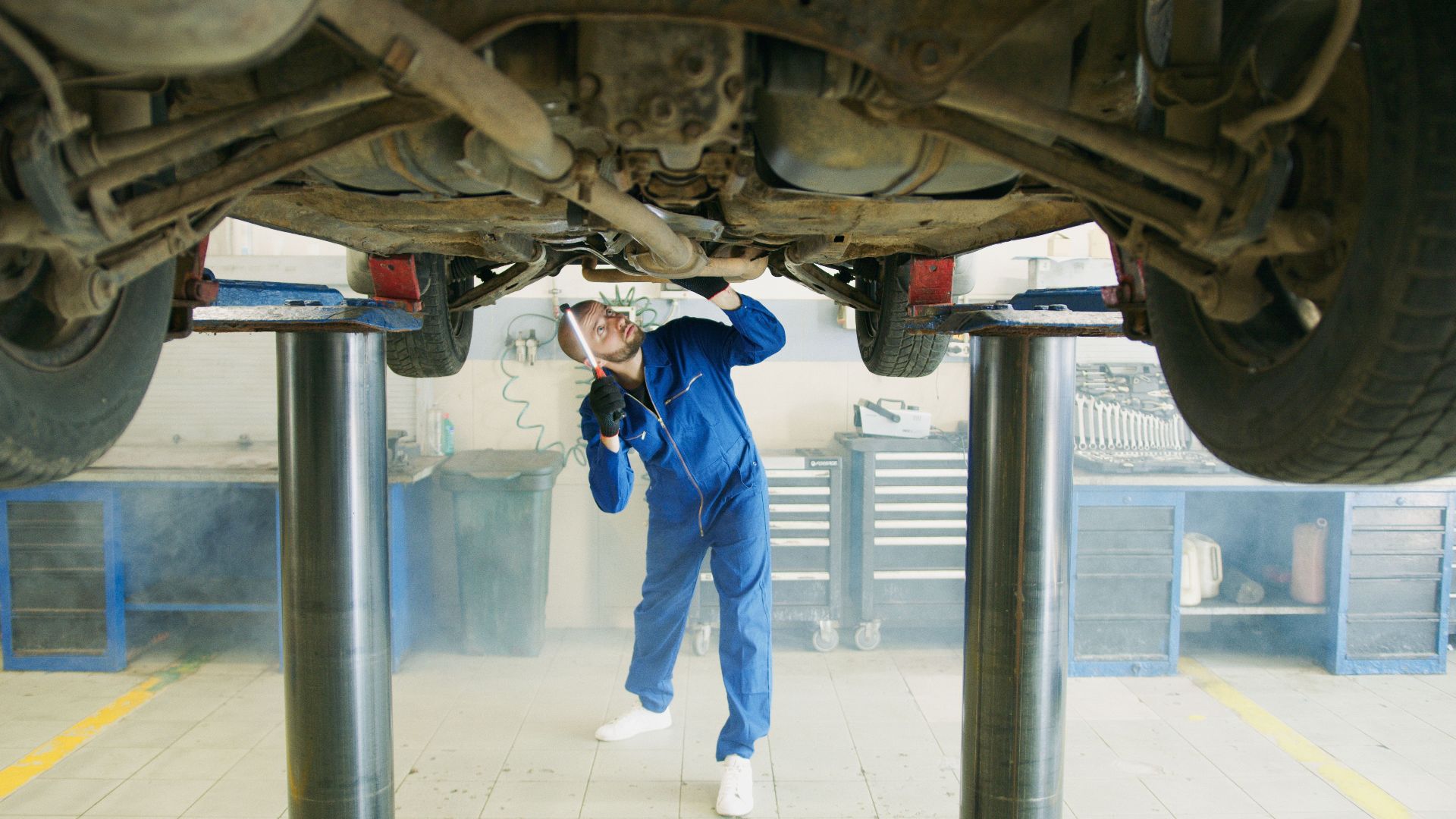
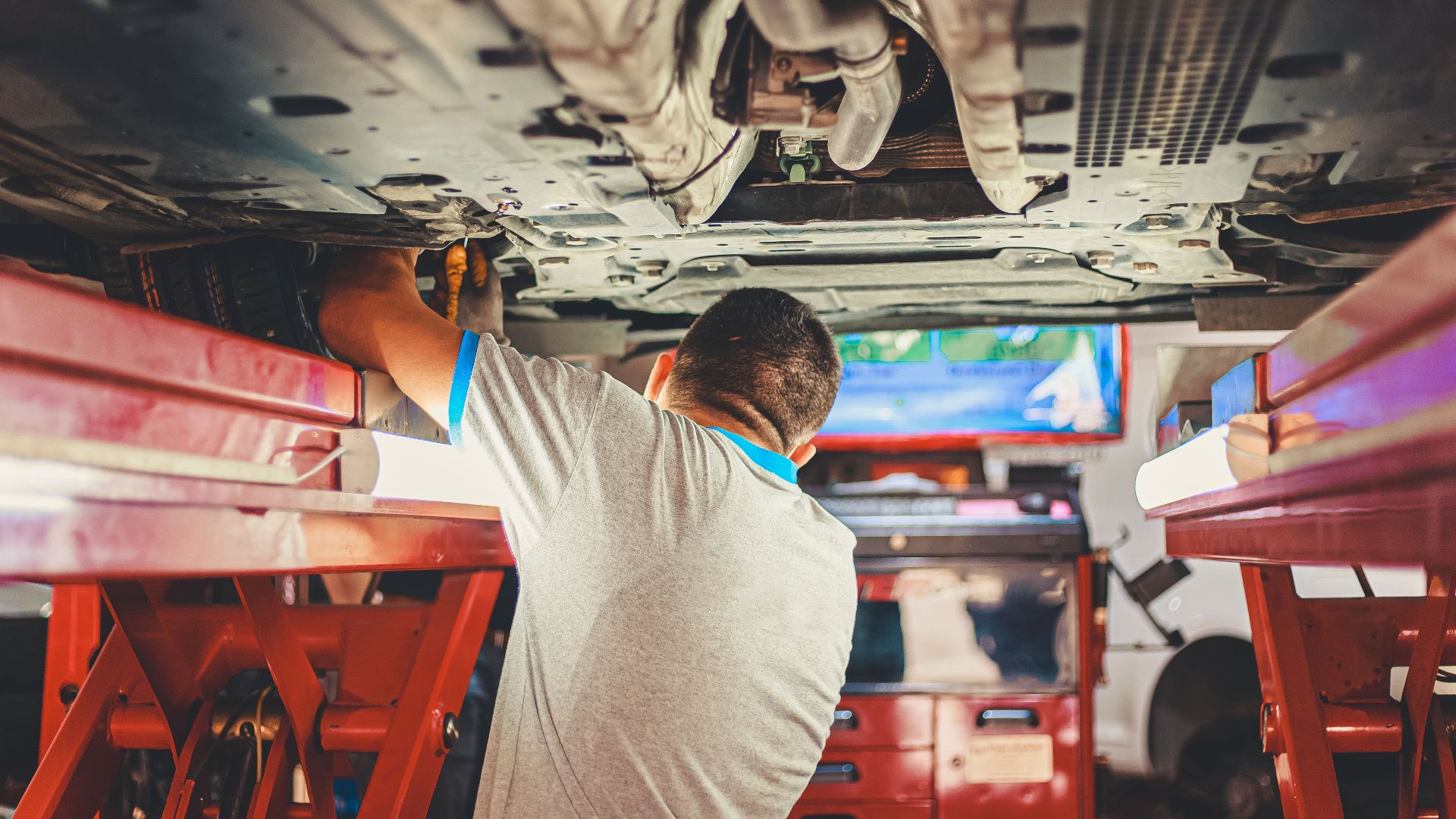
You cannot judge underbody rust well by crouching next to the car in a driveway or parking lot. The vehicle should be on a lift with strong lighting, and the inspector should be able to point out the affected areas directly. If one shop used a lift and the other did not, that alone may explain the disagreement.
Use The Tap And Probe Test Carefully
Experienced techs often use a pick or screwdriver to probe flaky rust and a small hammer to tap suspicious areas. The goal is not to damage good metal. It is to find out whether the rust is just on the surface or whether the metal has thinned and separated into layers. If a tool goes through, or the metal crumbles around a seam or mount, the debate is pretty much over.

Pictures Beat Vague Language Every Time
Words like “cosmetic” and “unsafe” can be too fuzzy to help you make a smart decision. Ask both shops to mark up photos showing the exact rusted parts and why they matter. A good shop should have no trouble documenting holes, perforation, scaling, or damaged brake and suspension parts.

Ask Whether The Rust Has Caused Movement Or Leaks
Unsafe rust often comes with symptoms. You may see fluid leaks, hear suspension clunks, notice alignment changes, find uneven tire wear, feel a soft brake pedal, or spot visible movement at mounts. If the rust has already changed how the car drives, handles, or stops, this is no longer a cosmetic issue.

Do Not Ignore Jack Points And Rockers
Rusted or crushed jack points and rotted rocker structures can be more than a hassle during tire service. On many unibody vehicles, these areas also help with side-impact protection and body stiffness. If a jack or lift arm can no longer support the car where the manufacturer intended, the corrosion needs a closer look.
Exhaust Rust Usually Sounds Worse Than It Is
Many owners get alarmed when they see a rusty muffler or resonator, but exhaust parts often show visible rust before they become a direct safety threat. The bigger concerns are leaks reaching the cabin, loose pieces, or rust near hangers that could let the system drop. Exhaust rust by itself is often repairable and is not the same thing as structural underbody rust.
Undercoating Can Help, But It Cannot Reverse Damage
Protective coatings and rustproofing can slow future corrosion if the metal underneath is still basically solid. They cannot bring back missing metal, and spraying them over heavy scale can hide a serious problem instead of fixing it. If a shop recommends coating, ask whether they confirmed the structure is sound first.
When Repair Makes Sense And When It Does Not
Brake lines, fuel lines, exhaust pieces, and bolt-on suspension parts can often be replaced at a reasonable cost if the surrounding structure is still solid. But heavy rust in frame rails, subframes, floor structures, or suspension mounting points can turn into a labor-intensive repair that is hard to justify. The choice comes down to repairability, cost, and whether the frame or body shell has lost structural strength.
Get A Third Opinion If The Stakes Are High
If the quotes are far apart or the diagnosis does not add up, pay for an inspection from a reputable body shop or an independent shop that knows rust repair and structural work. Body and frame specialists often catch hidden corrosion patterns that a general repair shop may miss. Spending a few hundred dollars on a careful inspection can save you from wasting money or making a dangerous mistake.
What To Ask The Mechanic, Word For Word
Ask, “Is this surface rust, scaling, or perforation?” Ask, “Which exact parts are affected, and are any of them structural or part of the brake, fuel, steering, or suspension systems?” Then ask, “Would this pass state safety inspection today, and can you show me why?”

The Bottom Line On Telling Cosmetic From Unsafe
Cosmetic rust stays on the surface and does not meaningfully reduce strength or cause leaks or failures. Unsafe rust involves real metal loss on structural parts or safety-critical systems, especially brake lines, fuel lines, suspension mounts, frames, subframes, and unibody reinforcements. If you insist on a lift inspection, clear photos, probing of suspect areas, and an explanation tied to specific parts, you can usually tell which shop is basing its opinion on facts.