
The “Sealed for Life” Line Sounds Final, but It Isn’t
If your mechanic says the transmission is sealed for life but still recommends changing the fluid, it can sound contradictory. Usually, it’s not. In most cases, “sealed for life” is marketing language or a service-interval label, not a promise that transmission fluid lasts forever.

What Really “Sealed” Means
On many newer cars, “sealed” just means there’s no old-school dipstick for an easy driveway check. The transmission may still have fill and drain plugs, along with a factory procedure for checking the fluid at a specific temperature. That makes service more controlled, not impossible or pointless.

“Lifetime” Is the Word That Causes Trouble
The bigger problem is the word “lifetime.” Carmakers often mean the expected service life of the part under normal driving, not forever. ZF, one of the biggest transmission makers, has been clear that automatic transmission fluid ages over time from heat and wear.

ZF Says It Clearly
ZF says automatic transmission oil ages because of thermal load and clutch abrasion. Over time, that can lead to shift problems or more noise, and the company recommends fluid changes to improve comfort and service life. Its guidance is pretty direct: replace the oil and filter in passenger-car automatic transmissions at 150,000 km or after eight years at the latest.

Why That Matters Even if Your Car Brand Says Something Else
This is where owners get mixed messages. A car brand may call the transmission filled for life, while the company that actually built the transmission publishes a fluid service interval. That doesn’t automatically mean the automaker is wrong, but it does mean “lifetime” should not be treated like a blanket ban on maintenance.

BMW Is a Good Example
BMW has used ZF automatic transmissions in many models, and that has confused owners for years. ZF’s service information calls for periodic fluid and filter service, while older BMW messaging often made it sound like the fluid never needed attention. That gap has fueled endless debates in repair shops and owner forums, but it’s hard to ignore the maintenance advice from the company that made the transmission.

Toyota Uses “Lifetime” Language Too, With Limits
Toyota’s World Standard automatic transmission fluid, usually called WS, creates similar confusion. Toyota has described WS as a “lifetime” fill under normal driving conditions. But Toyota’s own maintenance schedules also list special operating conditions where fluid replacement is recommended, which shows that even “lifetime” fluid has limits.

Special Operating Conditions Are More Common Than People Think
Toyota’s maintenance literature says towing, repeated short trips in cold weather, long periods of idling, low-speed heavy-load driving, and driving on dusty roads can push a vehicle into a severe-service category. Those conditions create more heat and contamination, which is exactly what transmission fluid doesn’t handle well.

Heat Is the Quiet Transmission Killer
Transmission fluid does much more than lubricate gears. It also works as a hydraulic fluid, helps run clutch packs, and carries away heat. Once it’s exposed to high temperatures over and over, its additives break down and its ability to protect internal parts drops.
Honda Also Ties Fluid Life to Driving Conditions
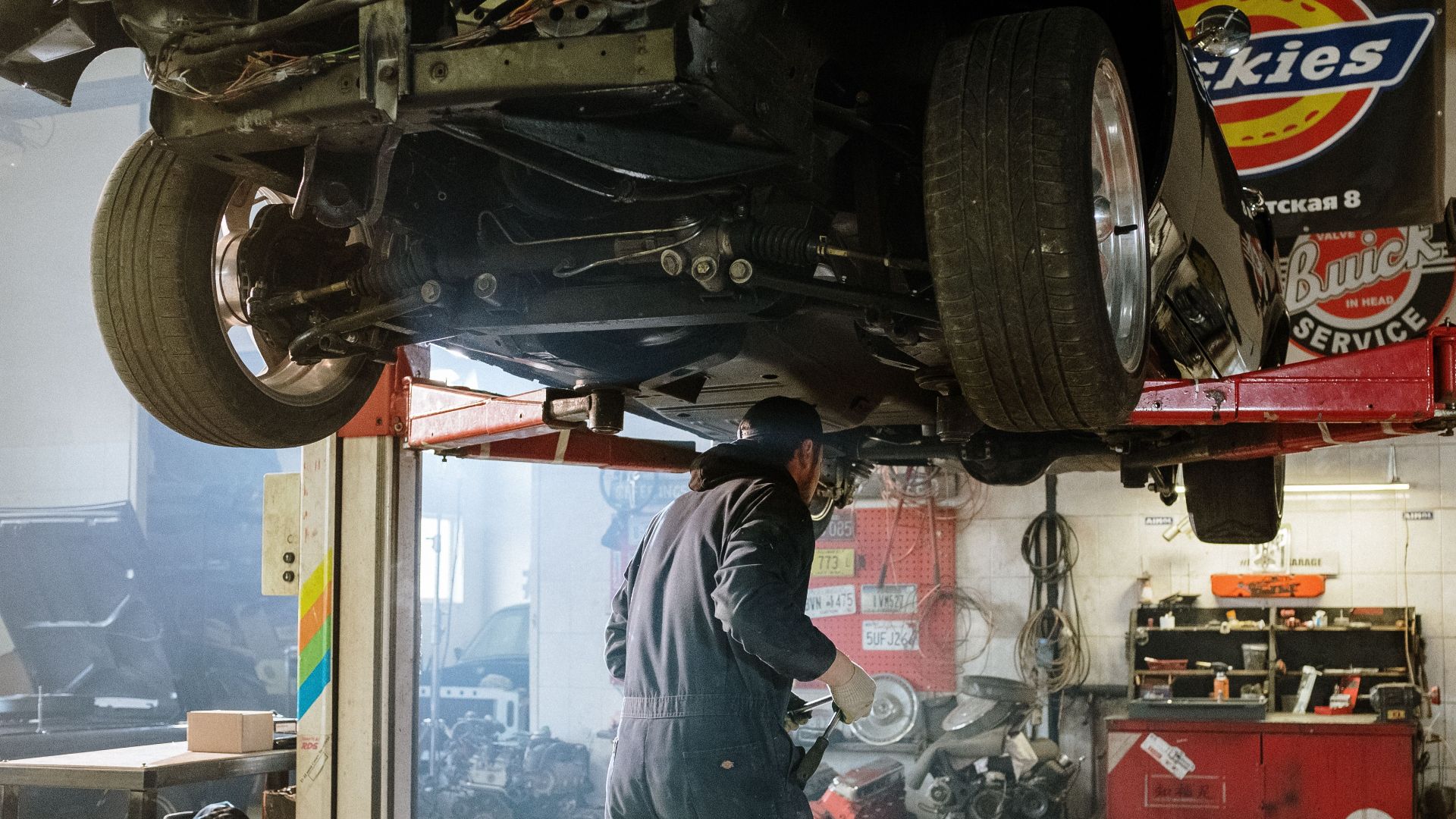
Honda’s maintenance guidance has long connected automatic transmission fluid service to how the vehicle is used and to the Maintenance Minder system. Severe use can shorten fluid life, and Honda service schedules include transmission fluid replacement instead of treating the fluid like it never wears out. That’s another clue that “sealed” and “never service” are not the same thing.
Consumer Reports Takes the Practical View
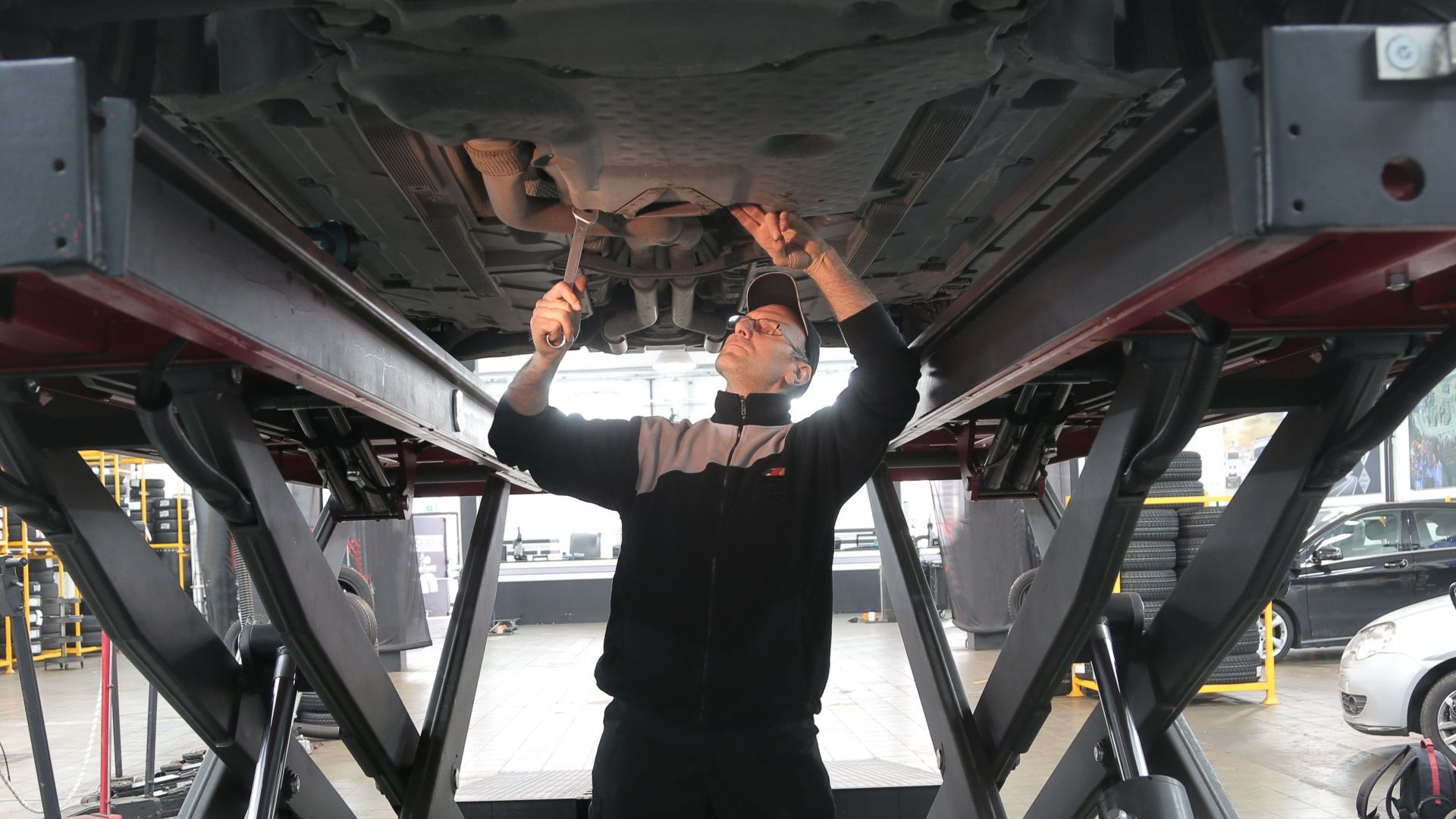
Consumer Reports notes that many cars now have sealed transmissions but may still need service under certain conditions. It also points out that fluid can break down with towing, stop-and-go driving, and heat. That’s the common-sense middle ground many owners need.

Your Mechanic May Be Reading the Car’s Real Life, Not the Brochure
A good mechanic doesn’t just repeat the marketing language from when the car was new. They look at mileage, shift quality, service history, and how the vehicle is actually driven. If they know that transmission family tends to benefit from fluid service, the recommendation can make perfect sense.

The Condition of the Fluid Matters
Fresh automatic transmission fluid is usually bright and clean, though the exact color depends on the brand. Old fluid can turn darker and hold suspended wear material. Burnt-smelling fluid or signs of overheating suggest the transmission has been working a lot harder than the “lifetime” label implies.

But a Fluid Change Is Not Magic
This is the part many owners miss. A fluid change can help protect a healthy or mildly worn transmission, but it usually won’t save one that is already failing inside. If the transmission is slipping badly, shuddering hard, or sending metal through the pan, fresh fluid is not a miracle fix.

Why People Still Argue About High-Mileage Fluid Changes
The old story says changing fluid in a neglected high-mileage transmission can “cause” failure. More often, the transmission was already badly worn, and fresh fluid just stops masking the problem. Shops know this, which is why many are cautious about servicing transmissions with unknown history and obvious symptoms.

Drain and Fill Is Usually the Safe, Conservative Choice
For many vehicles, the safest routine service is a drain and fill with the correct fluid, sometimes repeated over time. That replaces part of the old fluid without shocking the system or bringing in the risks that come with the wrong procedure. On some transmissions, the filter and pan gasket are also replaced if the design allows it.

Factory Procedure Matters a Lot
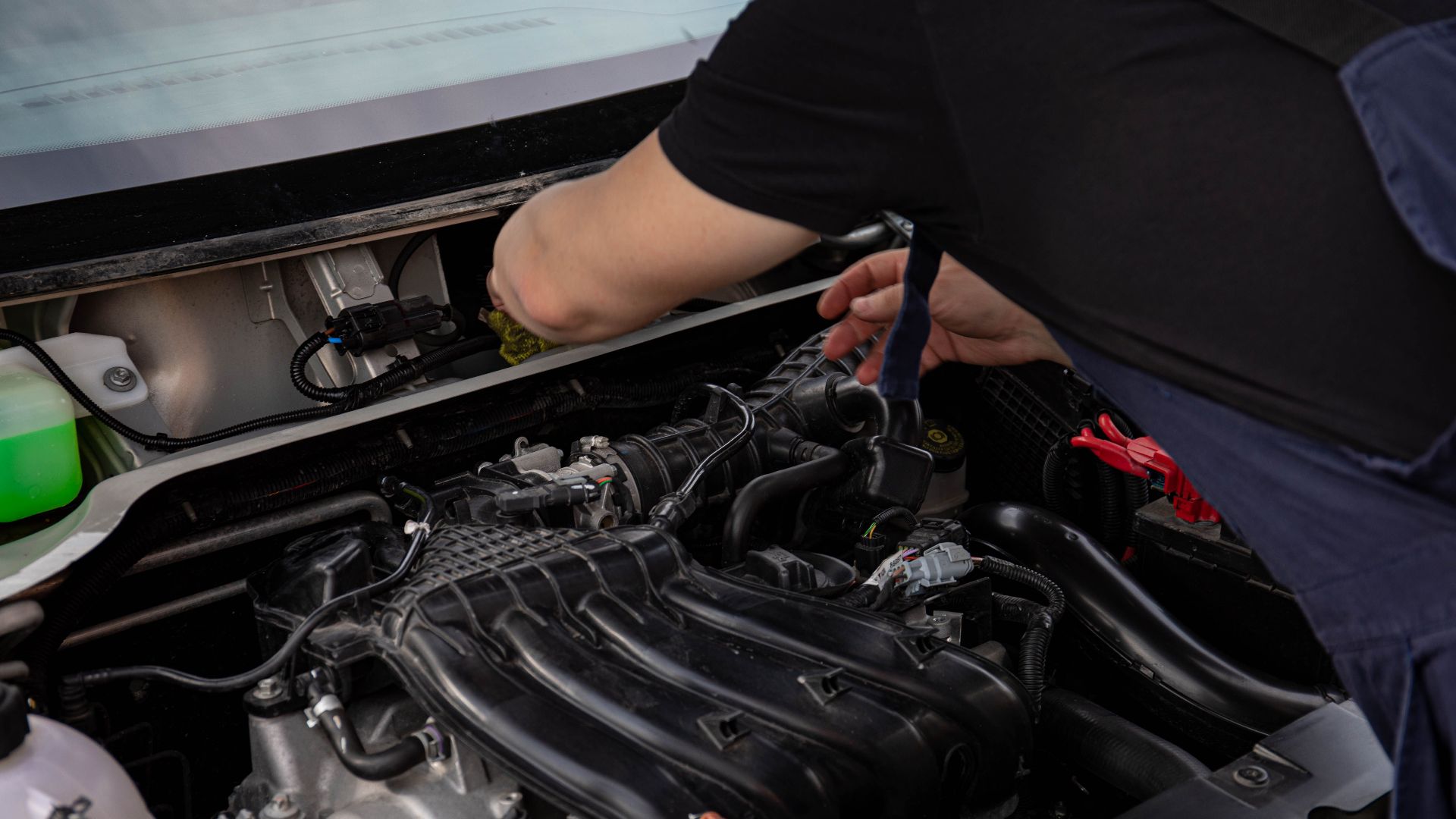
Modern sealed transmissions often require very specific steps to set the fluid level correctly. The transmission may need to be within a narrow temperature range, with the vehicle level and the engine running. Use the wrong method and the transmission can end up underfilled or overfilled, both of which can cause problems.

Using the Right Fluid Is Non-Negotiable
Automatic transmission fluid is not one-size-fits-all. Different transmissions need different friction modifiers and viscosity characteristics. A generic fluid that doesn’t meet the proper spec can lead to harsh shifts, shudder, or long-term wear.
CVTs Raise the Stakes Even Higher
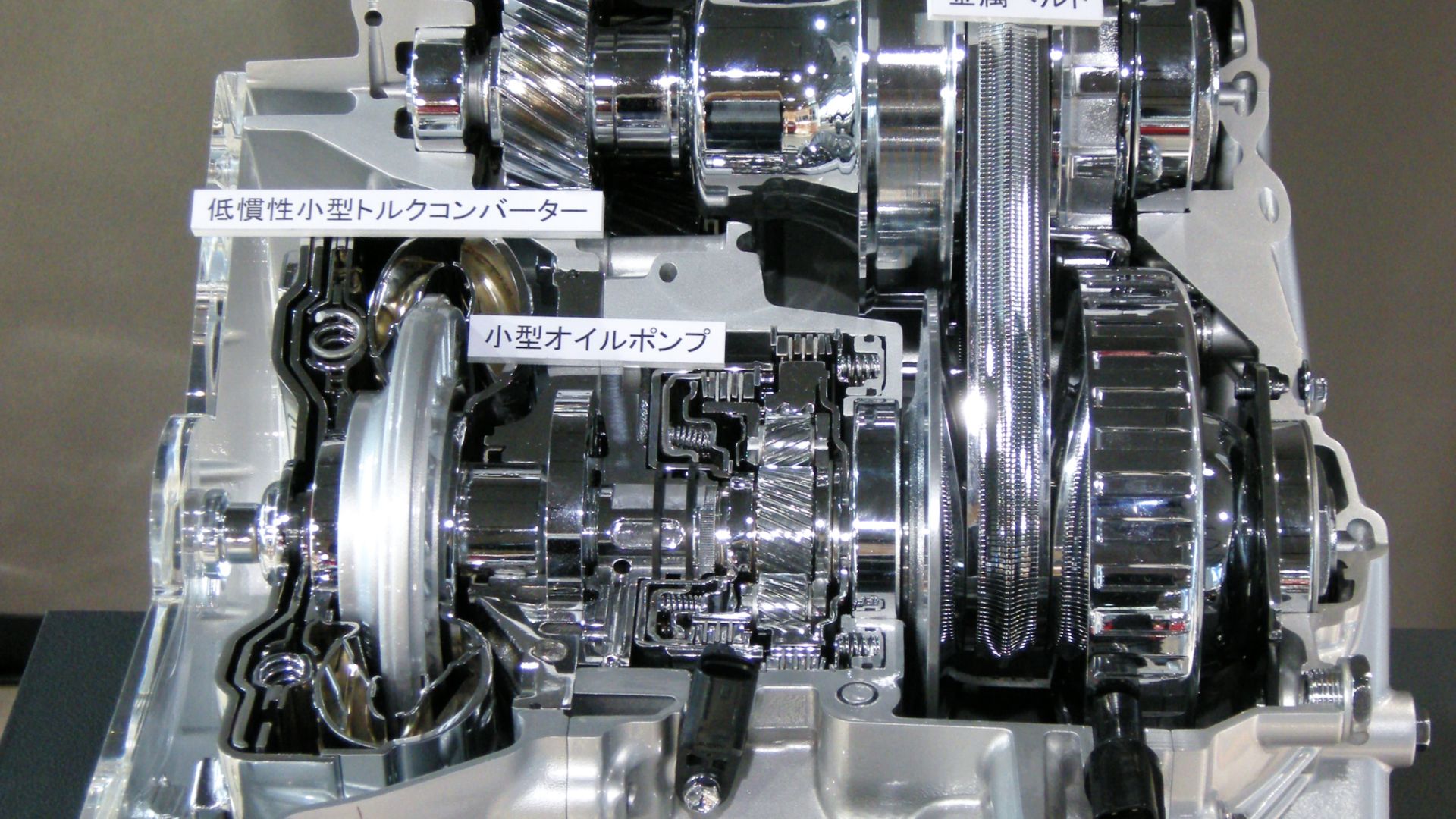
If your vehicle has a continuously variable transmission, fluid choice and service method matter even more. Nissan, Honda, Subaru, Toyota, and others use CVT-specific fluids with very tight requirements. A shop that treats a CVT like a regular automatic is a shop to avoid.
 Hatsukari715, Wikimedia Commons
“Lifetime” Often Comes Down to Ownership Math
There’s another truth behind sealed transmissions. Carmakers know many first owners will sell the car long before very high mileage, so lighter published maintenance schedules can make ownership costs look better on paper. That doesn’t always line up with the needs of someone planning to keep a car for 150,000 or 200,000 miles.

So Who’s Right, the Label or the Mechanic?
Most of the time, the mechanic is closer to the mechanical reality. The label may reflect the automaker’s normal-service position, but the fluid still ages. If the recommendation is based on mileage, age, driving conditions, and the proper factory procedure, it’s usually a reasonable one.

When a Fluid Change Makes the Most Sense
Transmission service is easiest to justify when the vehicle has high mileage, is several years old, tows, sits in heavy traffic, or has no record of earlier service. It also makes sense when the transmission manufacturer itself publishes a service interval, as ZF does. In those cases, “sealed for life” shouldn’t stop you from asking questions.

When You Should Ask More Questions First
If a mechanic recommends a fluid change because the transmission is already slipping hard or slamming into gear, ask whether they suspect internal wear. If so, the service may be maintenance, diagnosis, or a last attempt before bigger repairs. You should know which one it is before approving the work.

The Best Question to Ask Your Mechanic
Ask this: what service procedure and fluid specification does the manufacturer call for on my exact transmission? That question quickly separates a careful shop from a guess-and-go one. A solid answer should include the fluid type, the level-setting method, and whether the job is a drain and fill, pan service, or something else.

A Smart Owner’s Rule of Thumb
If the transmission is healthy, servicing the fluid before problems start is usually the smart play. If the transmission is already in serious trouble, you need diagnosis more than hope in a bottle. Preventive maintenance works best before the hardware starts crying for help.

The Bottom Line Is Less Dramatic Than the Sticker
Your mechanic is not necessarily contradicting the “sealed for life” label. More likely, they’re translating it into real-world maintenance for a machine that deals with heat, friction, and time. In plain English, sealed does not mean immortal, and a well-timed fluid change can be one of the cheaper ways to help a transmission last longer and shift more smoothly.