
The Upsell Question Every Driver Hears
Your car's running fine, starts without trouble, and the check engine light is dark. So obviously it seems fishy that your mechanic is recommending a pricey fuel-system cleaning. Is that smart maintenance or just an upsell? Well, the short answer is that it can actually be either one, depending on your car, any symptoms it has, and even what your owner’s manual says.

Why This Service Gets So Much Attention
Fuel-system cleaning sounds important because modern engines depend on precise fuel delivery and tiny injector passages. Even a small amount of buildup can affect performance in some cases. But not every car that runs well needs a shop-performed cleaning just because it has hit a certain mileage.
 Magic Booster, Wikimedia Commons
What A Fuel-System Cleaning Usually Means
At a repair shop, fuel-system cleaning can mean a few different things. It might be a chemical cleaner added to the gas tank, a stronger cleaner run through the fuel rail and injectors with shop equipment, or a cleaning of the throttle body and intake path. Some shops roll all of that into one service name, which is part of why the recommendation can feel vague.

The First Place To Look Is Your Owner’s Manual
If you want the most reliable answer, skip the sales pitch and check the maintenance schedule for your vehicle. Automakers spell out which services are required, when they are required, and under what conditions. If fuel-system cleaning is not listed as routine maintenance, that does not automatically mean it is useless, but it does mean you should ask why it is being recommended now.

What Consumer Reports Found
Consumer Reports has warned that many drivers pay for maintenance they do not need, especially when a shop recommends services beyond the factory schedule. Its advice is simple: Follow the maintenance schedule in your owner’s manual unless there is a specific problem that needs diagnosis.

AAA Has Also Warned About Unnecessary Add-Ons
AAA has published guidance telling drivers to be careful with extra services that are not in the vehicle manufacturer’s maintenance plan. That matters here because fuel-system cleaning is often sold as preventive care even when there are no symptoms. AAA’s basic point is practical: Ask for proof that your vehicle needs it and compare the recommendation with factory guidance.

Why Shops Recommend It Anyway
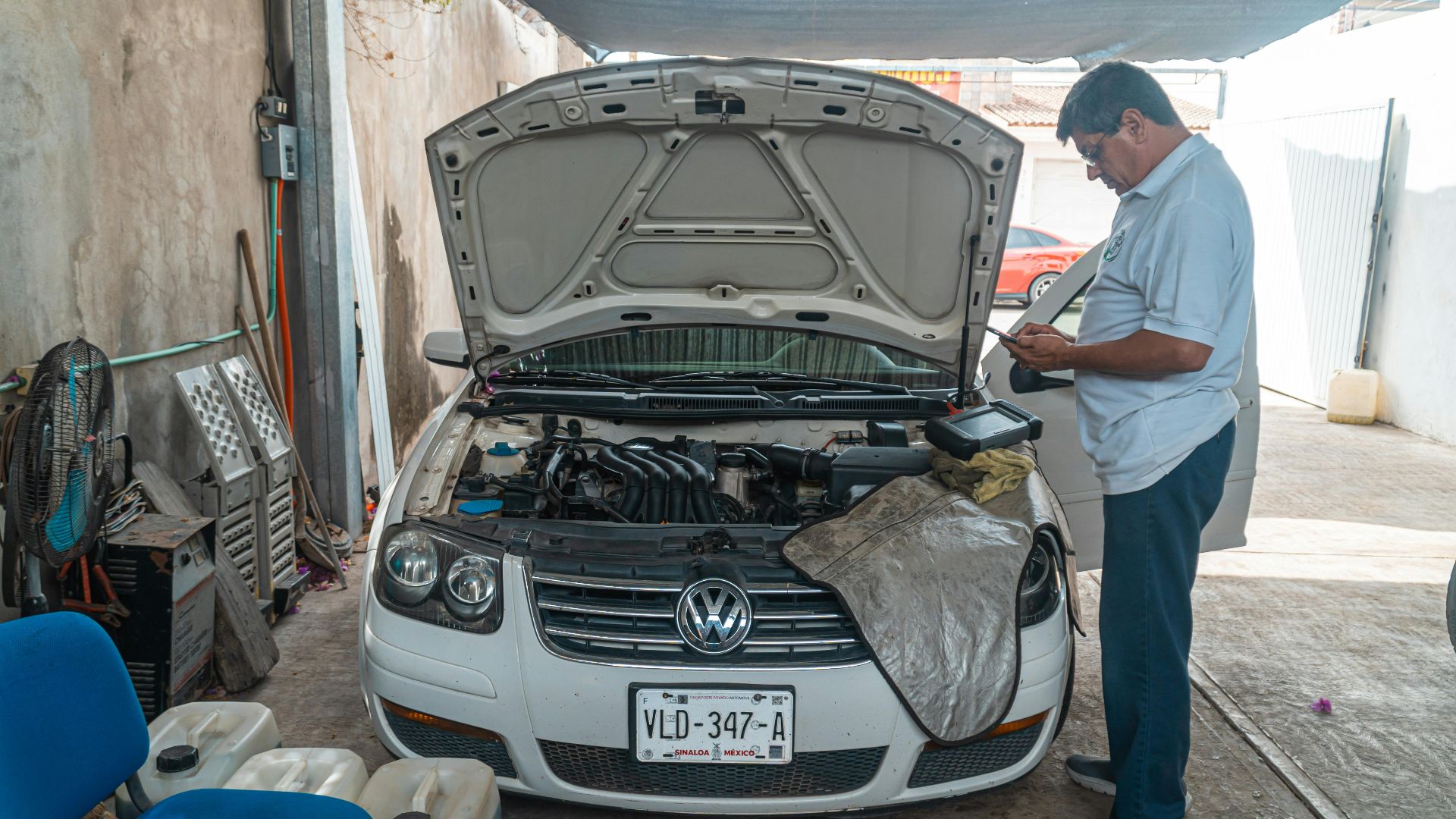
Mechanics are not always trying to sell you something pointless. Deposit buildup in injectors, intake valves, and throttle bodies is real, and some technicians have seen clear improvements after cleaning. The problem is when that real issue gets turned into a routine service for every car that rolls into the shop.
 Jose Ricardo Barraza Morachis, Pexels
Deposits Are A Real Thing
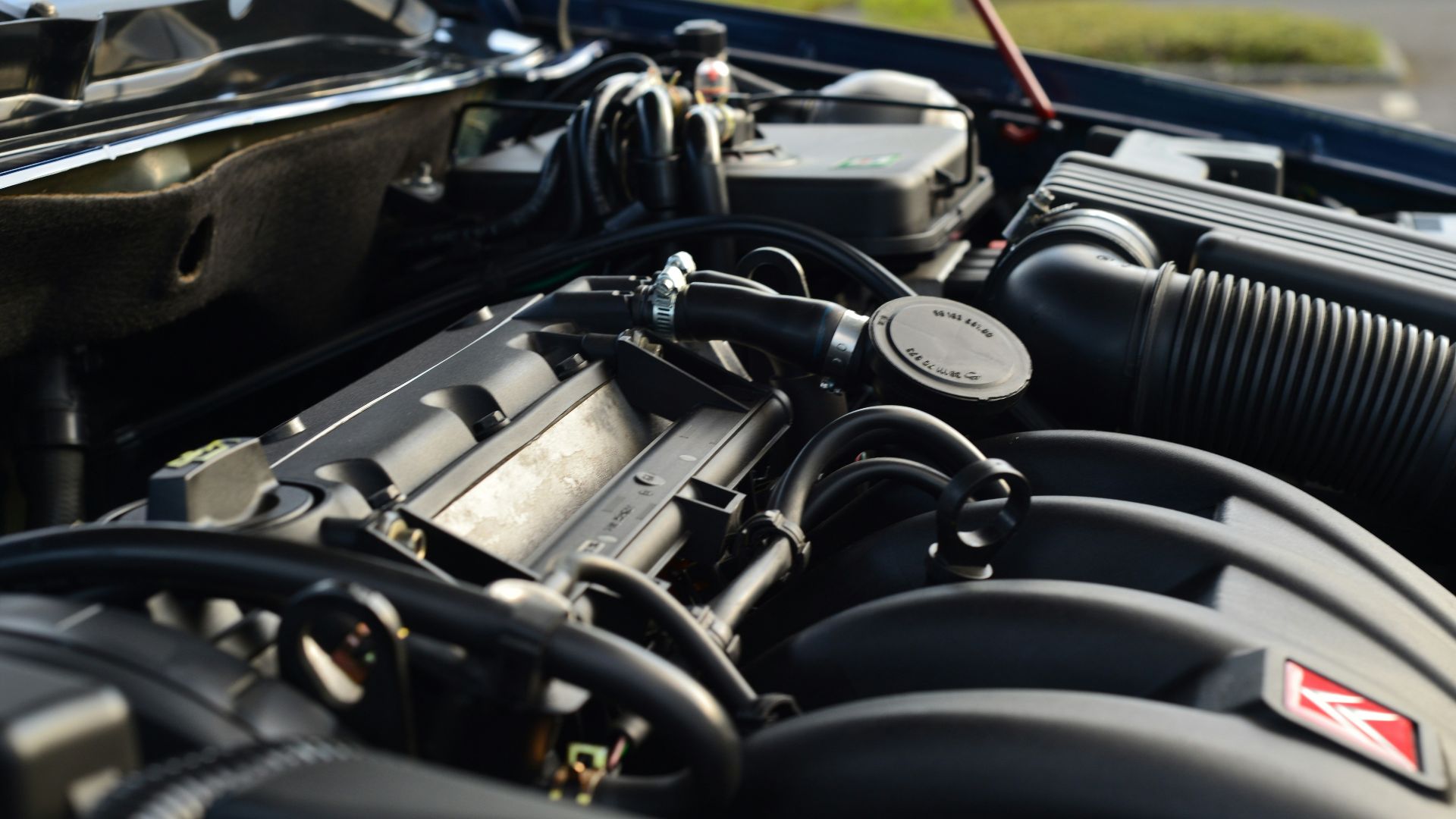
The U.S. Environmental Protection Agency has long regulated deposit-control additives in gasoline because deposits can form in fuel injectors and intake-system parts. That is one reason gasoline sold in the United States already contains detergent additives. In other words, the fuel in your tank is already doing some cleaning every time you drive.
Why Modern Gasoline Matters So Much
In 1995, the EPA set minimum detergent additive requirements for gasoline under federal rules aimed at reducing engine deposits and emissions-related problems. Automakers later argued that the federal minimum did not go far enough for some engines. That debate led to a higher voluntary standard known as Top Tier detergent gasoline.

Who Created Top Tier And Why
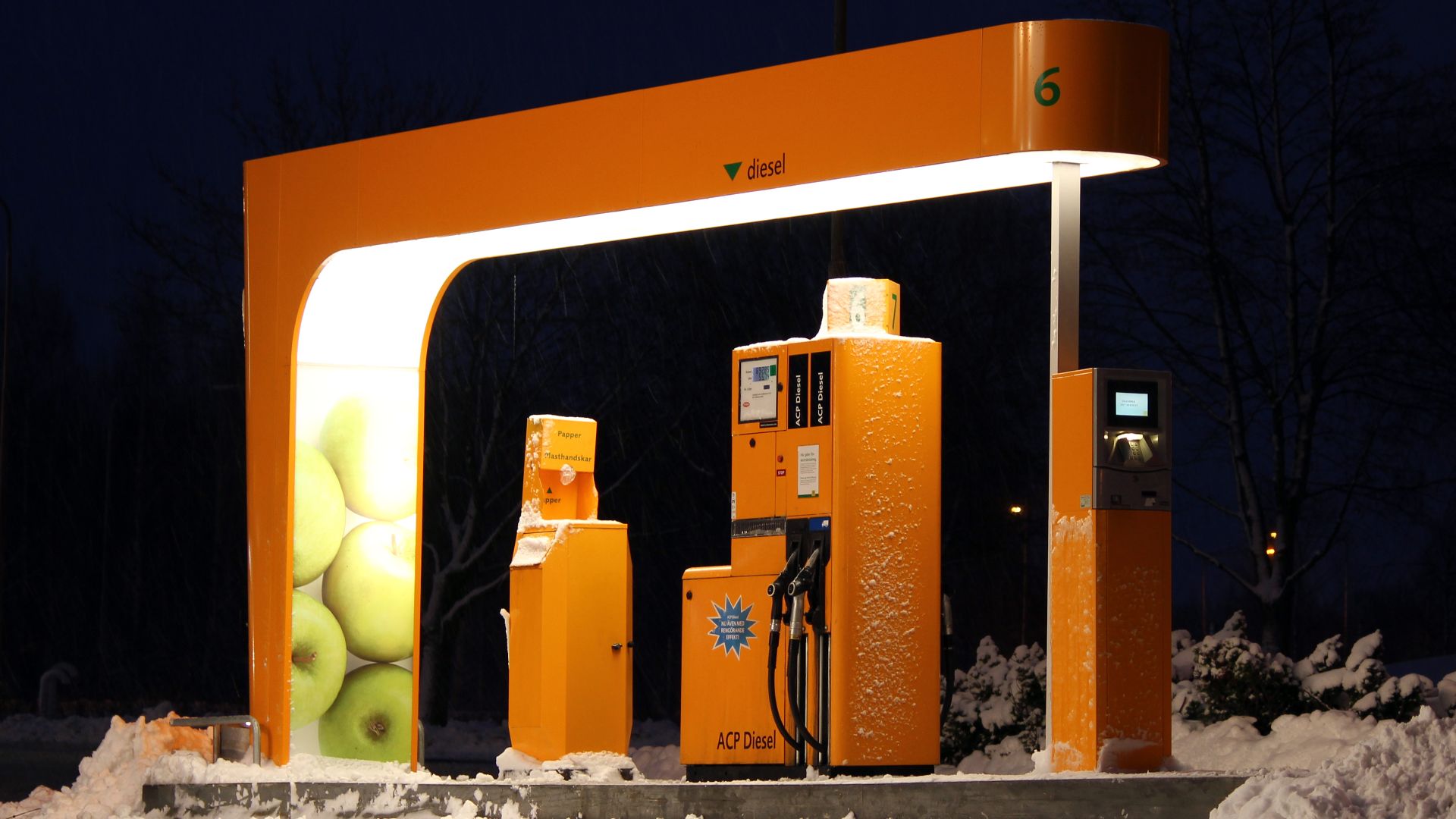
Top Tier detergent gasoline was introduced in 2004 by BMW, General Motors, Honda, and Toyota, with Audi and Volkswagen joining later. The program was created because those automakers wanted gasoline with detergent levels above the EPA minimum. The goal was to cut down on deposits on intake valves, fuel injectors, and combustion-chamber areas that can affect performance and emissions over time.
 Calle Eklund/V-wolf, Wikimedia Commons
What AAA Discovered In Its Gasoline Study
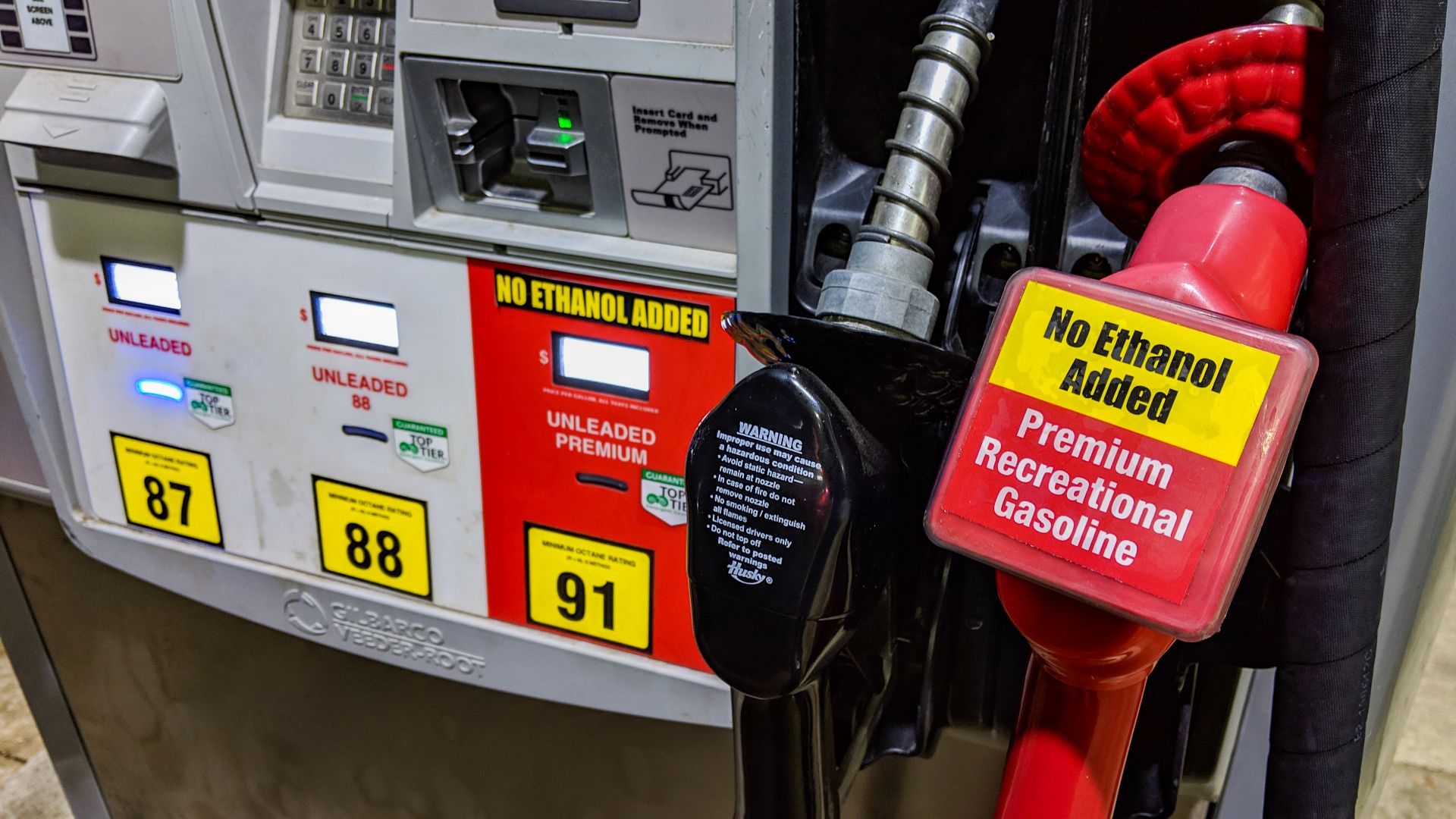
In 2016, AAA released a study showing that Top Tier gasoline caused far fewer engine deposits than gasoline that only met the EPA minimum standard. AAA said its testing found 19 times fewer engine deposits on average after 4,000 hours of engine operation. That does not mean every non-Top Tier fuel is harmful, but it is strong evidence that fuel quality can lower the need for extra cleaning.
 Tony Webster from Minneapolis, Minnesota, United States, Wikimedia Commons
If You Use Good Gas, You May Already Be Preventing The Problem
If you regularly buy fuel from a Top Tier retailer, your car is already getting a stronger detergent package than the legal minimum. That can help keep injectors and intake parts cleaner over time. For many drivers with no symptoms, that makes a shop-sold fuel-system cleaning a lot less urgent than it sounds.

Direct Injection Changed The Conversation
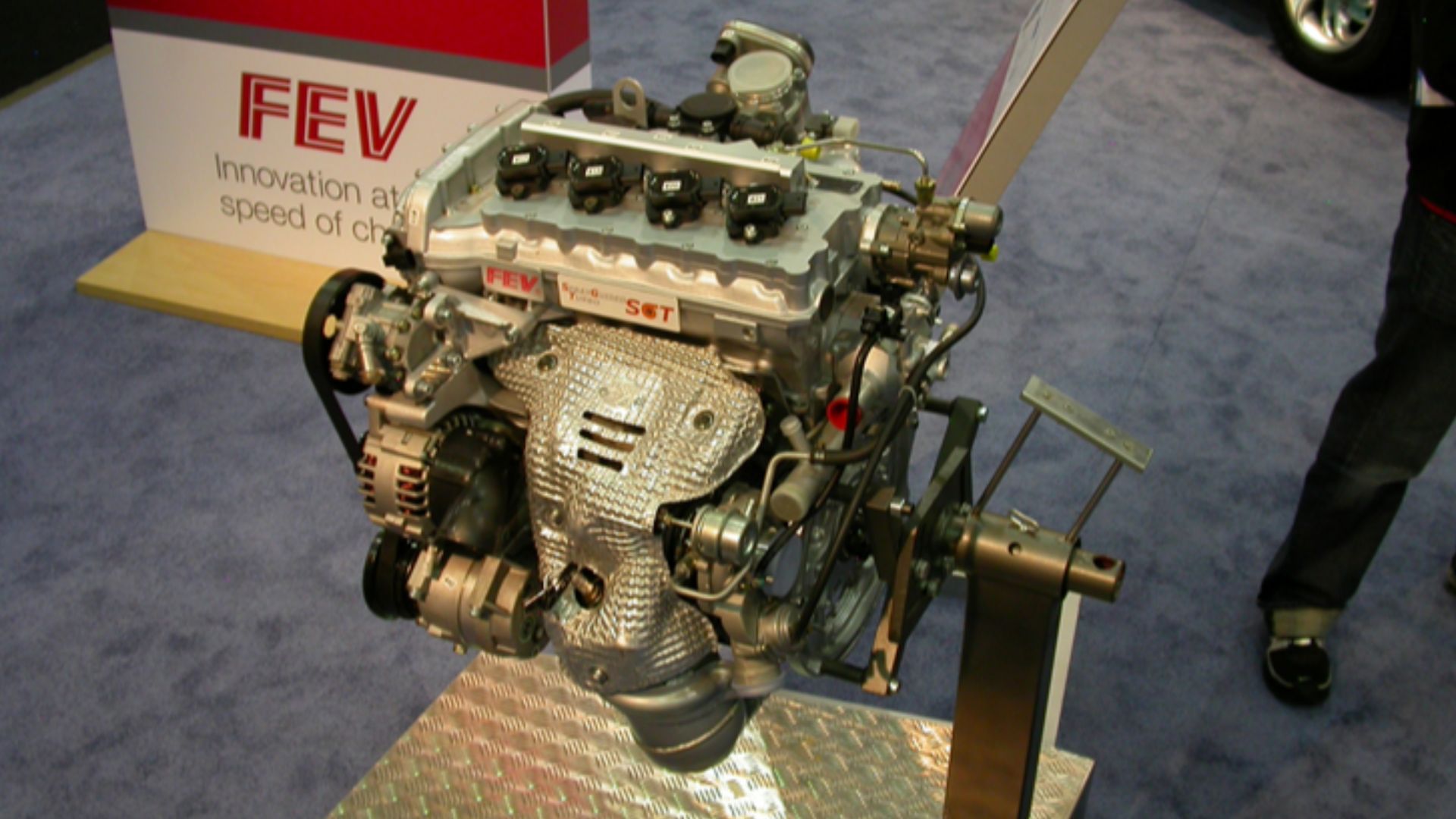
Gasoline direct injection became much more common in the 2000s and 2010s because it helps improve power and efficiency. It also created a new deposit problem. In many direct-injected engines, fuel no longer washes over the intake valves, so oily vapors from the crankcase ventilation system can leave deposits behind.
Why Intake-Valve Deposits Matter
On port-injected engines, gasoline passes over the intake valves and helps keep them cleaner. On direct-injected engines, that washing effect is mostly gone. That means a real intake-valve cleaning may sometimes be useful on some engines, but that is different from selling every driver a generic fuel-system cleaning package.
A Running-Perfectly Car Changes The Math
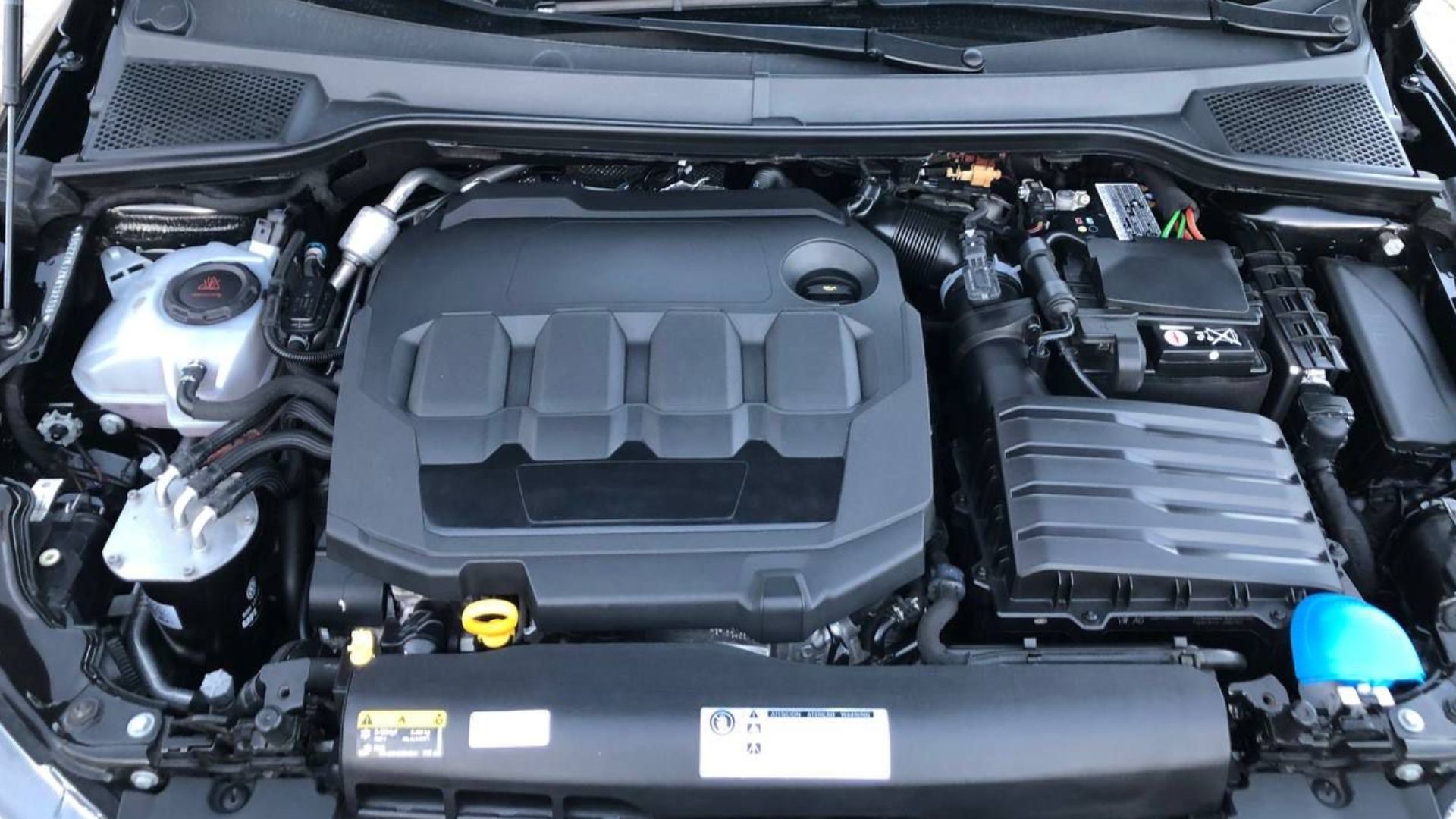
If your car idles smoothly, accelerates normally, gets normal fuel economy, and is not storing trouble codes, the case for immediate cleaning is weaker. Shops should be able to explain what symptom, test result, or maintenance requirement supports the recommendation. Without that, you are mostly being asked to buy a just-in-case service.
 Charles from Port Chester, New York, Wikimedia Commons
Symptoms That Can Make Cleaning Reasonable
There are times when fuel-system cleaning makes sense. Rough idle, hesitation, hard starting, misfires, poor fuel economy, or injector-related diagnostic trouble codes can justify targeted cleaning or further inspection. The key word is targeted, because the service should match a diagnosed problem instead of being sold as a one-size-fits-all ritual.

Not All “Cleaning” Services Are Equal
A bottle poured into the gas tank is not the same as a pressurized professional injector cleaning. Neither is the same as removing intake deposits from a direct-injected engine. When a shop recommends fuel-system cleaning, ask exactly what parts they plan to clean and how that procedure is supposed to help your specific car.

Automakers Do Not Usually List It As Routine Service
Many manufacturer maintenance schedules do not include periodic fuel-system cleaning as a standard item for normal driving conditions. Instead, they focus on oil changes, filters, spark plugs, fluid changes, and inspections. That does not prove the service never helps, but it does show that many automakers do not treat it as a universal must-do at fixed intervals.
When A Shop Recommendation Deserves A Follow-Up Question
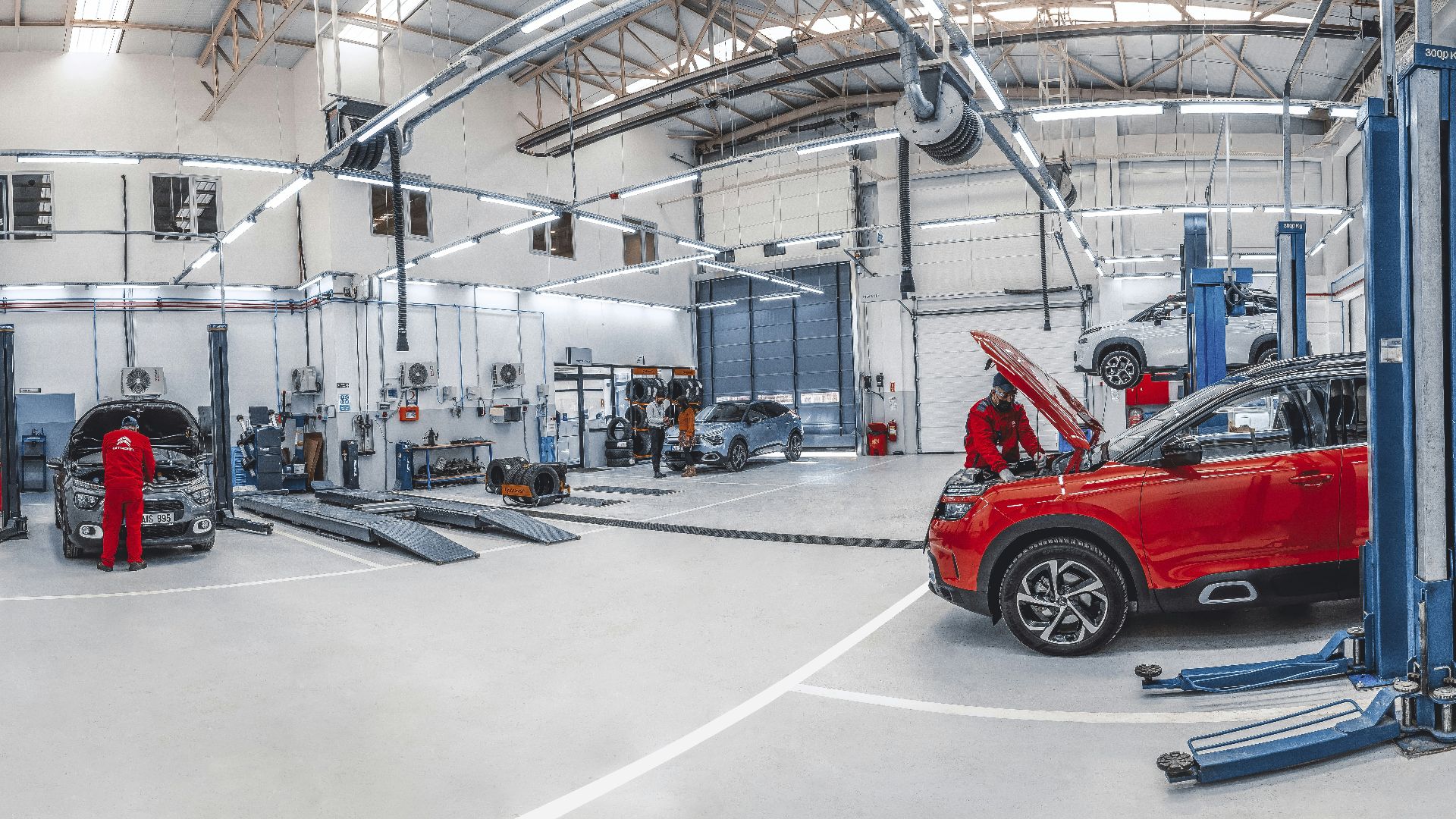
Ask the service writer whether the recommendation is based on mileage, symptoms, test results, or a factory bulletin. Then ask whether the service appears in your owner’s manual. If the answer is basically “we recommend it for everyone,” your skepticism is fair.
 Spc. Cody Black, Wikimedia Commons
There Is A Difference Between Maintenance And Repair
This is where a lot of drivers get tripped up. Real maintenance is usually listed by the manufacturer ahead of time. A fuel-system cleaning is often better understood as a possible corrective service for a specific drivability issue, or as an optional preventive measure, not an automatic requirement.

Federal Trade Commission Advice Supports Caution
The Federal Trade Commission has advised consumers to be careful with routine maintenance claims that go beyond manufacturer recommendations. Its consumer guidance stresses checking the owner’s manual and understanding what is actually needed to keep a warranty valid. That matters because some shops imply that extra services are necessary when they are not.

Can A Cleaner In The Tank Ever Help
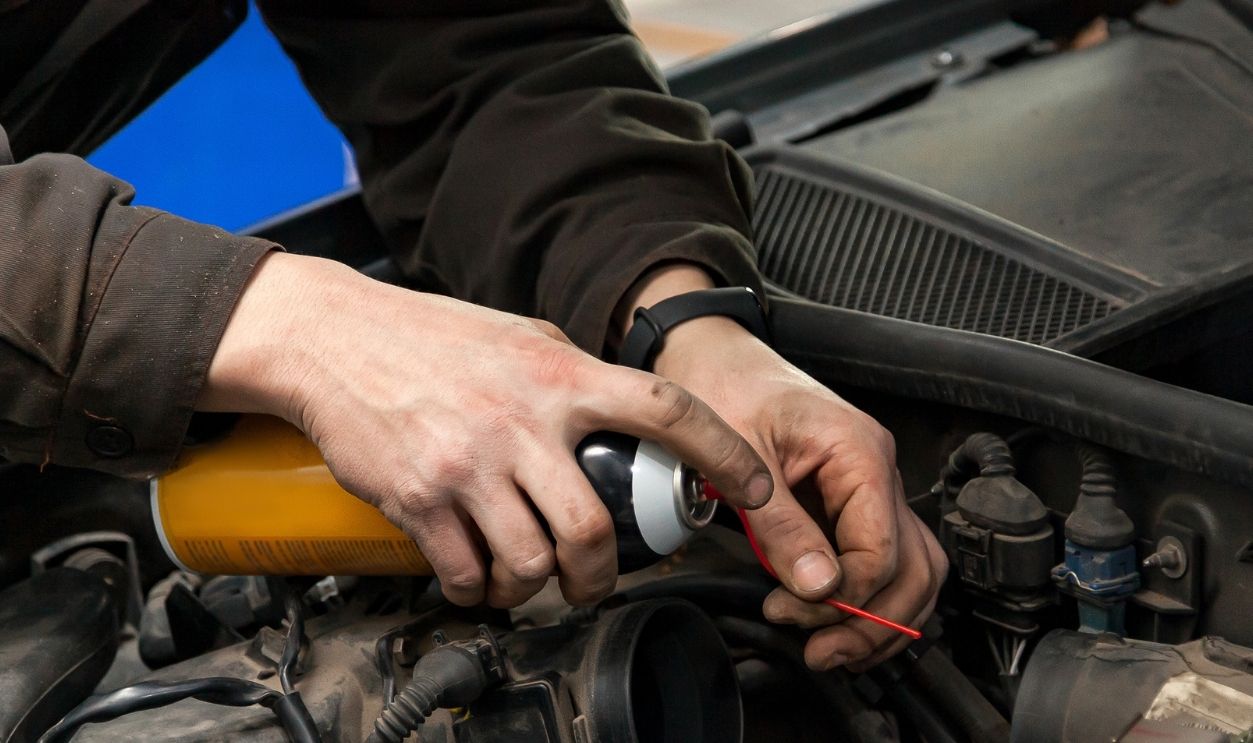
Yes, in some situations, a quality fuel additive can help clean injectors and remove some deposits. But that is not the same as proving your well-running car needs a professional service today. If you want to try a lower-cost first step, ask whether using Top Tier gasoline consistently or using a reputable cleaner occasionally is a reasonable alternative.
 Aleksandr Kondratov, Shutterstock
What About Warranties
Under federal consumer protection rules, a shop cannot just make up maintenance requirements and claim your warranty depends on them. Warranty coverage generally depends on following the manufacturer’s required maintenance, not every suggested add-on from a service desk. If someone says the cleaning is required to protect your warranty, ask them to show you where the manufacturer says that in writing.
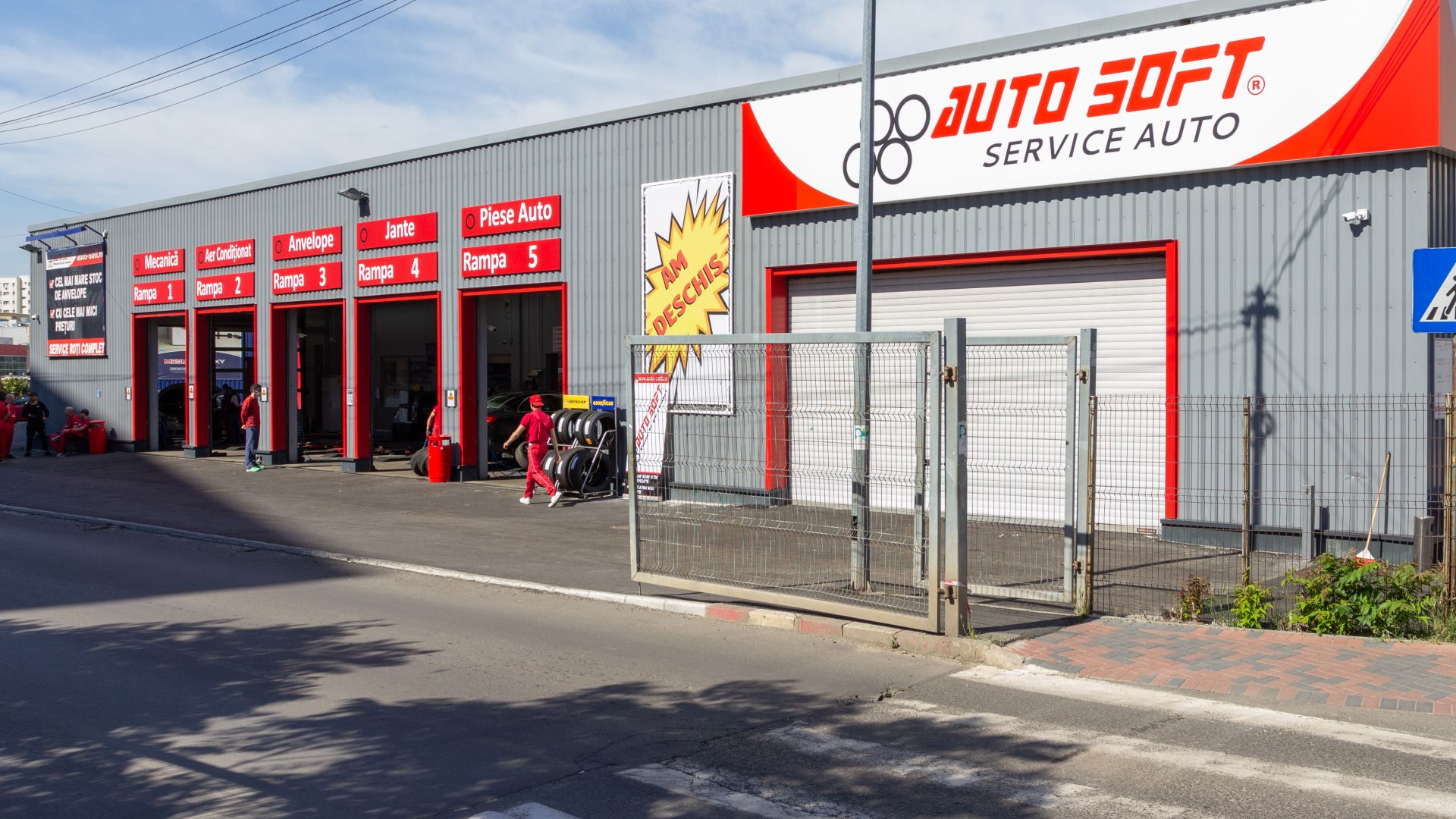 Clementina Ciochina, Wikimedia Commons
The Best Questions To Ask Before You Approve It
Ask what problem the service is fixing, what evidence supports it, and whether there are symptoms or codes. Ask whether your vehicle has direct injection and whether the concern is injectors, throttle body deposits, or intake-valve buildup. Finally, ask whether the same money would be better spent on maintenance your car actually needs right now.

So Is It Unnecessary
If your car truly runs perfectly and the service is not listed in the owner’s manual, it is often fair to see a fuel-system cleaning as optional rather than necessary. That does not make it a scam in every case. It just means the shop should be able to explain why your specific vehicle needs it now.

The Practical Bottom Line For Drivers
Start with the factory maintenance schedule and your car’s real-world behavior. Use quality gasoline, preferably from Top Tier retailers, and pay attention to drivability symptoms if they show up. If there are no symptoms and no manufacturer requirement, a fuel-system cleaning is often one of those services you can politely turn down unless the shop can back it up with solid evidence.