Your Mechanic Is Not Imagining It
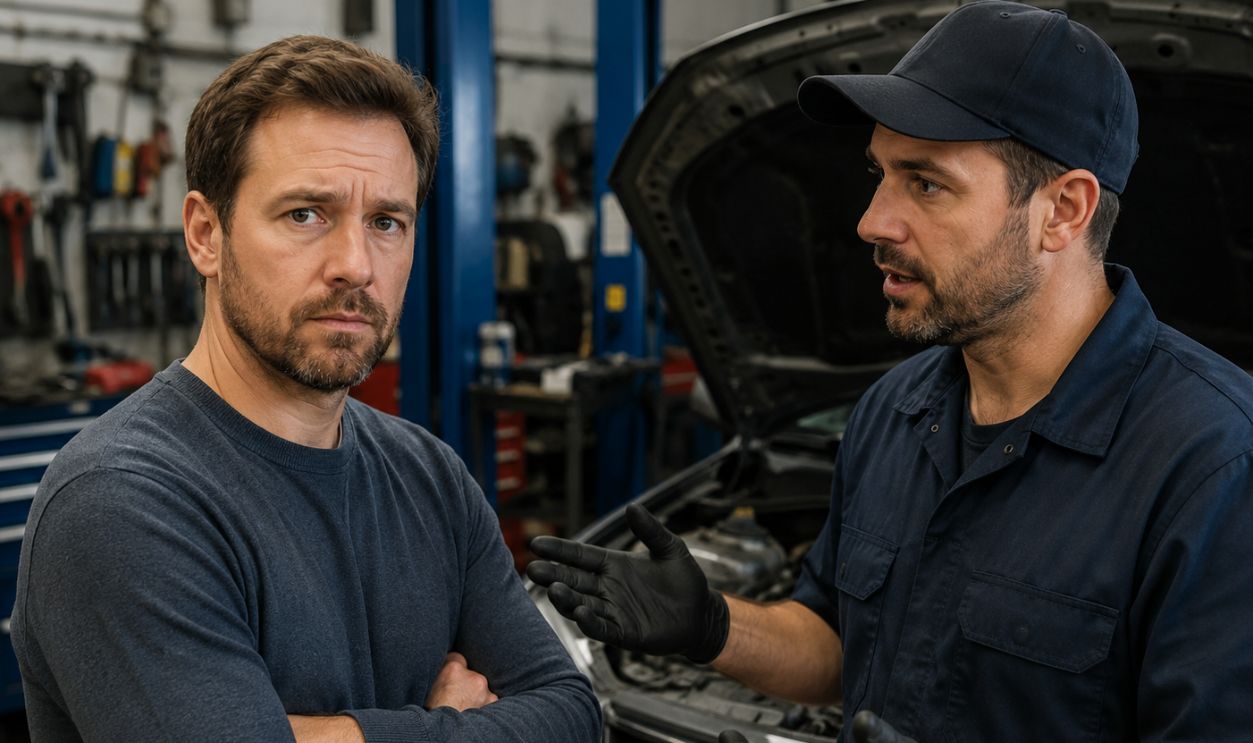
If your mechanic says simple repairs seem harder than they used to, we can back up that claim with evidence. Modern vehicles are packed with more electronics, have tighter engine bays, and more software controls than cars from even just 10 years ago. That doesn' mean every automaker is trying to make life miserable for owners, but it does mean many routine jobs now take more time, more tools, and more training.
The Short Answer Is Complicated
The honest answer is yes, repairs have often become harder, but not always because of some secret plan. Safety rules, emissions rules, fuel economy targets, and buyer demand for more tech have all pushed car design in that direction. At the same time, independent groups and regulators have documented real barriers that can make repairs harder than they need to be.
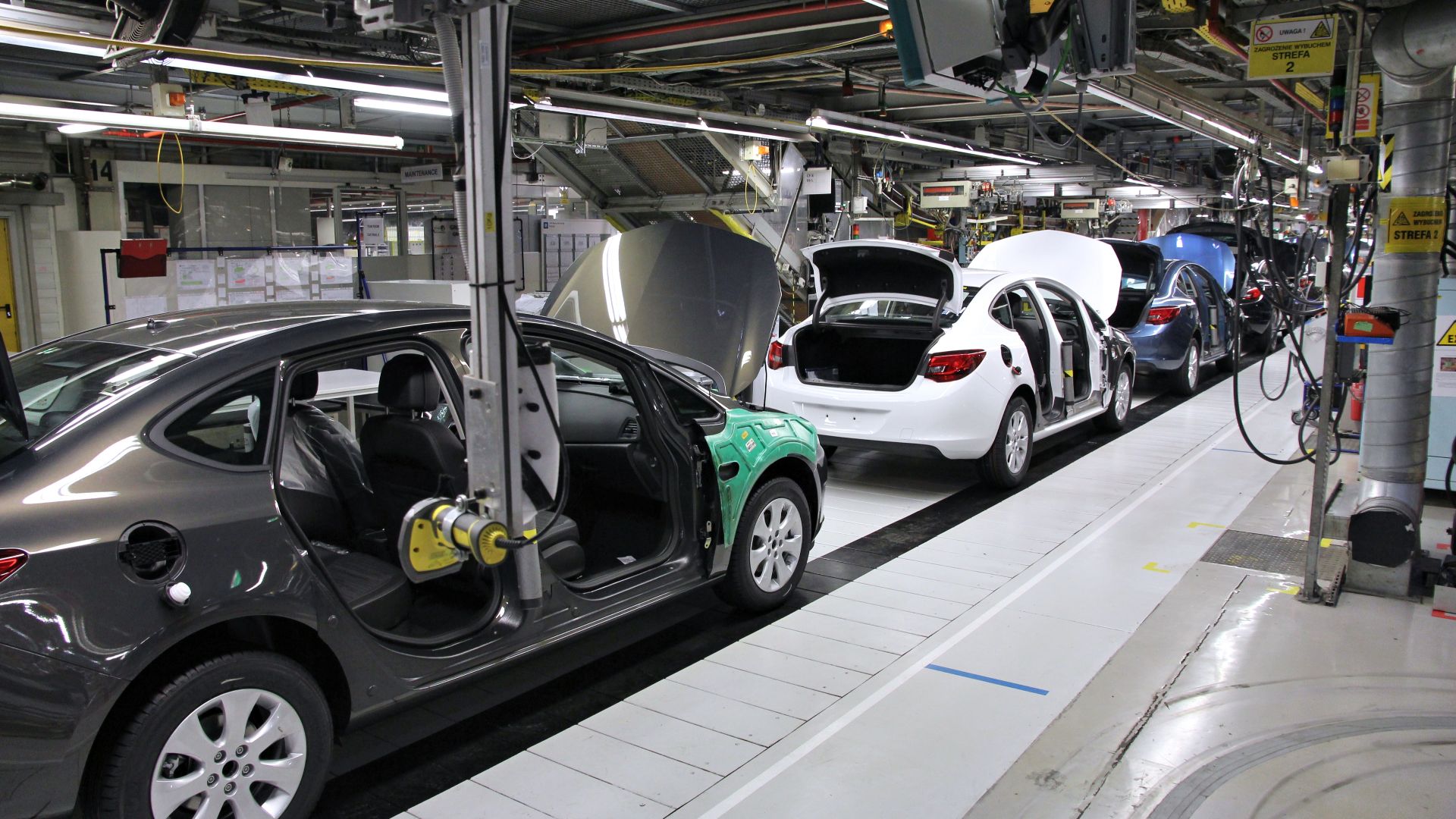 Marek Slusarczyk (Tupungato) Photo portfolio, Wikimedia Commons
Cars Changed Fast In The 2000s And 2010s
Vehicles became rolling computer networks long before many drivers noticed. Features like driver-assistance systems, immobilizers, telematics, electronic parking brakes, and software-linked modules turned simple wrenching into work that often needs a scan tool. By the 2010s, many repairs that once needed only hand tools also needed software access and factory procedures.

The FTC Took A Hard Look In 2021
One of the clearest official reviews came from the Federal Trade Commission in July 2021. Its report, Nixing the Fix, looked at repair restrictions across several industries, including motor vehicles. The FTC said there was little evidence to support manufacturers' claims that repair restrictions help consumers, and it pointed to practices that can limit independent repair.

What The FTC Found Matters
The FTC did not say every difficult repair proves bad intent. What it did say is that manufacturers can limit repair through restricted parts, unavailable manuals, proprietary tools, and software locks. That matters because it shows some repair difficulty comes not just from engineering, but also from business decisions.

Massachusetts Voters Forced The Issue In 2020
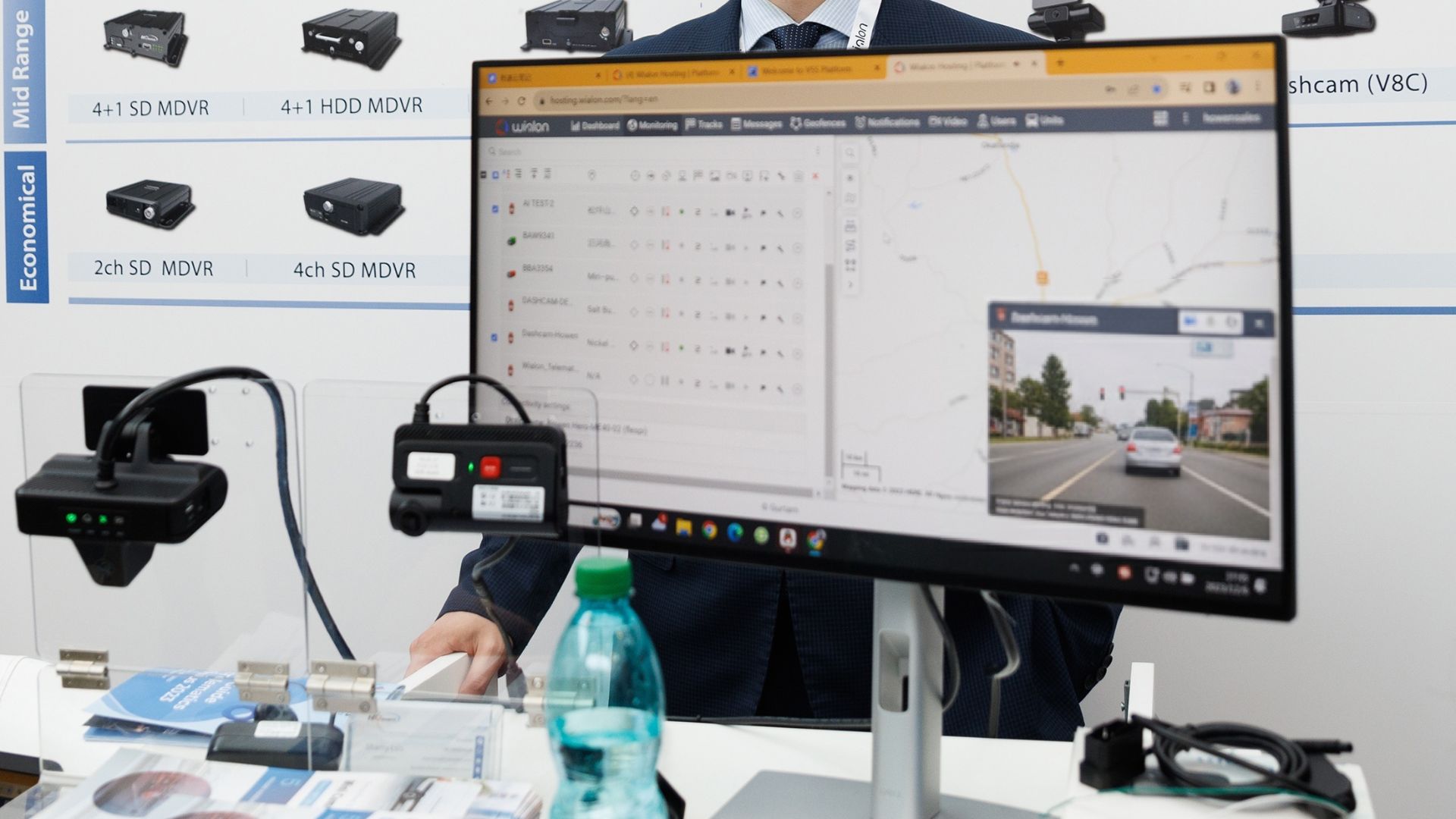
In November 2020, Massachusetts voters approved an updated Right to Repair law for vehicles by a wide margin. The measure focused on telematics and mechanical data, requiring open access so owners and independent shops could get the information needed for diagnosis and repair. That vote became one of the clearest signs that drivers were worried about losing control over their own cars.
The Fight Did Not End At The Ballot Box
Automakers challenged the Massachusetts law in court, which shows how much was at stake. The Alliance for Automotive Innovation argued that the telematics access rules raised safety and cybersecurity concerns. In 2025, the legal fight was still part of the bigger national debate over who gets access to vehicle data and repair functions.

The Right To Repair Movement Reached A Turning Point In 2023
In June 2023, the Alliance for Automotive Innovation and the Society of Collision Repair Specialists announced a national agreement meant to support access to diagnostic and repair information for independent shops. The memorandum was presented as a way to protect consumer choice. Even so, right-to-repair advocates said it still left open major questions about software functions, telematics, and future control over in-car data.
Software Is The New Wrench Barrier
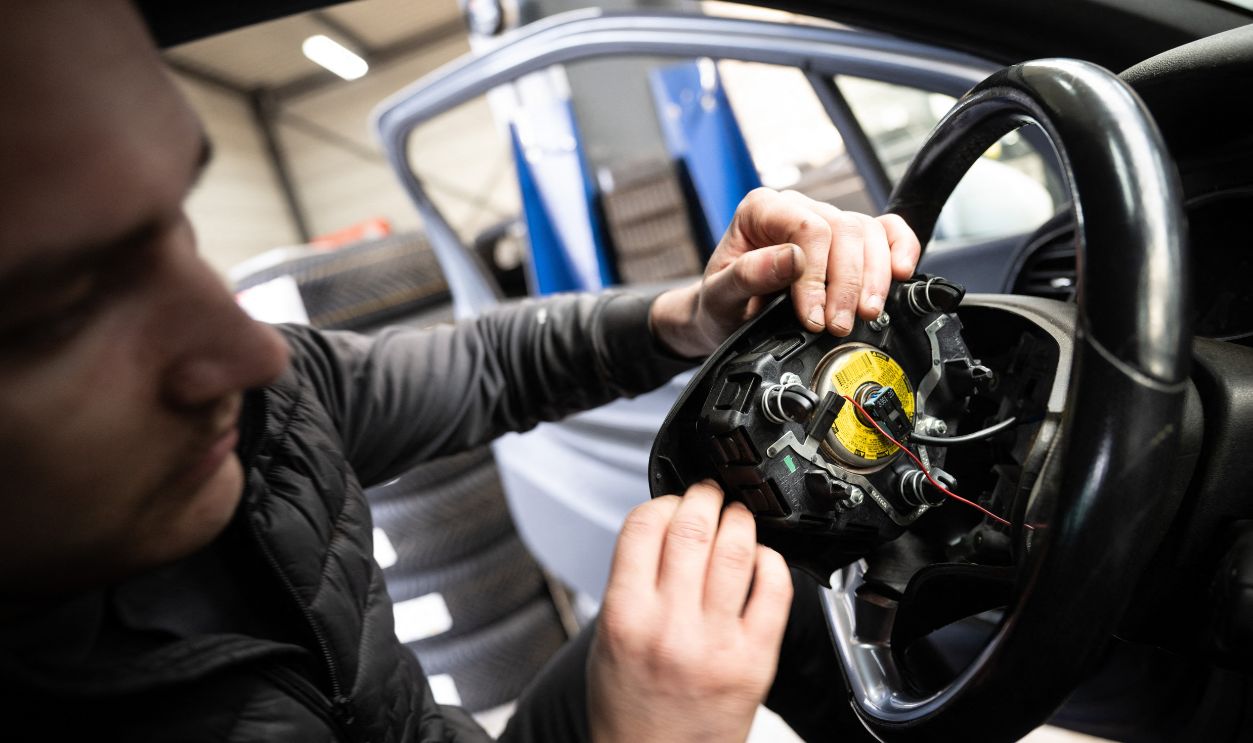
Ask technicians what changed most, and many will point to software. Replacing a battery, headlight module, steering part, or even a windshield can trigger calibration or coding on newer vehicles. If a shop cannot access the software gateway or factory scan functions, a repair that looks physically simple can become much harder in practice.
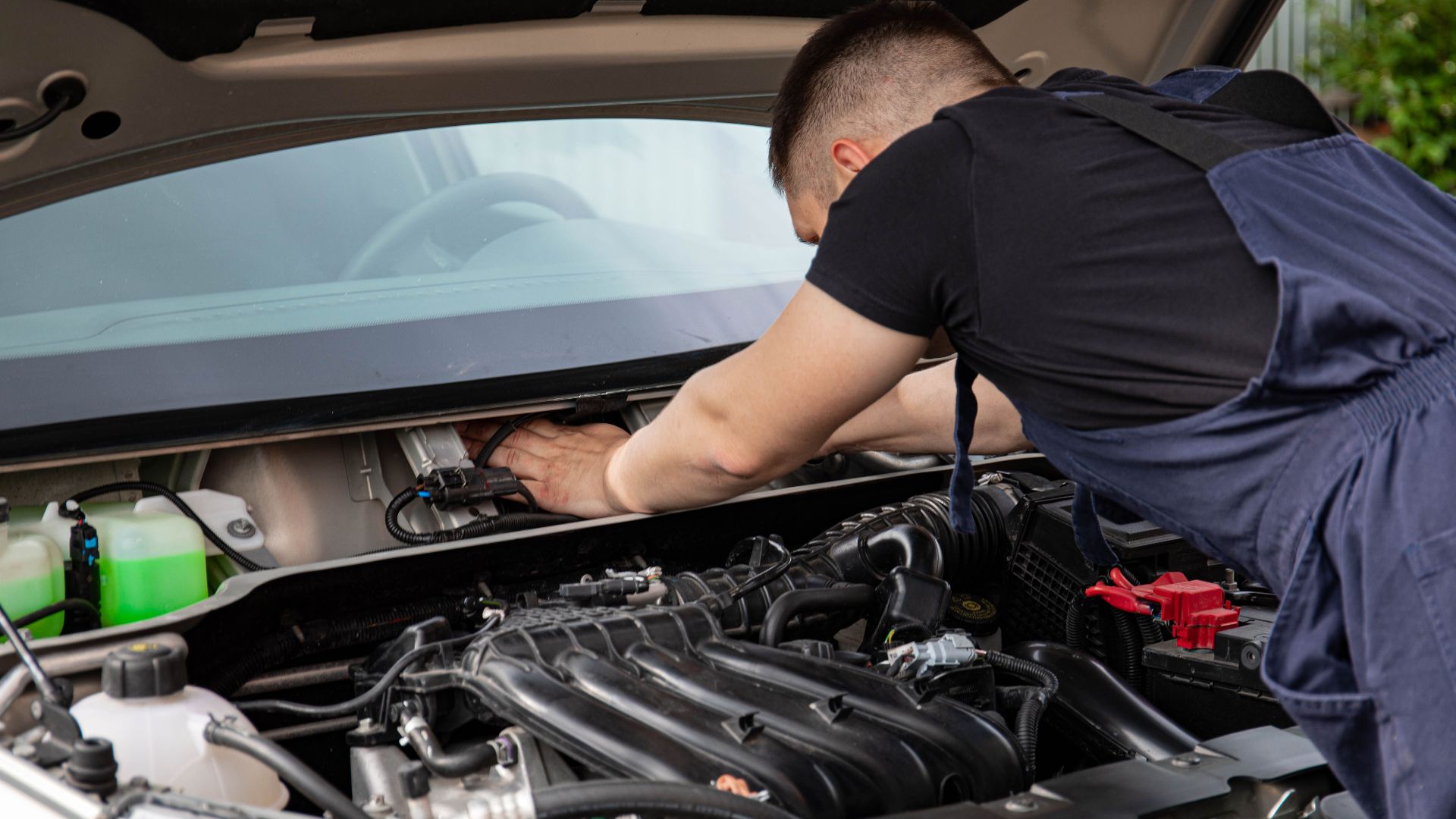
Secure Gateways Changed The Game
Several automakers introduced secure gateway modules in the late 2010s and early 2020s to control access to vehicle networks. These systems can help block unauthorized commands, but they also mean many aftermarket scan tools need paid authentication to do tasks that used to be straightforward. For independent shops, the problem is no longer just tools, but ongoing permissions.
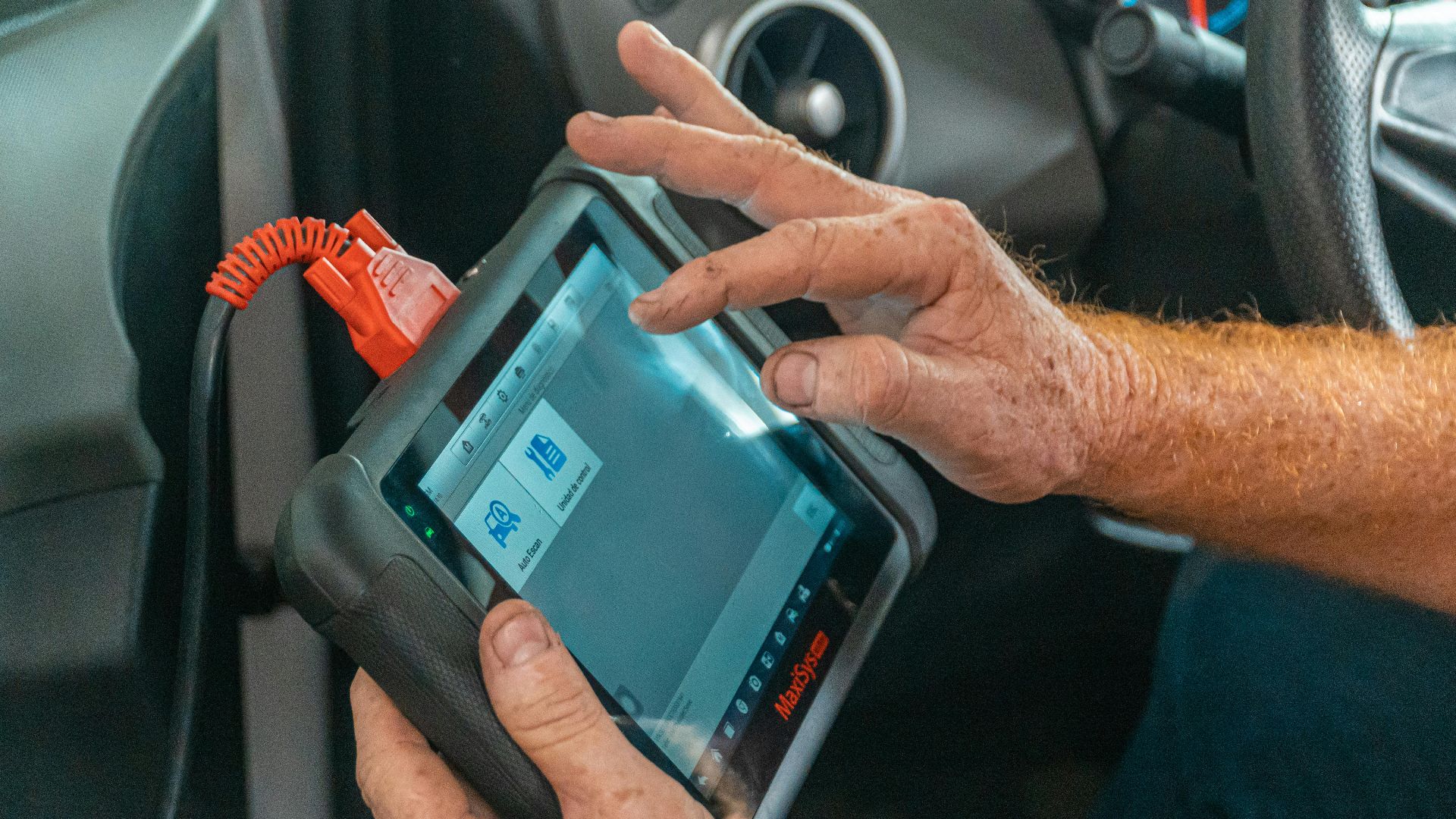 Jose Ricardo Barraza Morachis, Pexels
A Simple Battery Swap Is Not Always Simple
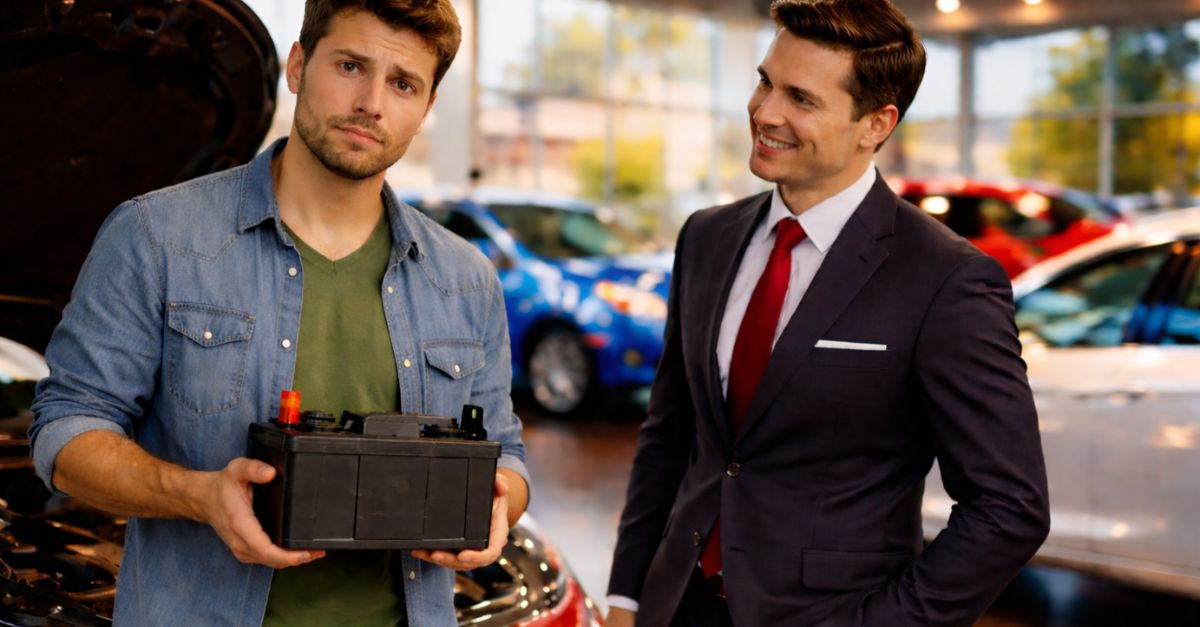
On many modern cars, battery replacement can require registration or coding so the charging system knows a new battery has been installed. BMW and other manufacturers helped make this practice well known to independent shops years ago, and similar procedures spread across the industry. That does not prove sabotage, but it is a clear example of routine maintenance getting more involved.
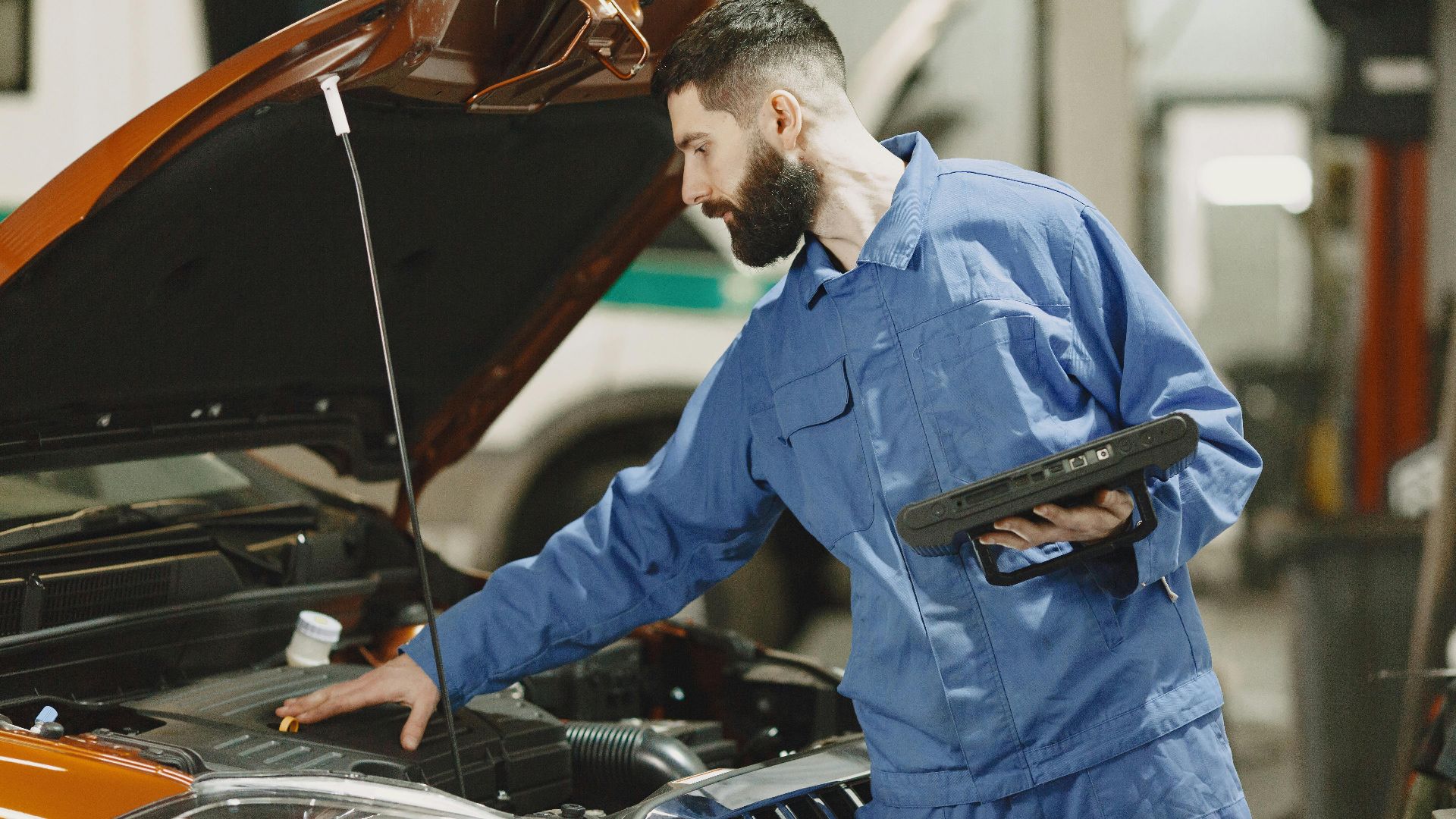
Windshield Replacement Became A Calibration Job
A cracked windshield used to be mostly a glass problem. On many newer vehicles, the windshield also sits in front of cameras used for lane keeping, automatic emergency braking, and traffic sign recognition. After replacement, those systems may need static or dynamic calibration, which adds equipment, time, and cost.
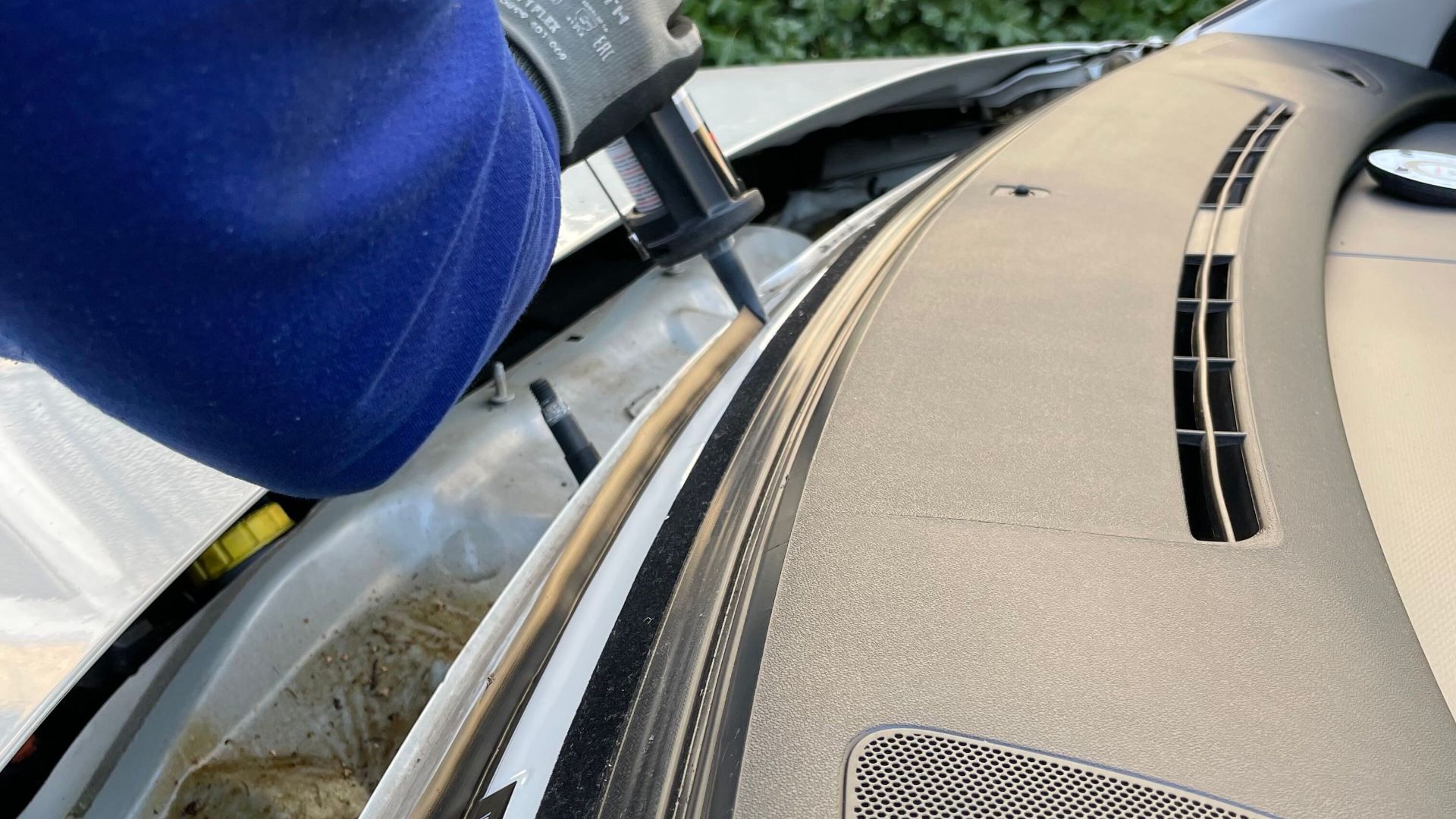
Headlights Got Brighter And Repairs Got Pricier
LED and adaptive headlight systems brought better lighting and sleeker styling, but they also raised repair costs. In some vehicles, a failed component can mean replacing an expensive assembly instead of a cheap bulb. Consumer Reports and other outlets have repeatedly shown how modern lighting tech can turn minor damage into a major bill.

Bumpers Are No Longer Just Plastic Covers
Modern bumpers can hide radar sensors, parking sensors, ultrasonic modules, and wiring harnesses. That means even low-speed cosmetic damage may require scanning and calibration after parts are replaced. What looks like a small parking-lot hit can turn into a much bigger repair because the bumper now does far more than absorb scuffs.

Packaging Makes Routine Work Harder
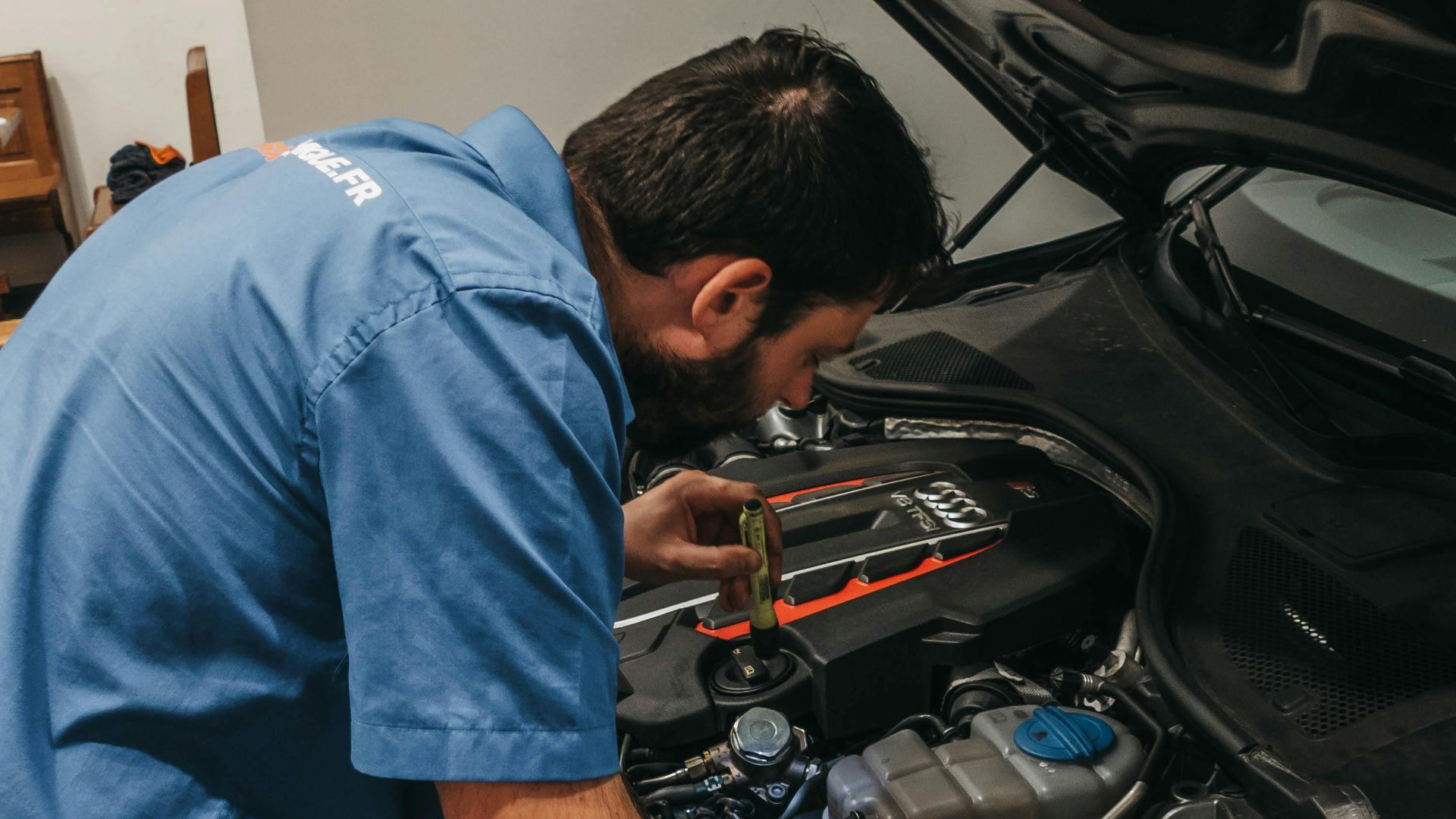
Not every repair problem is digital. Engine bays have become crowded as automakers squeeze in turbochargers, emissions hardware, cooling lines, hybrid parts, and crash structures. That often means removing extra parts just to reach the one item that failed.
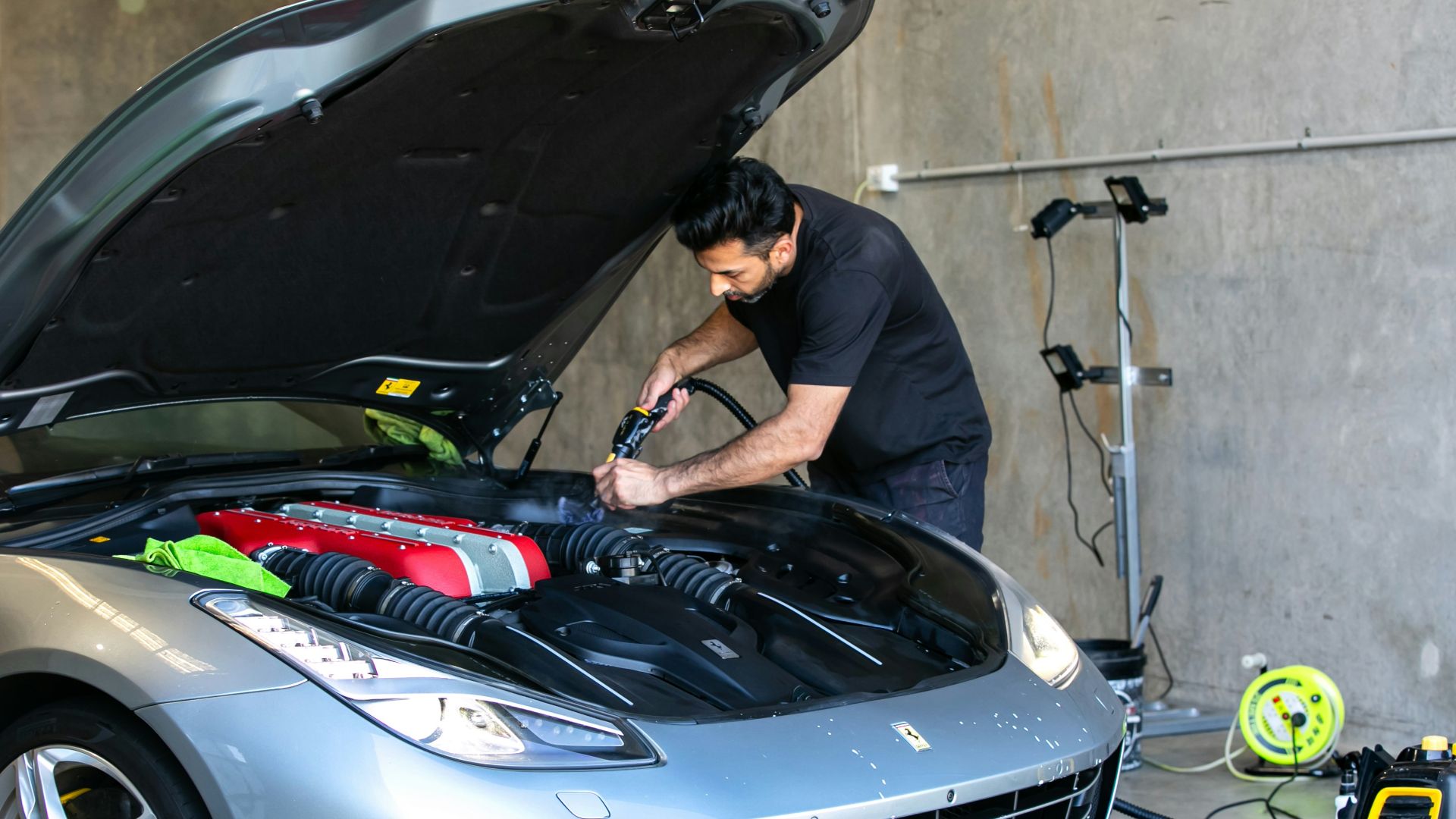 Fine Automotive Detailing, Unsplash
Emissions Hardware Added Real Complexity
Since the 2000s, stricter emissions standards have pushed wide use of exhaust gas recirculation systems, diesel particulate filters, selective catalytic reduction, direct injection, and more advanced evaporative controls. These systems cut pollution, but they also add more failure points and more tightly linked repairs. A simple drivability complaint today can involve sensors, software, plumbing, and emissions logic all at once.
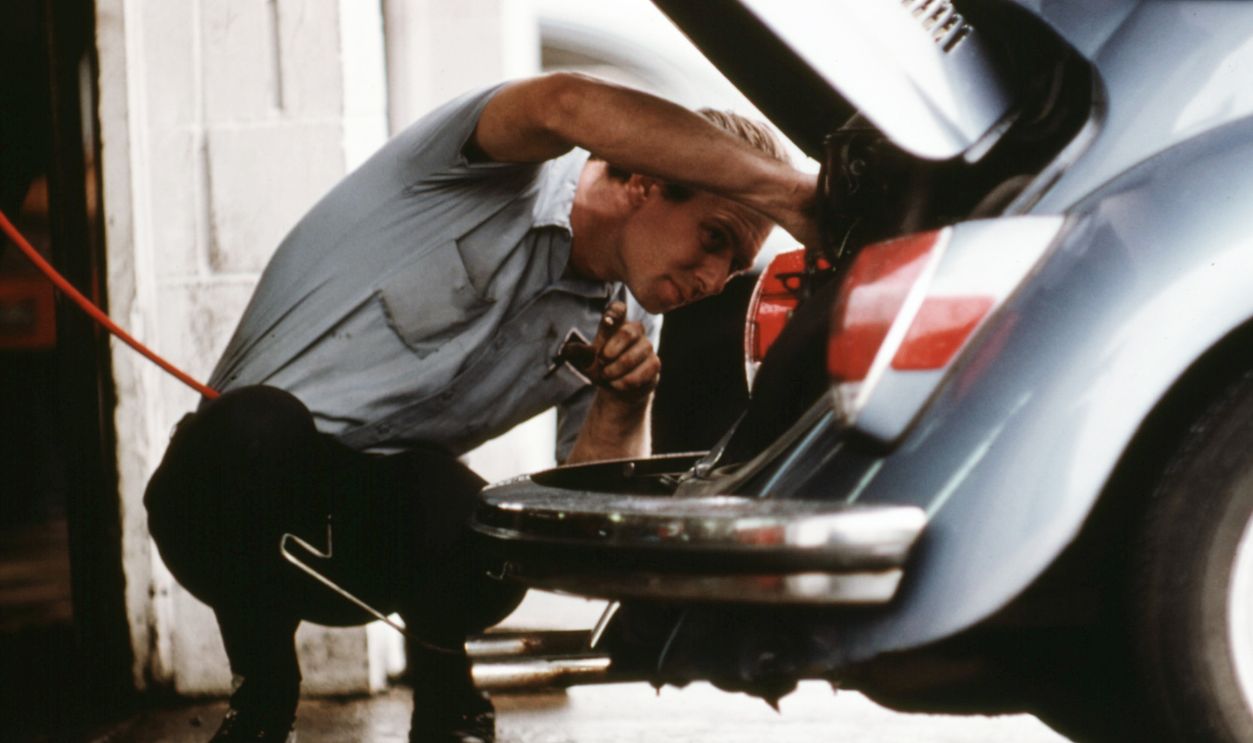
Safety Rules Also Changed The Equation
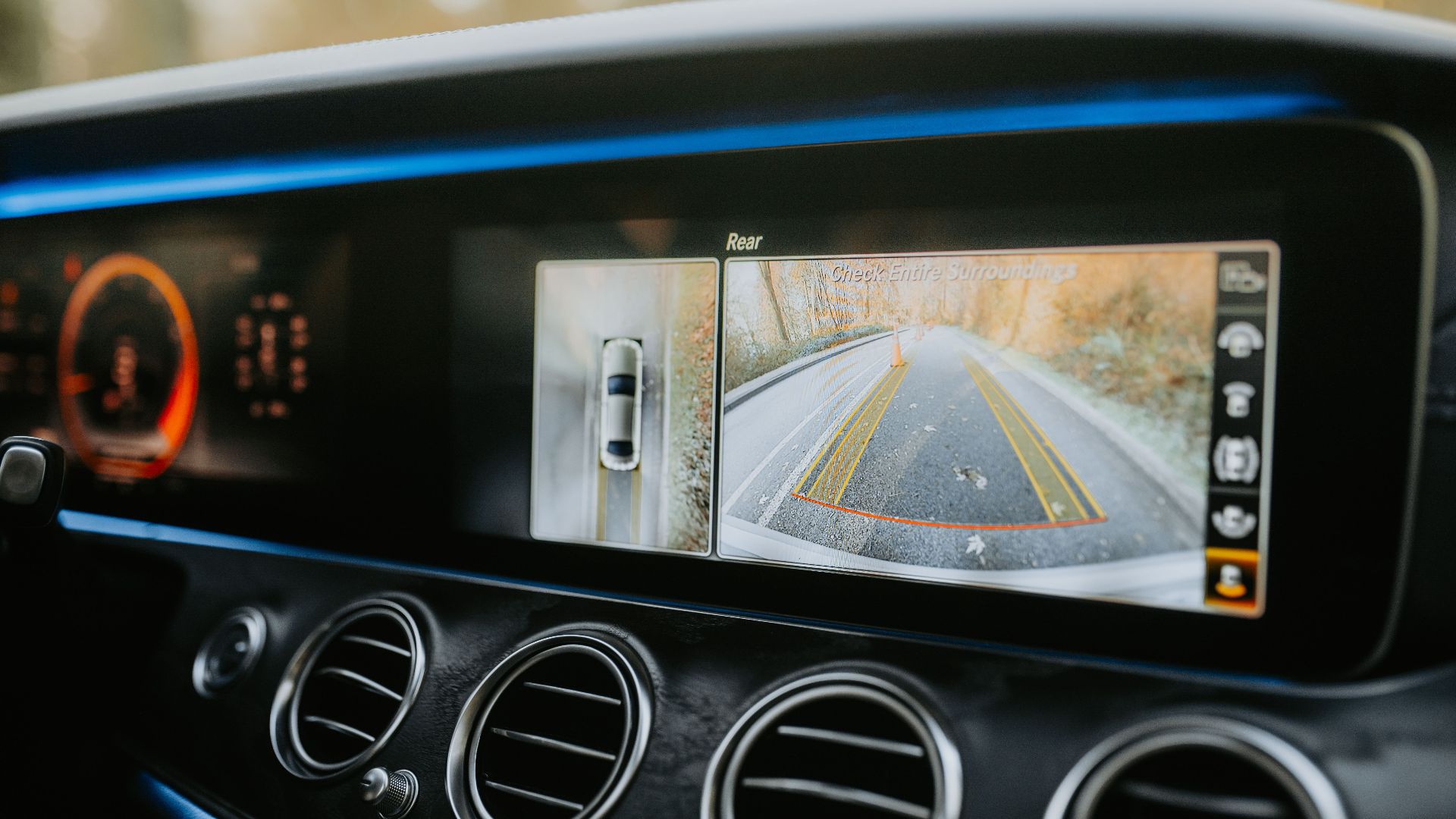
The federal requirement for rearview cameras on new vehicles, fully phased in by May 2018, is a good example of added complexity with a clear public benefit. Cameras, displays, wiring, and control modules all add parts that can fail or complicate body repairs. Few drivers want to give up those safety gains, but they do come with more repair layers.
Independent Shops Have Been Warning About This For Years
Groups representing independent repairers have long argued that access to service information, tools, and parts has not kept pace with vehicle complexity. The Auto Care Association and MEMA Aftermarket Suppliers have repeatedly pushed for stronger right-to-repair protections. Their point is simple: complexity is one issue, restricted access is another.

Farm Tractors Helped Expose The Wider Pattern
The right-to-repair debate blew up in public partly because of farm equipment, especially around software locks and diagnostic access. Tractors are not passenger cars, but the same basic issue applies. If the owner buys the machine but still cannot fully repair it without manufacturer approval, people start asking how much they really own it.

Automakers Say There Are Legitimate Reasons
Manufacturers are not wrong about everything here. Cybersecurity, emissions compliance, theft prevention, and functional safety are real concerns, especially as vehicles become more connected. The hard part is figuring out where legitimate protection ends and unnecessary restriction begins.

There Is No Smoking Gun Memo
There is no widely documented industry memo proving automakers sat down and decided to make oil changes and brake jobs miserable on purpose. In many cases, complexity is a byproduct of modern design goals. But when companies withhold software access, lock functions behind subscriptions, or limit parts pairing, the result can feel intentional to owners and technicians because the barrier is real.
Tesla Helped Push The Debate Into The Mainstream
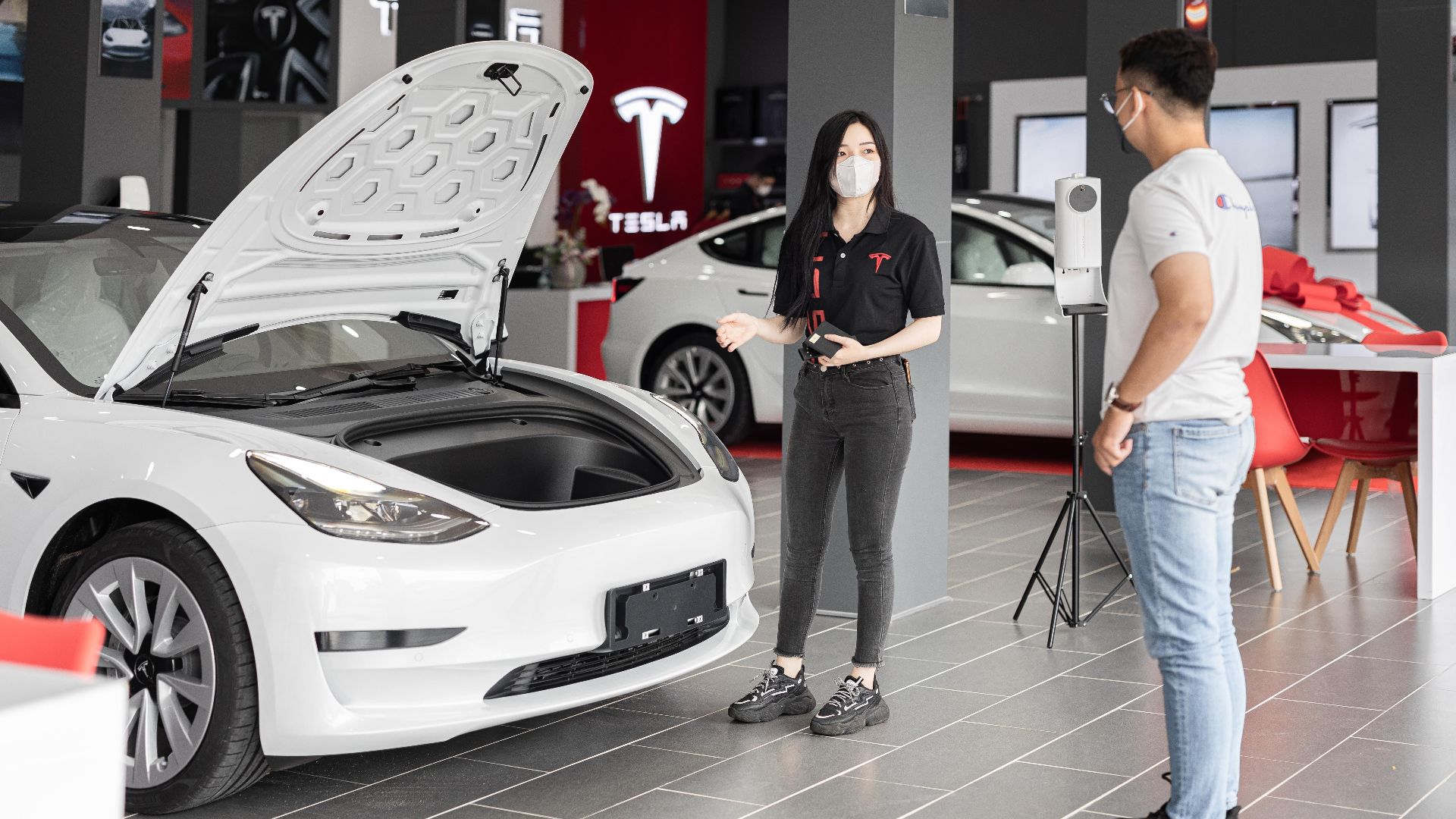
Tesla became a frequent example in repair debates because of its tight control over parts, service procedures, and software-linked functions. Over time, the company expanded service information and parts access in some areas, but critics still argued that repairs remained unusually difficult outside official channels. Tesla did not create the problem, but it made it harder to ignore.
Even Collision Repairs Are More Technical Now
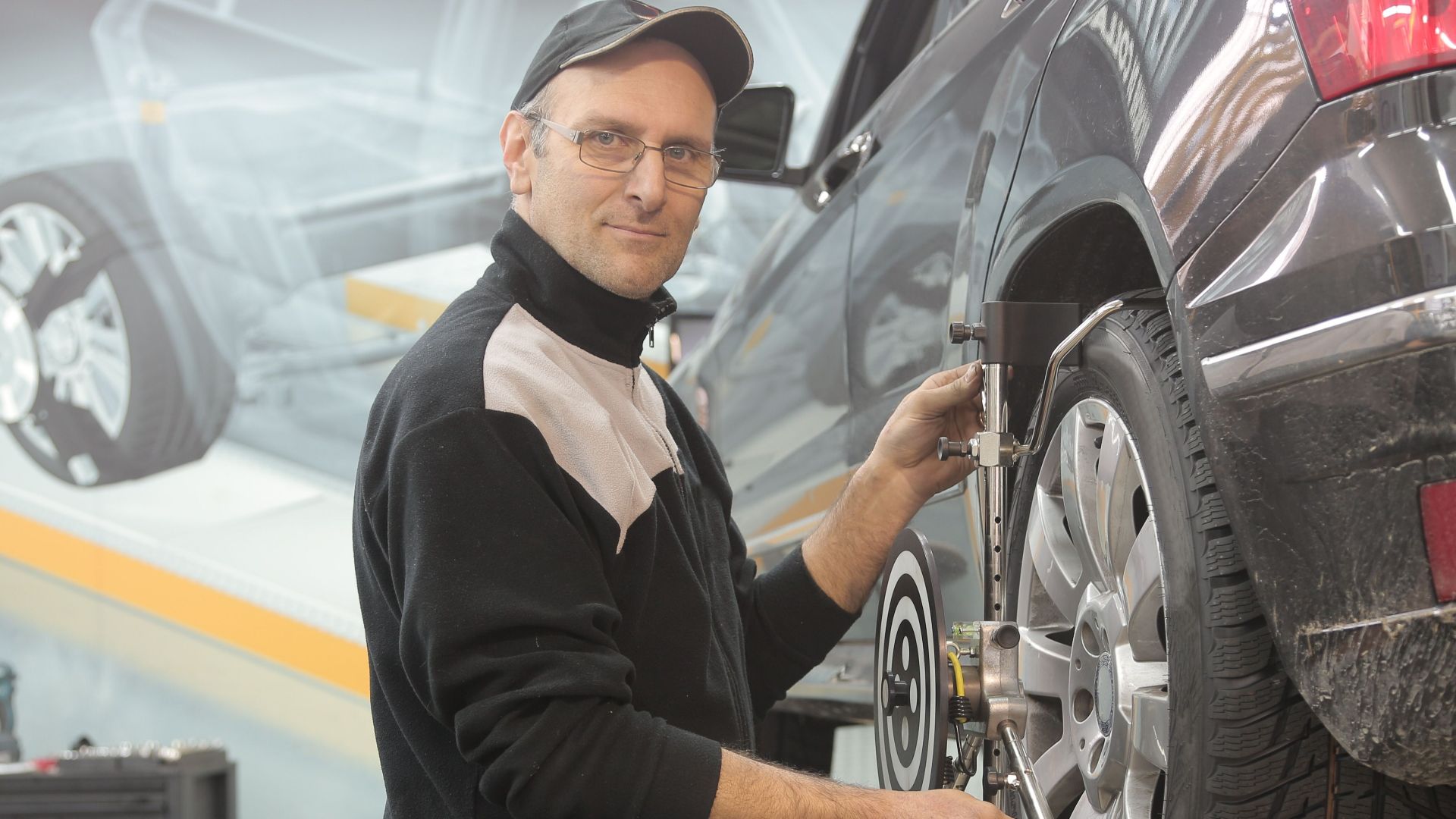
A fender bender can now involve sensor aiming, wheel alignment checks, scanning before and after repairs, and factory procedures for structural materials. The Society of Collision Repair Specialists has repeatedly stressed that proper repair on newer vehicles is not just about paint and panels. That makes cars safer for occupants, but it also means more cost and less room for guesswork.
Owners Feel It At The Checkout Counter
For drivers, the practical question is not whether the extra complexity had a good reason. The practical question is why a job that once cost a little now costs a lot. More labor steps, specialized tools, subscriptions, calibrations, and software procedures all show up on the final bill.

So Is It Intentional Or Just Modern Reality
The best factual answer is that both forces are at work. Some repairs are harder because modern vehicles really are more advanced and more tightly packed. Some are harder because manufacturers have chosen systems and policies that limit who can perform certain fixes efficiently.
What Drivers Can Do About It
If you keep cars for a long time, research repairability before you buy. Look at service network reputation, parts pricing, known calibration requirements, and whether independent shops in your area can access the brand's diagnostics. Choosing a model with a strong aftermarket and broad service support can save serious money later.

Questions To Ask Before Buying
Ask whether common items like batteries, brakes, windshields, and headlights require coding or calibration. Ask how easy it is to source parts outside the dealer and whether scan-tool access is available to independent shops. Those are not nerdy side questions anymore because they can shape ownership costs almost as much as fuel economy.
 Hryshchyshen Serhii, Shutterstock
Your Mechanic's Complaint Holds Up
So, is your mechanic right? Yes. Many simple repairs really have become harder over time, and official reviews have found that some manufacturer restrictions go beyond what is necessary. The real story is not a grand conspiracy. It is the collision of technology, regulation, tight packaging, and control over data, and drivers are the ones paying for it.
 Quality Stock Arts, Shutterstock