Why Your Insurer Is Asking For Car Photos
To many Americans, an insurance company suddenly asking for photos of your car before renewing your policy still feels a very strange. Usually, though, they're not spying on you, or even looking for a reason to drop your coverage. In most cases, the company just wants current proof of the car’s condition, for both legal and business purposes.
Insurers Are Checking More Closely
Photo requests have become more common as insurers rely more on digital underwriting and fraud checks. State regulators and major insurers have both said there is a need to verify a vehicle’s condition, especially when a driver wants collision or comprehensive coverage. A basic set of photos can confirm that the car exists, what shape it is in, and whether there is visible damage already.
Pre-Existing Damage Is A Major Reason
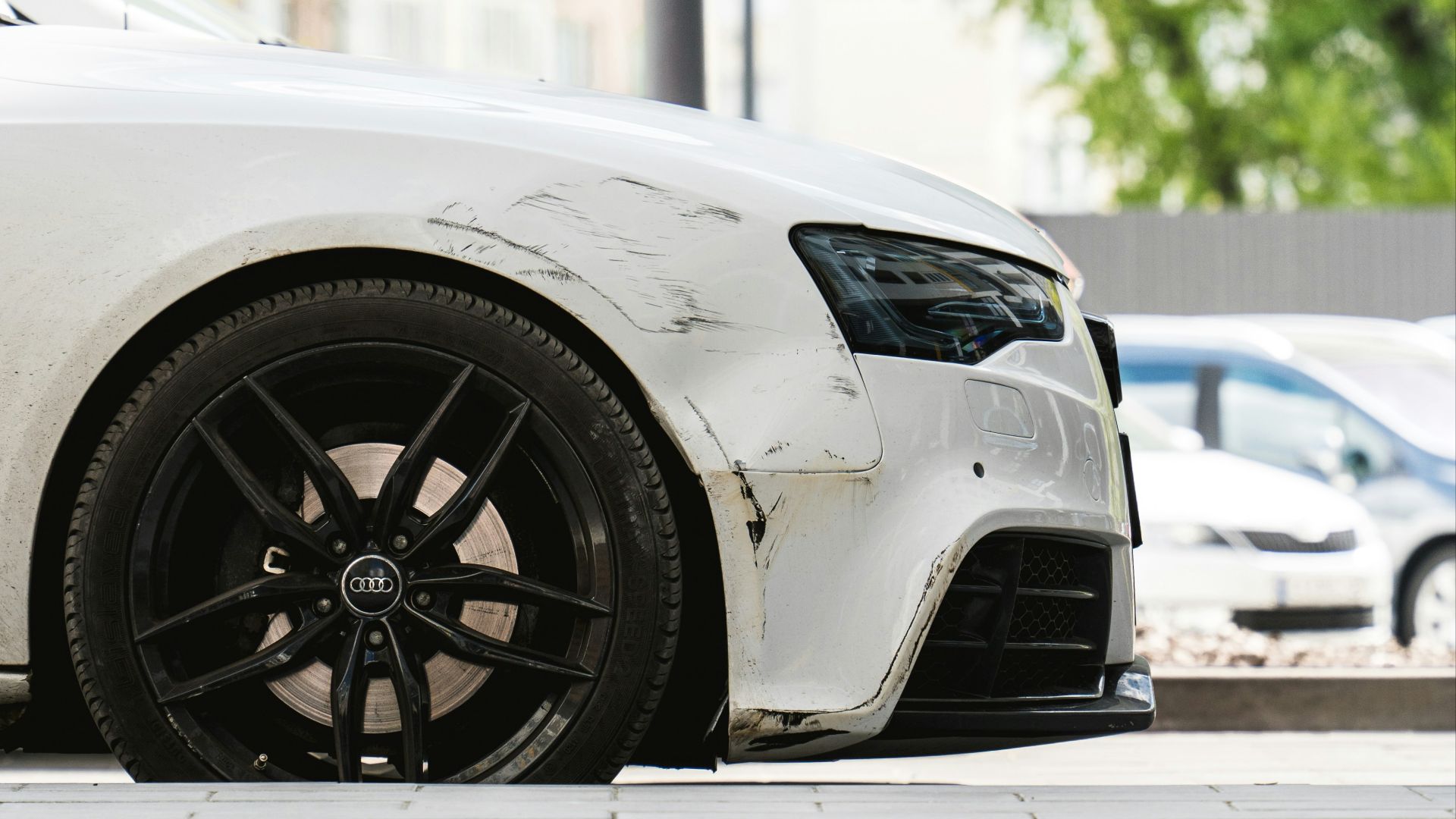
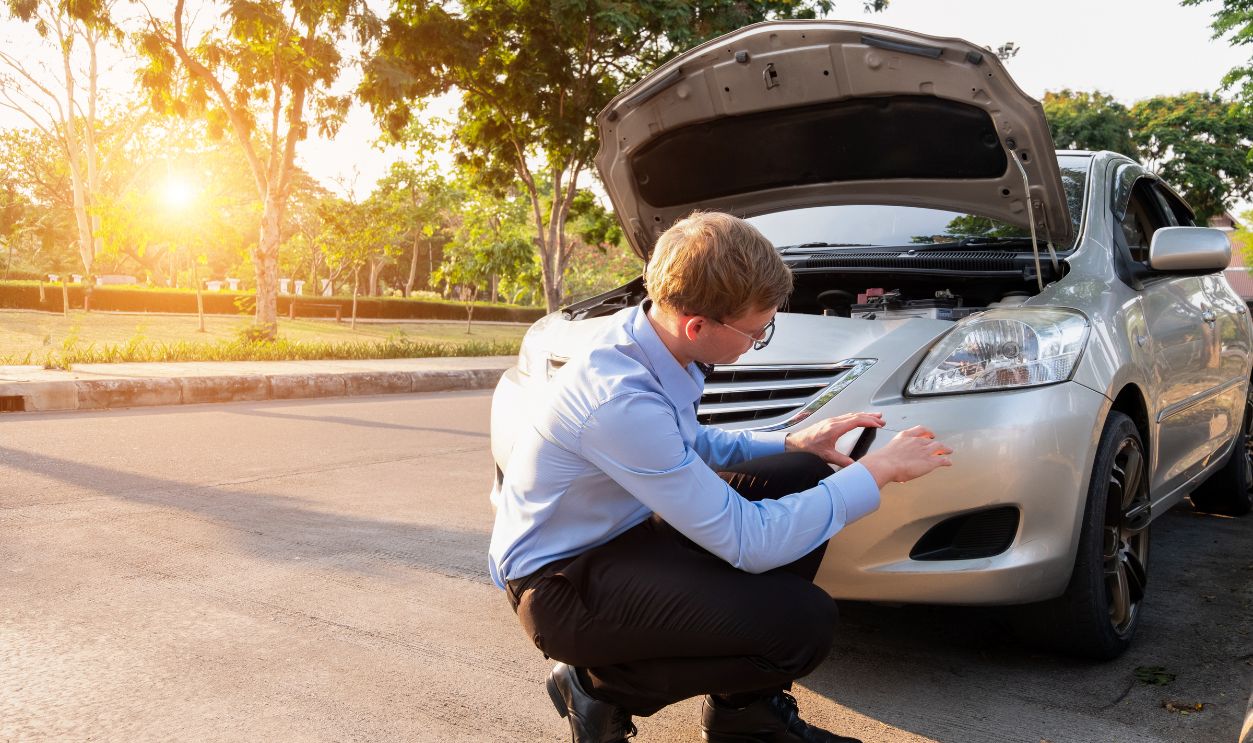
The biggest reason for these photos is simple: pre-existing damage. If a car already has body damage, the insurer does not want that damage rolled into a later claim as if it happened after the policy renewed. Photos taken before renewal or before adding certain coverage create a dated record of the car’s condition.
 Volodymyr Dobrovolskyy, Unsplash
State Regulators Have Been Clear About It
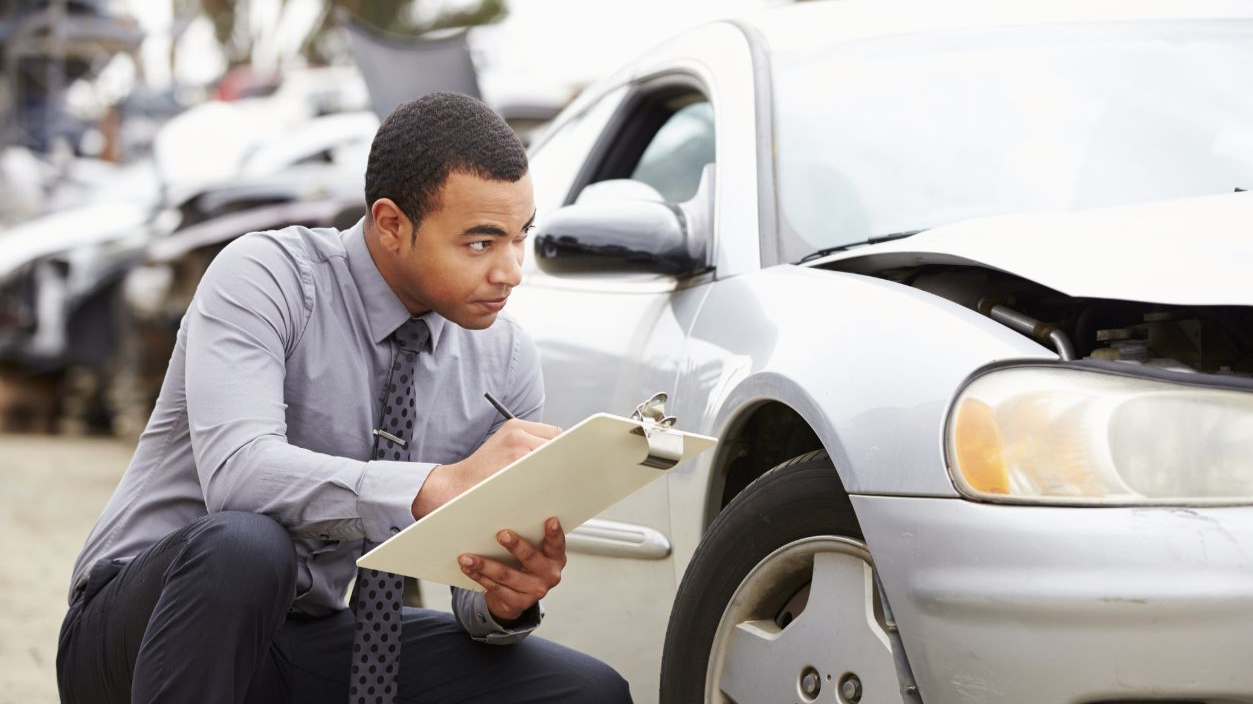
New York’s Department of Financial Services has long allowed insurers to require what it calls a pre-insurance inspection before issuing physical damage coverage, with rules and exceptions. The point is to cut down on fraud and document the vehicle’s condition before coverage starts. It is one of the clearest official explanations for why insurers care about photos.
 Monkey Business Images, Shutterstock
What New York’s Rule Says
In New York, Regulation 79 has been around for decades and deals with inspections for private passenger vehicles before physical damage coverage is provided. The rule is meant to spot existing damage and discourage fake or inflated claims. Other states may handle it differently, but the basic thinking is much the same across the industry.
Photos Now Often Replace In-Person Inspections
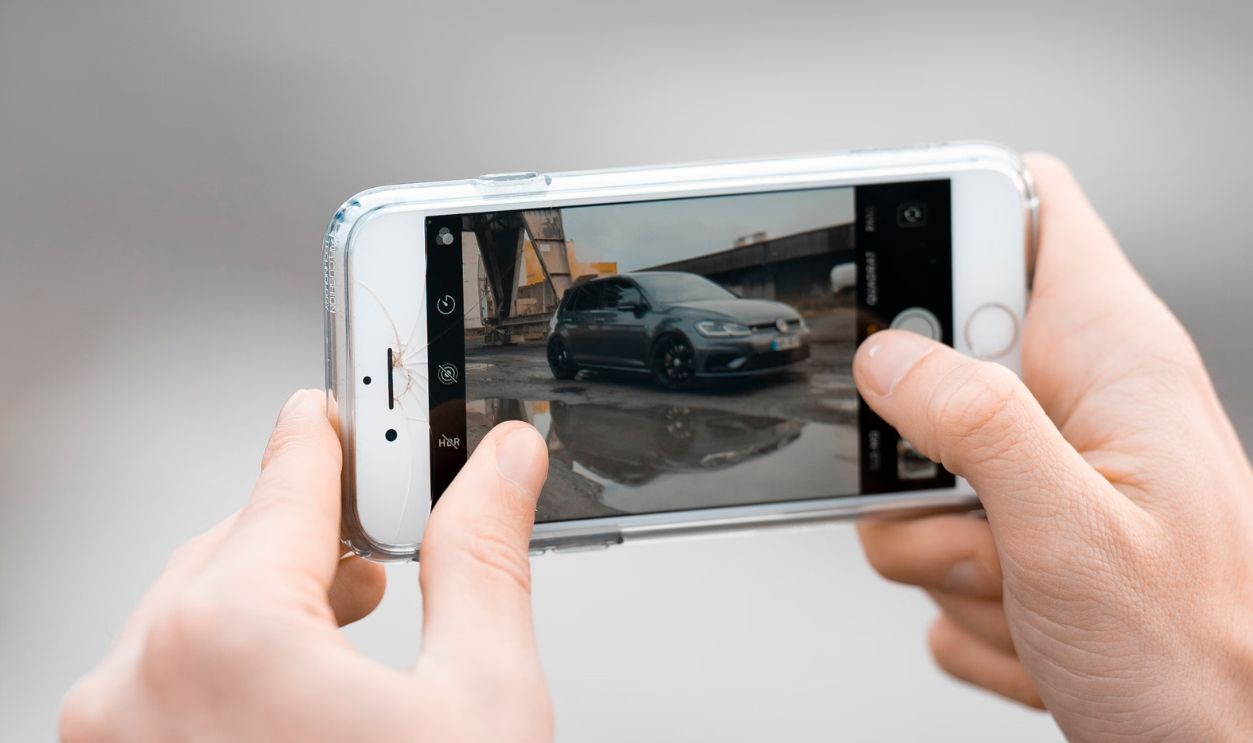
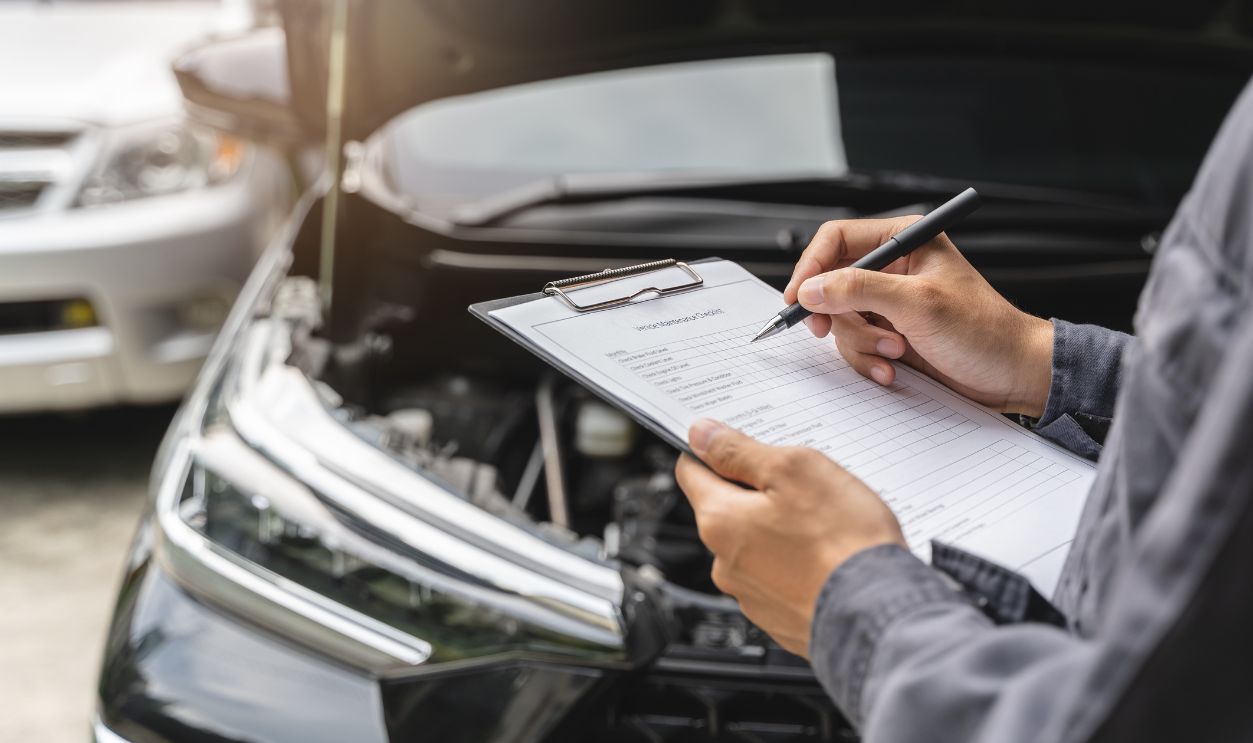
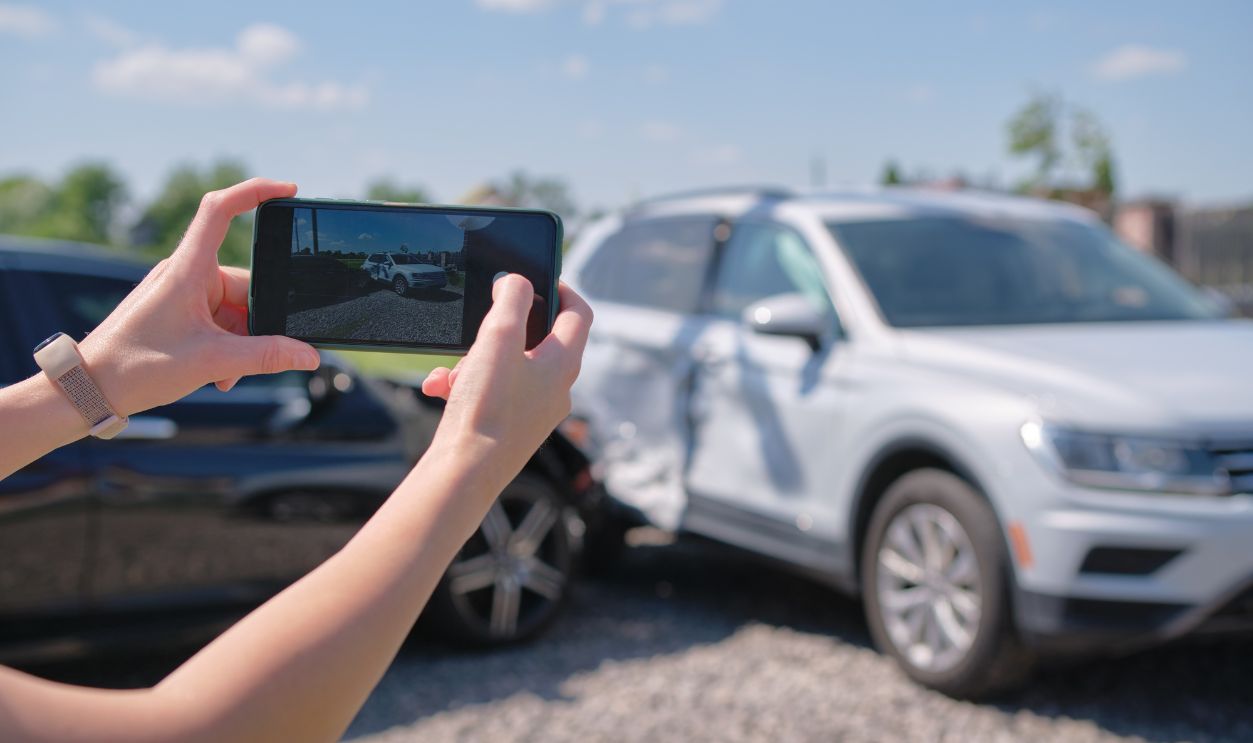
What used to mean driving to an inspection site can now often be done with a phone. Insurers and outside inspection companies increasingly use apps that walk drivers through photos of each side of the car, the VIN, and the odometer. It is quicker for the customer and gives the insurer a clean, consistent record.
Fraud Is Part Of The Story
The National Insurance Crime Bureau, or NICB, regularly warns that insurance fraud drives up costs for everyone. One concern is when someone tries to pass off old damage as new, or insures a damaged car and files a claim soon after. A dated photo set makes that much harder to do.

Renewal Is Not Always Just A Rubber Stamp
A lot of drivers think renewal is automatic, but insurers can reassess risk when the policy comes up again. If the company has incomplete records, sees conflicting claims information, or has changed its underwriting rules, it may ask for fresh documents. Photos are one of the easiest ways to fill in those gaps without sending you to a shop.
Adding Collision Or Comprehensive Can Trigger It
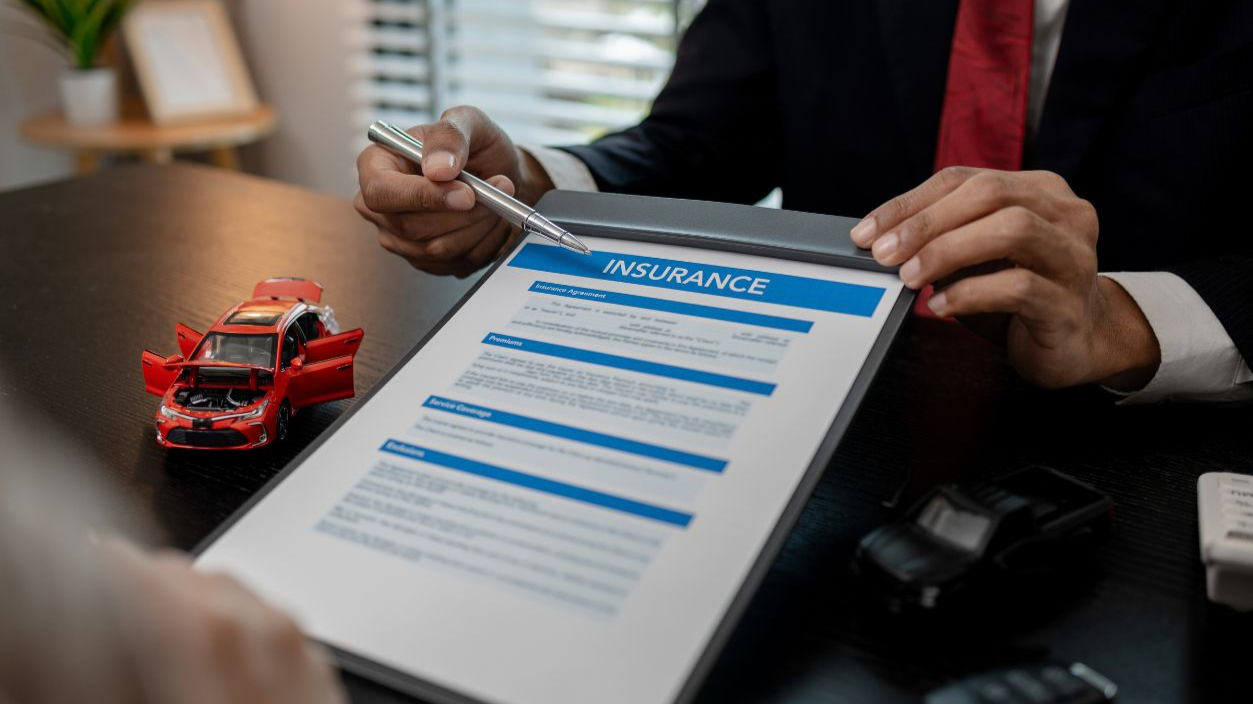
If you used to carry only liability and now want collision or comprehensive, expect more questions. Those coverages pay for damage to your own car, so the insurer has a direct reason to confirm the vehicle’s condition. That is especially true if the car is older, modified, or not fully clear in the usual databases.

They May Also Be Checking The Vehicle Details
Photos can help confirm that the car on the policy is actually the car being insured. That can include the license plate, VIN, trim level, and obvious aftermarket changes. If those details are wrong, your premium could be off, and a future claim could get more complicated.
Good Photos Can Make Future Claims Easier
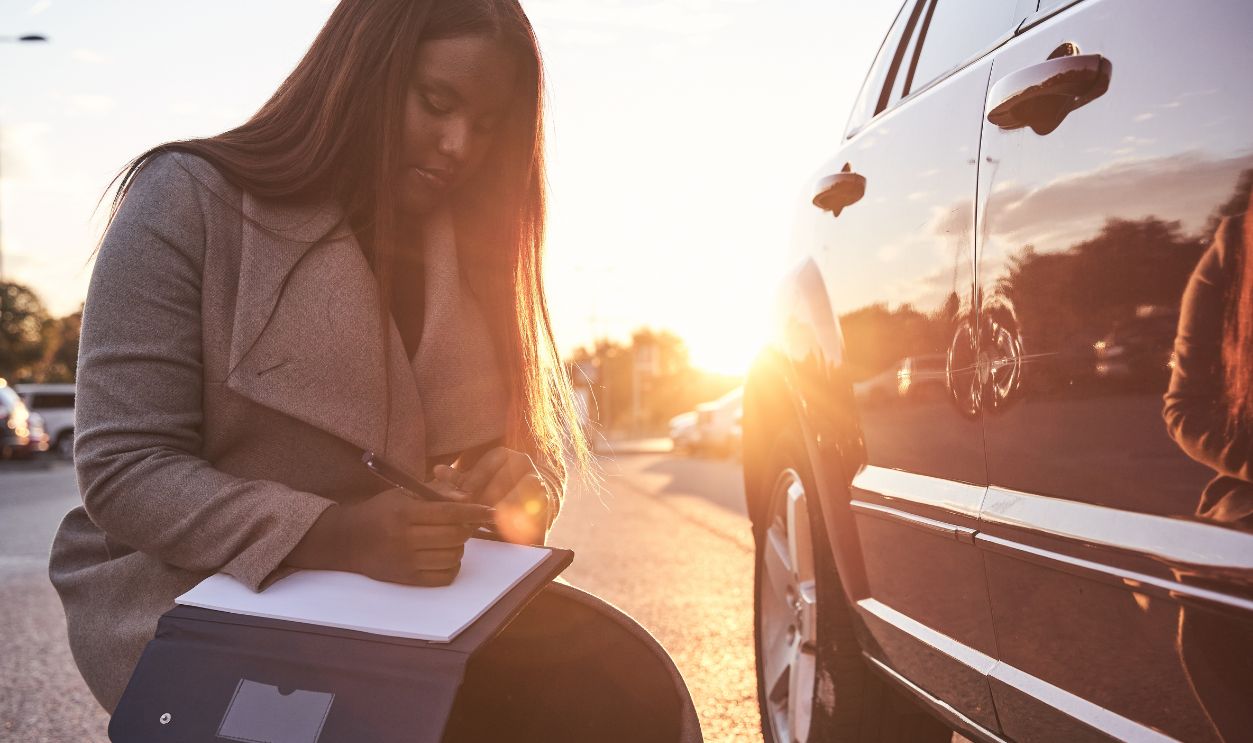
Even if your premium stays the same, these photos can help later. If you are rear-ended six months after renewal, the insurer can compare the new damage with the earlier images. That makes it easier to separate fresh damage from dents, scratches, or cracked lights that were already there.
It Is Also A Faster Process
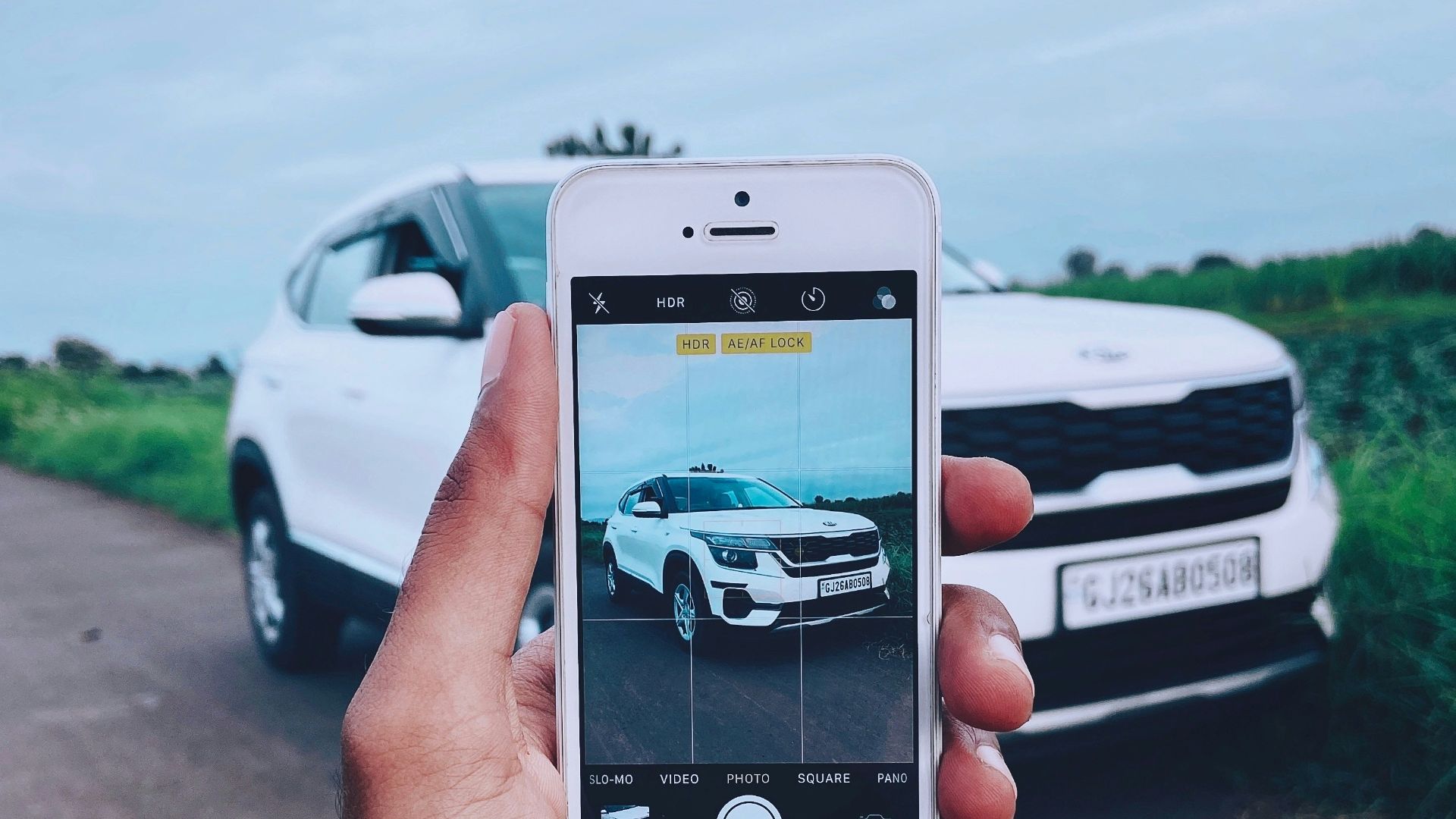
Digital photos are quicker than old-school inspections. Companies like Progressive and GEICO say online that they may ask for photos or inspection details in some situations, especially when physical damage coverage is involved. For drivers, that often means less hassle than setting up an in-person visit.
 I Believe I Can Fly, Shutterstock
Your State Can Change The Rules
Insurance is regulated by each state, so the exact rules are not the same everywhere. Some states have clear inspection rules, while others leave more room for insurer guidelines. If you want to know whether the request is optional, required, or tied to a certain kind of coverage, your state insurance department is the best place to start.
There Are Usually Exceptions
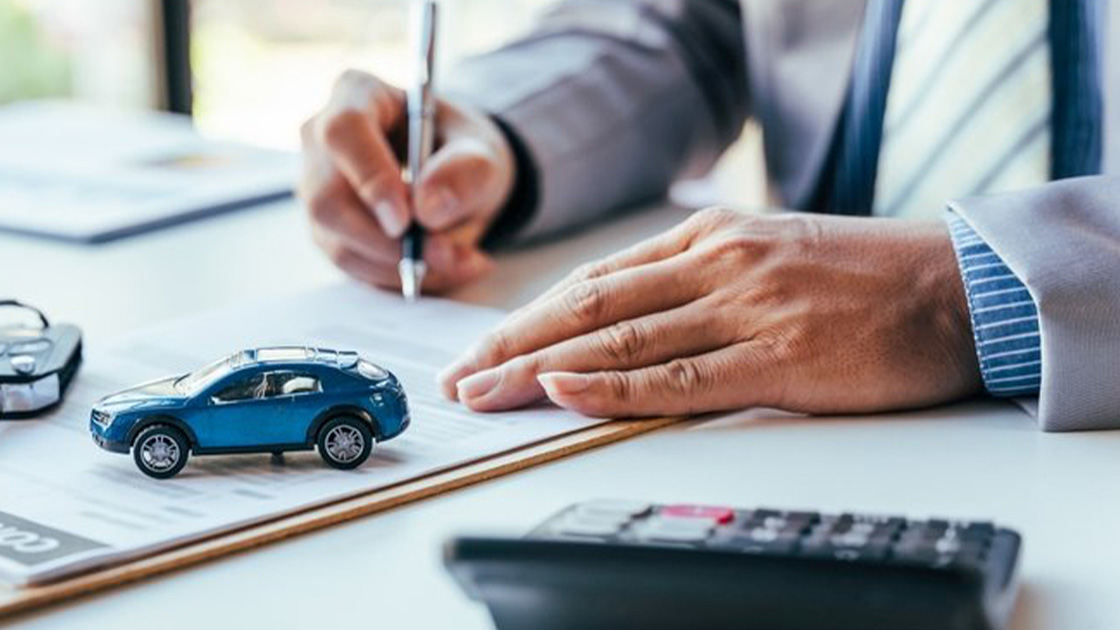
Inspection rules are rarely one-size-fits-all. New York’s rule, for example, lists exemptions in some cases, including certain new vehicles or transfers from another insurer under specific conditions. That means one driver may have to submit photos while another does not, even in the same state.
Leased And Financed Cars Raise The Stakes
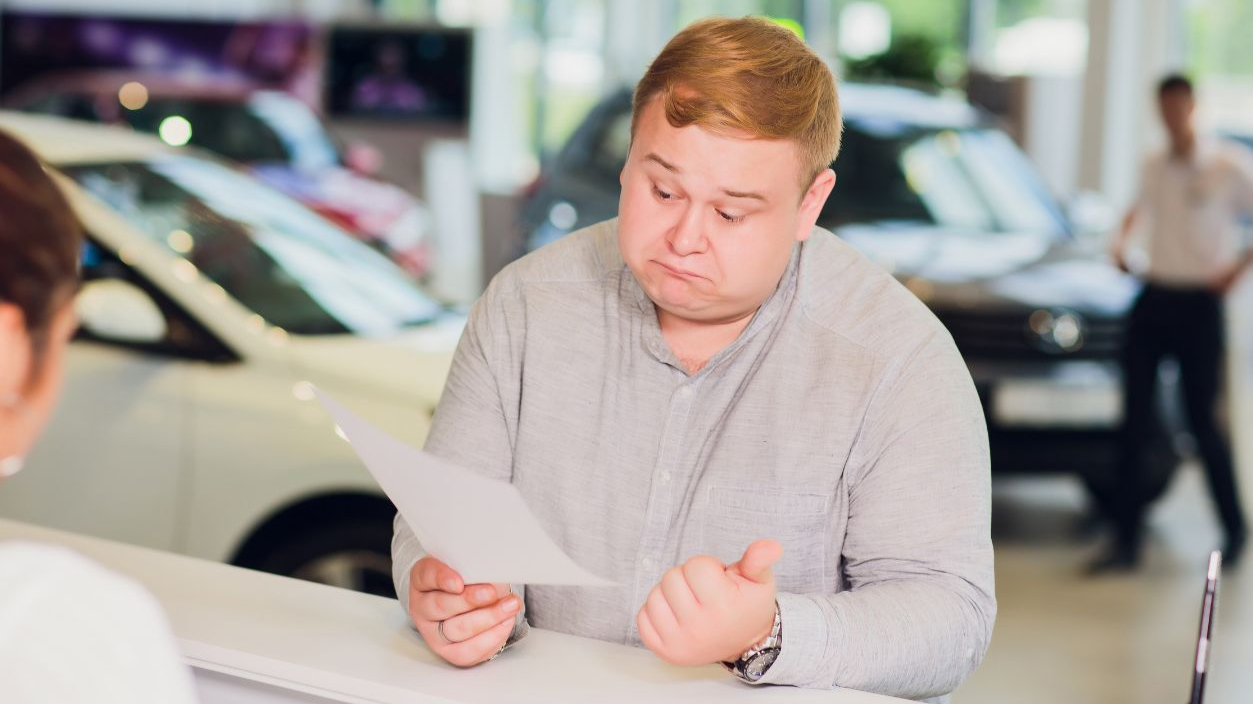
If your car is leased or financed, your lender or leasing company may require you to keep physical damage coverage in place without a break. If your insurer needs photos before renewing that coverage, ignoring the request can create problems quickly. A lapse or downgrade could put you at odds with your finance agreement.
It Usually Does Not Mean They Suspect You
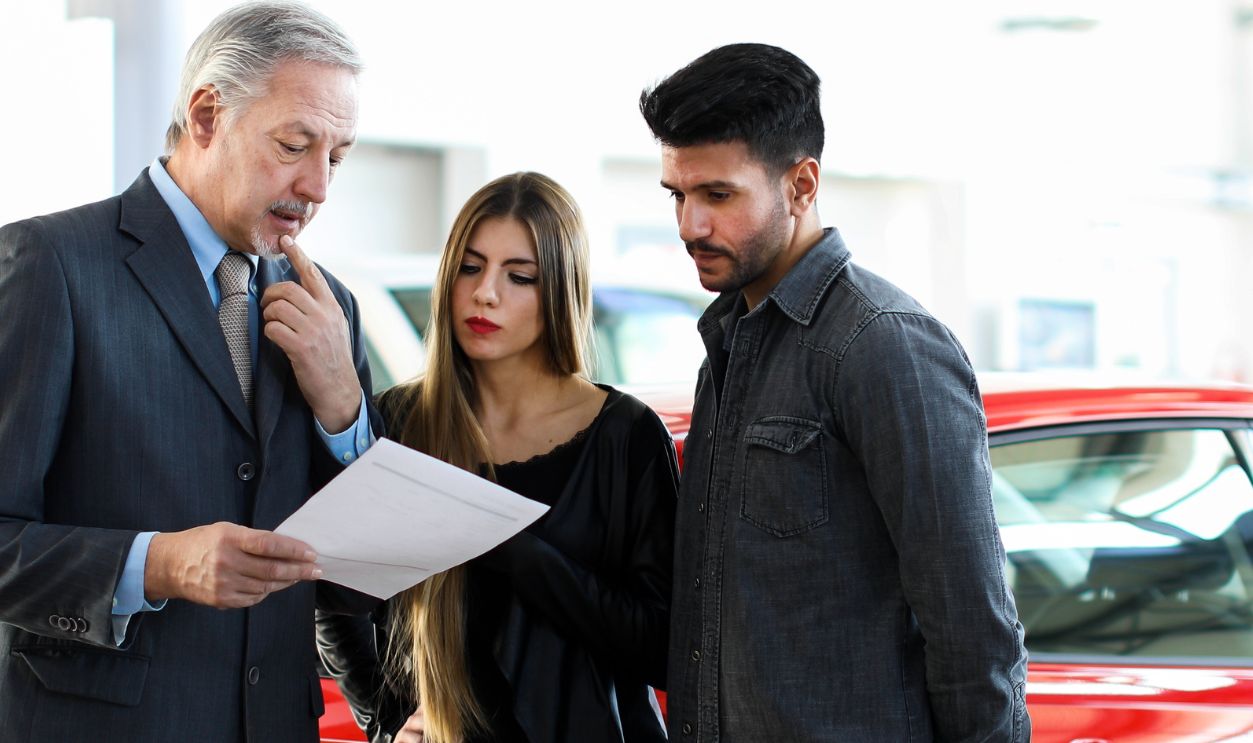
It is easy to take a photo request personally, but it often is not personal at all. In many cases, it is just a standard underwriting step tied to a type of vehicle, a coverage change, or a state rule.
Older Cars Often Get More Scrutiny
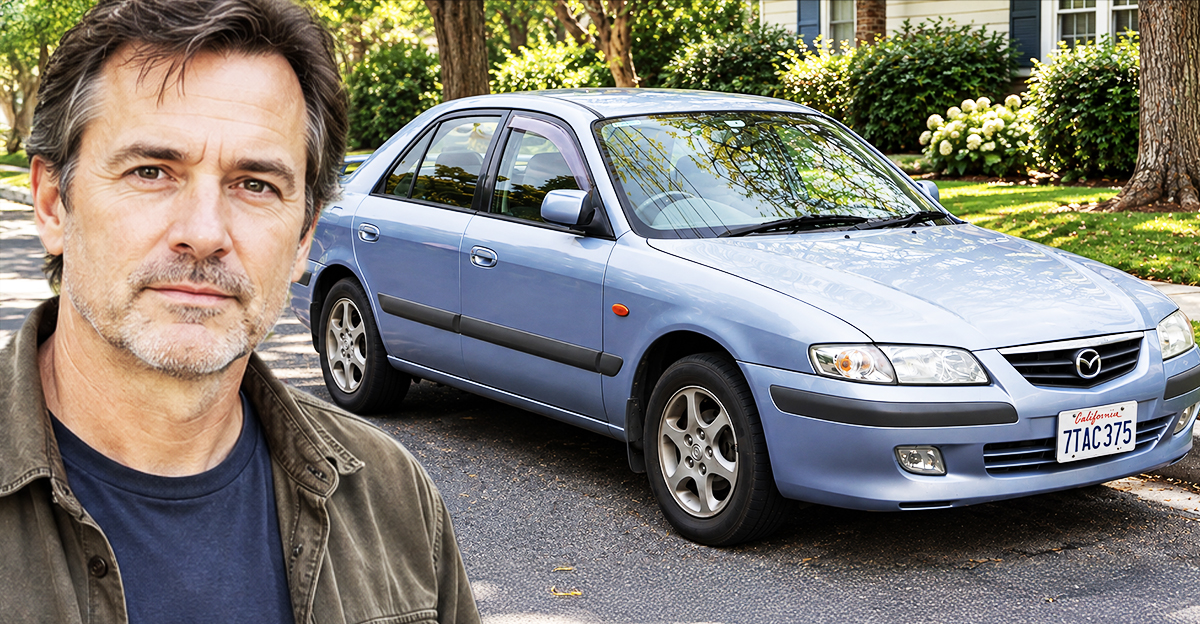
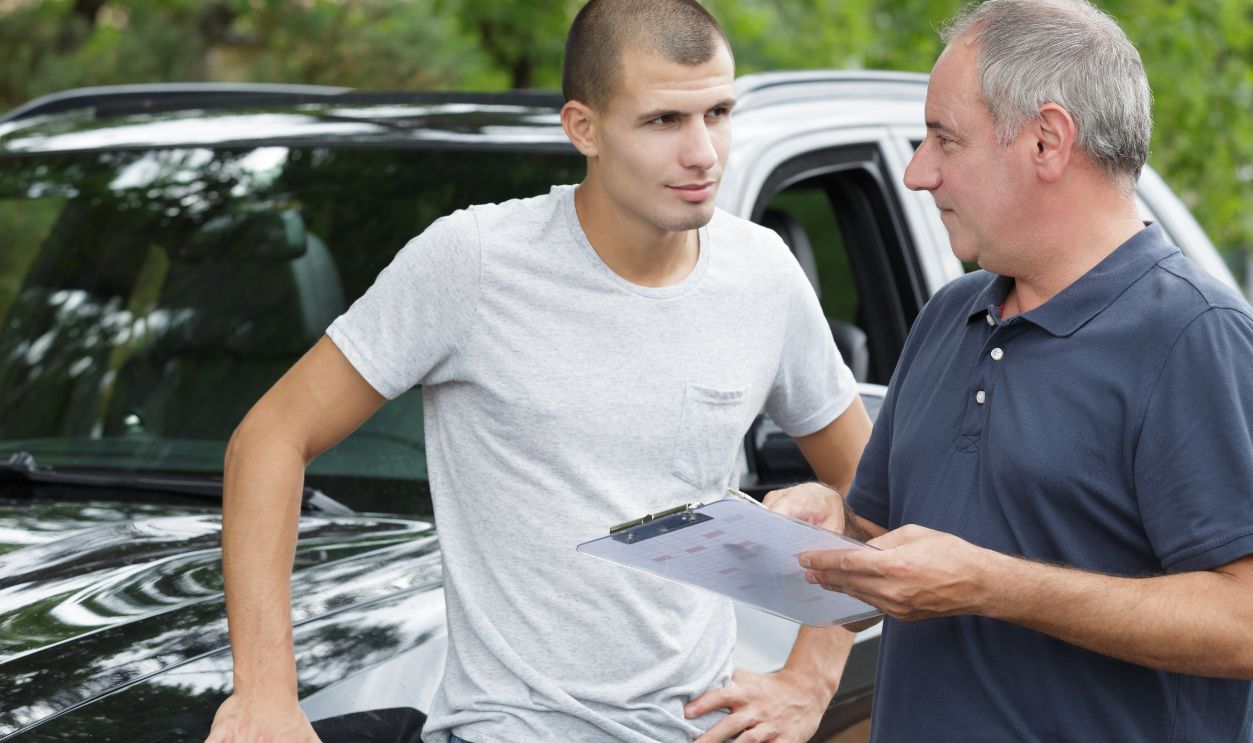
Insurers may be more likely to ask for photos of older vehicles because condition can vary a lot. A 10-year-old sedan in great shape and one with rust, cracked lights, and mismatched body panels do not present the same risk. Photos help fill in what the age of the car alone cannot show.
Modified Cars Can Set Off Questions
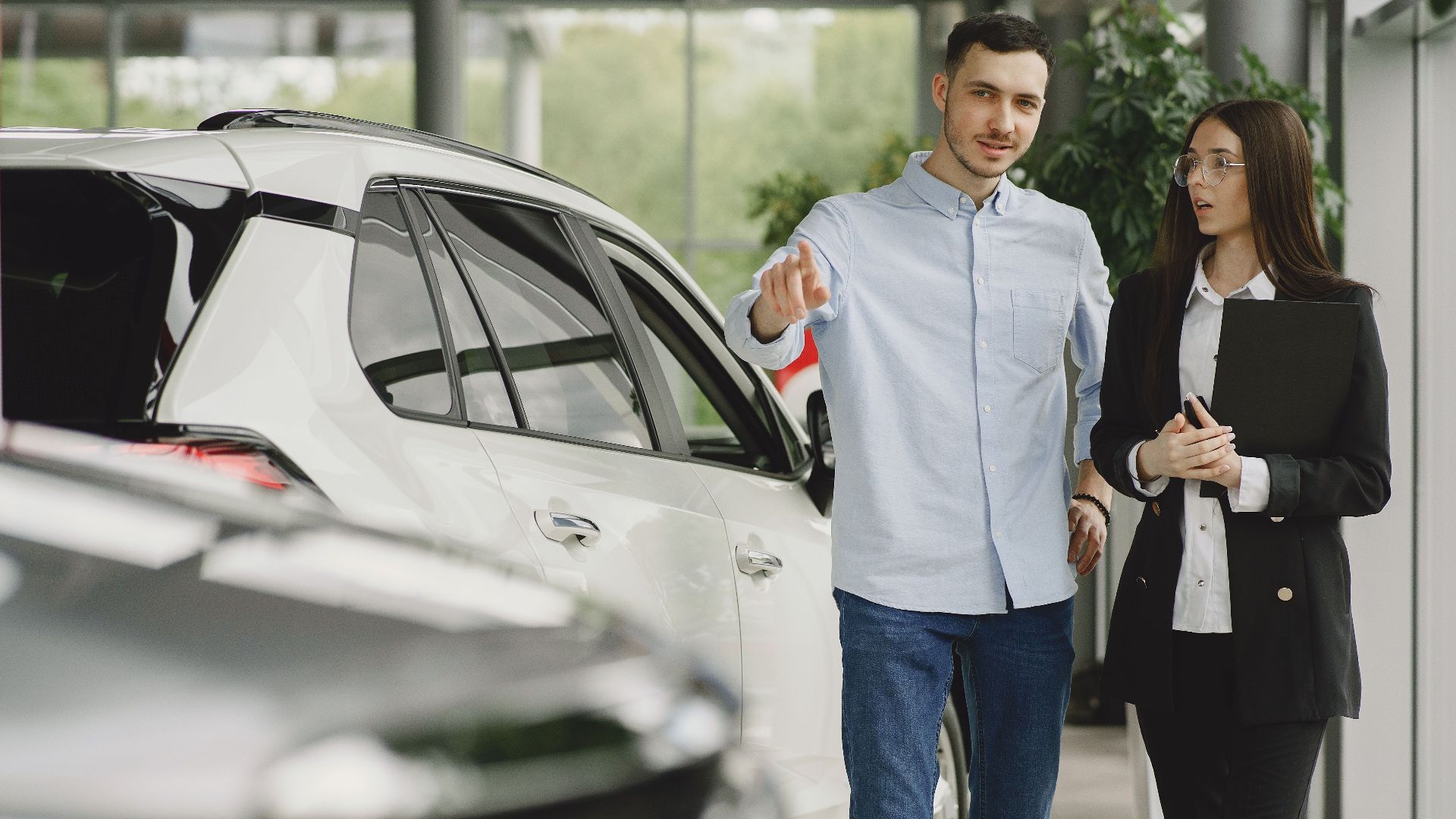
Aftermarket wheels, suspension changes, body kits, and performance upgrades can all matter. Some modifications raise repair costs, and some may not be covered unless they were specifically disclosed. Photos can reveal visible changes and give the insurer a reason to spell out what is and is not insured.
 Amnaj Khetsamtip, Shutterstock
VIN And Odometer Photos Matter Too
When an insurer asks for photos, it usually wants more than a few wide shots. Expect requests for the VIN plate, odometer, all four sides of the car, and sometimes the interior. Those images help verify the car’s identity, mileage, and general condition in one round.
Guided Photo Apps Are Becoming Standard
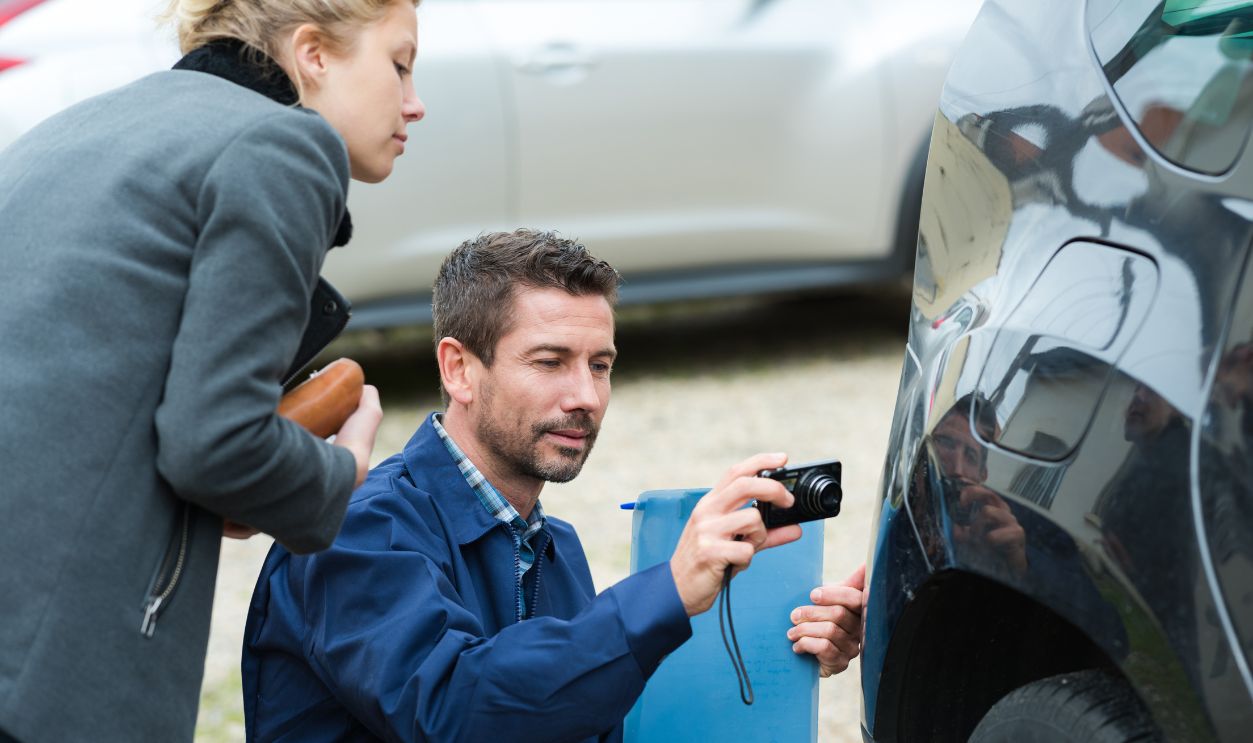
Many insurers now use guided apps, either their own or those from outside vendors that specialize in self-inspections. These apps usually tell you exactly where to stand and what to photograph. That helps cut down on missing details and makes it easier to compare one car submission with another.
There Is A Benefit For You Too
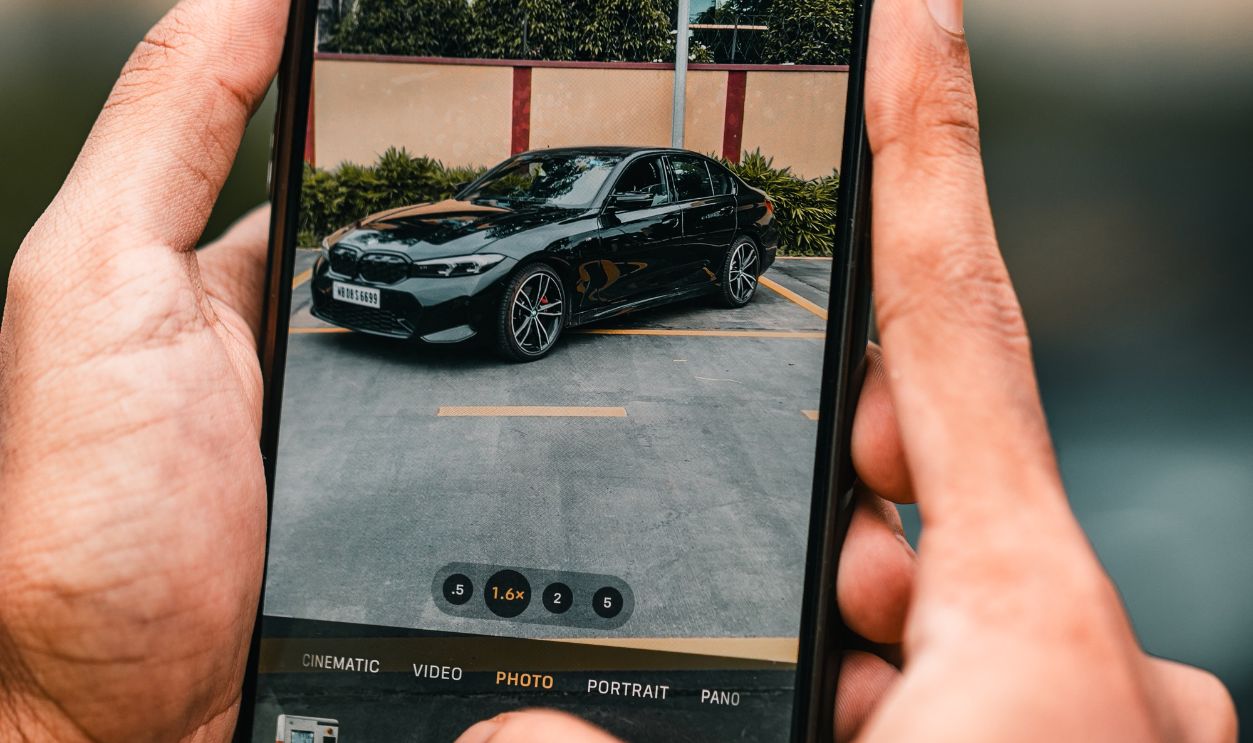
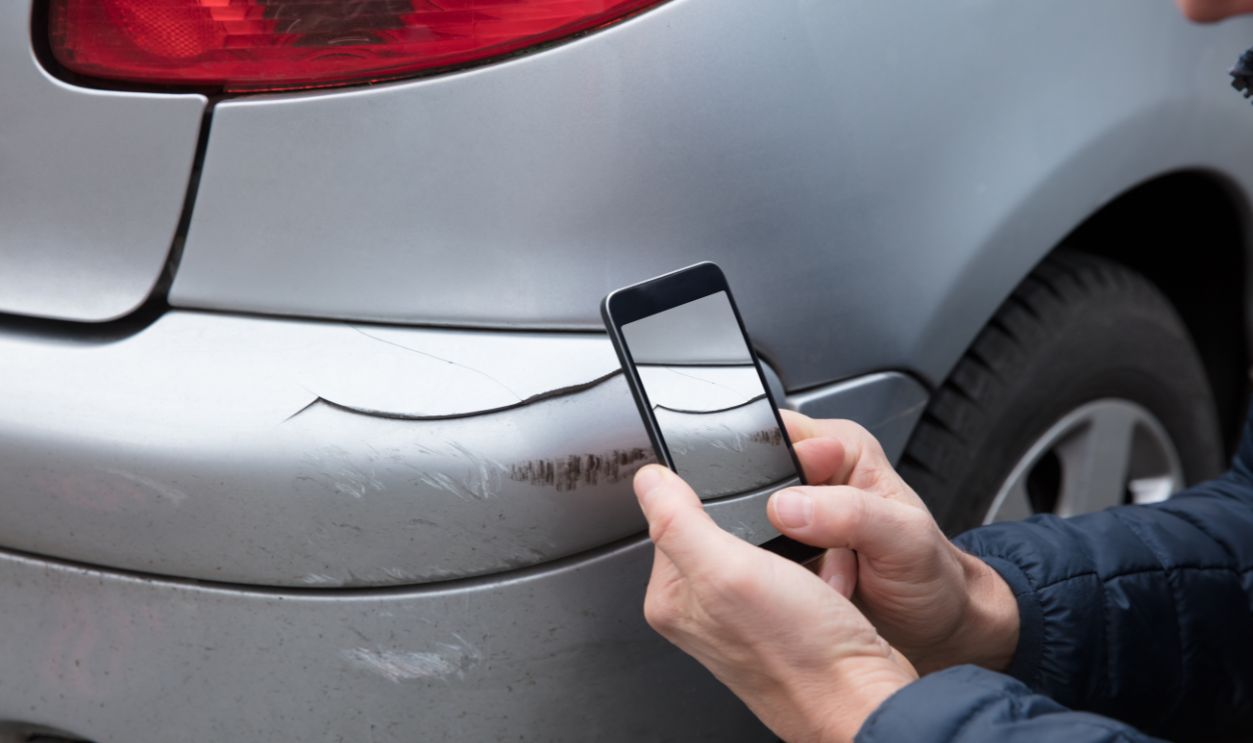
This process is not only for the insurer. If your car is in good shape at renewal, clear photos can help protect you from later arguments about when a scratch, dent, or bumper crack showed up. In that way, the photo set can help you just as much as it helps the company.

What Happens If You Say No
If the photos are tied to underwriting approval for collision or comprehensive, refusing could mean the insurer will not continue those coverages. In some cases, the policy may still renew with liability only, but that depends on the company and the state. The notice from your insurer should explain the result, and if it does not, ask before the deadline.

Privacy Concerns Are Reasonable
It is fair to wonder where these images go and who gets to see them. Insurers are generally required to follow privacy and data security rules, but practices can differ from one company to another. If you are concerned, ask how the photos will be stored, whether metadata is kept, and whether an outside inspection vendor is involved.
 f.t.Photographer, Shutterstock
Do Not Leave It Until The Last Minute
One of the easiest ways to turn a routine request into a coverage problem is to wait too long. Some insurers will not finalize renewal terms for certain coverages until the photos are reviewed. If there is glare, a missing angle, or a VIN that cannot be read, you want enough time to fix it.

How To Take Better Insurance Photos
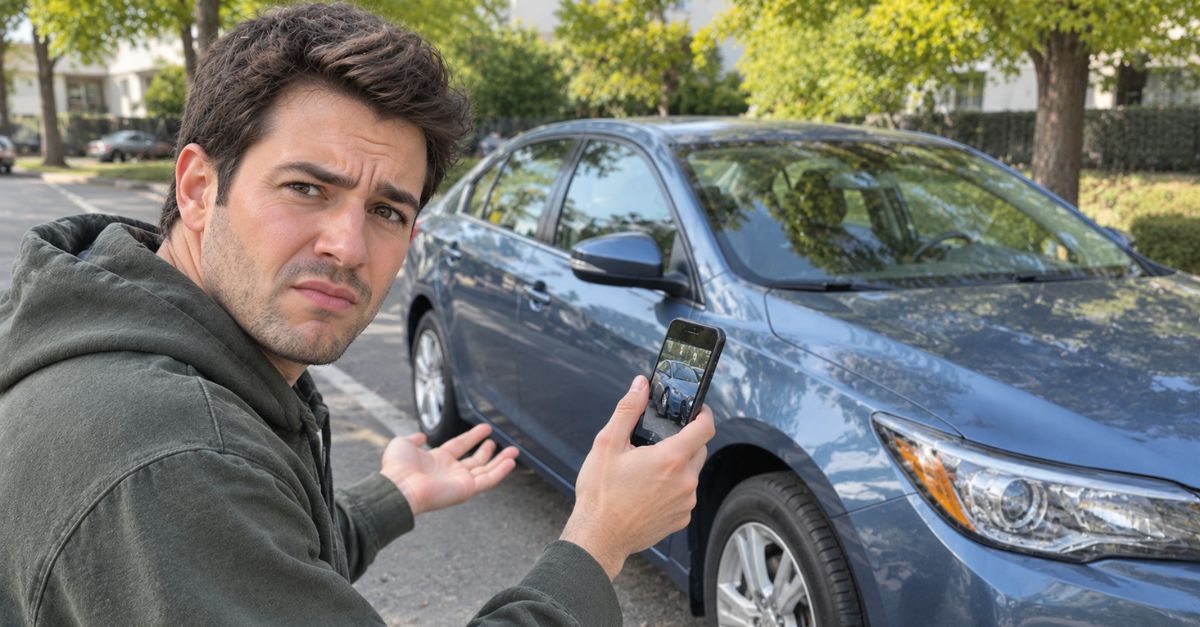
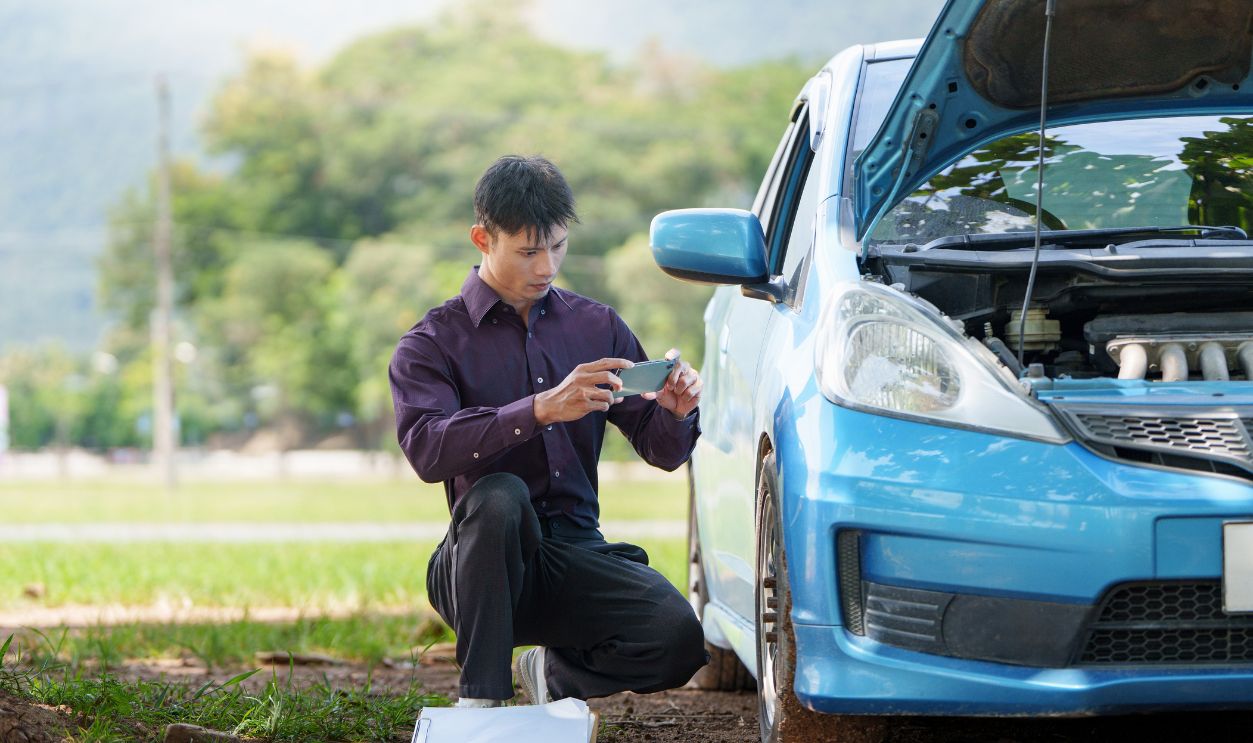
Park in daylight, clean the car enough so damage and trim are easy to see, and avoid deep shadows or strong reflections. Photograph all four corners, both sides, the front, the rear, the VIN, and the odometer if requested. If the app gives framing instructions, follow them closely, because retakes can slow things down.
Be Honest About Existing Damage
If the car already has a dent or scrape, do not try to hide it with clever angles. The whole point is to create an accurate baseline. Being upfront now is far better than having a later claim questioned because old damage was visible in the renewal photos.
Questions To Ask Before You Send Anything
It is smart to ask whether the photos are required by state rules, company underwriting, or a third-party inspection program. You can also ask whether the request affects only collision and comprehensive or the whole policy. Getting that answer in writing can help if there is a dispute later.

The Bottom Line
An insurer usually wants photos of an undamaged vehicle for one main reason: to show that it really was undamaged before the company agreed to keep covering damage claims. The practice is rooted in underwriting, fraud prevention, and state rules that in some places have been around for years. It may feel intrusive, but in most cases it is a practical way to create a clear before picture before anything goes wrong.