The Price Hike That Feels Personal
You open your renewal notice and there it is. Your premium went up, and the explanation says thefts increased in your postal code. Obviously it feels unfair. You didn't steal a car, leave your keys out, or file a claim, yet you are paying more anyway. But in these situations, the insured have fewer rights than they might think.

Why Insurers Look Beyond Your Own Record
Auto insurance is built on shared risk. Insurers do not price a policy based only on you. They also look at what is happening around you, including claims trends in your neighborhood. The Financial Services Regulatory Authority of Ontario says rates are based on many factors, including where you live and the claims history tied to that area.
Your Postal Code Is a Risk Signal
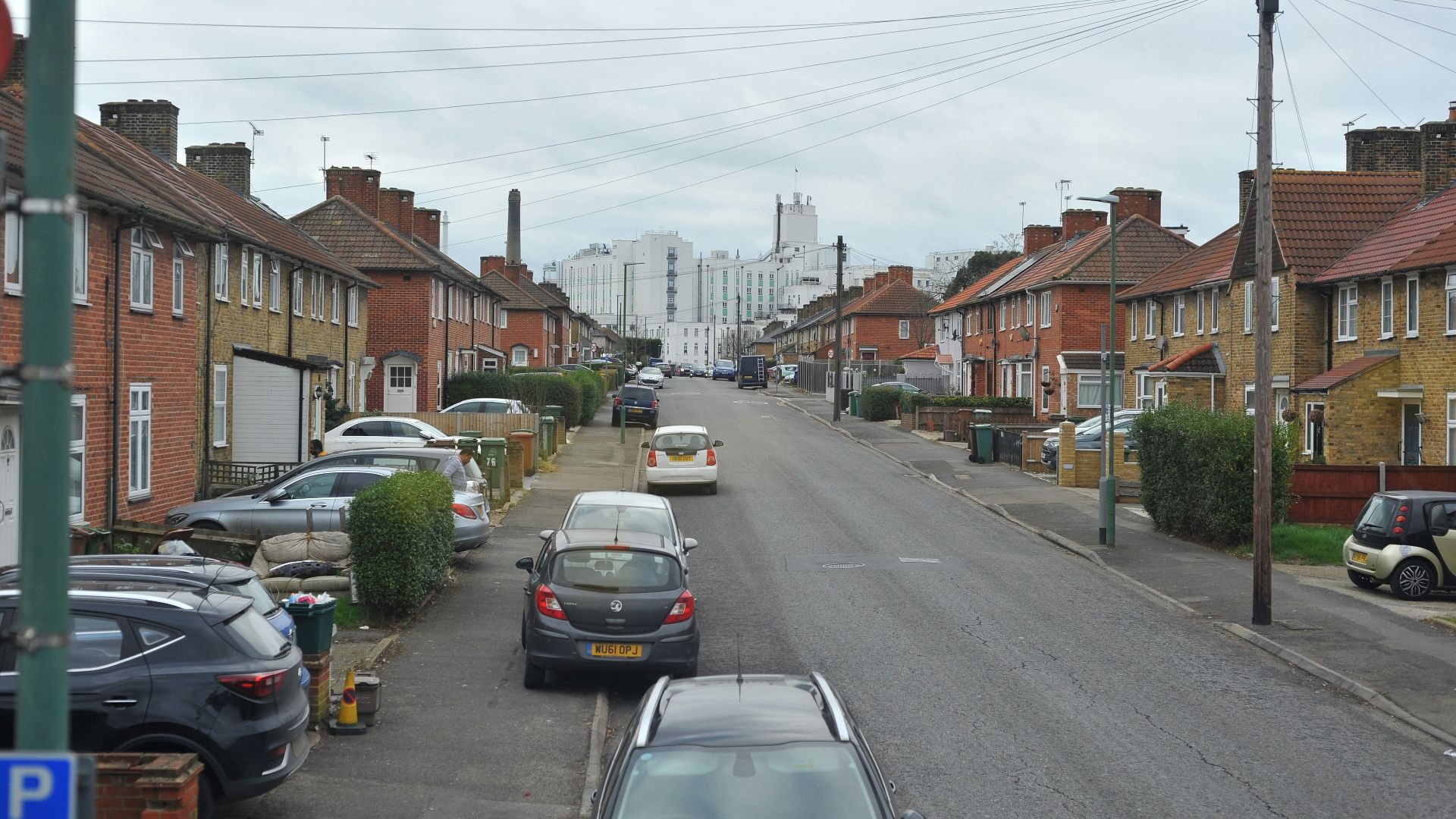
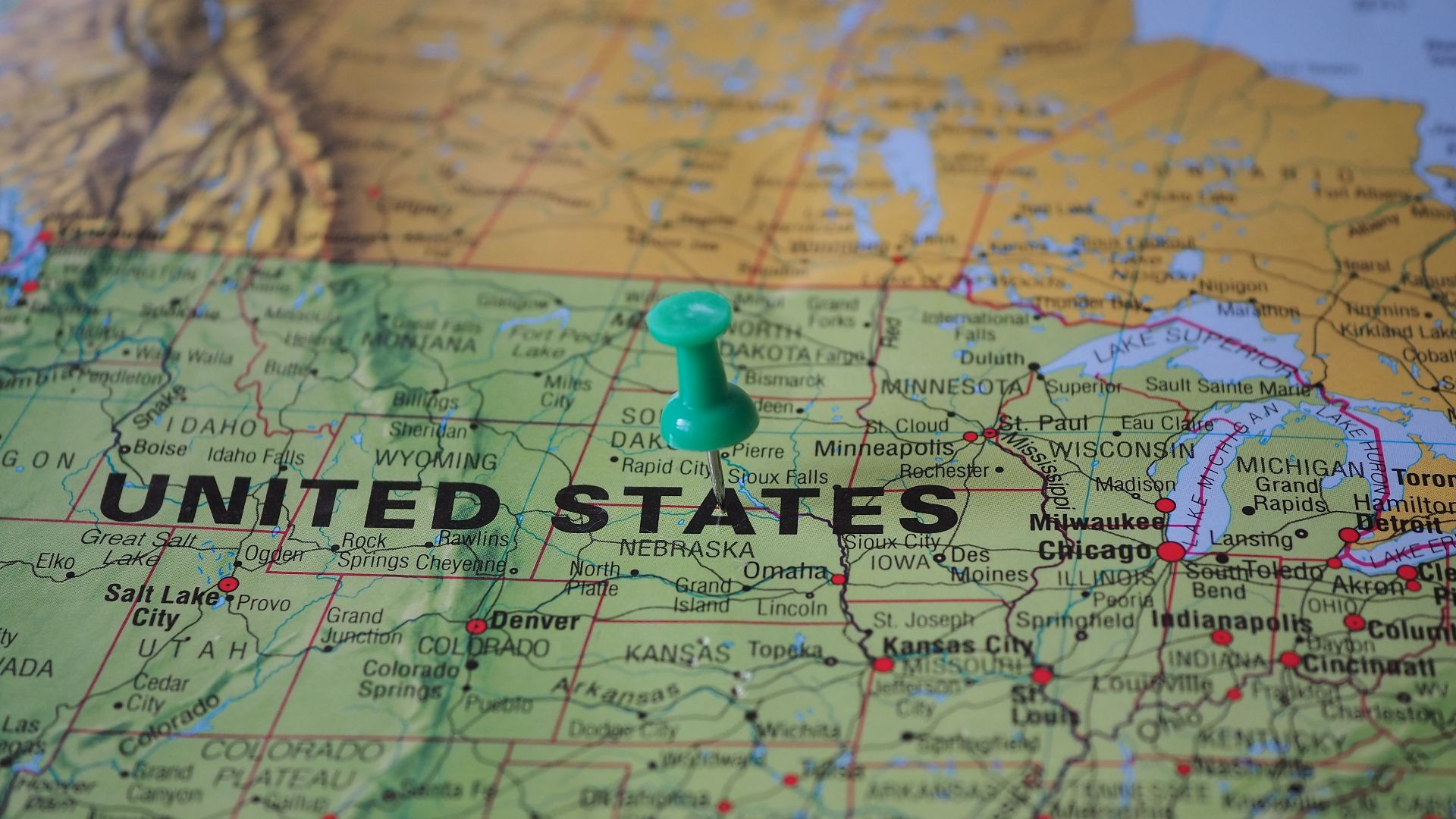
When an insurer mentions your postal code, it is usually talking about claims data, not making a judgment about your neighbors. Companies use territory-based rating because theft, collision frequency, repair costs, and fraud can vary a lot from one area to another. If more vehicles are stolen in one area, insurers expect higher future losses there and price for that risk.
Yes, That Can Mean You Pay for Group Losses
The hard truth is that insurance spreads losses across a group. If theft claims jump nearby, the cost of those claims can show up in premiums for drivers in that rating territory, even if your own record is spotless. Consumer advocates and regulators both recognize that this is how insurance pooling works, even when it feels frustrating.

Theft Really Has Been Surging in Canada
This is not just an excuse tucked into a renewal letter. Statistics Canada reported that police-reported motor vehicle theft rose 5 percent in 2023 from 2022, and some cities have seen much sharper increases over the past several years. That matters because insurers react to real claims costs, and vehicle theft has become one of the biggest pressures on the market.
The National Spotlight Turned Bright in 2024
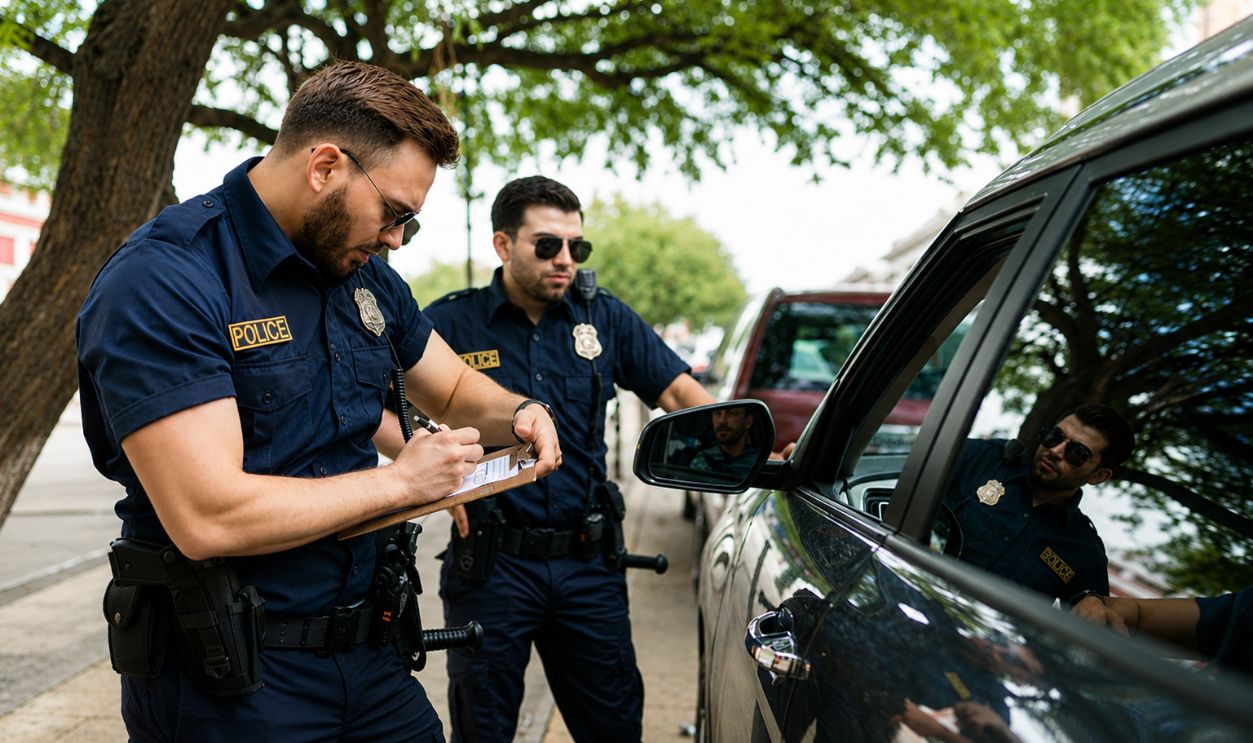
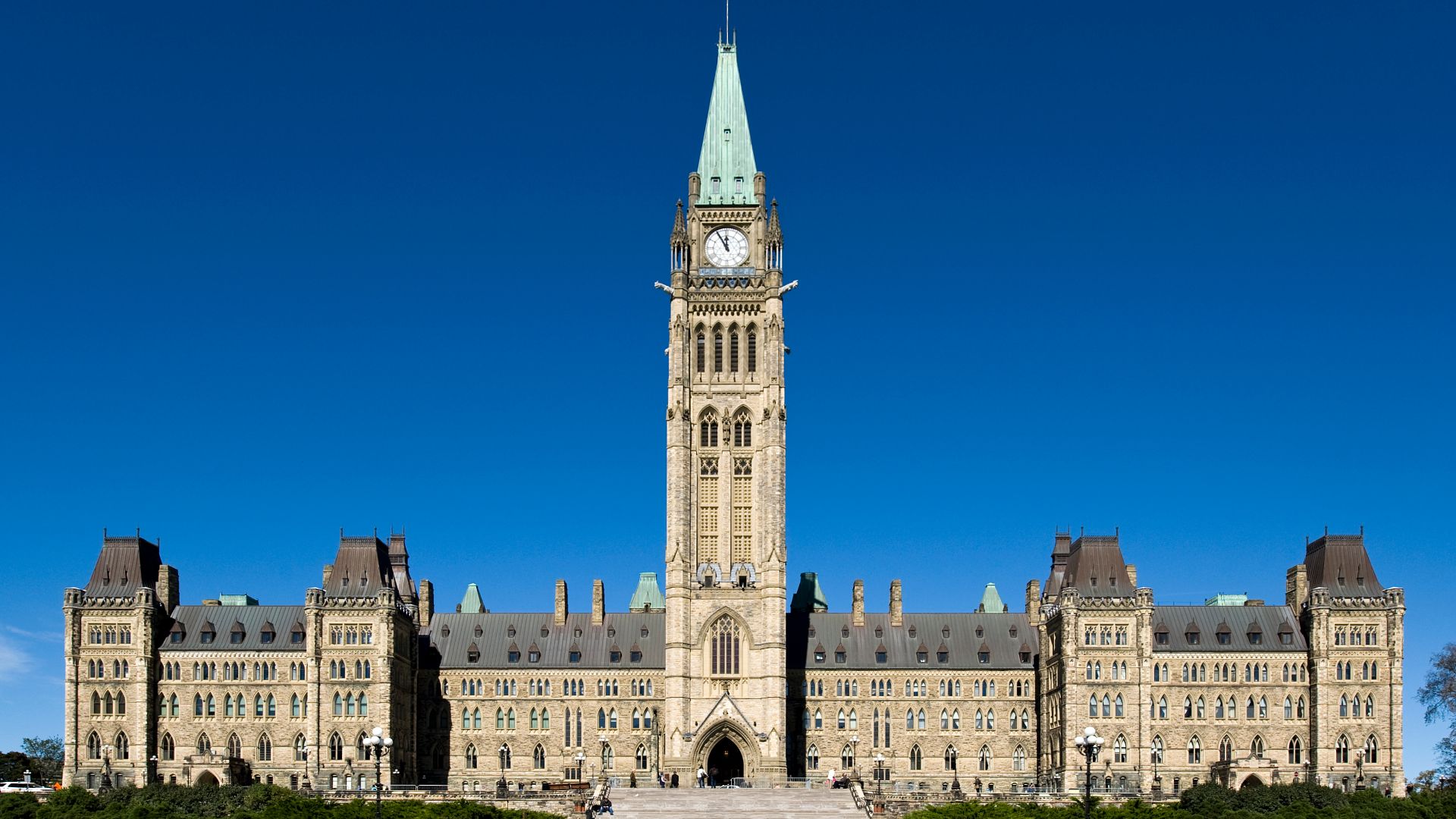
In February 2024, the federal government held a National Summit on Combatting Auto Theft. Public Safety Canada said more than 90,000 vehicles were stolen in Canada in 2022, with the social cost estimated at about $1 billion. When Ottawa is calling a national summit, it is hard to argue the trend is small.
 Saffron Blaze, Wikimedia Commons
Insurers Say the Dollars Are Huge
The Insurance Bureau of Canada has been sounding the alarm with big numbers. It said private passenger vehicle theft claims in Canada topped $1.5 billion in 2023, after reaching nearly $1.2 billion in 2022. Those are not minor bumps, and they add direct pressure to rates.

Ontario and Quebec Have Been Ground Zero
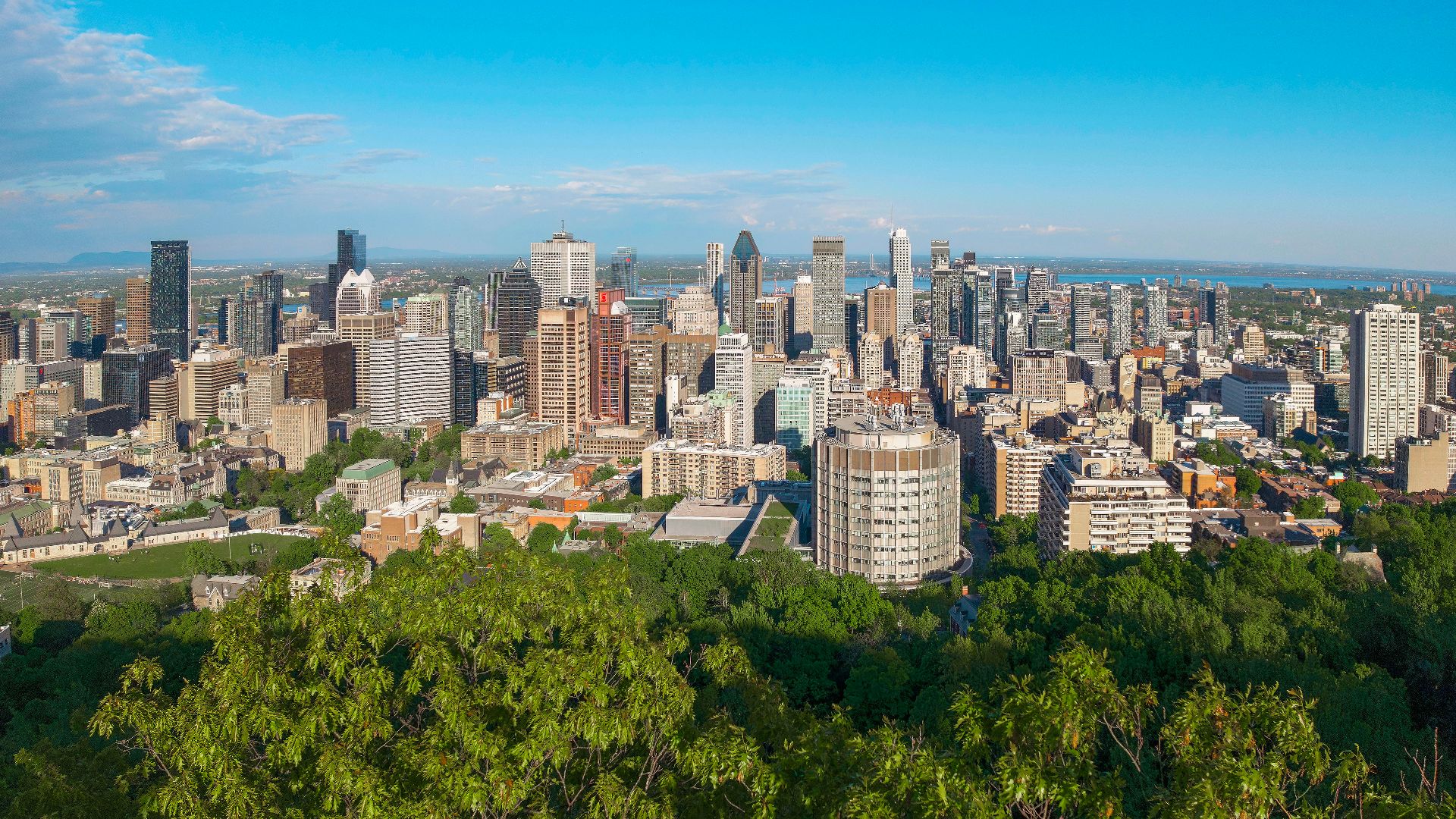
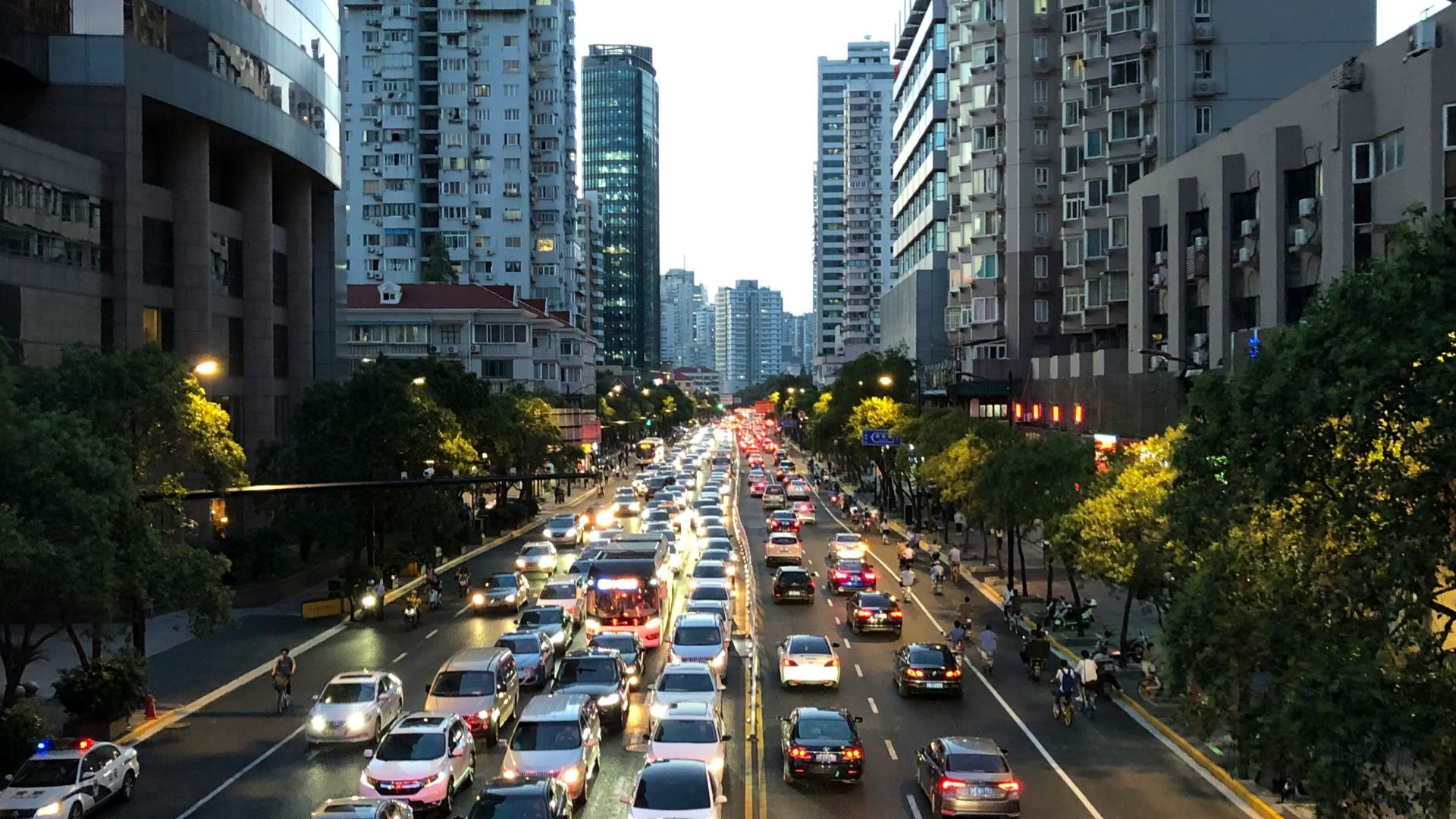
Some provinces have been hit harder than others. The Insurance Bureau of Canada has said Ontario and Quebec account for a large share of auto theft losses, especially in urban centers and nearby regions. If your postal code is in one of those hotspots, your insurer may be seeing a heavy concentration of claims that affects local pricing.
 Quintin Soloviev, Wikimedia Commons
Why Theft Today Costs More Than It Used To
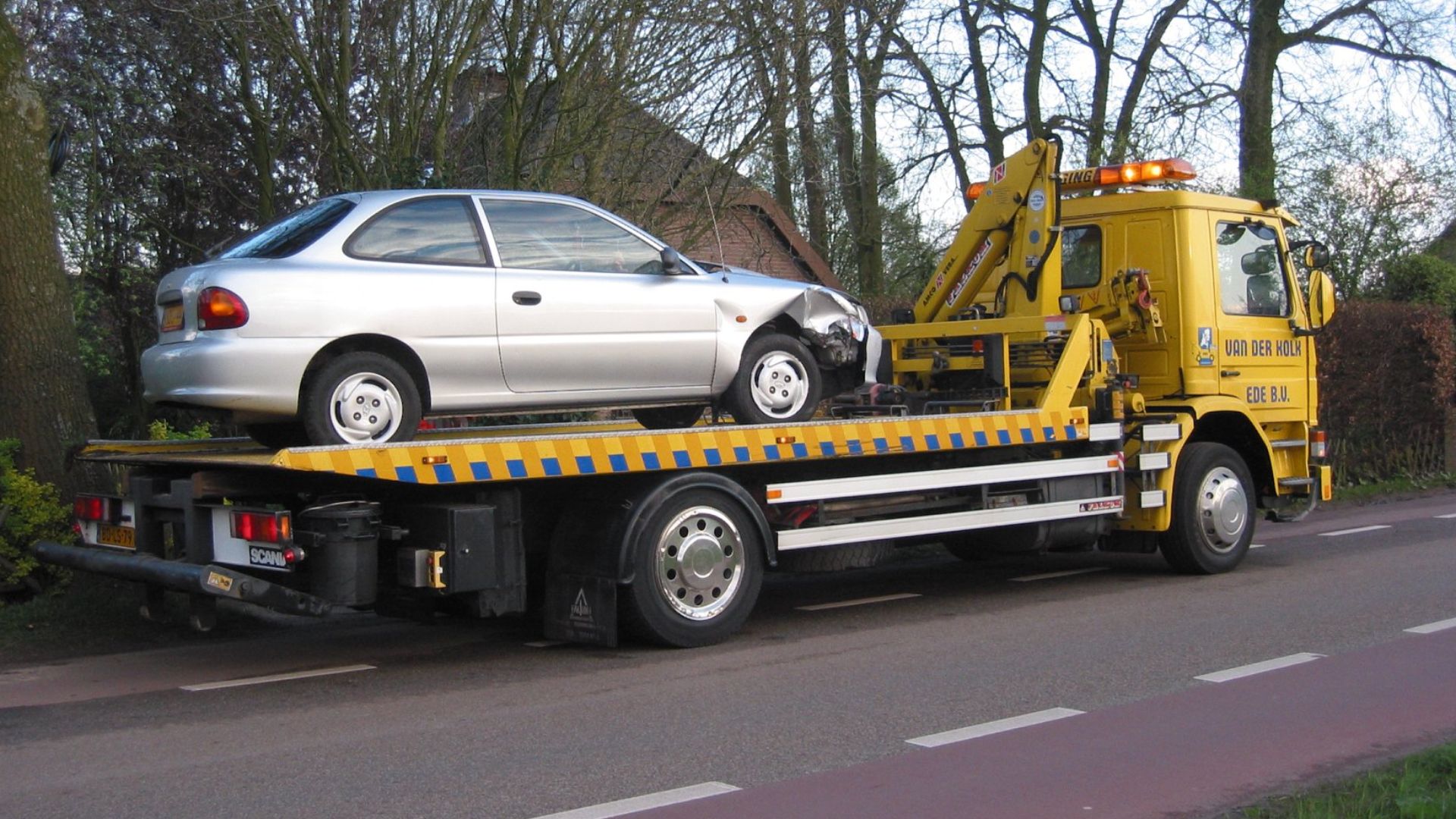
A stolen vehicle claim is not just the value of the car. There are towing, storage, rental car, investigation, admin, and recovery costs, and some vehicles are shipped overseas and never found. Add higher vehicle prices and more expensive parts, and each theft can hit an insurer much harder than it did a decade ago.
Modern Thieves Are Not Always Using Old Tricks
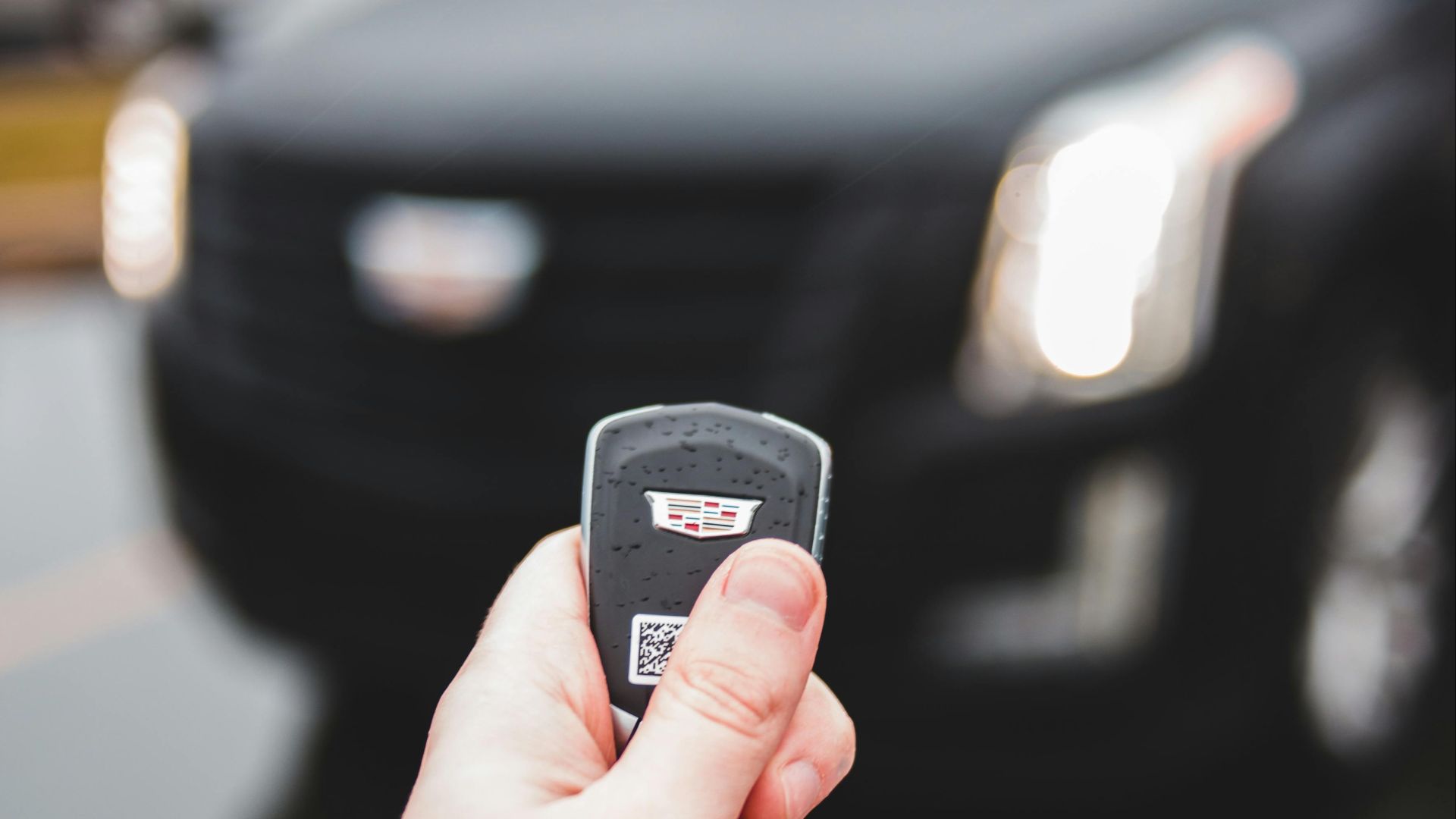
Part of the problem is that theft methods have changed. Law enforcement and industry groups have warned about relay attacks, key fob reprogramming, and theft through diagnostic ports on some vehicles. That means even careful owners can still be exposed if organized theft rings are targeting certain makes, models, or neighborhoods.
Postal Codes Are Not Chosen at Random
Insurers usually divide regions into rating territories built from claims data. Those territories may follow postal code patterns or broader geographic clusters, depending on the insurer and the province's rules. The common thread is that territory rating is based on data and on the insurer's approved rating system, not a random penalty.

Regulators Do Not Let Insurers Freestyle
In Canada, auto insurance rates are regulated at the provincial level. In Ontario, for example, insurers must file rates and risk classification systems with FSRA and justify changes. That does not make every increase easier to accept, but it does mean a company is not supposed to invent a postal code surcharge out of nowhere.

Fairness and Accuracy Are Not the Same Thing
This is where many drivers get stuck. A group-based price can be statistically accurate for an insurer while still feeling unfair to a careful person who did nothing wrong. Both things can be true at the same time, which is why complaints about territory rating keep coming up even when the math behind it is real.

Your Neighbors Are Not the Only Variable
If your renewal went up, theft in your area may be one reason, but probably not the only one. Insurers also respond to repair inflation, injury claim trends, vehicle technology costs, weather losses, and reinsurance expenses. A premium increase letter may point to one obvious factor even though several costs are rising at once.
Some Vehicles Are Magnets for Thieves
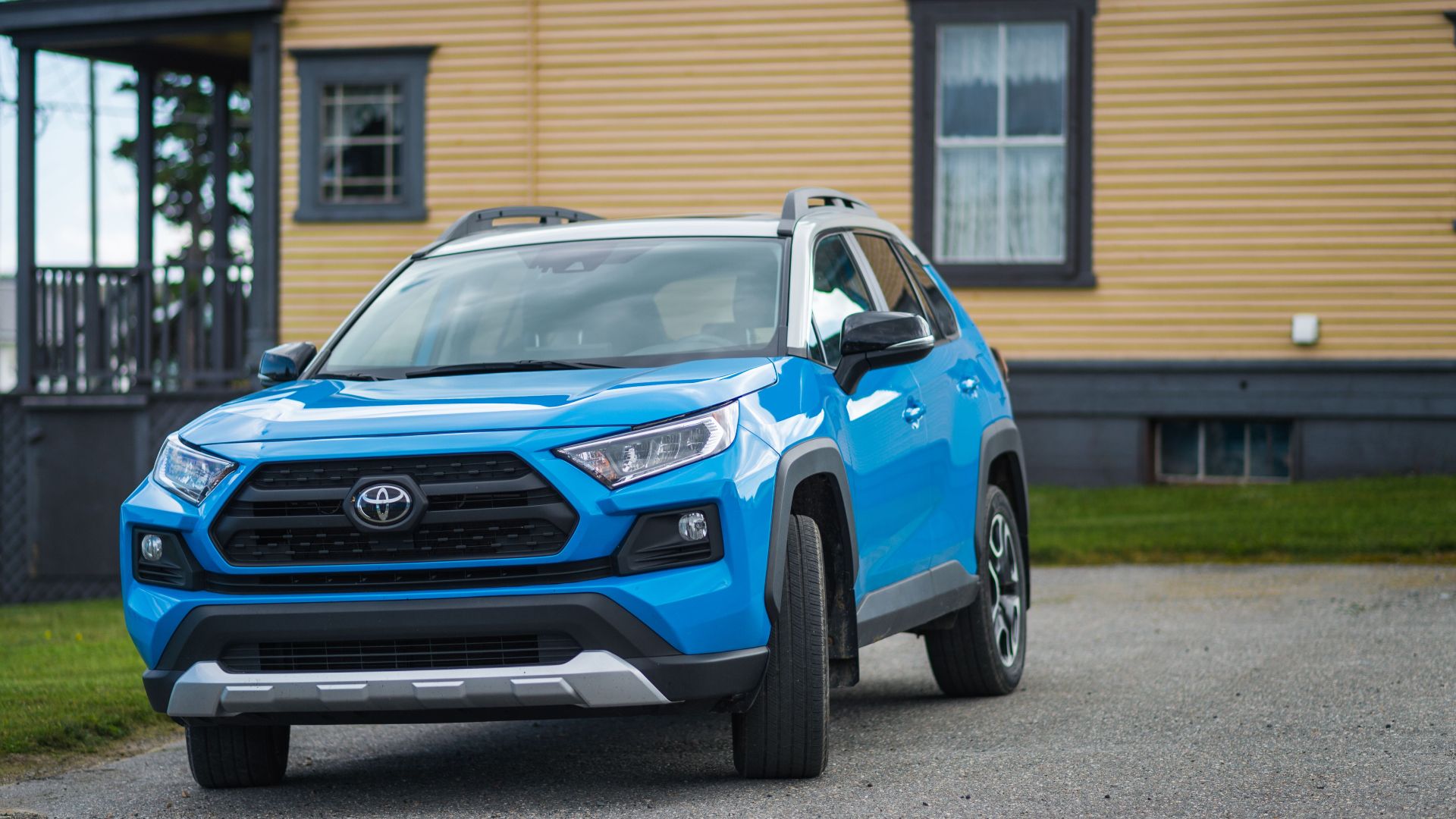
Your specific car can matter just as much as your address. Industry loss data and police advisories have repeatedly shown that certain SUVs, pickups, and luxury vehicles are targeted more often than others. If you drive a high-demand model in a high-theft area, that combination can be especially expensive to insure.
What If You Have Never Had a Claim
A clean driving and claims record still helps. It can lower your premium compared with a similar driver who has tickets or past losses, but it does not erase broader territory risk. Think of it this way: your personal record affects your place within the pool, while your postal code helps define the pool itself.
Can Insurers Really Use Location Like This
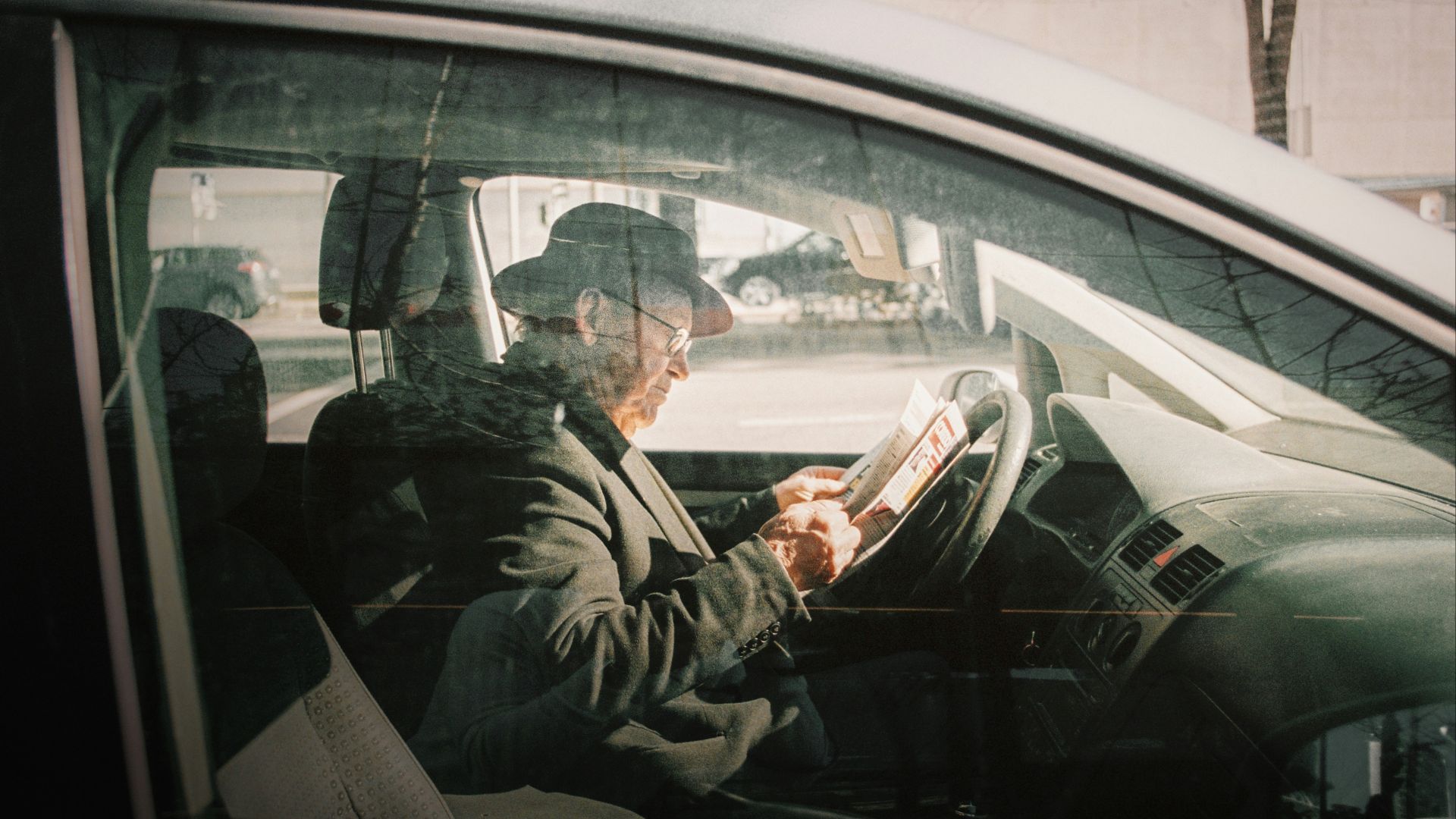
Yes, within provincial rules. Consumer guidance from regulators and government sources commonly lists location as a valid rating factor because claims frequency and severity differ by area. It is the same logic behind why urban drivers often pay more than rural drivers, even when both have clean records.
The Theft Problem Is Organized, Not Random
Officials have stressed that much of the current wave is tied to organized crime. Public Safety Canada and police services have described vehicles being stolen for export and resale, turning theft into a business instead of random joyriding. When crime works at that scale, insurers see steady claim pressure instead of a short-lived spike.

Why Your Premium May Rise Before You See Crime Drop
Insurance pricing is based on past and expected losses, not just this week's headlines. Even if police and governments step up enforcement, rate effects can lag because insurers need time to see whether theft frequency and claim severity are really coming down. In other words, your premium usually moves slower than your patience.

You Do Have Some Leverage
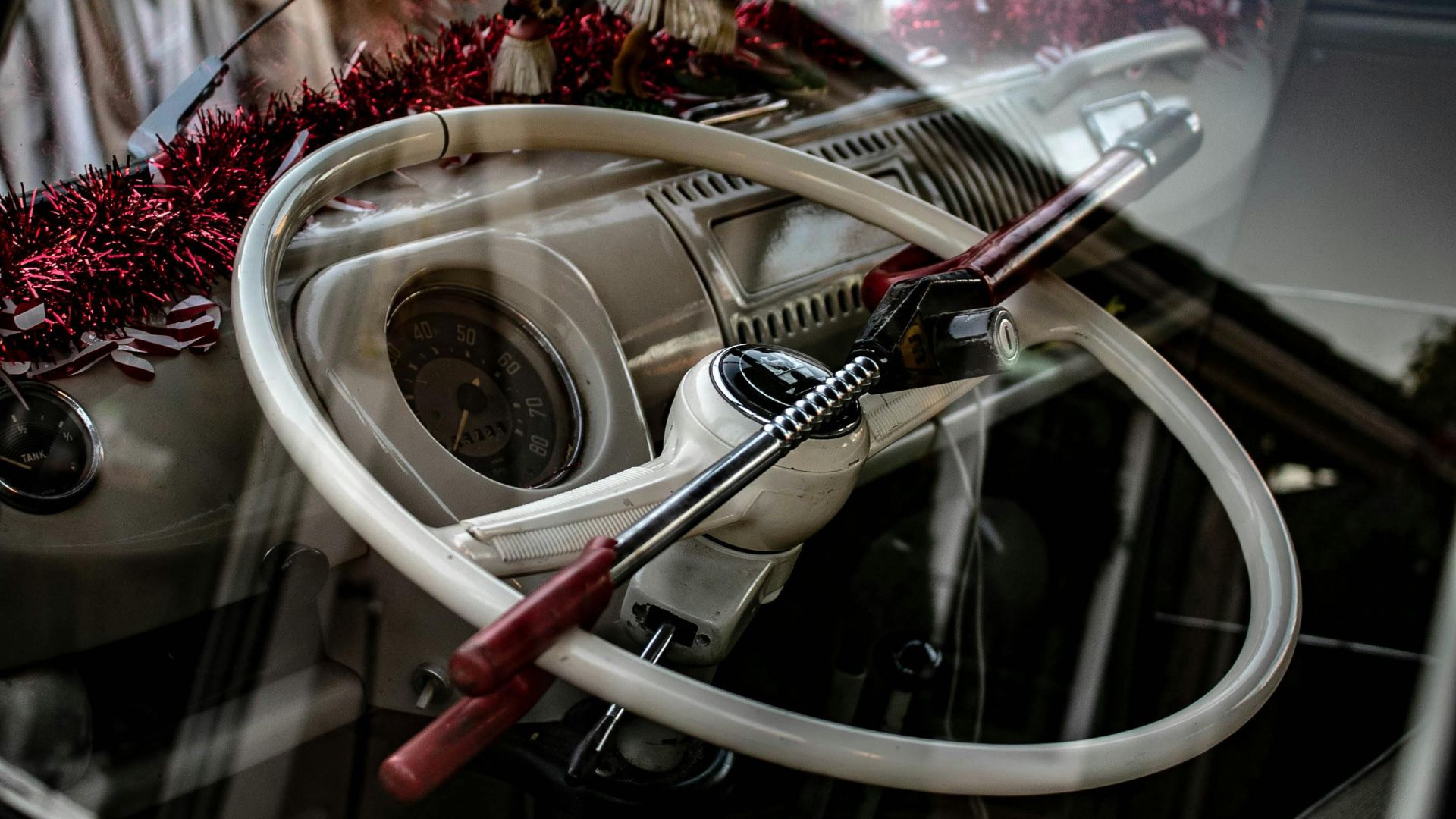
You may not be able to change the crime rate in your postal code, but you can change how your insurer sees your risk. Ask whether an approved tracking device, immobilizer, steering wheel lock, or secure parking discount could help. Some insurers have rolled out anti-theft requirements or incentives for high-risk vehicles.
Shop Around Before You Accept the Increase
Different insurers weigh territory, vehicle type, and anti-theft measures differently. One company may react more strongly to your postal code, while another may give more credit for your driving record or security features. Getting multiple quotes is one of the few practical ways to see whether your renewal is actually competitive.

Ask the Insurer a Better Question
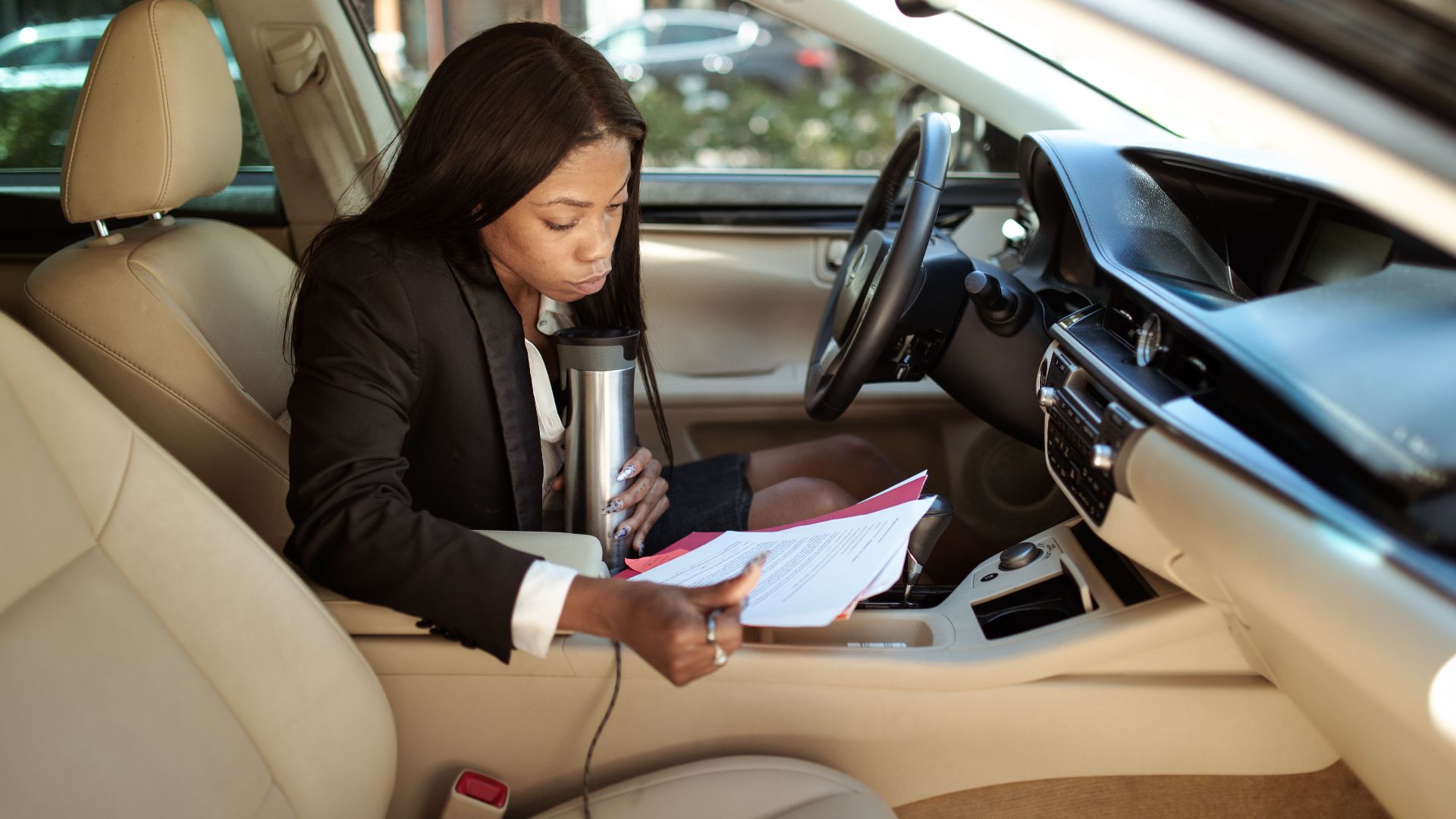
Instead of asking only why your rate went up, ask what exactly changed at renewal. You can request an explanation of whether the increase came from theft trends, vehicle symbol changes, loss trends, coverage changes, or a discount expiring. A more specific answer can show whether the postal code explanation is the full story or just part of it.

Small Coverage Tweaks Can Matter
If the increase is tough to swallow, review your deductible and optional coverages before cutting protection blindly. Raising your comprehensive deductible may reduce the cost tied to theft coverage, though it also means you would pay more out of pocket for a covered loss. The right move depends on your savings, your vehicle's value, and your comfort with risk.

Secure Parking Is More Valuable Than It Sounds
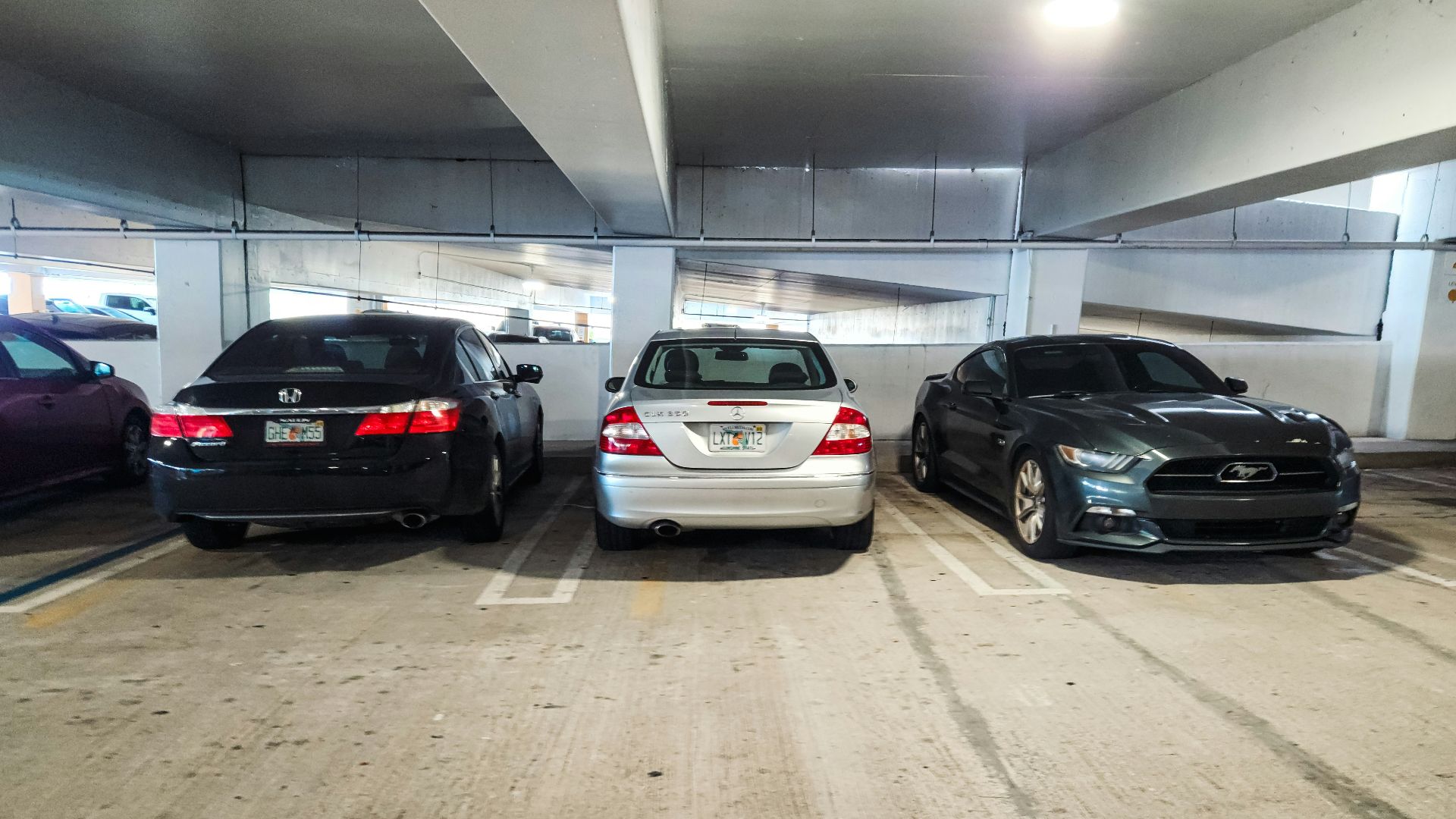
Parking in a locked garage or monitored lot can help, especially in theft-prone areas. Even when it does not lead to a formal discount, it lowers your real-world risk and may make your vehicle less appealing to thieves. Simple habits still matter too, including keeping keys away from entry doors and using signal-blocking pouches when appropriate.
If You Think the Rating Is Wrong, Push Back Politely
Mistakes happen. Your garaging address, annual mileage, trim level, or anti-theft equipment could be listed incorrectly, and that can affect pricing. Check every detail on the policy and ask your broker or insurer to fix anything that is wrong before assuming the increase is set in stone.

Should You Be Angry at Your Neighbors
Probably not. The real drivers are crime patterns, organized theft networks, local weak spots, and insurer loss data, not a simple story about careless people next door. Your frustration makes sense, but the price signal is about expected losses in a place, not blame aimed at a block.
The Hard Truth About Shared Risk
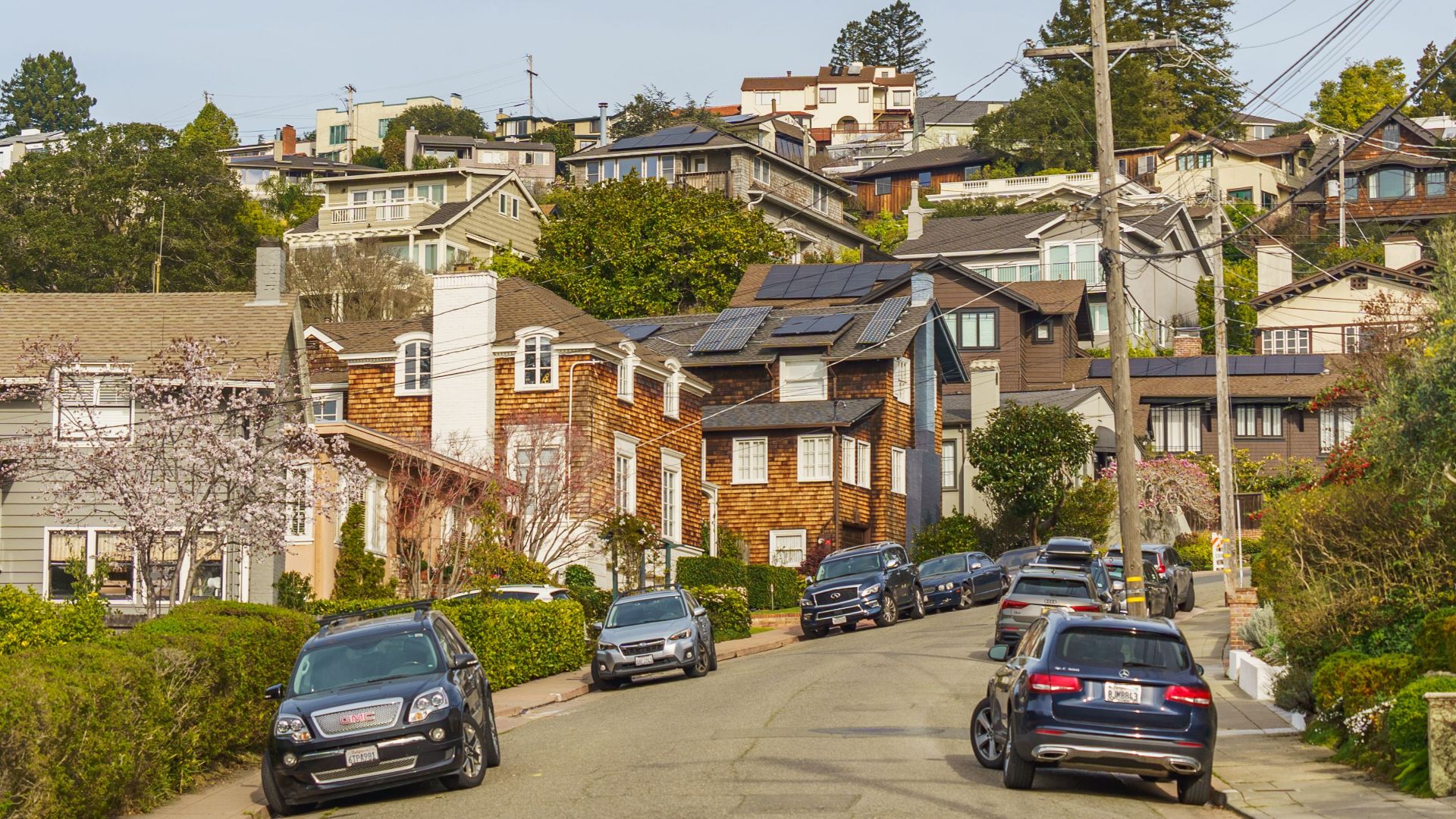
So why should you pay for your neighbors? In a strict sense, because insurance is a shared pool and location-based risk is one way that pool is priced. It may not feel fair on an individual level, but if thefts in your area rise, insurers and regulators generally accept that those local losses can show up in your bill.

The Smartest Response Is Practical, Not Personal
You cannot rewrite insurance math on your own, but you can respond in a smart way. Verify the reason for the increase, compare quotes, tighten up your anti-theft setup, and review your coverages with a clear head. That will not make the premium hike feel good, but it gives you the best shot at paying less without guessing.