The Modded-Car Reality Check
You spend good money making your car faster, cleaner, sharper, or just more your style. Then, after a claim, the insurance company may tell you those aftermarket parts do little or nothing for the car’s value. It sounds backwards, but in many cases, that is exactly how insurance works.

Why It Feels Backwards
Car enthusiasts modify vehicles to improve performance, looks, comfort, or uniqueness. In a private sale, the right buyer might pay more for the right build. Insurance does not usually care about your ideal buyer or your personal investment. It cares about the policy language, the valuation method, and what the car was worth right before the loss.

What Insurers Usually Mean By Value
On a standard personal auto policy, the key term is often “actual cash value,” or ACV. The Insurance Information Institute says ACV usually means replacement cost minus depreciation. In plain English, the insurer is looking at age, wear, mileage, and local market data, not automatically at the money you spent on wheels, suspension, audio gear, or a turbo kit.
Where The Fight Usually Starts
If your car is totaled, many insurers settle based on actual cash value unless your policy says otherwise. The National Association of Insurance Commissioners points out that a vehicle’s claim value may not match what you paid, what you owe, or what you think it is worth. That gap is where modified-car owners often get hit hardest. Your upgrades may not count for much, or they may count only if you bought extra coverage for them.

Aftermarket Parts Are Not Automatically Covered
Major insurers have been clear about this for years. Progressive says custom parts and equipment are not automatically covered under a standard policy beyond limited built-in amounts in some states and situations. If you did not add specific coverage, your expensive upgrades may be uninsured or only barely covered. That is often when owners realize “better” does not mean “insured for more.”
Coverage Limits Can Be Low
GEICO says coverage for custom or aftermarket equipment may be limited unless you buy added protection. The amount can change depending on the policy and the state, which is why guessing is risky. A sound system, lift kit, body kit, or forged wheels can blow past those limits fast. When that happens, the payout may fall well short of what you spent.

Why Mods Can Hurt Market Value
Insurance companies also care about how easy the car would be to sell after those changes. A heavily customized build can narrow the pool of buyers, even if the parts are high-end. Kelley Blue Book has long said that modifications usually do not raise a car’s trade-in value and can even lower it because many buyers prefer stock vehicles. Insurers often lean on that same basic logic when they figure out pre-loss value.

Cost And Value Are Not The Same
A $4,000 exhaust, $3,000 coilover setup, or $8,000 wrap may be expensive, but expensive does not always mean valuable in the used market. Buyers often care more about reliability, easy financing, and not inheriting someone else’s tuning problems. That is why a mod can be worth only a fraction of its cost in an insurance valuation. The part may be great. The market may still shrug.
 Hryshchyshen Serhii, Shutterstock
Performance Mods Can Raise Red Flags
Turbo upgrades, ECU tunes, nitrous systems, and track-focused suspension parts can make buyers and insurers nervous. They can suggest harder driving, more wear, or a bigger chance of future problems. Even if the work was done right, insurers and valuation services often sort cars into broad risk categories. That can work against you when the car’s value is being judged after a loss.
 Jose Ricardo Barraza Morachis, Pexels
Looks Mods Can Be Just As Complicated
Cosmetic changes are not protected from this problem either. A custom paint color, oversized wheels, tinted lights, or an aggressive body kit may win over one buyer and turn off ten others. If the insurer uses standard market comparisons, those changes may add little value and can make the car harder to compare fairly. And when comparisons get messy, owners do not usually come out ahead.

The Loan Balance Problem
If you financed the car, modifications usually do nothing to help with the payoff after a total loss. The insurer generally pays the car’s covered value, not what you still owe the lender. The NAIC warns that a settlement can be less than the loan or lease balance. That is one reason gap insurance exists, though gap coverage still does not reimburse you for custom parts on its own.

Why Total Loss Claims Get Rough
Smaller claims can be simpler if a damaged part was specifically listed or covered. A total loss is different because the whole vehicle is being valued at once. Once the insurer decides the car costs too much to repair, the focus shifts from individual parts receipts to the car’s overall value before the crash or theft. That is where a lot of modification money seems to vanish.

Receipts Help, But They Do Not Guarantee A Payout
You should still keep every invoice, parts list, and installation record. Those papers can help prove the parts existed, when they were installed, and what they cost. But proof of cost is not the same as proof of claim value. The insurer may still apply depreciation, policy limits, or market-based adjustments.

Photos Matter More Than People Think
A current folder of photos is one of the smartest things a modified-car owner can keep. Take clear pictures of the exterior, interior, engine bay, wheels, suspension, audio gear, and any serial numbers. If the car is stolen or totaled, those images can help prove condition and equipment. They are especially useful if the insurer’s file misses important upgrades.

The Coverage Most Owners Need
If your car has real aftermarket equipment, ask about custom parts and equipment coverage before you ever file a claim. Progressive and GEICO both describe optional coverage for custom or aftermarket items. This is the practical fix many owners overlook until it is too late. Without that extra protection, your policy may treat your build like a mostly stock car.
State Rules Change The Details
Auto insurance is regulated at the state level, so the fine print can change depending on where you live. Coverage minimums, valuation rules, and policy wording are not the same everywhere. That is why you need to read your declarations page and endorsements, not just the company’s sales pitch. One state’s small automatic allowance for custom parts may not exist in another.

Declared Value And Agreed Value Are Different
Collectors and specialty vehicles sometimes use policies that work differently from a normal personal auto policy. Hagerty explains agreed value coverage as a setup where the insurer and owner agree up front on the car’s insured value. That can be a huge help for rare or heavily modified cars. It is very different from hoping a standard ACV policy will suddenly appreciate your build after a crash.

Why Specialty Insurance Exists
Specialty insurers exist because mainstream valuation systems are built for ordinary daily drivers. A carefully modified sports car, show build, or restomod truck may not fit neatly into standard market guides. Agreed value coverage can cut down on arguments later by setting expectations ahead of time. That only works if the insurer accepts the vehicle and the documented value.

Not Every Modified Car Fits A Specialty Policy
There is a catch. Specialty insurers often have limits on daily driving, storage rules, and other usage requirements. If your modified car is also your commuter, that kind of policy may not work for you. That leaves many owners in the standard-policy world, where custom parts coverage and solid documentation matter even more.
 Quality Stock Arts, Shutterstock
Trade-In Value Tells The Same Story
If a dealer has ever lowballed your modified car, you have already seen this logic in action. Kelley Blue Book says modifications usually do not boost trade-in value and can reduce it because dealers want broad resale appeal. Insurers are not dealers, but both deal with real-world market behavior. That is why your carefully built car may still be valued like a niche vehicle.

Even Well-Done Mods Can Look Risky
A professionally installed lift kit or ECU tune may work perfectly. An insurer may still see it as a move away from factory specs that could complicate repairs, parts sourcing, or future liability. Replacement parts may be harder to find. Post-repair calibration may be more involved. Those things can affect both underwriting and claims in ways owners do not expect.

How To Push Back On A Low Offer
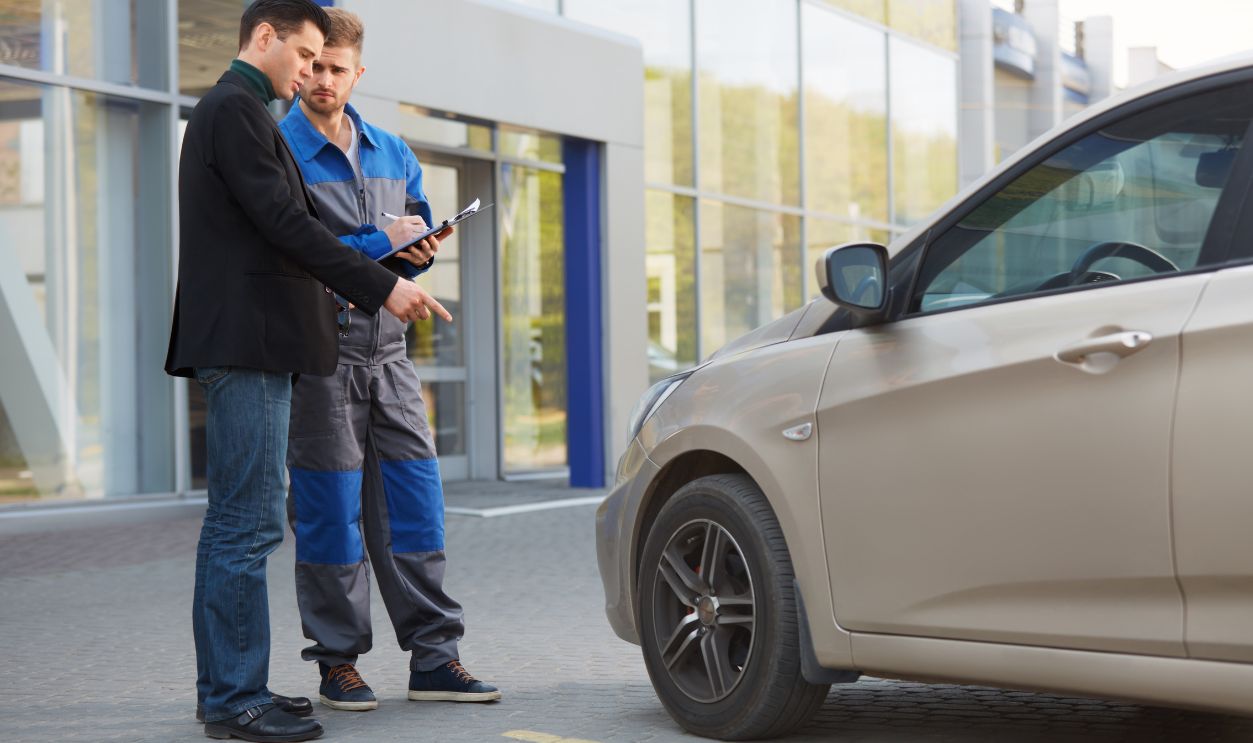
If the insurer’s valuation feels too low, ask for the full valuation report and review the comparable vehicles it used. Check the trim, mileage, condition, options, and whether those vehicles are actually similar to yours. Point out factual mistakes in writing and submit your own evidence, including receipts, photos, maintenance records, and comparable listings. A calm, documented response works better than a furious phone call.

Comparable Cars Need To Actually Match
A base model with more miles is not a fair comparison for a cleaner, better-equipped version of the same car. Local market differences matter too, especially for enthusiast models that sell stronger in some regions than others. If your car had upgrades with broad buyer appeal, include listings that show those features being sold in the market. The goal is not to inflate the value. It is to correct weak comparisons.

Labor Costs Often Disappear
Owners usually remember the parts bill but forget about installation labor, fabrication, tuning time, and paintwork. Those costs are very real, but they are not always reflected in a claim unless the policy clearly covers them. That is another reason receipts and endorsements matter so much. Insurance may recognize the modification without paying anywhere near the full build cost.

Partial Losses And Theft Claims Can Get Messy Too
If wheels, audio gear, or exterior accessories are stolen, many of the same issues come up even if the whole car is not totaled. The insurer may ask whether the parts were declared and whether the policy covers custom equipment. If not, reimbursement may be capped or denied depending on the wording. A modified car can get expensive twice: once when you build it and again when you discover the coverage gap.

The Best Time To Talk To Your Insurer
The smartest time to call your insurer is before you start modifying the car. Ask how those parts would be covered, whether you need an endorsement, and whether the changes affect your premium or eligibility. If possible, get the answer in writing. One quick call can save you from a brutal surprise after a crash or theft.

What Owners Should Do Now
Pull out your policy, declarations page, and endorsements and review them closely. Make a list of every aftermarket part on the car and add up what it would cost to replace them today. Then ask whether those items are covered under the standard policy, under custom parts coverage, or not at all. If the answer is vague, keep asking until it is clear.

So, Is The Insurance Company Wrong?
On a gut level, it feels wrong because modifications can make a car more exciting and much more expensive to build. On paper, the insurer may still be right under a standard policy and standard market valuation rules. Mods can add a lot of personal value while adding little, no, or even negative resale value in the wider market. That is the frustrating truth at the center of the whole issue.

The Bottom Line
People modify cars to make them better for themselves, not for an insurer’s spreadsheet. Insurance companies price claims using policy language, depreciation, market data, and coverage limits. If you want your upgrades treated like real money, insure them like real money before anything goes wrong. Otherwise, the car you spent time and cash improving may be valued as if much of that work barely counts.