The Price Tag That Starts The Argument
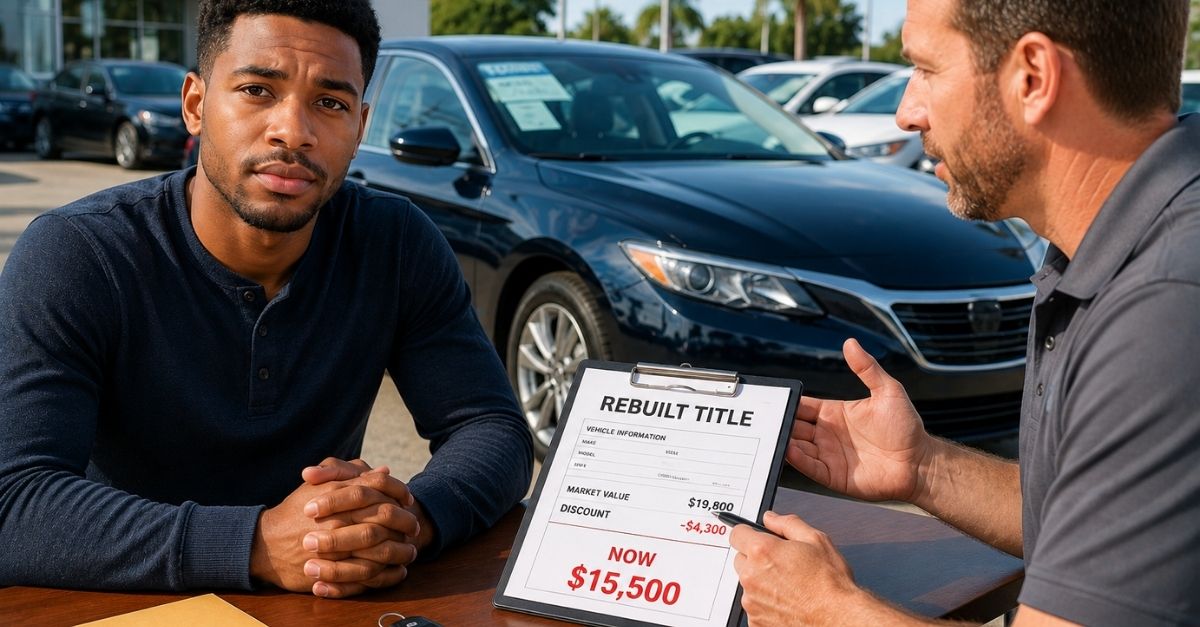
A rebuilt-title car can look like a great deal at first. The discount is often thousands less than a similar clean-title vehicle, which is exactly why so many buyers stop and think maybe this is the smart move. But that low price is not free money. The real question is whether the savings still hold up once you factor in the risk.
What A Rebuilt Title Actually Means
A rebuilt title usually means the car was once branded salvage after an insurer declared it a total loss, then repaired and inspected so it could go back on the road. Rules vary by state, but the basic idea is the same. You are not buying a typical used car with a minor fender bender in its past. You are buying a car that once had damage serious enough to trigger a major title brand.
Why Cars Get Branded Salvage In The First Place
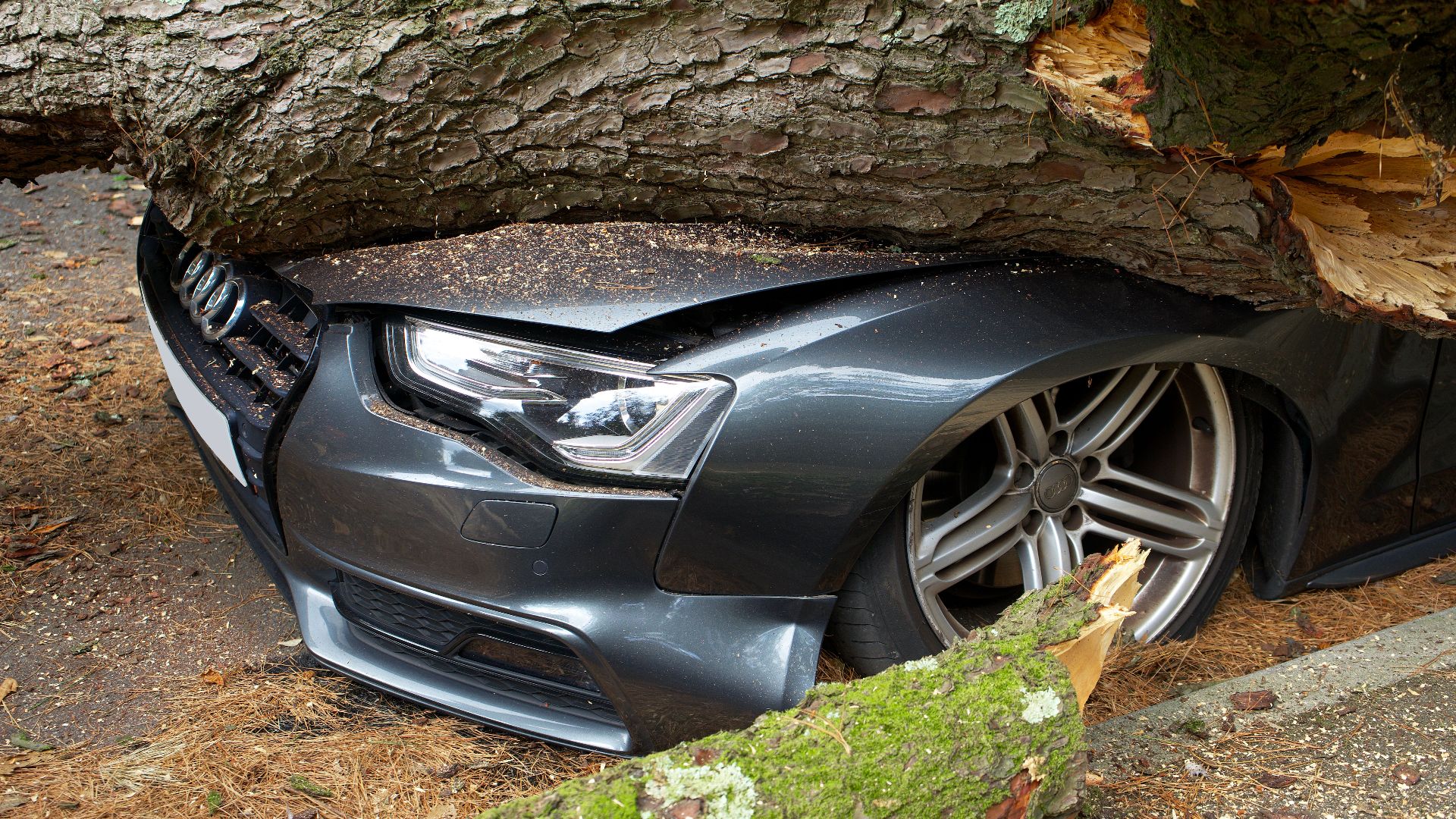
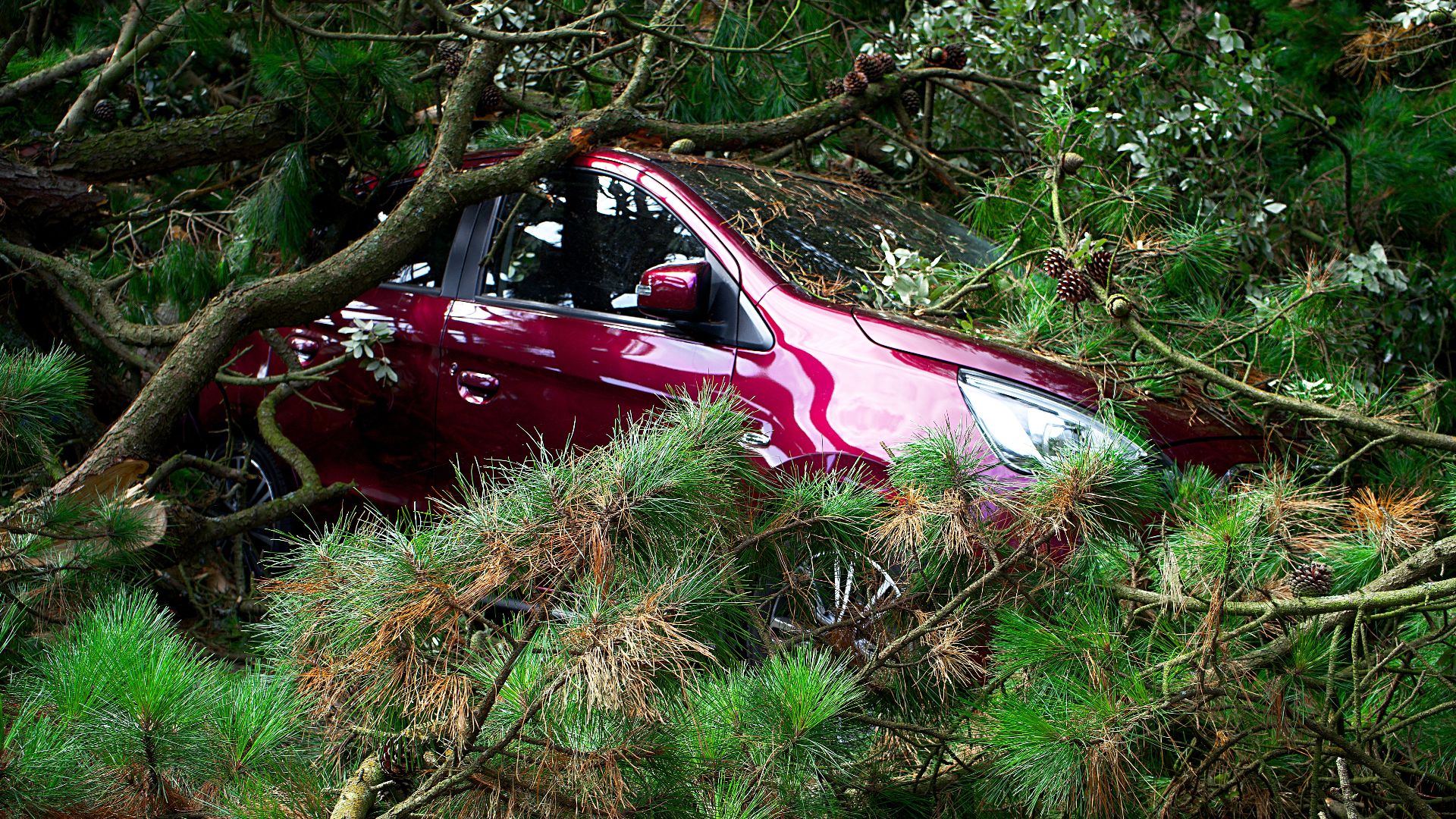
Cars are usually declared total losses when repair costs and related expenses go past a percentage of the vehicle’s value under state law or insurer rules. That can happen after a crash, flood, fire, hailstorm, theft recovery, or other major damage. Consumer Reports notes that a rebuilt title can come from many kinds of losses, not just collisions, which matters because some types of damage are much harder to truly fix than others.
The Big Discount Is Real
The appeal is real. Kelley Blue Book says a vehicle with a rebuilt or salvage history is usually worth much less than a similar vehicle with a clean title. That lower value can create a tempting way for buyers to get more car for less money.

But Lower Value Sticks Around
The same discount that helps you buy it will usually hurt you when it is time to sell. Rebuilt-title cars generally stay worth less for the rest of their lives because the brand follows the vehicle history. If someone only sees the bargain up front and ignores the weaker resale later, they are only doing half the math.

Why Insurers And Lenders Get Nervous
The people who deal with risk for a living tend to be cautious with rebuilt-title cars. Kelley Blue Book says financing can be harder to get and insurance may be limited or more expensive. That matters because a huge purchase discount can shrink fast if the loan terms get worse or full coverage is hard to find.

Insurance Trouble Can Be The Deal Breaker
Some insurers will not offer full coverage on rebuilt-title vehicles, and others may only insure them after an inspection. Progressive says coverage depends on the state, the insurer, and the vehicle’s condition and history. Before anyone argues over whether the car is smart or reckless, get a real insurance quote instead of guessing.
 Natthawadee Jana, Shutterstock
Financing May Not Work Like A Normal Used Car Deal
Lenders often hesitate because the vehicle is harder to value and harder to resell if the borrower defaults. That can mean higher rates, bigger down payments, or no loan at all. If financing is necessary, the rebuilt-title discount may not look nearly as generous as it did at first glance.

A Rebuilt Title Is Not The Same As A Secretly Wrecked Car
There is one important upside to a rebuilt-title car. At least the title brand puts serious past damage out in the open. A clean title is not always proof of a clean history, especially if the damage stayed below a total-loss threshold or was repaired without triggering a title brand.
The Hidden-Risk Problem Goes Both Ways
A clean-title used car can still have crash history, while a rebuilt-title car might have been repaired well. That does not make rebuilt-title cars safe bets by default, but it does mean smart buyers focus on records and inspections instead of title alone. The title is a warning label, not the whole story.

Flood Damage Is The Biggest Red Flag
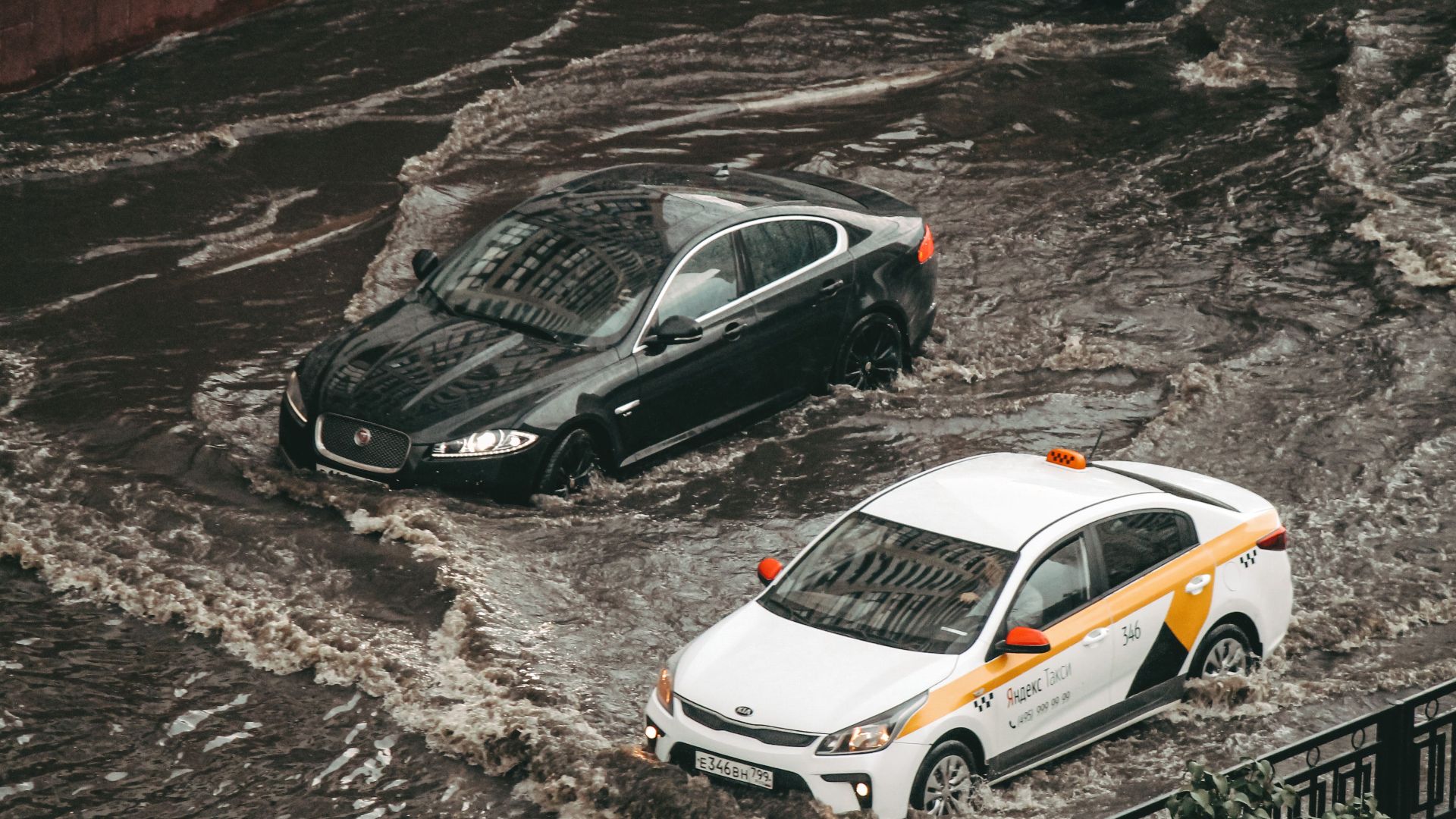
If the rebuilt vehicle was once flooded, caution should go from mild concern to serious alarm. The National Insurance Crime Bureau has repeatedly warned that flood-damaged vehicles can reappear in the used market after major storms. Electrical corrosion, mold, and random failures can show up long after the car looks clean.
Storm Seasons Keep Feeding The Market
After hurricanes and major flooding events, damaged vehicles often move through auctions and eventually return to dealer lots or private-sale listings. NICB and Carfax both urge buyers to check history reports and watch for flood clues like musty smells, rust in odd places, and water lines. In other words, a cheap rebuilt-title deal right after storm season deserves extra scrutiny.
Not All Repairs Are Created Equal
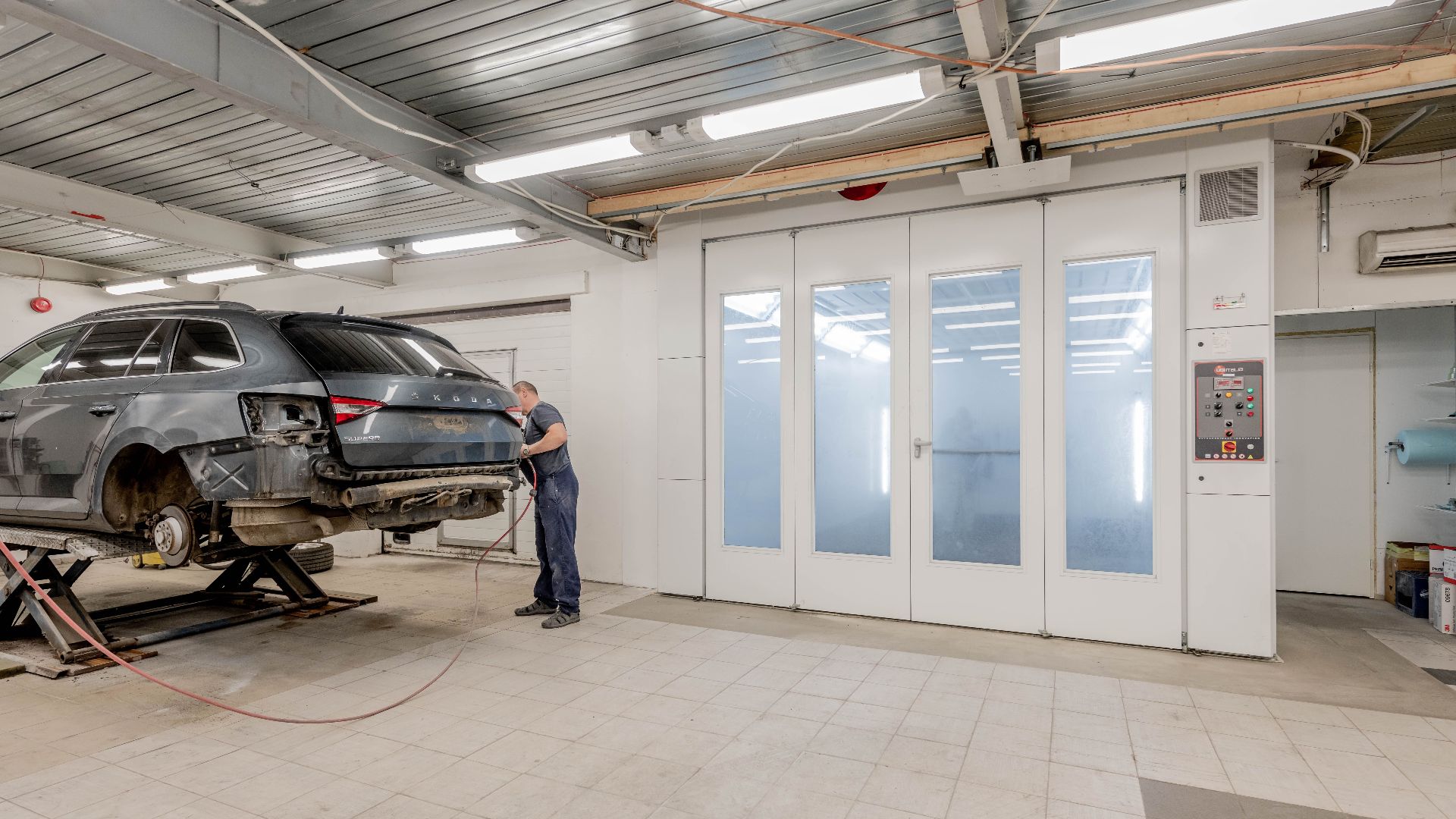
The biggest unknown is not whether the car was damaged. It is how well it was repaired and who did the work. A carefully documented rebuild from a reputable shop is very different from a quick cosmetic patch job meant to move the vehicle to the next buyer.
The Inspection Requirement Is Not A Golden Ticket
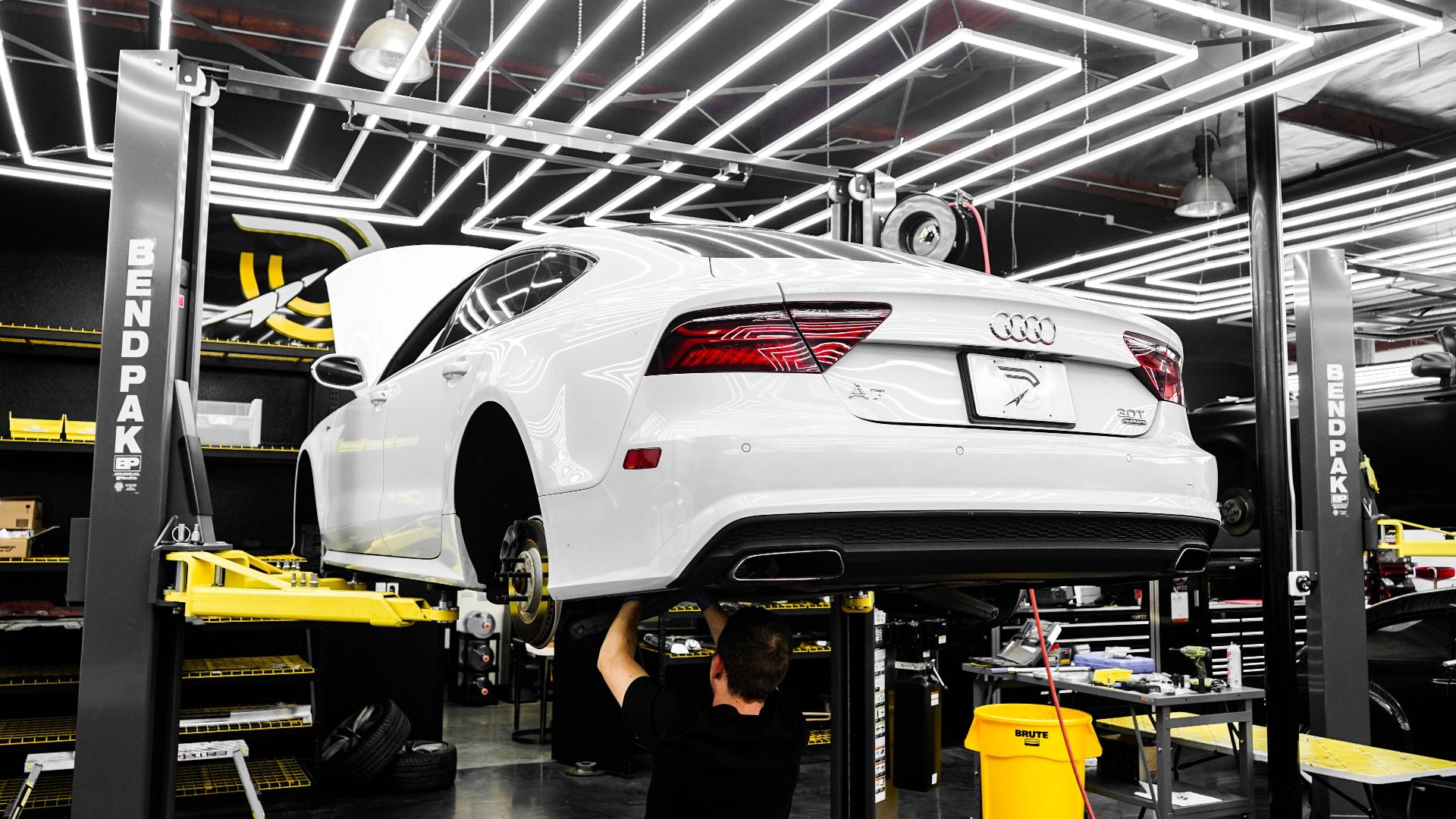
Many states require an inspection before a salvage vehicle can receive a rebuilt title, but that does not mean the car has been cleared as trouble-free forever. State inspections often focus on whether the vehicle can legally return to the road and whether stolen parts were used. They are not a substitute for a deep pre-purchase inspection by an independent mechanic or body expert.
What Consumer Reports Says To Do First
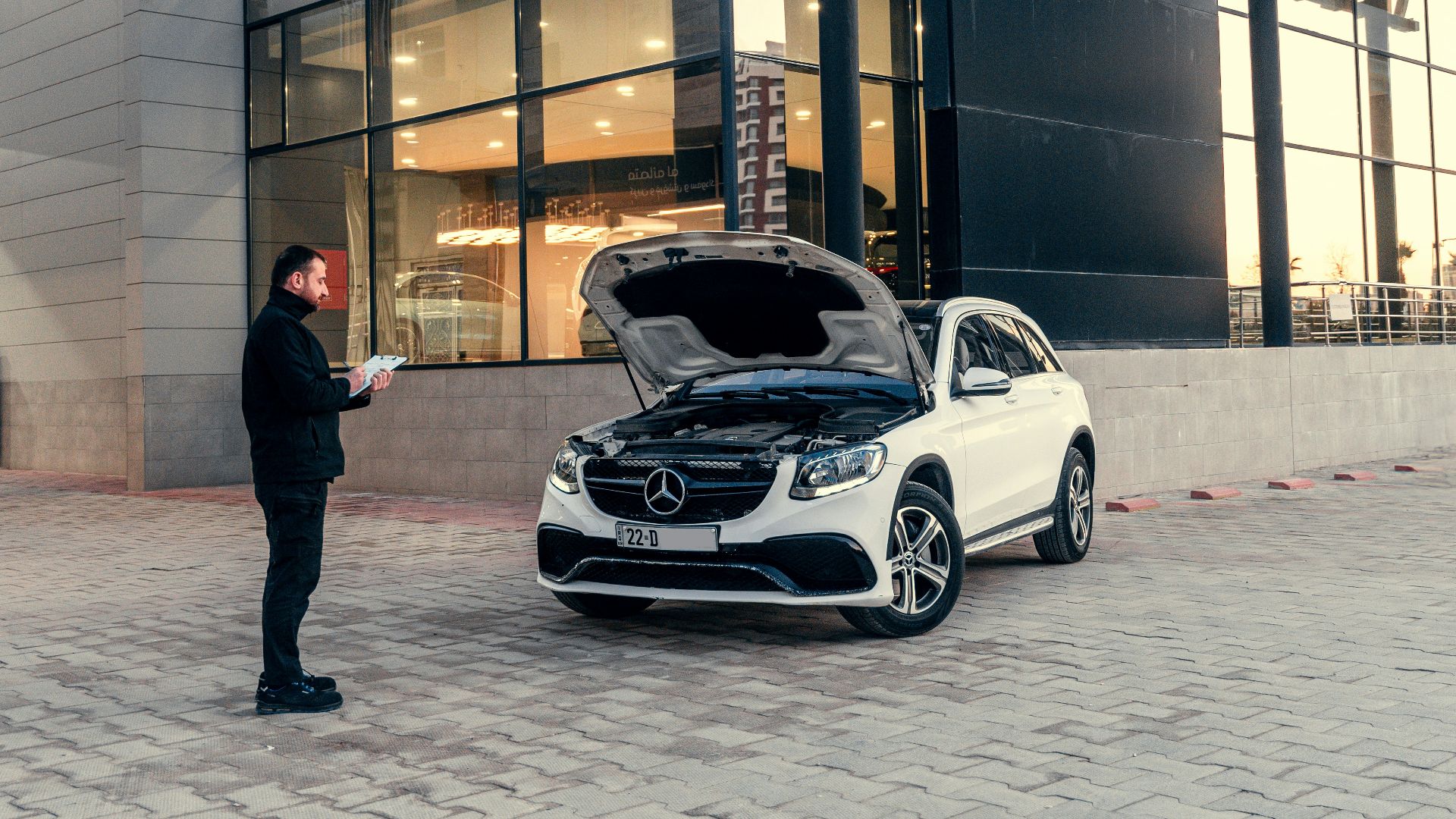
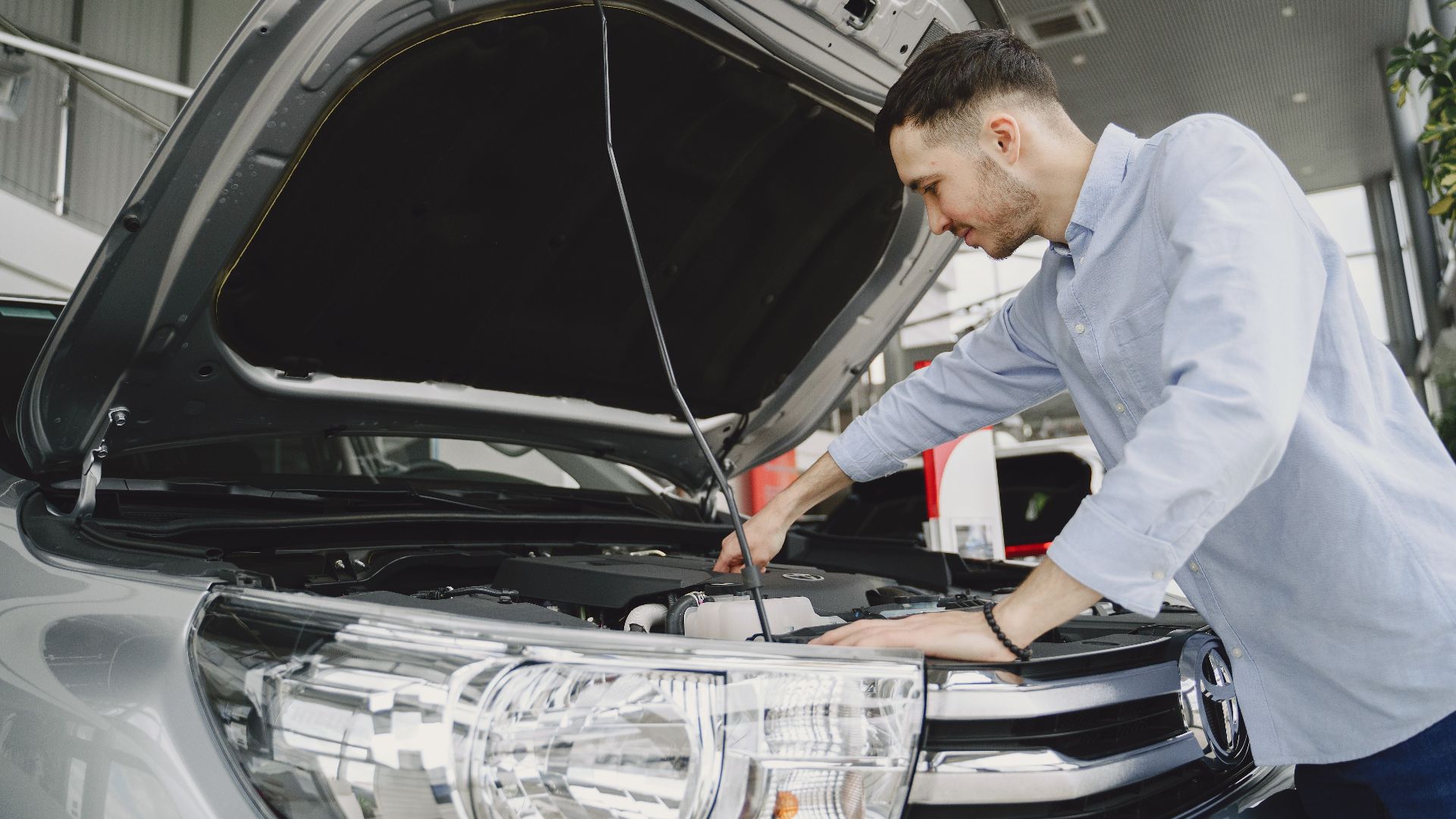
Consumer Reports recommends getting a pre-purchase inspection and reviewing the vehicle history before buying any used car, especially one with a branded title. That advice sounds basic, but this is where a lot of bargain hunters get overconfident. If the seller pushes back on an independent inspection, walk away.
Ask For The Before Pictures
One of the smartest moves is asking for photos taken before repairs started. They can show whether the car had front-end structural damage, side-impact repairs, flood exposure, or something less severe like hail damage. If nobody can show what happened, you are being asked to trust a discount more than actual evidence.
Repair Receipts Matter More Than Promises
Detailed invoices help show which parts were replaced, whether OEM or aftermarket components were used, and which shop did the work. That paper trail can also help your mechanic decide whether the repairs make sense. A seller’s reassurance is not proof, especially when thousands of dollars are on the line.
 https://kaboompics.com/, Pexels
Frame Damage Changes The Conversation
If the car had major structural damage, the stakes go up fast. Modern vehicles are built with crumple zones and carefully planned load paths, so poor structural repairs can affect crash performance, alignment, and tire wear. This is where a bargain can quietly turn into a bad idea.
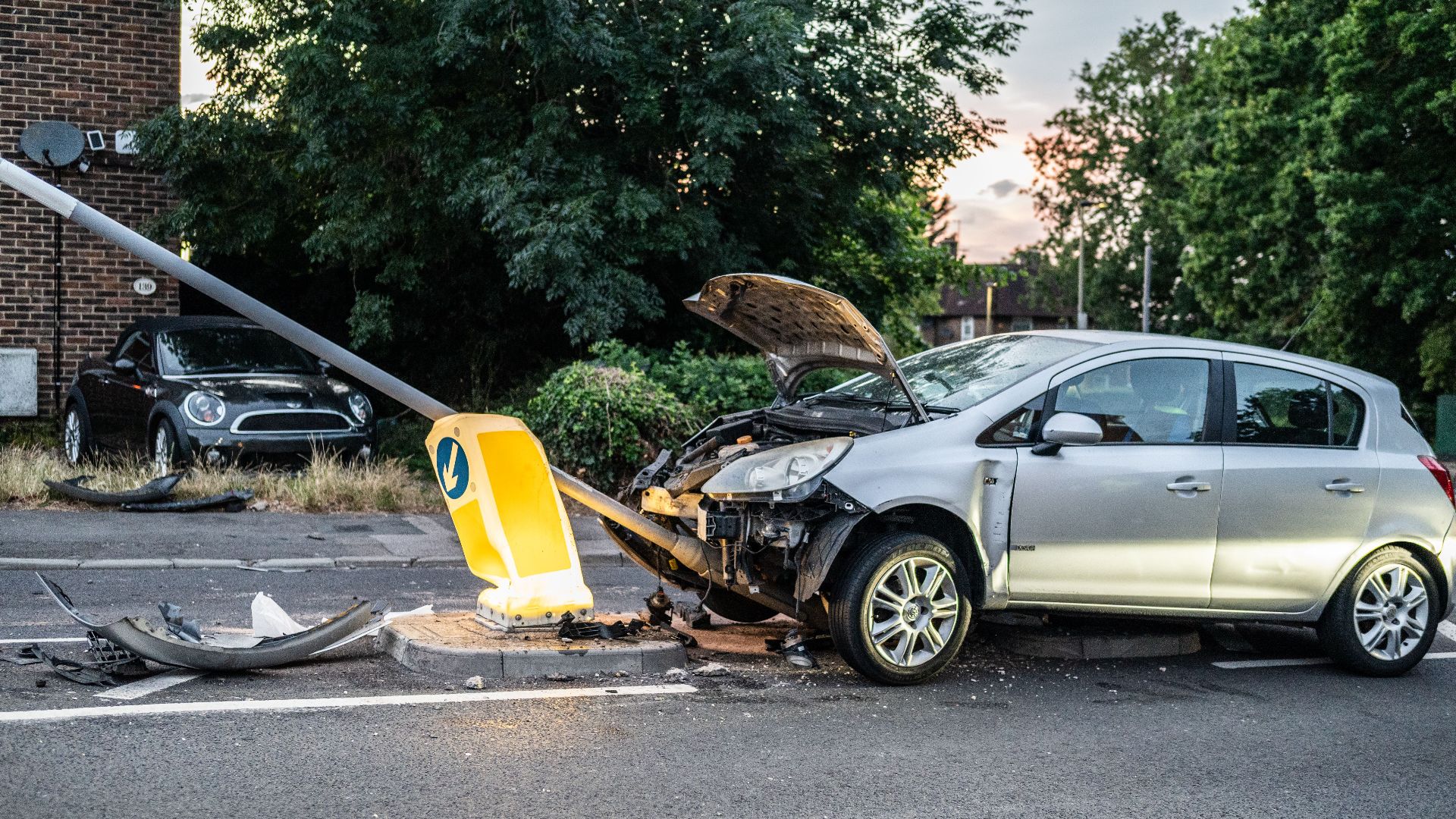
Airbags Deserve Special Attention
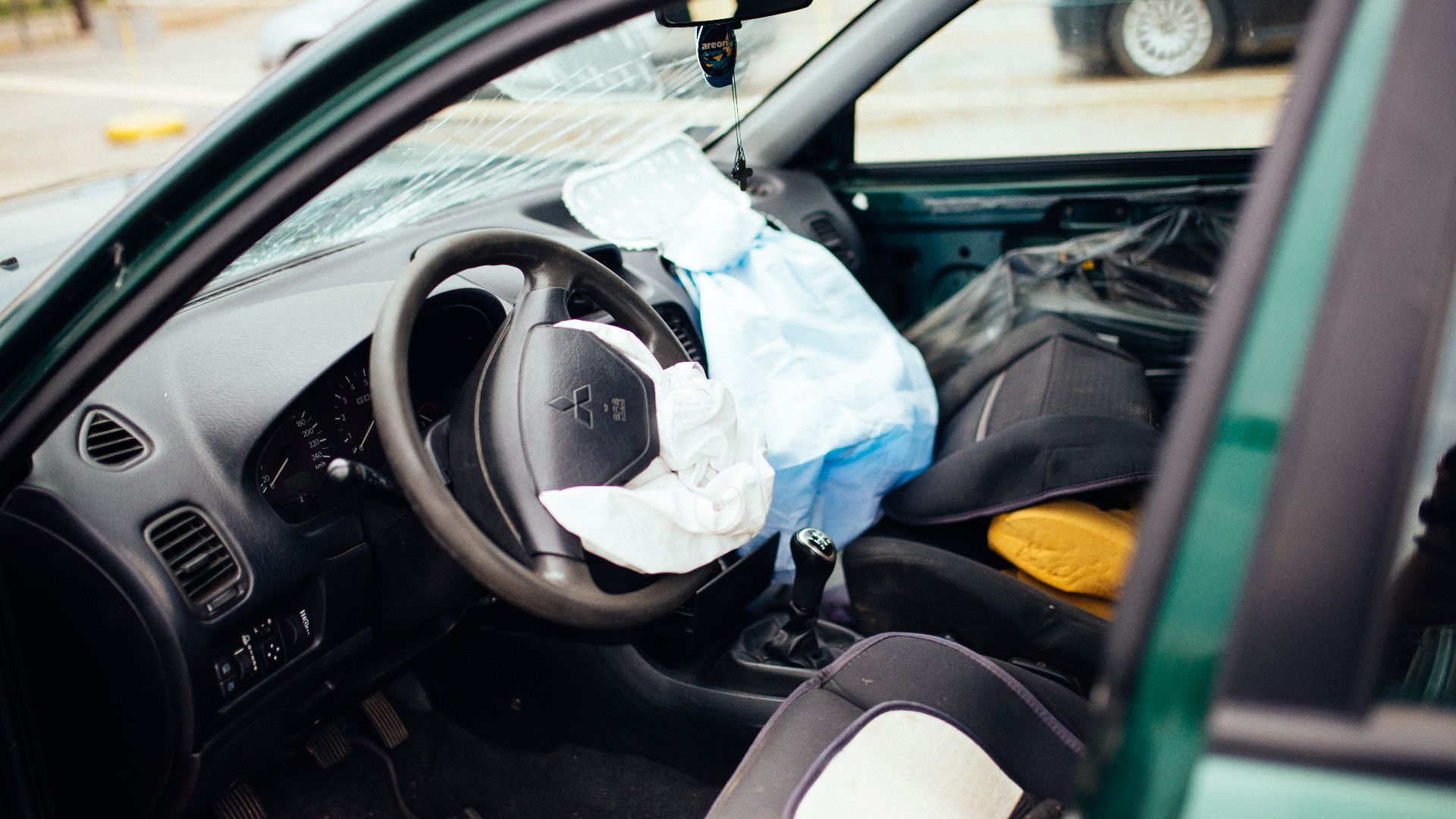
Ask whether the airbags deployed and how the system was repaired. Airbag replacement is expensive, and shortcuts here are dangerous. A rebuilt-title car with incomplete restraint-system repairs is not a value buy. It is a safety gamble.
 Shixart1985, Wikimedia Commons
Electronics Can Become A Long Tail Of Headaches
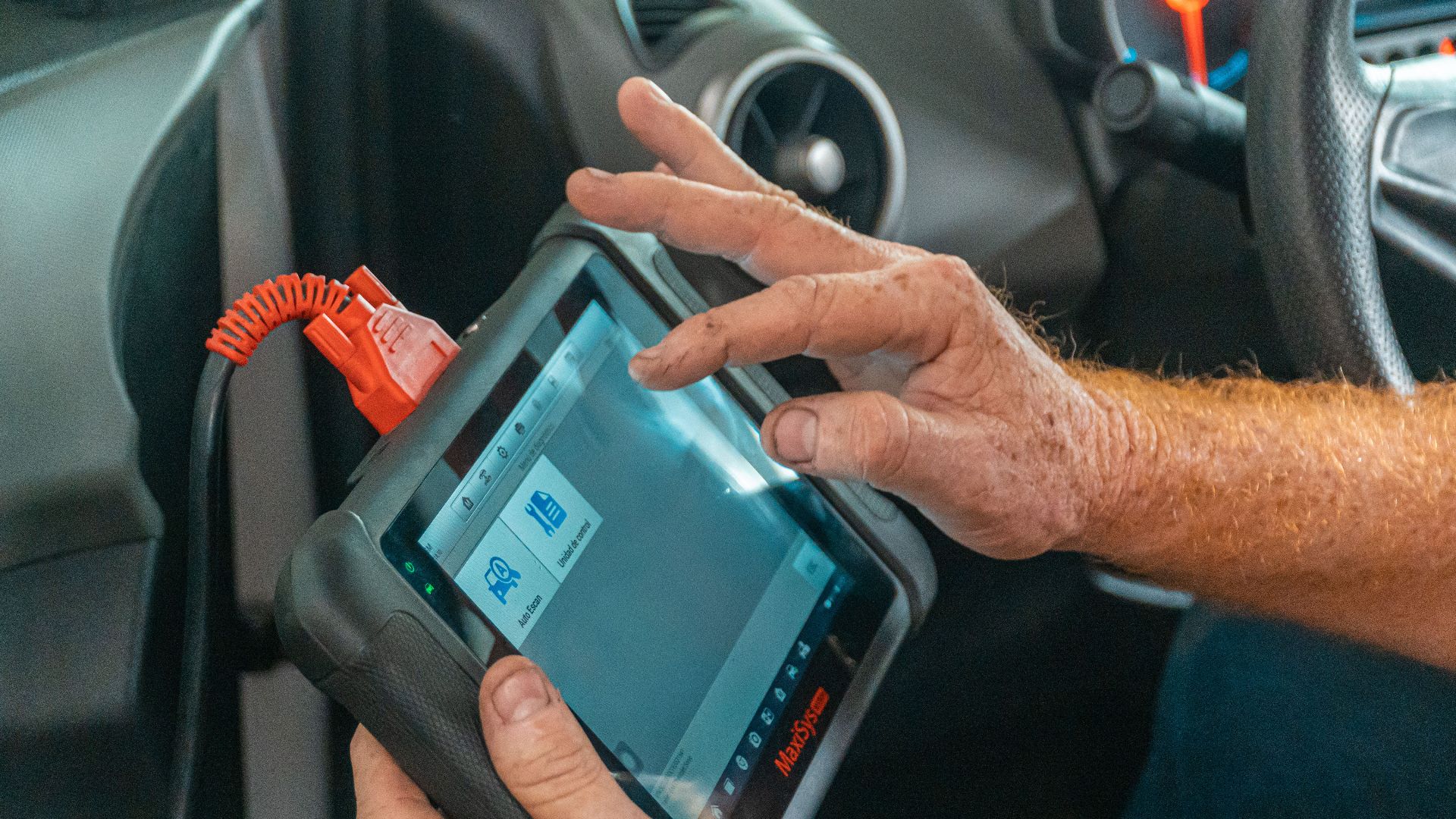
Today’s cars are packed with sensors, modules, driver-assist hardware, and wiring that can be affected by collision or water damage. A vehicle can seem fine on a short test drive and still develop expensive issues later. That is another reason a rebuilt-title purchase should be judged by evidence, not optimism.
 Jose Ricardo Barraza Morachis, Pexels
Resale Will Be Harder Than You Think
Even if the car treats you well, the next buyer may hesitate for the same reasons you are hesitating now. Dealers may offer less on trade, and private buyers may need a lot more convincing. The rebuilt-title discount tends to follow the car into every future sale.
 f.t.Photographer, Shutterstock
When A Rebuilt Title Can Make Sense
There are cases where buying one is reasonable. If the car is deeply discounted, you plan to keep it for a long time, you can pay cash, insurance is available, and a trusted specialist confirms the repairs were done properly, the math can work. In that situation, the buyer may be making a smart move, but only if the homework is done first.

When It Starts Looking Reckless
It starts looking reckless when the deal depends on guesswork. If the car has spotty records, signs of flood damage, structural concerns, seller pressure, financing trouble, or no independent inspection, the bargain is not really a bargain. It is just a cheaper way to buy uncertainty.

The Best Questions To Ask The Seller
Ask what caused the salvage designation, who repaired the car, whether airbags deployed, whether there was frame or flood damage, and whether they have photos and receipts. Then verify the VIN through a history report and match the paperwork to the vehicle in front of you. A legitimate seller should expect those questions and answer them clearly.

Bring In A Pro Before Money Changes Hands
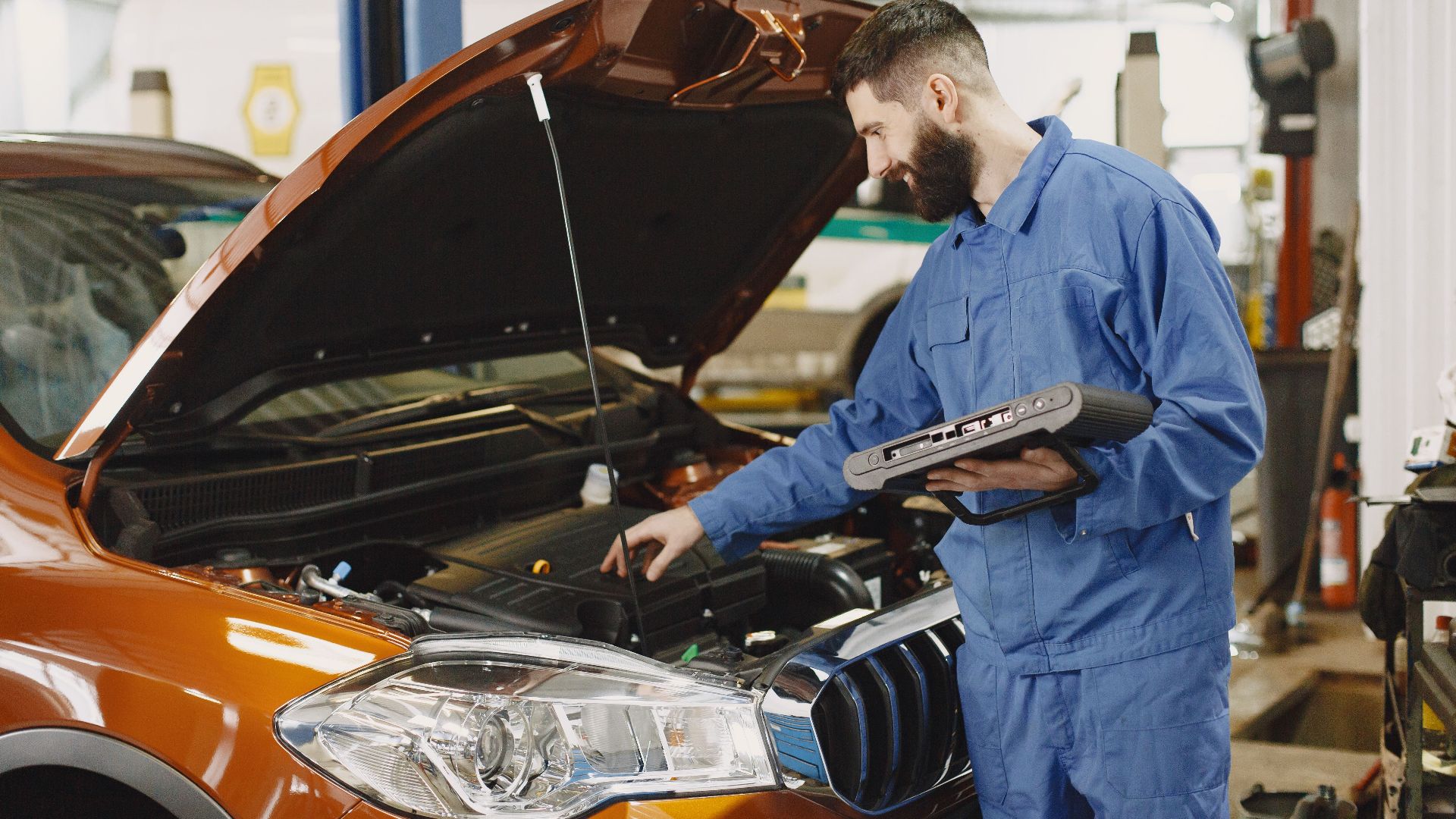
Have the car inspected by an independent mechanic, and if possible, by a body shop that knows collision-repair quality. Consumer Reports and major vehicle-history providers all push some version of this advice because branded-title risk depends heavily on the specific vehicle. One expert opinion can save you from a very expensive mistake.
So Is He Being Smart Or Reckless
The honest answer is that he could be either. Buying a rebuilt-title car is smart only when the discount is big enough, the damage history is fully documented, the repairs check out, insurance and financing are workable, and you are comfortable with lower resale later. Without that proof, the huge discount is less a win and more a warning sign.

The Bottom Line For Couples Making This Decision
If you want a simple rule, here it is. Never buy a rebuilt-title car because the price alone feels impossible to pass up. Buy one only if the paperwork, inspection, insurance quote, and long-term ownership plan all point to the same conclusion: this specific car makes sense.