The EV Lease Argument Sounds Smart For A Reason
Leasing an EV can make a lot of sense because battery tech, charging speeds, software, and tax rules are all changing faster than they do with many gas cars. But while the friend here has a point, the real question isn't whether EVs are improving quickly. It's whether they are improving fast enough to make buying a bad move for your budget and driving habits.
Battery Progress Is Real, But It Is Not Magic
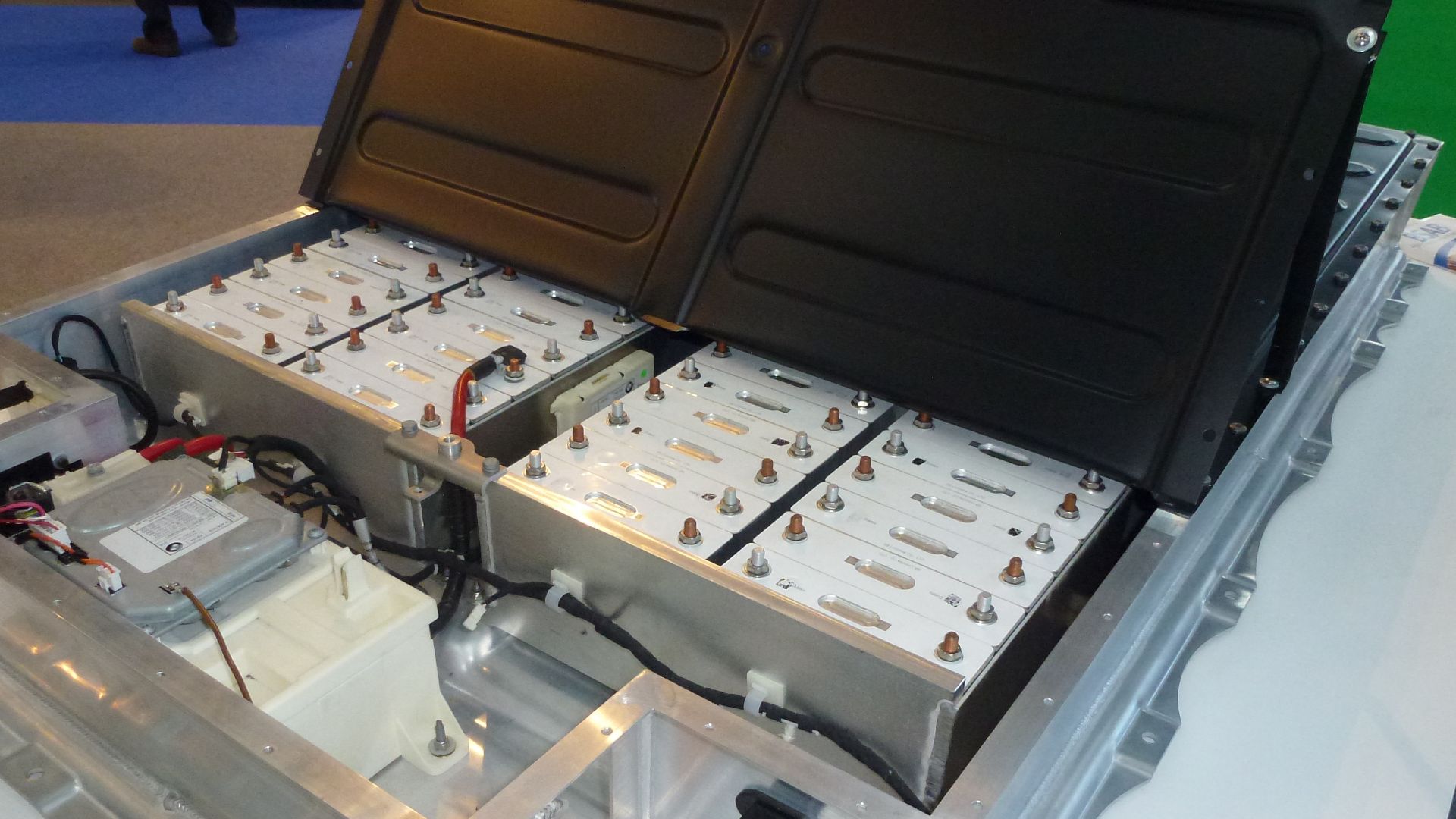
EV batteries have gotten better steadily over the past decade, especially in cost, range, and charging performance. The U.S. Department of Energy says lithium-ion battery pack prices have fallen dramatically since 2008, which helped modern EVs become more practical and more affordable. That is a big reason some people worry that today's EV could feel old in a few years. Still, progress usually comes in steps, not in one sudden jump that crushes the value of every older model overnight.
The Big Drop In Battery Prices Changed Everything
The Department of Energy's Vehicle Technologies Office says lithium-ion battery pack prices for EVs fell about 90 percent from 2008 to 2023. That is one of the biggest cost drops in modern car tech. It matters because cheaper batteries can mean lower vehicle prices or more range for the same money. It also feeds the fear that a bought EV may age faster in the market than a leased one.
 RudolfSimon, Wikimedia Commons
Range Has Improved A Lot Since Early EV Days
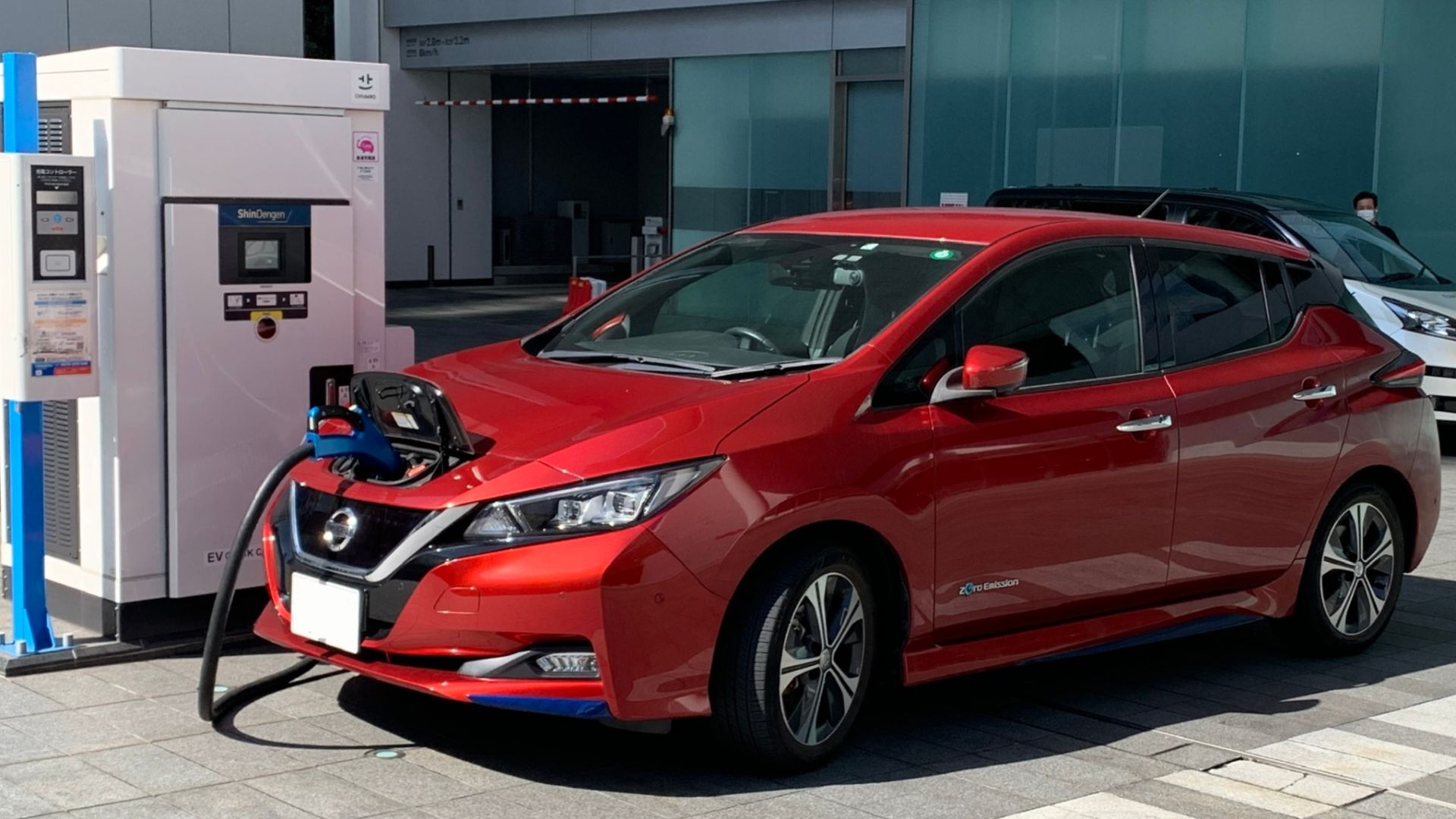
Look back at the first Nissan Leaf, which launched in the U.S. for the 2011 model year with an EPA range of 73 miles. That worked for some commuters, but it also showed how early the market still was. Today, many mainstream EVs offer well over 250 miles of EPA range, and some go much farther. If you bought an early EV, you really did watch the tech move fast.
 Kazyakuruma, Wikimedia Commons
Charging Speed Is One Of The Quiet Reasons Leasing Appeals
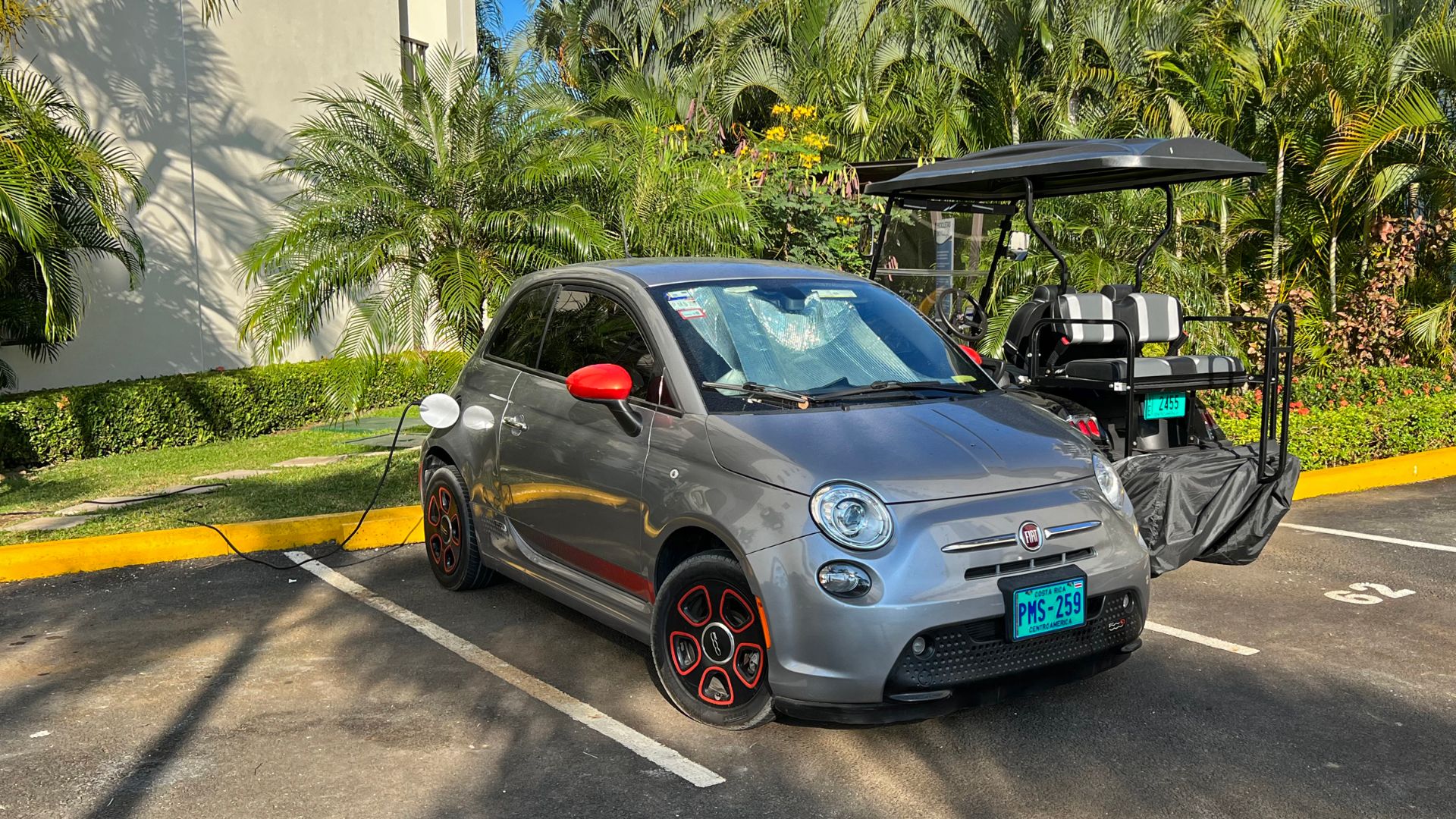
Range gets the headlines, but charging speed can shape everyday ownership just as much. Newer EVs often charge faster than older ones, especially on DC fast chargers, which can make road trips much easier. That means a three-year-old EV may still drive well but feel less convenient than the latest version. Leasing gives drivers a way to jump into newer charging tech sooner without taking the resale hit.
 Mariordo (Mario Roberto Durán Ortiz), Wikimedia Commons
Battery Chemistry Keeps Evolving Too
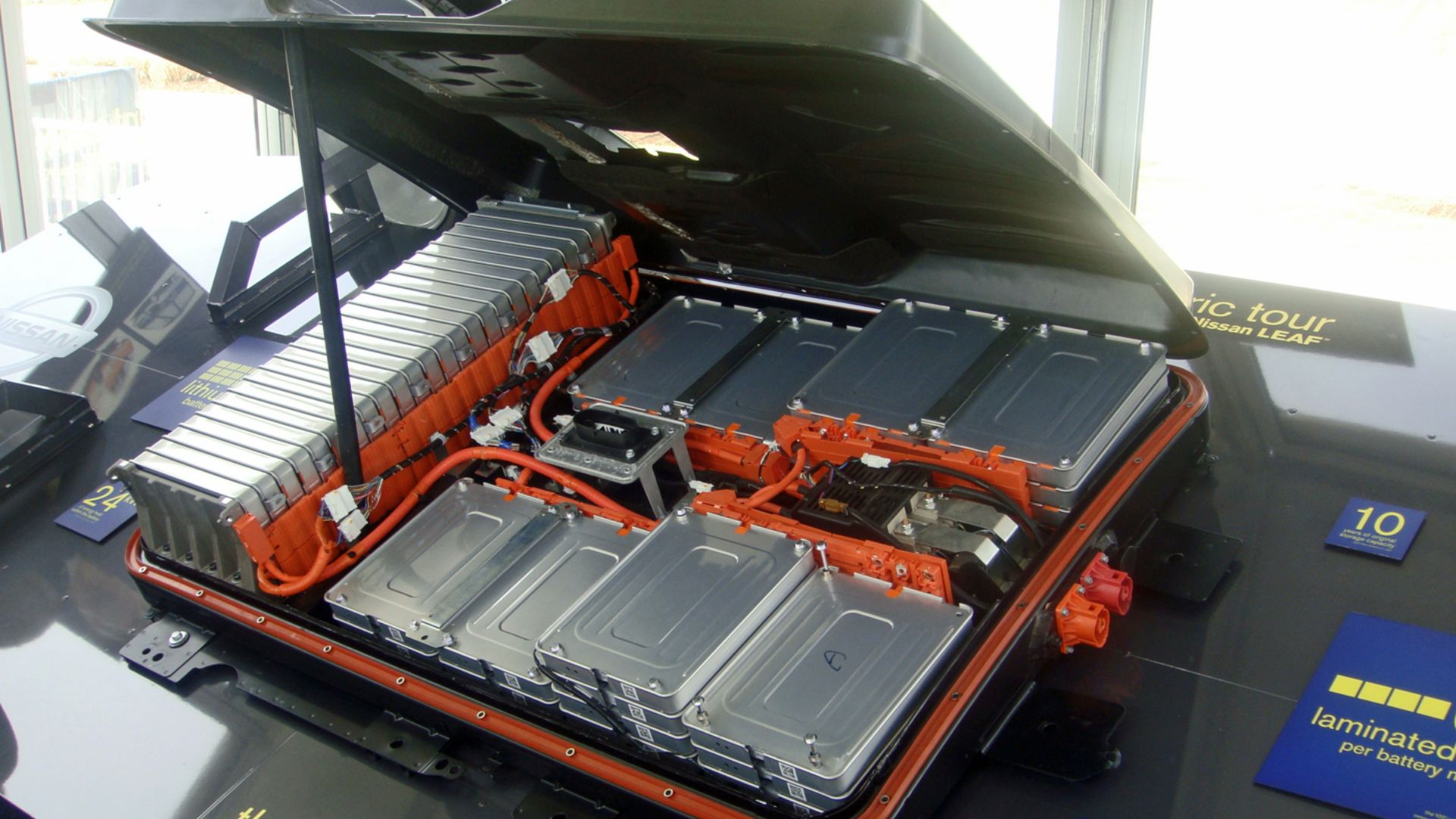
Automakers and suppliers are not just making bigger batteries. They are also changing chemistry, including wider use of lithium iron phosphate packs in some models because they can cut costs and offer durability benefits. The battery story is not one single breakthrough on one single day. It is a steady flow of improvements in chemistry, packaging, thermal management, and software that keeps changing the market.
 Mariordo Mario Roberto Duran Ortiz, Wikimedia Commons
But Today's EVs Are Not Disposable Tech Gadgets
This is where the lease-only argument can go too far. Modern EV batteries are covered by federal warranty requirements of at least 8 years or 100,000 miles for battery-related components, according to the EPA. That does not mean zero degradation, but it does mean automakers have to stand behind the pack for a long time. If you buy and keep the car well past the loan term, ownership can still work out very well.
Battery Degradation Usually Looks Less Scary In Practice
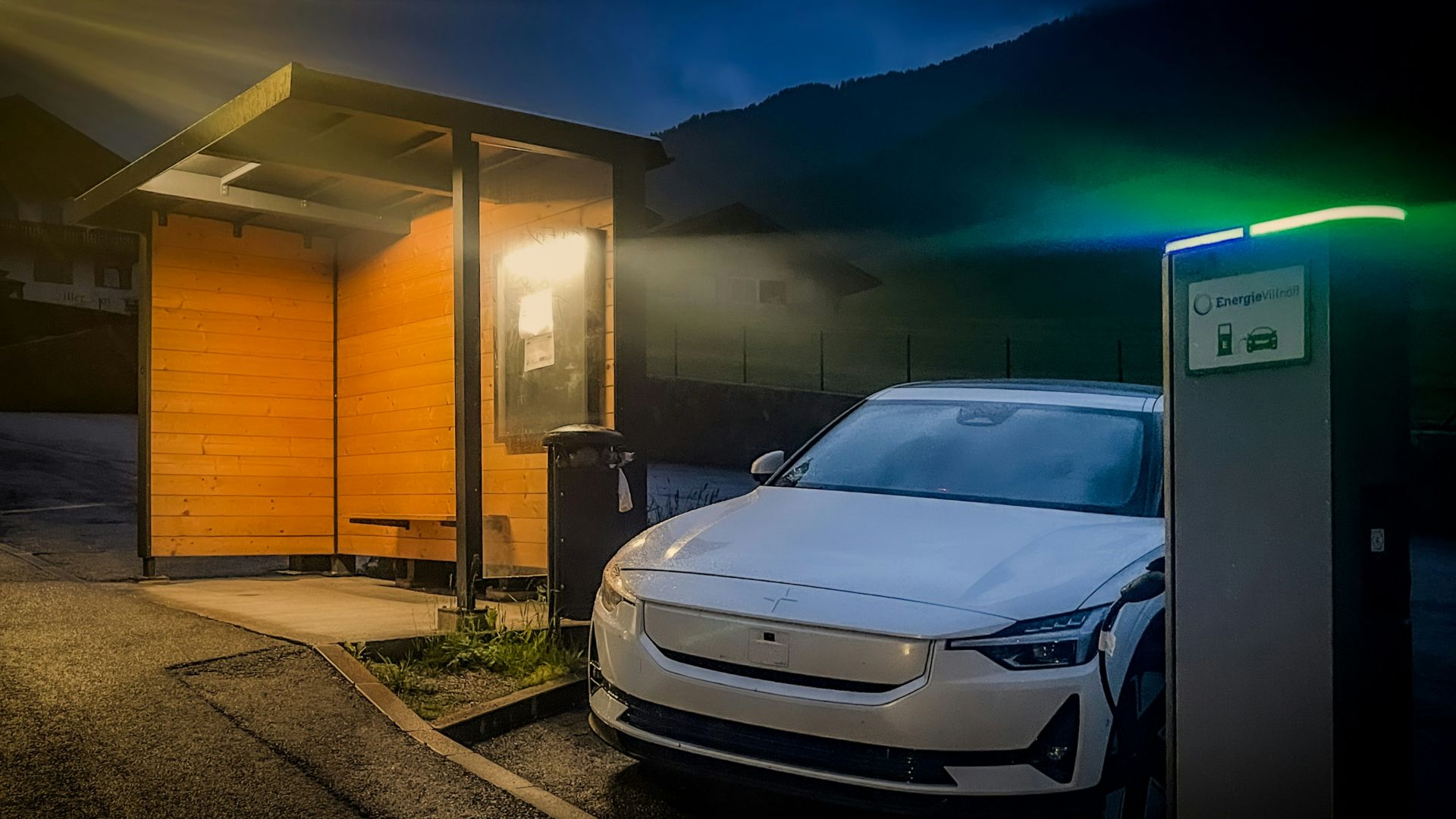
Many shoppers picture EV batteries fading like an old phone battery. In real life, battery degradation in modern EVs is usually gradual, not catastrophic, though results vary by model, climate, and use. Recurrent's EV battery research has found that many EVs lose range slowly over time rather than all at once. That matters because buying makes more sense if the battery stays useful for years.

The Tax Credit Twist Makes This More Interesting
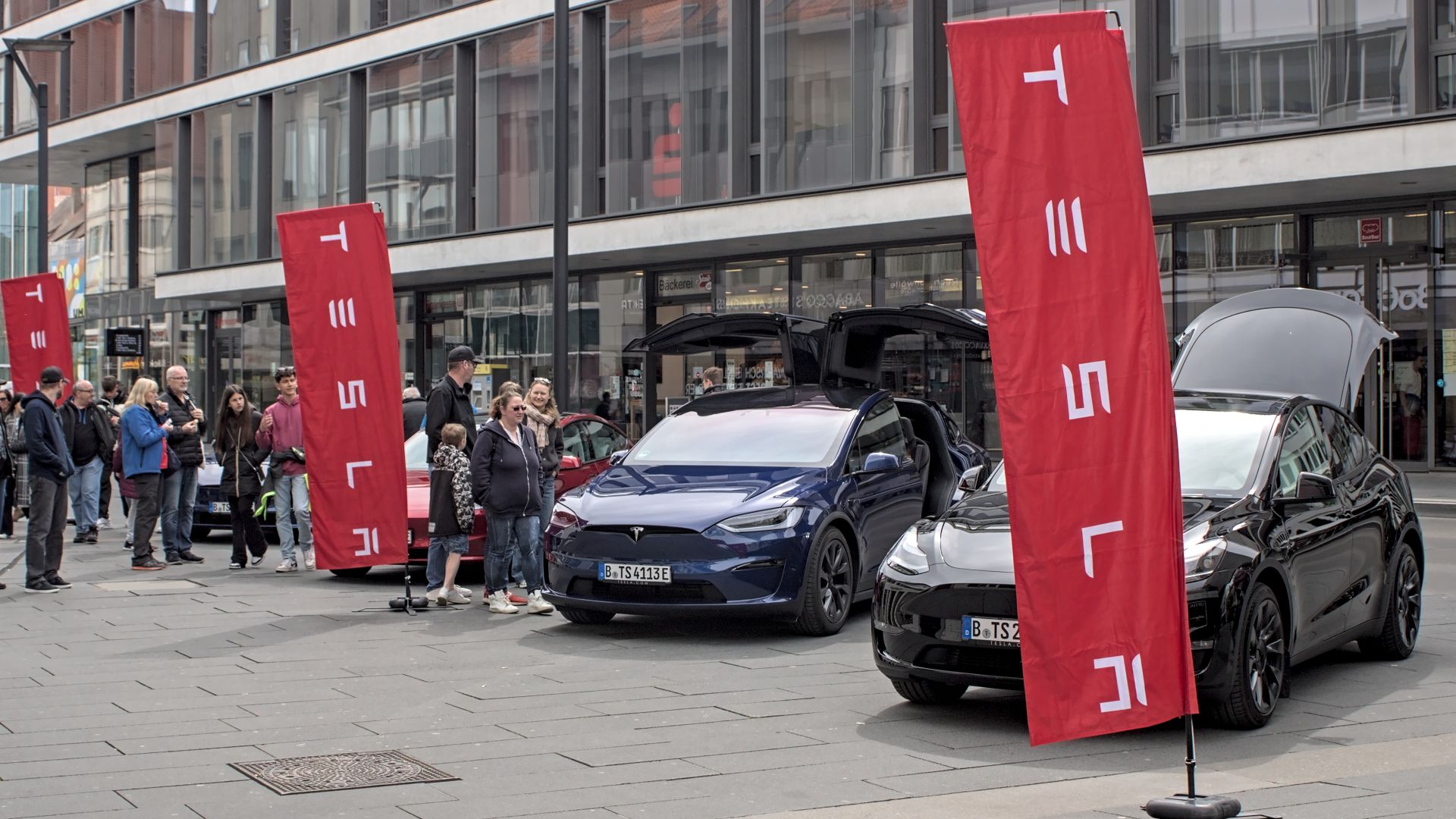
Here is where leasing can get surprisingly powerful. Under federal rules, a leased EV can often qualify through the commercial clean vehicle pathway, even when the same vehicle might not qualify for the consumer purchase credit because of sourcing or price restrictions. The IRS and the Department of the Treasury have laid out those rules, and many automakers pass some or all of that benefit through in lease deals. In plain English, leasing can unlock incentives that buying sometimes cannot.
 Alexander-93, Wikimedia Commons
That Is Why Lease Deals On EVs Can Look Shockingly Good
If you have seen eye-popping EV lease offers, this is often why. The lessor can claim the commercial clean vehicle credit and use it to lower the lease cost, even if the purchased version of that vehicle would not qualify for a buyer credit. That has helped create some genuinely strong EV lease pricing in recent years. For bargain hunters, that is a real advantage, not just sales talk.
 Retired electrician, Wikimedia Commons
Depreciation Is The Heart Of The Buy Versus Lease Debate
The strongest case for leasing an EV is not just battery innovation. It is depreciation risk. Used EV prices have been volatile, and in some periods they have dropped sharply as new vehicle prices changed, incentives shifted, and Tesla pricing moves rippled across the market. Leasing can shield you from that uncertainty because the residual value risk largely sits with the leasing company.
Used EV Values Have Been Bumpy
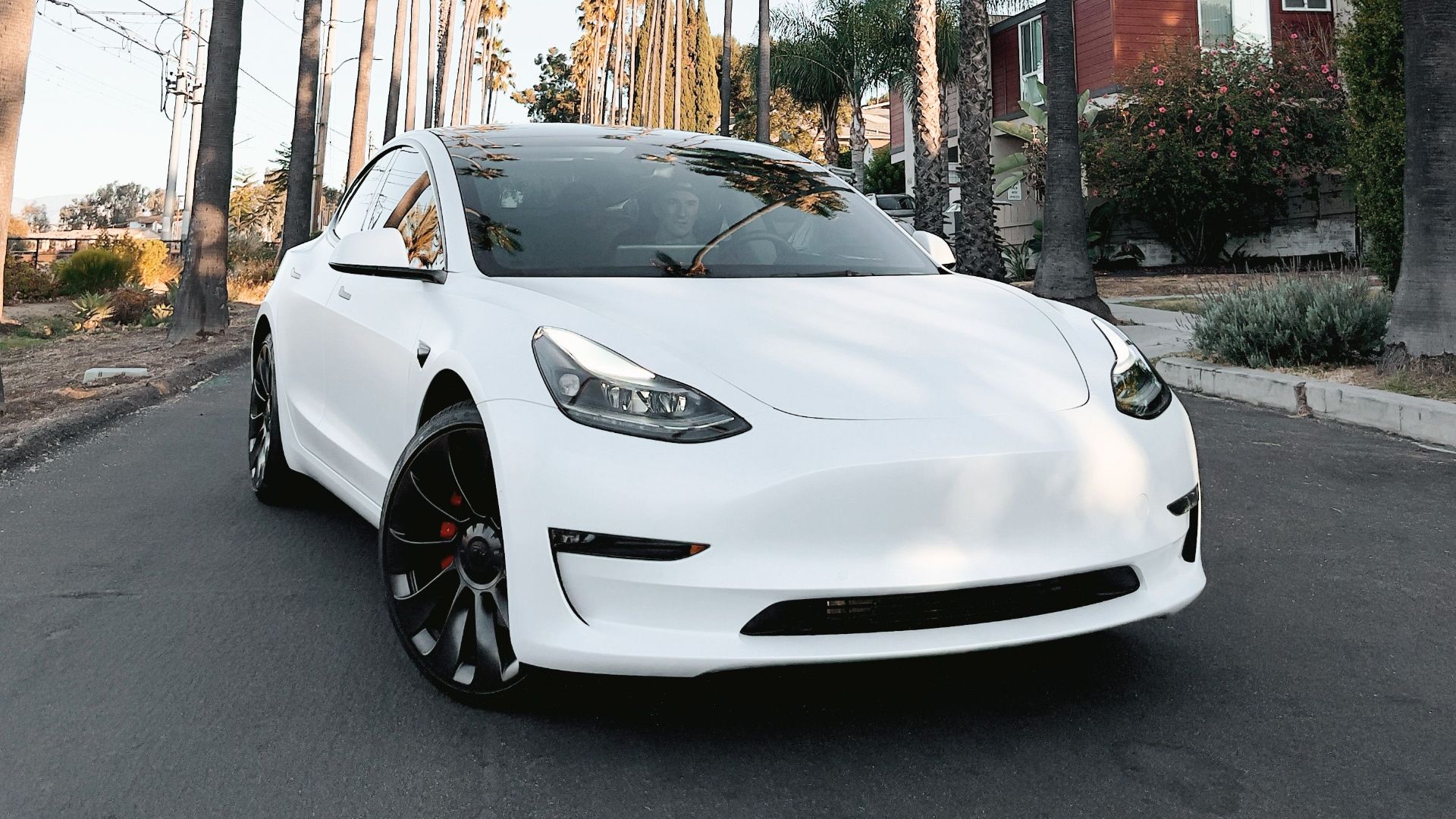
Market watchers such as Cox Automotive have tracked major swings in used EV pricing. Those changes do not happen only because batteries get better. They also happen because new EV prices move, inventory rises, consumer demand shifts, and tax credits change the math overnight. If you buy, that volatility is your problem. If you lease, it is mostly someone else's.
 Alexander-93, Wikimedia Commons
If You Like Having The Newest Thing, Leasing Fits Naturally
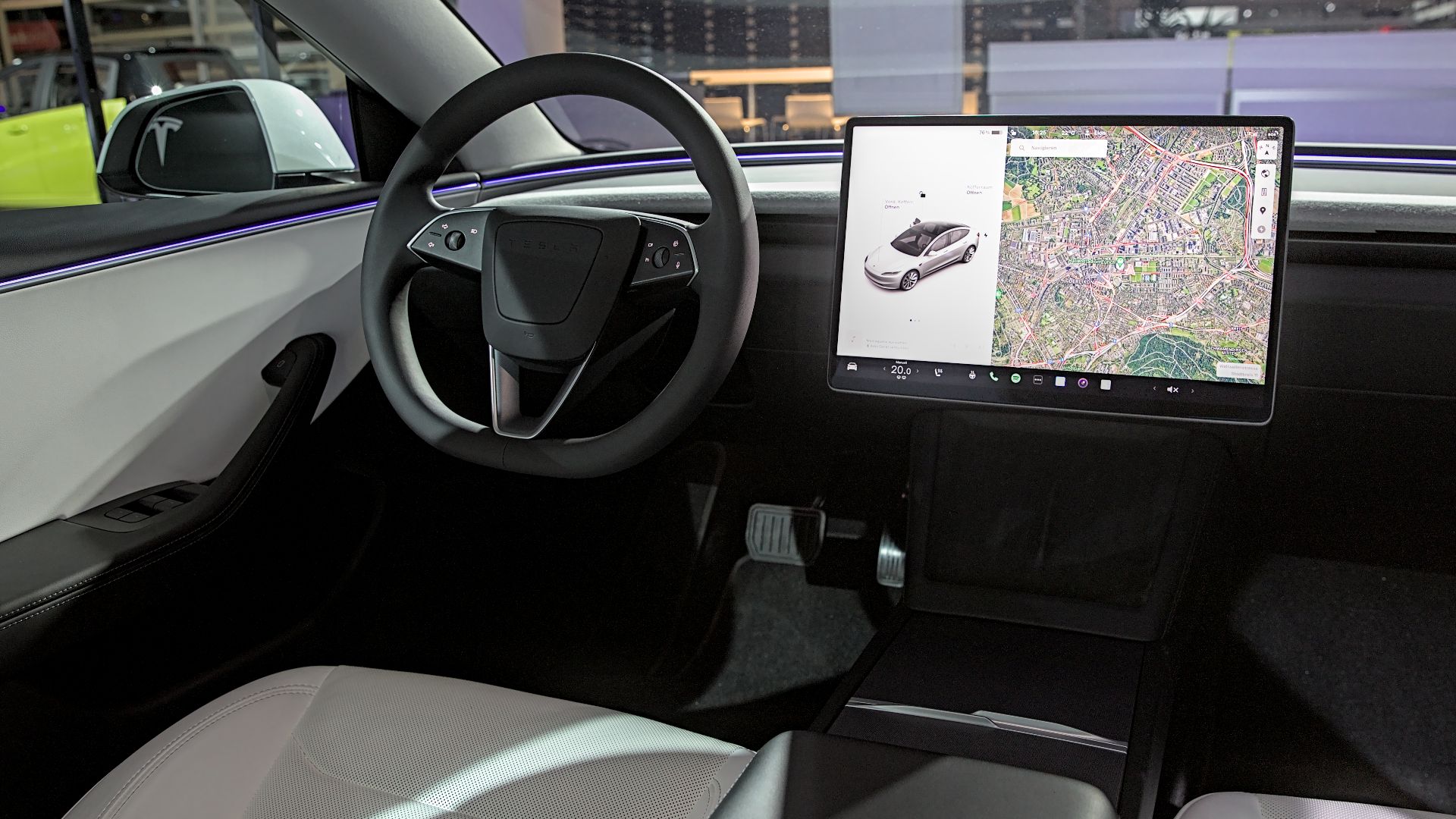
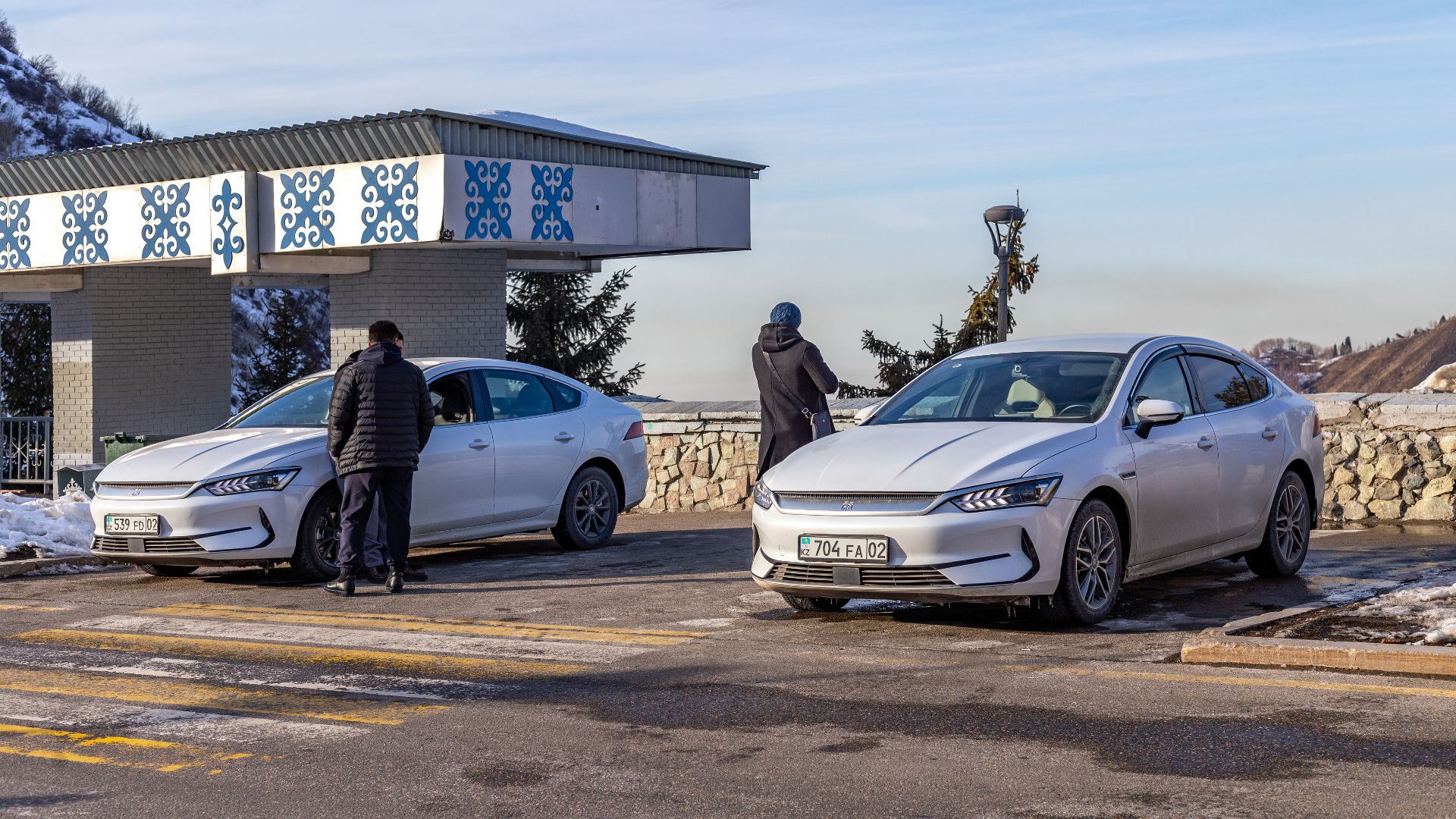
Some drivers simply do not want to commit to one generation of fast-moving tech. If better range, smarter route planning, improved driver assists, and faster charging matter a lot to you, leasing fits that mindset neatly. You get an easy exit in two or three years. That can be worth real money if the next wave of EV improvements matters to your daily life.
 Nikolai Bulykin, Wikimedia Commons
If You Drive A Lot, Buying Can Still Win
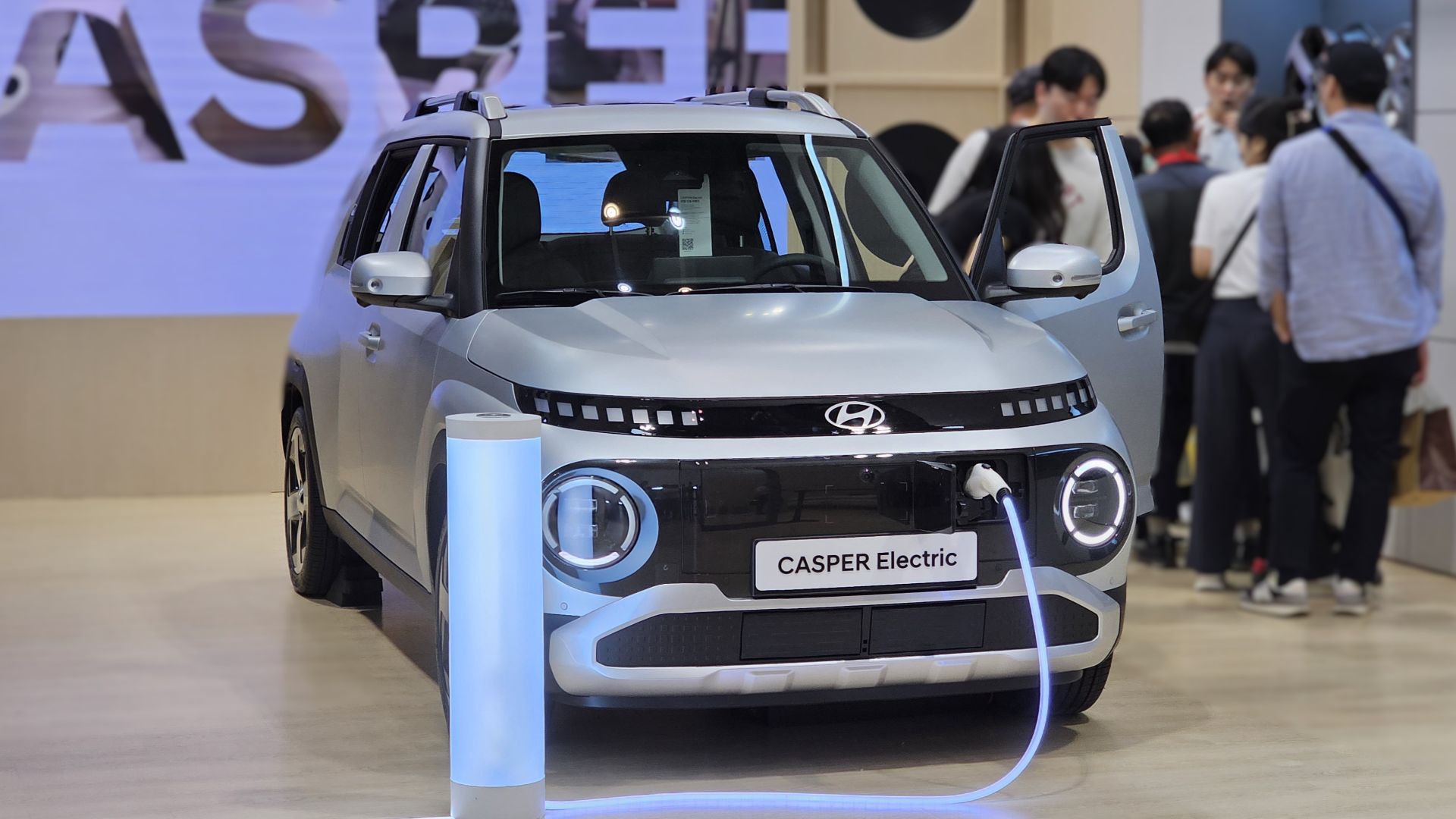
Leases come with mileage limits, and extra miles can get expensive. If you have a long commute, frequent road trips, or no clear idea how much you will drive, buying may be the safer move. High-mileage drivers often get better long-term value from ownership, especially if they keep the car for many years after it is paid off. The battery-tech argument alone should not push a heavy driver into a restrictive lease.
 Damian B Oh, Wikimedia Commons
Home Charging Changes The Equation
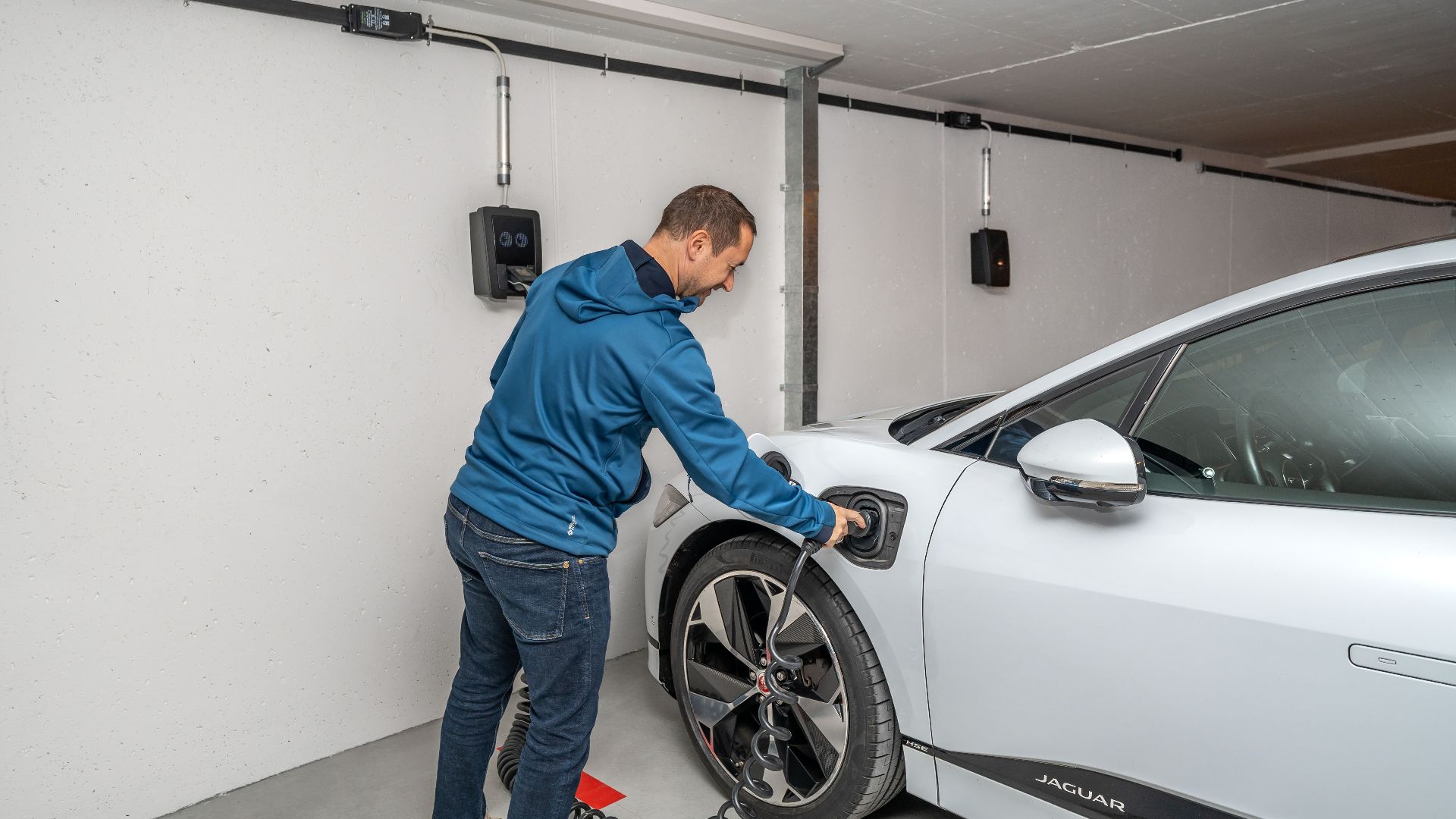
If you can charge at home, many EV ownership headaches get much smaller. You may not care as much if your car charges a bit slower on a highway fast charger if 95 percent of your charging happens overnight in your garage or driveway. That can make an older EV feel perfectly modern for everyday use. In that situation, buying becomes easier to justify.
No Home Charging Makes Short Leases More Attractive
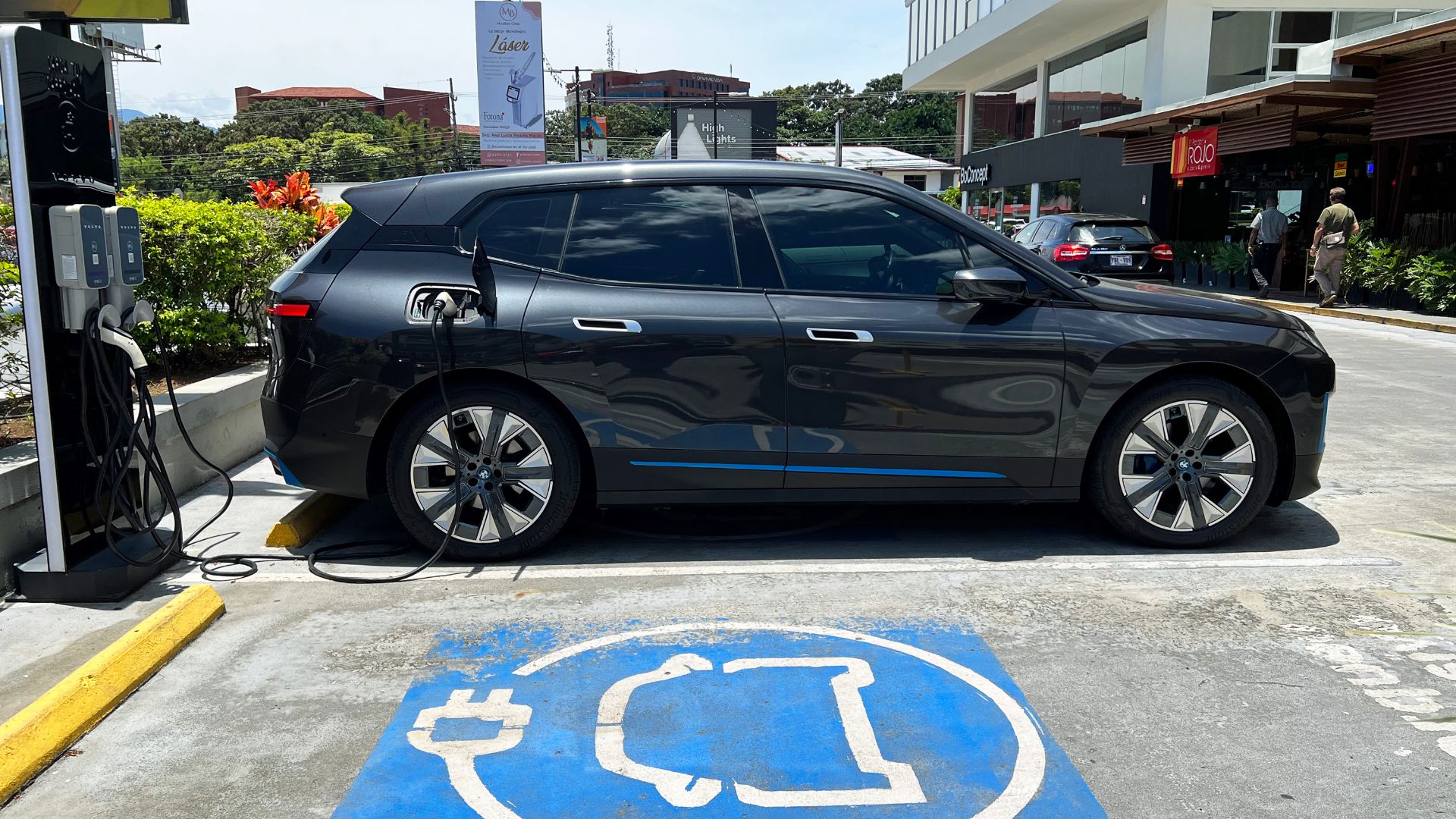
If you rely heavily on public charging, newer charging hardware and better charging curves matter more. Public charging networks are improving, but convenience still varies by region and provider. In that case, leasing a newer EV can be a hedge against getting stuck with an early charging experience that ages poorly. Your friend's argument gets stronger if plugging in at home is not part of your life.
 Mariordo (Mario Roberto Durán Ortiz), Wikimedia Commons
Insurance And Registration Should Not Be Ignored
Lease shoppers sometimes focus only on the monthly payment. That is a mistake. EV insurance costs can be high for some models, and registration fees in some states can eat into part of the fuel savings. Whether you buy or lease, you need to compare the full monthly cost, not just the headline number in the ad.

Buying Makes More Sense If You Plan To Keep The Car A Long Time
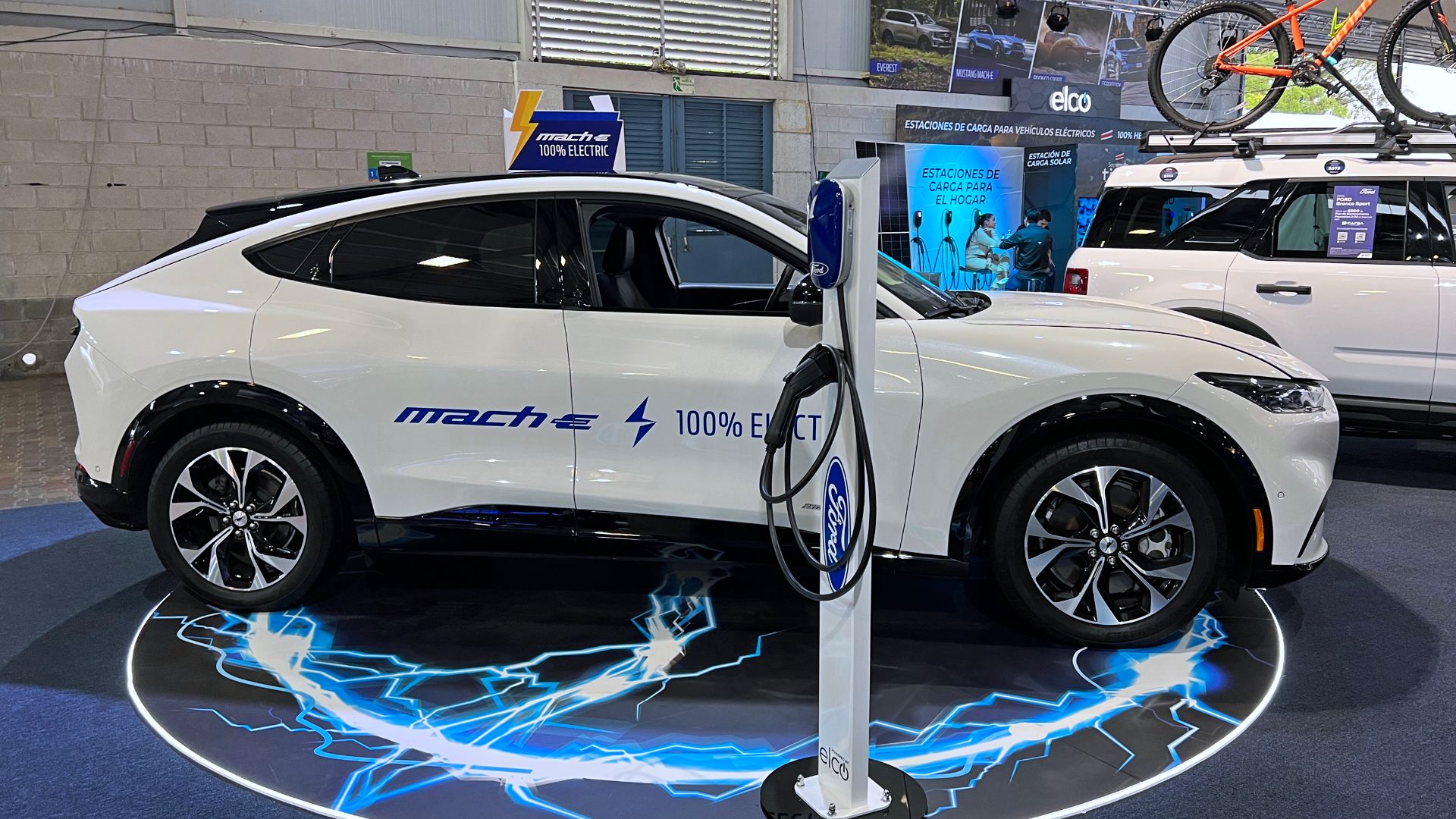
The classic ownership advantage still applies. Once the loan is paid off, you can drive payment-free for years, and that can outweigh the benefit of always having the latest battery tech. If the vehicle meets your needs now, it does not have to feel cutting-edge in year six to be a good financial choice. Drivers who keep cars for a long time often do better by buying.
 Mariordo (Mario Roberto Durán Ortiz), Wikimedia Commons
Leasing Makes More Sense If You Hate Surprise Resale Risk
EV resale values can be harder to predict than those of established gas models. Battery health perceptions, charging standards, software support, and incentive changes all affect what the next buyer will pay. A lease simplifies that. You use the car during its newest years, then hand back the keys and move on.
 Zoriana Zaitseva, Shutterstock
The Battery Tech Fear Can Be Overstated
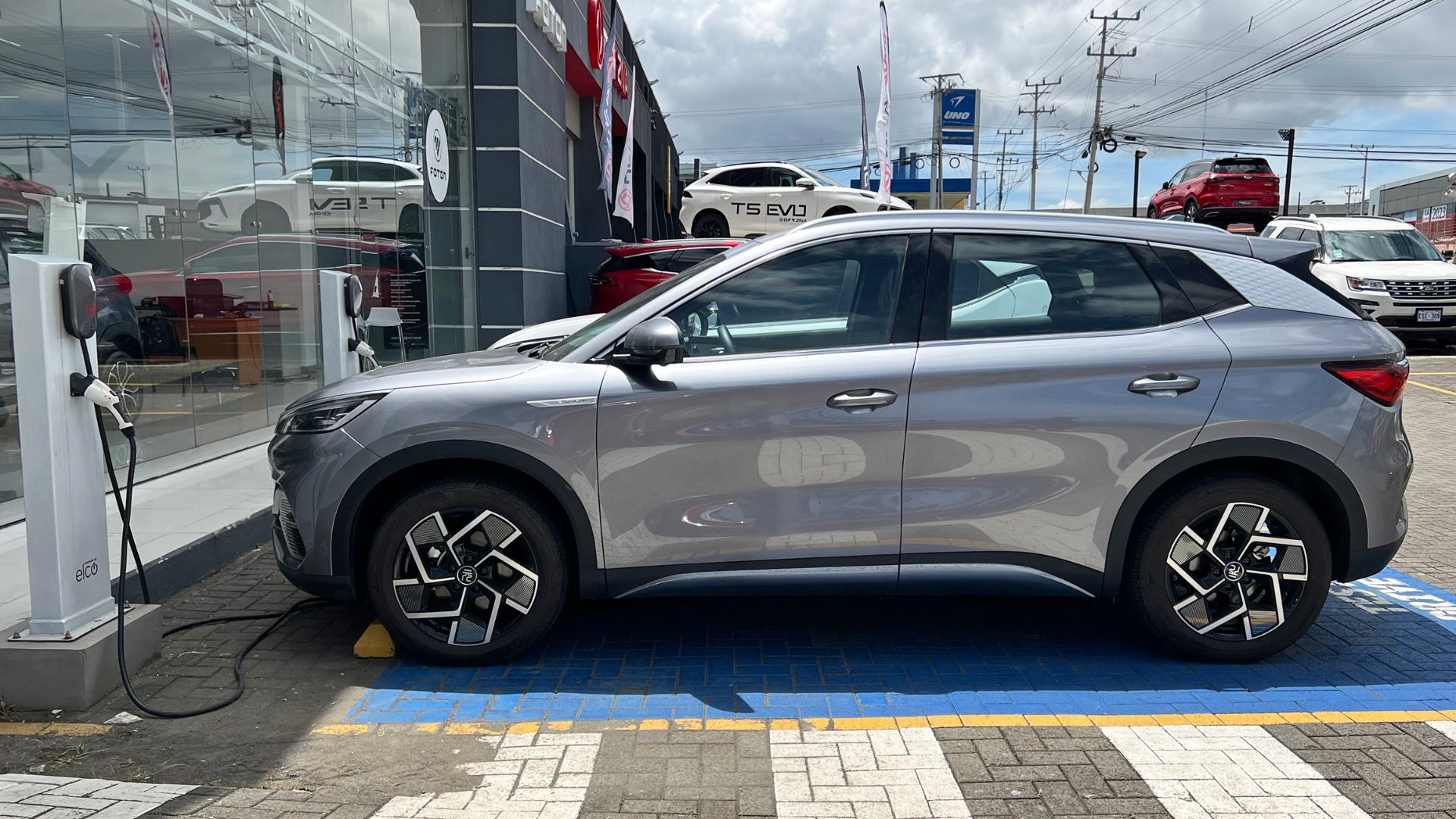
There is a temptation to treat EVs like laptops that become outdated every few years. Cars do not work that way. A 250-mile EV that fits your commute today will still fit your commute in five years if your needs do not change much. Better future batteries do not erase the usefulness of a current car.
 Mariordo (Mario Roberto Durán Ortiz), Wikimedia Commons
Charging Standards Are Another Wild Card
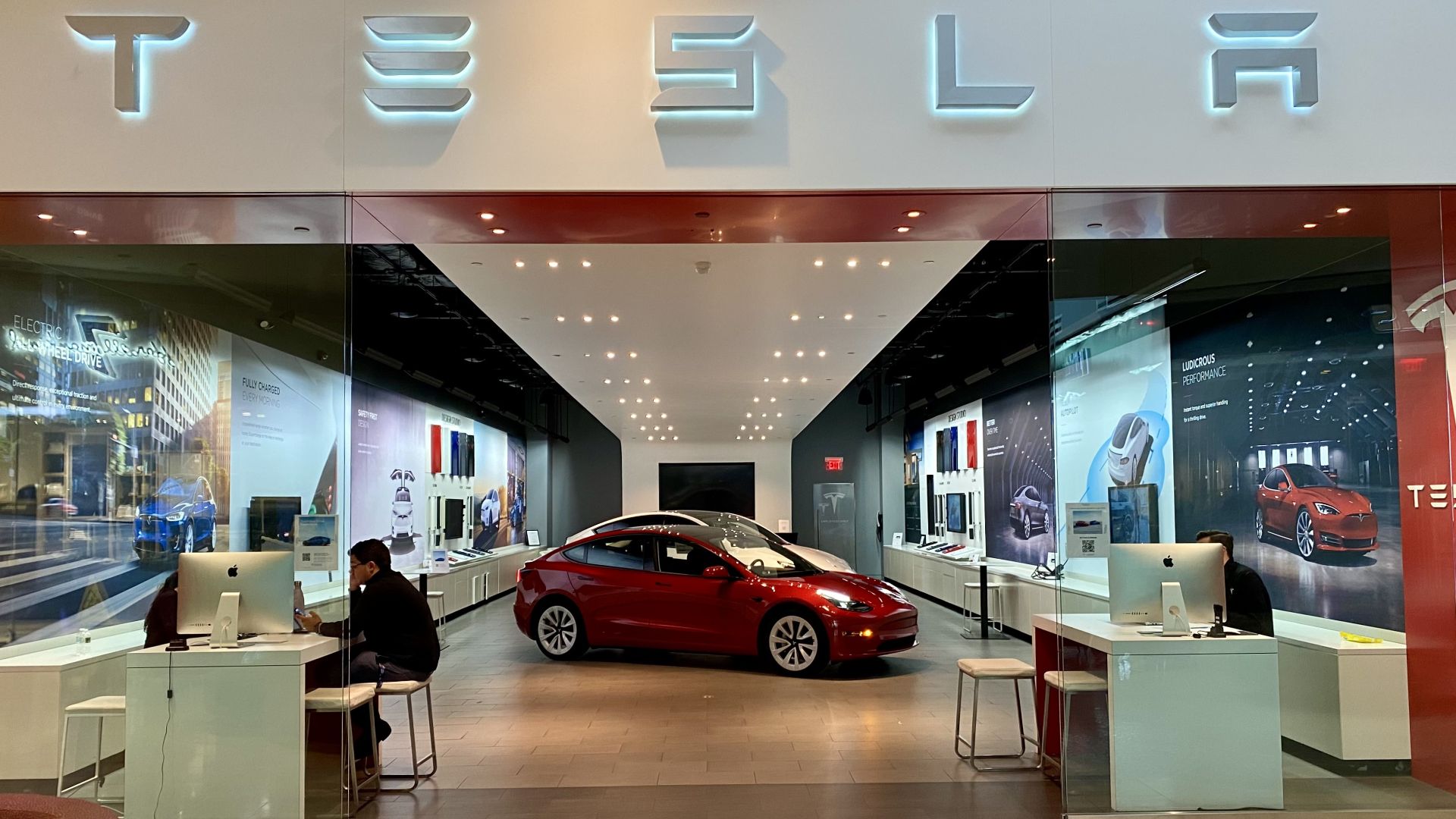
The industry's shift toward Tesla's North American Charging Standard adds one more layer to the timing question. Access to more chargers can improve the ownership experience, and buyers may worry about getting stuck between standards during a transition period. Depending on the model, leasing can be a clean way to avoid overcommitting during that shift. It is another reason your friend's argument has some bite.
 Phillip Pessar, Wikimedia Commons
Software Matters More Than It Used To
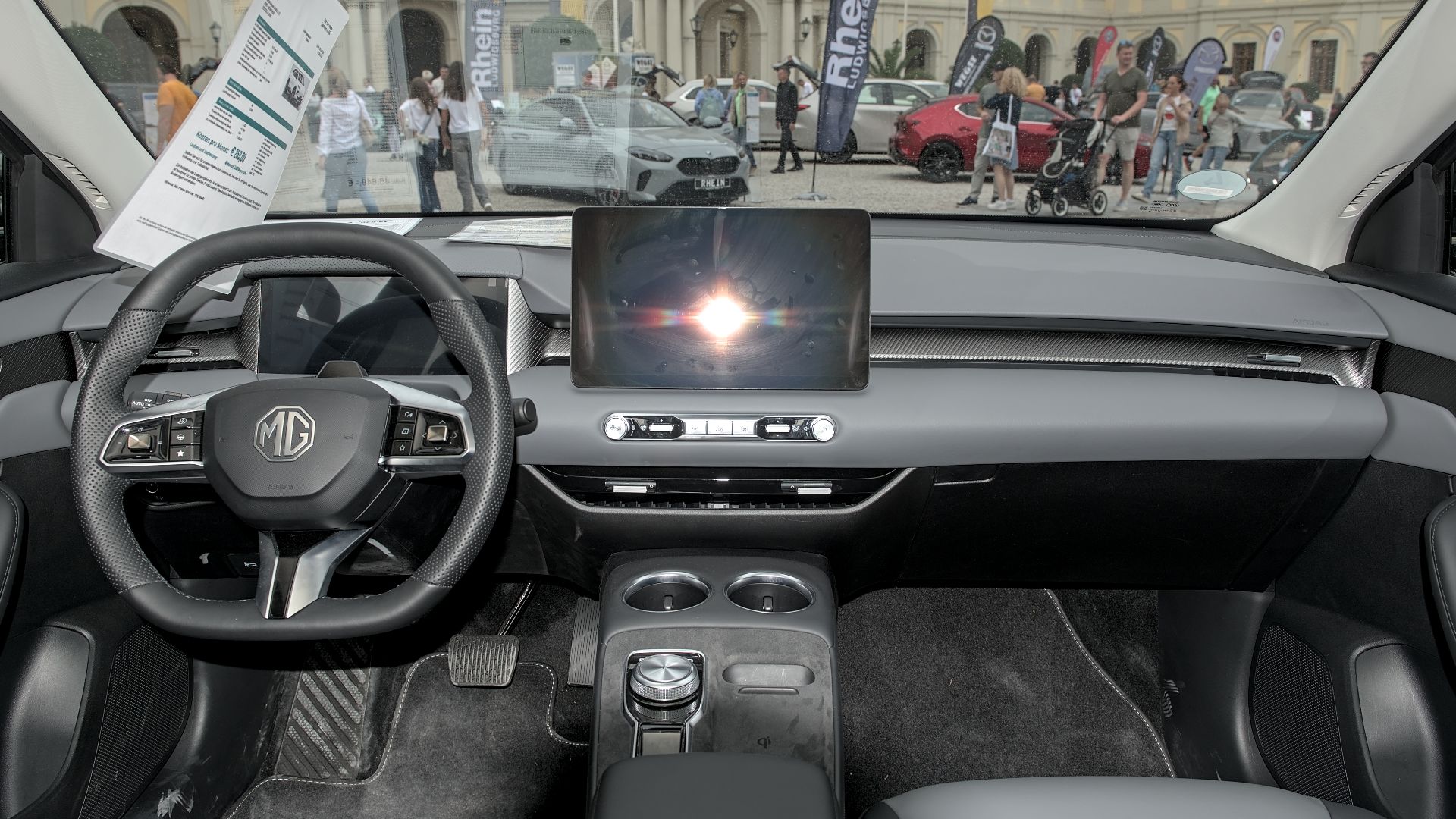
Modern EVs are shaped by software almost as much as hardware. Navigation, battery preconditioning, route planning, charging management, and even efficiency updates can improve the car after you buy it. Some models age better than others because software support is stronger. Before leasing only out of fear, check whether the EV you want has a strong track record for updates.
 Alexander Migl, Wikimedia Commons
The Smartest Answer Depends On Your Time Horizon
If you switch cars every two to four years anyway, leasing an EV is often a very rational move. You reduce depreciation risk, you may capture tax-credit-related lease incentives, and you stay close to the newest charging and battery developments. If you keep cars eight to ten years, buying may still be the better move. The battery market is evolving fast, but not so fast that ownership automatically becomes a bad idea.

Who Should Probably Lease An EV
Lease if you want lower short-term risk, love new tech, qualify for a strong lease deal, and do not drive excessive miles. It is also appealing if the exact model you want does not qualify for a consumer purchase credit but the lease math still benefits from the commercial credit route. People who are unsure how EV life will fit them often benefit from a lease-first approach. It is a useful trial run with a clean exit.
Who Should Probably Buy An EV
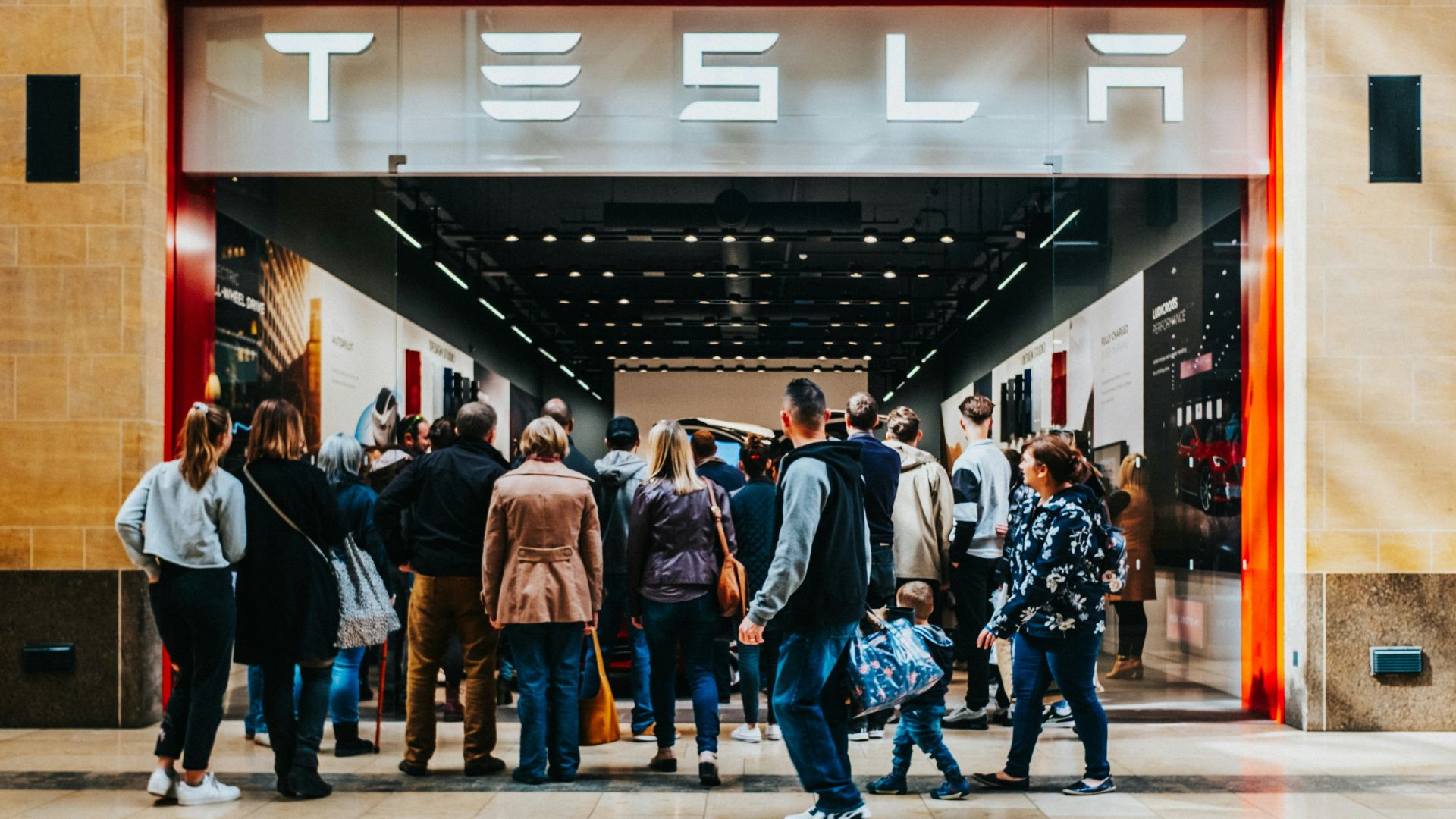
Buy if you have stable driving habits, can charge at home, plan to keep the car for years, and care more about total long-term cost than about having the latest hardware. Buying is especially compelling if the EV already offers enough range and charging performance for your real life, not your dream road trip. A well-chosen EV can stay practical long after the next battery breakthrough arrives. The best value often goes to patient owners.
 City of Detroit, Wikimedia Commons
So Does Your Friend Actually Make Sense
Yes, but only partly. Leasing an EV can be smarter than buying when incentives are strong, resale risk is murky, and you want a short-term commitment while the market keeps changing. Buying still makes excellent sense if you choose carefully and keep the car long enough to spread out the cost. The real answer is not that battery tech changes too fast to buy. It is that the smartest move depends on how long you plan to stay put while the EV world keeps moving fast.
 Charles from Port Chester, New York, Wikimedia Commons