The Claim Sounds Dramatic For A Reason
“Future EVs will make today’s gas cars almost worthless” isn't that hard to believe. Electric vehicles are gaining market share, battery prices have dropped a lot over the past decade, and several governments have set targets that favor lower-emission vehicles.
But “almost worthless” is not what any real evidence shows, especially when you look at how used-car markets really work.
What The Market Is Really Doing
Used vehicle values move for all kinds of reasons, and the engine type is only one of them. Mileage, condition, brand reputation, interest rates, fuel prices, and new-car discounts all matter. That is why sweeping claims about every gas car collapsing in value miss the messy reality of the market.

EV Adoption Is Real And Moving Fast
The International Energy Agency said global electric car sales topped 17 million in 2024, pushing EVs above 20 percent of global car sales. That is a major milestone, and it shows the shift is no longer a niche story. If your friend is pointing to momentum, that part is backed by real data.
But Fast Growth Does Not Mean Instant Obsolescence
Cars stay on the road for a long time, and the vehicle fleet turns over slowly. In the United States, the average age of vehicles in operation reached 12.6 years in 2024, according to S&P Global Mobility. So even strong EV sales growth does not wipe out the value of millions of existing gasoline vehicles overnight.

Gas Cars Still Dominate The Existing Fleet
New sales trends matter, but the used market follows what is already out there. Most vehicles on the road today still run on gasoline, and that shapes parts supply, repair networks, and buyer demand. A huge existing fleet gives gas vehicles a long runway of usefulness.

Resale Value Depends On Segment More Than Headlines
A dependable compact SUV, a half-ton pickup, and a thirsty luxury sedan will not age the same way. Practical vehicles with wide demand usually hold value better than expensive models with high running costs. So the better question is not whether gas cars as a whole will become worthless, but which kinds of gas cars are most exposed.
 Anatoliy Cherkas, Shutterstock
Battery Costs Have Fallen, And That Changes The Game
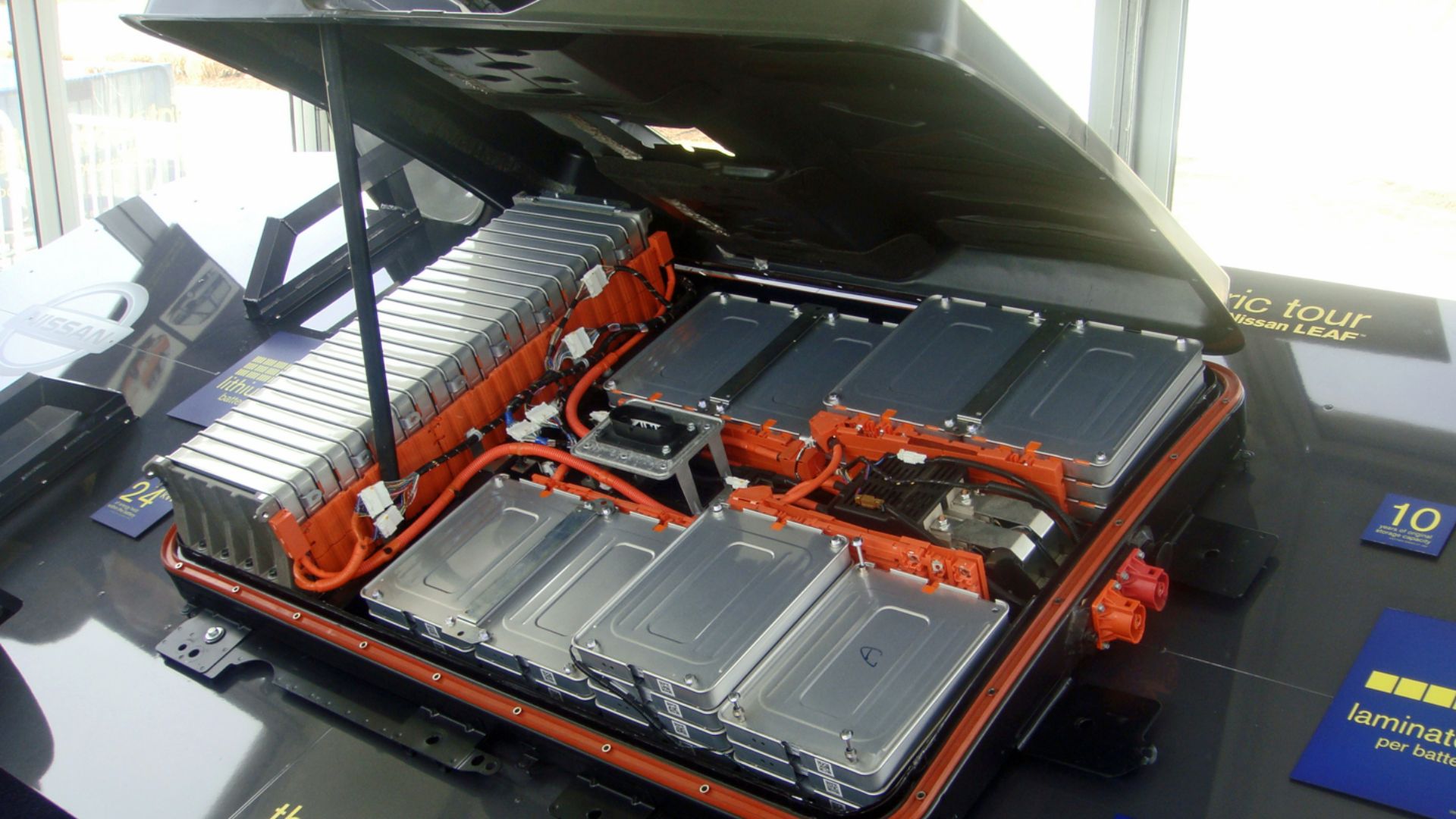
One reason EVs are getting more competitive is that battery pack prices have fallen sharply since the early 2010s. BloombergNEF has tracked that drop for years, showing how cheaper batteries make lower EV prices more realistic. That is a real long-term threat to some gas-car demand, especially in mainstream segments.
 Mariordo Mario Roberto Duran Ortiz, Wikimedia Commons
Cheaper EVs Could Pressure Some Used Gas Cars
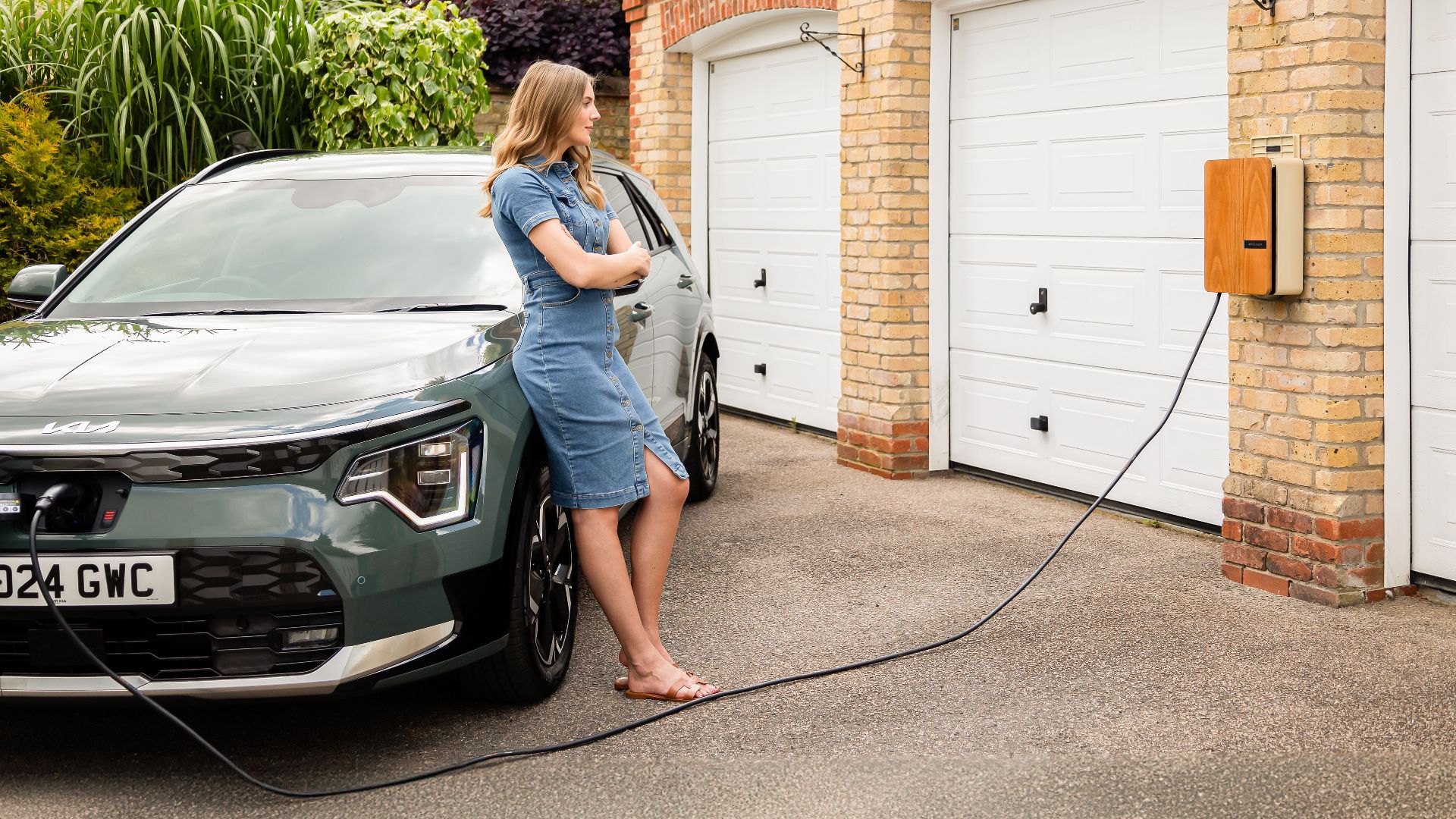
If new EVs become cheaper to buy and cheaper to run, some used gas cars will look less appealing. That is most likely for commuter vehicles where home charging is easy and fuel savings are simple to figure out. In those cases, older gas sedans and small crossovers could see softer resale values than they used to.

Fuel Savings Are Real
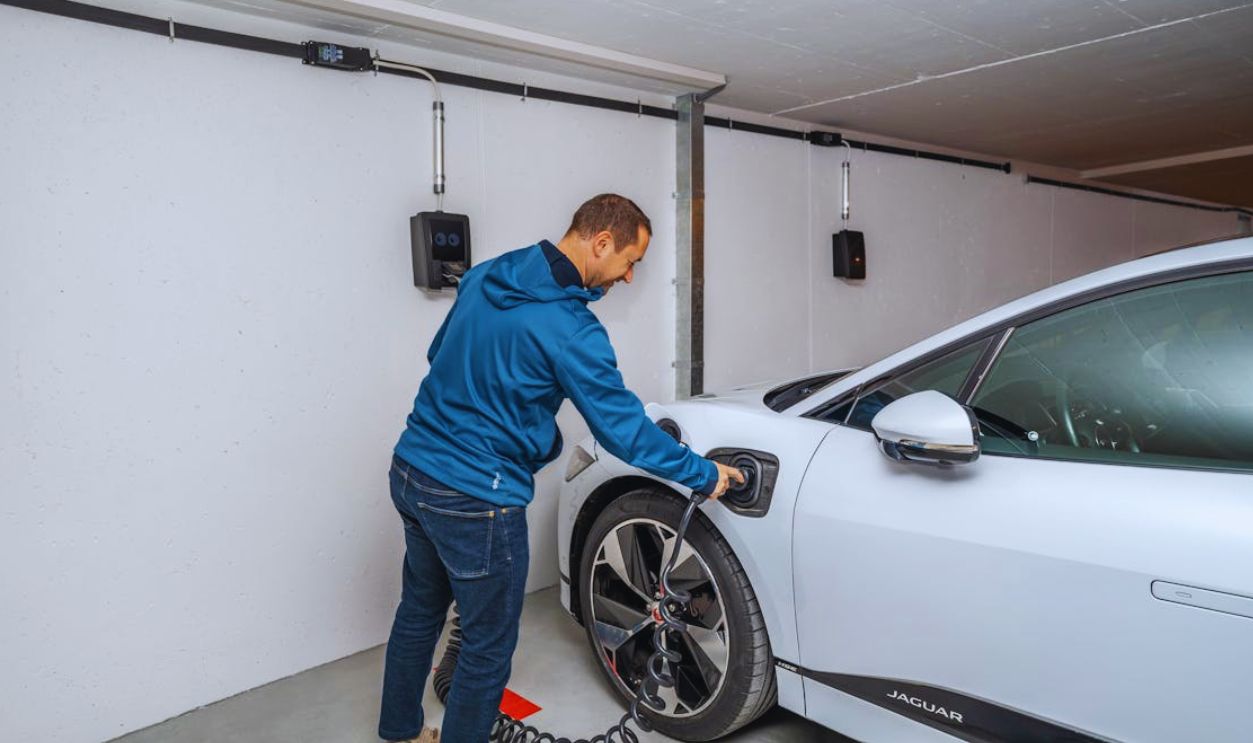
The U.S. Department of Energy says EVs usually have lower fueling and maintenance costs than similar gasoline vehicles. Electricity prices vary by region, but many drivers still spend less per mile than they would on gas. That ongoing cost advantage is one of the strongest arguments in favor of EVs.
Maintenance Is Another Real Advantage
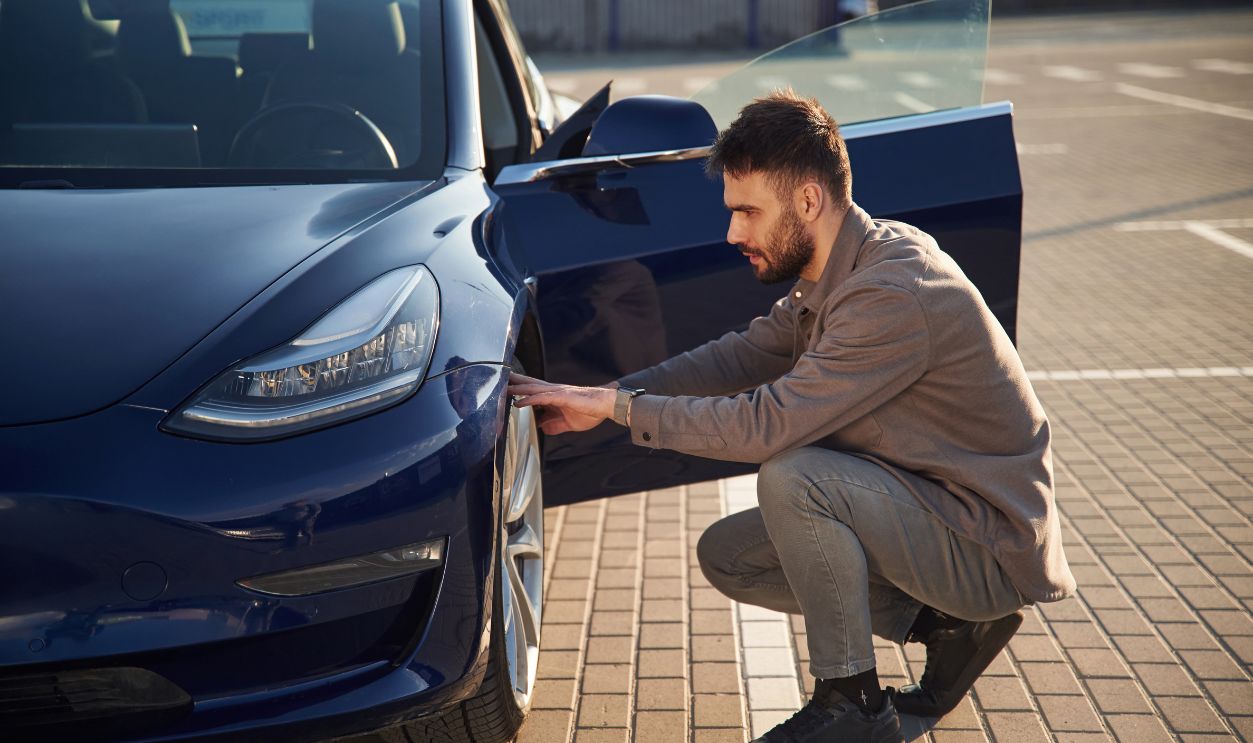
EVs have fewer moving parts in the drivetrain, no oil changes, and less routine service tied to combustion hardware. That does not mean EVs are maintenance-free, but they can look very attractive to buyers tired of paying for repairs on aging gas cars. Over time, that can put pressure on older combustion vehicles with high upkeep costs.
Charging Is Improving, But It Is Not Solved Everywhere
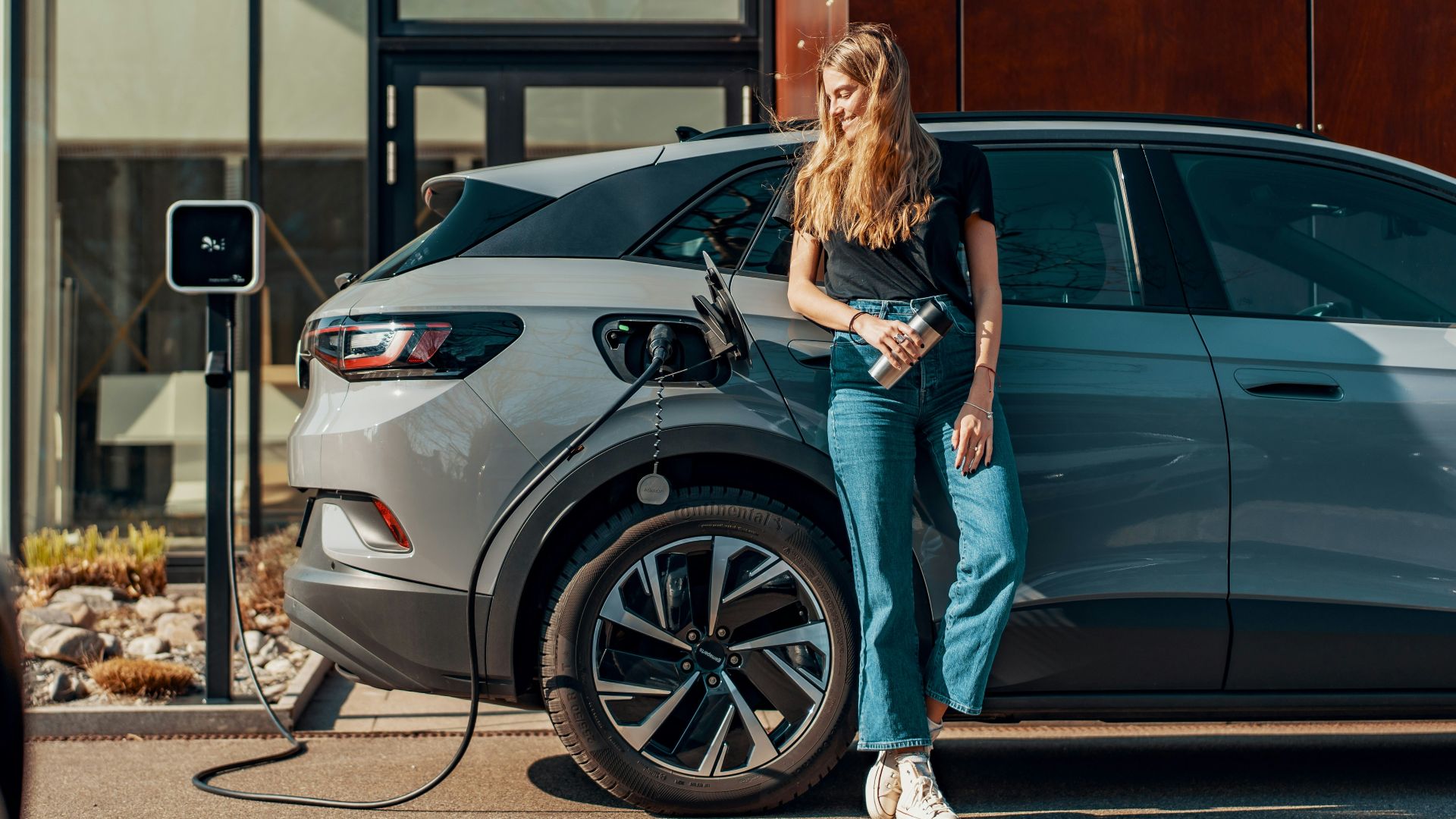
This is where the “worthless” argument starts to fall apart. Public charging networks are growing, and charging speeds are getting better, but convenience still varies a lot by region and by housing situation. Drivers without easy home charging may still prefer a gas car for practical reasons, and that helps keep demand alive.
Range Anxiety Is Lower Than It Was, Yet Still Matters
Modern EV range is much better than it was a decade ago, and that has widened their appeal. But buyers who tow, take long road trips, or live in areas with fewer chargers still care a lot about range and charging time. Those buyers could help keep certain gasoline trucks and SUVs valuable longer than EV fans expect.

Government Policy Matters, But Dates Matter Too
Several places have announced future rules that affect new gas-car sales, but most are still years away and apply to new vehicles, not used ones. In the European Union, a 2035 target aims to end sales of new CO2-emitting cars and vans. California has also adopted rules targeting 100 percent zero-emission new light-vehicle sales by 2035, with phased milestones before then.
 Quintin Soloviev, Wikimedia Commons
New-Car Bans Are Not Used-Car Bans
This point often gets lost. Even where future rules are strict, they usually do not mean your existing gas car becomes illegal or worthless on that date. They push the market in a certain direction, but they do not flip a switch that turns a working vehicle into scrap.

Depreciation Is Already Brutal For Many Cars
Cars have always been depreciating assets, and many lose value quickly no matter what powers them. Saying EVs will make gas cars worthless makes it sound like a brand-new problem, when depreciation is just normal. The real question is whether EV competition makes that drop steeper for certain gas models, and in some cases it probably will.

Not Every EV Has Been A Resale Superstar Either
It is worth keeping the hype in check on both sides. Some used EV values have also been volatile, especially when new-car prices changed, tax credits shifted, or automakers cut sticker prices. That shows the market is still settling out, not marching toward one simple outcome.
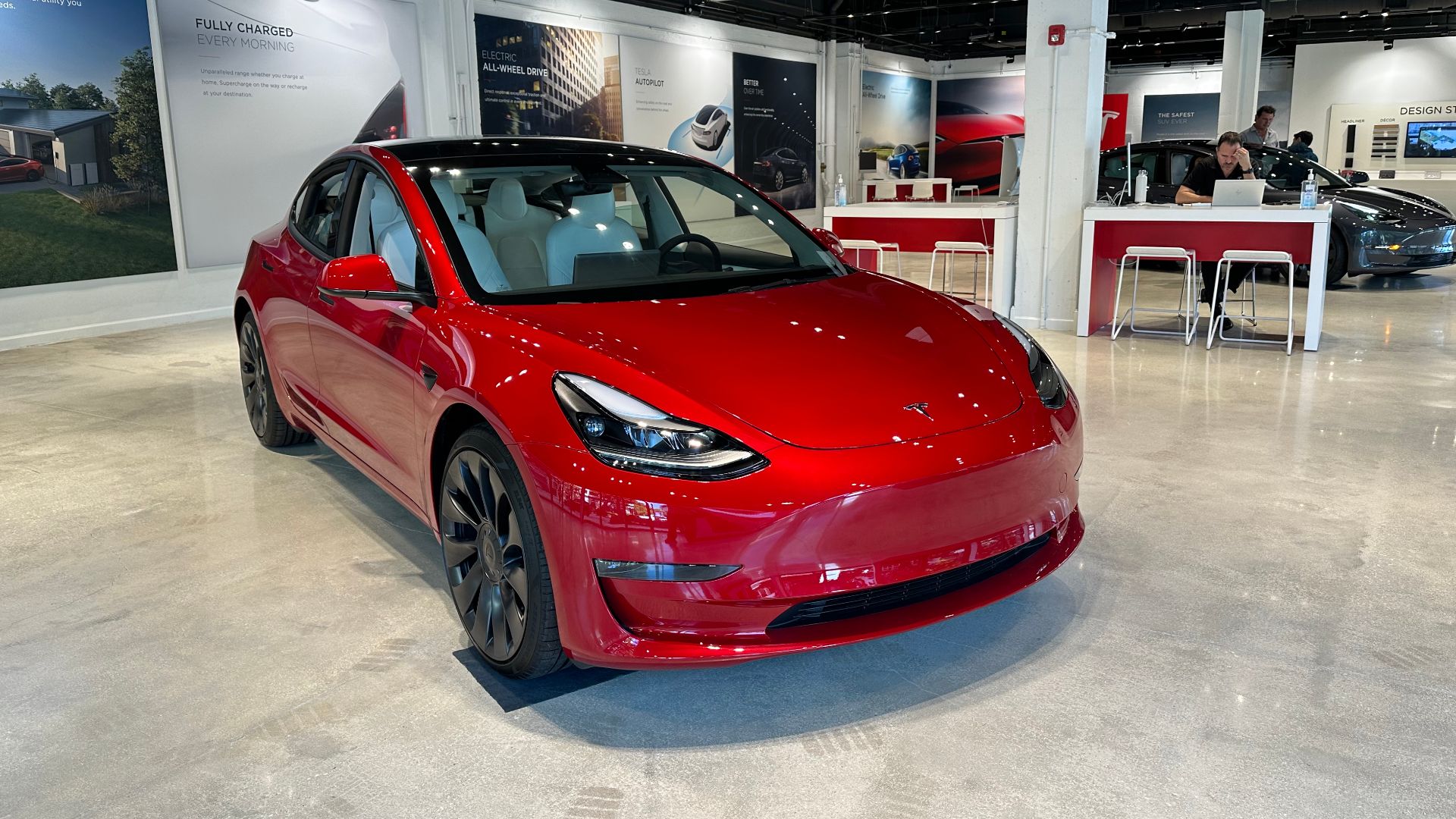
Tesla Price Cuts Were A Wake-Up Call
When Tesla cut prices on new vehicles in 2023 and after, used EV pricing felt the hit. It was a reminder that resale value is shaped by manufacturer strategy just as much as by technology trends. If new EVs get cheaper fast, some used EVs can lose value fast too.
 Phillip Pessar, Wikimedia Commons
Gas Trucks And Work Vehicles Are A Different Story
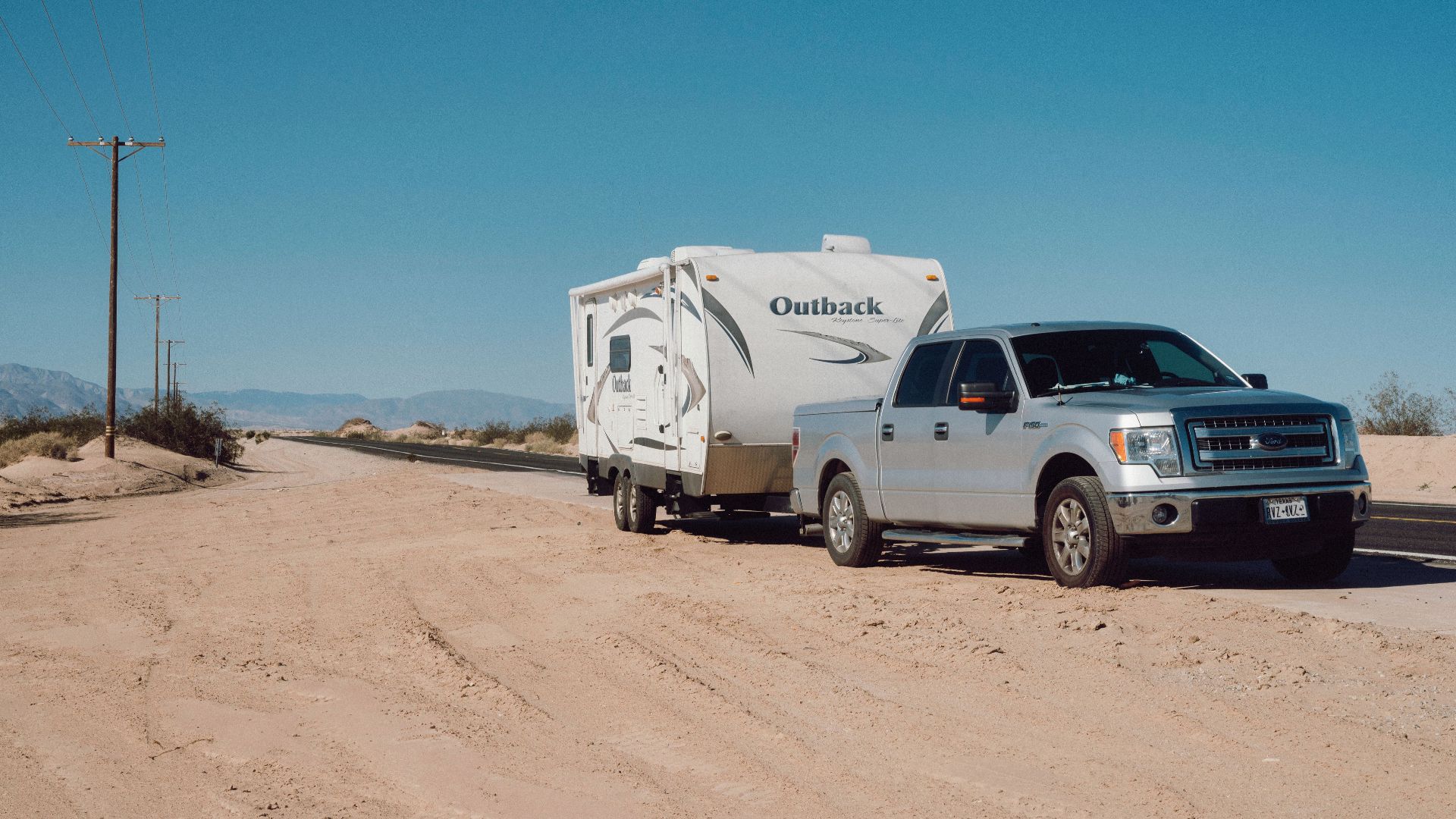
If you are talking about pickups used for towing, long rural drives, or job-site work, the transition may take longer. Charging access, payload concerns, and work-cycle needs still matter a lot in these segments. That is one reason predictions of a total gas-car collapse usually break down once you move beyond commuter cars.
Rural America Does Not Shop Like Dense Cities
Location plays a big role in used-car values. A compact EV may make perfect sense in a suburb with garages and short commutes, while a gasoline SUV may still be the safer choice in places with longer distances and fewer chargers. One national headline cannot capture those local differences.
Consumer Demand Is Broader Than Technology Alone
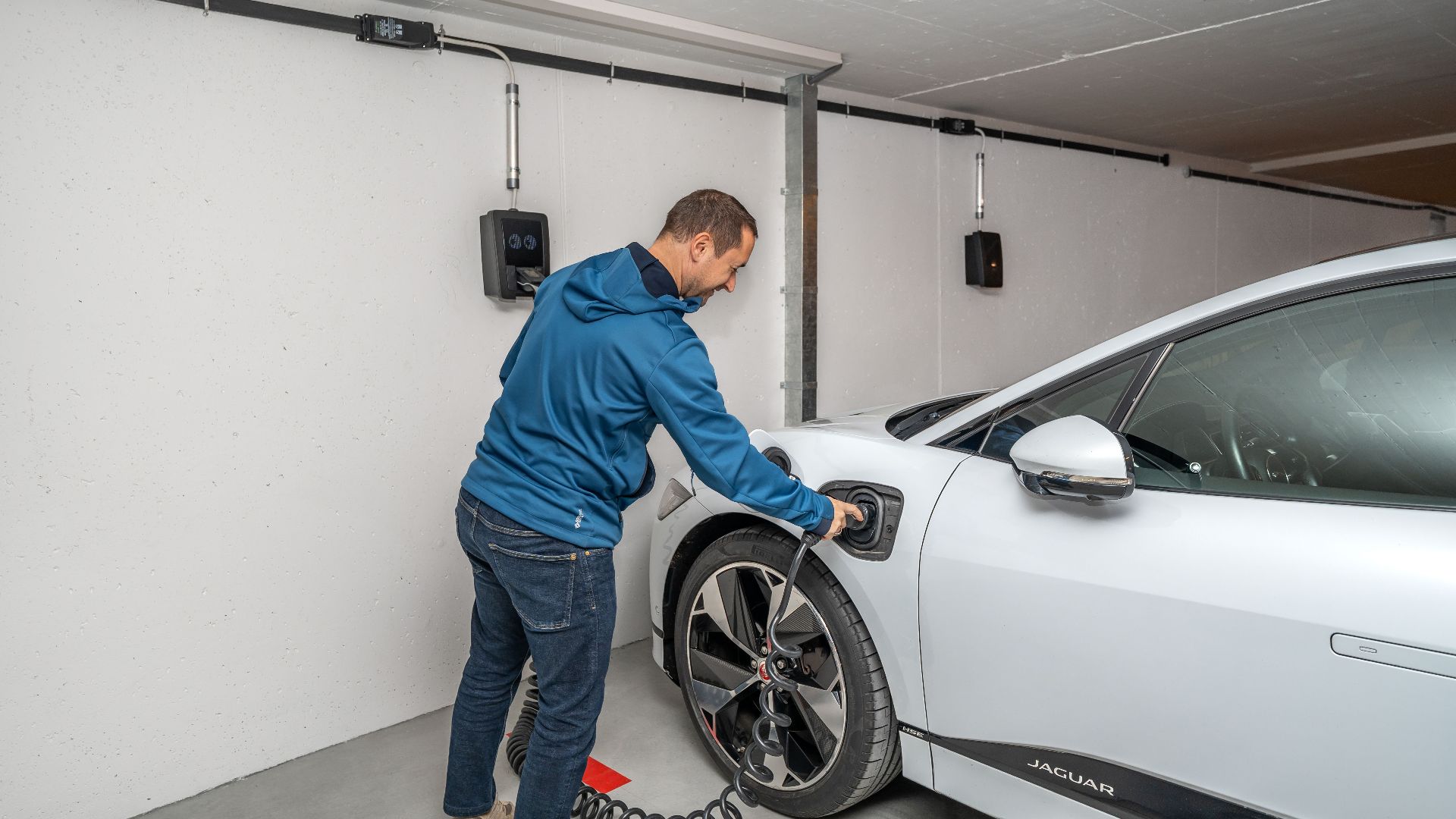
People buy cars based on price, trust, familiarity, and what works in daily life. Some buyers want the newest tech, while others want something simple that any local shop can fix. That split in buyer preferences is another reason gas cars are unlikely to become broadly worthless anytime soon.

Automakers Are Still Building Plenty Of Gas And Hybrid Models
If the industry really believed gasoline vehicles were about to lose all value, product plans would look very different. Instead, many automakers are pushing hybrids while still selling conventional gas models alongside EVs. That mixed strategy reflects what companies are seeing in the real market right now.

Hybrids May Be The Biggest Disruptor In The Short Term
There is an important twist here. For many buyers, hybrids offer much better fuel economy without any charging worries, and that can put pressure on ordinary gas cars before pure EVs do. In resale terms, an average gas model may have more to fear from efficient hybrids than from every EV on the market.

What Could Really Hurt Gas-Car Values
Three things would matter most: cheaper new EVs, wider fast-charging coverage, and policy changes that make owning combustion vehicles more expensive. If those trends speed up at the same time, some gas vehicles could lose value faster than normal. But even then, “almost worthless” would still hit the weakest, least desirable examples first.

Which Gas Cars Look Most Vulnerable
Older sedans with poor fuel economy, high maintenance costs, and weak brand reputation are the obvious candidates. Large luxury vehicles with expensive repairs can also get squeezed when buyers have newer, cheaper-to-run options. These are the kinds of vehicles most likely to feel the EV era first.

Which Gas Cars May Hold On Better
Reliable pickups, well-kept body-on-frame SUVs, enthusiast cars, and practical low-cost commuters can all keep strong followings for different reasons. Utility, emotional appeal, and low ownership risk still matter in resale. A blanket claim that all gas cars are heading toward near-zero value ignores how durable these pockets of demand can be.

The Time Horizon Changes The Answer
Over the next three to five years, a sudden wipeout in gas-car values looks unrealistic. Over ten to fifteen years, the pressure could be much stronger, especially in urban and suburban markets where charging gets easier and EV prices keep falling. The statement only starts to sound more plausible if you stretch the timeline and narrow it to certain types of vehicles.
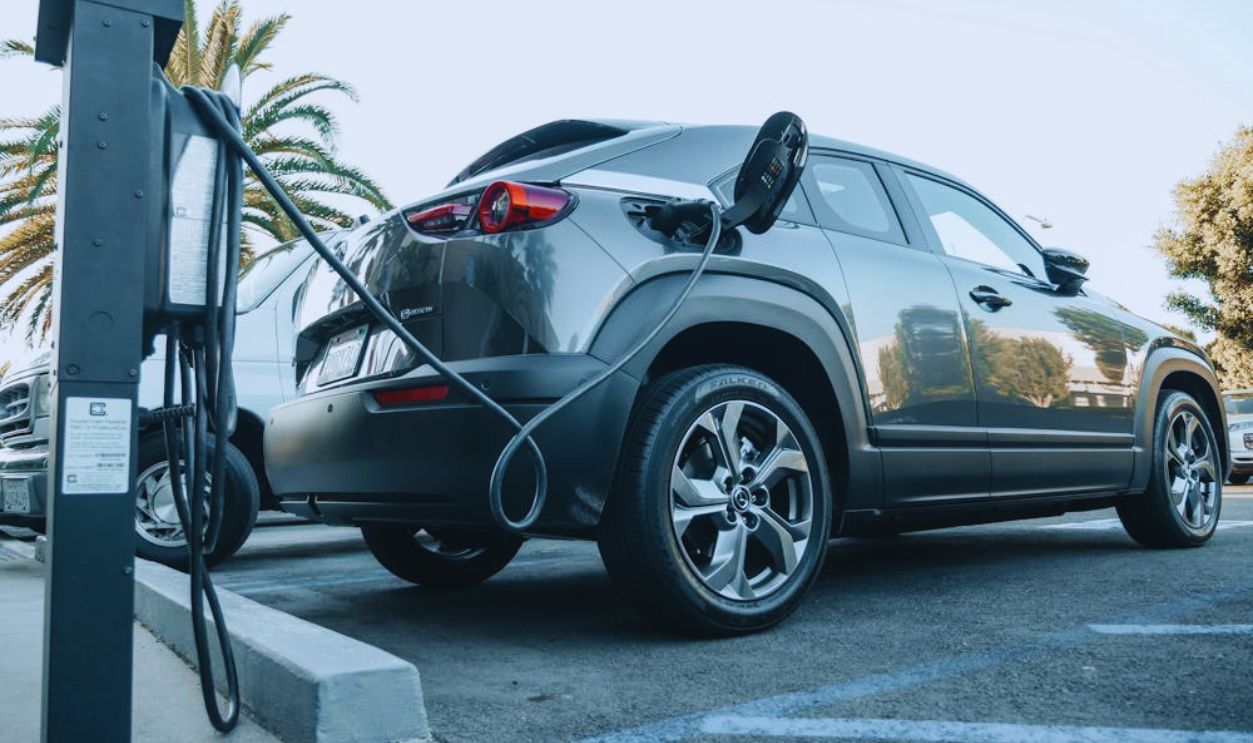
So Is Your Friend Right
Partly, but mostly in the way bold predictions are often partly right. Future EVs are likely to make some of today’s gas cars less desirable and less valuable, especially inefficient mainstream models. But the idea that today’s gas cars will become “almost worthless” across the board is hype, not a fair reading of the evidence.
The Pragmatic Take For Buyers And Owners
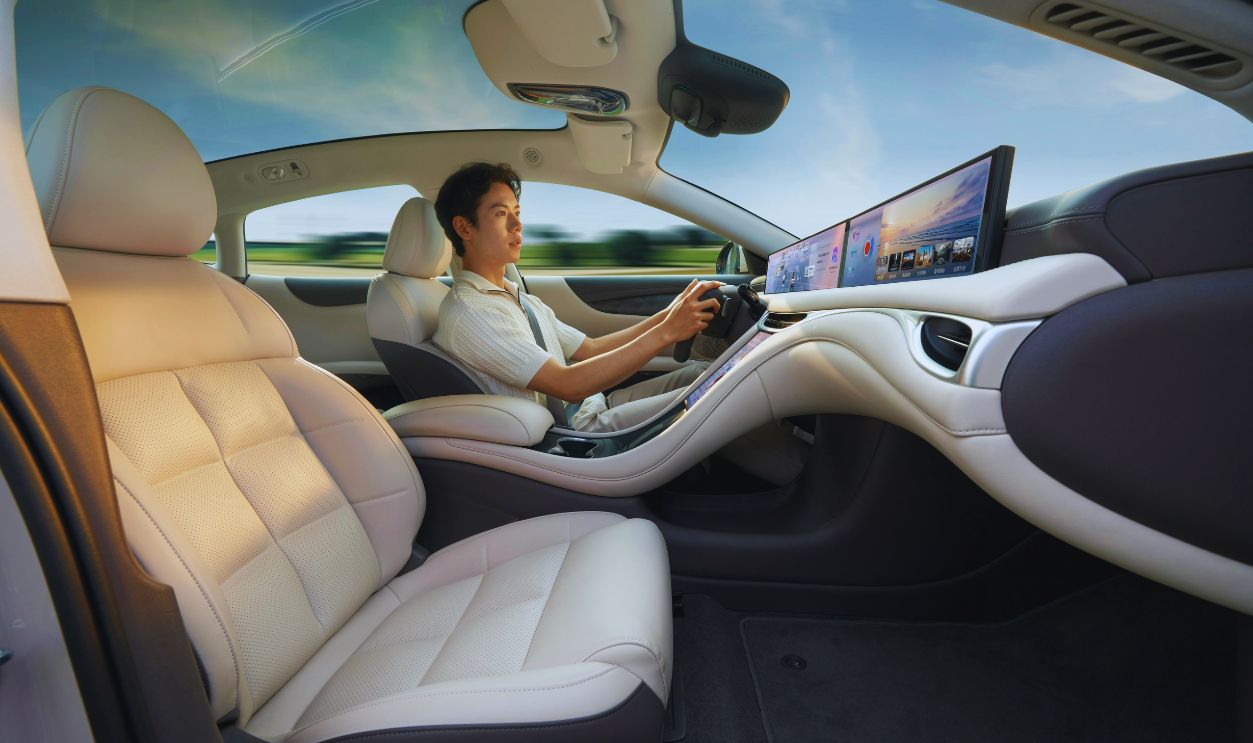
If you own a gas car now, panic-selling because of EV headlines is probably not a smart move. Focus on condition, maintenance, mileage, and whether your vehicle fits a segment with lasting demand. If you are shopping, it is safer to assume efficient, reliable vehicles of any powertrain will stay easier to sell than thirsty, complicated ones.