The Fast Charging Scare Story
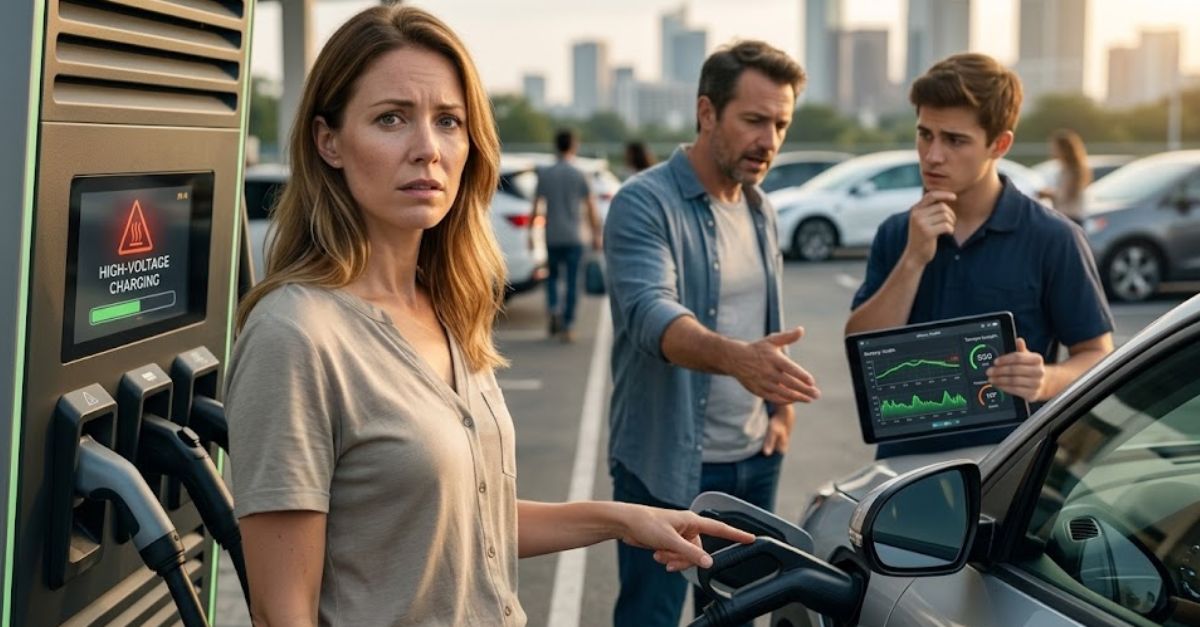
Spend enough time around EV owners and you're bound to hear the warning about rapid chargers sooner or later. Many drivers of electric vehicles believe that DC fast charging will wreck the battery and leave you with a huge bill. The truth is less dramatic—and a lot more interesting.
What Your Friend Is Getting Right
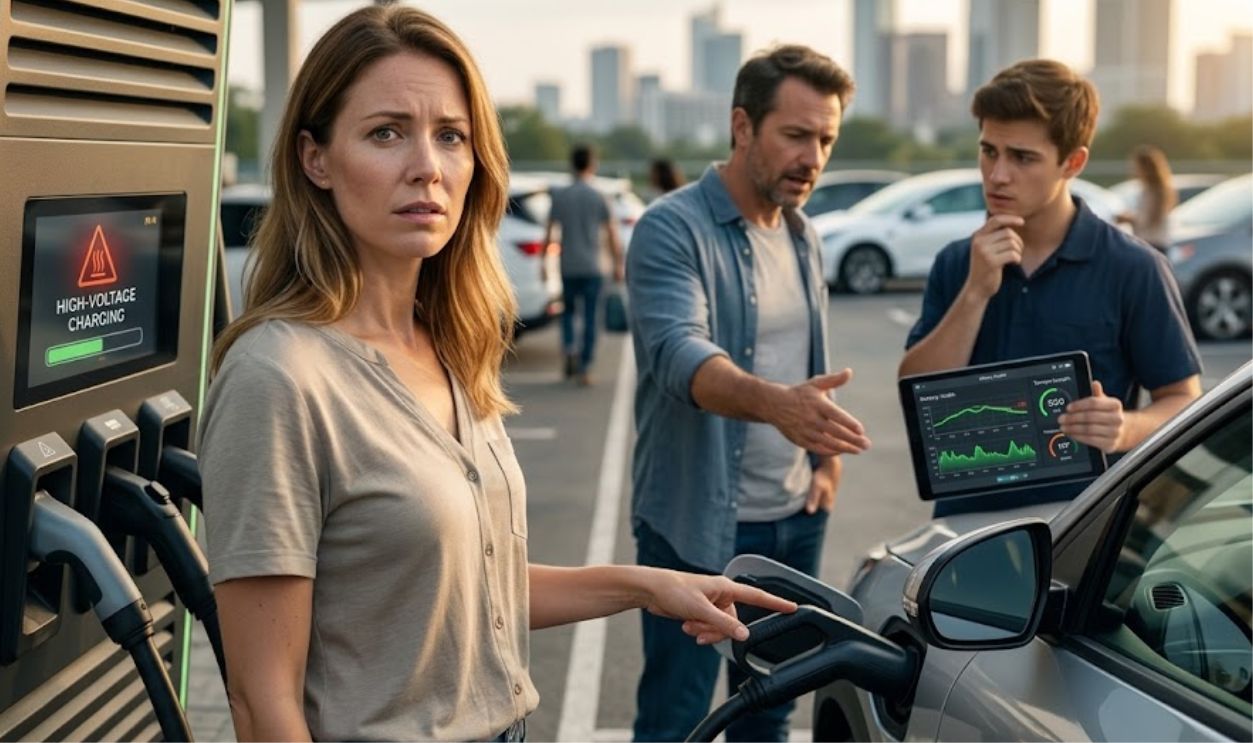
Fast charging definitely does put more stress on a battery than slower Level 1 or Level 2 charging. That part is true. More current means more heat, and under the wrong conditions that can speed up some kinds of battery wear.
 original: Michael Movchinedited by Felix Müller, Wikimedia Commons
Why The Answer Is Not A Simple Yes Or No
The real question is not whether fast charging causes any extra wear. It does. The better question is how much wear shows up in real cars over time, and whether it matters for most drivers. Recent large-scale data suggests the answer is usually no, or at least not nearly as much as many people fear.
What Fast Charging Actually Means
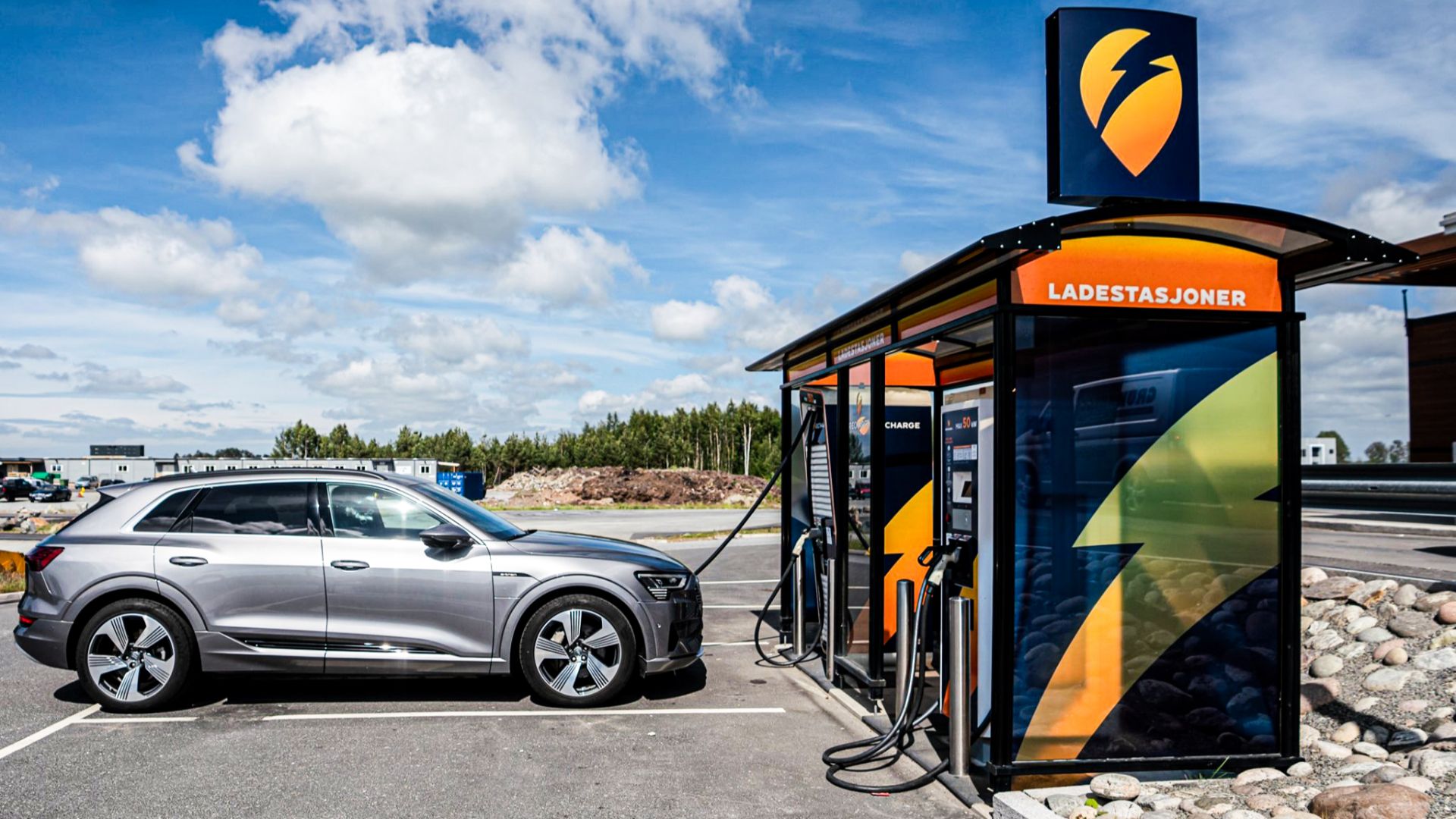
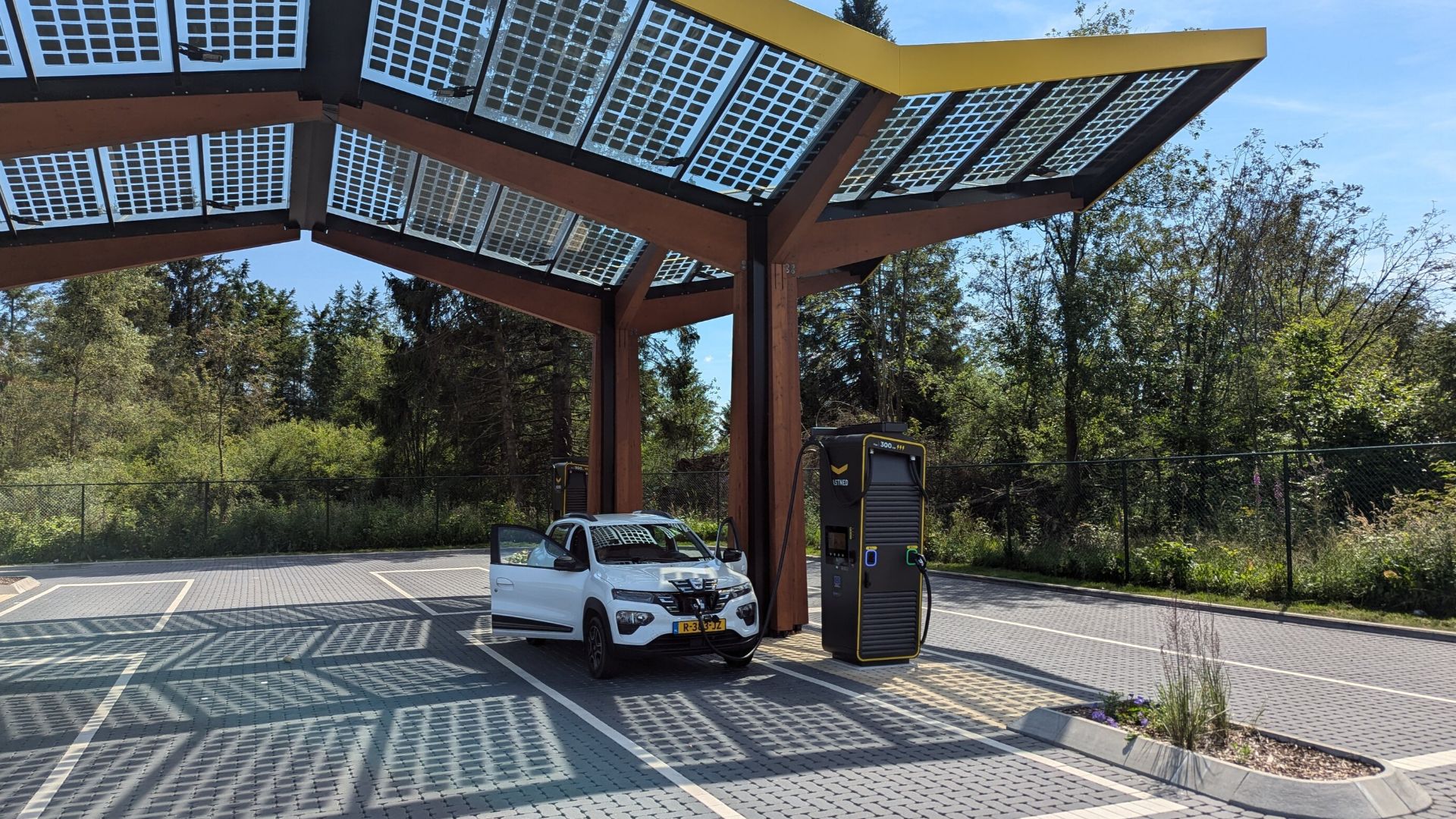
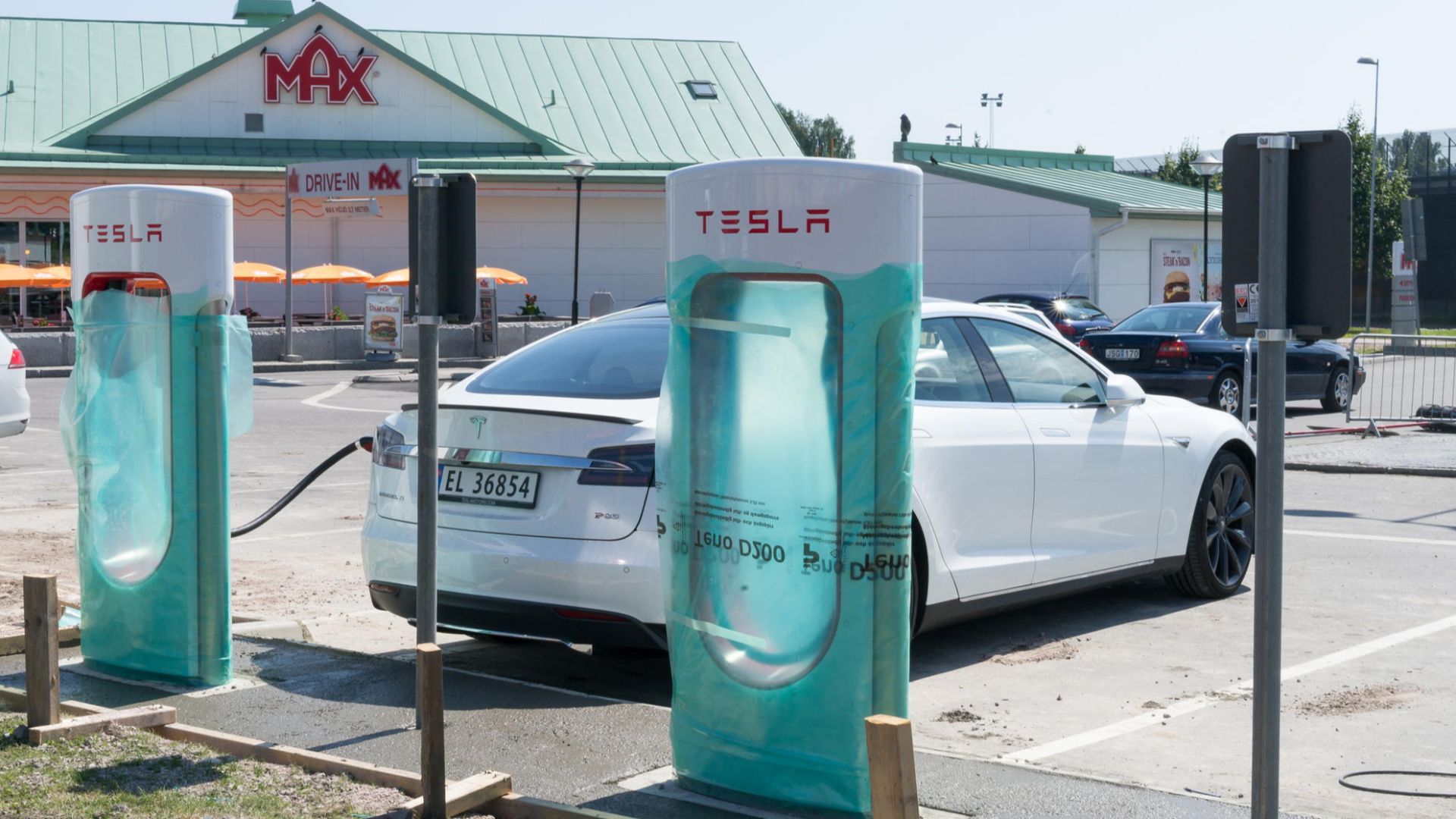
Most of the concern is about DC fast charging, not normal home charging. Charging at home or work with alternating current is slower and usually gentler because the car’s onboard charger handles the conversion. DC fast charging sends high-voltage direct current straight to the battery pack much more quickly, which is why road trip stops can take minutes instead of hours.
The Chemistry Behind The Concern
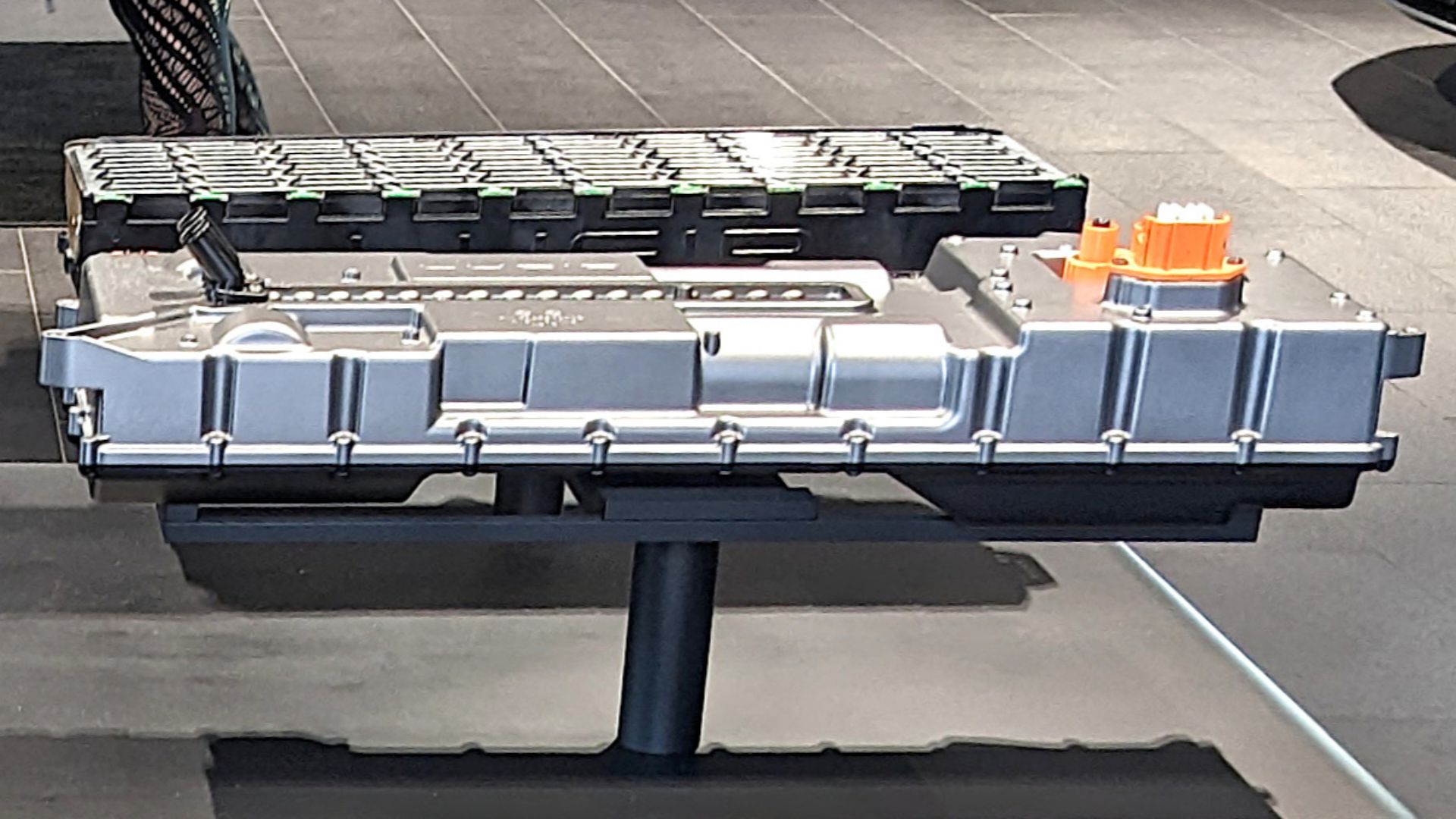
Scientists have known for years that lithium-ion batteries can wear out faster under high heat, high charge rates, and extreme states of charge. One risk is lithium plating, where metallic lithium builds up on the anode during aggressive charging, especially in cold weather. Research from the U.S. Department of Energy and national labs has repeatedly pointed to temperature, charging rate, and high voltage exposure as major drivers of battery aging.
Why Heat Is The Real Villain
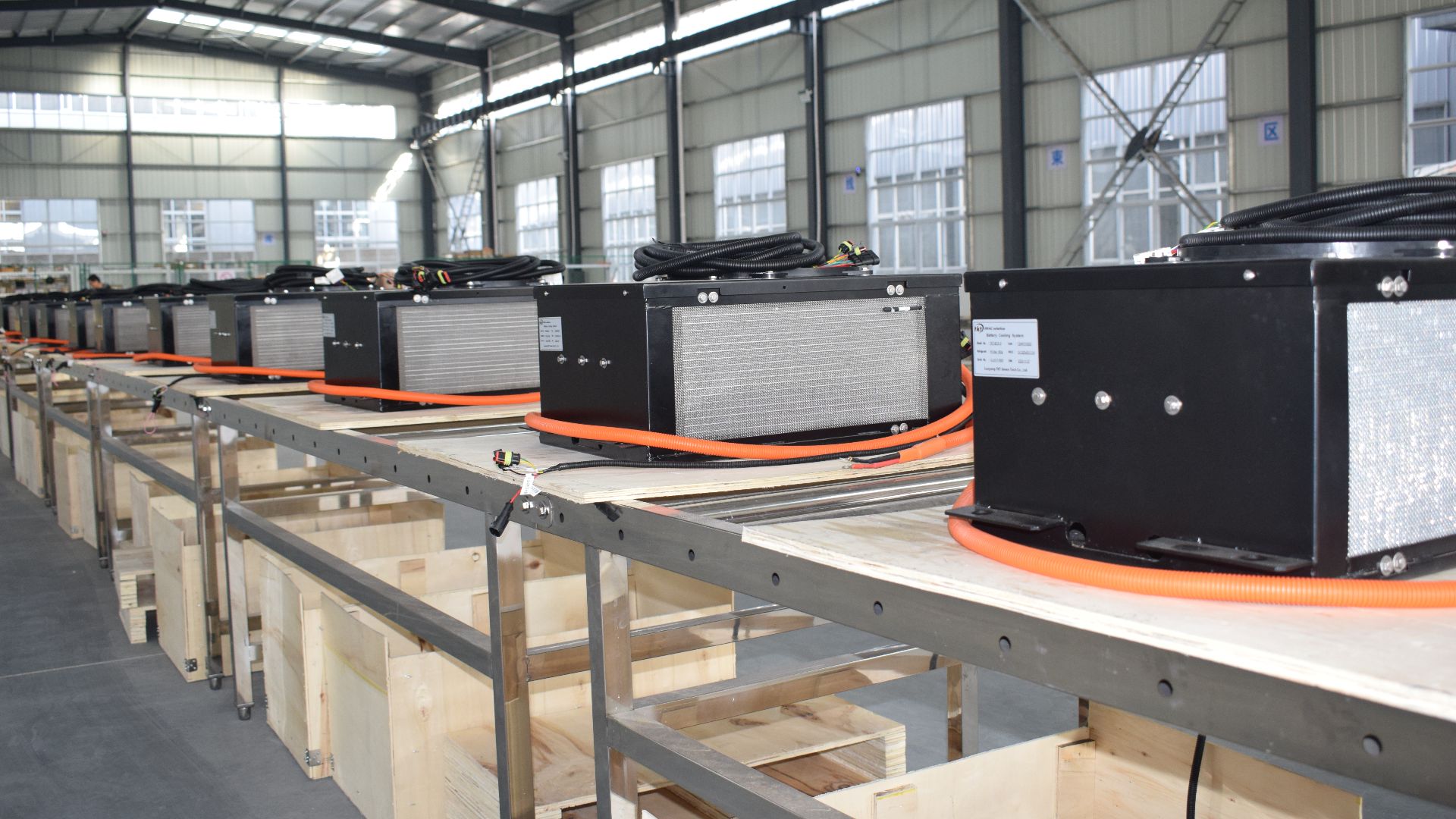
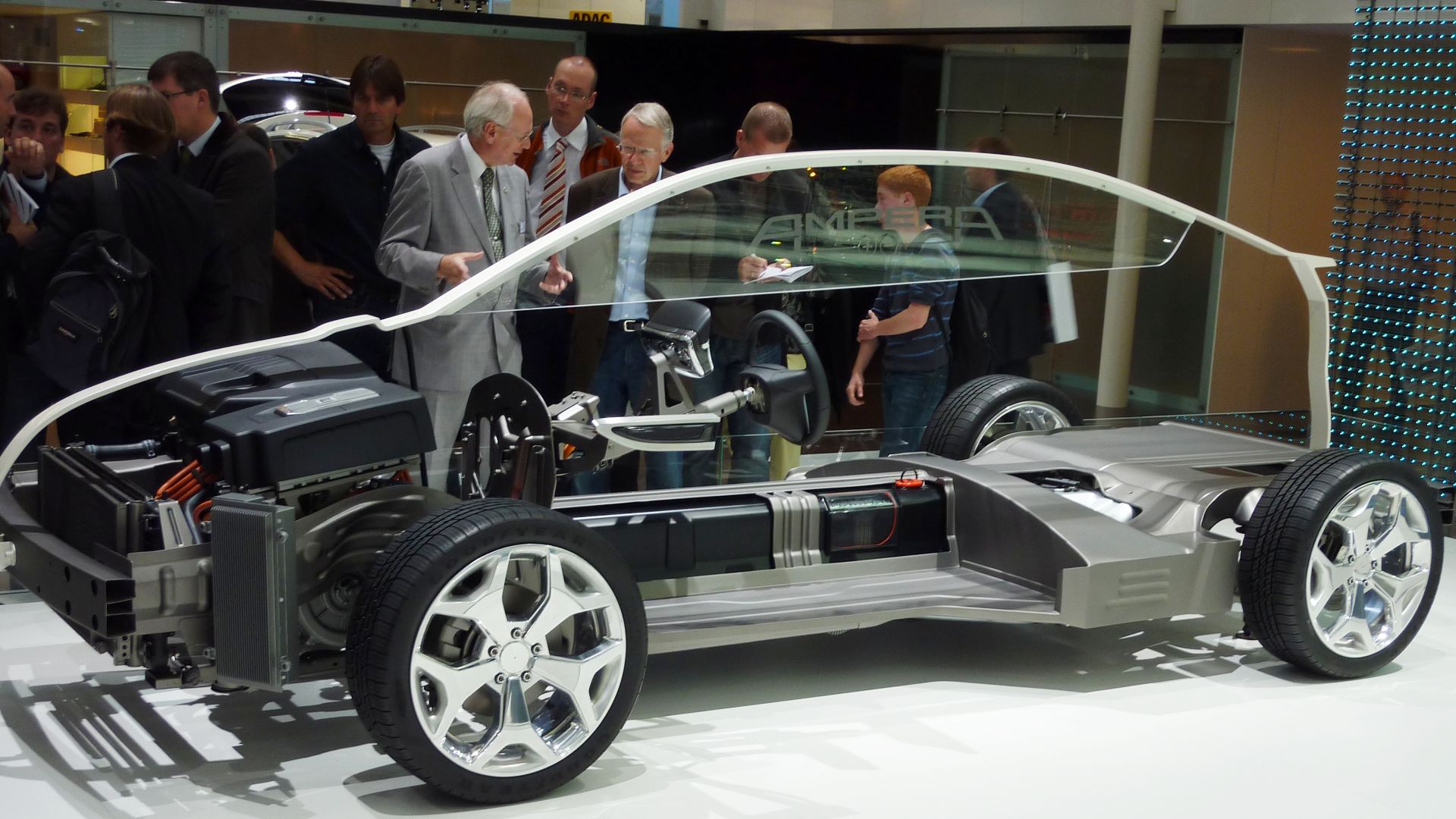
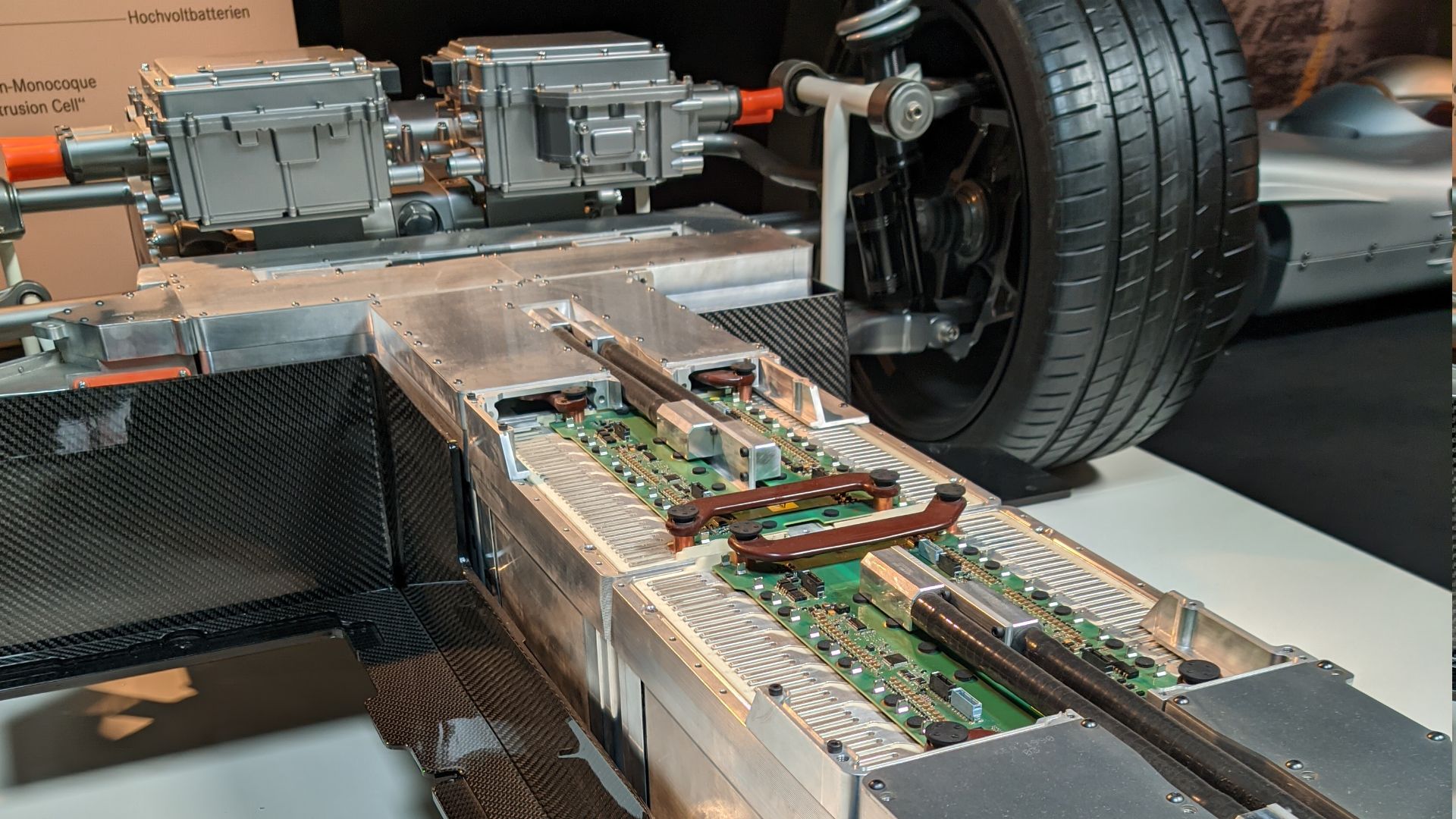
Heat is often the main problem, not the fast charger by itself. A well-cooled battery can handle repeated DC fast charging much better than one with poor thermal control. That is why battery cooling and thermal management became such a big deal as modern EVs improved.
What Researchers Found In Controlled Studies
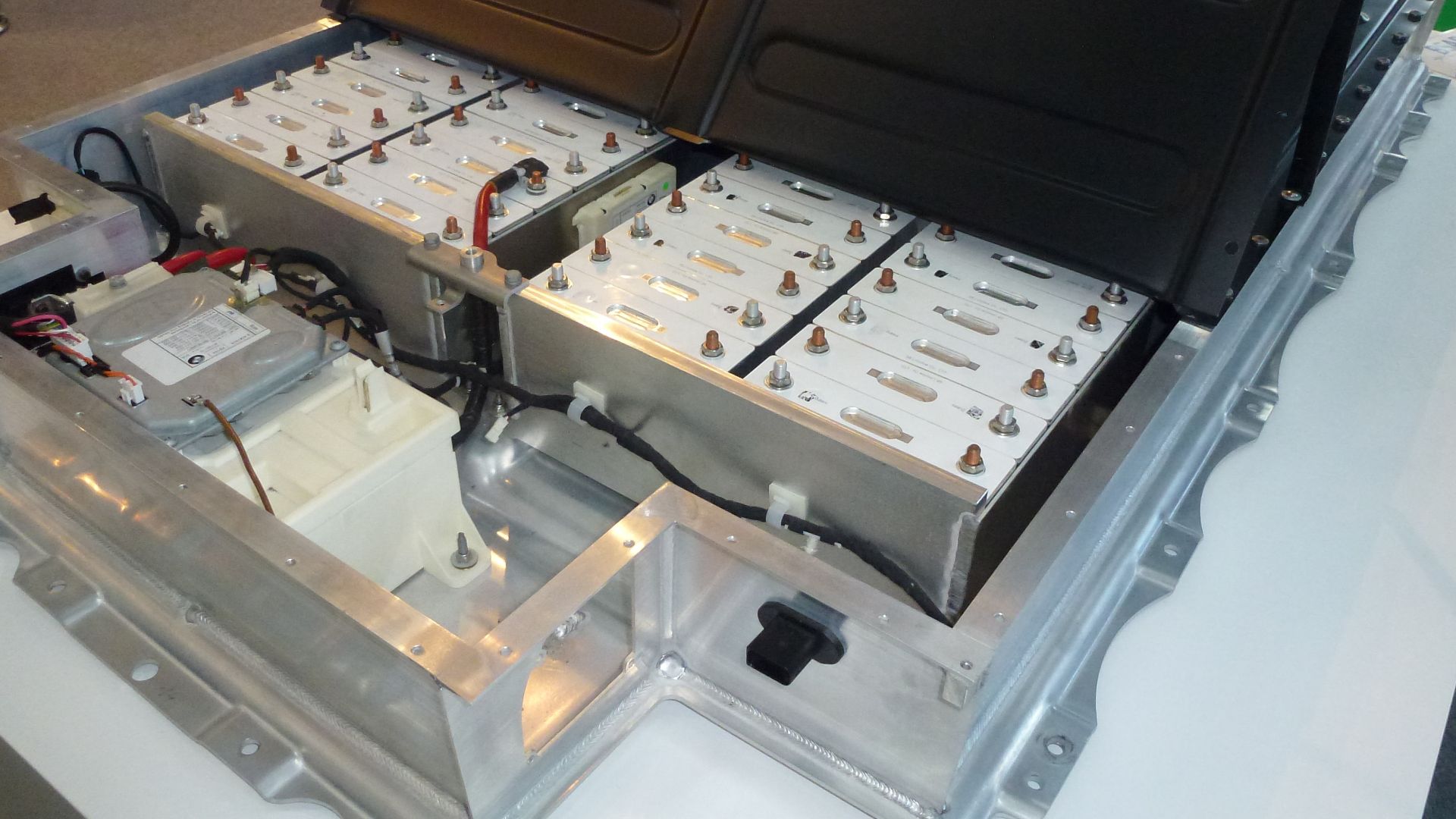
Lab testing has consistently shown that high charging rates can speed up degradation under some conditions. Idaho National Laboratory published work in 2019 showing that EVs subjected to repeated DC fast charging had more battery capacity fade than vehicles charged only with Level 2 in that test program. That gave the anti-fast-charging argument a real factual basis, but it was only part of the story.
 RudolfSimon, Wikimedia Commons
The Big Catch With Lab Results
Controlled studies are useful, but they do not perfectly match how every EV is used in the real world. Drivers do not all charge from empty to full in the same weather, at the same charger power, with the same battery chemistry. Modern battery software also limits charging speed when needed, which means the car is already trying to protect itself.
 RudolfSimon, Wikimedia Commons
A Real World Surprise From 2024
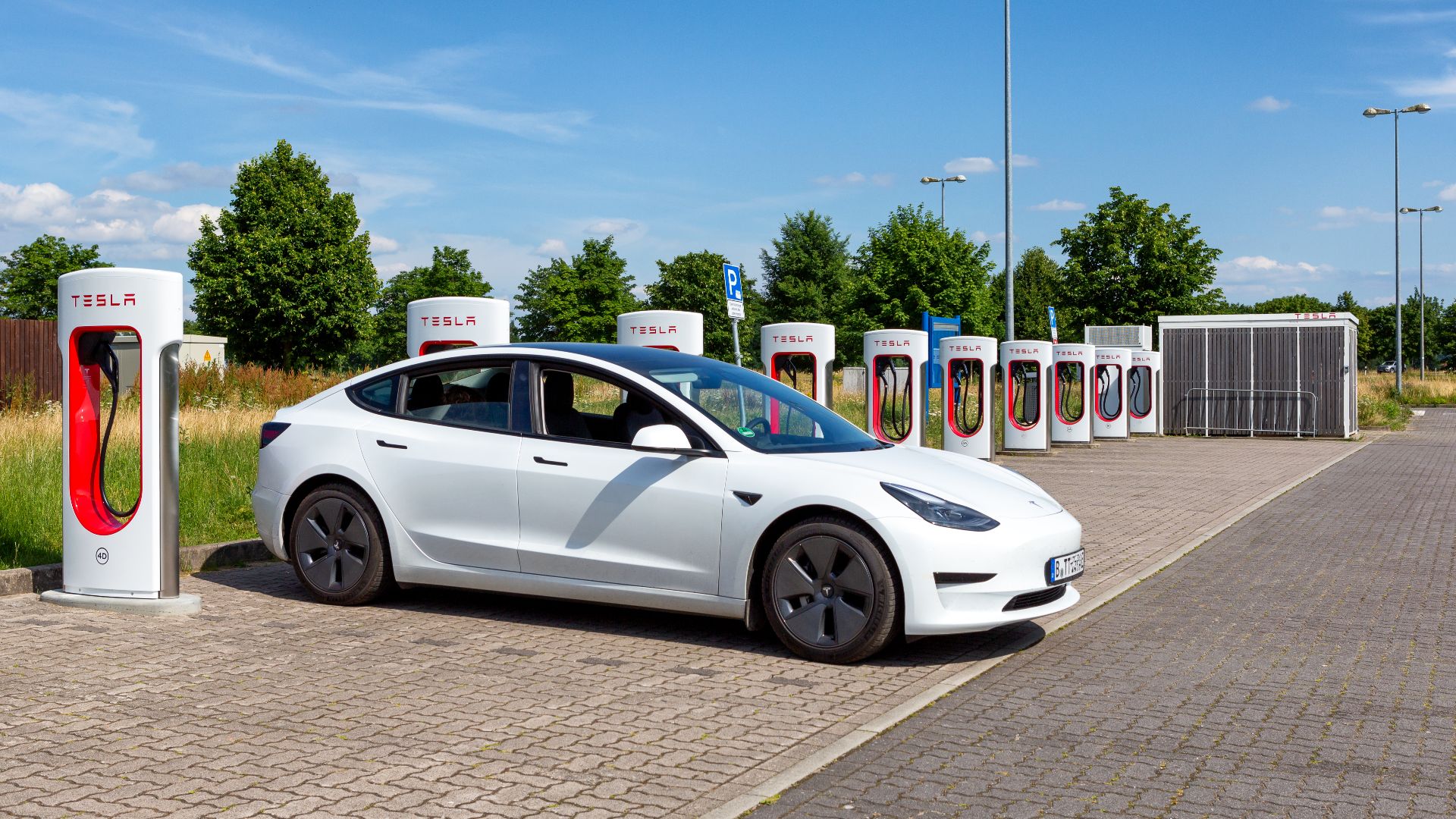
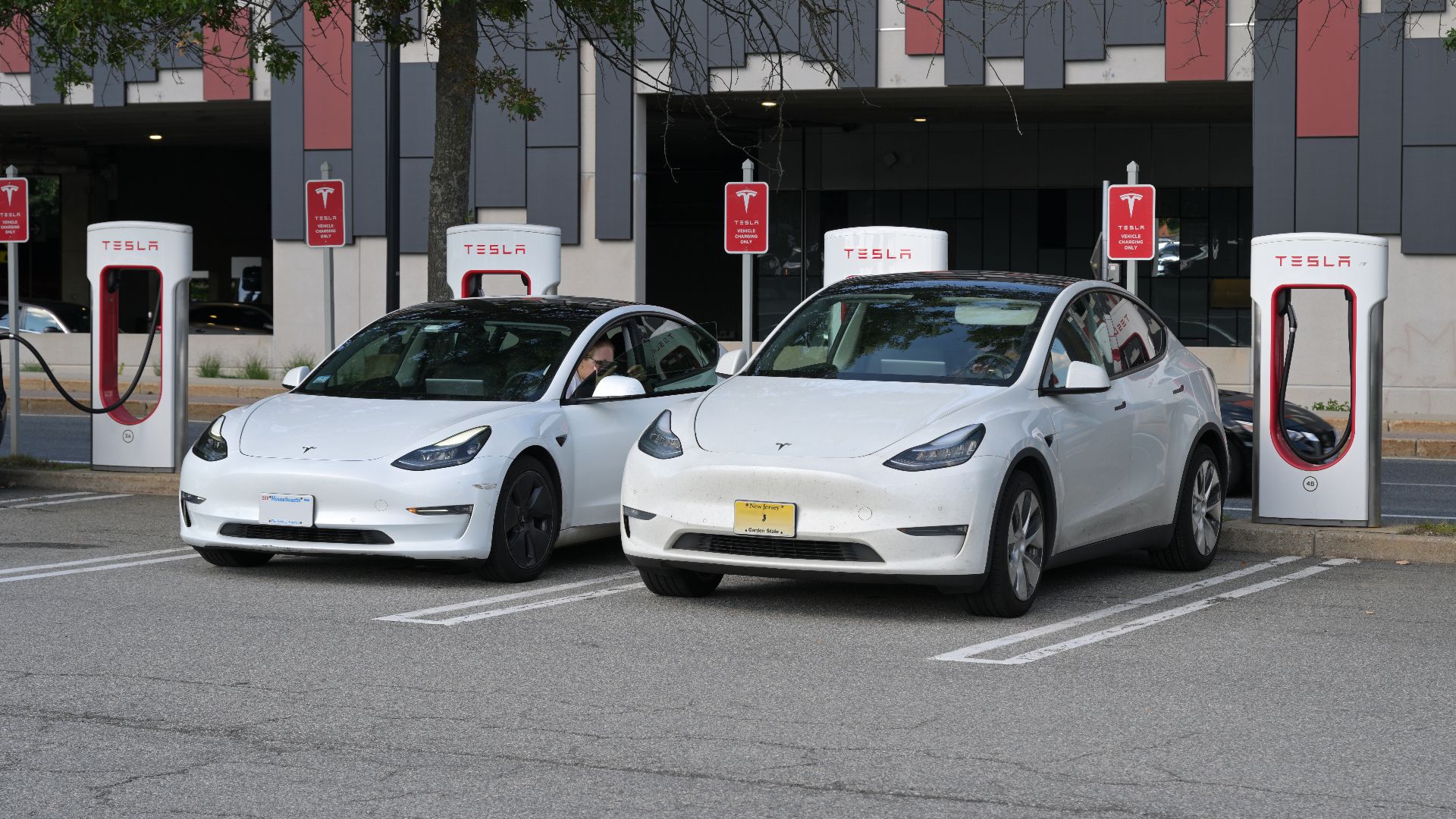
In January 2024, Recurrent Auto published an analysis that got a lot of attention because it looked at more than 12,500 Teslas in the United States. The company reported that vehicles that fast charged more than 70 percent of the time showed no statistically significant difference in range degradation compared with cars that fast charged less than 30 percent of the time. That is the kind of real-world evidence that complicates the old scare story.
Why The Tesla Data Mattered
Tesla made a useful case study because the brand has a huge number of cars on the road and a mature fast-charging network. It also uses advanced thermal controls and charging limits that taper power as the battery fills. In other words, these were not early EVs operating without modern protections.
 4300streetcar, Wikimedia Commons
Another Data Point From Geotab
Fleet management company Geotab has also tracked EV battery health across large numbers of vehicles. Geotab has reported that EV batteries degrade on average at about 1.8 percent per year, though battery aging varies by climate, chemistry, and usage. The company has also noted that frequent use of DC fast charging in hot climates can contribute to faster decline, which shows that context still matters.

Battery Age Is Usually More Important Than Panic Suggests
If a battery loses around 1.8 percent per year on average, most drivers are not looking at instant disaster. That still leaves a large share of original capacity after many years of use. For many owners, calendar age, heat exposure, and leaving the battery sitting at a very high charge may matter as much as charging speed itself.
 Matti Blume, Wikimedia Commons
Automakers Saw This Problem Coming
Battery engineers did not wait for owners to start worrying. Over the past decade, automakers built in charging curves, thermal preconditioning, pack cooling, and software buffers specifically to cut stress during rapid charging. When a charger says 250 kW, that does not mean the battery stays at peak power from 0 to 100 percent.
The Charging Curve Changes Everything
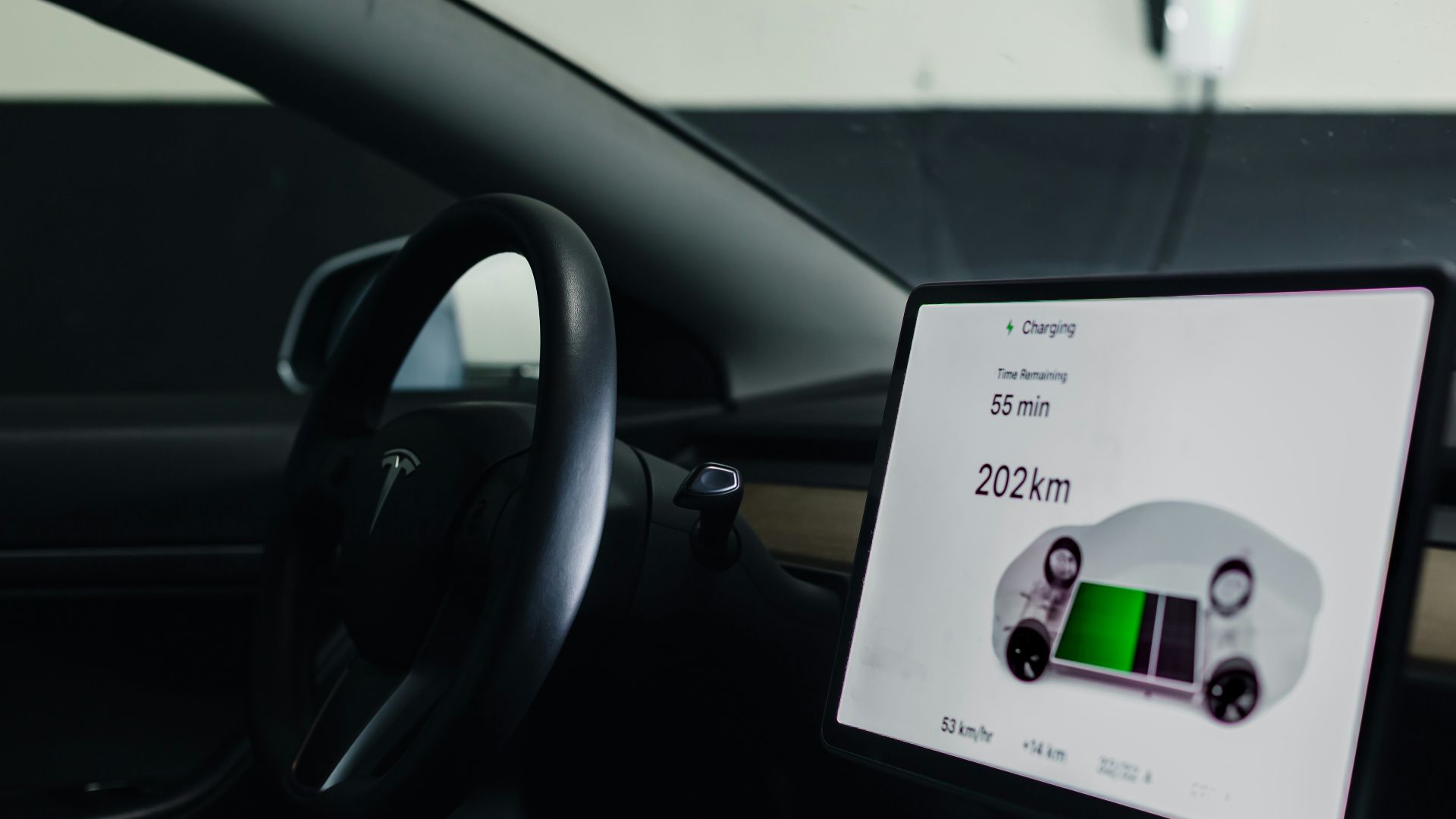
Most EVs charge fastest when the battery is fairly low, then slow down as the pack fills. That taper is not just about convenience or station efficiency. It is a key battery protection strategy that helps reduce stress at higher states of charge, where cells are more vulnerable.
 Priscilla Du Preez 🇨🇦, Unsplash
Cold Weather Is A Bigger Deal Than Many Drivers Realize
Charging a very cold battery quickly can be harder on it than charging a battery at a healthy temperature. That is one reason many modern EVs precondition the pack before arriving at a fast charger. By warming the battery into a safer range, the car can charge faster and reduce the risk of harmful side reactions like lithium plating.
 Herman Caroan, Wikimedia Commons
Older EVs And Newer EVs Are Not The Same Story
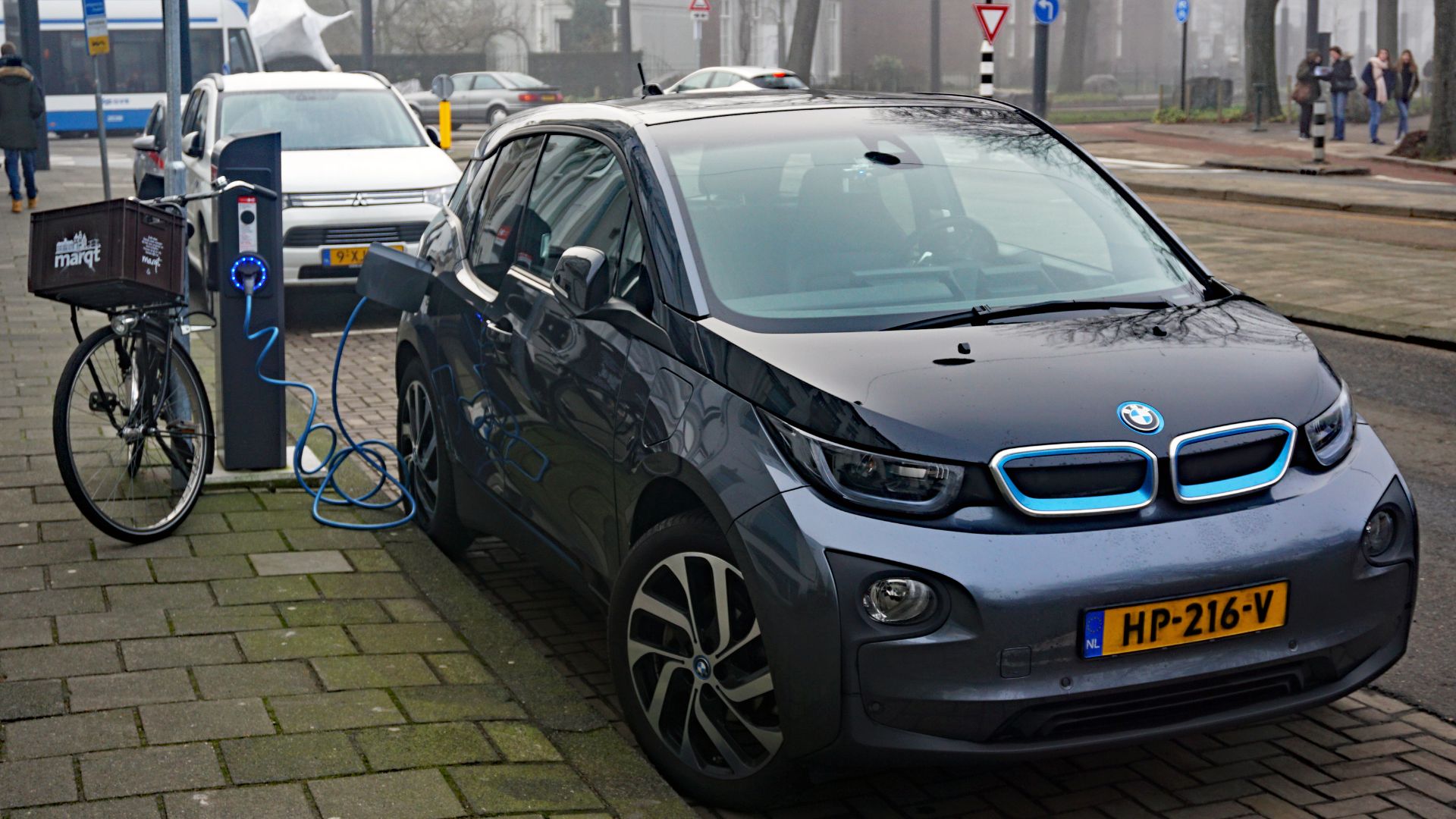
A blanket warning about fast charging often ignores how much EV battery systems have improved. Earlier EVs generally had less refined thermal management and less charging data guiding software decisions. Newer models often do a much better job controlling temperature and current, which means old advice can overstate modern risk.
 Mariordo (Mario Roberto Durán Ortiz), Wikimedia Commons
Chemistry Matters More Than Coffee Shop Advice
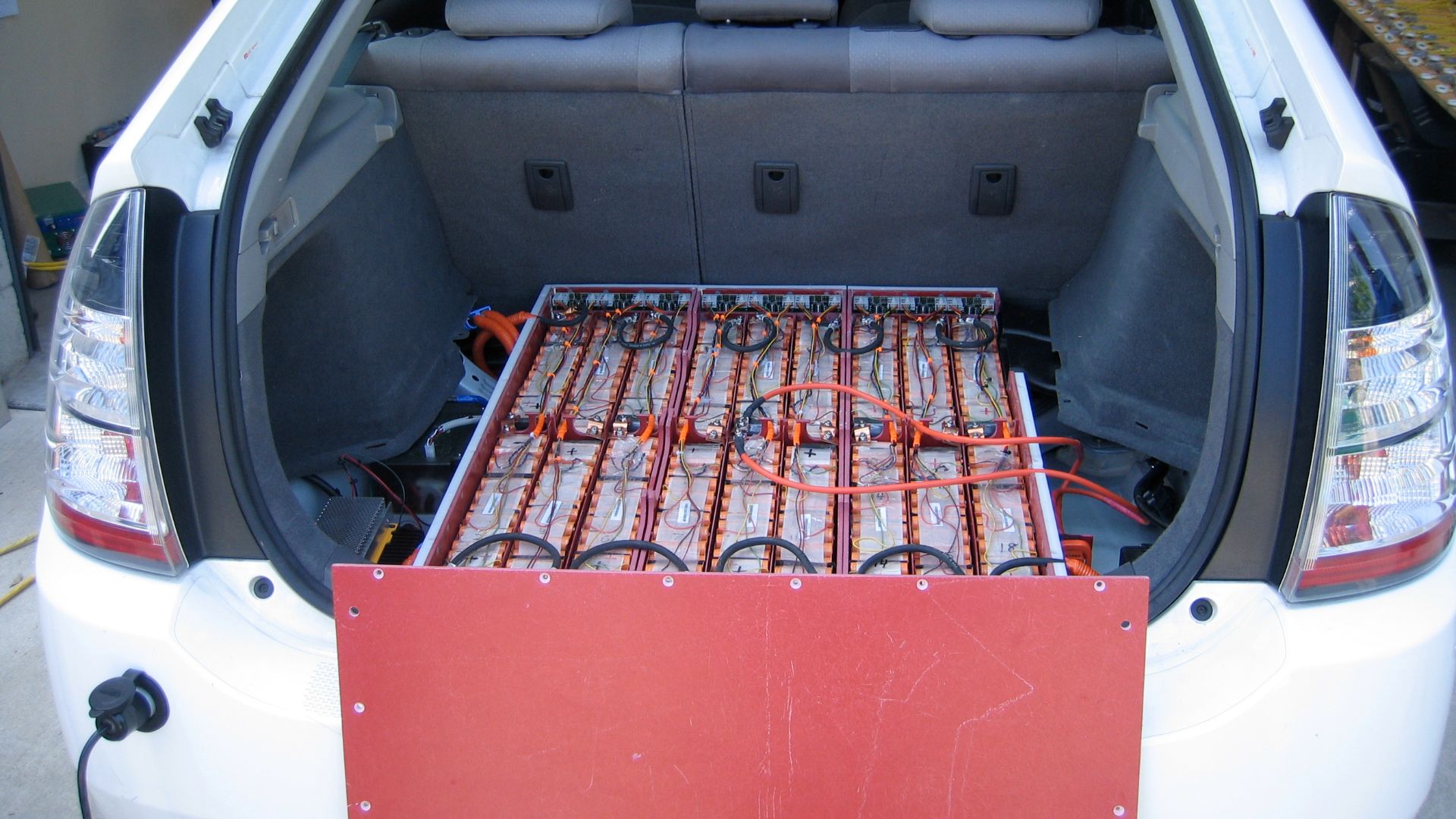
Not every battery chemistry responds the same way to repeated fast charging. Nickel-rich lithium-ion packs, lithium iron phosphate packs, and other chemistries each have different strengths and weaknesses. That is one reason experts avoid one-size-fits-all claims, because the battery in a 2018 EV and the battery in a 2025 EV may age differently under the same habits.
 The original uploader was LossIsNotMore at English Wikipedia., Wikimedia Commons
How Much Damage Are We Really Talking About
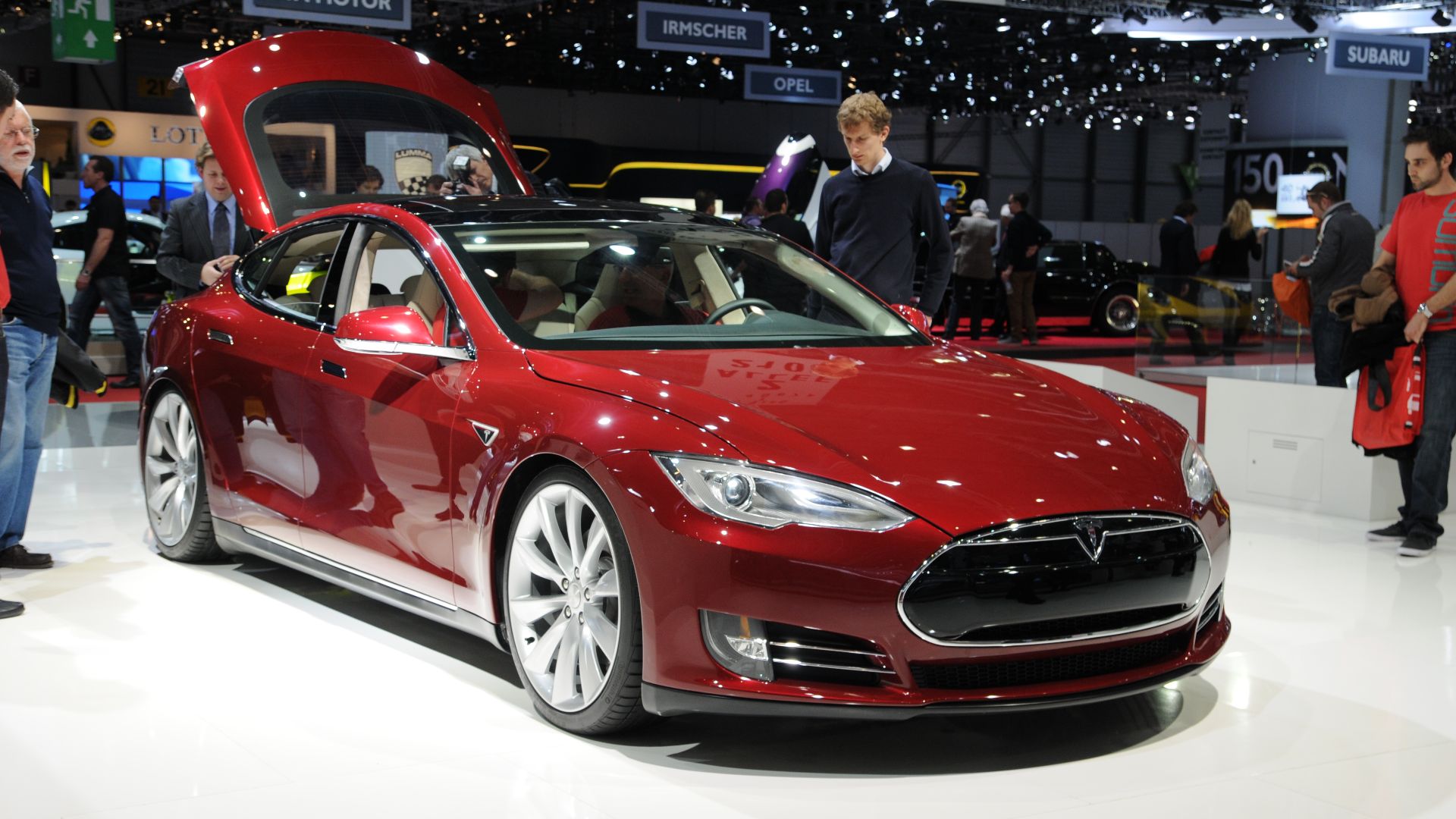
The most honest answer is that repeated fast charging can add some degradation, but in many modern EVs it appears to be modest enough that normal drivers may never notice. Real-world fleet and owner data do not support the idea that occasional or even frequent fast charging automatically destroys a battery. That phrase simply does not match what the evidence shows.
 Norbert Aepli, Switzerland (User:Noebu), Wikimedia Commons
What Happens If You Road Trip Constantly
If your life involves nonstop highway miles and repeated DC fast charging stops, your battery may age a bit faster than that of a mostly home-charged commuter. Still, that extra wear is usually gradual, not catastrophic. You are far more likely to see a slow drop in usable range over years than a sudden collapse caused by charging too quickly.

What Happens If You Mostly Charge At Home
For drivers who plug in overnight and only fast charge on trips, the concern is even smaller. That pattern is exactly what many automakers expect. In practical terms, an occasional fast charge is unlikely to be the thing that decides whether your battery lasts a long time.
The Best Way To Think About Battery Health
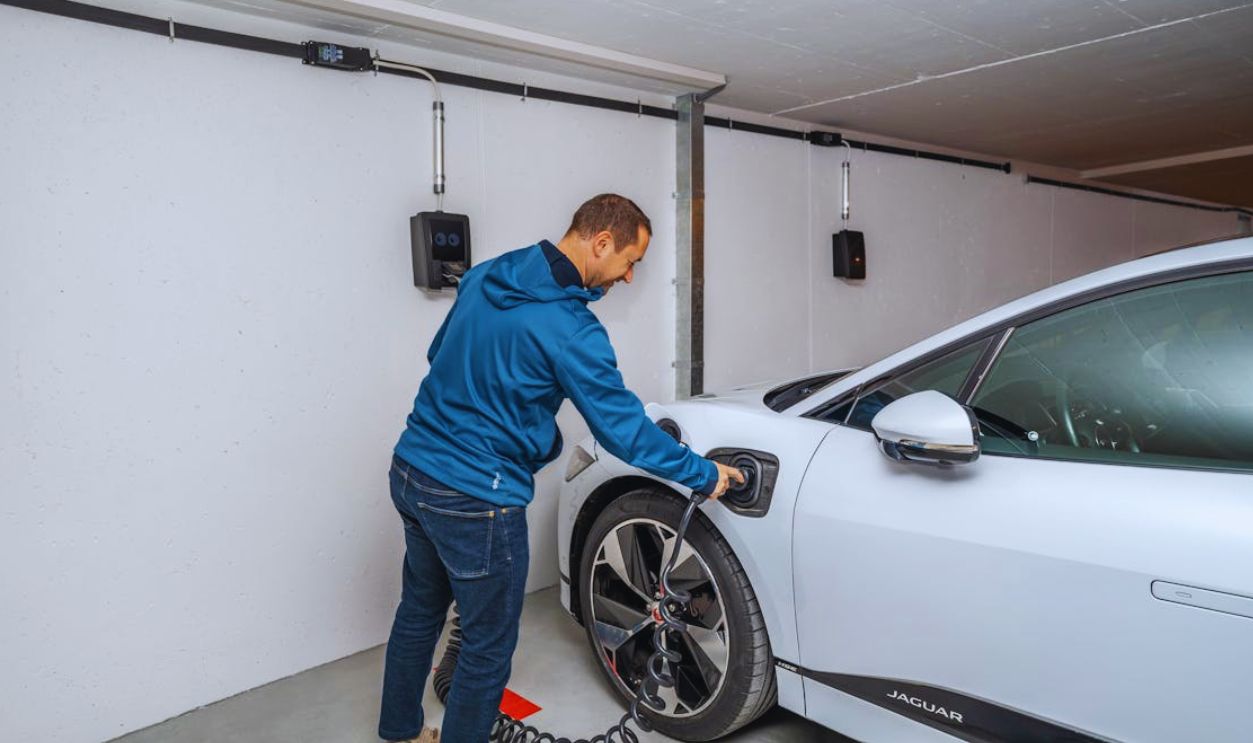
Treat fast charging like a useful tool, not a forbidden button. It is convenient when you need it, but slower charging is still gentler when time is on your side. That balanced view fits the evidence much better than either extreme.
What Owners Can Do To Reduce Wear
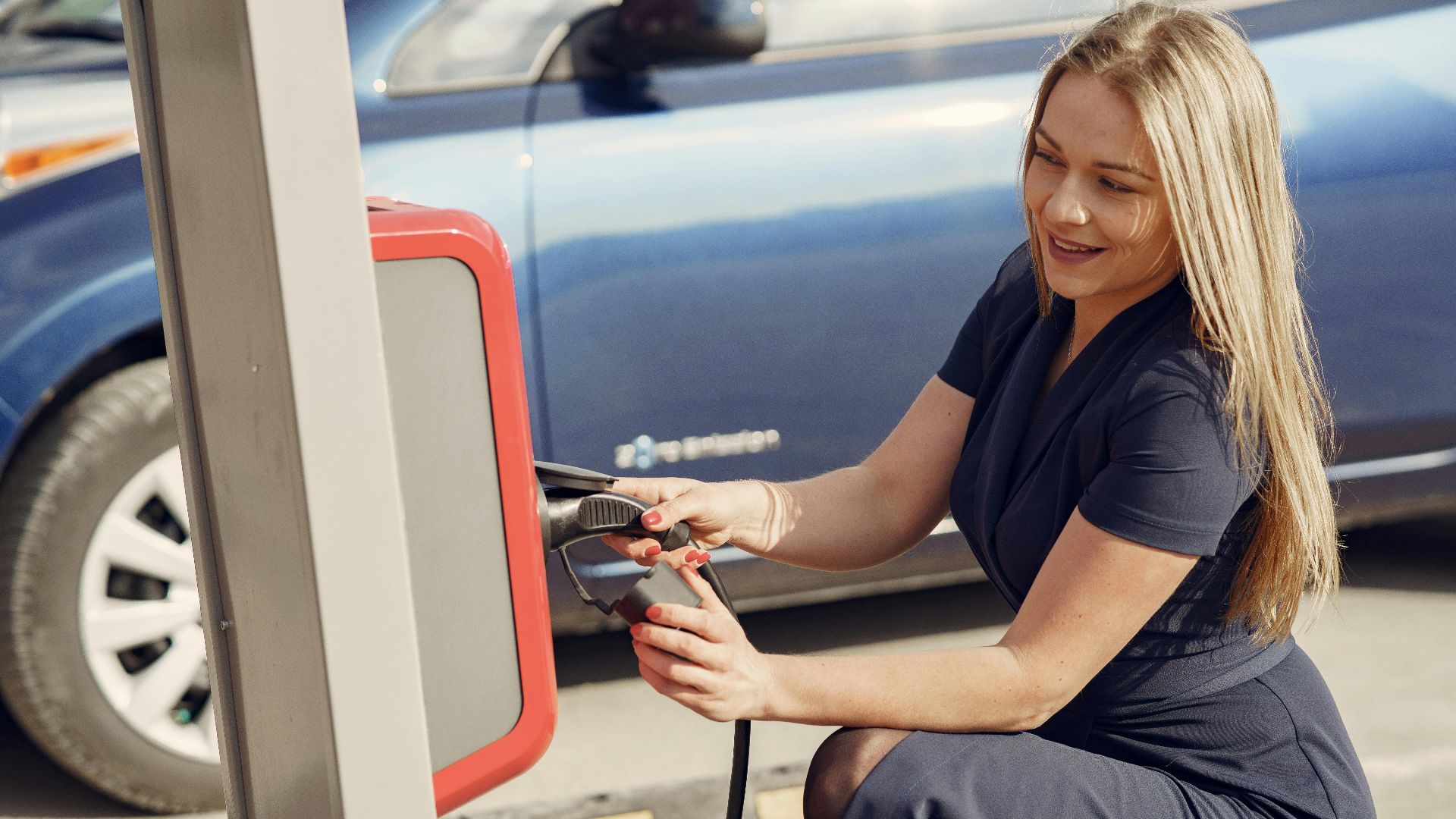
If you want to be kind to your battery, avoid leaving it sitting at 100 percent for long periods unless your trip requires it. Use scheduled charging or charge limits when your car offers them. In very hot weather, shade and thermal management help, and in cold weather, battery preconditioning before a DC fast charge is worth using.

Try Not To Obsess Over The Last Few Percent
Charging from 10 to 80 percent is generally easier on the battery and often faster overall on a road trip than waiting for 100 percent. The final stretch usually slows down dramatically anyway. That is why many charging guides and automakers recommend topping up only as much as you need to comfortably reach the next stop.
 Retired electrician, Wikimedia Commons
The Warranty Is A Clue
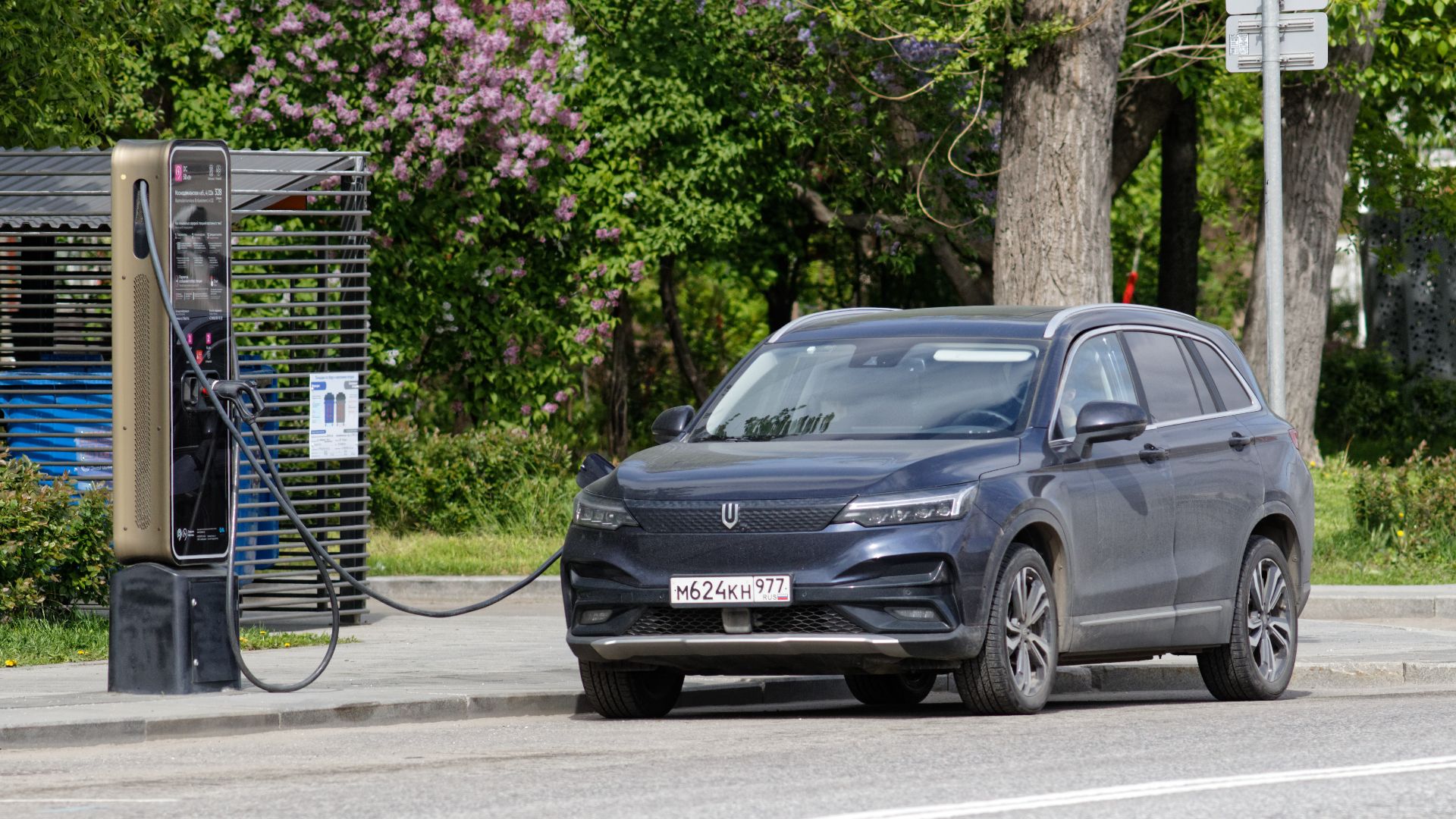
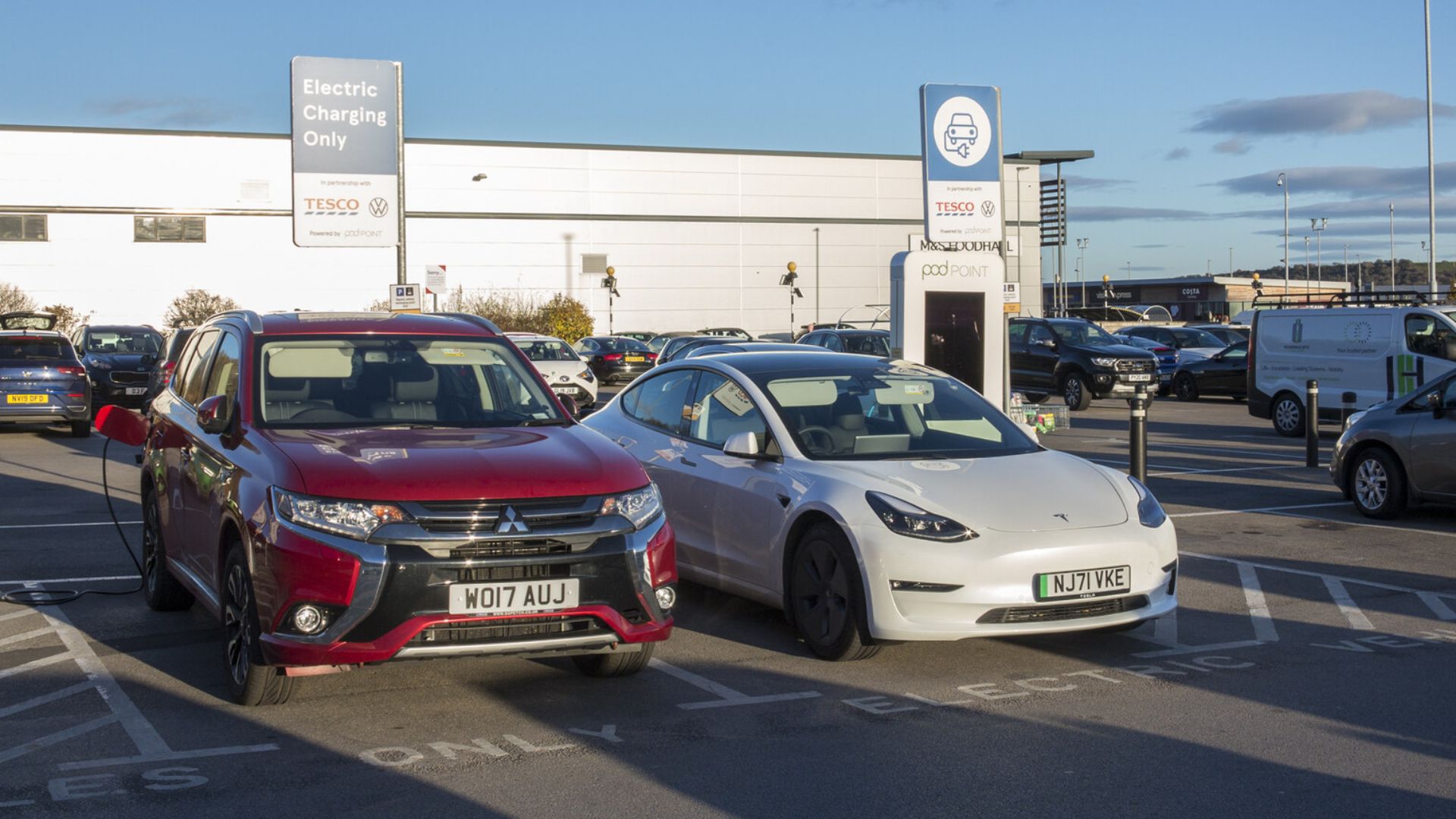
Most major EV makers back their battery packs with long warranties, often 8 years or 100,000 miles in the United States, and sometimes more. Carmakers would not do that casually if routine fast charging truly destroyed packs at a high rate. Warranty terms are not proof that all batteries are equal, but they do show the industry expects these systems to survive normal use.
 Trevor Littlewood , Wikimedia Commons
So Was Your Friend Wrong
Your friend was directionally right that fast charging creates more battery stress than slower charging. But the jump from extra stress to destroy the battery is where the claim falls apart. The best available evidence says rapid charging can increase wear somewhat, yet modern EVs are generally engineered well enough that the effect is often limited in everyday use.
The Bottom Line For Real Drivers
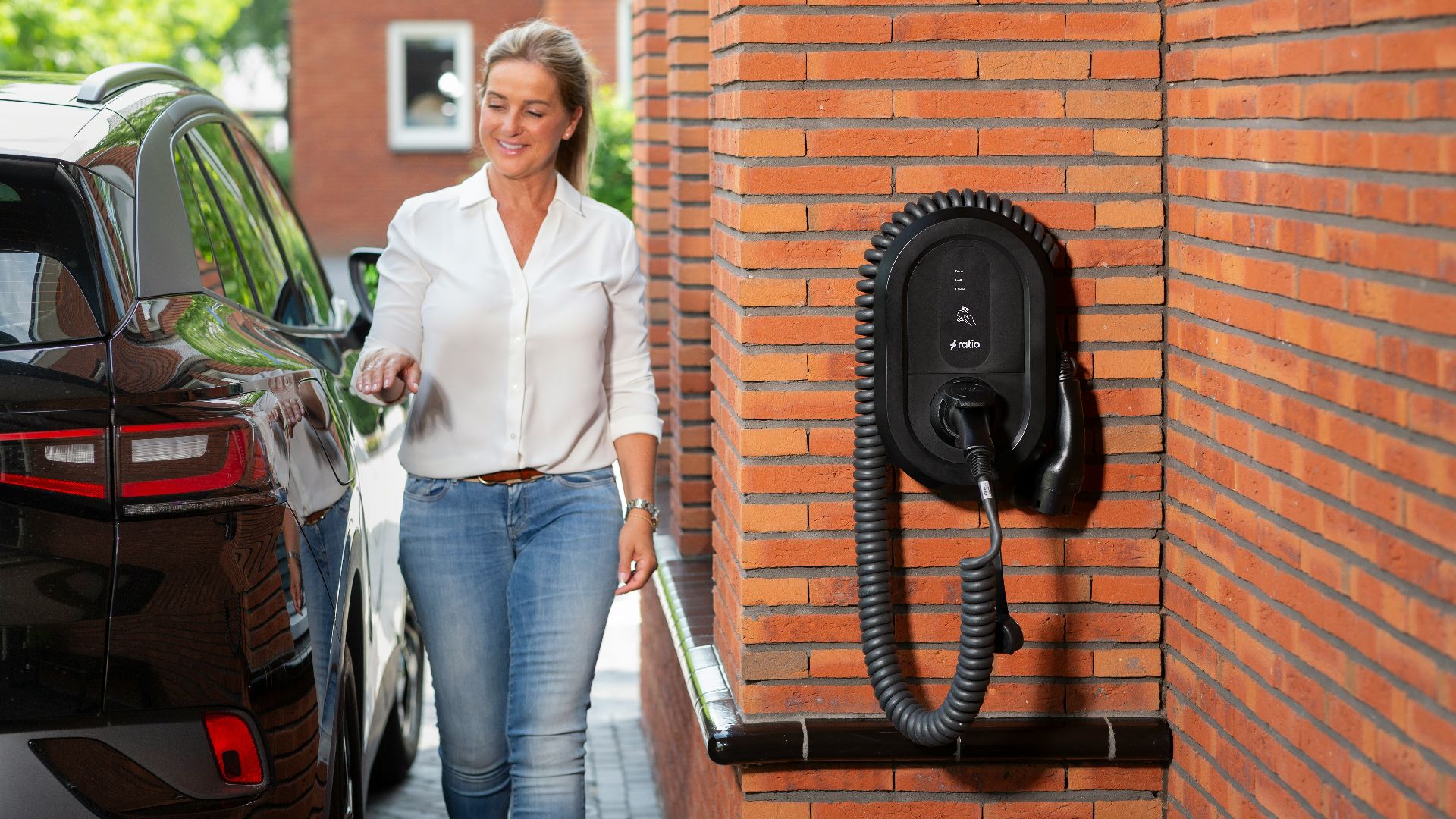
If you can charge at home, do most of your charging there and use DC fast charging when it makes life easier. If you rely on public fast charging often, do not assume you are ruining your car. The data so far suggests battery health depends on the whole picture, including heat, chemistry, charging habits, and vehicle design, not just how often you use the fastest plug.
 Matti Blume, Wikimedia Commons