The Sticker Shock Is Real
Your friend is not wrong that electric cars can save money, but the upfront price is still the biggest hurdle for a lot of buyers. Kelley Blue Book reported the average transaction price for a new EV in December 2024 was about $55,544, while the overall new vehicle average was about $49,740.
The gap has narrowed, but are there enough benefits to actually make EVs financially feasible in 2026?
Paying Off Depends On Your Situation
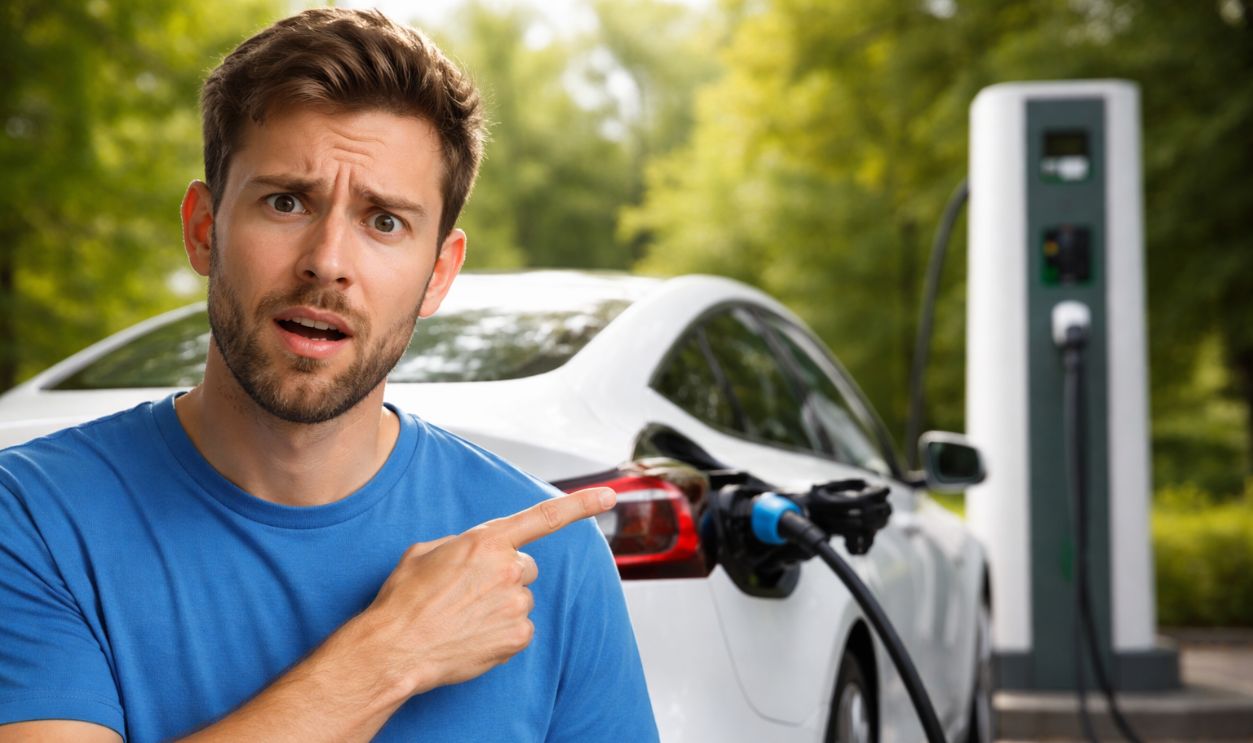
There is no one-size-fits-all answer. Whether an EV pays off depends on the purchase price, tax credits, electricity rates, gas prices, mileage, insurance, and how long you keep the car. The upside is that all of those things can be measured, so you can make the decision with real numbers instead of guesswork.
Tax Credits No More
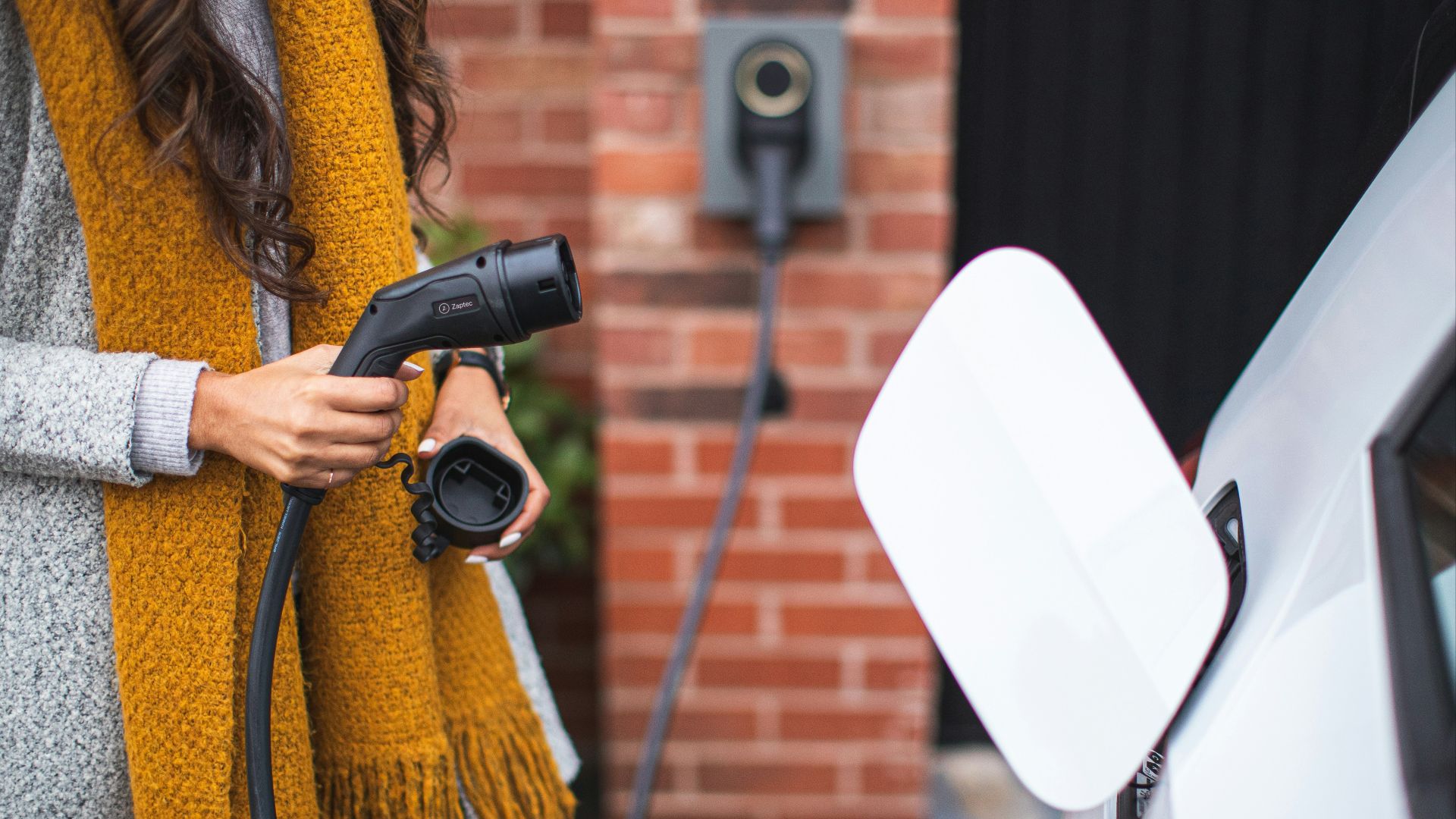
A major part of the EV cost equation has always been the federal tax credit. The Internal Revenue Service used to say qualifying new EVs can get up to $7,500, and qualifying used EVs can get up to $4,000, depending on income limits, vehicle price caps, and sourcing rules. However, these credits ended on October 1, 2025, so they no longer apply. Prospective buyers need to keep this in mind.

Used EVs Deserve More Attention
If the price of a new EV feels out of reach, the used market is where things get more interesting. The average price of a used EV in the US is $34,821, a big drop from the sticker shock of most EVs. Though with the end of tax credits, which used to be worth up to $4,000 for used EVs, there is less wiggle room.
Electricity Is Usually Cheaper Than Gas
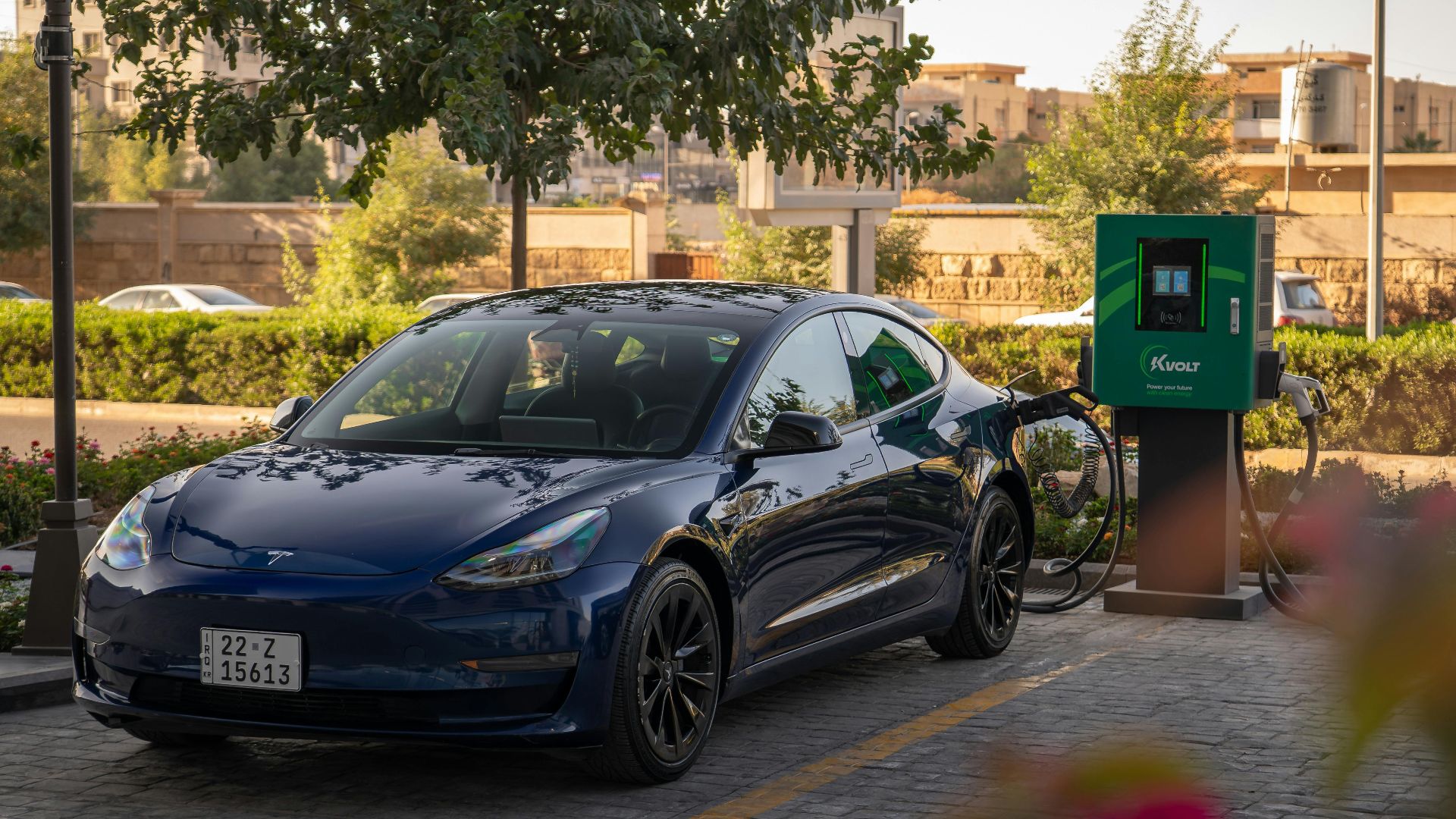
For many drivers, this is where the savings start to show month after month. The U.S. Department of Energy says EVs usually cost less to fuel than gas vehicles because electricity prices are often more stable and electric drivetrains are more efficient. The exact savings depend on local utility rates and charging habits, but home charging often gives EVs a clear edge.
Efficiency Is The Quiet Money Saver
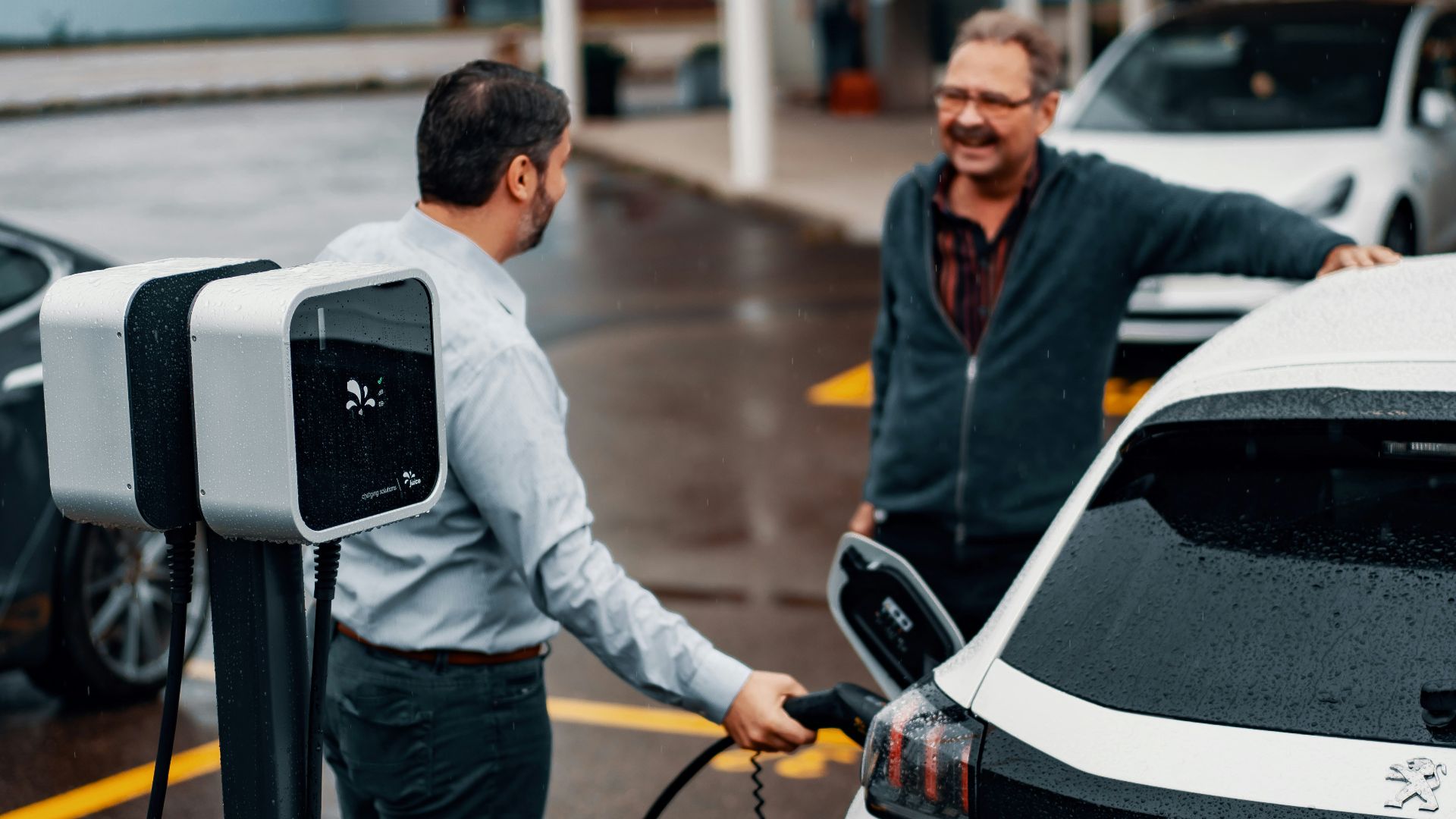
Gas engines waste a lot of energy as heat. The Department of Energy has long pointed out that EVs turn a much larger share of energy from the grid into movement at the wheels than gas cars get from fuel in the tank. That efficiency is one reason lower fueling costs are not just a fluke tied to one area with cheap electricity.
Your Annual Mileage Matters A Lot
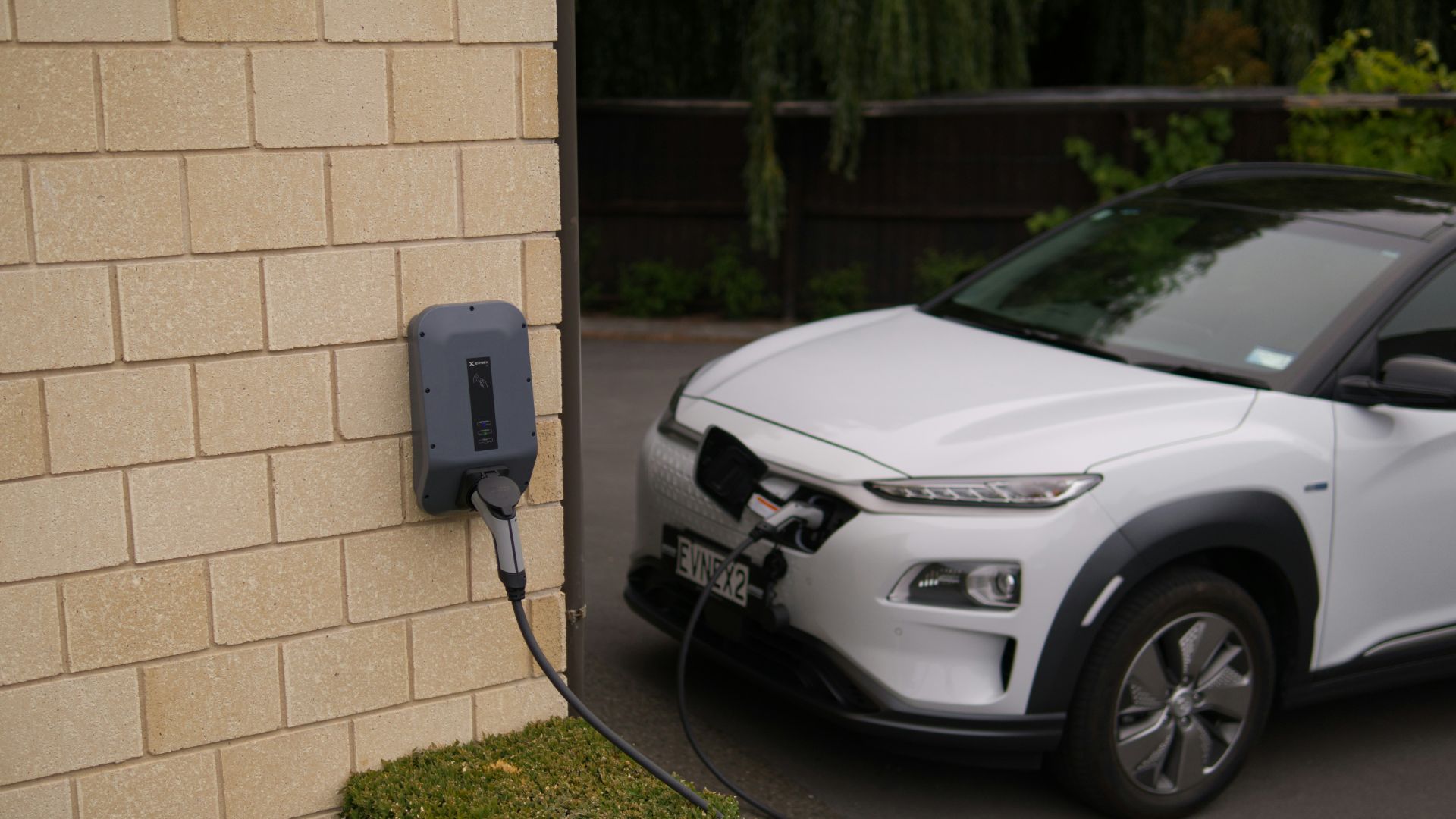
The more you drive, the easier it is for an EV to pay off. If you drive 15,000 to 20,000 miles a year, lower fueling costs can add up quickly compared with gas. If you drive very little, it can take much longer to make up for the higher purchase price because you are not putting enough miles on the car to build those savings.
Home Charging Is The Real Superpower
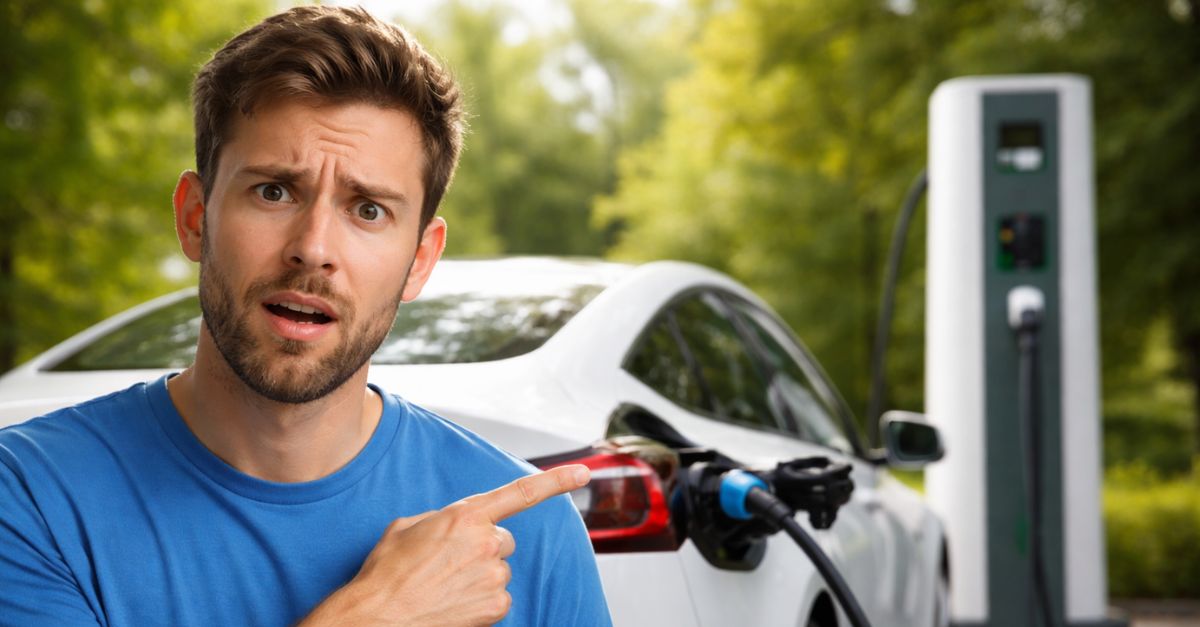
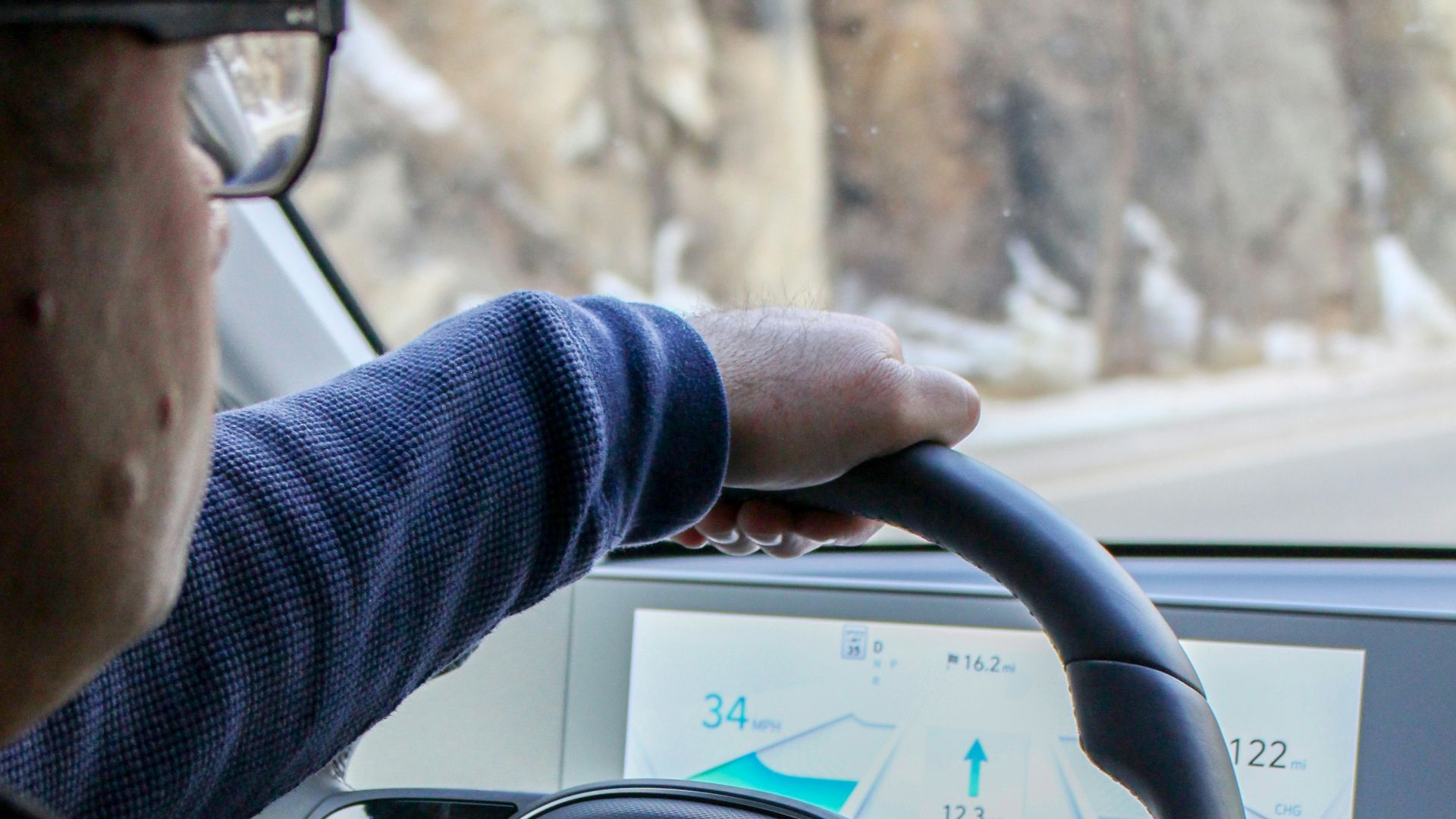
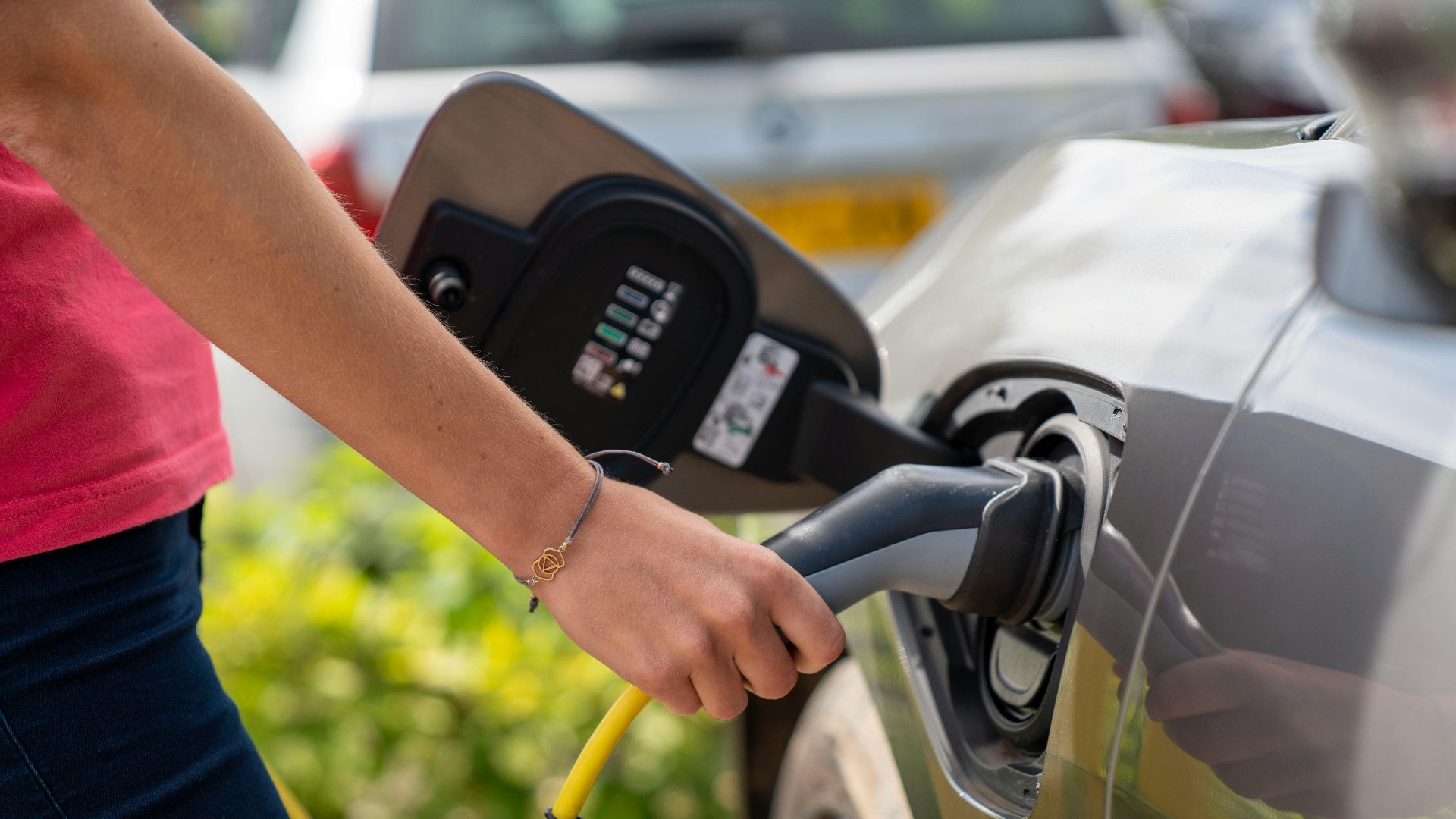
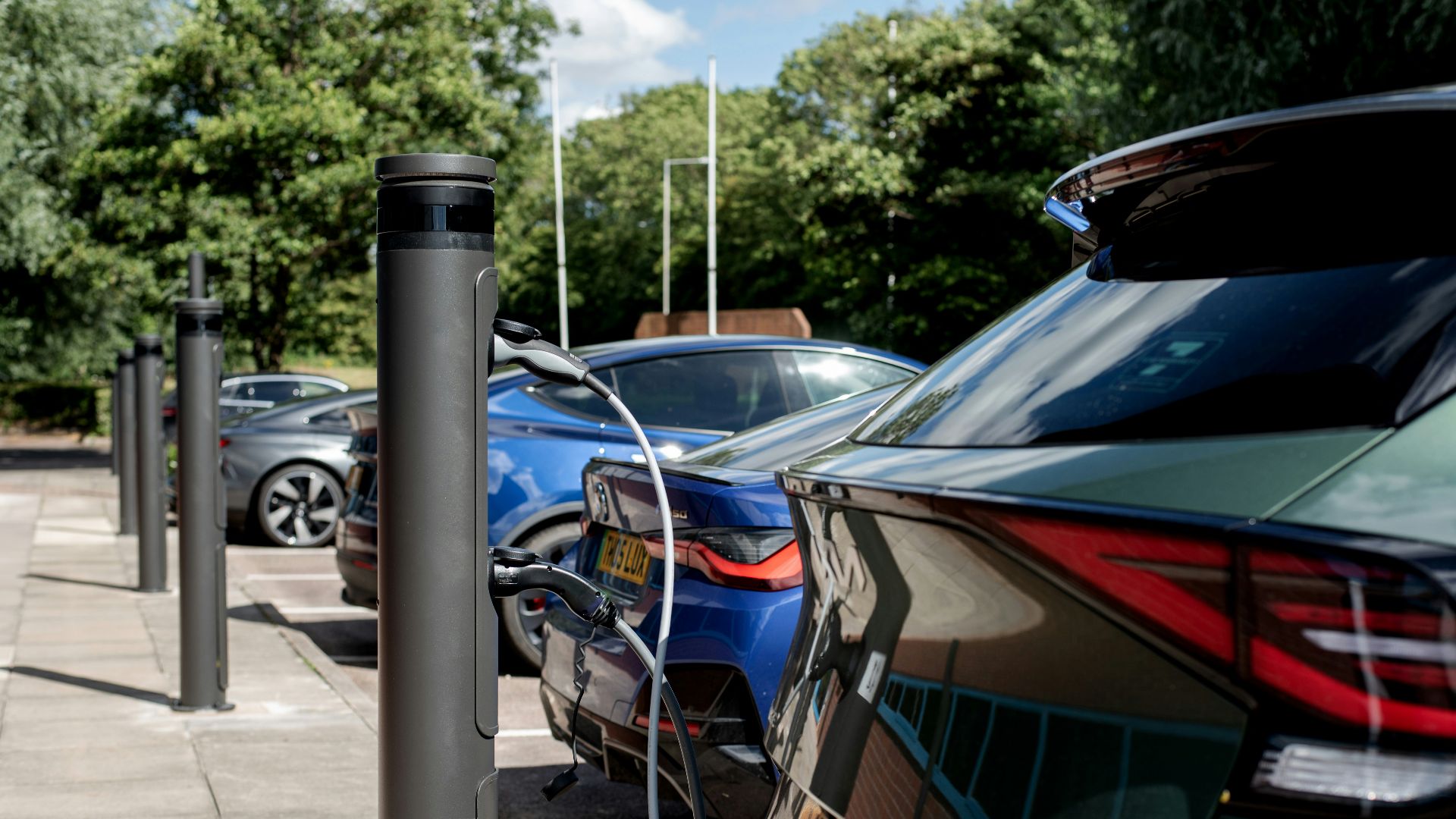
Most EV owners do most of their charging at home, and that is usually the cheapest and easiest setup. The Department of Energy recommends checking for off-peak utility rates, because charging overnight can push costs even lower. If you can plug in at home, both the ownership experience and the financial case usually get better.
Public Fast Charging Can Eat Into Savings
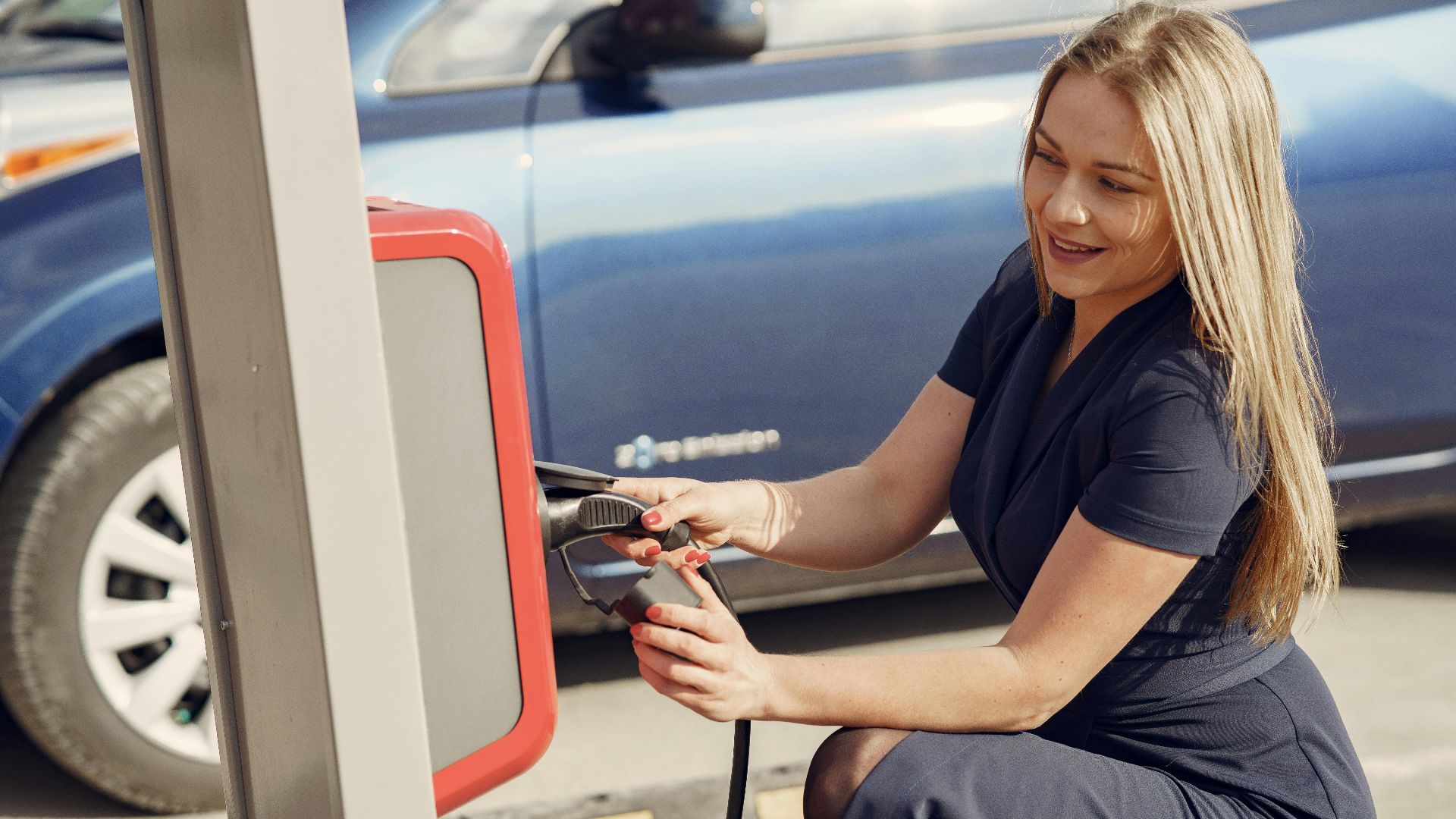
Here is the catch. DC fast charging is usually more expensive than charging at home, and in some places it can shrink the cost gap with gasoline. If you rely heavily on public fast chargers because you live in an apartment or spend a lot of time on the road, the savings may not be as big as people promise.
Maintenance Is Usually Lower
EVs usually have fewer moving parts than gas vehicles, and that can mean lower routine maintenance. There are no oil changes, and regenerative braking can help reduce brake wear by using the electric motor to slow the car. Consumer Reports said in 2023 that EV owners on average paid about half as much for maintenance and repair as owners of gas-powered vehicles.

Repairs Are Not Always Cheap
Lower routine maintenance does not mean every repair will be cheap. Tires can wear faster on some EVs because they are heavier and deliver instant torque, and body repairs can be expensive depending on the model. Insurance can also be higher, which is one of the biggest reasons some owners do not save as much as expected.

Insurance Is A Wild Card
Insurance costs can swing a lot based on the vehicle, your zip code, and your driving history. Some EVs cost more to insure because parts, repair methods, and battery-related concerns can push claim costs up. Before buying, it is smart to get real quotes on the exact EV you want and compare them with a similar gas model.

Battery Life Is Better Than Many People Think
Battery worries still scare off some shoppers, but the data has become much more reassuring over time. The U.S. Department of Energy notes that modern EV batteries are built for long life, and federal rules require battery warranties of at least 8 years or 100,000 miles, while California emissions states often require 10 years or 150,000 miles. For many buyers, the battery will outlast the time they actually own the car.
Depreciation Can Help Or Hurt
This is one of the trickiest parts of EV math. Some new EVs have lost value quickly in recent years as prices shifted, incentives changed, and Tesla and other brands cut sticker prices. That is bad news if you buy new and sell soon, but it can be great news if you are shopping for a deal on a used EV.

Charging Equipment Adds Cost
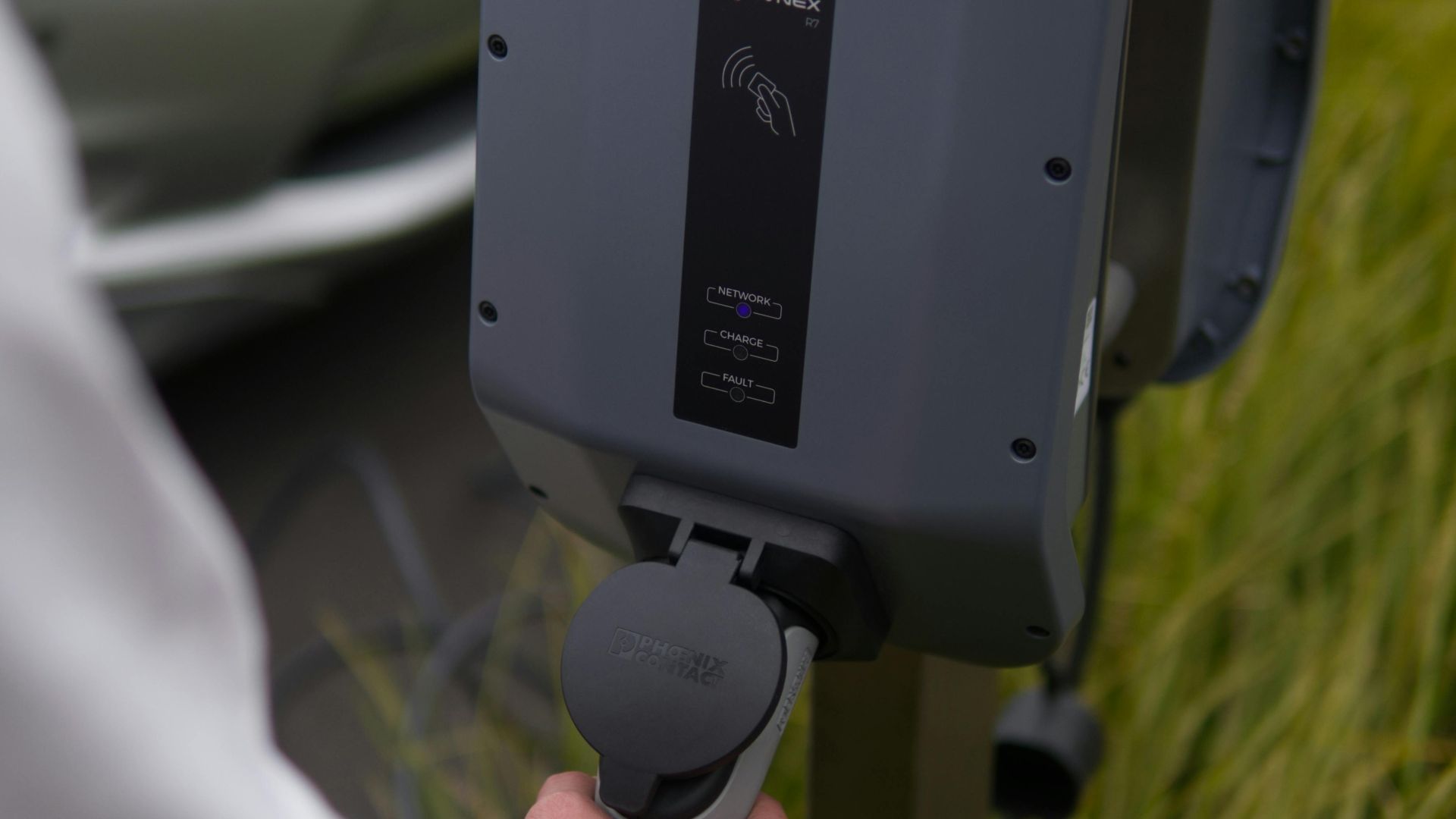
If you want Level 2 charging at home, you may need to budget for equipment and installation. The price depends on your electrical panel, garage setup, and local labor rates. Some utilities and state programs offer rebates for chargers or installation, so it is worth checking before assuming you will pay the full cost yourself.
State And Utility Incentives Can Be The Secret Weapon
Federal incentives get most of the attention, but state and local programs can stack on top of them. The Department of Energy maintains a database called the Alternative Fuels Data Center that tracks incentives by state, utility, and vehicle type. In the right area, those extra rebates can make a pricey EV look much more reasonable.
Leasing Can Lower The Barrier
If buying an EV feels too expensive, leasing can be a useful workaround. Commercial clean vehicle rules have allowed some leased EVs to benefit from incentives that are not always available in the same way with a standard purchase, and many automakers have used that flexibility to lower lease payments. That does not automatically make leasing the cheapest long-term option, but it can ease the upfront hit.

Gas Prices Change The Equation
When gas prices jump, EV savings become easier to see. When gas is cheap and electricity is expensive, the monthly savings get smaller. That is why anyone saying an EV always saves money is oversimplifying a decision that depends a lot on where and when you drive.
Regional Electricity Prices Matter Too
Not all electricity costs the same. Drivers in places with low residential power rates often see the biggest fueling savings, while drivers in high-cost electricity markets may need longer to break even. Time-of-use plans can help, especially if your utility offers cheaper overnight rates.

Cold Weather Changes Efficiency
EVs can use more energy in cold weather because both the battery and the cabin need thermal management. That does not mean EVs stop making financial sense in winter states, but it can reduce range and raise charging costs during the coldest months. If you live somewhere very cold, your real-world savings may be lower than examples from warmer states suggest.
Short Ownership Can Undercut The Savings
If you replace cars every two or three years, a higher upfront price may never have time to pay you back. EV economics usually look better for people who keep their vehicles longer and spread that purchase cost over more years. The same goes for buyers financing at high interest rates, because borrowing costs can eat into fuel savings.

A Budget Used Gas Car Can Still Win
This is the part EV boosters do not always mention. If your other option is not a new gas SUV but a reliabxle used compact with good fuel economy, the EV may have a much harder time winning on pure cost. The right comparison is the car you would actually buy instead, not an inflated example that makes the EV look better.
But New EVs Can Beat New Gas Cars
When the comparison is new versus new, the case for EVs gets stronger. If you charge mostly at home, and you drive a lot, total ownership cost can swing in the EV's favor despite the higher sticker price. That is especially true when the alternative is a similarly sized gas vehicle that is not cheap to begin with.
Consumer Reports Found Many EVs Cost Less To Own
Consumer Reports published analysis in 2020 and later updated its ownership-cost findings, showing that many EVs can have lower lifetime ownership costs than comparable gas cars. The group pointed to lower fueling and maintenance expenses as major reasons. That does not mean every EV comes out ahead, but it does support the broader case that the savings are real in many common situations.

The Break-Even Point Is The Key Number
What matters most is not a slogan but your break-even timeline. Add up the EV's higher upfront cost, subtract incentives, estimate your yearly fuel and maintenance savings, and see how many years it takes to catch up. If that timeline is shorter than how long you plan to keep the car, the EV will probably pay off for you.

A Simple Real-World Rule Of Thumb
If you can charge at home, drive more than average, and keep the car for several years, an EV has a strong chance of saving you money. If you cannot charge at home, rely on fast chargers, drive very little, and switch cars often, the financial case gets weaker. EVs absolutely can pay off, but they are not a money-saving shortcut for every household.
The Honest Answer You Can Tell Your Friend
Electric cars are not automatically cheaper, and the upfront price is still a real barrier. But thanks to lower fueling costs, and reduced maintenance, they can pay off for many drivers over time, especially in the right situation—though ending federal tax credits has set the market back. The smart move is to run the numbers based on your own driving habits, not your friend's confidence.