
Yes, This Can Happen
If a dealer says the factory warranty started before you bought the car because it was a demo, that might feel unfair, but it's unfortunately quite normal. It's not automatically some scam, but it is definitely something you should confirm before you sign anything. The real issue actually isn't even whether the car was a demo. It's the date the manufacturer says it first went into service.

The Date That Really Matters
For factory coverage, the key date is usually the vehicle’s in-service date. That is the date the manufacturer uses to start the warranty clock, and it can be earlier than the day you drove the car home. If that date was set months earlier, you may have less warranty left than you expected.
 Hryshchyshen Serhii, Shutterstock
What A Demo Car Usually Means
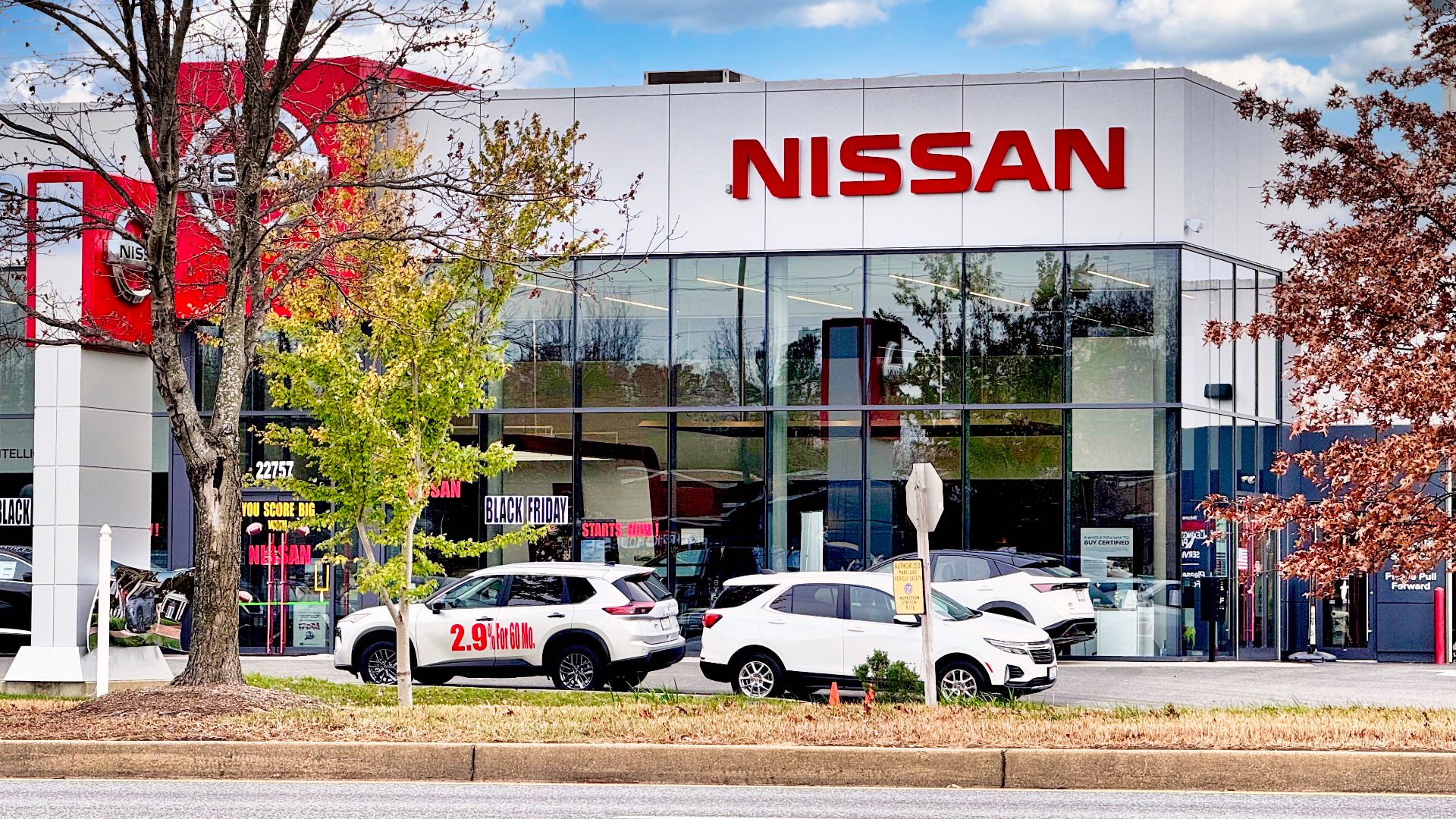
A demo, short for demonstrator, is usually a car the dealer uses for test drives, manager use, or showroom display. It can still be sold as a new vehicle if it has not been titled to a retail customer. That is where the confusion starts, because “new” does not always mean “the full warranty starts today.”
 Harrison Keely, Wikimedia Commons
Why Buyers Get Surprised
Most people find out after the sale, when they check warranty status online or ask a service department for coverage dates. A car can have low miles and still show a warranty start date from months earlier. That matters because bumper-to-bumper and powertrain coverage are based on years and mileage, whichever comes first.

What Federal Guidance Says
The Federal Trade Commission says dealers must display a Buyers Guide on used cars, while new cars are generally handled through different disclosures and the written warranty that comes with the vehicle. The FTC also says buyers should get all promises in writing. If a demo car is being sold with less factory coverage, the paperwork matters a lot.

How Manufacturers Often Define Coverage
Manufacturer warranty booklets often say coverage begins on the date the vehicle is first delivered or first put into service. That wording matters. “Put into service” can include a dealer demonstrator, which means the warranty may start before the retail sale date.

Ford Spells It Out Clearly
Ford’s warranty materials say the warranty start date is the earlier of the first retail delivery date or the date the vehicle is first placed in service, such as a demonstrator or company car. That makes Ford’s position on demo units pretty clear. If your vehicle is a Ford demo, an earlier warranty start matches Ford’s published terms.

General Motors Uses Similar Logic
GM warranty documents also tie coverage to the date the vehicle is first placed in service or delivered for use. In real life, that can include demonstrators and dealer-use vehicles. So if a Chevrolet, GMC, Buick, or Cadillac demo shows an earlier in-service date, it follows the setup GM has long used.

Toyota Also Warns About It
Toyota’s warranty guide says the warranty begins when the vehicle is first placed in service, which may be earlier than the sale date if the car was used as a demonstrator. That is about as direct as it gets. If the dealer mentioned a demo history, Toyota’s own documents support the idea that the factory clock may already be running.

Why The Mileage Matters Too
Even if only a few months of warranty are gone, demo use can also add real mileage. A 3-year or 36,000-mile warranty does not care whether those miles came from your commute or from test drives before you bought the car. Time and mileage both eat into what is left.

New Car Status Can Still Be Legitimate
A demo car can still legally be sold as new in many cases if it has not been titled before. State rules can vary, but the basic idea is common across the industry. So a car can be “new” for registration and financing while still having less than the full original warranty left.

That Does Not Mean Dealers Can Be Vague
Even if the earlier warranty date is allowed, the dealer should be clear about it. The real issue is disclosure, not just legality. If you were told the full factory warranty starts on your purchase date, but the manufacturer records say otherwise, that is a serious problem.

Ask For The In-Service Date In Writing
The simplest way to avoid confusion is to ask for the in-service date before you buy. Ask the dealer to print the manufacturer warranty inquiry or vehicle inquiry report if they can access it. If they hesitate, slow down and keep asking questions.

Check The Warranty Yourself
Many automakers let owners check warranty status through an owner portal or customer service line. You may need the VIN, current mileage, and sometimes proof of ownership. If you are shopping for a demo, try to get that information before delivery, not after the sale is done.
 Evgeny Atamanenko, Shutterstock
Read The Window Sticker And Addendum
Demo cars are often discounted, and that discount should line up with the shorter warranty period and added miles. Look for dealer addendum stickers, internal-use disclosures, or notes in the sale paperwork. A demo can still be a good deal, but only if the price matches what you are actually getting.

Ask About An Extended Warranty Or Service Contract
If several months of factory coverage are already gone, ask the dealer to make up the difference. One option is a manufacturer-backed extended service contract or a written agreement that covers the lost time. If they want full retail money for a demo, this is a fair place to push back.

Certified Pre-Owned Is A Different Animal
A demo car is not the same as a certified pre-owned vehicle, even if both come with warranty coverage. Certified programs usually have their own inspection rules and extra coverage terms. Do not assume a demo comes with the kind of warranty extension a CPO car might offer.

Loaners And Courtesy Cars Can Follow Similar Rules
Dealer loaners and service courtesy vehicles often raise the same issue. They may pile on miles while the manufacturer warranty clock is already running. Sometimes they are sold later at a discount, but the same advice applies: verify the in-service date and check how much coverage is left.

State Law Can Affect Disclosure
State motor vehicle and consumer protection laws can affect how demo cars must be described in ads and contracts. The details vary, so there is no single national rule covering every disclosure issue. If important facts were hidden or misstated, your state attorney general or consumer protection office may be the next call.

Magnuson-Moss Still Matters
The federal Magnuson-Moss Warranty Act governs written consumer product warranties and can matter if a warranty was misrepresented. It does not require every car to come with a fresh full warranty at retail sale. But if the written terms or dealer statements were misleading, it can become important in a dispute.

Watch The Paperwork Language Closely
Look for phrases like “demo,” “courtesy transportation vehicle,” “in service,” or “warranty started” in the contract package. Small wording differences can mean a lot. If the sales pitch and the documents do not match, trust the documents and stop until the conflict is cleared up.

When This Is Perfectly Fine
If the dealer clearly disclosed that the vehicle was a demo, gave you the actual warranty start date, priced it accordingly, and you agreed to the terms, there may be no problem at all. Plenty of buyers get solid deals this way. A demo can be a smart buy if the discount is meaningful and the remaining coverage still works for you.

When It Crosses The Line
If the car was presented as having the full new-car warranty starting on your purchase date, but the manufacturer had already started coverage months earlier, that is where trouble starts. Save screenshots, ads, emails, and signed forms. A paper trail gives you the best shot if you need the dealer or manufacturer to make it right.

What To Do If You Already Bought It
Start by contacting the dealer in writing and asking them to explain the warranty start date and what they will do to make up for it. Then contact the manufacturer’s customer care line with the VIN and ask for the official in-service date and warranty expiration terms. If the facts still do not match up, consider your state consumer agency, attorney general, or a consumer-law attorney.

How To Negotiate If You Have Not Bought Yet
Use the earlier in-service date as leverage. Ask for a lower price, a manufacturer extended warranty, free scheduled maintenance, or some other real concession. A demo car should not be priced like a fresh-off-the-truck unit with the full warranty clock still untouched.

The Smart Buyer’s Checklist
Before buying a demo, get the VIN, confirm the in-service date, check the current mileage, ask whether it was a manager car or a test-drive unit, and compare the discount with the warranty time already gone. Then get every promise in writing. That short checklist can save you from an expensive surprise later.
 LightField Studios, Shutterstock
The Bottom Line
Yes, it is normal for a factory warranty to start before you buy a car if it was a demo. What is not acceptable is hiding that fact or pricing the car as if nothing has changed. If you know the dates, verify the paperwork, and negotiate with clear eyes, a demo can still be a very good deal.