The Big Glass Roof Question
At first they felt like the future, but now panoramic glass roofs have become one of the most wanted features on modern vehicles. Do they make the cabin feel brighter, roomier, and a little more upscale? Absolutely. But there's a cost to them as well. More glass overhead has been shown to affect heat, noise, upkeep, and repair costs.
Why Panoramic Roofs Became So Popular
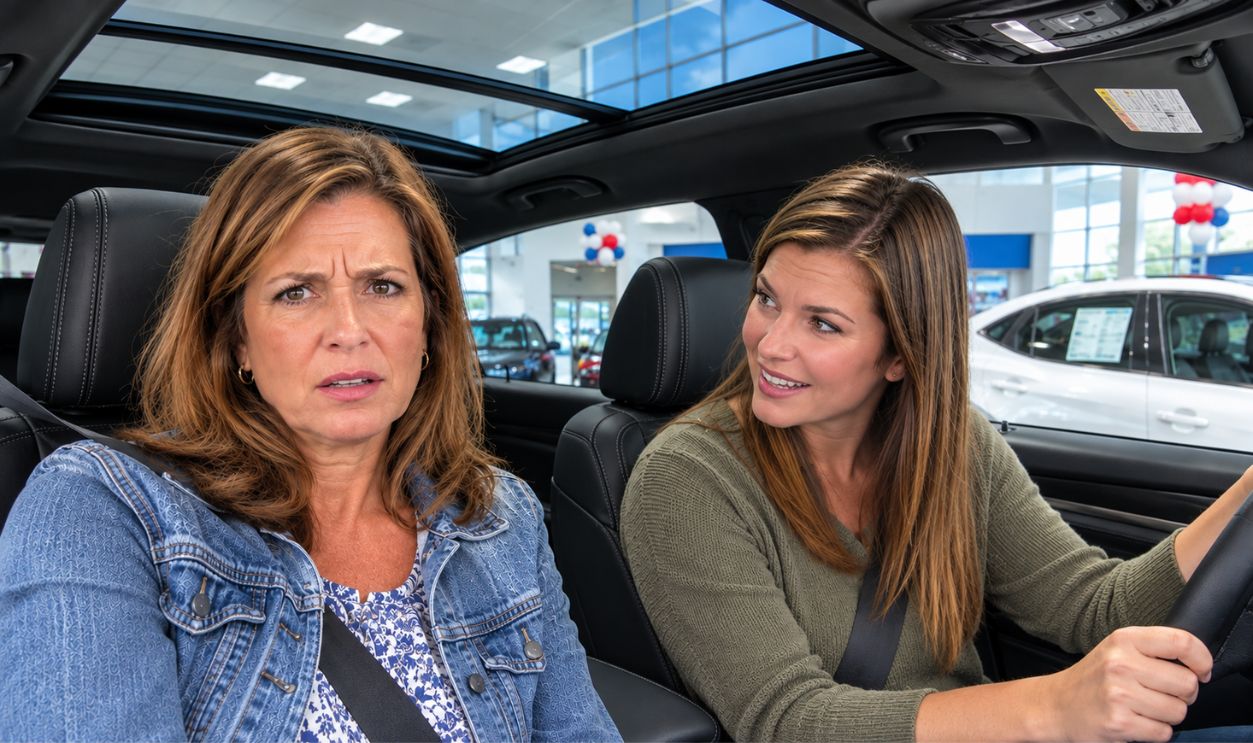
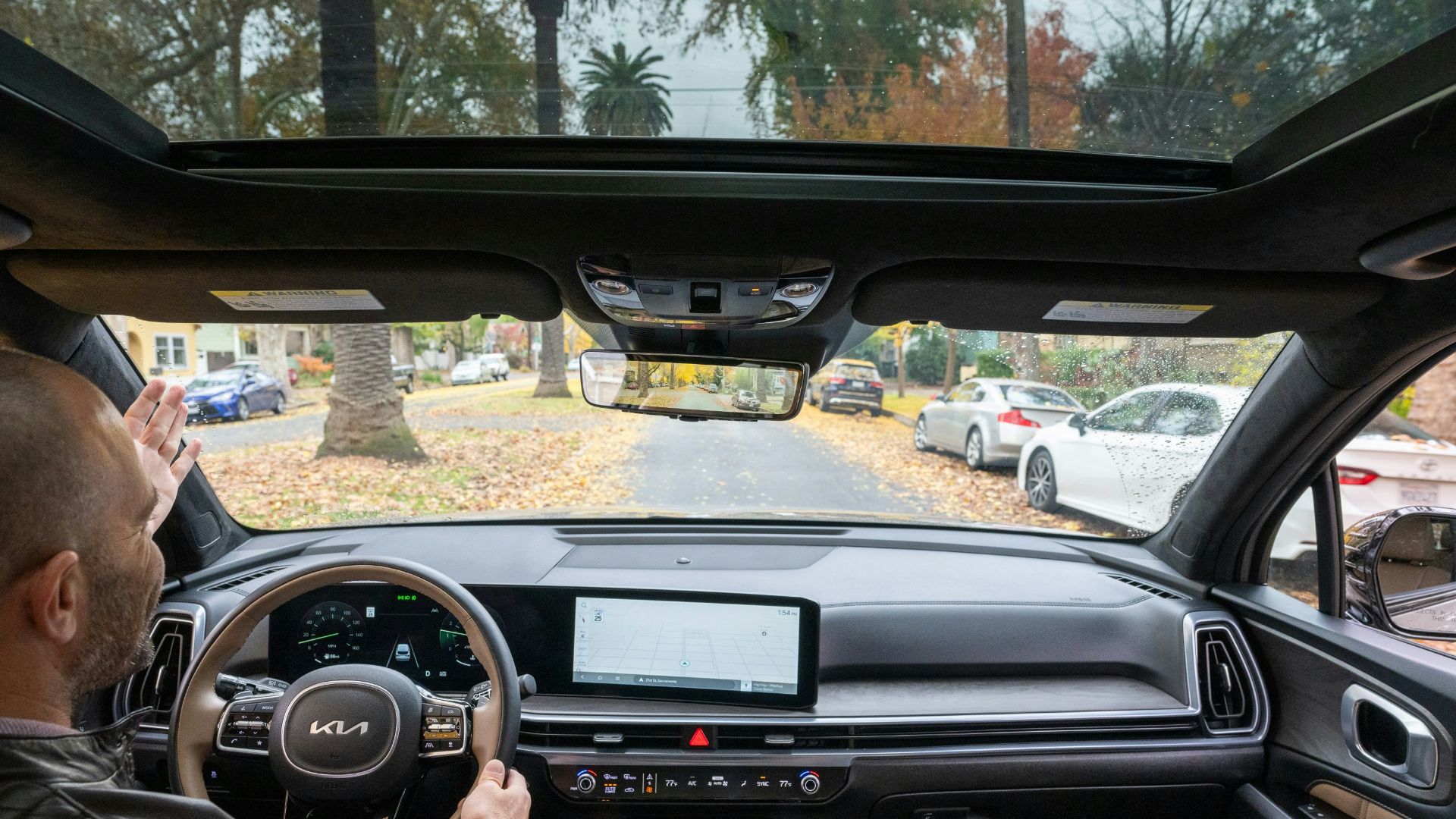
Over the past two decades, automakers pushed panoramic roofs hard as buyers started seeing cabins as living spaces, not just a way to get from one place to another. Big glass panels can make small crossovers and SUVs feel less cramped, which helps a lot on the showroom floor. For plenty of shoppers, one look up is enough to sell the feature.

What A Panoramic Roof Actually Is
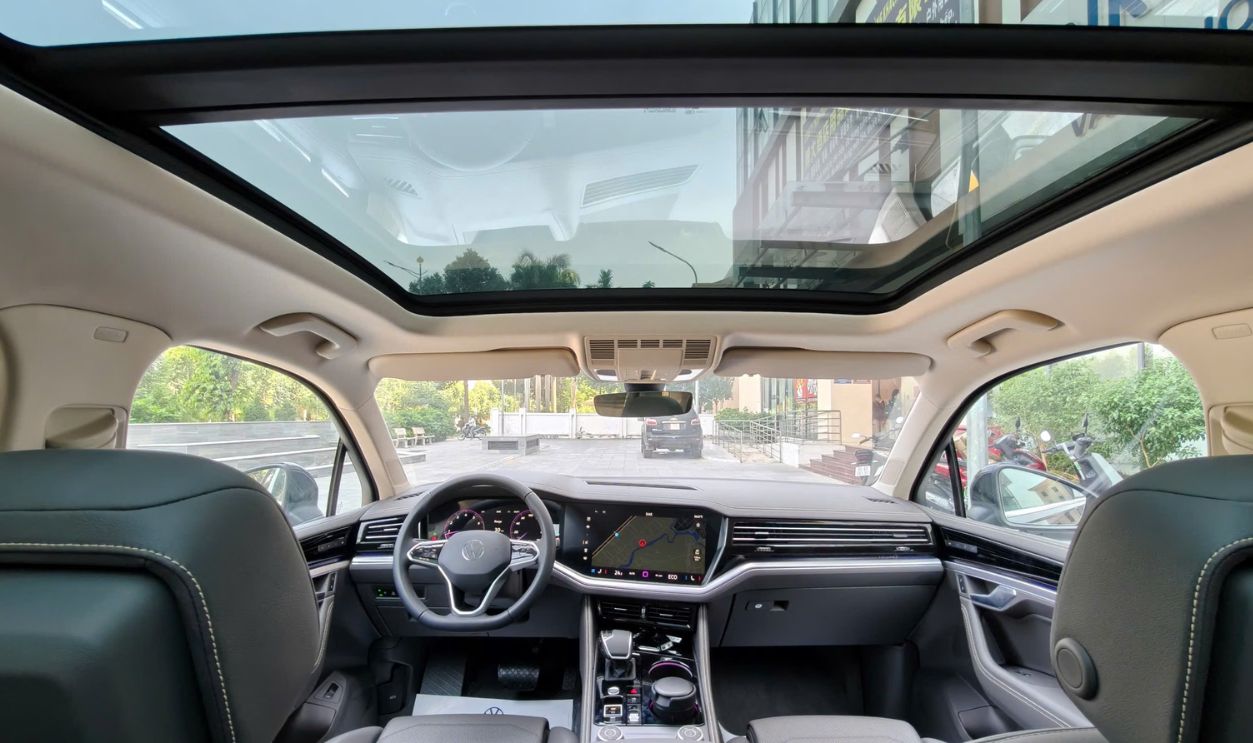
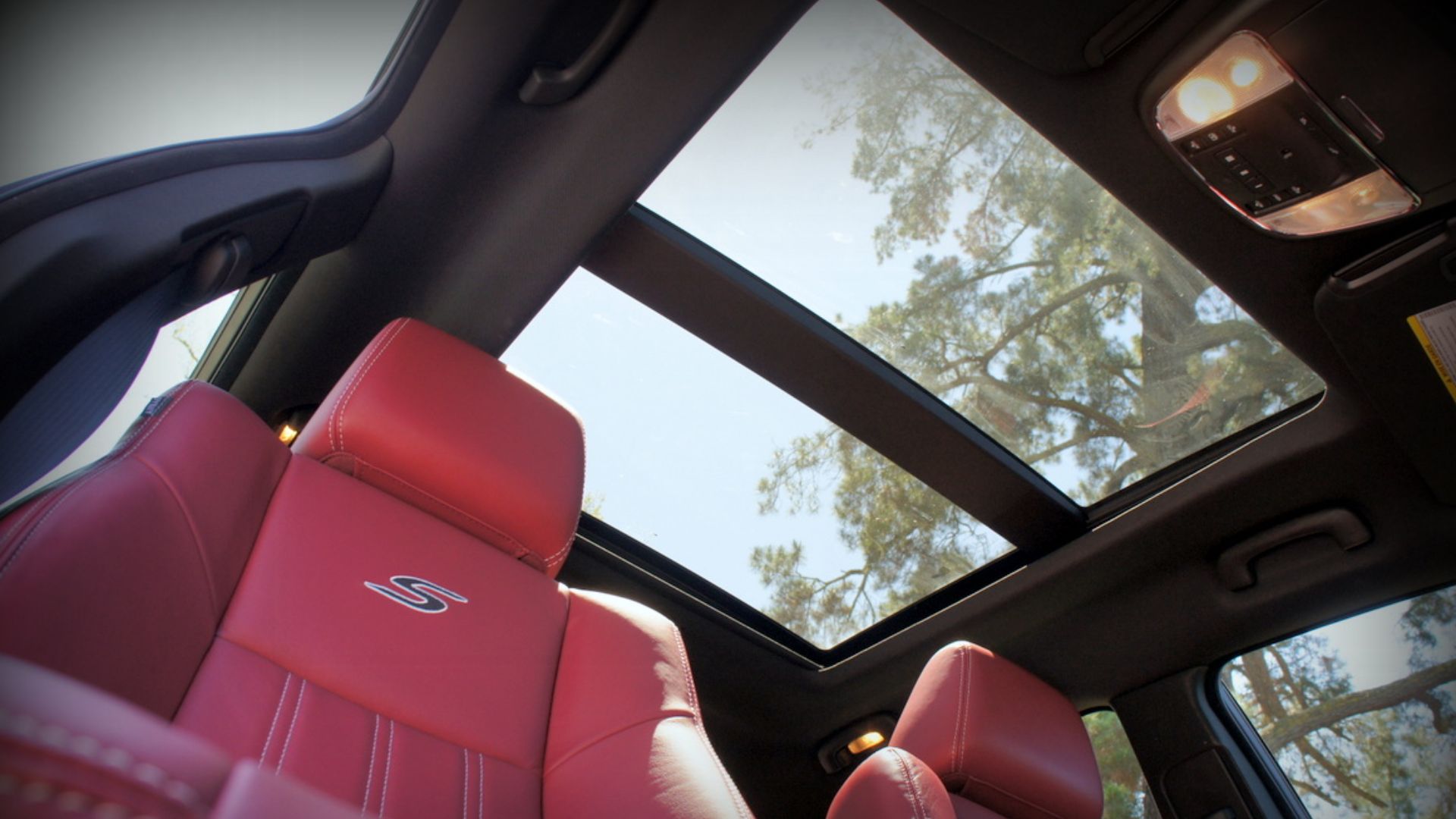
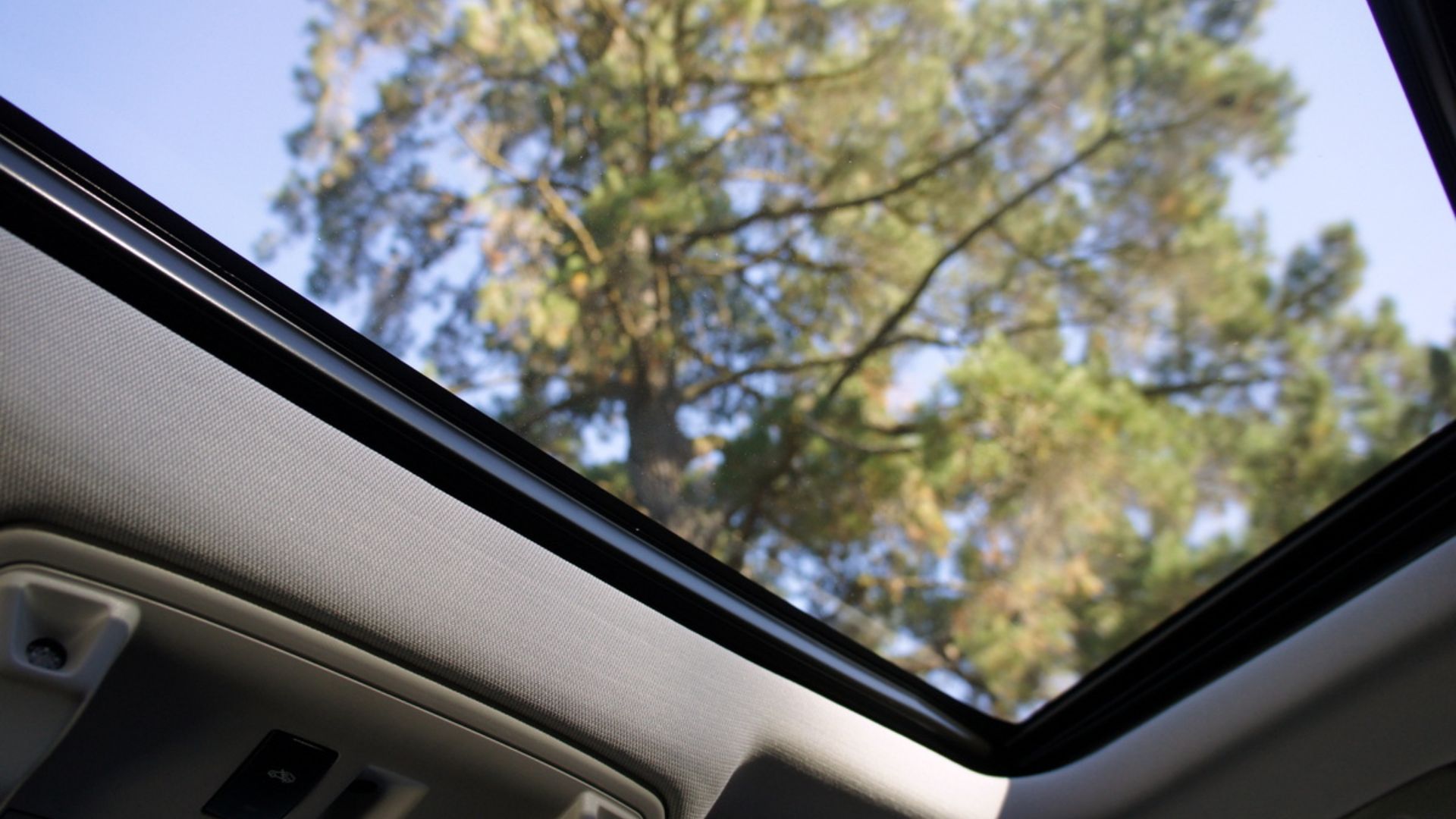
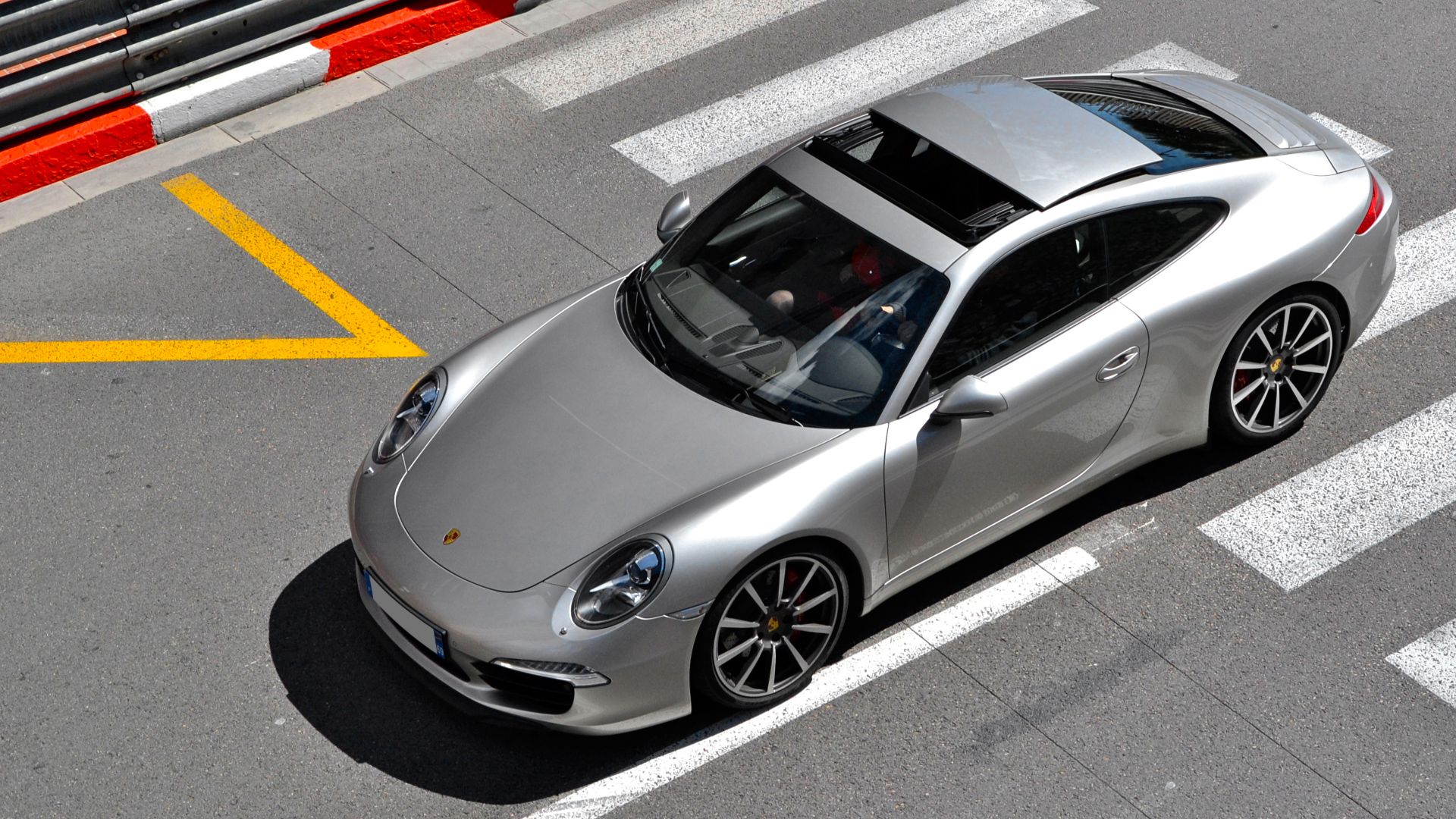
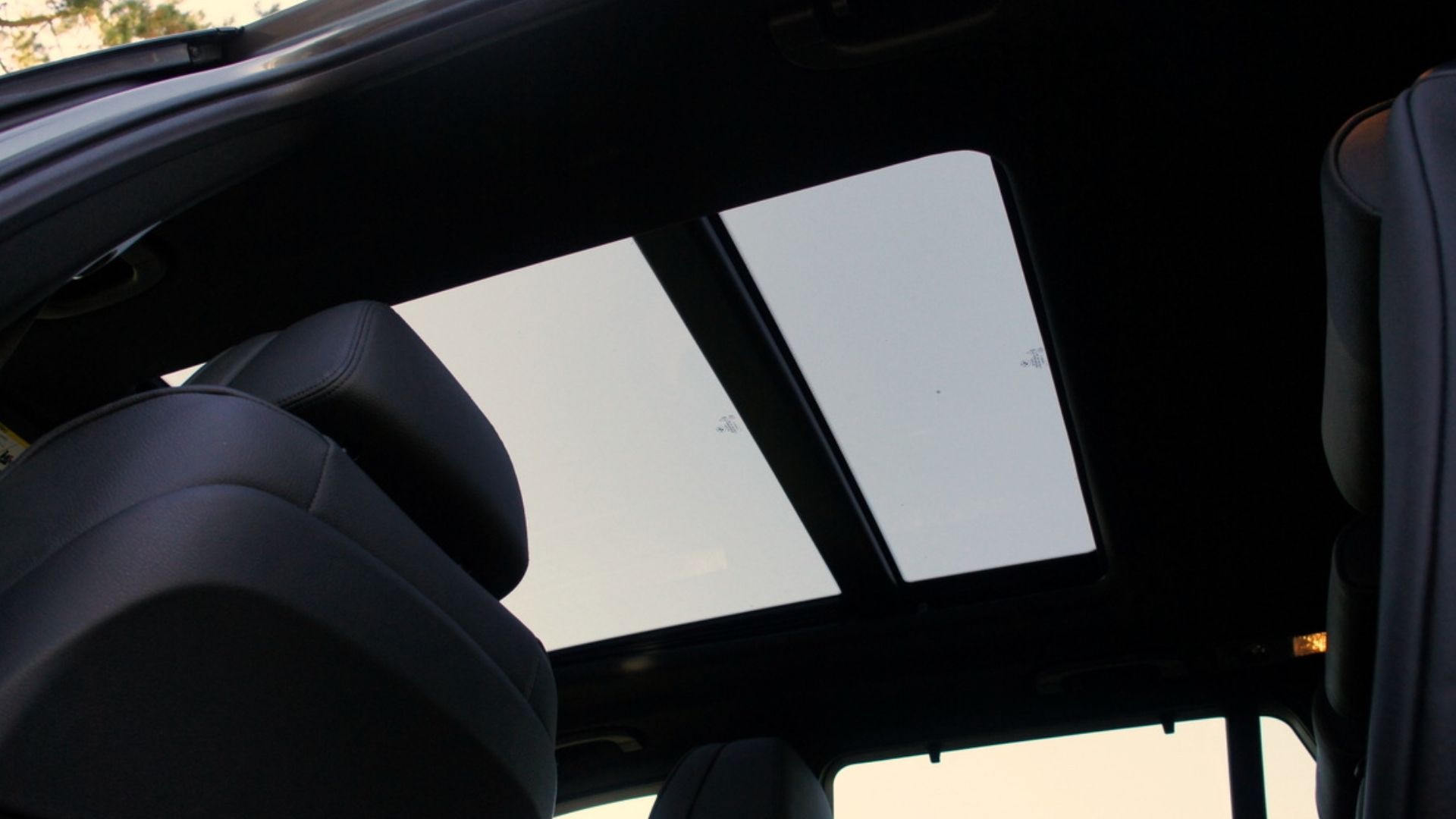
A panoramic roof is usually a large multi-panel glass roof that covers the front seats and often stretches over the rear seats too. Some are fixed and do not open. Others have a power-sliding front section and a sunshade underneath. That difference matters because fixed glass roofs usually have fewer parts and fewer things that can break.
The Heat Concern Is Not Just In Your Head
Yes, glass roofs can let more solar energy into a vehicle. The U.S. Department of Energy says solar heat gain through vehicle glass is a real load on both the cabin and the air conditioning system. In plain English, a big glass roof can make a car work harder to stay cool on a very hot day.
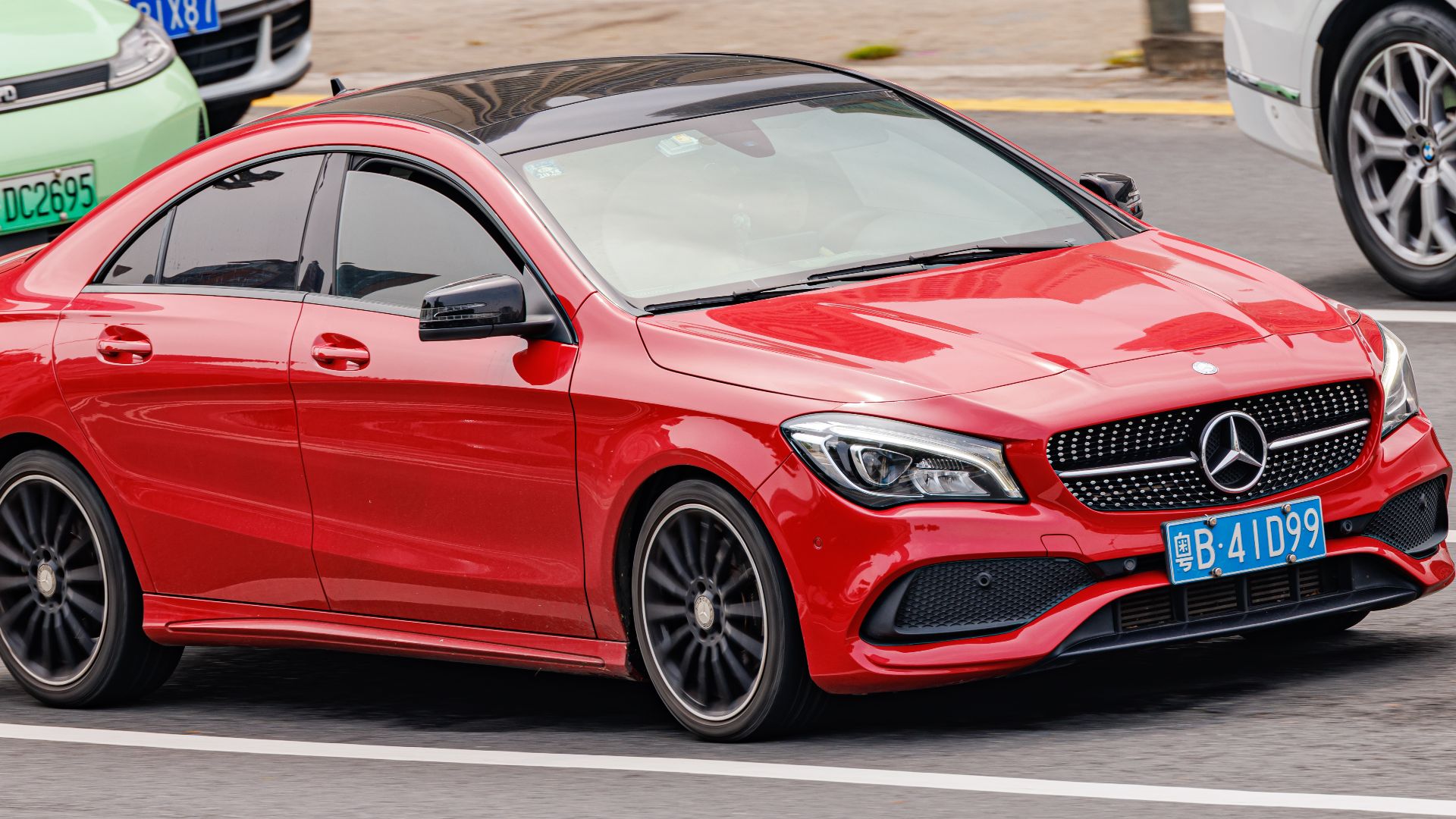 Dinkun Chen, Wikimedia Commons
Modern Glass Is Better Than Old-School Sunroofs
The good news is that panoramic roofs are not just giant sheets of plain glass. Modern automotive glass often uses tinting, coatings, and laminated construction to cut heat and block ultraviolet radiation. The National Highway Traffic Safety Administration says vehicle glazing has to meet federal safety standards, and automakers have spent a lot of time making these roofs safer and more comfortable.
Shades Matter More Than You Might Think
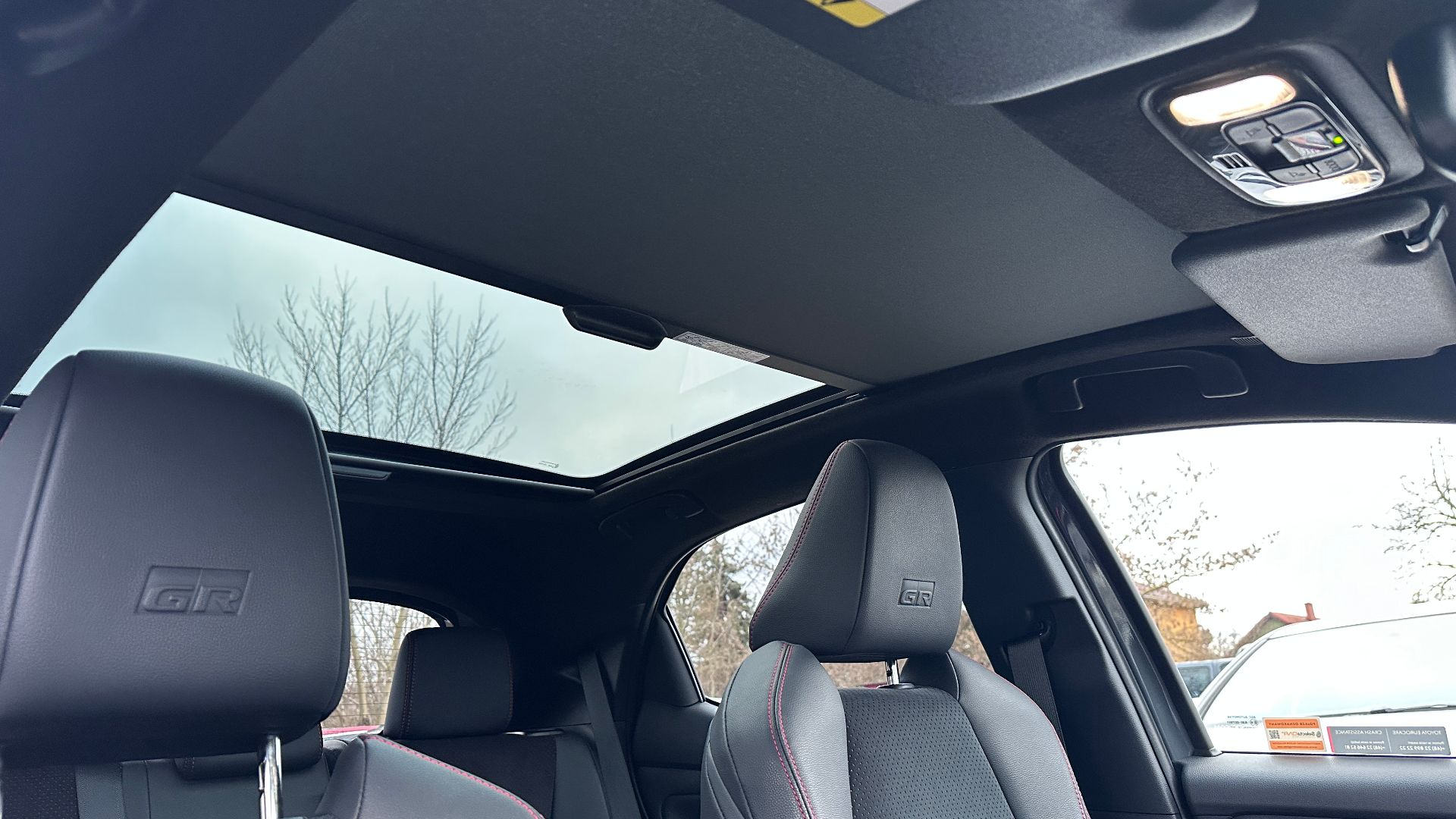
If you are shopping for a vehicle with a panoramic roof, pay close attention to the sunshade. A solid, opaque shade can make a big difference in summer comfort. A thin mesh shade may look nice, but it usually blocks less heat and light than a thicker full-cover shade.
Hot Climate Drivers Notice The Difference Fast
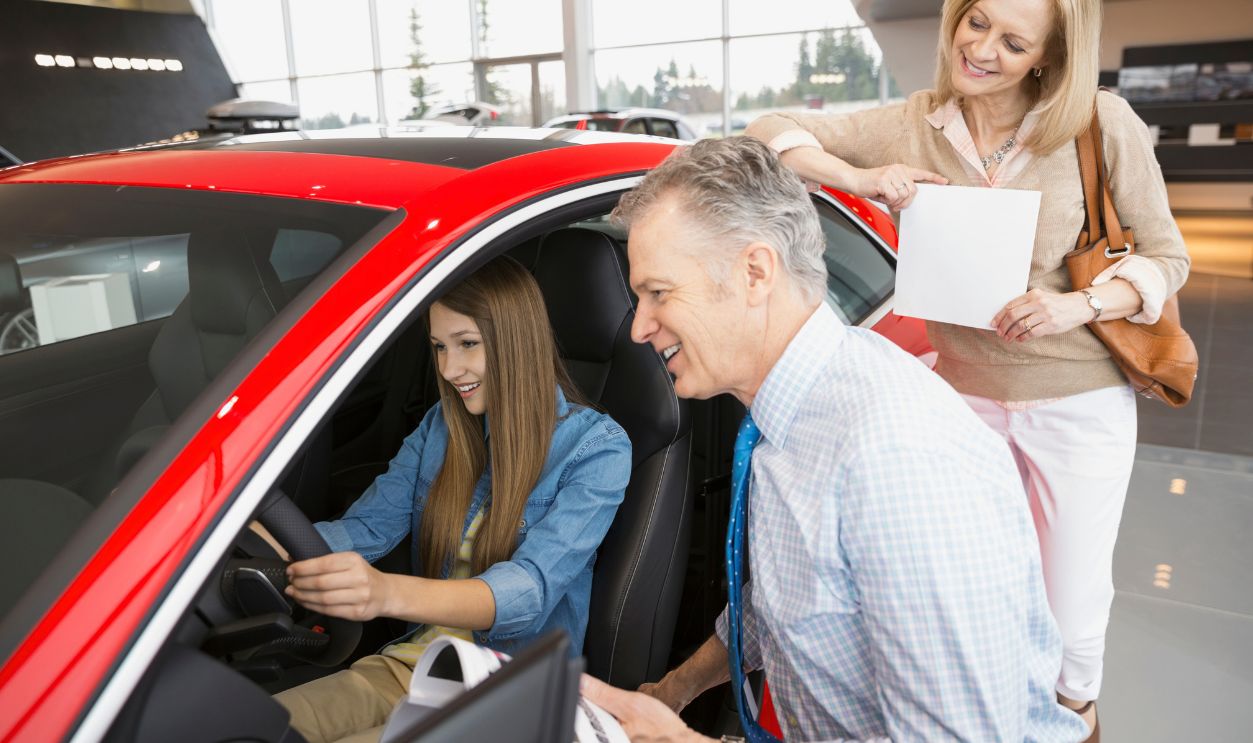
Drivers in places like Arizona, Texas, Florida, and inland California tend to have strong opinions about glass roofs for a reason. Strong sun and high temperatures expose any weakness in the glass, tint, or shade design very quickly. If your family lives in a hot area, this should carry extra weight in the buying decision.

Air Conditioning Has To Pick Up The Slack
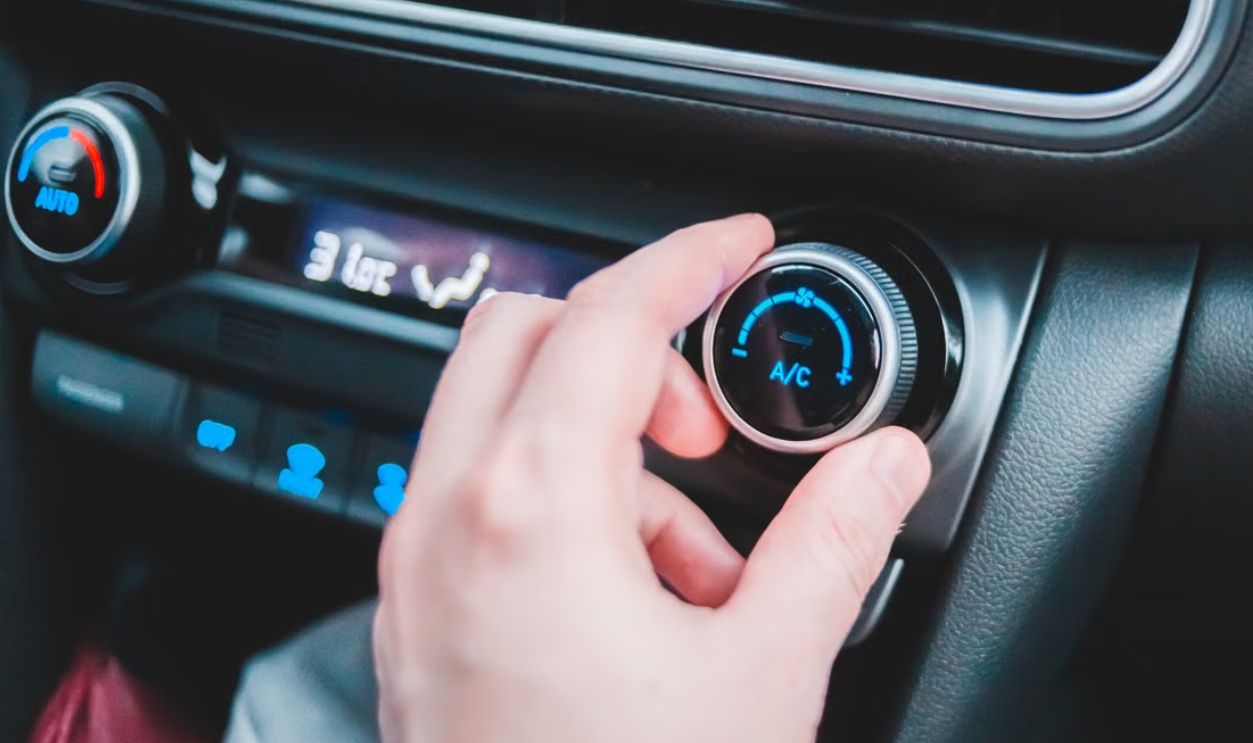
When more heat gets into the cabin, the climate control system has to work harder to remove it. The Department of Energy has long pointed out that lowering solar load improves comfort and reduces the burden on air conditioning. In a gas car, that can hurt fuel economy a bit. In an EV, it can trim driving range.
Electric Vehicles Changed The Conversation
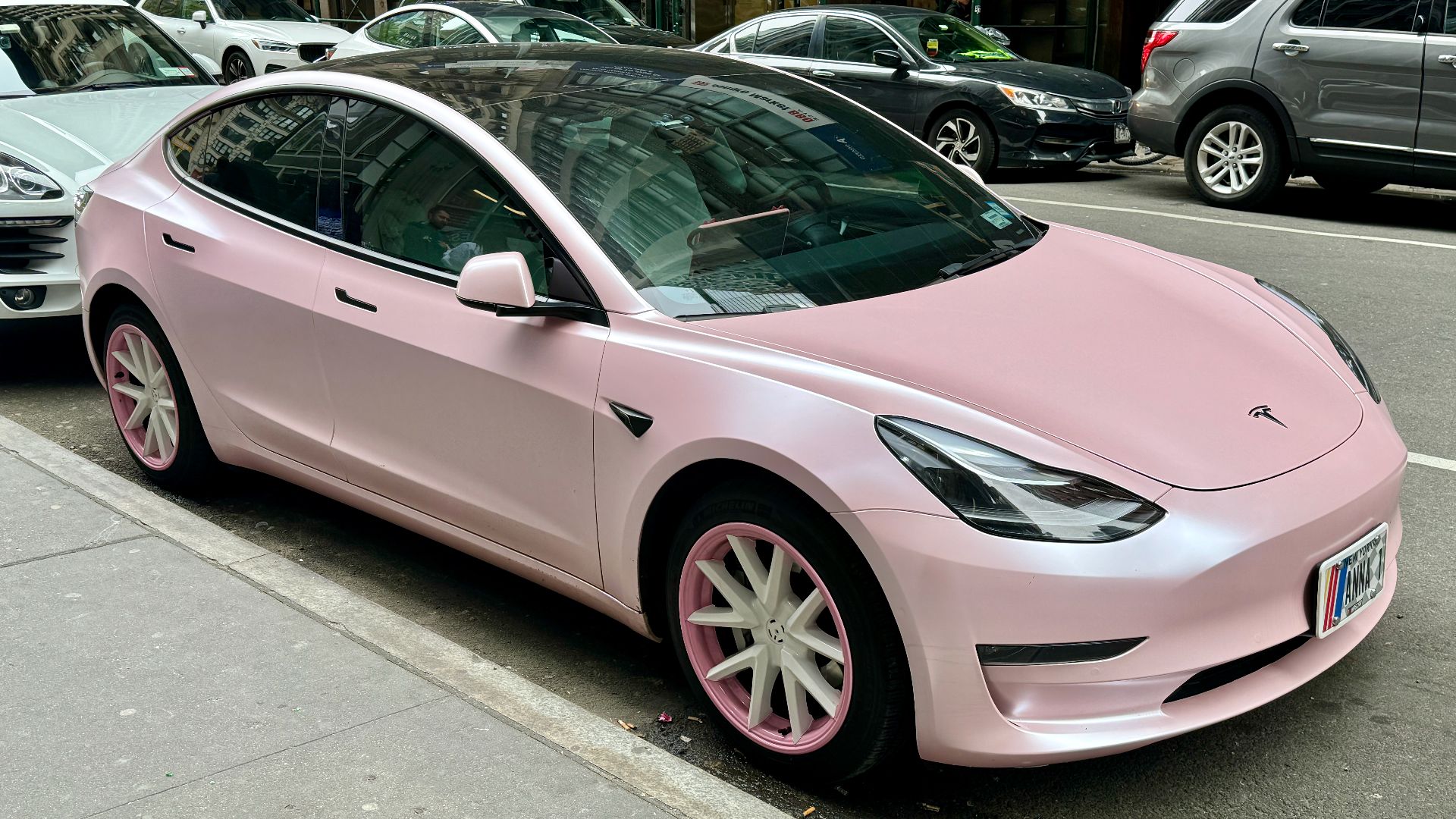
Panoramic roofs are especially common in EVs because they help create a futuristic look and make battery-heavy vehicles feel less bulky. But EV owners also tend to watch climate-control energy use more closely because extra cooling can affect range. So the same roof that looks great in the showroom can become a daily complaint in midsummer.
 Oleg Yunakov, Wikimedia Commons
UV Protection Is Usually Better Than People Assume
One worry many parents have is that a glass roof means harsh sun exposure for everyone inside. In reality, many modern panoramic roofs use laminated or specially treated glass that blocks most ultraviolet radiation. The Skin Cancer Foundation notes that laminated glass can block more than 95 percent of UV radiation, which is a strong point in favor of modern vehicle glass.
 Michael Sheehan, Wikimedia Commons
Heat And UV Are Not The Same Thing
This is where many shoppers get confused. A roof can block UV rays well and still let in a lot of radiant heat. So a panoramic roof can be fairly good for skin protection and still make the cabin feel too warm on a summer afternoon.
Leaks Are Possible, But Usually Not Because Glass Fails
When panoramic roofs leak, the problem usually is not the glass panel itself. More often, the trouble comes from clogged drain tubes, worn seals, or problems with the roof cassette and nearby hardware. Many sunroof designs use water management systems, and when those stop draining properly, water can end up where it should not.
 Michael Sheehan, Wikimedia Commons
Drain Tubes Are Tiny And Important
Many sliding panoramic roofs use drains to carry away rainwater that gets past the outer seal. Over time, those drains can clog with dust, leaves, pollen, or tree debris. That means a vehicle parked outside under trees may face more risk than one kept in a garage.
 Alexandre Prévot from Nancy, France, Wikimedia Commons
Fixed Glass Roofs Tend To Be Simpler
If your daughter mainly wants the open, airy look and does not care much about opening the roof, a fixed panoramic roof is often the safer choice. Fewer moving parts means fewer possible problems with motors, tracks, cables, wind deflectors, and drains. Simpler usually means cheaper to own over time.
 Michael Sheehan, Wikimedia Commons
Repair Costs Can Get Ugly
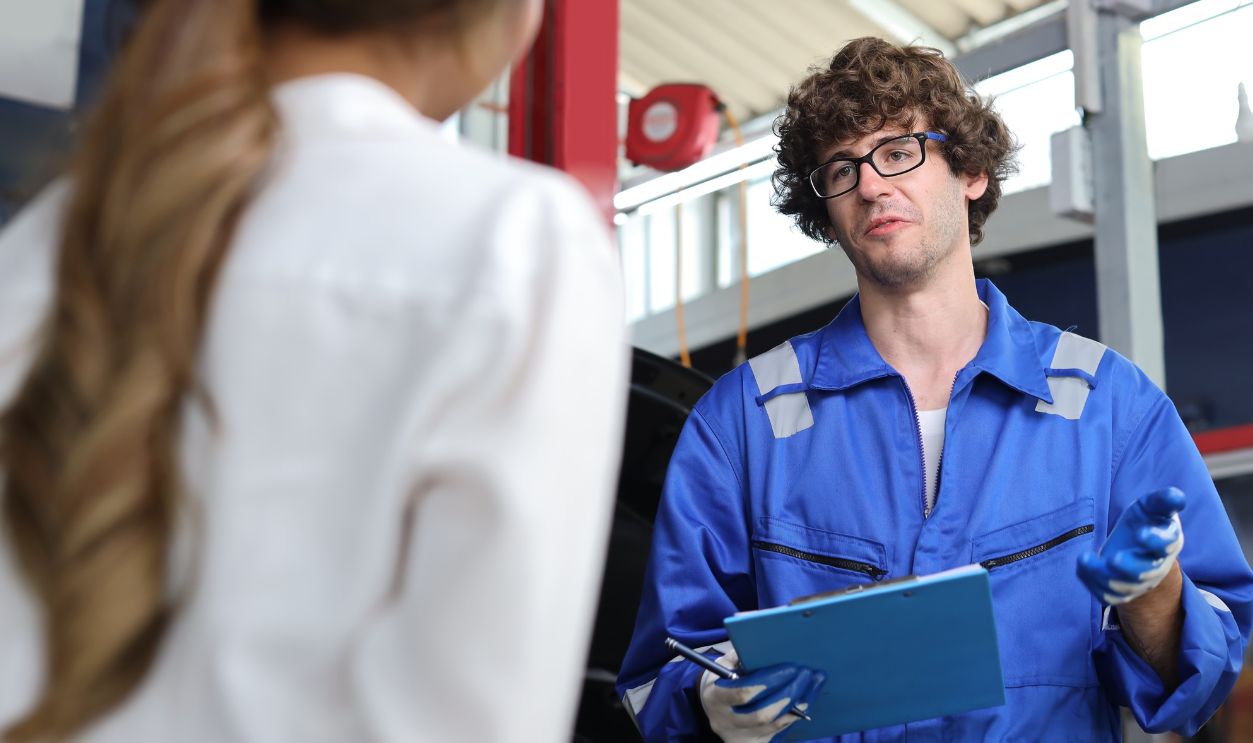
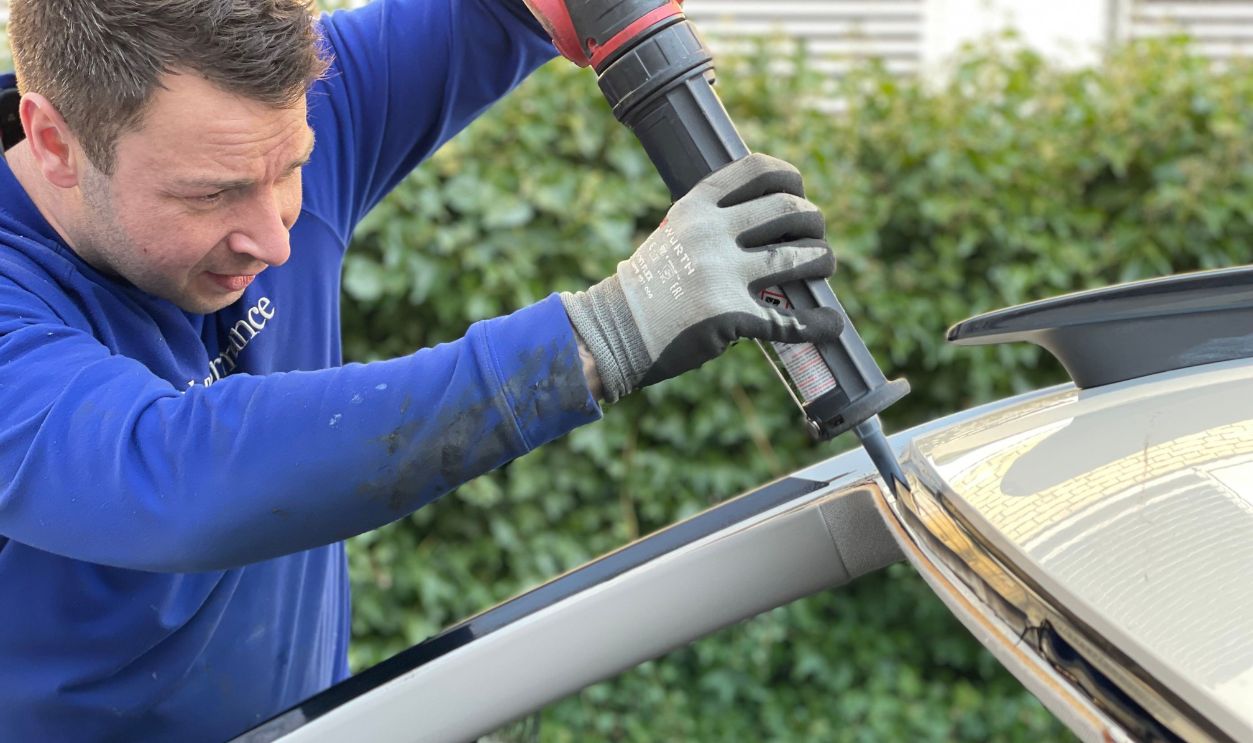
This is where many buyers get an unpleasant surprise. A panoramic roof assembly can be expensive to fix because repairs may involve glass, motors, tracks, seals, trim, electronics, and labor-heavy headliner removal. Even when only one part fails, some designs require replacing larger assemblies instead of one cheap piece.
Insurance May Help, But Not Always The Way You Hope
If the roof glass is damaged by a road hazard, storm debris, or another covered event, comprehensive insurance may help. But a leak caused by age, clogged drains, or normal wear usually is not covered that way. Before buying, it is smart to ask your insurer how roof glass and sunroof assemblies are handled.

Glass Replacement Is Different From Windshield Replacement
Windshield replacement is common, fairly standardized work, and many shops do it every day. Panoramic roof glass is different. Parts availability, trim removal, calibration concerns, and labor time can vary a lot by model. In some cases, the bill can easily be much higher than owners expect from a normal piece of automotive glass.
Crash Safety Is Regulated
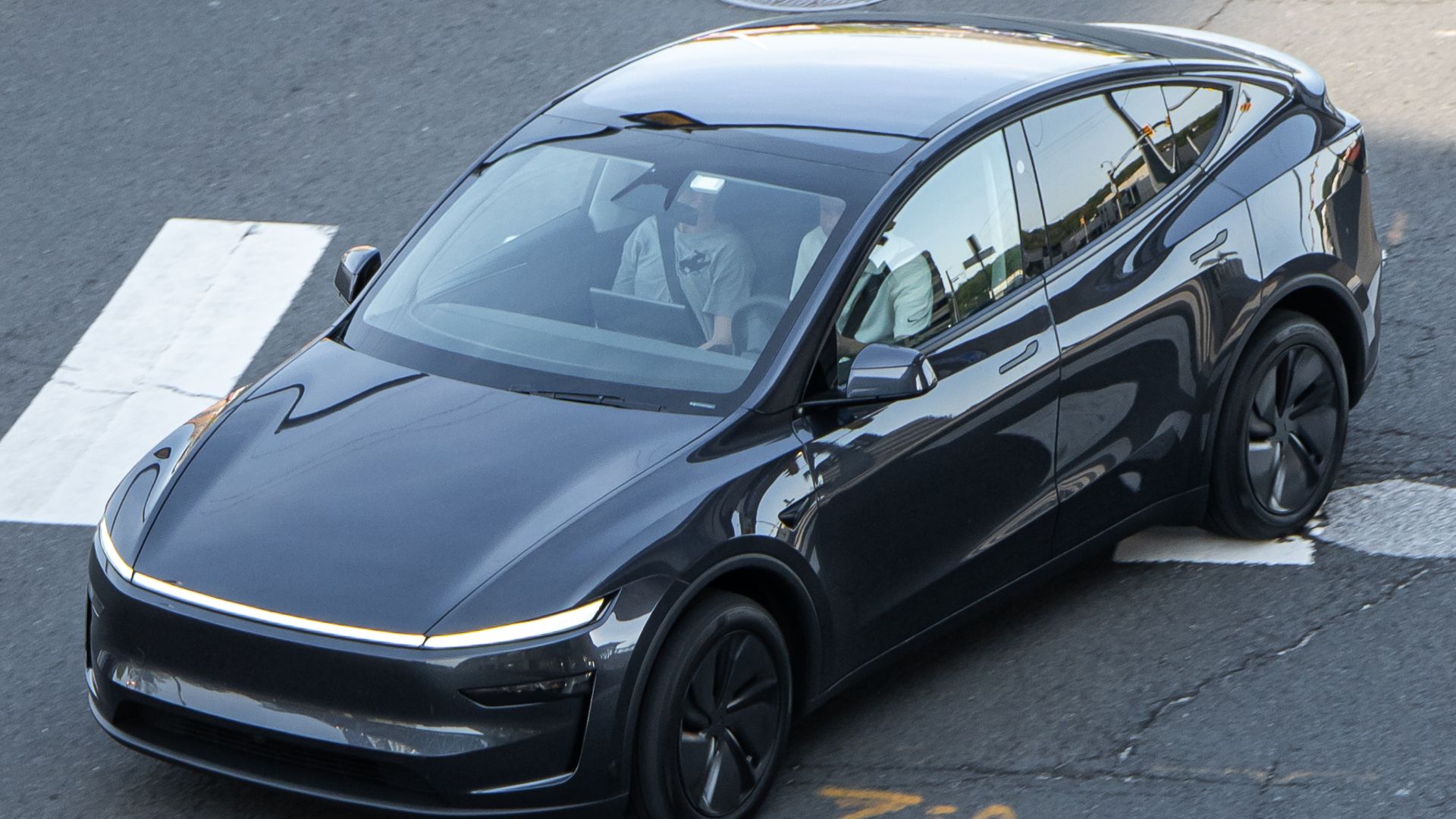
Some buyers worry that a big glass roof must be less safe in a rollover. But vehicle roofs still have to meet federal roof crush resistance rules, and glazing materials still have to meet federal motor vehicle safety standards. That does not mean every model performs the same, but these roofs are not being built without rules.
 OWS Photography, Wikimedia Commons
Glass Breakage Stories Get Attention For A Reason
Reports of exploding or shattering sunroofs have drawn media attention for years because they are dramatic and alarming. The National Highway Traffic Safety Administration has received consumer complaints on this issue across different brands and model years. Still, those stories are not proof that every panoramic roof is a disaster waiting to happen.
 Evgeniia Primavera, Shutterstock
Noise Can Be A Surprise Downside
Large glass panels can change how a cabin sounds, even when they are well designed. Some vehicles with panoramic roofs develop more wind noise, creaks, or rattles over time than steel-roof versions. That is not true of every model, but it is worth checking on a long test drive over rough pavement and at highway speeds.

Weight Is Part Of The Equation
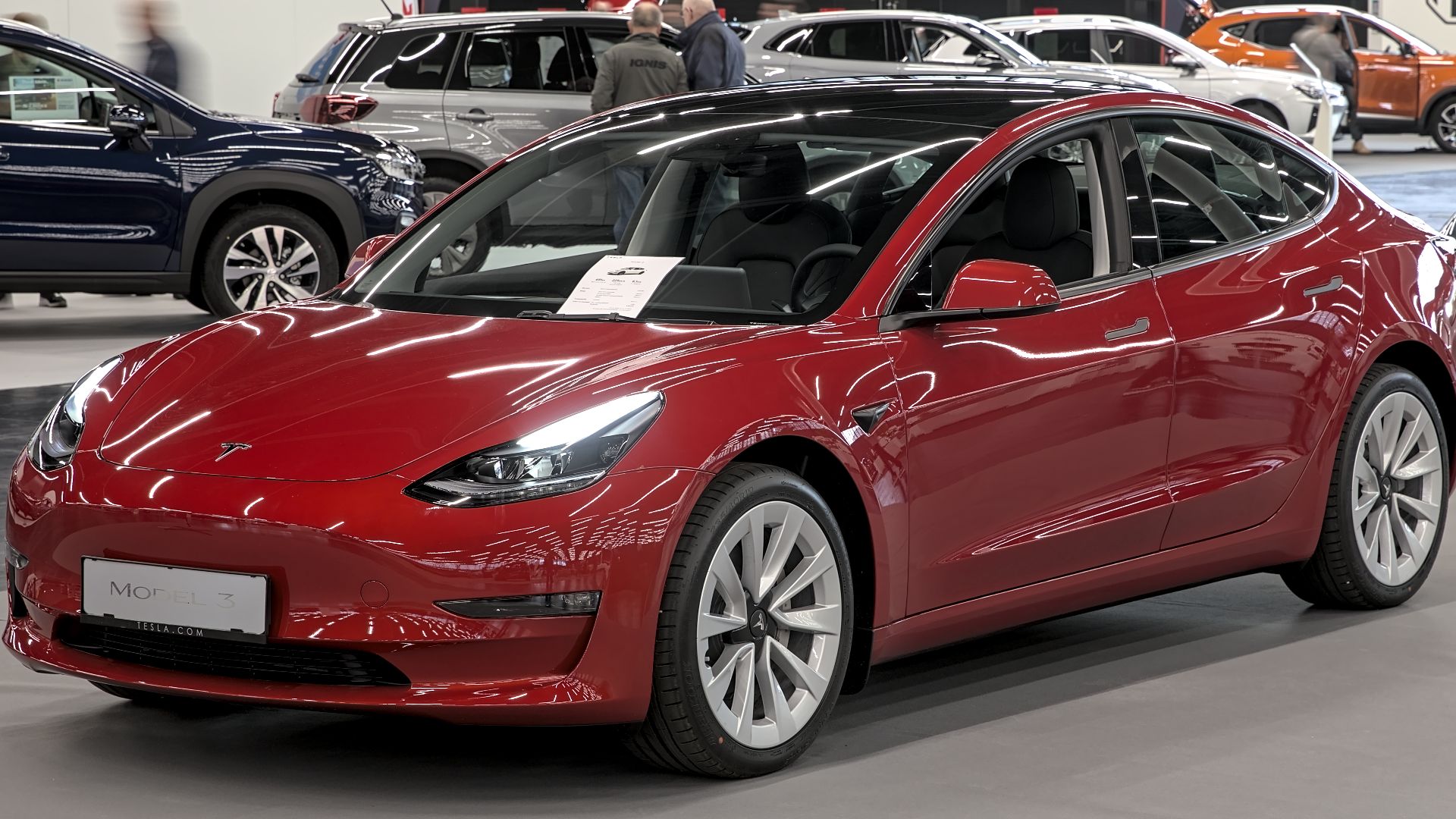
A panoramic roof adds weight high up in the vehicle, and that is not ideal for efficiency or handling. The effect is usually modest in everyday driving, but it is one reason performance-focused cars often skip oversized glass roofs. Extra mass and extra complexity rarely come free.
 Alexander-93, Wikimedia Commons
Resale Value Cuts Both Ways
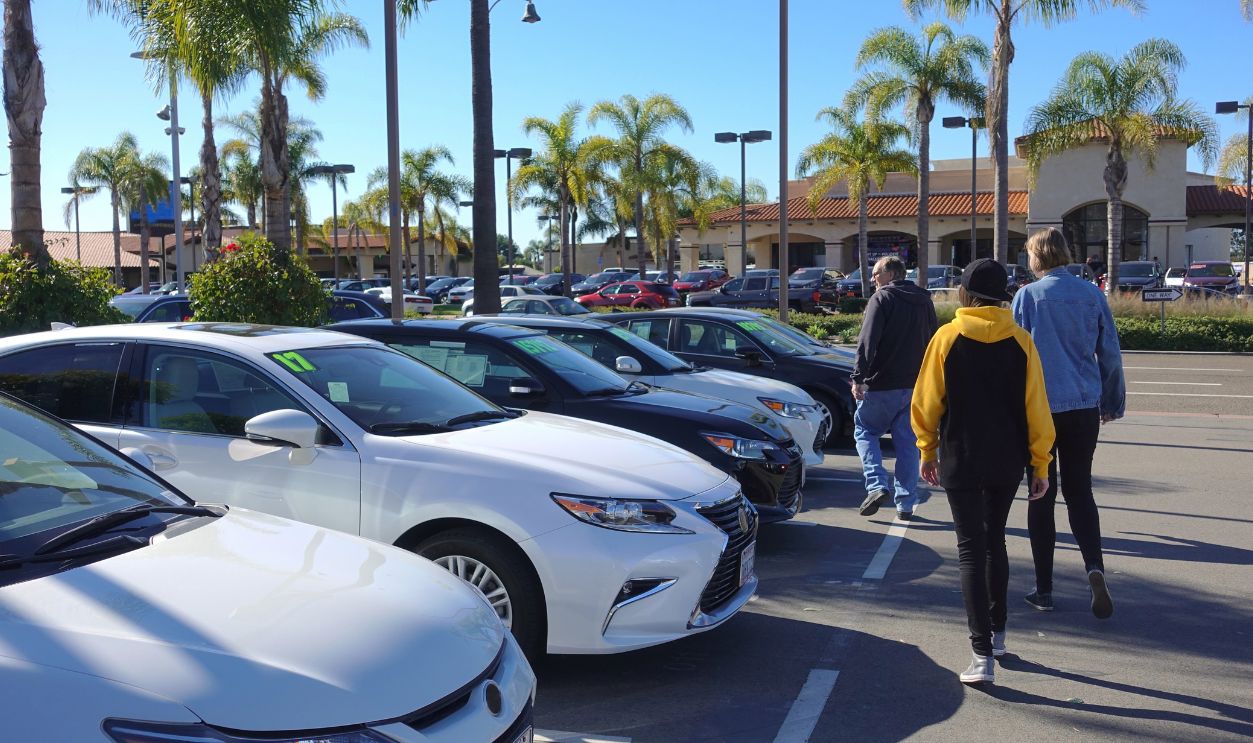
In many used-car markets, a panoramic roof helps a vehicle stand out and may make it easier to sell. Buyers like features that make a cabin feel more premium, especially in crossovers and family SUVs. But careful used-car shoppers may also worry about leaks and repair bills once the factory warranty is gone.
Maintenance Is Mostly About Prevention
If you do buy a vehicle with a panoramic roof, basic care matters. Keep the roof area clean, do not let debris build up around the seals, and follow the owner’s manual if the roof has drains or moving parts. Catching a small problem early is much cheaper than finding soaked carpet after a storm.

Warranty Coverage Deserves A Close Read
Before signing anything, ask what is covered and for how long. Glass breakage, sunshade failures, motor problems, and water leaks may not all be treated the same under the warranty. Strong factory coverage or a good extended plan can make a panoramic roof much easier to live with.

What To Check On A Test Drive
Open and close the roof several times if it is a sliding design. Listen for grinding, hesitation, clunks, or uneven movement, and check the headliner and pillars for signs of water staining. Then park the car in direct sun and see how well the shade keeps the cabin comfortable.

So Are They Worth It
If your family likes light, openness, and a more upscale cabin feel, a panoramic roof can be worth it. If you live in extreme heat, keep cars for a long time, and hate expensive surprises, it may be smarter to skip it or choose a fixed-glass version with a strong shade. The best answer is not a simple yes or no. It depends on whether you understand the tradeoffs before the new-car glow wears off.

The Pragmatic Parent Verdict
Your concern about heat, leaks, and repair costs is fair, and your daughter’s excitement makes sense too. Panoramic roofs are best viewed as a comfort and style feature, not a must-have. If you choose one, look for a strong sunshade, a model with a good reliability record, and solid warranty coverage. That is where the real peace of mind comes from.