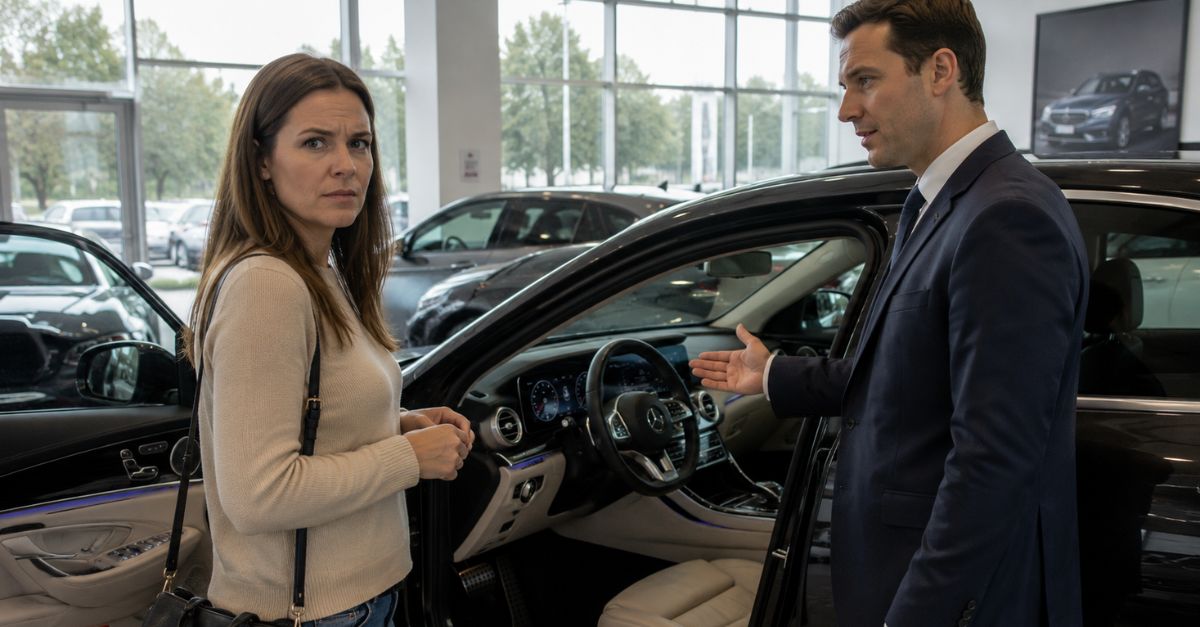
Should Your Car Be More Like Netflix?
For decades, car buyers expected heated seats, remote start, navigation, and safety tech to be included if they were listed on the window sticker. Obviously. The new subscription model found in many new cars means that's no longer the case.
The backlash has strong whenever automakers try to put recurring fees on familiar features. But changing technologies and regulations mean it's not only acceptable—it's probably only beginning.
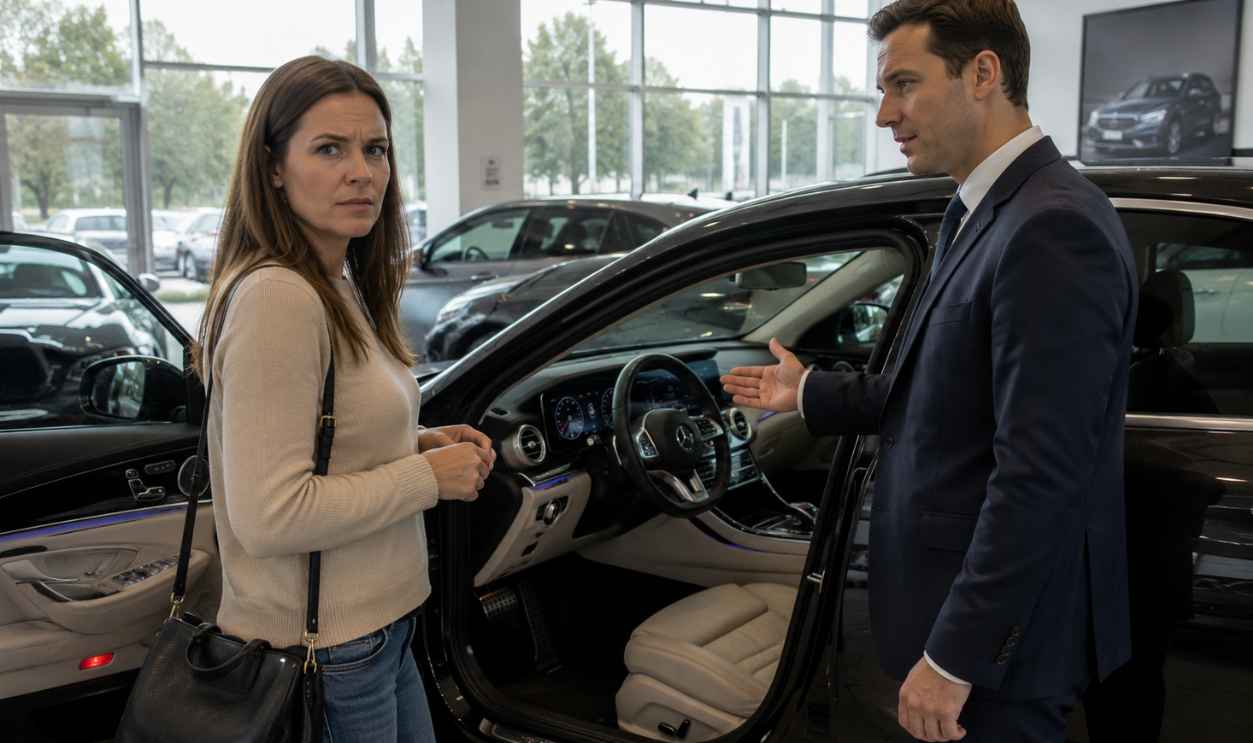
BMW Became The Flashpoint In 2022
In July 2022, reporting from The Verge highlighted that BMW owners in some countries could subscribe monthly to activate heated seats in cars that already had the needed hardware. The story spread fast because it captured a fear many drivers already had. If heated seats could become a subscription, what would be next?
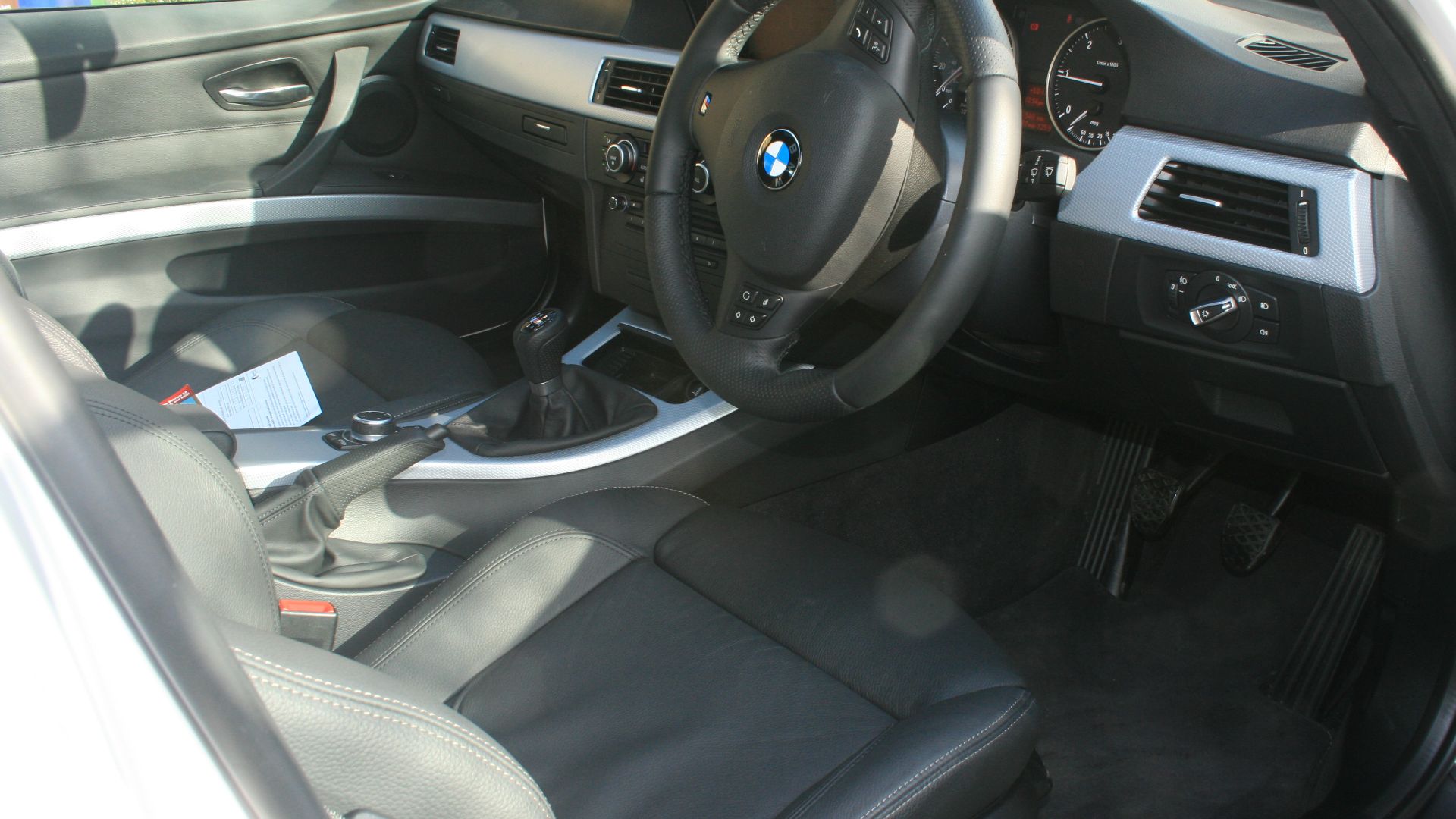 Supermac1961 from CHAFFORD HUNDRED, England, Wikimedia Commons
What BMW Actually Offered
BMW’s digital store listed monthly, yearly, and multi-year options for features in certain markets, including heated seats. The company had been expanding its ConnectedDrive and digital feature sales strategy for years. The heated seat example stuck because it was simple, easy to understand, and easy to hate.
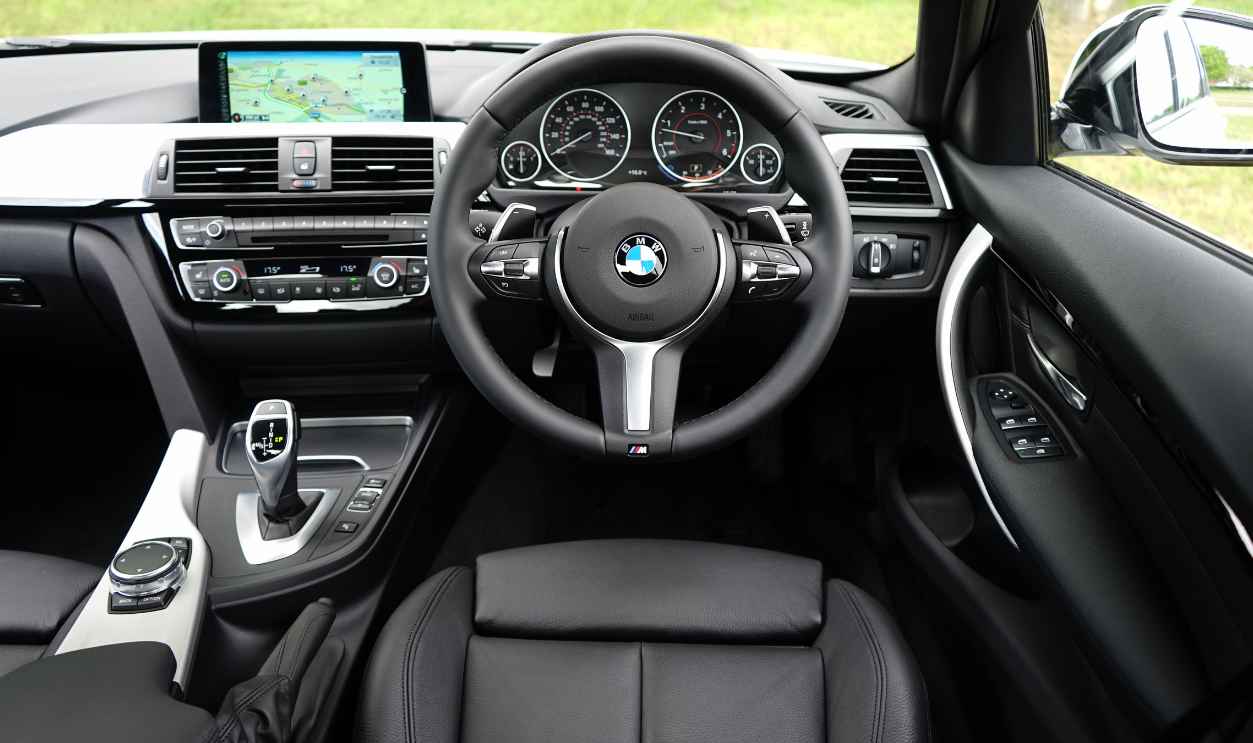
BMW Did Not Roll That Program Out Everywhere
The heated seat subscription was not a blanket policy in every country. Reporting at the time showed it appeared in markets including South Korea, with attention also focused on the United Kingdom, Germany, New Zealand, and South Africa depending on the feature. That matters because people around the world reacted to the idea even when the exact offer varied by market.
 Sergei Gussev, Wikimedia Commons
Then BMW Backed Off
By September 2023, BMW’s board member for sales and marketing told Autocar that the company had stopped offering subscriptions for heated seats. The reason was revealing. Customers did not accept paying ongoing fees for hardware-related features they expected to own outright.
 Jörg Blobelt, Wikimedia Commons
That Tells You Something Important
Automakers can test a subscription plan and still retreat when buyers push back. BMW’s reversal showed that customer anger can change policy. It also showed that companies know the difference between a software service and a basic comfort feature people think should stay with the car.
 Anatoliy Cherkas, Shutterstock, Modified
Mercedes Tried A Different Flavor Of The Same Idea
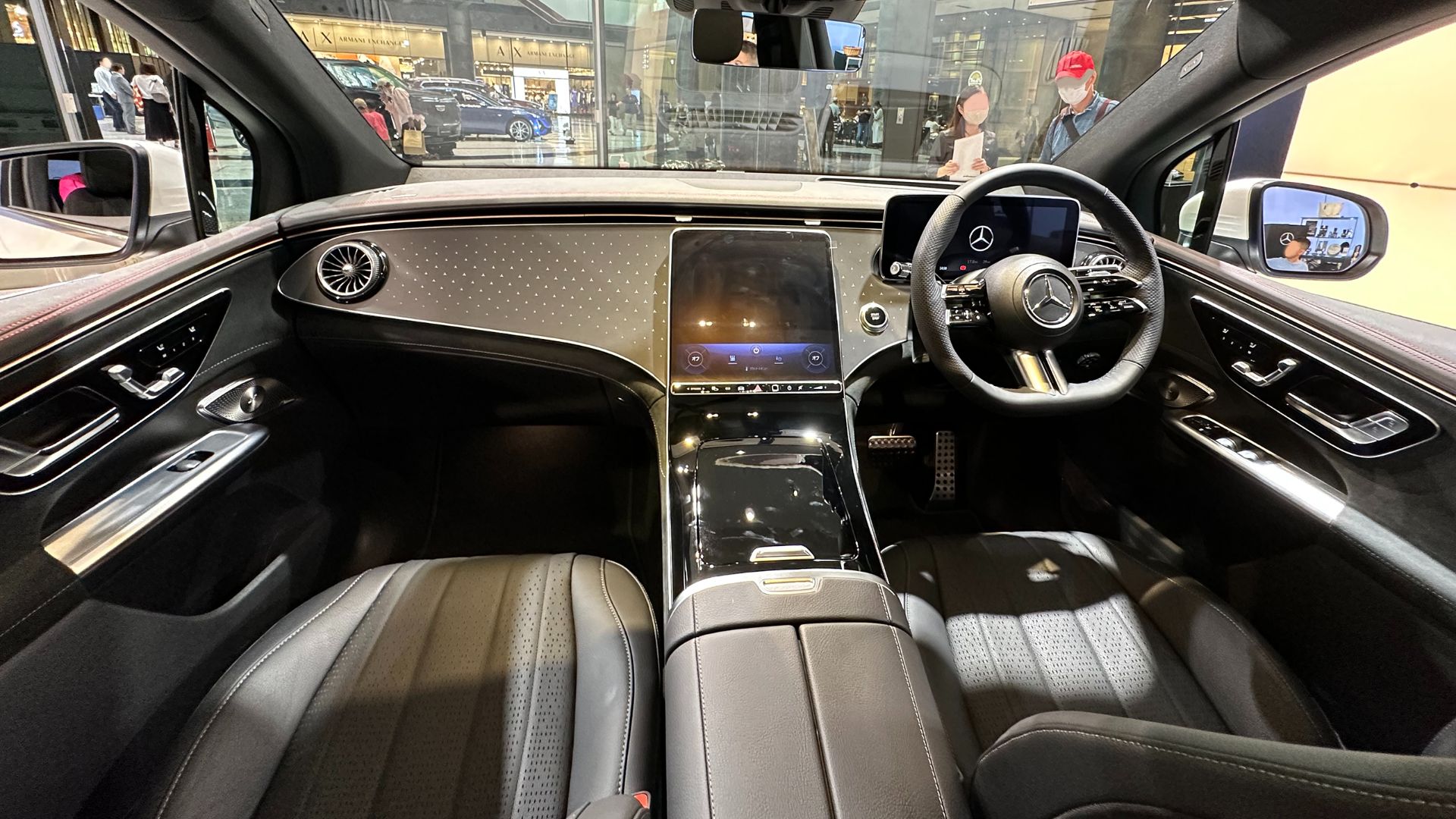
In late 2022, Mercedes-Benz began offering an Acceleration Increase subscription for certain EQ electric models in the United States. Car and Driver reported that the annual fee was $1,200 and promised quicker 0 to 60 mph times. This was not heated seats, but it still involved unlocking extra performance in a car the owner already had.
 Tokumeigakarinoaoshima, Wikimedia Commons
Why The Mercedes Example Matters
The Mercedes case showed subscriptions were not limited to comfort features. They could also target performance, convenience, and software-based capabilities. That turns the issue from one annoying fee into a bigger shift in how automakers make money after the sale.

Tesla Helped Normalize Software-Locked Cars
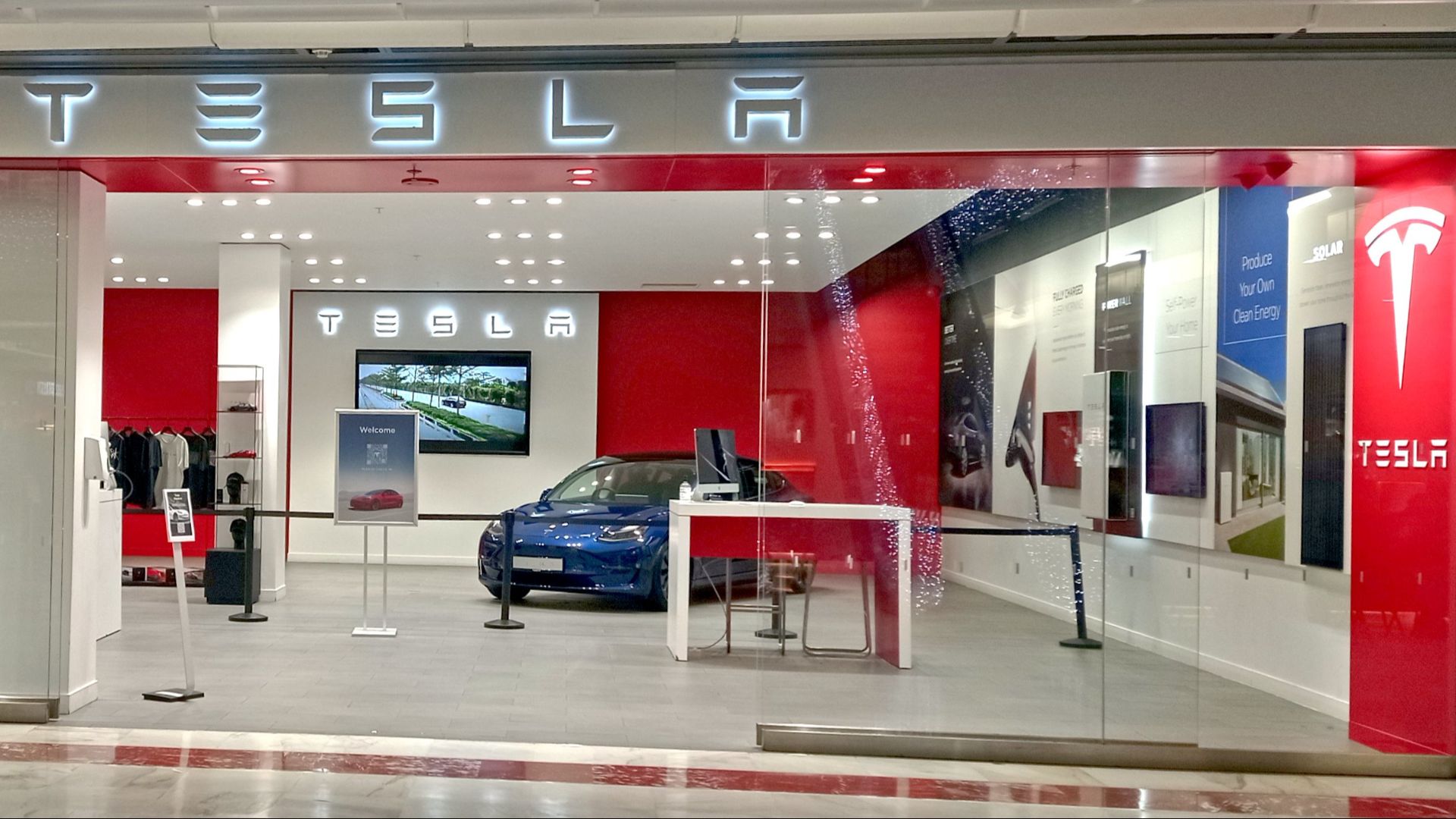
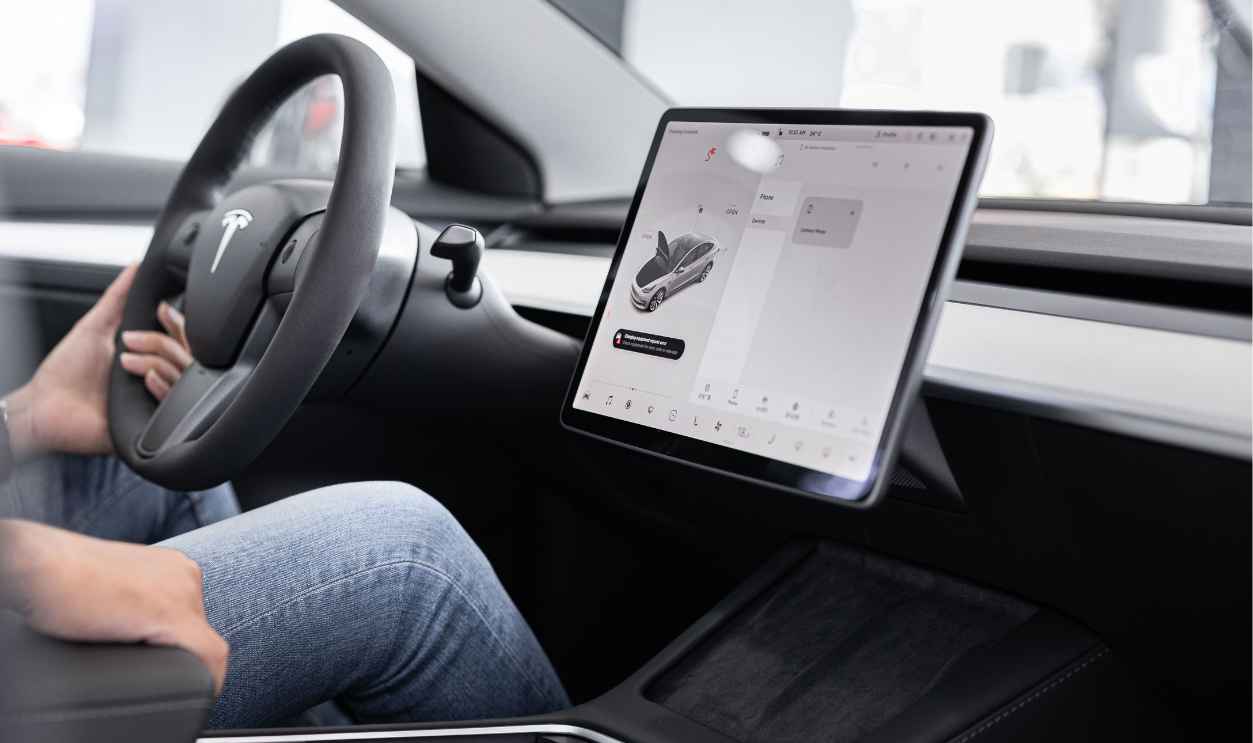
Tesla did not invent over-the-air updates, but it pushed the industry to think of cars as platforms that can gain or lose features through software. The company has long sold items such as Full Self-Driving capability separately from the base vehicle price. That approach made it easier for the rest of the industry to imagine selling features long after delivery day.
 Philafrenzy, Wikimedia Commons
But Not Every Subscription Is The Same
There is a real difference between a connected service and a built-in hardware feature. Paying for ongoing data service for emergency response, Wi-Fi, live traffic, or remote app access is easier to explain because those things come with continuing network and server costs. Charging again for a seat heater switch, once the hardware is already in your car, is where many buyers draw a hard line.

GM Has Its Own Subscription History
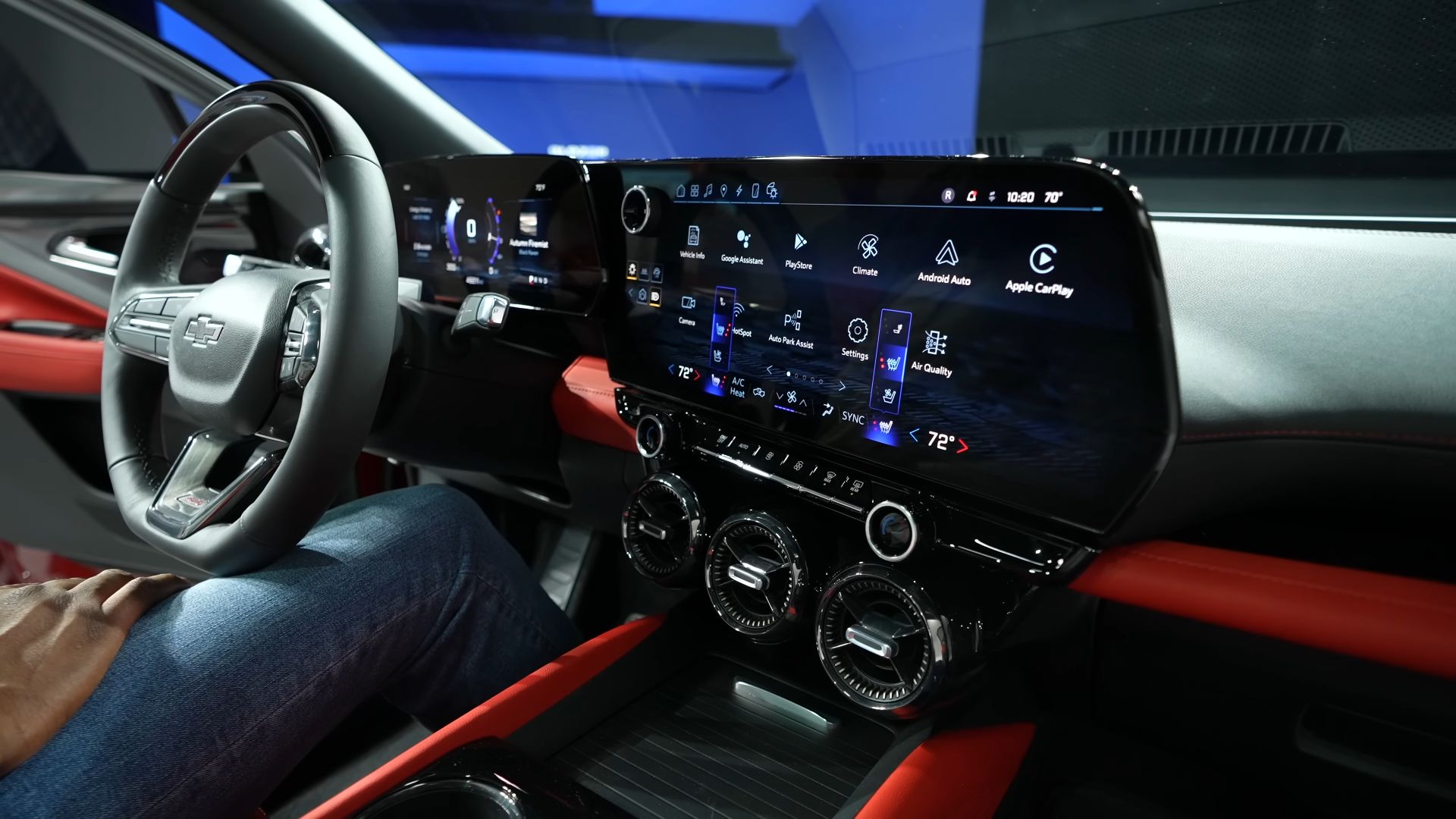
General Motors has long offered OnStar and related connected services on a subscription basis. In 2023, GM also drew criticism when it confirmed that Apple CarPlay and Android Auto would not be offered in future EVs such as the Chevrolet Blazer EV, favoring its own software system instead. That was not the same as charging to activate heated seats, but it fed the same concern that drivers are losing control over features they expect.
 Booredatwork.com, Wikimedia Commons
Remote Start Is One Of The Biggest Pain Points
Many owners run into this when a trial connected-services plan expires and app-based remote start stops working. In some vehicles, the car may still have remote start using the key fob, but phone app access requires an active subscription. Dealers do not always make that difference clear at the time of sale, and that is where confusion turns into resentment.

Navigation And Live Traffic Are Another Common Surprise
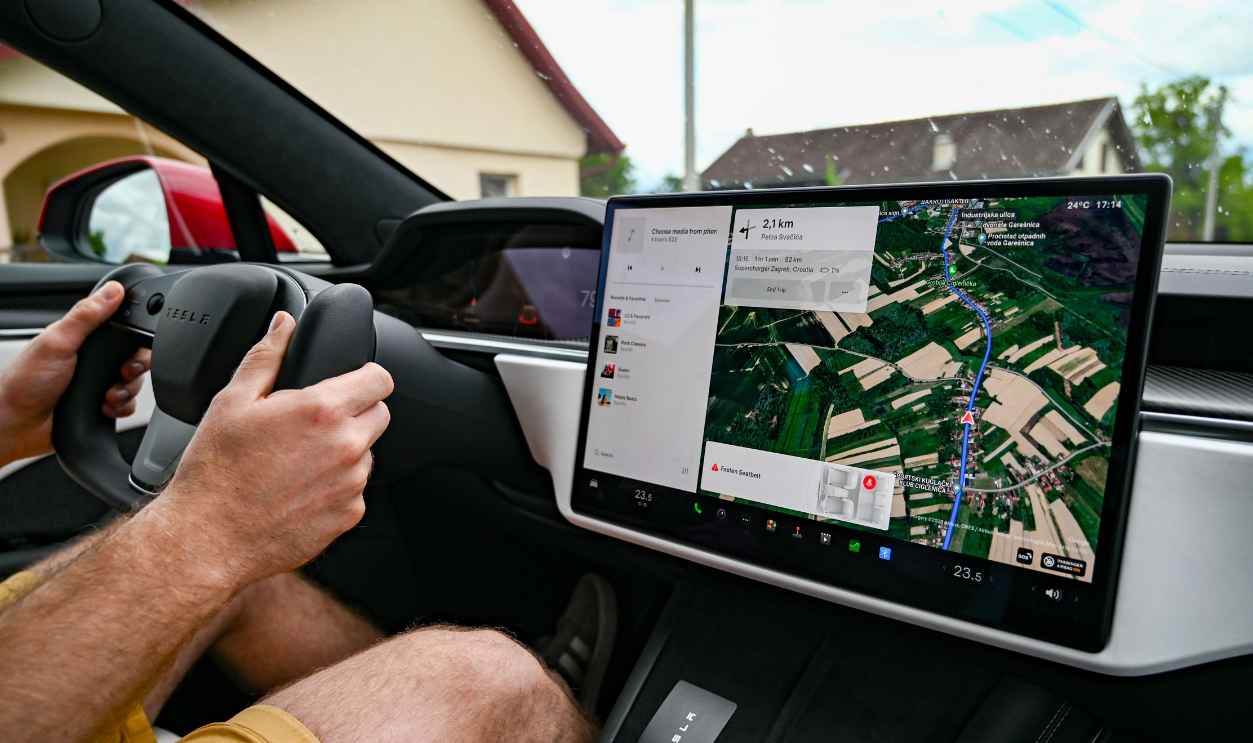
Built-in navigation systems may keep basic maps while losing live traffic, remote destination send, or cloud-based search when the service plan ends. Some brands include those extras for a few years and then start charging. Buyers hear “navigation included” and naturally assume all of it is included for the life of the car.
Insurance, Data, And Server Costs Are The Automaker Argument
Manufacturers say some subscriptions make sense because they pay for cellular connections, emergency call centers, cloud processing, and cybersecurity support. To be fair, those things do have ongoing costs. The problem is that carmakers often bundle those legitimate services with controversial paywalls for features that feel like a permanent part of the vehicle.

The Dealer May Not Be The One Making The Rule
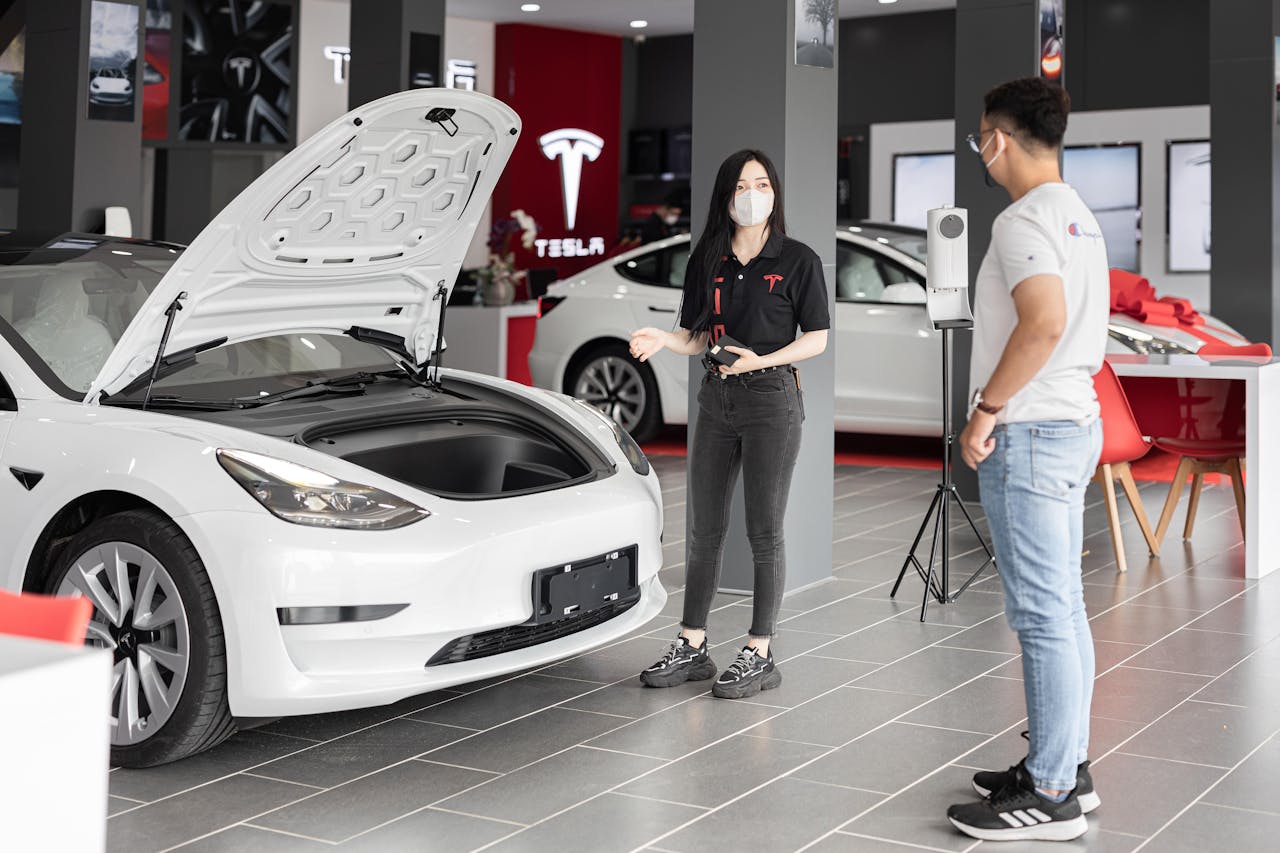
Dealers usually do not create the subscription policy. In most cases, they are passing along the automaker’s program or explaining that a trial period has expired. Still, dealers are often responsible for setting expectations clearly before you sign, and many buyers say that did not happen.
Read The Window Sticker And The Trial Terms Closely
If a feature is listed on the Monroney sticker, that does not always mean every related service is free forever. A line item may refer to installed hardware, while the app, data link, or cloud function tied to it may be limited to a trial term. The fine print is not exciting, but it is often where this fight starts.

Used Car Buyers Can Get Hit Even Harder
Subscriptions are especially frustrating in the used market. A second or third owner may assume a feature is included because the button is there and the hardware is visible. Then they find out the free period ended long ago and the only way to reactivate part of the experience is to start paying monthly.

There Is Also A Right To Repair Angle Here
Software locks and manufacturer control over feature activation raise bigger questions about ownership. If the equipment is physically in the car, many drivers believe they should have the right to use, repair, or maintain it without needing corporate permission. That concern overlaps with the larger right-to-repair debate affecting everything from tractors to smartphones.
Regulators Have Already Been Looking At Connected Car Data
Privacy and connected services are not side issues anymore. In 2025, the Federal Trade Commission announced action involving General Motors and OnStar over connected vehicle data practices, showing that regulators are paying closer attention to how vehicle software systems operate. That scrutiny does not directly ban subscriptions, but it adds pressure on automakers to explain what they collect and what they charge for.
 G. Edward Johnson, Wikimedia Commons
So Is It Acceptable
The honest answer is that it depends on the feature. Most drivers accept paying for something that requires ongoing network access or live human support. They are much less willing to accept recurring charges for permanent hardware functions that came installed in the vehicle.

What Counts As Reasonable To Most Buyers
Emergency response services, in-car Wi-Fi, stolen vehicle tracking, and remote app services are easier to justify as subscriptions. Heated seats, steering wheel heaters, and acceleration unlocks are much harder to defend once the hardware is already there. The line is not really legal as much as practical and emotional, and buyers know it when they see it.
How To Push Back At The Dealership
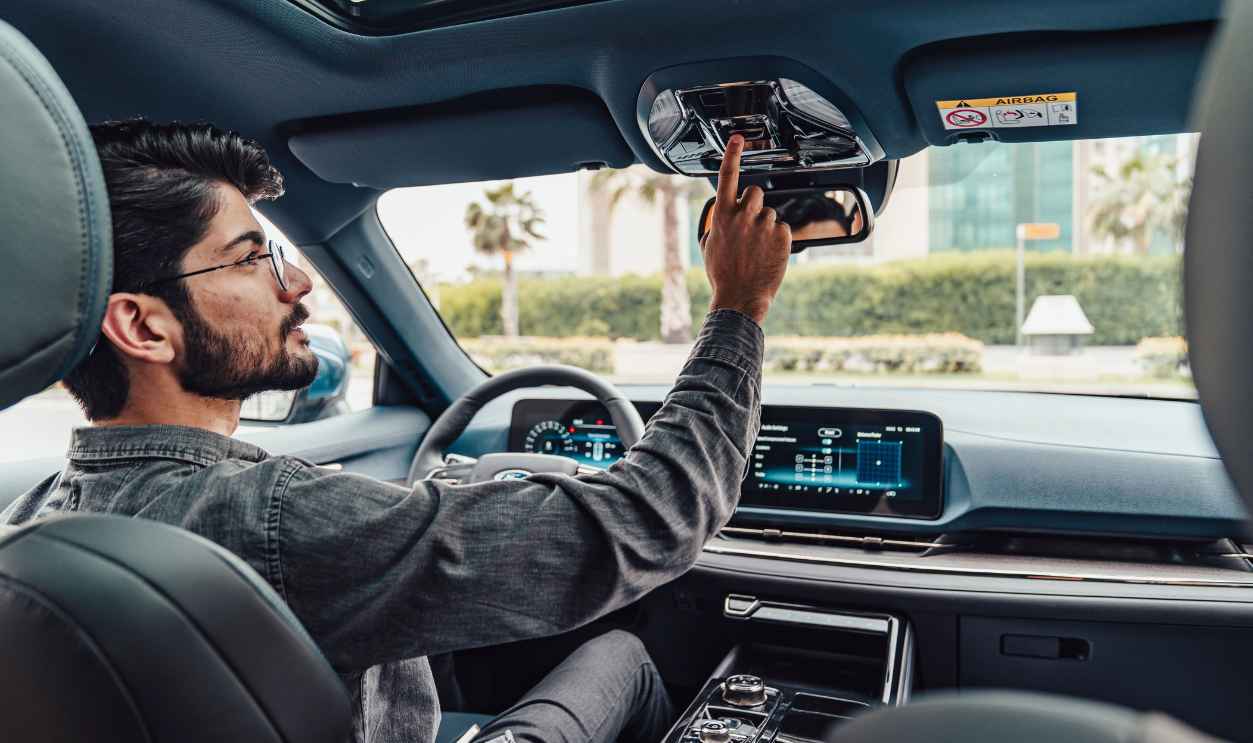
Ask the dealer to show you exactly which functions are permanent and which are trial-based. Request the terms in writing, including the trial length, renewal price, and what stops working if you decline. If the feature was described unclearly during the sale, escalate the issue to the manufacturer’s customer care line and keep records.

Questions Every Buyer Should Ask Before Signing
Ask whether remote start works from the key fob without a subscription. Ask whether navigation includes only onboard maps or also cloud search and live traffic. Ask whether any comfort or performance features are software-locked and whether they can ever be transferred or reactivated by a future owner.

If You Already Own The Car, Check These Things Now
Log into the automaker’s owner portal or app and review active services, expiration dates, and renewal pricing. Then test which features still work without the app or data connection. You may find that some functions continue locally while others were tied to a trial you did not realize was ending.

The Market Is Still Deciding This Fight
Automakers like recurring revenue because it keeps money coming in long after the initial sale. Drivers like knowing that when they buy a car, they actually own the features bolted into it. The clash between those two ideas is why this topic keeps flaring up every time a new subscription plan appears.
 Anatoliy Cherkas, Shutterstock
The Good News Is Buyers Still Have Power
BMW’s heated seat retreat showed public backlash can work. If enough customers reject a bad idea, brands notice quickly, especially when the criticism goes viral and hurts trust. The best defense is asking sharp questions before buying and rewarding companies that keep ownership simple.

The Bottom Line For Drivers
If your dealer says a connected service needs a subscription, that can be normal and even reasonable. If they say a built-in feature that feels like part of the car now needs monthly payments, your frustration makes perfect sense. In 2025, the real issue is not whether subscriptions exist, but whether automakers are charging for a service or charging you twice for your own hardware.