Probably not without limits.
The key question is not whether one resident uses a lot of electricity, but whether the new fee is authorized, reasonable, and tied to real costs rather than an arbitrary number.
The Board Usually Has Some Pricing Authority
Condo associations commonly control shared parking areas, electrical infrastructure, and common charging stations. That gives boards considerable authority to establish charging rules and payment systems. Community Associations Institute supports allowing associations to allocate charging costs to the residents who actually benefit from the equipment.
But “Whatever They Want” Is Too Broad
A board’s authority normally comes from state condominium law, the declaration, bylaws, rules, and any adopted EV-charging policy. Some states expressly require charges to be reasonable or connected to actual electricity and administrative costs. A board cannot assume that owning the charger gives it unlimited pricing power.
First Figure Out What Kind Of Charger You Have
The answer changes depending on whether the station is an association-owned shared charger or equipment installed for one owner's exclusive use. Individual chargers are often governed by statutes requiring the owner to pay their own electricity and maintenance. Shared common-area stations usually give the association broader authority to establish terms of use.

A Shared Charger Is A Common Amenity
When a condominium installs charging equipment in a common parking area for everyone, the equipment may be treated as part of the association’s common facilities. Illinois law, for example, allows an association to install a common-area charging system and requires it to develop appropriate terms of use. Massachusetts uses similar language for association-owned common chargers.

A Private Charger Is A Different Story
Many state statutes place the costs of an individually installed charger squarely on the owner who uses it. Florida requires separately metered or embedded-meter electricity to be paid by the owner who installs the charger. Oregon likewise makes the owner responsible for electricity and the other costs associated with that equipment.
One Heavy User Can Expose A Bad Fee Structure
Suppose every EV owner pays the same $30 monthly fee. A resident charging 500 kWh receives far more electricity for that $30 than someone using 50 kWh. Heavy usage can therefore reveal that a flat fee is shifting costs from frequent users to occasional users.

That Does Not Automatically Justify Raising Everyone’s Fee
A large user may explain why the program is losing money, but it does not prove that every EV owner should absorb that person’s consumption equally. Many legal frameworks encourage charging costs to follow the residents who actually incur them. That is one reason submetering and networked chargers are so useful in condominiums.
Per-Kilowatt-Hour Billing Is Usually Clearer
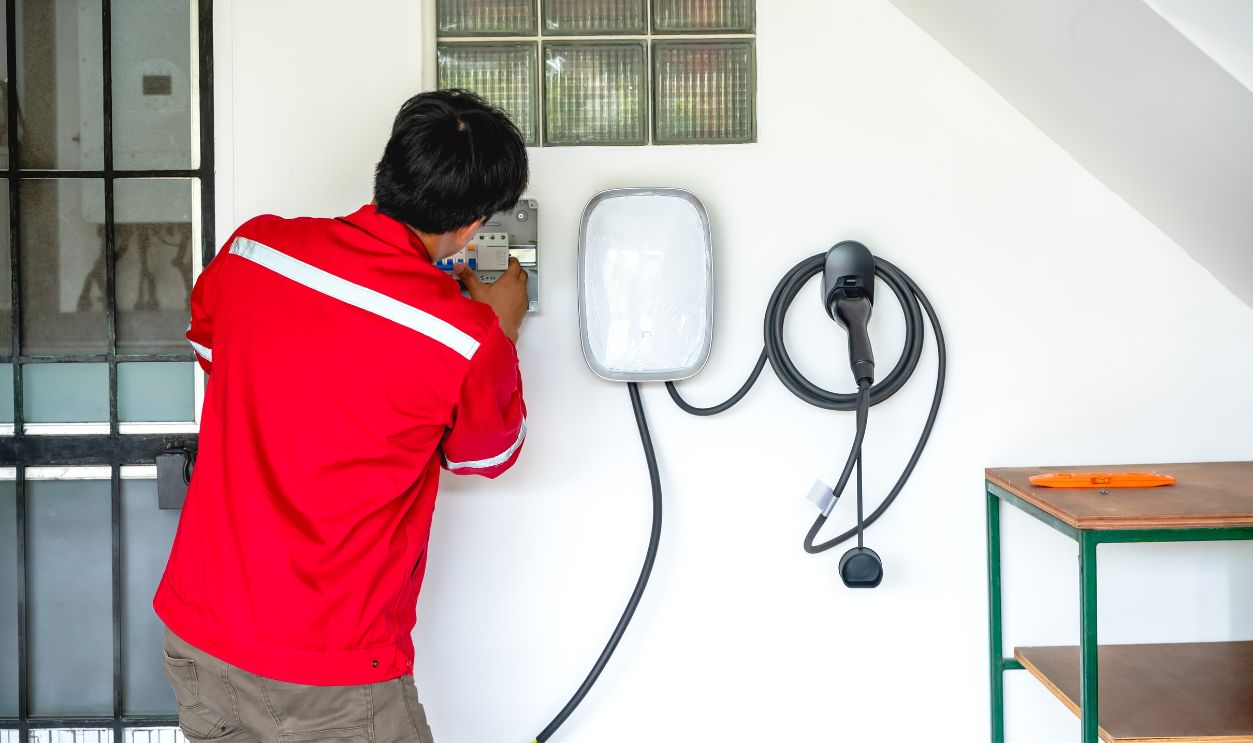
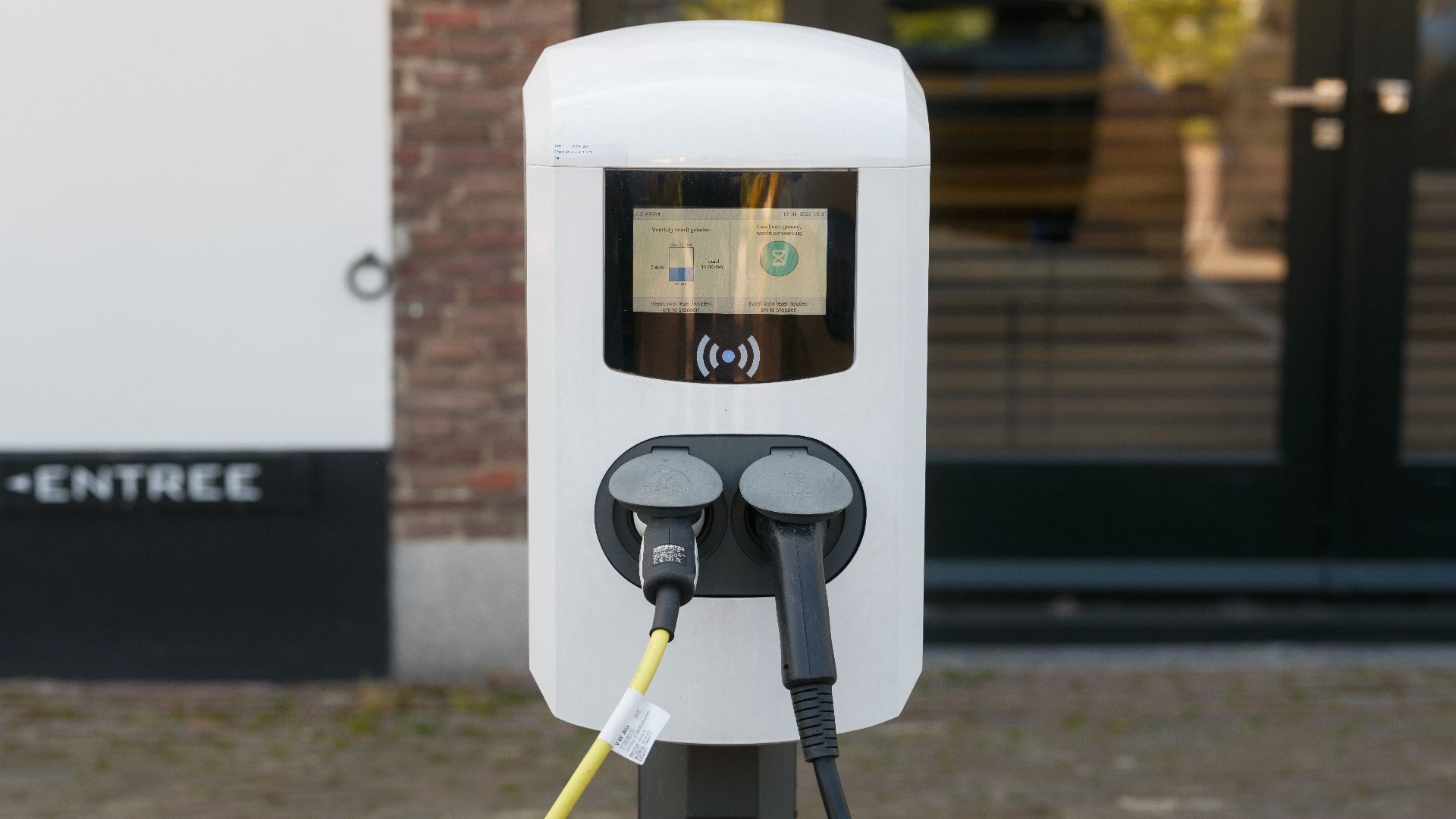
Networked chargers can measure the exact amount of electricity delivered during each session. The Department of Energy identifies per-kWh pricing as one of the standard ways to charge users. For a condo trying to allocate actual electricity costs fairly, that approach can be easier to defend than one large flat monthly charge.
 Haberdoedas Photography, Pexels
Submetering Can Solve The Same Problem
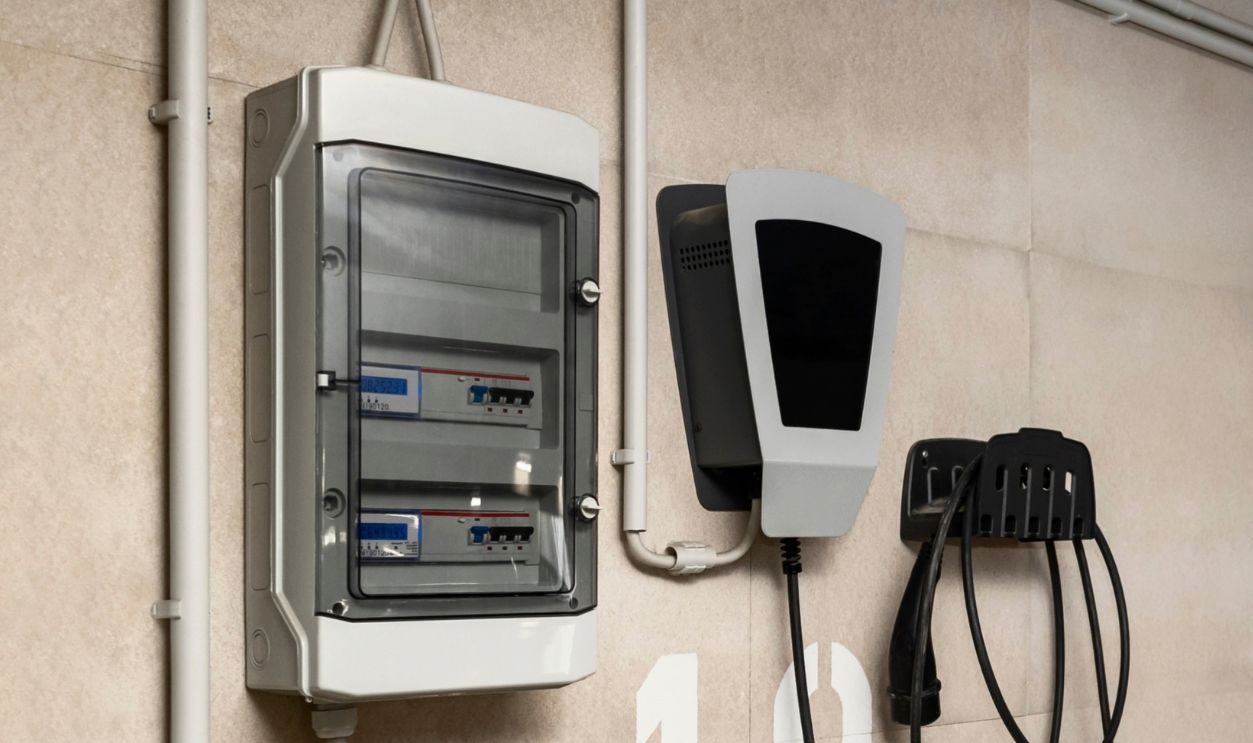
Several state EV statutes explicitly contemplate separate or embedded meters. Florida requires separately metered or embedded-meter electricity for certain owner-installed condominium chargers. Massachusetts says owners using common electricity for private EV equipment may be required to reimburse the association equitably.
Flat Fees Are Simple But Crude
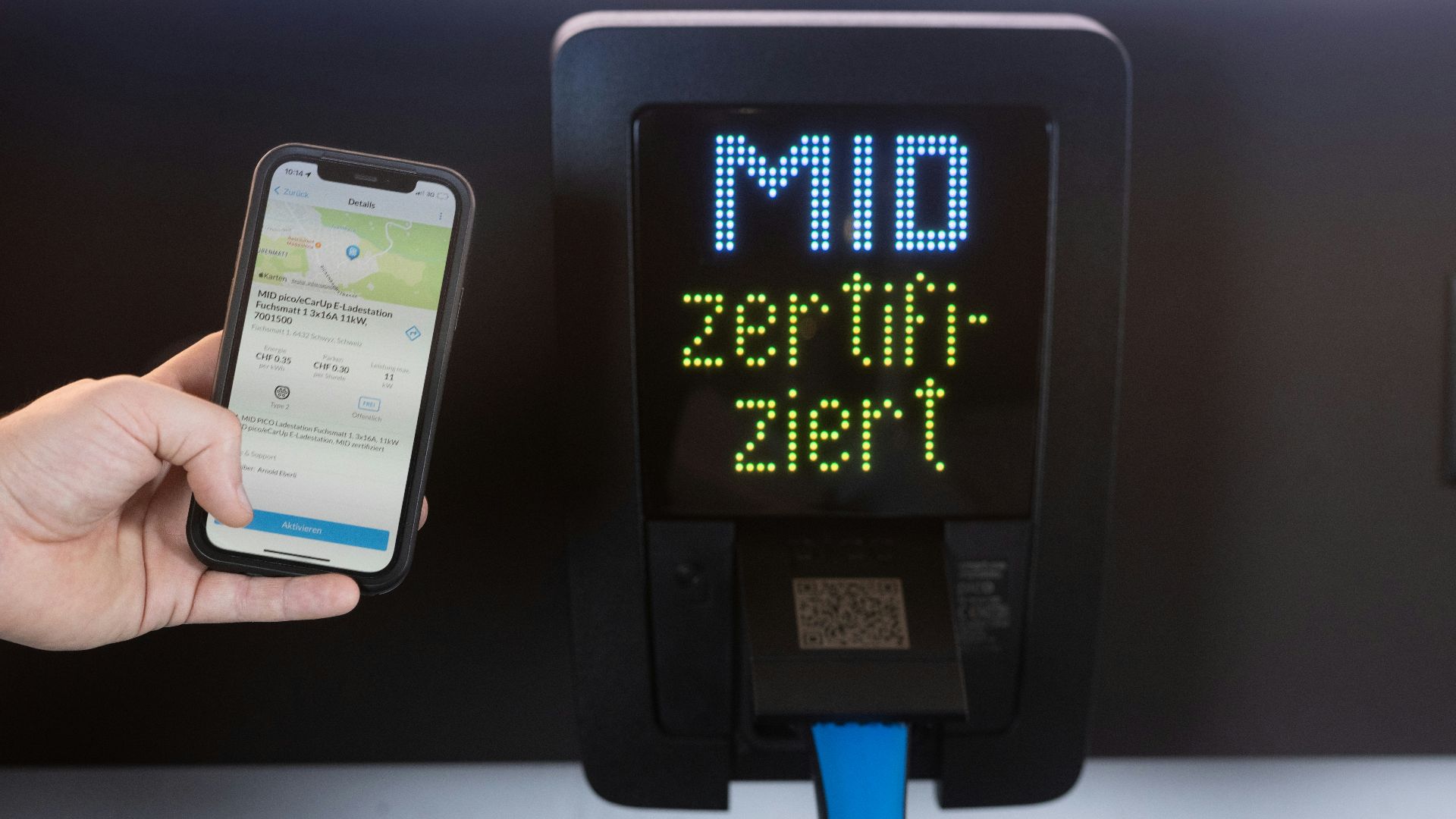
A flat monthly fee is easy to administer because nobody has to reconcile individual charging sessions. The downside is obvious when usage varies significantly among residents. Light users can effectively subsidize heavy users unless the rate is recalculated frequently or accompanied by usage limits.
 Mariana Serdynska, Shutterstock
Time-Based Fees Solve A Different Problem
A condo may charge according to how long a vehicle occupies the station rather than simply how much electricity it receives. DOE identifies time-based pricing as another common charging structure. That approach can be particularly useful when the real problem is limited charger availability rather than electricity cost.
Idle Fees Can Encourage People To Move
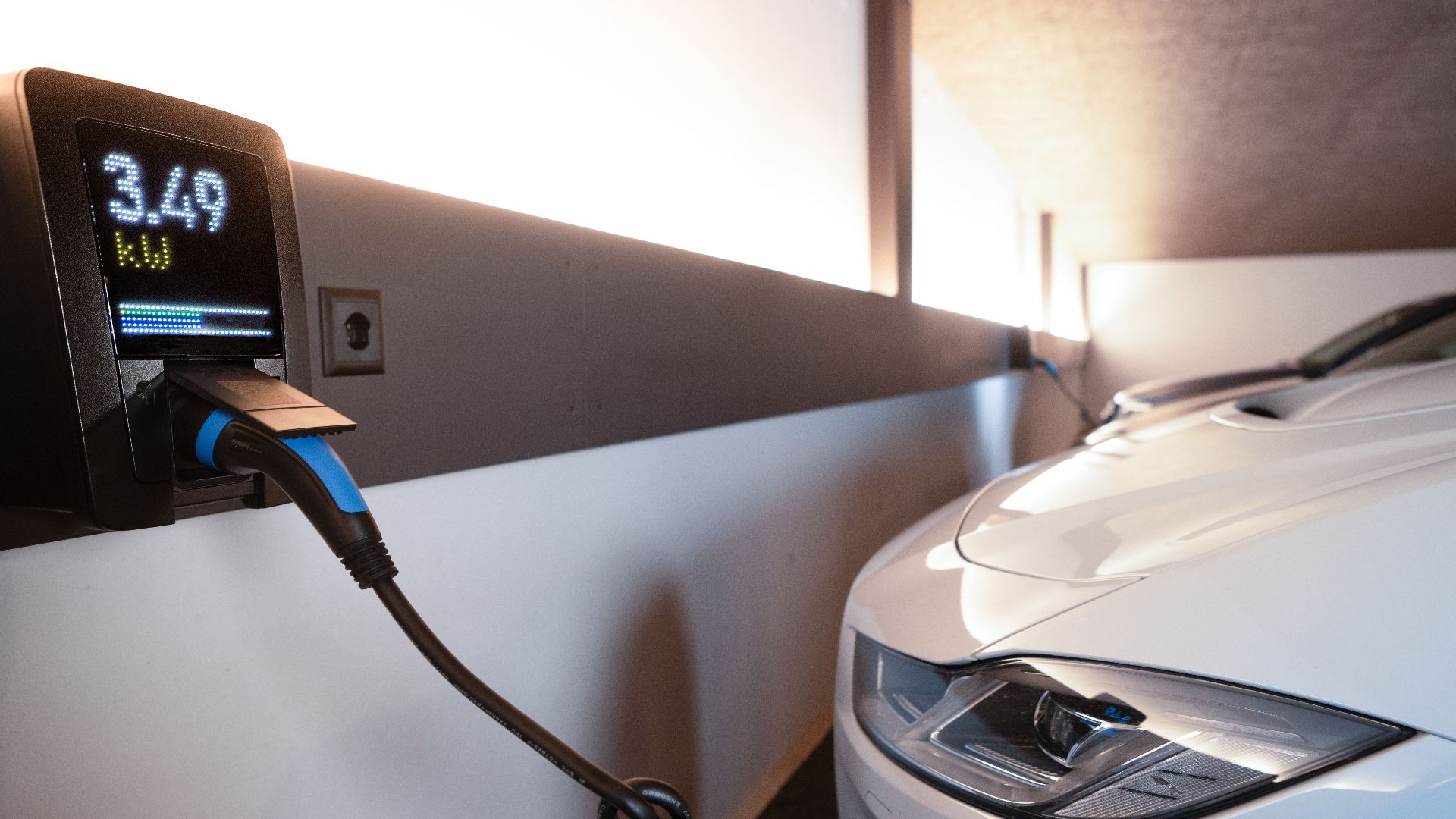
A car that finished charging hours ago may prevent another resident from using a scarce plug. Charging programs can impose higher fees after a certain period to encourage turnover. DOE workplace-charging guidance gives an example in which the first four hours are free and later time is charged at $10 per hour.
Network Fees Are Real Expenses Too
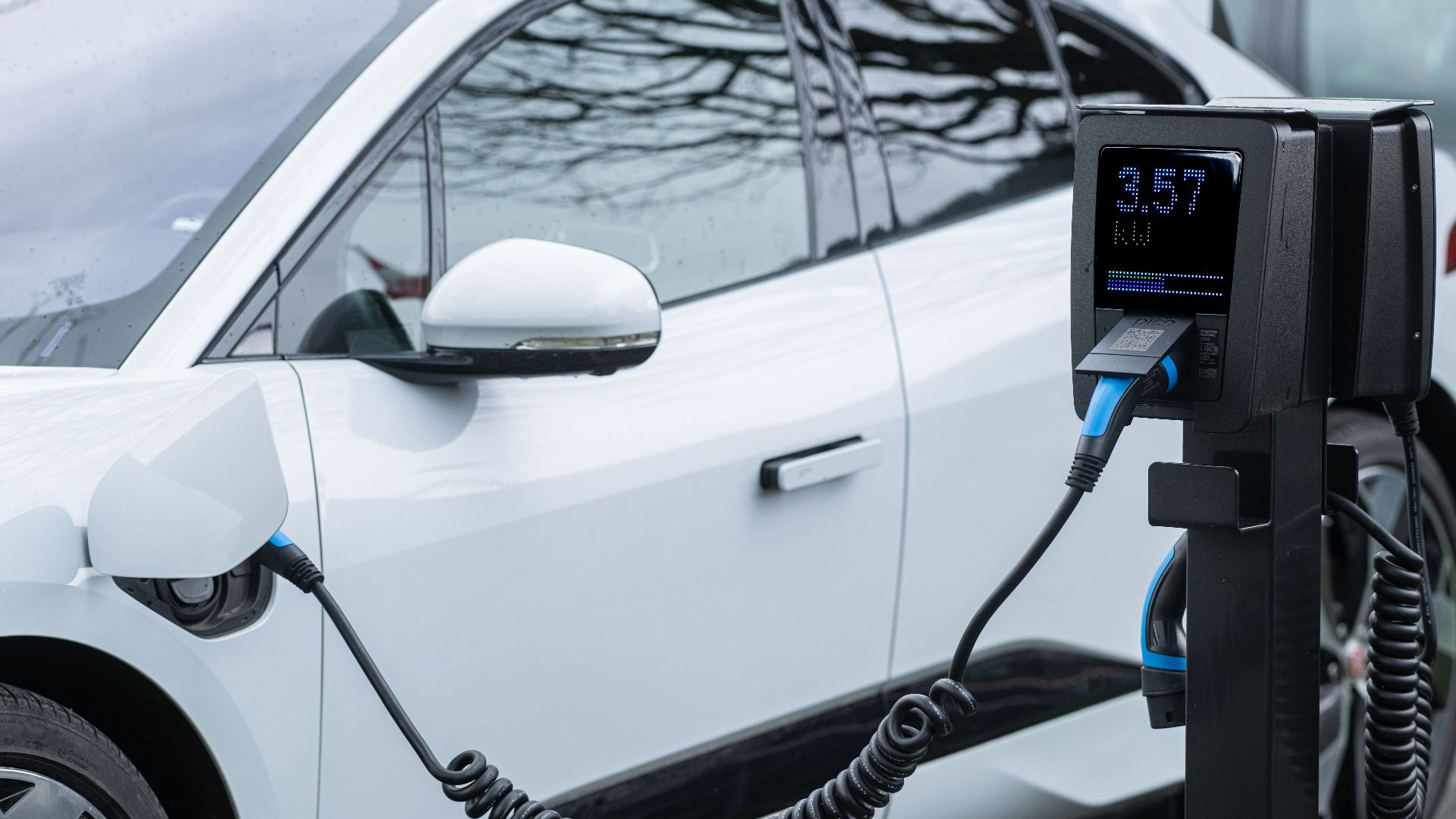
Electricity is not the only cost of operating shared chargers. DOE says charging-site operating expenses can include maintenance and networking fees in addition to power. A board may therefore have a legitimate reason to charge somewhat more than the raw residential electricity rate.

Transaction Fees Can Add Up
Third-party charging providers often handle authentication, payments, and session records. DOE's federal workplace-charging guide notes that network providers may impose both connection fees and transaction charges. If your condo uses such a service, those expenses may legitimately form part of the user fee.
 https://kaboompics.com/, Pexels
Maintenance Belongs In The Calculation
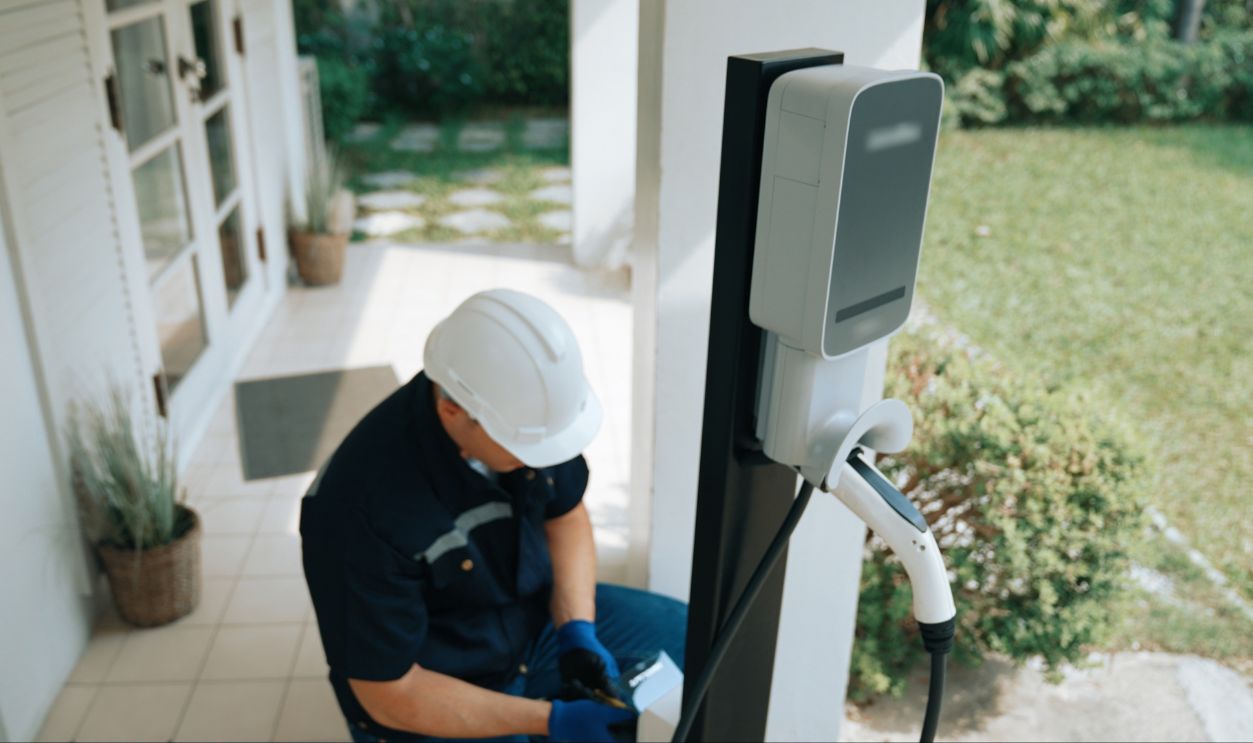
Shared charging hardware needs inspections, repairs, software support, connectivity, and eventually replacement. DOE tells charging hosts to account for equipment, installation, maintenance, electricity, and network costs when planning charging programs. A sustainable condo rate may therefore include reasonable reserves for ongoing operation.
 Summit Art Creations, Shutterstock
Your Governing Documents Still Matter
Even when state law permits charging fees, the board has to operate within its own legal authority. The condominium declaration and bylaws normally govern assessments, common expenses, rulemaking, and use of common facilities. A board may have broad discretion over an amenity but less freedom to invent a new owner assessment without following the required process.

State Law Can Override The Condo Rules
EV charging has become one area where legislatures increasingly restrict association power. Illinois, Colorado, Oregon, Florida, Massachusetts, Washington, and other states have statutes governing condominium or community-association charging. Those laws can override conflicting provisions in older governing documents.

Colorado Places A Clear Limit On Some Charges
Colorado's common-interest-community law says an association generally may not charge an owner simply for the placement or use of a qualifying private charging system. It may require reimbursement for the actual electricity supplied by the association or charge a reasonable access fee, and network fees can be included. That is very different from unlimited discretion.

Oregon Uses The Word “Reasonable” Repeatedly
Oregon allows condominium associations to impose reasonable charges to recover review and permitting costs for private charging installations. It also permits reasonable restrictions that do not significantly increase installation cost or reduce performance. The owner remains responsible for the electricity associated with that charger.

Massachusetts Calls For Equitable Reimbursement
Massachusetts says an owner whose private charger must use the condominium's common electricity account can be required to reimburse the association equitably for that electricity. That wording matters because it suggests a relationship between the fee and the actual shared cost. It is not framed as permission to impose an arbitrary surcharge.

Florida Directly Assigns Electricity To The User
Florida's condominium statute requires electricity for certain owner-installed chargers to be separately metered or measured by an embedded meter. The owner who installs the equipment pays that electricity cost as well as installation, operation, maintenance, and repair expenses. Heavy use therefore follows the heavy user instead of being spread automatically across everyone.

Illinois Uses A Similar User-Pays Approach
Illinois law makes owners responsible for electricity used by individually installed charging systems and permits cost calculation through embedded submetering or another reasonable calculation where applicable. Illinois also lets associations establish terms for common-area chargers available to the membership. The pricing analysis therefore depends heavily on whether the equipment is private or shared.
One Heavy User Should Be Measurable
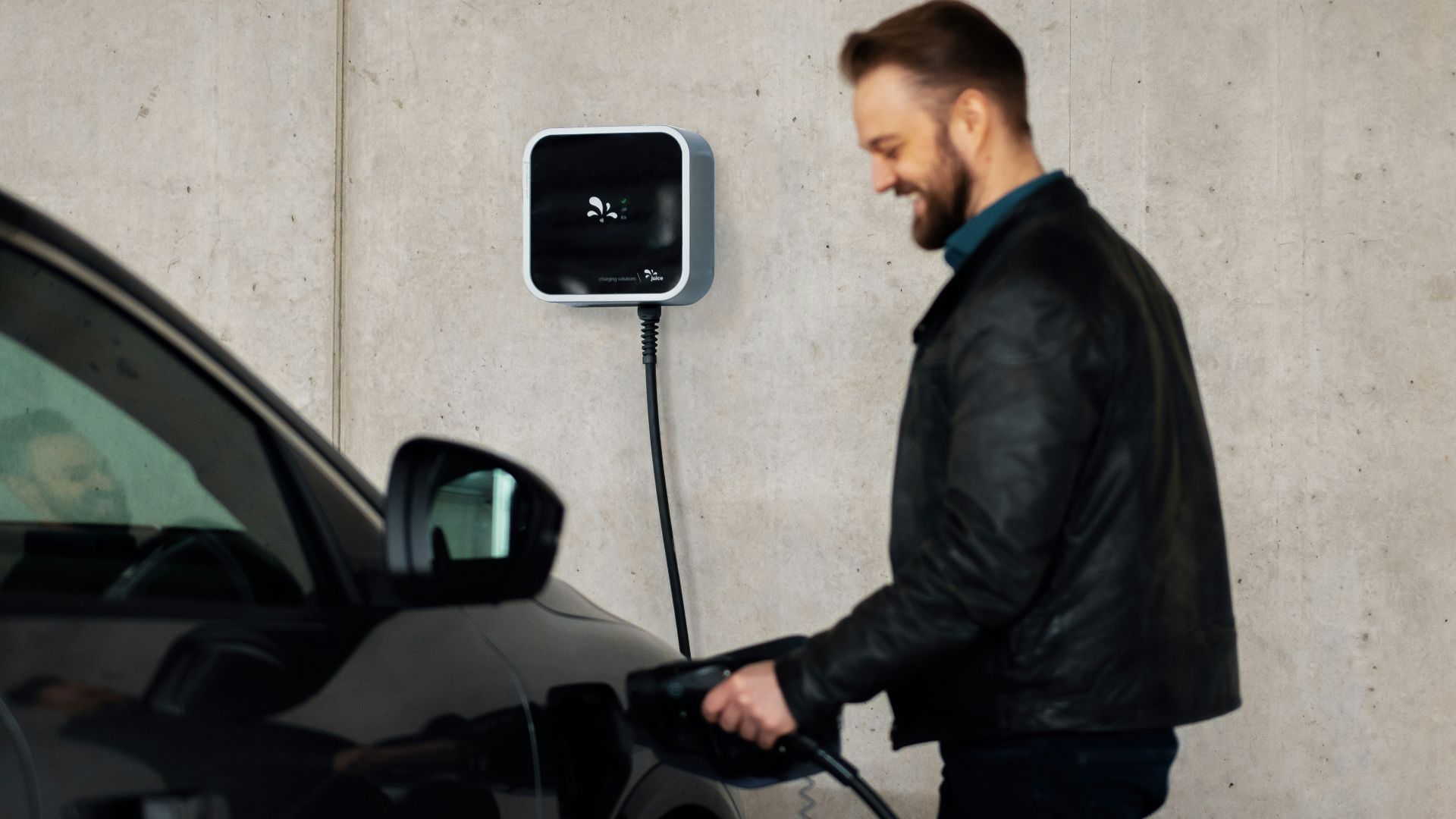
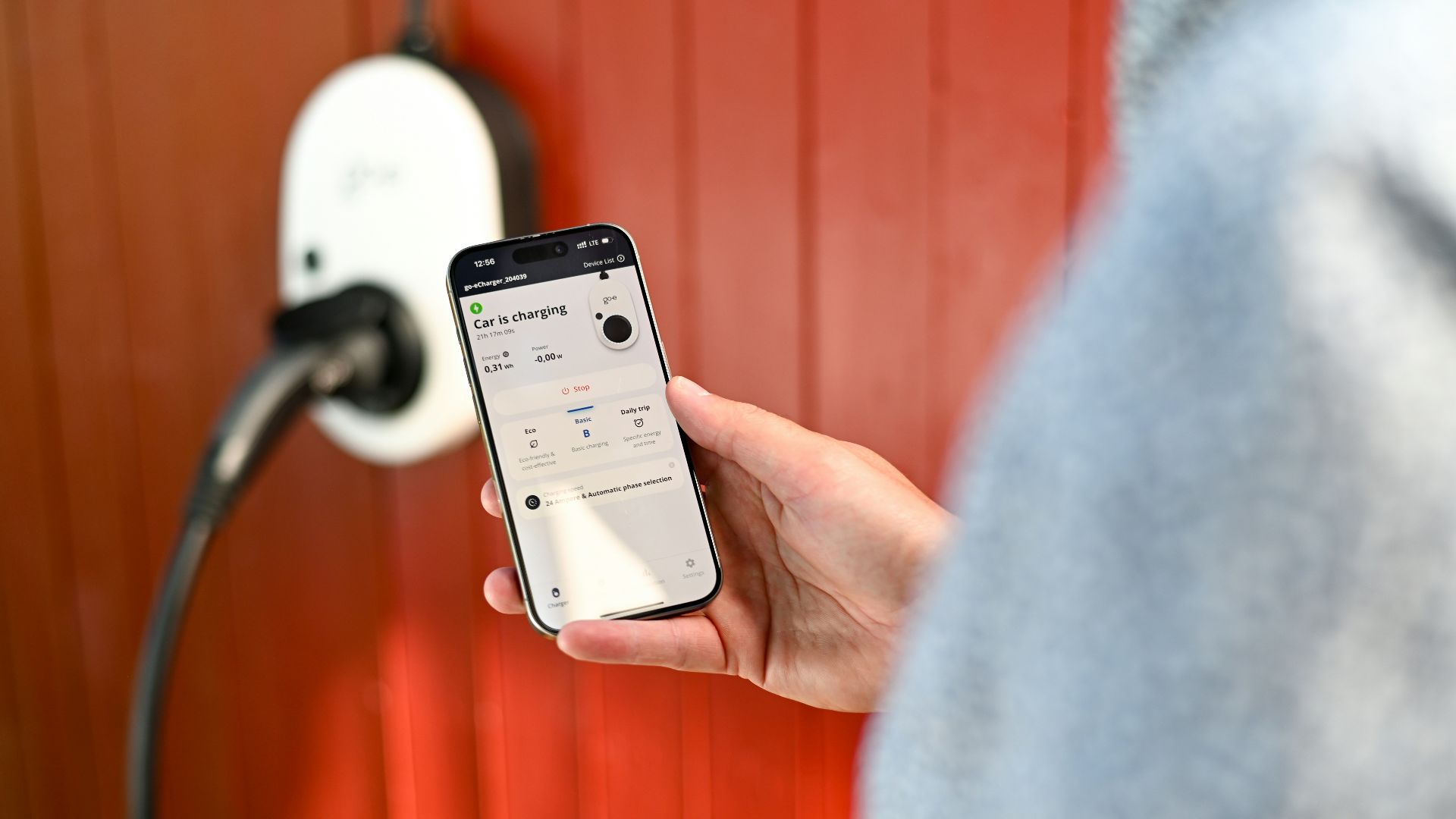
If the board says one resident caused the increase, ask what evidence supports that statement. A networked system should often be able to show energy delivered by session or user. DOE notes that metered EVSE can report the exact kilowatt-hours dispensed during individual charging sessions.
Ask To See The Actual Cost Increase
You do not necessarily need another owner's private charging history. What you do need is enough aggregate financial information to understand why the fee is rising. Ask for the previous electricity cost, current electricity cost, network charges, maintenance expenses, and the formula used to calculate the new rate.

Ask What The New Fee Actually Covers
A board might call everything an “EV charging fee” even though the number includes electricity, software, repairs, administration, transaction charges, and infrastructure reserves. Those are different categories of expense. Breaking them apart makes it much easier to judge whether the increase is proportionate.

The Utility Bill Can Be More Complicated Than kWh
Commercial and multifamily electricity accounts do not always pay only a simple cents-per-kWh rate. Depending on the tariff, the property can face time-of-use pricing and demand-based charges tied to periods of high electrical load. DOE specifically identifies demand charges as a potentially significant charging-infrastructure operating expense.
A Heavy User Can Affect Peak Demand
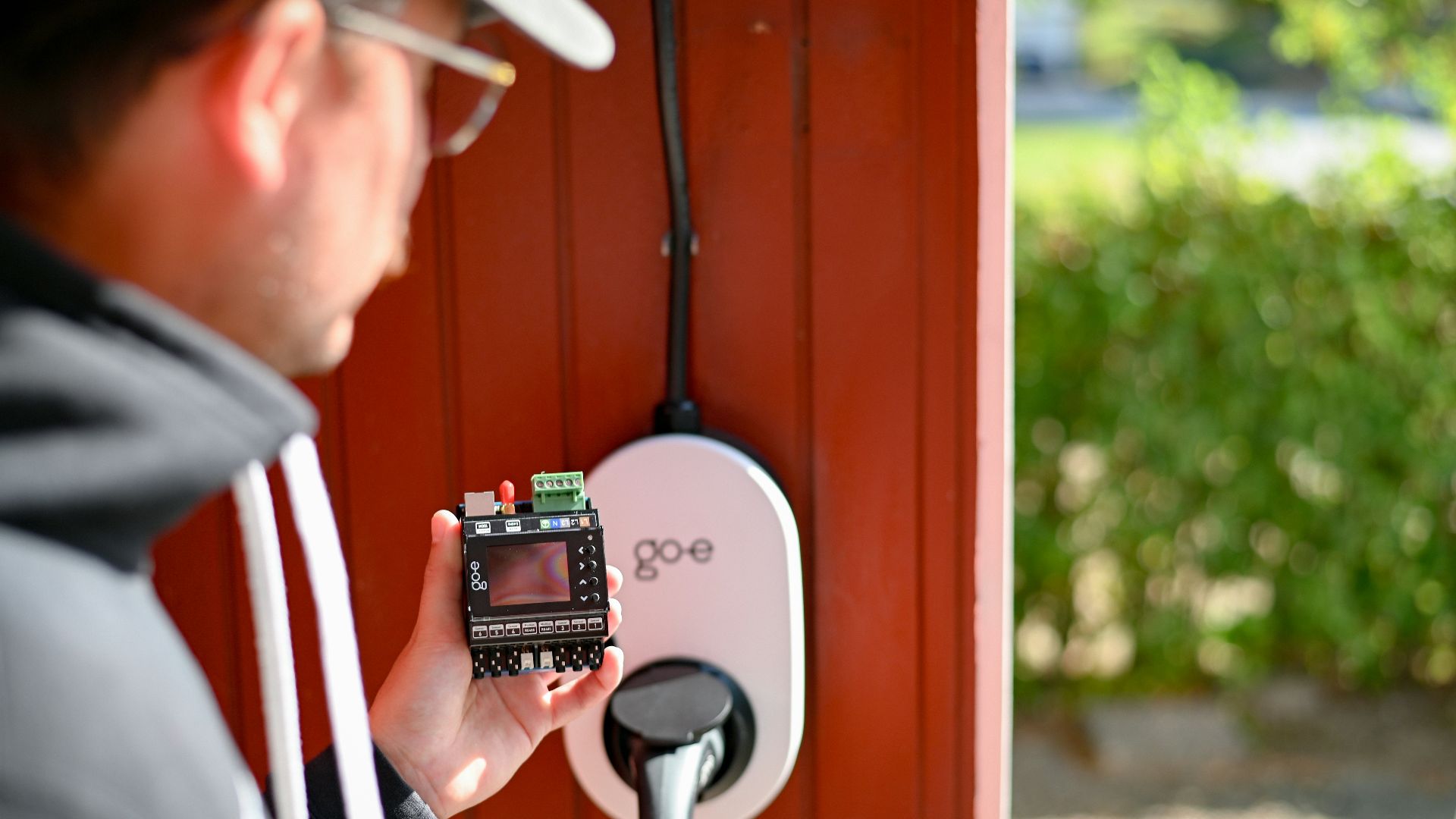
Demand charges may be calculated from the highest short-duration power draw during the billing period. If several vehicles charge at high power while the building is already near its peak, the charger can contribute to a larger utility bill than its raw kWh consumption suggests. Managed charging can reduce that exposure by shifting or limiting charging during peak building demand.

Infrastructure Upgrades Can Be A Legitimate Cost
Enough EVs can eventually exceed the capacity of the building's existing electrical infrastructure. Oregon law specifically allows a condominium association to allocate the cost of necessary additional electrical infrastructure among units that have or will install charging stations. That provides one example of a large charge being permissible when it is tied to a real system upgrade.

A Special Assessment Is Not The Same As A Usage Fee
Replacing switchgear or installing additional electrical service is a capital project. Charging 35 cents per kWh for electricity is an operating fee. Boards should not blur those concepts because governing documents and state law may impose different procedures for assessments, capital expenditures, and ordinary user charges.
Common Chargers Can Give Boards More Flexibility
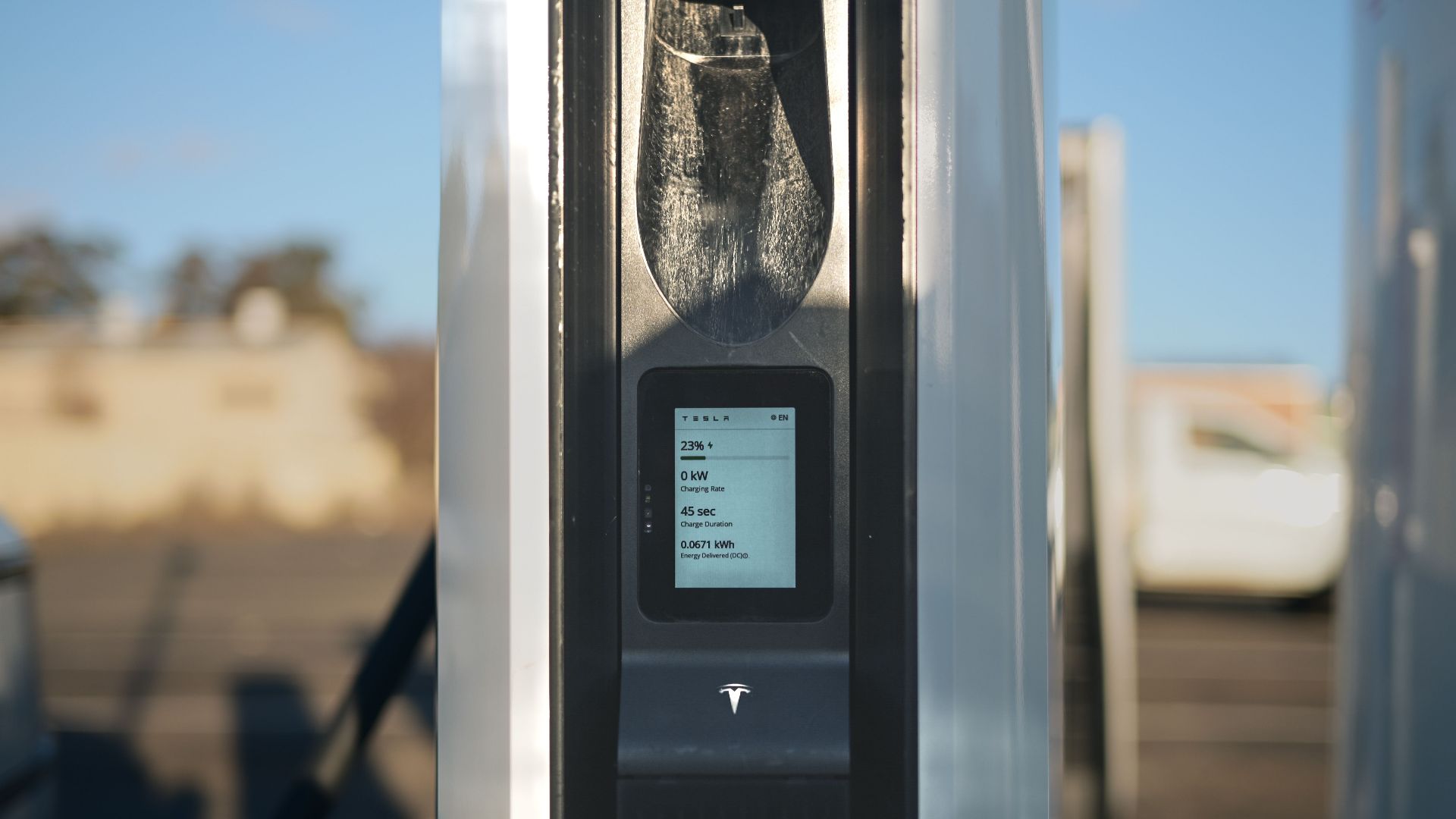
When the association itself installs a common charger available to everyone, several state laws tell the board to create appropriate terms of use rather than prescribing one exact price formula. Massachusetts and Illinois both use this approach. That can give a board room to set rates, time limits, or access policies, subject to other applicable law and the association's governing documents.

“Reasonable” Is Still The Word To Remember
Across EV-charging statutes, terms such as reasonable restrictions, reasonable fees, actual electricity cost, and equitable reimbursement appear repeatedly. That does not create one national price ceiling, but it does show the general direction of many state laws. Charging users for real program costs is much easier to justify than imposing an unexplained number because one neighbor plugs in frequently.
Ask For The Rule Before Fighting The Price
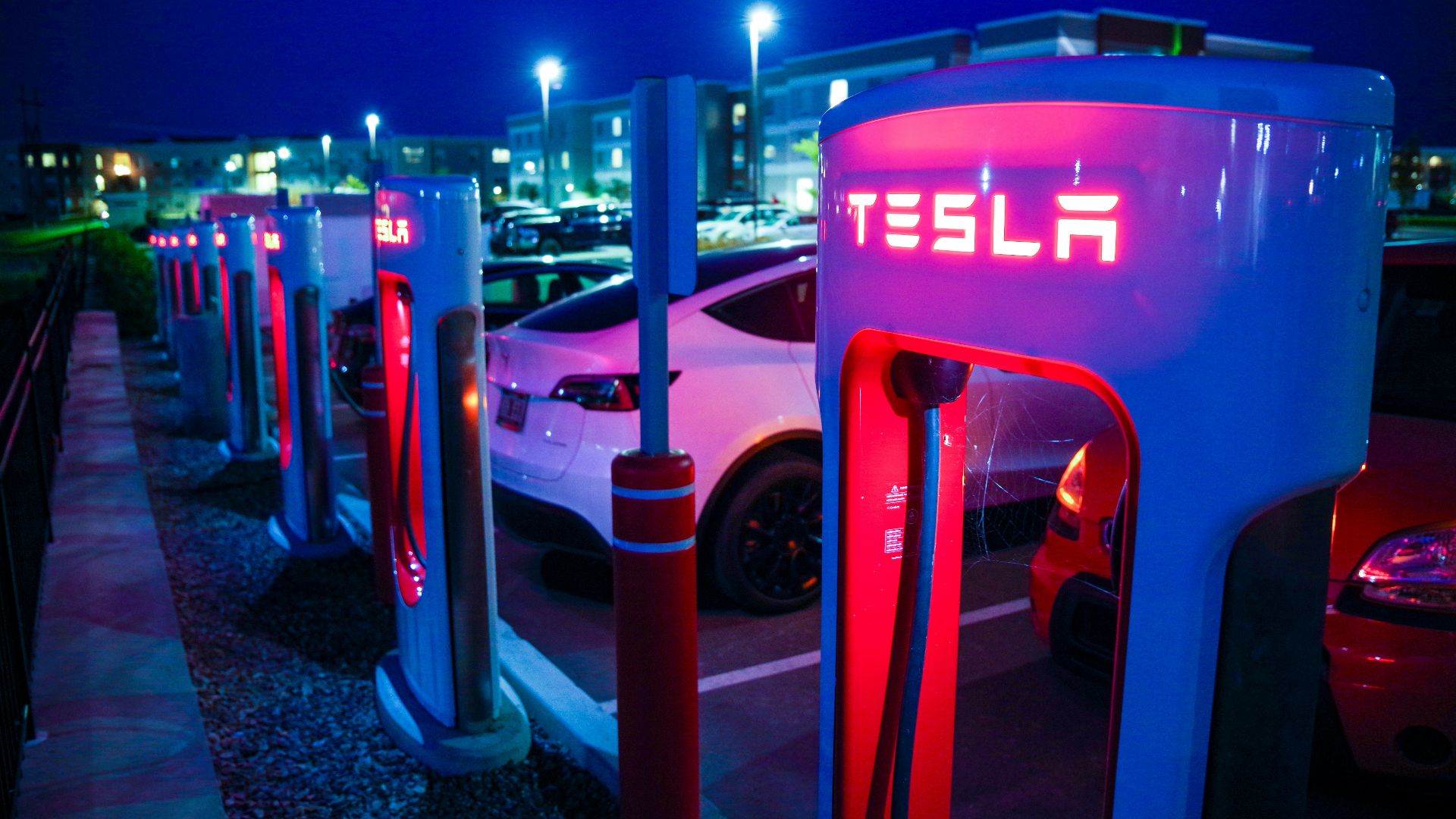
Request the written EV-charging policy, the board resolution approving the fee, and the section of the declaration or bylaws giving the association authority to impose it. Then compare the pricing method with your state's condominium and EV-charging statutes. The most useful dispute is not “this feels too expensive,” but “show me the authority and calculation behind this charge.”
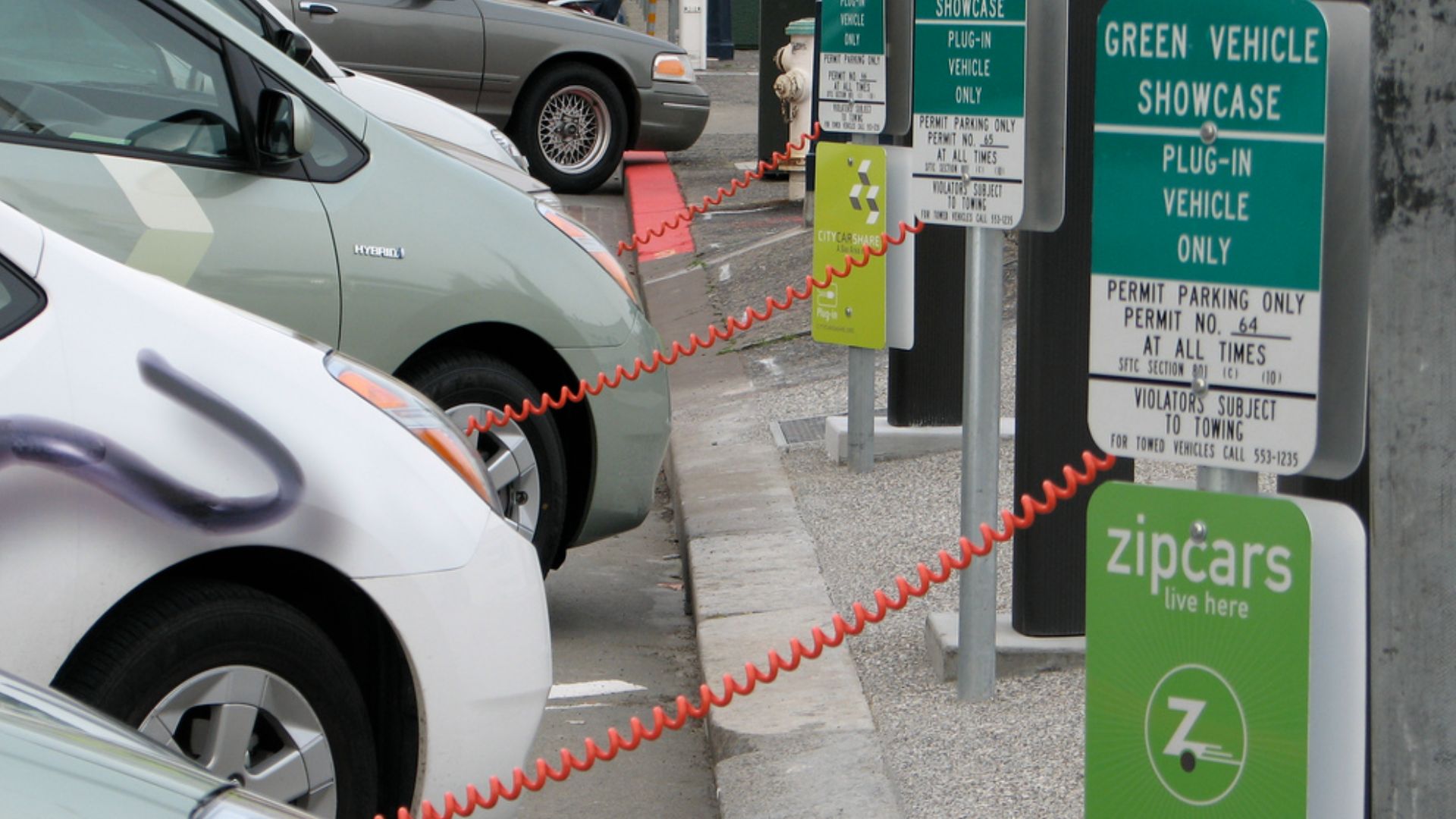
A Transparent User-Pays System Is Usually Cleaner
If one heavy user really is creating most of the expense, measuring individual kWh and charging residents according to actual use can address the problem without penalizing everyone equally. Reasonable network, maintenance, and infrastructure costs can then be added transparently instead of hidden inside a mysterious flat increase. Whether your particular board may impose its proposed fee depends on state law and your condo documents, but “one person uses a lot” is not by itself a blank check.

You May Also Like:
Classic Convertibles Everyone Dreams About
Classic Muscle Cars That Are Impossible To Find Now
Overpriced Classic Cars That Don't Live Up To The Legend
Sources: 1, 2, 3, 4, 5, 6, 7, 8, 9, 10, 11, 12, 13, 14, 15, 16