
Dead Zones Still Exist.
Connected navigation can deliver fresher maps, live traffic, charging information, and smarter routing, but losing basic guidance when cellular service disappears is a frustrating weakness. The best systems combine online information with enough stored map data to keep you moving when the network cannot.
GPS And Cellular Service Are Different Things
GPS position comes from satellites, not from the same cellular towers that provide your car’s internet connection. A receiver can determine its position from GPS signals even when cellular data is unavailable. The problem begins when the navigation system needs an internet connection to obtain the map, calculate a route, or retrieve other information.
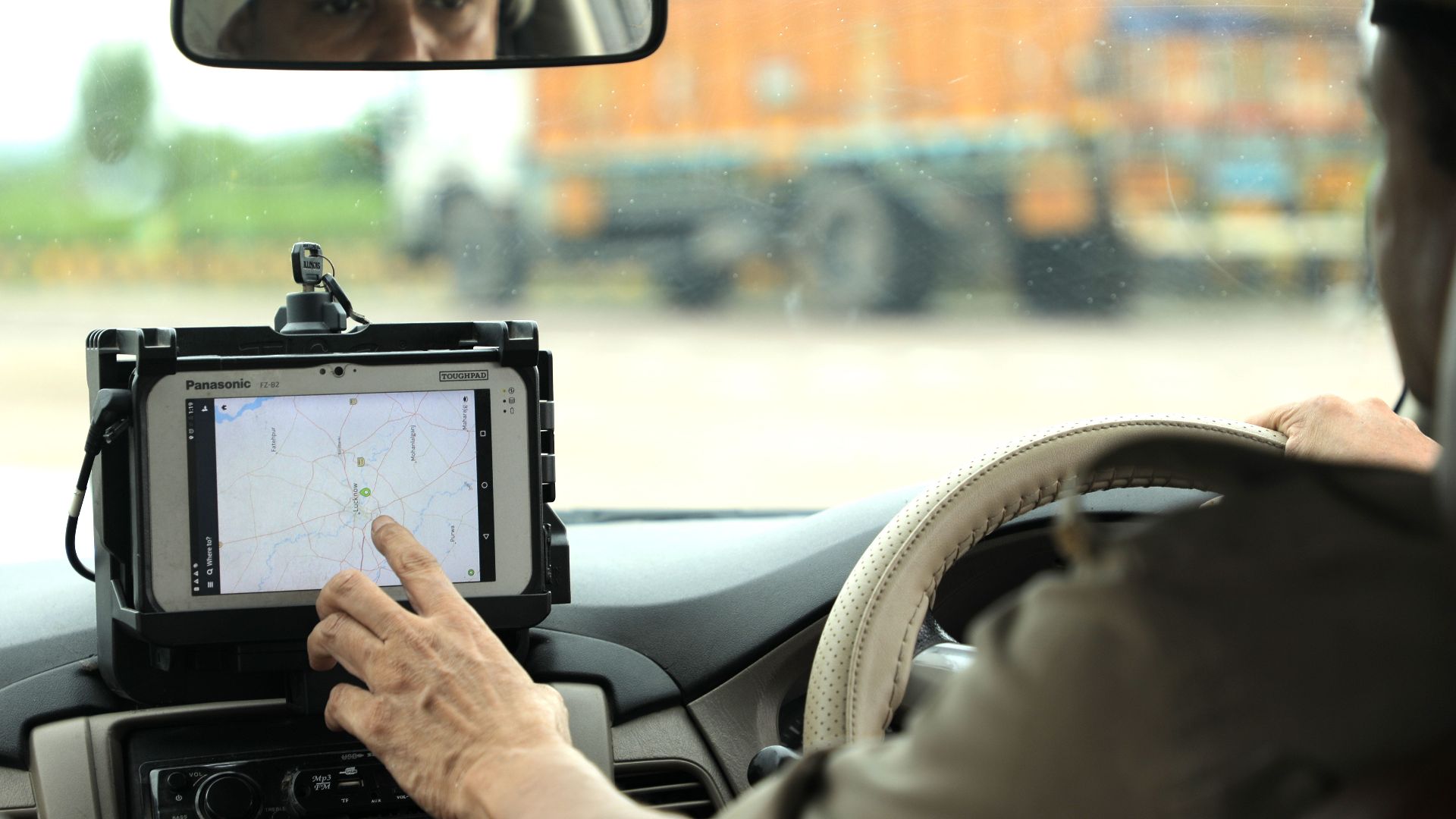
Your Car May Know Where It Is
Losing cellular service does not automatically mean the vehicle has lost its geographic position. GPS satellites transmit positioning and timing information directly to receivers on the ground. A car can therefore know its coordinates while lacking the online map data needed to turn those coordinates into useful directions.
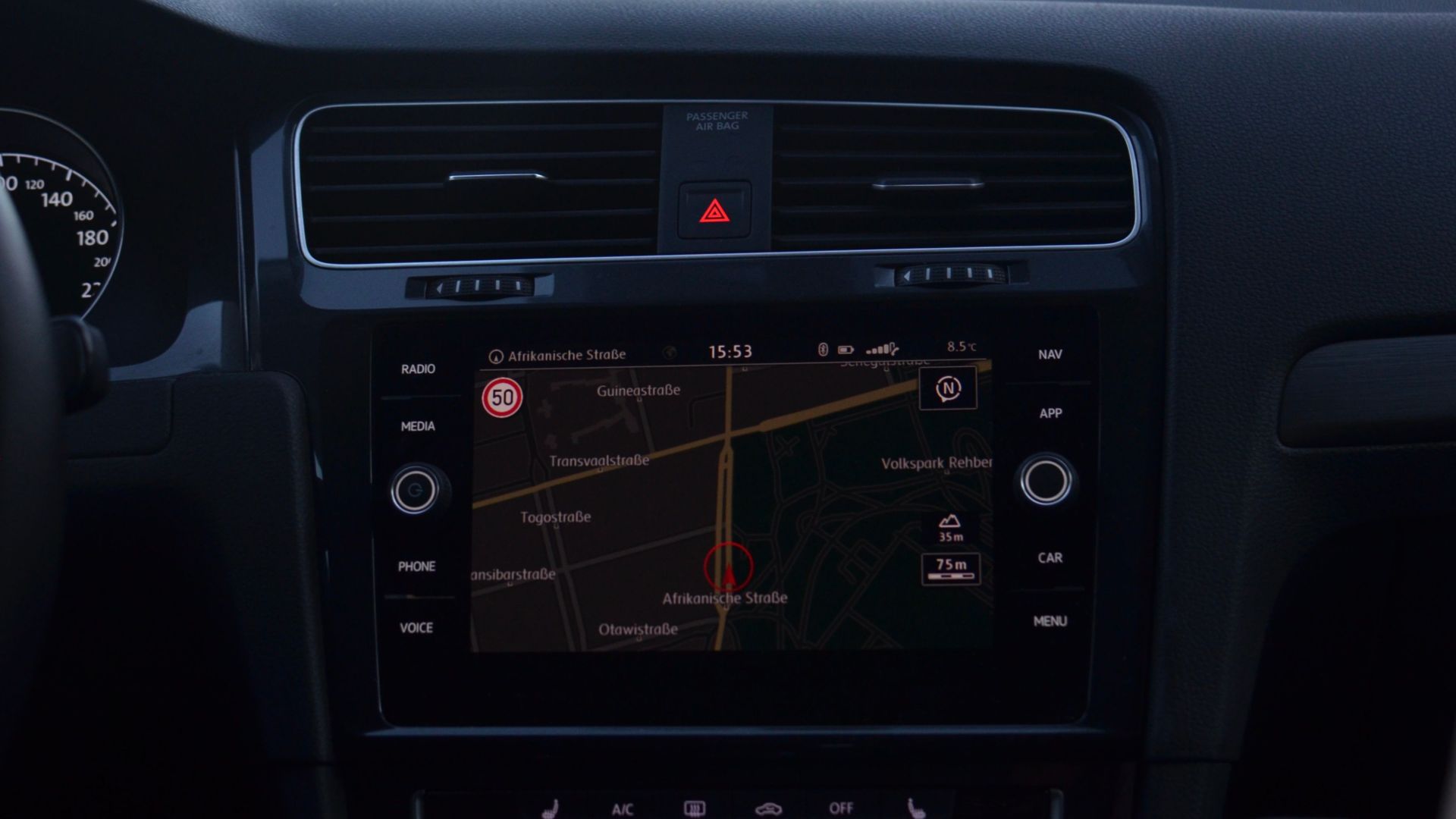
Online Maps Bring Real Advantages
Connected systems can retrieve current traffic conditions, newly opened roads, search results, weather, and updated points of interest. Google Maps built into vehicles uses connectivity for features such as real-time traffic and improved routing. Those services make an online system more useful than an old map database that changes only during scheduled updates.

Live Traffic Naturally Needs A Network
A car cannot know about a crash that happened five minutes ago unless somebody sends it that information. Real-time traffic, accident reports, road closures, and alternative-route calculations depend heavily on communications with external servers. Losing connectivity should therefore reduce some functionality even in a well-designed system.
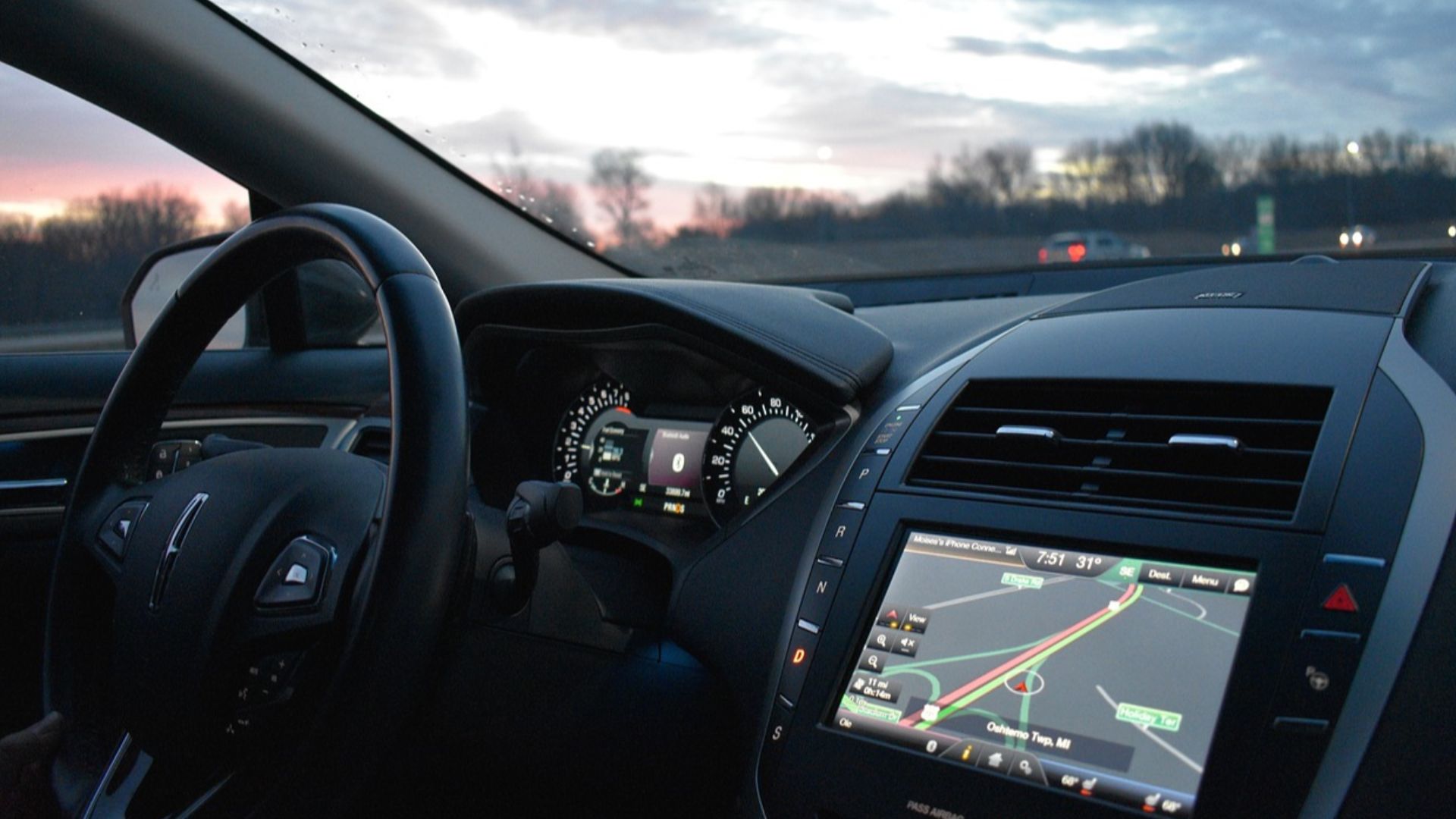
Basic Routing Is A Different Matter
Turn-by-turn guidance through known roads does not inherently need continuous cellular service if the map data is already stored locally. Google specifically supports offline maps in vehicles for navigation when internet service is poor. That makes a strong case for preserving basic routing independently of constant connectivity.
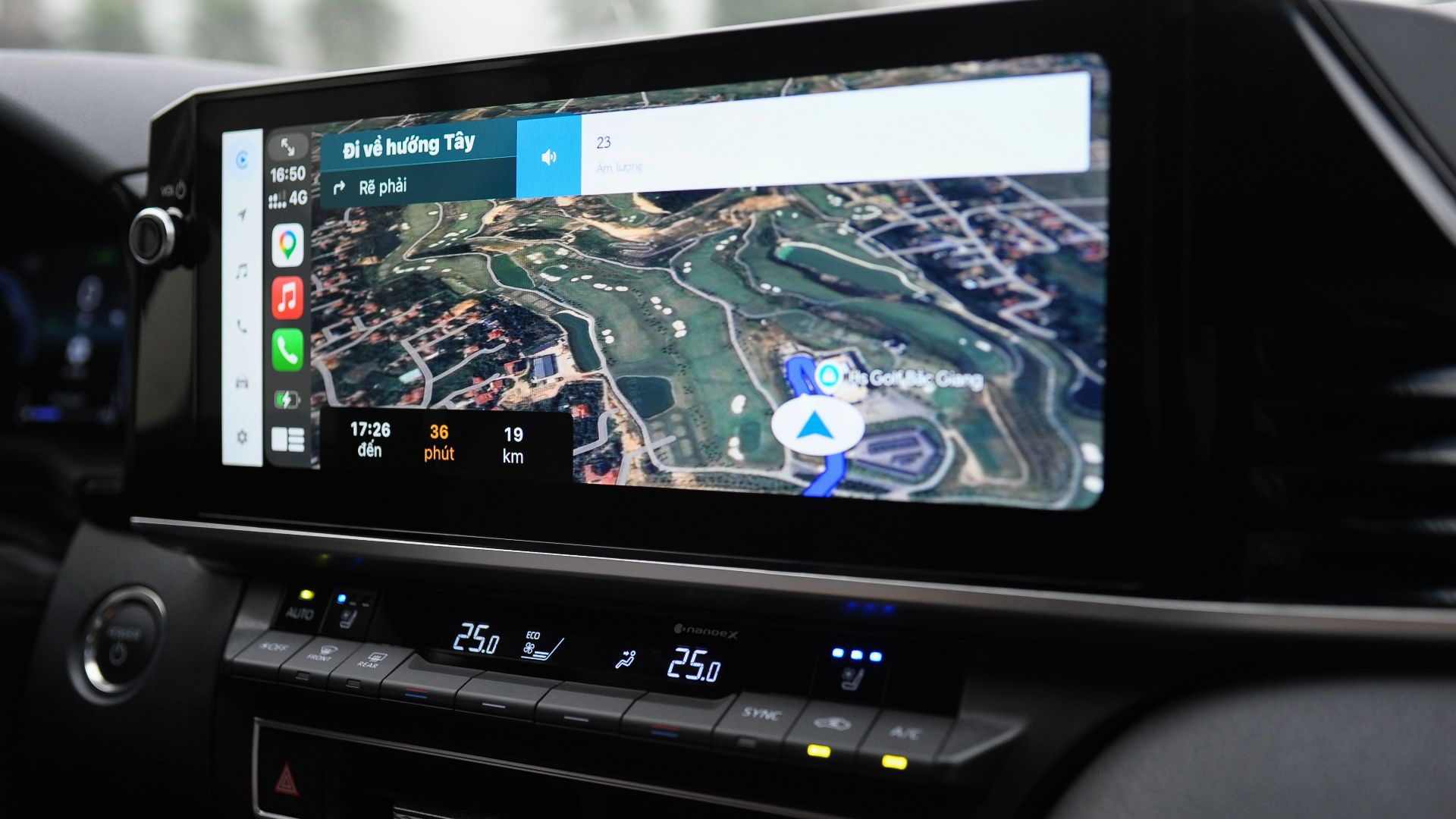
Offline Maps Are The Sensible Backup
Google Maps built into compatible cars can automatically download map areas based on the vehicle’s location and travel patterns. Those files remain available when the car encounters a dead zone. Drivers can also manually select certain areas to store in advance on supported systems.
Some Cars Already Handle Dead Zones Well
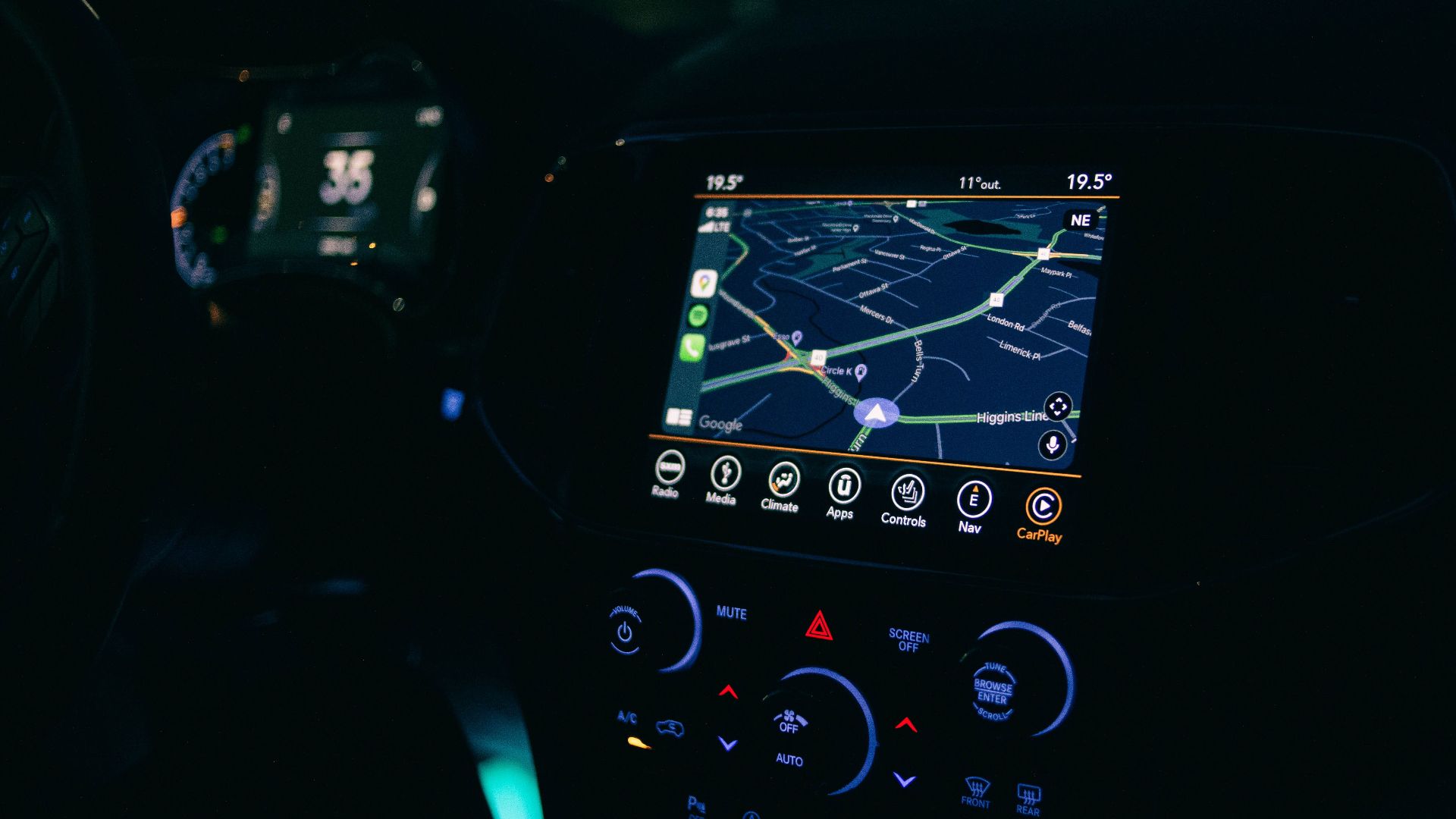
Ford says vehicles with Connected Built-In Navigation can provide navigation in cellular dead zones. After the connected-service period ends, qualifying Ford systems can revert to embedded navigation without connected features such as live traffic. That design separates basic guidance from premium online information.
Other Ford Systems Depend More Heavily On Subscription
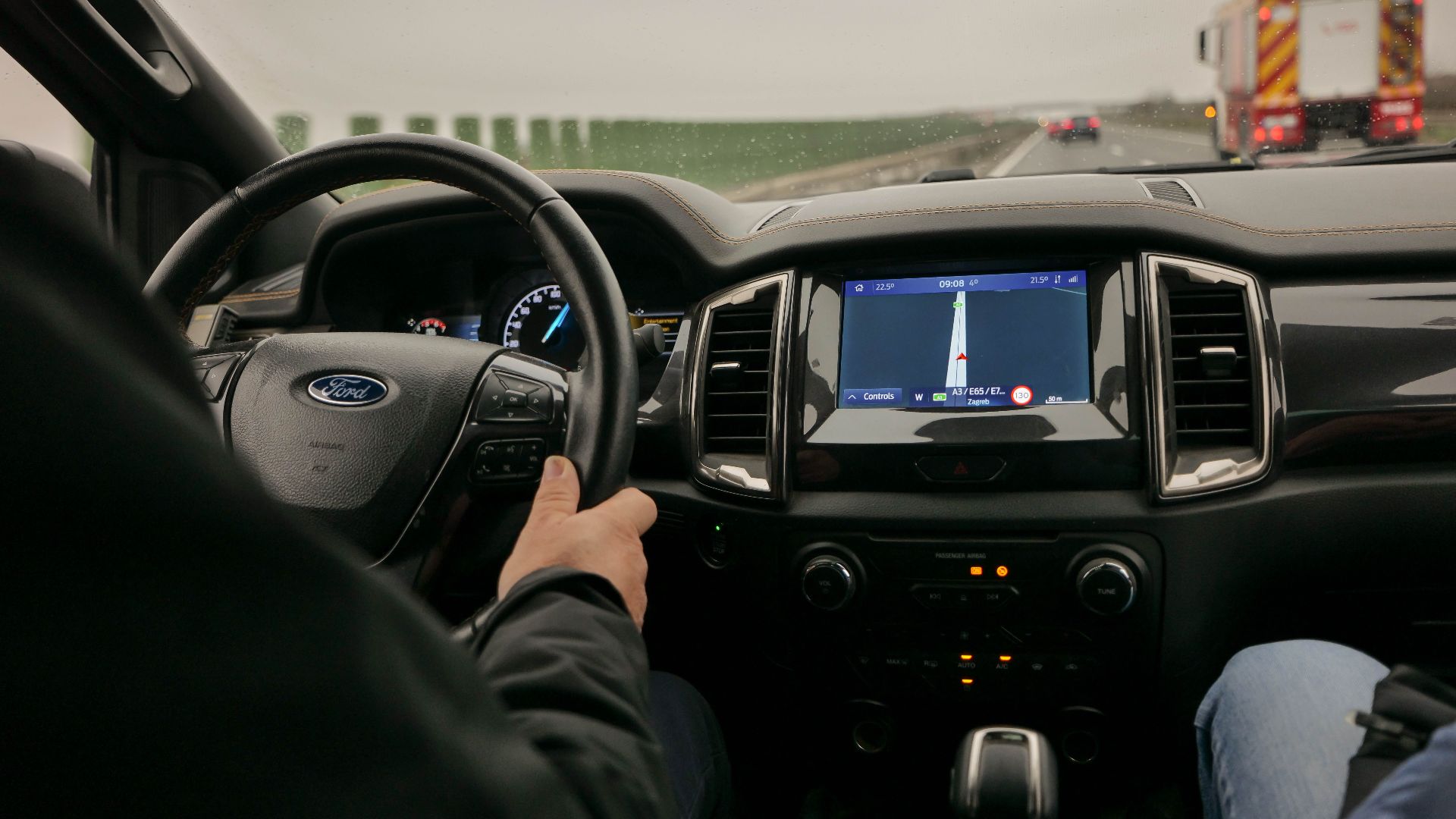
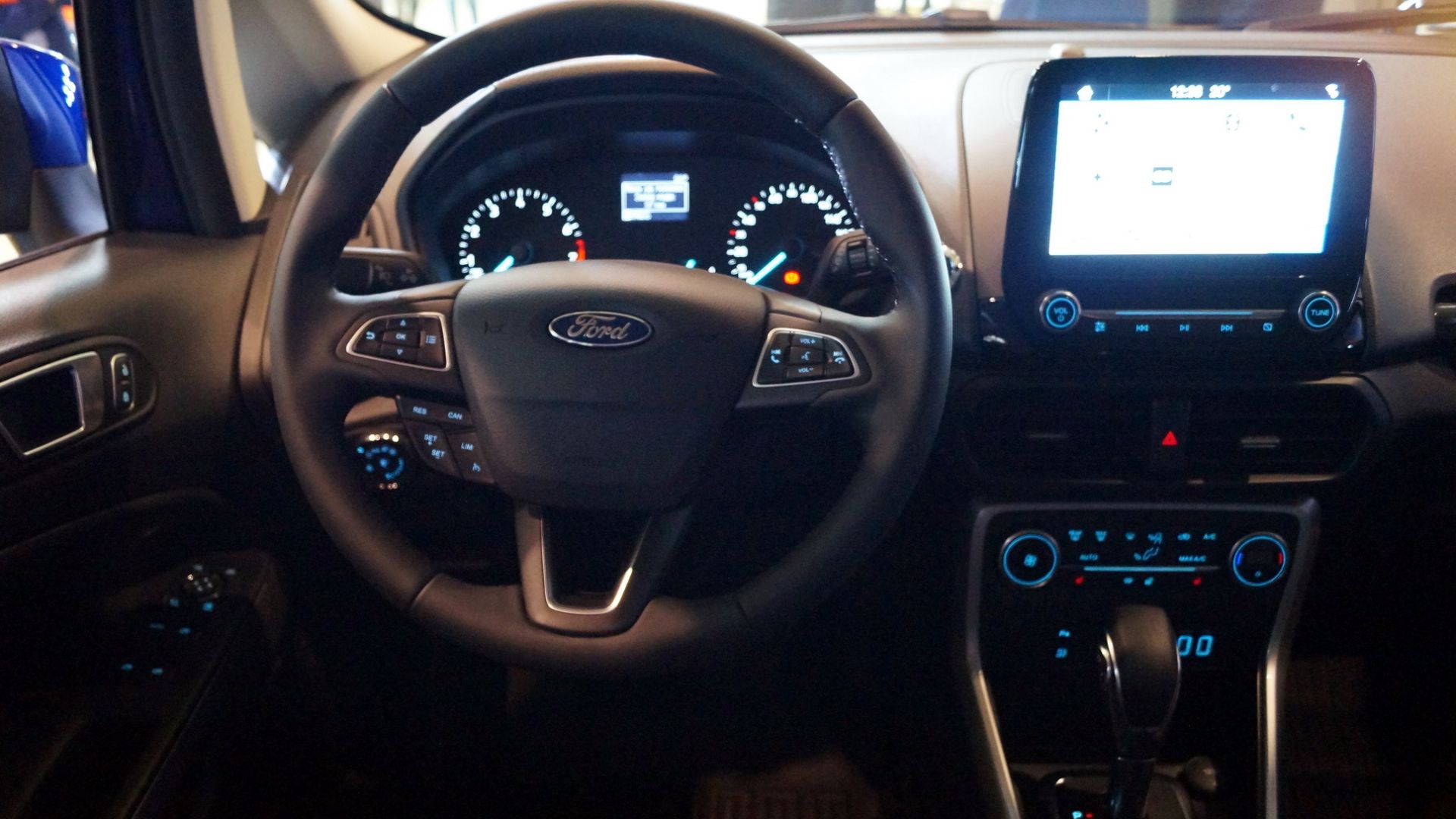
Ford also offers a Connected Navigation product that behaves differently. After its trial expires, Ford says that version can revert to a moving map without destination-routing capability. Two vehicles from the same manufacturer can therefore have very different answers to the question of what happens without the subscription.
 Mike-fiesta, Wikimedia Commons
Toyota Designed An Offline Fallback
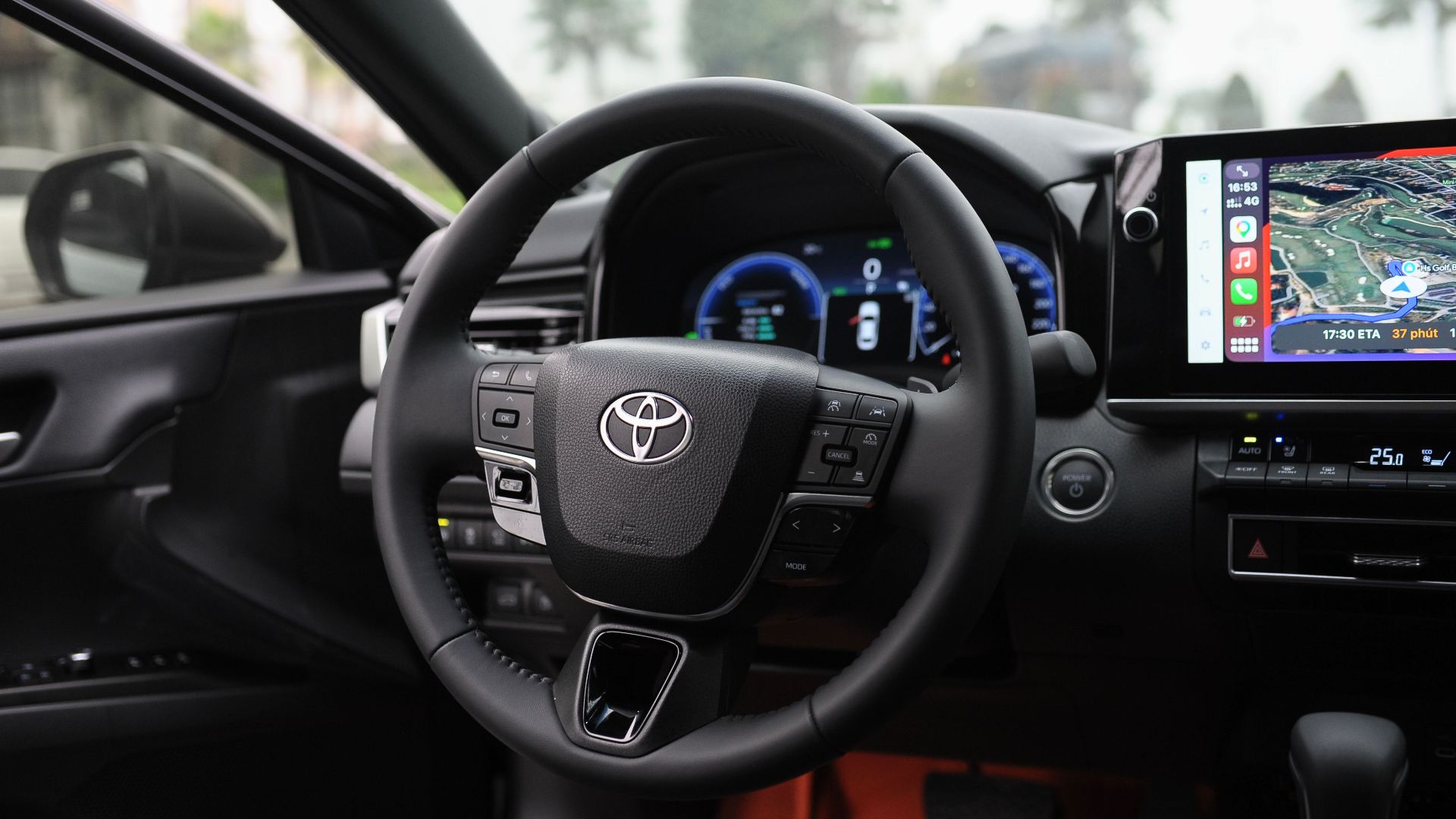
Toyota’s newer multimedia platform combines cloud navigation with onboard capabilities. Toyota says its system was designed to recognize when a vehicle approaches an area with poor connectivity and prepare relevant offline information in advance. The goal is to keep navigation available even when the network disappears.
Hyundai Is Moving Toward The Same Idea
Hyundai introduced a newer online navigation approach in 2026 that retrieves current map information from its servers. When network connectivity becomes limited in places such as tunnels or mountainous areas, Hyundai says the system automatically switches to offline maps stored in the vehicle. That hybrid approach preserves guidance while still benefiting from fresher online information.

GM Uses Downloaded Google Maps
Current GM vehicles with Google Maps built in can store offline maps before reaching a connectivity dead zone. Cadillac’s owner documentation says auto-downloaded maps make map data available even without an internet connection. The catch is that full Google Maps functionality still relies on an applicable connected-services plan.
Volvo Also Keeps Maps Onboard
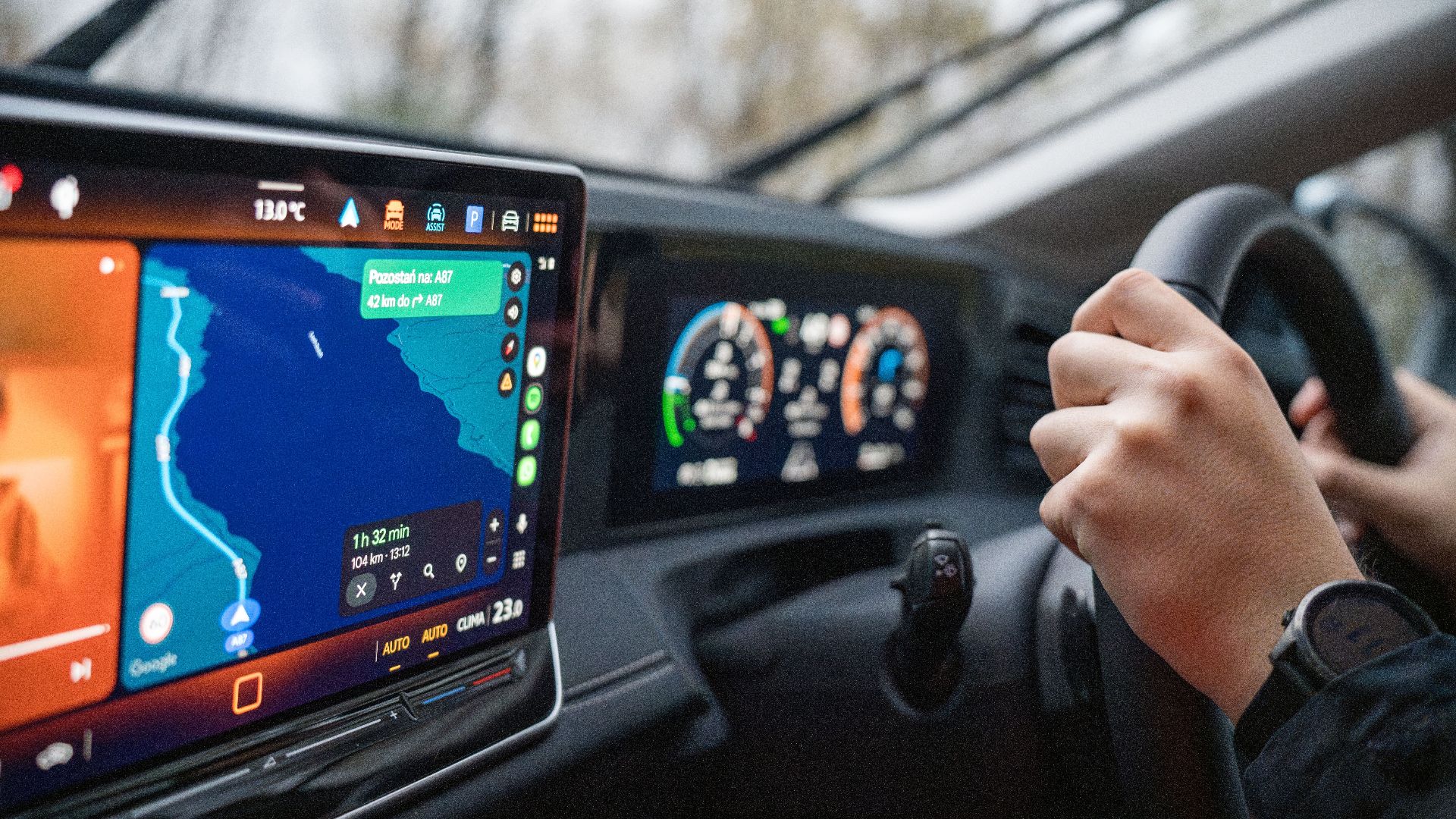
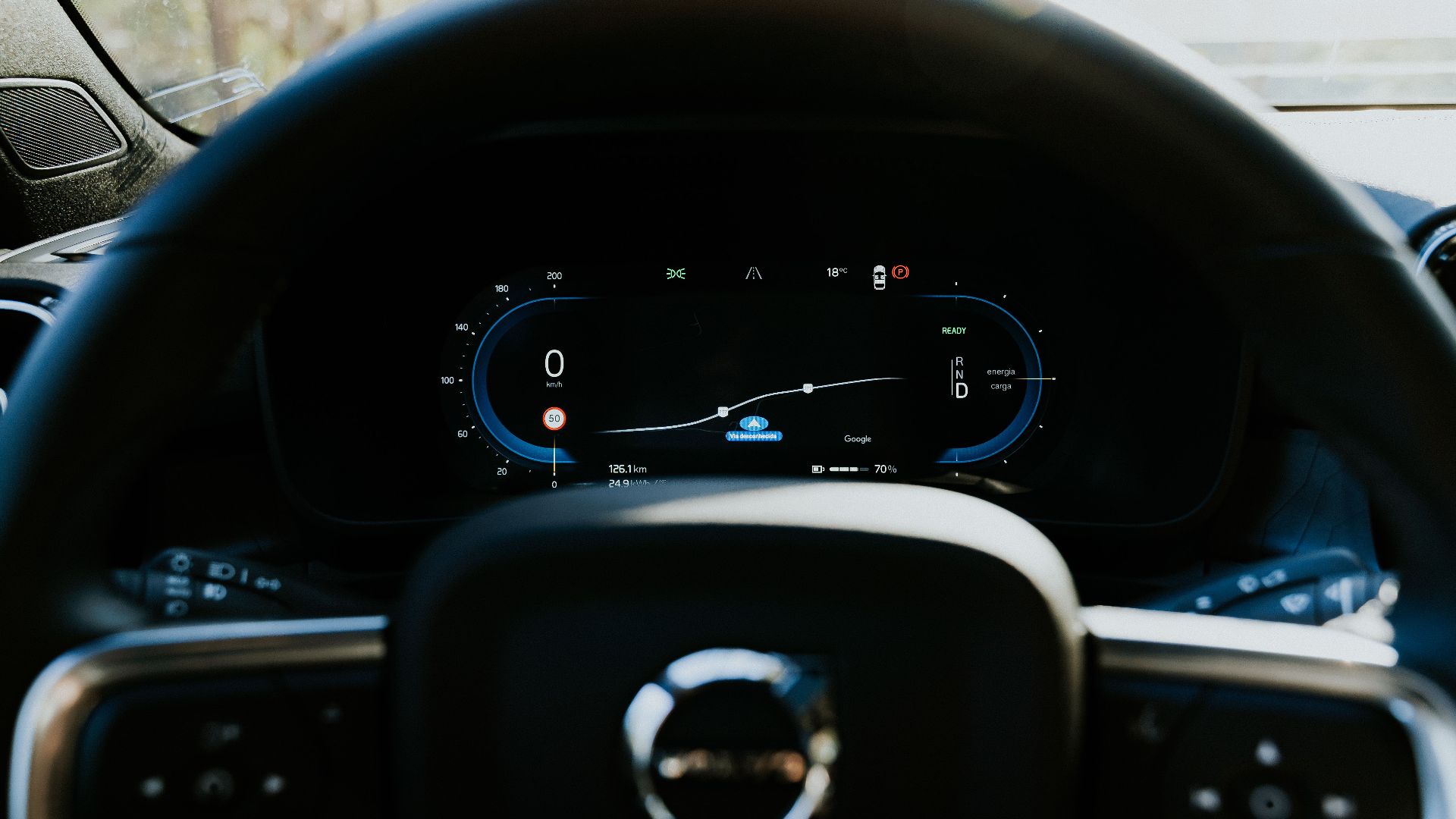
Volvo vehicles using Google Maps can automatically download map information according to location and travel patterns. Volvo says those stored maps can provide navigation and map data when the vehicle has poor reception or no internet connection. Drivers can also select particular map areas manually on supported models.
Offline Maps Need Preparation
Offline navigation works only when the vehicle already has the necessary area stored. Driving unexpectedly into a region the system never downloaded can still leave you without useful routing. Automatic map management helps because it reduces the chance that owners forget to prepare before a trip.
A Subscription Can Affect Offline Access Too
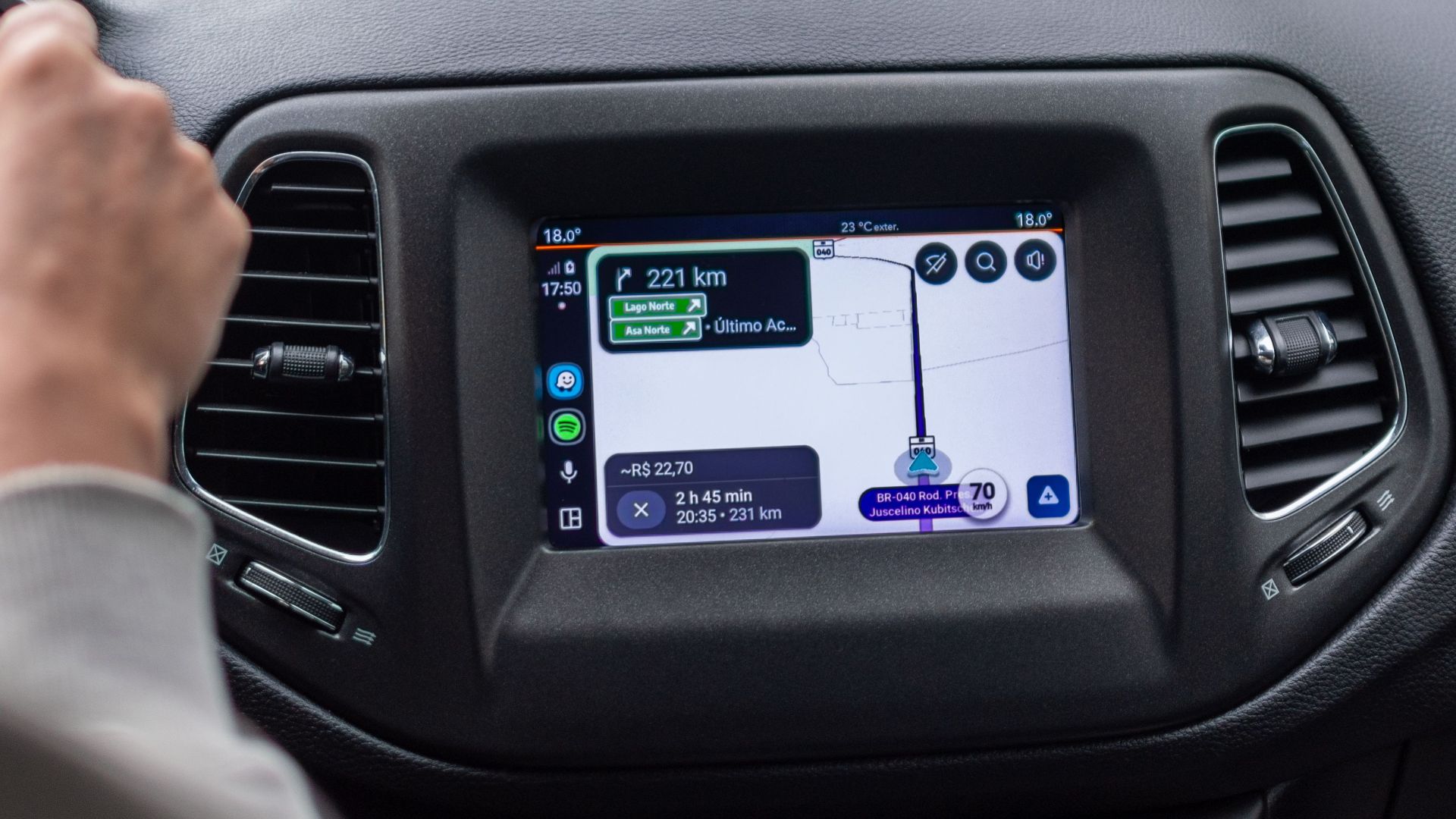
It sounds contradictory, but an offline map may still depend on a subscription being active before it can be downloaded or maintained. GM documentation says Google Maps requires a subscription data plan for full functionality, including offline-map availability. Google likewise notes that feature availability can depend on the automaker, region, and data plan.
Losing Service And Losing A Subscription Are Different
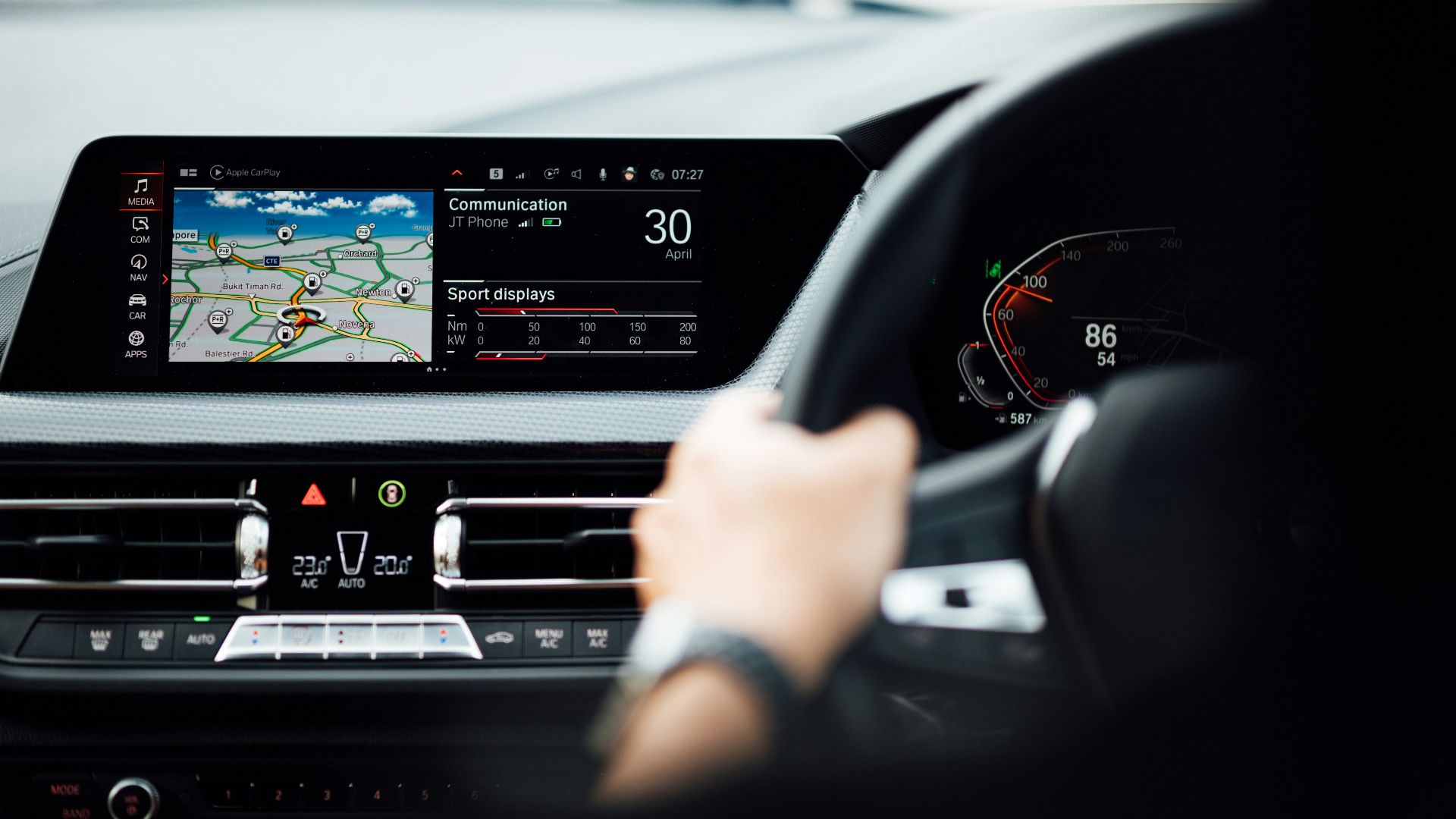
A dead zone is a temporary communications problem. An expired navigation subscription is an account or licensing issue that can permanently remove connected functions until the plan is renewed. Troubleshooting should begin by identifying which of those two problems actually caused the failure.
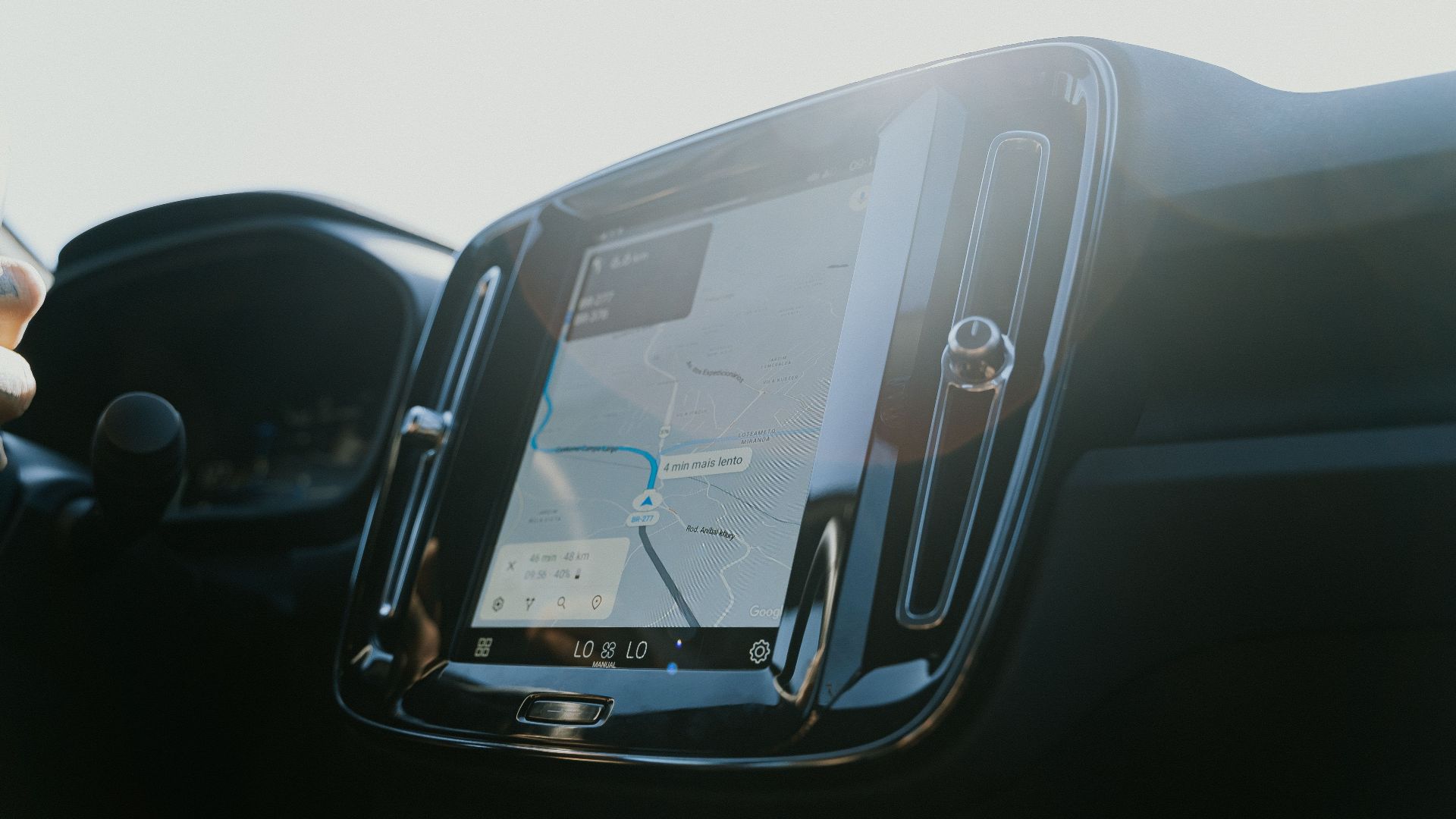
Check The Subscription Before Blaming Reception
Ford specifically tells owners with SYNC 4 navigation problems to verify that their navigation subscription is active. It also recommends confirming that the modem is activated and connectivity settings are enabled. An expired service can look remarkably similar to poor cellular coverage from the driver’s seat.
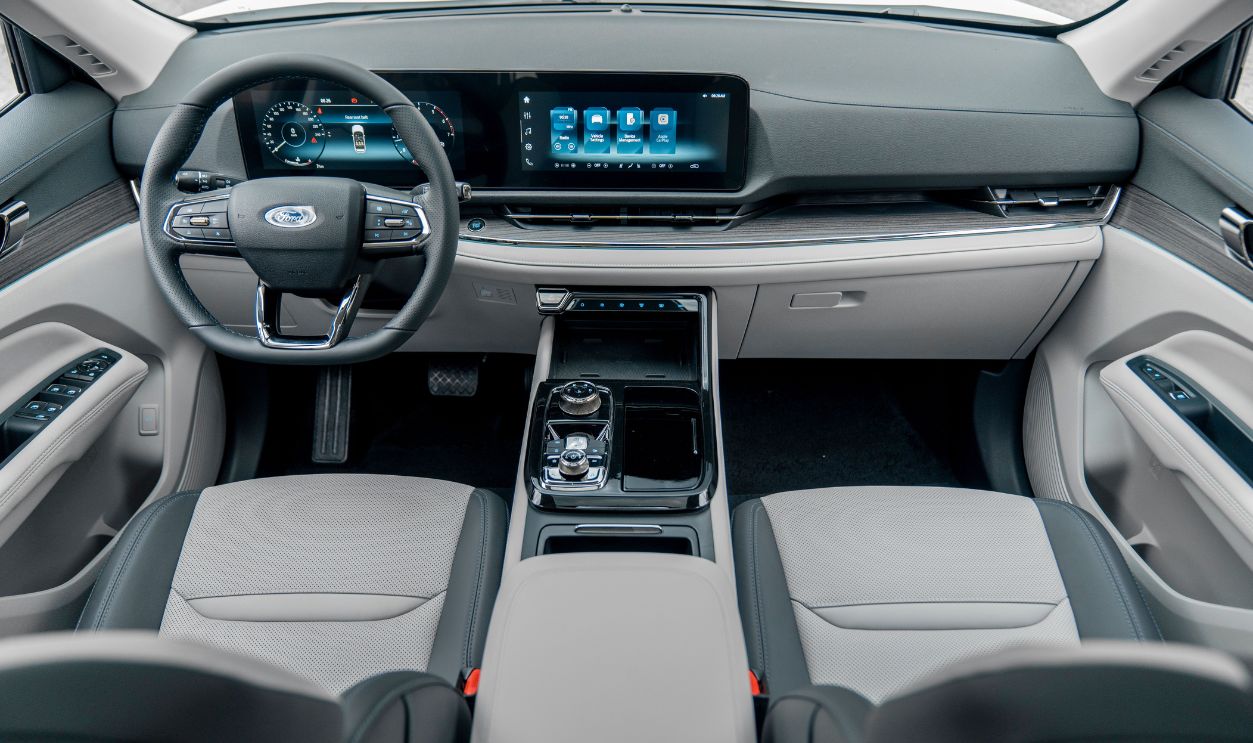
The Map Database Can Still Become Stale
Offline maps trade constant connectivity for the risk of outdated information. New roads, altered intersections, business closures, and changed speed limits may not appear until the stored map is updated. Automatic downloads are valuable because they refresh local data while the car has a connection.
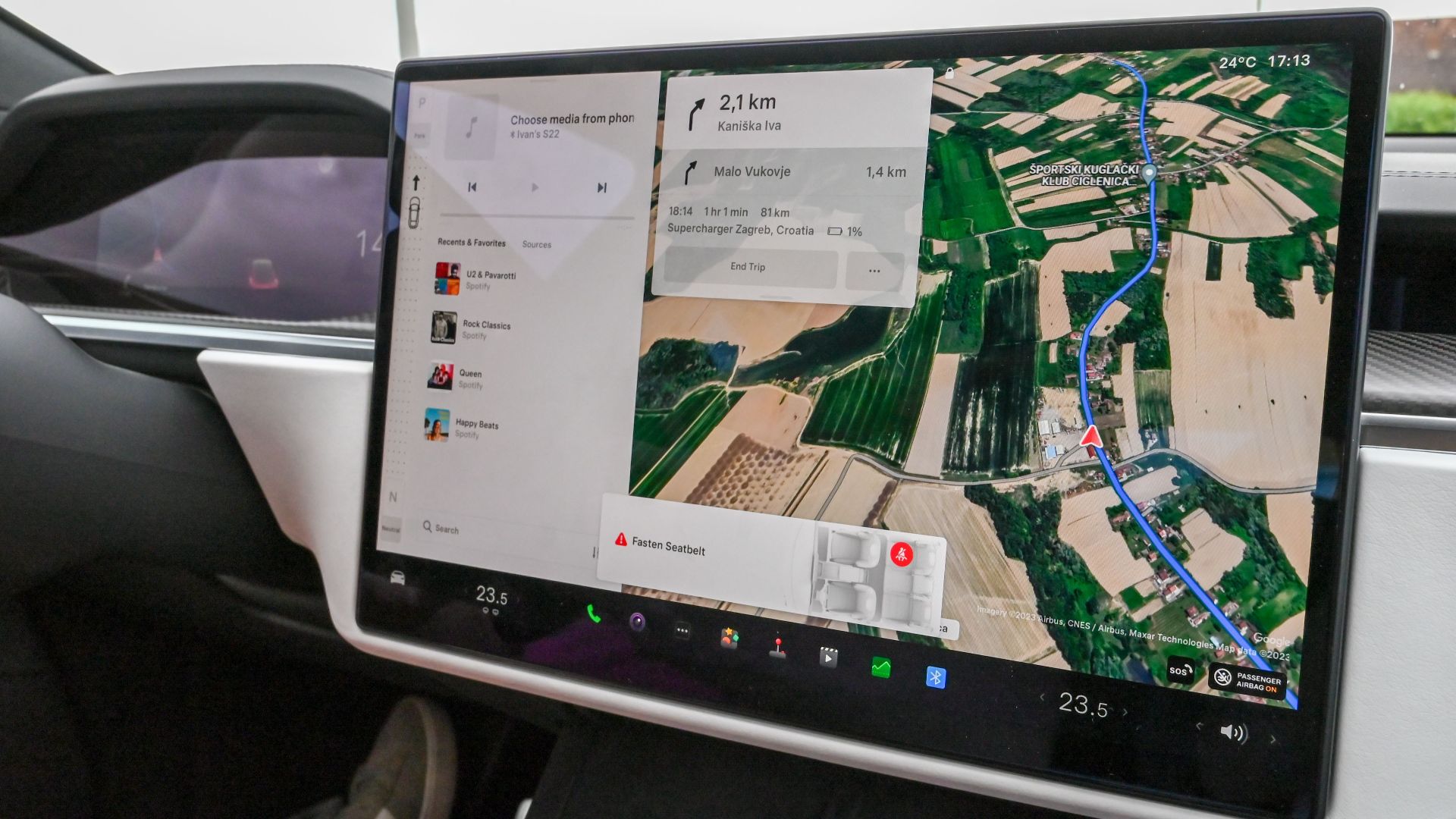
BMW Shows Why Updates Still Matter
BMW provides automatic map updates through an eligible ConnectedDrive service on supported vehicles. This keeps stored navigation data fresher without requiring the owner to manually install every update. Connectivity can therefore improve offline navigation without making every second of navigation dependent on a network.
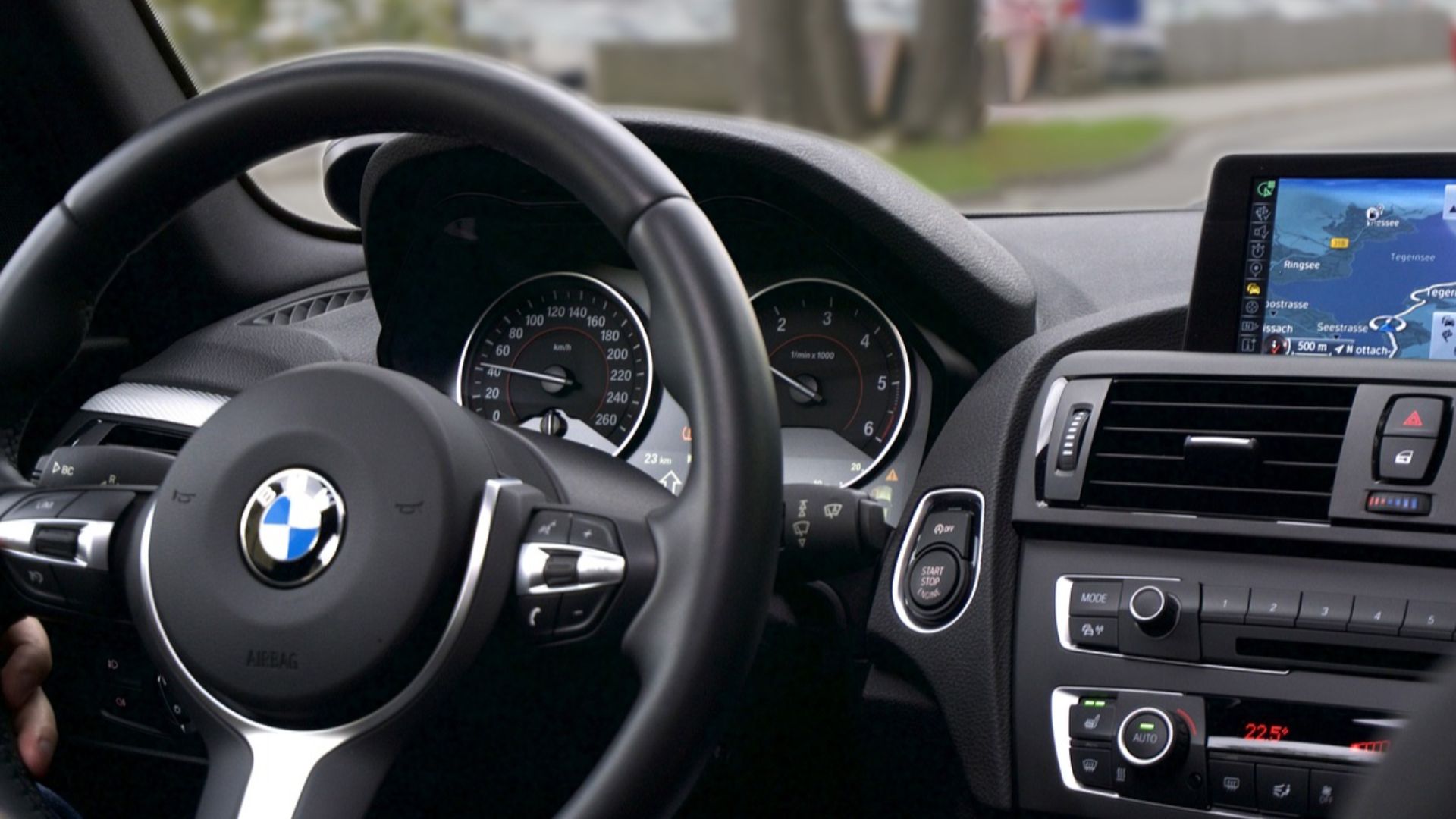
Offline Does Not Mean Full Featured
Google warns that some functionality disappears when Maps is offline. Real-time traffic and some dynamic information require an internet connection even when turn-by-turn guidance continues. Drivers should expect reduced intelligence rather than an identical experience.
EV Drivers Depend On Navigation More Heavily
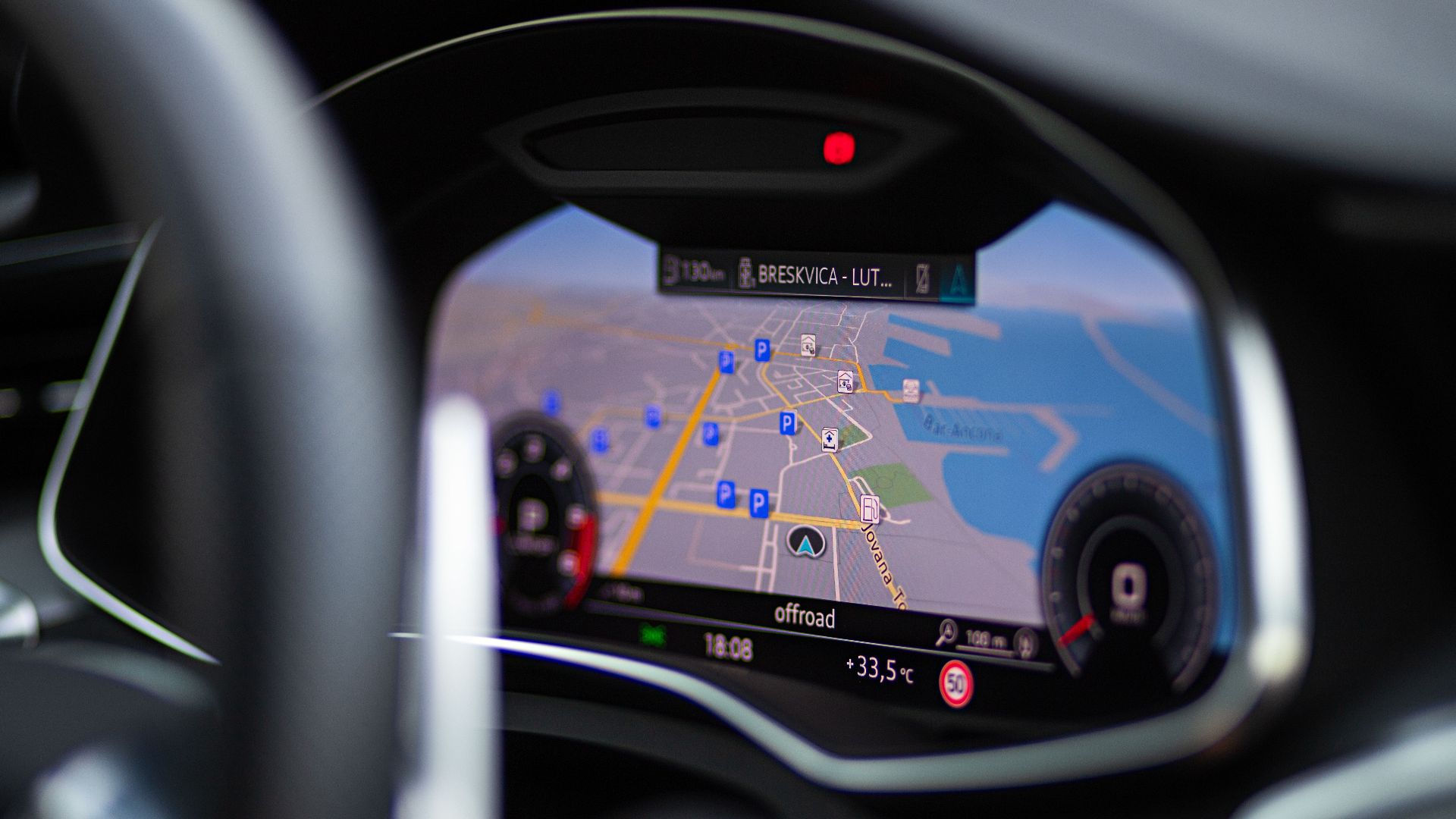
Electric-vehicle routing can incorporate current battery level, charging locations, expected energy use, and recommended charging stops. Google Maps built into compatible EVs can use vehicle data to estimate remaining charge at a destination. Losing connectivity can therefore affect more than directions when a road trip depends on live charging information.

Stored Maps Can Support Driver Assistance Too
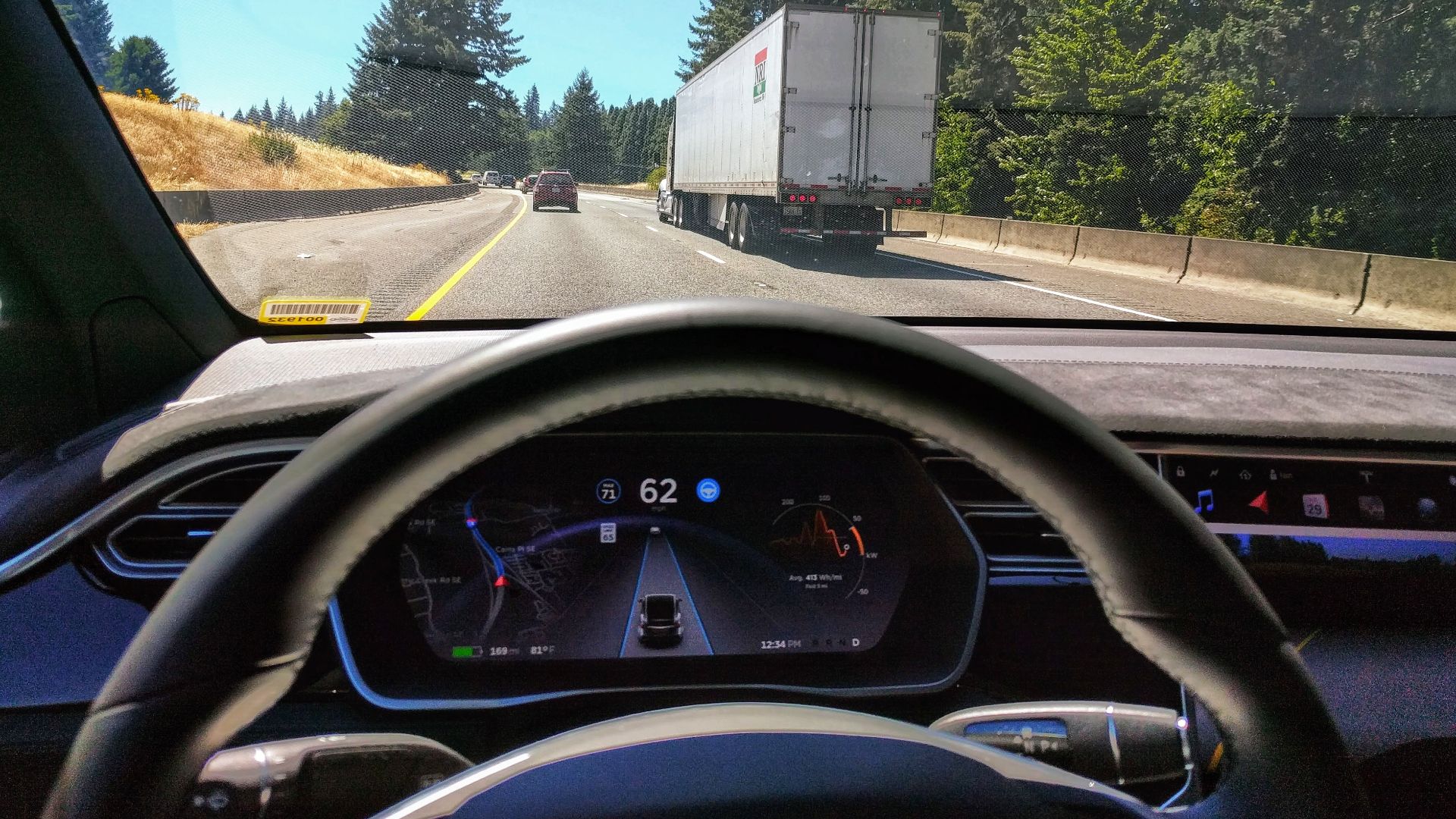
Google says offline map data may support vehicle functions such as road-sign integration and adaptive cruise control. Its Vehicle Map Service can provide map information to those systems even in areas without an internet connection. This gives automakers another reason to retain useful local map data rather than relying completely on the cloud.
 Ian Maddox , Wikimedia Commons
Privacy Settings Can Affect Downloads
Some Google built-in systems let drivers choose whether offline maps are downloaded automatically. Enabling automatic downloads can involve the vehicle periodically communicating information such as location and existing map coverage to Google servers. Drivers who prioritize privacy should understand that turning off automatic downloads can also reduce offline preparedness.

A Phone Makes A Good Backup
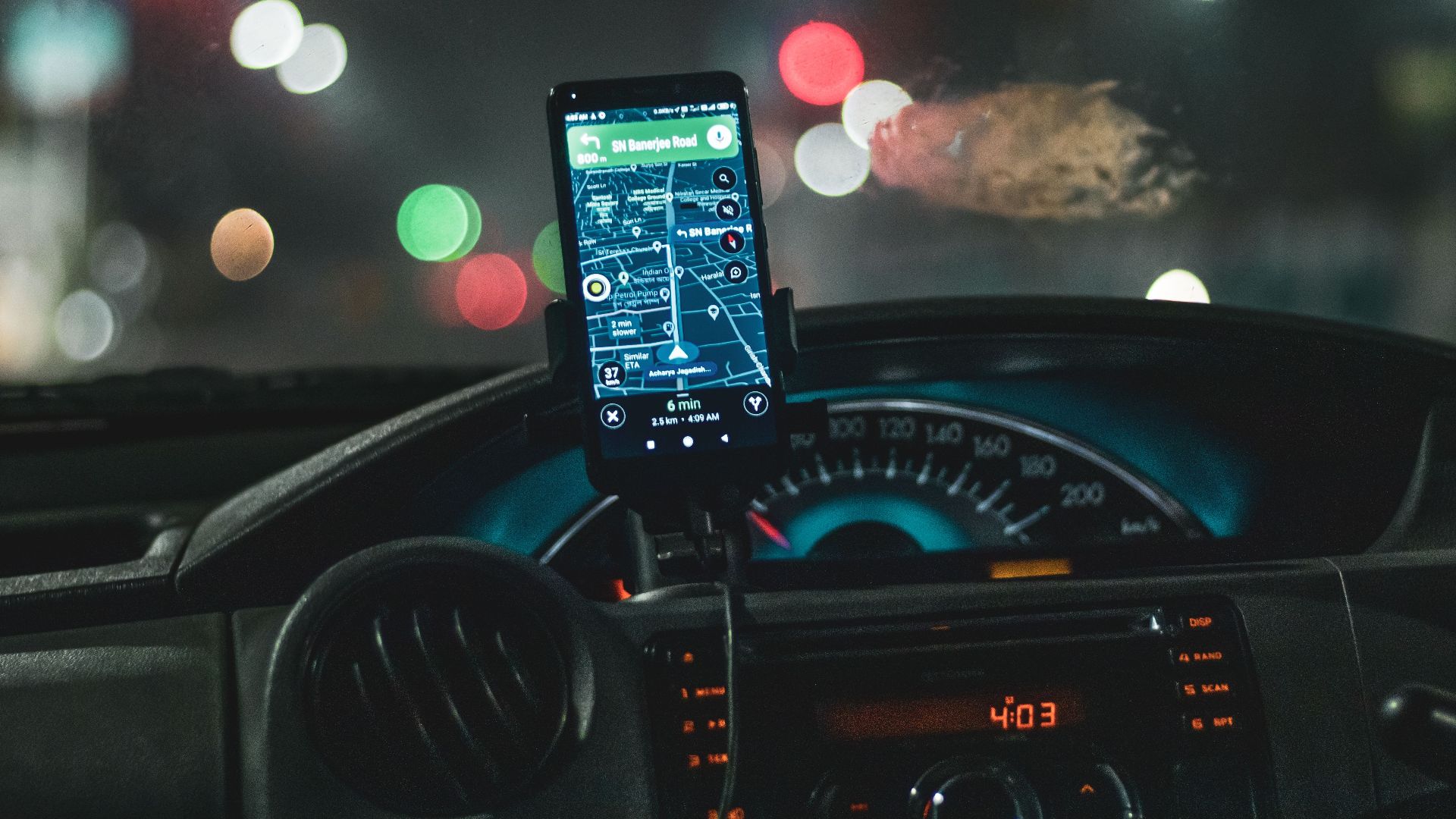
Google Maps on a smartphone lets users download selected regions before traveling. Once saved, those areas can provide driving directions when cellular service is weak or unavailable, as long as the route stays inside the downloaded coverage. Keeping an offline phone map is useful even when the vehicle has a sophisticated built-in system.

Not Every Navigation App Works Offline
Waze takes a more connectivity-dependent approach. Google says Waze was designed with the assumption that a data connection would usually be present and that full route finding depends on network access. A backup should therefore be chosen specifically for offline capability rather than simply being a second navigation app.

A Hotspot Can Rescue Some Systems
Vehicles with Google built-in or Ford’s newer digital platform may be able to use a phone hotspot when their native cellular service is unavailable or a subscription ends. This is useful when the phone connects to a different carrier with coverage in the area. It is less helpful in a true dead zone where no nearby cellular network is available.
Download Maps Before Remote Trips
Before heading into mountains, desert areas, rural highways, or national parks, check whether your vehicle supports offline maps. Download the entire region rather than only the immediate destination when manual selection is available. Do the same on a smartphone so one software problem does not eliminate every navigation option.

Make Sure Automatic Downloads Are Enabled
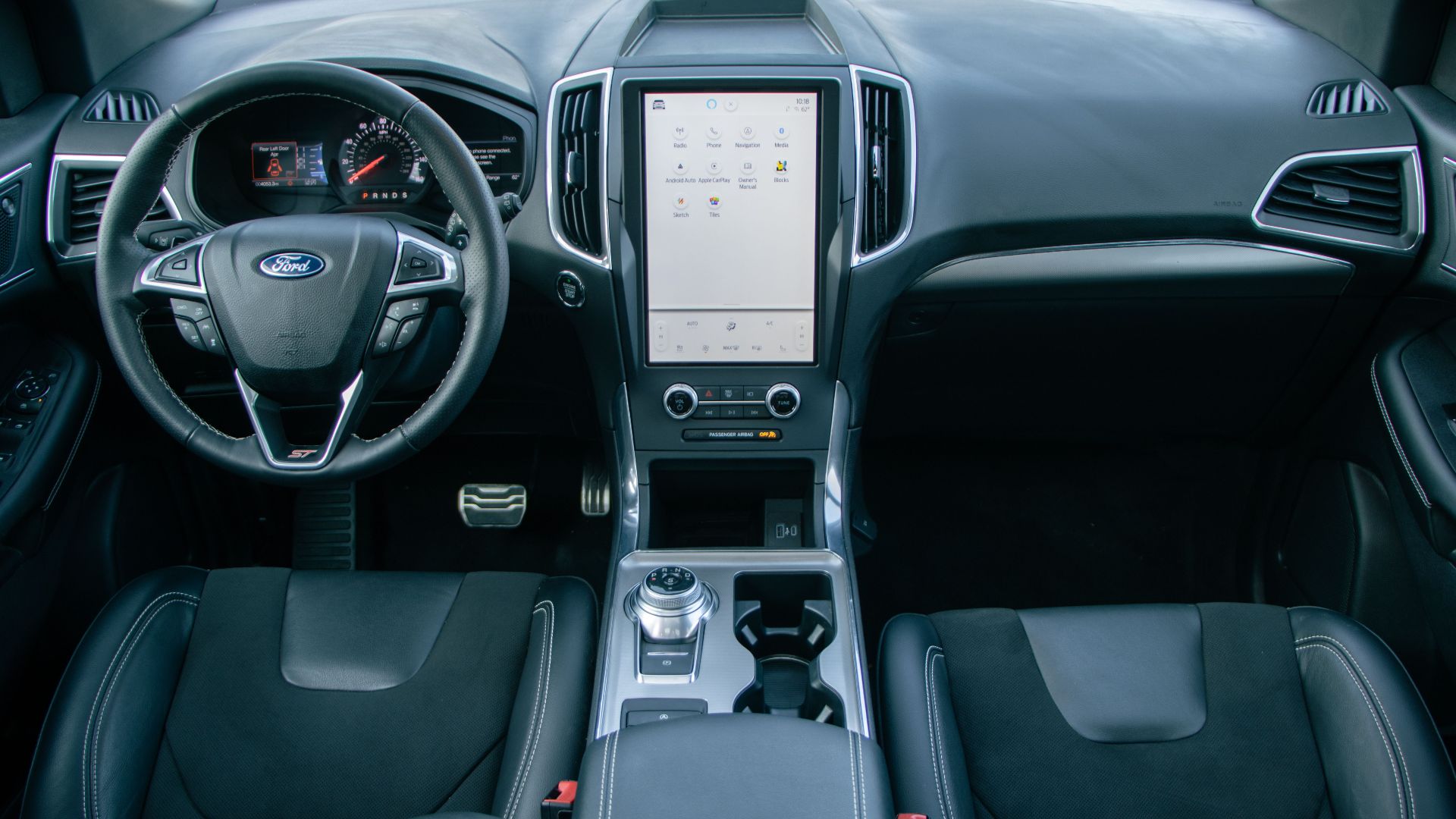
Google built-in systems can automatically maintain offline maps when the corresponding setting is active. Ford’s Digital Experience likewise requires auto-downloaded offline maps to be enabled if drivers want navigation functionality without an internet connection. A capable system can still fail in a dead zone when its offline feature was never turned on.
GPS Problems Need Different Troubleshooting
A car can also lose satellite reception, especially in parking garages, tunnels, or beneath structures. Ford notes that poor GPS access can cause the map to display an incorrect position even when the navigation system itself is otherwise functioning. A cellular failure and a GPS failure therefore produce different problems and may require different fixes.
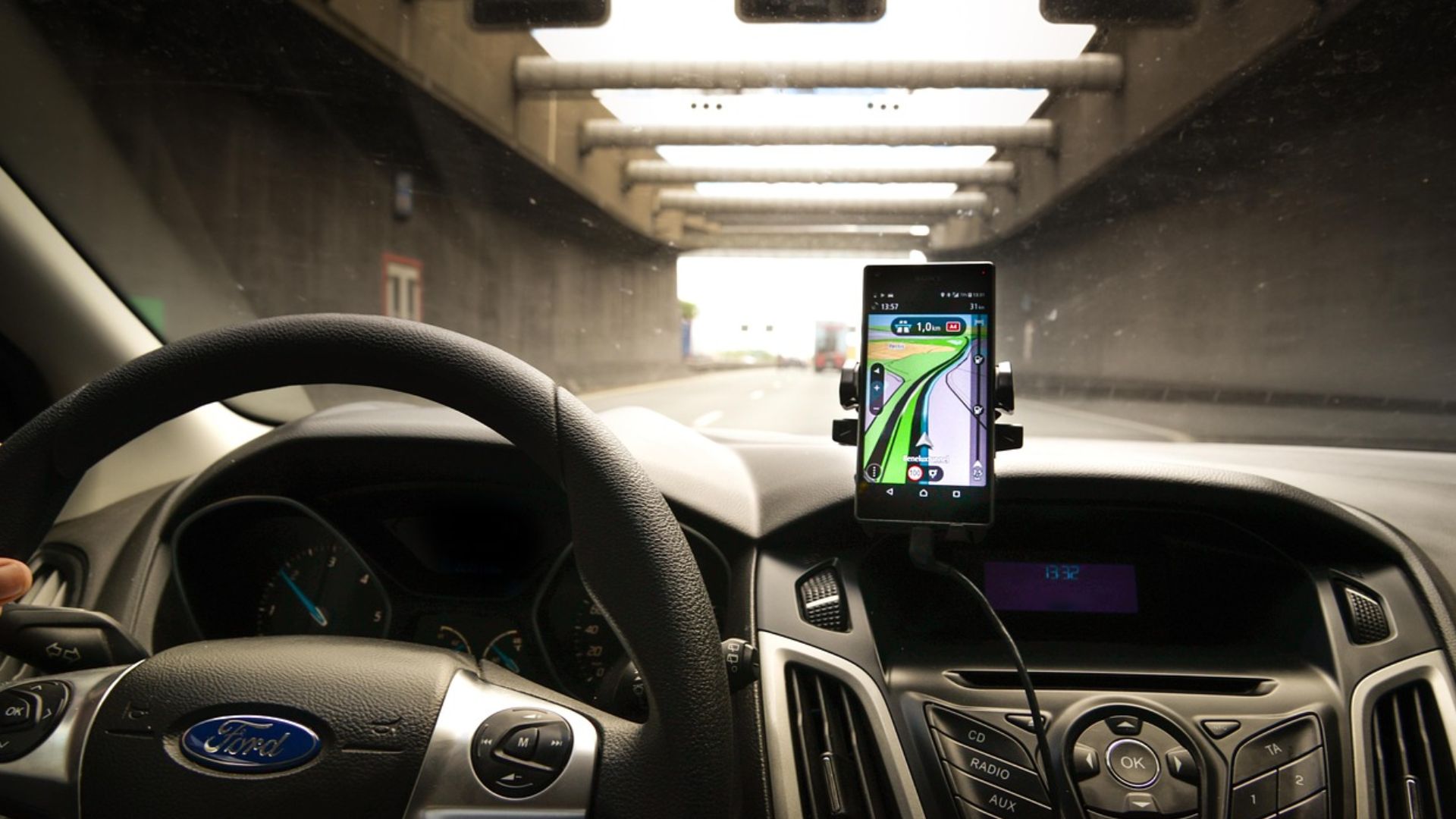
Subscriptions Should Buy Enhancements
Charging a subscription for real-time traffic, cloud searches, weather, live agents, or continuously refreshed map information is technically understandable because those services require ongoing data and server infrastructure. Tesla, for example, separates core navigation from premium features such as satellite-view maps and live traffic visualization. That model lets drivers keep essential routing while paying extra for richer connected information.
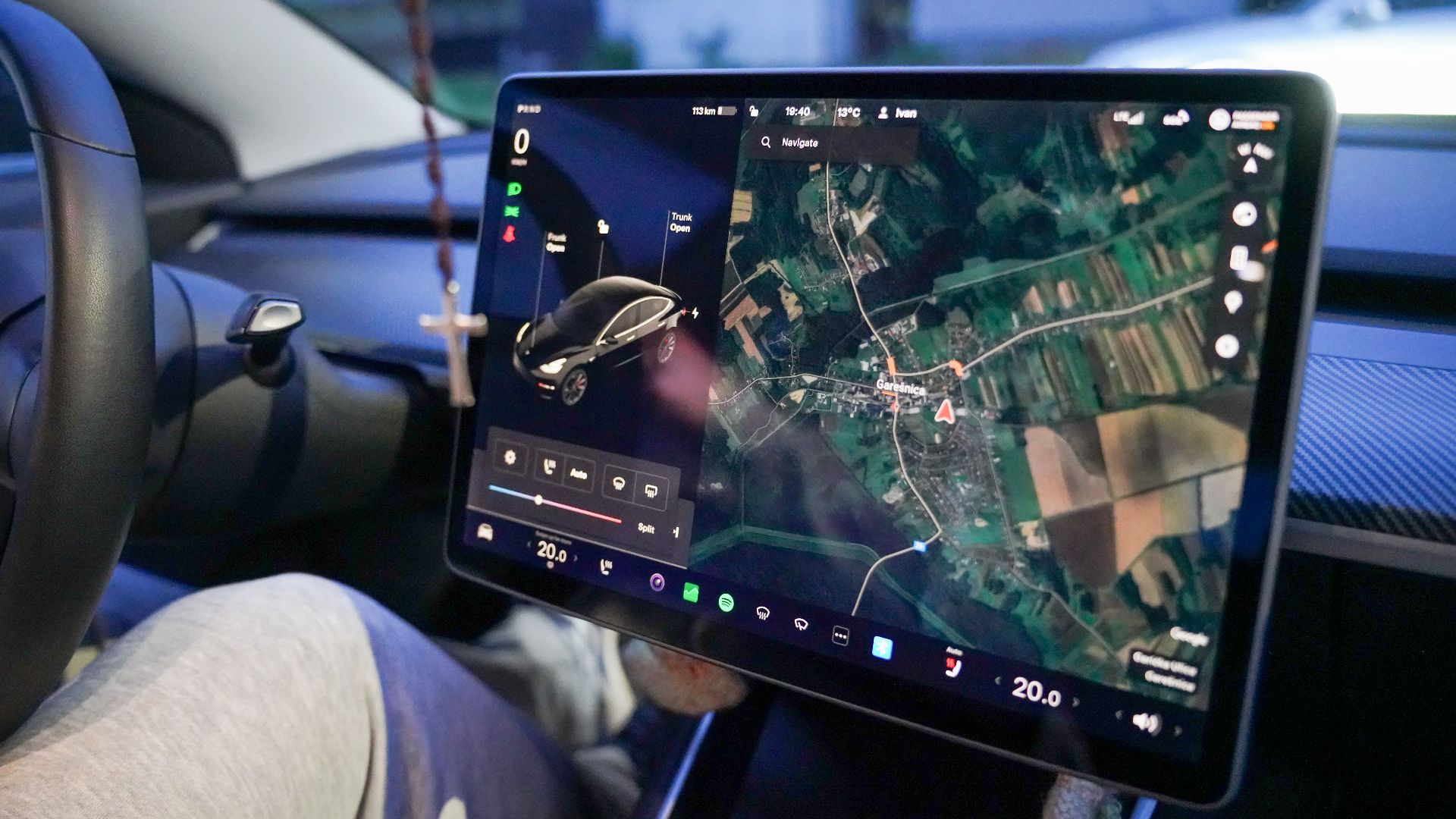
Losing Core Navigation Is Harder To Defend
A driver who paid for a vehicle with an integrated navigation screen reasonably expects it to remain useful during ordinary coverage gaps. Ford, Toyota, Hyundai, GM, Volvo, and Google all demonstrate technical approaches that preserve at least some offline capability. Complete dependence on a live data connection is therefore a design choice rather than an unavoidable limitation of modern navigation.
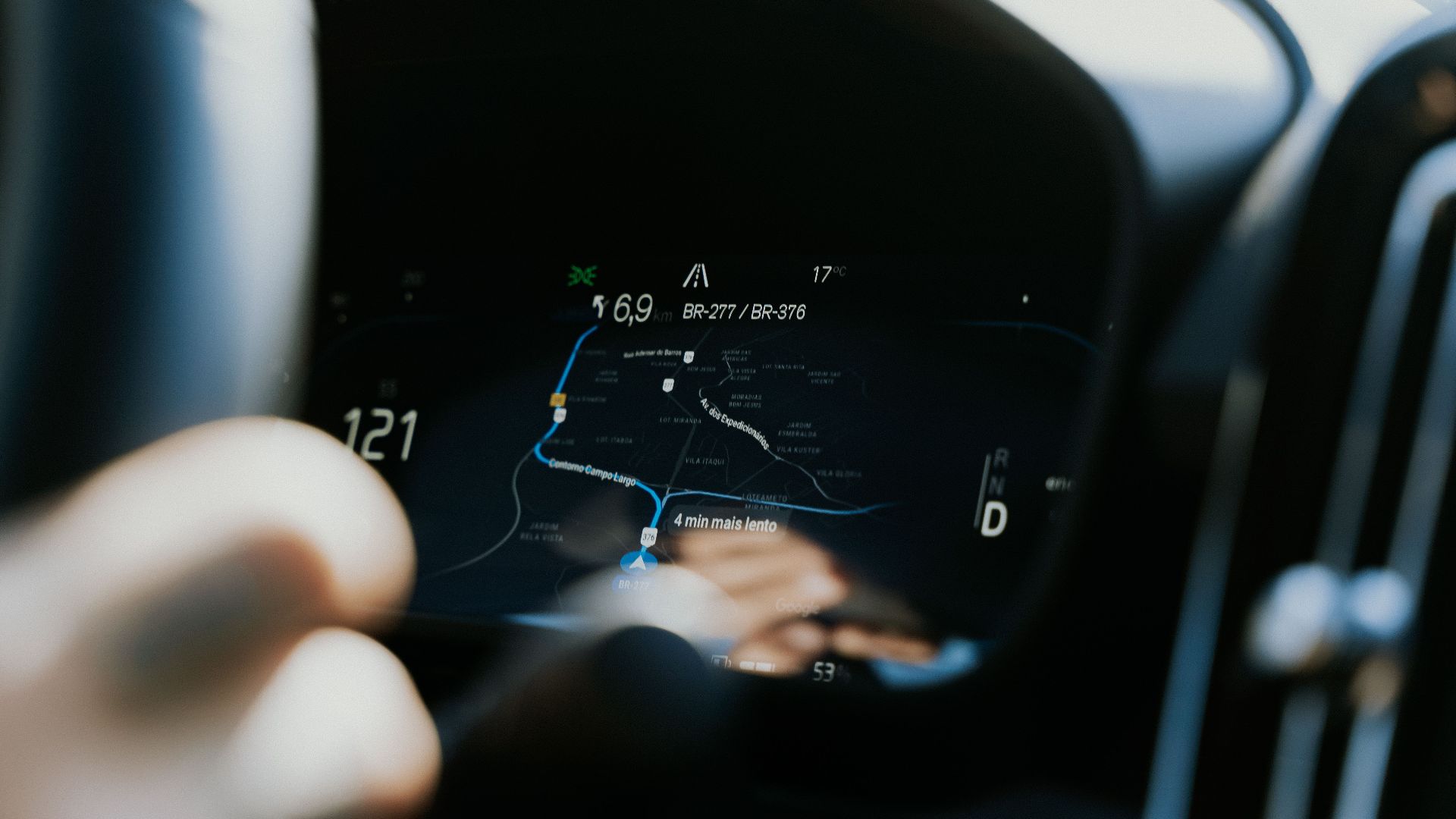
Built-In Maps Should Survive The Dead Zone
Connectivity should make navigation smarter, not determine whether basic directions exist at all. The best architecture keeps enough map data in the car for ordinary routing while using the network for traffic, searches, updates, and other live services. If your subscription system cannot do that, an offline smartphone map is worth keeping ready until the automaker improves the fallback.

You May Also Like:
Classic Convertibles Everyone Dreams About
Classic Muscle Cars That Are Impossible To Find Now
Overpriced Classic Cars That Don't Live Up To The Legend
Sources: 1, 2, 3, 4, 5, 6, 7, 8, 9, 10, 11, 12, 13, 14, 15, 16, 17, 18, 19, 20