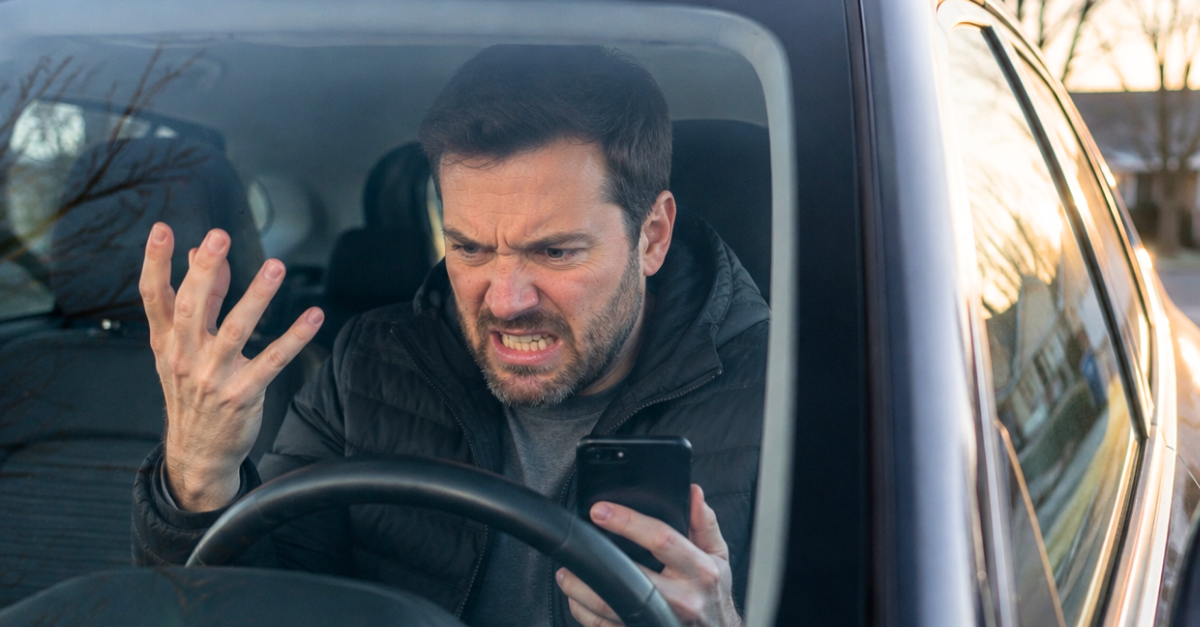
Your Dashboard Is No Longer Frozen In Time.
Over-the-air software lets automakers change interfaces and vehicle functions months or even years after a car leaves the showroom. That capability can bring useful improvements, but waking up to unfamiliar controls also raises legitimate questions about consent, safety, and what exactly you bought.
Your Car Really Can Change Overnight
Modern connected vehicles can download software remotely and install it while parked. Ford specifically promotes updates that can occur overnight, while Tesla lets owners schedule installations and view the changes afterward in release notes. The result is a vehicle that may look or behave slightly differently the next morning without ever visiting a dealership.
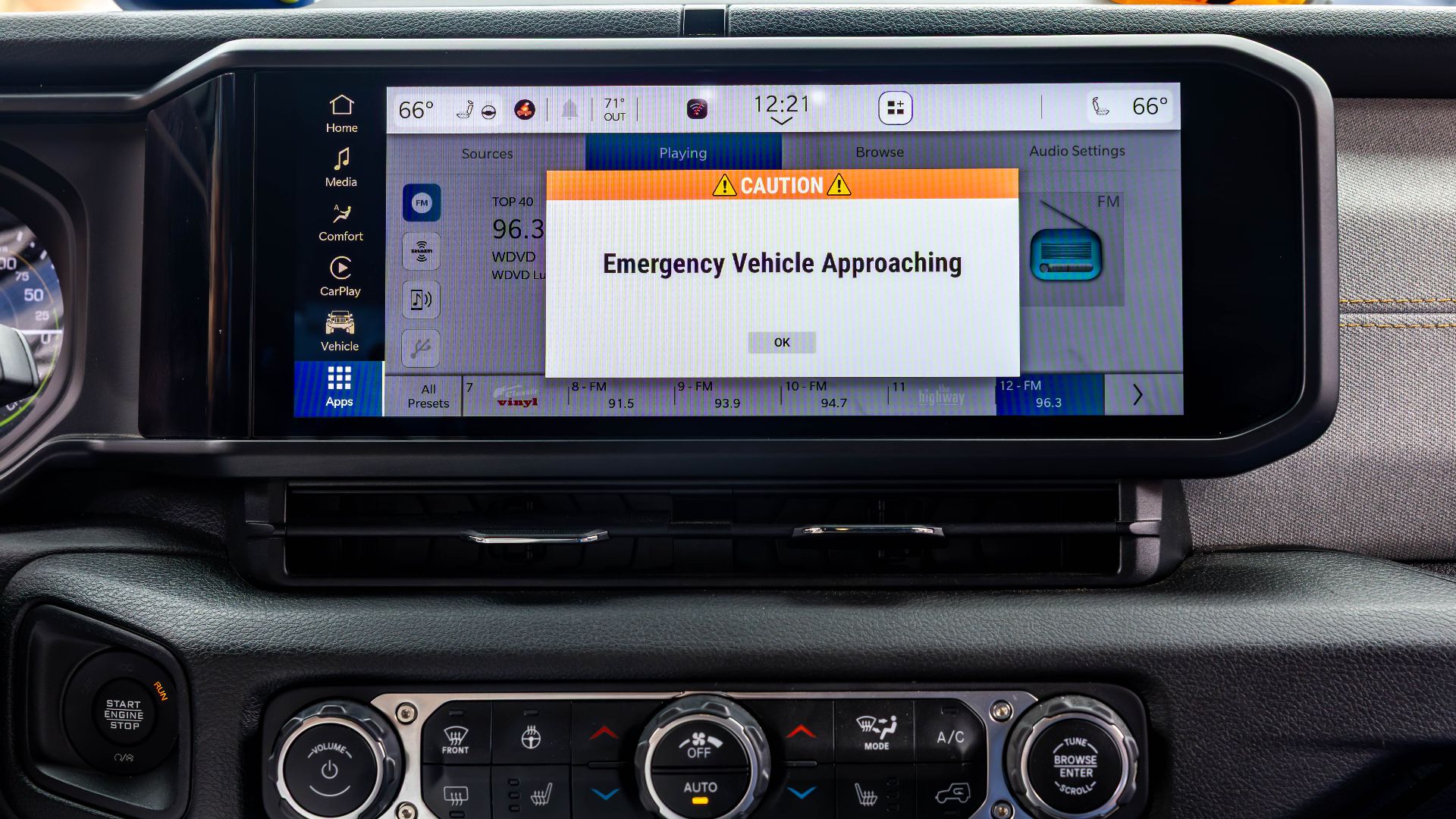 City of Detroit , Wikimedia Commons
The Dashboard Is Increasingly Software
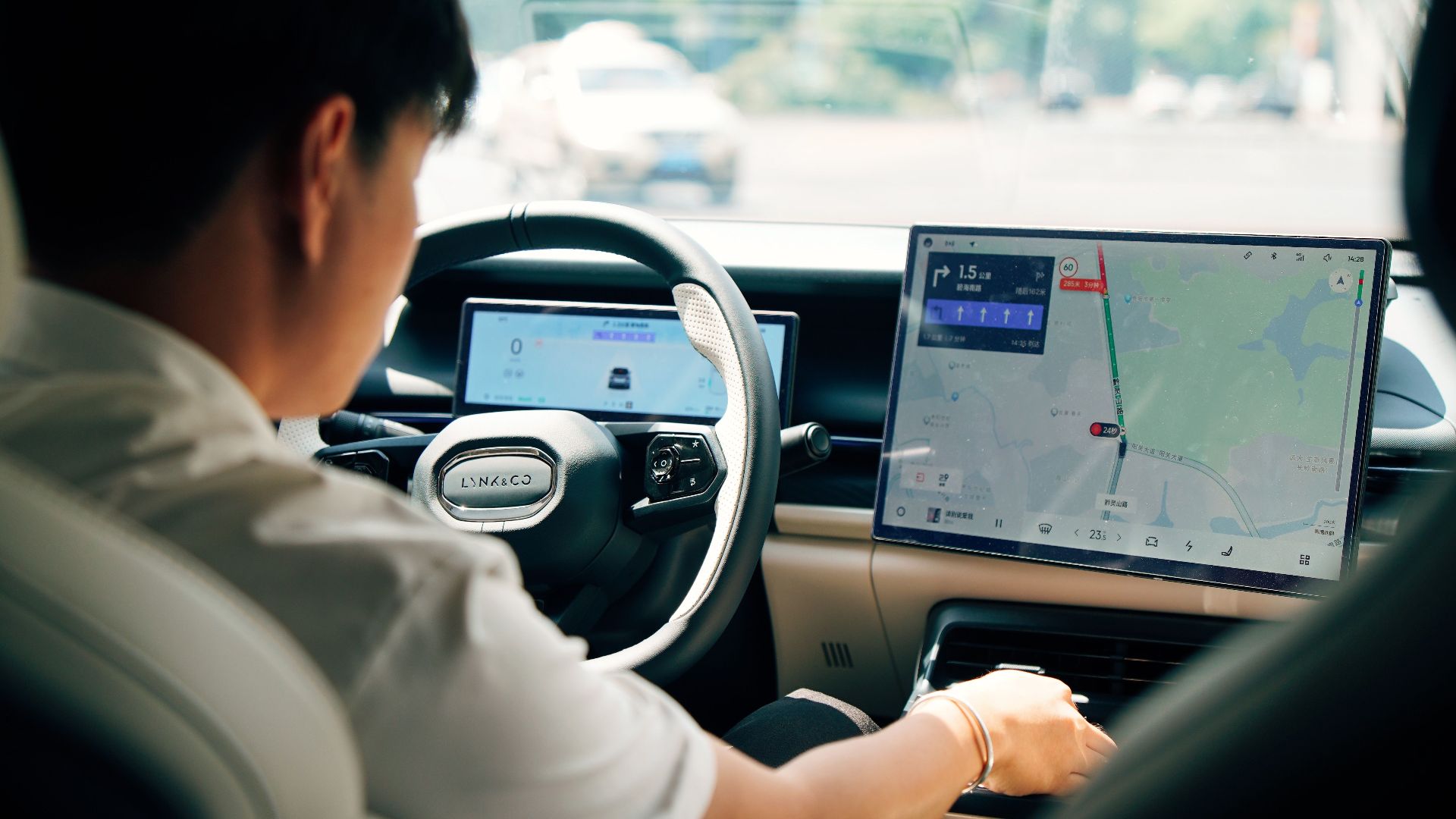
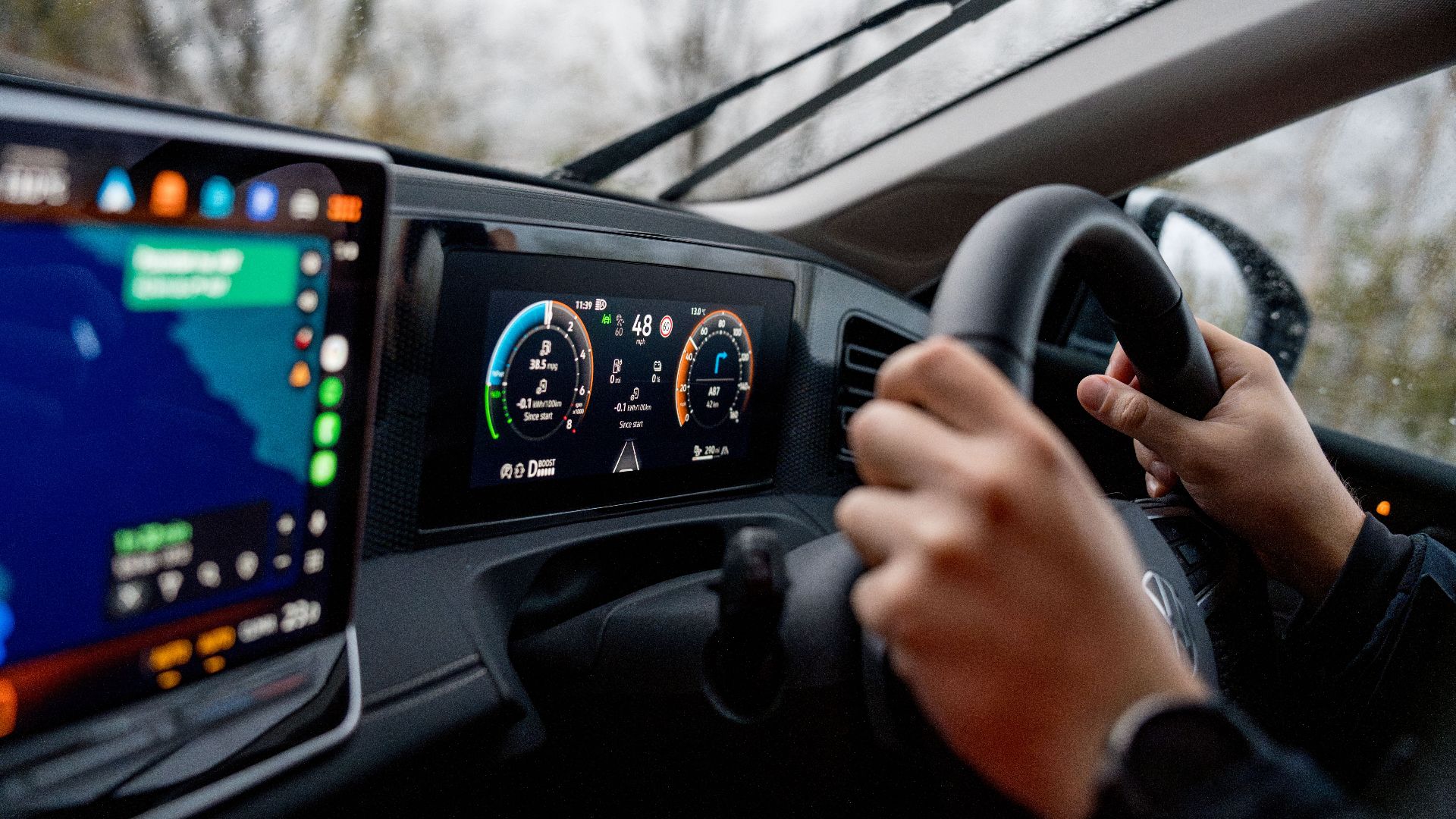
Traditional dashboards were largely collections of fixed gauges, switches, and wiring. Current vehicles increasingly use digital instrument clusters, central touchscreens, and electronically controlled functions whose appearance and behavior are defined by software. Changing that software can therefore change the driver's experience without replacing a single physical component.
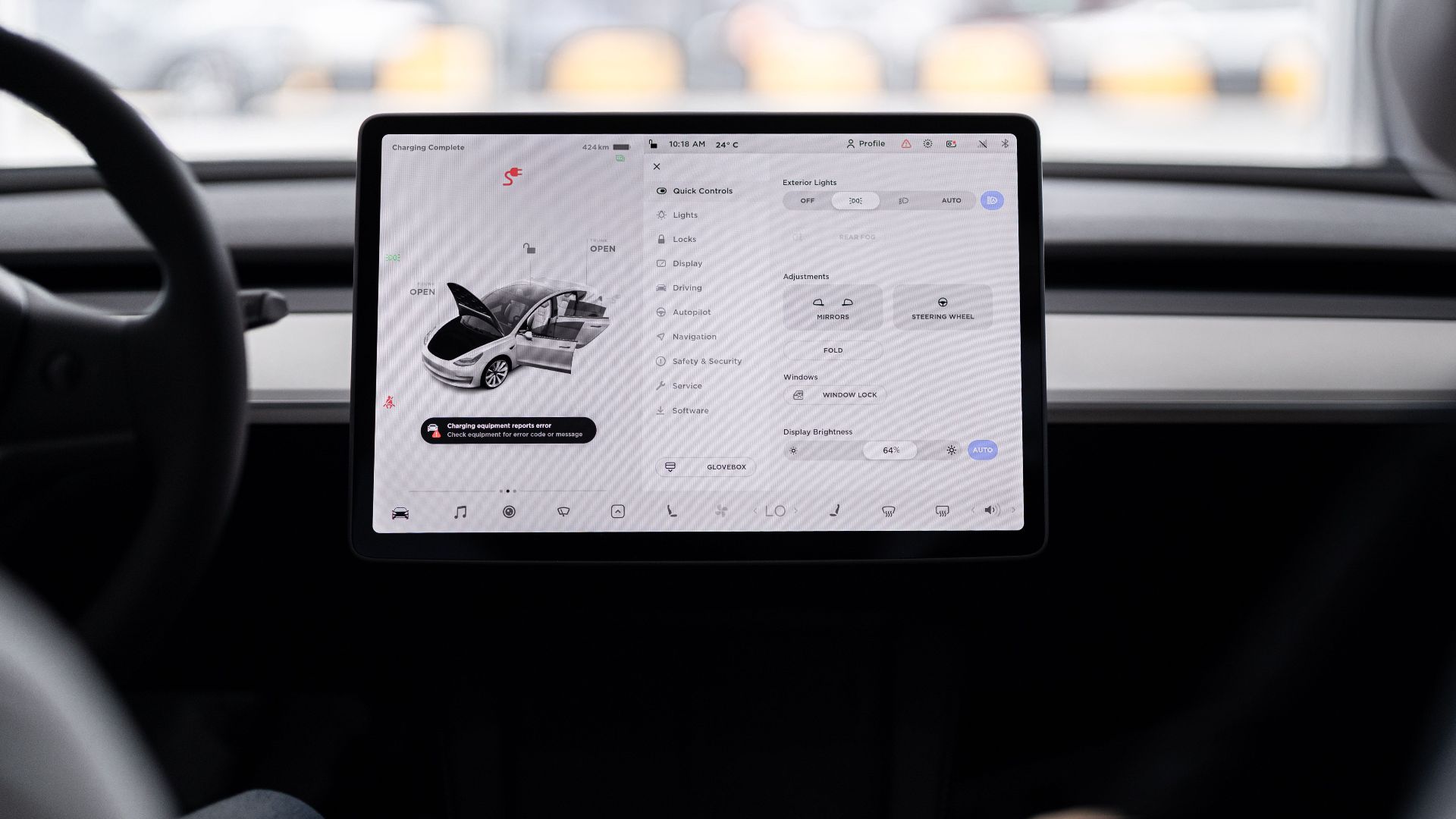
Buying The Car Does Not Freeze The Interface
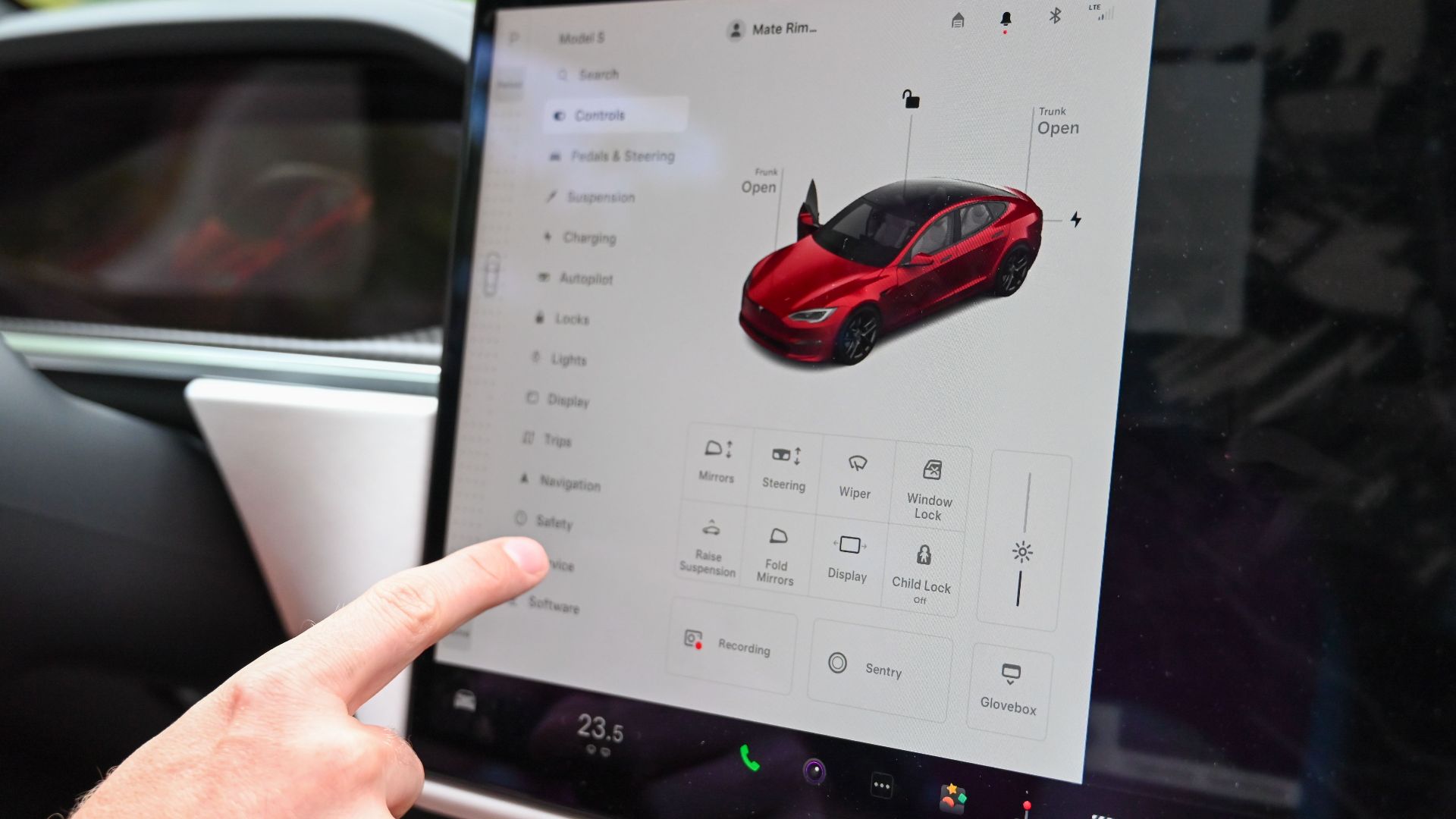
Some manufacturers explicitly warn that vehicle features and displays can evolve with software versions. Tesla says features can vary according to software updates and reserves the right to make product modifications over time. Its current manuals also warn that touchscreen illustrations may differ according to the software running on the vehicle.
GM’s Terms Are Particularly Direct
GM's connected-services terms state that vehicle software is licensed rather than sold to the customer. The agreement says GM or the vehicle manufacturer may remotely deliver, install, update, or change that software without additional notice or consent. Those updates can affect vehicle settings and stored information.

Ford Uses Similar Language
Ford's privacy policy says connected vehicles may receive remote updates to infotainment systems, modems, and the vehicle operating system. It also says Ford may automatically deliver software changes, as permitted by law, without additional notice or consent. The company notes that updates can improve functionality, safety, security, or vehicle operation.

Updates Can Do Much More Than Fix Bugs
An OTA package is not limited to repairing defective code. BMW says its Remote Software Upgrade can deliver new functions, functional improvements, and quality enhancements. Rivian likewise describes its architecture as capable of continuously improving vehicle controls, dynamics, and features.

Volvo Has Already Redesigned Existing Dashboards
This is not a theoretical concern. Volvo's 2026 software 5.0.5 introduced a redesigned user experience on compatible existing vehicles, changing both the instrument panel and center display. The update added a new home screen, dynamic shortcuts, and a revised navigation layout.

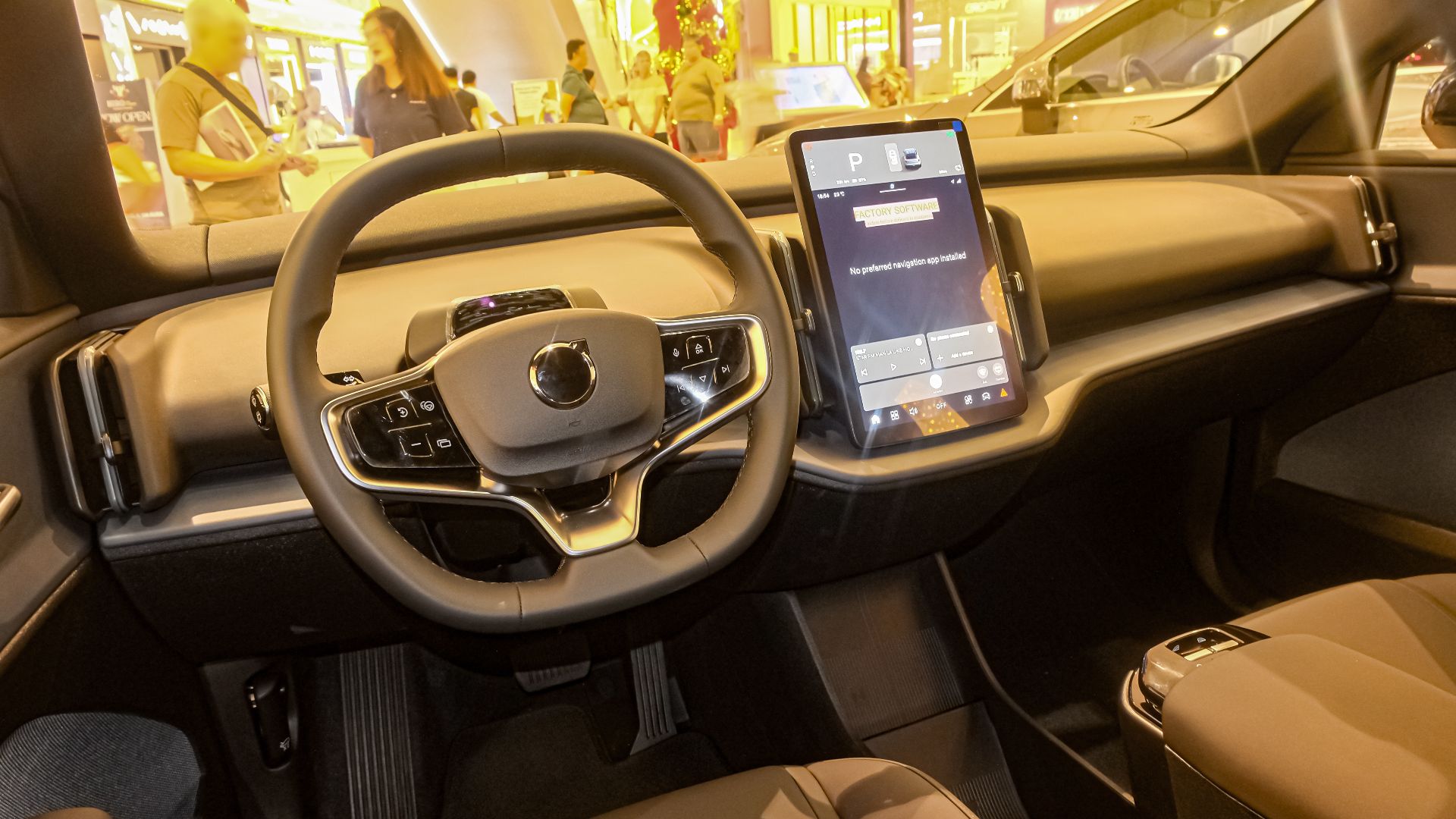
Volvo Changed Controls Again On The EX30
Volvo's EX30 received another user-interface redesign through software in 2026. The company added a customizable contextual bar intended to give owners faster access to commonly used functions. Volvo also warned that some profile settings might reset after installation.
 Ethan Llamas, Wikimedia Commons
Rivian Regularly Reworks On-Screen Features
Rivian has similarly redesigned portions of its vehicle interface after delivery. A 2025 update completely reworked the Energy app with a new layout, new graphics, and additional battery controls. Other Rivian updates have changed driver displays, drive-mode functionality, and how existing vehicle systems are accessed.
Software Can Change Mechanical Behavior Too
OTA updates are not confined to cosmetic graphics. Rivian says updates can alter vehicle dynamics and features, while Ford says its architecture can update a large number of vehicle modules. Software can therefore influence everything from charging behavior to suspension settings and driver-assistance functions.
There Are Legal Limits
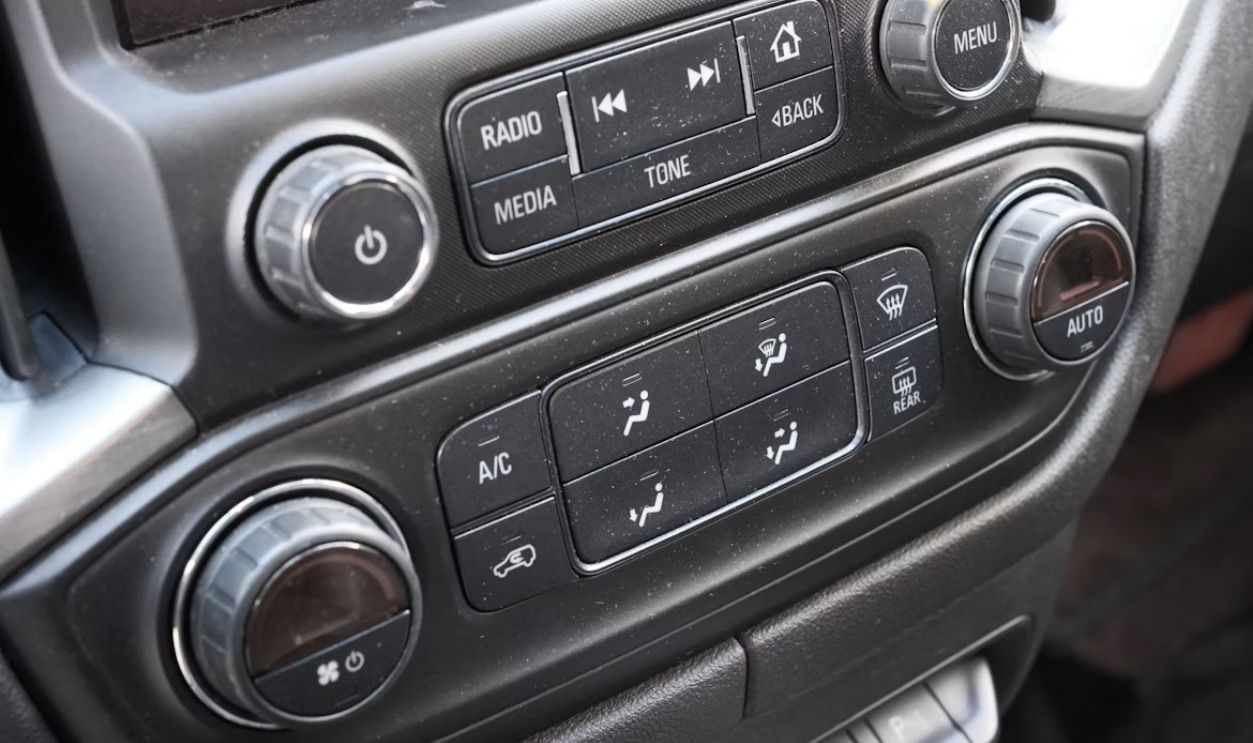
An automaker does not gain unlimited freedom simply because a vehicle is software-controlled. Federal Motor Vehicle Safety Standard 101 regulates the location, identification, color, and illumination of specified controls and displays. Its stated purpose includes reducing hazards caused by driver distraction and selecting the wrong control.
Important Controls Still Have Rules
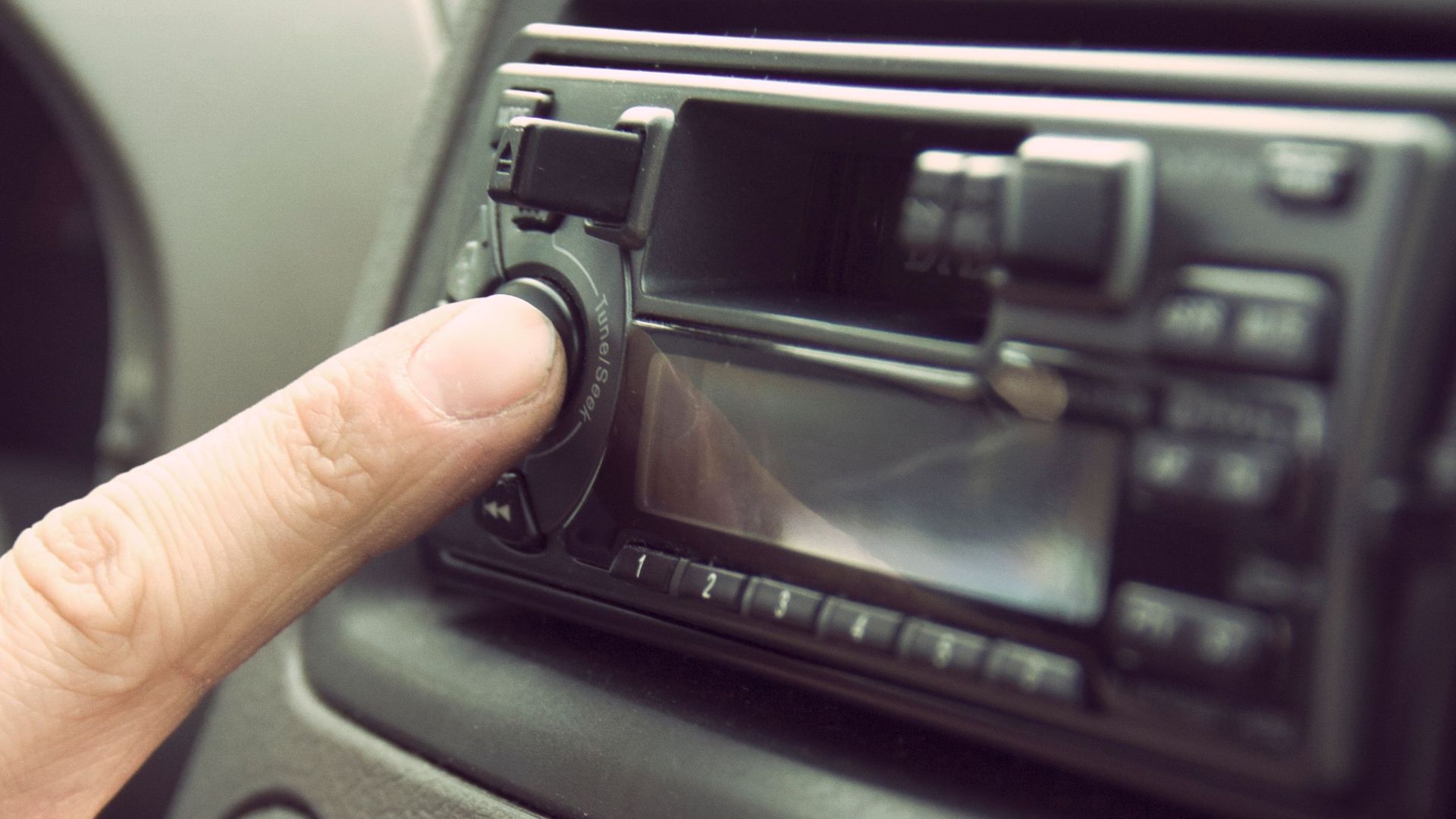
Federal regulations identify requirements for various controls, indicators, and telltales. They also specifically require identification of heating and air-conditioning control functions. Moving something on a touchscreen does not erase the manufacturer's obligation to comply with applicable federal standards.
Post-Sale Software Is Still A Safety Matter
NHTSA has specifically said its safety authority extends to software changes made after a vehicle has been sold. The agency has acknowledged that post-sale updates can substantially alter vehicle functions and technical capabilities. If an update introduces a defect presenting an unreasonable safety risk, recall authority can still apply.
OTA Updates Can Actually Become Recalls
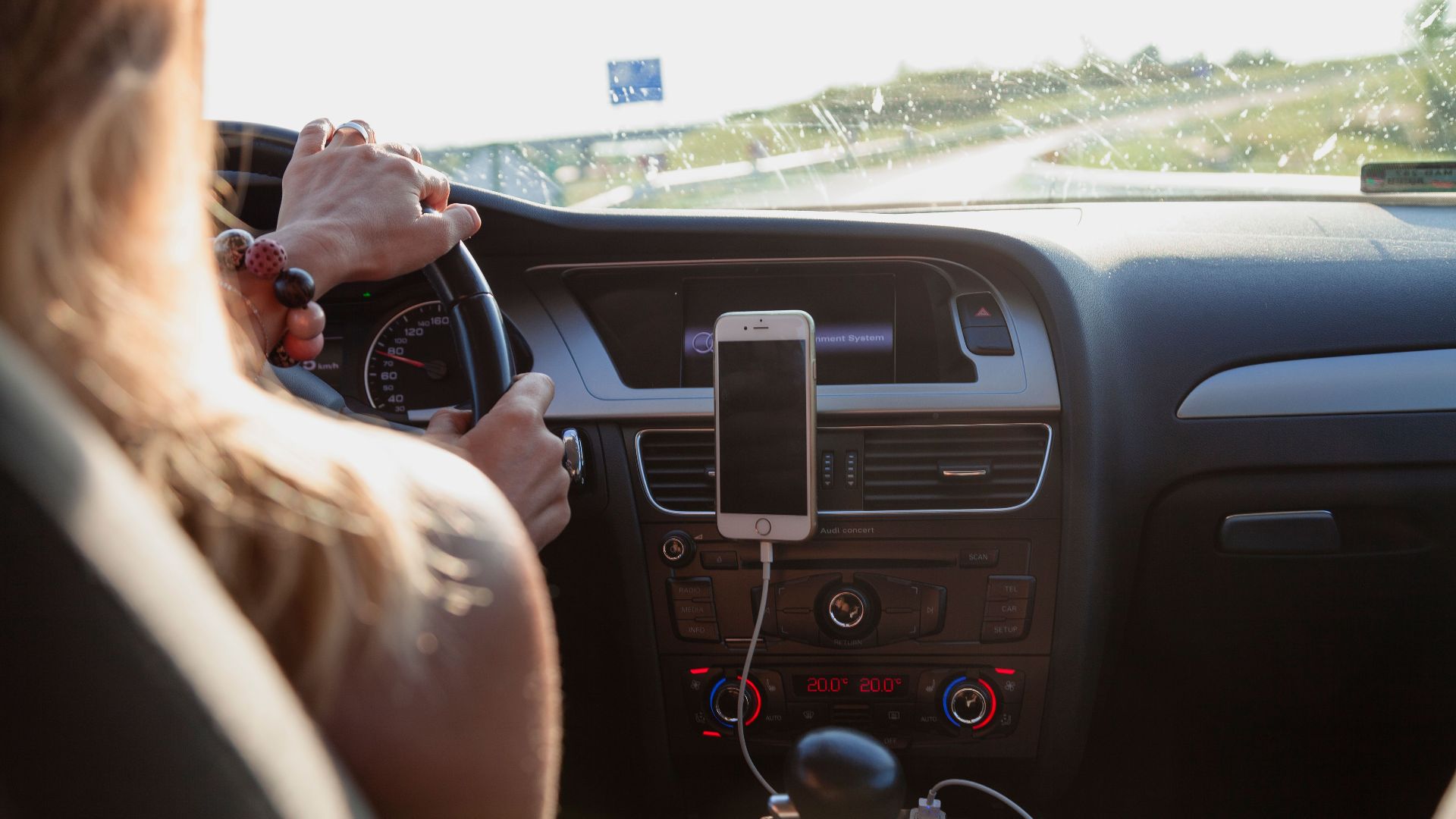
Remote software has become a common way to perform safety-recall repairs. Rather than asking every owner to visit a dealership, manufacturers can sometimes send corrected software directly to affected vehicles. That can turn a recall repair into something resembling a phone update.

Tesla Fixed A 2026 Recall Remotely
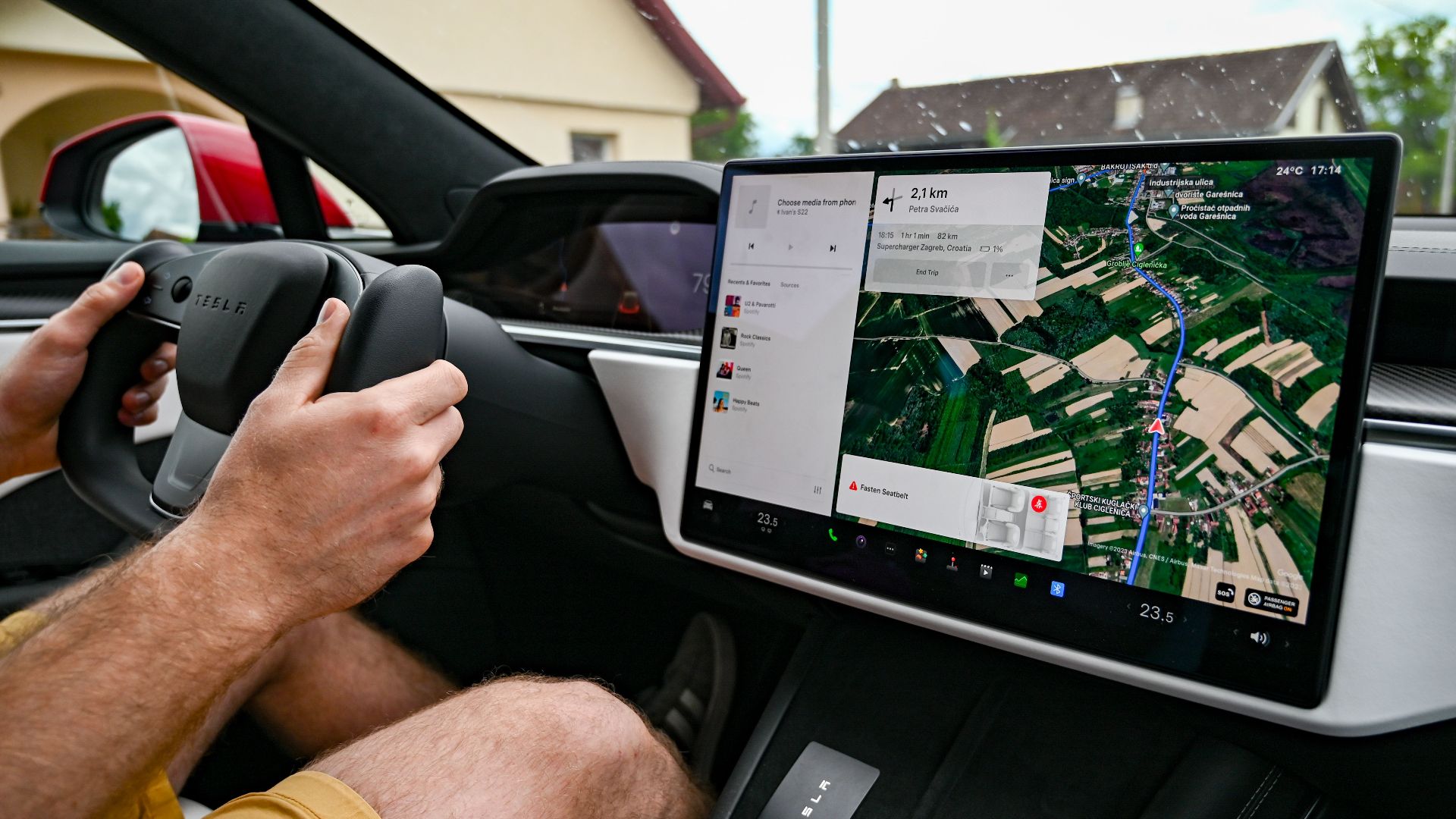
A 2026 Tesla software release caused delayed rearview-camera images on certain vehicles. Tesla halted the affected rollout and sent corrected firmware over the air. NHTSA's recall filing says more than 99.9 percent of the affected population had received the remedy software by the time of the filing.
Software Can Cause The Problem First
That Tesla recall also demonstrates the other side of OTA technology. The physical camera did not suddenly become defective because owners drove home one evening. A software version created a compliance problem, and another software version corrected it.
Volkswagen Has Used OTA For Display Problems Too
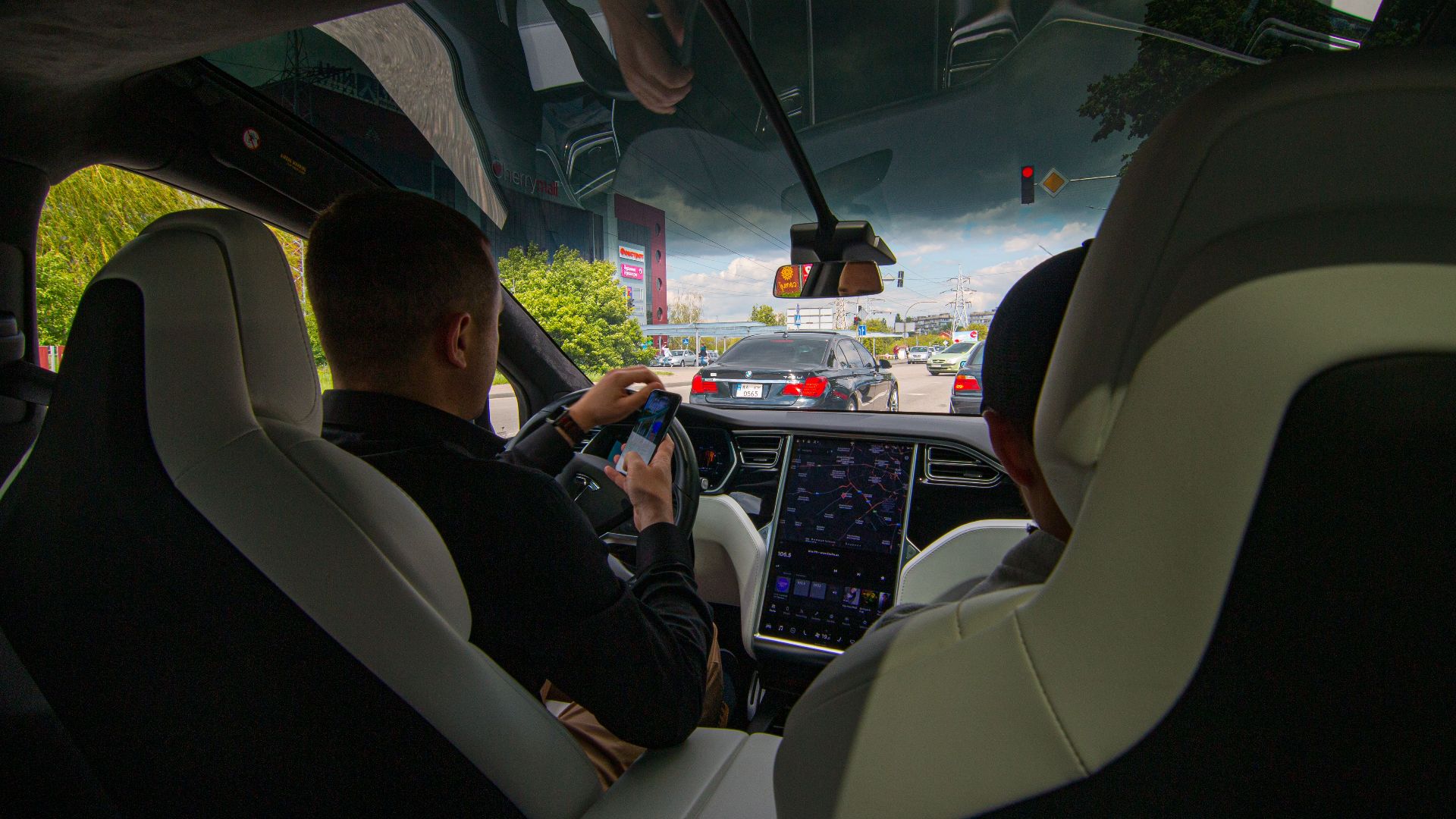
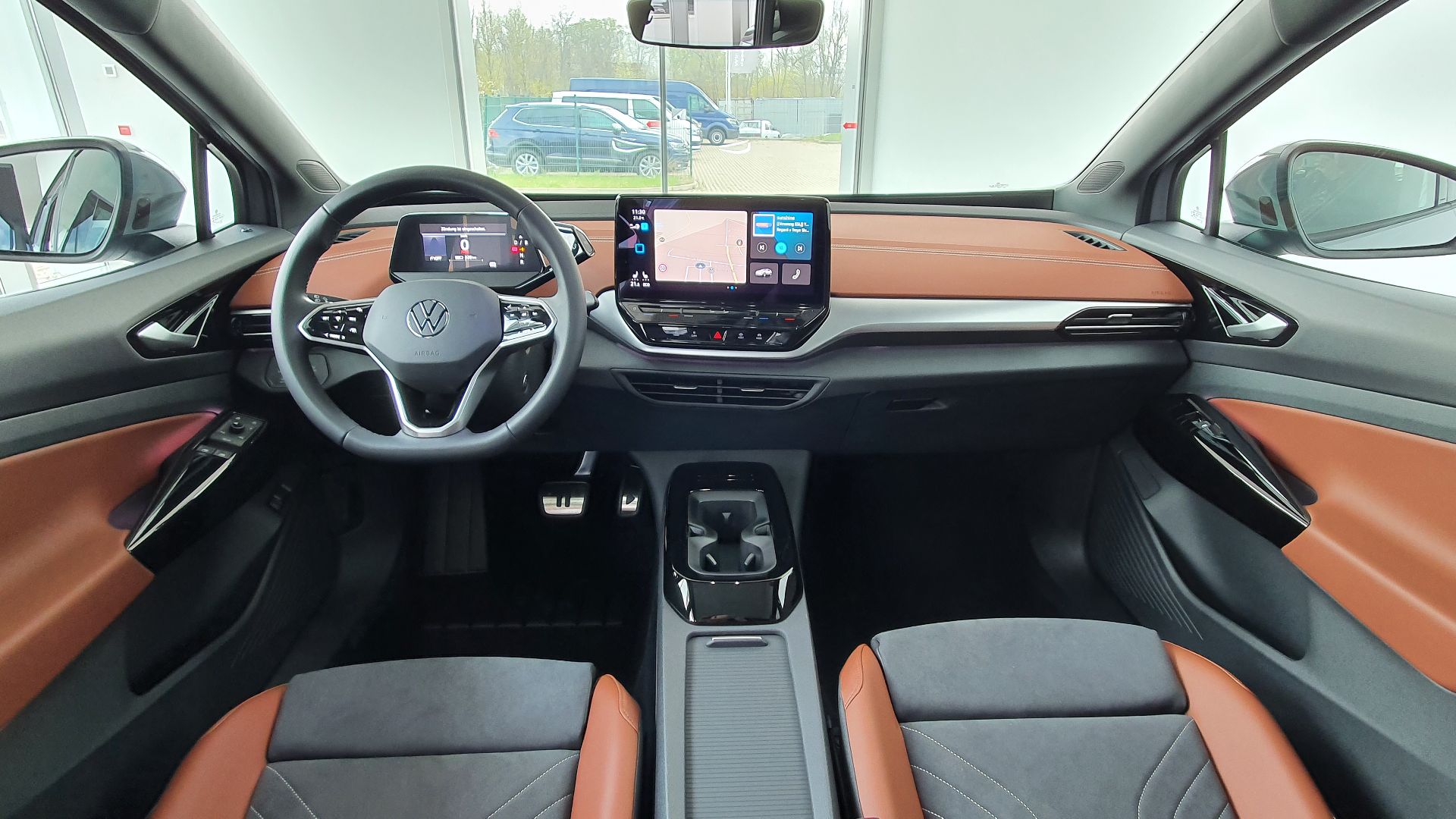
Volkswagen recalled tens of thousands of ID.4 vehicles because displays could fail to start or could reset unexpectedly. The problem could remove speedometer information or the rearview-camera image. Volkswagen's corrective software was ultimately made available over the air for eligible customer vehicles.
 Thomas doerfer, Wikimedia Commons
Not Every Update Installs The Same Way
Manufacturers use different consent and scheduling systems. Tesla lets drivers schedule many installations, while Volvo requires owners to initiate installation on certain vehicles after the update downloads. Ford also offers automatic-update settings and scheduling for updates that require the vehicle to remain parked.
Automatic Updates Can Explain The Surprise
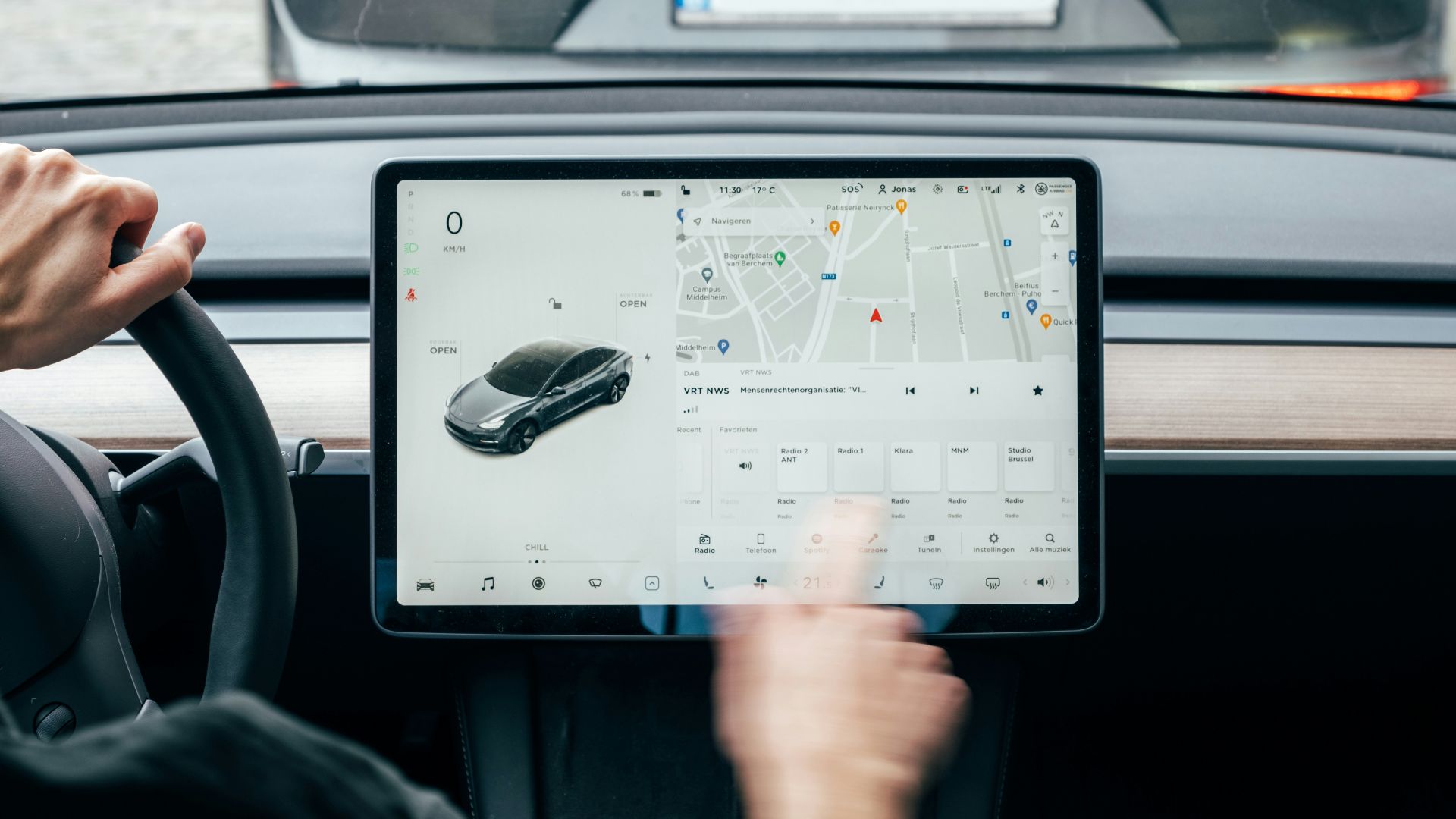
If automatic installation is enabled, an owner may give broad permission long before a particular redesign arrives. Tesla, for example, offers an automatic-install option that can install qualifying updates at home during the night. Ford also allows automatic software-update settings on compatible vehicles.

Turning Updates Off May Be Possible
Some manufacturers allow owners to disable or delay automatic updates. Ford says owners may be able to disable software updates through the vehicle settings. That does not necessarily mean postponing updates indefinitely is advisable, particularly when a release contains safety or security fixes.
Refusing Every Update Can Have Consequences
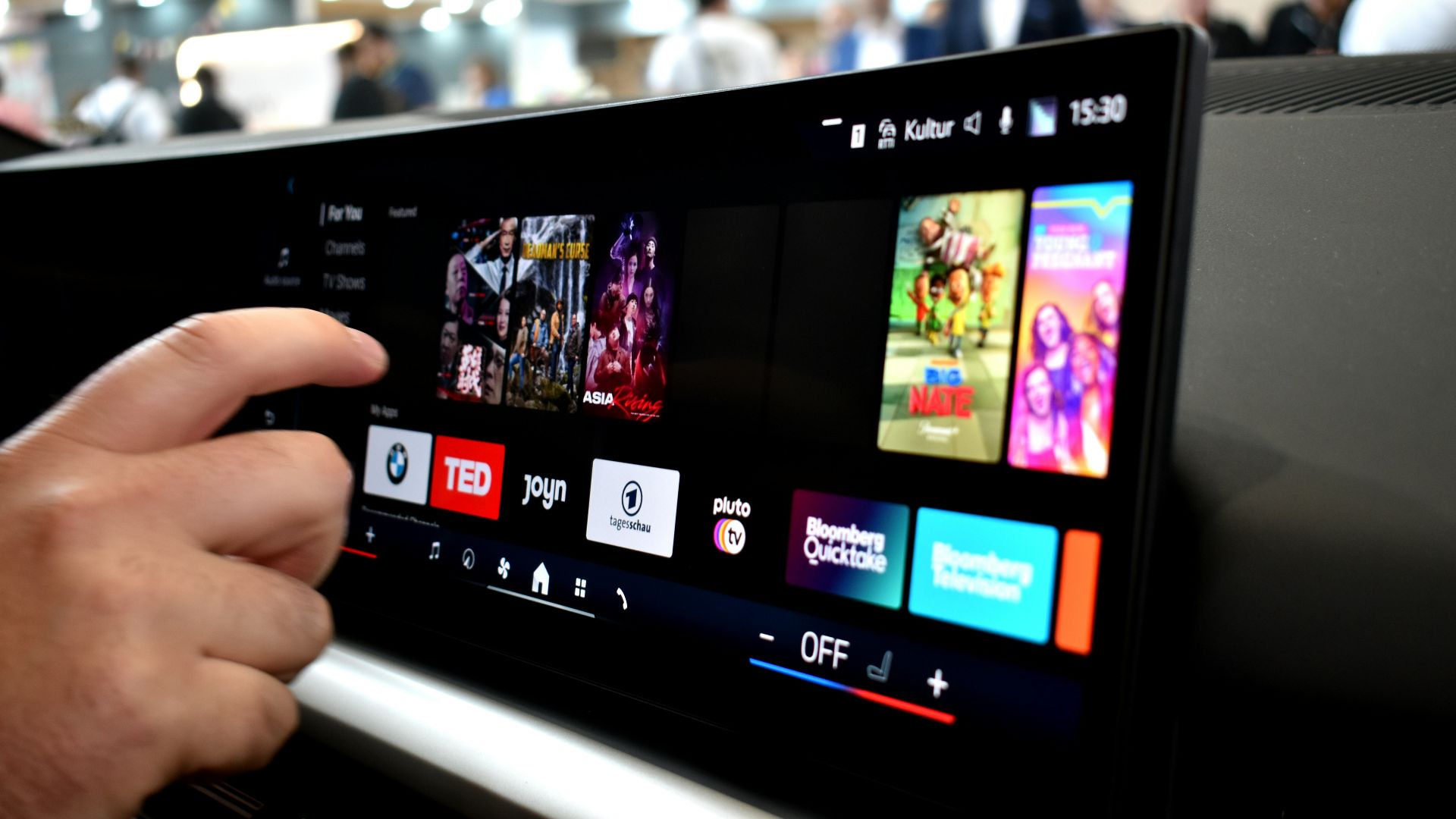
Tesla warns owners that failing or refusing to install updates can make certain features inaccessible or create compatibility problems. Its manual also says harm resulting from failure to install an available software update may not be covered by the warranty. Ignoring every update simply to preserve an old interface can therefore create other problems.

Going Back May Not Be An Option
Owners accustomed to computers may expect an uninstall button when they dislike a new design. Tesla explicitly says reverting to a previous software version is not possible. Other automakers may also lack a customer-accessible downgrade path even when the owner preferred the previous interface.

Your Saved Settings Can Change Too
GM warns that software updates may affect or erase data stored in the vehicle, including saved destinations and radio presets. Ford gives a similar warning about information stored in connected vehicles. An update may therefore change not only the appearance of controls but some personal configuration as well.
Release Notes Suddenly Matter
Tesla strongly recommends reading the release notes after software installations because they may contain new operating instructions or important safety information. Volvo and Rivian likewise publish detailed release notes describing changes. Treating those notes like smartphone-update fine print can leave drivers surprised by controls they need while moving.
Even The Owner’s Manual Can Evolve
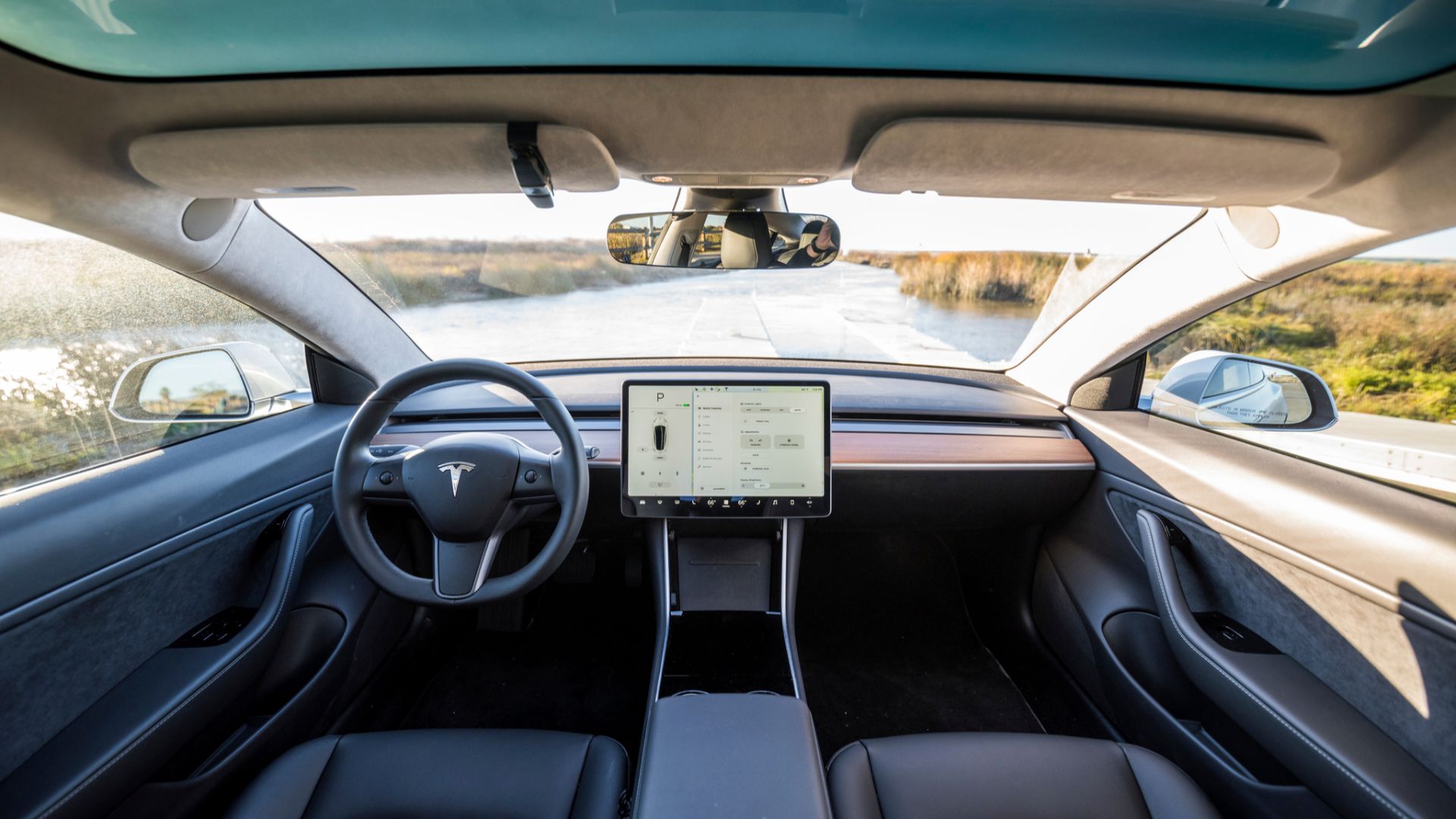
Tesla's in-car owner's manual is tailored partly to the current software version. The company states that release notes take precedence if newly introduced functionality conflicts with instructions in an older manual. The traditional idea of one printed book describing the car for its entire life no longer fits many connected vehicles.

Muscle Memory Is A Real Design Concern
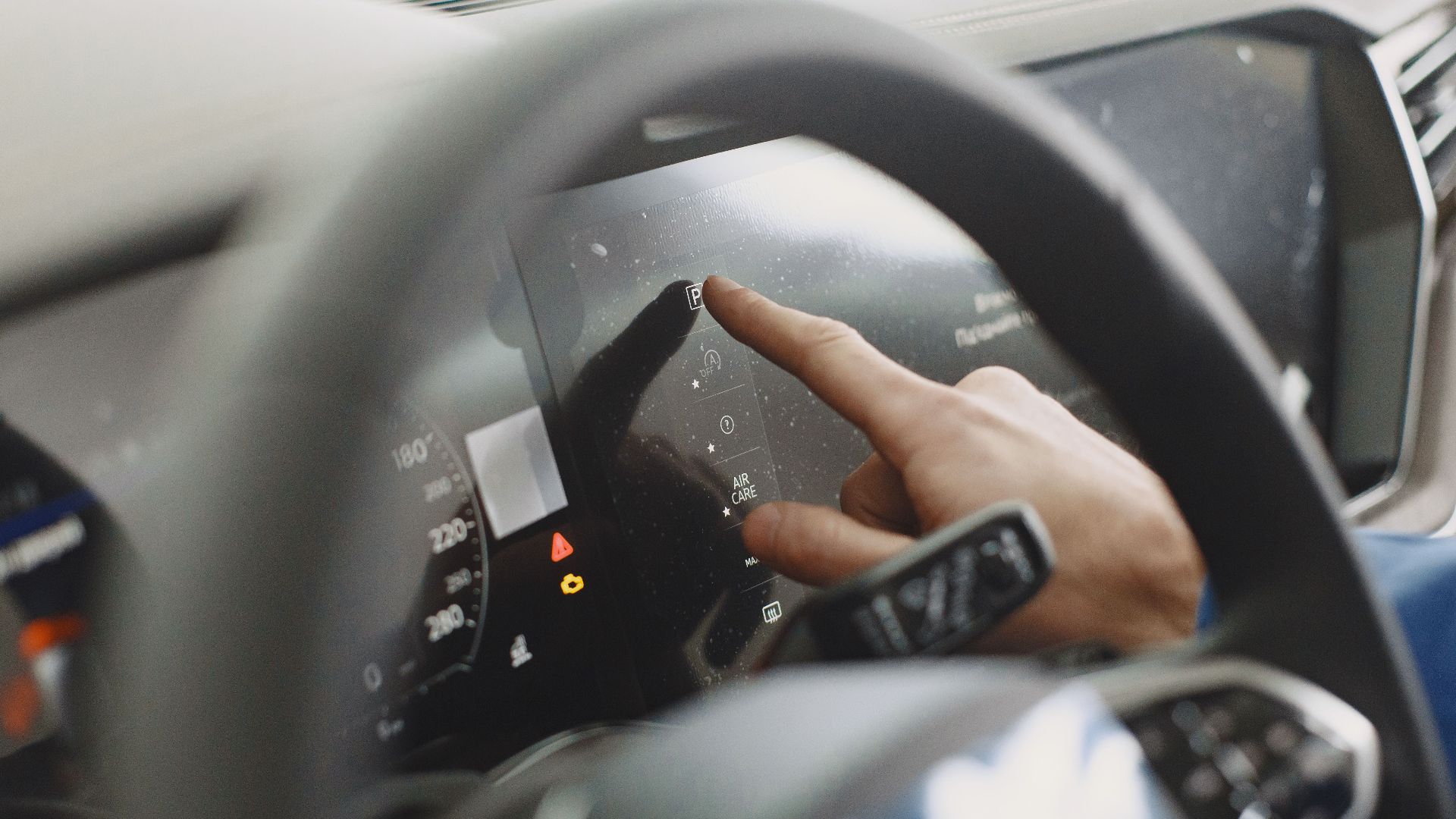
Drivers learn where controls are through repetition. Federal rules governing controls and displays explicitly aim to improve recognition and reduce mistakes and distraction. A technically legal redesign can still feel disruptive because the driver has to relearn actions that previously happened almost automatically.
Legal Does Not Automatically Mean Convenient
Federal standards regulate certain safety-related controls and displays, but they do not dictate every detail of an infotainment interface. Automakers retain considerable design freedom for functions outside specific regulatory requirements. An update can therefore be annoying or less intuitive without necessarily violating federal rules.
Paid Features Are A Separate Question
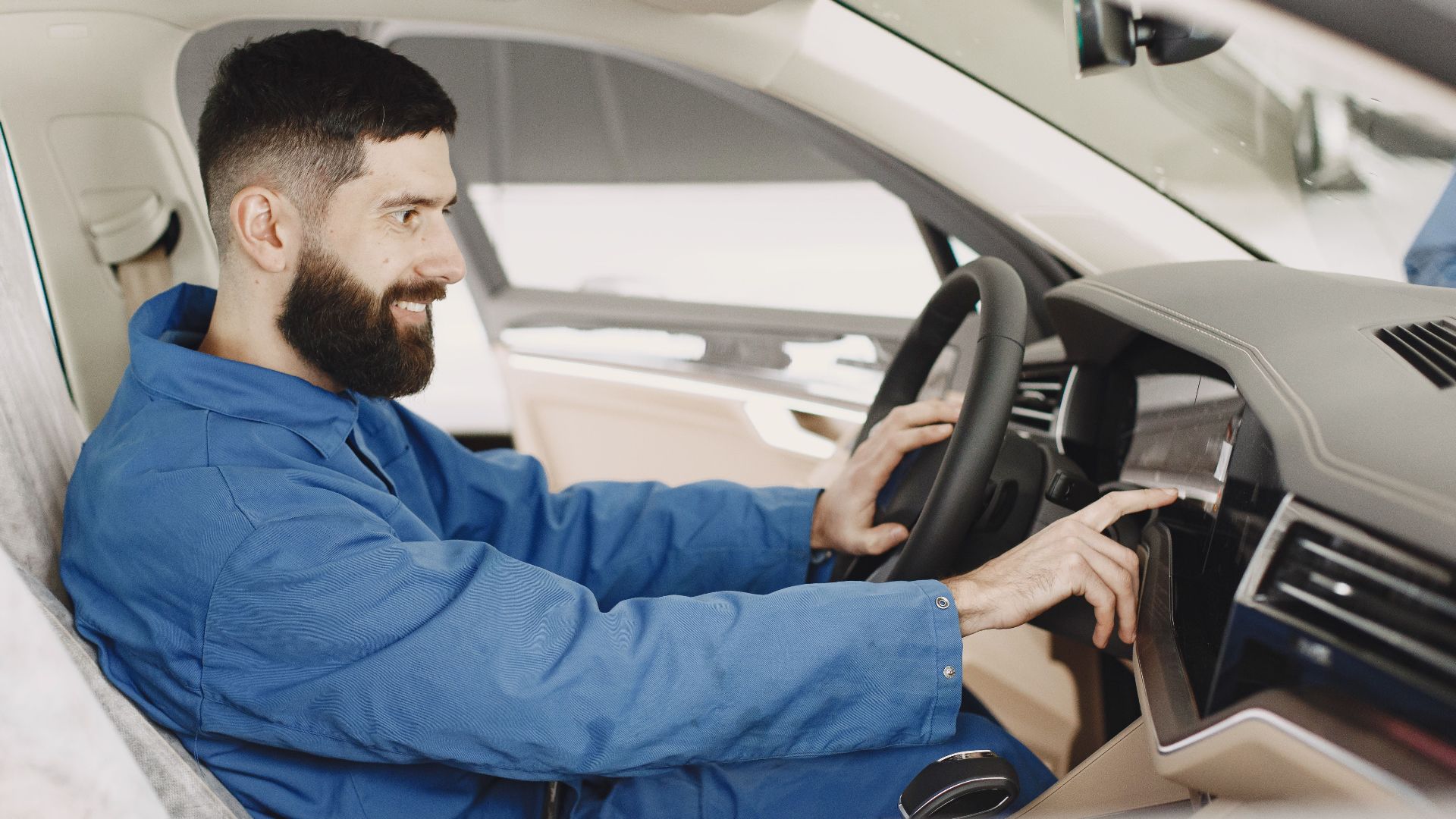
Subscription features add another layer because access may depend on an active service agreement rather than the physical hardware alone. Ford's BlueCruise, for example, requires an active plan after included access ends, while Tesla also sells certain software capabilities by subscription. Whether a feature is purchased permanently, licensed, or subscribed to matters when evaluating what the manufacturer may change.
Document A Change That Feels Unsafe
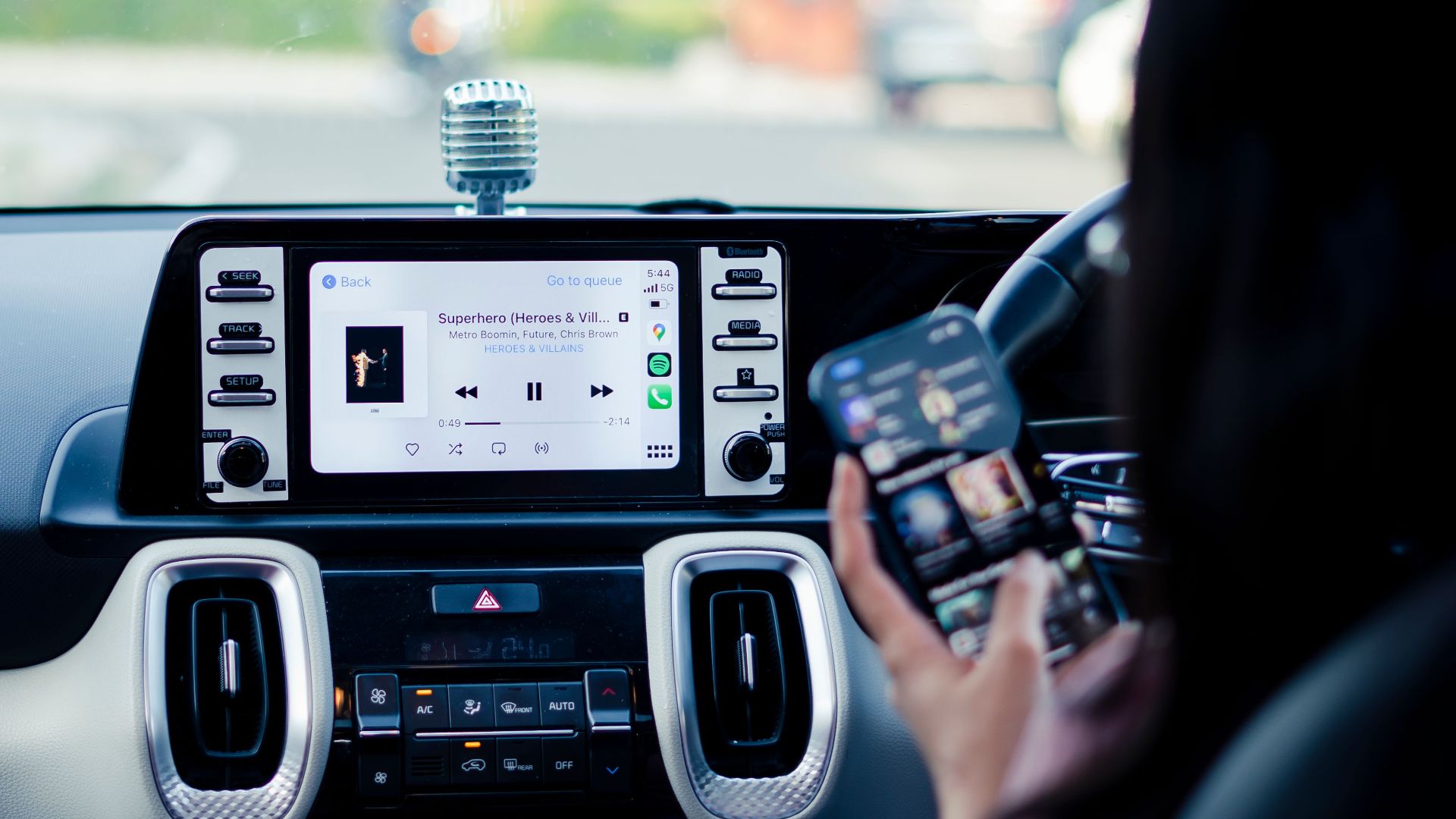
If an update moves a frequently used control and you believe the new arrangement creates a safety problem, record the software version and describe exactly what changed. Save screenshots or photographs while the layout is still current. Specific documentation is much more useful than simply reporting that the new dashboard feels worse.

Check For Recalls And Manufacturer Notices
NHTSA lets owners search by VIN or license plate for unrepaired recalls. Manufacturers also publish software release notes, service campaigns, and support information when problems emerge. A strange post-update behavior may already be known and scheduled for correction.

Report Genuine Safety Problems
Drivers can report potential vehicle safety defects to NHTSA rather than waiting for a formal recall. Complaints help regulators identify patterns across multiple vehicles. If an update causes displays to disappear, critical warnings to malfunction, or essential controls to behave unpredictably, reporting the problem is reasonable.

The Car You Bought Can Keep Evolving
Yes, automakers can and routinely do alter software-controlled vehicle functions after purchase, including dashboard layouts and the location of on-screen controls. Their contracts often give them broad update authority, but federal safety requirements and recall laws still apply when those changes affect regulated systems or create safety defects. The trade-off of the software-defined car is clear: you may gain better features years after purchase, but the dashboard you learned on delivery day is no longer guaranteed to stay exactly the same.

You May Also Like:
Classic Cars That Were Found In Barns, Then Set Auction Records
Four Of The Best New Family-Friendly Cars
Expensive Cars From Jay Leno's Collection That Don't Get Talked About Much
Sources: 1, 2, 3, 4, 5, 6, 7, 8, 9, 10, 11, 12, 13, 14, 15, 16, 17, 18