The Car Is Watching.
Driver-monitoring systems can improve safety by detecting long glances away from the road, closed eyes, and other signs of disengagement, but they are not infallible. There is no trustworthy industry-wide false-warning rate, and real-world accuracy can vary with the vehicle, software, lighting, sunglasses, seating position, and even the shape or visibility of a driver’s eyes.
A Warning Does Not Prove You Were Distracted
A driver-monitoring system does not actually know what you are thinking. It observes measurable clues such as eye gaze, head position, eyelid movement, and sometimes steering activity. When those signals cross a programmed threshold, the vehicle may warn you even if you felt fully engaged with driving.

There Is No Universal Error Rate
There is currently no credible percentage showing how often all driver-monitoring systems falsely accuse attentive motorists. Manufacturers use different cameras, algorithms, thresholds, warning strategies, and definitions of distraction. Euro NCAP’s latest testing specifically emphasizes system reliability and user acceptance, which reflects how much these differences still matter.

The Camera Is Making An Educated Guess
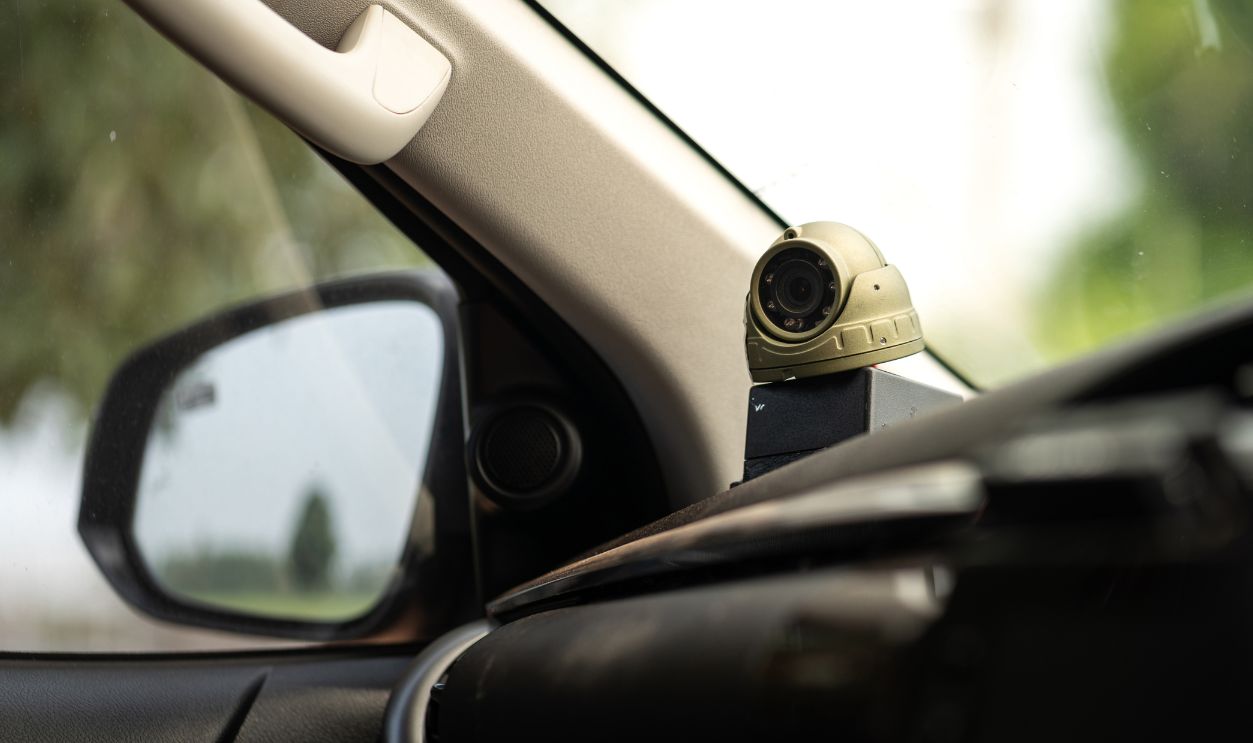
Camera-based systems typically estimate where your eyes and head are pointed rather than measuring mental attention directly. IIHS notes that no technology can determine whether a driver’s mind is actually focused on driving. The system instead checks whether your physical behavior looks consistent with an attentive driver.
 Nattawit Khomsanit, Shutterstock
Eye Gaze Is Usually The Main Clue
Ford BlueCruise uses a driver-facing infrared camera to monitor eye gaze and head position. GM Super Cruise similarly tracks head and eye position to determine whether the driver appears to be watching the road. Toyota’s driver monitor can evaluate facial direction and whether the eyes appear open or closed.

Looking Forward Is Not The Same As Paying Attention
A person can stare through the windshield while thinking about something completely unrelated to traffic. Researchers sometimes call related failures “looked-but-failed-to-see” events because the eyes may be oriented correctly without meaningful processing. This limitation means even a technically accurate camera cannot measure every form of distraction.

Necessary Driving Tasks Can Confuse The System
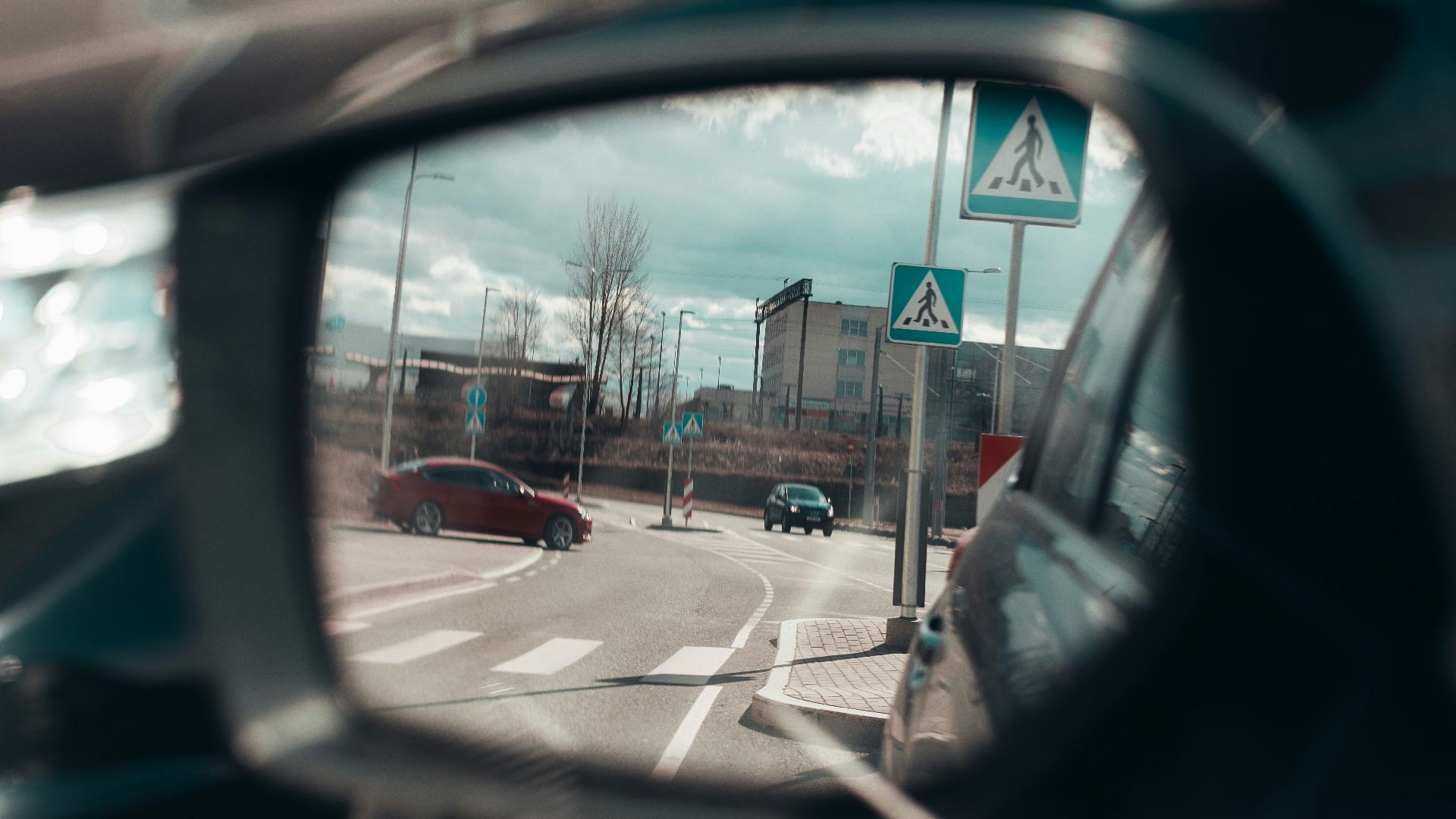
Drivers do not stare straight ahead every second. Checking mirrors, scanning an intersection, monitoring adjacent traffic, and preparing for a lane change all require legitimate changes in gaze. A system with rigid attention thresholds can occasionally interpret those driving-related glances as distraction.
 LightField Studios, Shutterstock
Researchers Have Seen That Happen
A 2024 study in Accident Analysis & Prevention tested driver-monitoring warnings during both non-driving tasks and legitimate driving tasks. The researchers found a substantial number of attention warnings occurred while participants were performing driving-related activities such as multiple lane changes. Participants also had more difficulty understanding warnings based on accumulated glance time than warnings triggered by one long distraction.

The Timer Behind The Warning Matters
Some monitoring approaches respond to a single extended glance away from the roadway. Others also measure the cumulative amount of time spent looking elsewhere during a larger time window. A driver making several individually reasonable checks can therefore reach a cumulative threshold without realizing why the car suddenly objects.
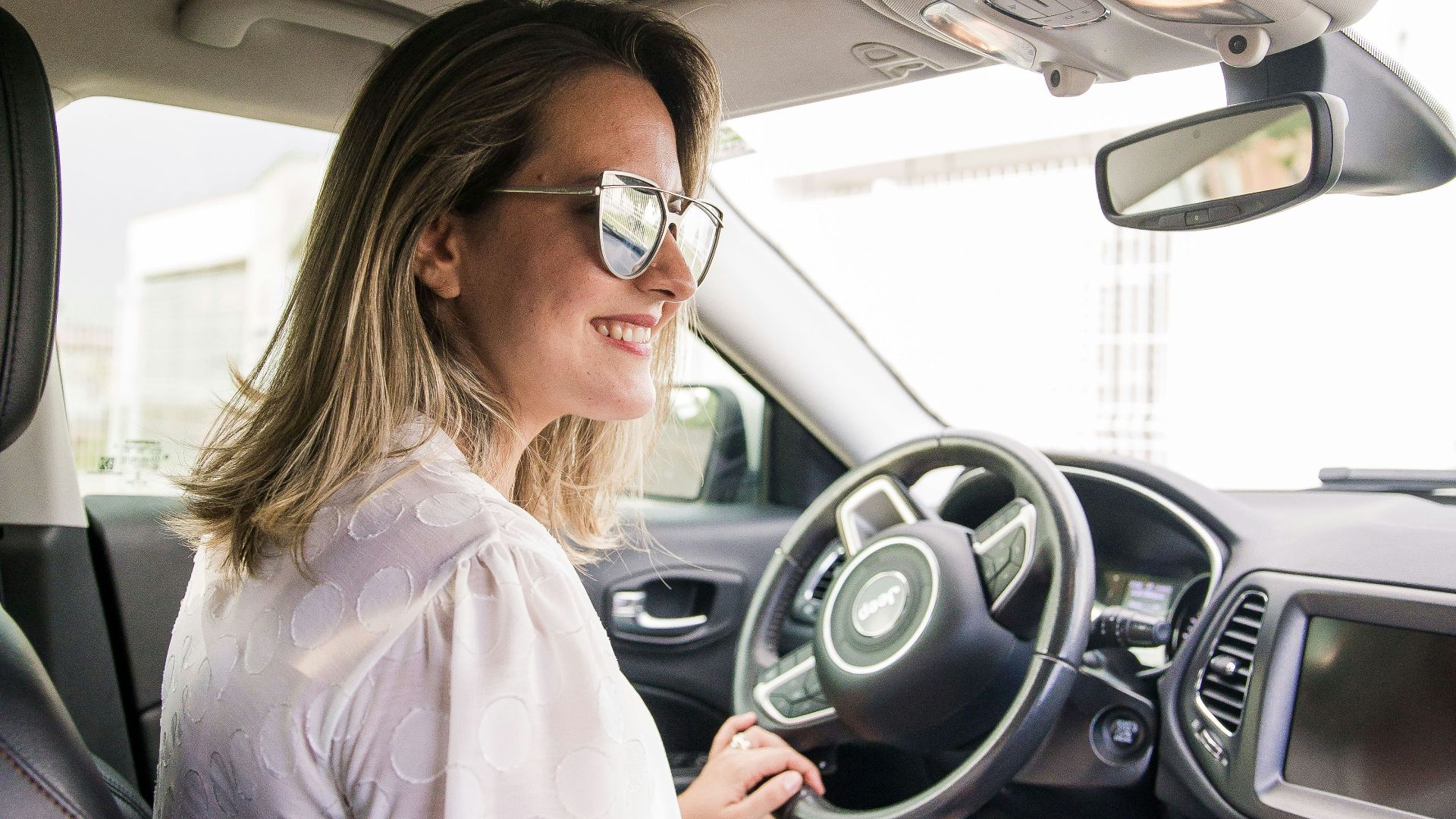
Sunglasses Can Cause Trouble
Infrared cameras are designed to work with many sunglasses, but not every pair behaves the same way. Ford specifically warns that very dark, reflective, or infrared-blocking glasses can interfere with its driver-facing camera. The same driver may therefore receive different results simply by changing eyewear.
Your Seating Position Can Matter
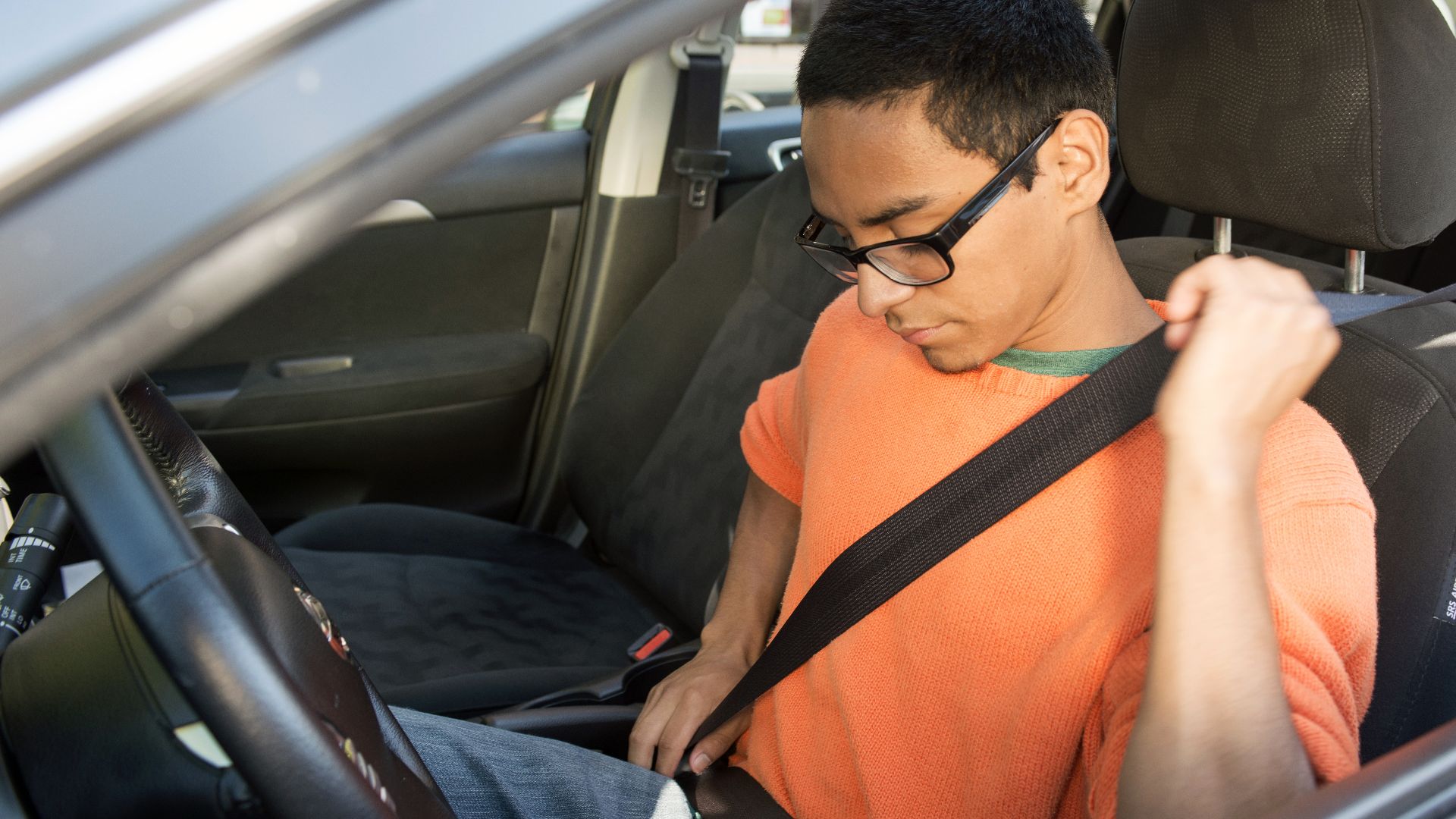
A monitoring camera only works when it can see the parts of your face its algorithm needs. Toyota warns that an unusually high or low seat or steering-column position can obstruct the camera’s view. Ford likewise recommends adjusting seating and steering-wheel position when frequent warnings occur.
Leaning Can Make You Look Distracted
Drivers naturally shift position during long trips. Leaning toward the center console, sitting significantly to one side, or reclining farther than usual may move the eyes outside the camera’s preferred field of view. Ford specifically identifies unusual positioning and extensive body movement as possible causes of frequent BlueCruise warnings.

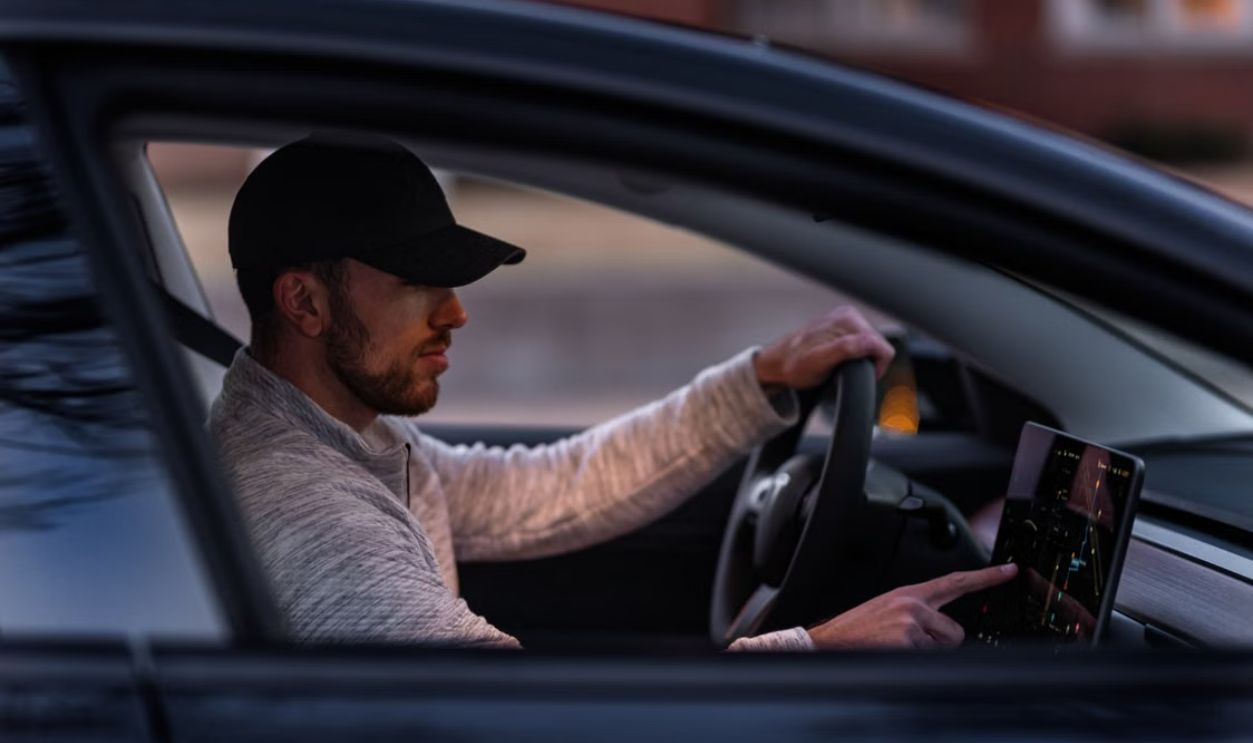
Hats And Face Coverings Add Variables
Anything that obscures facial landmarks can make the camera’s job more difficult. Ford lists masks, hats, and other coverings among conditions that may interfere with driver detection. Newer implementations can handle many coverings, but manufacturer troubleshooting guidance still acknowledges limitations.
Some Eye Conditions Can Affect Detection
Computer vision systems are designed around recognizable eye and face patterns. Ford notes that eye misalignment and certain previous eye surgeries can interfere with its monitoring system. A driver can therefore be perfectly attentive while presenting visual characteristics the algorithm has difficulty interpreting.
Changing Light Can Fool A Camera
The cabin can move rapidly between bright sunlight and deep shade while traveling beneath trees, bridges, or buildings. Ford identifies major changes in lighting and extremely bright sunlight as factors that can affect driver-facing camera performance. Infrared illumination helps, but it does not eliminate every difficult optical condition.

An Obstructed Camera Cannot See You Properly
Steering-wheel position, hands, objects on the column, or other obstructions can block a driver-monitoring camera. Toyota and Ford both warn owners that the camera needs a clear view of the driver’s face. Before assuming an electronic fault, find the camera and make sure nothing has moved into its line of sight.
Direct Monitoring Is Still The Better Approach
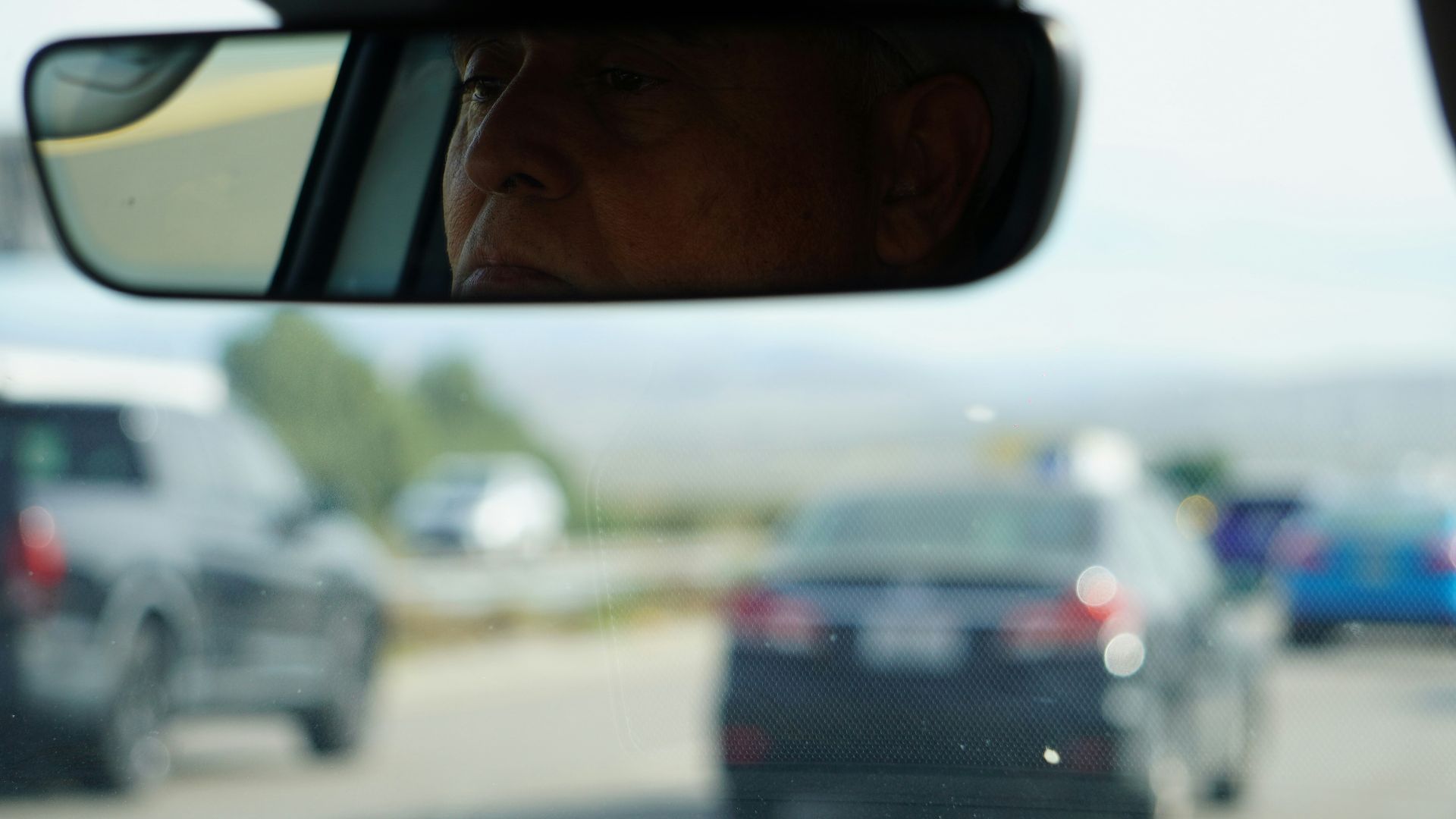
False warnings are irritating, but camera-based monitoring generally provides more information than simply measuring whether someone is touching the steering wheel. AAA research found direct camera-based systems warned disengaged drivers as much as 51 seconds sooner than indirect steering-based systems in its testing. A hand resting on the wheel does not prove that the driver is watching traffic.
Different Cars Perform Very Differently
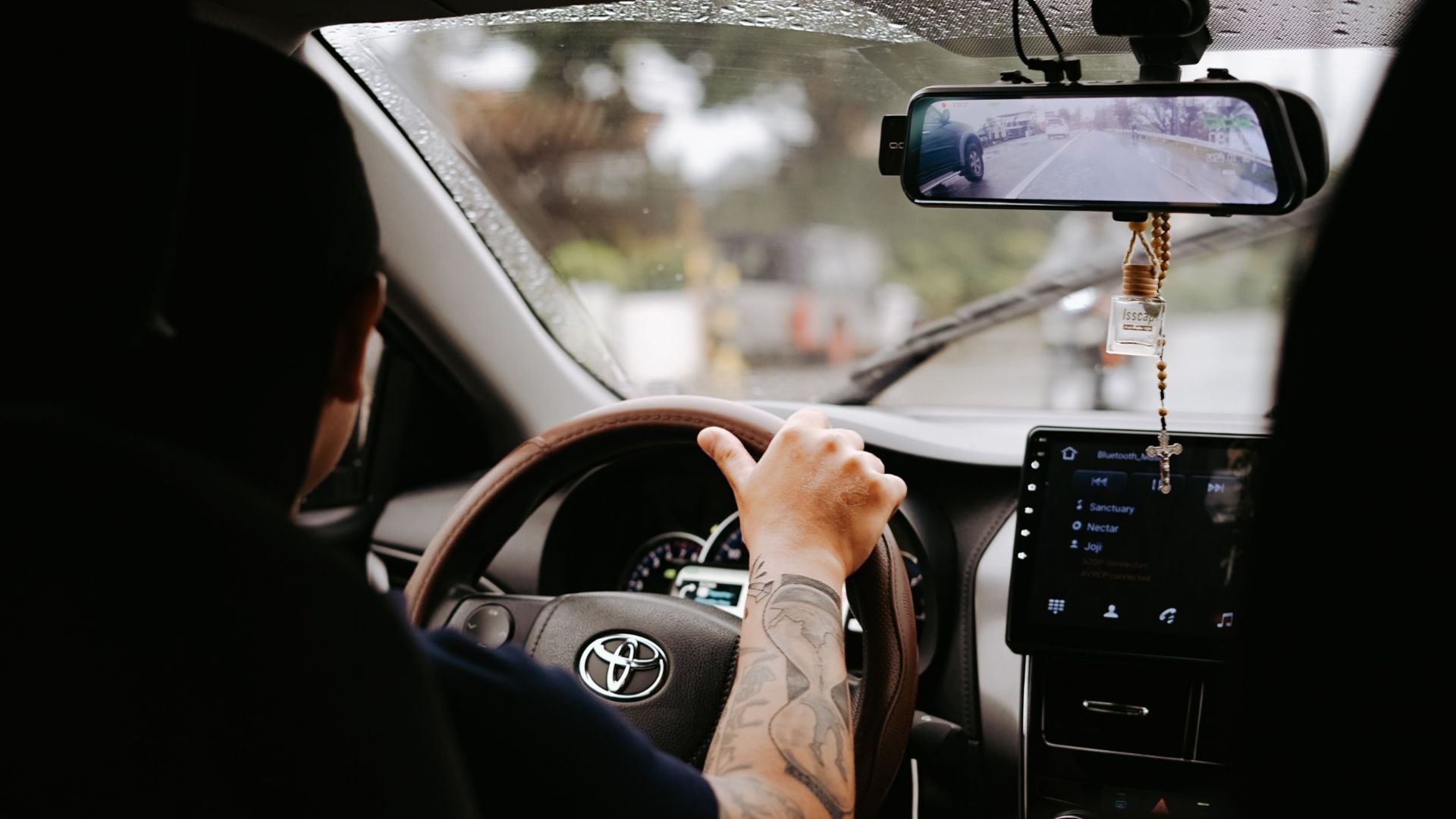
Consumer Reports testing has found substantial differences among manufacturers in how driver-monitoring systems detect inattentiveness and escalate warnings. IIHS reached a similar conclusion when it evaluated safeguards on 14 partial-automation systems in 2024. Only one earned an acceptable overall safeguard rating in the initial IIHS group, although individual systems performed well in particular categories.

Even Strong Systems Have Weak Spots
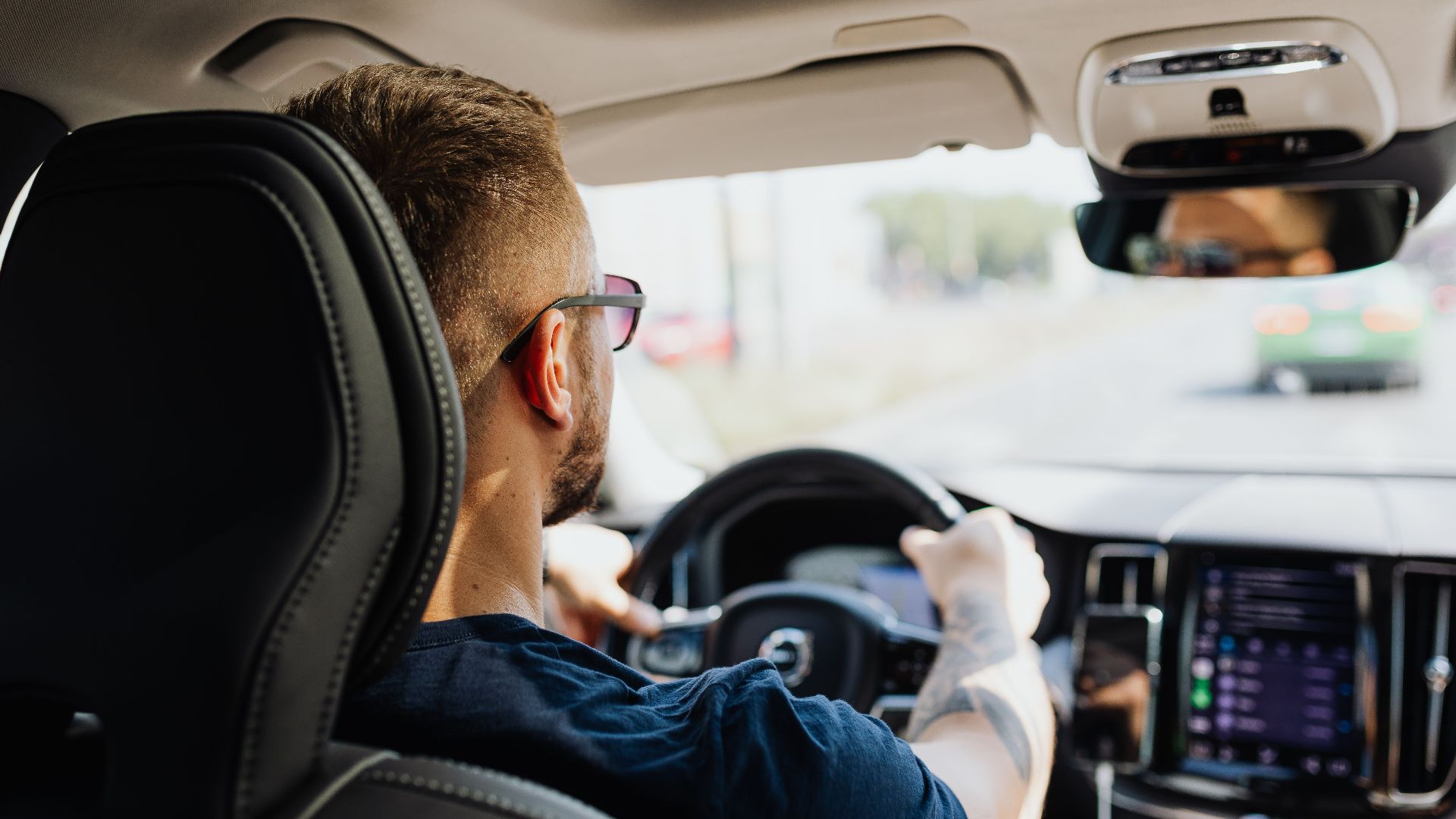
IIHS found that no system in its initial 14-system evaluation satisfied every driver-monitoring requirement. Ford’s systems came close and immediately warned when the driver’s face or camera was covered, but they still missed another test involving the driver’s hands. This is a reminder that driver monitoring remains an evolving technology rather than a solved problem.
 https://kaboompics.com/, Pexels
Too Many Warnings Can Backfire
An alert needs credibility if engineers want drivers to respond quickly. Human-factors research has repeatedly found that false alarms can lower trust in warning systems. When drivers conclude that an alert is routinely meaningless, they become more tempted to ignore the next one.
Researchers Call It The Cry-Wolf Effect
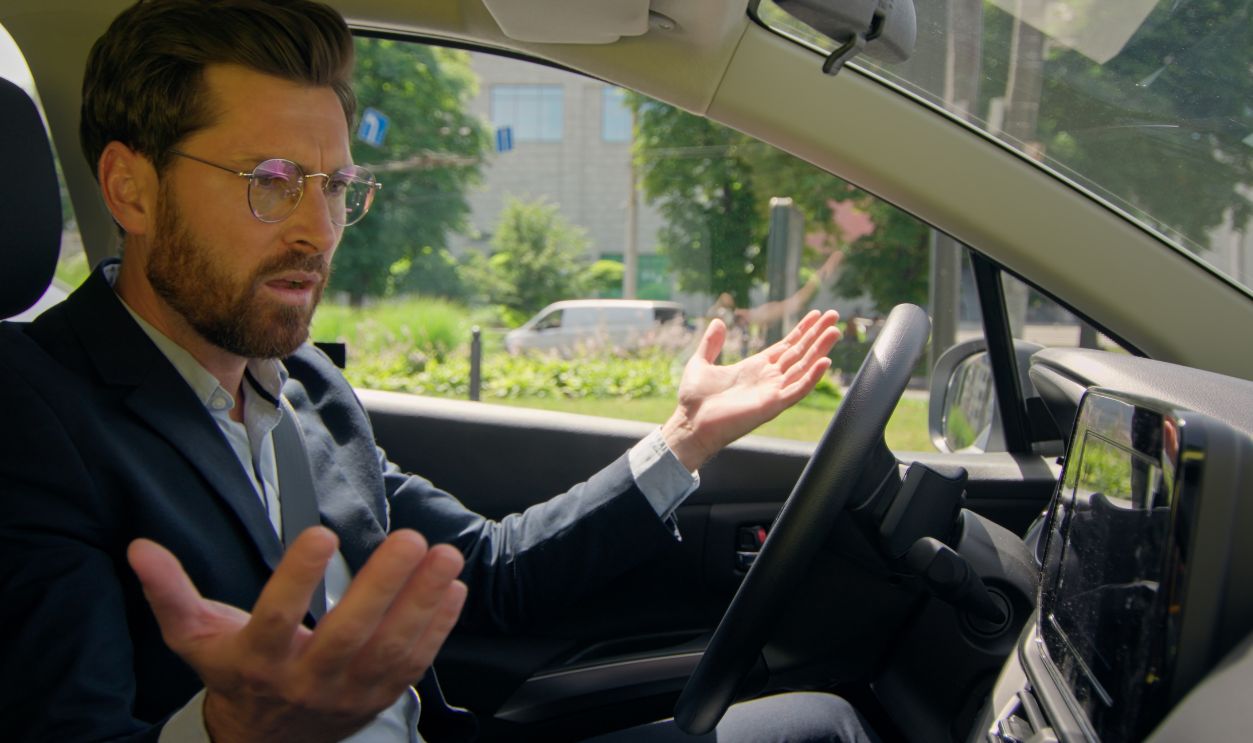
Studies of automotive warning technology have found reduced compliance when drivers encounter alarms that appear to have no legitimate cause. That is why system reliability matters even when false positives seem safer than missed warnings. An excessively sensitive monitor can unintentionally train the driver to dismiss it.
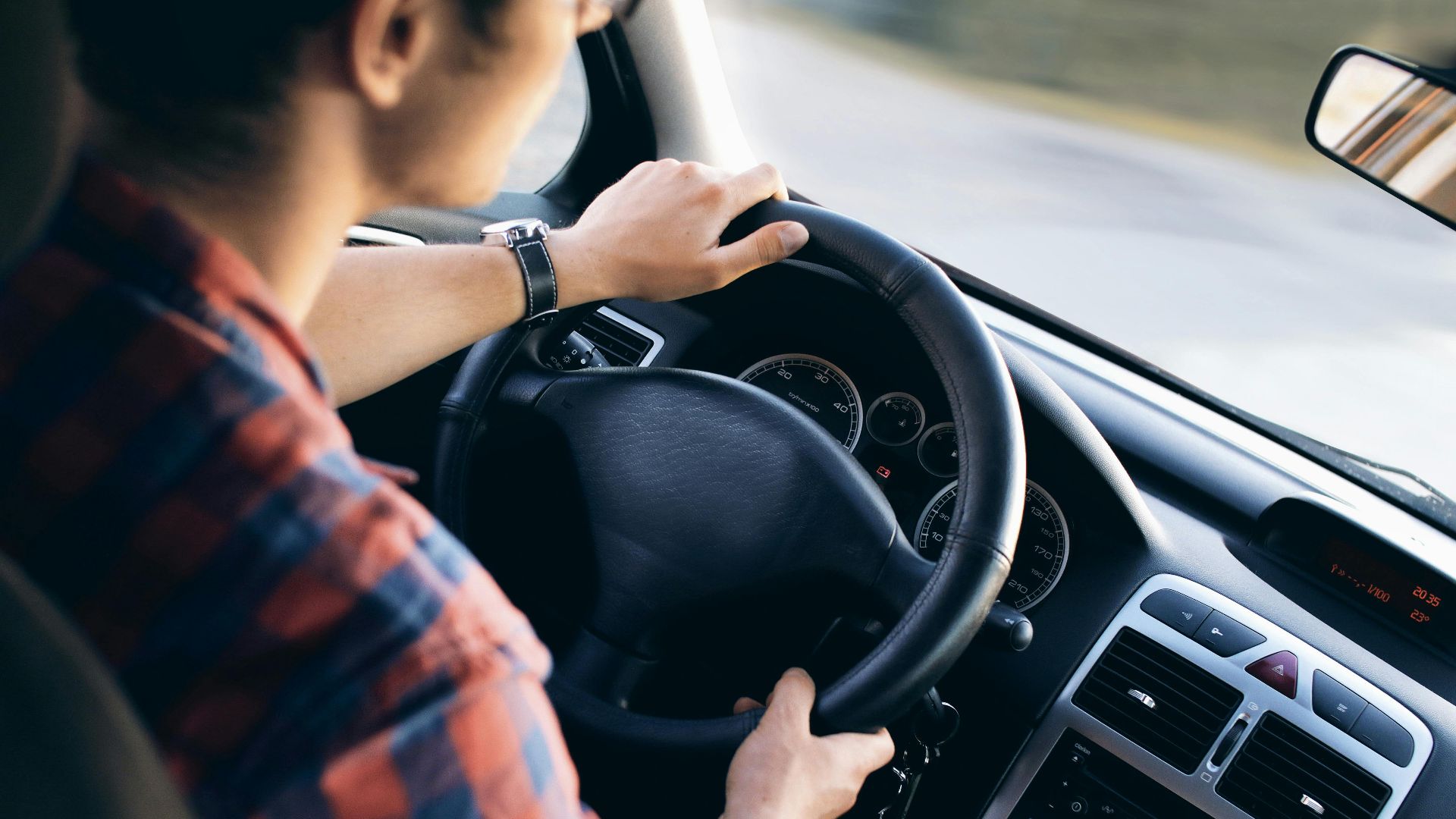
That Does Not Mean You Should Ignore It
An occasional questionable warning does not prove the entire system is useless. Driver-monitoring technology exists because lapses of attention with partial automation can have serious consequences. Treat each alert as a prompt to verify your gaze, road conditions, and driving position before deciding that the system is mistaken.
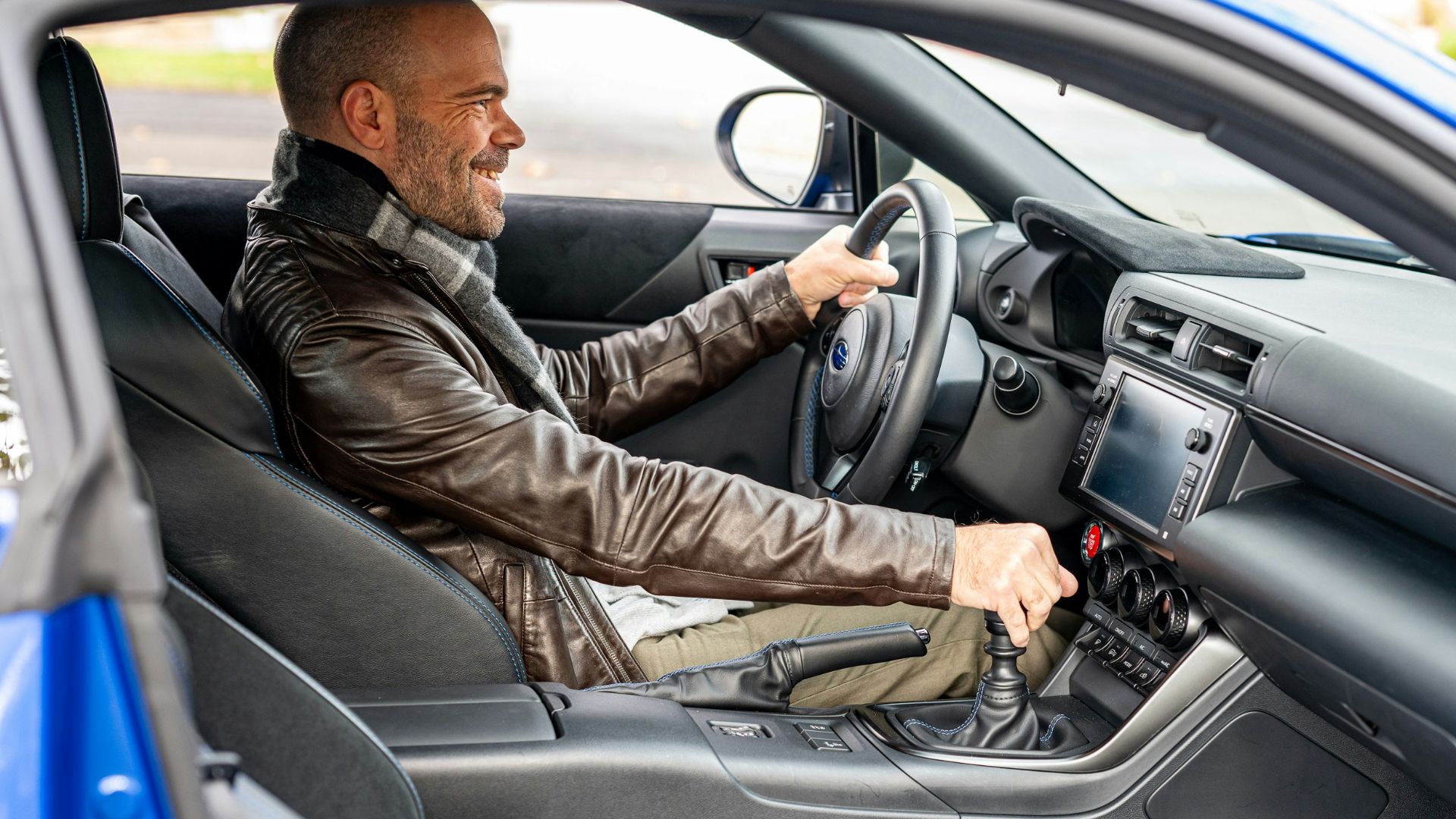
Software Can Change The Behavior
Many monitoring systems rely heavily on software classification rather than fixed mechanical hardware. IIHS notes that some shortcomings in partial-automation safeguards can potentially be addressed through software updates. If warnings suddenly become much more or less frequent after an update, the change may not be your imagination.
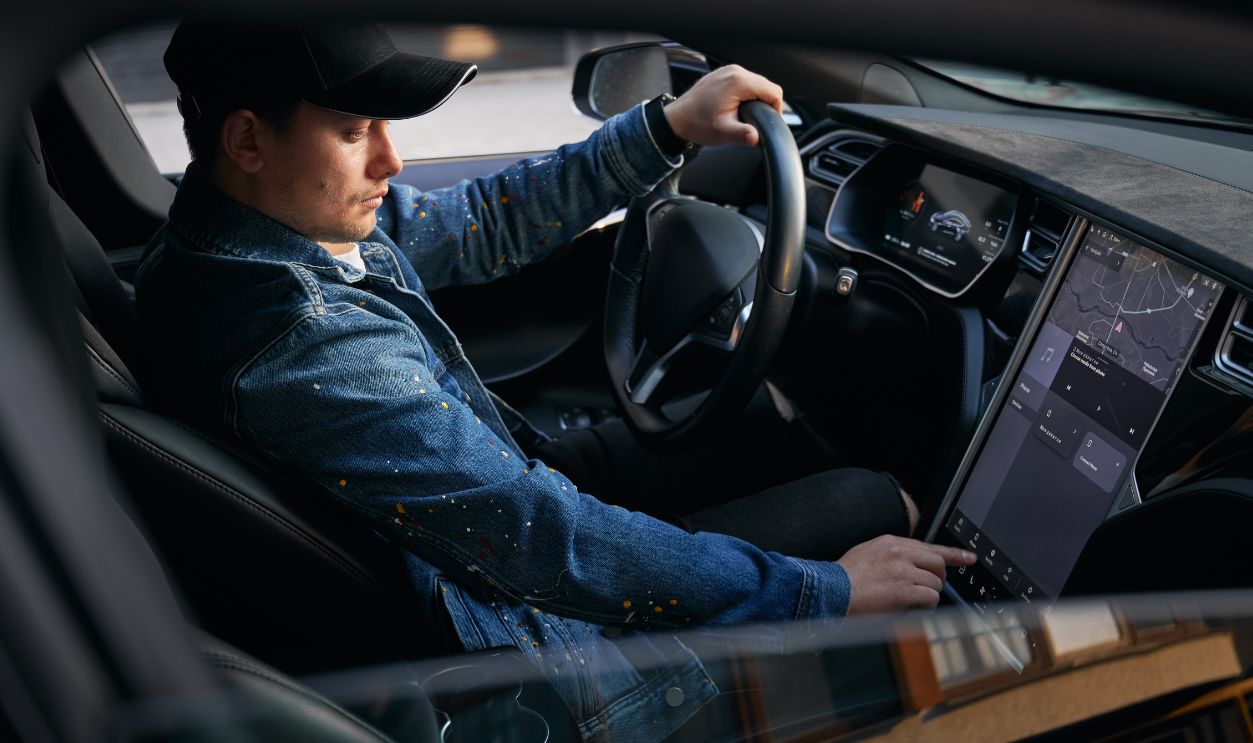
Repeated False Alerts Deserve Service
A warning every few months under difficult lighting is different from an alert every few minutes during normal driving. After checking seating position, eyewear, and camera visibility, persistent warnings should be documented and reported to the manufacturer or dealer. Ford specifically recommends contacting support when the normal troubleshooting steps do not resolve repeated driver-camera problems.
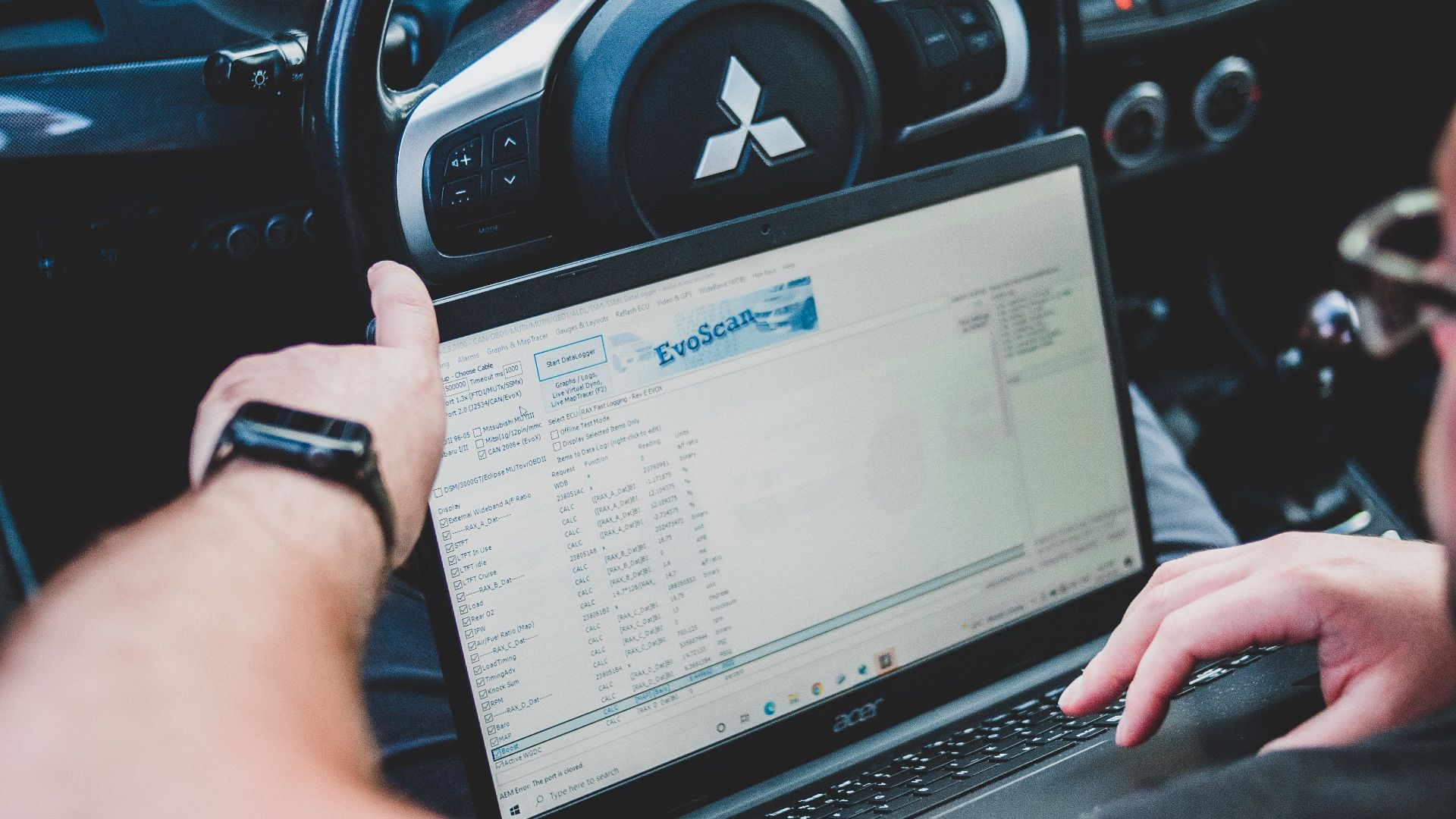
Keep A Record Of When It Happens
Note the road, time of day, sunlight, glasses, seating position, speed, and driver-assistance mode when an apparently false warning occurs. A short pattern can reveal that the problem happens only during low sun, while wearing one pair of sunglasses, or with the steering wheel in a particular position. That information is also far more useful to a technician than simply saying the system is annoying.

Be Careful About Disabling The Monitor
Some vehicles allow individual monitoring functions to be adjusted or switched off, while others require monitoring for certain hands-free or partially automated features. Consumer Reports argues that direct monitoring should remain active whenever automation requires the driver to supervise the road. Check the owner’s manual before changing settings because disabling monitoring may also change which assistance features are available.

The Best Systems Need Driver Trust
Euro NCAP’s 2026 protocols put greater emphasis not only on continuous head and eye tracking but also on reliability and user acceptance. That makes sense because a safety device people constantly fight, misunderstand, or disable cannot deliver its intended benefit. The ideal system catches genuine distraction without repeatedly punishing normal attentive driving.
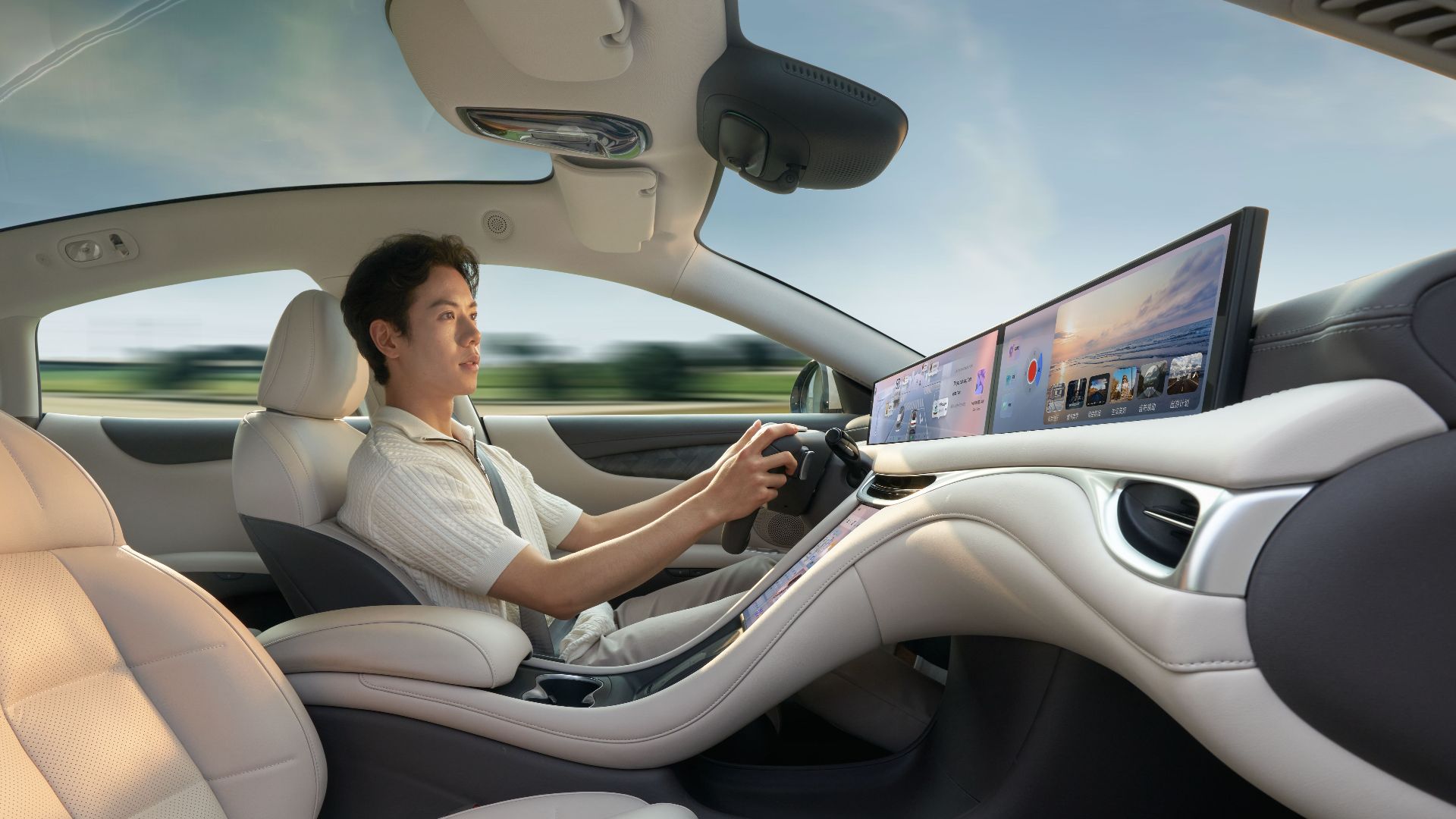
Your Car Can Be Wrong
Yes, a driver-monitoring system can warn an attentive driver, and manufacturers themselves document several conditions that can cause this behavior. What nobody can responsibly give you is a universal percentage for how often that happens across all vehicles. Occasional errors are plausible, while frequent repeatable warnings after basic troubleshooting deserve investigation rather than being dismissed as something owners simply have to tolerate.
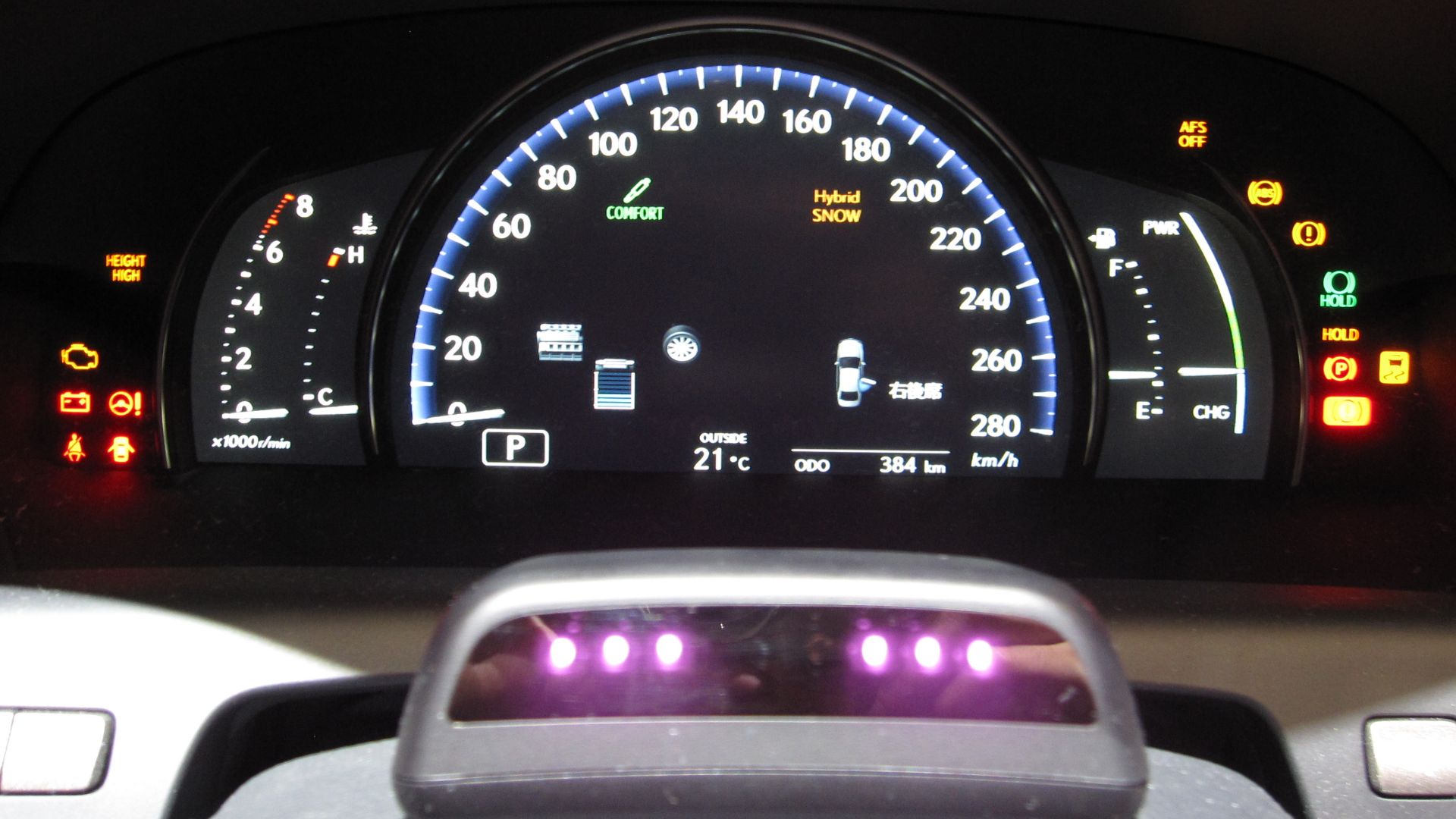 C Ling Fan from Tokyo, Japan, Wikimedia Commons
You May Also Like:
Three Things You Shouldn’t Do At The Dealership
How To Extend The Life Of Your Vehicle's Engine
Keep Your Car In Mint Condition With These Simple Tips And Tricks