That “Not Responsible” Sign Looks Pretty Final
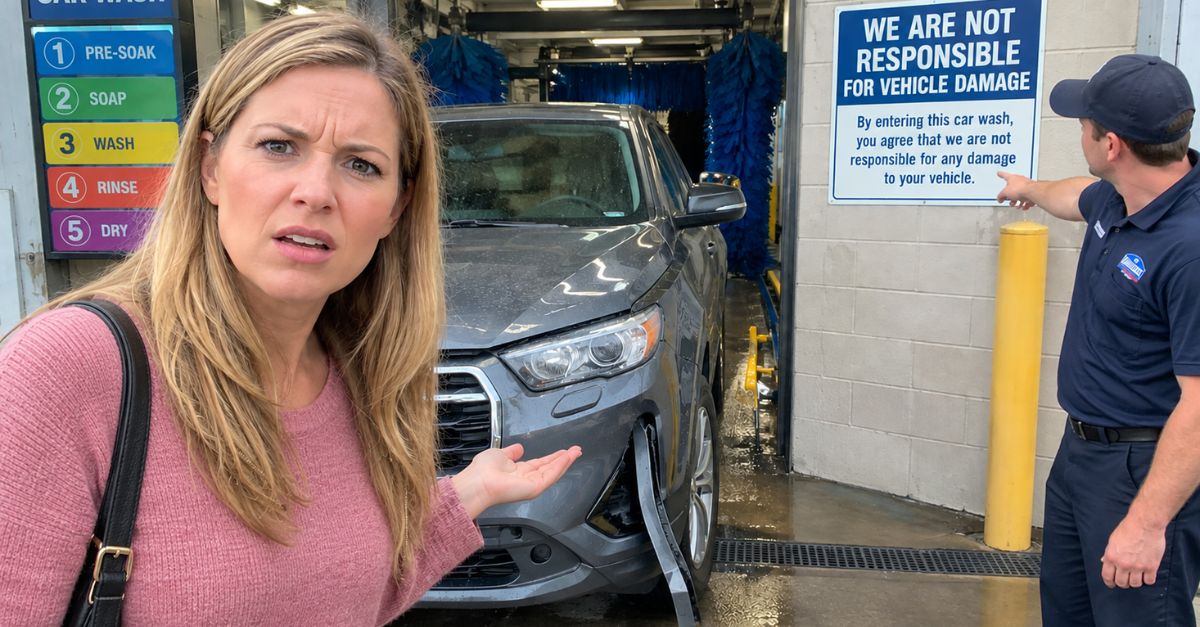
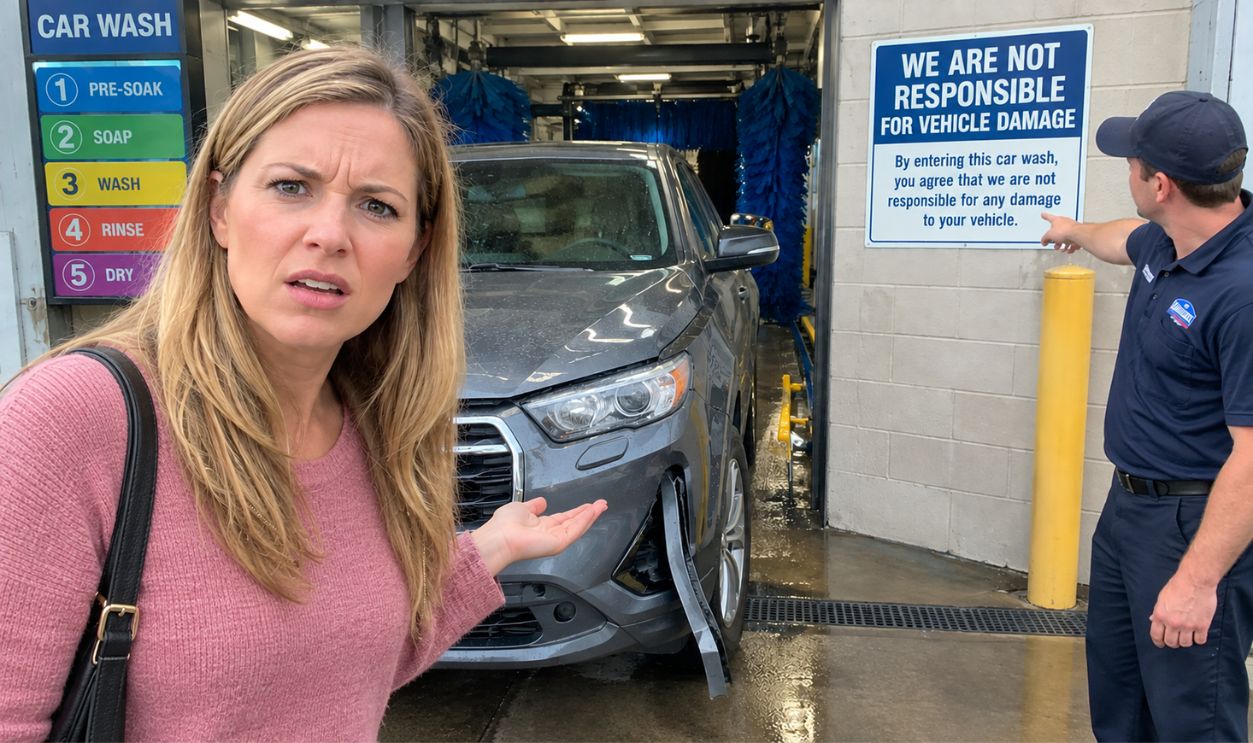
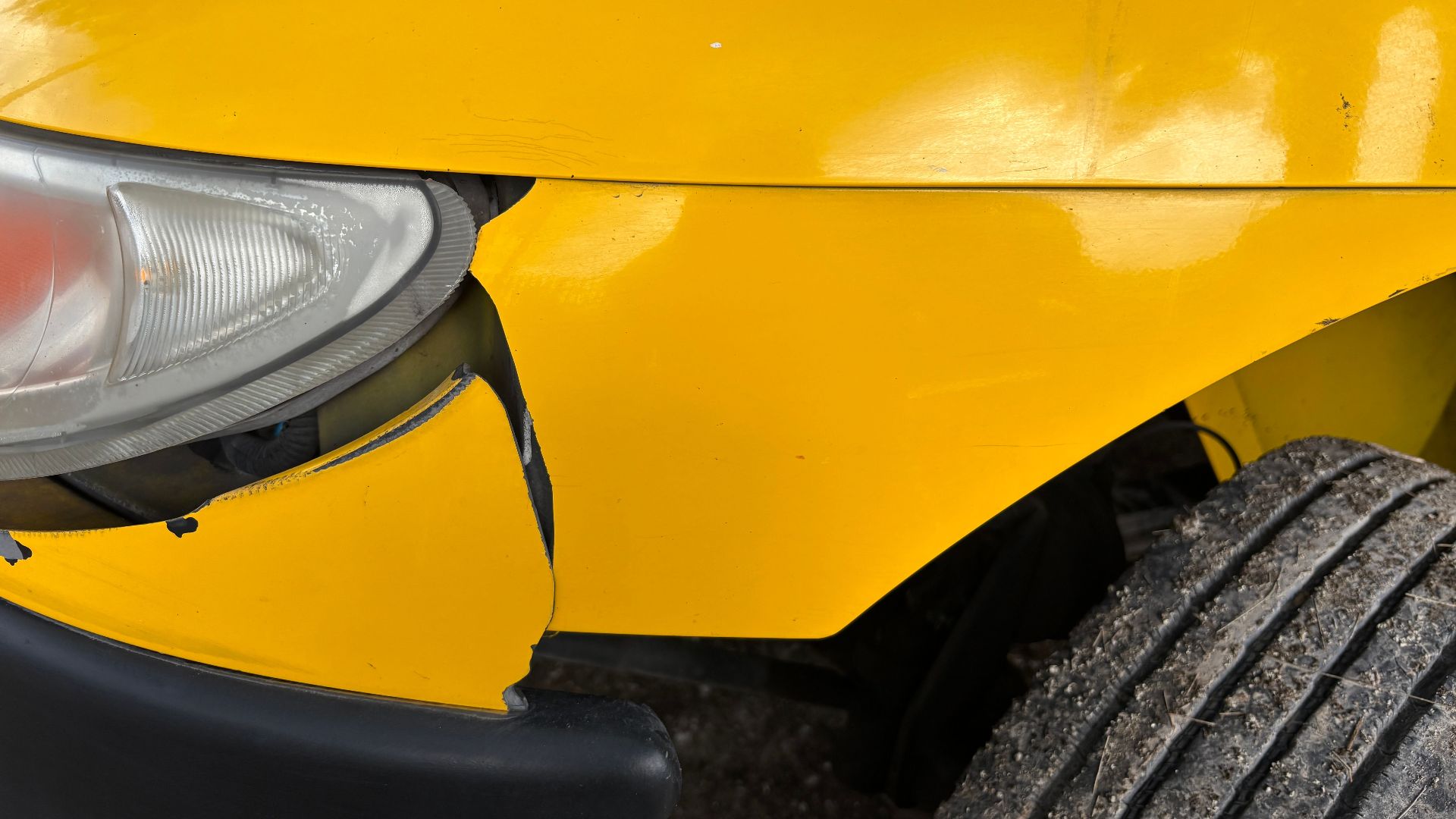
You pull out of the car wash, spot a strip of trim hanging loose, and then notice an almost self-satisfied disclaimer on the wall: We Are Not Responsible For Vehicle Damage. It's clearly supposed to end the argument before it starts. But in reality, a sign by itself usually does not let a business off the hook for every kind of damage.
The Short Answer Is No
In general, a business cannot wipe away its legal duties just by posting a warning sign. Whether the car wash is responsible usually depends on state law, the exact wording of the disclaimer, and most of all whether the business was negligent. If the equipment was faulty, badly maintained, or used carelessly, the sign may not protect them.

Why This Usually Comes Down To Negligence
Negligence is the main issue in most car wash damage disputes. The question is simple: did the car wash fail to use reasonable care, and did that failure cause the damage? Courts and consumer agencies often treat that very differently from a general warning that you use the wash at your own risk.
Signs Can Warn You, But They Do Not Rewrite The Law
Car washes often post warnings about loose trim, aftermarket parts, bike racks, or oversized tires. Those warnings can matter if your car had a known weak spot the business could not reasonably control. But a broad sign usually does not erase liability for the business’s own carelessness.
Consumer Agencies Have Said This Clearly
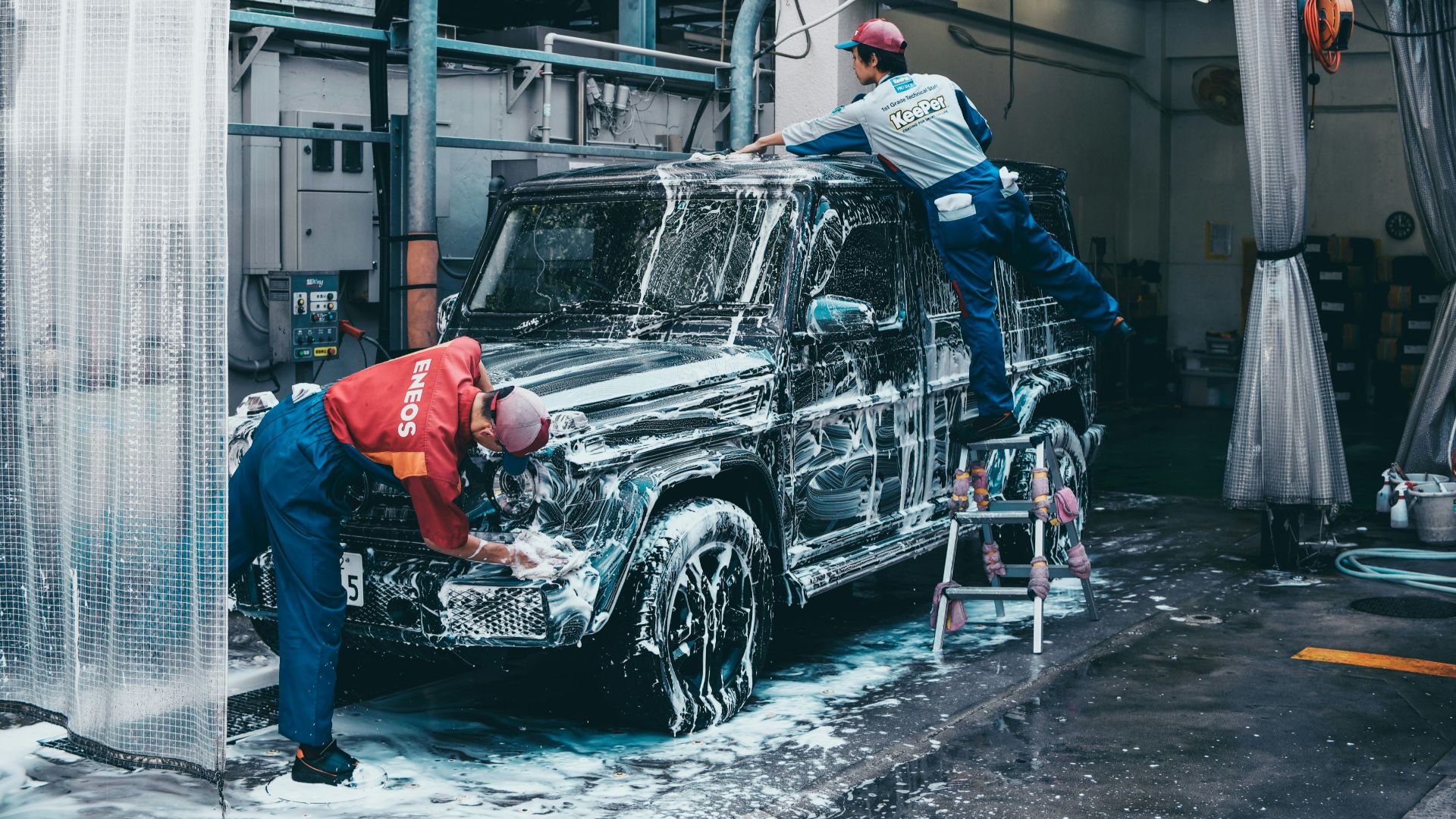
The California Department of Consumer Affairs has plainly told drivers that a disclaimer sign does not automatically free a car wash from liability for negligence. That matters because it speaks directly to this kind of claim. It also lines up with the bigger legal rule that negligence cannot always be brushed aside with boilerplate language.
California Even Put It In The Law
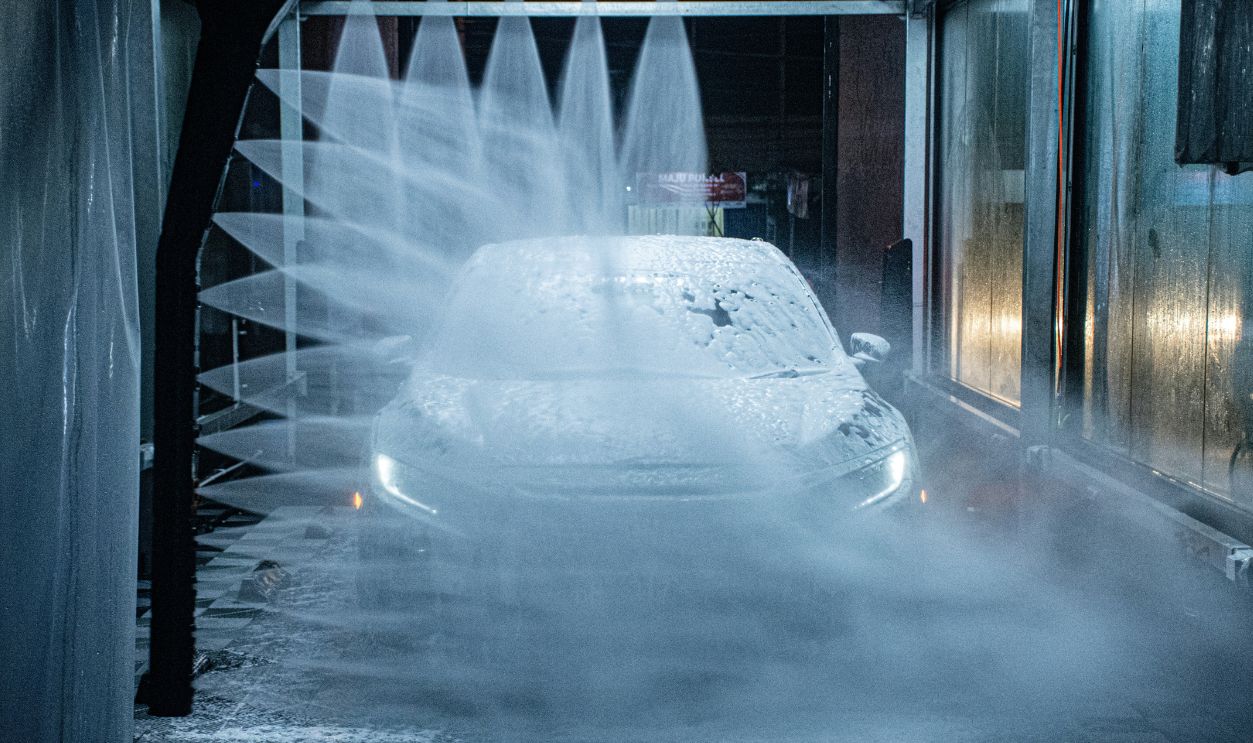
California’s Civil Code includes a rule aimed directly at car washes and similar vehicle cleaning businesses. Section 1812.600 says a registration form or posted sign cannot waive or limit the operator’s liability for damage proximately caused by the operator’s negligence. That cuts straight against the idea that a sign on the wall settles the matter.
What “Proximately Caused” Actually Means
The phrase sounds technical, but the idea is not complicated. You generally have to show the car wash’s conduct actually caused the damage in a legally meaningful way. If the brushes ripped off trim because the equipment snagged it or the machinery was set up wrong, that is very different from a part that was already loose and fell off on its own.
Warnings About Vulnerable Cars Still Matter
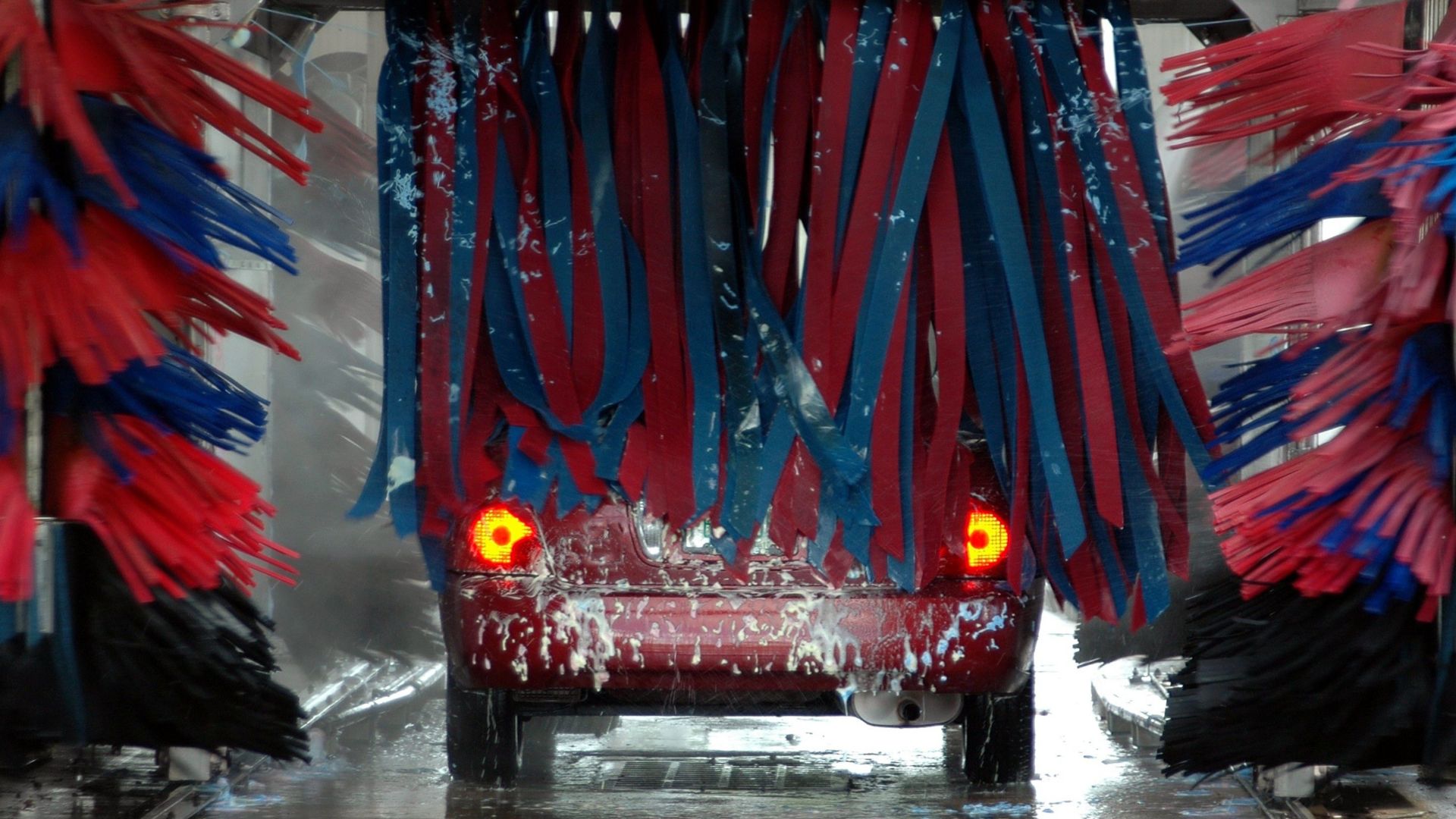
Car washes are not automatically responsible for every problem a vehicle may have. If your car already had loose trim, cracked moldings, or modifications that made it a poor fit for an automatic wash, that can weaken your claim. The business can still argue that it warned you and that the damage came from the vehicle’s condition, not the wash’s negligence.
The FTC Offers A Practical Way To Handle It
The Federal Trade Commission’s advice on auto repair disputes is not written just for car washes, but the basic approach fits well here. The agency tells consumers to ask the business to explain the problem, document the damage, and try to work it out directly before escalating. That is often the best first move when trim or molding gets torn off.

The First Few Minutes Matter
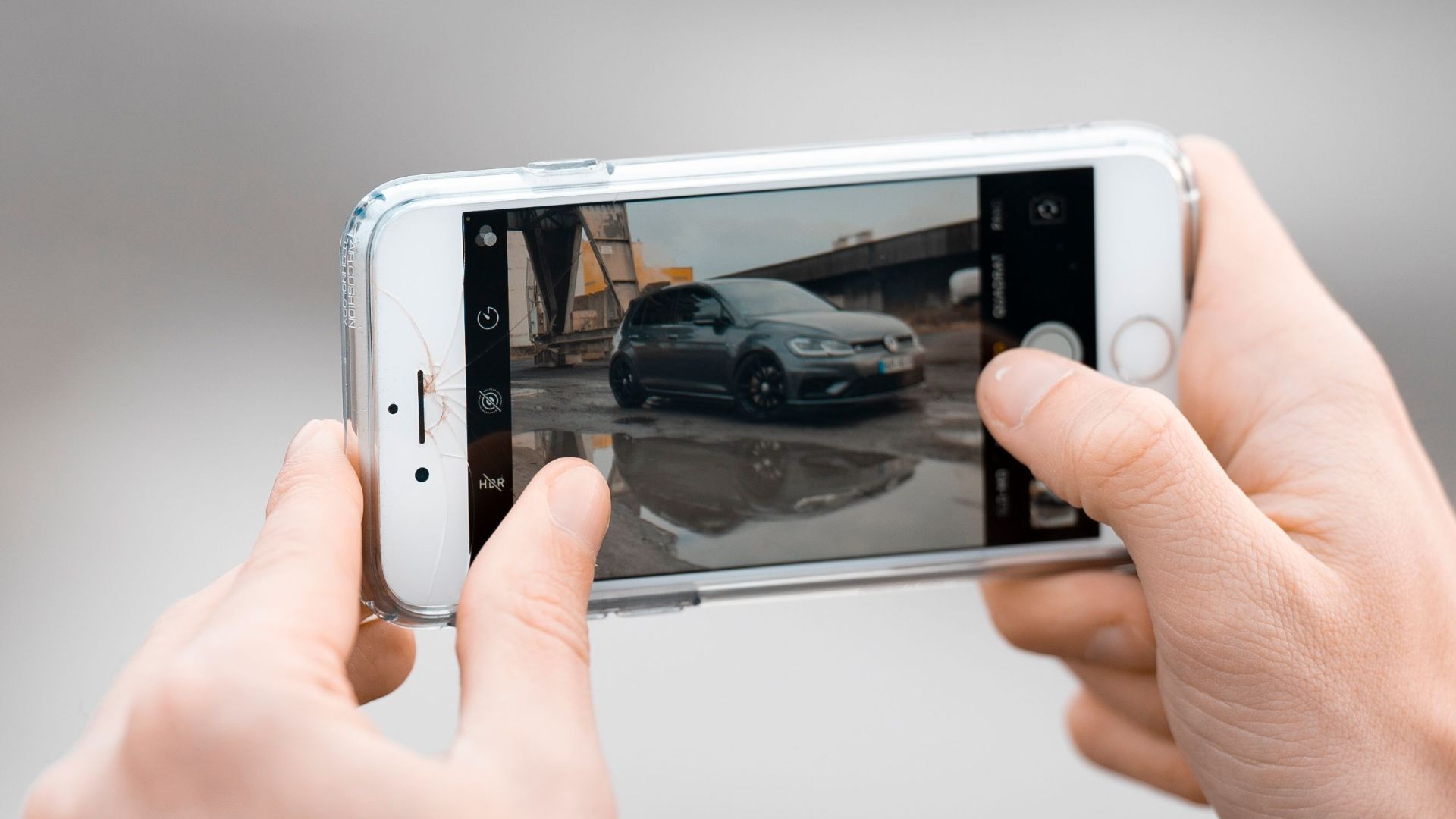
If you notice damage right after the wash, stop and document everything before driving away if it is safe to do so. Take clear photos of the damaged trim, the wash lane, any machinery involved, and every posted sign you can find. Those pictures can make the difference between a weak complaint and a solid claim.
Report It To A Manager Right Away
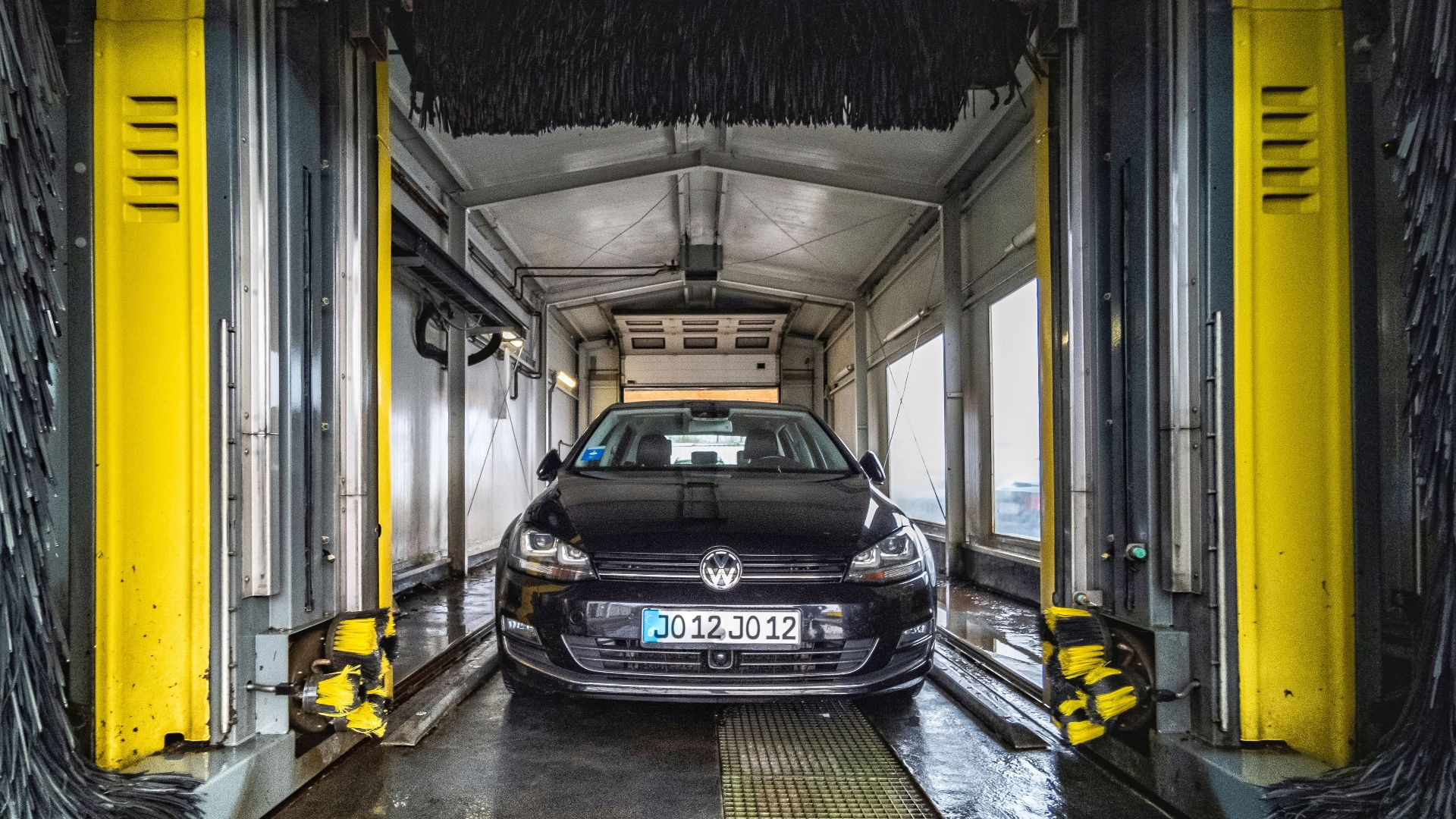
Ask for the manager or onsite supervisor as soon as possible. Request an incident report and make sure it includes the date, time, lane used, weather conditions, and a description of what happened. If they refuse to make a report, write down the name of the employee you spoke with and note the refusal.

Ask If The Wash Has Cameras
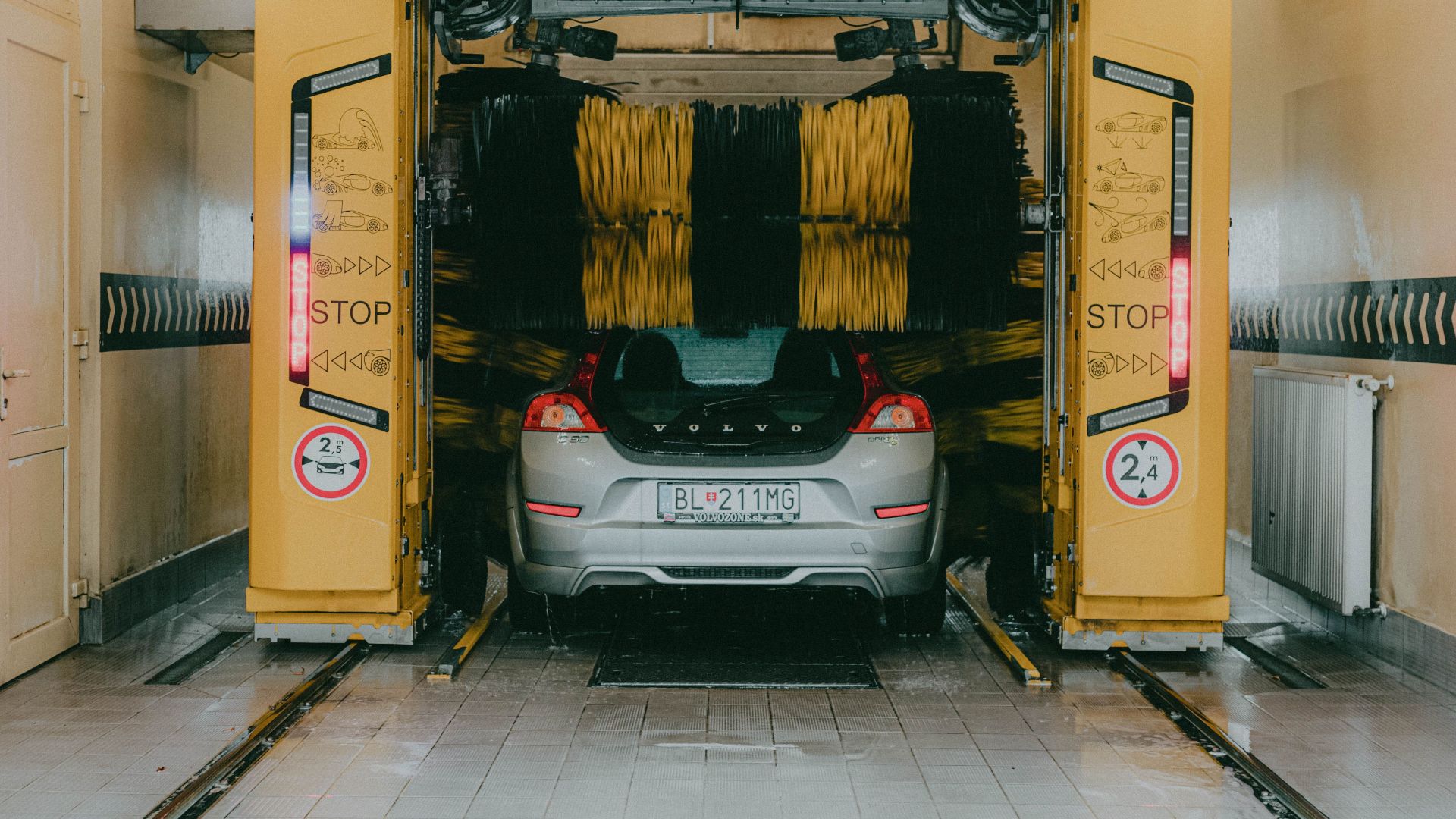
Many tunnel washes and self-service sites use video for security and operations. Politely ask the manager to preserve any footage from your visit. Video may show whether your trim was intact when you entered the wash and whether a brush, rail, blower, or conveyor appears to have caused the damage.
 Helena Jankovičová Kováčová, Pexels
Do Not Throw Away The Broken Piece
Keep the torn trim or molding if you can retrieve it safely. Put it in a bag and take photos of where it came off the car. A repair shop may be able to tell whether it failed because it was brittle and already loose or because something forcibly snagged it.
Receipts And Membership Records Matter
Keep your wash receipt, membership scan record, or credit card transaction. Those details help show exactly when you were there and which package or lane you used. They also make it easier for the business to find the right footage and maintenance records.
 https://kaboompics.com/, Pexels
Get A Written Estimate From A Body Shop
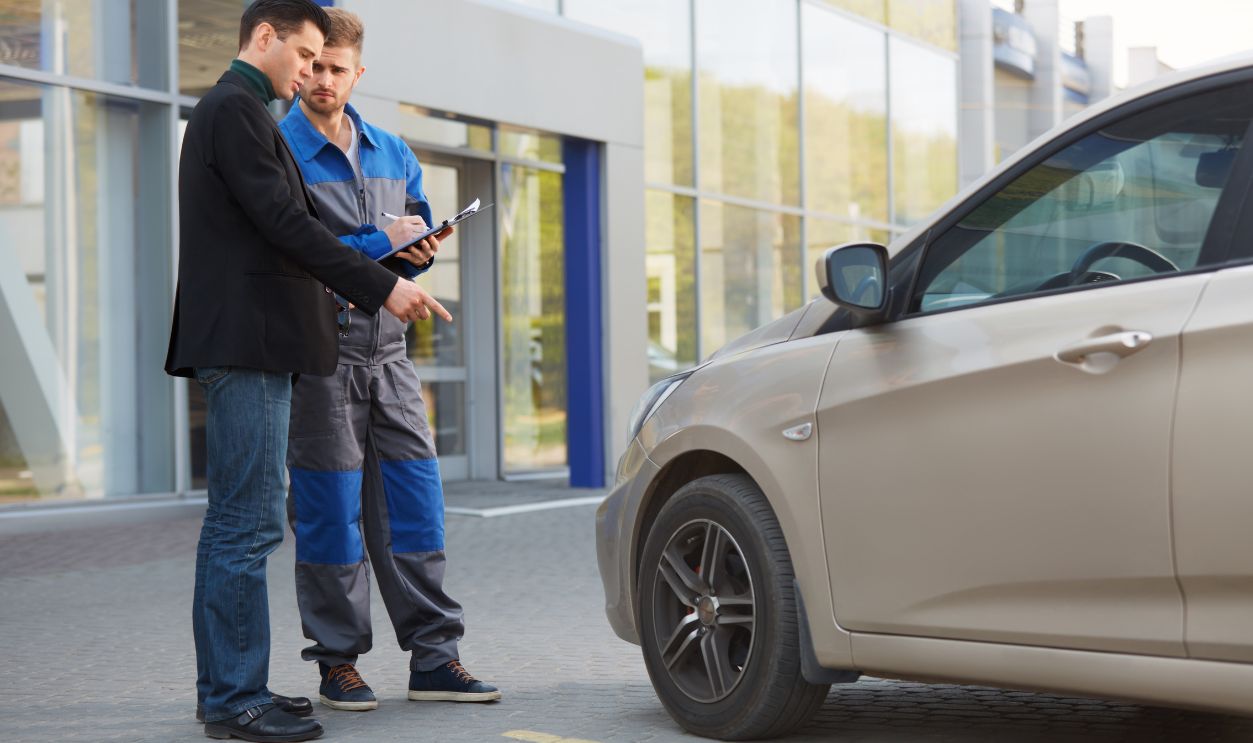
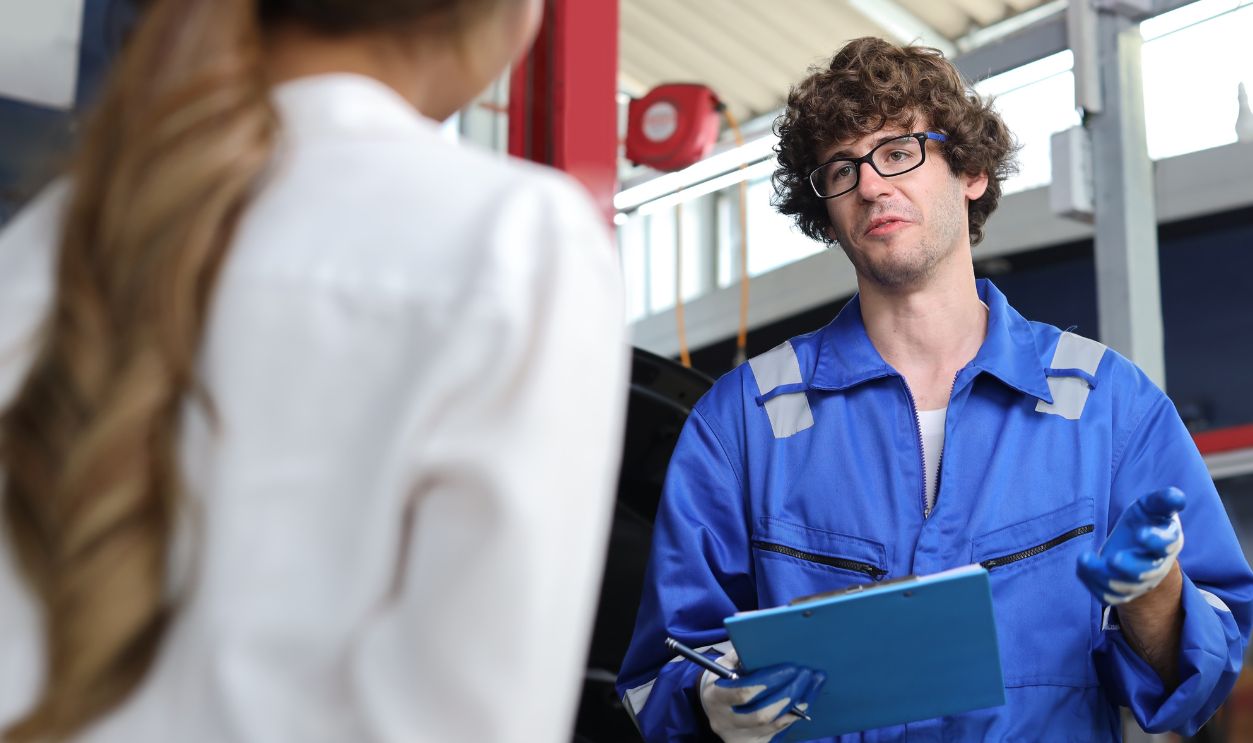
Ask a reputable body shop or dealer service department for a written repair estimate. If possible, ask them to note whether the damage looks consistent with external force, snagging, or a preexisting weak attachment point. A clear written opinion usually carries a lot more weight than a quick verbal guess.
Maintenance Records Can Matter A Lot
If the dispute gets more serious, maintenance and inspection records may become important. A pattern of broken brushes, misaligned equipment, or overdue repairs can support a negligence claim. You may not get those records right away, but they are one reason a business should not assume a disclaimer sign ends the issue.

State Law Can Change The Result
Not every state has a law as direct as California’s car wash statute. In many places, the outcome depends on contract law, negligence law, consumer protection rules, and local small claims procedures. That is why a manager saying, “The sign means we are not liable,” should not be treated as the final word.

Courts Often Look Hard At Broad Liability Waivers
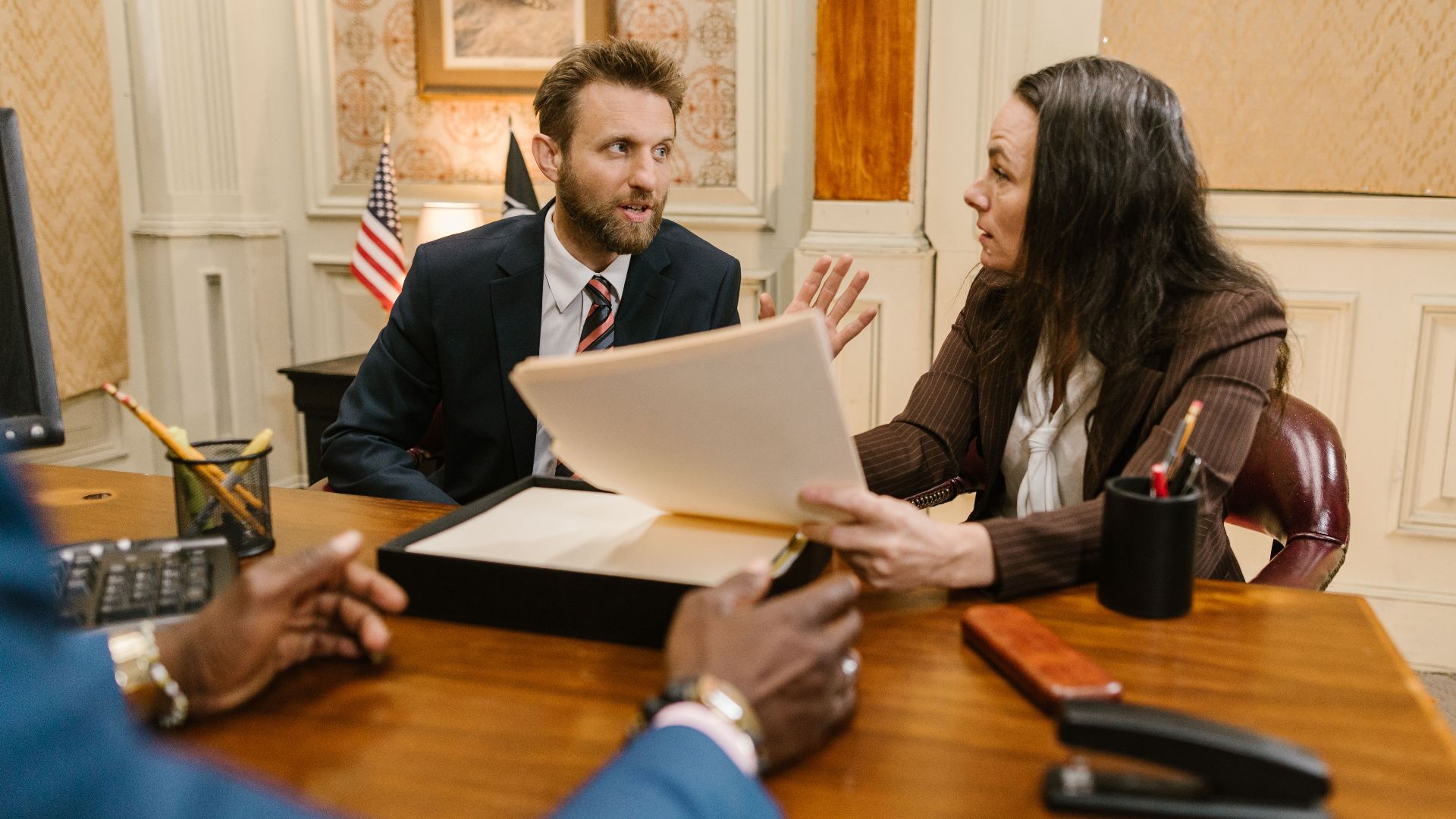
American courts have long been wary of attempts to avoid liability for negligence through sweeping disclaimers, especially in consumer settings. State law varies, but judges often look closely at clarity, fairness, bargaining power, and public policy. A small posted sign at the entrance may not have the legal force a business wants it to have.
 LightField Studios, Shutterstock
What If The Business Says Your Car Was Already Damaged
That is one of the most common defenses. The car wash may argue the trim was already loose, old, badly attached, or previously repaired. Photos from before the wash, dashcam video, or eyewitness testimony can help answer that claim.
Dashcam Footage Can Be Powerful
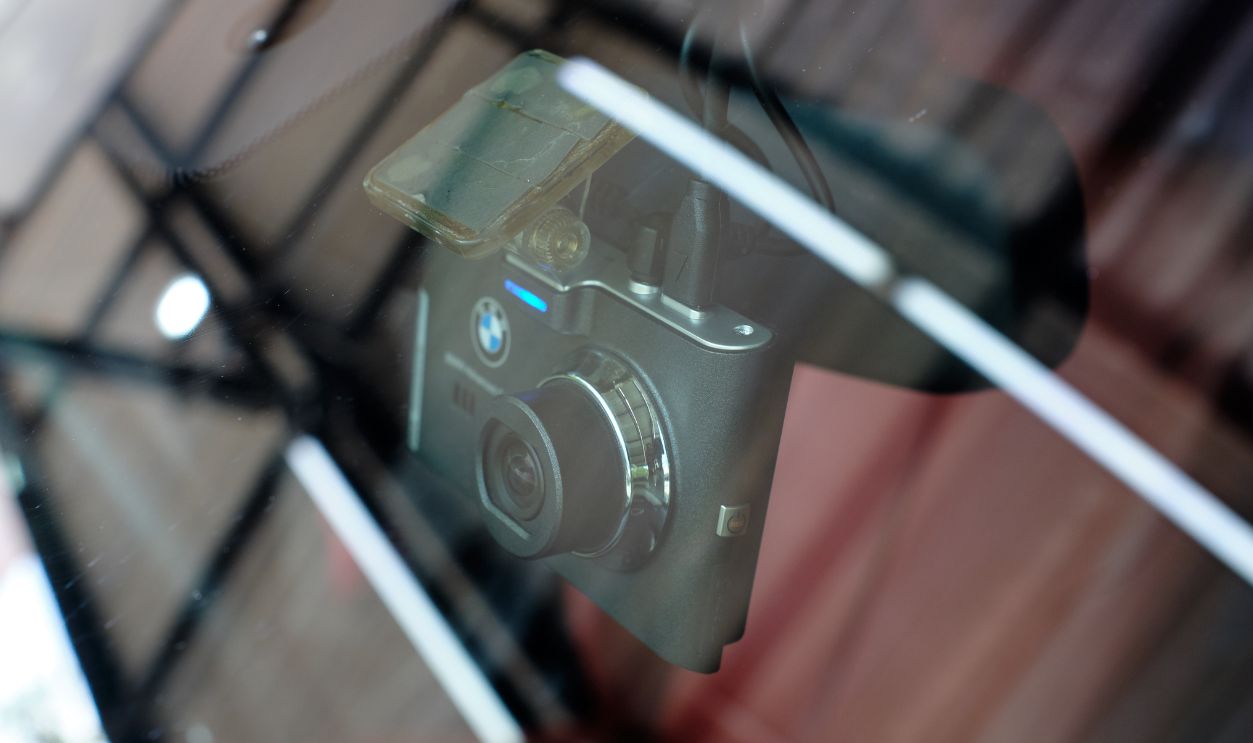
If your dashcam recorded before you entered the wash, save the file right away. Even if the tunnel itself is too dark or wet for a clear view, footage showing the trim intact just minutes earlier can still help. Time stamps make your account stronger and harder to dismiss.
 KULLAPONG PARCHERAT, Shutterstock
Insurance Is Not Always Your Best First Move
You can ask your auto insurer about coverage, especially if the repair bill is high. But for a smaller trim repair, a claim may not be worth it if the cost is close to or below your deductible. Often it makes more sense to push the car wash first and keep insurance as a backup.

Small Claims Court Is Built For This
If the business refuses to pay and the damage amount is modest, small claims court may be the practical next step. State court systems often provide plain-language guides for filing a case, serving the defendant, and presenting evidence. The process is meant for ordinary people, not just lawyers.

Good Evidence Beats A Loud Argument
In small claims court, your best tools are photos, receipts, repair estimates, witness statements, and any messages or emails with the business. Bring copies of the posted disclaimer too. If your state has a law like California’s, bring the statute and highlight the part saying negligence cannot be waived by a sign or registration form.

Consumer Protection Offices Can Add Pressure
If talks go nowhere, you can file a complaint with your state or local consumer protection office, attorney general, or consumer affairs department. These agencies do not always take on individual cases, but a complaint can create a record and sometimes push a business to take the issue more seriously. The Better Business Bureau can also add some pressure, even though it is not a government agency.

Be Careful What You Sign
Some businesses may ask you to sign a statement right after the damage happens. Do not sign anything saying the damage was already there or releasing the car wash from liability unless you fully understand it. If you feel rushed or upset, ask for a copy and review it later.

The Strongest Claims Usually Follow A Pattern
The best claims usually involve immediate reporting, fresh photos, proof that the part was fine before the wash, and an estimate tying the damage to external force. They also often involve a business that cannot clearly explain what happened or cannot show proper maintenance. A generic sign is much less convincing when it is stacked against detailed evidence.
The Weakest Claims Usually Have Gaps
Claims get harder when the damage is found days later, the car had obvious preexisting wear, or there is no proof the trim was secure beforehand. If the part was brittle or already peeling away, a car wash may be able to argue that it simply revealed a problem that was already there. That does not always defeat a claim, but it does make negligence harder to prove.

So Does The Sign Really Excuse Them
Usually not on its own. A posted disclaimer can be one fact in the dispute, but it is not a magic shield against negligence. If the car wash damaged your vehicle because it failed to use reasonable care, the sign may look tough on the wall and still collapse once the facts are examined.
 Alexandra Rotanova, Shutterstock