Start With The Bad News
If your car lives outside all year, some paint wear is almost inevitable. Sunlight, rain, road grime, bird droppings, tree sap, and winter salt all work against the finish. The good news is that fading can be slowed dramatically with the right habits.
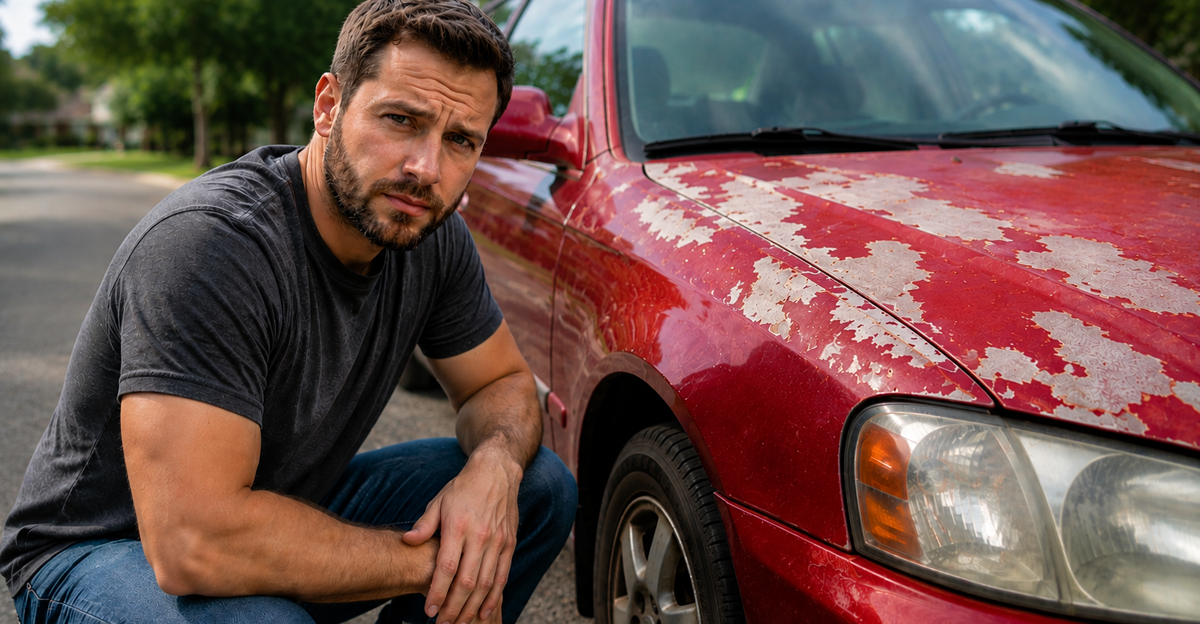
Understand What Is Actually Fading
Most modern cars have a base color coat covered by a clear coat. When the clear coat oxidizes, the surface can start looking dull, chalky, or uneven. That damage often looks like fading, even when the color underneath is still mostly intact.
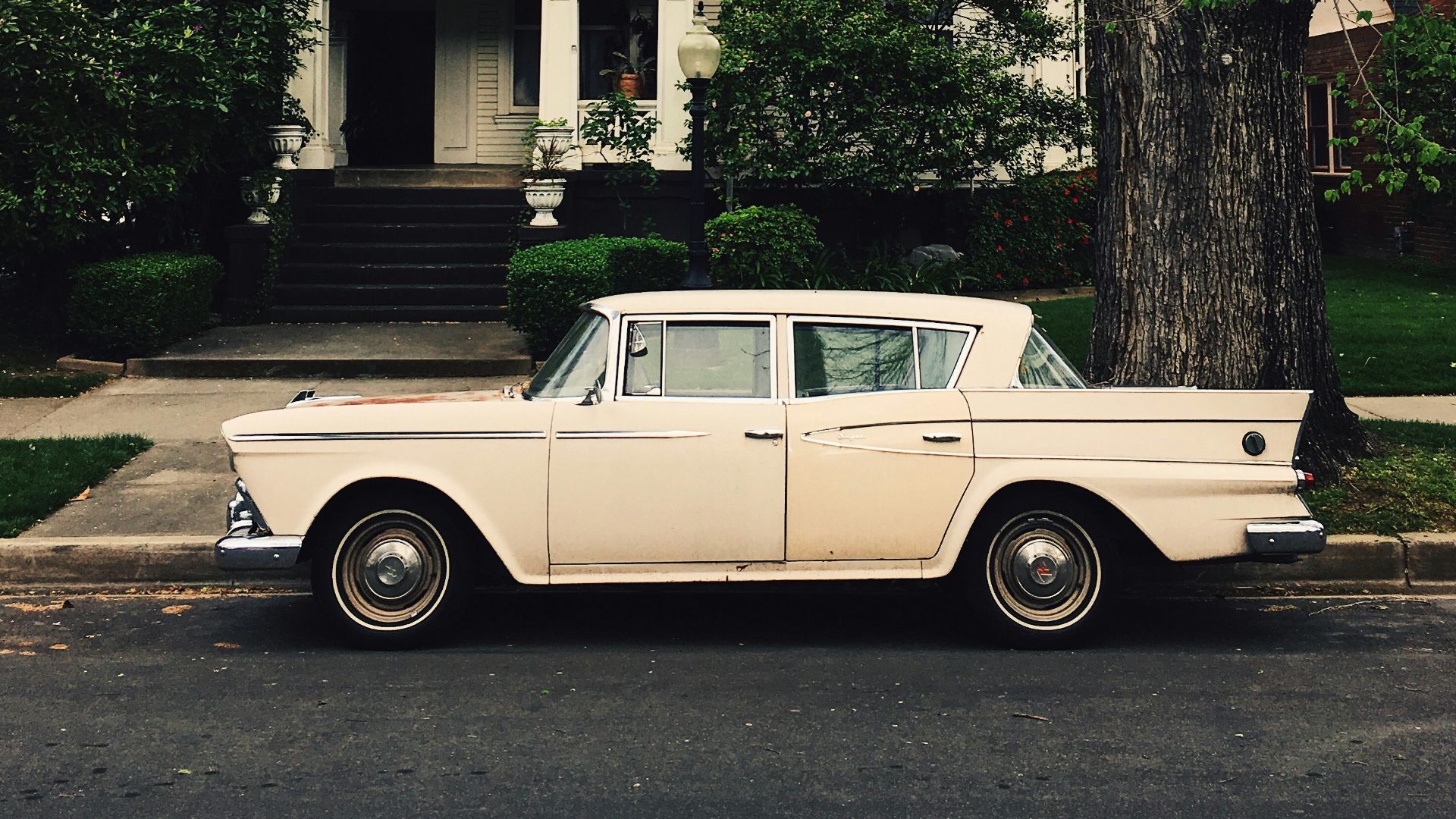
Blame The Sun First
Ultraviolet radiation is one of the biggest threats to exposed automotive paint. Long sun exposure can oxidize the clear coat and fade the color underneath. Darker colors often show this damage faster because heat and contrast make dullness more visible.
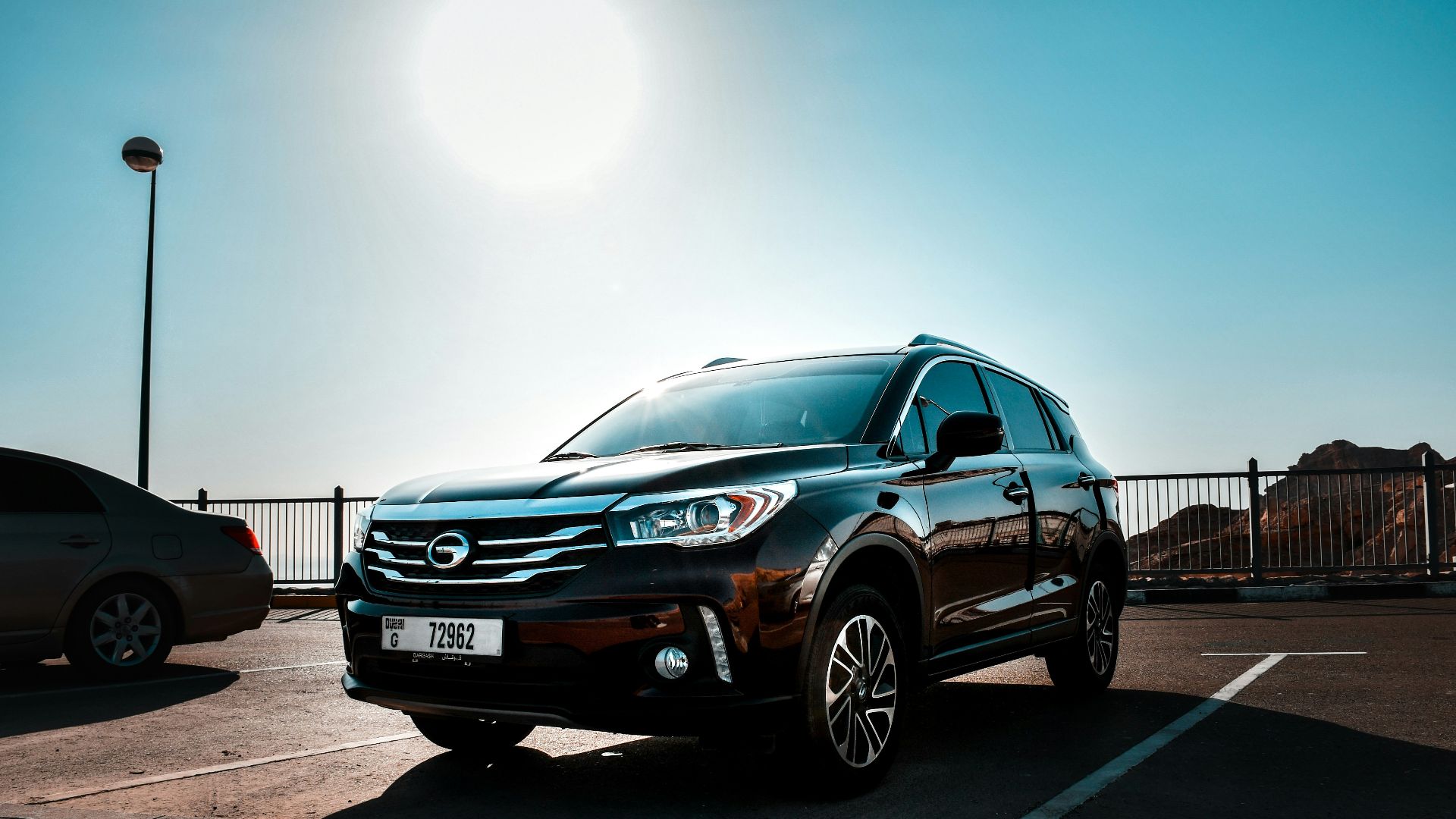
Wash More Than You Think
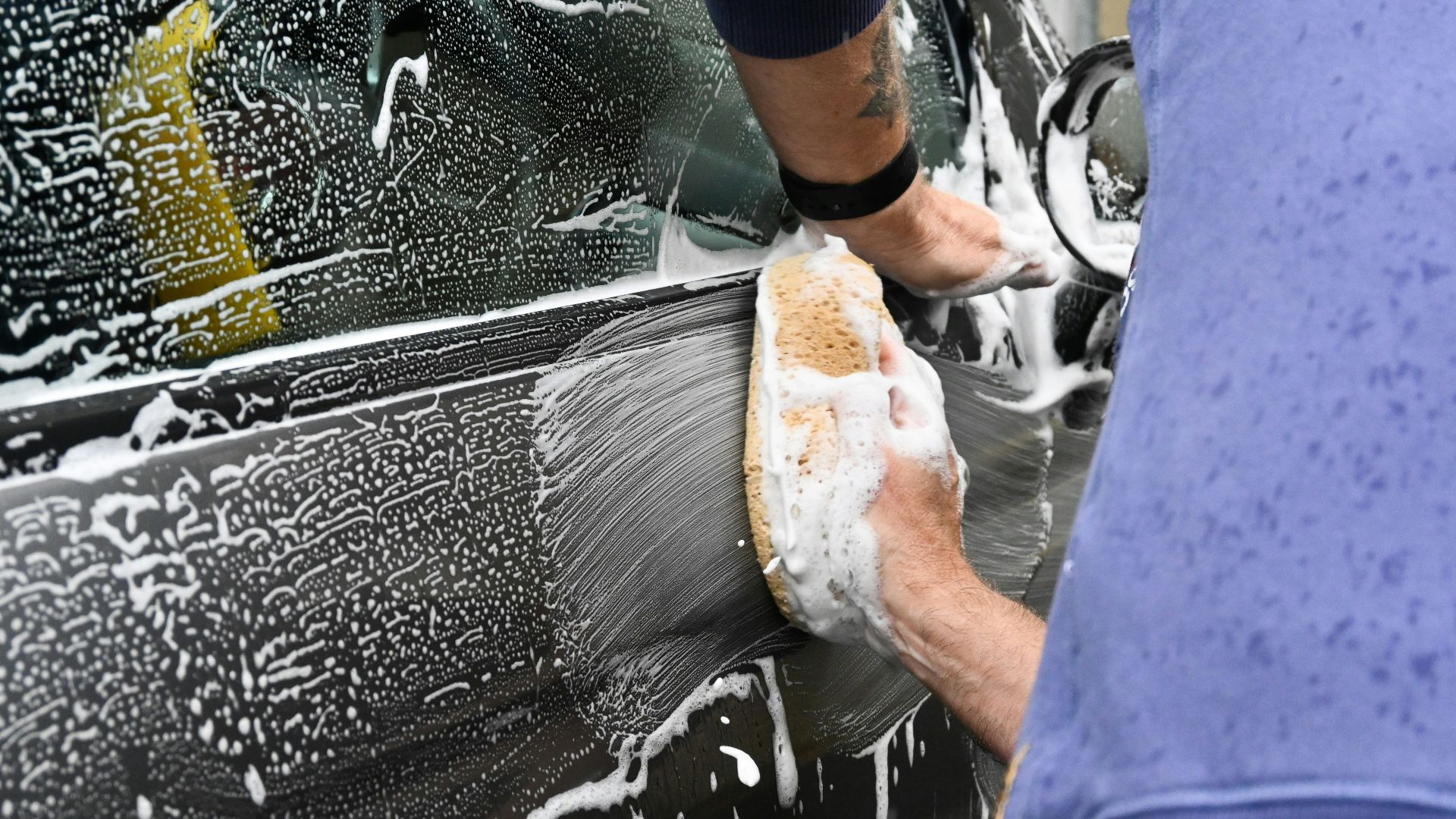
Regular washing is not just about making the car look nicer. Consumer Road grit, residue from rain, and bird droppings can damage paint and contribute to corrosion. If your car sits outside, washing every couple of weeks is a smart baseline.
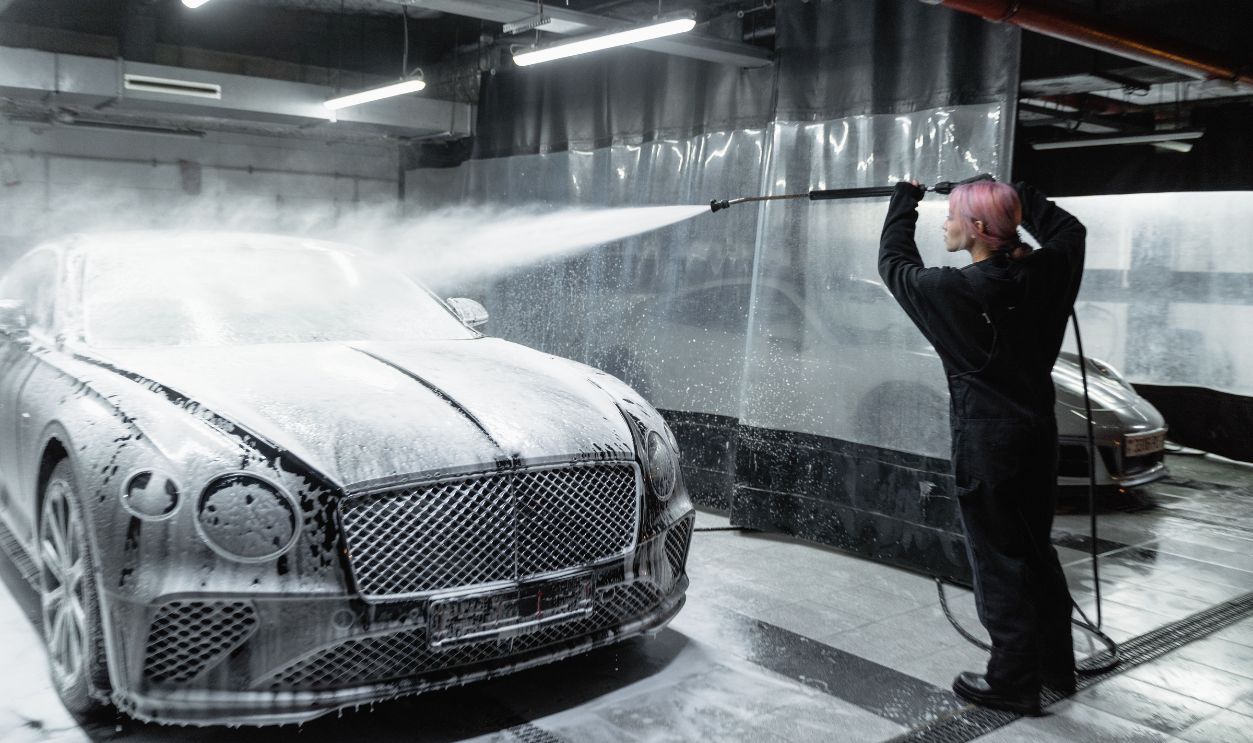
Use The Right Soap
Dish soap belongs in the kitchen, not on your paint. Automotive wash soap is designed to clean without stripping protective wax or sealant as aggressively. That matters because your protection layer is what takes the abuse before the clear coat does.
Dry It Instead Of Letting It Spot
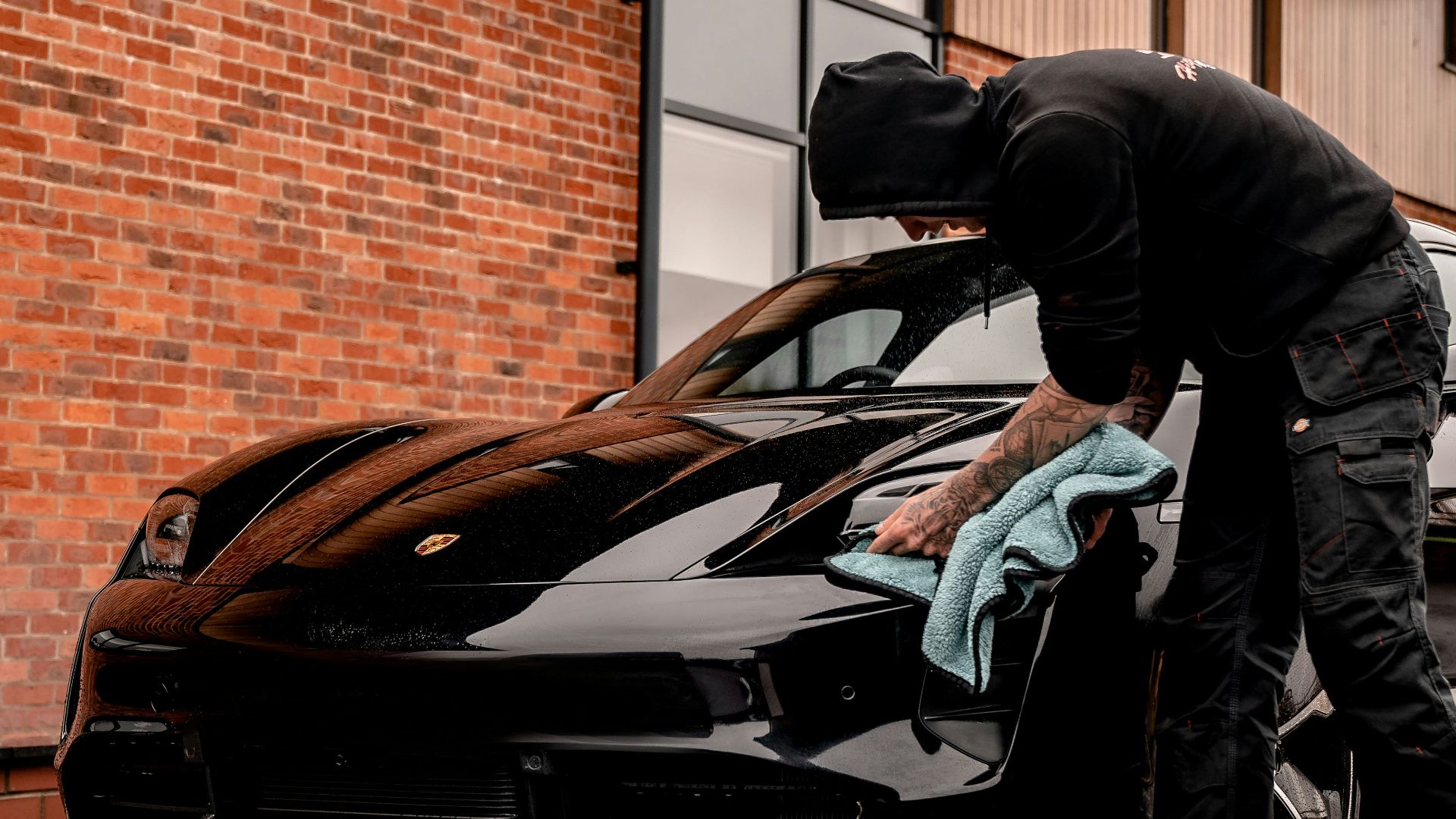
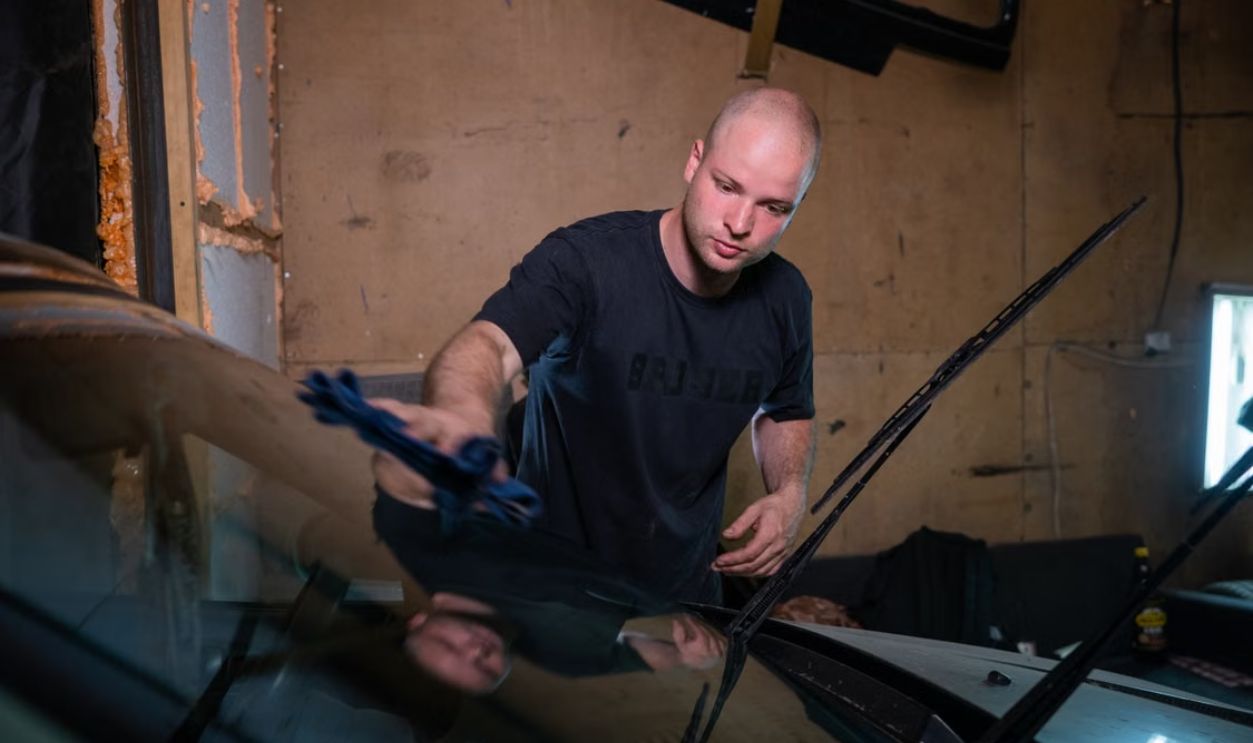
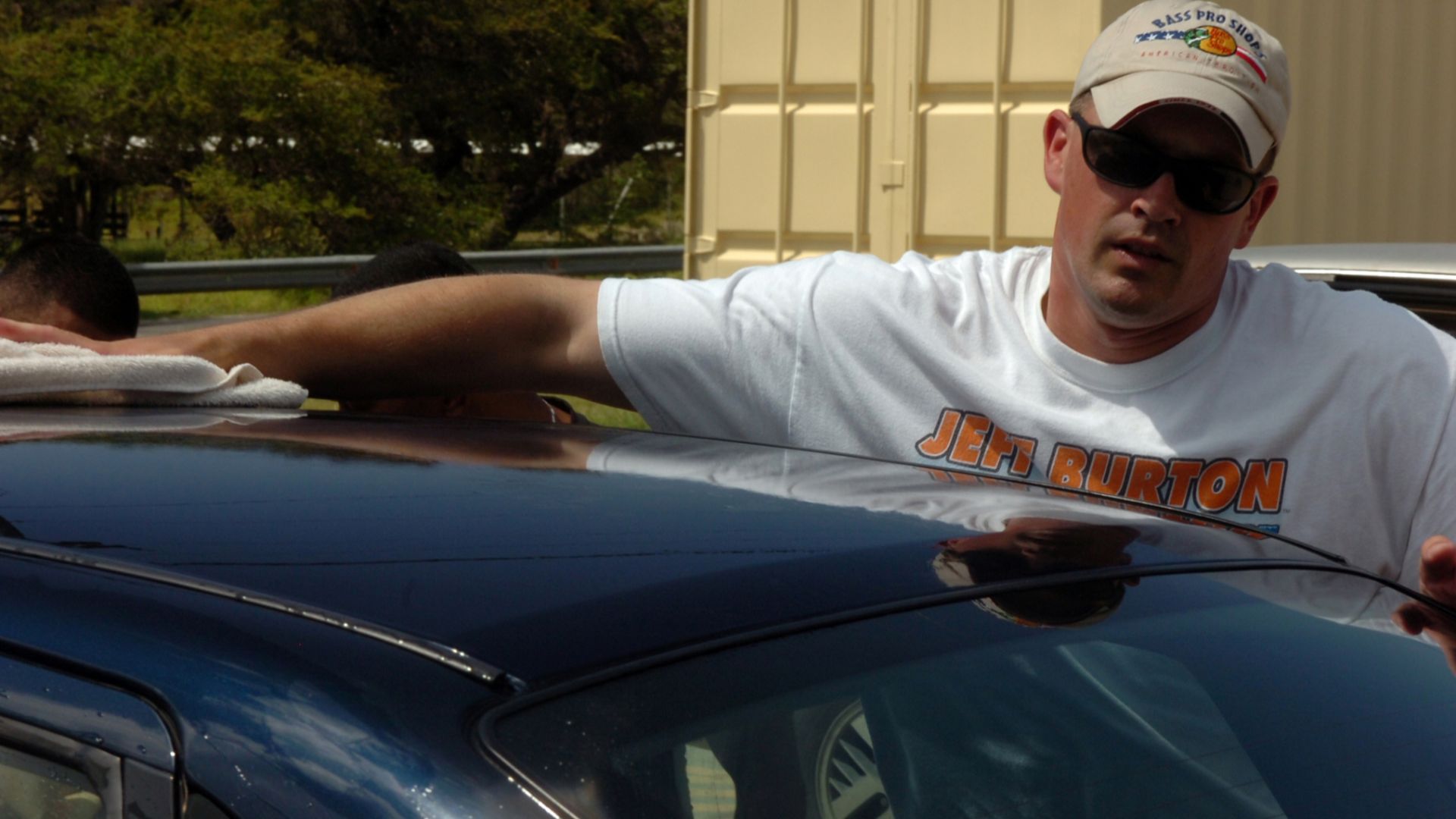
Letting a car air-dry can leave mineral deposits behind, especially if your water is hard. Those spots can bake into the surface when the car sits in the sun. A clean microfiber drying towel helps reduce spotting and light surface marks.
Do Not Scrub A Dirty Car
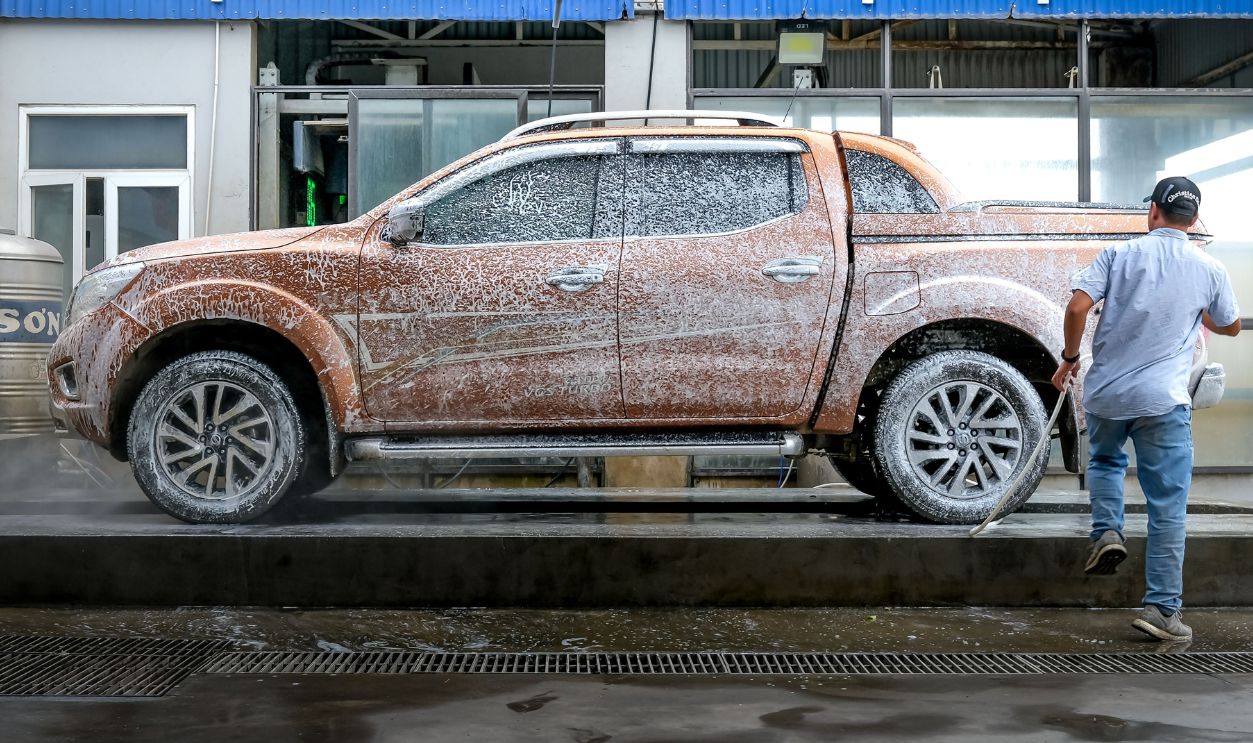
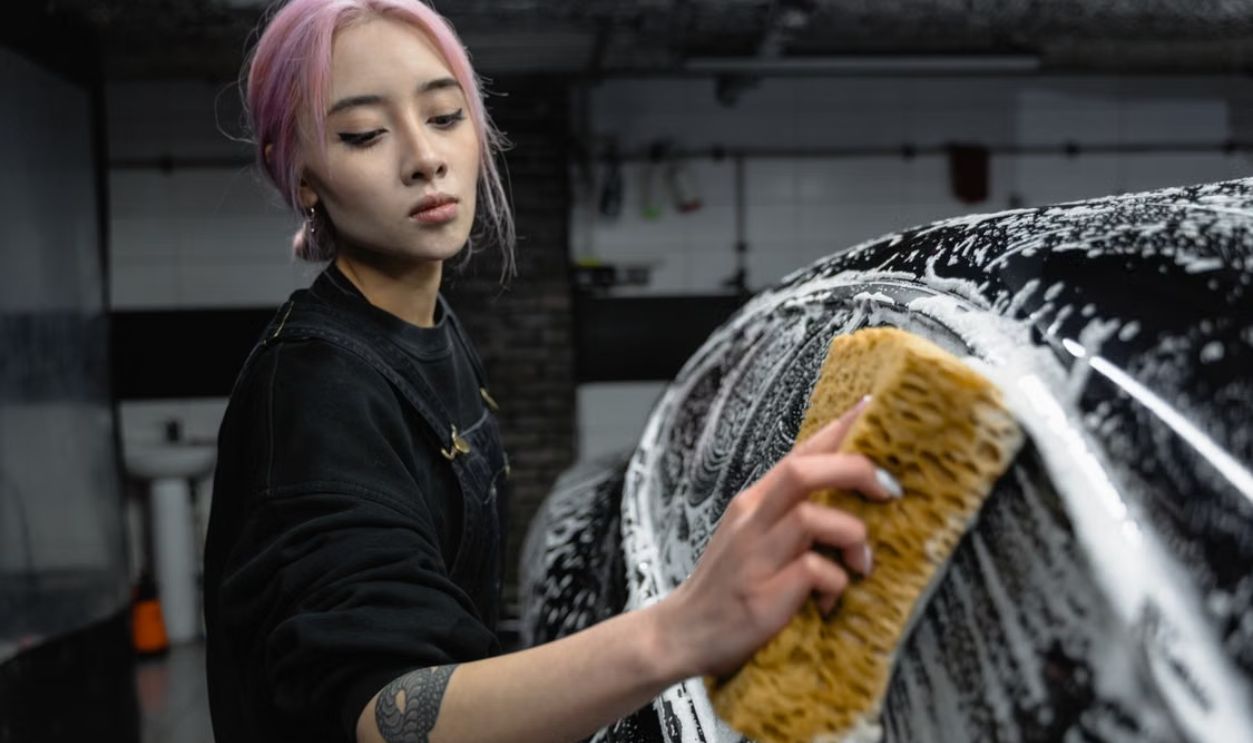
Dry dust, pollen, and grit can act like fine sandpaper. Wiping the paint without lubrication can create swirl marks that make fading look worse. Rinse first, use a proper wash mitt, and let soap do the work.
Wax Still Has A Job
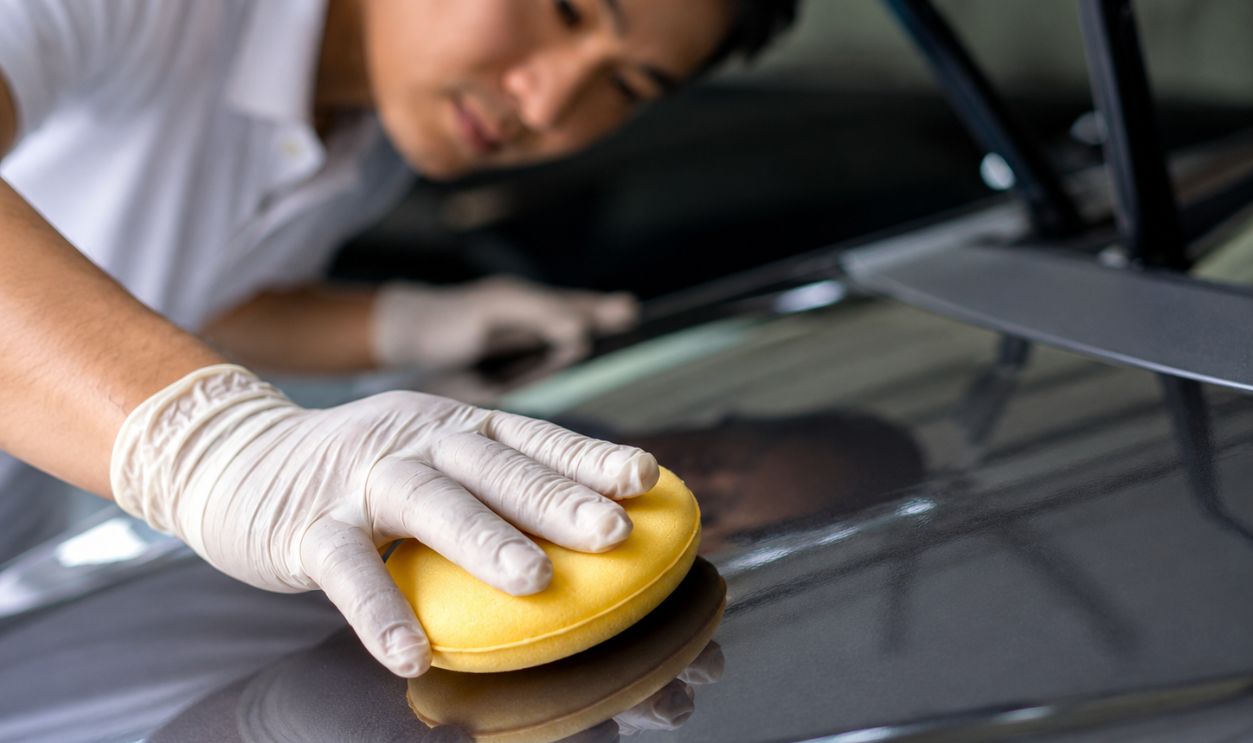
Wax creates a sacrificial barrier between the paint and the outside world. It can help protect against UV exposure, water, pollutants, and light contamination. It will not save failing clear coat, but it can slow damage on paint that is still healthy.
Sealants Last Longer
Paint sealants are synthetic products that usually last longer than traditional wax. Sealants offer months of protection against UV damage and fading. For an outdoor car, that durability can make maintenance easier.
Ceramic Coatings Are The Bigger Step
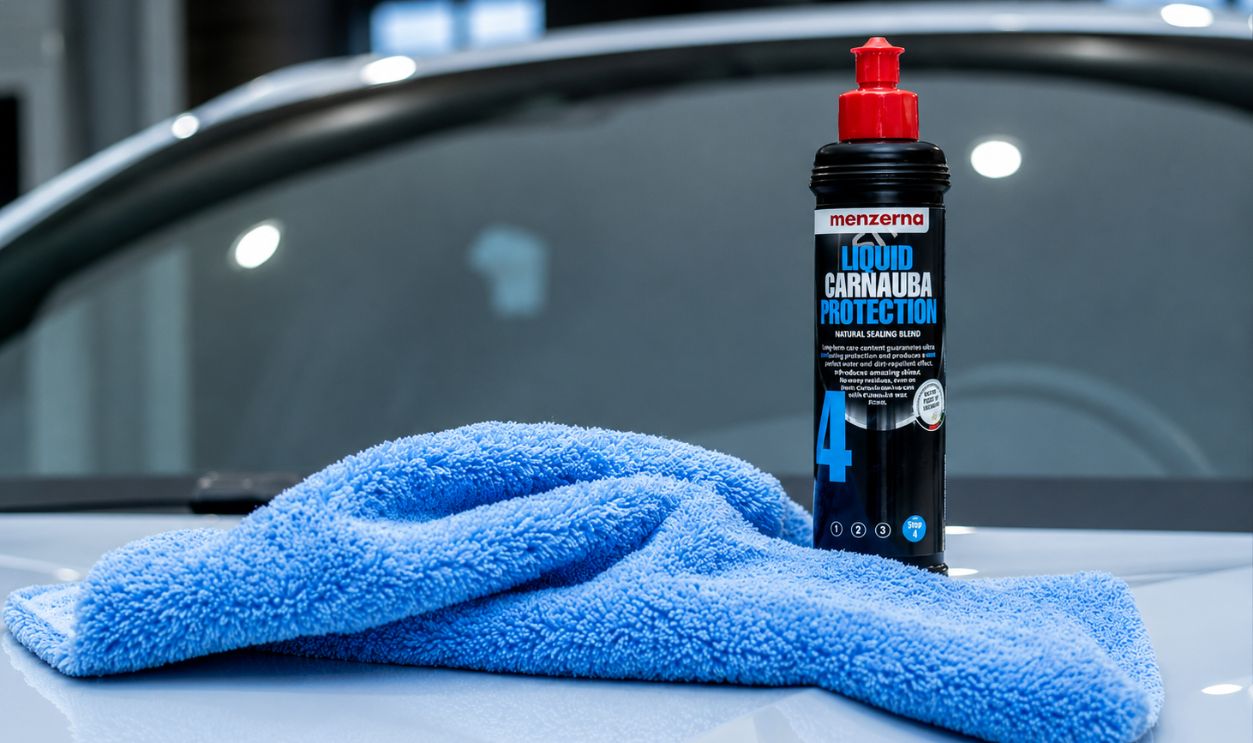
Ceramic coatings create a harder, longer-lasting protective layer than ordinary wax. They can improve water beading, make washing easier, and add UV protection. They still need maintenance, but they are a strong option for a car that has no garage.
Paint Protection Film Is Different
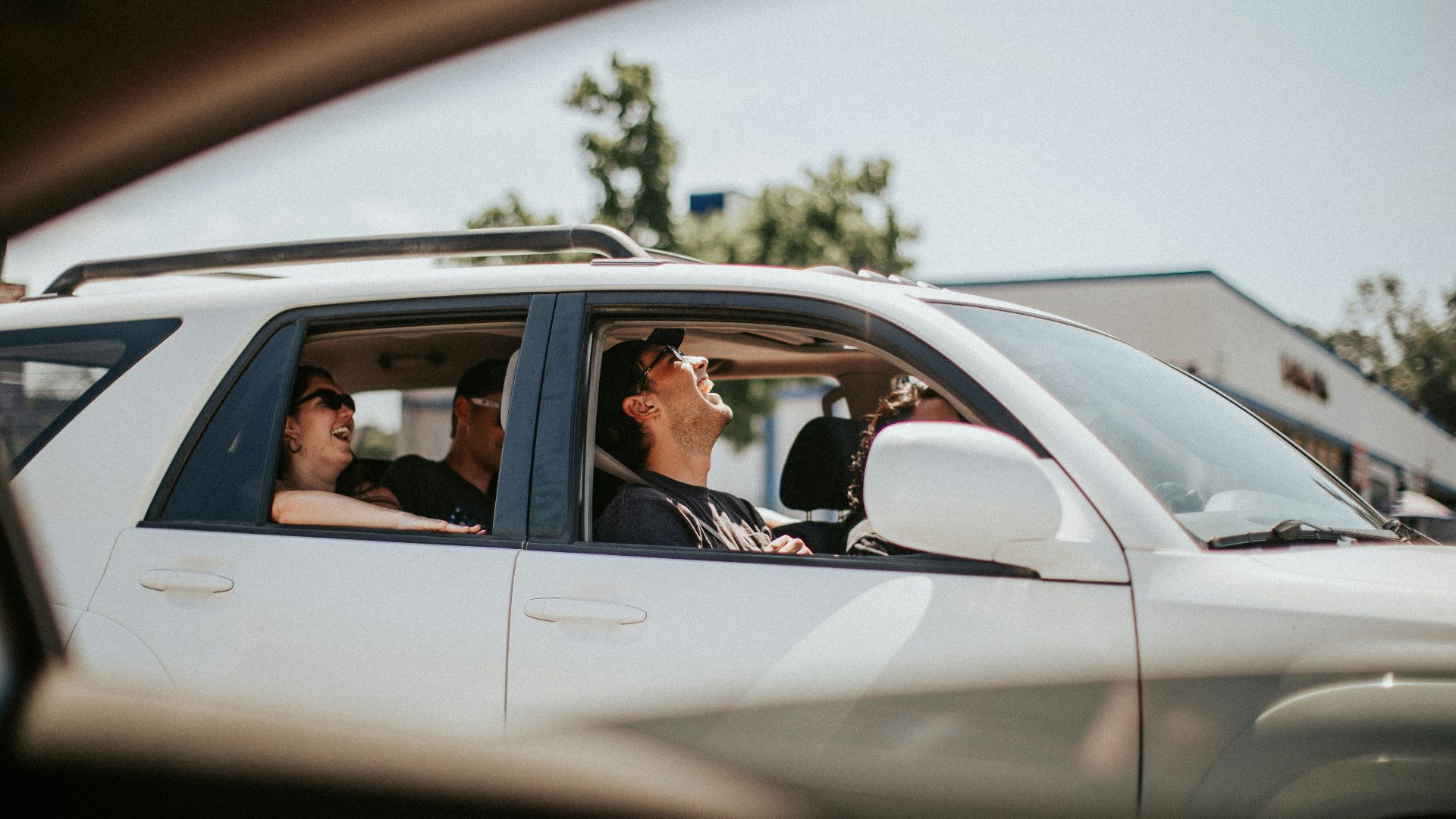
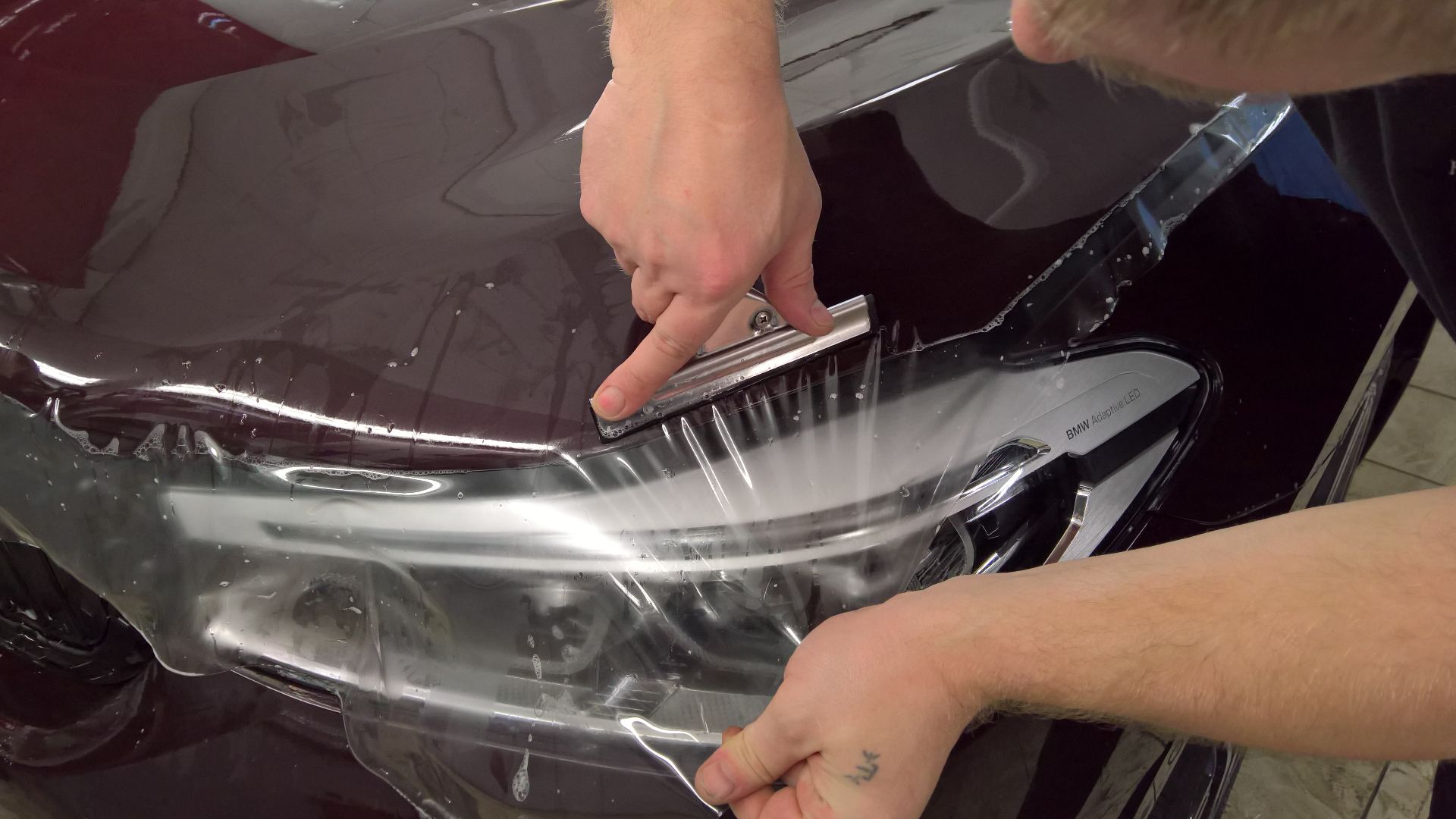
Paint protection film is a physical layer applied over vulnerable areas. This film helps protect paint from scratches, chips, stains, UV radiation, and outdoor weathering. It is especially useful on hoods, bumpers, mirror caps, and front fenders.
Covers Can Help Or Hurt
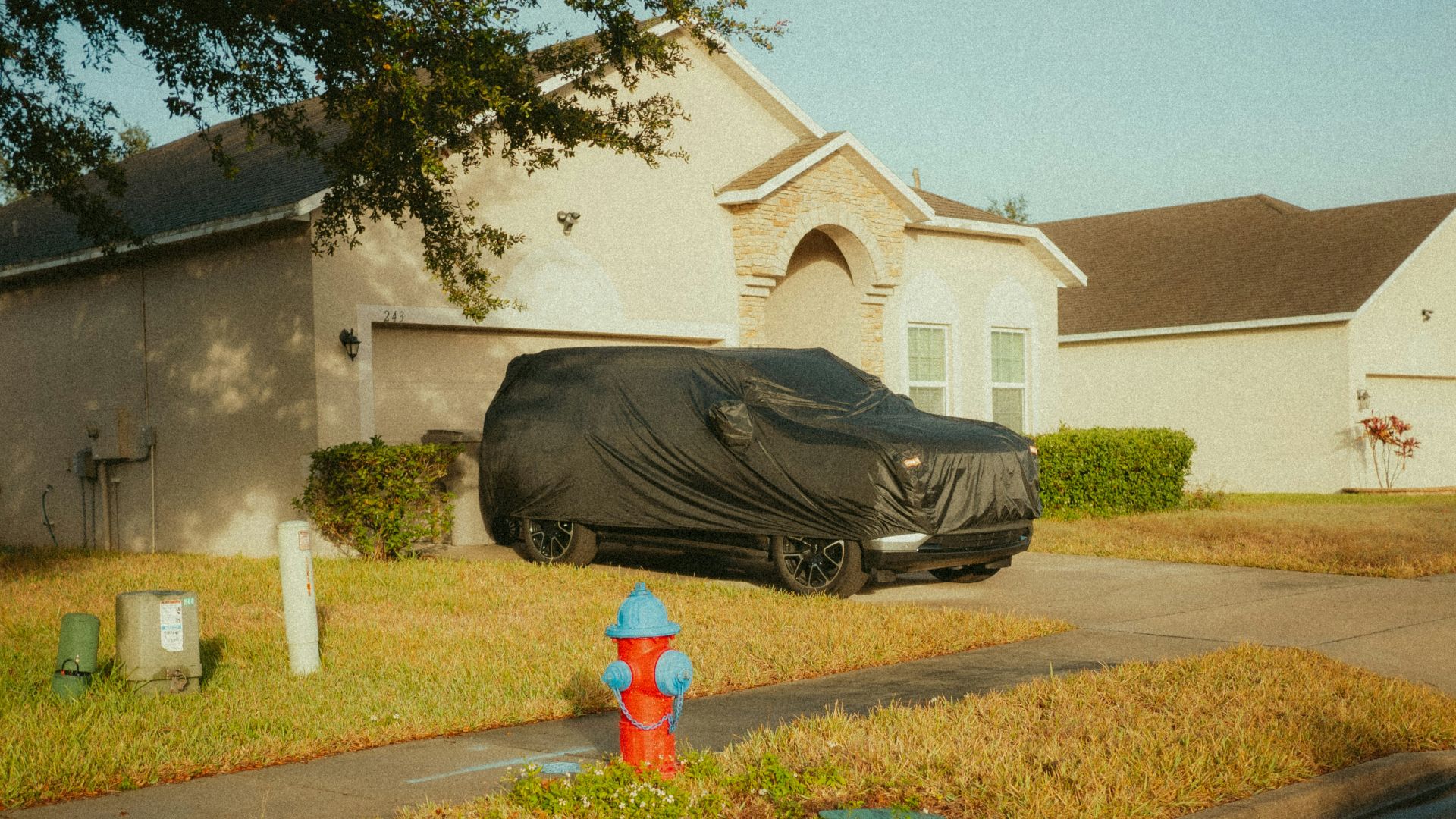
An outdoor car cover can block sun, sap, bird droppings, and dust. The problem is that a bad cover, a loose cover, or a cover placed over dirty paint can scratch the finish. If you use one, choose a breathable, soft-lined cover that fits properly.
Never Cover A Dirty Car
A cover rubbing against dusty paint can grind dirt into the surface. Wind makes that worse because the fabric moves against the car. Wash and dry the vehicle before covering it whenever possible.
Find Shade Whenever You Can
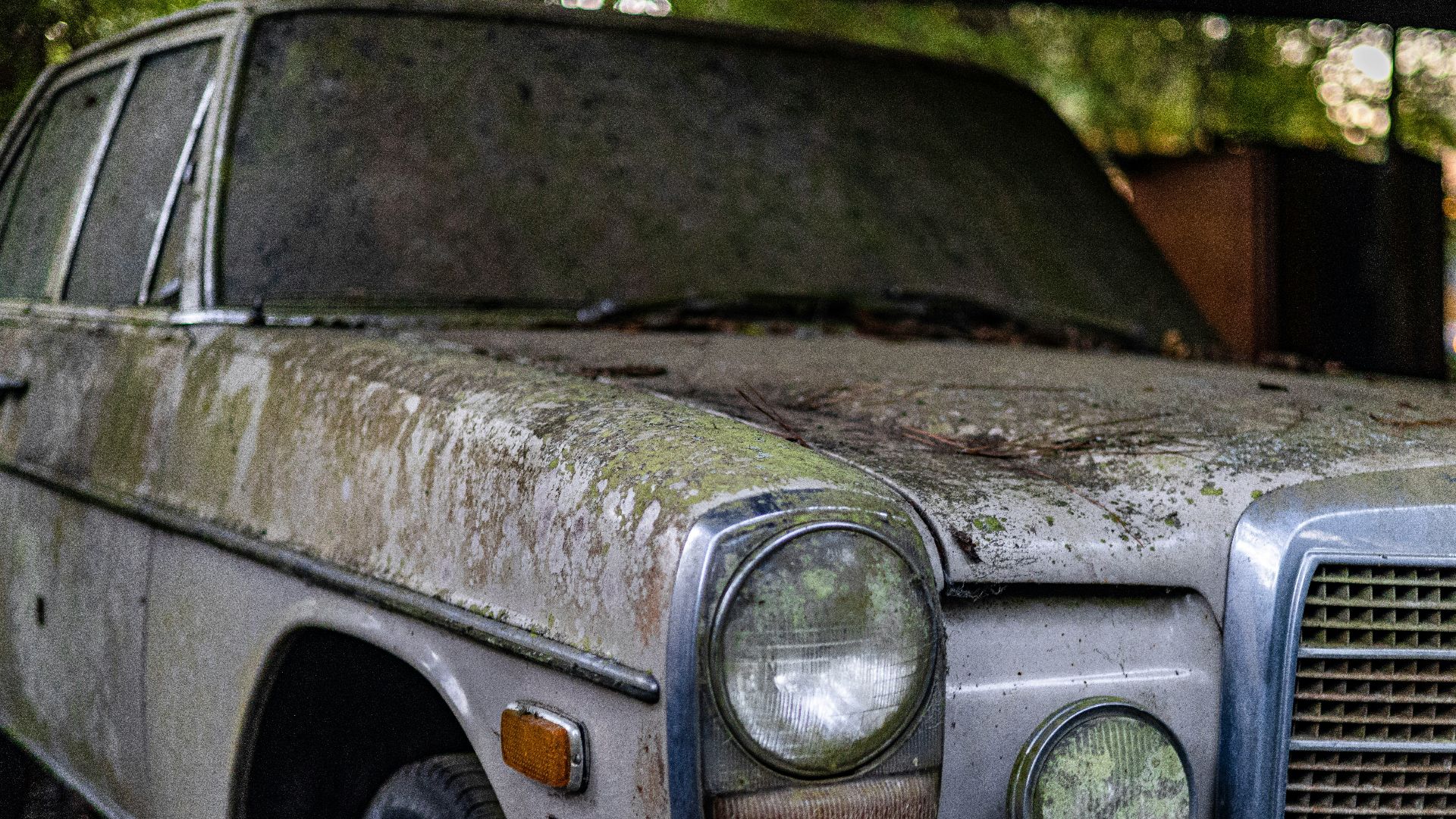
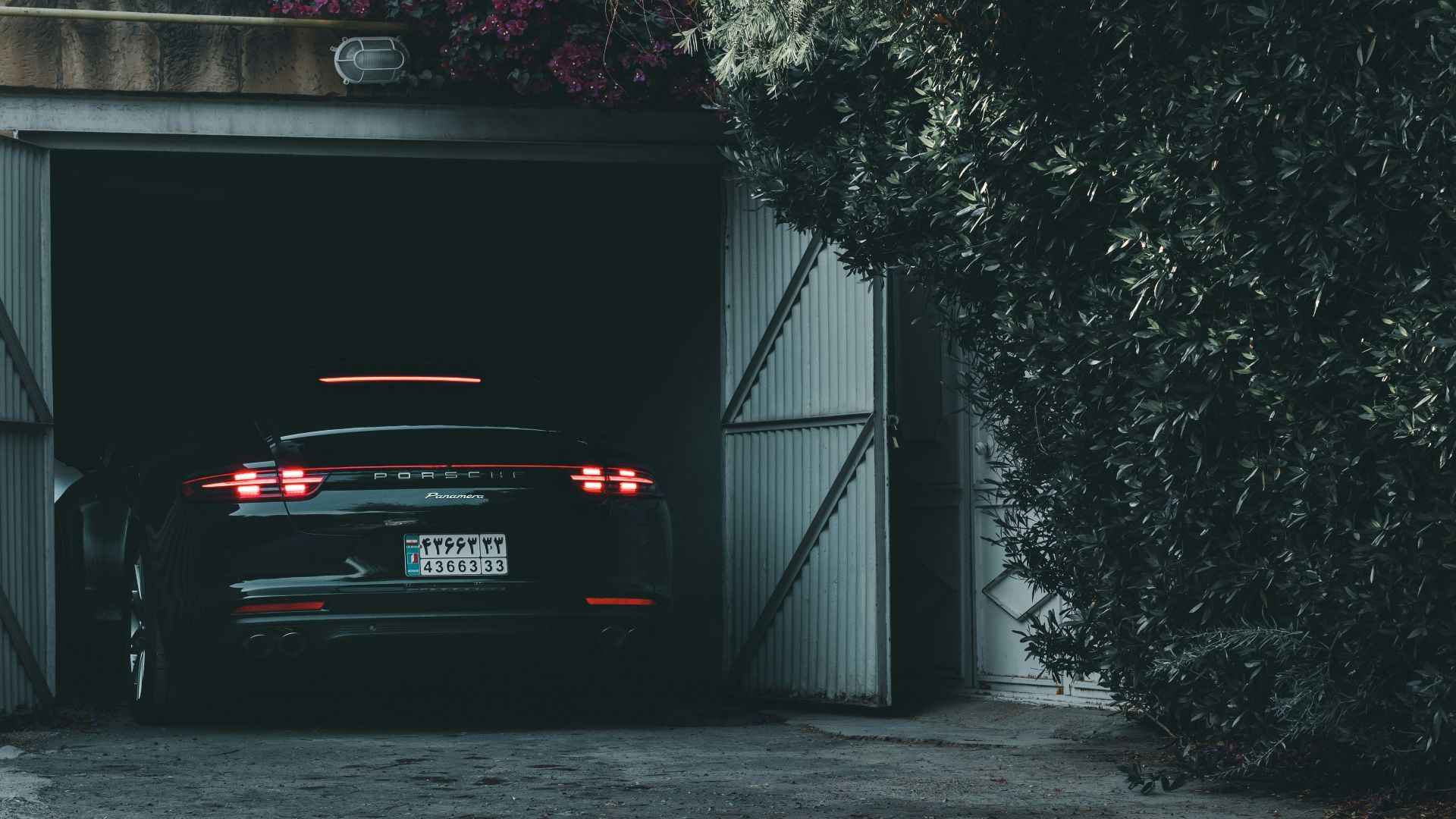
Parking in shade reduces direct UV exposure and keeps surface temperatures lower. A carport, covered parking spot, or even a consistently shaded driveway can help. Just avoid parking under trees that constantly drop sap, berries, or bird mess.
Watch Out For Tree Sap
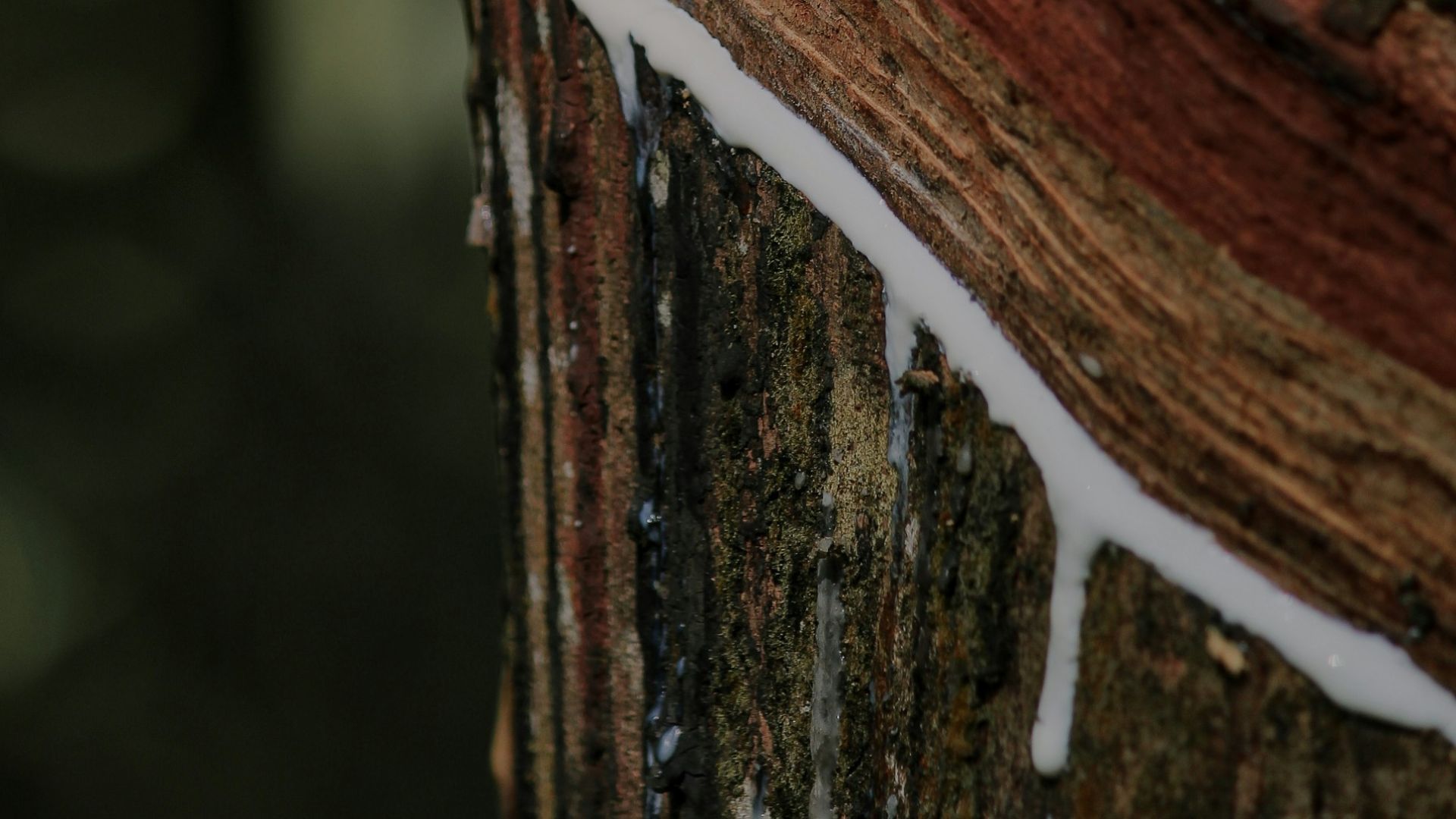
Tree sap can stick to paint and become harder to remove as it dries. If it sits too long, removal can require stronger cleaners or polishing. A wax, sealant, or coating makes sap less likely to bond directly to the clear coat.
Bird Droppings Need Fast Action
Bird droppings can etch into paint, especially when heat bakes them onto the surface. Do not scrape dried droppings off with paper towel. Soften the mess with water or detail spray, then lift it gently with microfiber.

Pollen Is Not Harmless
Pollen may look soft, but it can cling to paint and mix with moisture. When it builds up, it can leave a film that dulls the finish. A gentle rinse and wash is better than wiping it off dry.
Winter Salt Deserves Respect
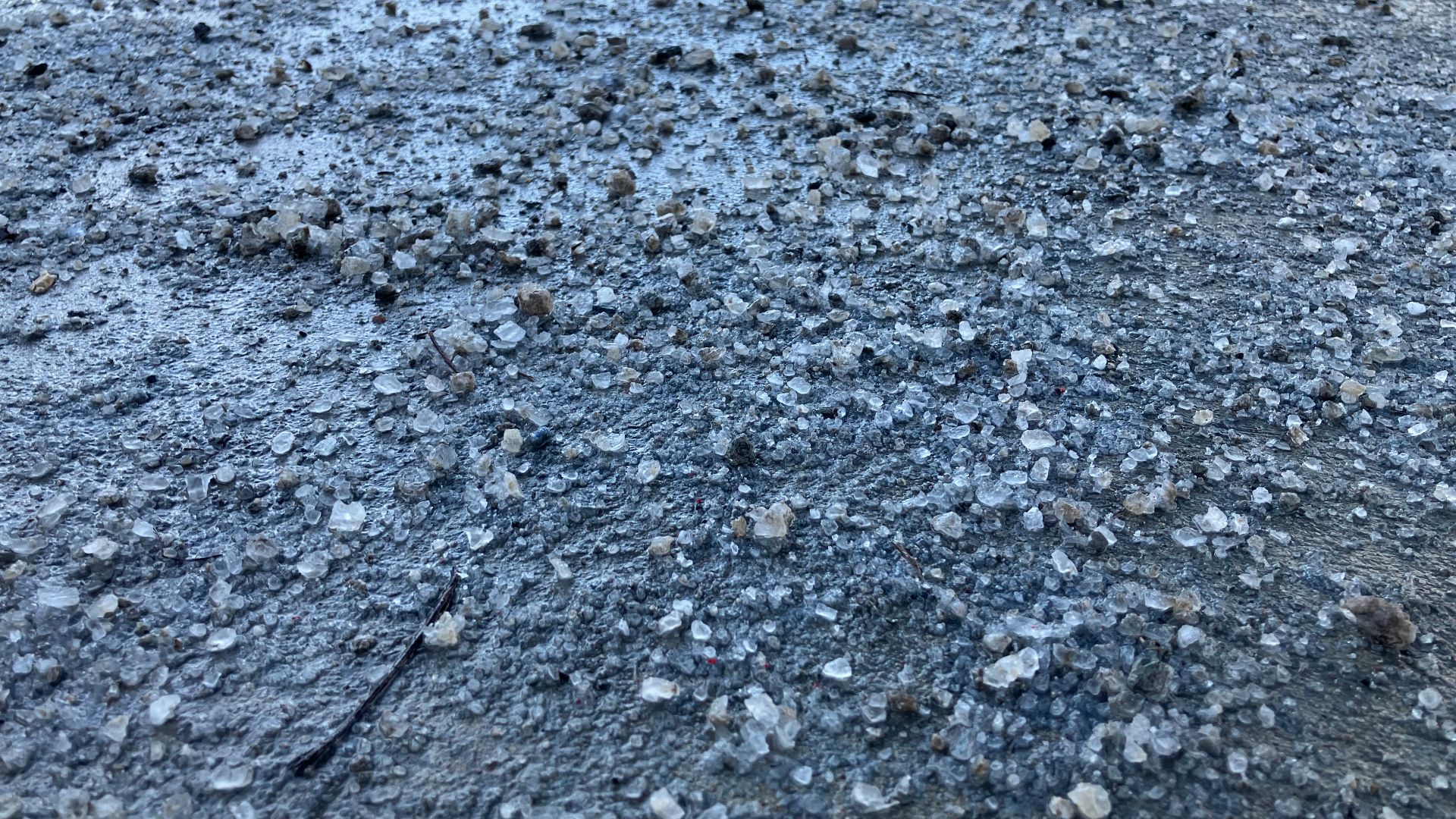
Road salt can attack metal and wear down protective layers on the vehicle. Experts recommend frequent rinsing or washing during salty conditions and reapplying wax when needed. Undercarriage rinses also matter if your area uses heavy salt.
Touch Up Chips Quickly
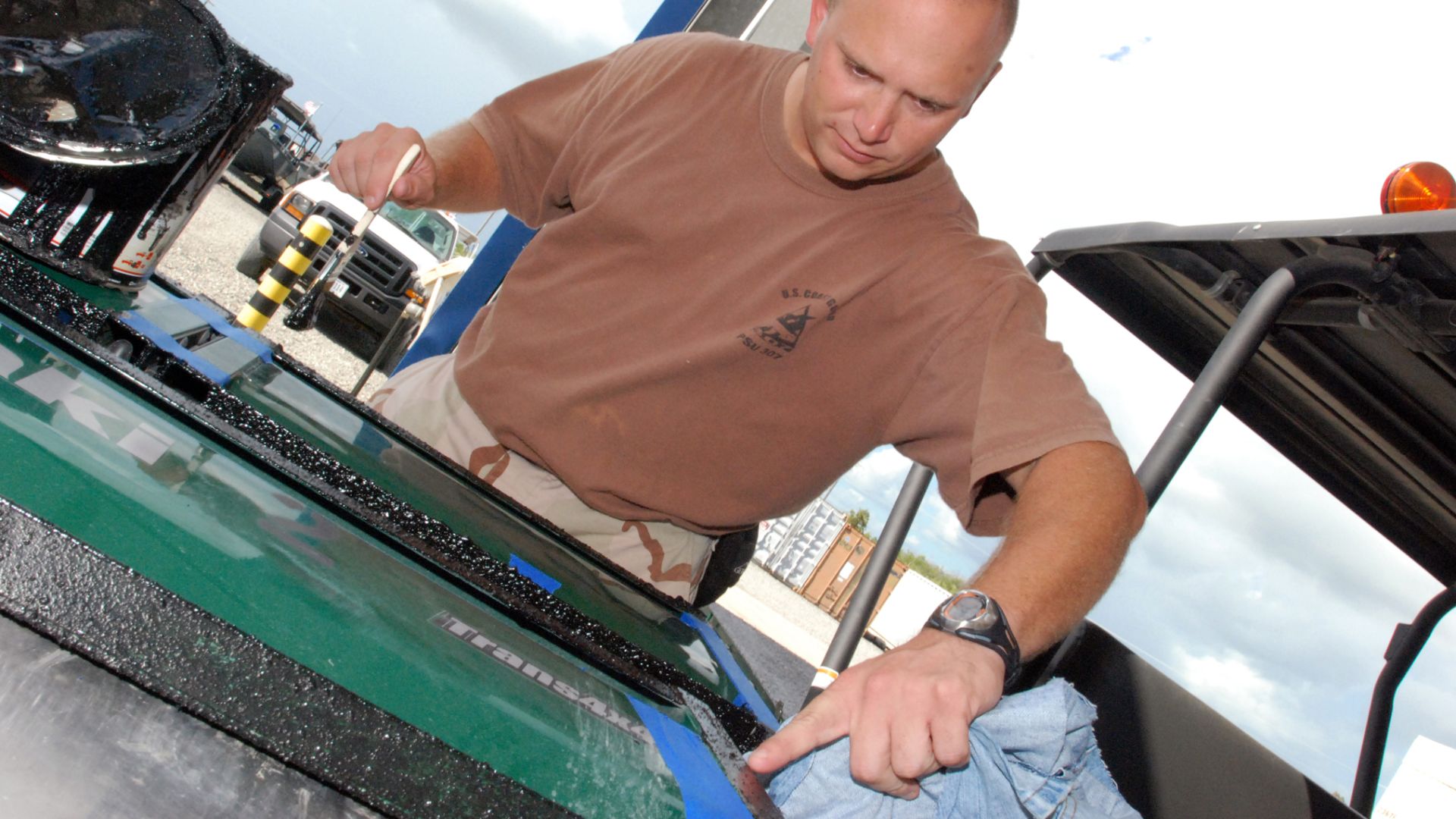
Small stone chips expose the layers beneath the clear coat. If moisture reaches bare metal, rust can begin and spread under nearby paint. Touch-up paint will not make every chip invisible, but it can help prevent bigger problems.
 Spc. Erica Isaacson, Wikimedia Commons
Clay Bars Have A Purpose
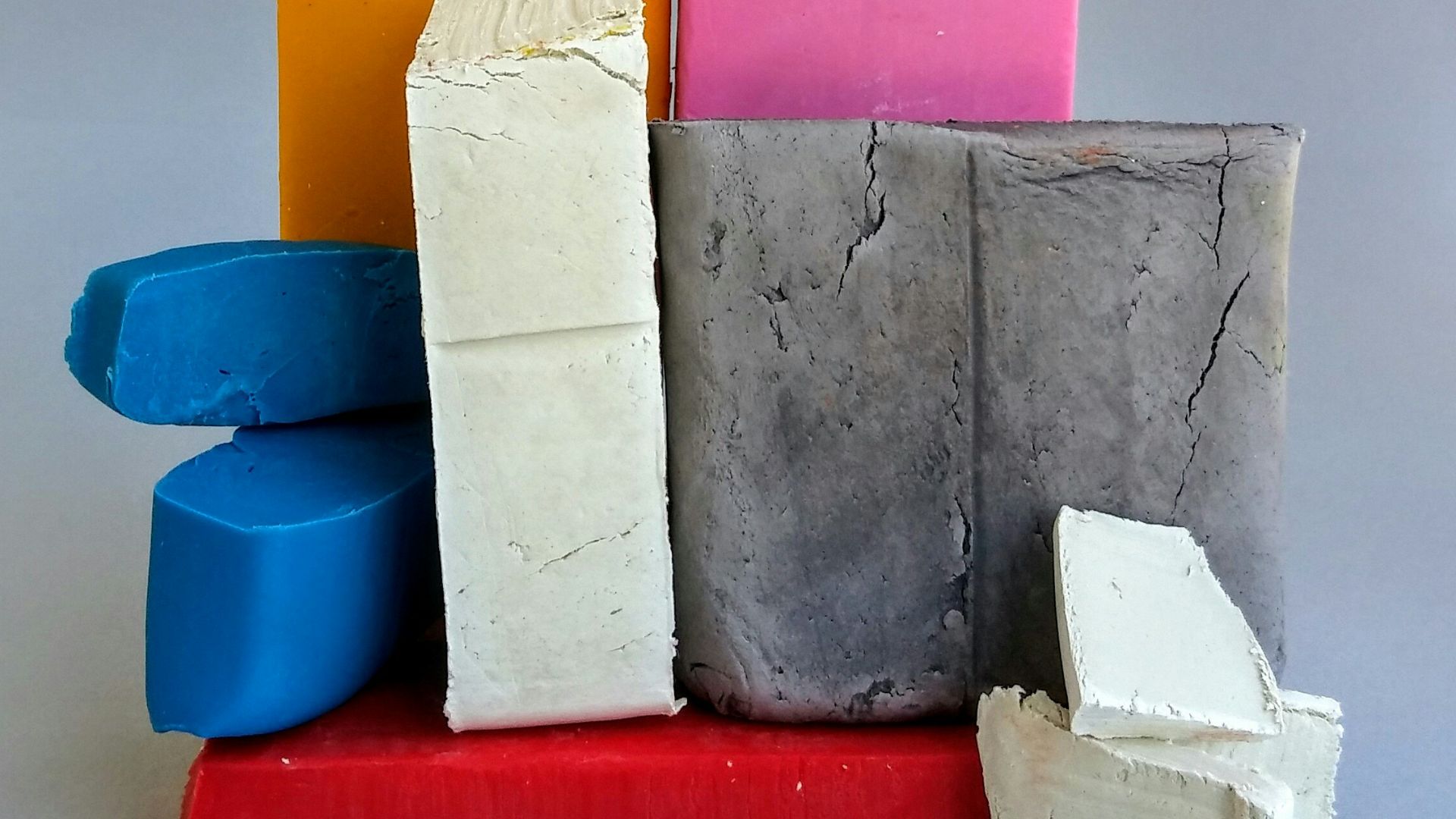
Clay can remove bonded contamination that ordinary washing leaves behind. That includes embedded dirt, brake dust, rail dust, and other particles stuck to the paint. Use clay with proper lubricant, because using it dry can mar the finish.
Polishing Can Restore Gloss
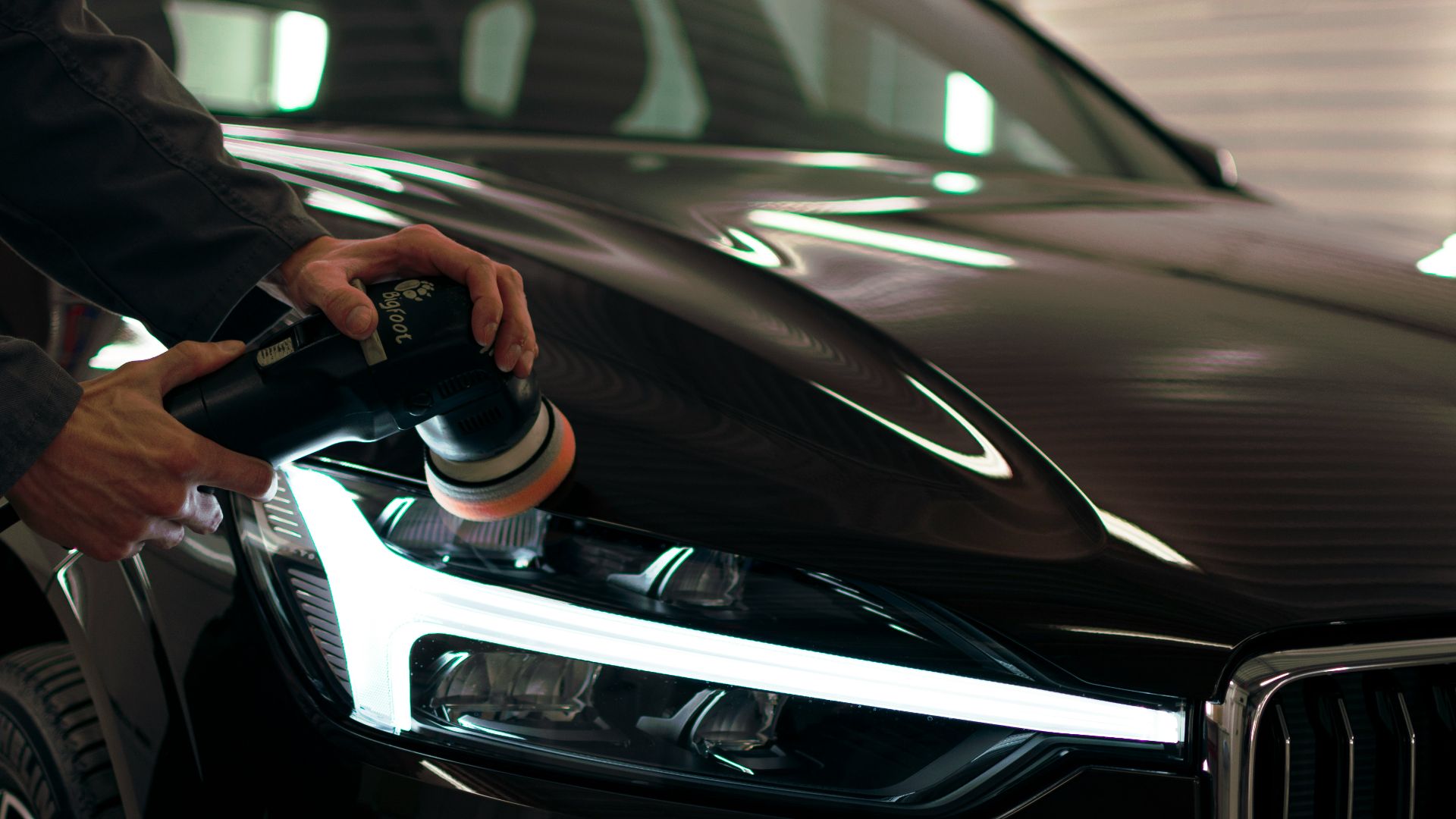
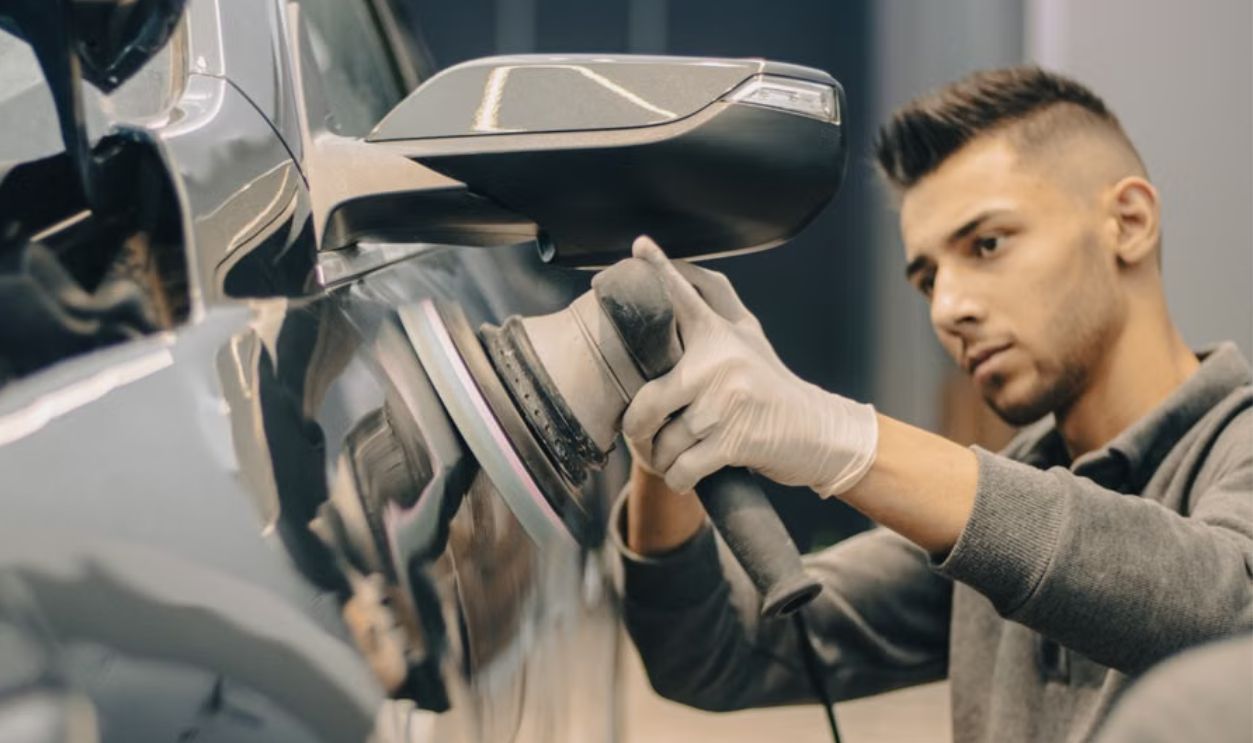
If the clear coat is only lightly oxidized, polishing may bring back shine. Compounds and polishes remove a tiny amount of damaged surface material. That is why aggressive polishing should be used carefully, especially on older paint.
Know When Damage Is Too Far Gone
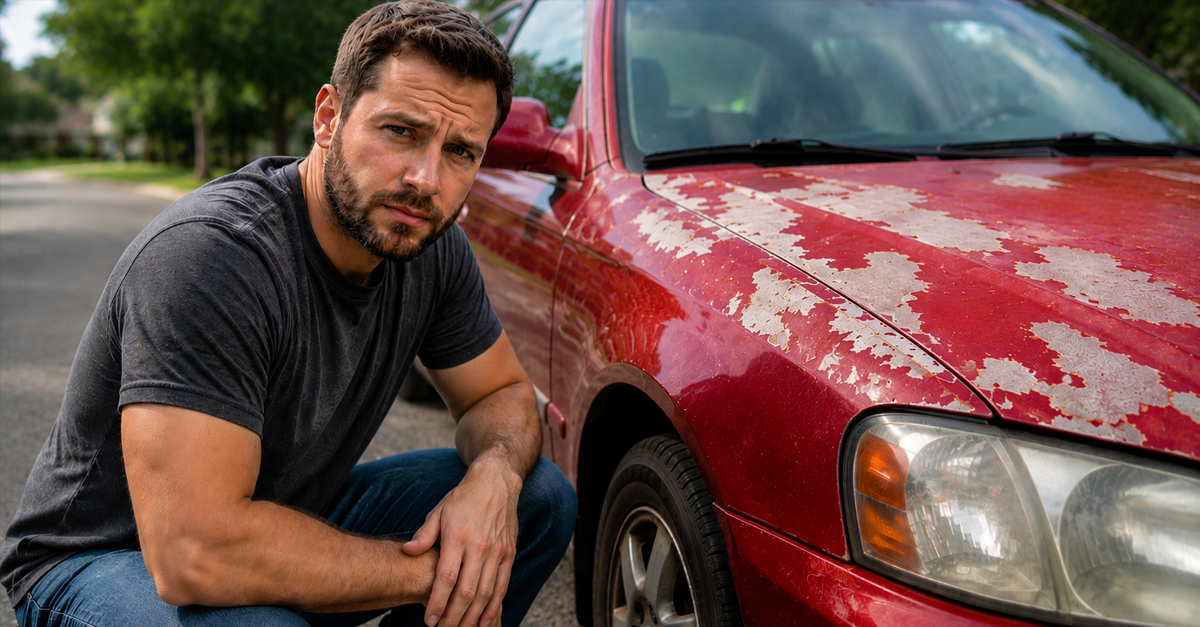
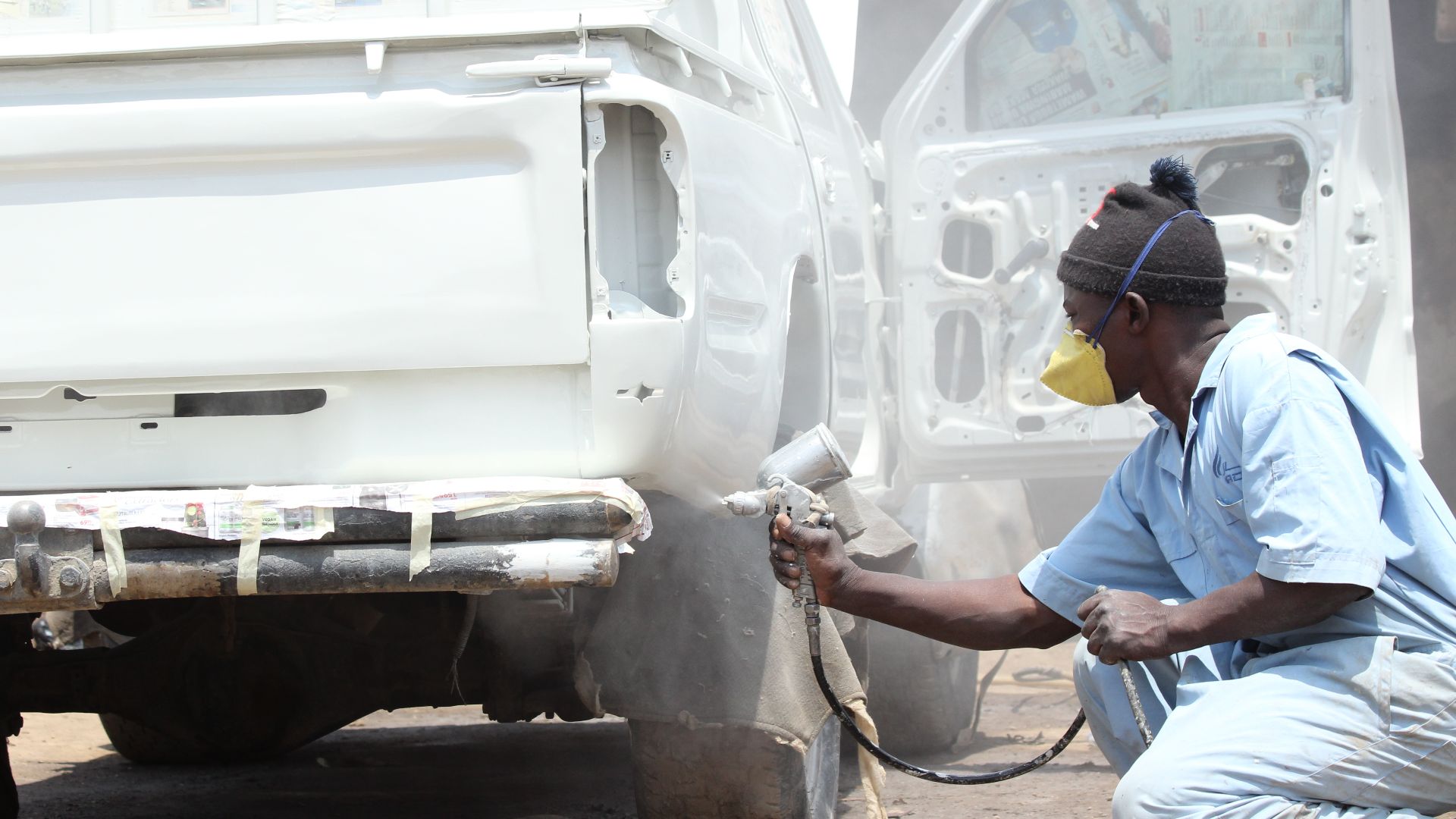
Faded paint is sometimes fixable, but peeling clear coat is a different story. Once the clear coat fails and starts flaking, wax or polish will not rebuild it. At that point, repainting or professional refinishing is usually the real repair.
Do Not Chase Shine Every Weekend
Over-washing, over-polishing, and using harsh cleaners can create their own problems. Your goal is controlled maintenance, not constant correction. Wash regularly, protect periodically, and polish only when the paint actually needs it.
Keep Microfiber Clean
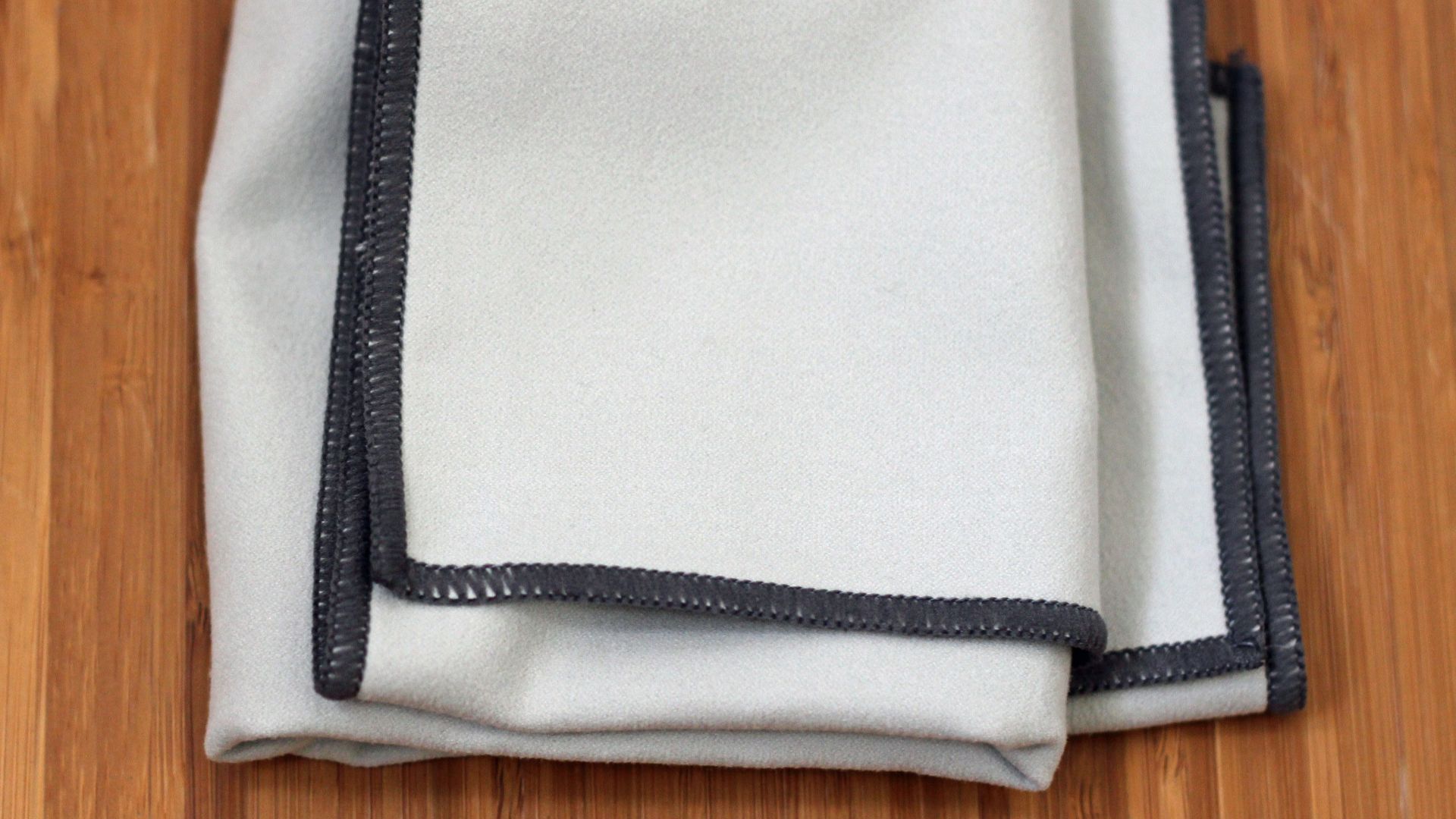
Dirty towels can scratch paint just as easily as dirt on the car. Wash microfiber separately and avoid fabric softener, which can affect absorbency. Retire old towels from paint duty once they feel rough or contaminated.
 HelenOnline, Wikimedia Commons
Protect Plastic Trim Too
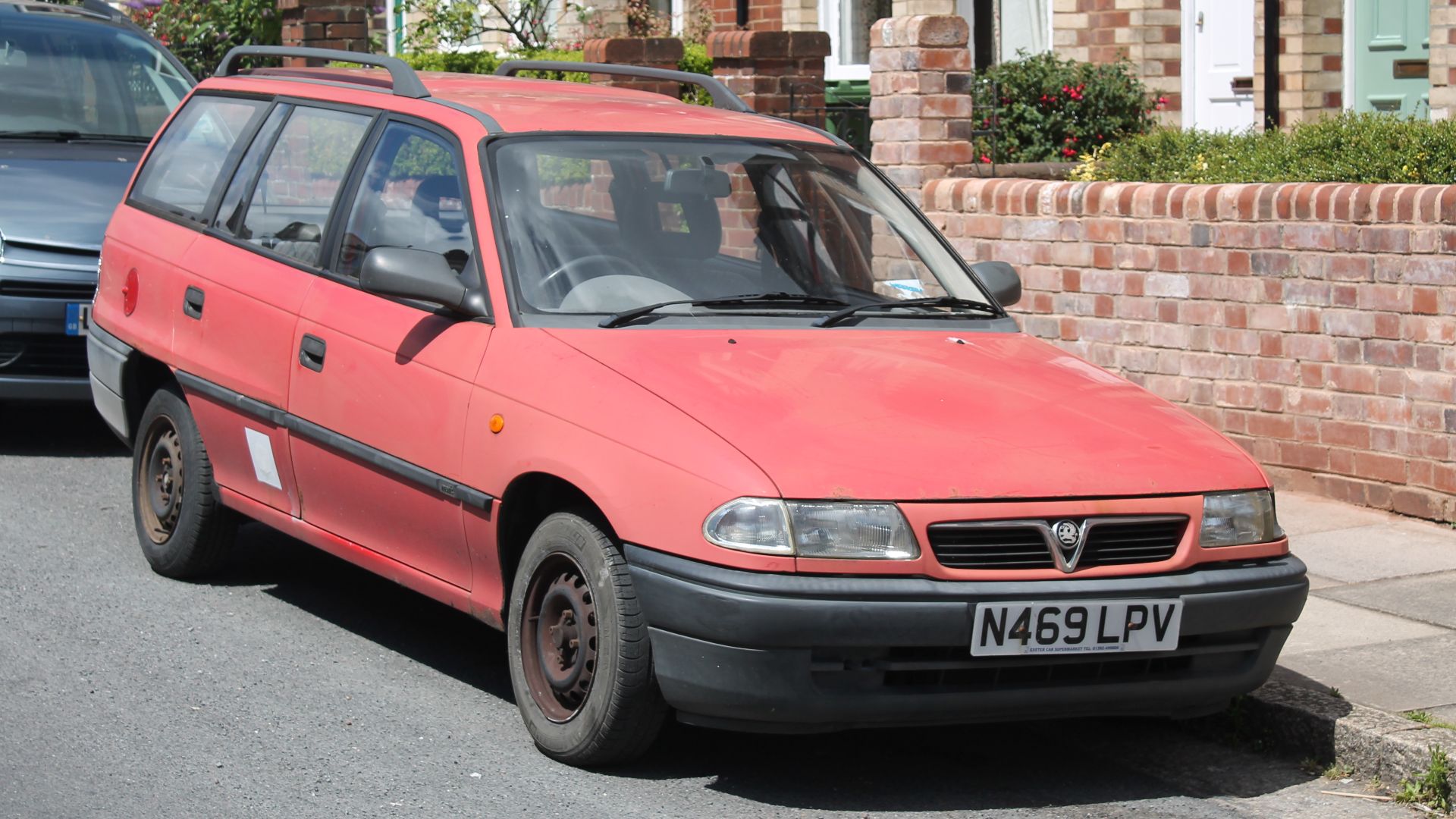
Sun damage does not stop at painted panels. Exterior trim, rubber seals, and plastic pieces can fade, dry out, or turn chalky. UV protectants made for automotive trim can help keep those parts from aging faster than the paint.
 Charlie from United Kingdom, Wikimedia Commons
Build A Simple Routine
For an outdoor car, a realistic routine beats an ambitious one you never follow. Wash it every couple of weeks, remove droppings and sap quickly, and apply wax or sealant on schedule. Add ceramic coating or film if the car is valuable enough to justify the cost.
 Spc. Eric Liesse, Wikimedia Commons
Prevention Is Cheaper Than Paintwork
Once paint fades badly, correction gets more expensive and less predictable. Preventive care costs less than body-shop repair, especially if the clear coat is still intact. The earlier you protect the finish, the more original paint you can preserve.
Yes, You Can Slow The Fading
You may not be able to stop outdoor aging completely. Still, shade, safe washing, protective products, and quick cleanup can make a major difference. Your car can live outside year-round and still look good if the paint is treated like something worth protecting.
You May Also Like:
My HOA says I can’t charge my EV overnight in my own driveway. Can they really stop me?