
Your Car Recorded The Crash—So Why Do You Have To Pay To See It?
You buy a vehicle with built-in cameras, you're involved in a collision, and afterward you discover the footage exists—but your automaker says you need a monthly subscription or connected service plan before you can view or download it.
That feels frustrating, especially when the recording could help with an insurance claim. As more vehicles add factory-installed cameras and cloud-connected features, questions about who controls crash footage are becoming much more common.
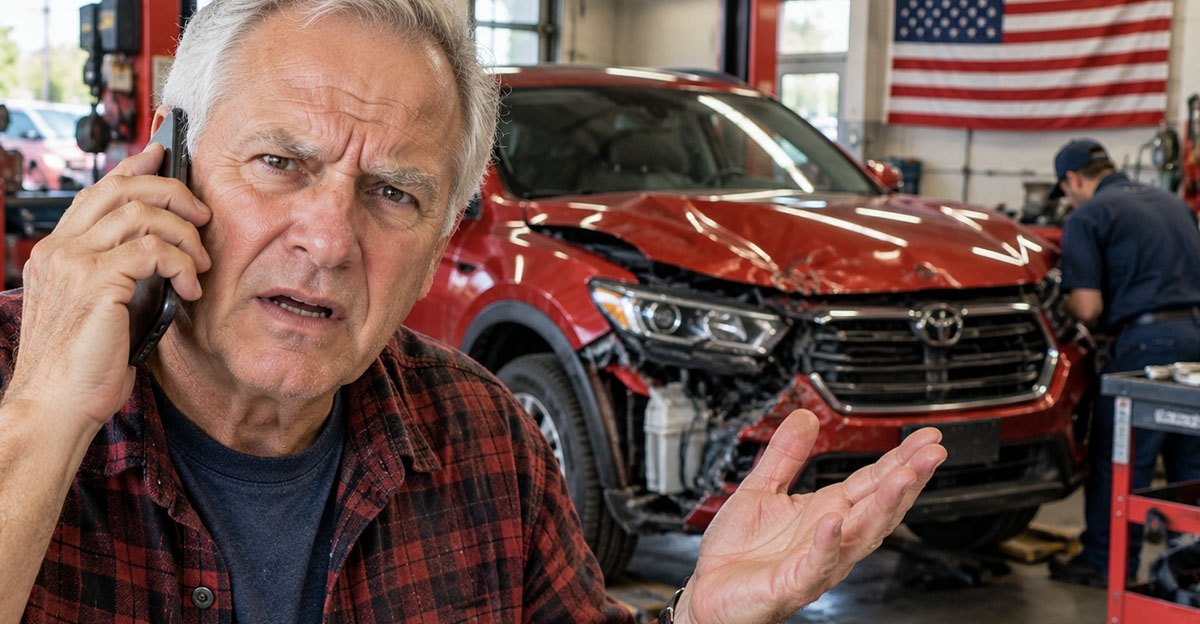
Not Every Car Actually Records Video
The first thing to know is that not every vehicle with cameras saves video. Many cameras are used only for parking assistance, lane-keeping, or collision avoidance. Unless the manufacturer specifically includes a recording feature, those cameras may never save footage at all.
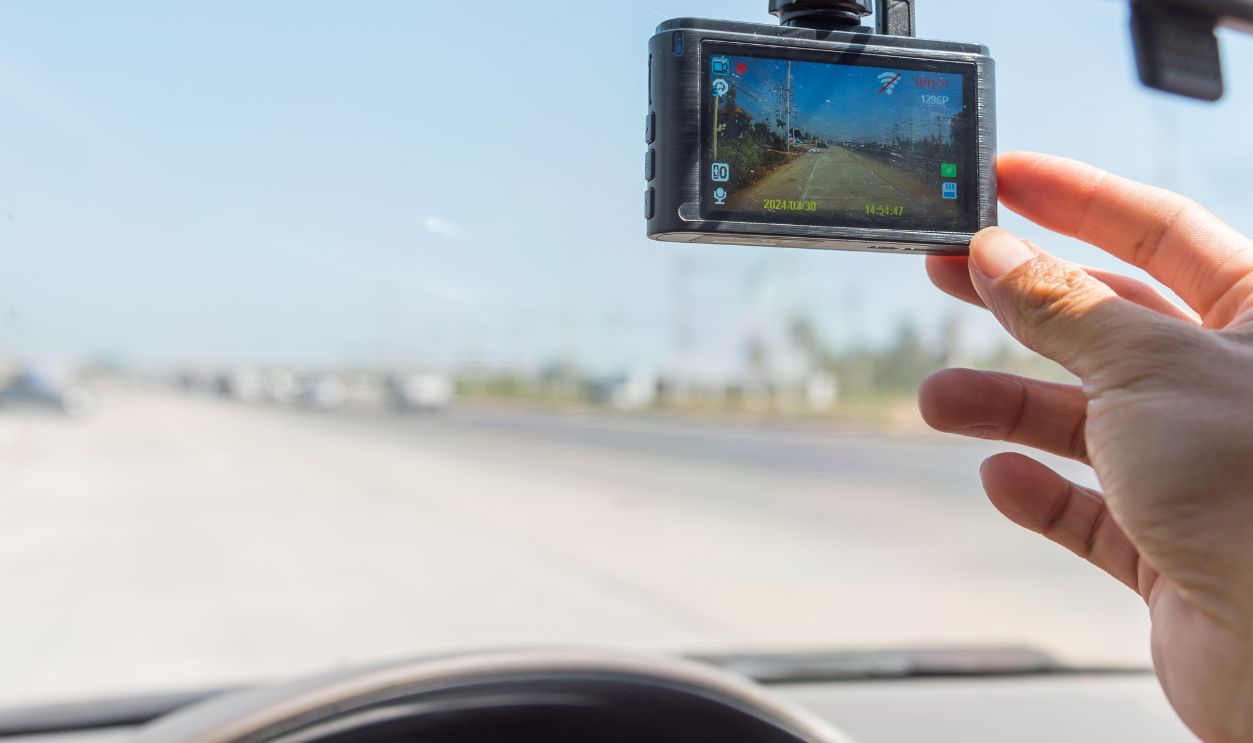
Event Data Recorders Aren't Dashcams
People often confuse an Event Data Recorder (EDR) with a dashcam. An EDR records technical information such as vehicle speed, braking, steering inputs, seatbelt status, and airbag deployment during a crash. It generally does not record video or audio.
Some Manufacturers Do Record Video
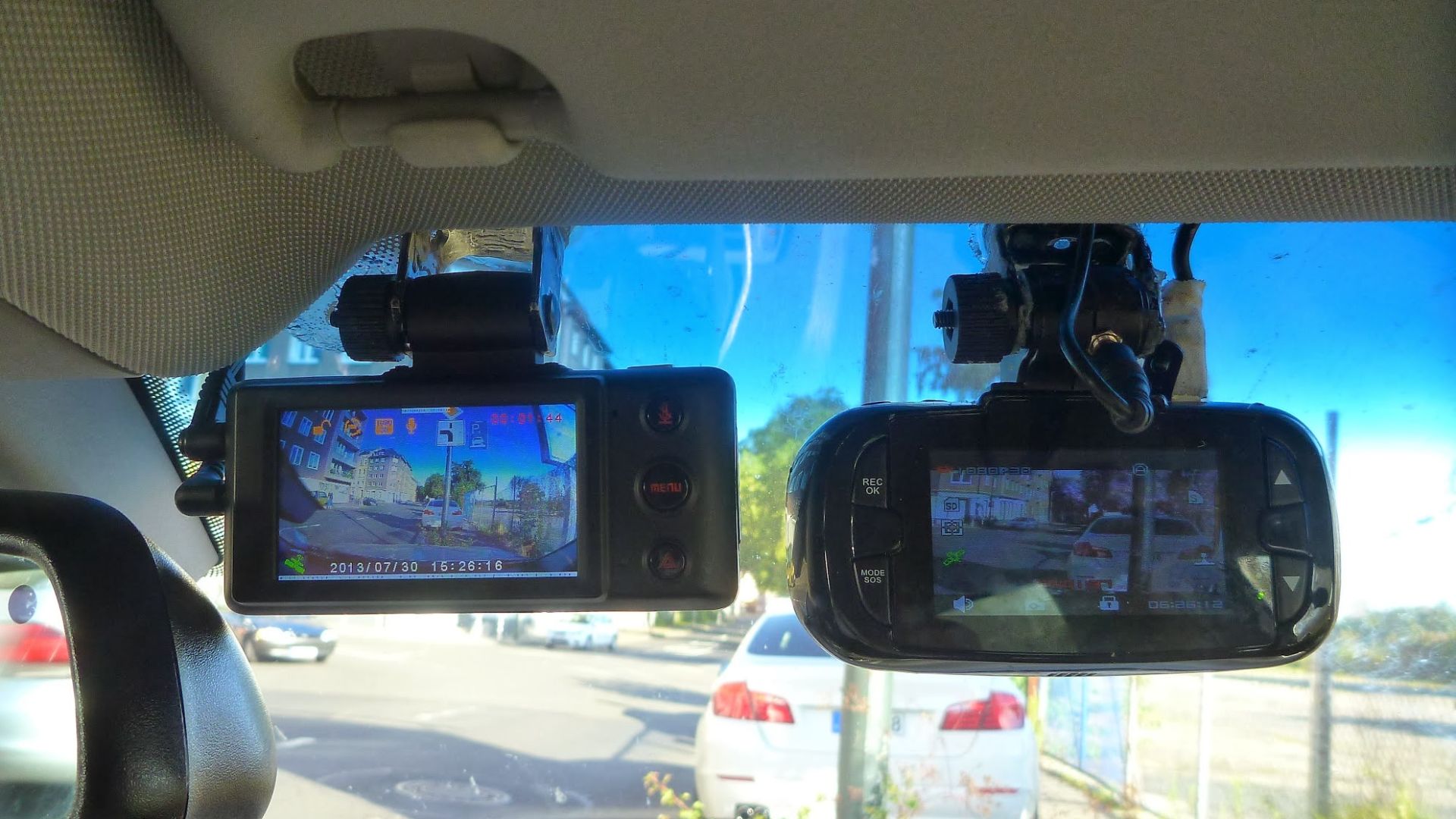
A growing number of automakers now offer built-in video recording systems, surround-view recording, or security-camera features. Some work automatically during a collision, while others require the driver to enable the feature beforehand. In many cases, these services are tied to connected-vehicle subscriptions.
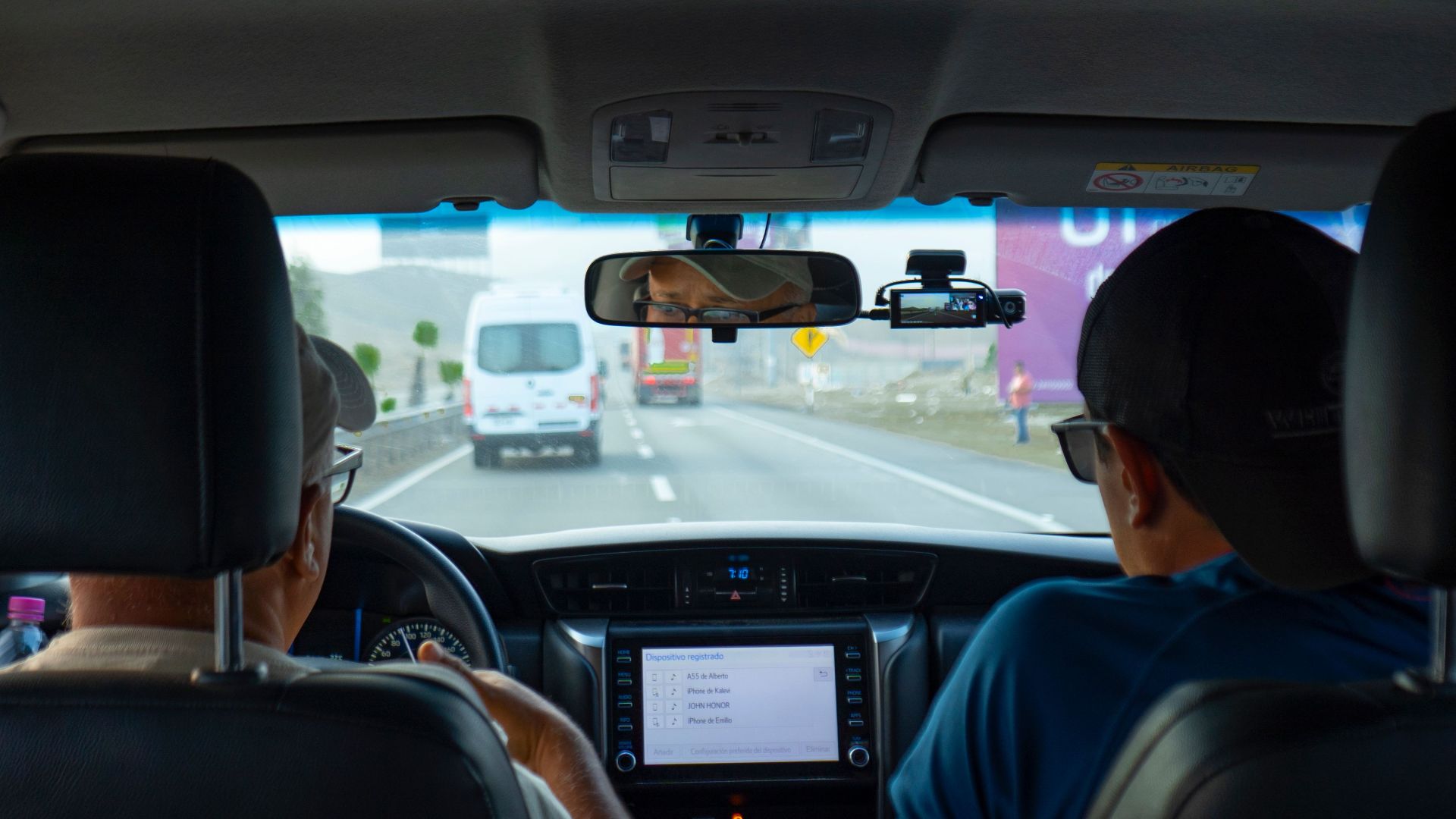
That's Where The Subscription Question Begins
If the hardware is already installed in your vehicle, it can feel strange to be told you need to pay another monthly fee just to access footage created by your own car. That's one reason subscription-based vehicle features have become increasingly controversial among consumers.
Why Automakers Charge For It
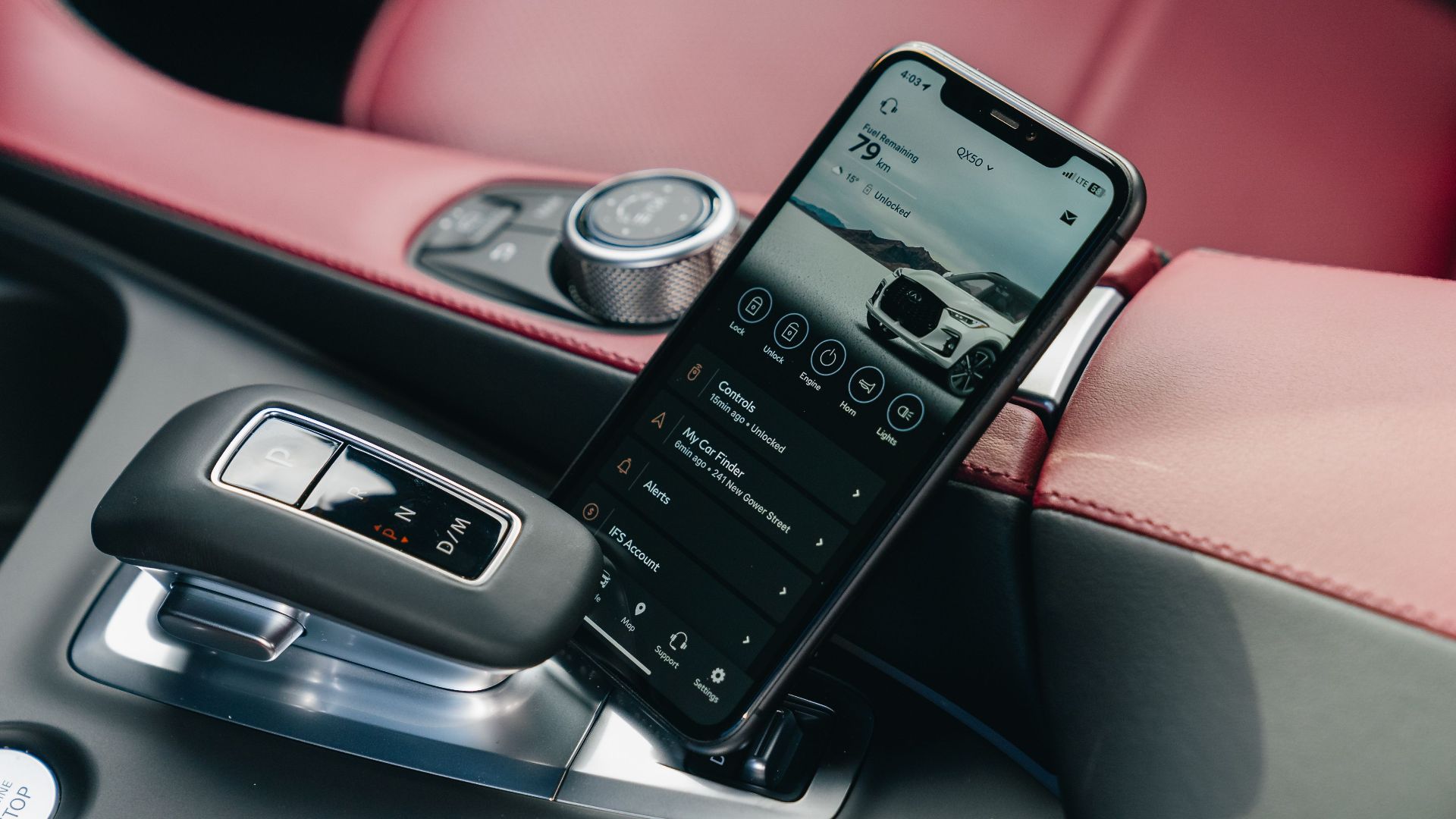
Manufacturers argue they're not simply charging for the recording itself. Subscription fees may pay for cloud storage, cellular connectivity, cybersecurity, software updates, customer support, and mobile app access. Maintaining those services costs money long after the vehicle leaves the factory.
 Acharaporn Kamornboonyarush, Pexels
Your Insurance Company May Want The Video
Crash footage can sometimes make an insurance claim much easier. Instead of relying entirely on witness statements, adjusters may be able to review what actually happened. Clear video can help determine fault, identify hit-and-run drivers, or resolve conflicting accounts.

But You May Already Own The Hardware
This is why many owners become frustrated. The cameras are physically built into the vehicle, yet certain recording or download features may remain locked behind software. Some drivers feel they're paying twice—once for the vehicle and again for access to features it already contains.

Right-To-Repair Raises Similar Questions
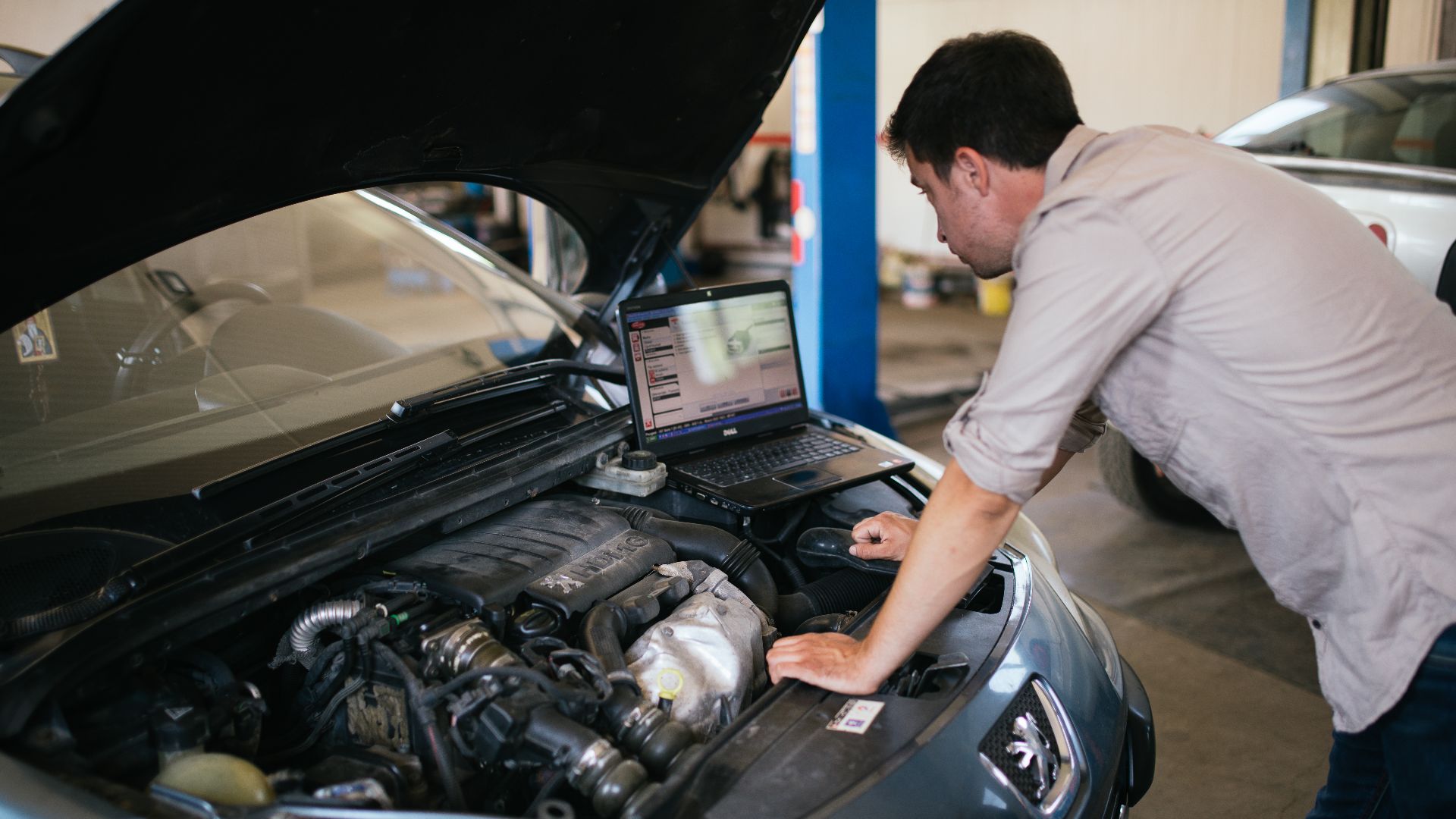
The debate sounds familiar because it overlaps with broader right-to-repair issues. Consumers increasingly argue that if they purchase the vehicle, they should have reasonable access to the technology built into it. Automakers generally respond that software licensing and cybersecurity make the situation more complicated.
 Shixart1985, Wikimedia Commons
Privacy Also Matters
Crash video may capture pedestrians, passengers, license plates, or nearby homes. Manufacturers have to balance giving owners access with protecting privacy, complying with data laws, and preventing unauthorized sharing or misuse of recordings.
Read The Fine Print
Connected services agreements often explain which features require an active subscription, how long recordings are stored, and whether footage is saved locally, in the cloud, or not at all. Most people don't discover those details until after an accident.

Your Warranty Usually Isn't The Issue
Some drivers worry they could lose access because their warranty expired. In most cases, warranty coverage and connected-service subscriptions are separate. A subscription may expire even though the vehicle itself remains fully under warranty.

Could You Download It Before The Subscription Ends?
Sometimes, yes. Certain manufacturers allow owners to export recordings while the subscription is active. Others may permanently disable access after the service expires. The answer depends entirely on the vehicle and the manufacturer's terms.

Don't Wait Too Long
If your vehicle does record crash footage, don't assume it will remain there forever. Some systems overwrite older recordings after a certain period or after storage fills up. If you think the video may help your insurance claim, retrieve it as soon as possible.

Event Data May Still Be Available
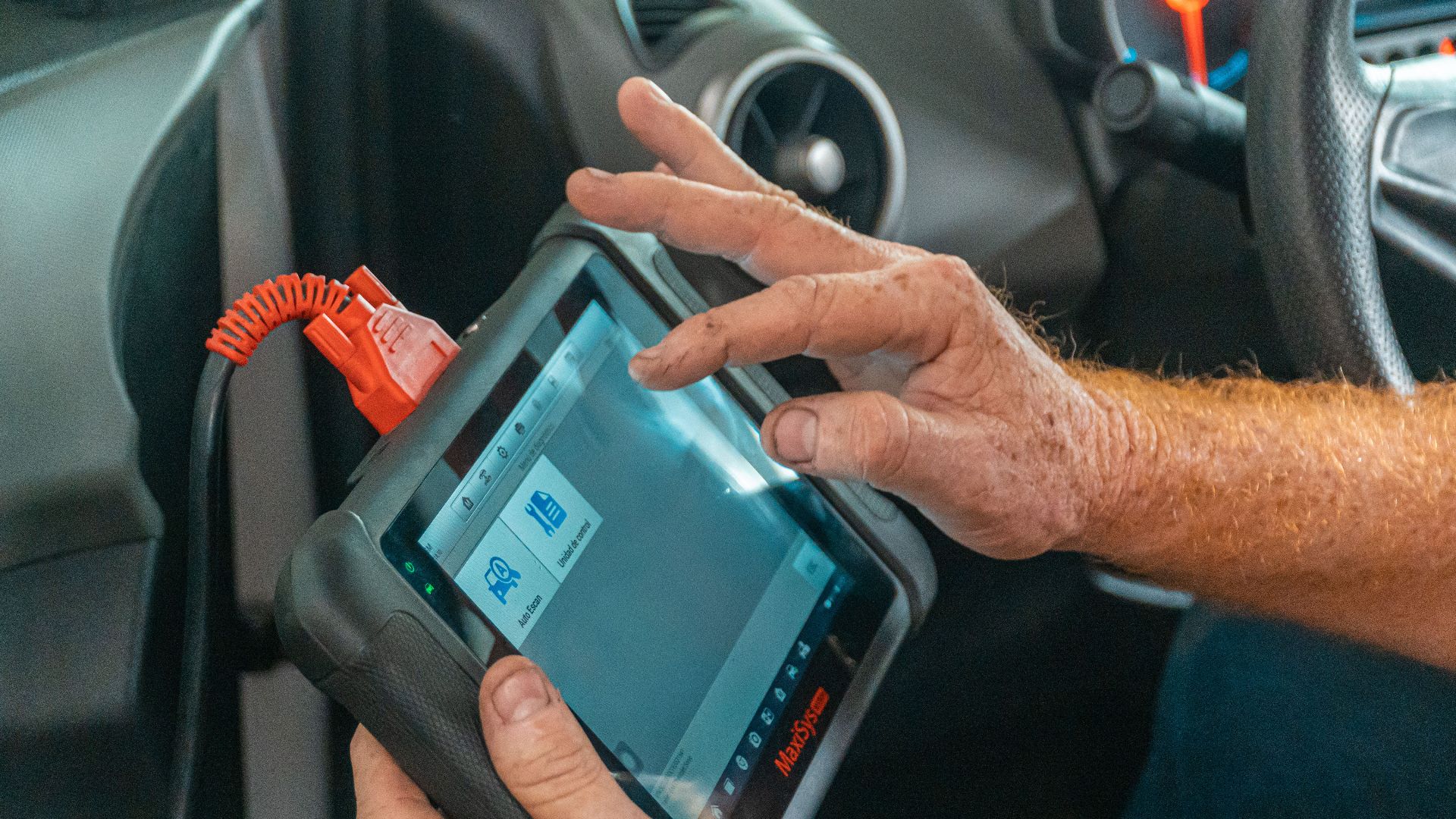
Even if no video exists, your vehicle's Event Data Recorder may still contain valuable technical information about the collision, such as speed, braking, throttle position, and safety system operation. Accessing that information often requires specialized equipment.

Who Owns The Crash Data?
Ownership depends on the type of data involved. In the United States, federal law generally provides that Event Data Recorder information belongs to the vehicle owner or lessee, although there are legal exceptions for law enforcement, court orders, safety investigations, and certain other circumstances.
 Jose Ricardo Barraza Morachis, Pexels
Consumer Groups Are Watching Closely
As vehicles become increasingly connected, consumer advocates continue to question whether manufacturers should limit access to information created by a vehicle the customer already purchased. The debate has expanded beyond repairs to include software features, subscriptions, and vehicle-generated data.

Could Laws Eventually Change?
Possibly. Legislators in several jurisdictions continue examining digital ownership, right-to-repair laws, and consumer access to connected vehicle features. As cars become more software-driven, the legal rules surrounding subscriptions may continue to evolve.

Here's The Question That Really Matters
If your vehicle captured evidence that could help explain a crash, should access depend on whether your subscription is active? That's the issue many consumers—and lawmakers—are beginning to debate.

So... Is It Fair That You Need A Subscription?
Whether it's "fair" is ultimately a matter of opinion, but it's generally legal if the subscription requirement was disclosed when you purchased the vehicle. Many manufacturers treat video recording as part of a connected service rather than a standard vehicle feature. Before buying a vehicle, it's worth checking which features continue working without an active subscription and which ones don't. Understanding those details ahead of time may prevent an unpleasant surprise after an accident.

The Fine Print Matters More Than Ever
Modern vehicles aren't just mechanical machines anymore—they're software platforms on wheels. Before signing the paperwork, it pays to ask one more question: Which features do I truly own, and which ones am I only renting? That answer could matter most when you need your vehicle's technology the most.

You May Also Like: